History History 6 min read

The forgotten seconds in command

How long did it take for a Vice President to be charged with a felony?
Image: Brandon Mowinkel

How many vice presidents do you remember? We know that several presidents served initially in the number two role, and that a few of them had to step up to the presidential office due to death or resignation. But beyond that, what else is there to know? Well, many things, but we’ll stick to unusual facts and circumstances. Which one was accused of murder? Why are they called Veep? Were they always chosen by their party? Let’s dive into some interesting Vice Presidents of the U.S.

1
The criminal Veep
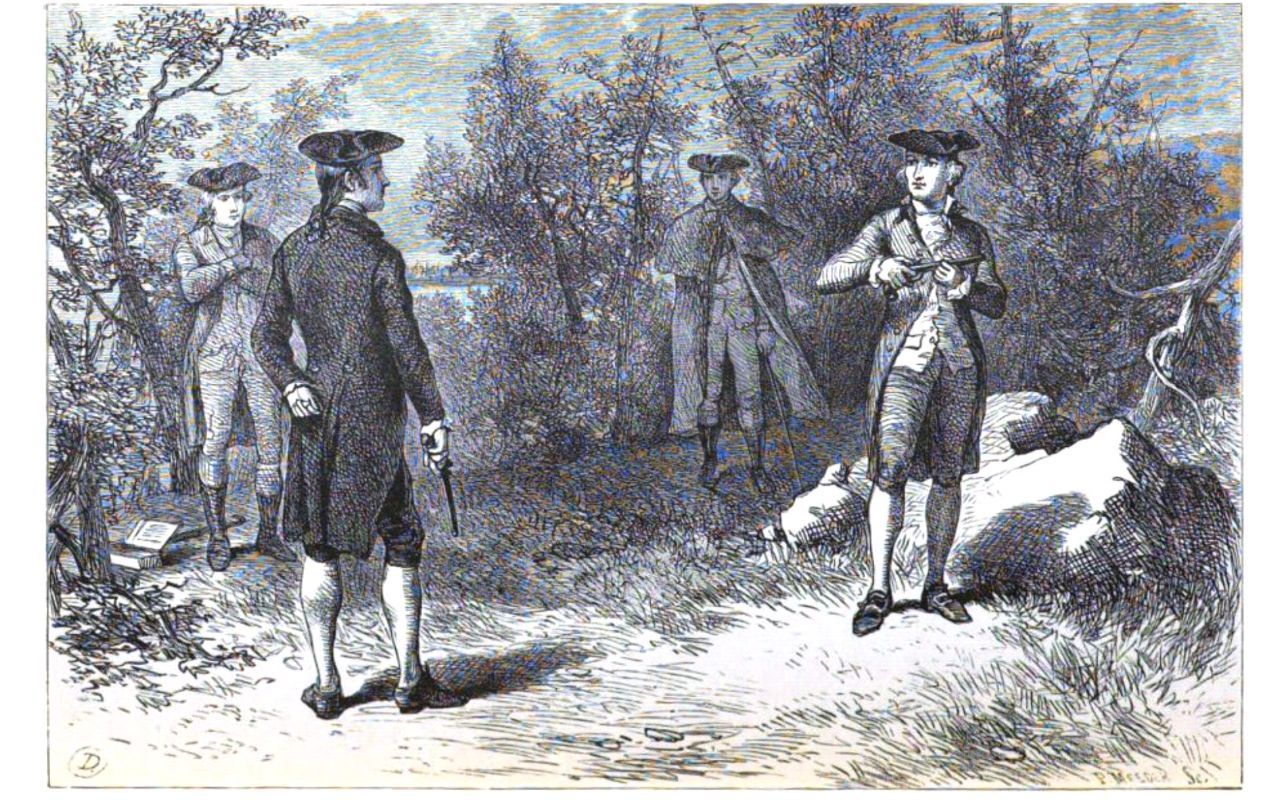
Image: See page for author, Public domain, via Wikimedia Commons

America never lacked politicians who were suspected criminals —vice presidents included— but not every day is the second most important person in the nation formally accused of murder. It is a known fact that Aaron Burr, America’s third vice president, fatally shot founding father Alexander Hamilton in a duel in 1804. What many don’t know is that he was formally indicted for that murder in New York and New Jersey , but he fled to South Carolina and never stood trial, and the charge was eventually dropped. He was also accused of treason, but we can’t say that he was unique among politicians in that sense.

2
The first Veep that was actually elected
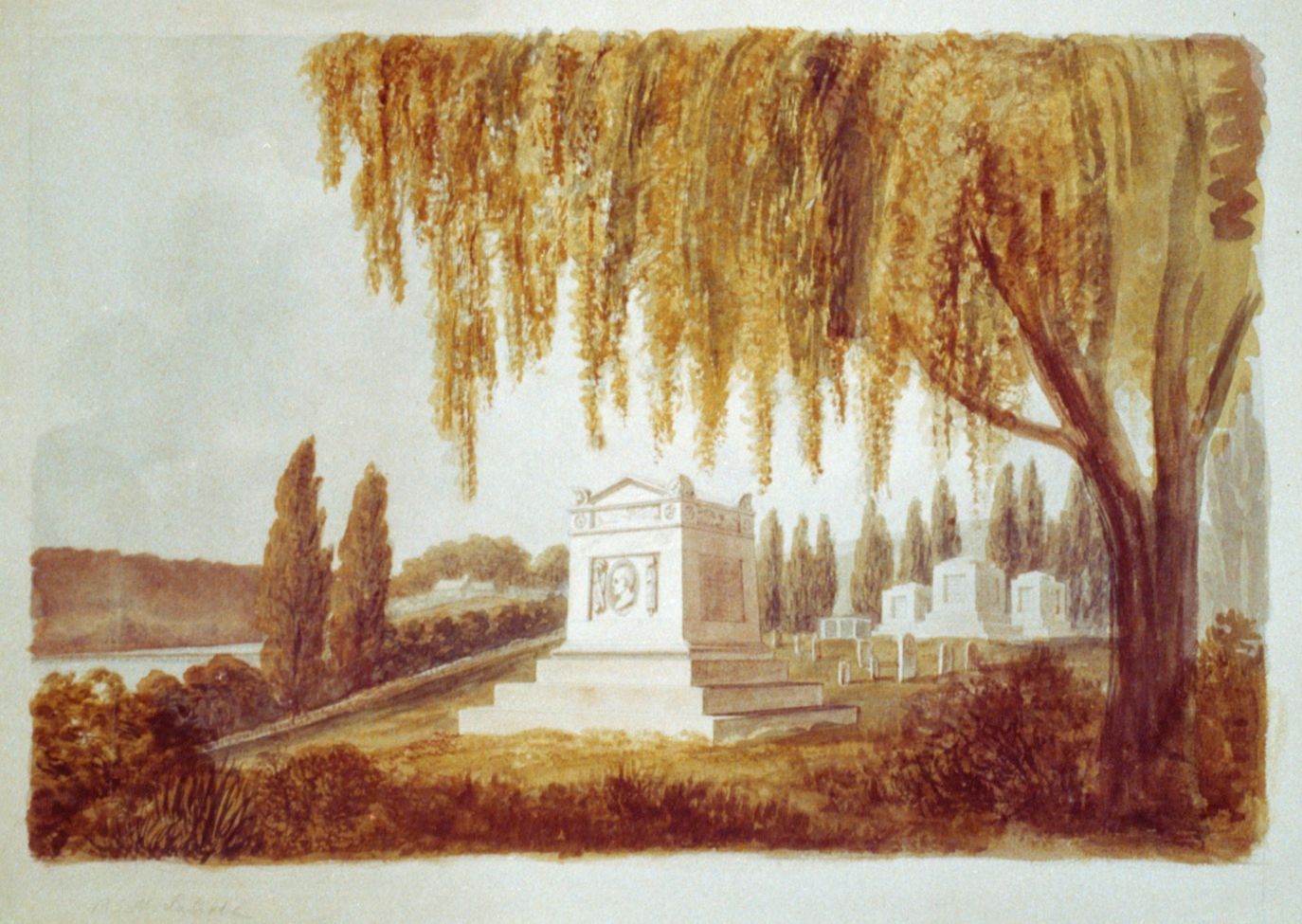
Image: Benjamin Henry Latrobe, Public domain, via Wikimedia Commons

Did you know that, in the beginning, vice presidents were not elected as running mates of a presidential candidate? For the first three presidencies, the position was filled by the runner-up, which created endless conflicts. After all, who wants to work with the guy who beat you? After Thomas Jefferson struggled to govern with Aaron Burr as his second, he pushed for the 12th Amendment, which allowed vice presidents to be elected on their own . For his next term, Jefferson chose George Clinton as running mate —not only because he was popular, but also because his age (65 years old) made it unlikely that he would challenge Jefferson’s successor, James Madison, for the presidency. In the end, Jefferson didn’t have to worry about it because Clinton was the first vice president to die while in office in 1812.

3
The unelected Veep
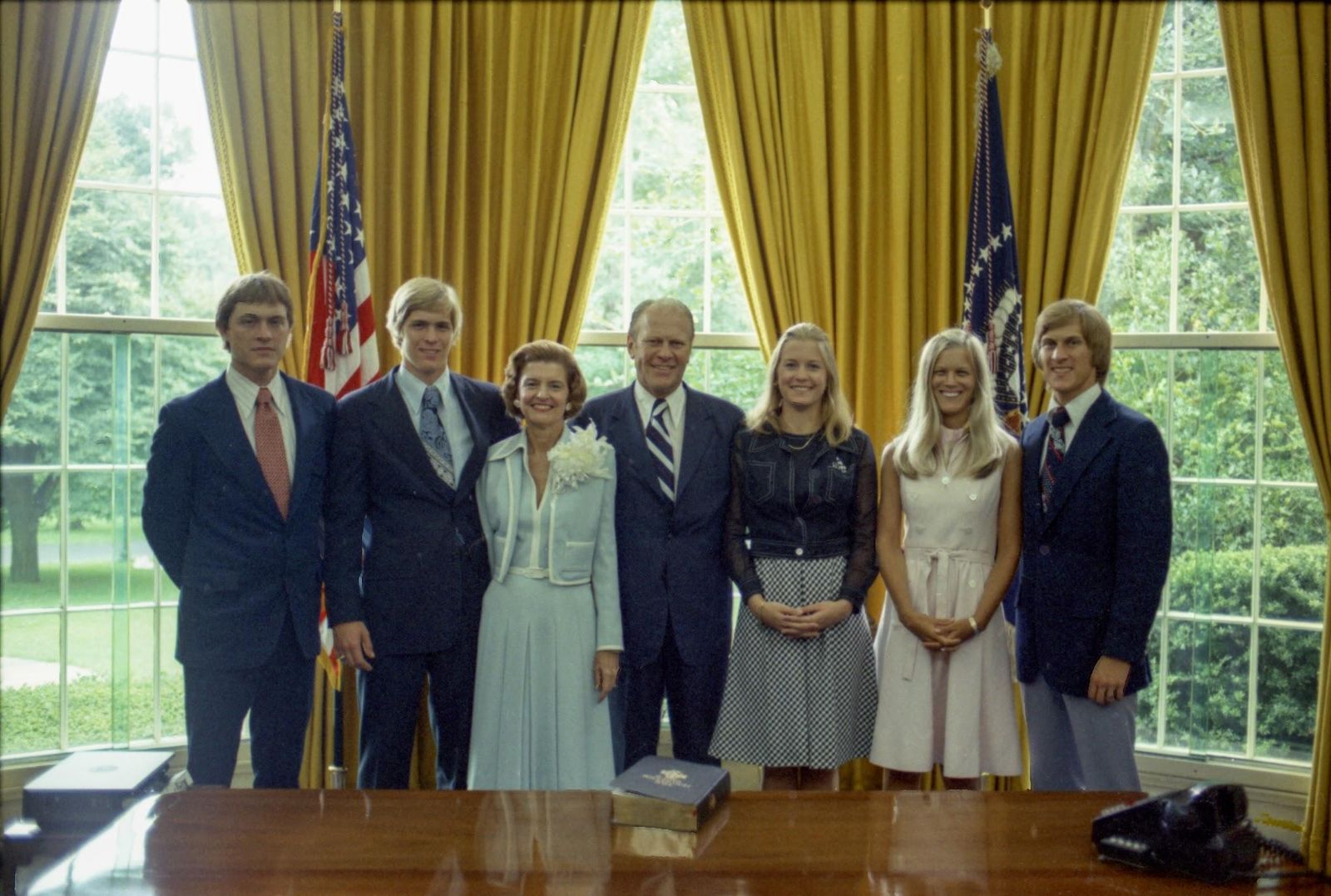
Image: White House, Public domain, via Wikimedia Commons

In 1973, Vice President Spiro Agnew resigned under accusations of corruption. The newly ratified 25th Amendment stated that the president, Richard Nixon, had to nominate someone for the position, to be later ratified by Congress. He chose Gerald Ford, at the time the House Minority Leader , and widely respected by his peers. Less than a year later, Nixon was forced to resign due to the Watergate scandal, and Ford assumed the presidency, making him the only vice president and president who was not elected.

4
The first Veep to have a ‘Second Gentleman’
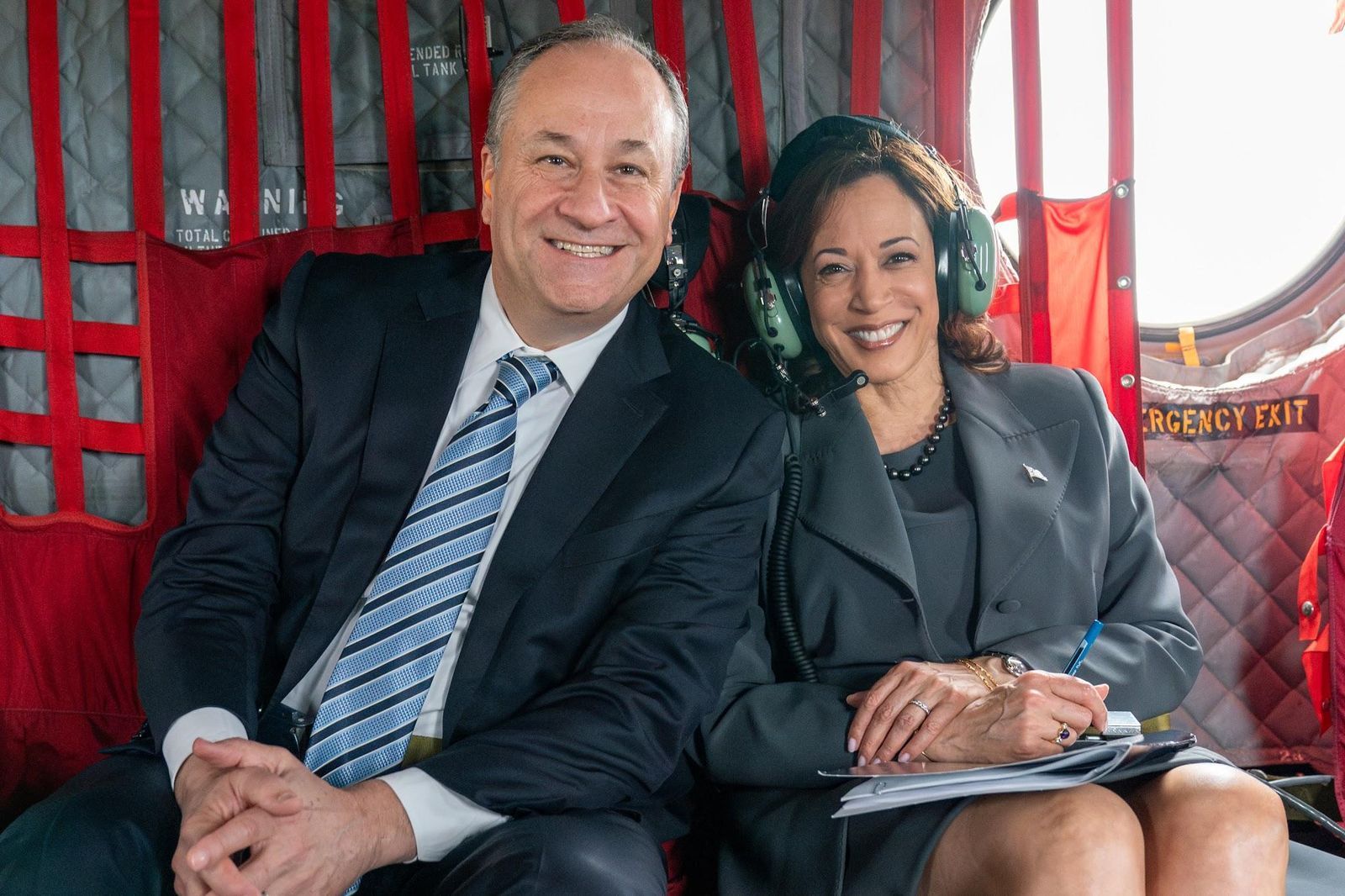
Image: The White House, Public domain, via Wikimedia Commons

We’ve had many memorable First Ladies in our history, but, seeing that we never had a female President, we don’t know what that role would look like in a reversed situation. But what about a Second Gentleman? In 2021, Kamala Harris was the first woman to serve as Vice President, and her husband, Doug Emhoff, became the first ‘Second Gentleman’ of the nation , which meant that the acronym for the position (SLOTUS) had to be updated to SGOTUS.

5
The first Veep to be a proper Veep
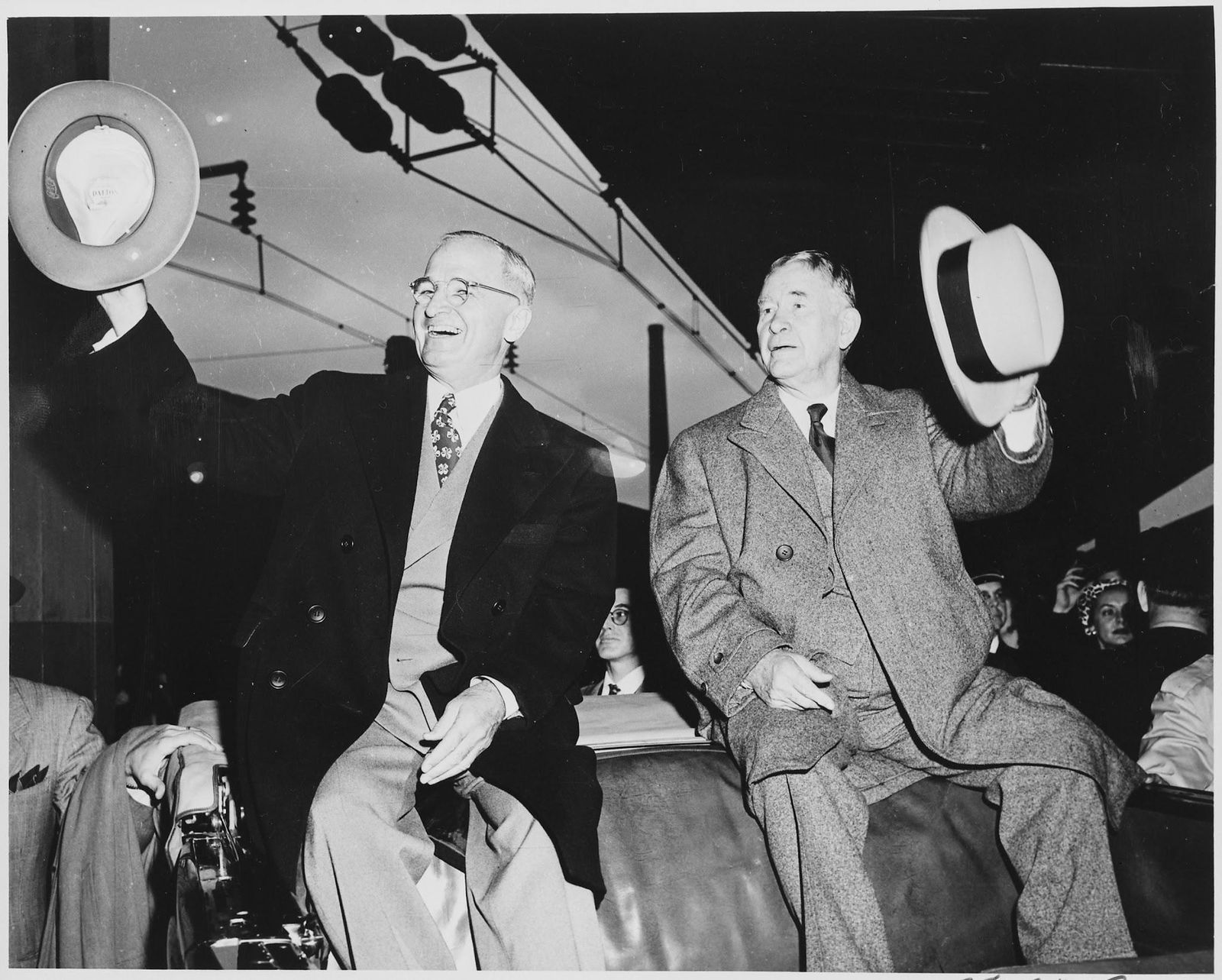
Image: Abbie Rowe, Public domain, via Wikimedia Commons

Where does the use of "Veep" for vice president come from? In 1949, Alben W. Barkley was elected as VP under President Harry S. Truman. Barkley thought that ‘Mr. Vice President’ was a mouthful, and it sounded too formal. His grandson suggested the term Veep (after the VP initialism) , which became popular when Barkley told the story to the press. Although the following vice president, Richard Nixon, refused to use the term out of respect for Barkley, it has become the common phrase used to informally refer to vice presidents.

6
The shortest Veep-to-President pipeline
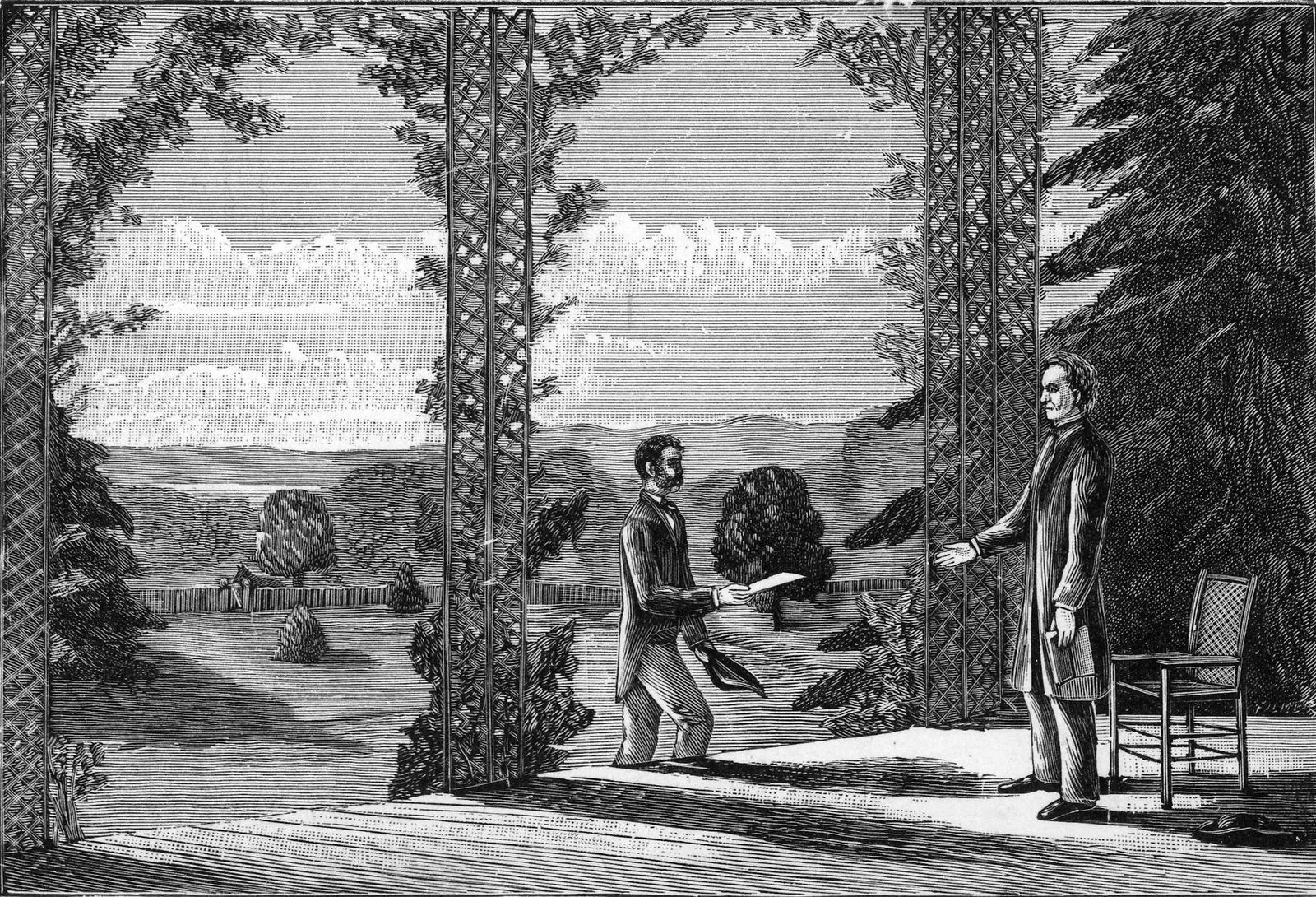
Out of the fifteen vice presidents to later become president, nine of them did so due to the president dying or resigning. The 10th Vice President, John Tyler, was not only the first Veep to assume the role after the President’s death, but also the Veep with the shortest tenure in American history. After only 31 days in office, in 1841, he became president due to the passing of William Henry Harrison , setting the precedent that vice presidents who assumed the presidency were official and not just acting presidents.

7
The first Veep to live at Number One Observatory Circle
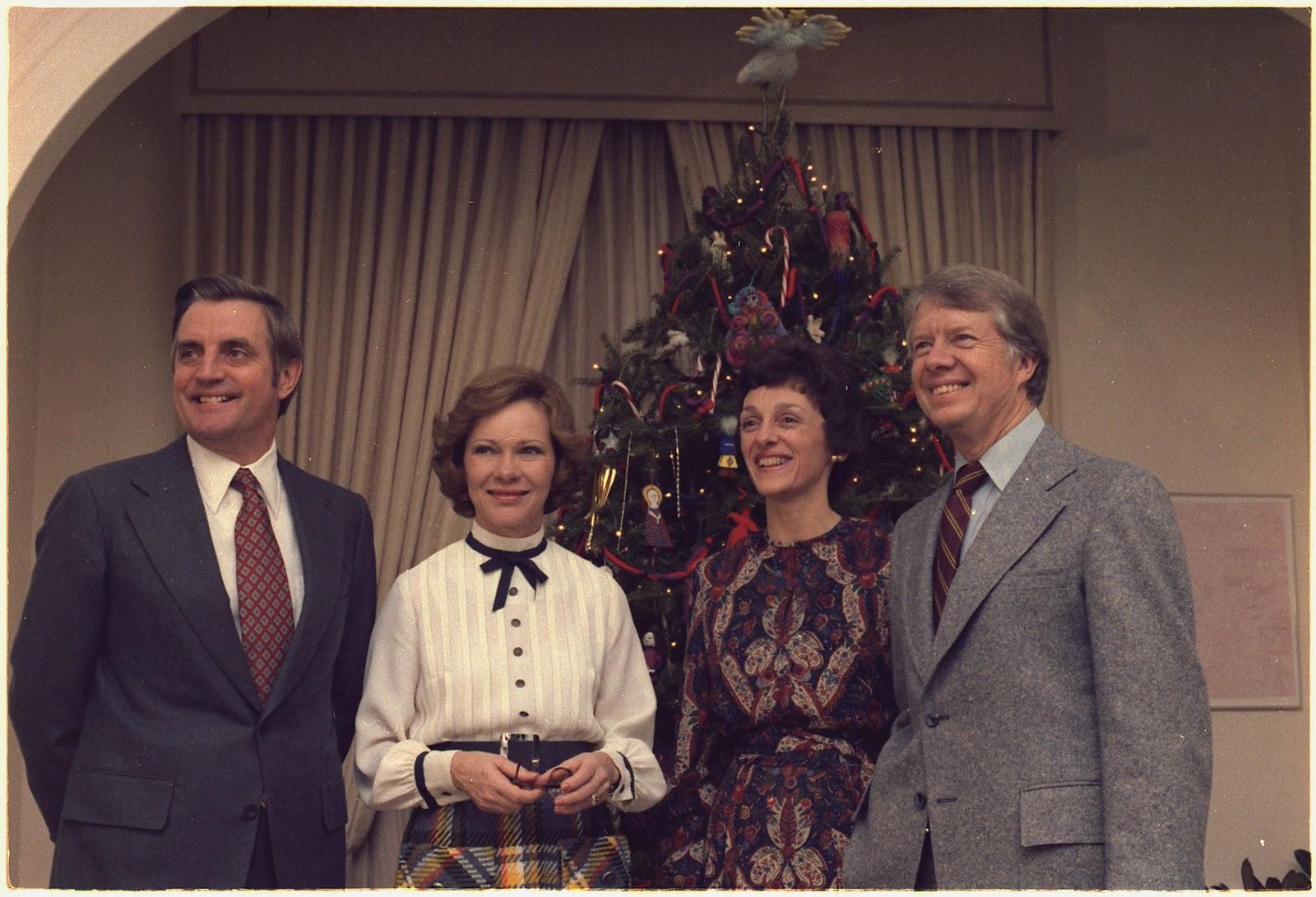
Image: National Archives and Records Administration, Public domain, via Wikimedia Commons

Unlike presidents, vice presidents didn’t always have an official residence. Up until 1974, when Congress designated Number One Observatory Circle as the official residence of the vice president , Veeps lived in their own houses. At the time, Vice President Nelson Rockefeller refused to move in and only used the house for entertaining guests. Walter Mondale was the first vice president to officially move in with his family in 1977.

8
The Veeps that had to step down
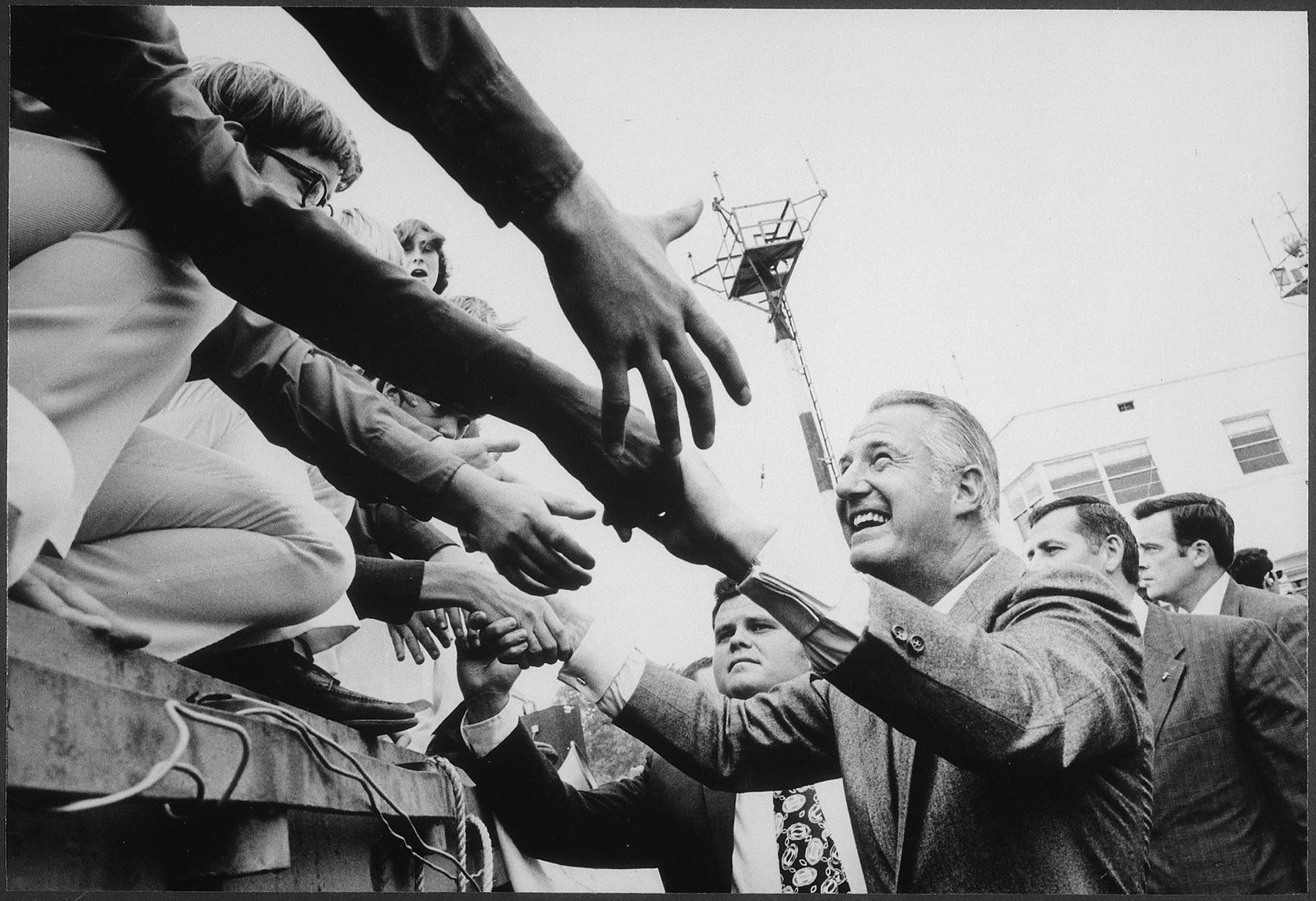
Image: Karl Schumacher, Public domain, via Wikimedia Commons

Only two out of the 50 vice presidents in American history resigned their position. In 1832, Andrew Jackson’s vice president, John C. Calhoun, resigned during his second term to accept a seat in the Senate after a series of political differences with Jackson. In 1973, Spiro Agnew was accused of corruption and bribery , and charged with tax evasion. He resigned and pleaded no contest to the charges. His President, Richard Nixon, would also resign less than a year later.

9
The Nobel Veeps
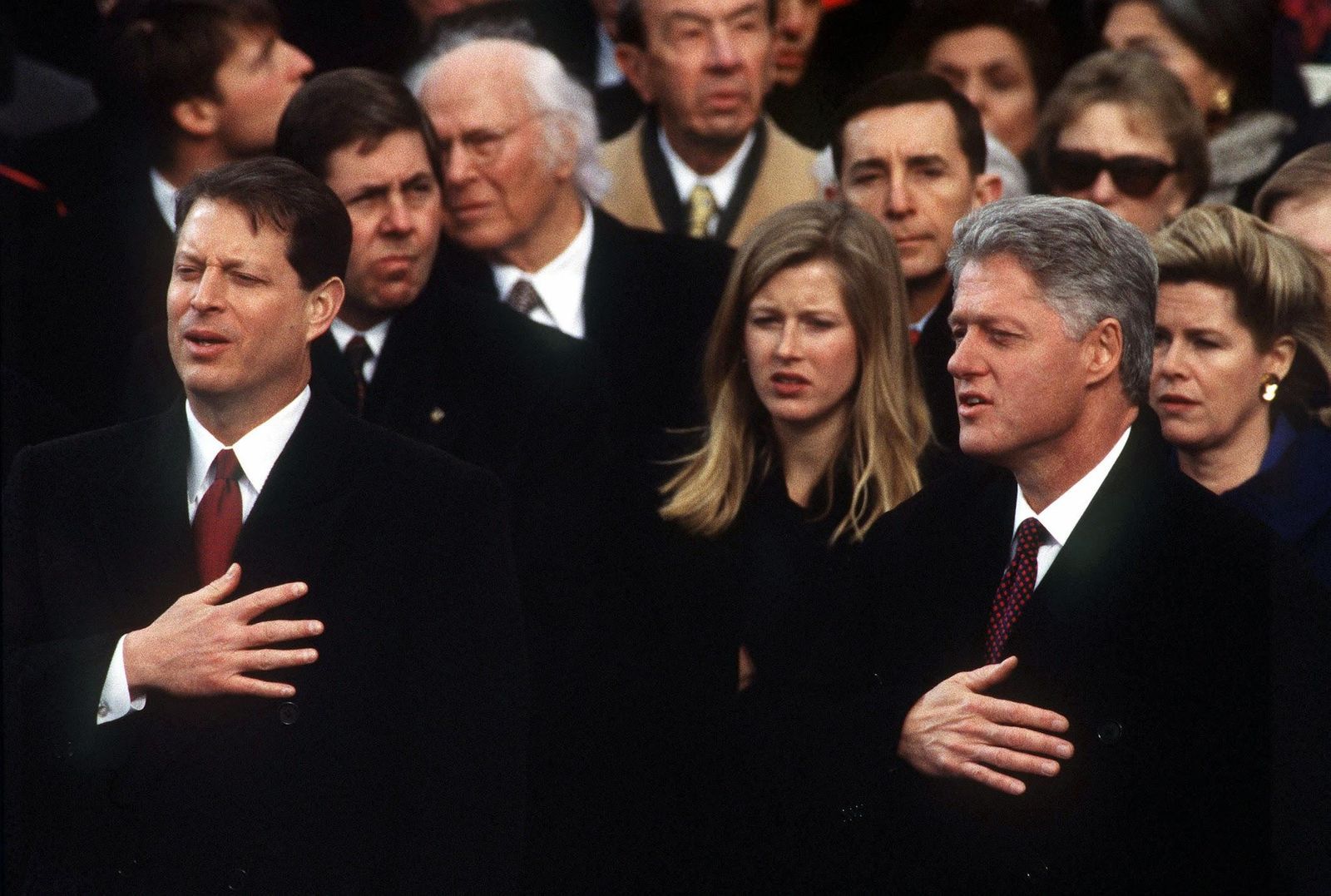
Image: MSGT Fernando Serna, USAF, Armed Forces Inaugural Committee, Public domain, via Wikimedia Commons

Only two vice presidents were awarded the Nobel Peace Prize: Charles G. Dawes received the prize in 1925 for the "Dawes Plan", an initiative to stabilize the German economy after WWI , while Al Gore received it in 2007 —jointly with the Intergovernmental Panel on Climate Change— for his efforts towards the conscientization of man-made climate change . Some also include Theodore Roosevelt in this list on account of his having served as vice president, but at the moment of receiving the prize in 1906, he was serving his second term as president.

10
The youngest and oldest Veeps
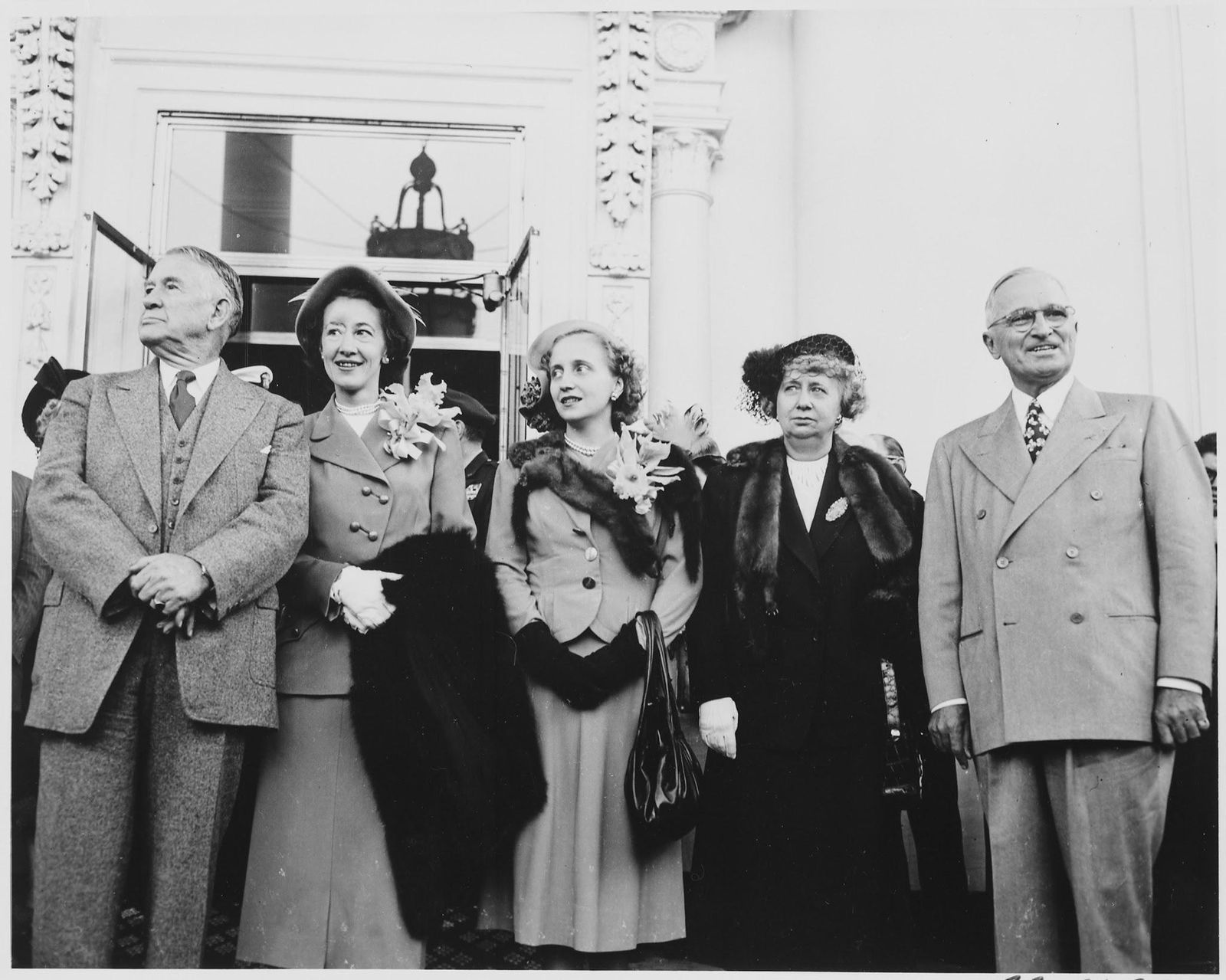
Image: Abbie Rowe, Public domain, via Wikimedia Commons

According to the Constitution, the minimum age requirement for the vice president is 35 years old. The youngest ever vice president in office was John C. Breckinridge at 36 years old , serving under James Buchanan in 1857, followed by Richard Nixon and J.D. Vance, who both assumed the role at 40 years old. The oldest vice president to take office was Alben Barkley, who in 1949 served under Harry S. Truman at 71 years old , followed by Charles Curtis at 69 years old, and Hubert Humphrey at 67 years old.
History History 3 min read

Black blood

How oil powered the world: a story of America’s most lucrative industry

Image: Provincial Archives of Alberta

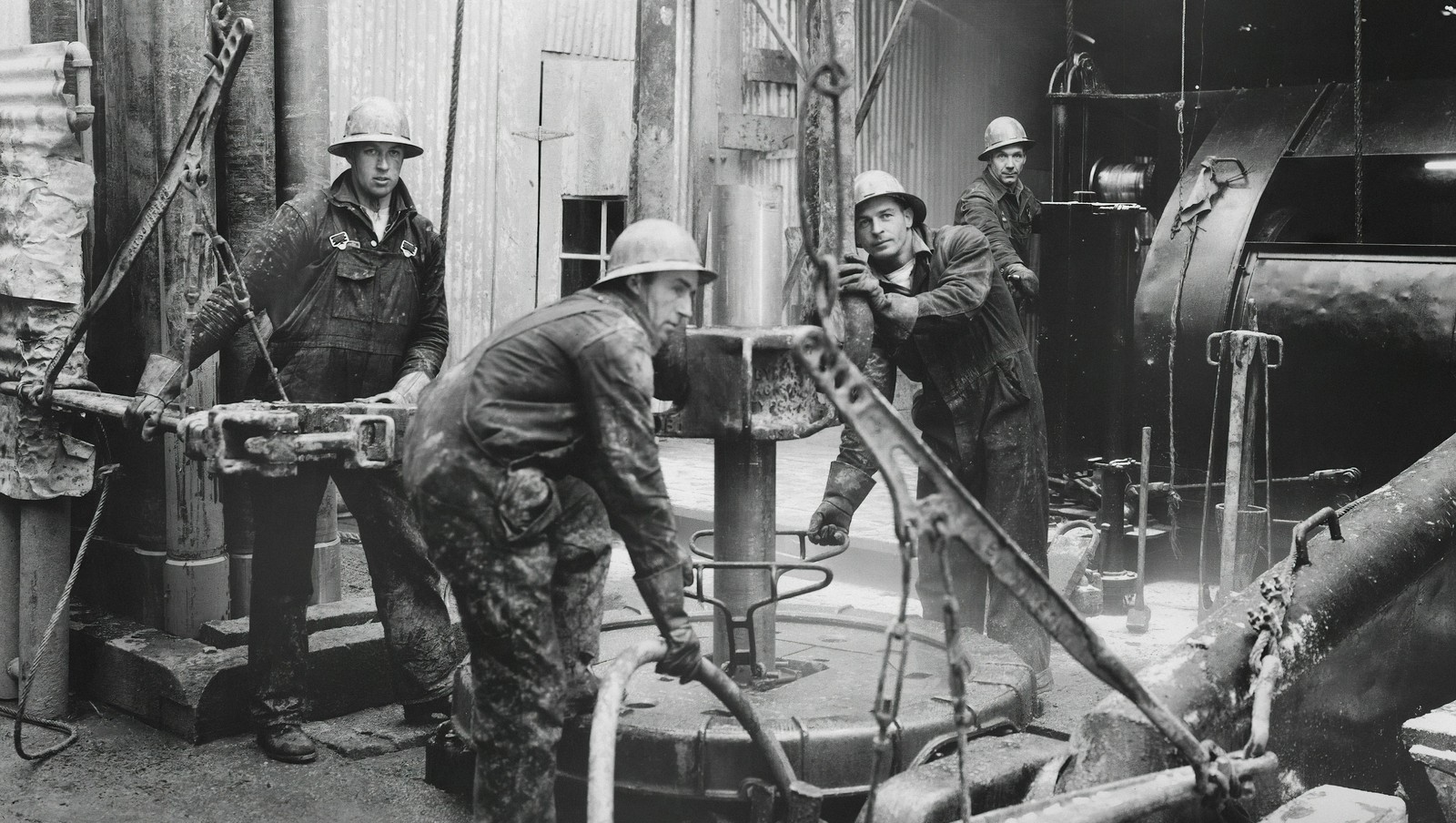
Since the first oil well was drilled, the United States’ crude oil industry has been a story of ambition, innovation, and power. Here are 10 pivotal moments—from the first black gold gush to the modern shale surge—that defined the role of oil in America.

1
1851: Early refining emerges

Image: Cedrik Wesche

Just before the drilling boom, chemists like Samuel Kier developed small stills to refine crude oil into kerosene for lamps.

That innovation turned oil from a curiosity into a practical commodity. Kerosene replaced whale oil, making lighting cheaper and more widely available, and it created demand for a reliable crude supply.

2
1859: First commercial well

Image: Provincial Archives of Alberta

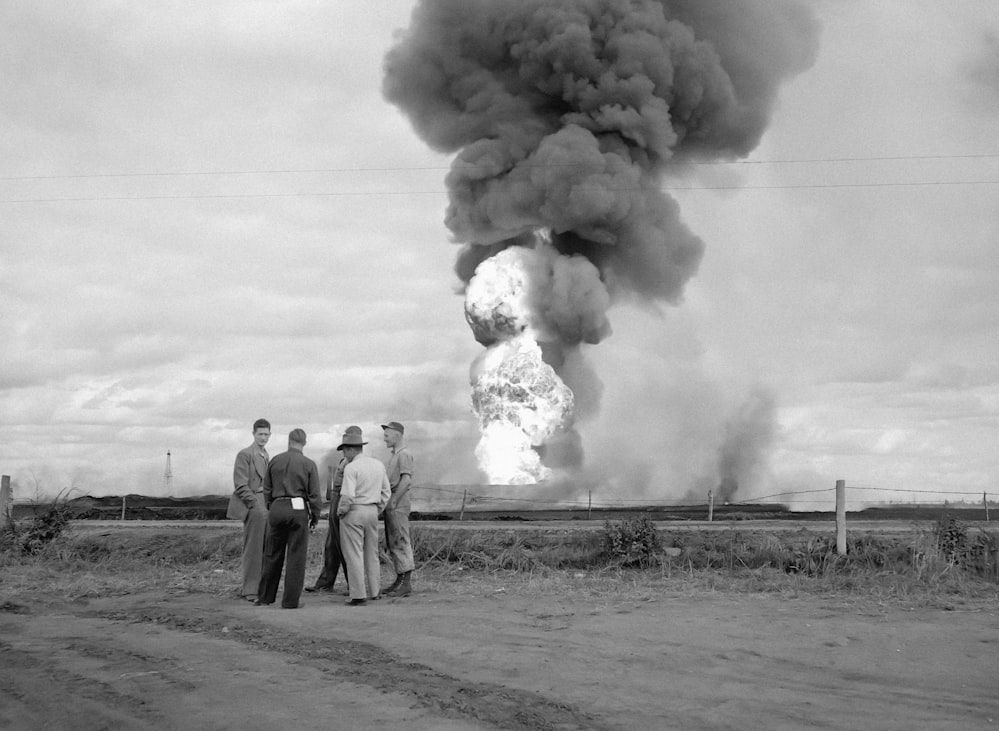
On August 27, 1859, Drake Well near Titusville, Pennsylvania, drilled by Edwin L. Drake, became the first purposefully drilled commercial oil well in U.S. history.

This moment ignited the first true American oil boom. Suddenly, it was possible to produce large volumes of crude—not just collect surface seepage—and to refine it into useful fuels.

3
1860s–1870s: Pennsylvania oil rush

Image: Jeff W

Word of the Drake success spread fast, and drilling spiked throughout Pennsylvania. Towns such as Titusville swelled almost overnight as wells and refineries spread along Oil Creek Valley.

Railroads extended into western Pennsylvania to transport oil across the country, embedding petroleum into America’s emerging industrial infrastructure.

4
1890s: Dawn of the automobile

Image: Matthew Lancaster

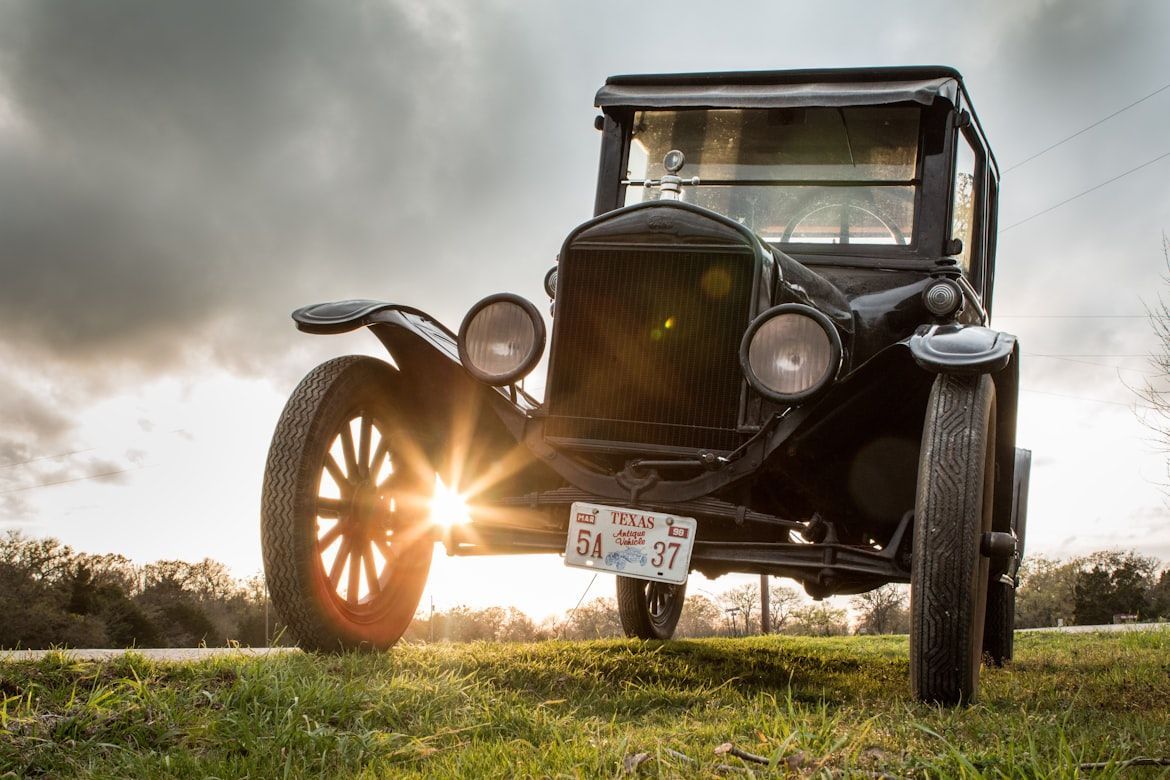
By the 1890s and into the early 20th century, the rise of the automobile created growing demand for gasoline , which had previously been a relatively minor byproduct of crude oil refining.

This shift moved oil’s primary role away from lighting and industrial lubrication and toward transportation fuel , setting the stage for petroleum to dominate America’s energy needs in the decades that followed.

5
1900s–1910s: Rise of big oil companies

Image: Russel Bailo

Following early successes, oil refining and distribution consolidated. Firms like Standard Oil Company rose to dominate refining, pipelines, and distribution networks.

At the same time, new oil fields and competition still challenged monopolies and spread oil wealth and infrastructure across more regions of the country.

6
1914–1945: Oil & war

Image: Roman

During both World War I and World War II, U.S. oil production and refining capacity became critical to the Allied war effort , fueling ships, vehicles, aircraft, and manufacturing.

That strategic role cemented oil’s position not only in industry but also in American global power, military strategy, and foreign policy.

7
1960: A global oil cartel forms

Image: Christian Harb

On September 14, 1960, the main oil‑exporting nations formed the Organization of the Petroleum Exporting Countries (OPEC) to coordinate oil production and influence prices globally.

Though initially limited in power, OPEC’s rise began to challenge American dominance , setting the stage for decades of geopolitical tension around oil supply.

8
1969: Santa Barbara oil spill

Image: matt brown

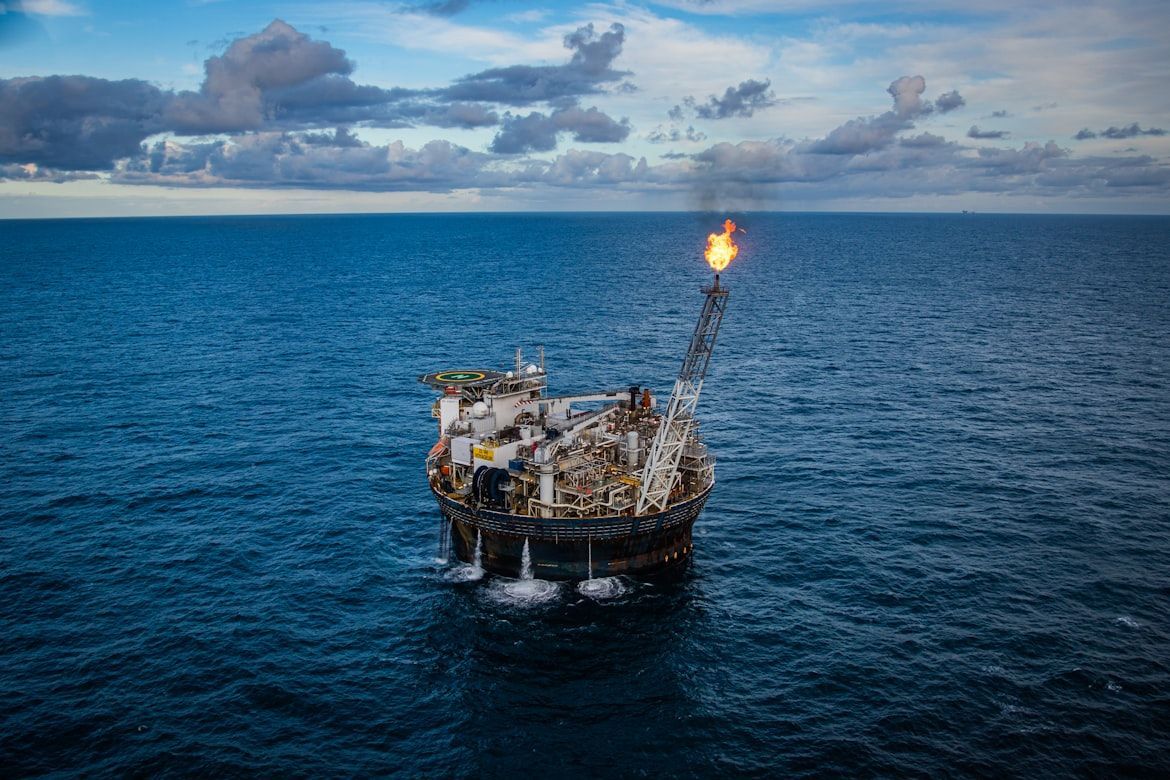
In early 1969, a blowout from an offshore drilling platform released tens of thousands of barrels of oil into the waters off California’s coast, devastating marine life and beaches.

The resulting public outrage helped trigger a surge in environmental awareness and regulation, marking a turning point in how the oil industry was perceived socially and politically.

9
1970–1973: Peak and decline

Image: Documerica

By 1970, U.S. conventional oil production reached its peak, but soon after began a decline as domestic fields matured and couldn’t keep up with the growing demand.

As American production fell, the country gradually became more reliant on foreign oil, a shift that would have major economic and political repercussions.

10
2000s–2010s: Top oil producer again

Image: engin akyurt

In the early 2000s, engineers refined techniques like hydraulic fracturing and horizontal drilling. This unlocked vast shale‑oil and shale‑gas reserves previously uneconomical to tap.

From about 2010 onward, U.S. crude oil production rose sharply, reversing decades of decline. By 2019, the country was producing at levels not seen since the early 1970s.

History History 7 min read

Behind the mics

Whose car caught fire while he wrote a song? Stories behind 10 hits

Image: Skitterphoto

Artists never know where their next big idea might come from. A heated debate, a bittersweet farewell, an improvised response, or even a simple guitar warm-up. Each of these has inspired songs that made it into the world’s top charts in their time and are still all-time classics. But did you know, for example, that one of these songs drove its creator to obsession? Or that someone once paid $50,000 to learn the secret behind another? Let’s set the record straight about how these 10 world-famous songs came to be.

1
Sweet Child O' Mine - Guns N’ Roses

Image: Kyle Buss

Fans of Guns N’ Roses will tell you how fast "Sweet Child O’ Mine" was written. In under an hour, the band developed the accompaniment for a melody one of them had come up with—a hand-warming riff that guitarist Slash was playfully improvising. That same riff, by-now famous guitar melody, opens the song.

Hearing the result, Axl Rose wrote lyrics inspired by his then-girlfriend, Erin Everly, whose smile, it seemed to him, reminded him of childhood memories. Remarkably, he completed the poem in a single day. Later, while recording in the studio, the band made another on-the-spot call: they decided to include a sung line that Axl Rose had been repeating while searching for an ending to the song, "Where do we go now?"

2
Billie Jean - Michael Jackson

Image: Call Me Fred

Michael Jackson didn’t shy away from saying that he always knew "Billie Jean" was going to be a hit. While writing it, he was aware that he had hit material in his hands, and he worked on it accordingly. Thanks to his rigorous daily vocal training during the production of Thriller , Jackson recorded the main vocal in a single take. The song was mixed 91 times , while he and producer Quincy Jones strived for perfection. In the end, they settled on mix number two—the version we know today.

But here is the most impressive anecdote behind "Billie Jean." Jackson was driving his Rolls-Royce between recording sessions, obsessed with finding the best ideas for his song. He was so absorbed that he didn’t notice the underside of his car had caught fire —until a passing biker alerted him.

3
You Give Love a Bad Name - Bon Jovi

Image: Benjamin Farren

Can you imagine the iconic opening vocals of "You Give Love a Bad Name" belted out by any other voice than Jon Bon Jovi’s? A female voice, perhaps? Surprisingly, the melody was originally written by hitmaker Desmond Child for Bonnie Tyler . Her version, titled "If You Were a Woman (And I Was a Man)," featured different lyrics, and was released earlier that same year in 1986.

Dissatisfied with the final result of Tyler’s song, Child decided to take the same seed of an anthem and team up with Jon Bon Jovi and Richie Sambora to rework it. The result was a powerhouse anthem that propelled Bon Jovi to the top of the charts. It also marked a radical change in the band’s career, which veered from then on to a more radio-friendly, arena-rock sound that would define their style.

4
Don’t Stop Believin’ - Journey

Image: Kristina Chuprina

If you strip this '80s rock anthem of its drums, bass, guitar, and even its melody, you’re left with a simple yet powerful plea: "Don’t stop believing." Those words have a heartfelt origin. When Jonathan Cain was invited to join Journey, he started working on a song, first deciding that he was going to name it after the words his father would repeat to him over the phone while he was still a struggling musician in L.A.: "Don’t stop believing or you are done , dude."

Cain wrote the emotional chorus first before sharing the project with the band to complete it together. That’s why it’s said that the song was written "backward ." The arrangements were carefully crafted to build up to the climactic final chorus. If you pay attention, this one doesn’t appear until near the end of the song—a structure that sets it apart.

5
We Didn't Start the Fire - Billy Joel

Image: David Clode

119 significant events are mentioned in the famous 1989 song by "Piano Man" Billy Joel. A rapid-fire history lesson, covering science, sports, music, politics, cultural icons, movies, and so many more, is uttered to assemble an image of the 40 years the artist had lived until then—from 1949 to 1989. The story of how he stumbled upon the idea for this musical whirlwind is just as fascinating.

Legend has it that Joel was in the studio one day when Sean Lennon, John Lennon’s son , visited with a young friend. The 20-year-old started complaining about the hardships of growing up in the ‘80s, and Joel replied that the ‘60s weren’t exactly easy either. This sparked a discussion where each mentioned world-relevant events they had lived through. Inspired, Joel jotted down the events and began piecing them together, eventually crafting the iconic song.

6
I Will Always Love You - Dolly Parton

Image: Wes McFee

"I Will Always Love You," immortalized by Whitney Houston ’s rendition for The Bodyguard (1992), was actually written 18 years earlier by Dolly Parton. Although it became a romantic power ballad in the voice of Houston, the original version hadn’t been written with romance or heartbreak in mind—it was a heartfelt farewell.

In 1972, after having become a performing regular in The Porter Wagoner Show , Dolly Parton decided it was time to leave and pursue her own path. Her deep appreciation for Wagoner and her love for her colleague drove her to write a sweet, sincere song to express her feelings. Explaining that, despite needing to move on, and regardless of where life took her, she would always love him. Touched by the song, Wagoner loved it and asked to produce it himself.

7
Maniac - Michael Sembello

Image: David Monje

"Maniac," made famous for its inclusion in the Flashdance (1983) soundtrack, is another example of a song that started with a very different theme. Its original name was still "Maniac," yes. But it wasn’t originally about a passionate dancer—it was about a serial killer.

Dennis Matkosky, the song’s author, had seen in the news a story about a psychotic criminal and conjured in his mind a song that warned of his deeds . Together with his friend Michael Sembello, they finished that version for their own amusement. The demo ended up being one of the songs used in the set of Flashdance for being upbeat, catchy, and danceable. Director Adrian Lyne grew so fond of it that he asked Matkosky and Sembello to rewrite the lyrics to better suit the film. The reworked song became a global hit, reaching the top 10 of pop charts in multiple countries that year.

8
Shout - The Isley Brothers

Image: Brett Sayles

If hearing the song "Shout" by The Isley Brothers makes you think of a festive event where a band interacts with a dancing audience, it means the song retained its original spirit. The iconic phrase "Jump up and shout now" was part of a series of playful instructions the band improvised during a live performance. At the time, they were covering "Lonely Teardrops," a Jackie Wilson hit, and went off on a tangent building on the climax of that song.

The band began shouting ad-libbed lines , encouraging the crowd to participate. That responsorial dynamic became the foundation of "Shout," and evolved further through subsequent performances. Once the song was written down and recorded, it became a timeless classic. Today, this 1959 hit remains a staple at celebrations around the world.

9
You’re So Vain - Carly Simon

Image: Dinielle De Veyra

A song with the famous line "You're so vain, you probably think this song is about you," has sparked decades of speculation about who inspired it. Mick Jagger, James Taylor, and Warren Beatty were all rumored to be the subject behind Carly Simon’s famous song. The singer and songwriter delighted in keeping the identity of any precise man a secret, and at some point declared that it had been written about a type of man in general.

However, in 2003, for a charity auction organized by Martha's Vineyard Possible Dreams organization, Simon decided to offer one big treasure to the highest bidder: The truth behind the song. Her friend Dick Ebersol paid $50,000 for the revelation. Under sworn secrecy, Simon revealed the person to Ebersol. He kept the secret, only telling the public that he found the answer "very surprising."

10
Walk the Line - Johnny Cash

Image: Simon Migaj

"I Walk the Line" was Johnny Cash's declaration of commitment and faithfulness, a song written for his first wife, Vivian Liberto. As he prepared to embark on long tours, Cash penned this song as a vow to assure her that he would remain true to her.

Beyond the inspiration for the lyrics, the song showed an array of singularities that made it stand out back in 1956. For example, each iteration of a verse is sung in a different key, a unique technique that can be heard in the gradual shifts of Cash’s voice. The low hum before each verse is Cash’s preparation for singing in each corresponding key. He also innovated by attaching a piece of paper to his guitar’s end which he would hit while playing, simulating the sound of a snare drum that can be heard in the song.

Explore more American facts

Choose your favorite category!

General
General

As American as apple pie—the very best America has to offer!

Culture
Culture

Delve into the astounding richness of American lore.

Geography
Geography

Hop in and explore vast and diverse American landscapes.

History
History

Discover the key moments that shaped the United States.