Culture Culture 5 min read

How did these 10 actors transform into real-life historical legends?
Image: LanKS

Biopics have long been a huge part of the Academy’s annals, connecting historical truth with cinematic grandeur. Bringing a real-life figure to the silver screen demands that an actor internalize the voice and physical presence of an icon. From civil rights pioneers and musical legends to tragic figures and world leaders, these ten memorable performances made Oscar history.

1
Liam Neeson as Oskar Schindler in Schindler's List
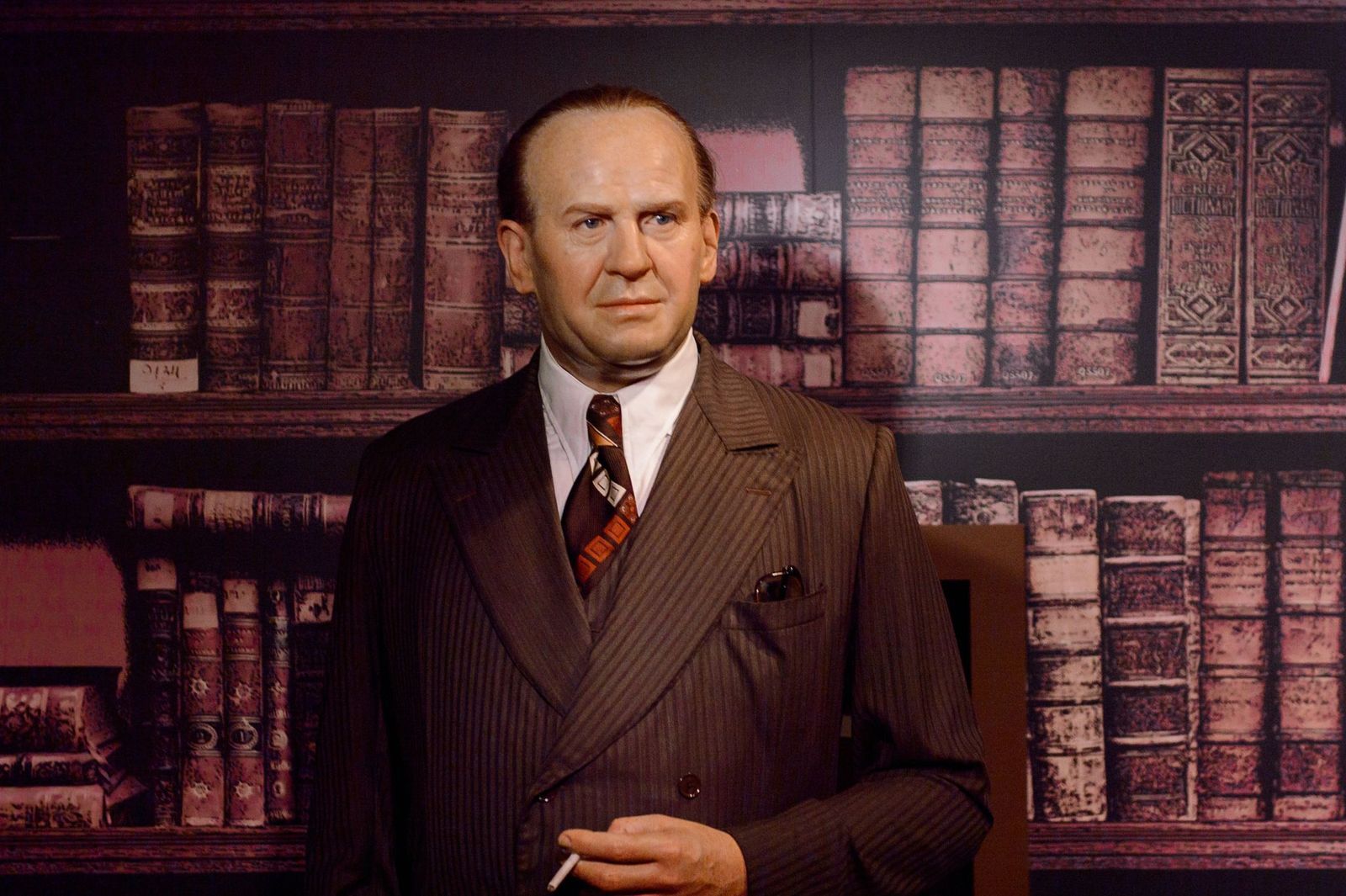
Image: Anton_Ivanov

In Steven Spielberg’s historical masterpiece Schindler’s List (1993), Liam Neeson delivers a masterful performance as Oskar Schindler, the enigmatic German industrialist who saved more than 1,100 Jewish lives during the Holocaust.

Neeson expertly maps Schindler’s evolution from an opportunistic war profiteer into a compassionate savior who risks his fortune and life to protect his workers. Schindler’s List dominated the 66th Academy Awards with seven Oscar wins out of 12 nominations; while he didn’t win, Neeson earned a Best Actor nod for giving heart and soul to one of cinema’s most incredible biopics.

2
Cate Blanchett as Katharine Hepburn in The Aviator
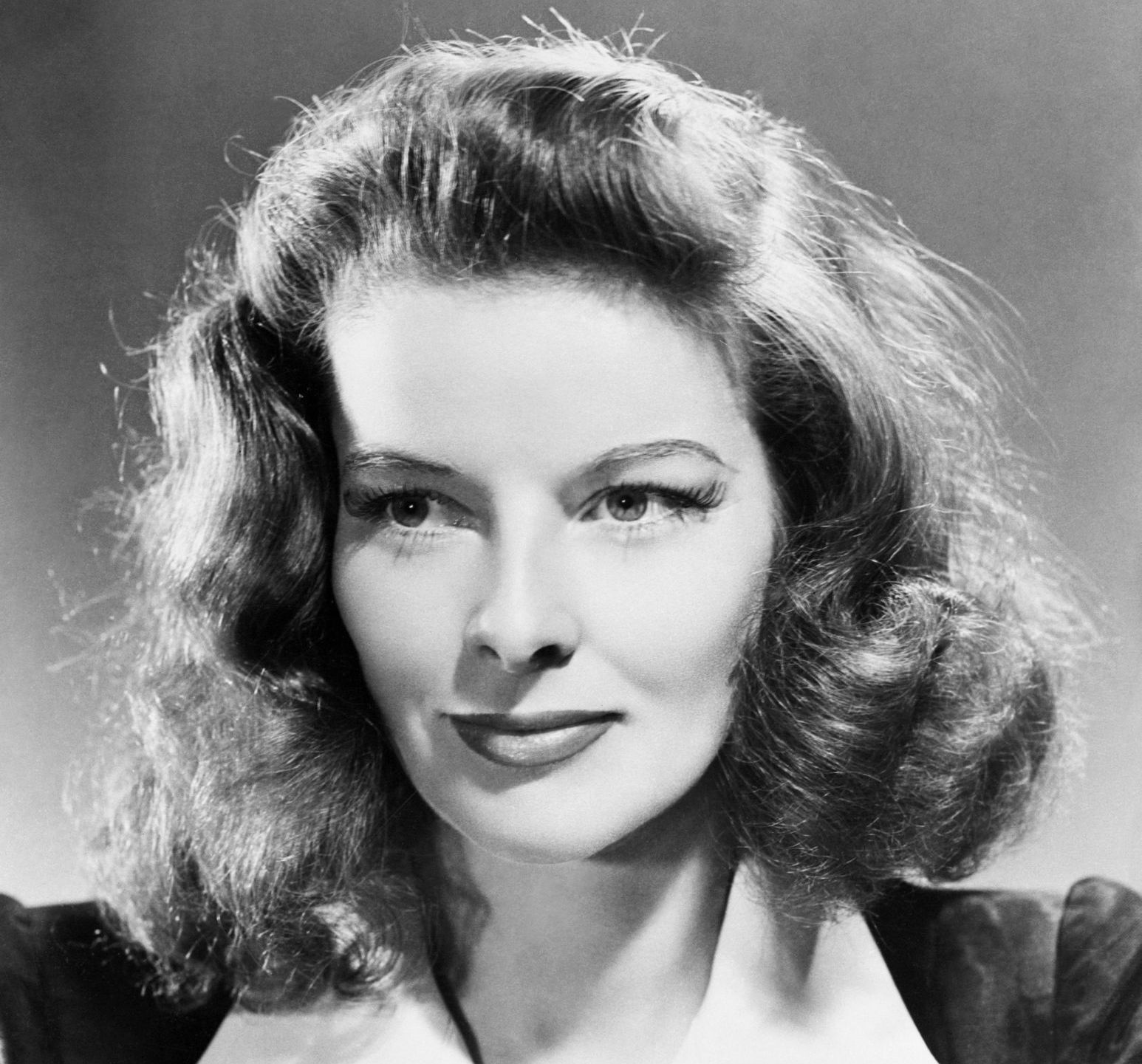
Image: Metro-Goldwyn-Mayer Studios; Restored by Adam Cuerden, Public domain, via Wikimedia Commons

Playing a Hollywood legend must be intimidating, but playing Katharine Hepburn—an actress who won four Academy Awards herself—is a monumental challenge. In Martin Scorsese’s The Aviator (2004), Cate Blanchett embodies Hepburn during her tempestuous romance with eccentric aviation mogul Howard Hughes (played by Leonardo DiCaprio).

Blanchett mastered Hepburn’s Mid-Atlantic accent, body language, and charm. Her magnetic work earned her the Oscar for Best Supporting Actress, making her the first person in history to win an Academy Award for playing a former Oscar-winning actor.

3
Sean Penn as Harvey Milk in Milk
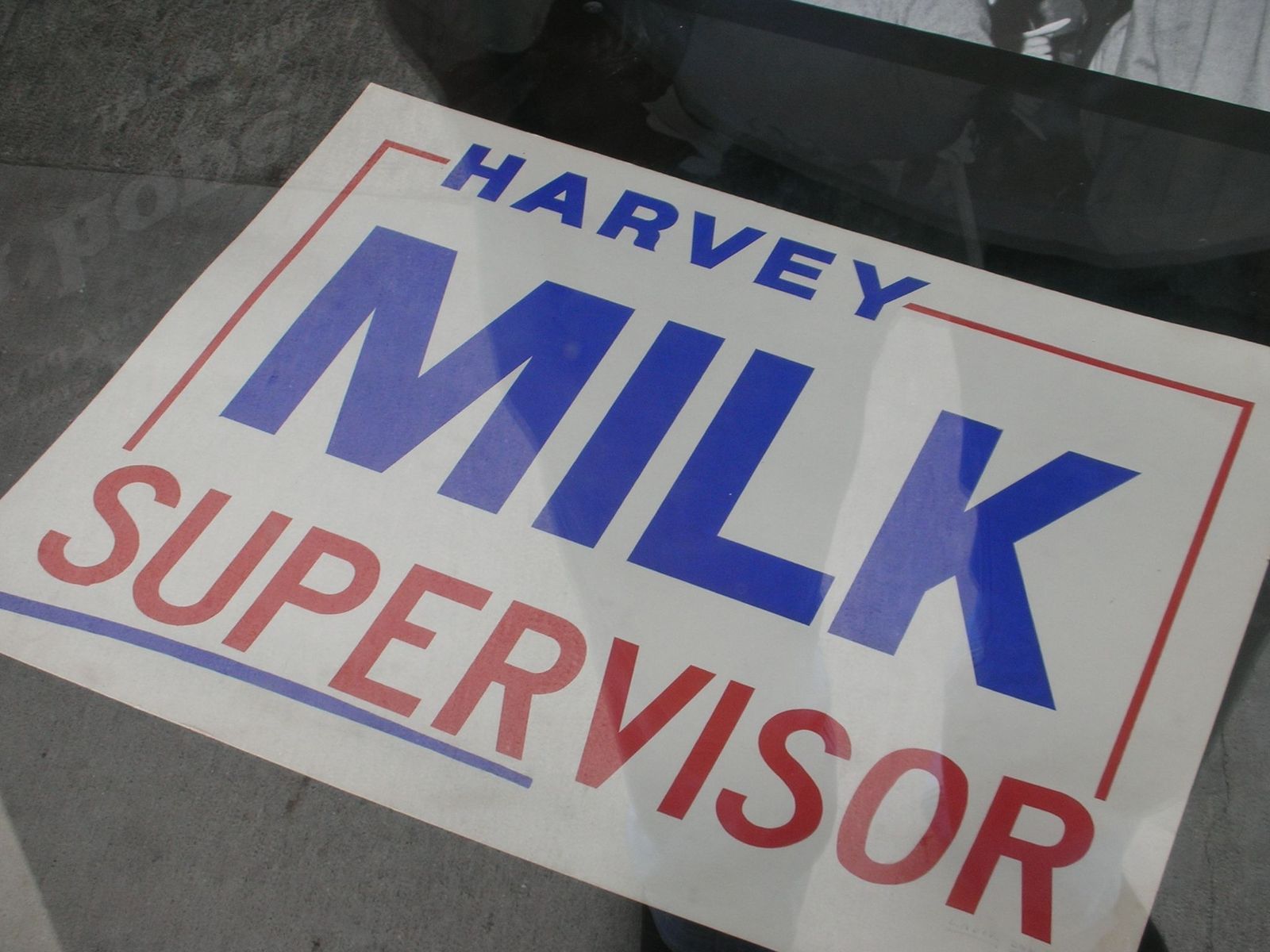
Image: Artico2, CC BY-SA 3.0, via Wikimedia Commons

In Gus Van Sant’s biopic Milk (2008), Sean Penn took on the role of Harvey Milk, the activist who became California’s first openly gay elected official. The film captures Milk’s grassroots movement in San Francisco during the late 1970s, culminating in his tragic assassination. Penn’s deeply empathetic performance earned him his second Best Actor Academy Award, both an acknowledgement of his artistic achievement and a tribute to an LGBTQ+ pioneer.

4
Charlize Theron as Aileen Wuornos in Monster
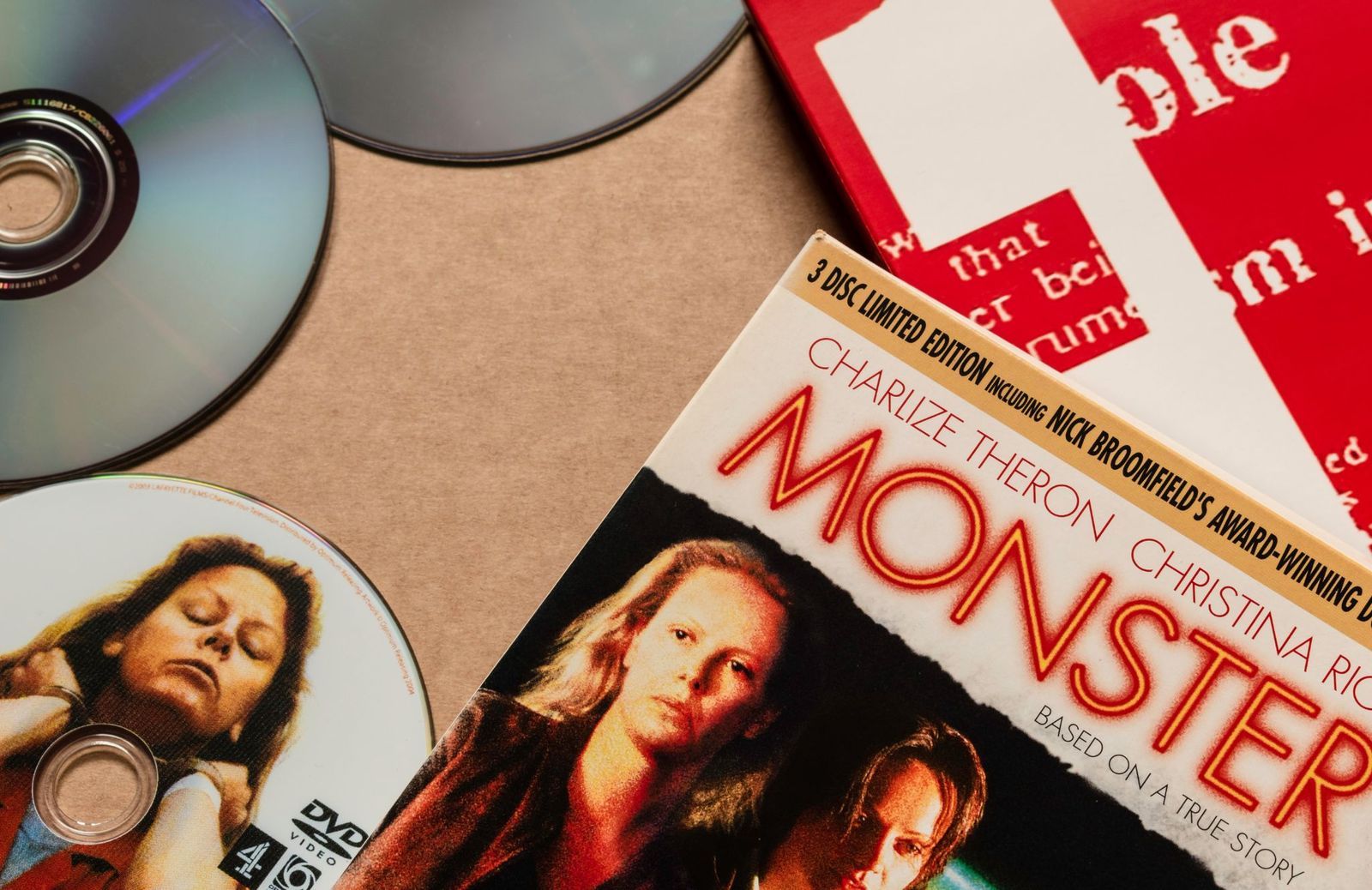
Image: Snap Spot

In one of the most shocking physical transformations in screen history, Charlize Theron portrayed sex worker turned serial killer Aileen Wuornos in Patty Jenkins’ Monster (2003).

To capture Wuornos’s tormented reality, Theron gained 30 pounds, wore prosthetic teeth, and adopted a rigid, defensive posture. Moreover, behind the physical transformation lay a raw emotional vulnerability that refused to demonize Wuornos. Critics considered it a landmark achievement in acting, and Theron took the awards season by storm, bringing in the Oscar for Best Actress.

5
Daniel Day-Lewis as Abraham Lincoln in Lincoln
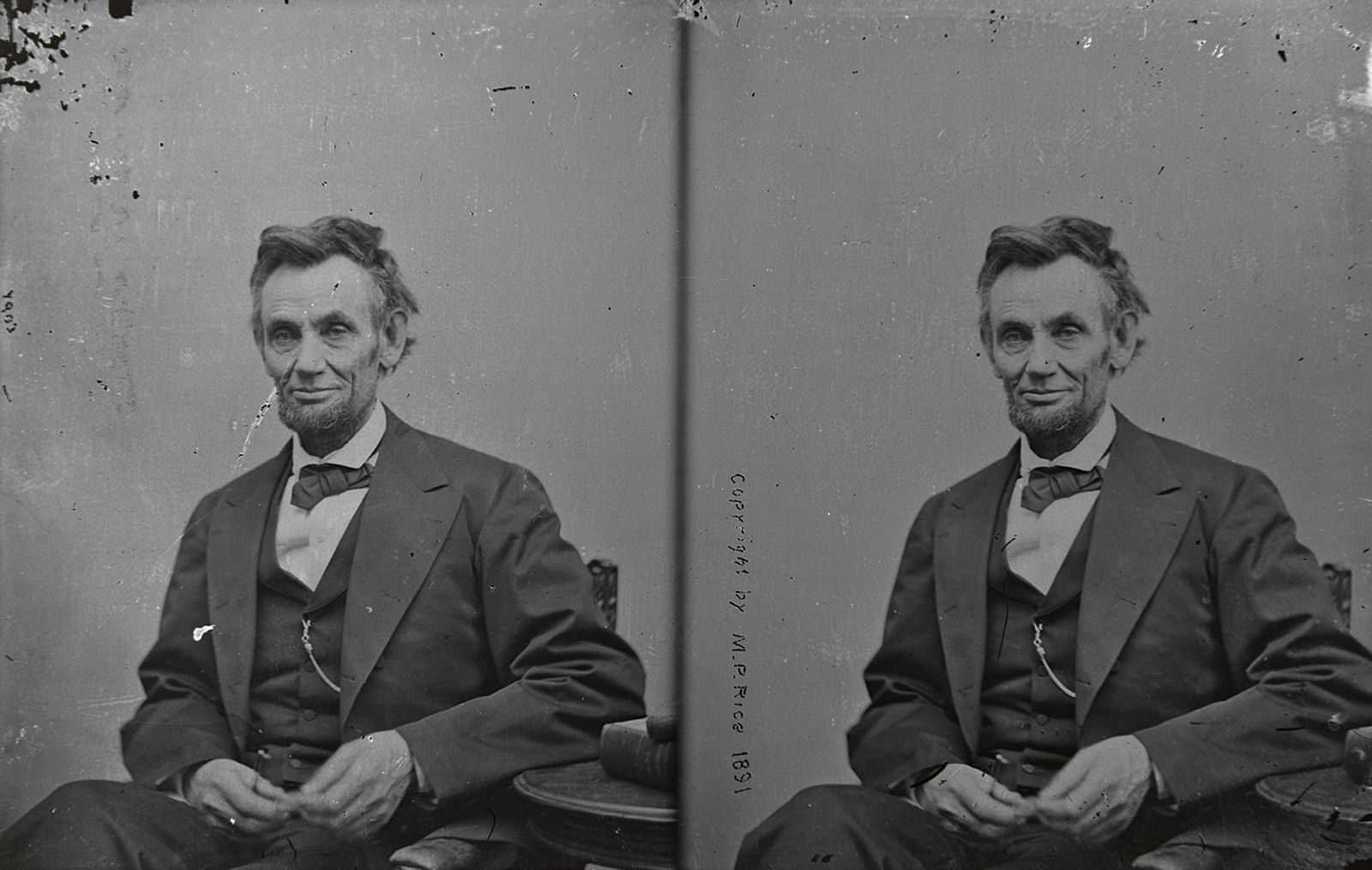
Image: Alexander Gardner, Public domain, via Wikimedia Commons

Few actors have the talent for transformation like Daniel Day-Lewis. His portrayal of America’s 16th president remains one of the gold standards of modern cinema.

Directed by Steven Spielberg, Lincoln (2012) focuses on the intense political schemes during the final moments of the Civil War as Abraham Lincoln sought to pass the 13th Amendment and abolish slavery. Day-Lewis famously spent months immersing himself in the role, adopting Lincoln’s voice, gait, and quiet wisdom. His dedication to the role earned him a record-breaking third Academy Award for Best Actor.

6
Nicole Kidman as Virginia Woolf in The Hours
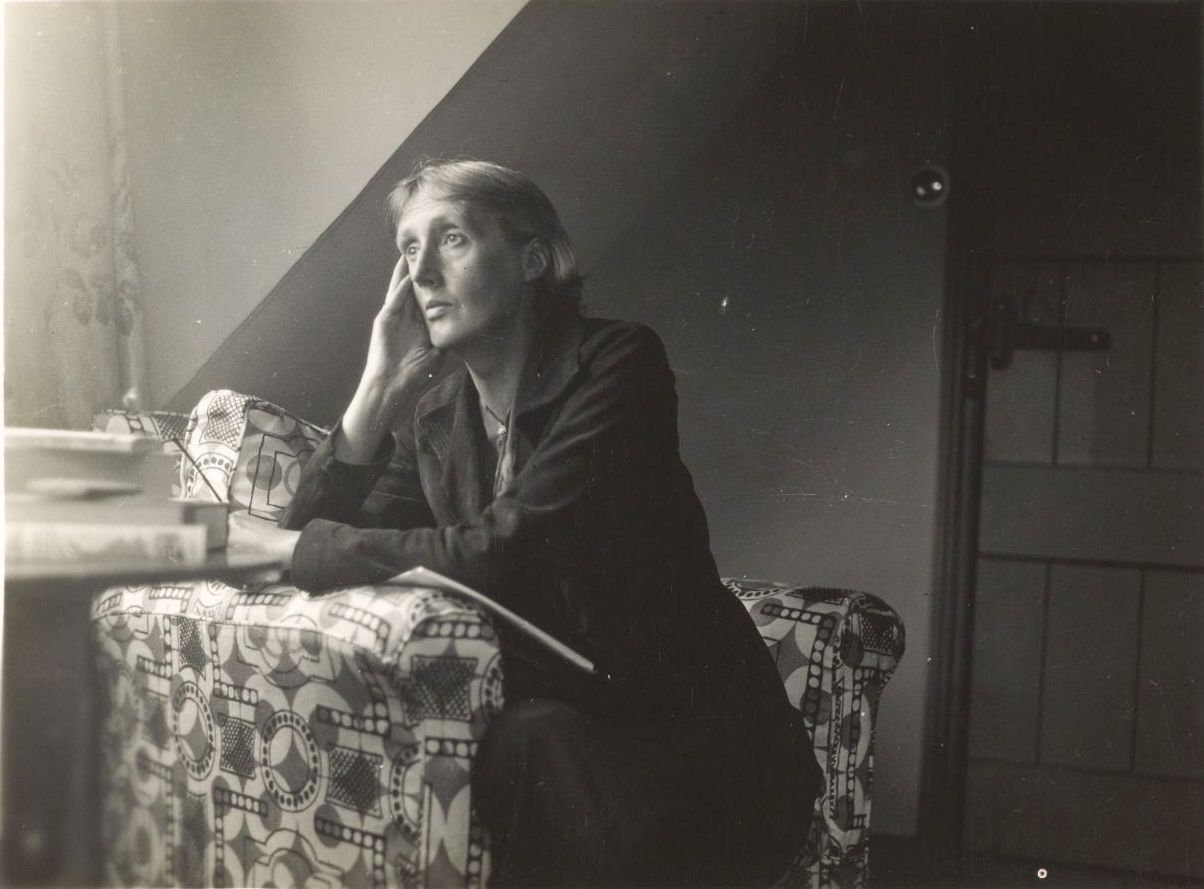
Image: Harvard University library, Public domain, via Wikimedia Commons

In Stephen Daldry’s drama The Hours (2002), Nicole Kidman delivered a haunting performance as literary icon Virginia Woolf. The film explores Woolf’s life during the 1920s in suburban England as she struggles with crippling mental illness while writing her masterpiece Mrs. Dalloway .

Beyond wearing a prosthetic nose that made her almost unrecognizable, Kidman immersed herself in the role by learning to write right-handed in Woolf’s exact style. Kidman managed to capture Woolf’s intellect, despair, and creative genius with enormous grace, earning her the Academy Award for Best Actress.

7
Jamie Foxx as Ray Charles in Ray
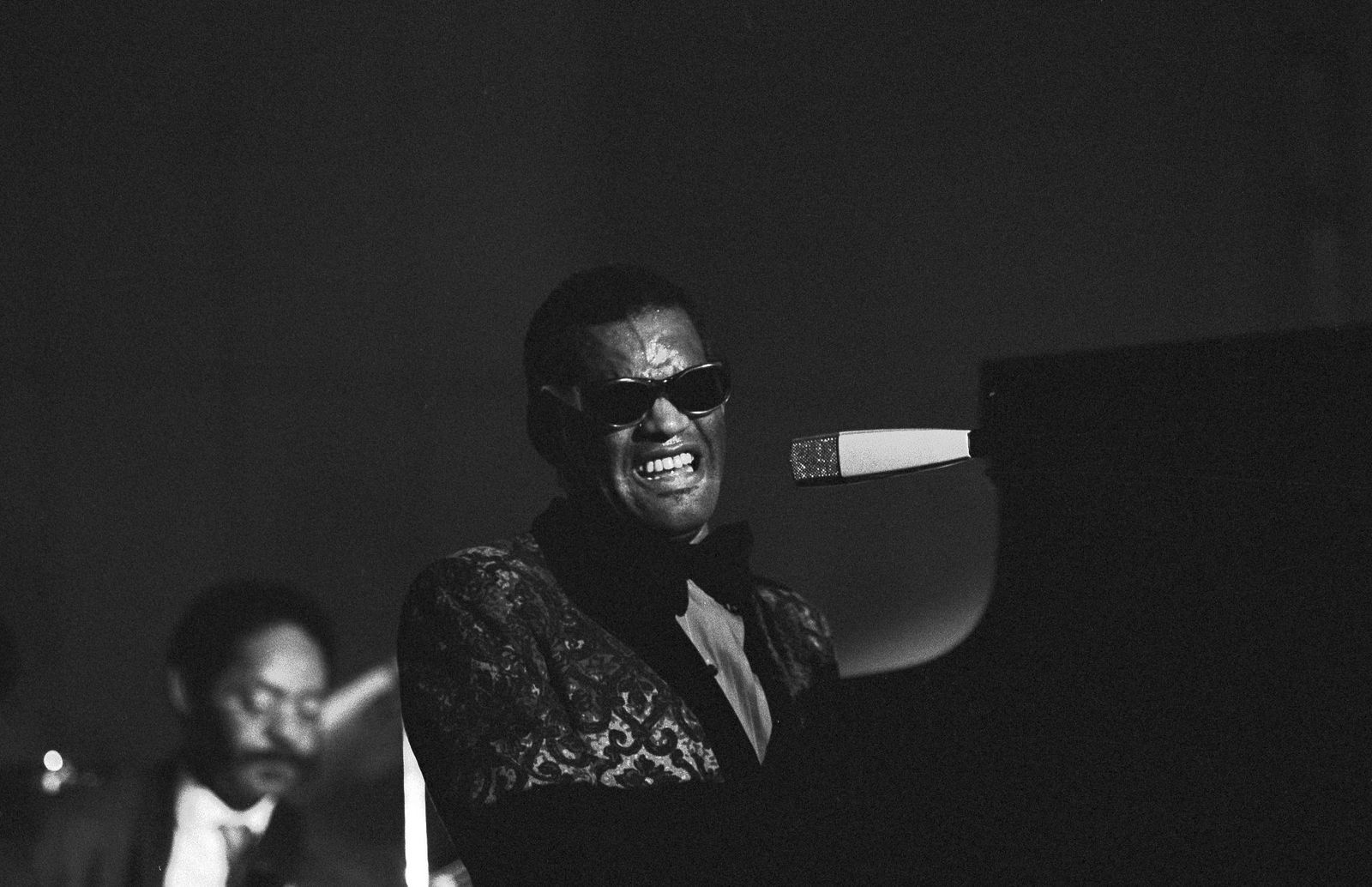
Image: Heinrich Klaffs, CC BY-SA 2.0, via Wikimedia Commons

To embody the pioneer of soul music, Jamie Foxx had to capture not only Ray Charles’s singular voice and piano virtuosity, but also his complex inner world.

Directed by Taylor Hackford, Ray (2004) chronicles Charles’s rise from a blind child in the Jim Crow South to an international superstar, alongside his battles with addiction. Foxx wore prosthetic eye covers during filming and played all the piano sequences himself. Critics praised his physical precision and emotional range, earning Foxx the Best Actor Oscar for his performance.

8
Barbra Streisand as Fanny Brice in Funny Girl
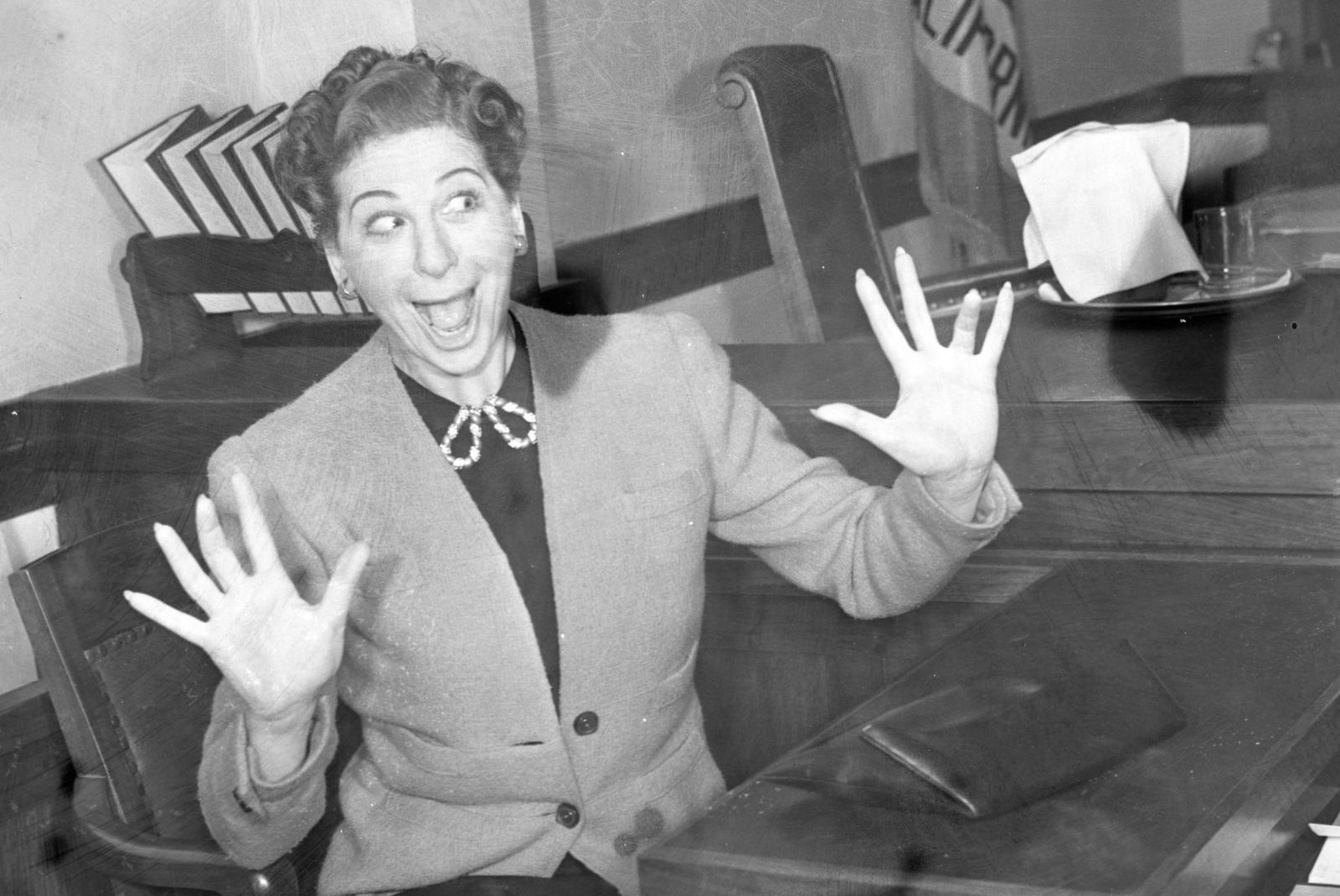
Image: Los Angeles Daily News, CC BY 4.0, via Wikimedia Commons

Making your feature film debut in the role that made you a Broadway superstar is a rare opportunity, and Barbra Streisand achieved it brilliantly in Funny Girl (1968). Playing early 20th-century comedy pioneer Fanny Brice, Streisand showcased her vocal range, comedic timing, and dramatic depth.

The film chronicles Brice’s rise to fame as well as her stormy relationship with gambler Nick Arnstein. Streisand’s astonishing performance made Oscar history when she tied with Katharine Hepburn for the Best Actress statuette at the 41st Academy Awards.

9
Philip Seymour Hoffman as Truman Capote in Capote
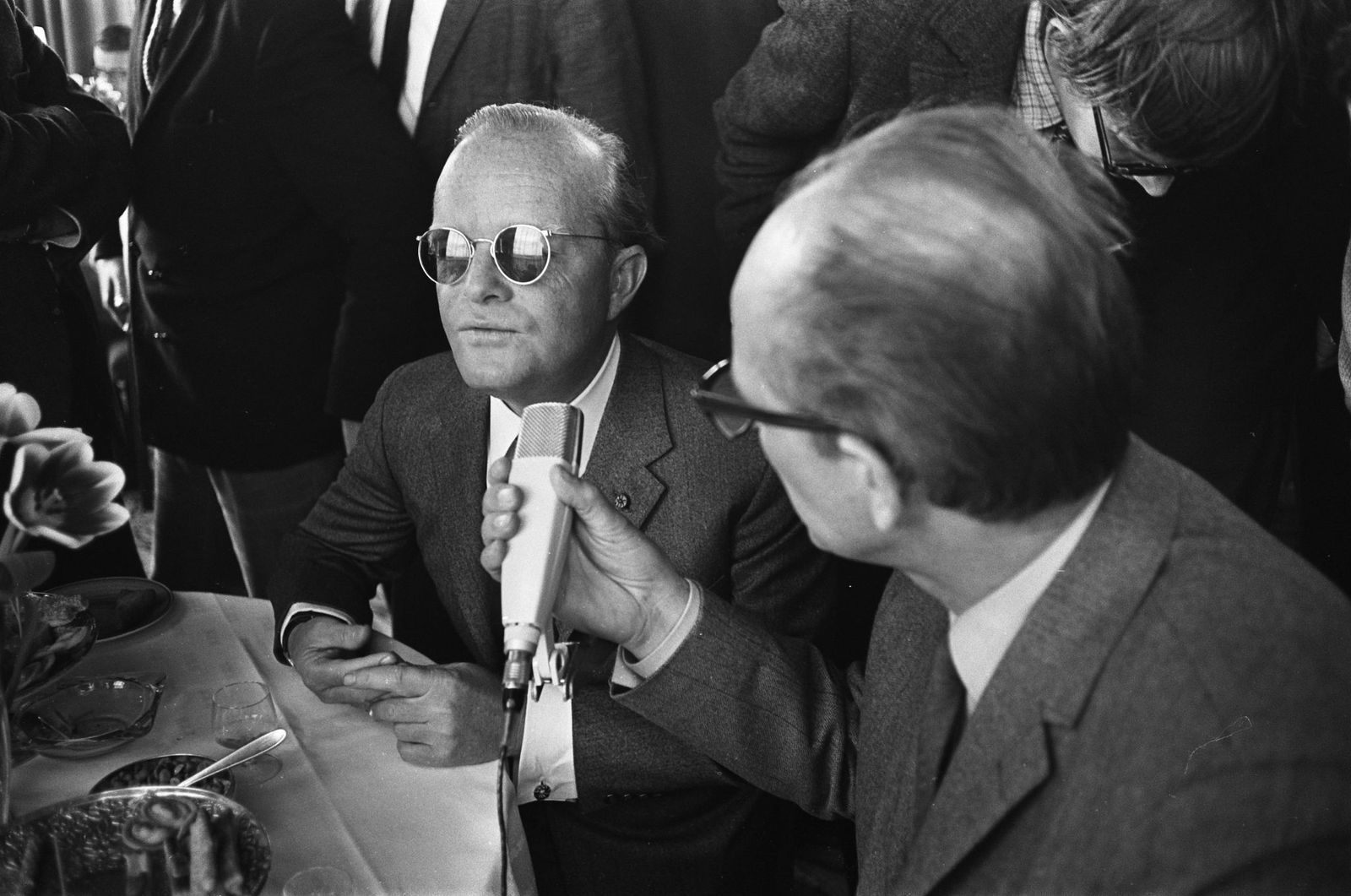
Image: Eric Koch for Anefo, CC0, via Wikimedia Commons

When Philip Seymour Hoffman took on the task of portraying eccentric author Truman Capote, he faced a difficult challenge: avoiding becoming a caricature and honoring a famous personality.

Bennett Miller’s Capote (2005) focuses on the period when the writer researched his groundbreaking true-crime novel In Cold Blood . Hoffman effortlessly captured Capote’s distinctive cadence, flamboyant mannerisms, and sharp intellect while digging deep into the ethical compromises that eroded his spirit. Hoffman’s heartbreaking performance earned him the Academy Award for Best Actor.

10
Julia Roberts as Erin Brockovich in Erin Brockovich
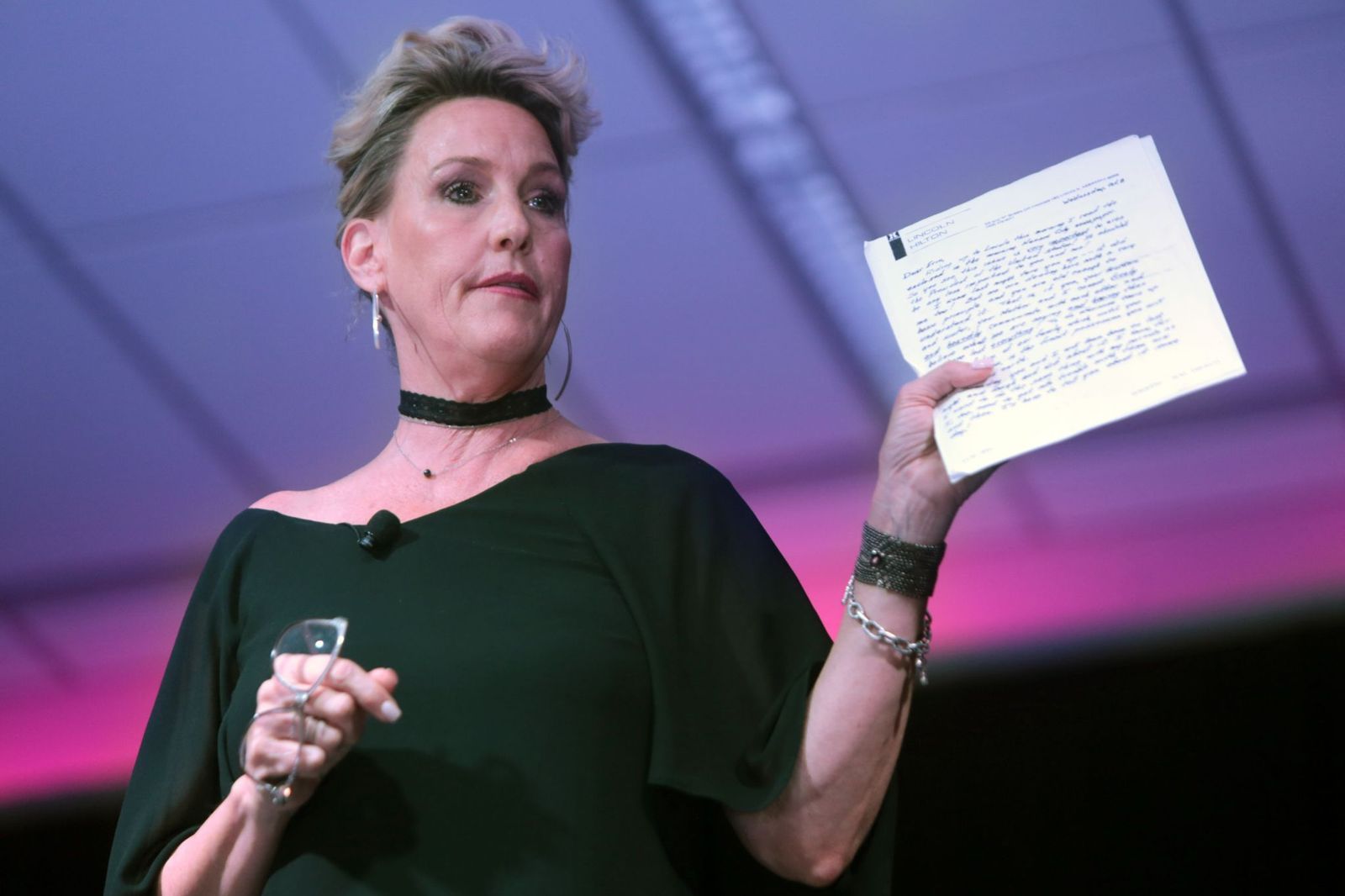
Directed by Steven Soderbergh, Erin Brockovich (2000) tells the inspiring true story of an unemployed single mother who uncovered widespread groundwater contamination caused by energy giant PG&E in Hinkley, California.

Julia Roberts delivered a pivotal performance as Brockovich, enriching the role with fiery grit and humor, as well as showing empathy for affected families. Roberts’ magnetic star power carried the legal drama to box-office success and critical acclaim, culminating in an excellent awards season and her first Best Actress Oscar.

Culture Culture 4 min read

Do cooking shows make you hungry?

Who put the kitchen on the TV? 10 American pioneer TV chefs

Image: Sonja Punz

There is something soothing and almost hypnotic about watching someone expertly cook a delicious meal on TV while calmly explaining their process. The genre of television cooking has been perfected and even over-cooked at times, for quite a few decades now, and, in the process, a handful of stars have emerged. This list highlights only a handful of these figures, from pioneers like Julia Child and James Beard to colorful characters like Guy Fieri and Anthony Bourdain. Do you have a favorite?

1
Julia Child

Image: Caroline Attwood

Probably the first name that comes to mind when thinking about famous American chefs is Julia Child, and for good reason. This chef, author, and television personality is recognized for bringing French cuisine to the American public with her first cookbook, Mastering the Art of French Cooking , and her television programs, like 1963’s The French Chef.

Child began learning to cook after meeting her future husband, Paul, who grew up in a family passionate about food and was known for his sophisticated palate.

2
Emeril Lagasse

Image: Fabrizio Magoni

Another familiar name (one of many) on this list is Emeril Lagasse, a celebrity chef, restaurateur, television personality, cookbook author, and regional James Beard Award winner (more on this name later), known for his mastery of Creole and Cajun cuisine.

He is known for catchphrases like "Kick it up a notch!" and "Bam!" and has appeared on a wide variety of cooking shows , including Emeril Live and Essence of Emeril .

3
Paula Deen

Image: Alyson McPhee

The hostess of Paula’s Party is a chef, cookbook author, and TV personality from Savannah, Georgia, where she owns and operates The Lady & Sons restaurant with her sons . She has been the star of several cooking shows, including Paula’s Home Cooking, Positively Paula, Paula’s Best Dishes , and the aforementioned Paula’s Party .

Another show where you might recognize her—though it doesn't bear her name—is MasterChef , where she appears as a guest alongside other well-known chefs, mentoring home cooks through a series of challenges.

4
James Beard

Image: Priscilla Du Preez 🇨🇦

If Julia Child is not the first name that comes to your mind when you think of a celebrity chef, then this might be the one. James Beard pioneered television cooking with shows like 1946’s I Love to Eat, taught at The James Beard Cooking School, and lectured extensively. He was a big promoter of American cooking, emphasizing the use of fresh, local ingredients.

Beard taught and mentored generations of professional chefs and food enthusiasts, and published more than twenty books.

5
Leah Chase

Image: Jorge Zapata

The Queen of Creole Cuisine, Leah Chase, was a New Orleans chef, author, and television host, also known for her civil rights advocacy and her extensive African-American art collection . Her restaurant, Dooky Chase, was known as a gathering place during the 1960s for many involved in the Civil Rights Movement, and in 2018, it was named one of the 40 most important restaurants of the past 40 years by Food & Wine .

Leah Chase was inducted into the James Beard Foundation’s Who’s Who of Food & Beverage in America in 2010, received a lifetime achievement award from the Southern Foodways Alliance in 2000, and was awarded honorary degrees from several universities, among other honors.

6
Bobby Flay

Image: Wyron A

A staple on the Food Network, Bobby Flay has been a prominent figure in American television since 1995, winning several awards and even earning a star on the Hollywood Walk of Fame . He has hosted or been a part of several shows, including Hot Off the Grill with Bobby Flay, 3 Days to Open with Bobby Flay, Throwdown with Bobby Flay , and many more.

He has participated in many shows competing against other chefs, mentoring home chefs, and has hosted many cooking reality shows.

7
Sara Moulton

Image: Holly Stratton

Described as "one of the nation’s most enduring recipe writers and cooking teachers...and a dean of food television and magazines," Sara Moulton is a chef, cookbook author, and television personality. She served as the food editor for ABC’s Good Morning America from 1997 to 2012 and hosted Cooking Live , Cooking Live Primetime , and Sara’s Secrets on the Food Network.

Moulton has authored several cookbooks, including Sara Moulton Cooks at Home (2002), Sara’s Secrets for Weeknight Meals (2005), and Sara Moulton’s Everyday Family Dinners (2010). Since 2008, she has hosted Sara’s Weeknight Meals .

8
Guy Fieri

Image: Manu Ros

This easily recognizable and colorful personality is widely known for hosting many television series on The Food Network, licensing his name to restaurants in cities worldwide, and for his signature flashy shirts and spiky hair. His shows are said to bring an "element of rowdy, mass-market culture to American food television."

A series of TV specials and cooking shows showcase Fieri traveling the country visiting eateries, cooking, participating in and hosting game shows, and making appearances in other chefs’ shows.

9
Mary Ann Esposito

Image: Louis Hansel

Being the hostess of the longest-running television cooking program in America is no small feat, and Mary Ann Esposito—chef, cookbook writer, and central figure of _Ciao Italia_—has achieved just that.

This 30-minute show features Esposito's recipes and cooking tips, along with visits from guest chefs, as she explores the history of Italian cooking and food. The food is made from scratch in the studio, with each dish being prepared in numerous batches and at different recipe stages. This allows Esposito to execute an entire recipe in a matter of minutes, even if it would normally take hours to complete.

10
Anthony Bourdain

Image: Or Hakim

One of the most famous names in American television cooking history is, without a doubt, Anthony Bourdain. After honing his skills in various eateries and graduating from the Culinary Institute of America, including several years as executive chef at Brasserie Les Halles in Manhattan, he became best known for his travel documentaries, where he explored local cuisines from around the world, as well as for his books.

His first food and world-travel television show was A Cook's Tour , which was followed by Anthony Bourdain: No Reservations , The Layover , and Anthony Bourdain: Parts Unknown. His funny, philosophical, and daredevil attitude made him a beloved figure in the world of television food shows.

History History 5 min read

Marketing experts!

Can you see the arrow in the logo? 12 American brands' logos decoded!

Image: KelvinStuttard

Logos are everywhere: on billboards, coffee cups, your favorite gadgets—you name it! But how much attention do we really pay to the stories behind them? For example, did you know about the hidden arrow in the FedEx logo? And what about Tesla—is it just a T, or is there more to it? Big brands, big logos, big backstories —of course! Let’s take a fun dive into 12 iconic American brand logos and the hidden tales they tell.

1
Disney: A signature of magic

Image: Gui Avelar

Some logos inspire happiness at first glance, don’t you think? Walt Disney’s logo is a perfect example for us. It’s playful and inviting, and that’s because it’s modeled after Walt Disney’s very own signature, or at least an artistic version of it.

The truth is that Walt’s actual handwriting looked pretty different from the logo we know today because he changed his signature frequently, making it nearly impossible to determine if this version was ever truly his. In any case, it was very successful, and if you ask us, this logo screams "happily ever after."

2
McDonald’s: Golden arches or hidden symbol?

Image: Janet Ganbold

The moment you see a golden "M," your mouth starts watering, doesn’t it? However, the famous Golden Arches weren’t always part of McDonald’s logo history.

Back in the 1950s, they were part of the restaurant’s architecture, we mean actual arches on either side of the building!

When designing a logo, the company leaned into that imagery to create something unforgettable. Well, they definitely did it! And we’re lovin’ it!

3
Coca-Cola: Scripted for success

Image: Efekan Akyüz

That classic Coca-Cola logo has remained surprisingly consistent since 1887. The secret? A font called Spencerian Script, which was highly fashionable back in the late 19th century.

The smooth, flowing letters give it a friendly, approachable feel, it’s like an invitation to "have a Coke and a smile."

Over the years, the brand played with design elements (remember the old glass bottles?), but the logo’s handwritten charm never wavered. The old-school way truly is the best way in some cases.

4
Dove: A symbol of softness

Image: Akshay Bandre

Some logos are so powerful, that you can almost taste them. In this case, you can smell and feel it at the same time. Have you ever noticed the graceful bird on Dove products? That dove isn’t just for show, it represents peace, gentleness, and care , which is exactly what the brand aims to evoke.

When Dove first launched in 1955, its messaging was all about moisturizing and being kind to your skin. The logo, paired with the brand’s soothing colors, reinforces that sense of softness. It’s one of those designs that just feels good, even before you try the products.

5
Amazon: The smile that points the way

Image: Christian Wiediger

The story behind the name is quite fascinating, but let’s focus on the logo. Amazon’s logo isn’t just a smile—it’s a smile with a purpose. Look closely, and you’ll notice the arrow stretches from "A" to "Z," symbolizing the company’s goal to offer everything you could ever need.

And that curved arrow? It’s designed to look like a grin, giving the brand a friendly, customer-first vibe. With a logo this clever, it’s no surprise they’ve grown into an online shopping powerhouse. This is the kind of logo we like—what about you?

6
Google: The colors of curiosity

Image: sarah b

At first glance, one might think Google just put together the letters, chose random colors, and launched the site. But that’s definitely not the case—this logo is packed with meaning.

To begin with, they are not random colors, they are primary colors, chosen to represent creativity and approachability .

As for the unexpected green "L," it’s a nod to the idea that Google likes to break the rules (in a good way, of course). Over the years, the company has refreshed the logo’s font and shading, but the vibe remains the same. And let’s not forget about the festive Doodles—they’re genius!

7
Starbucks: From the sea to your cup

Image: Athar Khan

That green mermaid on your Starbucks cup? She’s actually a two-tailed siren, inspired by an old Norse woodcut. Why a siren, you may ask? Well, the brand wanted to evoke the allure of coffee as something irresistible —like a siren’s call.

Over time, the logo has evolved, losing the "Starbucks Coffee" text to let the siren shine on her own. Curious enough, the first design included the name of the company on the outer part of the circle, but they decided to eliminate that and let the siren do all the luring work on her own!

8
FedEx: The arrow you didn’t see

Image: Jan Rosolino

FedEx has one of the sneakiest logos in the business world. Between the "E" and the "X," there’s a hidden arrow that represents speed and precision . And once you see it, you can’t unsee it!

This wasn’t the original version, though. Designed in 1994, the logo is a masterclass in subtlety and clever branding, much like Amazon’s. It’s a perfect fit for a company that prides itself on delivering packages quickly and efficiently.

9
Domino’s: Three dots, infinite pizza

Image: Miroslav Denkov

Speaking of logos you can taste, right? Domino’s logo features three dots, which represent the first three locations of the pizza chain .

Originally, the company planned to add a new dot for every store they opened. Can you imagine if they had kept that idea? They quickly realized that wouldn’t work with their explosive growth.

Paired with the iconic red and blue colors, the logo is as comforting as a fresh box of pizza. And let’s be real—who doesn’t love their pizza?

10
Tesla: An electric secret

Image: Tesla Fans Schweiz

Tesla’s sleek, futuristic logo isn’t just a fancy "T"; it’s actually a nod to the company’s cutting-edge tech. The "T" is designed to resemble a cross-section of an electric motor, tying into Tesla’s mission of revolutionizing transportation .

Pair that with its clean lines and modern vibe, and you’ll see that the logo feels as innovative as the cars themselves. It’s a perfect example of branding that matches the product: bold, forward-thinking, and undeniably cool. What do you think?

11
Levi’s: A stitch in time

Image: Mnz

Few pieces of clothing are as iconic as a pair of Levi’s, right? That’s because both the item and the logo are equally simple, bold, and instantly recognizable .

The classic red tab is the result of eight redesigns. The first version of the logo included two horses pulling in opposite directions of a pair of jeans, trying to rip them—and failing, of course! But that was just the beginning.

The logo we know today was introduced by the same designer who worked on Coca-Cola’s script and the inspiration was the stitching on the back pocket of the jeans. The rest, as they say, is comfortable and durable history!

12
Pepsi: A logo full of energy

Image: Ja San Miguel

This article comes to an end with a classic brand. Pepsi’s logo has gone through dozens of iterations, but the current design—a red, white, and blue globe—is packed with meaning.

The wavy lines represent energy and dynamism, while the patriotic colors nod to its American roots, naturally. And if you were doubtful that it represents our country, you can read the 27-page redesign manifesto from 2008, which reportedly cost millions and came with a full explanation of its symbolism!

Explore more American facts

Choose your favorite category!

General
General

As American as apple pie—the very best America has to offer!

Culture
Culture

Delve into the astounding richness of American lore.

Geography
Geography

Hop in and explore vast and diverse American landscapes.

History
History

Discover the key moments that shaped the United States.