Culture Culture 6 min read

Simplier traditions

10 American traditions younger generations will never truly understand
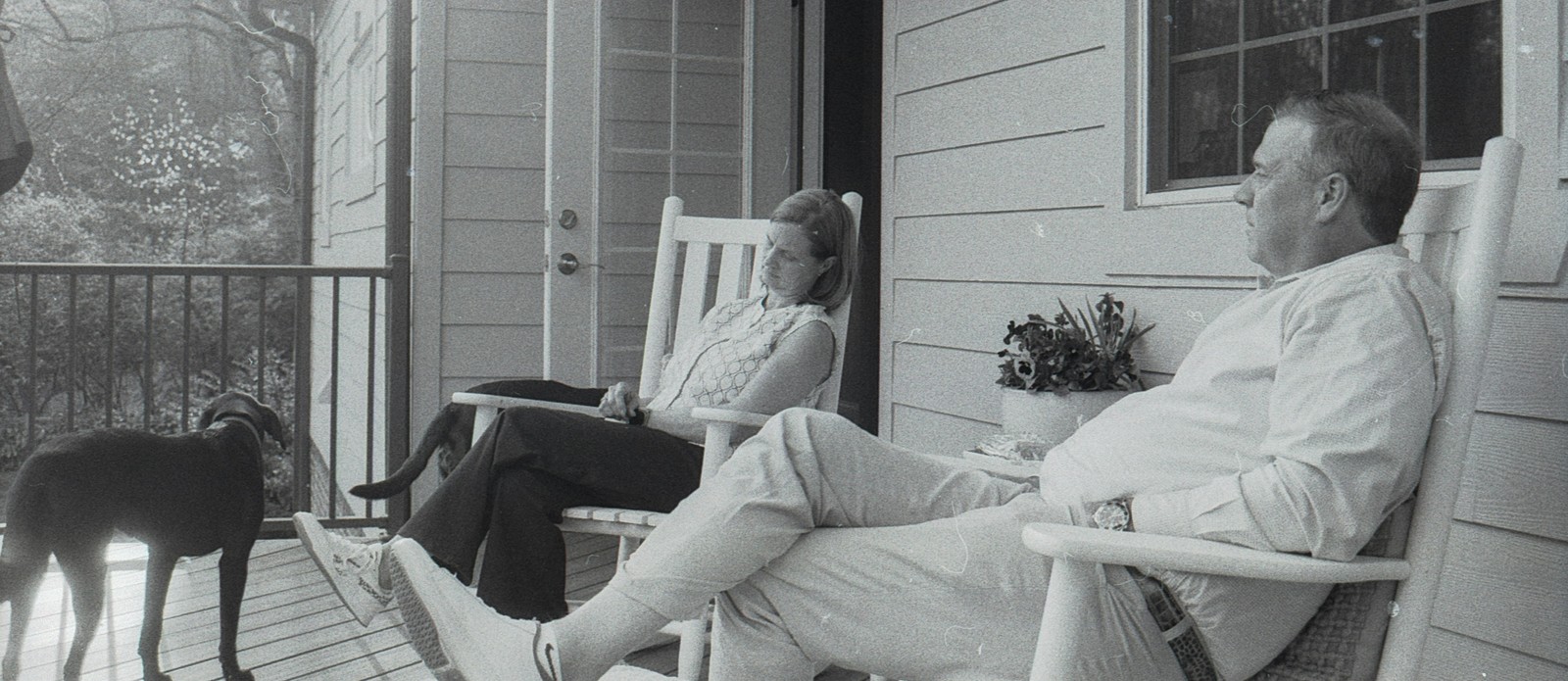
Image: Jackson Barger

Do you remember flipping through the Sears "Wish Book" before Christmas and circling everything you wanted? Or when families planned their evenings around a TV schedule? Maybe it's been a while since you've had to wait to get your vacation photos developed, not knowing until days later whether the pictures even came out. Somewhere along the way, most of these familiar routines, traditions, and little shared experiences quietly disappeared from everyday life. Here are 10 customs that younger generations may never experience, but that millions of Americans once grew up with.

1
Watching TV together at a fixed time

Image: shutterstock

Back when the only screen in the house was the TV in the living room, families gathered every night to watch their favorite shows at a specific time.

Long before streaming services let us pause, rewind, skip commercials, binge, or watch on demand, families built their evenings around the TV schedule. Shows like I Love Lucy , The Ed Sullivan Show , and later M A S H and The Cosby Show gave millions of Americans something to laugh and talk about together the next day. By the 2000s, though, that shared experience began to fade. With endless entertainment available anytime on phones, tablets, and computers, families no longer had to gather around one screen at one set hour.

2
Drive-in movies
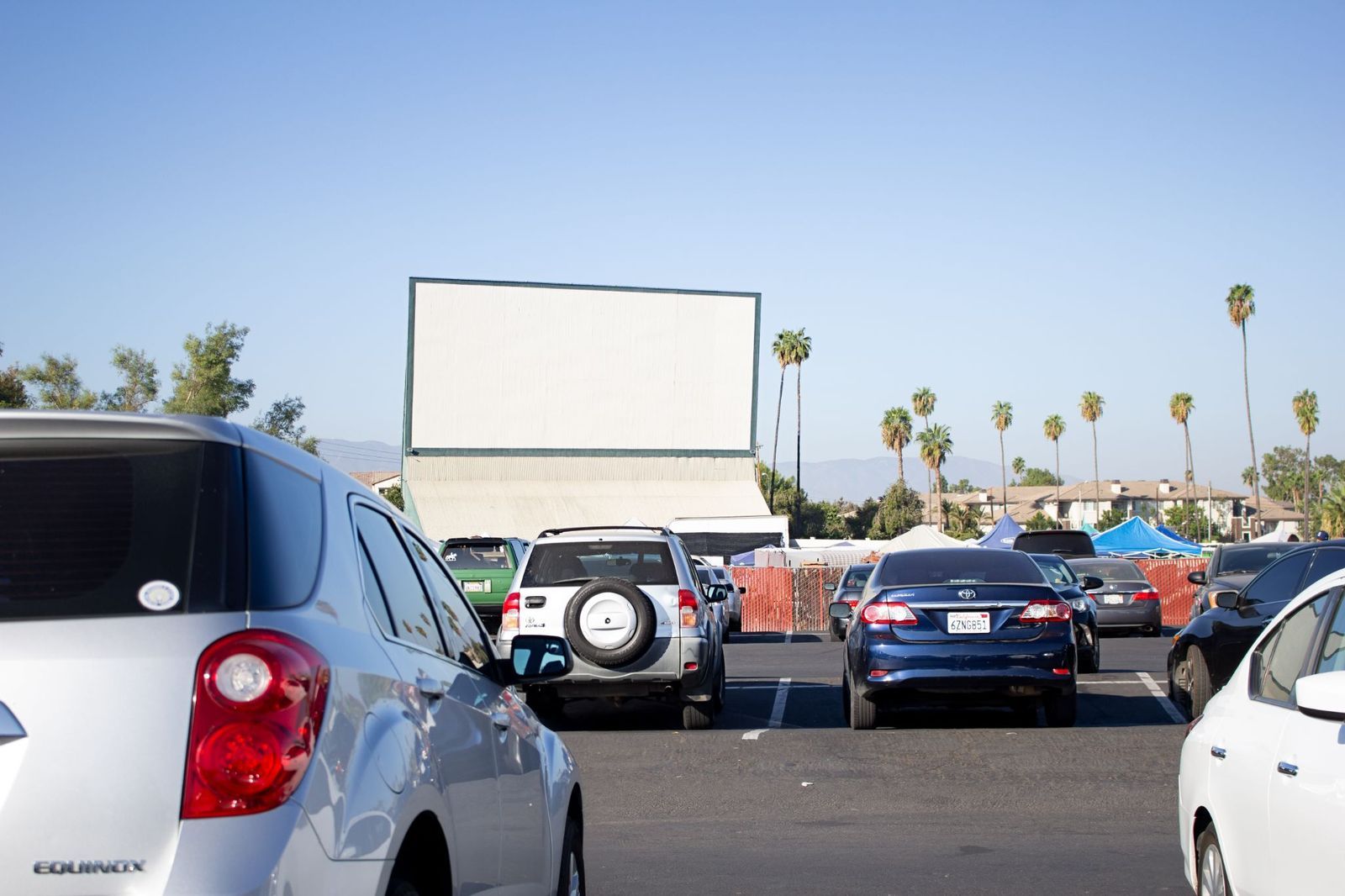
Image: shutterstock

A night at the drive-in was about much more than just watching a movie. Families piled into the car with blankets and snacks, kids often already wearing their pajamas, while teenagers saw it as the perfect date night. It was a kind of movie experience that today’s theaters can’t quite recreate.

But beginning in the 1970s, many drive-ins started disappearing. Growing suburban property values made those huge lots that provided low-cost entertainment harder to maintain, while cable TV and VHS gave families an easier and cheaper option: staying home to watch movies instead. Despite all this, drive-ins didn’t disappear completely. Around 300 are still operating across the country today, including famous spots like Bengies Drive-In Theatre in Middle River, Maryland, home to one of the largest movie screens in America, at 52 feet high by 120 feet wide.

3
Browsing the Sears catalog before Christmas
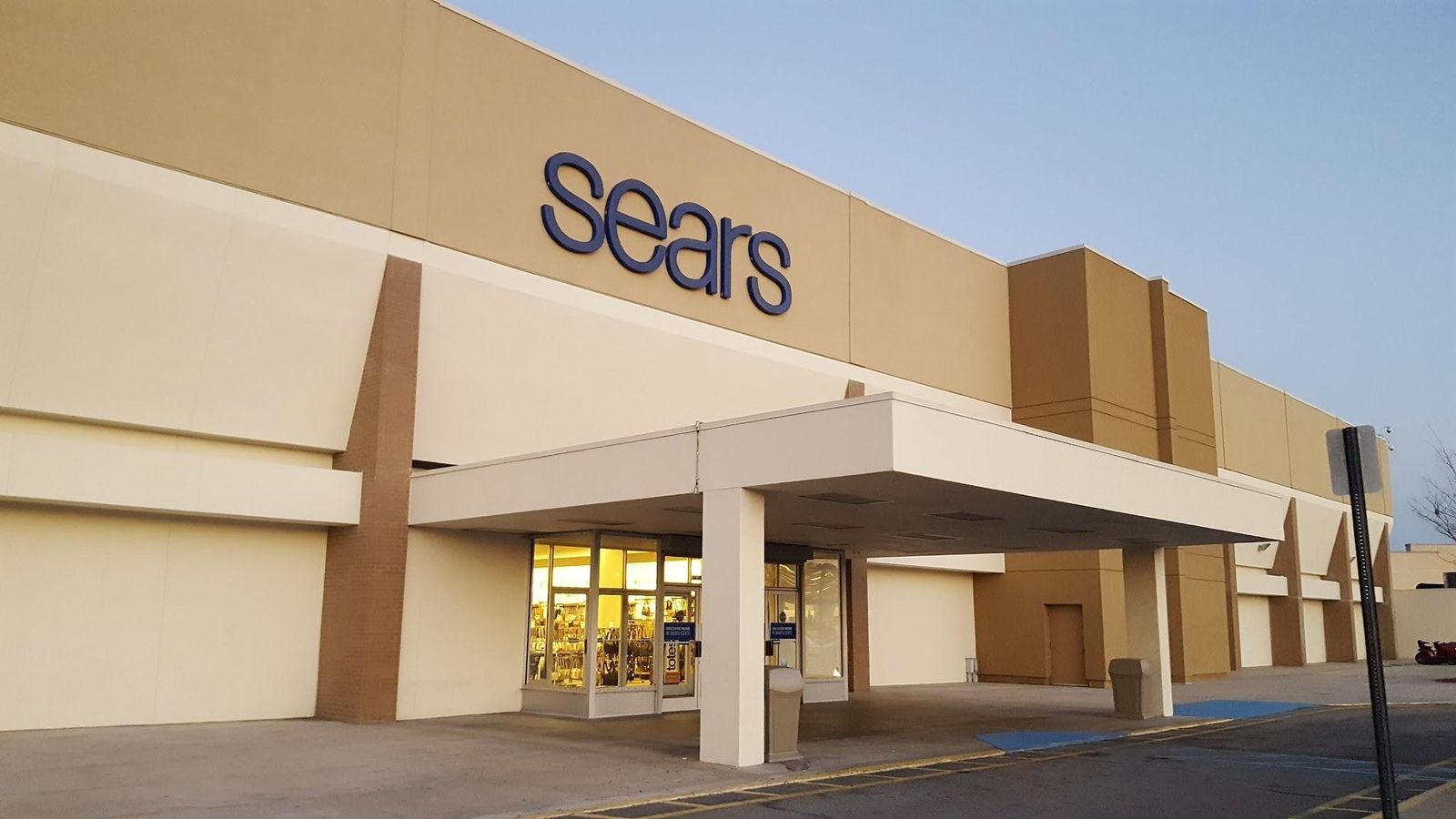
Image: Mike Kalasnik from Jersey City, USA, CC BY-SA 2.0, via Wikimedia Commons

Long before Amazon, we had another way to shop remotely: the famous Sears catalog. For many families, the arrival of the Sears Christmas "Wish Book" was one of the signs that the holiday season had begun.

Kids spent hours flipping through its pages, circling toys they dreamed of, while parents browsed everything from clothes and appliances to tools and furniture. You filled out an order form, mailed in a check, and waited for your package to arrive. First introduced in 1933, the beloved Wish Book remained a holiday tradition for generations, but as online shopping grew and Sears struggled to keep up with changing times, the iconic catalog slowly disappeared before being discontinued in 2011.

4
Larger celebrations
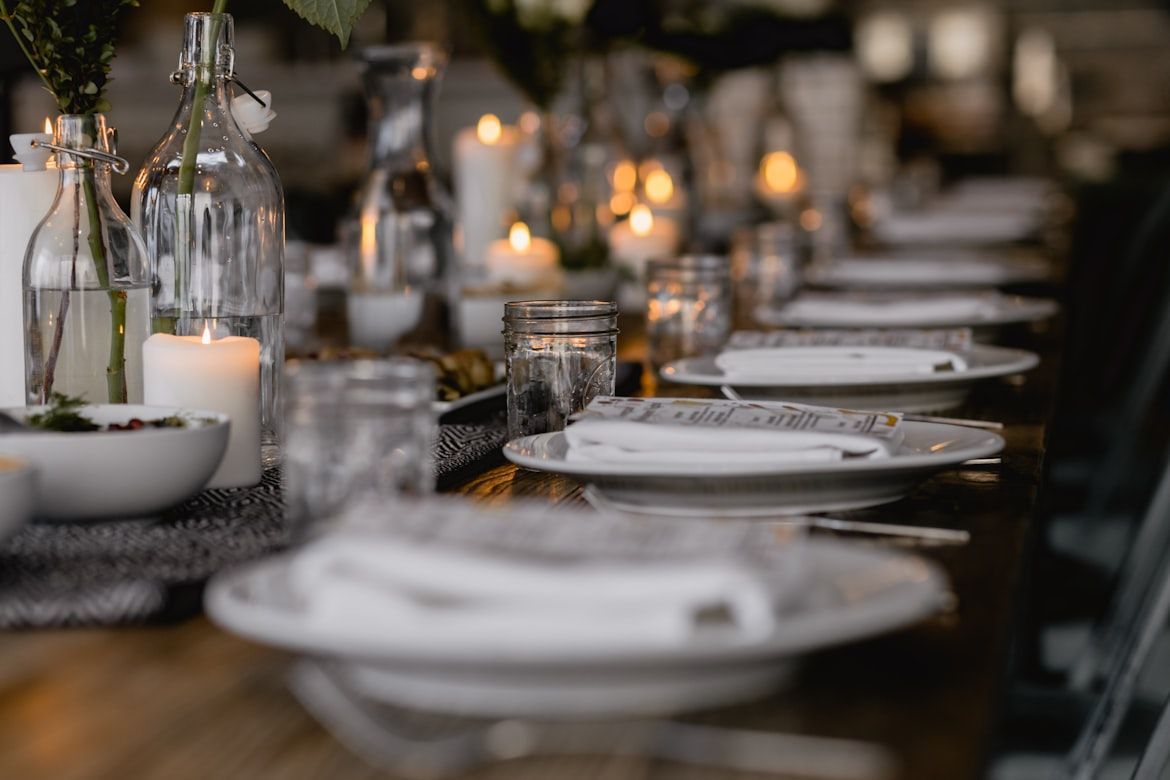
Image: Nadia Valko

Years ago, holidays like Christmas and Thanksgiving often meant one thing: the whole family gathering in one house. The turkey had to be big enough for everyone, and folding tables appeared out of nowhere for cousins, grandparents, aunts, and uncles.

Holiday gatherings are still an important American tradition, but they are often smaller than they used to be. Today, many families celebrate with only close relatives or a few friends instead of the massive family reunions. And there’s something that explains part of this phenomenon: in earlier generations, these holidays were one of the few chances extended families had to truly reconnect. Long-distance calls were expensive, travel was harder, and there were no video calls to keep everyone in touch year-round. Ironically, even though we were far apart, we actually saw each other in person more often.

5
Waiting for photos to be developed
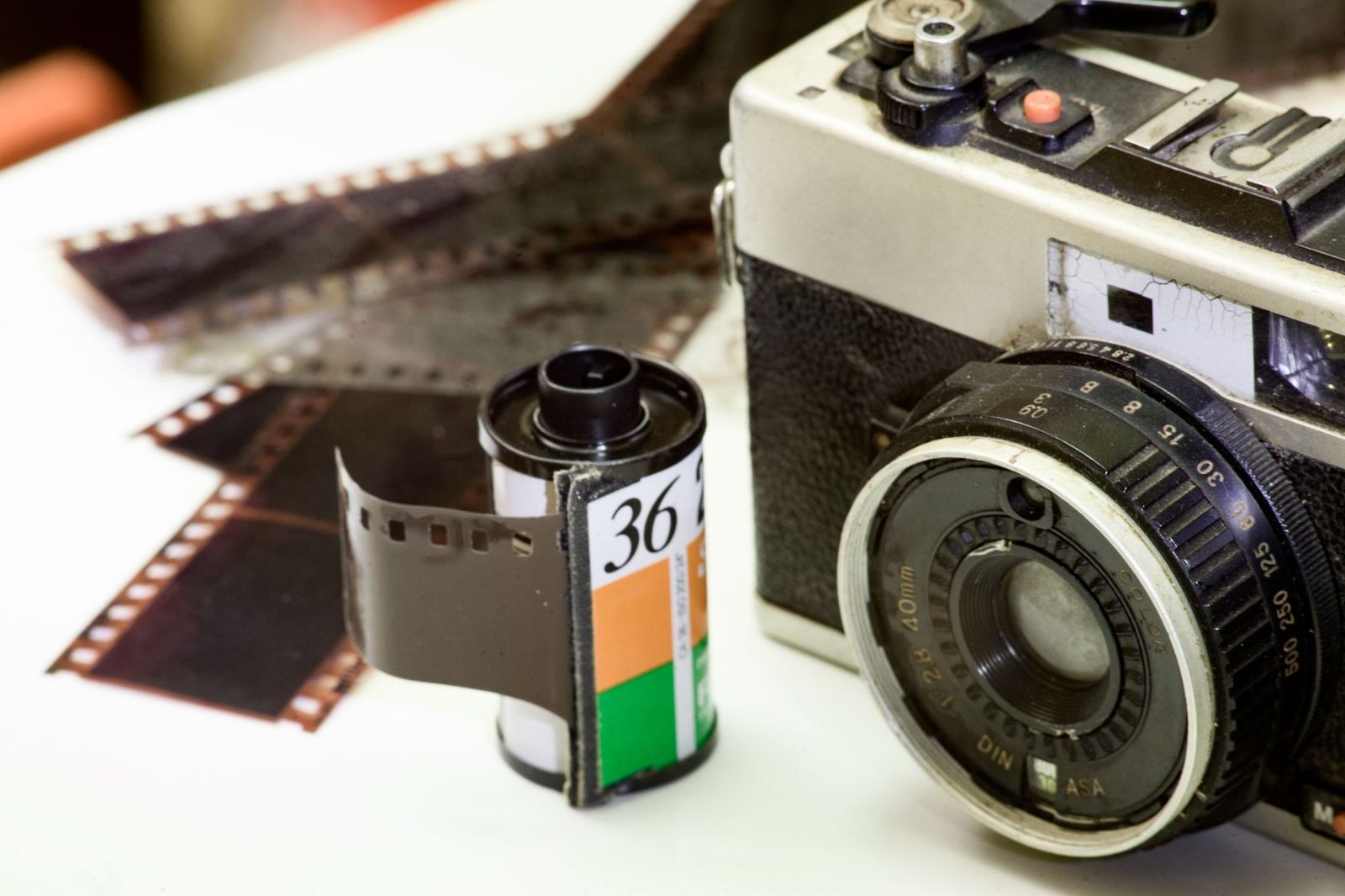
Image: shutterstock

For much of the 20th century, capturing memories meant waiting days, sometimes weeks, for vacation and holiday photos to be developed. And that wait was part of the fun. There was always a little excitement in wondering how the pictures had turned out, along with the surprise of discovering funny or beautiful moments you didn’t even remember capturing.

Those photos didn’t stay buried in a phone gallery; they filled family albums, sat in frames around the house, and became something families pulled out to relive old memories. But beginning in the 1980s, instant cameras like Polaroid and later digital photography slowly changed all that. Today, we can instantly take and keep thousands of pictures, but nothing compares to the analog experience.

6
Popping over to a friend’s house unannounced

Image: shutterstock

Young people today often wonder how we made plans, checked if friends were home, or stayed connected before cell phones. The answer is as simple as life was back then: people just showed up.

Before texting and instant messaging, it was completely normal to stop by a friend’s or neighbor’s house unannounced, ring the doorbell, and see if they were around. Today, with constant digital communication, that kind of spontaneity has largely faded. Sometimes, showing up without warning is now seen as rude rather than friendly. But in many ways, that shift makes sense: busier schedules and a greater need for privacy have naturally led to a more planned way of life.

7
Sending Christmas cards and holiday postcards
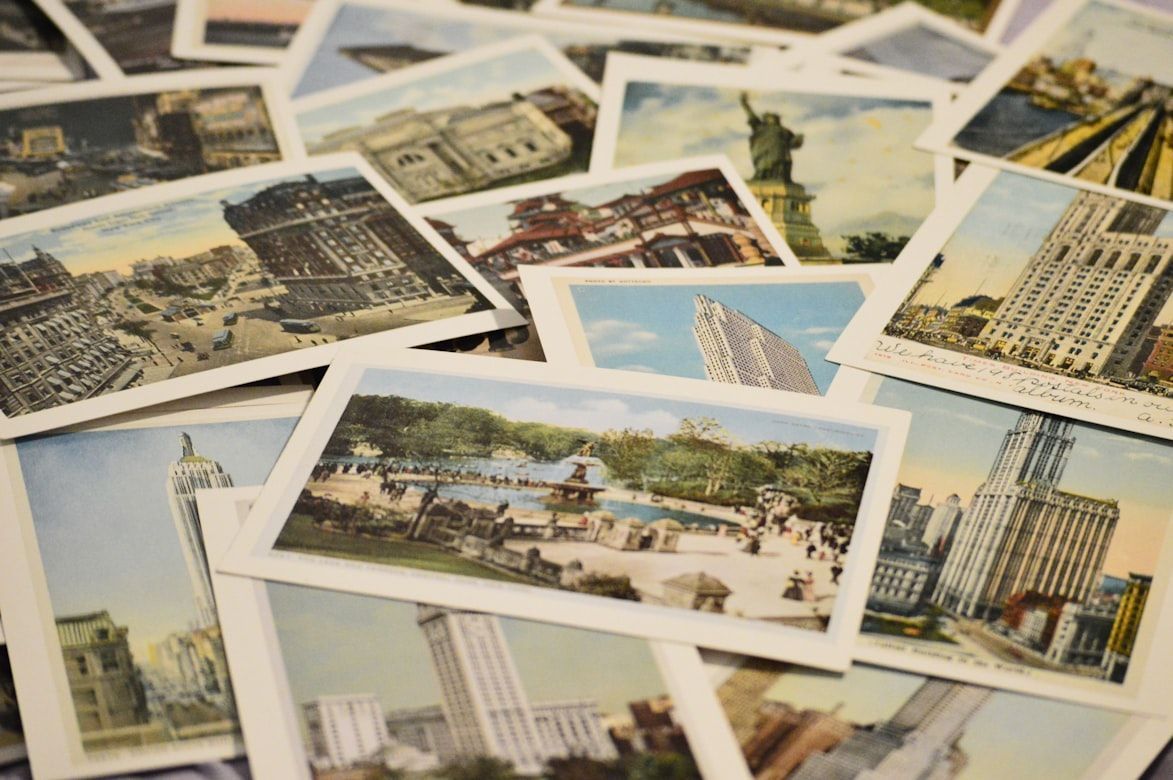
Image: Becky Phan

Long before emails, group chats, and social media, sending Christmas cards and postcards was one of the most common ways we stayed connected during the holidays.

Although the tradition began in Britain, it truly took off in the US in the 1870s, thanks in large part to German immigrant Louis Prang, whose beautifully printed Christmas cards became wildly popular across the country. By the early 20th century, mailing holiday cards had become a cherished American tradition, with families eagerly checking the mailbox throughout December. The custom is still alive today, but it is no longer as central to the holiday season as it once was. Even so, we still send an estimated 1.3 to 1.6 billion Christmas and holiday cards every year.

8
Using paper road maps
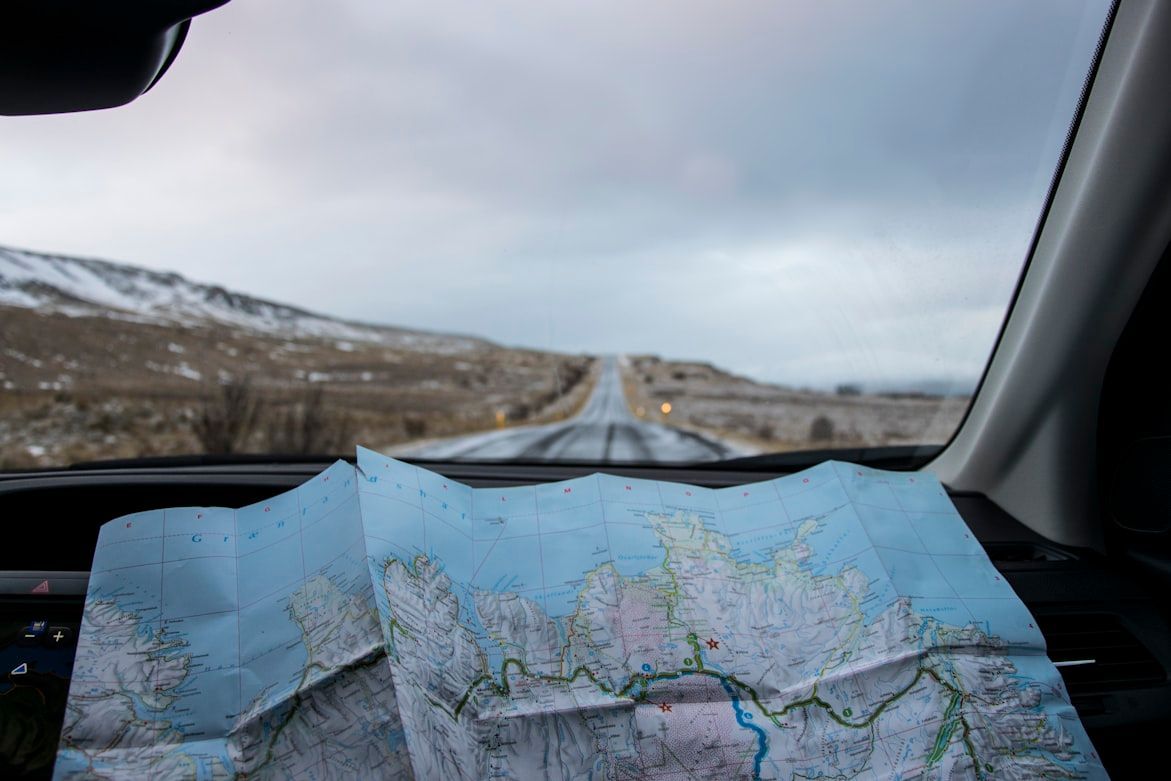
Image: Tabea Schimpf

For decades, almost every car had one thing tucked inside the glove compartment: a folded paper road map. Long before GPS and smartphones, knowing how to read a map was a requirement for any traveler.

Gas stations often gave them away for free, and on family road trips, one person usually drove while another tried to follow the route and give directions, sometimes correctly, sometimes not. Getting lost, arguing over the map, and struggling to fold it back up were all part of the experience.

9
Midnight Black Friday shopping

Image: freestocks

Do you remember when people spent a night outside stores, waiting for the doors to open on Black Friday? As the shopping frenzy grew in the late 2000s, major retailers like Target, Best Buy, and Macy’s pushed their opening hours earlier and earlier, until many stores were opening right at midnight.

Shoppers bundled up in coats, stood in long lines, and rushed through the doors to grab the year’s hottest TVs, toys, and holiday gifts before they sold out. It was chaotic, exhausting, and for many, surprisingly fun. But once online shopping and home delivery became faster and easier, those midnight shopping crowds slowly began to disappear. By the 2010s, the tradition was already fading away.

10
Door-to-door caroling

Image: shutterstock

A few decades ago, opening the door during Christmastime often meant being greeted by neighbors or local groups singing carols. From the late 19th into the early 20th century, caroling was a community tradition, with churches, schools, and neighborhoods organizing routes.

Over time, the tradition began to fade. As cities grew and daily life became more fast-paced, privacy and safety concerns changed how people interacted with their neighbors. Today, door-to-door caroling is much less common, though it still survives in some communities. But America still loves the music: According to the market research company "YouGov," about 75% say they listen to holiday songs or carols at home during the season.
Culture Culture 5 min read

From E.T. to Roger Rabbit

Ten legendary movies from the 80s and the moments we never forgot

Image: Steven Miller, CC BY 2.0, via Wikimedia Commons

Have you ever walked out of a movie theater feeling like you've just witnessed an instant classic? As if you were enthralled by some intangible quality in the film's characters, music, or plot. Certainly, many of the most beloved Hollywood blockbusters of the 80s can be described exactly like that: enthralling instant classics. Let's take a trip down memory lane and dive right into these indelible films that defined an era.

1
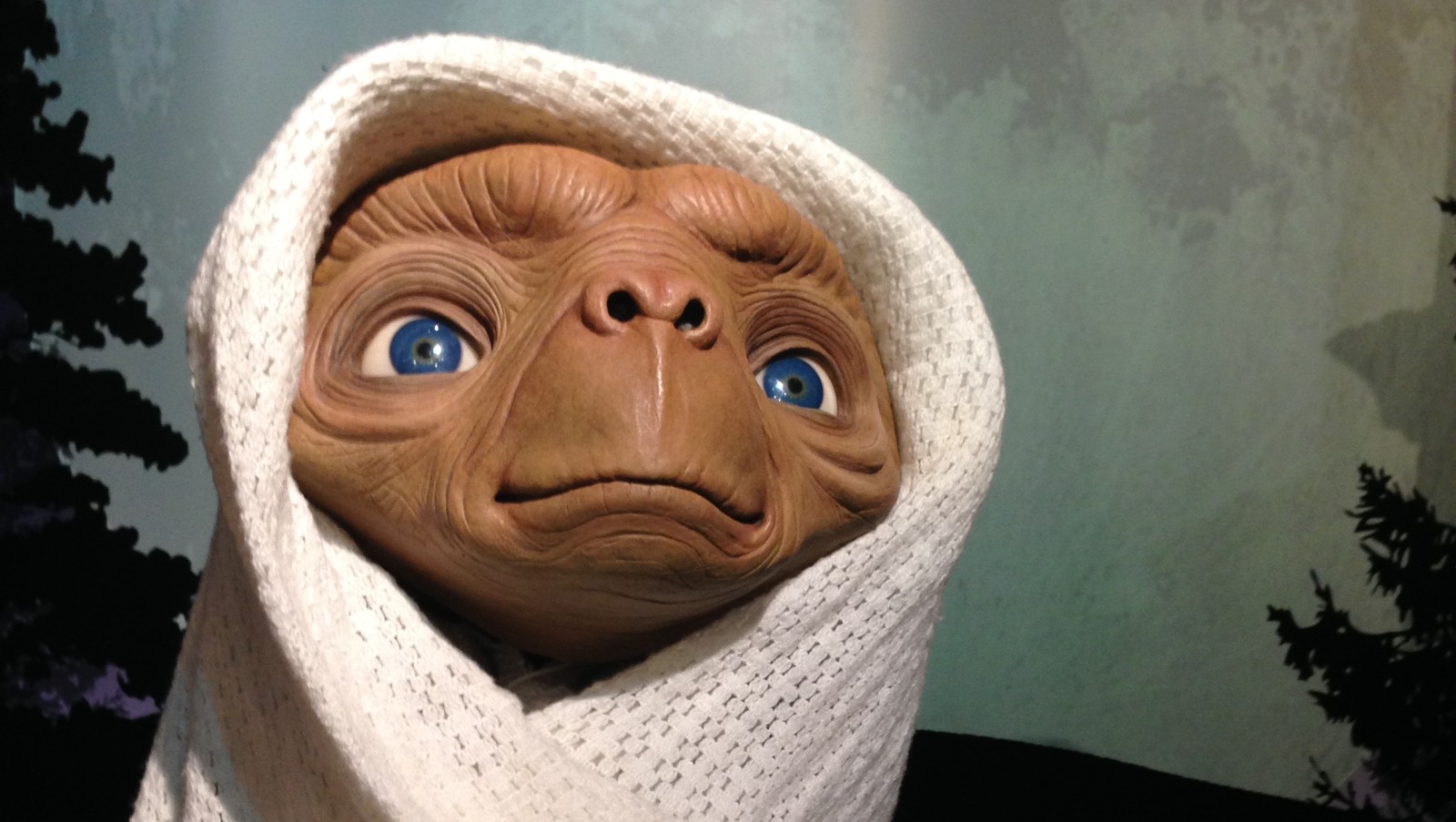
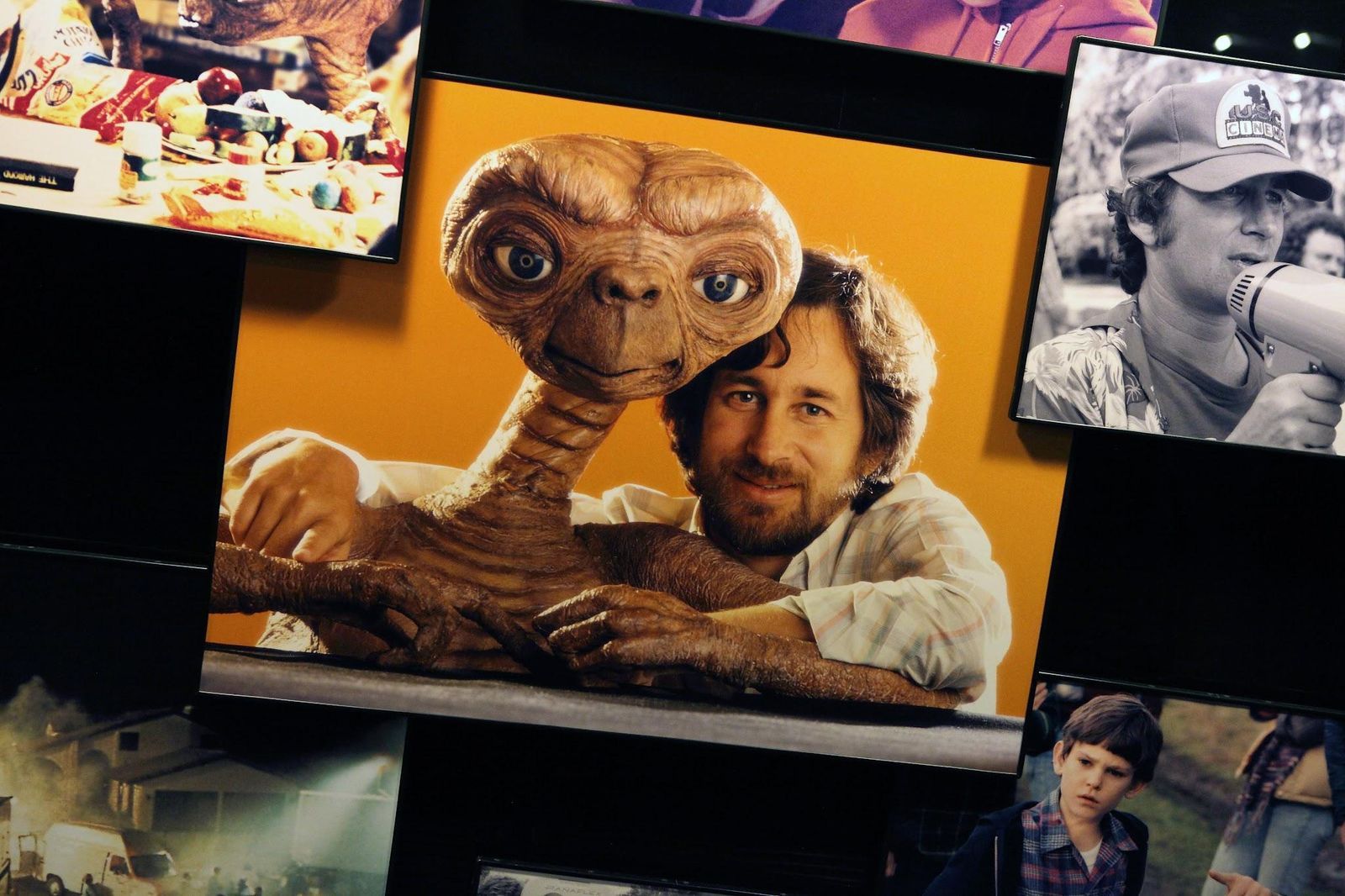
E.T., the Extra-Terrestrial (1982)

Image: Steven Miller, CC BY 2.0, via Wikimedia Commons

The friendship between Elliot and E.T. didn't just capture our hearts: it broke audience records, selling approximately 142 million tickets domestically, beating the incredibly successful Star Wars: A New Hope (1977). It held that record for over a decade, until Jurassic Park snatched the title in the 90s.

This Steven Spielberg classic starred Henry Thomas, Drew Barrymore when she was still a child, and it featured a soundtrack by composer John Williams that made the audience feel like they were flying on a bicycle along with Elliot and his extraterrestrial friend.

2
Star Wars: The Empire Strikes Back (1980)

Image: Alexander Popadin

Star Wars Episode V: The Empire Strikes Back contains one of the most famous lines in film history: "I am your father." The first installment of the Star Wars saga (later retitled as Star Wars Episode IV: A New Hope) had been the biggest film of the 70s. As soon as the decade changed, Empire brought millions of fanatics to the theatres again. It sold around 98 million tickets in the US and Canada.

Directed by Irvin Kershner and produced by George Lucas, the film reunited audiences with Mark Hamill, Harrison Ford, and Carrie Fisher. The story follows the Rebel Alliance on the run. Though slightly less commercially dominant than its predecessor, it was still one of the top-grossing films of the decade.

3
Indiana Jones and the Last Crusade (1989)

Image: Intricate Explorer

By the time Indiana Jones and the Last Crusade hit theaters in 1989, the fedora-wearing archaeologist was already a global icon, having charmed audiences in the first two installments.

Three of the big names that were involved in this production have already been mentioned on this list: Director Steven Spielberg, producer George Lucas, and star Harrison Ford. This time, he was joined by the great Sean Connery playing his father. This installment sold an estimated 49 million tickets domestically.

4
Batman (1989)

Image: Deepak Choudhary

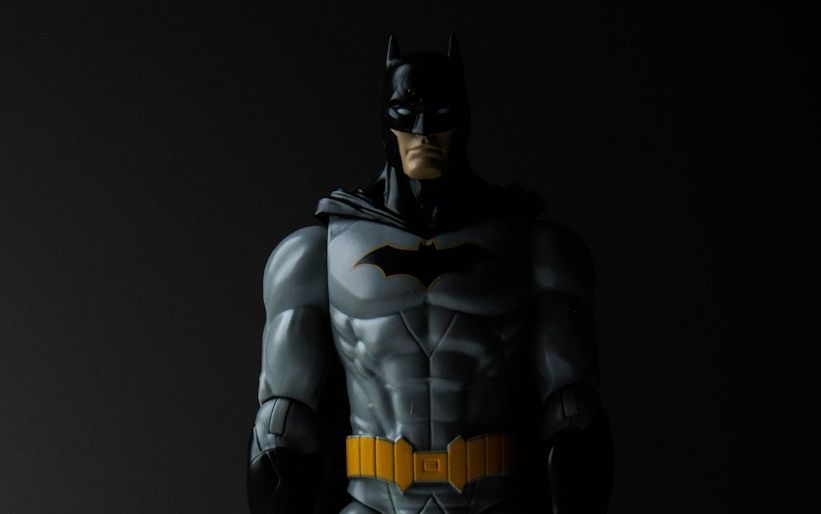
When director Tim Burton took over the superhero’s story for this late-eighties movie, he gave a darker, stylized touch to the genre. Starring Michael Keaton as the Dark Knight alongside Jack Nicholson as the Joker, this film was a great departure from the comic book storytelling that audiences had gotten used to with the 60s iconic series in which Adam West played Gotham’s hero alongside Burt Ward as Robin.

The film sold around 62 million tickets locally and became the biggest commercial success of that year. Combined with an album filled with hits by superstar Prince, this movie was one of the first superhero blockbusters.

5
Back to the Future (1985)

Image: Roger Ce

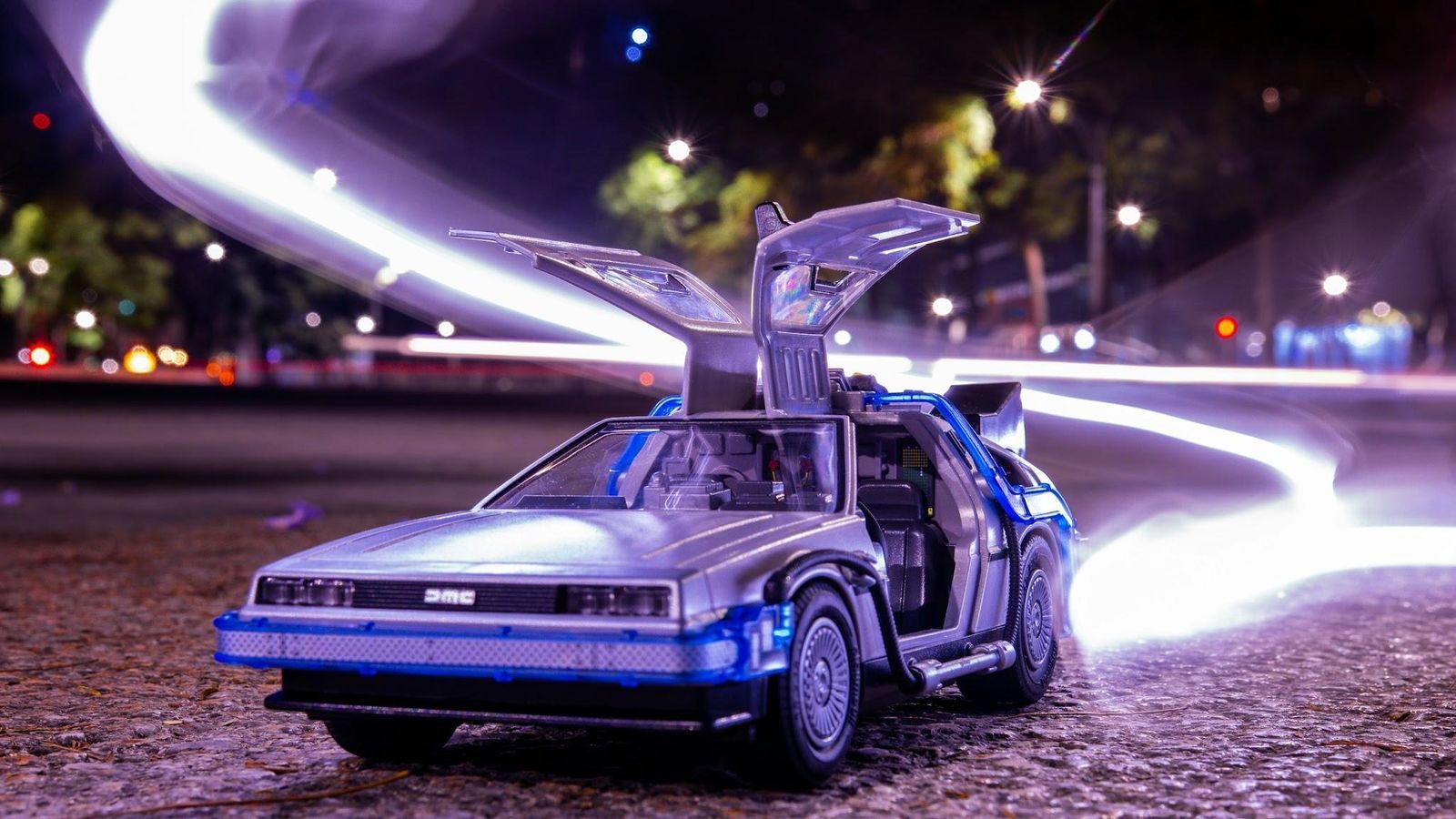
This movie took the concept of time travel and worked it into one of the most beloved films of an era. Directed by Robert Zemeckis and produced by Steven Spielberg, the film stars Michael J. Fox as Marty McFly, a teenager accidentally sent back to 1955 in a time-traveling DeLorean built by the eccentric Doc Brown , played by Christopher Lloyd.

It was the highest-grossing movie of ‘85, selling 59 million tickets domestically. Its mix of comedy, science fiction, and heartfelt scenes made it a classic viewers love to rewatch.

6
Top Gun (1986)

Image: UMUT DAĞLI

Naval aviation had never stirred as much popular interest as when Tom Cruise played the daring pilot Maverick in this film. It was the most successful film of 1986, selling approximately 47 million tickets.

The action film, with high-speed aerial sequences and a strong focus on competition and camaraderie, boosted Navy recruitment in the years that followed its release . It also popularized songs like "Take My Breath Away" and "Danger Zone," and cemented Ray-Ban’s aviator sunglasses as a cultural icon.

7
Ghostbusters (1984)

Image: Winston Chen

"Who you gonna call?" Directed by Ivan Reitman and starring Bill Murray, Dan Aykroyd, Harold Ramis, and Sigourney Weaver, this film became one of the most beloved and memorable comedies of the decade. It earned nearly $300 million worldwide and sold 71 million tickets in North America alone, making it a huge success for the era.

Its theme song, "Ghostbusters" by Ray Parker Jr., became a chart-topping hit, and the film’s imagery, from the Stay Puft Marshmallow Man to the proton packs, became instantly iconic.

8
Rain Man (1988)

Image: Aung Myint Oo

This one film managed to make an impact without lightsabers, time-traveling machines, spaceships, aliens, ghosts, or men in capes. Rain Man showed Hollywood that character-driven stories could still become big hits.

Directed by Barry Levinson, the film stars Tom Cruise and Dustin Hoffman as newfound brothers who must embark on a cross-country journey. Selling around 43 million tickets, it was the highest-grossing film of its year, which meant the audiences loved it. It also went on to win four Academy Awards, including Best Picture and Best Actor for Hoffman, which meant the critics loved it, too.

9
Who Framed Roger Rabbit (1988)

Image: aeroprints.com, CC BY-SA 3.0, via Wikimedia Commons

Blending live action with animation had worked very well for Mary Poppins in 1964. Who Framed Roger Rabbit pushed boundaries of the technology and put it in the service of a film aimed at an older audience.

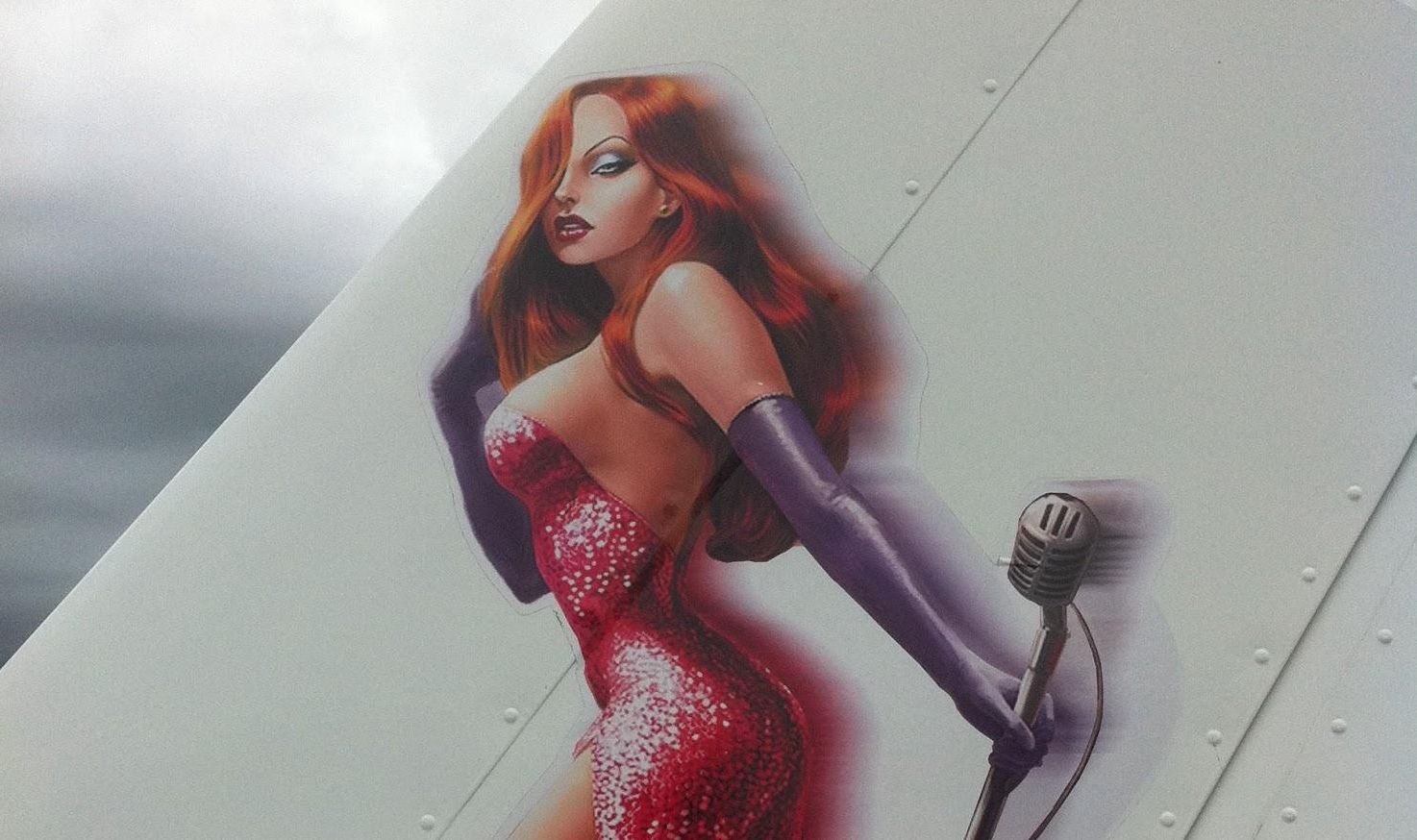
Directed and produced by Robert Zemeckis and Steven Spielberg, respectively, it starred Bob Hoskins amid a world shared by "toons," cartoon characters, which included Roger Rabbit and Jessica Rabbit.

It was a major box office success, selling around 38 million tickets. It also won four Academy Awards, which praised its technical achievements.

10
Fatal Attraction (1987)

Image: Enfeng Tsao

Directed by Adrian Lyne, this film was a huge triumph for Paramount: Its production cost only $14 million, and it went on to earn $320 million globally. Infidelity and obsession are the main themes of this dramatic thriller that stars Michael Douglas and Glenn Close in a role that earned her an Academy Award nomination.

The film sold around 40 million tickets domestically. Its box office popularity was thanks to word of mouth, as people recommended this adult suspense movie in conversations.

Geography Geography 6 min read

AMERICA’S BEST MANSIONS AND ESTATES

Luxury living: 10 impressive historic homes worth visiting

Image: Ramith Bhasuka

You don't have to travel all the way up to Europe to enjoy grand estates and castles. The United States is full of historic mansions that tell stories of times past, from the Gilded Age to the Roaring 20s. Today, many of these architectural marvels have been carefully restored and are available for public tours. Read on to discover 10 breathtaking mansions where the country's wealthiest and most distinguished American families used to live.

1
Vanderbilt Mansion

Image: Michael Denning

The Vanderbilt Mansion was one of several homes owned by Frederick William Vanderbilt and his wife Louise Holmes Anthony. Built between 1896 and 1899, this 54-room marvel is an excellent example of the Beaux-Arts architectural style , characterized by its grandeur and ornate detailing. In addition, the mansion's interiors are representative of the American Renaissance.

Historically known as Hyde Park, the estate includes 211 acres and is built on a hilltop overlooking the Hudson River. It includes well-groomed flowerbeds, formal gardens, woodlands, and ancillary buildings. In 1940 the Vanderbilt Mansion was designated a National Historic Landmark. Today it’s a historic house museum operated by the National Park Service.

2
Hildene Mansion

Image: sarahlawrence603

Hildene Mansion was built in 1905 by Robert Todd Lincoln, eldest son of President Abraham Lincoln. This Georgian Revival-style mansion is set on a 200-foot promontory, which offers a panoramic view of the Battenkill Valley. The name "Hildene" comes from Old English words meaning "hill" and "valley with stream".

Hildene Mansion remained in the possession of the Lincoln family until 1975. Then, in 1978, the property was acquired by a non-profit organization that restored it, preserving its historic integrity. Today this former summer home is one of Vermont's most popular tourist attractions. Visitors can wander around the large estate and contemplate its opulence: from the grand entry staircase to the original furnishings.

3
Swan House

Image: Michael Starkie

Swan House, located in Atlanta, Georgia, is a historic mansion built in 1928 by Edward and Emily Inman, heirs to a cotton fortune. The mansion's eclectic design combines neo-Renaissance styles with a classical approach. The 28-acre estate features terraced gardens and a cascading fountain on the hillside. Carved or painted swans are a recurring motif throughout the house and gardens.

In 1966, the Atlanta Historical Society acquired the house and grounds. Today, Swan House is part of the Atlanta History Center and operates as a museum documenting 1920s American history. Many of the Inmans' original furniture pieces are still on display, offering visitors a glimpse into the past.

4
Hearst Castle

Image: Mike Hsieh

On the west coast, halfway between San Francisco and Los Angeles, there’s a magnificent mansion, a combination of a medieval castle , a Spanish cathedral , and a Roman temple. Hearst Castle is the result of the feverish dreams of one of the greatest tycoons of the 20th century: William Randolph Hearst.

Facing the Pacific Ocean, this four-building palace has 175 rooms, 40 bathrooms, and gigantic extensions of gardens. An immense semicircular outdoor swimming pool, a private zoo, tennis courts, a huge Gothic-style library, a movie theater, and an airfield are also part of this estate that took almost thirty years to build. Once visited by the most prominent Hollywood stars and politicians of the time, today Hearst Castle is registered as a National Historic Landmark and functions as a museum.

5
Ca d’Zan

Image: Tessa Edmiston

This estate located on the shores of Sarasota Bay was once the exquisite winter residence of American circus magnate John Ringling and his wife Mable. The majestic Ca' d'Zan —Venetian for "John's House"— is an incredible Mediterranean-style architectural beauty built in 1926 to resemble a palace on the Grand Canal in Venice.

The extravagant 5-story building is adorned with stained glass, stucco, and terra cotta details. It features 56 rooms, an 82-foot observation tower, and an impressive marble terrace overlooking the ocean. This residence, an icon of the Florida Boom Years of the 1920s, was restored by the state and opened to the public in 2002.

6
Old Westbury Gardens

Image: Jialin Hu

Old Westbury Gardens, listed on the National Register of Historic Places, is located in Nassau County on New York's Long Island peninsula. The 23-room estate was once the home of businessman John S. Phipps, his wife Margarita Grace, and their four children.

Completed in 1906 by English designer George A. Crawley, the magnificent Charles II-style mansion is set amid 160 acres of formal gardens, woodlands, ponds, and lakes. This former private estate is now a museum that can be visited from April through October. It is also regularly used for cultural events, private parties, and as a film set for Hollywood productions.

7
Oheka Castle

Image: Peter Oswald

Believed to have inspired "The Great Gatsby," Oheka Castle is the largest private home in New York and the third largest in the United States. Although now it’s a hotel, this estate was once the country home of financier and philanthropist Otto Hermann Kahn and his family. In fact, the name "Oheka" is an abbreviation derived from the first letters of his name.

The mansion, located on the North Shore of Long Island in West Hills, New York, was built between 1914 and 1919. In recent years Oheka Castle has gained popularity as a wedding venue for socialites and celebrities and was used for photo shoots , films , and television series. The castle also houses a bar and a restaurant and offers guided tours for regular visitors.

8
Lyndhurst Mansion

Image: Pixabay

Designed in 1838 by the famous American architect Alexander Jackson Davis, Lyndhurst Mansion is a remarkable example of Gothic Revival architecture. This country house is located in Tarrytown, New York, along the Hudson River, and was owned by New York Mayor William Paulding Jr, merchant George Merritt, and railroad magnate Jay Gould.

In 1961, Gould's daughter, Anna Gould, donated it to the National Trust for Historic Preservation. In 1966, Lyndhurst was recognized as a National Historic Landmark, a testament to its historical and architectural significance. Today, the house is open to the public, allowing visitors to explore its unique features and learn about its rich history.

9
Villa Vizcaya

Image: Zoshua Colah

Between 1914 and 1923 philanthropist and conservationist James Deering built this sumptuous mansion as his winter home. Born in South Paris, Maine, Deering suffered from anemia, so his doctors recommended that he seek refuge in a sunny, warm climate. South Florida was the perfect place to recuperate. He lived in Miami until his death in 1925.

In the mid-20th century, the county took possession of the complex and its extensive Italian Renaissance gardens and began operating as a museum. Over the years Villa Vizcaya has hosted countless historic events, such as the meeting between Ronald Reagan and Pope John Paul II, and the first Summit of the Americas. In 1994 it was designated a National Historic Landmark and today is open to the public for tours.

10
The Biltmore Estate

Image: Stephanie Klepacki

In the Blue Ridge Mountains of Asheville, North Carolina stands a true architectural marvel: the Biltmore Estate. At more than 178,926 square feet, this legendary residence with 250 rooms, 35 bedrooms, 43 bathrooms, and 65 fireplaces is the largest privately owned house in the country . Biltmore Estate is also a monument that reflects the grandeur and luxury of the American Gilded Age.

Inspired by the landscape, George Washington Vanderbilt, grandson of industrial titan Cornelius Vanderbilt, set out to build an estate that would combine European elegance with American nature. Designed in the Châteauesque style, the mansion —which reportedly cost $5 million (equivalent to about $183 million today)— was finally inaugurated on Christmas Eve of 1895. Today, the Biltmore Estate attracts millions of visitors every year who are amazed by its architectural splendor and history.

Explore more American facts

Choose your favorite category!

General
General

As American as apple pie—the very best America has to offer!

Culture
Culture

Delve into the astounding richness of American lore.

Geography
Geography

Hop in and explore vast and diverse American landscapes.

History
History

Discover the key moments that shaped the United States.