Culture Culture 5 min read

Relive the classics

How did these 10 TV lines become more famous than their shows?

Image: TopSphere Media

Some TV lines and catchphrases are so famous that even people who’ve never seen the show know them well. Though they were created decades ago, one thing is certain: just reading these quotes will bring back all those memories. From "What’chu talkin’ ’bout, Willis?" to "Here’s Johnny!", we’re revisiting 10 unforgettable TV lines that are part of pop culture history.

1
"Here’s Johnny!" - The Tonight Show Starring Johnny Carson
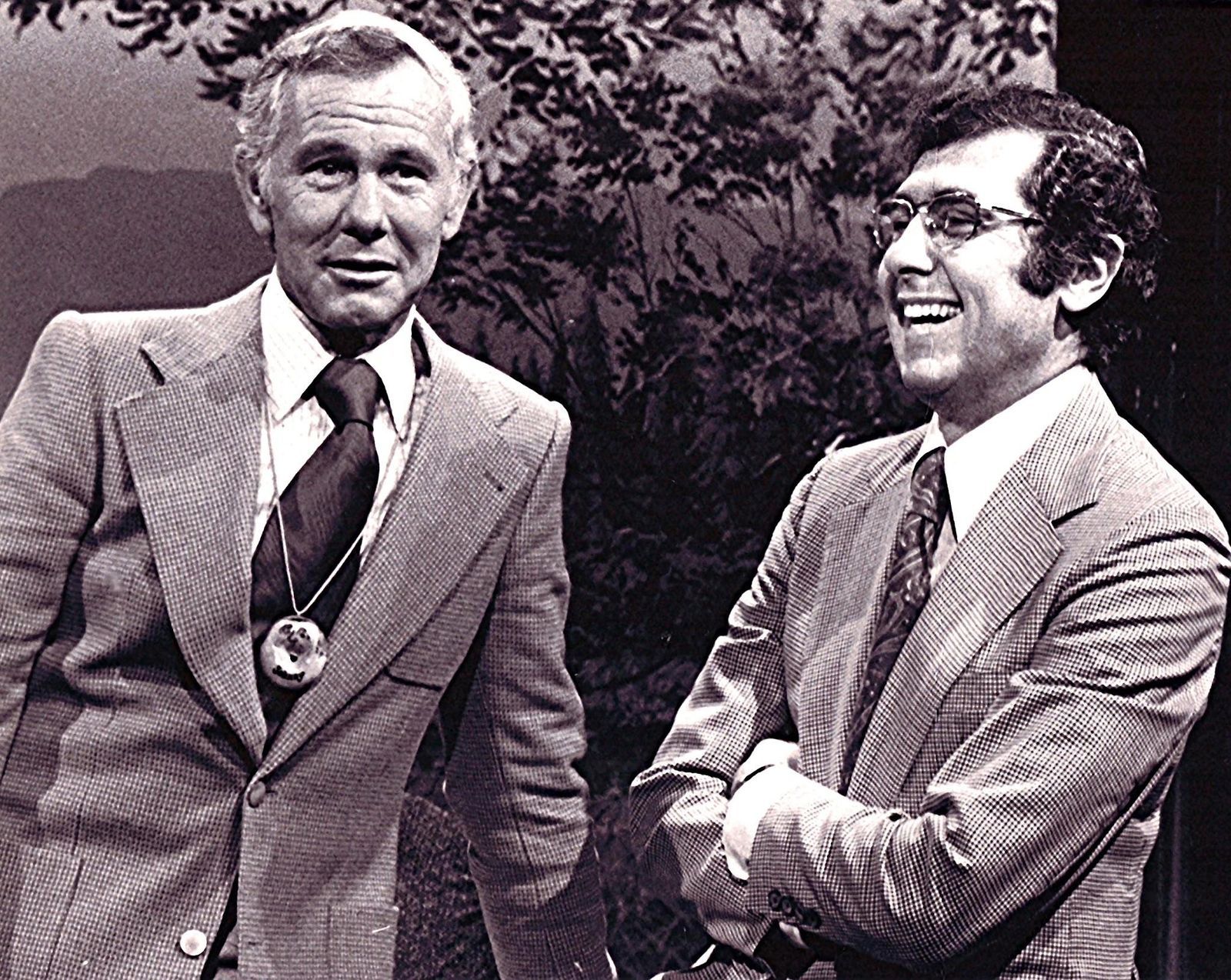
Image: Carl Lender, CC BY 2.0, via Wikimedia Commons

The Tonight Show is one of the longest-running and most influential programs in television history. The late-night show premiered in 1954, but Johnny Carson took over in 1962 and became the face of the show for three decades. It was Ed McMahon, Carson’s longtime sidekick and announcer, who gave birth to the iconic introduction: "Heeeeeere’s Johnny!" The phrase took hold so firmly in American culture that it was referenced endlessly across other shows and media, most famously parodied to terrifying effect by Jack Nicholson in Stanley Kubrick’s The Shining (1980).

2
"What’chu talkin’ ’bout, Willis?" - Diff’rent Strokes
Image: Louise Palanker, CC BY-SA 2.0, via Wikimedia Commons

It’s impossible not to picture Gary Coleman’s face when you hear "What’chu talkin’ ’bout, Willis?" The line, uttered by Arnold (Coleman) to older brother Willis (Todd Bridges), became so famous that it’s still used today to express confusion, even by young people around the world who don’t know it comes from the NBC sitcom Diff’rent Strokes (1978–1985). The catchphrase helped catapult Coleman to international fame, but it was repeated so often that, by the later seasons, he admitted he sometimes refused to say it.

3
"Ayyyyyy!" - Happy Days
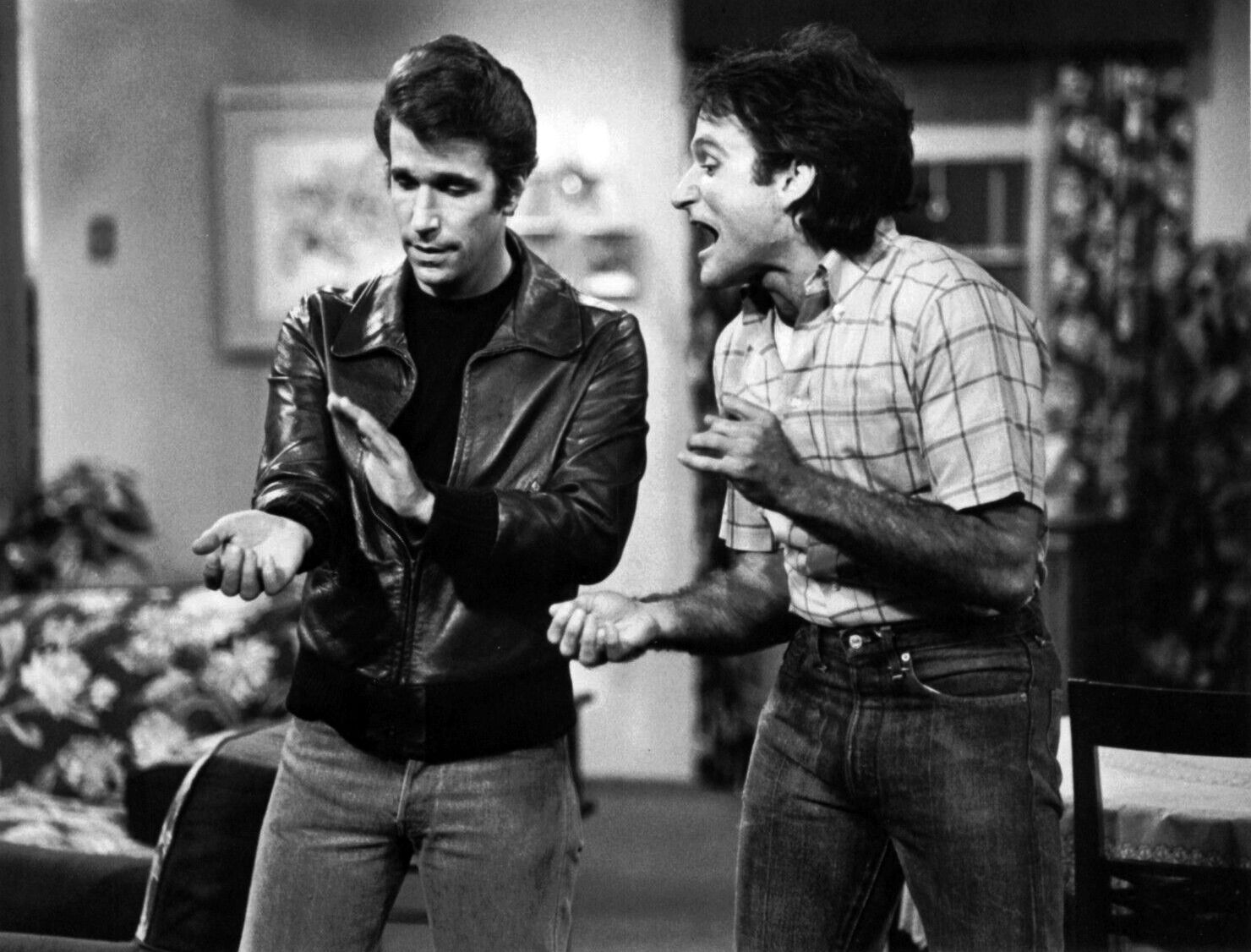
Image: ABC, Public domain, via Wikimedia Commons

Yes, the power of a catchphrase can be so strong that some of the most memorable ones are just one consonant-free syllable. A perfect example is the signature line of Arthur Fonzarelli, A.K.A. Fonzie, or "The Fonz," from Happy Days (1974–1984). Played by Henry Winkler, Fonzie was the coolest guy on TV, so all it took was a leather jacket, a thumbs-up, and an "Ayyyyy!" to make him immortal.

4
"Dy-no-mite!" - Good Times

Image: Aleks Dorohovich

Actor Jimmie Walker rose to fame playing J.J. Evans on the American sitcom Good Times (1974–1979). His clever and energetic character had a trademark: "Dy-no-mite!", his exclamation of excitement, approval, or surprise. The line became so famous that it appeared everywhere, from T-shirts to posters, and for many viewers, it’s the thing they most remember about the show.

Although the line was undeniably a hit, the actor admitted in later interviews that he wasn’t entirely sure it would take off. Who could have predicted what was coming?

5
"I love it when a plan comes together!"- The A-Team
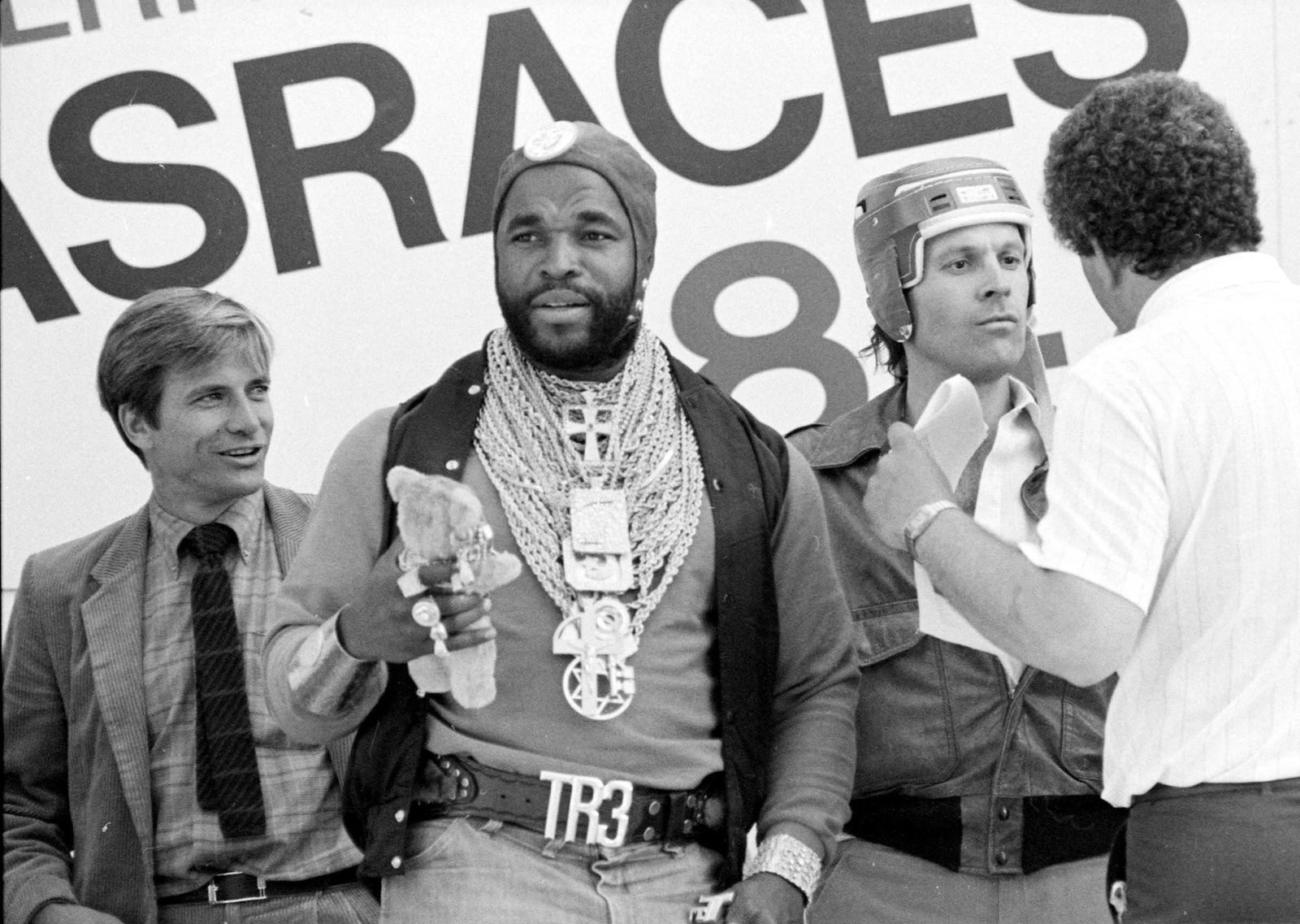
Image: Fotopersbureau De Boer, CC0, via Wikimedia Commons

"I love it when a plan comes together!" was the iconic catchphrase delivered by George Peppard’s character in The A-Team (1983–1987). At the end of many episodes of the action series, Lieutenant Colonel John "Hannibal" Smith would light or just hold his cigar as he delivered the line, signaling that his plans (usually elaborate, risky, and a little over the top) had worked out perfectly. Over time, the phrase became part of popular culture and is still used today whenever everything falls into place.

6
"Book 'em, Danno" - Hawaii Five-O
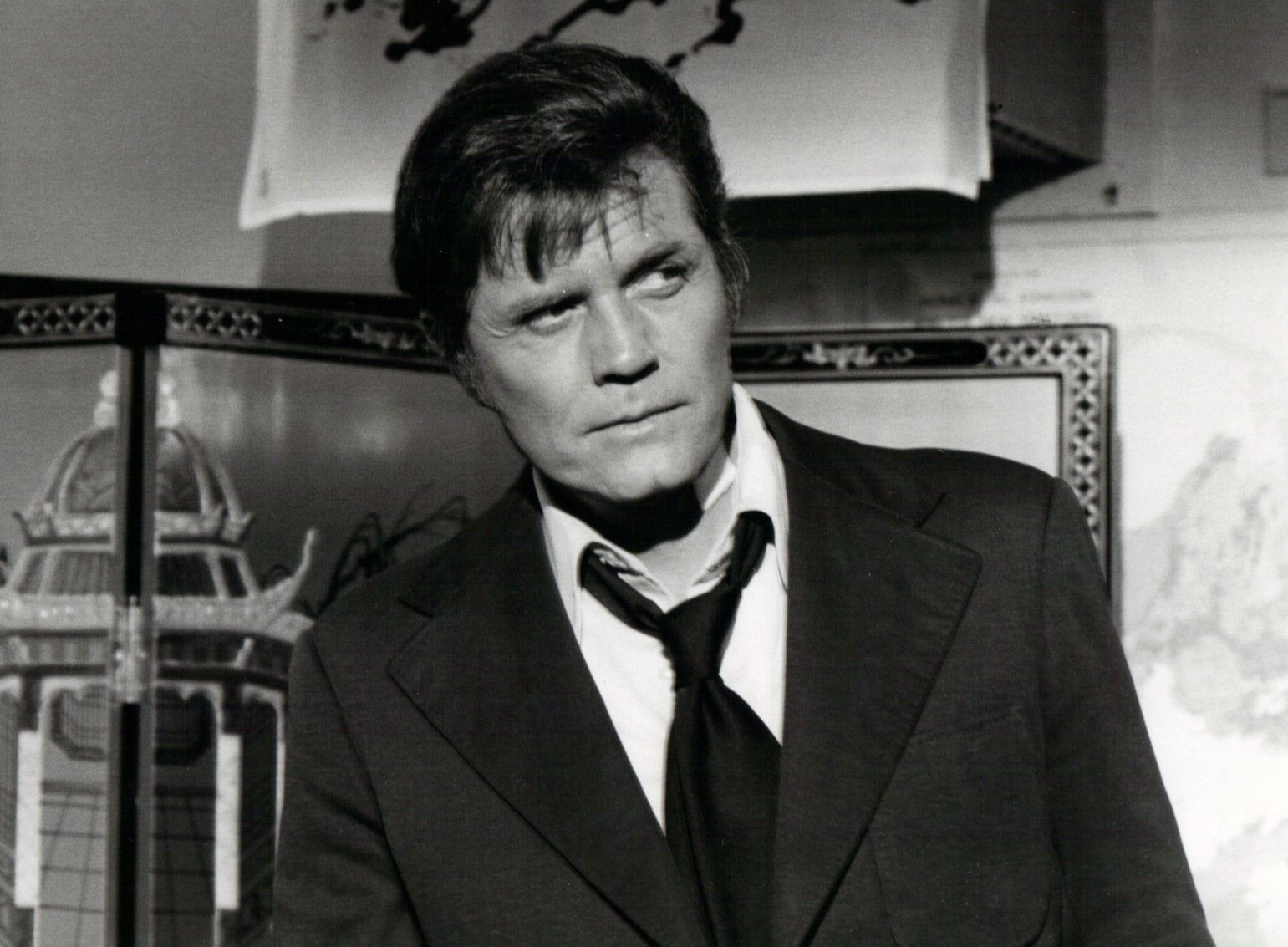
Image: CBS Television, Public domain, via Wikimedia Commons

"Book ’em, Danno" was the iconic line delivered by Jack Lord’s character, Detective Steve McGarrett, to his partner Danny "Danno" Williams (played by James MacArthur) on Hawaii Five-O (1968–1980). The utterance often came at the end of an episode when the bad guy had finally been caught. It became hugely popular and turned into a cultural shorthand for "case closed" in the 1970s.

7
"Lucy, you got some 'splaining to do!"- I Love Lucy
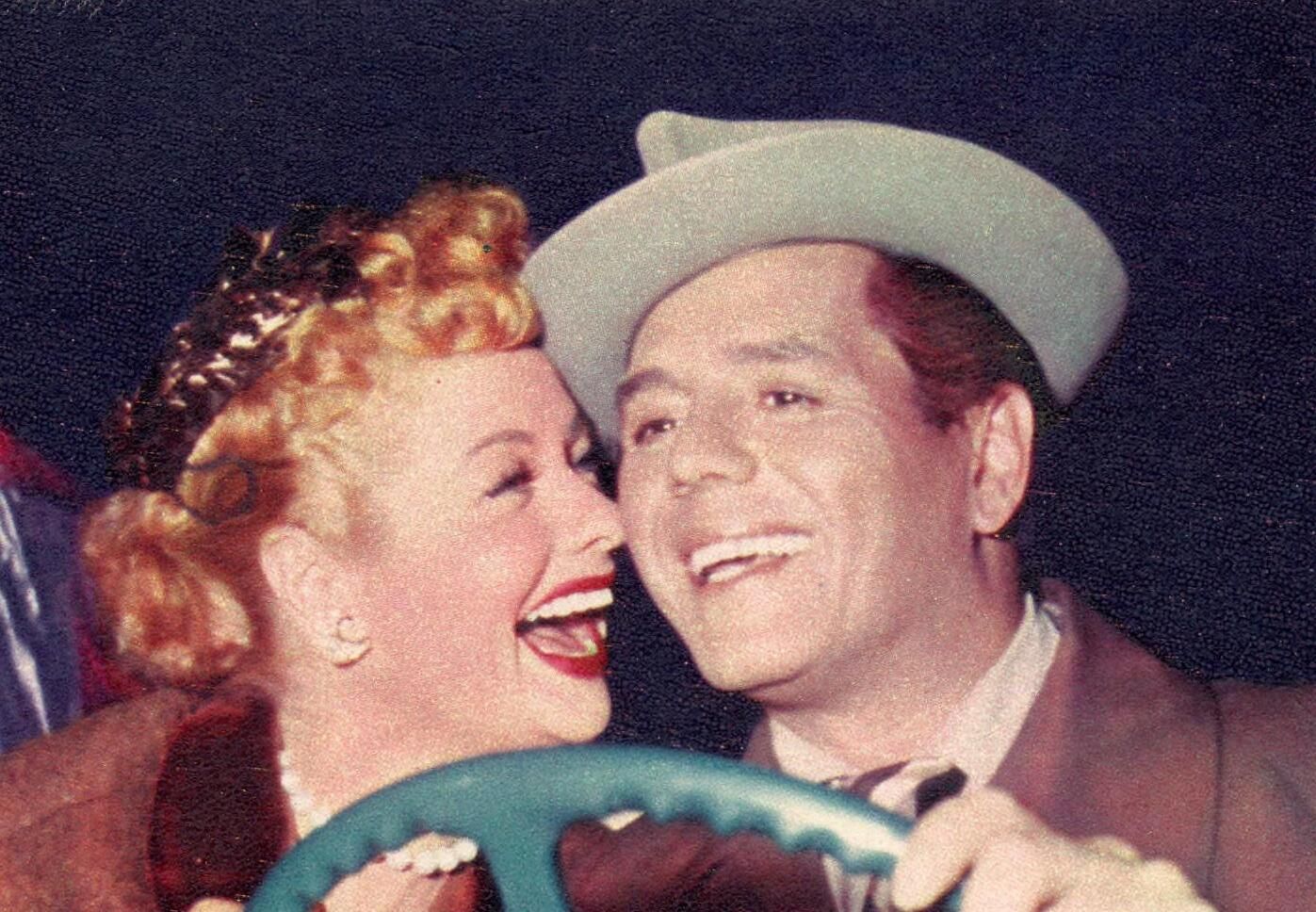
Image: TV Guide, Public domain, via Wikimedia Commons

Desi Arnaz and Lucille Ball played the ultimate sitcom couple, Ricky and Lucy Ricardo, on I Love Lucy (1951–1957). Whenever Lucy got caught up in one of her classic schemes or hilarious misunderstandings, Ricky would step in to deliver some version of "Lucy, you got some ‘splaining’ to do!"

Even though the line was never delivered exactly the same way, Ricky would always demand an explanation in similar terms, with variations like "Lucy, something needs ‘splaining’" or "What needs ’splainin’?"

8
"Is that your final answer?" - Who Wants to Be a Millionaire?

Image: Idea SV, CC BY-SA 3.0, via Wikimedia Commons

Maybe it’s just nostalgia, but it’s hard not to feel the tension when you hear "Is that your final answer?" That classic line from Who Wants to Be a Millionaire? originated with Chris Tarrant, the original host of the British version, which debuted in 1998. But it was Regis Philbin, host of the American version (which premiered in 1999), who helped the phrase achieve worldwide fame.

The question added a moment of suspense, often making contestants second-guess themselves. Over time, its impact went far beyond the game, becoming an indisputable part of the cultural lexicon

9
"Live long and prosper" - Star Trek
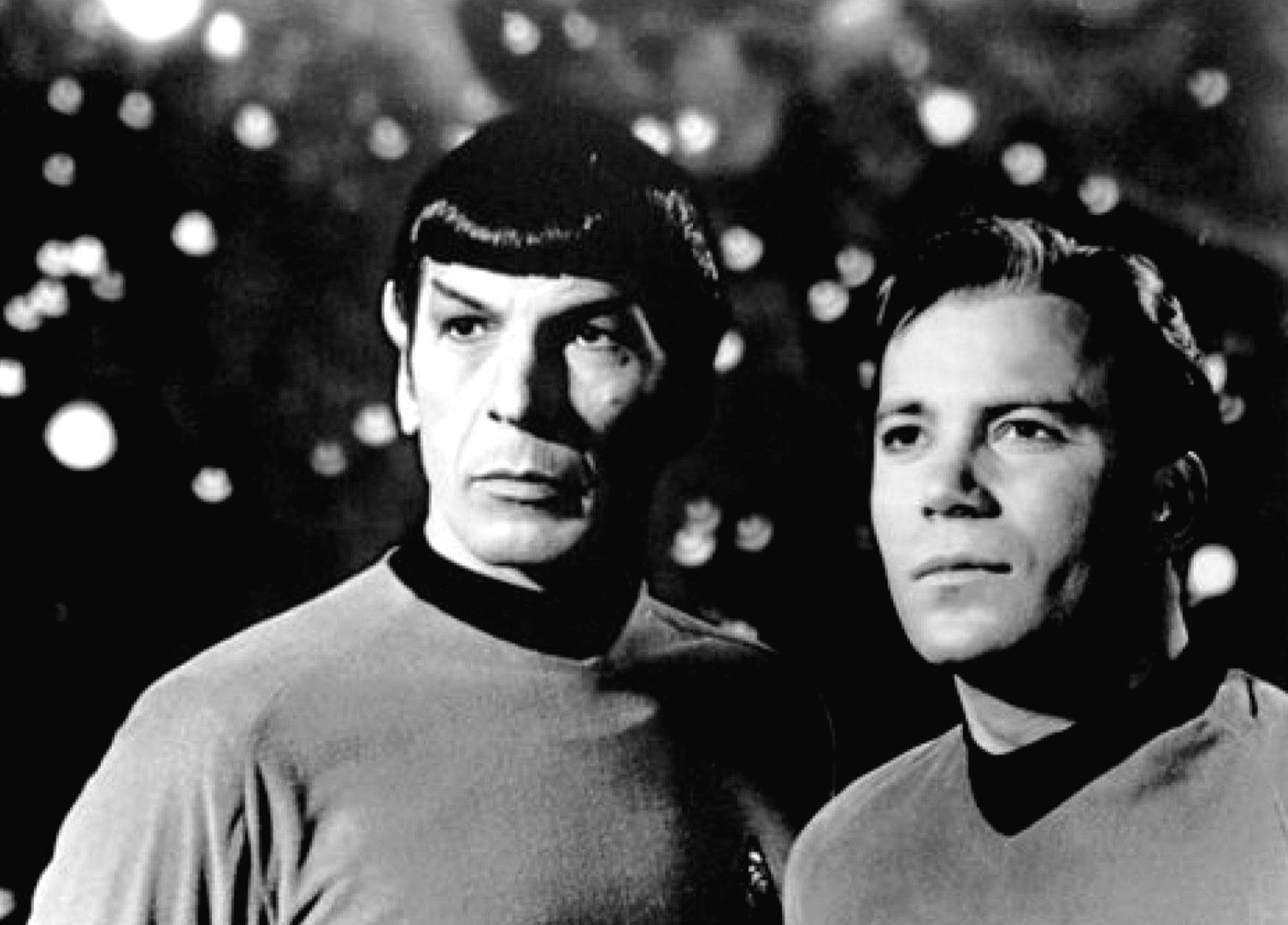
Image: NBC Television, Public domain, via Wikimedia Commons

You may remember Leonard Nimoy’s voice as Spock delivering his signature "Live long and prosper" in the original Star Trek (1966–1969). As a traditional Vulcan greeting, the line was often paired with the iconic hand gesture, where the fingers split to form a "V" shape. The phrase went on to transcend generations, which makes it even more surprising that it wasn’t part of the original script; it was Nimoy who came up with both the gesture and the phrase for the show.

10
"Norm!" - Cheers
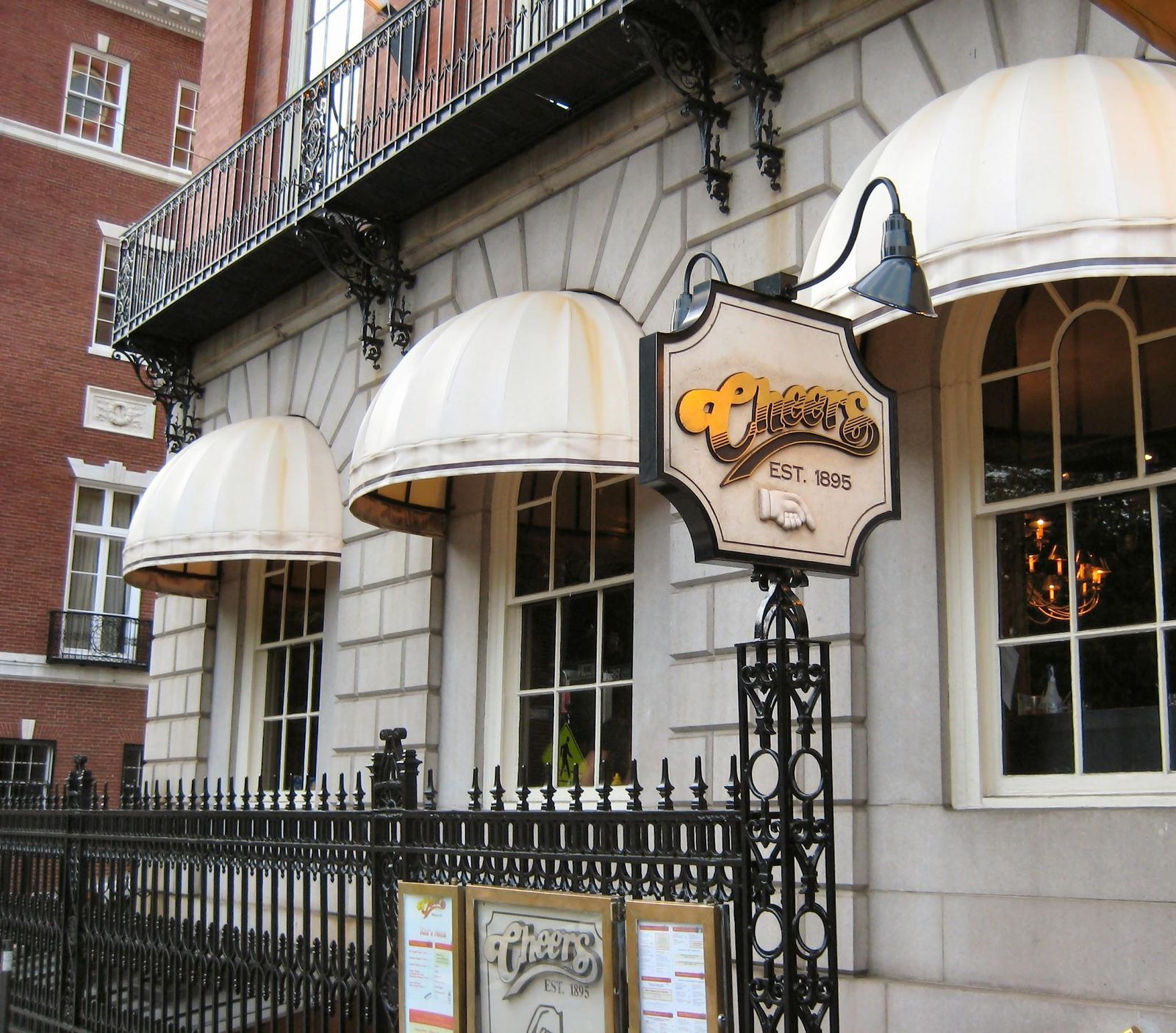
Cheers (1982–1993) is one of those shows that’s hard to forget, and anyone who’s seen it will instantly remember the shout of "Norm!" This was the familiar greeting from the bar’s staff and regulars every time Norm Peterson, played by George Wendt, walked through the door. Norm is one of the few characters to appear in all 275 episodes of the series, so that moment became a beloved and frequent (very frequent) ritual.

General General 4 min read

WHAT GOES INTO A NAME?

10 States with unusual names explained

Image: Nico Smit

A lot of consideration goes into naming a state. Or, at least, it should. After all, that enormous piece of public land will be an important part of the country, and its citizens will be defined by its name as well. Some states’ names are obvious: New York was named after the English town of York, New Mexico was named after Mexico, and so on. But many other states have strange-sounding names, like Wyoming or Connecticut. Stick around until the end of this list and learn why ten of these states are named that way!

1
Massachusetts

Image: Kaya Arro

A curious word in itself, Massachusetts originated from an Algonquian word meaning "large hill place." The term "Massachusett" was first recorded in 1616 as the name of a village near present-day Boston, and the English added an -s to signify the plural.

The name was applied to the bay, from which the Massachusetts Bay Company, founded in 1629, took its name. With the Massachusetts Constitution of 1780, legislators officially adopted the name Commonwealth of Massachusetts.

2
Michigan

Image: Aaron Burden

Another name with an Algonquian origin, like Massachusetts, Michigan comes from the word mishigama which means "big lake." The state was named after its chief geological feature: that large body of water to its west. After all, Michigan is in direct contact with four of the five Great Lakes.

When the area became a U.S. territory, the name Michigan was adopted as the name of the state. Michigan achieved statehood in 1837.

3
Montana

Image: Tim Stief

A name most likely derived from the either Spanish ( Montaña ) or Latin ( Montanus ) word for mountain, Montana was suggested by Rep. James M. Ashley of Ohio, who was a member of the House Committee on Territories. He recommended it in 1863 for the territory that would become Idaho. He liked the name so much that he recommended it again for a territory being organized in 1864.

The name Montana itself was first given in 1858 to a town in the Pike’s Peak gold region, which was at the time part of Kansas and is today part of Colorado. The town eventually died, though, when the gold ran out, but the name lived on.

4
Oklahoma

Image: Skyler Smith

The name Oklahoma was coined in 1866 by Allen Wright, a Choctaw chief and Presbyterian minister who served in the Confederate Army during the Civil War. He combined two Choctaw words that, together, mean "Land of the Red People." Eventually, the name was adopted into the Choctaw-Chickasaw Treaty.

5
Pennsylvania

Image: Lera Kogan

In 1681, the English king Charles II gave a land grant to William Penn. The charter designated that the colony was to be called Pennsylvania, which was a combination of Penn’s name and the Latin " silva " (spelled " sylva " in the 17th century), meaning "forest." Therefore, Pennsylvania means " Penn’s forest ."

William Penn had originally suggested that the land be called New Wales, but since the charter was signed with Pennsylvania permanently inscribed, he declared that the name was in honor of his father.

6
Tennessee

Image: Brice Cooper

While the names of many states originate from descriptions, the name of Tennessee didn’t have any particular meaning when it was bestowed upon the Volunteer State. This name originally came from a Cherokee town called Tanasqui by the Spanish, and Tinnase by the English. But the Cherokees themselves didn’t associate any literal meaning with the word.

The name was also given to a stream near the town, and as English settlers moved downstream, they carried the name with them. Tennessee first appeared in that spelling as the name of a newly organized county in North Carolina in 1788, and it was eventually proposed and accepted by Congress as a state name in 1796.

7
Wyoming

Image: Kellie Klumb

The name of Wyoming originated from the Algonquian word meche-weami-ing , which meant " at the big flats. " It was originally applied to a valley in Pennsylvania and became well-known through Thomas Campbell’s epic 1809 poem "Gertrude of Wyoming," which was about a girl from Pennsylvania.

James Ashley, a member of the House Committee on Territories representing Ohio, suggested the name for a new territory in 1868.

8
Alaska

Image: Rod Long

The name Alaska is thought to come from the Aleut word aláxsxaq or aleyska , which translates to " an object to which the sea is directed ."

When Alaska was purchased from Russia in 1867, the name Alaska was suggested by Senator Charles Sumner under the belief that it meant "great land," when in fact the word was simply what Aleuts used to refer to the mainland.

9
Connecticut

Image: Christopher Luther

Whoever thinks Connecticut sounds like a complicated word, should take a look at the Algonquian word from which it originated: Quinnehtukqut , which means " place beside the long tidal river. "

An English scribe probably inserted the second, silent "c" in the name into the word to form the more common "connect" section, as we know it today.

10
Idaho

Image: Clay Elliot

The name of the state of Idaho has at least two probable origins. On the one hand, it may be derived from the word Idahi , the Kiowa-Apache name for the Comanche, both of whom were known to have been in that area. On the other hand, it might have been fabricated by a mining lobbyist at a time when native-sounding names were popular.

When Colorado was being organized as a territory in 1860, the name Idaho was considered, but Congress chose Colorado instead. The name came up again in 1863 when territories farther north were being organized. Montana was first proposed for the new area, but the U.S. Senate decided to call it Idaho.

Culture Culture 6 min read

An American legend

“Chairman of the Board”: How much do you know about Frank Sinatra?

Image: Alesan Aboafash

Frank Sinatra truly needs no introduction: from "The Sultan of Swoon" to "Ol’ Blue Eyes," we could fill this entire introduction only with all the iconic nicknames Sinatra collected throughout his life. This singer and actor’s amazing talent and magnetic personality have truly cemented him as one of America’s most iconic artists. While his remarkable career is definitively too extensive to cover in this article, we have selected 10 moments in Sinatra’s life to celebrate the legacy of this groundbreaking American. Enjoy!

1
Early life

Image: Laith Abuabdu

Let’s start with the very beginning, in a small tenement in Hoboken, New Jersey. It’s no secret that Frank is one of the Garden State’s favorite sons, and we like to believe that the feeling was mutual. According to biographers, Sinatra developed his love of music at an early age, becoming interested in big band jazz and singers like Gene Austin and Bing Crosby.

By the time he was a teenager, Frank began singing professionally with a group called "the 3 Flashes," which renamed itself "the Hoboken Four" after Sinatra joined. A few years later, he became the lead singer of the band, which was conducted by Tommy Dorsey, one of the most influential figures in Sinatra’s early career.

2
Time to go solo

Image: Dushawn Jovic

In 1942, Sinatra convinced Dorsey to allow him to record a few solo songs ; these included some of his first hits, like "Night and Day" and "The Song is You." Impressed by the way these recordings sounded, Frank decided it was time to go solo. This was easier said than done, since his contract stipulated that he had to give Dorsey 43% of his lifetime earnings.

After a lengthy legal battle, Frank was able to become a solo artist , although his relationship with Dorsey never recovered. Part of their dispute included the fact that Sinatra offered Dorsey’s conductor, Axel Stordahl, five times his salary to sign with him and become his personal arranger.

3
"Sinatramania"

Image: Ethan Rougon

By the start of the 1940s, Frank’s popularity was soaring, and the whole country seemed to be enraptured by a wave of "Sinatramania." He topped the male singers' polls and was the quintessential idol of "Bobby Soxers," a subculture of teenage girls characterized for their fondness of popular music.

Perhaps this following anecdote can encapsulate how hard the "Sinatramania" had hit America: In 1944, Sinatra returned to the Paramount Theatre in New York after two amazing performances a few years earlier. The audience that gathered for that show was so massive that only 250 people were allowed to enter the theatre, while the remaining 35,000 protested outside. They were so determined to see "the Sultan of Swoon" that their rejection caused a riot known as the "Columbus Day Riot."

4
World War II

Image: Museums Victoria

Sinatra’s birth was a difficult one, and his eardrum was perforated during delivery. This condition made him ineligible for military service during the onset of World War II. However, he did serve his country by raising morale, traveling through Europe, and entertaining the troops towards the end of the war.

Frank performed in several USO tours alongside comedian Phil Silvers. Not only that, many of his radio performances with the "Andrews Sisters" harmony group were broadcast to the soldiers through the American Forces Radio service.

5
Acting career

Image: Los Angeles Times, CC BY 4.0

Sinatra’s acting chops are sometimes overshadowed by his singing career, which is an absolute shame. While he had small singing roles and cameos in 1940 films like Las Vegas Nights and Reveille with Beverly , his breakthrough came with the 1945 musical Anchors Aweigh , in which he starred alongside Gene Kelly and Kathryn Grayson. The film’s success and Academy Award nominations ensured a series of movies with Gene Kelly, including the now iconic On the Town in which Sinatra plays a sailor.

However, Frank’s acting credits are not limited to musicals that showcased his amazing voice; he starred in groundbreaking films like The Manchurian Candidate , High Society, and The First Deadly Sin . Not only that, he was the first choice to play the legendary Detective Harry Calahan in Dirty Harry , but he had to turn down the role. Picture this: There’s an alternate universe in which "The Voice" is the one that utters the film’s famous line, "Do you feel lucky, punk?"

6
The Rat Pack

Image: Los Angeles Times, CC BY 4.0

What’s life without a few friends? The term "rat pack" is an old New Yorker slang name used to describe a group of friends. However, today we use it to refer to a distinct group of actors and singers, the quintessential "Rat Pack" of which Frank Sinatra was one of the shiniest stars.

Alongside Frank, the Rat Pack included iconic singers like Dean Martin, Sammy Davis Jr., Judy Garland, Mickey Rooney, and Nat King Cole. According to legend, the group received its name from Humphrey Bogart and Lauren Bacall after they were seen returning from a night in Las Vegas. Many remember the original iteration of the classic heist film Ocean’s Eleven, which starred five members of the Rat Pack.

7
The Capitol years

Image: Dane Deaner

The 1950s were truly a Renaissance time for Sinatra. While interest in his music had slowly waned over the years, Frank saw the success of the 1953 film From Here to Eternity as an opportunity to revitalize his career. In that sense, that same year, the singer made a move that would prove to be essential in this revival: his signing with Capitol Records .

SInatra’s seven-year contract with Capitol produced some of this singer’s most beloved albums , including "Where Are You?" and "Come Fly with Me." One of the strongest elements behind these albums was arranger Nelson Riddle, who was wonderfully adept at matching Sinatra’s perfectionism.

8
Family life

Image: Jorge Moncayo

Let’s step away from the spotlight for just a moment and focus on Sinatra’s family life . Frank’s four marriages were highly publicized; some of them included Ava Gardner and Mia Farrow, two of the biggest actresses of their time. However, we have decided to instead highlight the most important things that came from his relationships: his children.

Frank had three children with his first wife, Nancy Barbato: Nancy, Frank Jr., and Christina, known as "Tina." Most biographers agree that, while his relationships may have been tumultuous, Frank was by all accounts a devoted father. Two of his children, Nancy and Frank Jr., went on to follow in their father’s footsteps and became singers themselves, with Nancy turning out to be one of the most prominent artists of the ‘60s and ‘70s.

9
Retirement

Image: Los Angeles Times, CC BY 4.0

As the saying goes, "All good things must come to an end," and in 1970, Sinatra announced he would be retiring from recording and performing. However, it should come as no surprise that his retirement was definitively short-lived or, at the very least, as packed with excitement as his career had been.

By the 1970s, Sinatra’s voice had grown coarsened after years of demanding use. However, this only added a new layer of depth to Frank’s singing; audiences loved the deeper and rougher tones he added to his performances. Not only that, in 1980, Sinatra starred in his final film The First Deadly Sin , an extraordinary goodbye to his acting career.

10
Legacy

Image: IrishFireside, CC BY 2.0

On May 14, 1998, Frank Sinatra bid farewell to the world. While he is surely missed, his outstanding legacy still lives on, so we thought dedicating this final entry to some of the many homages this American icon received would be a fitting tribute.

In 1995, to honor Frank’s 80th birthday, the Empire State Building was lit blue to show its appreciation for "Ol’ Blue Eyes." Ten years after his death, the United States Postal Service issued a postage stamp honoring Frank, and Congress passed a resolution declaring May 13 as "Frank Sinatra Day."

Explore more American facts

Choose your favorite category!

General
General

As American as apple pie—the very best America has to offer!

Culture
Culture

Delve into the astounding richness of American lore.

Geography
Geography

Hop in and explore vast and diverse American landscapes.

History
History

Discover the key moments that shaped the United States.