General General 4 min read

How did a car manufacturer change American barbecue forever?
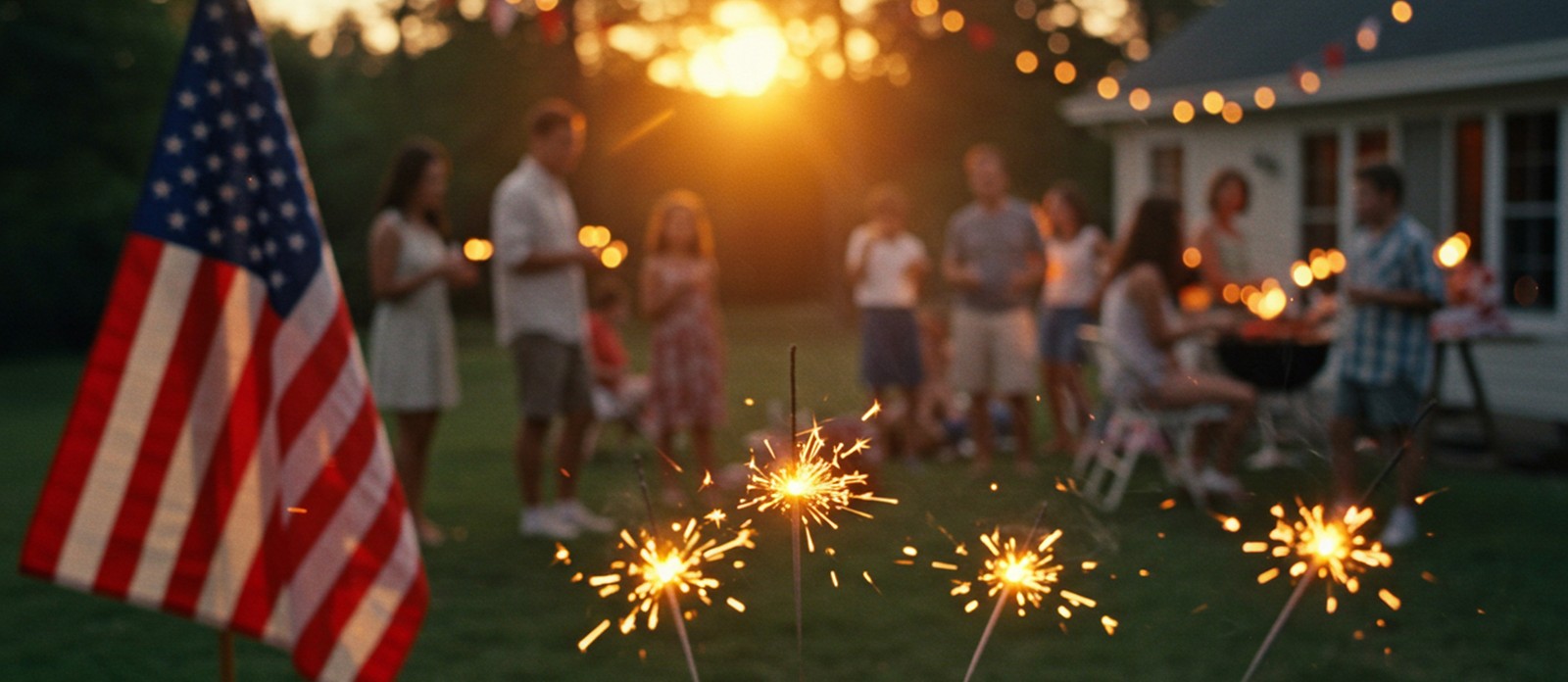
Image: EMRANU

Few culinary rituals bring people together quite like gathering around a sizzling grill on a summer afternoon. The modern backyard grill is a perfect blend of ancient culinary traditions, industrial ingenuity, suburban expansion, sports, and pop culture. From ancient hearths and car manufacturing to sea buoys cut in half, here are 10 surprising facts about the fascinating history of the backyard grill.

1
Grilling dates back to ancient civilizations

Image: aco pbc, CC0, via Wikimedia Commons

Ancient civilizations were the first to master the art of cooking meat over open flames. Archaeological digs across the Mediterranean, Asia, and Mesoamerica have unearthed primitive clay braziers, iron grates, and roasting pits dating back thousands of years.

Ancient Greeks and Romans cooked meat on iron grids elevated over hot embers, while ancient Asian cultures used portable ceramic cookers like the Japanese Kamado. The fundamental principle, direct heat transforming raw meat into a charred meal, has remained unchanged for millennia.

2
Caribbean roots of modern barbecue
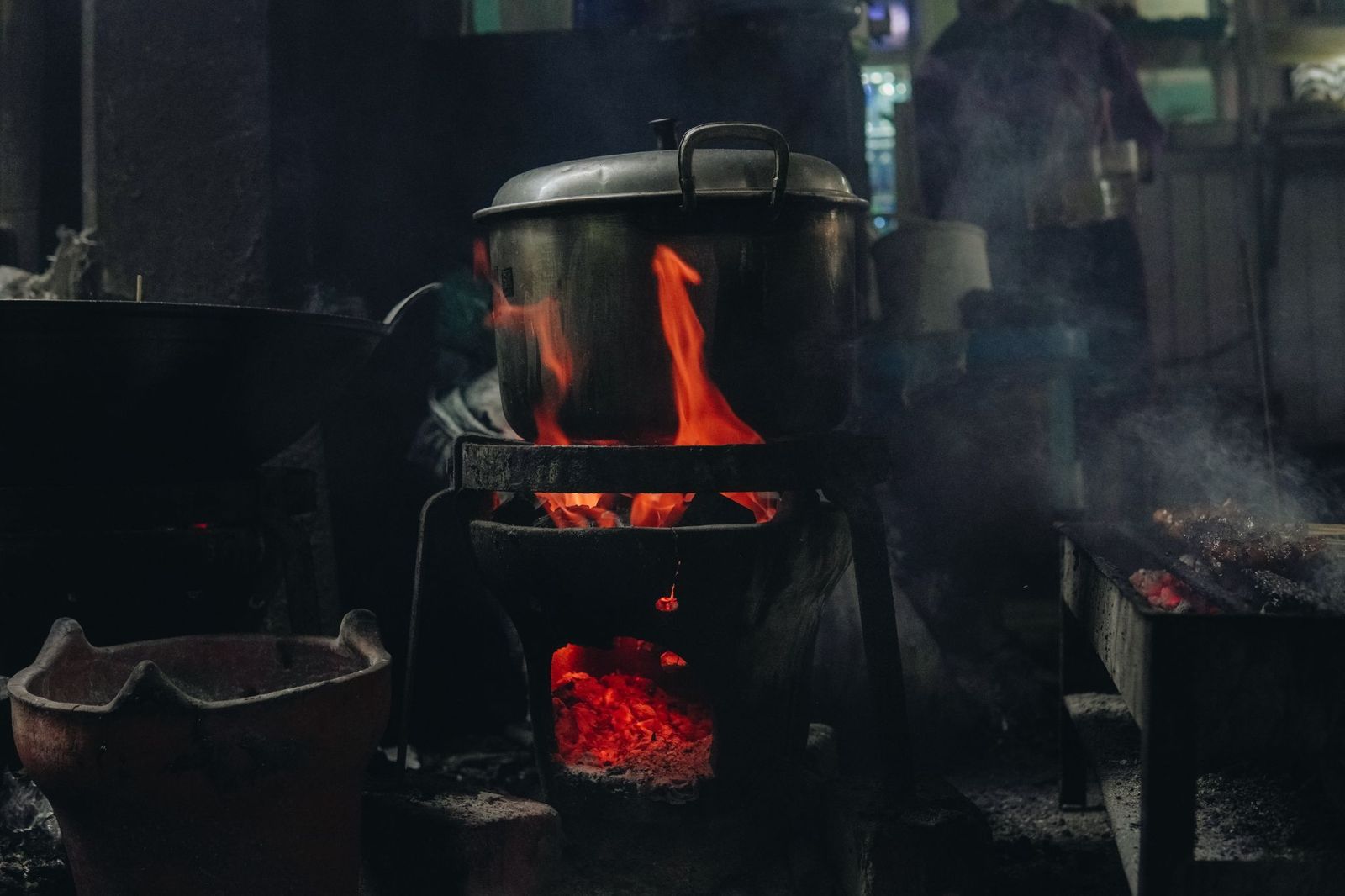
Image: Reezky Pradata

The word "barbecue" traces back to the Indigenous Taíno and Arawak peoples of the Caribbean. When Spanish explorers arrived in the West Indies during the 15th and 16th centuries, they observed native inhabitants drying and slow-smoking meat over raised wooden frameworks built from green timber.

The Arawak called this elevated rack a barabicu . Spaniards adapted the term to barbacoa and eventually made its way into English as "barbecue".

3
Henry Ford patented the first charcoal briquette
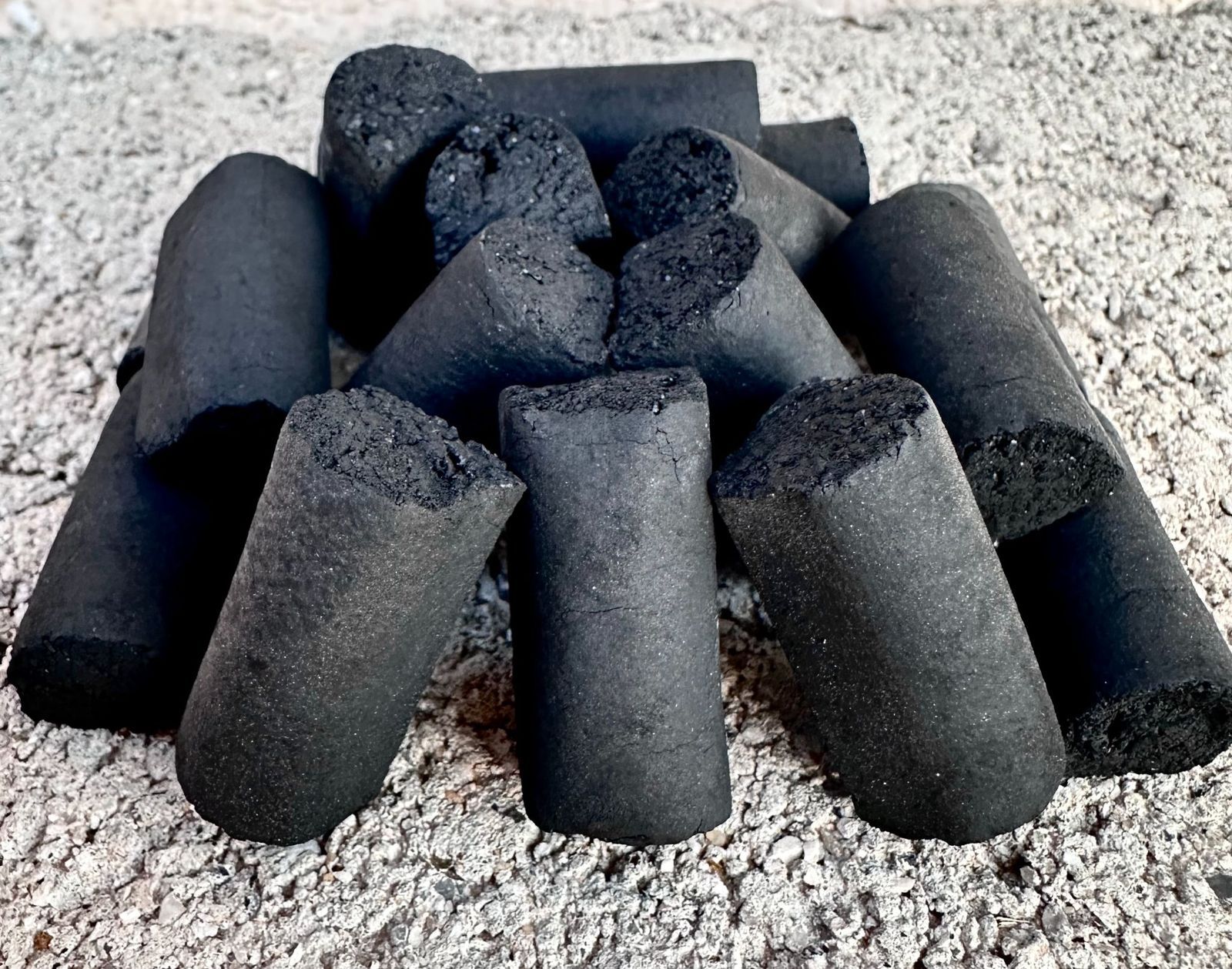
Image: Jack Jepret

In one of history’s most surprising industrial crossovers, the charcoal briquette exists thanks to the Model T car. In the 1920s, Henry Ford realized his automotive plants were generating tons of scrap wood and sawdust. Looking for a profitable way to repurpose the waste, Ford consulted inventor Thomas Edison.

Together they developed a process to compress powdered charcoal mixed with starch binders into dense pillows. Ford established a charcoal plant and sold "Ford Charcoal" at his car dealerships, encouraging motorists to explore the countryside on weekend camping trips. After Ford sold the operation, it was renamed Kingsford Charcoal, which remains a dominant brand today.

4
Weber invented the iconic kettle grill
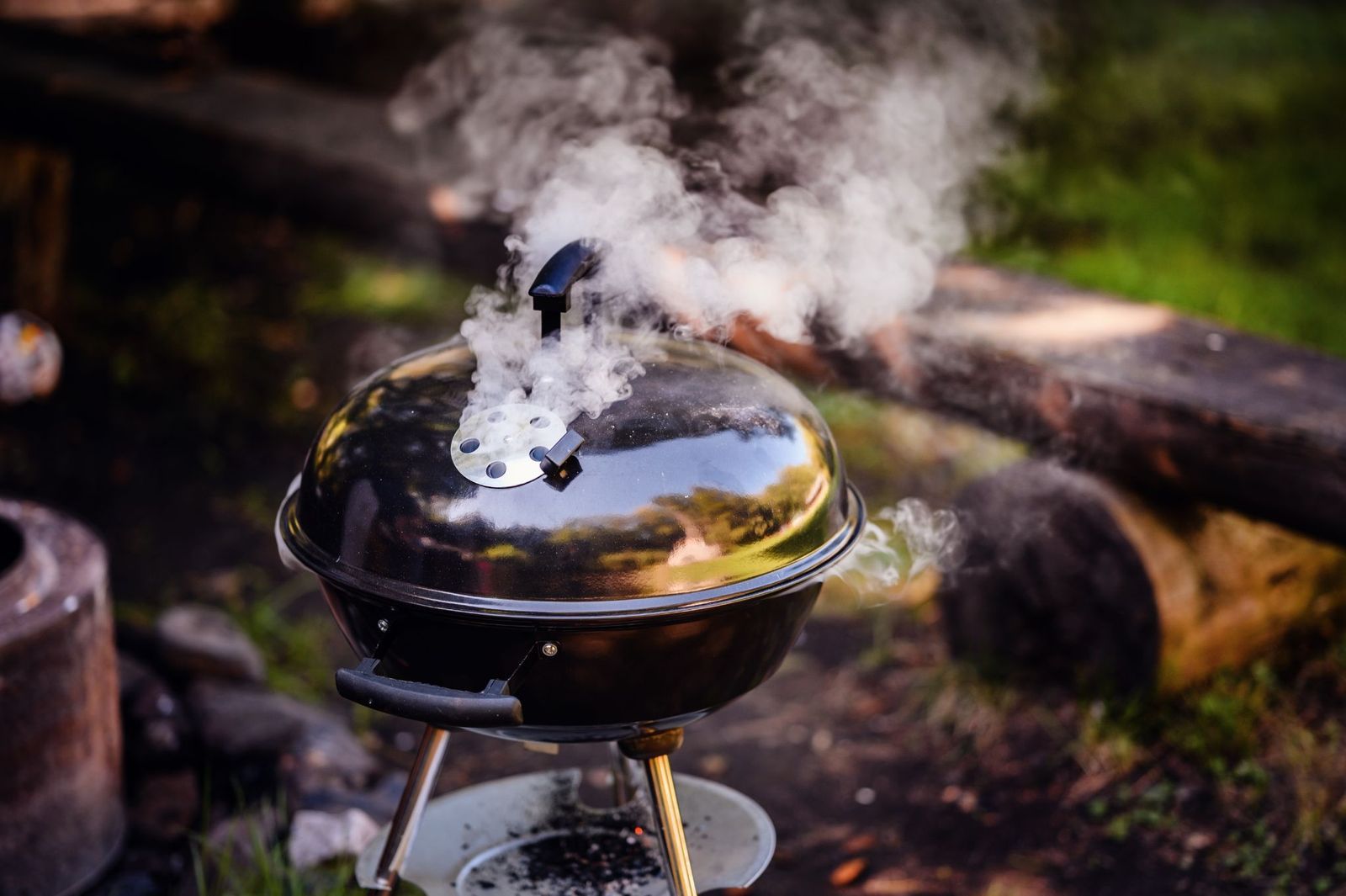
Image: ivi.photo93

Before the 1950s, backyard outdoor cooking was an irritating chore conducted over open brick pits or shallow metal brasero pans. Rain, wind, ash, and sudden grease flare-ups frequently ruined meals.

Frustrated by open grills, a welder at Weber Brothers Metal Works in Chicago took a hollow metal buoy used for lake navigation, cut it in half, added legs, and punched ventilation holes in the top dome. The enclosed sphere created a convection oven effect, giving cooks control over oxygen, heat, and smoke while protecting food from the elements. Released in 1952 as the "Weber Kettle," it revolutionized backyard cooking forever.

5
The rise of the gas grill

Image: Jakob Berg

Charcoal provided a delicious smoky flavor, but it required patience and cleanup. In the late 1950s and early 1960s, natural gas companies looked for new ways to promote gas consumption during warm summer months when home heating demands dropped.

In 1960, Walter Coleman and William G. Wepfer of the Arkansas-Louisiana Gas Company modified a charcoal grill to run on liquid propane bottled in portable tanks. Shortly thereafter, companies like Chicago Combustion Corporation introduced the LazyMen gas grill. The promise of turning a knob and cooking within minutes opened up weeknight outdoor dining to busy families.

6
Backyard grilling became a post-war tradition
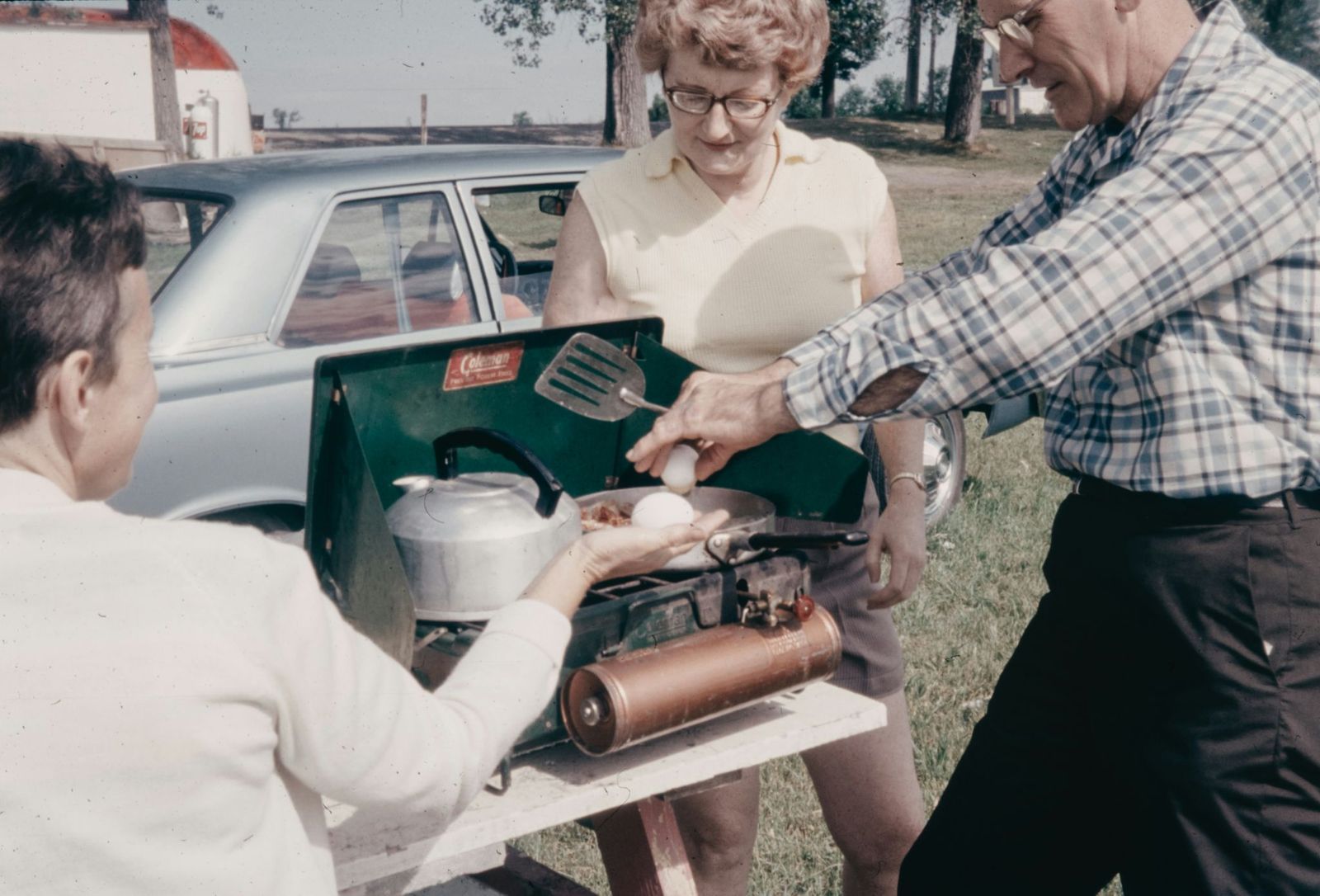
Image: Annie Spratt

The end of World War II sparked an unprecedented housing boom across North America, giving rise to suburban neighborhoods. Suburban homes featured private yards, paved patios, and sliding doors that blurred the line between indoor and outdoor.

Grilling became a symbol of leisure and hospitality. Pop culture reinforced this trend, positioning suburban fathers as the "pitmasters" of the backyard.

7
Grilling goes global: international influences
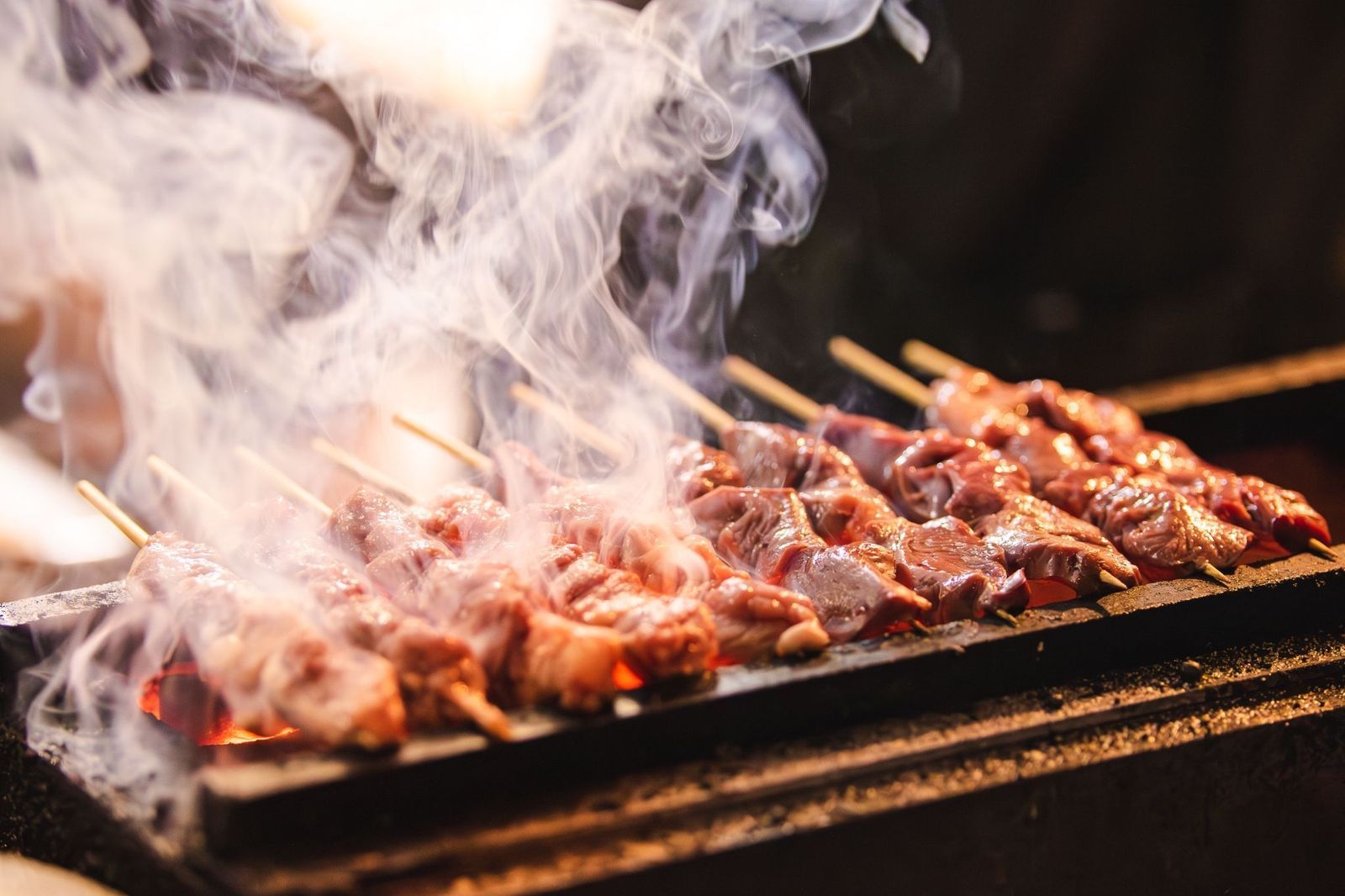
Image: KenSoftTH

20th-century travel and immigration made suburban pitmasters incorporate global traditions into their setups. These diverse techniques, such as Japanese Hibachi & Yakitori, South African Braai, Korean Gogi-gui, and Brazilian Churrasco, enriched backyard menus, elevating simple burgers and hot dogs into a world of complex marinades and skewered meats.

8
The first barbecue cookbook

Image: HelgaQ

As outdoor cooking conquered the backyards, home cooks needed help beyond basic grilling. In 1939, Sunset Magazine published Sunset’s Barbecue Book , considered the first dedicated barbecue cookbook.

Written specifically for suburban homeowners, the book included blueprints for building stone or brick backyard pits, alongside recipes for marinades, basting mops, and dry rubs. In just a few years, pit cooking became a domestic culinary art form.

9
Grill competitions spark a culinary movement
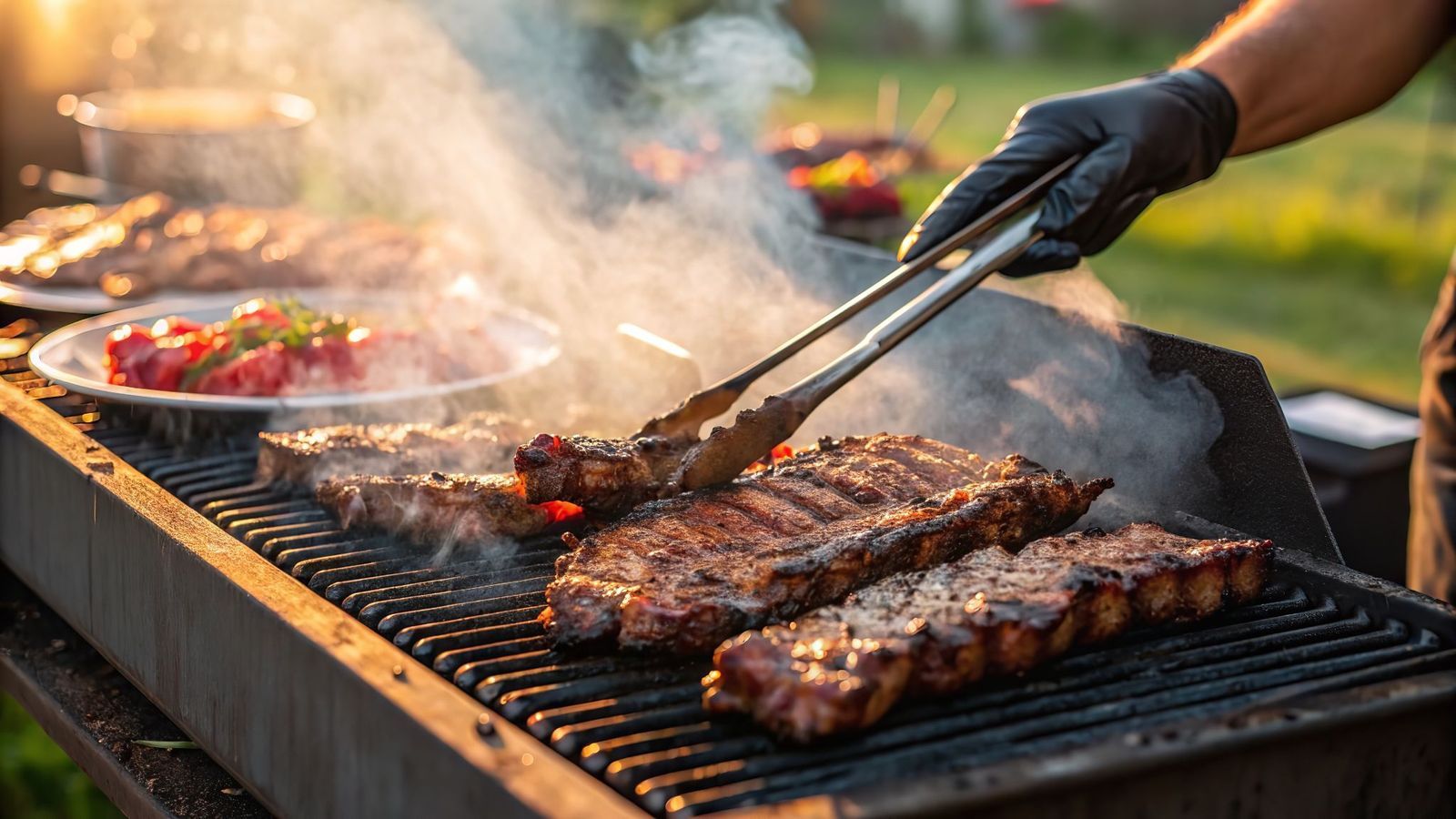
Image: Merch Hub

In the late 1970s and 1980s, casual regional rivalries blossomed into competition circuits like the Memphis in May World Championship Barbecue Cooking Contest and the Kansas City Barbeque Society (KCBS).

These events brought together backyard enthusiasts, commercial pitmasters, and scientists to debate the precise mathematics of internal meat temperatures, smoke rings, and wood choices.

10
Tailgating perfected the portability of grills
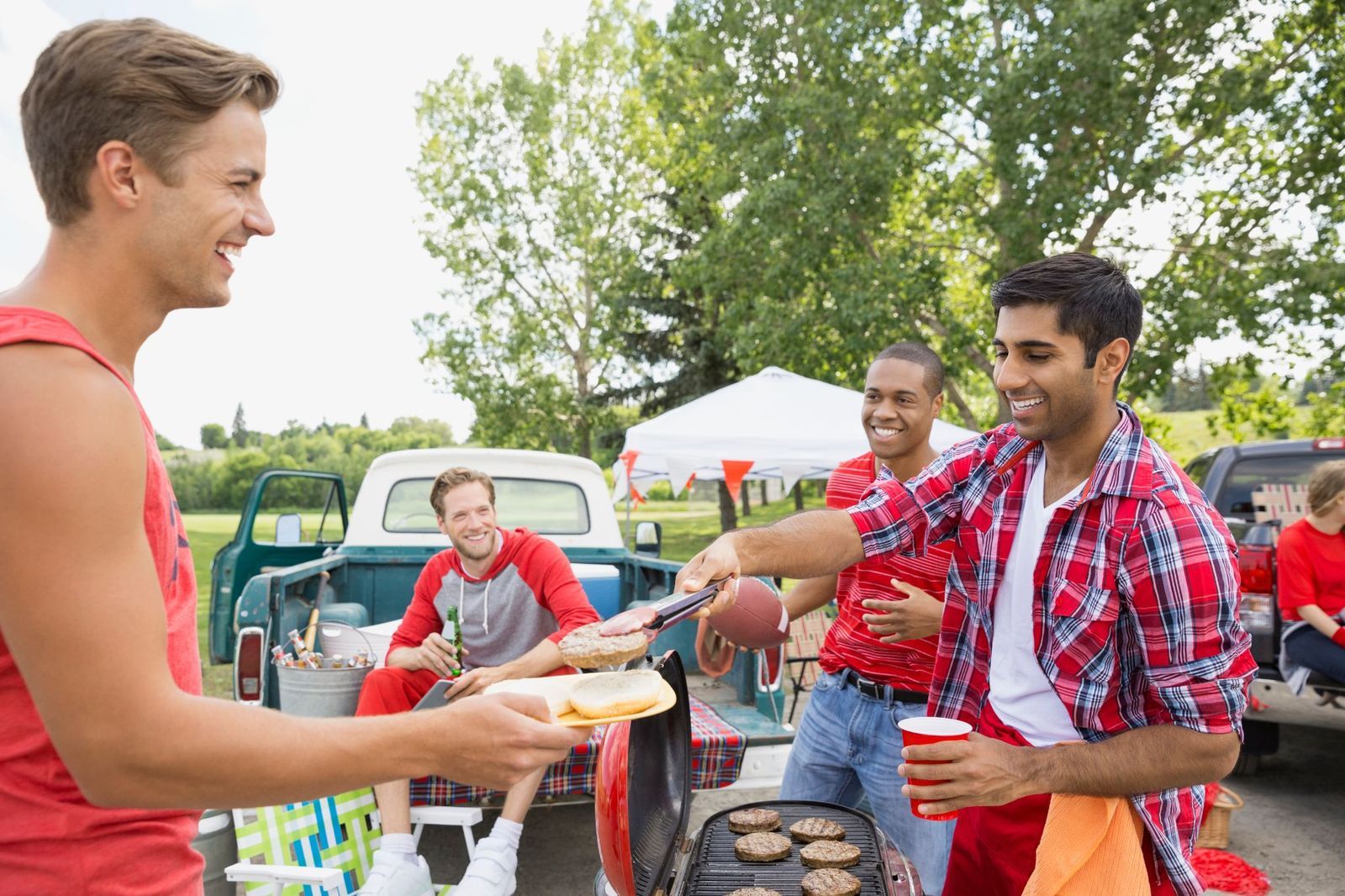
Image: Hero Images Inc

The growth of American college football and professional sports stadiums during the mid-20th century gave birth to a unique pre-game tradition: tailgating. Fans realized that portable propane units and mini kettle grills could turn stadium parking lots into outdoor kitchens. Grill manufacturers responded by designing lightweight and folding models, solidifying the grill as an essential tool for community gathering.

History History 4 min read

AMERICANA FLASHBACKS

From Rock’n Roll to Suburbia: 10 defining moments of 1950s America

Image: Brett Jordan

The 1950s was a turning point in American history. A decade marked by innovation and prosperity, this era witnessed major societal shifts, ranging from technological advancements to the emergence of iconic brands and cultural phenomena like rock 'n' roll. It also saw the rise of the civil rights movement and the beginning of the Cold War, kickstarting a new global era. As Americans dreamed of space exploration and new technologies, they suddenly gained access to unprecedented comforts. Here are 10 hallmarks of this remarkable time.

1
Rock 'n' Roll Revolution

Image: Provincial Archives of Alberta

The 1950s marked the explosive rise of rock 'n' roll, with artists like Elvis Presley, Chuck Berry, and Little Richard leading the charge. This novel genre blended rhythm and blues with country, creating an energetic and rebellious sound that resonated with the youth.

Rock 'n' roll quickly became a cultural phenomenon, challenging traditional norms and promoting a new sense of freedom and expression. But the genre's influence extended way beyond music, as it impacted fashion, dance, and even social attitudes. As a symbol of teenage rebellion, it is now considered a catalyst for the social revolutions of the 1960s.

2
Space Race Begins

Image: Brian McGowan

The Space Race, ignited by the Soviet Union's launch of Sputnik in 1957, became a key aspect of the Cold War rivalry between the United States and the USSR. In response, the U.S. accelerated its space program, leading to the creation of NASA in 1958.

The race to space was not just a technological competition but also an ideological battleground. It captured the American imagination, inspiring dreams of exploration and boundless innovation. This era laid the groundwork for major achievements, including the Apollo moon landing, forever cementing the United States’ place in the history of space exploration.

3
Television Takes Over

Image: Randy Jacob

The 1950s also saw television become the dominant medium of entertainment and information in American households. With the widespread adoption of TV sets, shows like I Love Lucy and The Ed Sullivan Show brought families together and became cultural touchstones, influencing fashion, language, and social norms.

Simultaneously, television's ability to massively broadcast news and live events made it a powerful tool for shaping public opinion. As the number of channels and programs grew, television became a central part of American life, affecting politics, advertising, and culture in general.

4
Fast Food Frenzy

Image: Alora Griffiths

The fast food industry boomed in this decade, revolutionizing the American dining experience. Chains like McDonald's, founded in 1955, popularized the concept of quick and affordable meals. This phenomenon was also closely tied to the emerging car culture, as drive-thru restaurants became commonplace.

This convenience appealed to the growing suburban population and busy families, making fast food synonymous with modernity, speed, and the American lifestyle.

5
Iconic Cars

Image: Photo Person

A golden age for American automobiles, the 1950s saw the emergence of iconic models like the Chevrolet Bel Air, Cadillac Eldorado, and Ford Thunderbird . These streamlined machines were not only more affordable than ever but also captured the public's imagination with their enhanced comfort and sophistication.

Cars soon evolved from mere transportation to symbols of status, freedom, and identity. Their innovative designs, characterized by chrome, tailfins, and vibrant colors, reflected the themes of the Space Age and the technological optimism of the era.

6
The Birth of Teenagers

Image: Fern M. Lomibao

While today we think of adolescence as a normal stage of life, the concept of the teenager as a distinct demographic didn’t truly emerge until the 1950s. With increased disposable income, young people soon became a powerful consumer group, influencing fashion, music, and entertainment.

They flocked to new cultural phenomena like rock 'n' roll, drive-ins, and soda fountains. By challenging traditional authority, this generation of teenagers pushed for freedom and independence, in many ways setting the stage for the social changes that would unfold in the subsequent decades.

7
Modern Design

Image: Matt Briney

Characterized by clean lines, organic shapes, and an emphasis on functionality, mid-century modern design was forged during this decade. Designers like Charles and Ray Eames, Eero Saarinen, and George Nelson became iconic figures, creating furniture, architecture, and household items that seamlessly blended form and function.

Technological advancements and the introduction of new materials, such as molded plywood, fiberglass, and plastics, enabled innovative and affordable designs. To this day, futuristic design remains closely associated with mid-century modern aesthetics.

8
Consumer Culture

Image: Jaxon Gee-Dub

This era marked the rise of consumer culture in America, with the proliferation of advertising and the introduction of new products. Brands like Coca-Cola, Pepsi, General Electric, and RCA became household names, and synonymous with the abundance and convenience of modern American life.

Shopping emerged as a popular pastime, with the expansion of department stores and the advent of shopping malls, which consolidated a variety of stores under one roof. As a result, for many, the pursuit of happiness became increasingly intertwined with the acquisition of material goods.

9
The Cold War Era

Image: Marie Rouilly

The Cold War shaped the tense geopolitical landscape of the 1950s, with the United States and the Soviet Union locked in a prolonged ideological struggle. Policies such as the "Marshall Plan" aimed to counter Soviet influence globally, while massive investments in defense and aerospace industries spurred significant technological advancements.

Fears of nuclear conflict and espionage permeated the era, influencing American culture and reflecting in movies and television. Despite these anxieties, the Cold War also fostered a strong sense of unity and patriotism as Americans rallied against a common adversary.

10
Suburban Boom

Image: Nikola Knezevic

The post-World War II era saw a massive migration to the suburbs, spurred by economic prosperity, supportive legislation such as the GI Bill, and a desire for affordable housing. Suburban developments like Levittown offered uniform, mass-produced homes that were accessible to middle-class families.

This suburban expansion reshaped American society, fostering a culture centered around family life, homeownership, and car-centric lifestyles. The move to the suburbs also led to the growth of shopping malls, schools, and community organizations, creating a distinct suburban culture that came to define the American Dream.

Geography Geography 3 min read

Which is your favorite season?

Beyond Vermont: Discover 12 amazing places to watch the fall foliage

Image: Pixabay

Everybody knows that Vermont is a popular destination for watching the leaves change color in the fall. However, as locals know, there are many other places in our gorgeous country where one can marvel at the rainbow created by nature during the autumn months. Did you know about these 12?

1
McKenzie River Scenic Byway, Oregon

Image: Atanas Malamov

Oregon is famous for its stunning landscapes, and autumn months are no exception. The McKenzie River Scenic Byway stretches from the vineyards of the Willamette Valley to the forests of the Cascade Mountains .

The best time of the year to visit if you want to enjoy the vibrant colors is mid-to-late October.

2
Charlottesville, Virginia

Image: Mitchell Kmetz

The endless forests and rolling hills of Virginia, especially in the foothills of the Blue Ridge Mountains, create breathtaking landscapes painted in red, orange, yellow, and green during October and November.

3
French Lick West Baden, Indiana

Image: Adam Bouse

Nestled in the hills of Hoosier National Forest, French Lick West Baden is a resort town that showcases some amazing views when it comes to fall foliage . The best time to visit is from mid-October to early November.

4
Mississippi River Valley, Minnesota

Image: Josh Hild

The Mississippi River Valley in southern Minnesota is home to vibrant forests, steep hillsides, and picturesque river towns , waiting to be explored by those eager to make the trip.

The best time to see the foliage change is from late September to mid-October.

5
Breckenridge, Colorado

Image: Thomas Morse

Breckenridge, Colorado, bursts into vivid colors every late September, with the changing leaves of the aspen trees creating a gold, red, and orange rainbow in the heart of the Rocky Mountains.

6
Northwoods, Wisconsin

Image: Dave Hoefler

Thousands of lakes and vast forests that stretch across five counties can be found in the Northwoods of Wisconsin. From mid-September to early October, visitors are treated to some of the best foliage in the region, with vibrant shades of orange, red, yellow, and purple.

7
Highlands, North Carolina

Image: Wes Hicks

Imagine a lush rainforest with waterfalls, rivers, and lakes to explore, combined with the typical colors of the leaf change season. Such a place exists in North Carolina. The mountain town of Highlands, perched at over 4,100 feet on the Highlands Plateau in Nantahala National Forest, offers breathtaking fall foliage, with the best viewing time in mid-October.

8
Whidbey Island, Washington

Image: Toan Chu

Washington’s ultimate road trip, the Cascade Loop, winds along the Puget Sound via the Whidbey Island Scenic Byway . Peak fall colors along this drive commonly occur between late September and mid-October showcasing brilliant shades of gold, orange, and red.

9
Tunnel of Trees, Michigan

Image: AJ Yorio

A place known as the Tunnel of Trees will hardly disappoint visitors who come during the foliage change season. This 20-mile scenic route follows the historic Michigan 119 highway between Harbor Springs and Cross Village . The canopy of gold, orange, yellow, and purple leaves is typically on display from late September to mid-October.

10
North Lake Tahoe, California & Nevada

Image: Ben Carless

The stunning Lake Tahoe is framed by the peaks of the Sierra Nevada range on its north shore. Its hundreds of hiking trails wind through diverse tree species that display vivid red, orange, and yellow foliage from mid-September to late October.

11
The Ozarks, Arkansas

Image: Derek Livingston

The Ozark Mountains are most famous for their neighboring lake of the same name, but the amazing autumn colors are a spectacle that deserves all the attention during October. The palette of bright golds, reds, and oranges is especially stunning in the Buffalo National River area near the small town of Ponca.

12
Anchorage to Kenai drive, Alaska

Image: Derek Livingston

Alaska is nothing short of breathtaking, and fall is no exception. Its vast landscapes come alive with vibrant shades of red, purple, yellow, and orange from late August through September.

One of the best ways to experience the season is on the 160-mile drive along the Seward and Sterling highways from Anchorage to Kenai, following two National Scenic Byways.

Explore more American facts

Choose your favorite category!

General
General

As American as apple pie—the very best America has to offer!

Culture
Culture

Delve into the astounding richness of American lore.

Geography
Geography

Hop in and explore vast and diverse American landscapes.

History
History

Discover the key moments that shaped the United States.