Geography Geography 6 min read

Lodgings that became landmarks

Ghosts, stars, and royalty: The most notorious hotels in the US

Image: Andreas Leindecker

If lobbies could speak, these 10 would tell countless stories. Of former presidents and political debates, legendary Hollywood icons, world-known scientists, terminally ill patients, and members of America’s wealthiest families. From the dazzling lights of Vegas to haunted halls in Eureka Springs, these notable hotels have evolved to be more than just places to stay: They are the setting of American legends that continue to receive guests even today. In this article, we explore some of the most notorious hotels in the U.S., which have housed luxury, scandal, and the supernatural.

1
The Plaza Hotel, New York

Image: Harri Nieminen

The Plaza Hotel, located at Fifth Avenue and Central Park South in Manhattan, New York City, is one of the most famous hotels in the world . It was opened in 1907 and designated a National Historic Landmark in 1986. Known for its luxury, iconic architecture, and high-society clientele, it has a past of having hosted figures like F. Scott Fitzgerald (who immortalized it in The Great Gatsby ) and Marilyn Monroe.

The Plaza’s featuring in several films has gained international fame. Scenes from Home Alone 2 or North by Northwest , and Eloise at the Plaza have the iconic backdrop of the hotel as its setting. It was also the lodging The Beatles chose for their first stay in the U.S. in 1964, but the hullabaloo of the fan craze was such that they chose lower-profile hotels for their subsequent visits.

2
Willard InterContinental, Washington

Image: Pixabay

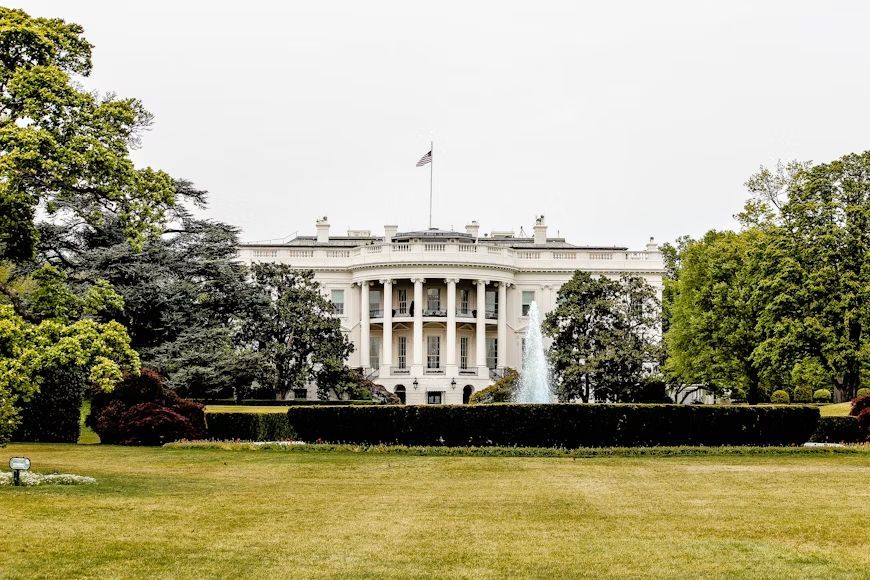
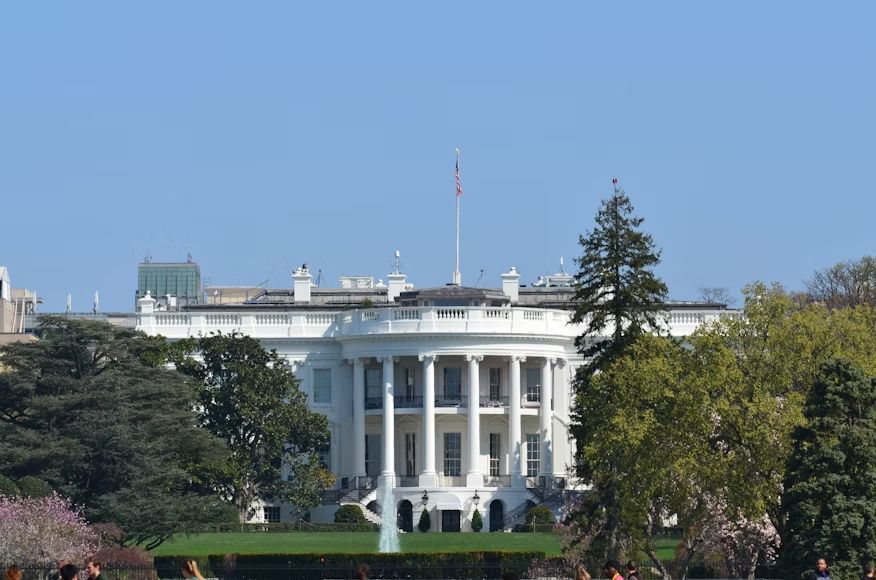
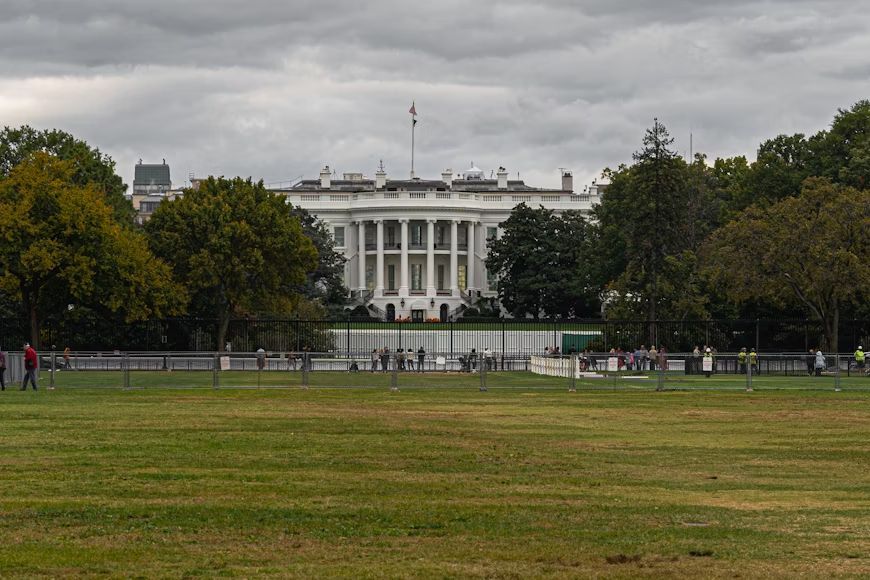
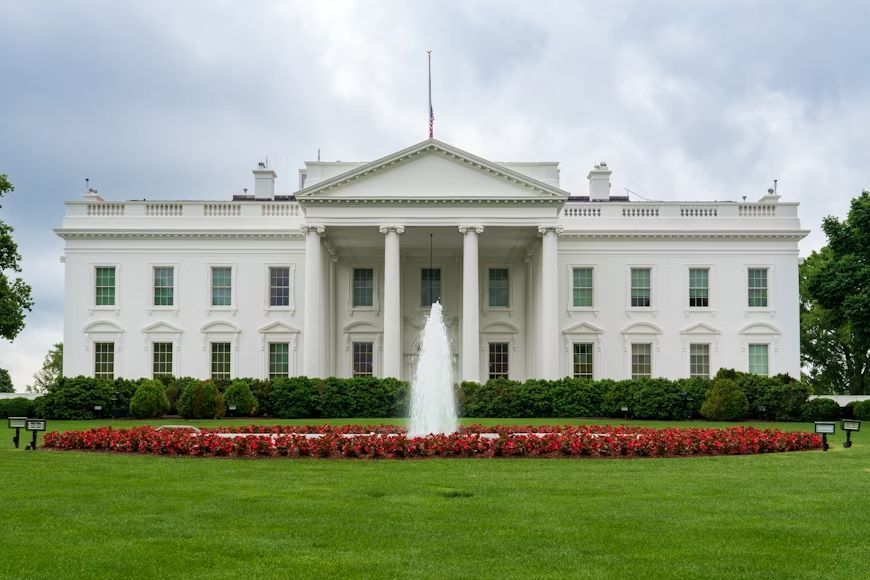
Just two blocks from the White House in Washington, D.C. stands the Willard InterContinental. The same site has hosted a hotel since 1818, but the current building opened in 1901. It’s nicknamed the "Residence of Presidents" because nearly every U.S. president since Franklin Pierce has either stayed there or visited.

Its notable location granted the Willard other historical honors. For example, it’s said that President Ulysses S. Grant enjoyed spending calm moments in the opulent hotel’s lobby, but there he would be crowded by people who would seek favors or influence policy decisions. He coined the term "lobbyists" to refer to them. It was also where Dr. Martin Luther King Jr. completed his famous "I Have a Dream" speech before delivering it.

3
The Stanley Hotel, Colorado

Image: Luke Scarpino

If the sight of The Stanley Hotel makes you a bit uncomfortable, you are not alone. It is the very building that inspired Stephen King to write The Shining (1977). After staying there in the 1970s, King had a dream about his son running through the hotel’s halls, which led to the idea of the haunted Overlook Hotel featured in the book. Though the Stanley itself is not the setting for either the novel or Stanley Kubrick’s film adaptation, the myth surrounding this 1909 hotel has made it a hotspot for paranormal tourism.

The hotel is said to be haunted, after all. Reports of mysterious piano music, flickering lights, and strange apparitions keep drawing fans to it. Room 217, where Stephen King stayed, is the most famous of these "haunted" rooms . Guests and staff have reported seeing Mrs. Wilson, a housekeeper who worked at the hotel in the early 1900s, tidying up the room.

4
The Bellagio, Las Vegas

Image: Antonio Janeski

Las Vegas Strip, an area bright enough to be visible from space, holds in its heart many impressive hotels. But The Bellagio probably takes the crown. It was the most expensive hotel ever constructed when it opened in 1998, having cost $1.6 billion. Its facade features the famous Fountains of Bellagio , which perform water shows synchronized to music and lights daily.

In its boastful style, the hotel also has an upscale casino, five-star restaurants, and the Bellagio Gallery of Fine Art , which features rotating expositions but once featured works from Picasso, Monet, and van Gogh, among others. The hotel has also, since its opening, been home to Cirque du Soleil’s show "O", aquatic-themed and occurring in and around an on-stage pool.

5
Palace Hotel, San Francisco

Image: Pixabay

San Francisco’s Palace Hotel opened in 1875, so it was already around for the 1906 earthquake, which damaged it and demanded renovations. But it always remained a stunning hotel, featuring a grand lobby with a stained-glass dome and chandeliers. Many prominent guests walked its halls, including Mark Twain, Frank Sinatra, and Queen Elizabeth II .

In its inauguration in the 19th century, it was the largest hotel in the world. 19 presidents of the U.S. have been esteemed visitors, and most notably President Woodrow Wilson hosted luncheons at the Palace Hotel when he was building support for the Treaty of Versailles to end World War I.

6
Crescent Hotel and Spa, Arkansas

Image: Evgenia Basyrova

Eureka Springs’ Crescent Hotel and Spa is a top tier in many lists of "most haunted hotels." Its old age and eerie story are enough to earn it this honor. Opened in 1886, the Victorian in the 1930s functioned as a hospital for treating cancer patients. It is said that a con doctor called Norman Baker took patients in to allegedly cure them, but caused some untreated guests to pass away as a result.

Legend has it, that one of his patients, as well as Baker, still haunts the rooms of Crescent Hotel. Some TV shows, like "Ghost Hunters" and "Ghost Adventures", have explored the venue. Of course, the hotel also offers ghost tours .

7
Jekyll Island Club Resort, Georgia

Image: Pixabay

The Jekyll Island Club Resort is located on Jekyll Island, one of the barrier islands off the coast of Georgia. It was founded in 1886 as a winter retreat for some of America’s wealthiest families , including the Morgans, Rockefellers, and Pulitzers. This earned the place the reputation for being one of the most exclusive and prestigious social clubs in American history.

The hotel houses the Historic Jekyll Island Museum, which showcases the island’s past in the Gilded Age. To this day it is still praised for its beautiful natural landscapes and trails. The island offers stunning natural surroundings , and the hotel prides itself on its commitment to preserving its environment.

8
Omni Parker House, Boston

Image: Patrick Foreman

The Omni Parker House from Boston, Massachusetts, opened in 1855 as the "Parker House", and is now the oldest continuously operating hotel in the United States. It has hosted many notable guests, like Charles Dickens, Mark Twain, and John F. Kennedy. Babe Ruth and other baseball greats frequented its restaurant. The place also holds the separate honor of being the birthplace of the Boston Cream Pie , a chocolate-and-cream dessert that now symbolizes Massachusetts.

Of course, a hotel that is 169 years old cannot be free from haunted allegations. Reports of ghostly apparitions and unexplained noises are common for the Omni Parker House, particularly around its historic rooms.

9
Chateau Marmont, Hollywood

Image: Edgar Colomba

Chateau Marmont, from West Hollywood, California, has been operating since its opening in 1929. It was designed in a French Gothic style, inspired by the Château d'Amboise in France. Its location has granted it a long history of receiving a large celebrity clientele and fame associated with glamour, legend, and scandal.

James Dean and Judy Garland would find refuge in the hotel, which soon became known as a haven for stars for its strict privacy policies . The Chateau has also appeared in Hollywood self-referential films like The Player or A Star is Born .

10
Hotel del Coronado, Coronado Island

Image: Donhu Rickerby

The Hotel del Coronado, a.k.a. "The Del," is a historic beachfront hotel that opened in 1888. Its grand exterior with red-and-white striped roofs is easily recognizable, and it has been declared a National Historic Landmark. Many dignitaries have visited it, like Richard Nixon, Princess Grace of Monaco, and Thomas Edison, although, opposing popular belief, he had nothing to do with the early installation of electricity that the hotel boasted.

If you’ve seen Some Like It Hot , featuring Marilyn Monroe , you have spied places in the hotel. Many scenes were filmed there, which made it appear as the "Seminole Ritz Hotel" in Miami in the film.
History History 5 min read

History time

Let’s honor our 13 original colonies with 13 interesting facts!

Image: Kaboompics.com

The 13 original British colonies along the East Coast of what is now the United States were the building blocks of a new nation. At the same time, they were lively, complex, and filled with unique stories. Founded for reasons ranging from religious freedom to economic gain, each colony brought its own flavor to the mix. While they eventually united to resist British rule, their individual histories remain captivating. Let’s explore 13 interesting facts about these foundational colonies and uncover the tales that make them unforgettable.

1
New Hampshire: Constitution and potatoes

Image: Spenser Sembrat

New Hampshire was a pioneer in colonial America: They were the first colony to establish its own constitutional government. But its tastiest contribution? Potatoes!

In 1719, Scotch-Irish immigrants near Londonderry planted the first permanent potato crops. The tubers quickly became a staple and spread across the colonies only to become the most consumed vegetable in the country. Plus, New Hampshire even declared the potato its official state vegetable in 2013. Who knew potatoes had such historical roots?

2
Massachusetts: Named after the original inhabitants

Image: Wei Zeng

When English settlers arrived on the Mayflower in 1620, they weren’t stepping onto empty land. Indigenous peoples had called the area home for thousands of years.

The colony’s name, Massachusetts, honors the Massachusett tribe. Derived from the Algonquian word Massa-adchu-es-et , it translates to "great hill-small place." Even as history tells a more complicated story about their interactions with the settlers, it’s a nice tribute to the land's original inhabitants.

3
Connecticut’s secret tree

Image: Christopher Luther

Connecticut’s colonial history has a touch of mystery and rebellion . In 1662, the colony was granted a royal charter ensuring its right to self-govern by King Charles II. After his death, in 1686, King James II tried to revoke it.

Legend has it that, during a heated debate, the charter was spirited away during a momentary blackout and hidden in the hollow trunk of a white oak tree. The "Charter Oak" became a symbol of freedom and self-determination, and it’s now honored as Connecticut’s official state tree.

4
Rhode Island: Refuge for the rejected

Image: Demure Storyteller

The colonies were revolutionary, but some views were too progressive for the era. That is why Roger Williams, Rhode Island’s founder, was banished from Massachusetts . He had progressive views on religious freedom and so he found sanctuary in what later became Rhode Island.

In 1636, he purchased land from the Narragansett people and founded a colony based on the separation of church and state. It became a haven for minority religious groups like Baptists, Quakers, and Jews.

5
New York: From New Netherland to a global capital

Image: Benjamín Gremler

Before it was New York, it was New Netherland, a bustling Dutch colony founded in 1624. The Dutch established New Amsterdam on Manhattan Island, but in 1664, the English seized the territory and renamed it after the Duke of York.

New York grew rapidly, eventually becoming the first capital of the United States after the Revolutionary War. It’s amazing to think this vibrant city started as a modest Dutch trading post.

6
New Jersey’s devilish legend

Image: Benjamin Ashton

The Pine Barrens of New Jersey are home to one of America’s oldest and creepiest legends : the Jersey Devil. Do you know how it goes?

According to folklore, a woman named Mother Leeds cursed her 13th child, who was born as a monstrous creature, and fled into the forest. The tale, rooted in both colonial superstition and Indigenous folklore, has been passed down for centuries, keeping imaginations alive, and visitors on edge, in the Garden State.

7
Pennsylvania: The King’s debt becomes a colony

Image: The Body

Pennsylvania owes its existence to a royal, and quite big, IOU. King Charles II granted William Penn the land in 1681 as payment for a debt owed to Penn’s father.

Penn established the colony as a safe haven for Quakers, emphasizing religious tolerance and fair dealings with Indigenous peoples. Pennsylvania, clearly named after the family’s name, became a model of diversity and coexistence, attracting settlers of all faiths and backgrounds.

8
Delaware: The First to Declare Independence

Image: Demure Storyteller

Independence from Britain? They all did that, but Delaware took it a step further! Though initially governed as part of Pennsylvania, Delaware established its own legislature in 1704.

On June 15, 1776, this colony declared independence not just from Britain but also from Pennsylvania, making it the first colony to break away formally . Known as the "First State" for ratifying the US Constitution in 1787, Delaware’s pioneering spirit is woven into its history.

9
Maryland: A pirate colony?

Image: Luisa Frassier

Maryland’s early days weren’t all peaceful. William Claiborne , a man of the Virginian council, refused to accept that his settlement on Kent Island was part of Maryland after the colony’s charter was granted in 1632.

Claiborne launched pirate raids on Maryland’s trading posts, leading to charges of piracy and murder. While he eventually lost his claim, Claiborne’s defiance adds a plot twist to Maryland’s story.

10
Virginia: Witch trials in the South

Image: Henry Deng

Did you think witch trials only happened in Salem? Think again. Virginia held about two dozen trials between 1626 and 1730, including the infamous case of Grace Sherwood. If that name doesn’t ring a bell, maybe "The Witch of Pungo" does.

While we’re not going to get into the details of how they proved she "was a witch," she was convicted of witchcraft and spent several years in jail before she was released.

11
North Carolina: The Mystery of Roanoke

Image: Gene Gallin

North Carolina’s Roanoke Colony remains one of America’s greatest mysteries. In 1587, over 100 settlers vanished without a trace , leaving behind only the word "Croatoan" carved into a tree.

As you can imagine, there are plenty of theories surrounding this event: Did they join local Indigenous tribes, or succumb to the harsh environment? While we may never know, the "Lost Colony" keeps historians and treasure hunters quite captivated.

12
South Carolina’s "Blue Gold" boom

Image: Omri D. Cohen

South Carolina’s indigo trade, led by Eliza Lucas Pinckney in the 1730s, turned the colony into an economic powerhouse. This vibrant blue dye, vital for textiles, was so lucrative it earned the nickname "blue gold."

Despite the challenges, which included sabotage by rivals, the crop’s success transformed South Carolina’s economy. However, its growth came at the cost of enslaved labor, a sobering reality of the colony’s prosperity.

13
Georgia: A colony for a cause

Image: Jaanus Jagomägi

Founded in 1732 by James Oglethorpe, a prison reformer, Georgia was established as a social experiment . It was designed to provide a fresh start for England’s "worthy poor," and to that end, the colony outlawed slavery and large landholdings.

However, settlers soon pushed back, and by 1751, many of the original restrictions were lifted. Despite its challenges, Georgia’s idealistic beginnings make it a unique addition to the 13 colonies.

Geography Geography 3 min read

Funny names

You won't believe it: Hilarious town names that actually exist in the US

Image: Peter Robbins

Naming a city is a big deal, but not every town ends up with a name full of meaning. While some were carefully named to honor history or local heroes, others got their names by accident, tradition, jokes—or for reasons no one quite remembers! Do you know where "Hell" is located? Discover this and 9 other US towns and cities with the quirkiest, funniest names!

1
Hell, Michigan

Image: Chris Barbalis

About 15 miles northwest of Ann Arbor, Michigan, you'll find the town of Hell. While the name might not sound particularly welcoming, it's actually a playful little community that fully embraces its identity, offering tourists a range of devilish attractions. It's just that it might not be the ideal city to mention when someone asks where you're from.

2
Chicken, Alaska

Image: Sacha Bois

In the vast state of Alaska sits the peculiar town of Chicken, best known for its gold mining history. In 1902, the town needed an official name to submit to the Post Office. They originally chose "Ptarmigan," after a local bird, but couldn't agree on how to spell it. Frustrated, they settled on the much simpler "Chicken."

3
Truth or Consequences, New Mexico

Image: Maddy Baker

Located in Sierra County, along the Rio Grande River in New Mexico, you'll find the town of Truth or Consequences. Sometimes called "T or C," the town was founded in the mid-1800s and originally named "Hot Springs." But everything changed in 1950, when Ralph Edwards—popular radio and TV host—announced that he would broadcast his show, Truth or Consequences , from the first town to rename itself after the program. And that’s exactly what happened!

4
Rough and Ready, California

Image: Nicole Cavelli

Rough and Ready, California, is a town with a distinctive name and history. And in case you're wondering—the answer is yes! It’s named after General Zachary Taylor’s nickname, "Old Rough and Ready," honoring his tough reputation.

5
Ding Dong, Texas

Image: Tarun Tandon

Ding Dong, Texas, is real! It's a tiny community in Central Texas, founded in the 1930s by Zulis and Bert Bell, who ran a local store. A sign on their shop featured two bells labeled with their names and the words "Ding Dong" underneath. The name stuck, and the town was humorously named after the store.

6
Why, Arizona

Image: TALHA KHAN

There's actually a place called "Why," an unincorporated community in southwestern Arizona. The name comes from a Y-shaped intersection where State Routes 85 and 86 once met, right where the town was settled. Have you ever heard of it?

7
Whynot, North Carolina

Image: Markus Winkler

While one town in Arizona is called "Why," another in North Carolina is named "Whynot." That's right! Whynot is an unincorporated community in Randolph County. According to local stories, its name comes from a humorous moment: as townspeople debated possible names, everyone kept saying, "Why not this one?" "Why not that one?" After much debate, someone finally said, "Why not just Whynot?"—and the name stuck.

8
Accident, Maryland

Image: Noah Smith

The charming small town of Accident, Maryland, has a unique history. In the 18th century, two surveyors unknowingly worked on the same land at the same time—and accidentally ended up with identical results. That’s how the area came to be known as "The Accident Tract," which was later shortened to simply Accident .

9
Peculiar, Missouri

Image: MATHEW RUPP

Covering just about 4 square miles, the city of Peculiar is located in Missouri. While there's no single agreed-upon origin for its name, many believe it came from the frustration of those tasked with naming the town. They submitted several names to the post office, but each one was rejected as already taken. Frustrated, someone finally suggested they pick a "peculiar" name—and that’s exactly what they did!

10
No Name, Colorado

Image: Heyzeus Escribo

Maybe creativity wasn't the strongest point for the founders of No Name, Colorado. Yes, there really is a small community called No Name, located just off Interstate 70. The story goes that while the interstate was being built, the area was already settled but didn't have an official name, so they simply called it "No Name."

Explore more American facts

Choose your favorite category!

General
General

As American as apple pie—the very best America has to offer!

Culture
Culture

Delve into the astounding richness of American lore.

Geography
Geography

Hop in and explore vast and diverse American landscapes.

History
History

Discover the key moments that shaped the United States.