History History 3 min read

Leeches are not a cure

From mercury to leeches: 12 historical cures deadlier than the disease
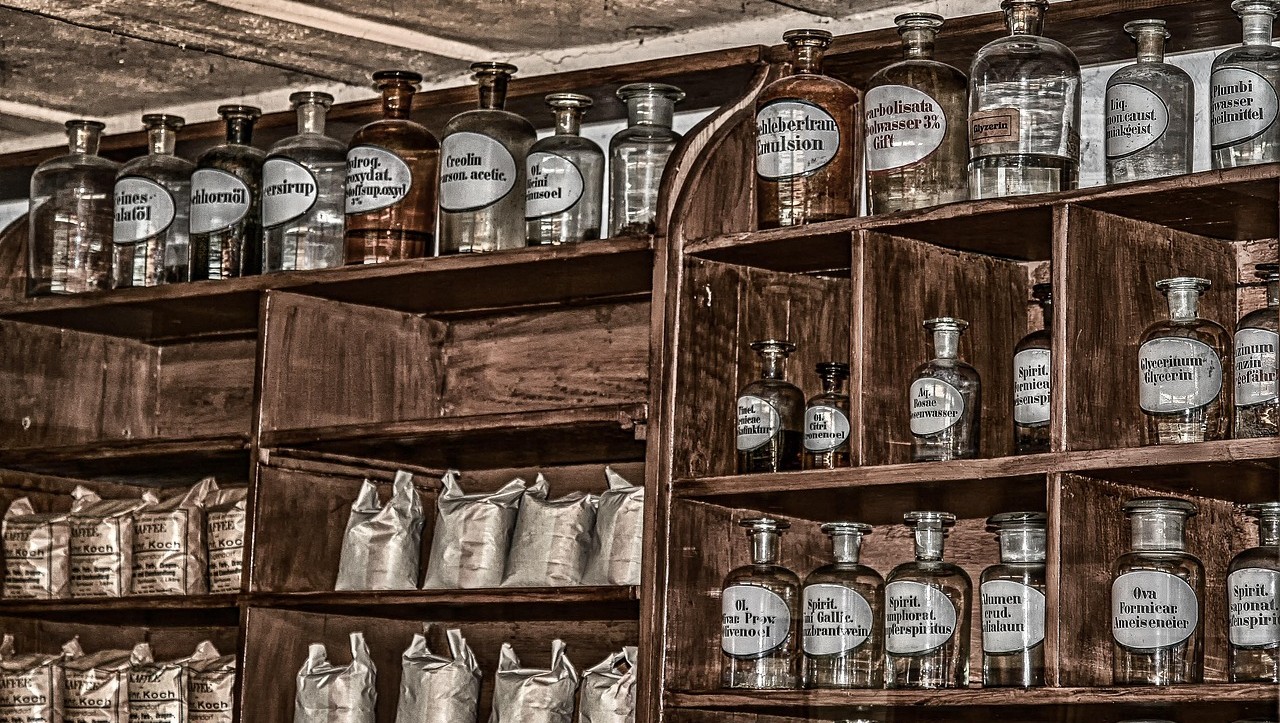
Image: garten-gg

Friedrich Nietzsche’s famous saying, "What doesn’t kill you makes you stronger," may be true in many aspects of life, but it certainly does not apply to everything, as our ancestors perilously discovered. Modern medicine required a lot of experimentation to get to where it is, and a lot of things that were once considered beneficial were, in fact, not. Believe it or not, these 12 procedures were once common practice. Thankfully, that is no longer the case.

1
Rabies

Image: Samuell Morgenstern

Rabies-infected people and animals cannot swallow water. This is why rabid dogs drool at the mouth, because they are unable to swallow.

In the ancient world, a "cure" for rabies involved forcibly submerging people in bodies of water to force the liquid intake . Quite often, the consequence, as you might have guessed, was death by drowning.

2
Bloodletting

Image: David Trinks

In the days when barbers were also designated surgeons, bloodletting was a common cure for multiple conditions. This gruesome technique was performed not just using surgical tools but also by using leeches , which were directly applied on the human body , to suck blood out of the wretched individuals who required treatment.

3
Madstones

Image: Atul Vinayak

Folk remedies were common in a time when seeking professional medical help was a luxury for most people. Popular in mid-19th-century America, madstones were big hairballs extracted from the guts of goats and deer .

These objects were believed to possess medicinal properties, such as curing rabies and serving as an antidote to various poisons.

4
Chloroform

Image: Carlos Felipe Ramírez Mesa

Many substances that we now recognize as poisonous were once believed to be beneficial to health. During the 19th century, chloroform was commonly used as an anesthetic in surgeries .

However, later studies revealed that long-term exposure to chloroform could cause liver and kidney damage, respiratory depression, and may even increase the risk of cancer.

5
Arsenic

Image: Denise Chan

Another poisonous substance once thought to be beneficial was arsenic, which was used to treat malaria, syphilis, and other ailments during the 19th and early 20th centuries.

However, it was later discovered that arsenic exposure could lead to poisoning, causing severe health complications and even death.

6
Mercury

Image: Benjamin Hibbert-Hingston

Similar to chloroform and arsenic, mercury was once thought to be beneficial to the human body. However, as scientific understanding advanced, its harmful effects became widely known .

Today, we know that mercury is highly toxic and can cause severe damage to the kidneys and nervous system.

7
Urine

Image: Fotografía de Alimentos

Drinking urine for medicinal purposes was common in ancient Egypt, Greece, and Rome, where it was believed to have therapeutic benefits and was used as a remedy for various health conditions, including kidney and liver problems .

8
Trepanning

Image: Mathew Schwartz

Trepanning, a common medical practice in ancient civilizations, involved drilling a hole in the skull to relieve pressure or treat a variety of medical ailments such as headaches, seizures, and mental disorders .

However, due to the lack of modern anesthesia and surgical tools, the procedure was extremely dangerous and carried significant risks.

9
Cupping

Image: Katherine Hanlon

Creating a vacuum on the skin using heated glass cups was a popular therapy for various conditions, including pain, inflammation, respiratory problems, and digestive disorders . While not a particularly harmful technique, aside from the markings left on the skin, its benefits have not been scientifically proven.

10
Mummy powder

Image: Narciso Arellano

In medieval times, it was commonly believed that "mummy powder" possessed healing properties. This substance was made from ground mummies obtained from Egypt and was thought to be particularly effective in treating wounds, headaches, and digestive issues .

11
Nightshade

Image: Georg Eiermann

Nightshade is a poisonous plant with soothing properties, which was used as a pain reliever as it can induce a state of calm in the user.

However, this plant is also highly toxic and can cause hallucinations, delirium, and even death if consumed in large quantities.

12
Tobacco

Image: Juano colombo

It might be hard to believe today, but back in the 1600s, schoolchildren were encouraged to smoke cigarettes , which were then thought to be disinfectants.

Cigarettes were also believed to be beneficial for both the lungs and the mind. Thankfully, we now know better.

General General 4 min read

THE MASCOT HALL OF FAME

Remember These 10 Beloved American Brand Mascots?

We may forget many things, but certain jingles and mascots of American brands stick with us forever. We are talking about those animals, characters, and even animated objects that have become cultural icons and have dominated the marketing world for years. Do any of them come to mind? Today, we're revisiting 10 U.S. brand mascots that have touched our hearts. If you are American, you'll recognize them instantly!

1
Mr. Peanut

Image: Tom Hermans

As familiar as snacking on a handful of peanuts, Mr. Peanut is a beloved symbol for us all. Incredibly, despite being a successful and recognizable character, Mr. Peanut's design only cost $5!

That's right, Planters Company created a contest in 1916 to find the ideal mascot. And guess who won? A 14-year-old boy! Antonio Gentile received $5 in exchange for his cute peanut-bodied mascot, to which the top hat and monocle were later added. Not only is his appearance sophisticated, but his name is, too. Mr. Peanut's full name is Bartholomew Richard Fitzgerald-Smythe. Fancy, right?

2
Tony the Tiger

Image: Sten Ritterfeld

One of the most famous felines, Tony the Tiger , the mascot of Kellogg's Frosted Flakes cereal , first appeared in a TV commercial in 1952, more than 70 years ago!

Despite his age, Tony still embodies the ideas of strength and energy that the brand wants to associate with its delicious cereals.

His distinctive muscular body and unique red scarf around his neck make him one of the most recognizable characters for people of all ages. He is just gr-r-reat!

3
Energizer Bunny

Image: danilo.alvesd

We've all wished we had the incredible energy of the Energizer Bunny , right?

This cute, drum-beating mascot first appeared in a TV commercial in the late 1980s. Its characteristic endless energy symbolizes the power of the brand's batteries, summed up in its classic catchphrase, "It keeps going and going and going..."

Over time, this little pink bunny with sunglasses has gained worldwide fame and has become one of the most recognizable brand mascots.

4
Mr. Clean

Image: JESHOOTS.COM

We've already seen tigers, rabbits, and even peanuts with eyes; now it's the turn of a human-shaped mascot.

Mr. Clean is the legendary mascot of the Procter & Gamble cleaning product line, famous for his look and accessories. With his white eyebrows, classic earring, bald head, and white T-shirt, the beloved Mr. Clean is impossible to miss.

Created in 1958, this mascot has changed very little since his first appearance, making him even more iconic. If you're looking for a Halloween costume, you know who to imitate this year!

5
Ronald McDonald

Image: Brett Jordan

Ronald McDonald , the clown of the most famous fast food chain, has become a global star.

Over the decades, children around the world have excitedly lined up to see him, greet him, and take pictures with Ronald in McDonald's stores.

Created in 1963, Ronald looked a bit different than he does today. Ronald's appearance has evolved, with changes to his costume and makeup, making him more vibrant and approachable. But the magic of this character is still intact.

6
Pillsbury Doughboy

Image: Pablo Lancaster Jones

If we discuss cute mascots, we can't forget the Pillsbury Doughboy . This little man made of dough has been wearing a chef's hat and a scarf since his birth in 1965 when he first appeared in a TV commercial.

While his appearance has remained the same, his name has changed a few times. Originally called "Jonathan Pillsbury," his name was changed to "Poppin' Fresh" in the 1970s, though today we all know him as Pillsbury Doughboy.

His playful personality is captured in his classic catchphrase, "Hoo-hoo!"

7
The M&M’s Spokescandies

Image: Sebastian Gómez

Who can say "no" to a handful of delicious M&M's ? Definitely not us! And as if their great taste weren’t enough, M&M's also has a series of mascots with varied personalities that know how to win us over.

The original characters emerged in the 1950s, and there were only two mascots: the Plain (milk chocolate) and the Peanut characters. This evolved over time, and more characters were added, each with different colors and qualities.

Today, some of the most recognized are Red, Yellow, and Green .

8
Martin the GEICO Gecko

Image: Tate Lohmiller

The GEICO insurance company's Gecko is definitely one of the most famous brand mascots in the country.

Born in 1999, this little Gecko first appeared in a commercial in which he talked to the viewers, trying to convince them to choose GEICO. This appearance was so successful that the friendly and witty Gecko has remained the company's mascot to this day.

One of the peculiarities of this character is his distinctive British accent, which sets him apart from other talking mascots.

9
Kool-Aid Man

Image: Roksolana Zasiadko

If you were one of the many Kool-Aid fans as a child, you probably remember the charming and unique Kool-Aid Man fondly.

With his pitcher-shaped body filled with Kool-Aid, the character first appeared on the product's packaging in 1954. It wasn't until over 20 years later that he made his first TV commercial, always smiling and uttering his traditional catchphrase, "Oh yeah!"

The now classic character became very popular and even had cameos in famous animated TV series!

10
Chester Cheetah

Image: Ryan Quintal

If you love snacks, you've probably smeared your fingers with Cheetos crumbs at some point, right? We get it; these cheesy snacks are simply irresistible.

And if you've ever tasted Cheetos, you're likely familiar with the famous Chester Cheetah . With its cool look and relaxed attitude, Chester Cheetah was created in 1986. This feline appeared in TV commercials and on Cheetos packages, always enjoying the snack and never without his trademark sunglasses.

His fame grew to the point that in the '90s, Chester starred in a couple of video games!

Culture Culture 4 min read

Seudonyms for life

Behind made-up names: Stars who changed their original names and why

Image: Matt Botsford

Much like Bruce Wayne hid behind Batman, many celebrities whose careers we’ve followed through the years bear made-up names . Was it to protect their family names from stardom? Was it to wear the personas as costumes they could hang at the door? Let’s look into fake and real names of well-known icons and see, if known, why they chose to do it.

1
Stevie Wonder

Image: Osman Rana

The musical genius behind hits like "Superstition" and "Isn't She Lovely," Stevie Wonder, was born Stevland Hardaway Judkins.

Blind from infancy, he was a child prodigy, signed to Motown Records at just 11 years old. They decided to rebrand him as "Little Stevie Wonder." Isn’t that how a legend gets made?

2
Muhammad Ali

Image: engin akyurt

"The Greatest," Muhammad Ali, known for his legendary boxing career and his outspoken personality, was born Cassius Clay.

After converting to Islam, he refused to keep his birth name and rebranded himself as Muhammad Ali. He floated like a butterfly, stung like a bee, and certainly wasn't shy about making a statement!

3
Whoopi Goldberg

Image: asim alnamat

The hilarious and outspoken Whoopi Goldberg, known for her roles in films like The Color Purple and Ghost , was called Caryn Elaine Johnson at birth.

If her name reminds you of a Whoopee Cushion, here’s where you learn that that was intentional. Her friends called her that –Whoopi Cushion– and she wanted it to be her stage name, but her mom convinced her to take herself more seriously and use one of her family surnames, Goldberg.

4
Lady Gaga

Image: Hrayr Movsisyan

The queen of pop, Lady Gaga, known for her outrageous fashion style and catchy hits like "Bad Romance" and "Born This Way," was born Stefani Joanne Angelina Germanotta. Elegant, but still a mouthful when you are trying to become the next Madonna.

While designing her legendary persona, she was inspired by the Queen song "Radio Ga Ga," and she stuck with that name. It does fit her theatrical aesthetic much better than Stefani Germanotta, doesn't it?

5
Prince

Image: ROMBO

This one is less of a story than you might imagine —Prince’s first name was, indeed, Prince. The Purple One was born Prince Rogers Nelson, just like his father, a jazz musician who performed under the stage name "Prince Rogers." So, that name was taken.

He rose to fame as simply "Prince," although some remember him as "The Artist Formerly Known as Prince (TAFKAP)," which he established as his name after a dispute with Warner Bros Records.

6
Bob Dylan

Image: Samuel Ramos

The voice of a generation, Bob Dylan, known for his poetic lyrics and iconic songs like "Blowin' in the Wind," was born Robert Allen Zimmerman.

Did he choose the name after Dylan Thomas? No, the musician eventually confessed he’d never read much of the poet. Toying around with his first surname, Allen, Bob had been trying to decide whether to call himself "Bob Allen" or "Bob Allyn," until he realized "Dylan" was, in his words, stronger.

7
Meg Ryan

Image: Kit Suman

America's sweetheart, Meg Ryan, known for her roles in romantic comedies like Sleepless in Seattle and You've Got Mail , was born Margaret Mary Emily Anne Hyra.

When you have such a long name, you have to make some decisions. She first presented herself as "Margaret Hyra", but when registering for the Screen Actors Guild, Margaret became Meg, and her dad’s surname was replaced by the maiden name of her grandma, Ryan.

8
Demi Moore

Image: Bruno Mattos

Actress Demi Moore was born Demetria Gene Guynes. She shortened her first name to Demi when she began her acting career and adopted the surname Moore from her first husband, Freddy Moore.

The Moores eventually separated, but Demi decided to carry the surname on throughout her career.

9
Brad Pitt

Image: Amjith S

Did you know that Brad Pitt might easily have been known as "Bill Pitt"? Or "Willy Pitt"? We surely prefer Brad!

Hollywood’s heartthrob was born William Bradley Pitt. Early in his career, he presented himself with his full name, but eventually, he dropped the "William." He went on to become a multi-awarded and beloved movie star and producer.

10
Winona Ryder

Image: Elviss Railijs Bitāns

The quirky and talented Winona Ryder, known for her roles in films like Beetlejuice and Girl, Interrupted , was born Winona Laura Horowitz.

Why did she choose "Ryder" for her movie credits? She says that she picked the name out of a Mitch Ryder record her dad loved. Seems whimsical, but remember: She was only a teenager when she rose to fame!

11
Emma Stone

Image: Mirko Fabian

Academy Award-winning actress Emma Stone, known for her roles in films like La La Land and Easy A , was born Emily Jean Stone.

She would have signed up with her real name proudly, but when she went to register with the Screen Actors Guild, she found that Emily Stone was taken. She decided to go for the next best thing and name herself after her favorite Spice Girl, Emma Bunton.

Explore more American facts

Choose your favorite category!

General
General

As American as apple pie—the very best America has to offer!

Culture
Culture

Delve into the astounding richness of American lore.

Geography
Geography

Hop in and explore vast and diverse American landscapes.

History
History

Discover the key moments that shaped the United States.