Culture Culture 3 min read

TV Legends

From Sitcoms to Dramas: The 10 most beloved characters in TV history

Image: Aleks Dorohovich

Over the years, TV fiction has given us countless moments of entertainment, laughter, tension, and even love and sadness. Some of the characters who stuck with us season after season left a mark we still feel today. From the unforgettable Lucy Ricardo to the mysterious Mr Spock and the chaotic Michael Scott, today we’re looking back at 10 characters who’ve been living in our hearts rent-free.

1
Lucy Ricardo ( I Love Lucy )
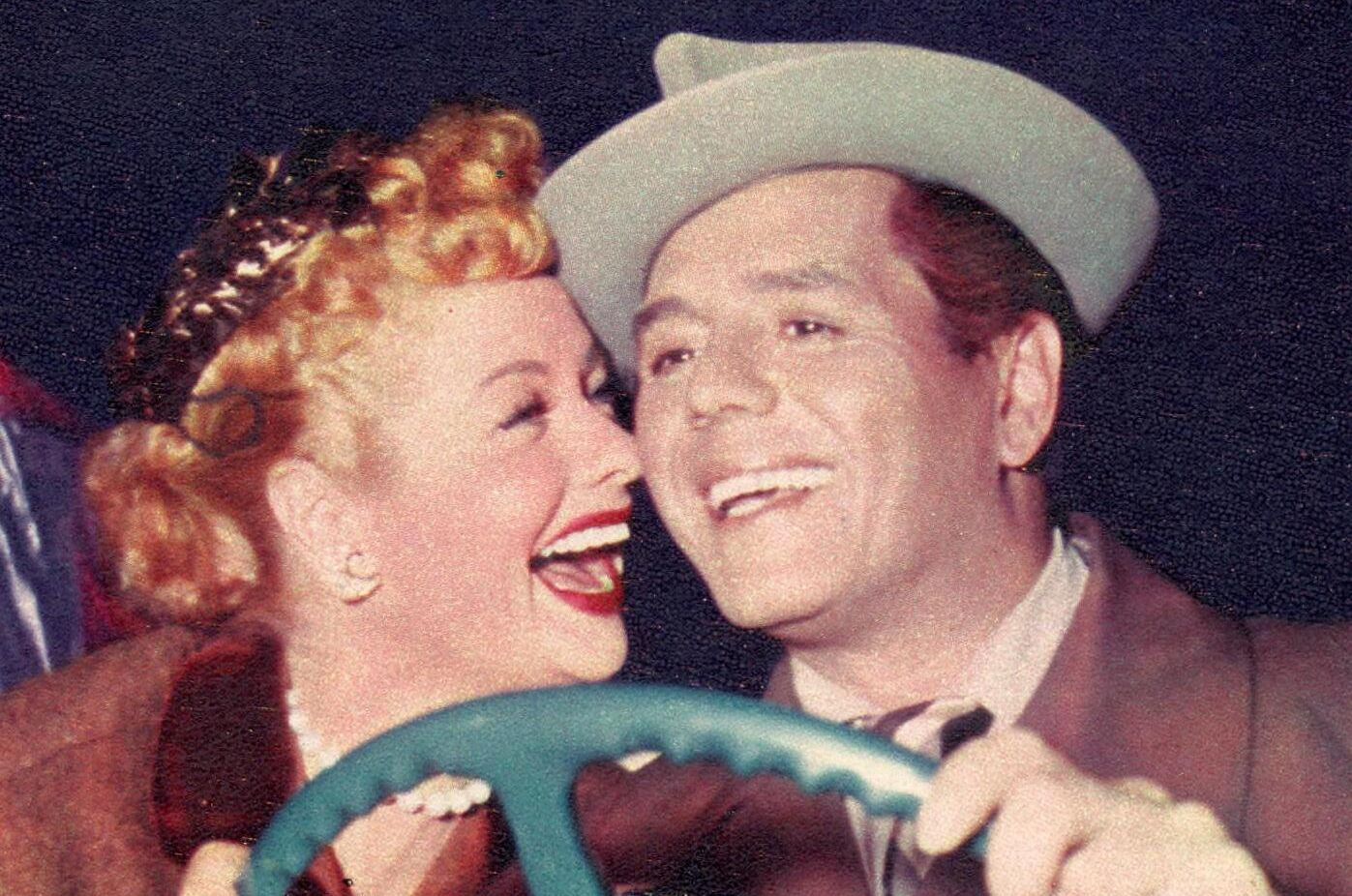
Image: TV Guide, Public domain, via Wikimedia Commons

Despite being a series from the 1950s, I Love Lucy made such a strong impact on American culture that it’s still remembered and referenced today. And it’s impossible to forget Lucy Ricardo, the lovable protagonist who was always chasing "a little more" out of life through daring and hilarious adventures with her husband and neighbors. The familiarity of the characters and the way they connected with viewers turned the show into a success that totally transcended its time.

2
Spock ( Star Trek )
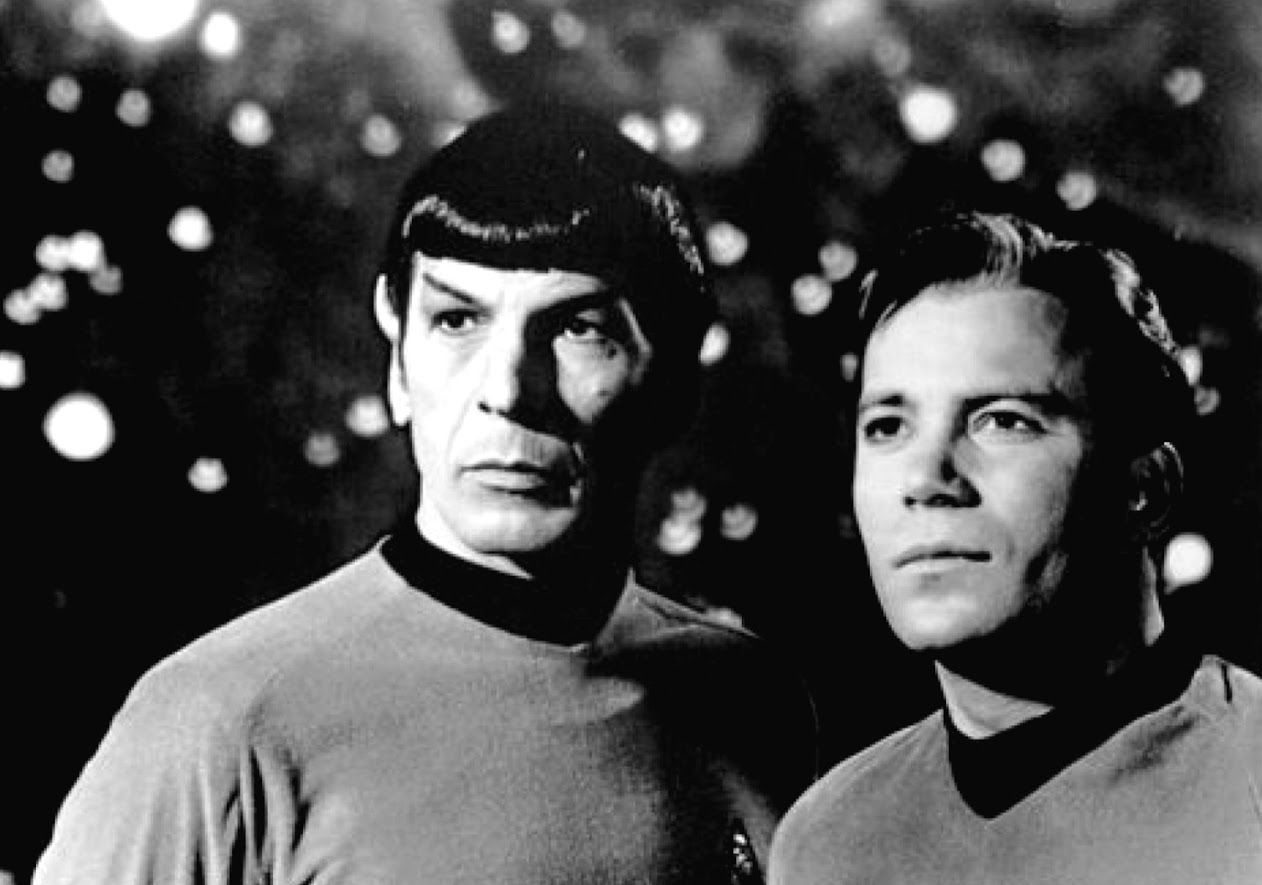
Image: NBC Television, Public domain, via Wikimedia Commons

This pair of pointed ears is really hard to forget. Mr. Spock, played by Leonard Nimoy in Star Trek , is easily one of the most memorable characters on TV, and we get why. His particular appearance and his calm, controlled demeanor made him irresistible to almost everyone in the audience. Alongside his discipline, strong values, and quiet reserve, his warm and empathetic human side would occasionally shine through, making him one of our favorites.

3
Fonzie "The Fonz" ( Happy Days )
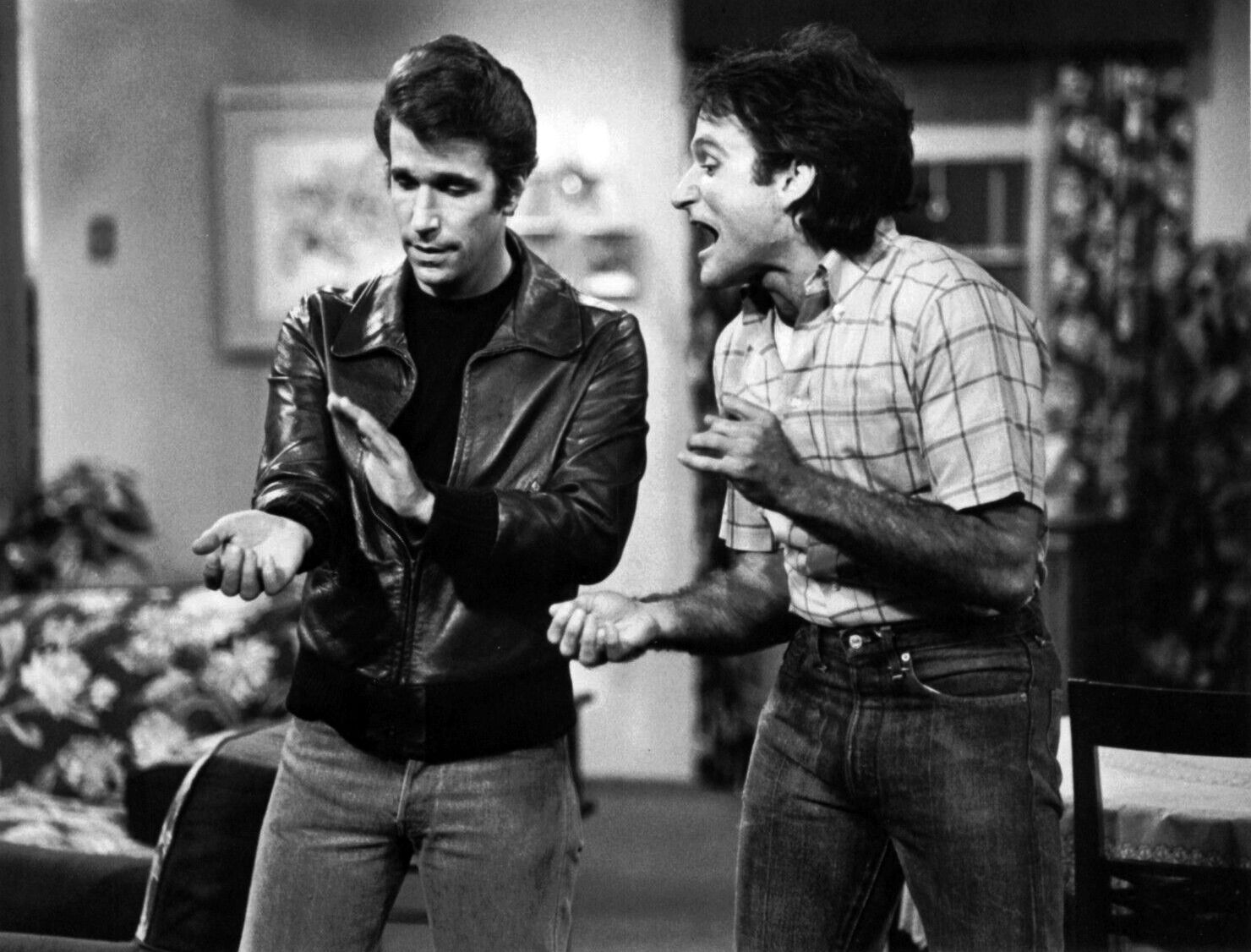
Image: ABC, Public domain, via Wikimedia Commons

Fonzarelli, Fonzie, the Fonz: three names for everyone’s favorite character from Happy Days . Fonzie wasn’t just the epitome of cool; he also had a loyal, charismatic, and genuinely warm personality that made him impossible not to love.

4
Samantha Stephens ( Bewitched )
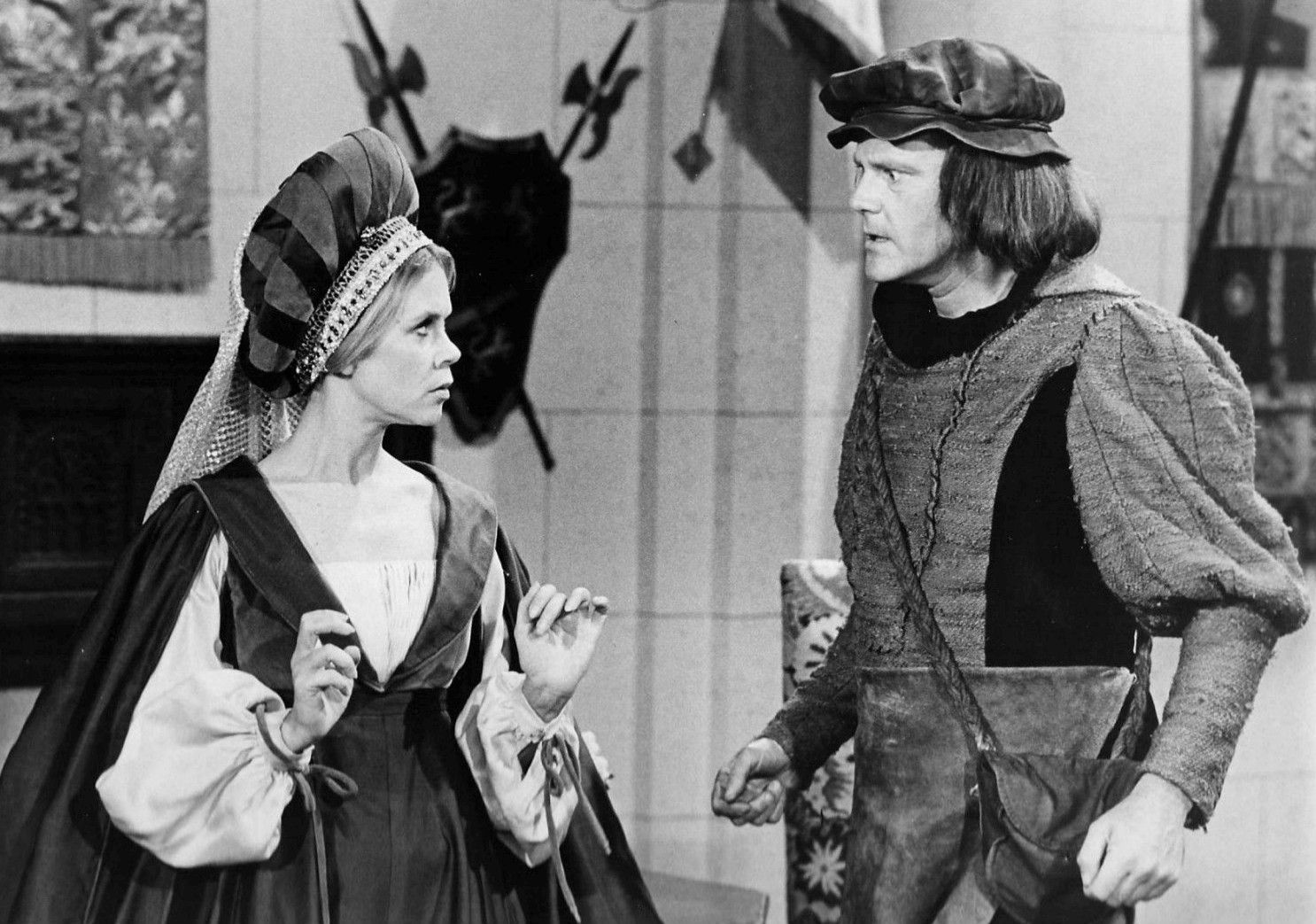
Image: ABC Television, Public domain, via Wikimedia Commons

If you had magical powers, your life would probably resemble that of Samantha Stephens, the lovable star of Bewitched , and that's probably what made this series such a success. Samantha’s warm personality and intelligence (along with her powers, of course) allowed her to balance her magical world and her human life. And along the way, she gives us some really funny adventures!

5
Michael Scott ( The Office )
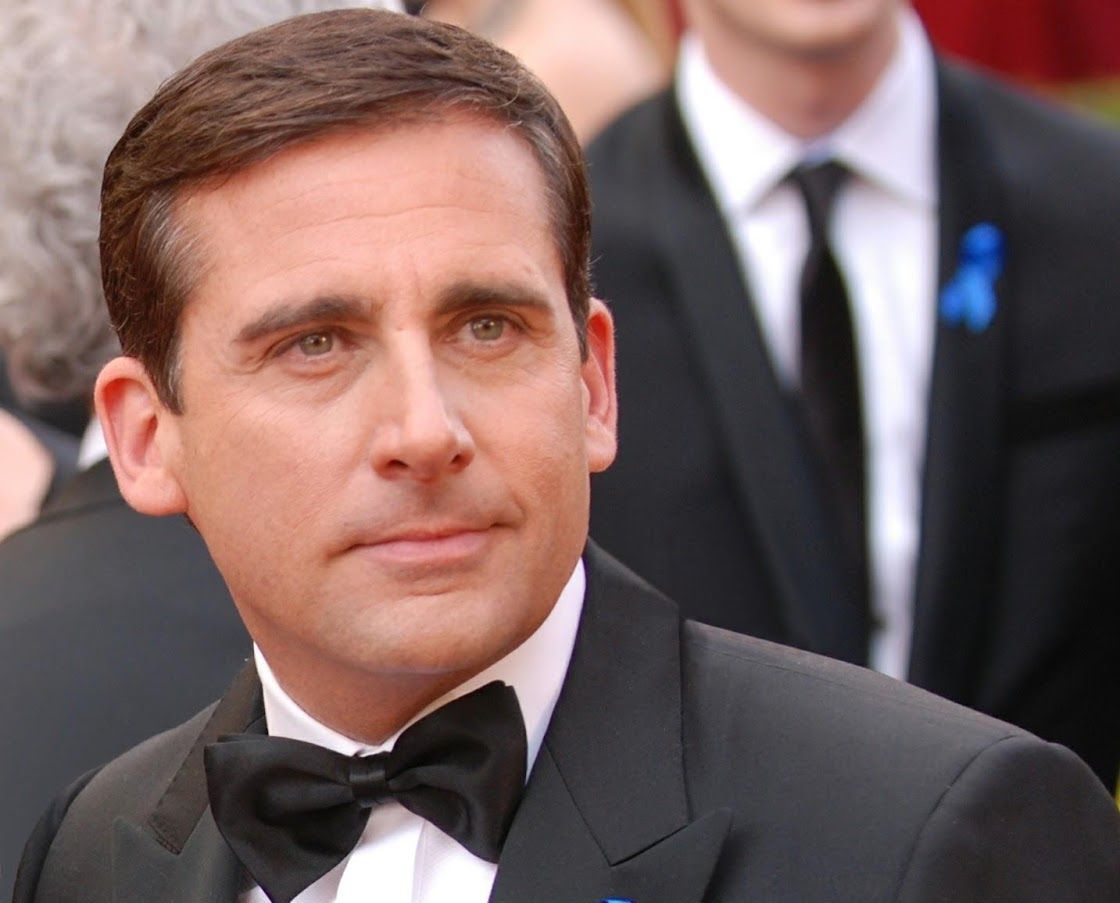
Image: Steve_Carell_with_wife_Nancy_Walls_@_2010_Academy_Awards.jpg: Photo by Sgt. Michael Connorsderivative work: RanZag, Public domain, via Wikimedia Commons

Michael Scott may not seem like the nicest character ever, but it’s precisely his quirkiness and his desperate need to be liked that make us end up loving him so much. Well-intentioned but socially awkward, this character is so funny that no matter what he does, we can’t help but adore him.

6
Kermit the Frog ( Sesame Street/The Muppet Show )
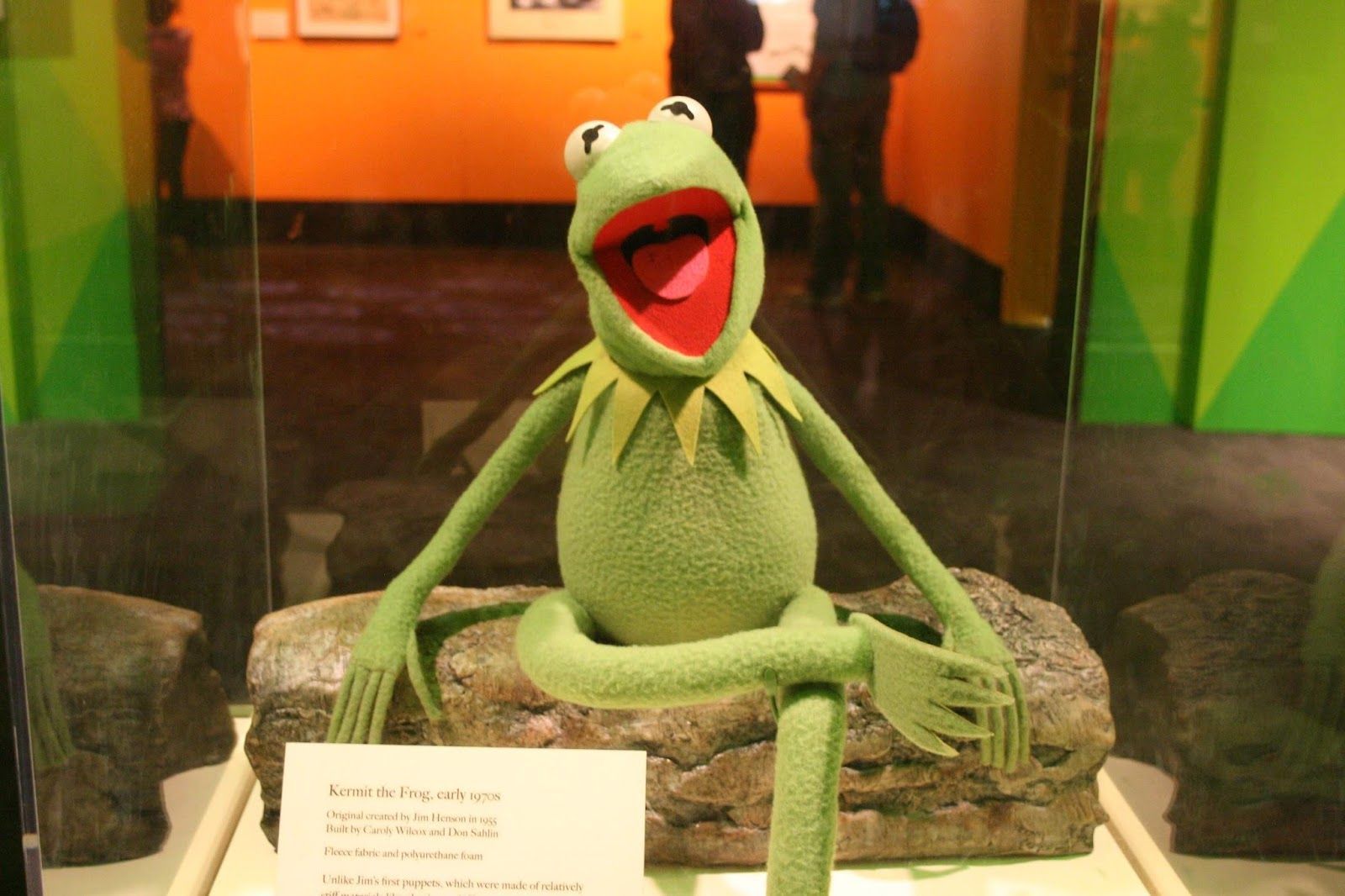
Image: Pattie, Public domain, via Wikimedia Commons

Who said all the characters on this list had to be human? No one would have guessed that a puppet could become a total celebrity, right? Well, that’s exactly what happened with Kermit, the most famous frog of all. The best part is that you don’t have to be a child to appreciate the optimism, warmth, and humor that make us all love dear Kermit.

7
Chandler Bing ( Friends )
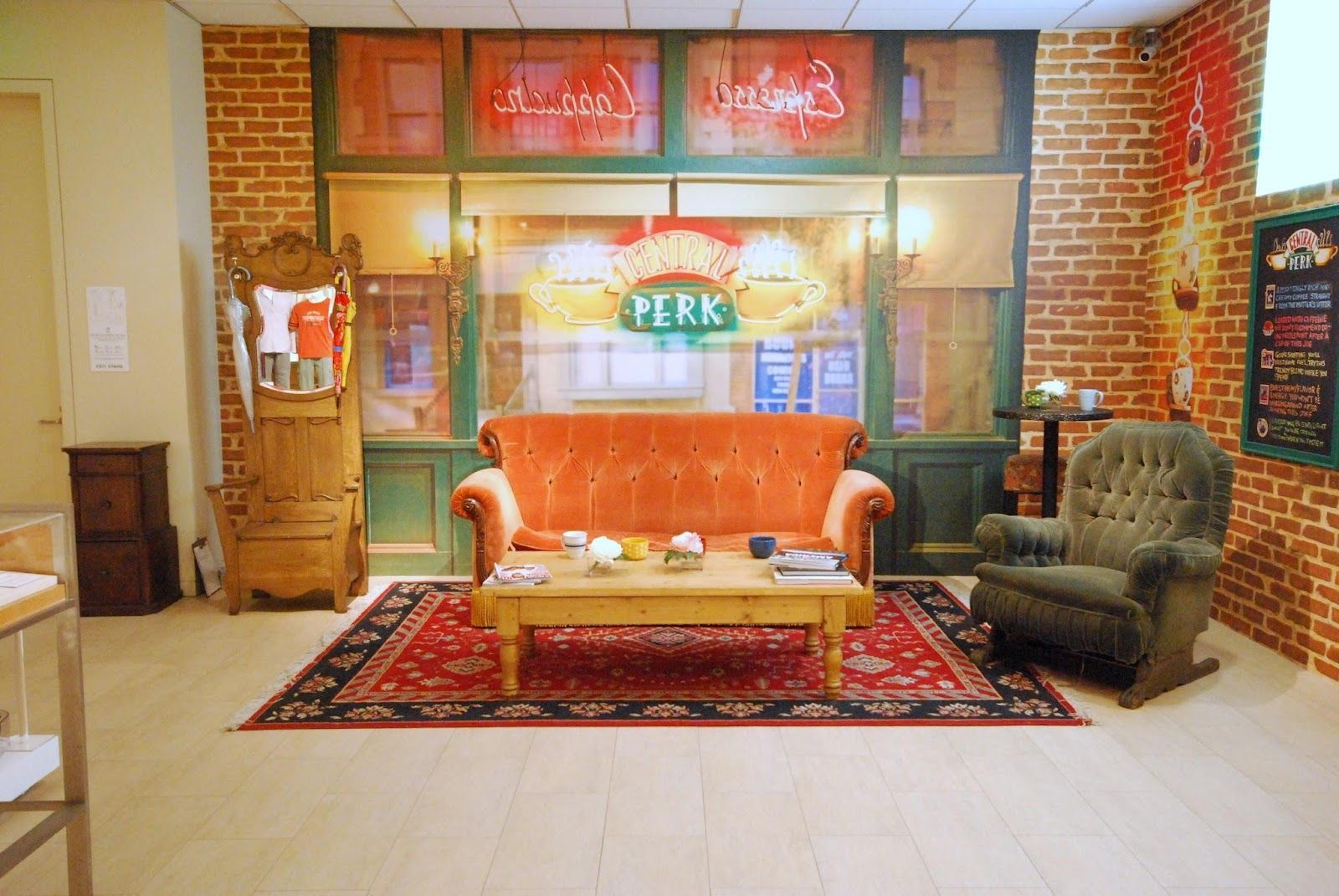
Image: Tracie Hall from Orange County, us, CC BY-SA 2.0 <https://creativecommons.org/licenses/by-sa/2.0>, via Wikimedia Commons

Each one of the six main characters of Friends has a strong fan base, but one stands out: Chandler Bing. Undoubtedly one of the most beloved, Chandler won us over with his humble heart, his awkwardness in understanding and managing emotions, and, of course, his silly jokes that came out even at the most inappropriate moments.

8
Mulder & Scully ( The X-Files )
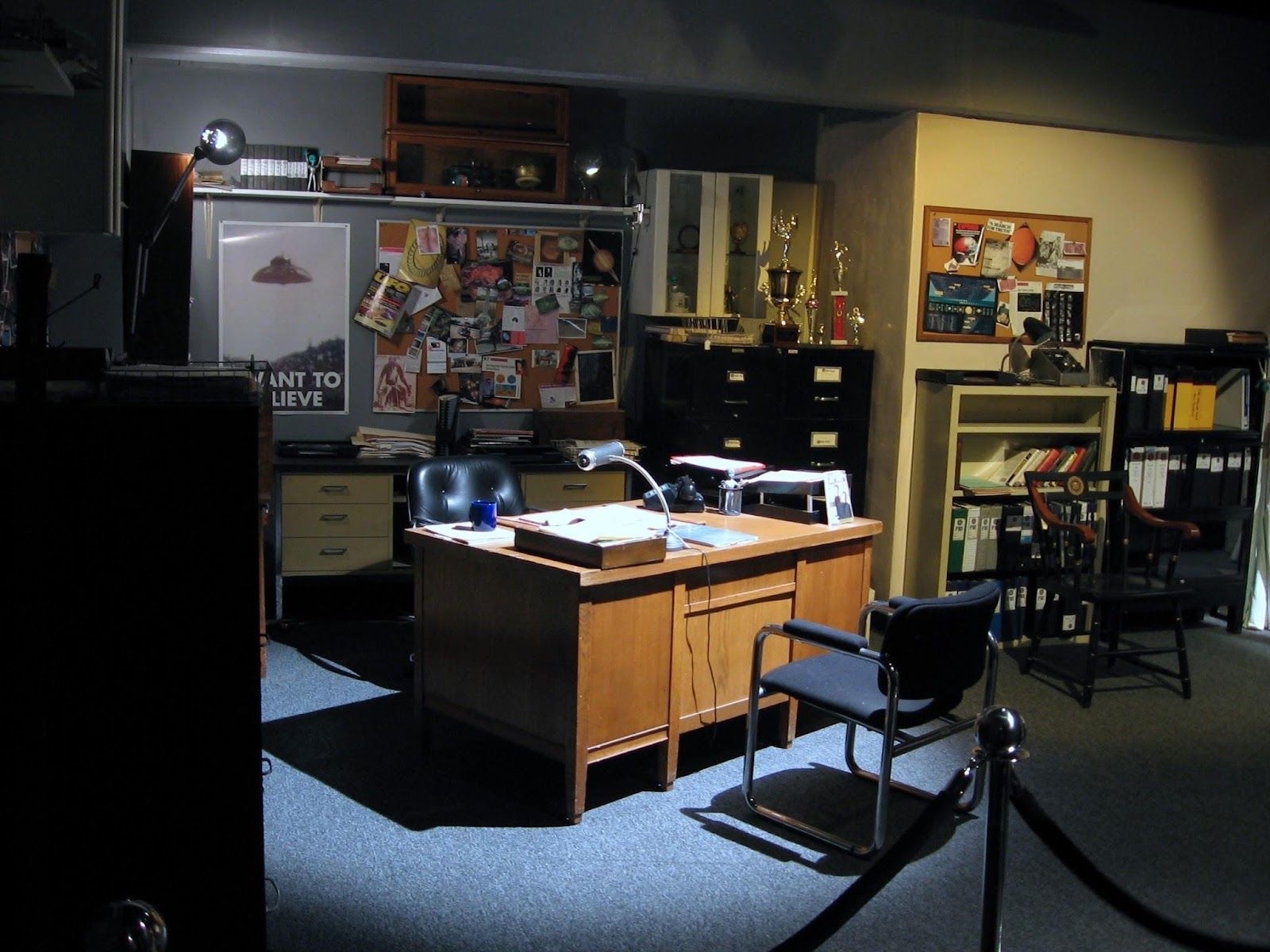
Image: Marcin Wichary from San Francisco, U.S.A., CC BY 2.0 <https://creativecommons.org/licenses/by/2.0>, via Wikimedia Commons

We had to pick one, but we just couldn’t: Mulder and Scully are inseparable. Though very different, the two main characters of The X-Files won over audiences equally. Mulder, the believer and passionate investigator, and Scully, the skeptical but determined scientist, come together to complement each other in the most perfect way.

9
Sheriff Andy Taylor ( The Andy Griffith Show )
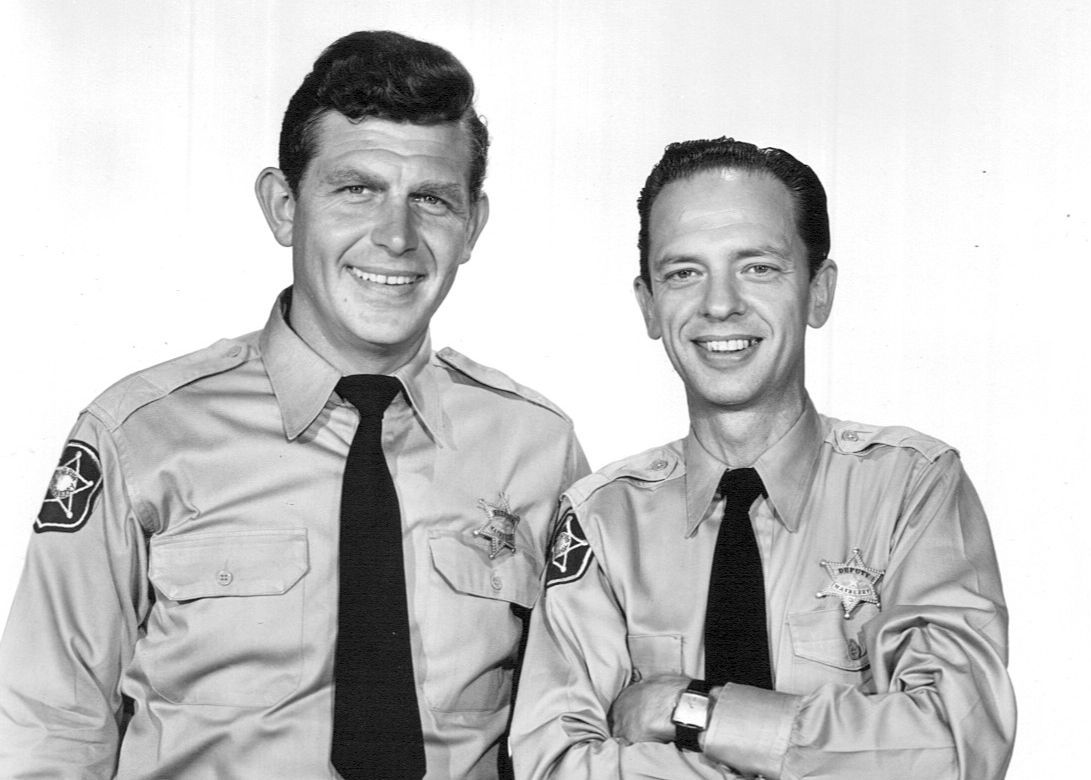
Image: Rogers & Cowan, Beverly Hills-publicity agency, Public domain, via Wikimedia Commons

That kind face was enough to win our hearts, but Sheriff Andy Taylor offers so much more: kindness, good intentions, and a calm demeanor, along with humor and intelligence. Often serving as the moral compass in The Andy Griffith Show , he became a familiar and trusted presence for audiences of all ages.

10
Sheldon Cooper ( The Big Bang Theory )

Image: MelodyJSandoval, CC BY 2.0 <https://creativecommons.org/licenses/by/2.0>, via Wikimedia Commons

His enormous intelligence and sharp logic make him stand out in the academic world, but his struggles with social connections complicate his personal life. This is Sheldon Cooper, one of TV’s most beloved "brainiacs." Despite his difficulty with sarcasm, his cold and distant demeanor, and his unbearably pragmatic nature, Sheldon has a certain charm that makes him impossible not to love.
Geography Geography 4 min read

Landmarks have secrets

Why can't you go to Lady Liberty's torch: Facts about iconic buildings

Image: Zoshua Colah

Did you know that the Golden Gate Bridge wasn’t supposed to stay that color? Or that the White House wasn’t meant to have that name? Could you guess which of our iconic buildings shows a map of the stars that’s, err… wrong? We think we are somewhat acquainted with the basic facts about the most famous structures in our country. But here is a list of some behind-the-scenes stories you probably hadn’t heard before!

1
How the White House gained its name

Image: Suzy Brooks

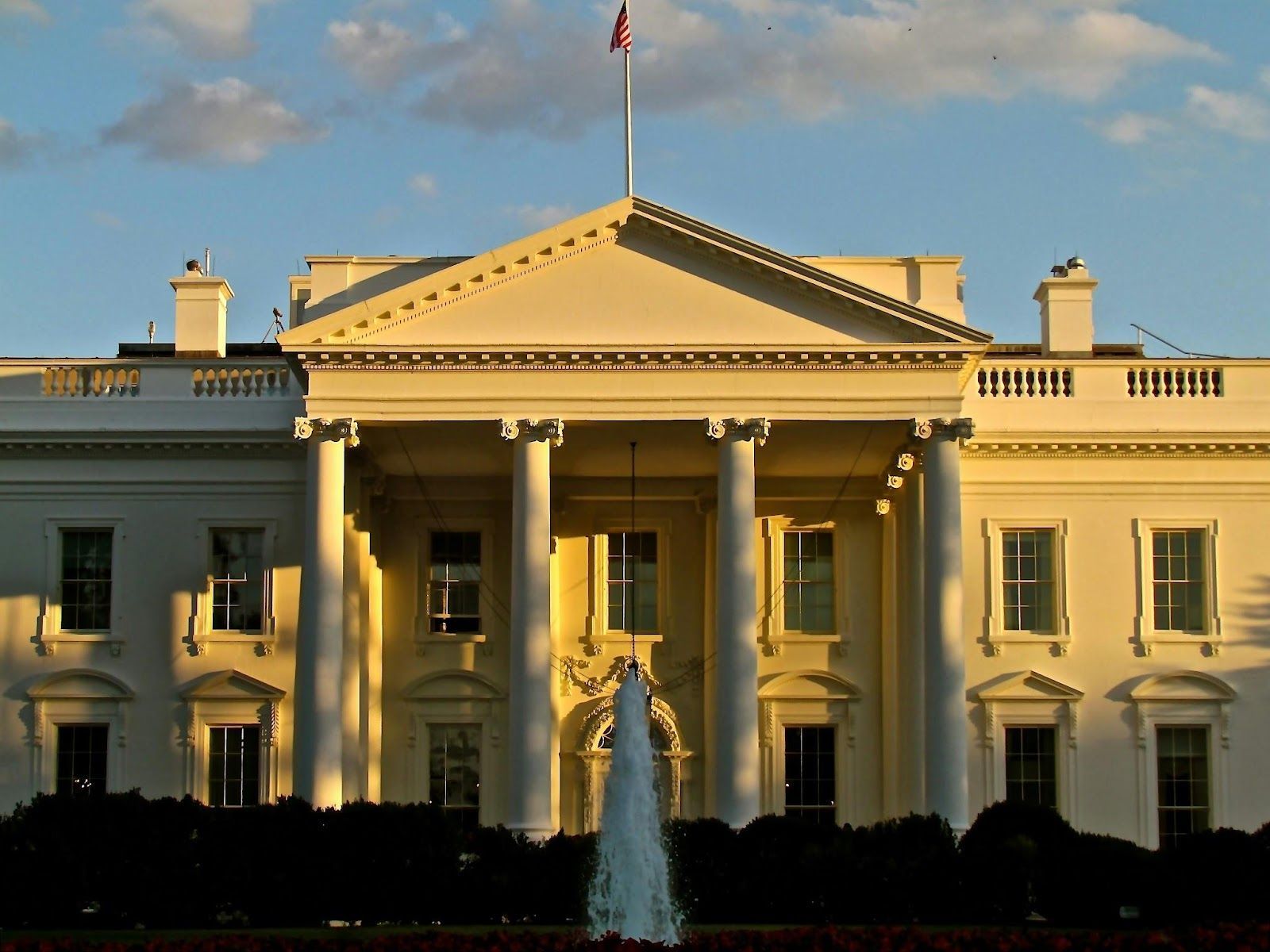
Originally, the building was called the "President’s House." That only changed after the 1814 fire. During the War of 1812, British troops marched into Washington and set many buildings on fire, including the main one.

Walls were scorched, and smoke damage lingered inside and outside the building. When repairs began, painters coated the building white to cover the burn marks . This resulted in the "White House" nickname. Nearly a century later, Theodore Roosevelt made it official.

2
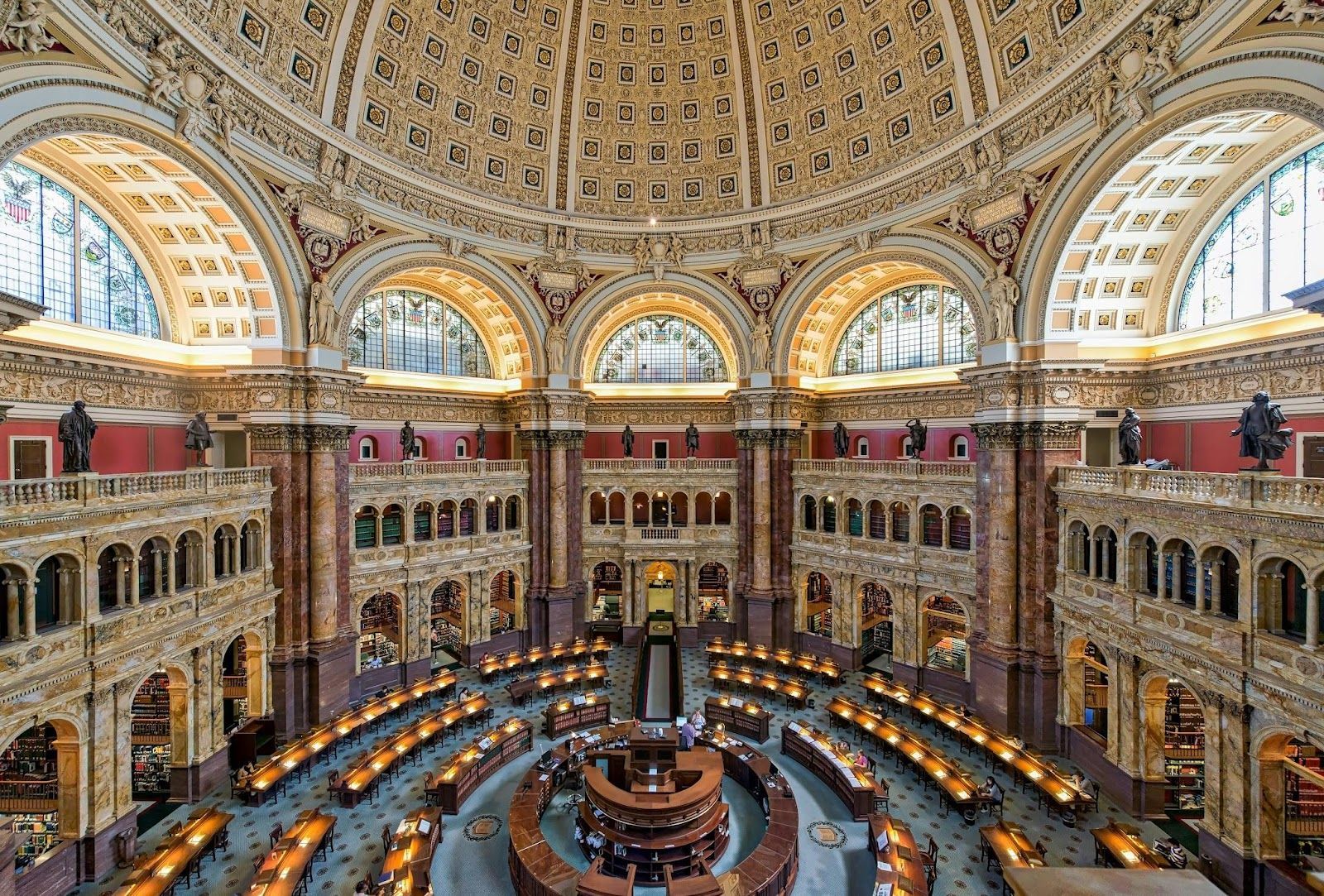
A hidden underground beneath America’s books

Image: Stephen Walker

Have you ever heard of the Library of Congress's underground tunnels? Most visitors never see them or learn about them. They connect their buildings, allowing staff to transport rare books and documents safely and efficiently. Fragile, valuable materials had better be protected from the weather, the sunlight, and, well, the people!

3
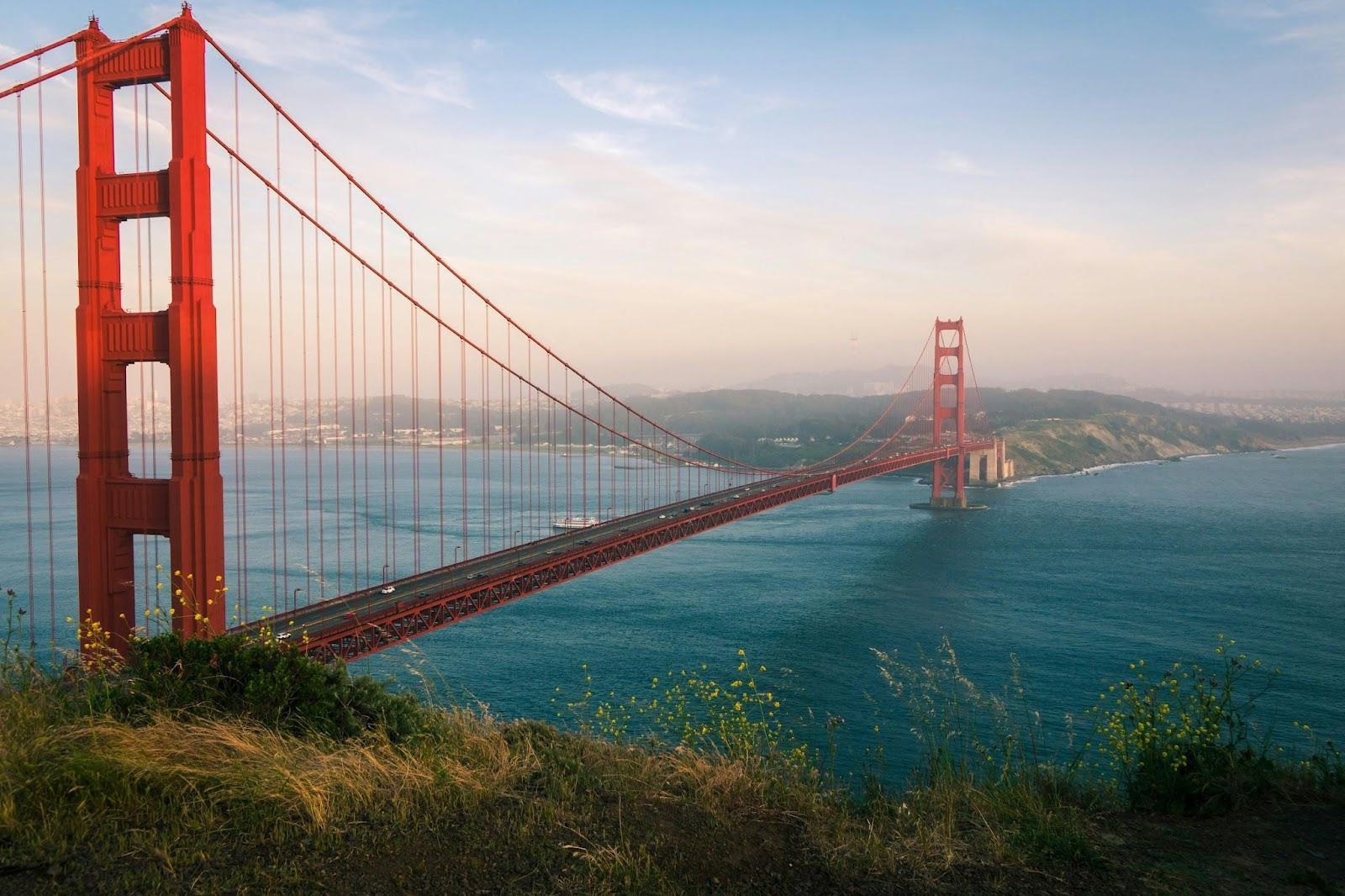
The Golden Gate Bridge wasn’t supposed to stay red

Image: Trent Erwin

The reddish color of the Golden Gate Bridge (officially named "International Orange") was supposed to be a temporary priming coat to protect the steel.

However, when engineers looked at the bright color peeking through the fog against the stunning blue and green of the San Francisco Bay, they said, "You know what?" It should stay like that. The Navy proposed painting it black and yellow, but it was never done. The stunning color turned it into one of the most iconic buildings in the world.

4
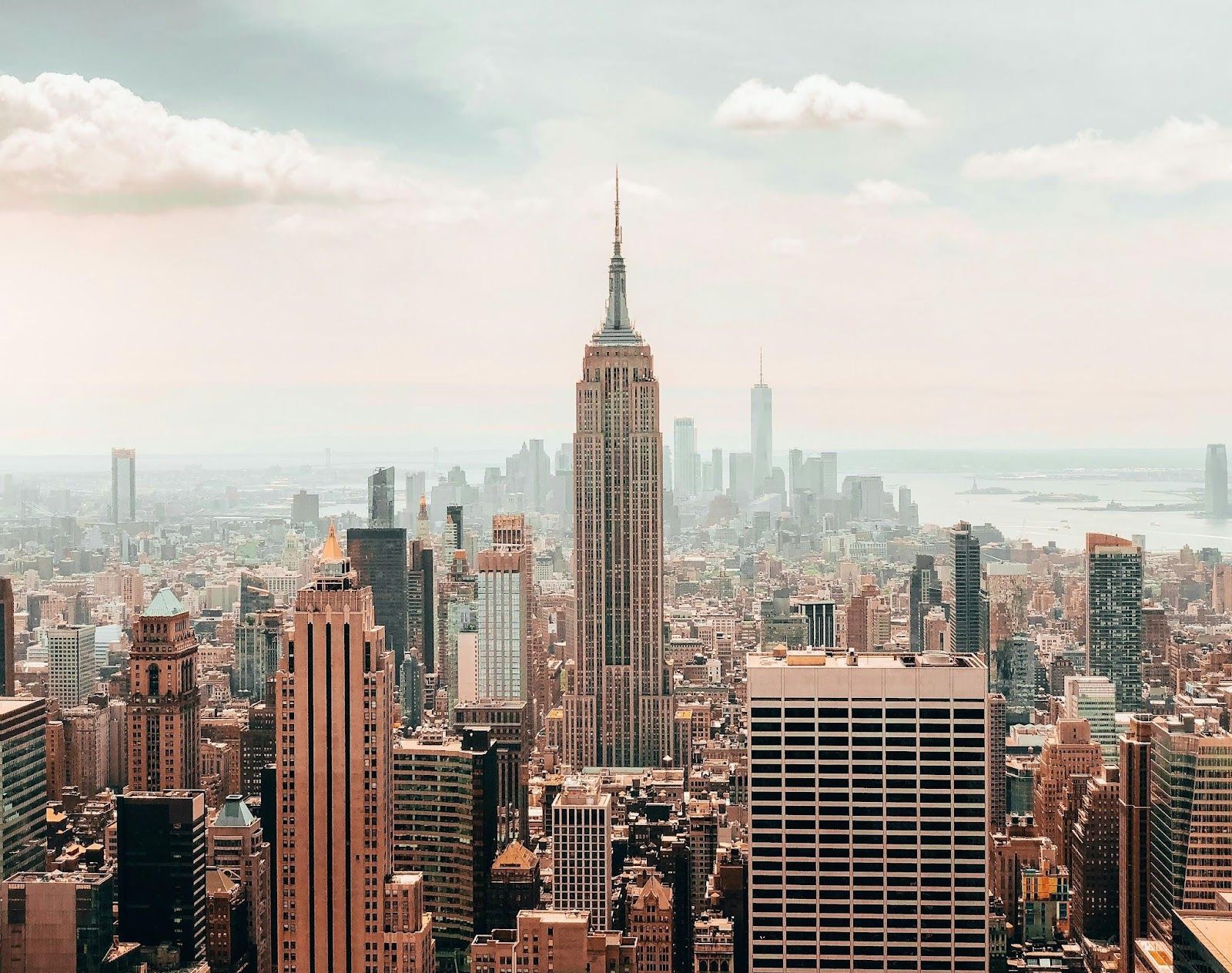
The Empire State Building wanted to welcome airships

Image: Christian Ladewig

Back in 1931, the Empire State Building’s spire was intended as a mooring mast to serve as a docking station for airships. The idea was that passengers should be able to step directly into Manhattan from the sky!

Sure, it was a futuristic plan, but it was eventually dismissed for being wildly dangerous. Passengers would have had to climb out at dizzying heights in strong winds. Not ideal! And certainly not glamorous.

5
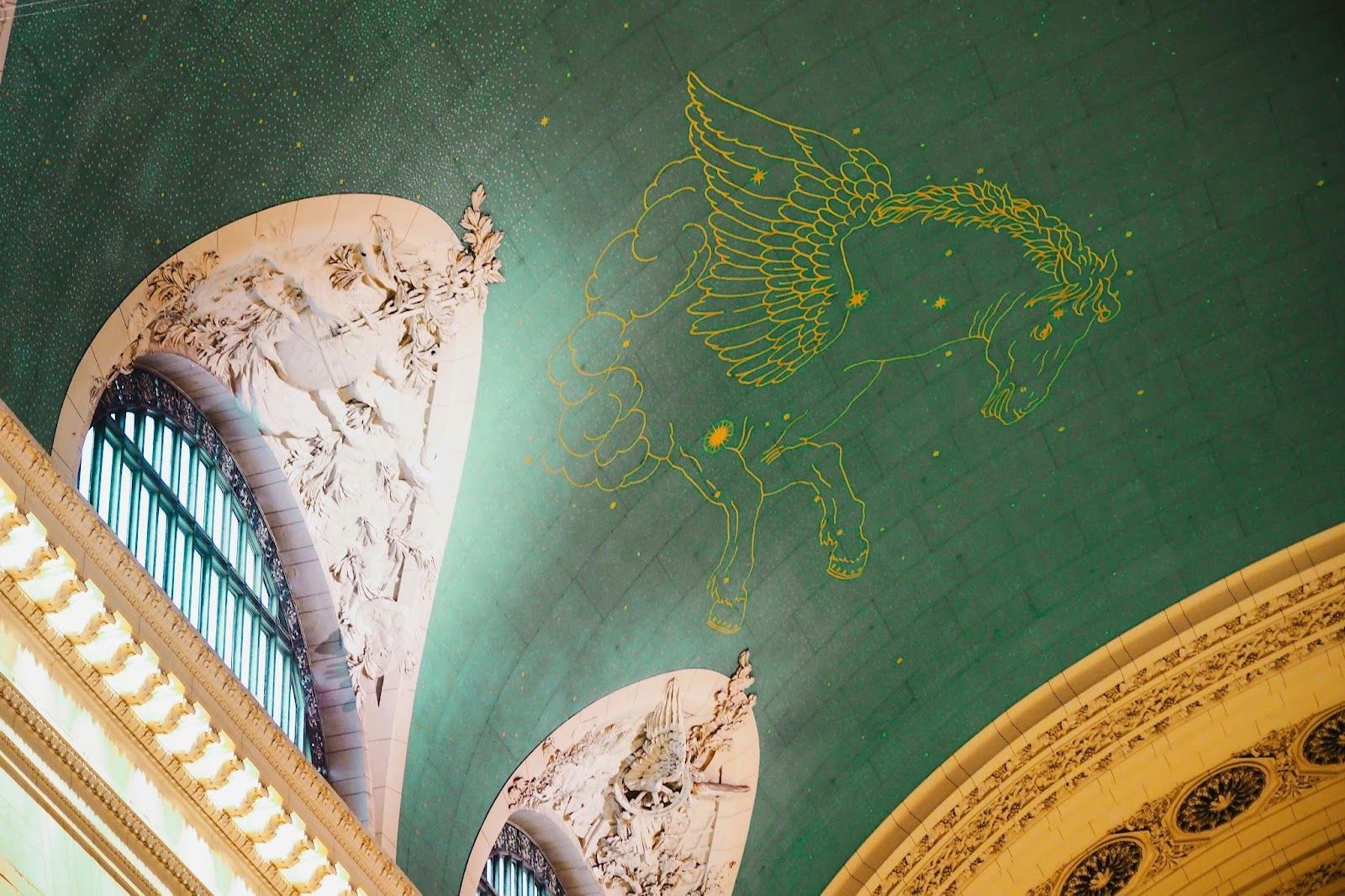
The famous ceiling that got the stars wrong

Image: Alexa Soh

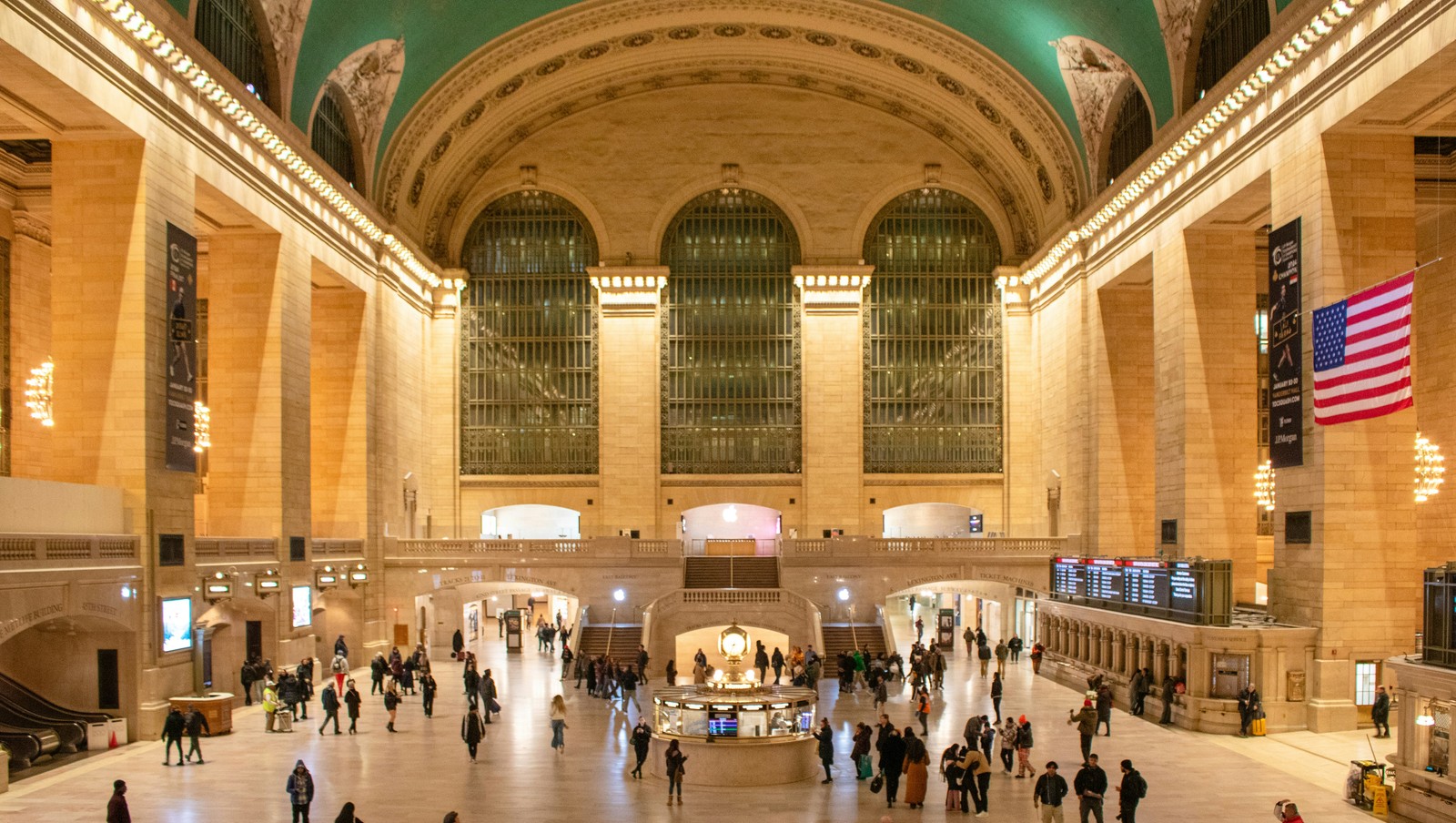
You may have seen images of Grand Central Terminal’s celestial ceiling —or seen it with your own eyes. But there’s a twist: Did you know that the constellations in it are painted backward?

The way they are represented is as if viewed from outside the universe, rather than from Earth. Whether it was a mistake by the artist or it was an intentional reverse on cosmic perspective, the terminal ceiling has looked like this since its opening in 1913.

6
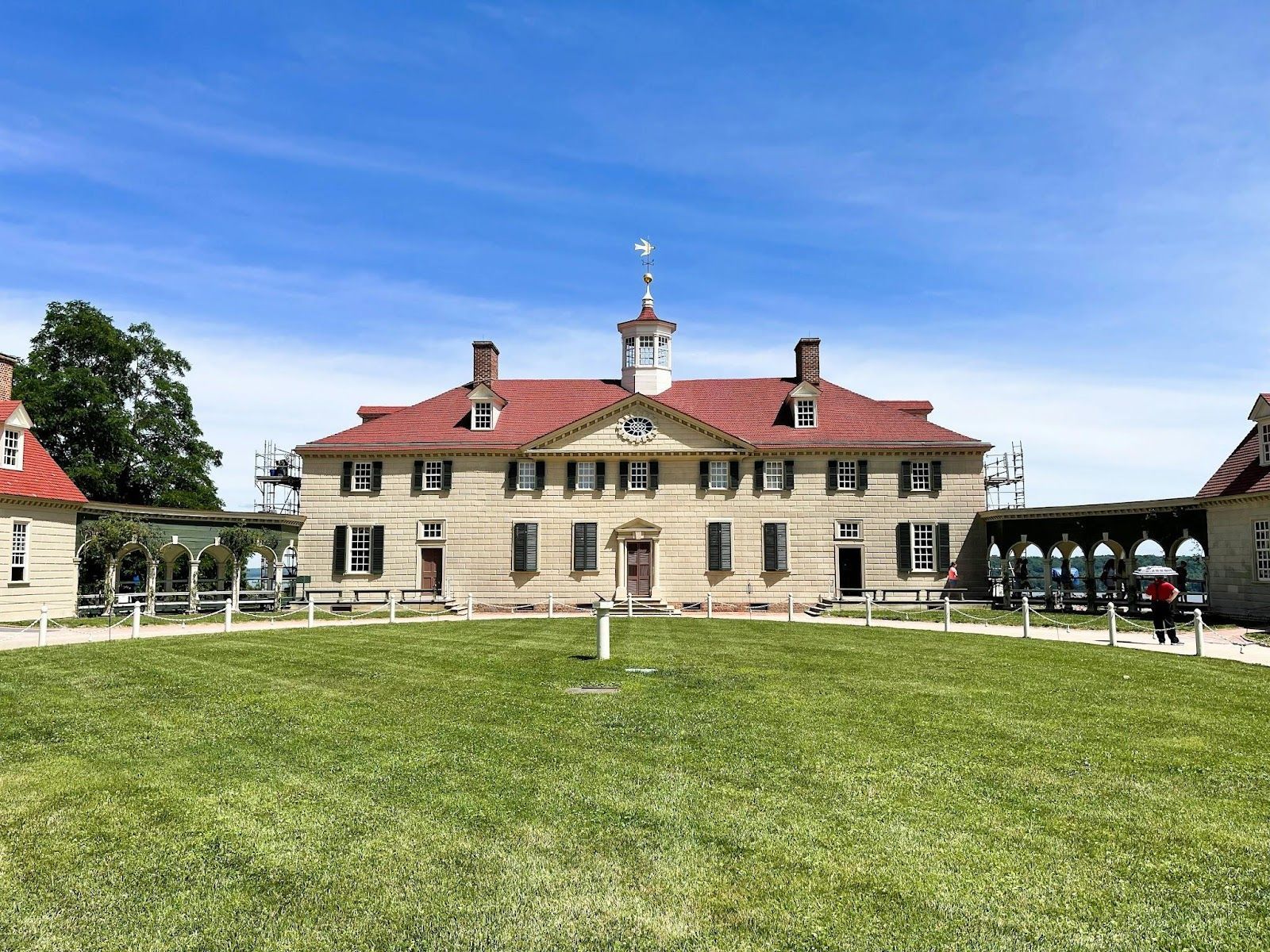
The president who quietly ran a whiskey empire

Image: Antonella Vilardo

George Washington is remembered as a general and a president, of course. But he was also a major whiskey producer. Hidden on the grounds of Mount Vernon was a fully functioning distillery, built in the late 1790s.

By the time of Washington’s death, it was producing nearly 11,000 gallons of whiskey a year. That made him one of the largest distillers in the young United States!

7
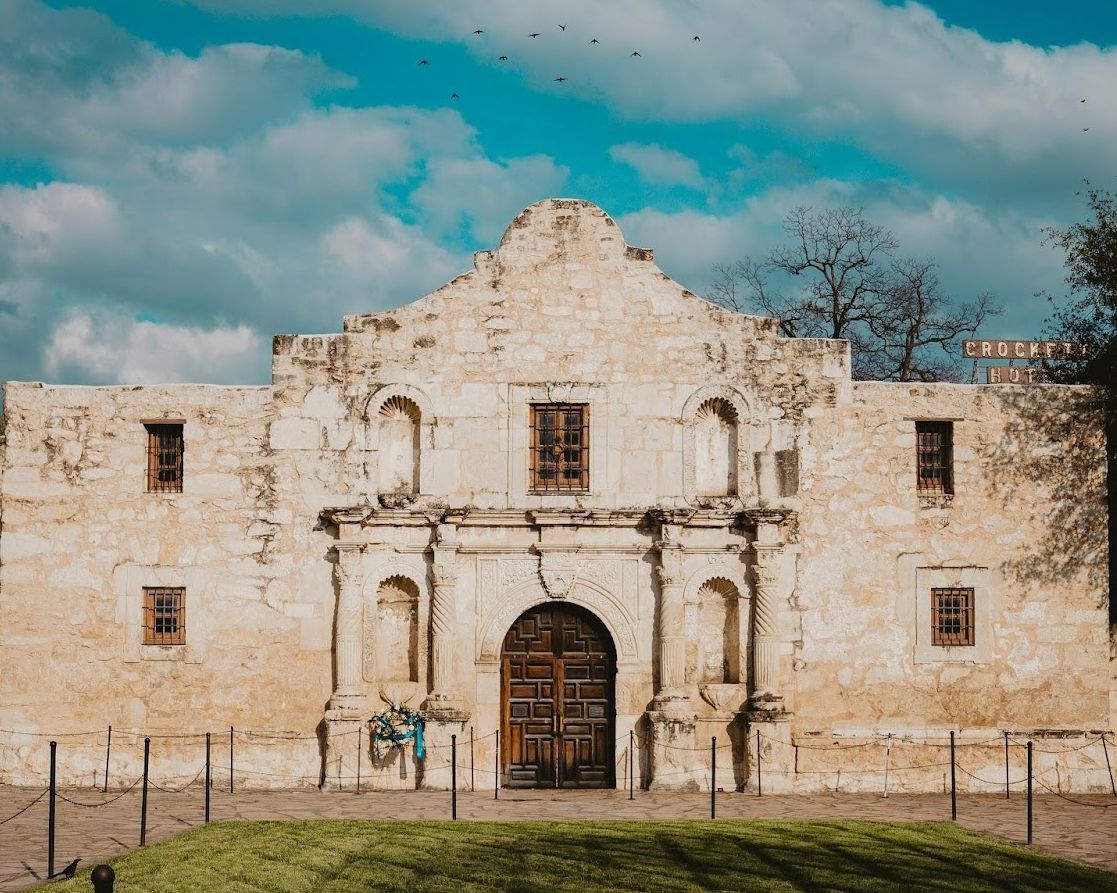
The iconic façade didn’t exist during the battle

Image: Eric Francis

When you think of the Alamo, you surely picture its iconic façade. However, that structure was not part of the original mission!

During the famous 1836 battle, the building looked far simpler, and it lacked its now-famous curved top. That façade was added decades later by the U.S. Army when the structure was used as a supply depot

8
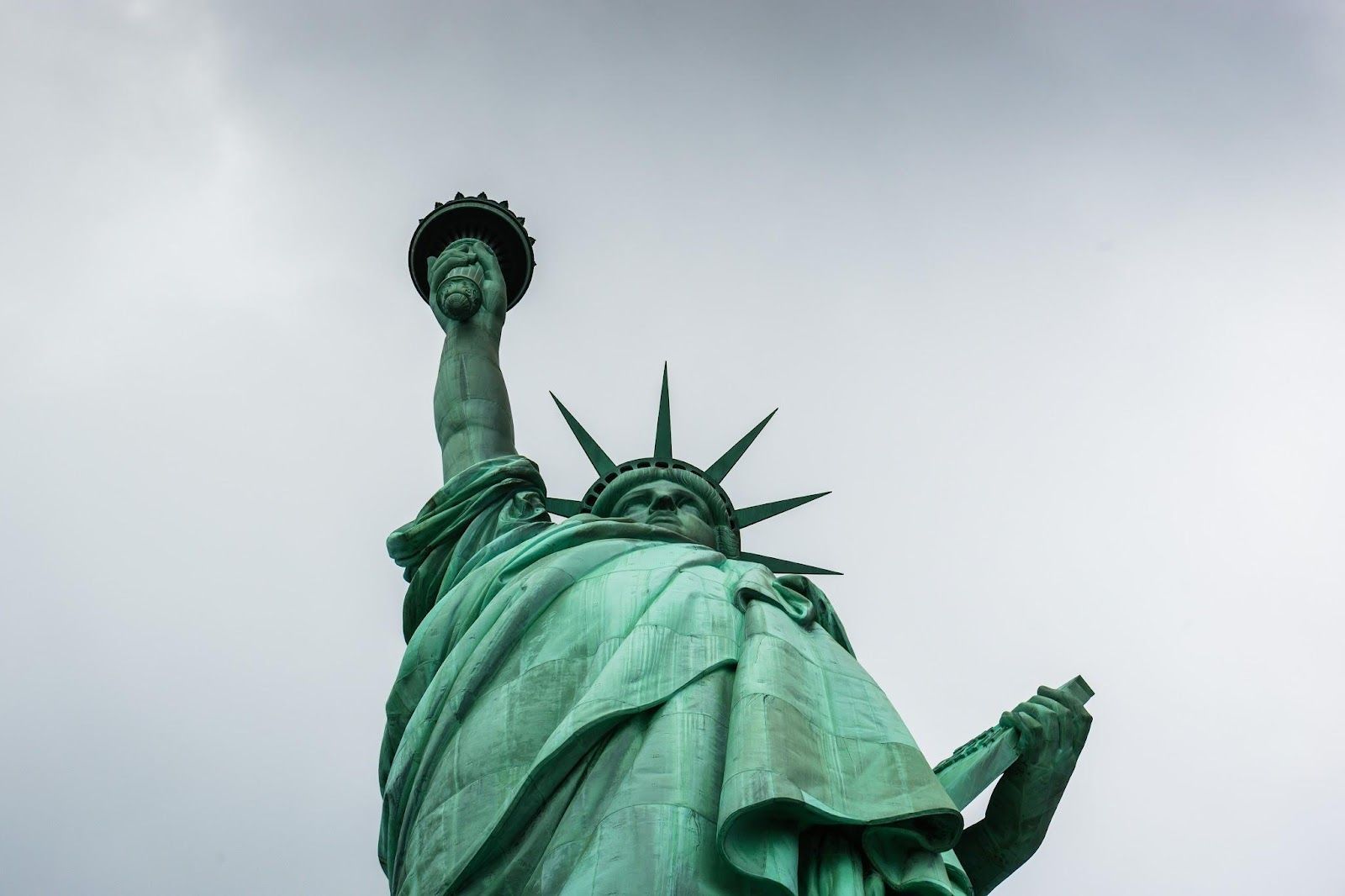
Why visitors can no longer climb to the torch

Image: Jason Krieger

Did you ever hear some old relative’s anecdote ot climbing all the way to the top of Lady Liberty’s torch? They weren’t lying: Up until 1916, visitors could. However, around that time, some explosions in a nearby munitions depot sent shockwaves through the statue.

The blast damaged the torch and weakened its structure. For safety reasons, access was permanently closed to the public.

9
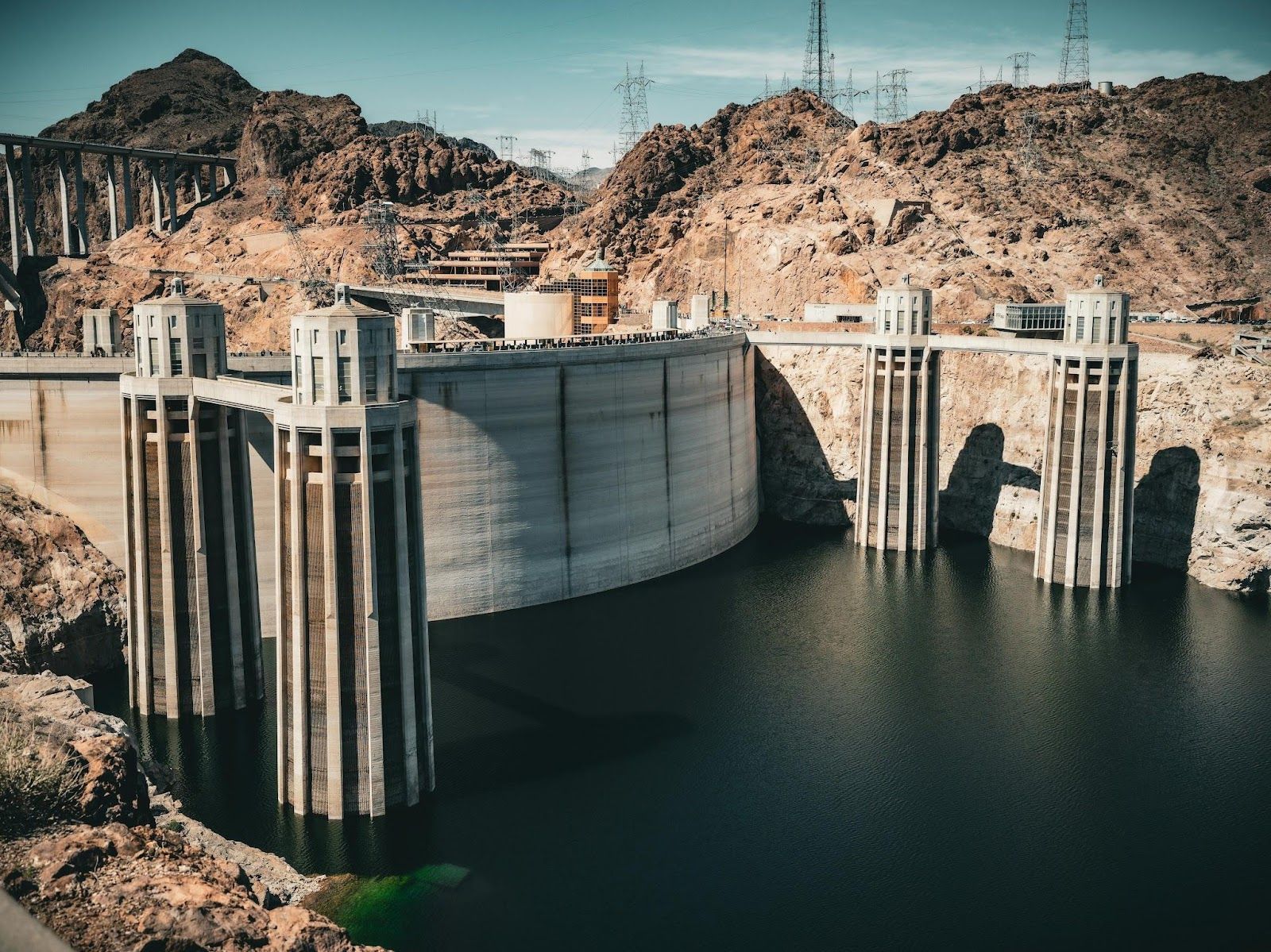
The concrete that is still hardening today

Image: Chase T

The Hoover Dam contains so much concrete that it generates heat as it cures. Engineers knew that if poured as one solid mass, it would take more than a century to cool and could crack.

Instead, they built it using interlocking concrete blocks, each cooled with circulating water. Even so, parts of the dam are still slowly curing today.

10
The building that accidentally cooked its neighbors

Image: Michael Beener

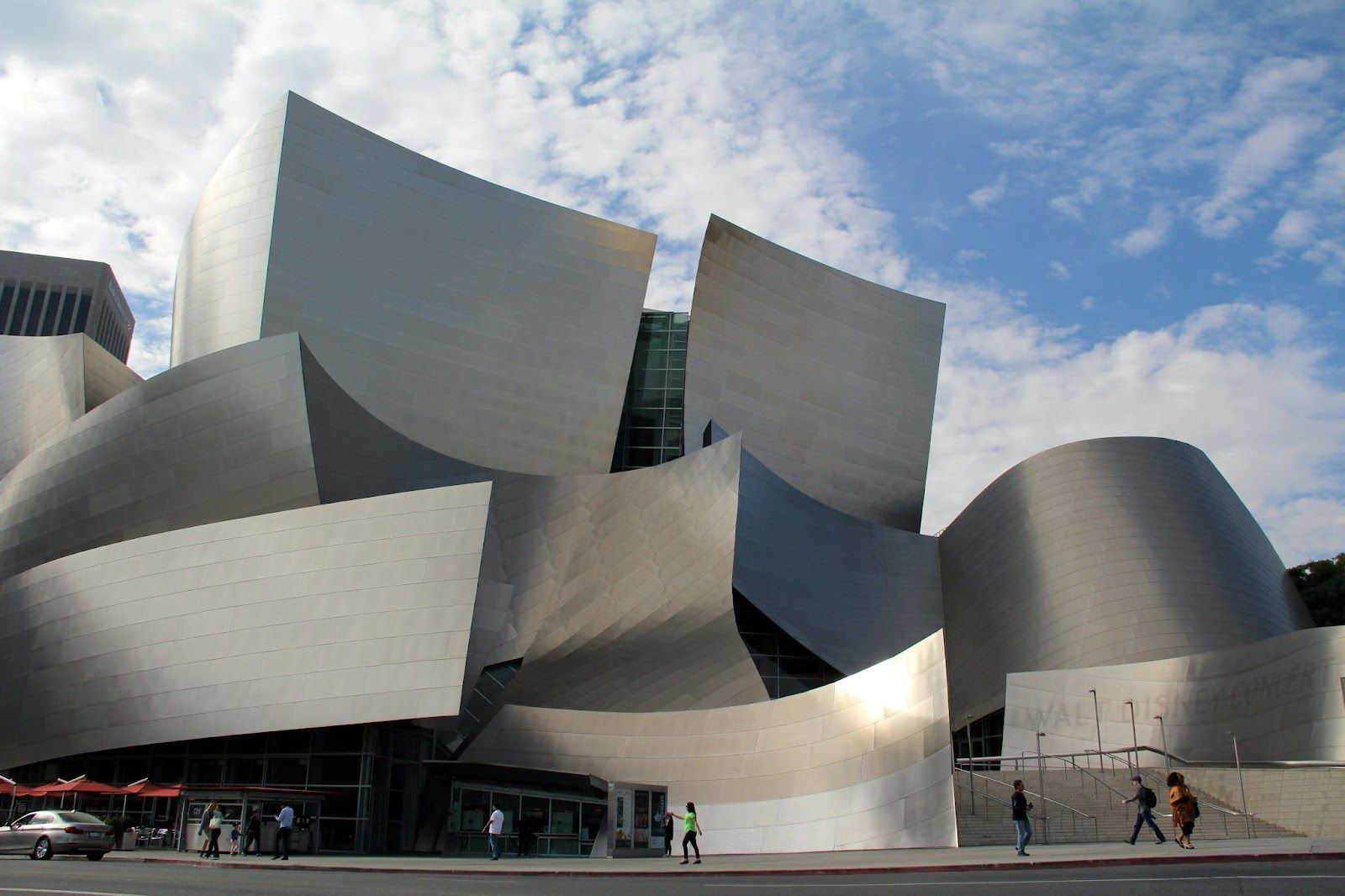
When the Walt Disney Concert Hall opened in Los Angeles, its gleaming metal exterior stunned visitors. But it also caused an unexpected problem…

The highly reflective steel panels bounced sunlight onto nearby sidewalks and apartments. In some spots, the glare was so intense that it melted materials! As a result, engineers eventually had to dull parts of the surface.

11
The Capitol’s dome isn’t stone

Image: Sins S

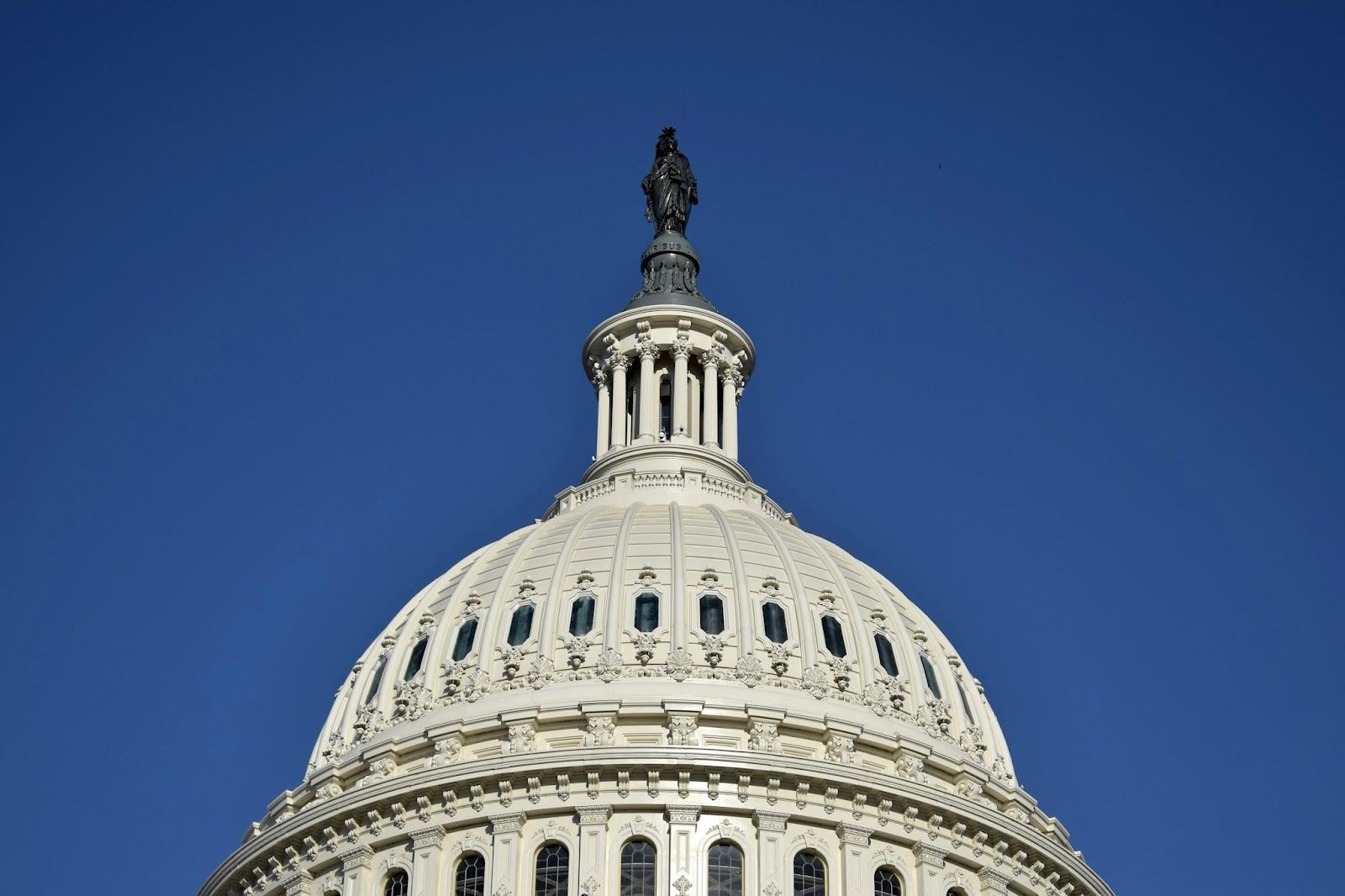
The grand, massive dome atop the U.S. Capitol looks like solid stone, doesn’t it? But, in fact, it is made of cast iron.

In the mid-1800s, stone was considered too heavy and expensive for such an ambitious structure. Cast iron allowed builders to create a taller, more ornate dome that weighs nearly nine million pounds.

Culture Culture 4 min read

WHERE IS KAMCHATKA, ANYWAY?

Which Are The 10 Most Popular Board Games In America?

Image: Mesh

Even in this day and age, most board games are stacked and forgotten in some dusty closet. However, everyone holds memories of sharing many hours playing with friends and family over a board of Monopoly, Scrabble, or one of thousands of other options. We have narrowed that number to a mere ten, focusing on the most popular ones in America. Which ones have you played?

1
Pictionary

Image: Kelly Sikkema

Who hasn’t played Pictionary at least once in their life? The whole gameplay boils down to drawing a picture so that others can guess what it is. It’s like "charades" with drawings instead of actions.

While this is a board game, the board itself is the least important part of the game. The only things that matter are the drawings and how people guess what they are. Anybody of any age can get into the game and have a good time.

2
Game of Life

Image: Jaciel Melnik

One of the most popular board games of all time, the Game of Life, was created in 1960. The idea is that you want to end the game with more assets than anyone else. The basic gameplay involves spinning the spinner and making a handful of key decisions at intersections. It is in those moments that you influence which way your "life" will turn out.

The whole game is, like life itself, very luck-driven and not very strategic. This game laid the groundwork for many modern, narrative-driven games.

3
Clue

Image: Towfiqu barbhuiya

Clue was the first mass-market game to make bluffing and deduction an explicit part of the game. During gameplay, you’re always trying to analyze your opponents’ moves and react accordingly.

A game that spawned a million more games, Clue takes its participants on a journey to solve a murder using a series of clues given throughout the session. Even if you never played it (and chances are that you have), you know it.

4
Chutes And Ladders

Image: Biao Xie

Chutes and Ladders was inspired by an ancient Indian board game that originated around the year 200 BC. The game is luck-driven; there is no strategic element to either the ancient or the modern version.

Just like in The Game of Life, the gameplay involves spinning a spinner and advancing the specified amount of spaces it indicates. Ladders move you up higher on the board, and chutes drop you down to lower spaces.

5
Risk

Image: Dave Photoz

Risk has one of the most recognizable boards of any board game, with its colorful map divided into strange countries. The focus is set on one of the oldest of human ambitions: to conquer the world.

It is not the kind of game you want to play if you only have a few minutes to spare, since the entire gameplay can take up to a few hours. But, if you have the time and at least one other player, it is well worth it.

6
Trivial Pursuit

Image: Claudia Wolff

If answering questions about different topics of general human knowledge is your thing, then Trivial Pursuit is definitely your game. The board itself is not the center of the game. It serves the purpose of marking which theme must be answered in each turn and where each player is in the gameplay.

Some prefer the questions about sports, while others hope to get the questions about culture. But there is always something for everyone.

7
Scrabble

Image: John Benitez

Another well-known board game, Scrabble is the foundation of just about every word-based tabletop game that has come since its first appearance in 1948. In this game, the pieces you work with are thrown into a bag and doled out by random chance.

You can make maneuvers to benefit yourself and to block others, but the real advantage is in the hands of those with a strong vocabulary and a good memory to recall the words at the right time.

8
Checkers

Image: Gabriel Meinert

A game so simple that it can be played and enjoyed by children, Checkers is a very straightforward strategy game, similar to Chess in some aspects (especially the board) but simpler in many others.

The gameplay, intended for two players, involves forward movements of uniform game pieces and mandatory captures by jumping over opponent pieces.

9
Monopoly

Image: Joshua Hoehne

Another all-time modern classic, Monopoly shares a similar objective as the previously mentioned The Game of Life: finishing the game with the most properties and money possible.

Monopoly has many themed versions and variants, including popular culture themes, and digital versions. But the gist in all of them is: roll the dice, buy properties, pay rent to other players, and pray not to land on Boardwalk or Parkway Avenue, especially if there are hotels (unless you own those two).

10
Chess

Image: Randy Fath

Let us finish this list with the Game of Kings itself, Chess : the best-selling game of all time, played by countless generations across the globe. Learning the basic moves is simple; mastering them is something different altogether.

Whether you are an advanced player, an aficionado, or someone who is considering learning it, Chess is good for you. It provides excellent exercise for your brain, infinite hours of fun, and can be played at any age.

Explore more American facts

Choose your favorite category!

General
General

As American as apple pie—the very best America has to offer!

Culture
Culture

Delve into the astounding richness of American lore.

Geography
Geography

Hop in and explore vast and diverse American landscapes.

History
History

Discover the key moments that shaped the United States.