History History 4 min read

Don’t believe everything

From Washington’s wooden teeth to Plymouth Rock: 12 myths still around

Image: Hartono Creative Studio

American history is filled with stories that are passed down through generations, but not all of them are accurate. Some legends were invented to inspire, others simply to entertain, and many grew from misunderstandings. Let’s take a look at 12 of the most common myths from U.S. history that are still believed to be true by a lot of people.

1
George Washington had wooden teeth
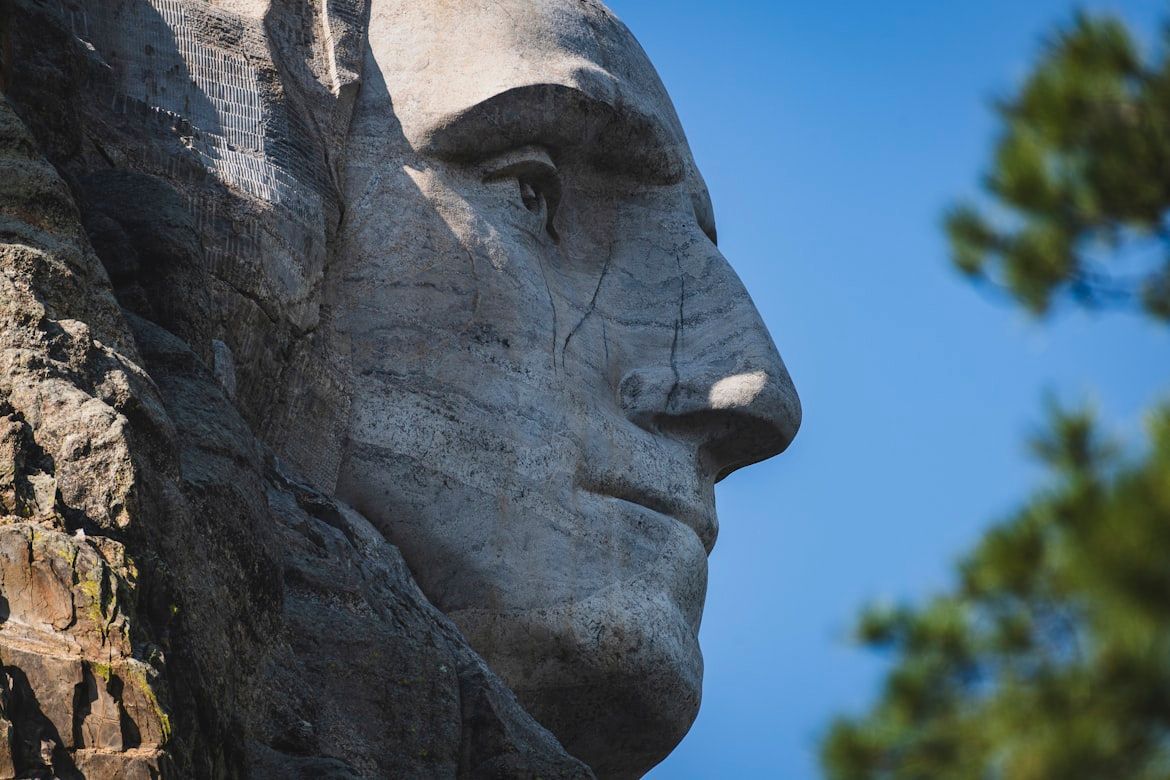
Image: Jon Sailer

When one thinks about this one, it can sound quite preposterous, but many people still believe it to be true. George Washington did wear dentures, but none were made of wood. His sets were crafted from ivory, gold, lead, and even animal and human teeth. The wood myth likely spread because stained ivory took on a rough, brown look .

The story stuck because it seemed to fit the image of a rustic leader. In truth, Washington’s constant dental pain was very real, but the wooden teeth are pure fiction.

2
The Declaration of Independence was signed on July 4
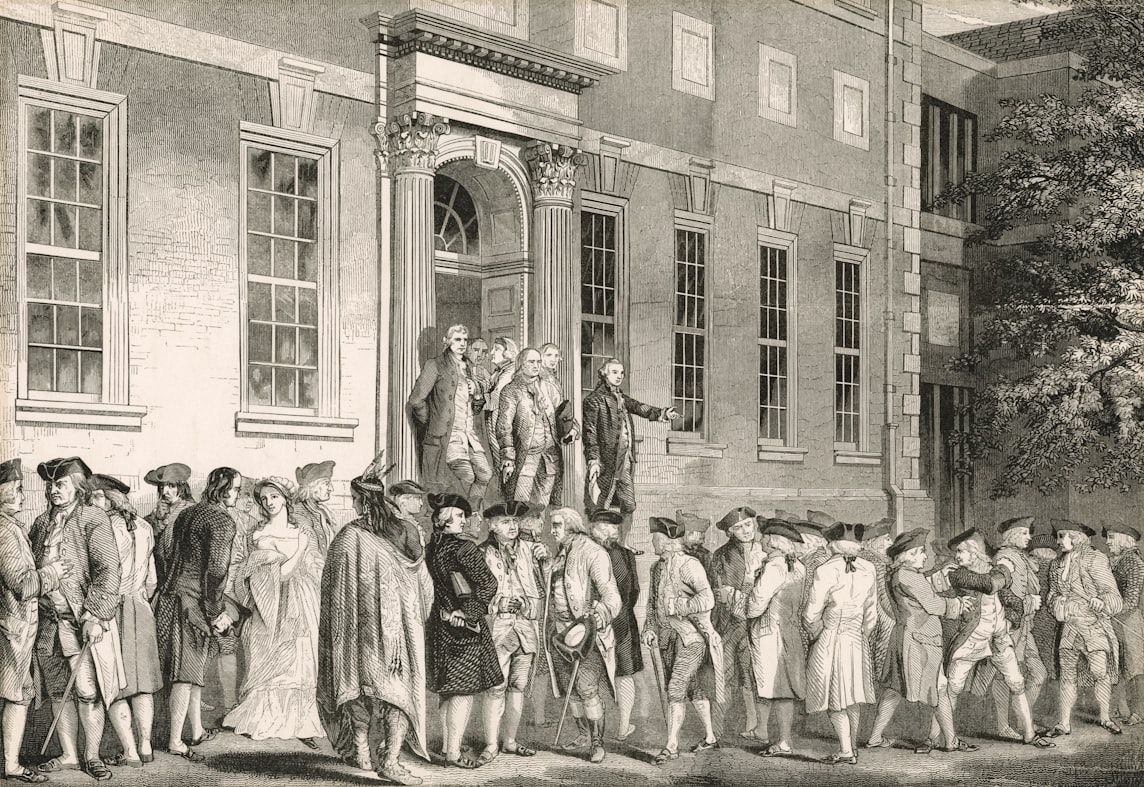
Image: The New York Public Library

Yes, July 4, 1776, is remembered as the day America declared independence, but most delegates did not sign the document then. It was approved that day, yet the majority of signatures were added on August 2 .

Only John Hancock and perhaps a handful of others signed on the Fourth. The legend of all the Founders signing together created a more dramatic story than reality.

3
The first Thanksgiving had turkey and pie
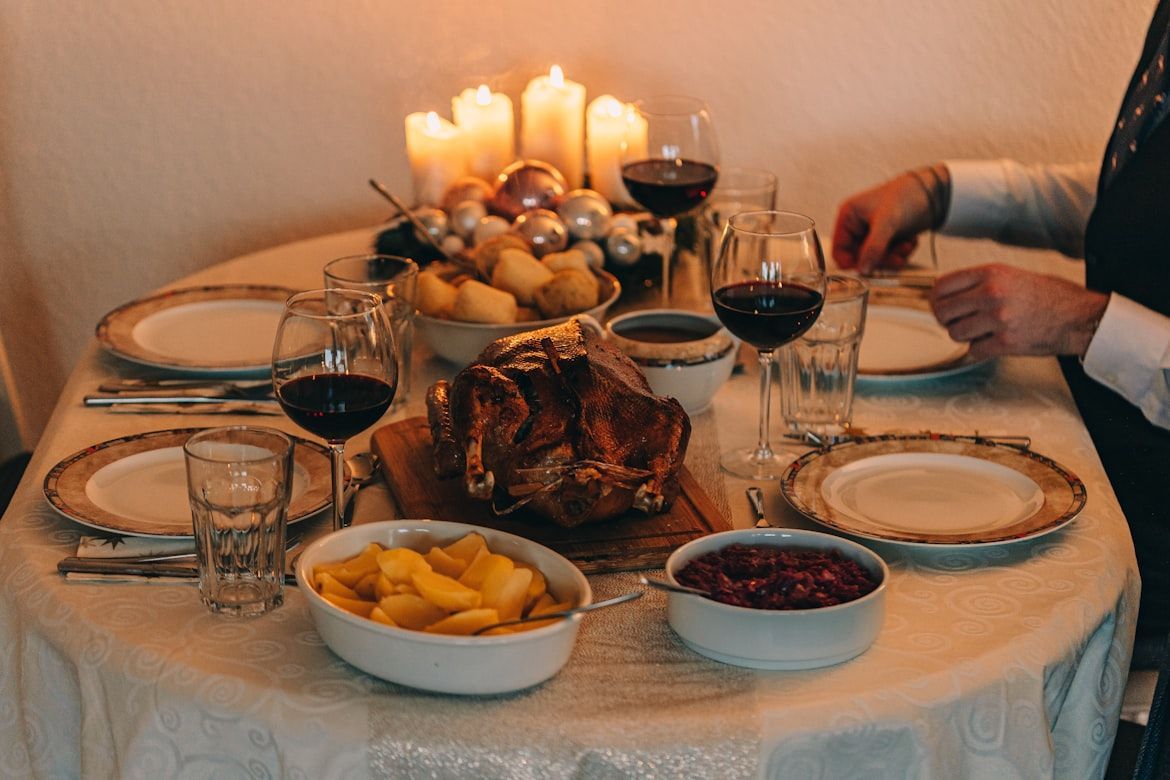
Image: Noah Samuel Franz

The 1621 gathering in Plymouth is remembered as a feast of turkey, stuffing, and pumpkin pie. In reality, the menu was very different. Venison, fish, shellfish, corn, and nuts were likely served instead .

Turkey may have been present, but it wasn’t the centerpiece, and sweet pumpkin pie was impossible without sugar or ovens. The foods we associate today were added later by tradition.

4
The Liberty Bell cracked on July 4, 1776
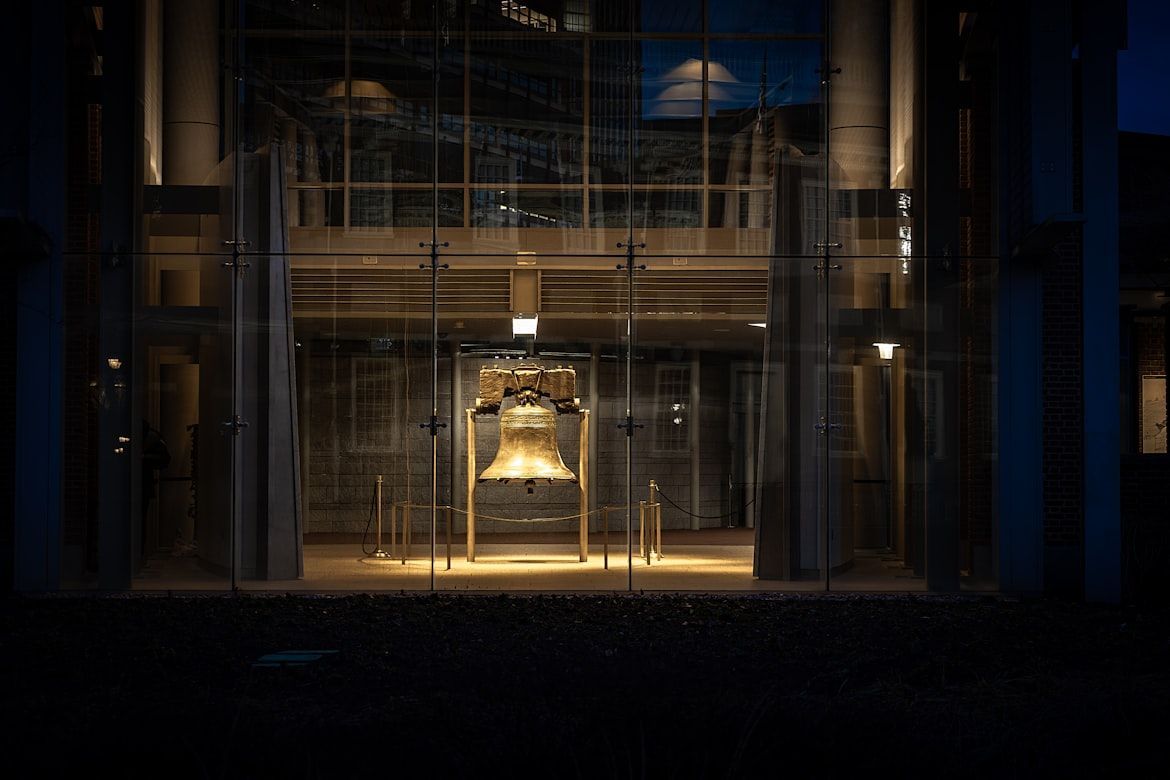
Image: Dan Mall

Many believe the Liberty Bell cracked while celebrating independence on July 4, 1776, but it didn’t. The bell wasn’t even rung that day, and its famous fracture appeared decades later .

Records suggest the crack happened in the 1830s or 1840s during use at civic events. The legend tied the crack to 1776 because it made for a more patriotic tale.

5
Paul Revere shouted "The British are coming!"
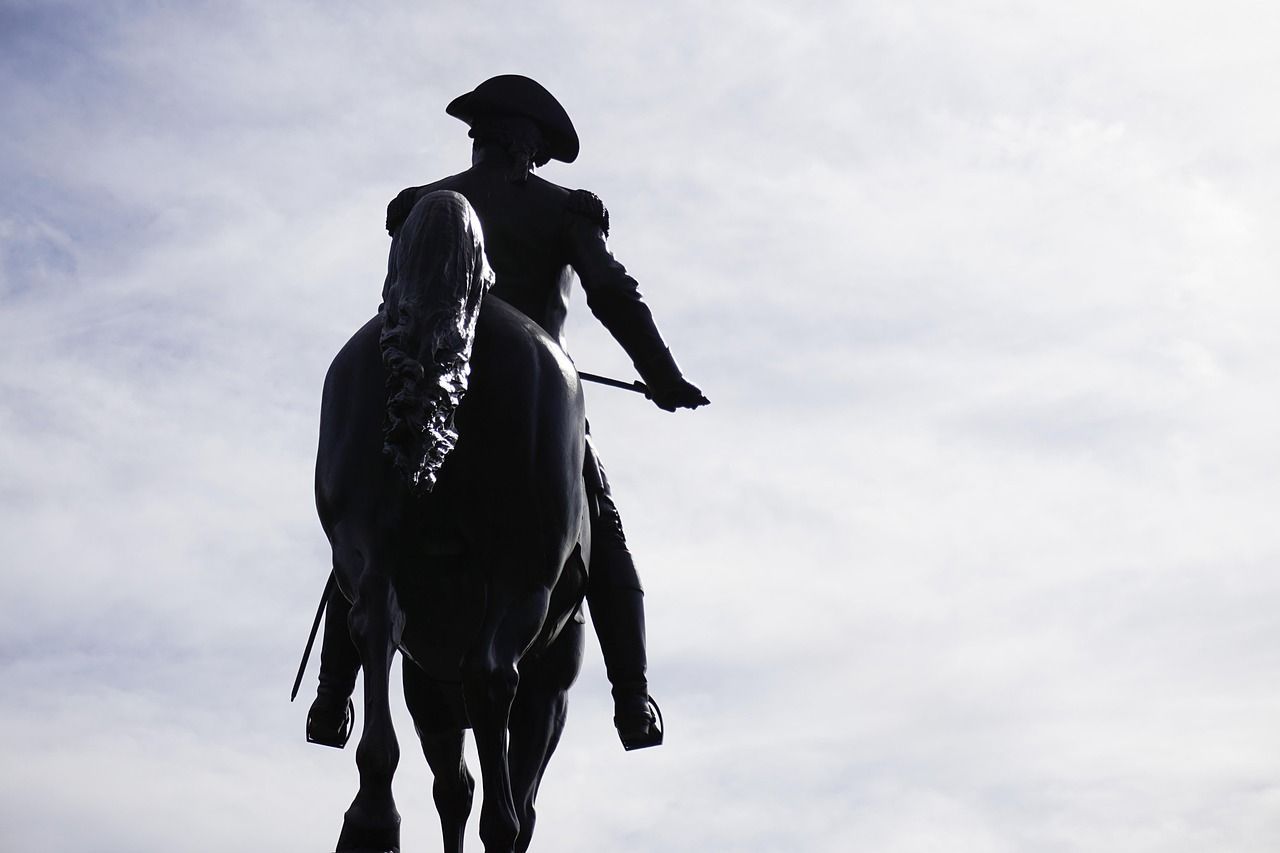
Image: brianfakhoury

Paul Revere’s midnight ride is legendary, but the famous phrase attributed to him is not. He likely warned townspeople, "The Regulars are out," since most colonists still thought of themselves as British.

The dramatic version was added later to make the story more exciting. Revere’s actual mission was successful, but it didn’t involve shouting through the countryside.

6
Colonial Americans were short

Image: James Coleman

It’s often said that colonial Americans were much shorter than people today, but that’s an exaggeration. Skeletal evidence shows the average man in the 1700s was about 5’8", not far from modern averages .

Malnutrition was less severe in America than in Europe at the time. The myth spread from comparing old, small doorways and beds, which were not actually built for shorter people.

7
The pilgrims landed on Plymouth Rock
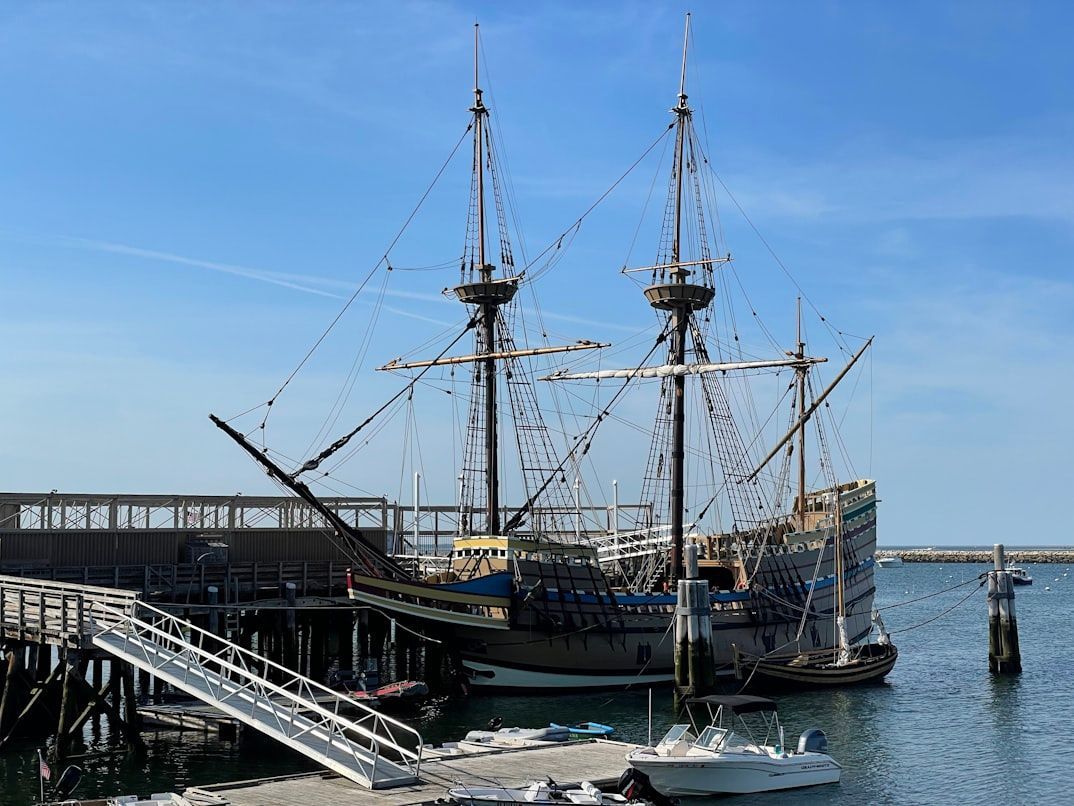
Image: Bernd 📷 Dittrich

The story that the Pilgrims stepped onto Plymouth Rock in 1620 has no basis in fact. No historical accounts from the time mention it.

The tale was first told more than a century later, likely to create a symbolic landmark. The rock is real, but its role in the landing is pure invention to add drama to history .

8
Benjamin Franklin discovered electricity with a kite
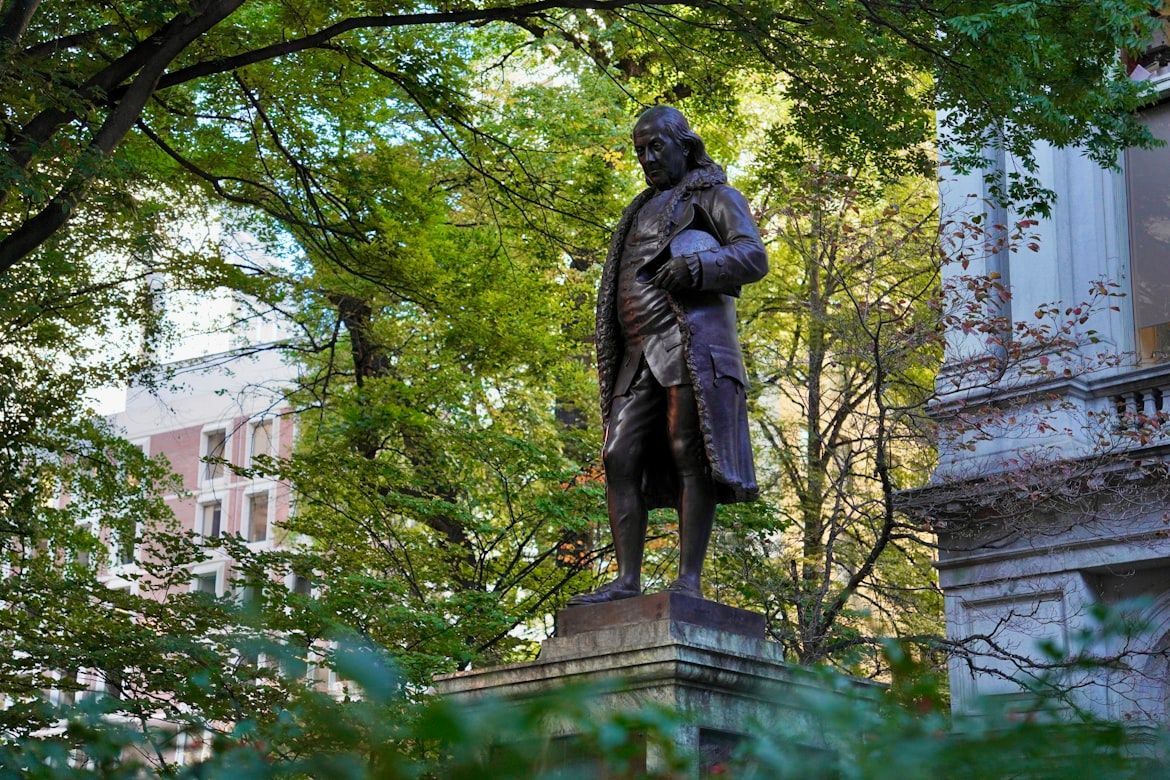
Image: Brett Wharton

Benjamin Franklin’s 1752 kite experiment is well-known, but he didn’t "discover" electricity. Scientists had known about it for years. His test demonstrated that lightning was a form of electricity . So, somewhat similar but not the same.

The story became simplified over time into a myth of sudden discovery. Franklin’s real contribution was proving a connection, not inventing the concept.

9
The Alamo defenders fought to the last man
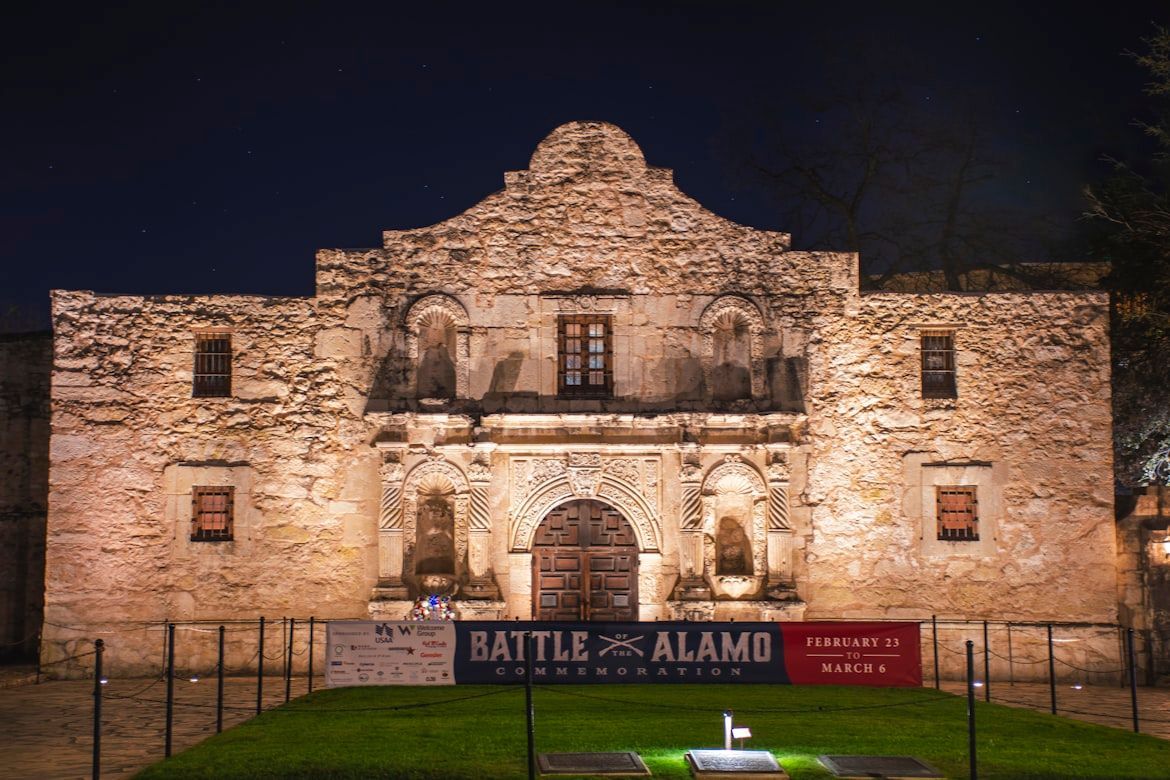
Image: Gabriel Tovar

The legend of the Alamo says every defender fought to the bitter end in 1836. While most did die, accounts suggest some may have surrendered and were executed afterward .

The truth is more complicated than the heroic version. Still, the myth of total sacrifice became central to Texas identity and American lore.

10
Lincoln wrote the Gettysburg Address on an envelope
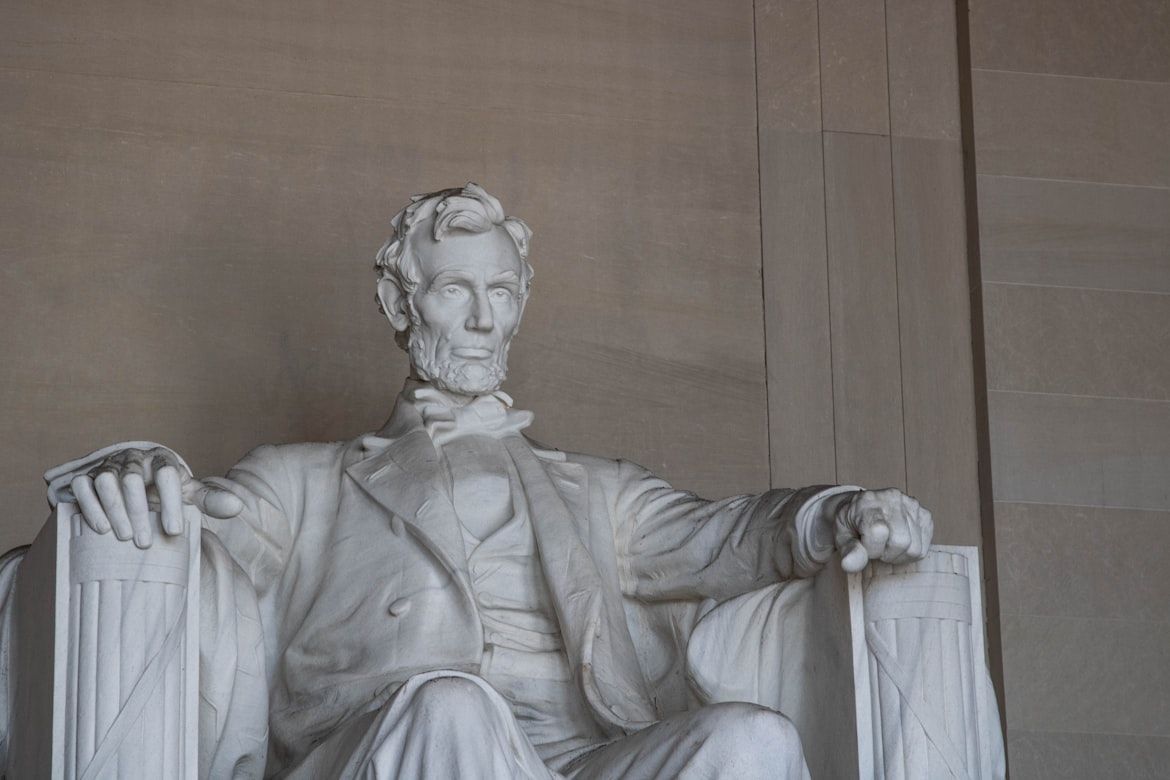
Image: Forest Simon

Abraham Lincoln’s Gettysburg Address is often said to have been scribbled quickly on the back of an envelope. In reality, he drafted several careful versions of the speech in advance .

The "envelope" tale was later invented to emphasize his brilliance and spontaneity. The truth shows Lincoln was thoughtful and deliberate, not hurried.

11
Gunfights were really common in the Wild West
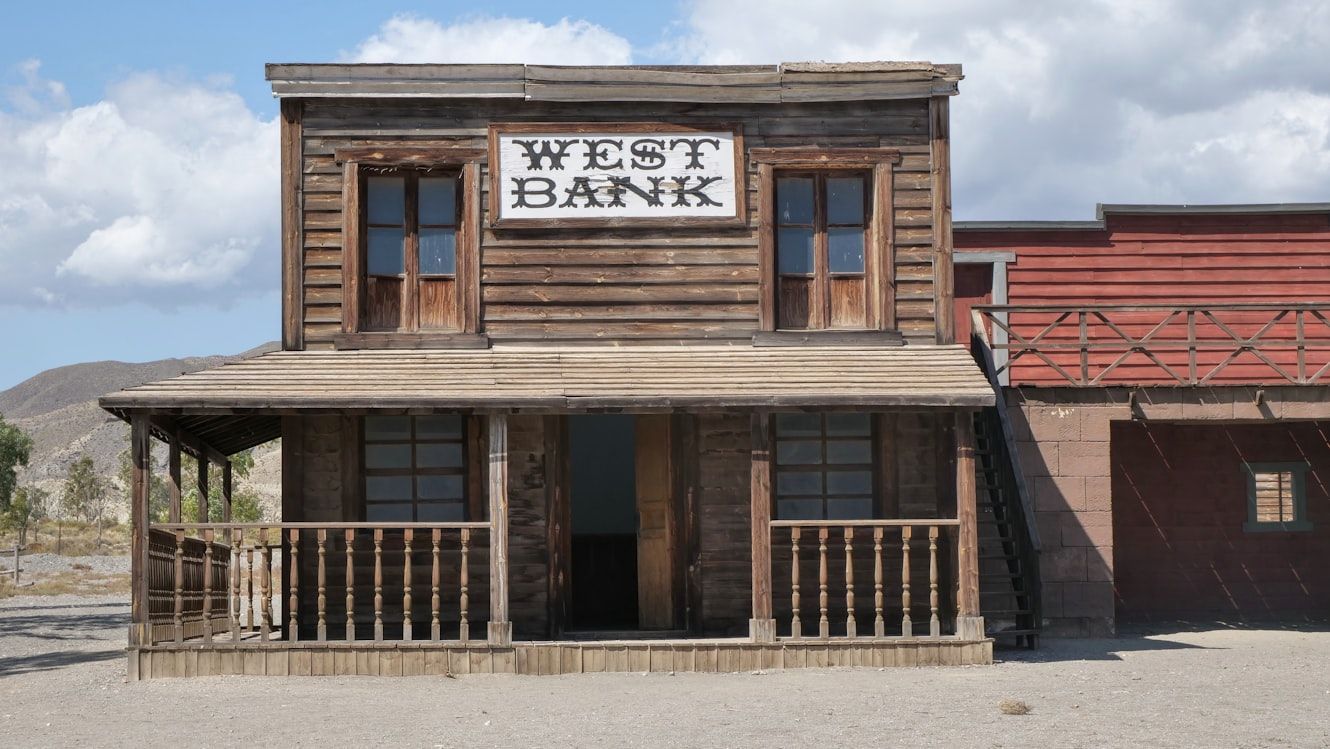
Image: Stefan Münz

Popular film and TV shows depict the Wild West as lawless and violent, with constant gun duels. In fact, frontier towns often had strict laws banning guns inside city limits .

Shootouts like those in movies were rare events, not daily life. The myth grew from dime novels and later Hollywood Westerns that exaggerated violence.

12
A cow started the Chicago Fire
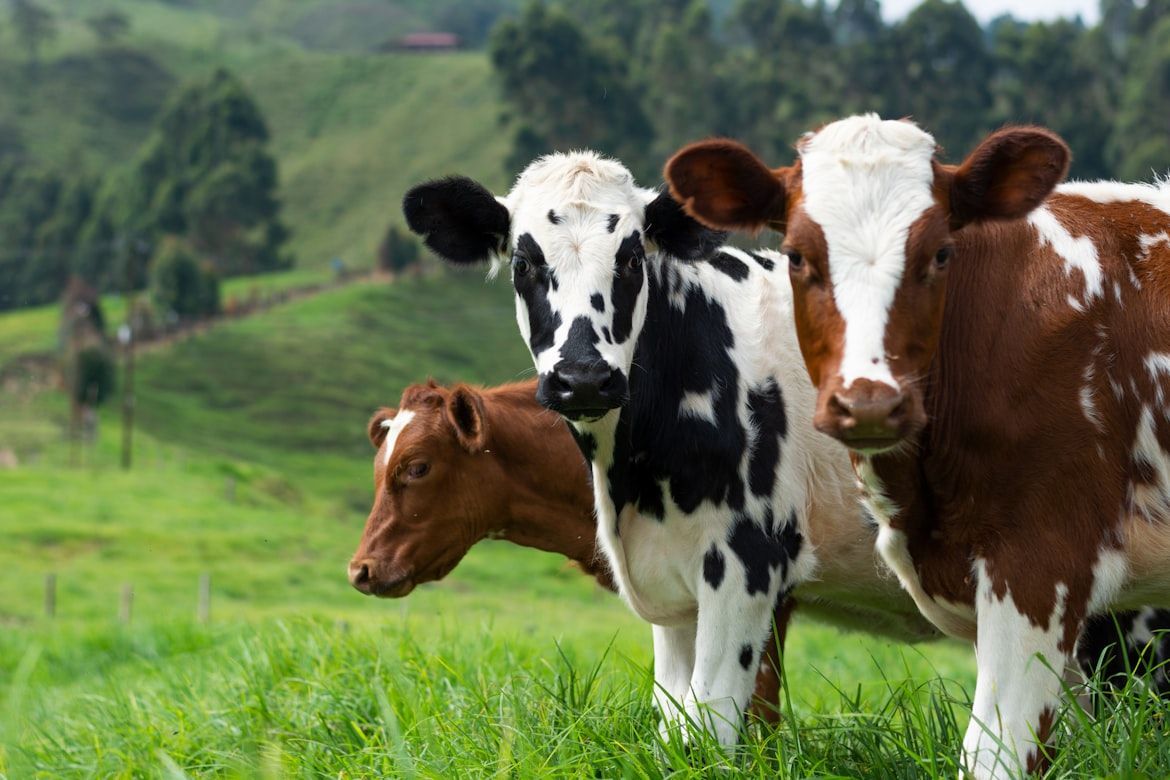
Image: Daniel Quiceno M

The Great Chicago Fire of 1871 was long blamed on Catherine O’Leary’s cow kicking over a lantern. This story was published in newspapers and stuck in public memory.

Historians now know the cause was never proven . The cow tale unfairly tarnished the O’Leary family (and the cow itself), but it became a convenient explanation for a devastating disaster.
Geography Geography 5 min read

Weird American geography

Travel through the 10 strangest town names in the US!

Image: Leah Newhouse

The name of a town or a city often reflects its proud history. For instance, the city of Houston pays homage to Sam Houston, the first President of the Republic of Texas. In that sense, one can’t help but wonder what stories towns like Money, Mississippi, or Friendship, Maine, hide behind their unusual names. With that in mind, get ready to go on a wacky road trip with our selection of 10 of the most unusual names of American towns and cities. Enjoy!

1
Accident, Maryland

Image: Chiara Guercio

We’ll begin this article by quoting the great Bob Ross: "We don’t make mistakes; we make happy accidents". In that sense, a certain small town located in Garrett County, Maryland, is a living testament to the wonderful nature of accidents: Certainly, the town of Accident could use this Bob Ross quote as a town motto.

Nobody really knows where this unusual name comes from, but a popular theory states that when two men were conducting separate surveys in the area, one of them claimed land owned by the other "by accident". While we might never be sure if this story is true or not, people from Accident (or, as they like to be called, "Accidentals") definitively take pride in their weirdly named town.

2
Boring, Oregon

Image: charlesdeluvio

At first glance, the town of Boring, Oregon, seems to encapsulate the slow living of many American towns. While many disgruntled teenagers might call this peaceful lifestyle boring, we choose to consider it "peaceful". In any case, the name of this unincorporated community comes from a rather flashy geographical feature: a lava field.

If this unusual name makes you feel sorry about this town, don’t be: It has found a rather extraordinary group of sister cities. Boring, Oregon, is a proud member of a group known as "Trinity of Tedium", which includes the village of Dull, Scotland, as well as Bland, Australia.

3
Cucumber, West Virginia

Image: Harshal S. Hirve

The cucumber is definitively the star of many delicious salads. This versatile vegetable provides a fresh and unique taste to any dish. You would think that all the 74 residents of Cucumber, West Virginia, are big fans of this green delicacy, but in fact, the naming of this town seems to be in reference to entirely different reasons.

This mining-centered community was named after either Cucumber Creek, which is in the town’s proximity, or after the abundant cucumber trees in the area (which sadly don’t produce the green vegetables we know and love).

4
Mexican Hat, Utah

Image: Melanie Rosillo Galvan

With a population of only 31, the town of Mexican Hat in Utah is named after a peculiarly shaped landmark. A strange rock overlooks the northeast side of town, shaped just like an upside-down sombrero . This rock has 2 different climbing routes that ascend it, in case you want to take a trip and see this hat-shaped landmark in all its magnificence.

Mexican Hat was founded in 1908 by E.L. Goodridge, a man seeking oil in the area. While his efforts were unsuccessful, this settlement would eventually result in one of the most oddly named towns in America.

5
Chicken, Alaska

Image: Stephen Mierendorf

There’s no denying that America loves chicken: After all, we are the country that consumes the most chicken in the world. In that sense, it stands to reason that one of our many towns chose to celebrate our favorite domesticated bird. However, the history behind the naming of Chicken, Alaska, actually tells a different story.

This town was settled in the 19th century by gold miners rushing to Alaska during this state’s gold rush. When, in 1902, the site established a post office, it required a community name, and the settlers decided to name the newly-formed town after a type of game bird called ptarmigan. However, since no one was able to spell "ptarmigan" correctly, they ultimately settled on the much more spellable "Chicken".

6
Hot Coffee, Mississippi

Image: Alex Padurariu

Don’t you agree that thanking coffee for everything it does for us should be enough reason for this homage? The small community of Hot Coffee, Mississippi, pays a warm tribute to that miraculous drink that helps millions start their day right.

The community was established in the 19th century, located at the crossroads between two major travel routes. Logically, an inn was built to house weary travelers. A local man called L.J. Davis built a store and hung a sign designed to attract out-of-town customers that simply read: "the best hot coffee around". Davis’ store became a local landmark, and his excellent coffee soon became such a staple that it would eventually become the town’s name.

7
Truth or Consequences, New Mexico

Image: Photography Maghradze PH

On a certain day in March 1950, the city of Hot Springs, New Mexico, heard a weird yet exciting pitch on the radio: Ralph Edwards, the host of the popular NBC show "Truth or Consequences" , announced that he would broadcast a 10-year anniversary show from the first American town that chose to rename itself after the show.

By the end of that month, Hot Springs had collectively chosen to change its name, renaming itself "Truth or Consequence". Edwards not only held his end of the bargain, broadcasting the special show from the town, but also remained a lifelong friend of this city. He visited the town during the first weekend of May for the next 50 years, in an event that turned into a local Fiesta still celebrated today.

8
Nothing, Arizona

Image: Marta Nogueira

We get it: Naming a town must be difficult. Having said that, we think the founders of this now-abandoned town probably just winged it. Nothing, Arizona, was founded in the late 70s as an extremely small settlement: At its height, it had a population of 4.

While small and only comprising a small convenience store and a gas station, Nothing quickly became a popular tourist attraction. The town sign famously included the following phrase: "Thru-the-years-these dedicated people had faith in Nothing, hoped for Nothing, worked at Nothing, for Nothing."

9
No Name, Colorado

Image: Valentin Antonucci

Apparently, the name "placeholder" was already taken when it came time to name this small Colorado town. Located in Garfield County, No Name has a population of 117. Contrary to popular belief, this town’s name is not a result of a lack of creativity but rather a reference to the No Name Creek and the No Name Canyon, which are nearby. And in fact, both the town and these landmarks pay homage to an event in Colorado’s history.

In 1869, John Wesley Powell set out on an expedition to map out the Colorado River. Powell’s expedition included several boats, which featured names like "Emma Dean" and "Maid of the Canyon". Among them was the "No-Name", a boat that proved that even the most inconspicuous names can leave a huge mark.

10
Friendship, Maine

Image: Duy Pham

What’s life without friends? If there’s someone that can attest to that it’s the residents of Friendship, Maine . After all, they decided to name their town after one of the most important things in life.

You might be familiar with Friendship from the many examples of popular culture that feature this town. For instance, the 1995 film "Casper" takes place entirely in Friendship (which seems only fitting, since Casper is known as "the friendly ghost"). Also, many American authors have written about the town in their stories. Most notably, the short story "The Run of Yourself" by Richard Ford is set in Friendship.

General General 7 min read

SAUCY REGIONAL TRADITIONS

United States Barbecue: 10 Mouth-Watering Styles Across America

Image: Z Grills Australia

Almost every region in the United States has its own style of barbecue and all of them claim to offer the best one. Texas, North and South Carolina, Kansas City, and even Hawaii, all proudly boast of their BBQ prowess.

The term "barbecue", used to describe any slow-cooked meat, is said to derive from the Taino Indian word babracot . In fact, this practice can be traced back five centuries and originally evolved as a necessity to preserve food and, at the same time, feed many people. Nowadays, barbecue seems to be the epitome of comfort food nationwide . Keep reading to discover the best barbecue styles America has to offer!

1
Texas barbecue

Image: Andrik Langfield

Texas barbecue is heavily influenced by central European traditions . German and Czech immigrants settled in the state in the mid-nineteenth century introducing new ingredients. That is the main reason we find pork products like sausages in Texas-style barbecue, in addition to the classic beef brisket. In order to preserve fresh meat longer, they used to smoke it and cook it for a very long time. Over the years, this traditional barbecued meat, which originated in central Texas, spread throughout the state, so today we can enjoy not one but four different styles !

Central Texas BBQ is generally very straightforward, the meat is smoked over pecan, mesquite, or oak wood with just a salt and pepper dry rub. South Texas BBQ has Mexican influences and uses a molasses-based sweet sauce. East Texas BBQ is marinated in a sweet tomato-based sauce and slowly cooked via indirect heat. Finally, West Texas BBQ is prepared over an open flame using mesquite wood.

2
Memphis barbecue

Image: Philipp Kämmerer

No doubt about it, Memphis is one of the BBQ capitals of America . Unlike barbecue styles in other states, in Memphis, the meat is cooked using charcoal instead of hardwood logs. Pork ribs and pork shoulder are the signature cuts prepared with a tangy and sweet sauce based on molasses and tomato. Classic sides for the Memphis barbecue are sweet baked beans and slaw.

Barbecue originated in Memphis at the beginning of the 20th century , when African Americans began to populate the state. Often found in lunchtime pork sandwiches and late-night treats in nightclubs, Memphis BBQ style soon became a staple in the area. Many entrepreneurs opened new restaurants during this time, including John H. Mills, considered Memphis’s First Barbecue King. Rumor has it that even the great Bing Crosby was a regular at Mills’s place whenever he was in town.

3
Kansas City barbecue

Image: fstop314.com

According to the Visit KC website, "Barbecue in Kansas City is more than a menu item or a method of preparation. It’s an institution." The fact is that Kansas barbecue has a long history and is central to the city's culinary culture . Not for nothing is it called the "BBQ Capital of the World". With more than 100 restaurants, there’s even a Kansas City Barbeque Society in charge of promoting this style of cooking around the world.

Kansas City’s love for barbecue started in the early 1900s when a man called Henry Perry began selling slices of hickory smoked meat wrapped in newspaper. Soon after, others followed and started developing their own barbecue recipes. Nowadays, the Kansas City barbecue style involves grilling or smoking different kinds of meat seasoned with a dry rub, then finished with a tomato-based barbeque sauce. Sides include bread, pickles, baked beans, and slaw.

4
North Carolina barbecue

Image: Peter Bravo de los Rios

Whether at a backyard grill, or a traditional wood fire pit at a local restaurant, North Carolina has a proud barbecue tradition. This particular method of smoking and cooking meat has its roots in the emergence of hog cultivation . In the 1500s, Spanish settlers brought pigs to the region and natives on Roanoke Island contributed with their wood-fired slow-cooking method. Over the years, barbecue in North Carolina became a special feature in every celebration and special occasion.

Although recipes may vary between different regions in the state, pork is always the main ingredient . While in the East people cook the whole hog, western Carolinians prioritize the pork shoulder. The sauce is a matter of controversy too. The Eastern tradition calls for a thin vinegar and pepper sauce, whereas Western recipes add tomato or ketchup. Geographical customs aside, if you happen to visit North Carolina, order a local barbecue in one of the many great restaurants and you won’t be disappointed!

5
South Carolina barbecue

Image: @felipepelaquim

Some argue that South Carolina is "The Birthplace of Barbecue" . We won’t be able to settle this debate here and now, but what is certain is that the Palmetto State's barbecue tradition goes back at least five centuries. As with North Carolina, South Carolina barbecue also has its origins in the cultural exchange between Spanish settlers and American Indians . Europeans brought and raised pigs on the islands off the Atlantic coast and the natives knew exactly how to cook them.

The South Carolina barbecue style means cooking and smoking meat —preferably pork— low and slow over hardwood coals. Sometimes pulled from a whole hog, sometimes chopped from a shoulder or ham, South Carolina barbecue comes with a signature sauce depending on the region . You can find a blend of vinegar, salt, and some red pepper to spice things up or a yellow sauce made of cider vinegar, brown sugar or honey, and mustard. No matter which one you get, be prepared for an exceptionally tender and flavorful dish!

6
St. Louis barbecue

Image: Rachel Bramlett

Did you know St. Louis is said to consume more BBQ sauce per person than anywhere else in the country? St. Louisans are big on spare ribs, which may have been introduced in the local culinary tradition more than a century ago. As the legend goes, a steamboat cook named Henry Perry used to slow smoke discarded slabs of ribs from the Kansas City stockyards using locally harvested hardwood trees.

Nowadays, the St. Louis barbecue style includes a variety of seasonings and cooking methods . From grilling to slow smoking, ribs, pulled pork, burnt ends, and pork steaks are smeared with a sauce made from ingredients such as salt, vinegar, black pepper, brown sugar, tomato, and even apricots. Unlike other types of barbecue, St Louis style does not require a dry rub and it cooks a lot faster. White bread is the side of choice, especially if you want to make the most out of all that BBQ sauce!

7
Hawaiian barbecue

Image: Tirza van Dijk

Yes, they have barbecues in Hawaii. Although you won’t get the traditional ribs, pulled pork, and brisket, the Aloha State is home to a delicious kind of barbecue. Influenced by its many immigration waves —primarily from China, Korea, Japan, Portugal, and the Philippines—, it has labor origins dating back to the late 19th century . While modern Hawaiian barbecue includes various cooking techniques, such as roasting, smoking, and grilling, the traditional way requires an imu , an underground oven lined with hot rocks, and banana and ti leaves.

Barbecues from the Paradise of the Pacific are often sweet, tangy, and tropical . You can find chicken, beef, pork, and even seafood. Marinades and sauces incorporate Asian flavors and ingredients like soy sauce, garlic, ginger, and brown sugar. Side dishes range from sticky rice to macaroni salad, complementing and balancing the bold flavors of the meats.

8
Alabama barbecue

Image: Rachel Bramlett

In the South, barbecue is synonymous with any meat that's cooked over the fire. Although pork is often the protein of choice, some restaurants in Alabama also feature brisket, chicken, and beef ribs. Barbecue became popular in Alabama during the early 19th century when difficult economic times required a clever way for the working class to bring flavor and tenderness to cheap cuts of meat.

Sauces involved in the Alabama barbecue style are as diverse as they come . Influenced by the neighboring states of the so-called "barbecue belt", you can find variations of tomato-based sauces, spicy marinades, mustard dressings, and even a white sauce made with mayonnaise, lemon juice, apple cider vinegar, salt, and black pepper. Across Alabama, these mouth-watering smoked meats are often served on hamburger buns filled with dill pickles and topped with coleslaw.

9
Kentucky barbecue

Image: Luis Santoyo

Barbecues in Kentucky have been popular for a long time. In the Bluegrass State pork shoulders are a popular cut cooked on concrete block masonry pits for at least half a day. However, Kentucky is most famous for smoking mutton over hickory coals . Kentuckians also barbecue other meats like chicken, pork tenderloins, cured hams, and turkey breasts for sandwiches.

Kentucky is home to a diverse array of barbecue sauces with almost every county having its own take. For example, Hickman County uses mostly vinegar and cayenne pepper, while McCracken County sauces taste strongly of vinegar and chili powder. Others prefer an allspice Worcestershire-based dip. The signature sides for Kentucky barbecue are toast, vinegar slaw, and pickled eggs.

10
Florida barbecue

Image: Dim Hou

Florida may be best known for its fresh seafood but the Sunshine State also has its own barbecue style . And a soft spot for pork too! A testament to the important place pig meat has in Floridian cuisine is the Cuban twist on the classic BBQ sandwich found at many local joints.

What sets Florida barbecue apart from others is its Caribbean and Latin American influences. Florida BBQ often blends techniques of the Southern United States style barbecues —like the use of sweet tomato sauce or mustard sauce— with Caribbean flavors such as vinegar, fruits, peppers, and spices. It may not be the most traditional barbecue in the country but it is certainly worth a try!

Explore more American facts

Choose your favorite category!

General
General

As American as apple pie—the very best America has to offer!

Culture
Culture

Delve into the astounding richness of American lore.

Geography
Geography

Hop in and explore vast and diverse American landscapes.

History
History

Discover the key moments that shaped the United States.