History History 4 min read

What they didn't teach you at school

From Lincoln to Kennedy, here are some fun facts about US presidents
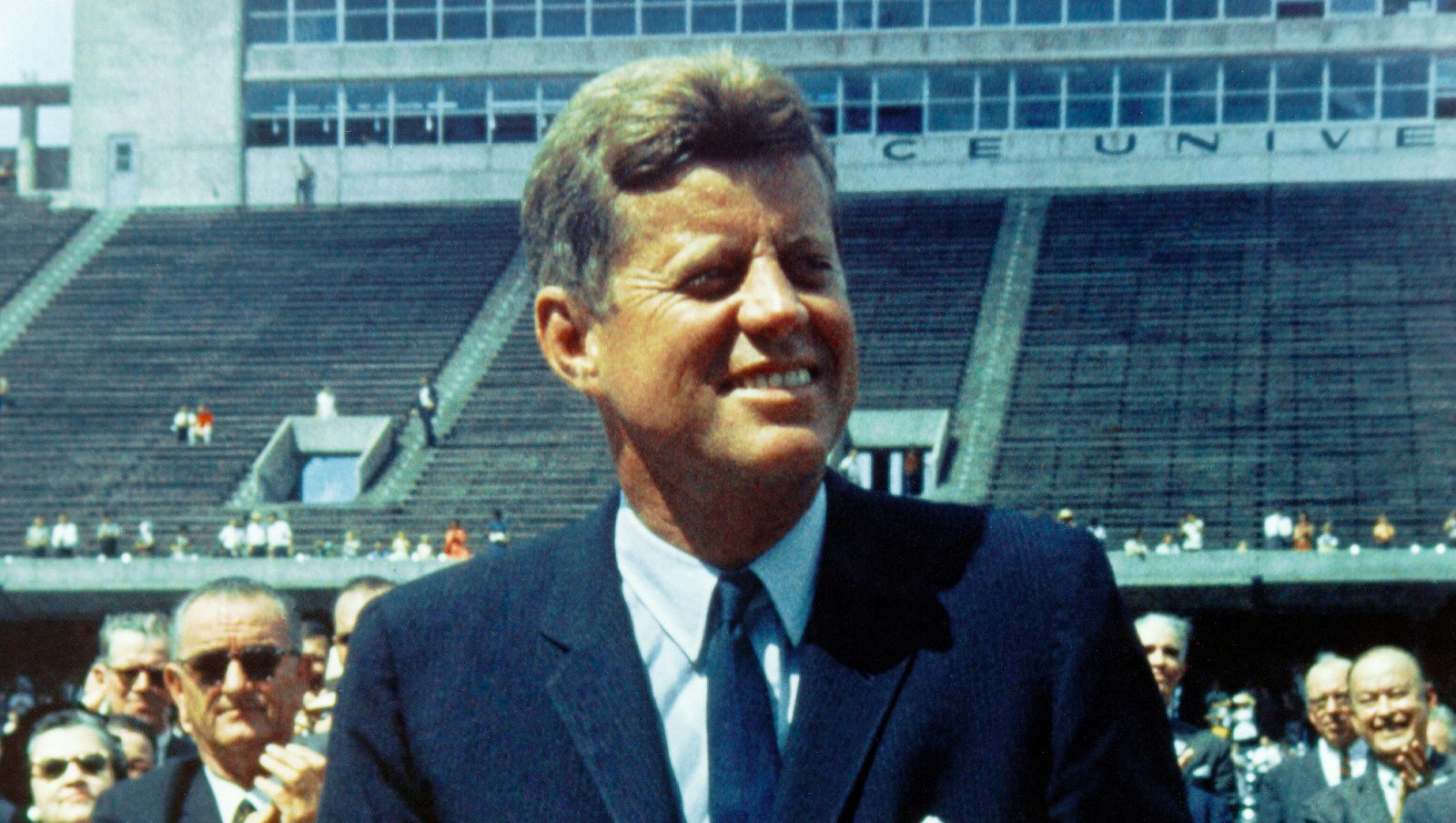
Image: History in HD

There’s so much more to history than dates, battles, treaties, and alliances—and our national past is no exception. The presidents who helped shape the United States led fascinating lives, filled with surprising and little-known moments. Read on to discover 10 crazy facts you probably didn't know about the lives of these American presidents!

1
John F. Kennedy’s favorite

Image: Florida Memory

We all have our favorite movie or book, and JFK was no exception. America’s 35th president had a clear literary favorite : Ian Fleming’s James Bond series .

In fact, some credit President Kennedy with boosting Fleming’s popularity in the American market. Shortly after taking office, JFK hosted a dinner with several notable figures—including the creator of Bond. Following that meeting, sales of Fleming’s books skyrocketed in the US, eventually leading to the famous film adaptations!

2
Jefferson and speeches

Image: J. Amill Santiago

Thomas Jefferson was one of the great political figures who helped shape this country. And with such talent—along with his political and diplomatic skills—you might not expect that the Sage of Monticello had a hard time speaking in public. But it’s true! According to historical records, Jefferson preferred writing, as public speaking made him uneasy—even panicky at times. So much so that he delivered only two public speeches during his time in office!

3
Adams and Jefferson's caper
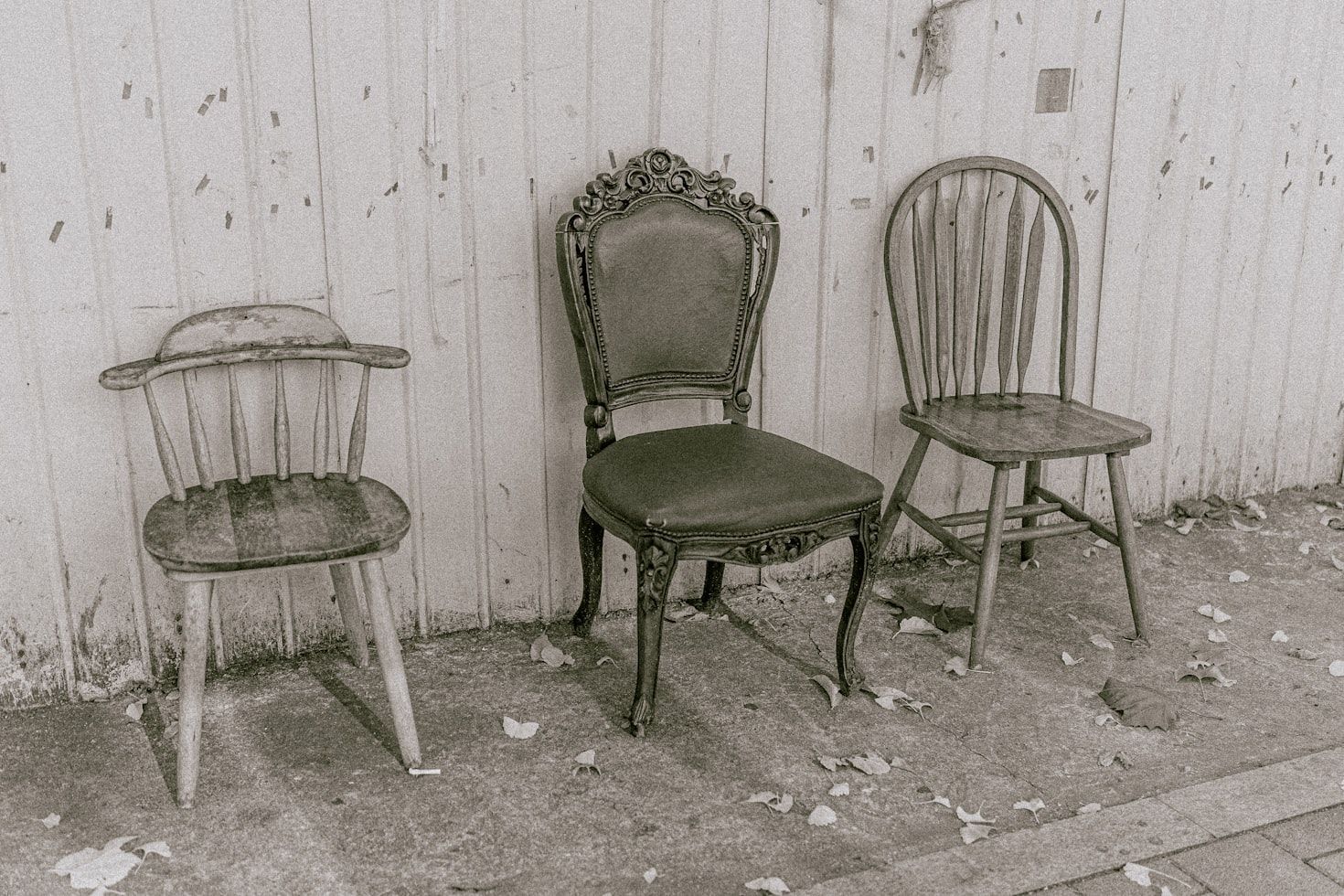
Image: sq lim

Before becoming rivals, John Adams and Thomas Jefferson were very good friends. In fact, they shared not only political ideals but also everyday adventures. In 1786, while traveling in England, the two—both devoted fans of Shakespeare —visited the house where the playwright was born. Legend has it that before they left, they decided to take a souvenir: a small piece of the wooden chair said to be where Shakespeare once sat while writing!

4
William McKinley's lucky charm
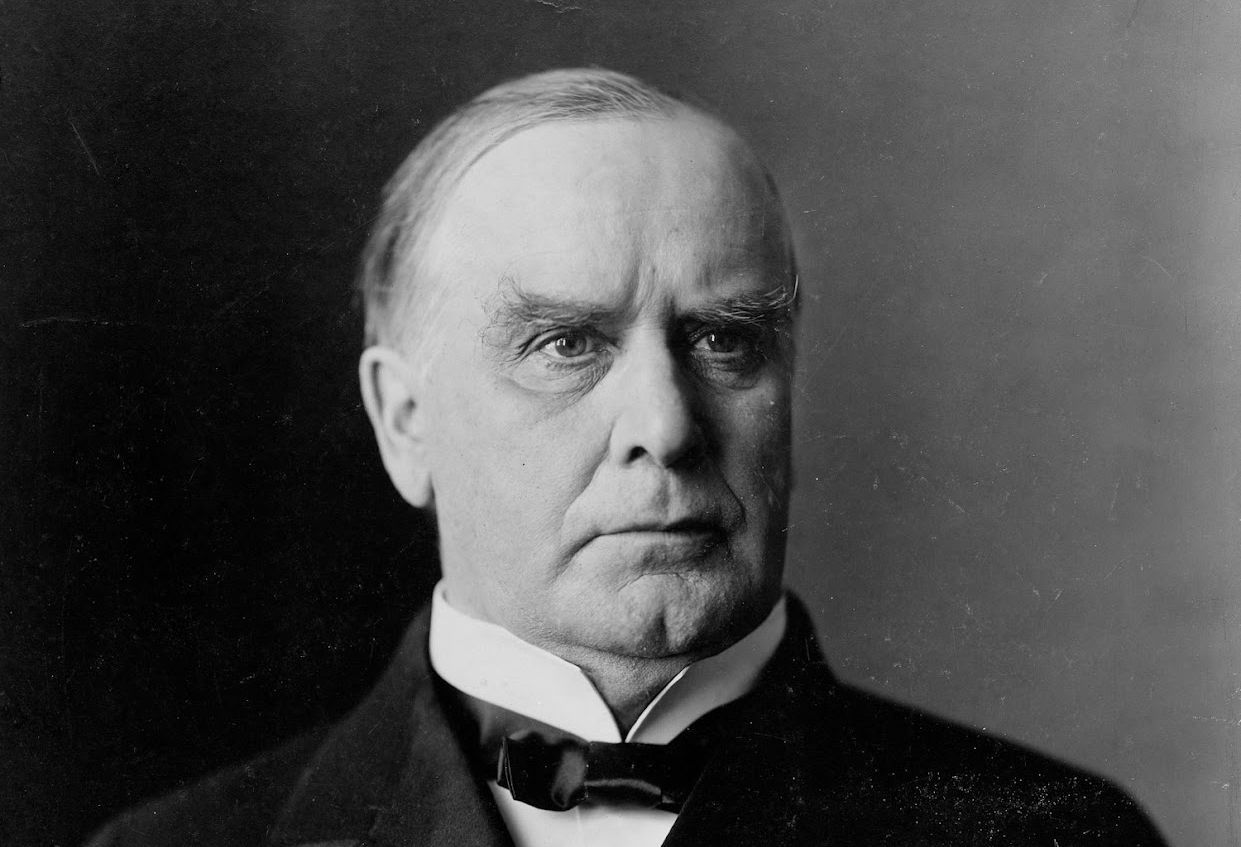
Image: Library of Congress

President William McKinley was known for the red carnation he often wore in his suit lapel—a flower many said he considered a good luck charm . Once, during the 1901 Pan-American Exposition in Buffalo, New York, a little girl approached him to say hello, and the president handed her his signature flower. Strangely, just moments later, he was shot by a man in the crowd. McKinley died eight days later from his wounds.

5
Andrew Jackson's temper

Image: Giorgio Trovato

President Andrew Jackson was famously a hot-tempered man. It's believed that the 7th president fought in more than 100 duels!

According to a well-known story, in 1806, Jackson challenged a man to a duel after the man insulted his wife, Rachel. The opponent fired first and struck Jackson in the chest. But the bullet didn’t stop him —Jackson stood his ground and returned fire, mortally wounding the man. Though he survived, the bullet seriously injured Jackson, and some say it remained lodged in his chest for the rest of his life.

6
Ulysses S. Grant's last-minute decision
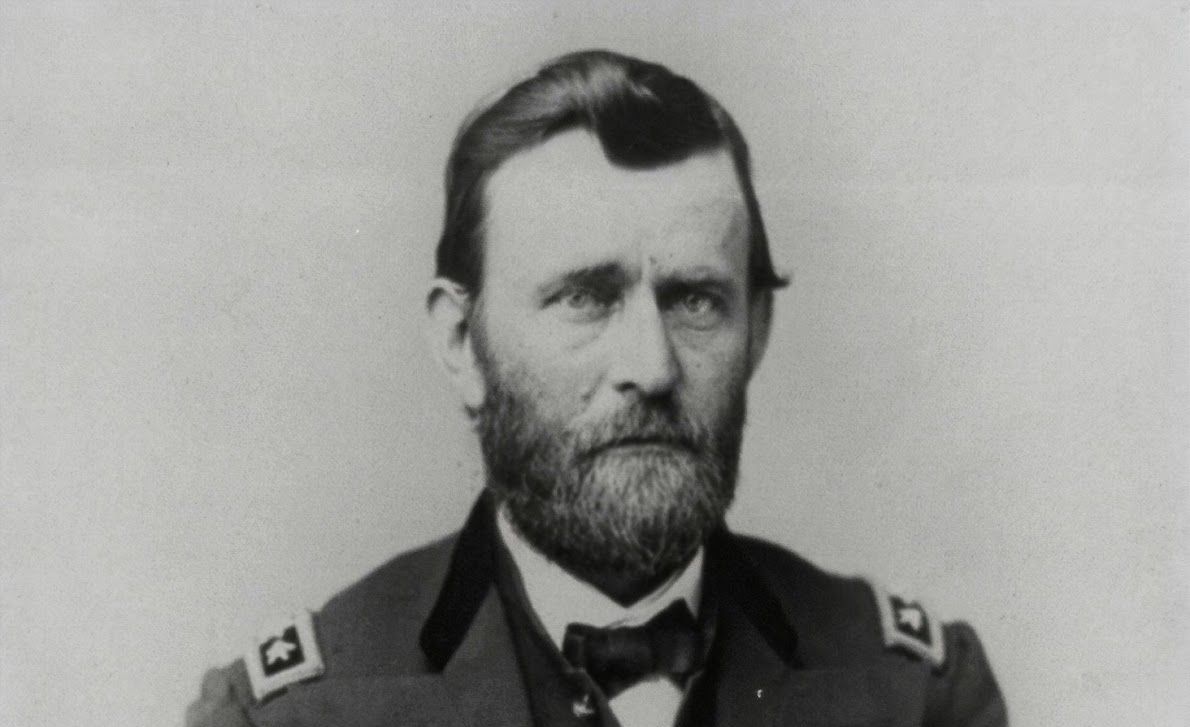
Image: Library of Congress

Ulysses S. Grant, commanding general of the Union Army during the Civil War and later the 18th president, was also invited to attend Ford’s Theatre with President Abraham Lincoln on the night of Lincoln's assassination. But at the last minute, Grant declined the invitation in order to visit his grandchildren. That decision may very well have saved his life.

7
Washington's teeth
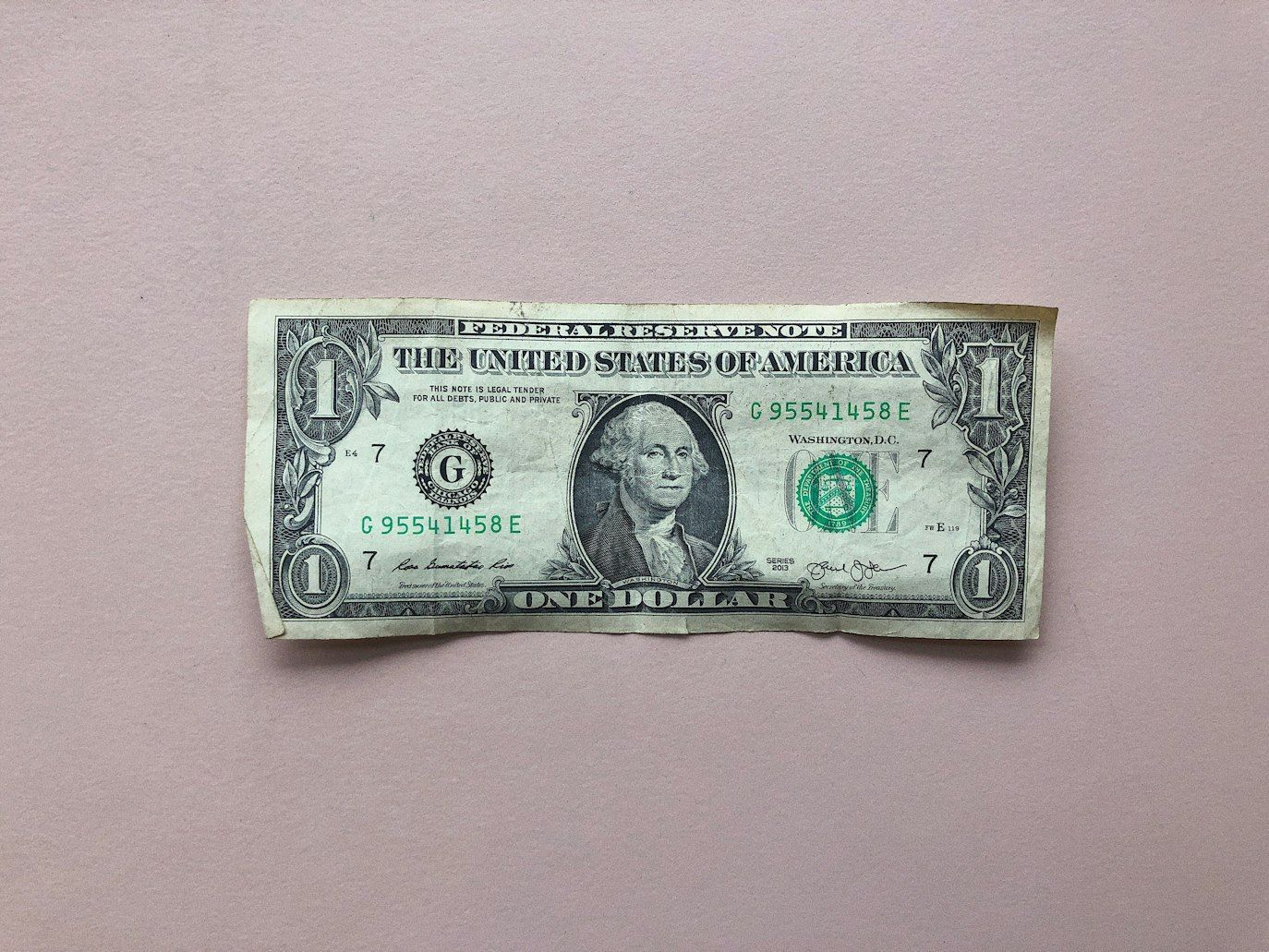
Image: Ryan Quintal

Contrary to the popular myth, our first president’s teeth were not made of wood. However, it’s true that George Washington suffered from serious dental problems . In fact, he began losing his teeth before the age of 30. While his dentures weren’t wooden, they were made from a mix of materials—including ivory, copper, silver, and even animal and human teeth!

8
James A. Garfield's skills

Image: Sean Foster

President James A. Garfield was well known for his impressive oratory and writing abilities. But his talents didn’t stop with English—he was also fluent in Greek and Latin. In addition, Garfield was reportedly ambidextrous: he could write with both hands , even simultaneously. Surprisingly, he allegedly could write in two different languages at the same time—one with each hand! Hats off to him.

9
Andrew Johnson's childhood
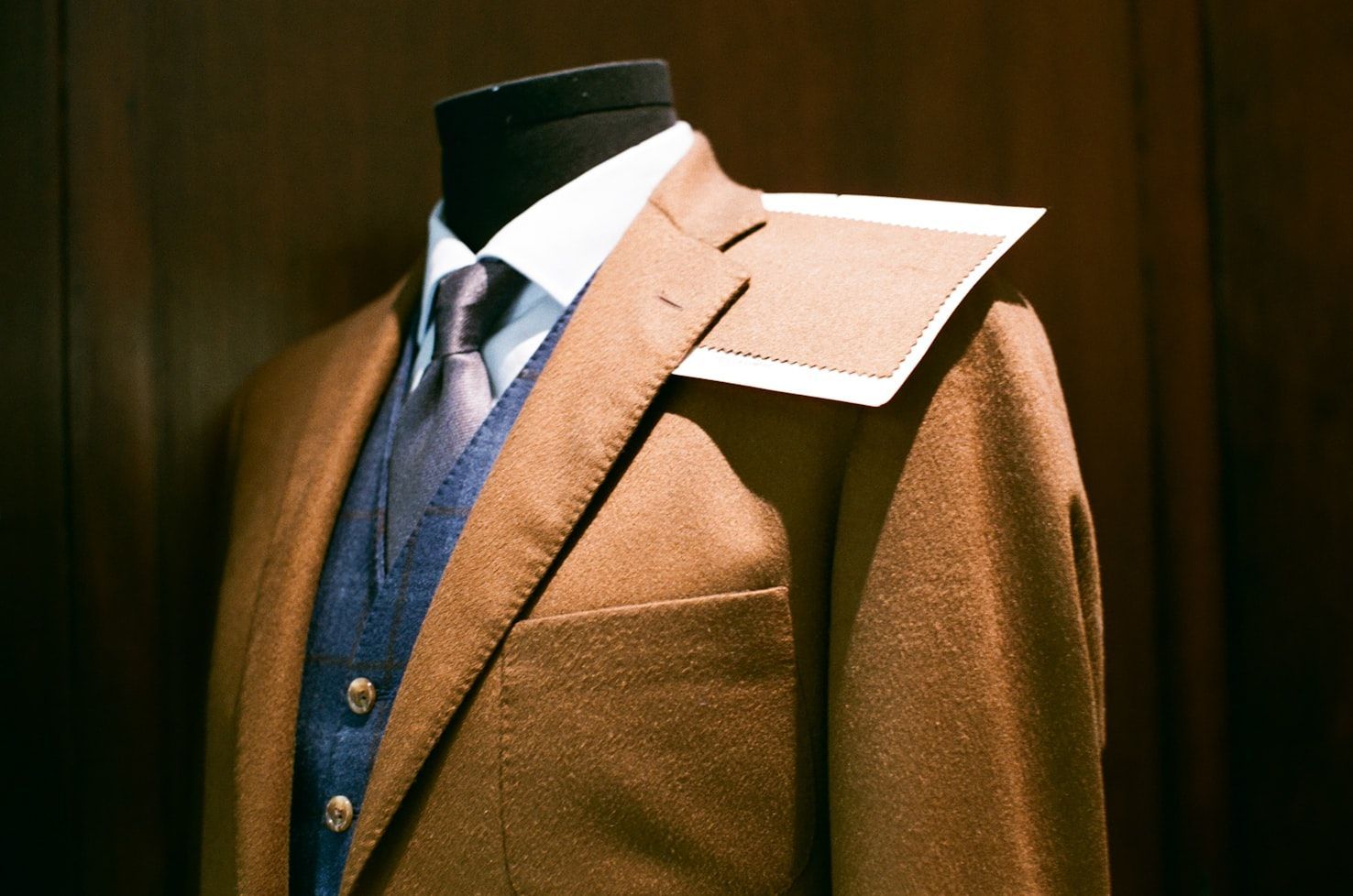
Image: Yasamine June

Andrew Johnson didn't have an easy childhood. In fact, he started working at a very young age —when he was just 10 years old, his mother sent him and his brother to apprentice as tailors. They ran away two years later, but Johnson’s skill with fabrics stayed with him well into adulthood. It’s said he designed and sewed his own suits while in office.

10
Abraham Lincoln's hobbies

Image: Jacob Thorson

Abraham Lincoln wasn't just the leader who guided the country through the Civil War and became the 16th president—he was also a regular person, just like us, with a wide range of passions and hobbies (many, many hobbies!).

President Lincoln had a curious mind and surprisingly varied interests. He loved reading (especially Shakespeare), exploring logic and mathematics, playing chess and the violin, caring for animals (especially cats), and even had a talent for mimicking voices. In addition, he was a skilled wrestler in his youth, reportedly competing in around 300 matches and losing only once!

History History 4 min read

Do you practice any of these?

From RSVPs to sunglasses: 12 etiquette rules that deserve a comeback

Image: Artem Beliaikin

Etiquette may sometimes seem old-fashioned, but there are a few rules from the past that deserve a comeback. Little things like taking off your sunglasses indoors, standing up when greeting someone new, or writing a thank-you note after receiving a gift may feel a little dated, but they’ve got a charm that’s hard to ignore. Do you think these 12 small rules should be brought back?

1
Pulling out the good china

Image: Zoshua Colah

In the past, people often had a set of special dishes reserved for holidays or important guests to make meals feel more memorable.

Today, many people use just one set of dishes and often eat casually, sometimes even standing over the sink. Taking the time to create a pleasant dining experience can show respect not only for your guests but also for yourself .

2
Good table manners

Image: Noah Samuel Franz

Good table manners are often mistaken for being overly formal or pretentious, but that couldn’t be further from the truth.

The true purpose of practicing polite dining habits is to make sure everyone enjoys a relaxed and pleasant meal together , and it’s often easier to practice than most people realize.

3
Not taking off your shoes in public

Image: Beth Macdonald

Recently, there’s been a noticeable trend of people going shoeless in places like airplanes and restaurants. As society grows more casual, some even put their bare feet on seats, armrests, or tables.

However, it's best to keep your shoes on in public unless your host specifically asks you to remove them.

4
Standing when greeting someone new

Image: Musemind UX Agency

When meeting someone for the first time or welcoming someone into a group, it's polite to stand as a gesture of acknowledgment .

This simple act, expected of both men and women, conveys both warmth and respect.

5
Making introductions

Image: Elevate

Making introductions is becoming less common, yet it remains one of the most valuable social skills. Even if you forget someone’s name, it’s always better to ask than to risk letting them feel left out in a group.

Good manners are all about helping others feel at ease , and introductions don’t have to be uncomfortable or awkward when done with a little thought and effort.

6
Thank-you notes

Image: Kelly Sikkema

While everyone enjoys being thanked, it has become rare for people to express gratitude in a lasting way. Any form of thanks, including a text or email, is appreciated, but a handwritten thank-you card remains the most meaningful .

The personal touch of seeing your handwriting shows thoughtfulness, and many people cherish and keep these cards, something that’s much harder to do with digital messages.

7
Asking permission

Image: Dias ^

In a society where people often say, "It’s easier to apologize than to ask for permission," many act without asking, whether it’s hugging someone, posting their picture online, or taking a bite of their food.

However, it’s always more polite to ask before doing anything that involves or affects someone else . A simple question like "Are you okay with this?" can go a long way toward showing respect without taking up much time.

8
Opening doors for men and women

Image: Jan Tinneberg

Chivalry may have some outdated interpretations, but politeness is something everyone can practice, regardless of gender . Simple acts like holding the door open are easy to do and appreciated by everyone.

9
Holding the elevator

Image: Derrick Treadwell

In today’s world, many people are either too wary of strangers or adopt a "not my problem" attitude when seeing someone struggle in public. But as long as there’s no safety concern, it's important to continue practicing simple courtesies, like holding the elevator door for someone in a hurry .

10
Returning phone calls

Image: Hassan OUAJBIR

As society evolves, so does etiquette, especially with the rise of new technology, but some shifts aren't always for the better. A common example is responding to a phone call with a text message.

While some people may prefer texting over speaking on the phone, it’s still considered polite to return a call with another phone call , particularly when someone has taken the time to reach out to you.

11
No sunglasses indoors

Image: Lucas George Wendt

These days, it’s common to see people wearing sunglasses everywhere, even in places like movie theaters, but it raises a question: Are we avoiding others, or simply hiding behind our shades?

Eye contact is essential for effective communication, as it demonstrates respect and facilitates understanding. While it's fine to wear sunglasses outdoors, it’s best to take them off indoors to engage properly with others.

12
RSVP’ing promptly

Image: Artsy Vibes

With the rise of casual invites, often sent by email or social media, RSVPing has become increasingly rare. Failing to respond to an invitation is not only poor etiquette but also inconsiderate.

Hosts put significant time and effort into planning events, from buying food to organizing entertainment. Not RSVPing or waiting until the last minute only makes their job harder.

General General 4 min read

Zzzzz…

A better rest makes for a better life: 12 simple tips for a great sleep

Image: Deconovo

We spend a third of our lives sleeping, and the quality of our sleep determines the quality of the time we spend awake. Thankfully, there are a handful of simple things that we can do to improve our resting hours. Do you follow any of these?

1
Sleep routine

Image: Tina Witherspoon

Your body is a routine animal. If you eat at a certain time, you’ll probably feel hungry around that same time the next day. If you go to sleep at a certain hour, you’ll likely feel sleepy at that same hour the next day.

Use this to your advantage by sticking to a consistent sleep schedule , both for going to bed and for waking up. If you do this consistently, your body will embrace this routine, and it will start to come naturally.

2
Food and drinks

Image: Kelsey Chance

Avoid going to bed shortly after a large meal. Your digestive system will stay active for a long period of time potentially keeping you awake until it finishes processing the food and drink you've consumed.

The same goes for alcohol: while it might make you feel drowsy at first, it can disrupt your sleep later in the night.

3
Create a good sleeping environment

Image: Ainur Iman

A dark, quiet, and cool bedroom makes for a good sleeping environment . Your senses will continue capturing and processing any light or sound present in your bedroom, which is why it is important to minimize these distractions as much as possible.

4
Avoid long naps

Image: Tânia Mousinho

This one is quite straightforward: your body only requires a certain amount of sleep , and if you use up a large portion of it during the day, you may find yourself staying awake longer at night. While a short, 20-minute nap during the day can help restore your energy, a longer rest period will subtract from your nighttime sleep.

5
Physical activity

Image: Chander R

Regular physical activity and spending time outside every day are great ways to promote better sleep at night. However, it’s important to avoid physical exercise if you are too close to your bedtime to avoid overstimulation.

6
Avoid going to bed with worries

Image: Yohann LIBOT

Whatever worries you may have in your life, try to avoid thinking about them while you're trying to sleep. Stressful thoughts can delay sleep and create anxiety , leading to less-than-optimal rest. Instead, write down any issues you need to deal with and save them for the next day.

7
Light exposure

Image: Gabe

Spending time in natural sunlight or bright light during the day can help keep your circadian rhythm healthy and, in turn, improve your daytime energy and enhance the quality and duration of your sleep at night.

In contrast, avoid exposure to screens for at least half an hour before going to bed. Nighttime light exposure can have the opposite effect from daytime exposure because it reduces your levels of melatonin, which helps you relax and get deep sleep.

8
No alcohol before bedtime

Image: Vinicius amnx Amano

As mentioned earlier, drinking alcohol before bedtime is not recommended . Alcohol can cause or worsen symptoms of sleep apnea, increase snoring, and disrupt normal sleep patterns. It also alters nighttime melatonin production, which plays a key role in regulating your body’s circadian rhythm.

9
A good bed and pillow

Image: Andrew Neel

Poor-quality bedding can lead to increased lower back pain , making it harder to sleep well. Firm and medium-firm mattresses are available at different price ranges and can be a good choice for comfort and to avoid back pain.

Pillows should not cause neck pain, either. Find a pillow that isn’t too high and offers comfort for your sleep style. It will make for a better rest, and your body will thank you in the morning.

10
No liquids right before bed

Image: Steve Johnson

There’s nothing wrong with being hydrated during your sleep time, but having to get up in the middle of the night to go to the bathroom is not great. If this happens repeatedly, it can negatively affect your sleep quality and daytime energy.

To minimize interruptions, try reducing your fluid intake in the last hour before bed . This can help lower the chances of waking up during the night.

11
Good sleeping temperature

Image: Vin Jack

One way to guarantee uncomfortable sleep is a bedroom that’s either too cold or too hot . The ideal temperature can vary based on the individual, but most research suggests that sleeping in a cooler room—around 65 to 68 degrees—is optimal.

12
At least seven hours of sleep

Image: sq lim

Each age group requires a different amount of sleep each night, but for most people, seven hours is the bare minimum to ensure proper rest. If you have a specific wake-up time, calculate a target bedtime that allows for at least seven hours of sleep . Give yourself extra time before bed to wind down and prepare for sleep whenever possible.

Explore more American facts

Choose your favorite category!

General
General

As American as apple pie—the very best America has to offer!

Culture
Culture

Delve into the astounding richness of American lore.

Geography
Geography

Hop in and explore vast and diverse American landscapes.

History
History

Discover the key moments that shaped the United States.