History History 5 min read

What’s in a speech?

10 speeches that marked America
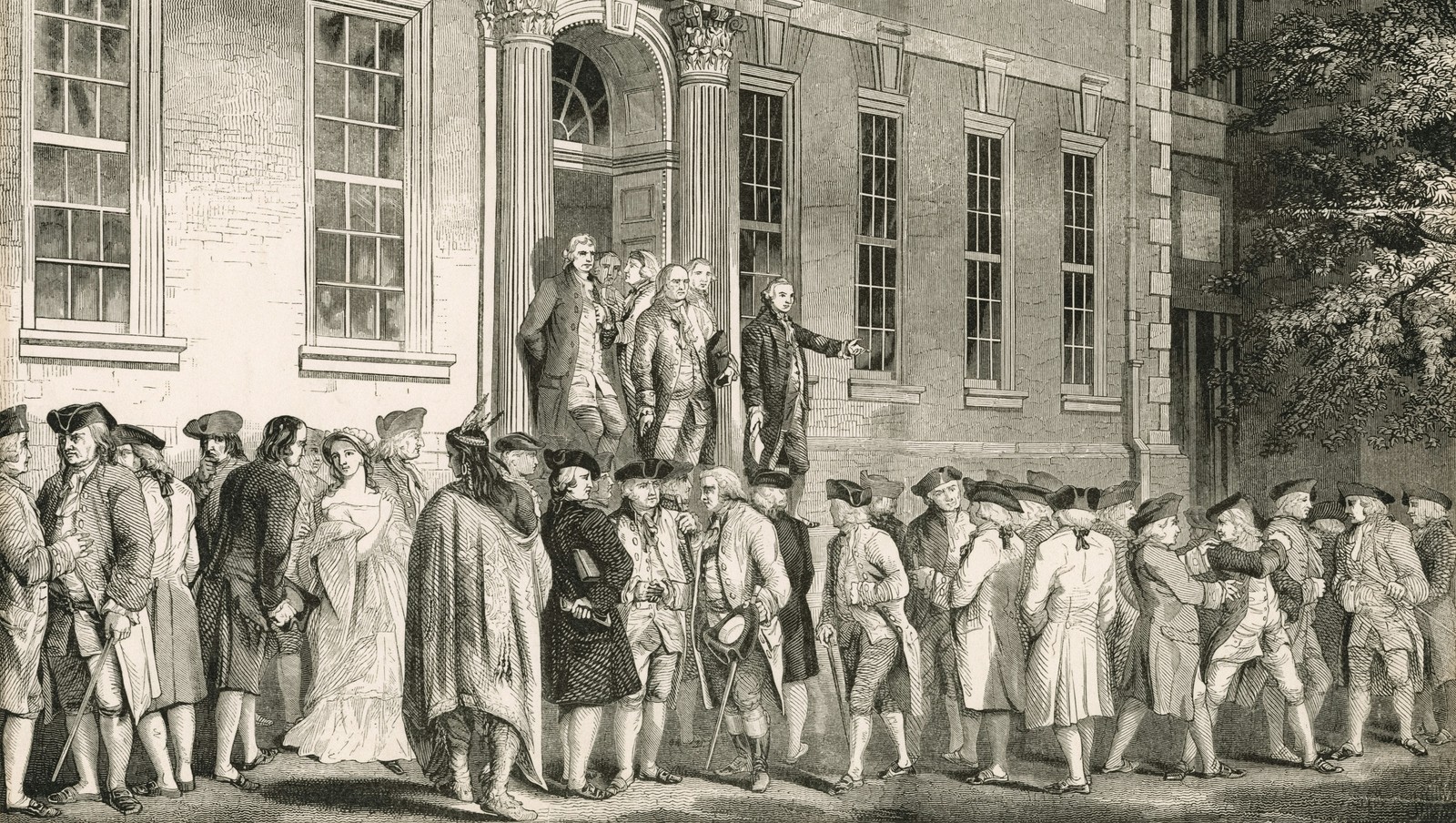
Image: The New York Public Library

In more than two centuries of American history, countless speeches and addresses have proven worthy of remembrance. These words and ideas were expressed by all kinds of Americans, from presidents to fugitive slaves , and each left a lasting mark on the hearts and memories of their audiences. Here are 10 speeches that earned their place in the nation’s memory.

1
Patrick Henry: Give Me Liberty or Give Me Death!
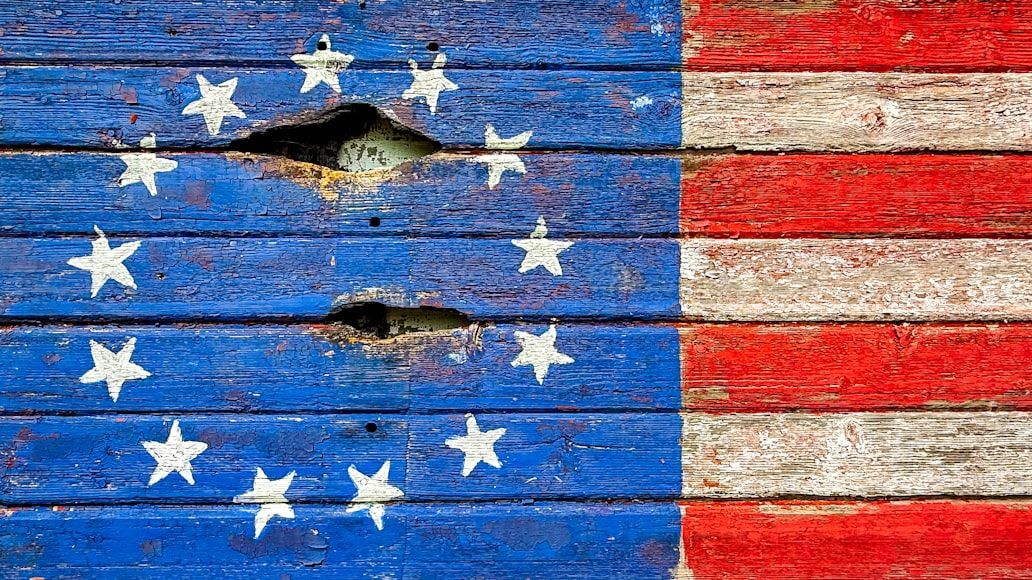
Image: Eric Wiser

On March 23, 1775, those gathered at the Second Virginia Convention debated whether Virginia should raise troops in preparation for armed resistance against Great Britain. Patrick Henry, a delegate from Hanover County, addressed the convention and argued that war had already started and the confrontation was inevitable , so an independent militia was necessary. Henry concluded with the famous declaration: "I know not what course others may take; but as for me, give me liberty or give me death!", a passionate appeal that helped secure the required votes.

2
Jimmy Carter: A Crisis of Confidence
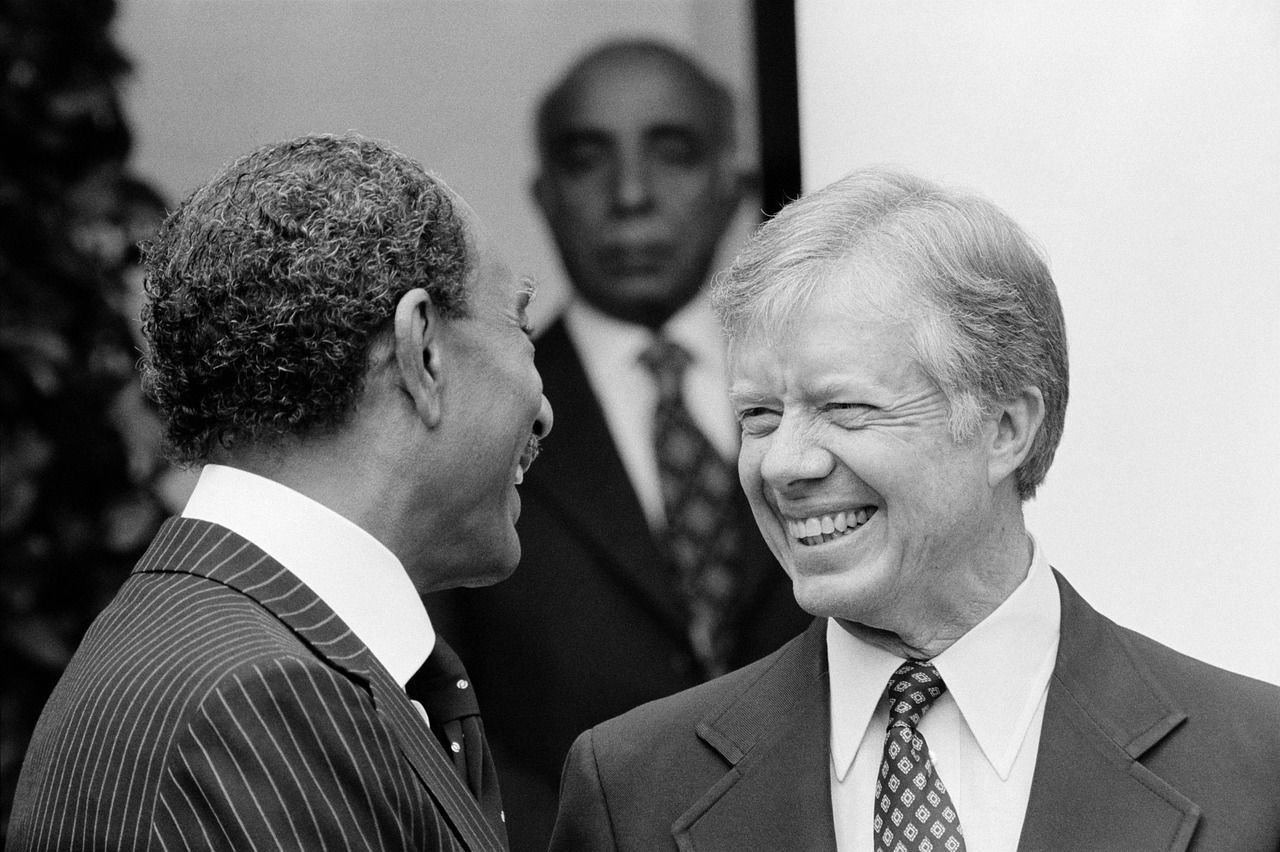
Image: WikiImages

Also known as the "malaise speech" (though Carter never used that word), this address by President Carter recognized a dire problem in 1979’s America: the people felt abandoned by the government in their time of need. The crisis was much more than an economic issue, and Carter wanted to know what everyday Americans thought and needed . In a speech shaped by conversations he had with ordinary Americans, Jimmy Carter declared that America’s crisis was " a crisis of confidence" that had struck at the very heart and soul of the nation.

3
Martin Luther King, Jr.: I Have a Dream
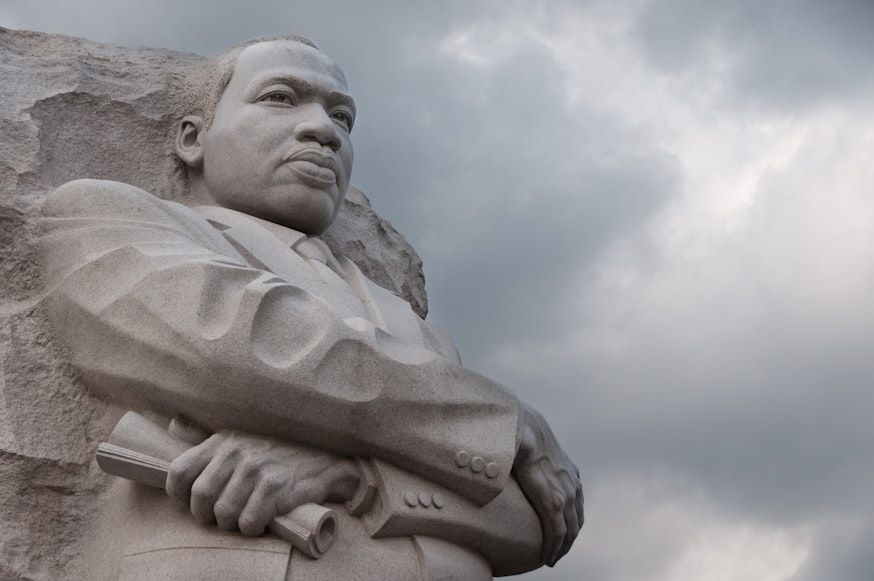
Image: Raffaele Nicolussi

In one of the most iconic speeches in civil rights history, Martin Luther King Jr. addressed more than 200,000 people at the Lincoln Memorial in Washington, D.C., on August 28, 1963, during the March on Washington for Jobs and Freedom. Nearly a century after the Emancipation Proclamation, those freed from slavery were still not really free . After denouncing the laws that legalized racism and segregation, MLK expressed his wish for a free and unified America with a phrase that would go down in history: "I have a dream!"

4
Abraham Lincoln: The Gettysburg Address
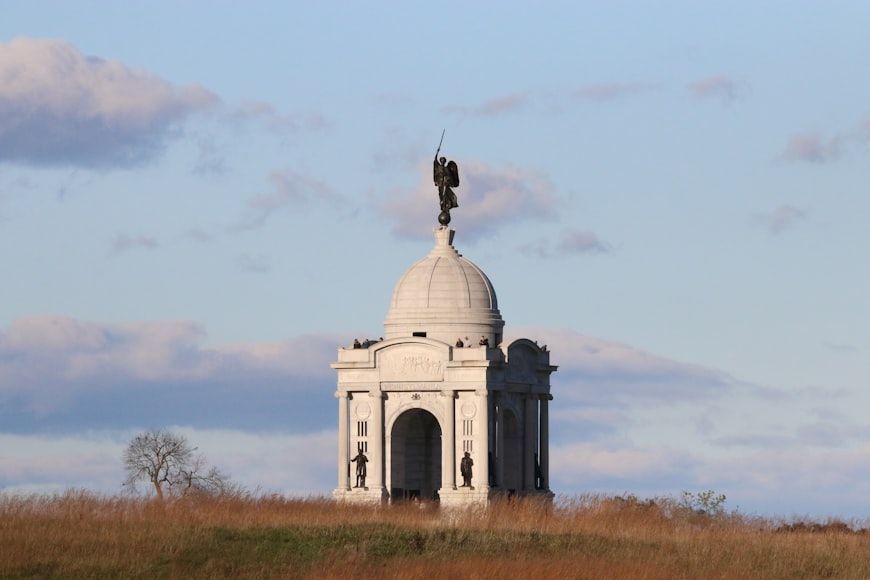
Image: Timothy Pierce

Fought between July 1 and July 3, 1863, the Battle of Gettysburg was one of the bloodiest engagements of the American Civil War and was a decisive victory for the Union. Four and a half months later, President Lincoln delivered this speech on the battlefield, now a cemetery for more than 50,000 fallen soldiers. Lasting only about two minutes, Lincoln’s address reminded those present that it was the responsibility of the living to ensure that the sacrifice of the fallen would not have been in vain .

5
Sojourner Truth: Ain’t I a Woman?
Image: Hussain Badshah

Born into slavery as Isabella Baumfree, Sojourner Truth escaped after her enslaver failed to honor a promise to free her early under New York’s gradual emancipation law and uphold the New York Anti-Slavery Law of 1827. She later became an itinerant preacher and was involved in both the women’s rights and abolitionist movements. At the 1851 Women’s Rights Convention, she delivered a speech highlighting the double discrimination suffered by Black women . Even without full rights, white women received deferential treatment from men. Her phrase "Ain’t I a woman?" denounced that, while she had done all the things white women did and more, she was not considered worthy of respect because of her race.

6
Franklin D. Roosevelt: Pearl Harbor Address to the Nation
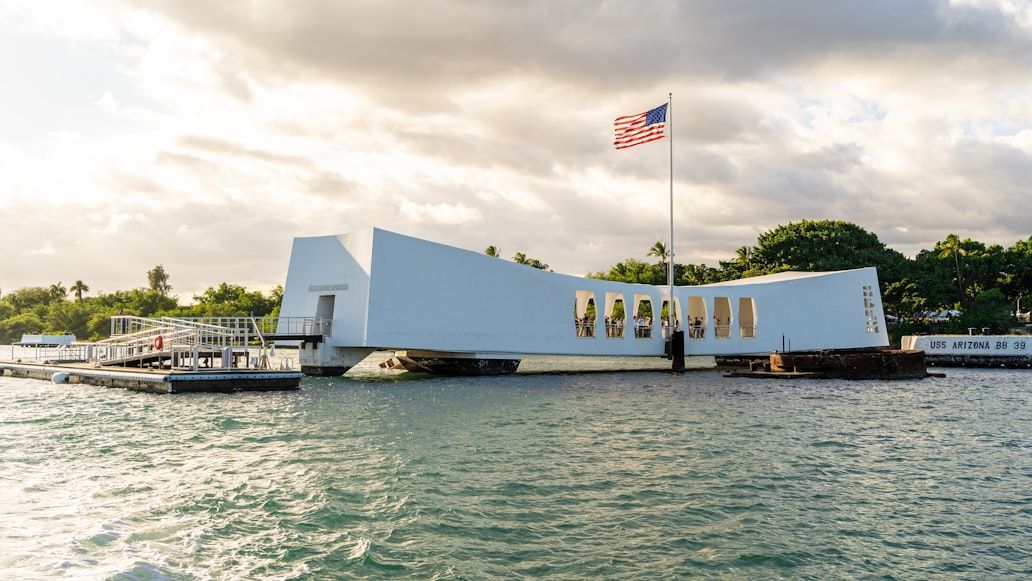
Image: Winston Chen

The bombing of Pearl Harbor by the Imperial Japanese Navy on December 7, 1941, marked the United States’ entry into World War II. The next day, President Roosevelt addressed Congress during a joint session, asking for a declaration of war. This address, famously remembered by its opening line—"Yesterday, December 7, 1941—a date which will live in infamy"— reinforced the idea of the attack as an unprovoked aggression that had resulted in over 2,400 casualties, both civilian and military, and appealed to patriotic sentiments. The speech attracted the largest live audience in American history (over 80% of the adult population) and resulted in Congress unanimously declaring war on Japan that same day.

7
John F. Kennedy: Inaugural Address
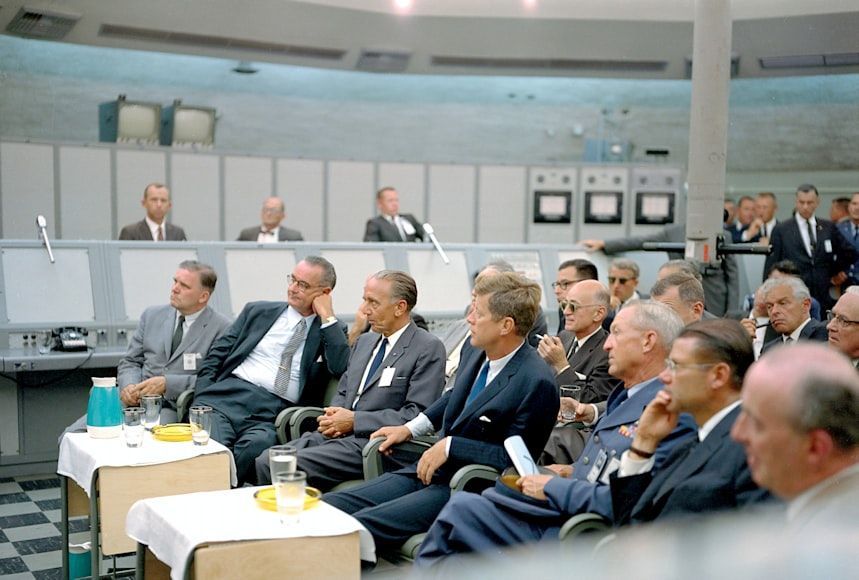
Image: History in HD

John F. Kennedy gave several memorable speeches during his presidency, but his inaugural address remains one of the most remarkable, and for good reason. According to accounts from his inner circle, the speech was meticulously crafted and reworked multiple times by Kennedy , who consulted the opinion of friends and advisors, and poured hours into making sure his first address as president would reflect the route he intended to take. As the youngest person elected to the presidency, Kennedy represented a generational change in the government. The central theme of his address was a call for civic responsibility and national service, an idea summarized in the address’s most memorable line: "Ask not what your country can do for you—ask what you can do for your country."

8
Frederick Douglass: What to the Slave is the Fourth of July?
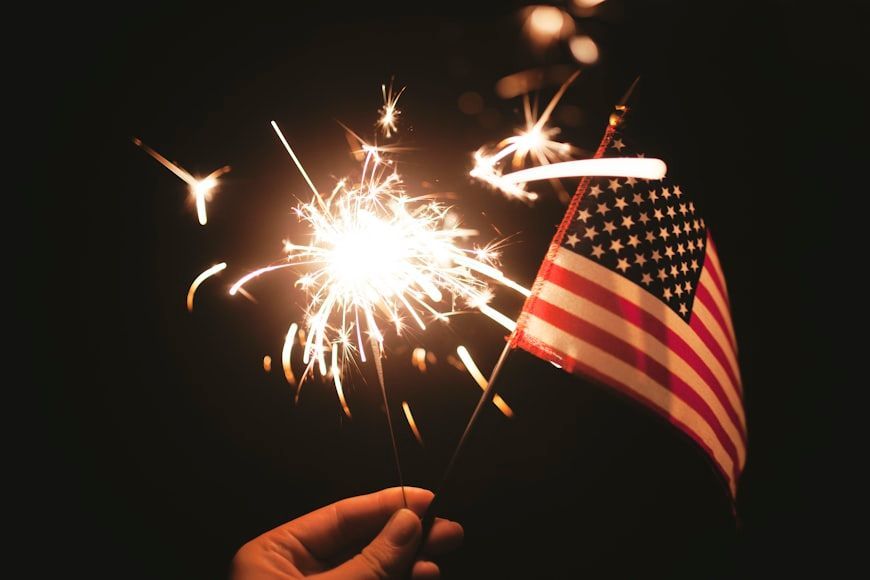
Image: Stephanie McCabe

A writer, orator, and statesman, Frederick Douglass was a major figure of the abolitionist movement. Born into slavery, he became renowned for his autobiographical writings and powerful oratory, offering a living refutation against the slavist argument of the inferior capacity of African Americans. His most famous speech, What to the Slave Is the Fourth of July? , given to the Rochester Ladies' Anti-Slavery Society in 1852, is an acute analysis of how the American values of freedom and liberty were contradicted by the state and treatment of those in slavery.

9
Theodore Roosevelt: The Man in the Arena
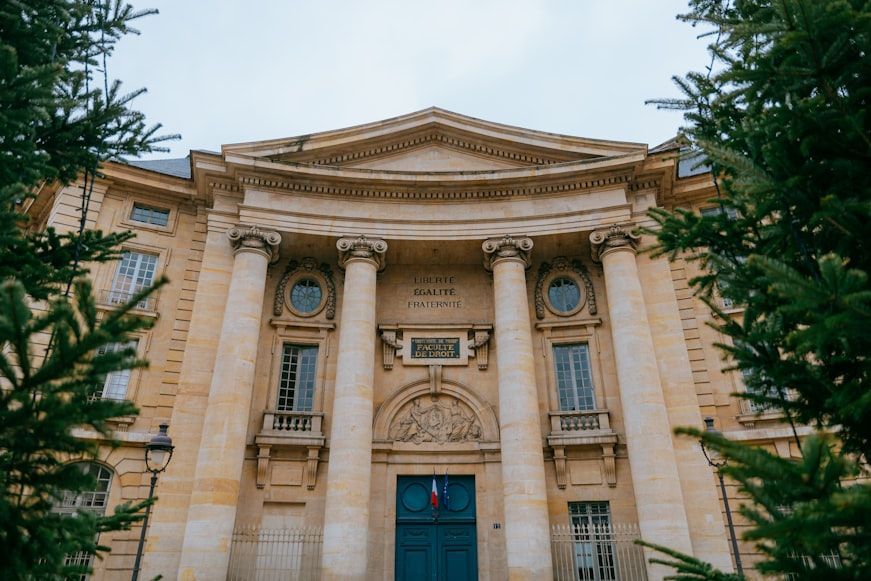
Image: Rafael Camacho Greilberger

"Citizenship in a Republic" is one of Theodore Roosevelt’s most memorable speeches. He delivered it on April 23, 1910, at the Sorbonne in Paris, after leaving the presidency. In his long address, Roosevelt explains his convictions about democracy, civic virtue, and leadership. But there is a passage that stands out: "The Man in the Arena" highlights the value of those who strive and go on despite failure and ongoing challenges, and even those who fail in the end, but not for lack of effort . This passage has been quoted numerous times in American politics, including by Richard Nixon in both his 1968 victory speech and his 1974 resignation address.

10
Ronald Reagan: Tear Down this Wall
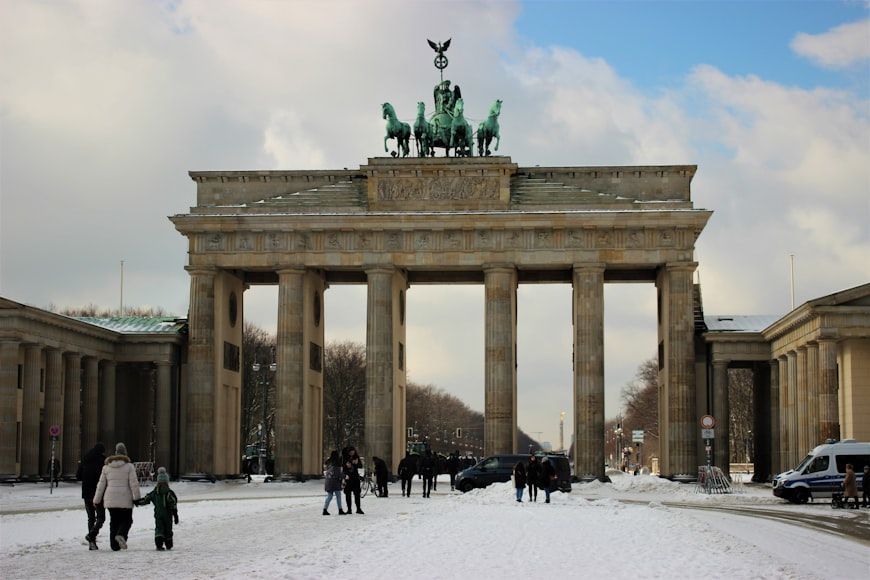
Image: André Fuck

More than two decades after Kennedy’s " Ich bin ein Berliner " speech, President Reagan delivered another historic address at the Berlin Wall. Speaking at the Brandenburg Gate in a Berlin much more hostile to the American president’s presence, aides and advisors had recommended a change in the tone of the speech to avoid straining the relationship between the American and Soviet administrations . Reagan retained the passage that had caused concerns, which contained the most iconic phrase. In a direct appeal to the Soviet leader Mikhail Gorbachev, he declared: "Mr. Gorbachev, open this gate! Mr. Gorbachev, tear down this wall!" The speech was not widely covered by the media, and the reactions were lukewarm. Only after the fall of the Berlin Wall in 1989 did the address gain widespread recognition as a symbol of American resolve during the final years of the Cold War.
Culture Culture 6 min read

How do the most powerful blow off steam?

Which US President spent a quarter of his presidency at a ranch in Texas?

Image: Robert LeRoy Knudsen, Public domain, via Wikimedia Commons

Running the White House is a highly demanding job, so throughout history, many presidents have found ways to relieve the pressure and stress of leading at the highest level of government. When not shaping the path of the nation, presidents have enjoyed a variety of hobbies and pastimes that provide them with leisure time to relax, unwind, and clear their minds. From golfing and swimming to reading and painting, here are 12 U.S. Presidents who found the perfect balance between pleasure and duty.

1
George Washington

Image: Alonzo Chappel, CC0, via Wikimedia Commons

Founding Father and first president of the United States, George Washington, enjoyed many recreational activities during his free time. He was a true outdoorsman—he loved hunting and fishing and was a devoted gardener and farmer .

It’s common knowledge that after deciding not to run for a third term, he retired to his Virginia farm and dedicated the rest of his life to farming. But one fact you may not know is that, in his youth, Washington was a frequent dancer —and rumor has it, he was even extremely good at it! He considered dancing an important social interaction, describing it as "so agreeable and innocent an amusement."

2
Franklin D. Roosevelt

Image: National Archives and Records Administration, Public domain, via Wikimedia Commons

Franklin D. Roosevelt, the only president to be elected to four consecutive terms, led the country through the critical years of the Great Depression and World War II. To maintain a clear mind while navigating such tumultuous times, Roosevelt embraced a number of pastimes. He collected books , stamps , and ship models , for example.

In addition, he was an avid swimmer . After losing the ability to walk due to polio, Roosevelt began swimming three times a week to strengthen his muscles. Following his election, the New York Daily News donated a swimming pool to the White House so he could continue his practice.

3
James A. Garfield

Image: Unknown; part of Brady-Handy Photograph Collection., Public domain, via Wikimedia Commons

Before becoming the 20th president, James A. Garfield enjoyed fishing , hunting , and playing billiards . But he was also exceptionally intelligent and studious.

Though many people may know Garfield for serving just four months in office, he was also the first ambidextrous president of the United States . Not only could he write with both hands, but when asked a question, he could simultaneously write the answer in ancient Greek with one hand and Latin with the other. Pretty impressive, don’t you think?

4
Calvin Coolidge

Image: National Photo Company Collection, Public domain, via Wikimedia Commons

The 30th president of the United States liked riding horses so much that he had an electronic horse installed in the White House. The device had two speeds—trot and canter—and he rode it every day.

That said, Calvin Coolidge was a taciturn man of few words, who enjoyed taking afternoon naps, earning him the nickname "Silent Cal." He also had a very particular sense of humor . He reportedly enjoyed pressing the alarm buttons in the Oval Office or hiding in the garden shrubbery to startle his Secret Service agents.

5
Jimmy Carter

Image: Tuntematon, Valkoisen talon valokuvaajat (01/20/1977 - 01/20/1981), Public domain, via Wikimedia Commons

Throughout his life, Jimmy Carter was a curious man who never stopped doing things. He studied nuclear physics in college, could read two thousand words a minute, wrote numerous books, and even won a Nobel Peace Prize in 2002.

But what did this brilliant man like to do in his spare time? Carter had a variety of hobbies, including painting , poetry , tennis , cycling , fly fishing , and skiing . However, the one activity in which he perhaps excelled most was woodworking . After retiring, the 39th president of the United States set up a garage workshop on his Georgia ranch, where he built furniture that was later auctioned to benefit the Carter Center.

6
John Quincy Adams

Image: Pieter Van Huffel, 1769 - 1844, CC0, via Wikimedia Commons

John Quincy Adams was notoriously meticulous and kept a diary detailing his daily routine. Thanks to this, we now know that the sixth president of the United States liked to relieve the stress of the presidency with an early morning swim .

After waking up around 4 or 5 a.m., Adams would walk two miles to the Potomac River and leave his clothes on the shore before taking a swim. According to lore, one morning, a reporter named Anne Royall snatched his clothes and demanded that the president give her an interview. Adams had no choice but to answer her questions while standing deep in the river, completely naked.

7
Harry S. Truman

Image: Abbie Rowe, Public domain, via Wikimedia Commons

Harry S. Truman governed the United States from 1945 to 1953, right after World War II—a difficult and stressful time, to be sure. To blow off some steam, the 33rd president liked to immerse himself in one of his two long-time passions: reading and music .

Truman had eye problems, which prevented him from participating in sports. As a result, he became an avid reader from an early age—in fact, he once boasted of having read every book in the library by the age of 14. He was also a very skilled piano player , having started lessons at the age of seven.

8
Lyndon B. Johnson

Image: Yoichi Okamoto, Public domain, via Wikimedia Commons

Living up to the legacy of one of the most popular presidents in American history can't be easy. But it appears that the 36th president of the United States knew just how to maintain a good balance between responsibility and leisure. During his five-year administration, Lyndon B. Johnson spent 490 days —about a quarter of his presidency— at the LBJ Ranch in Stonewall , Texas, combining work and vacation so seamlessly that the place became known as "The Texas White House."

At this ranch, Johnson had an extensive collection of vehicles . Among them was the Amphicar, an amphibious passenger car built in the 1960s, which he used to play pranks on his visitors.

9
Richard Nixon

Image: White House Photographer, Public domain, via Wikimedia Commons

Not many people know this, but Richard Nixon was an artistic man. He enjoyed theater—he even met his future wife during a community theater audition—and he could play five musical instruments : piano, saxophone, violin, clarinet, and accordion.

But he was also into sports. In addition to being a huge football fan, he and First Lady Pat Nixon enjoyed bowling . In fact, the Nixons were responsible for moving the White House bowling alley back to the Executive Mansion after it had been relocated to a nearby building years earlier.

10
George W. Bush

Image: Series: Photographs Related to the George W. Bush Administration, 1/20/2001 - 1/20/2009Collection: Records of the White House Photo Office (George W. Bush Administration), 1/20/2001 - 1/20/2009, Public domain, via Wikimedia Commons

During his free time, George W. Bush enjoyed golfing, biking, attending baseball games, and reading American history. He was also a very competitive runner .

However, when the 43rd president of the United States left office, he was only 62 years old—plenty of time to acquire a new pastime. In the years following his time in the White House, Bush surprised many by turning to painting . "I’m a painter," he told Jay Leno on The Tonight Show .

11
Dwight D. Eisenhower

Image: ddd

To relieve the stress of leadership, Dwight D. Eisenhower maintained a number of hobbies that he cultivated throughout his life. One of his main passions was golf , which he played during and after his presidency. He even kept a small putting green in the White House garden and had a four-hole practice course installed at Camp David.

But that’s not all. Ike enjoyed fishing, hunting, shooting, watching Western movies, and playing bridge. He was also an avid painter who often captured natural landscapes and gave them as gifts to friends. After leaving the White House, Ike settled on a farm near Gettysburg, Pennsylvania, where he raised Black Angus show cows that won blue ribbons at state and county fairs.

12
John F. Kennedy

Image: Robert LeRoy Knudsen, Public domain, via Wikimedia Commons

John F. Kennedy was an exercise enthusiast and something of a jock. He played many sports : golf, tennis, swimming, baseball, and football. Despite being an athletic man, he enjoyed smoking between four and five cigars a day—his favorite brands were Upmanns and Monticellos!

But perhaps the hobby that most helped him relax from the tensions of the presidency was boating. Like many members of his family, John F. Kennedy loved to sail and was often photographed at sea with his wife and young children.

Culture Culture 5 min read

Music legends

Rock all night with these 10 American rockstars!

Image: Kenny Eliason

Rock music is considered by many to be the most groundbreaking genre of the 21st century. It has spawned countless iconic songs, and almost 80 years since its inception, it shows no sign of slowing down. In that sense, America has produced its fair share of iconic rockstars throughout the decades. These revolutionary musicians have helped shape the music of their time, so we decided to pay homage to 10 of the most innovative and influential American rockstars in history. With that in mind, there’s only one question left to ask: Are you ready to rock?!

1
Chuck Berry

Image: Provincial Archives of Alberta

Let’s begin with the man known as the "Father of Rock and Roll." To label Chuck Berry as a pioneer would definitively misrepresent the legacy of this amazing musician; Berry was almost solely responsible for introducing the key elements that would eventually define rock music.

Songs like "Maybellene," "Roll Over Beethoven," and "Johnny B. Goode" influenced countless musicians through the ages. Legendary artists like the Beatles and the Rolling Stones famously covered some of his songs, while Bob Dylan once defined Berry as "the Shakespeare of Rock n’ Roll."

2
Bruce Springsteen

Image: Jose Antonio Gallego Vázquez

Up next, we have a boss that anyone would love to have in their office. Bruce Springsteen is undoubtedly one of New Jersey’s favorite sons. Known as "The Boss," Springsteen has dazzled the American public since his first album in 1973, earning a myriad of awards and recognitions in the process, including the Presidential Medal of Freedom.

Known for his insane charisma and distinctive voice, Springsteen has performed with his iconic "E Street" band since 1972. Rolling Stone magazine has described him as "the embodiment of rock and roll" and included him in its list of "100 Greatest Artists of All Time."

3
Jimi Hendrix

Image: Aditya Wardhana

Can the ‘60s be summarized by one musician? Many believe they can even summarized by one performance: Jimi Hendrix’s jaw-dropping rendition of the "Star-Spangled Banner" at Woodstock. In a way, this legendary guitarist embodies the innovation and freedom that characterize this era, but make no mistake: Hendrix’s contributions to rock and roll can’t be limited to a single decade. Suffice it to say that the Rock and Roll Hall of Fame considers him to be "arguably the greatest instrumentalist in the history of rock music."

Born in Seattle, Hendrix showed interest in music from an early age. He bought his first guitar at age 15 and practiced daily, imitating the styles of blues musicians like B.B. King and Howlin’ Wolf. While he sadly passed away at age 27, his legacy continues to live on in every single one of his amazing songs.

4
Elvis Presley

Image: Clem Onojeghuo

Chuck Berry might have been the "Father of Rock and Roll," but Elvis Presley was this genre’s undisputed "King." This musician’s legacy is as timeless and eternal as his songs are, earning him a well-deserved spot among America’s most beloved pop culture icons. Just think of all the countless Elvis impersonators around the world to realize how iconic Elvis’s music and style were.

Elvis received his first guitar at the age of 7. Little did anyone know that this birthday gift would be the first step in a meteoric musical career. From his amazing dance moves to his unbelievable charisma, Elvis will forever be remembered as an American icon.

5
Tom Petty

Image: Samuel Ramos

In the 1980s, when Tom Petty joined the musical supergroup "The Traveling Wilburys," he stood shoulder to shoulder with juggernauts like Bob Dylan, George Harrison, and Roy Orbison. While Petty was relatively a newcomer when he joined what many believe to be the biggest supergroup in history, time would prove that he had what it takes to become one of the most memorable rock stars in history.

According to the man himself, Petty’s love for rock 'n' roll first started when he met Elvis Presley at age 10. This love for music would eventually lead him to form his most iconic band, "Tom Petty and the Heartbreakers," with which he performed for almost 40 years.

6
Jon Bon Jovi

Image: Simon Weisser

It takes talent to make your last name synonymous with rock 'n' roll, but John Francis Bongiovi Jr., better known as Jon Bon Jovi , was able to turn his last name into the name of one of the most groundbreaking bands of the ‘80s.

Born in Perth Amboy, New Jersey, Jon formed Bon Jovi when he was still in his teens, quickly rising to fame and becoming an undisputed rock star. While he is still very much active in music, he has also built a very successful acting career, appearing in TV shows like Sex and the City and The West Wing .

7
Jim Morrison

Image: Markus Spiske

Take it to the world of rock 'n' roll to produce a nickname like "the Lizard King" to describe one of the most emblematic vocalists of the '70s. Regardless of whether there was someone who could pull off such a strange nickname, it was Jim Morrison . In fact, this singer chose the nickname himself, as it perfectly described both his fascination with reptiles and Native American culture.

Morrison’s deep voice and magnetic persona were among the main reasons behind The Doors' rise to prominence, quickly making them the first American band to achieve eight consecutive Gold LPs. While his life was unfortunately cut short at the age of 27, his songs, poetry, and journals will forever celebrate the Lizard King’s legacy.

8
Prince

Image: DJ Johnson

Prince's first live band was called "The Revolution," and we believe that this is one of the most aptly named bands in history. After all, this Minneapolis-born musician brought forward a revolutionary and fresh take on music, fashion, and art in general. Known for his amazing falsetto voice and flamboyant persona, Prince is considered to this day one of the very best musicians in history.

You would think that such a flashy and daring musician would take a more ostentatious stage name, but Prince Rogers Nelson performed under his first name throughout his entire career. Actually, that’s not entirely true: while in the midst of a contractual dispute, he performed as " The Artist Formerly Known as Prince " for approximately a decade.

9
Steven Tyler

Image: Matt Botsford

Steven Tyler might have the nickname that every rock singer probably covets: known as "the Demon of Screamin’," Aerosmith’s frontman is recognized for his powerful voice and vast vocal range.

Tyler has been at the helm of Aerosmith since its beginning in Boston in the early ‘70s, producing such hits as "Dream On" and "Walk This Way." While the band is currently on hiatus due to Steven injuring his vocal cords, Aerosmith still hopes to return to performing soon.

10
Kurt Cobain

Image: Panos Sakalakis

The '90s introduced the world to a new take on rock music: for many, grunge was the quintessential sound of this decade, characterized by its raw and angry tone. In that sense, there’s no band that represents the '90s better than Nirvana, and this legacy is in no small part due to Kurt Cobain.

Known for his scruffy yet powerful voice, Cobain led this iconic trio since its inception in 1987. While his untimely death deprived the world of his incredible talent, his legacy still lives on in amazing songs like "Smells like Teen Spirit" and "Come as You Are."

Explore more American facts

Choose your favorite category!

General
General

As American as apple pie—the very best America has to offer!

Culture
Culture

Delve into the astounding richness of American lore.

Geography
Geography

Hop in and explore vast and diverse American landscapes.

History
History

Discover the key moments that shaped the United States.