Culture Culture 3 min read

Talent has no age

From Drew Barrymore to Kurt Russell: 11 stars who started young
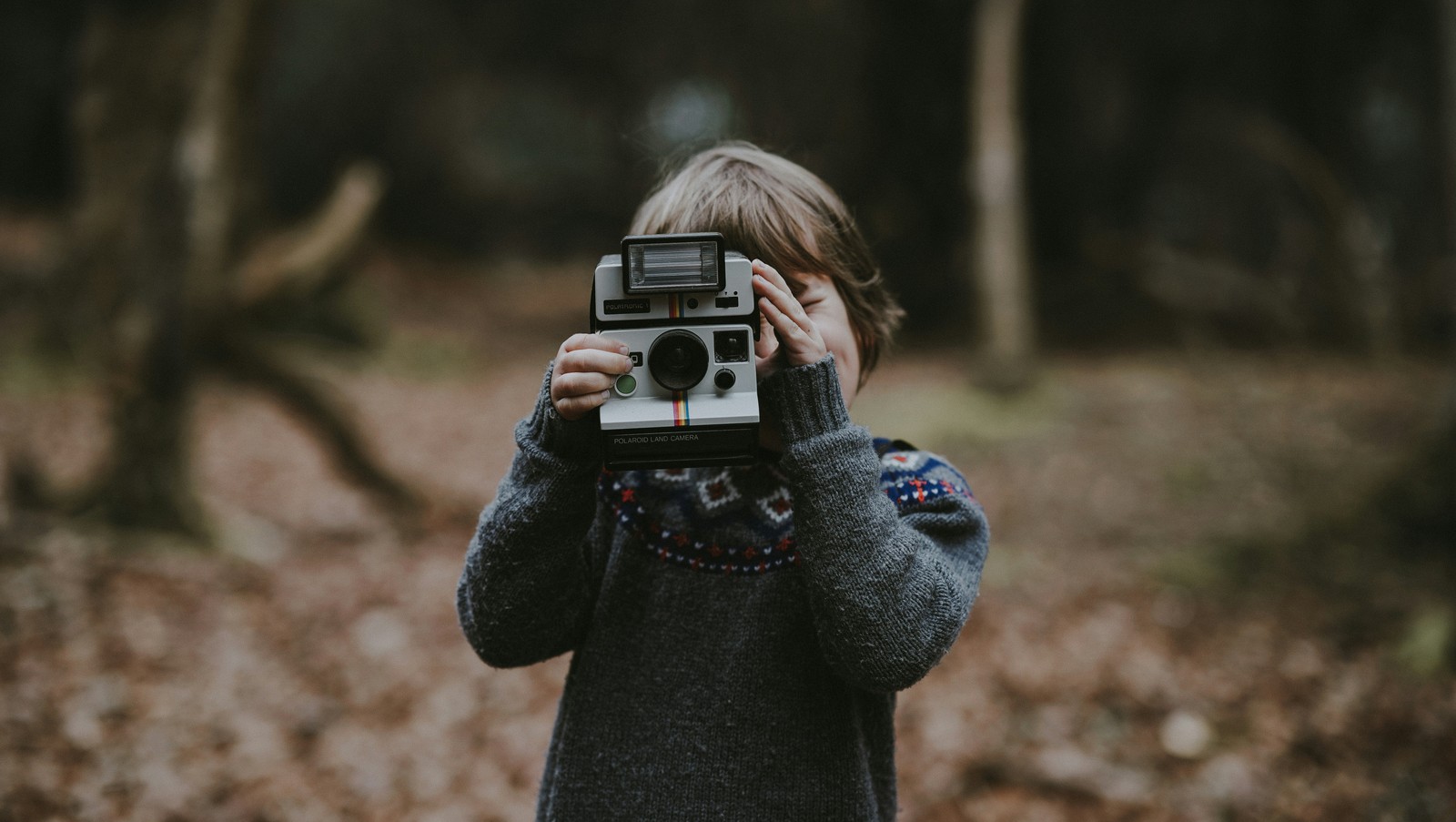
Image: Annie Spratt

Some of Hollywood’s biggest names got their start long before they could drive. From intense early roles to chart-topping hits, stars like Christian Bale, Stevie Wonder, and Jodie Foster grew up in the spotlight. Here’s a look at how these famous faces leapt from child prodigies to enduring icons.

1
Christian Bale

Image: Avel Chuklanov

Christian Bale began acting at a young age, landing a role in a TV miniseries when he was ten. This led to his big break at age 13, starring in Steven Spielberg’s Empire of the Sun .

Known for his intense dedication, Bale earned critical praise early on and later won an Academy Award in 2011 for his performance in The Fighter , solidifying his status as one of the top actors of his generation.

2
Michael Jackson
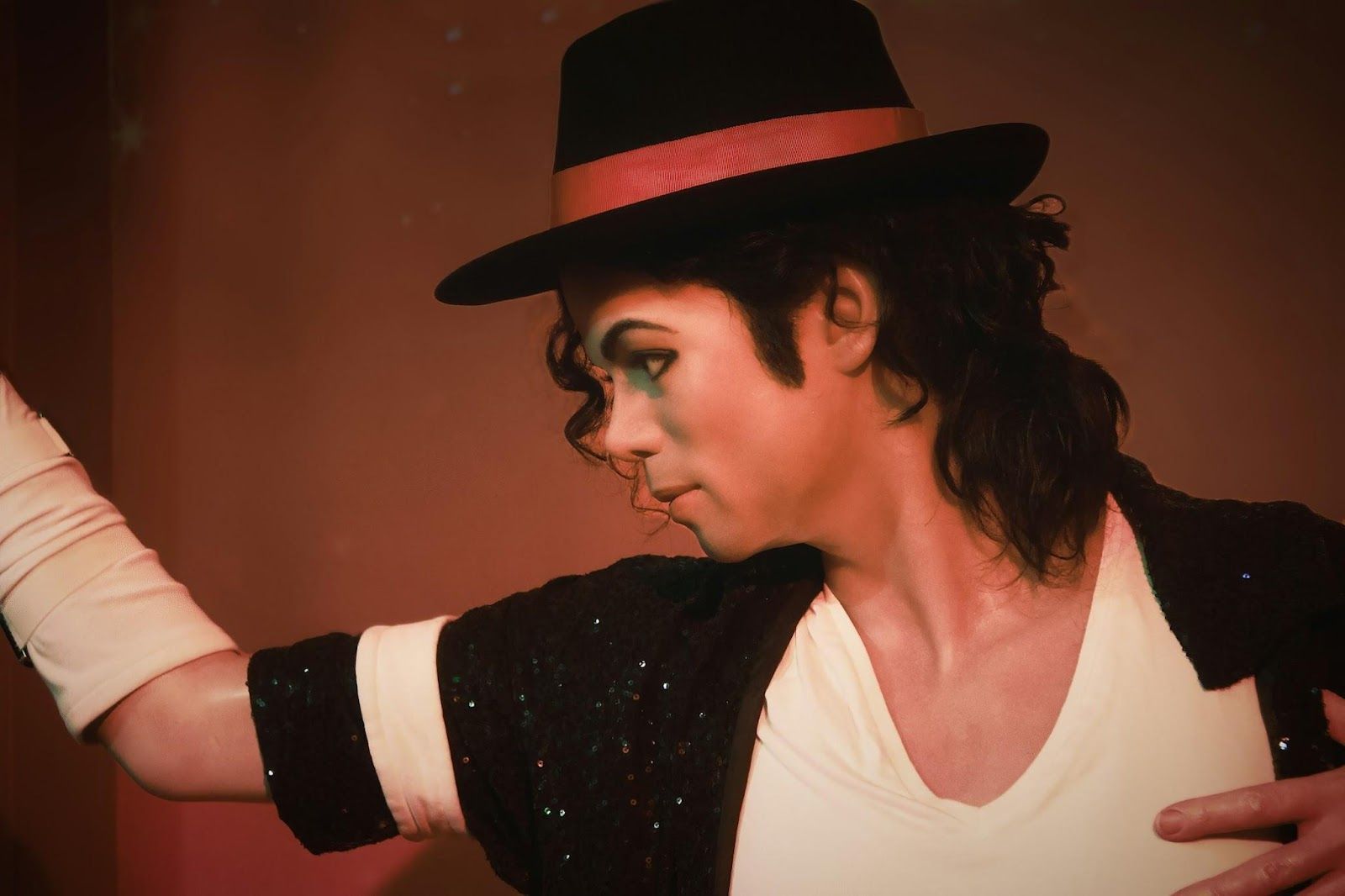
Image: Mathew Browne

Michael Jackson rose to fame in the 1960s as the lead singer of the Jackson 5 , performing with his brothers and gaining significant TV exposure by the age of 11 .

By the age of 14, he had launched a solo career, and his talent and charisma quickly made him a global icon, leaving a lasting impact that extended far beyond his childhood success.

3
Drew Barrymore
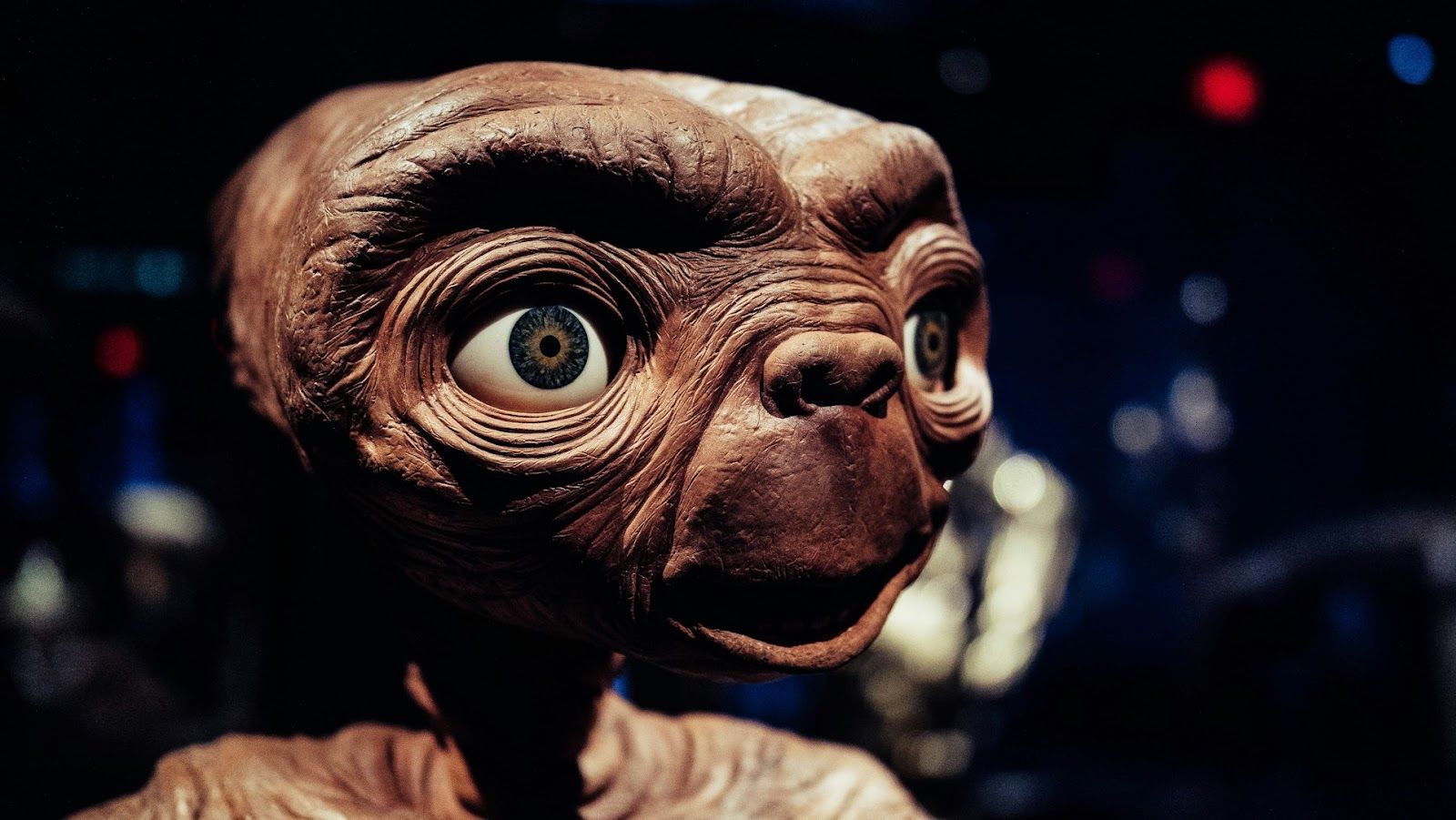
Image: Rick L

Drew Barrymore rose to fame as a child star in E.T. the Extra-Terrestrial in 1982 . As a member of the legendary Barrymore acting family, she quickly became a household name.

Over the years, she has earned a Golden Globe, received multiple Emmy nominations, and in 2023, was named one of TIME ’s 100 most influential people.

4
Britney Spears
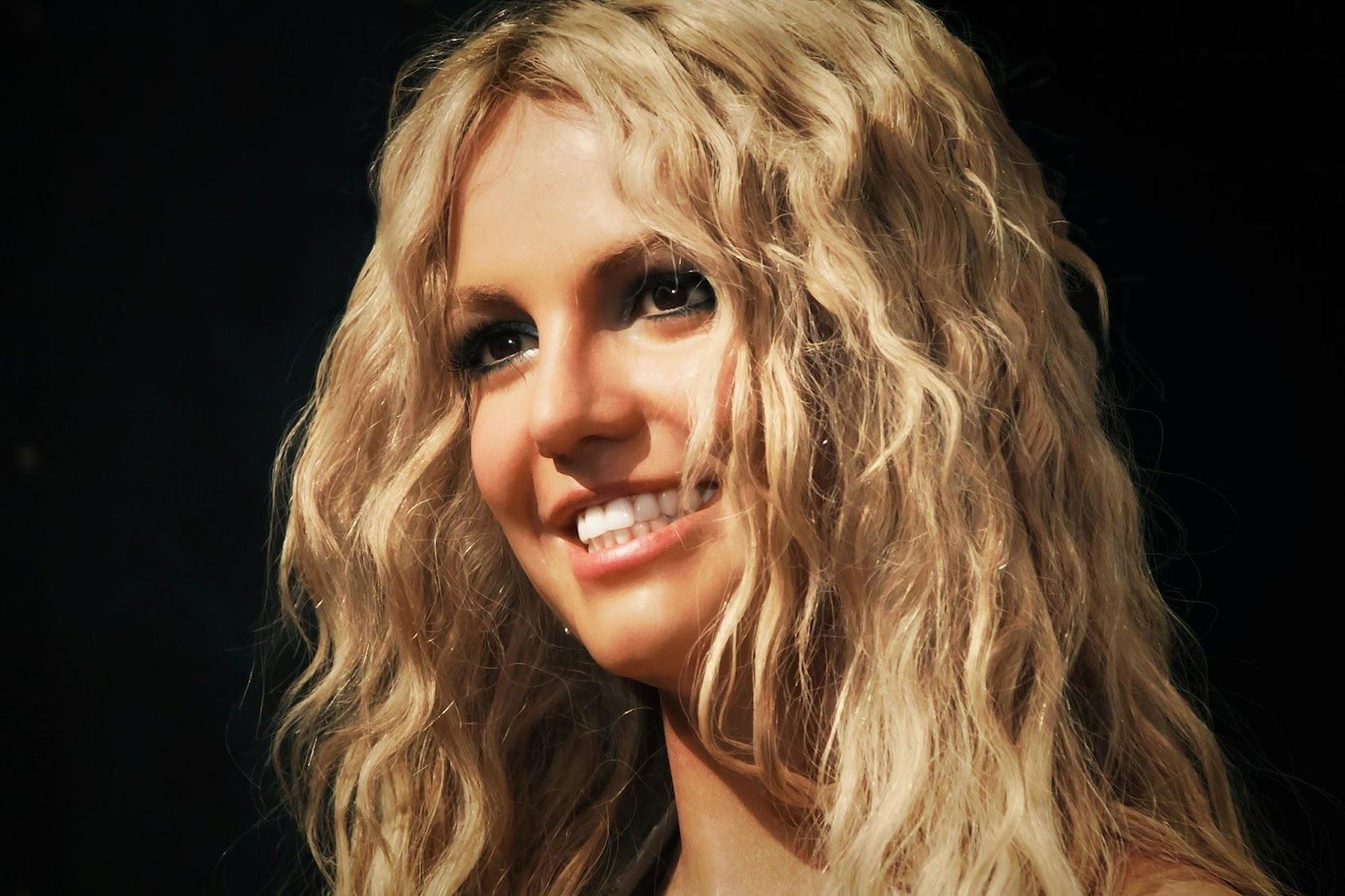
Image: Mathew Browne

Before topping charts at 17 with ...Baby One More Time , Britney Spears had already starred on The All-New Mickey Mouse Club at age 11 .

After the show ended, she signed with Jive Records and quickly rose to fame, winning big at the 1999 Billboard Music Awards, where she claimed multiple honors, including Top New Artist and Top Female Artist. She became a defining figure in the teen-pop wave, alongside fellow MMC alumni.

5
Elijah Wood
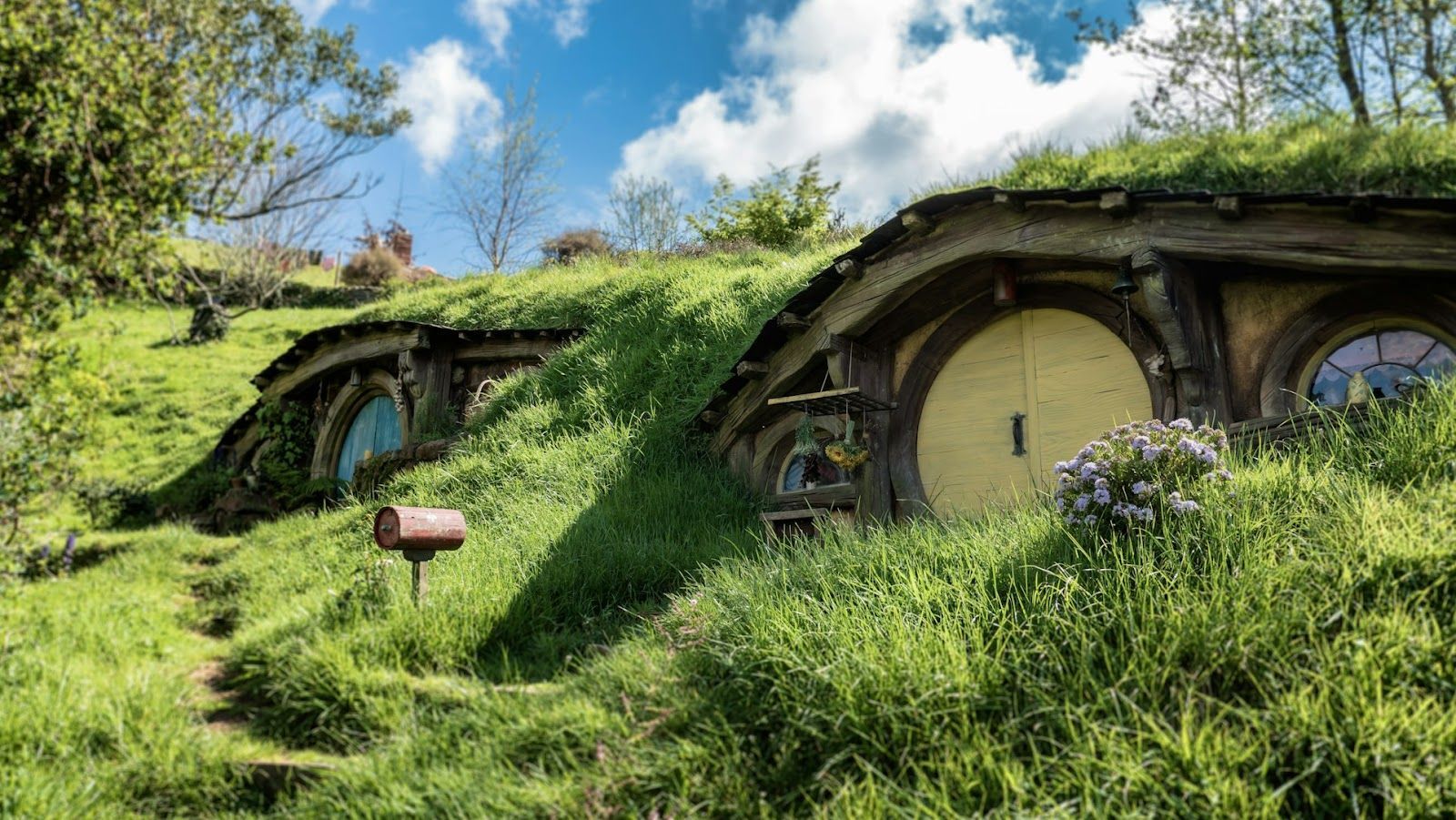
Image: Thomas Schweighofer

Elijah Wood got his start in film with a small part in Back to the Future Part II and became a familiar face in ‘90s films like The Good Son and Flipper .

His biggest role came when he portrayed Frodo Baggins in The Lord of the Rings trilogy. Since then, he has taken on a variety of unique roles, particularly in horror and indie films.

6
Miley Cyrus

Image: Masoud Razeghi

Miley Cyrus shot to fame as Hannah Montana from 2006 to 2011 , becoming a teen favorite on the Disney Channel.

She later broke out of her Disney image and built a music career following in her father’s footsteps, Billy Ray Cyrus. In 2024, she won her first Grammy Award for her hit song "Flowers."

7
Jodie Foster

Image: Jakob Owens

Jodie Foster began acting at age 3 , first in commercials and then on television shows such as Mayberry R.F.D.

She rose to fame with standout roles in Taxi Driver and Bugsy Malone , both released in 1976. Foster later built a long and successful career in both film and television.

8
Kirsten Dunst
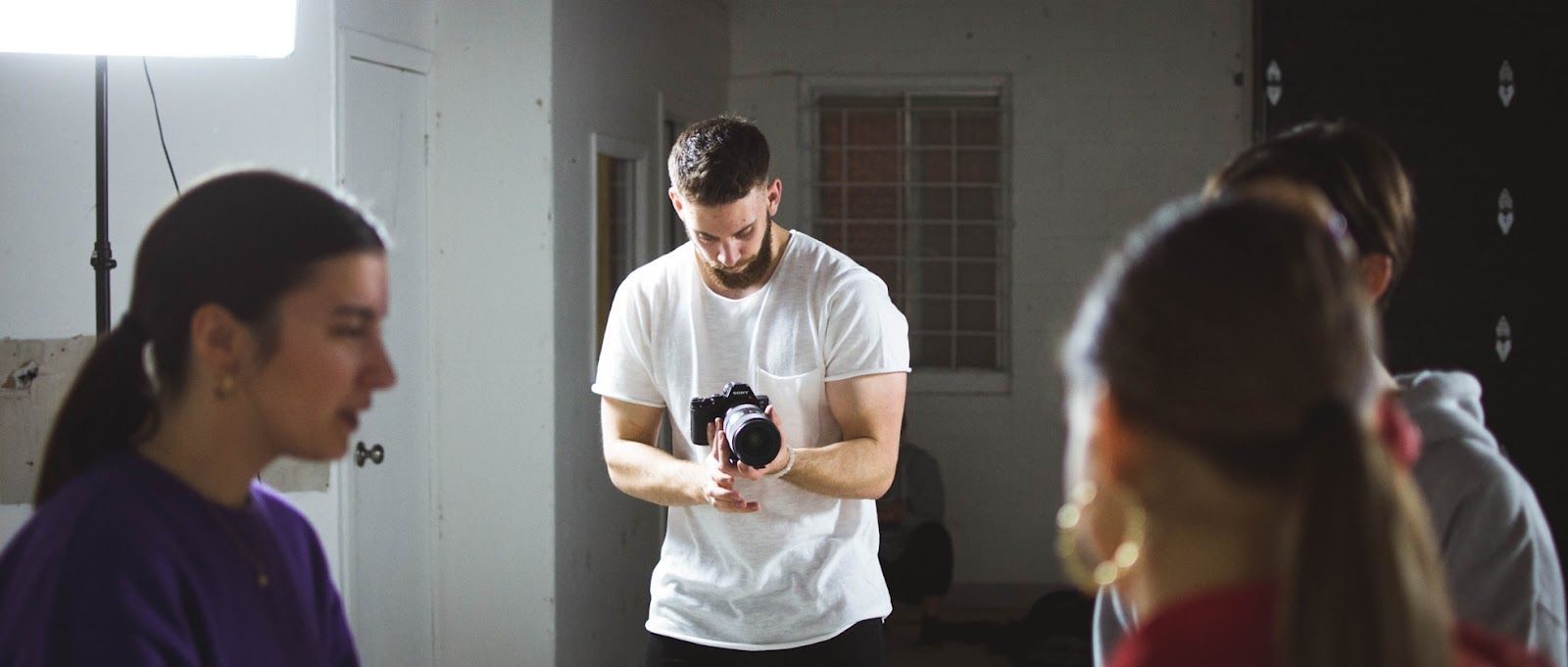
Image: William Bayreuther

Kirsten Dunst landed her first film role in Bonfire of the Vanities at just 8 years old . Before she even finished high school, she had already built an impressive résumé with standout roles in films like Little Women , Jumanji , The Virgin Suicides , and Bring It On .

9
Stevie Wonder
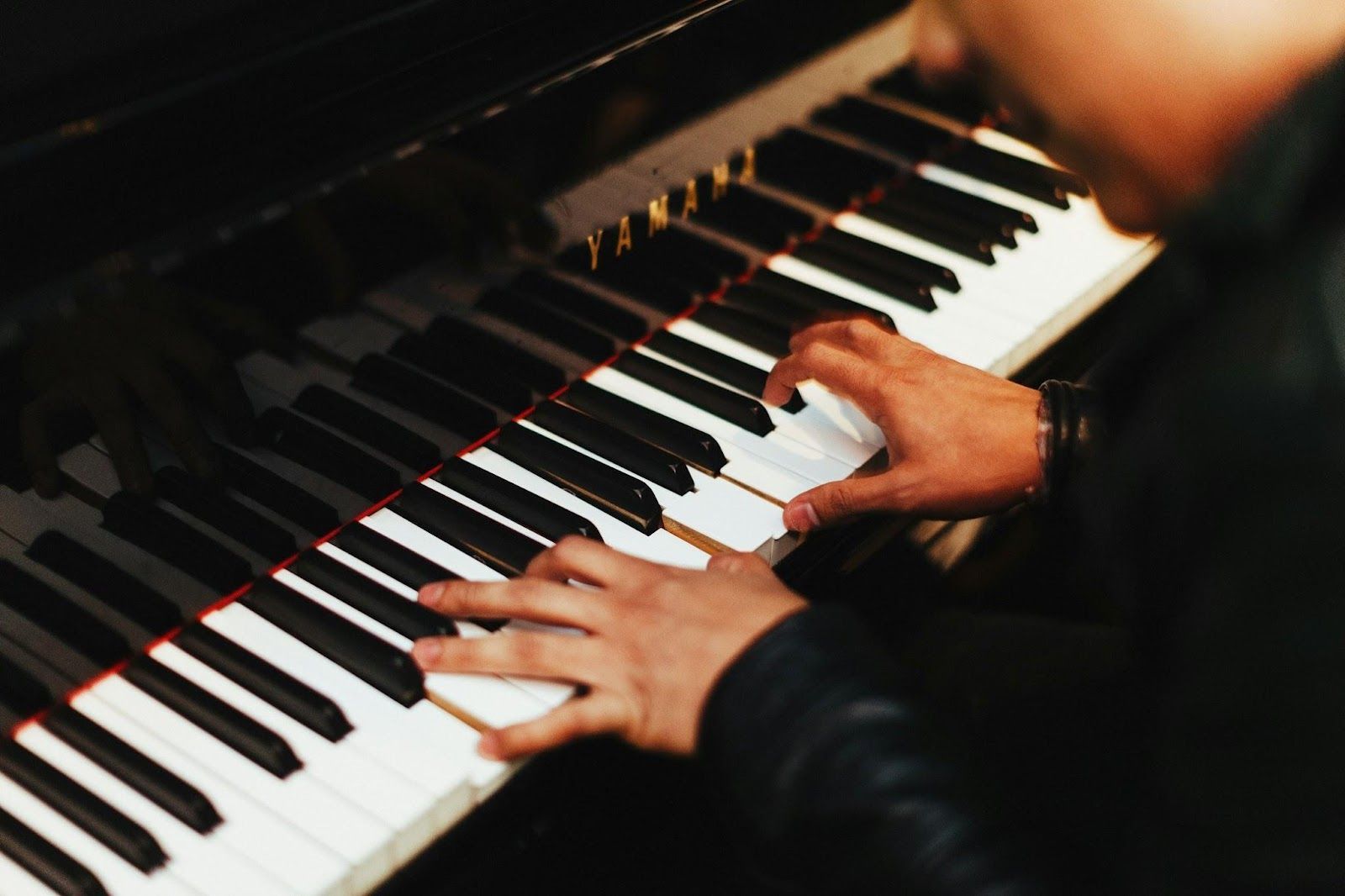
Image: Gabriel Gurrola

Born in 1950 in Michigan, Stevie Wonder was blind from infancy and showed remarkable musical talent early on, joining a church choir in Detroit.

By age 11, he’d mastered several instruments and signed with Motown as "Little Stevie Wonder." He went on to become one of the most celebrated musicians in history, earning 25 Grammy Awards over his career.

10
Christina Ricci

Image: JOHN BEARBY IMAGES

Christina Ricci made her film debut at age 9 in Mermaids , but it was her role as Wednesday Addams in The Addams Family that made her a star.

She continued her success with family favorites like Casper and Now and Then before transitioning into acclaimed mature roles in films such as Buffalo ’66 and The Opposite of Sex .

11
Kurt Russell
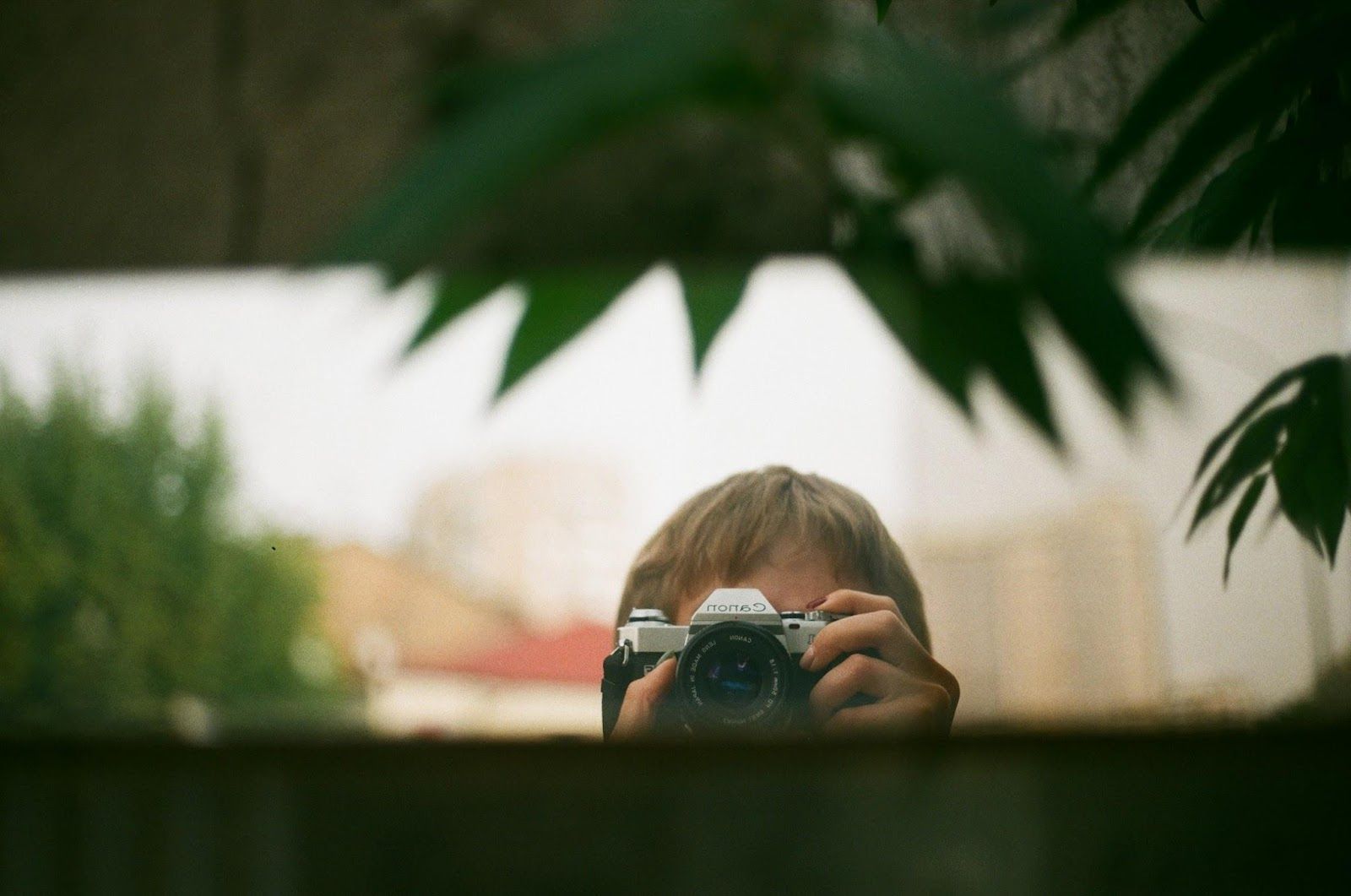
Image: Julia Vivcharyk

Kurt Russell began acting in the early 1960s , with roles in Dennis the Menace and It Happened at the World’s Fair . By the mid-1960s, he was a Disney star under a ten-year contract.

After a brief baseball stint, he returned to acting, landing major roles in films such as The Thing , Escape from New York , and Overboard . He has appeared in over 100 films and TV shows, including Guardians of the Galaxy Vol. 2 .
General General 4 min read

Ever wondered where presidents live?

Where did presidents escape when the White House got too stressful?

Image: Martin Falbisoner, CC BY-SA 3.0, via Wikimedia Commons

Ever wonder what kind of digs a president calls home when they’re not stress-eating in the Oval Office? It turns out our commanders-in-chief have surprisingly eclectic tastes in real estate. From sprawling plantation estates to modest farmhouses , these presidential pads offer a peek behind the curtain of American history. So grab your walking shoes and your sense of historical curiosity—here are ten presidential homes that welcome visitors.

1
Mount Vernon (George Washington) - Mount Vernon, Virginia

Image: Matt Briney

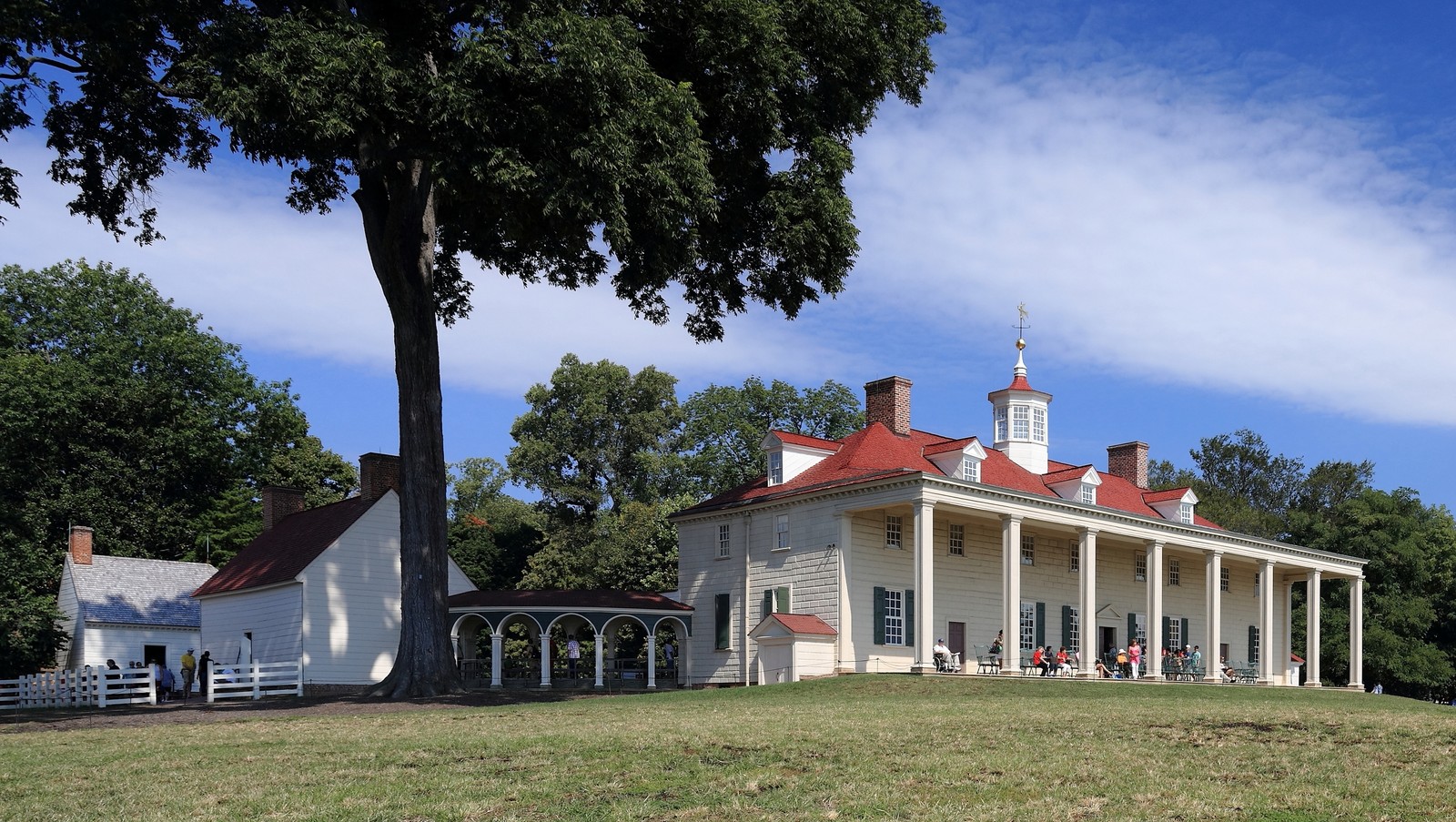
George Washington's Mount Vernon isn't just a house—it's basically an 18th-century empire. Sitting majestically on the Potomac River, this sprawling estate was where our first president played gentleman farmer when he wasn't, you know, founding a nation.

The estate includes the mansion, beautiful gardens, Washington's tomb, and even a working distillery where they still make whiskey using his original recipe. Fair warning: the place is huge, so plan to spend at least half a day exploring.

2
Monticello (Thomas Jefferson) - Charlottesville, Virginia

Image: James DeMers

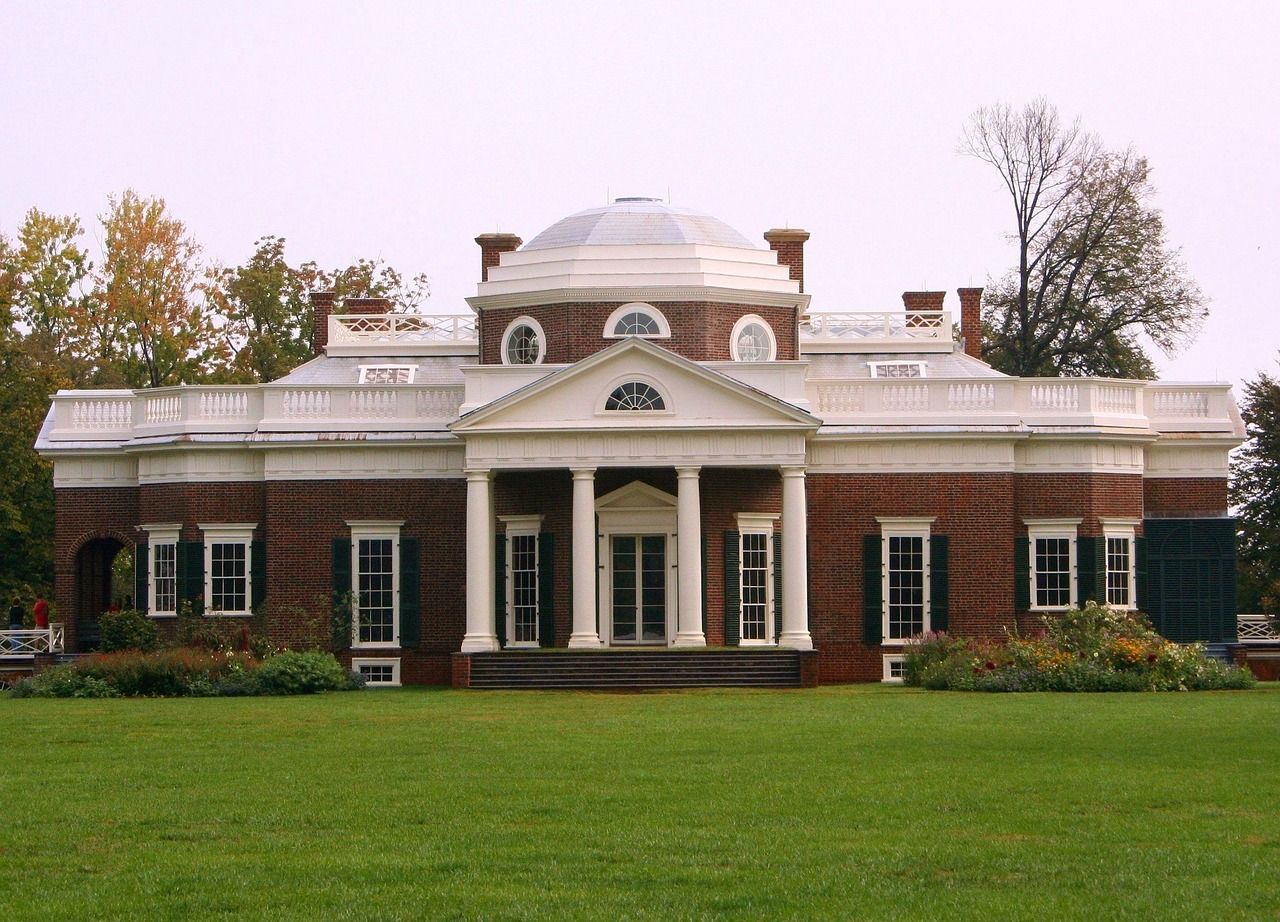
Thomas Jefferson didn't just write the Declaration of Independence—he also designed one of America's most ingenious homes. Monticello is an architectural marvel, packed with Jefferson's clever inventions, from a seven-day clock to a bed alcove between two rooms .

Perched atop a mountain with stunning views of Virginia's countryside, Monticello reflects Jefferson's obsessions: architecture, science, wine, and collecting artifacts. You'll see his extensive library, scientific instruments, and even the desk where he penned some of America's most important documents.

3
Hermitage (Andrew Jackson) - Nashville, Tennessee

Image: Antony-22, CC BY-SA 4.0, via Wikimedia Commons

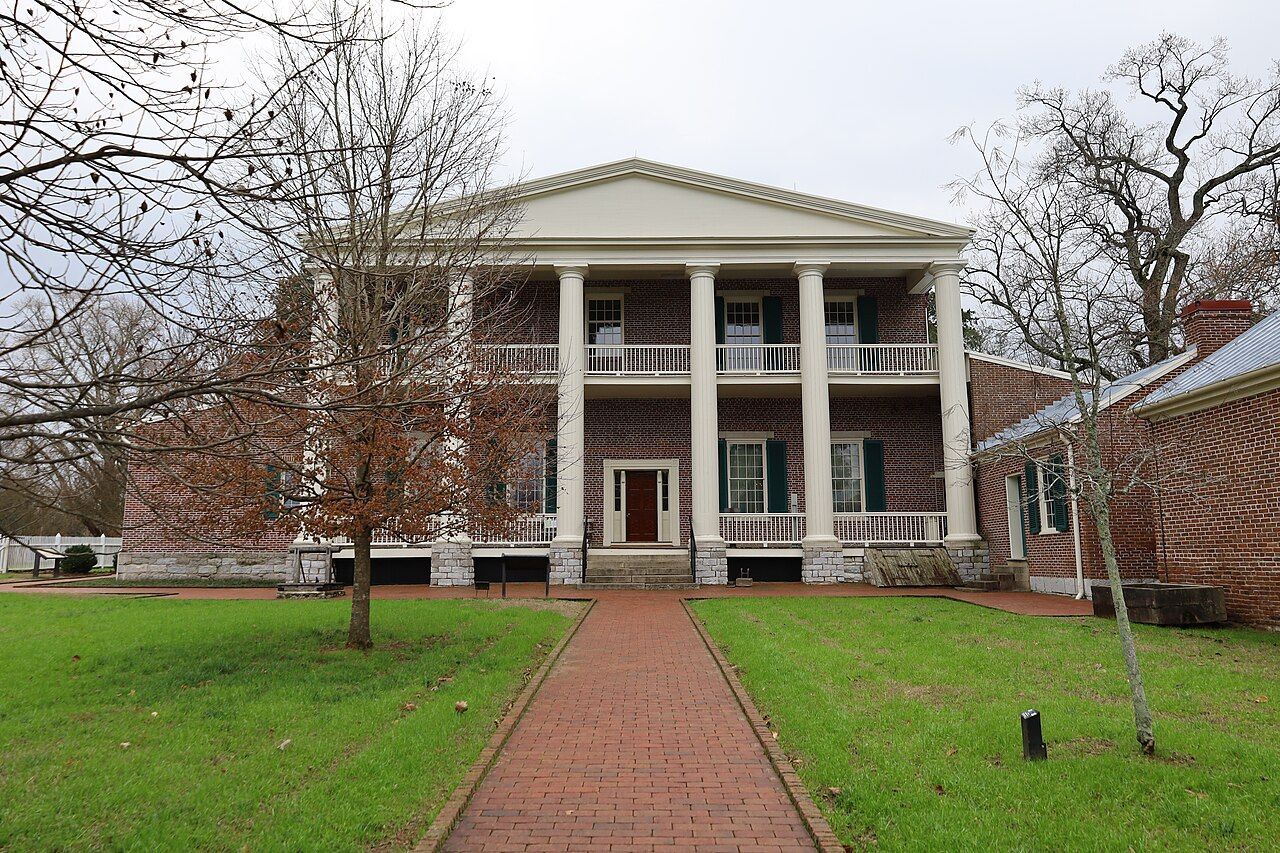
Andrew Jackson's Hermitage proves that Old Hickory had a softer side—at least when it came to interior decorating. This Greek Revival mansion near Nashville showcases surprisingly elegant taste for a guy who basically invented political mudslinging. The home features original wallpaper, family furnishings, and enough period detail to make any history buff swoon.

The grounds include Jackson's tomb, beautiful gardens, and the Tulip Grove mansion where his nephew lived . There's also a museum that doesn't shy away from the more controversial aspects of Jackson’s legacy, including his policies toward Native Americans.

4
Sagamore Hill (Theodore Roosevelt) - Oyster Bay, New York

Image: Laura Nyhuis

If you've ever wondered what a president's "Summer White House" looks like, Sagamore Hill delivers in spades. Teddy Roosevelt's Long Island retreat is filled with hunting trophies, books, and artifacts from his adventures around the globe .

The rambling Victorian mansion overlooks Oyster Bay and perfectly captures TR's larger-than-life personality. You'll see the study where he conducted presidential business while supposedly on vacation, because apparently, Teddy Roosevelt didn't understand the concept of "unplugging."

5
Springwood (Franklin D. Roosevelt) - Hyde Park, New York

Image: Jessica Tan

Springwood is where Roosevelt returned throughout his presidency, seeking refuge from Washington's pressures and the challenges of polio. The house tour includes the room where he was born .

The estate also features his presidential library—the first of its kind—and the rose garden, where both Franklin and Eleanor are buried. The Top Cottage, FDR's personal retreat on the property, shows insight into how he adapted to living with paralysis.

6
Harry S. Truman House - Independence, Missouri

Image: urbanvibe14

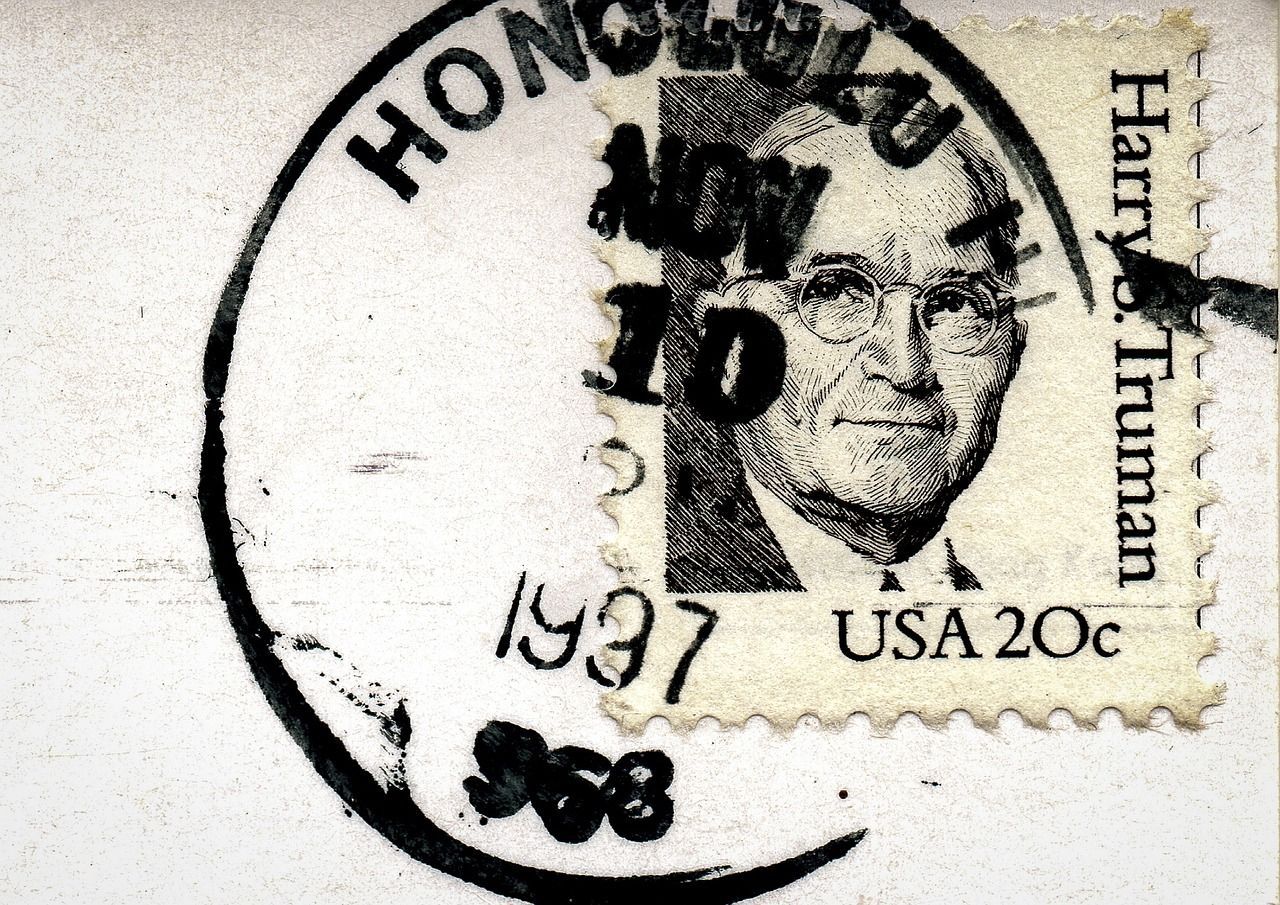
Harry Truman's home in Independence is refreshingly normal—which makes sense for a man who went from haberdasher to president without losing his everyman touch. This white Victorian house belonged to his wife Bess's family, and the Trumans lived there before, during, and after his presidency.

The house looks like the Trumans just stepped out for groceries, with original furnishings, Harry's hat hanging in the hall, and Bess's piano in the parlor . It's a time capsule of mid-20th-century American life, proving that you don't need a mansion to make history.

7
Lyndon B. Johnson Ranch - Stonewall, Texas

Image: WikiImages

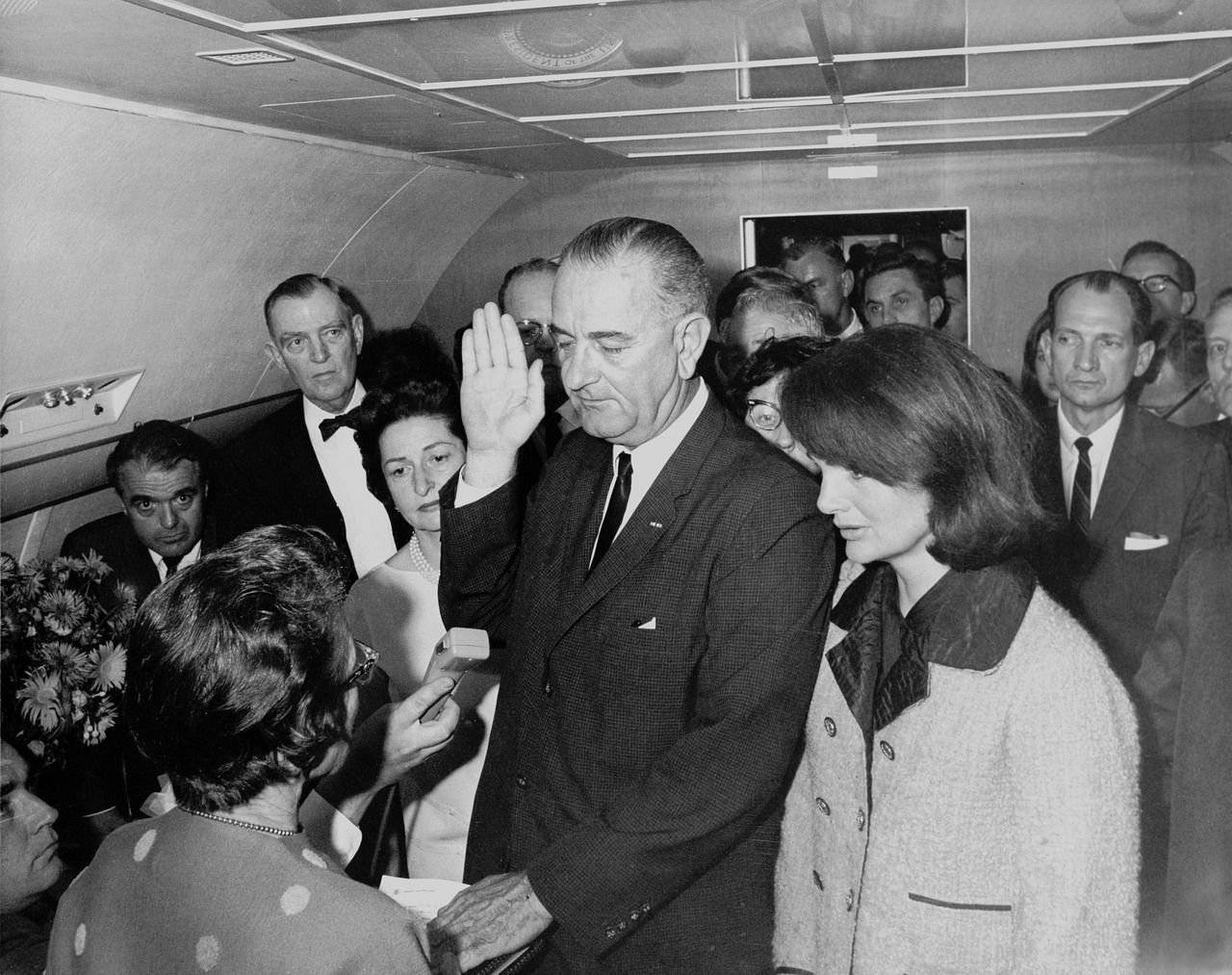
The Texas White House, as LBJ called it, is where the 36th president went to escape Washington's fishbowl and reconnect with his Hill Country roots. The ranch is still a working cattle operation, which somehow makes it even more authentically Texan. You can tour the ranch house, see LBJ's famous Amphicar (half car, half boat, all LBJ showmanship), and visit the one-room schoolhouse where his education began .

The ranch is part of Lyndon B. Johnson National Historical Park, which also includes his birthplace and the family cemetery where he's buried. The house itself is modest but comfortable, filled with Western art and the kind of leather furniture you'd expect from a Texas rancher.

8
Jimmy Carter Boyhood Farm - Plains, Georgia

Image: WikiImages

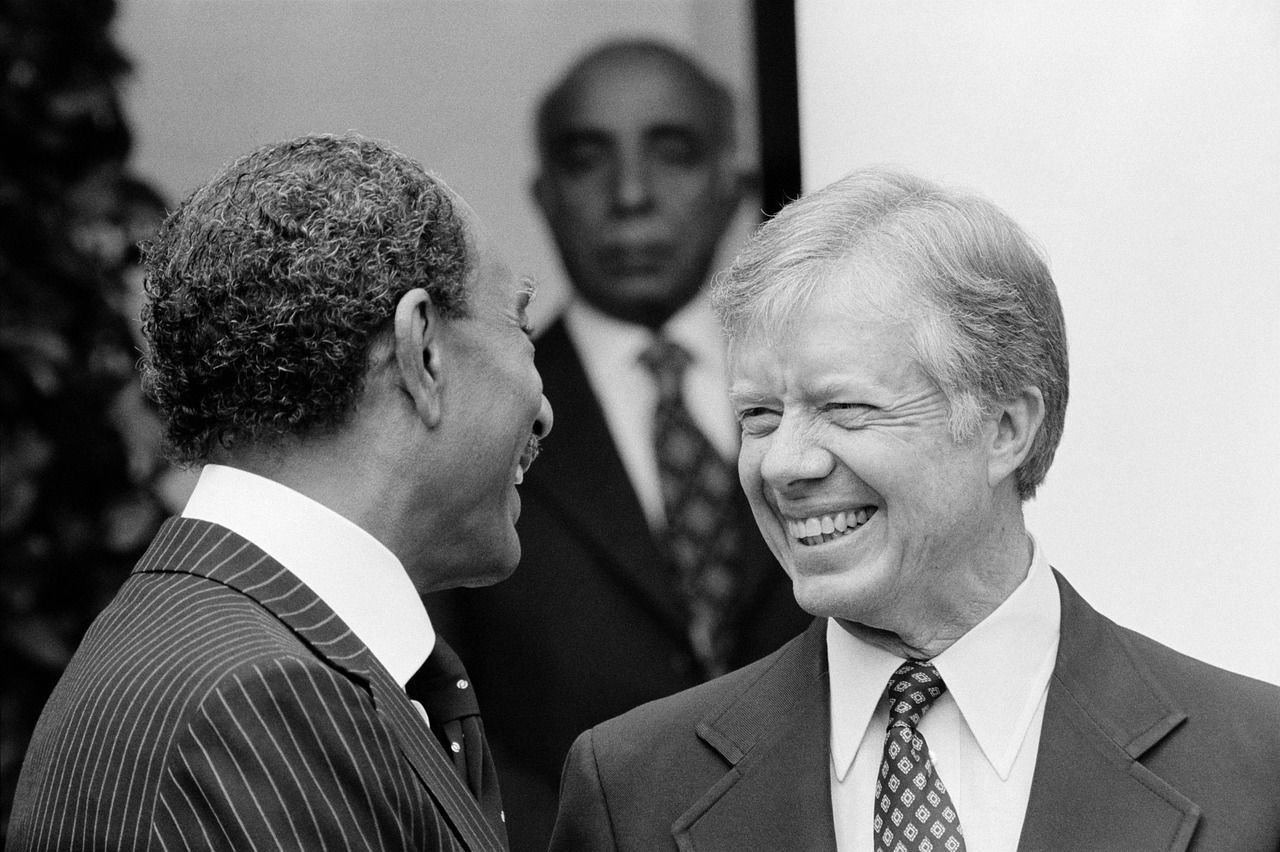
Before he was president, Jimmy Carter was just a peanut farmer's kid growing up in rural Georgia without electricity or running water. The restored farmhouse and grounds show what life was like in 1930s rural America . The pump in the yard wasn't decorative; it was how they got water.

Visiting the Carter farm is like stepping into a time machine. You'll see the commissary where tenant farmers bought supplies, the blacksmith shop, and the outhouse that served as the family's "facilities."

9
Ronald Reagan Ranch - Santa Barbara, California

Image: Nicolas HIPPERT

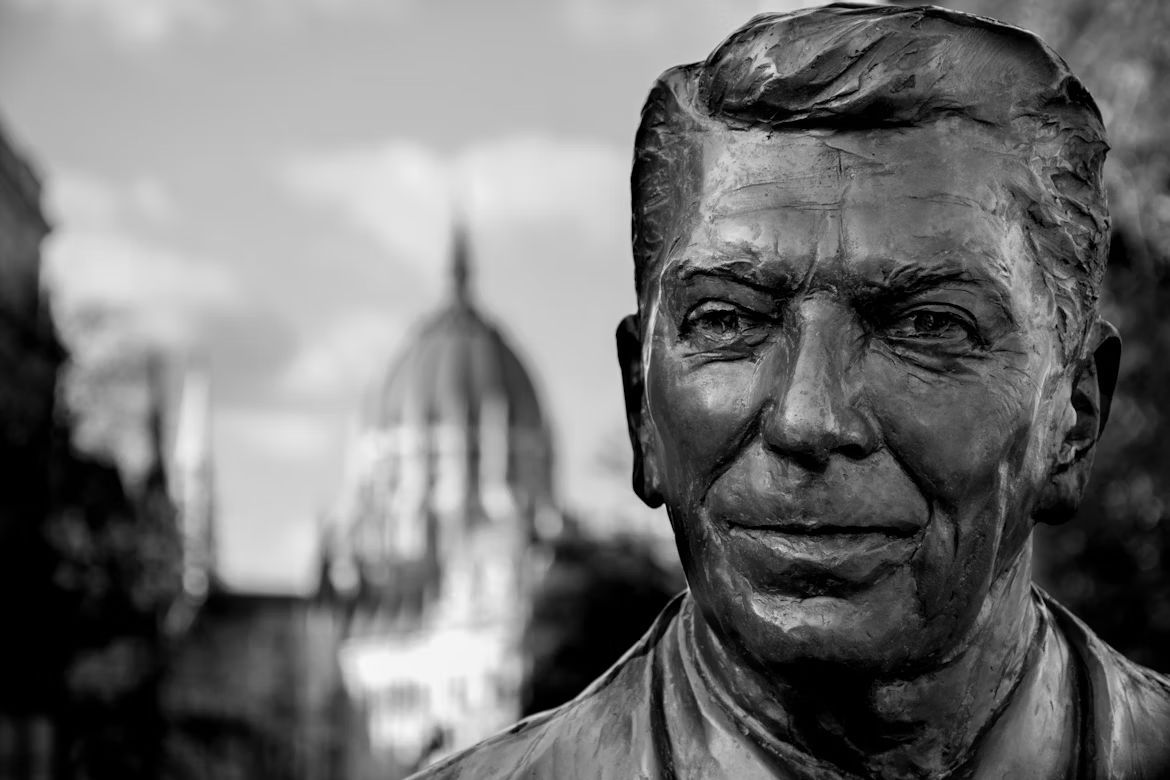
Perched in the Santa Ynez Mountains with sweeping Pacific views, this 688-acre ranch was where the Gipper went to ride horses, clear brush, and make decisions that shaped the 1980s. The rustic adobe house is surprisingly modest : no movie-star mansion here, just a comfortable retreat.

Tours are limited and require advance booking, but they're worth the effort. You'll see Reagan's Jeep, the tack barn where he kept his horses, and the house where he and Nancy entertained world leaders like Mikhail Gorbachev.

10
George W. Bush Prairie Chapel Ranch - Crawford, Texas

Image: History in HD

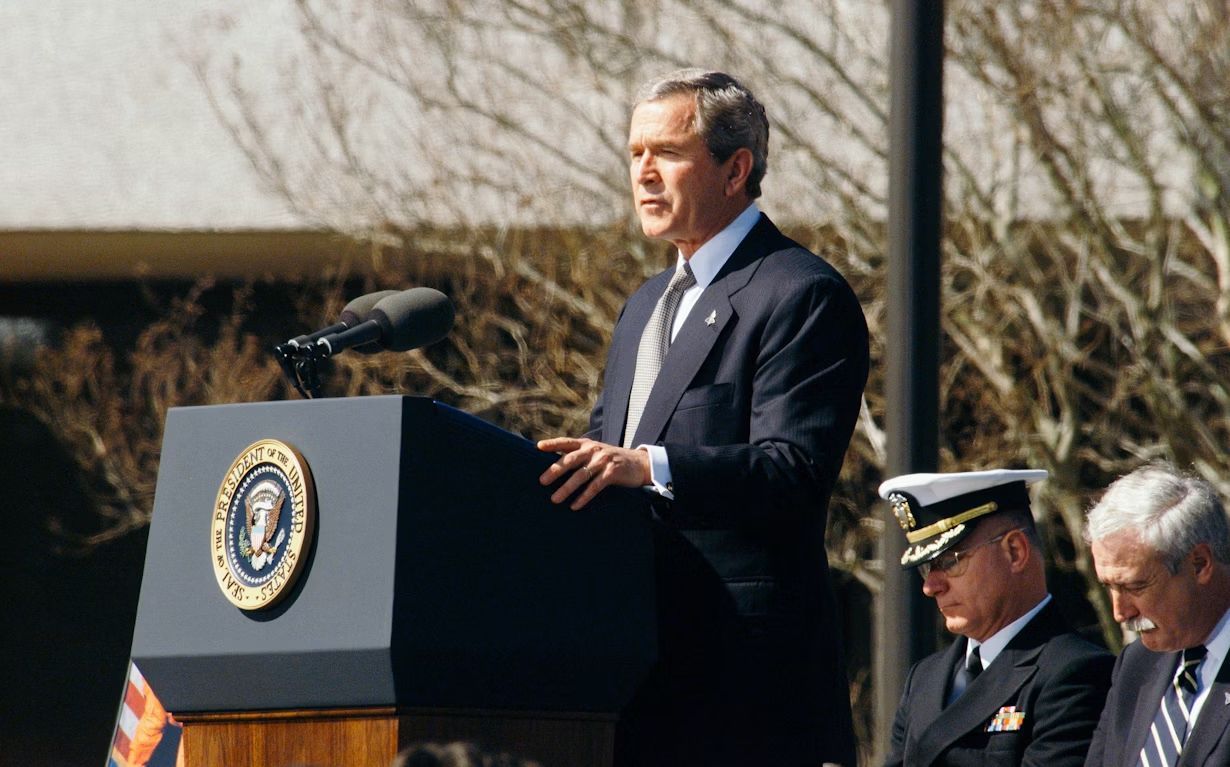
While Bush's Crawford ranch isn't open for public tours (yet), it deserves mention as a modern presidential retreat that captured the nation's imagination. The environmentally conscious "Western White House" featured geothermal heating, a rainwater collection system, and lots of brush for W to clear while contemplating post-9/11 America . It's where he hosted everyone from Vladimir Putin to Tony Blair, proving that Texas hospitality works in any era.

History History 7 min read

The surprising life of FDR

Why did he work late into the night? 10 surprising facts about FDR

Image: Bibliothèque nationale de France, Public domain, via Wikimedia Commons

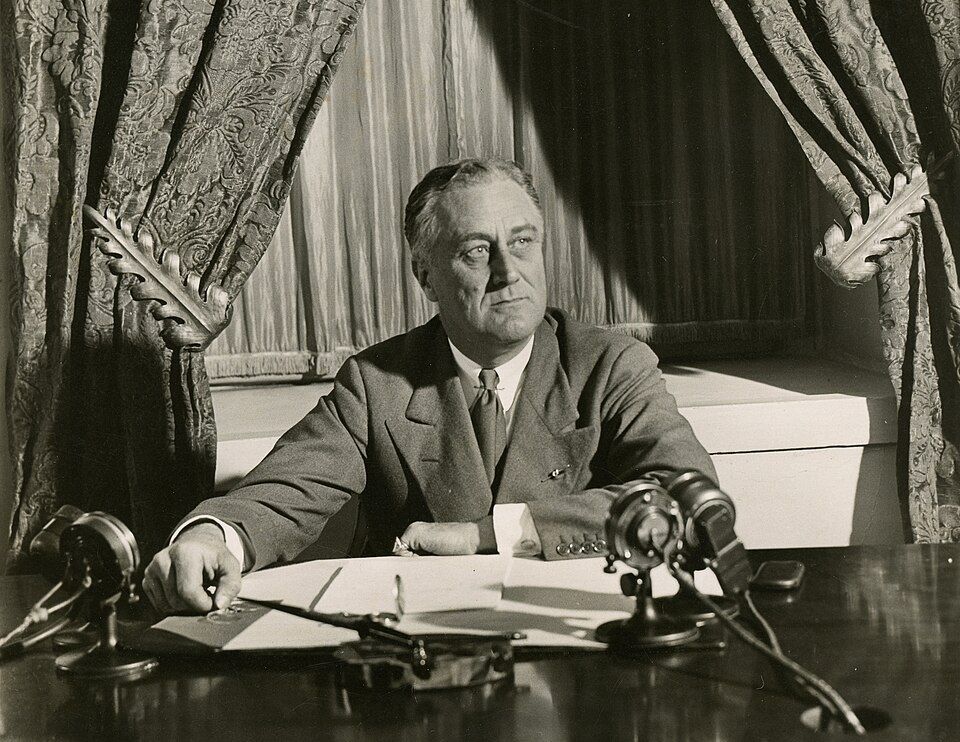
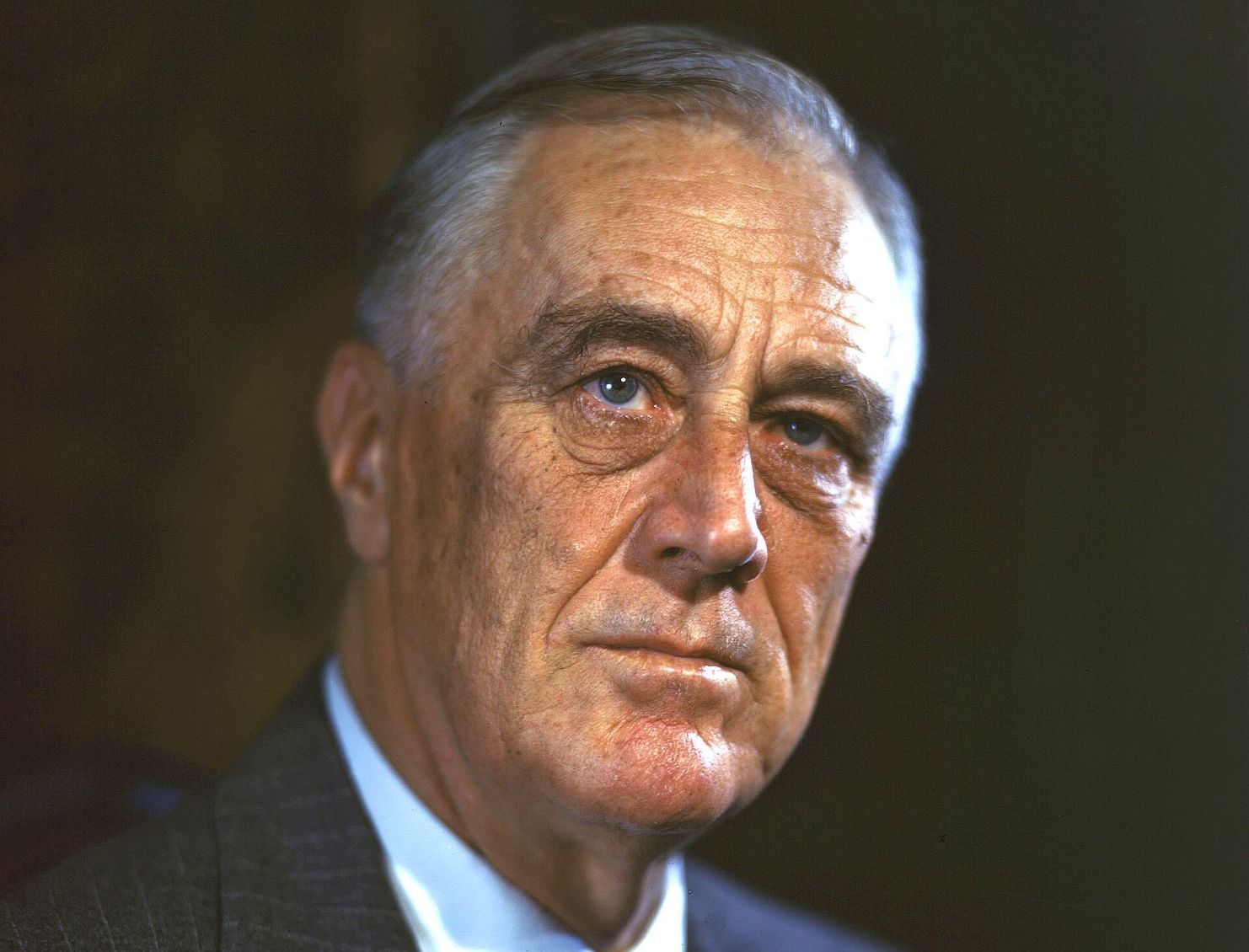
You probably know Franklin Delano Roosevelt as the president who guided America through the Great Depression and World War II, launched the New Deal, and helped create Social Security. But that's only part of the story. This was also the president who served hot dogs to the British royal family, became the first commander in chief to fly while in office, relied on lucky charms, and never lost his love of practical jokes. He was related to more presidents than you might realize and had a few surprising quirks that rarely make it into history books. Here are 10 fascinating facts about FDR that they didn't teach you in school.

1
He served hot dogs to British Royalty

Image: Harris & Ewing, photographer, Public domain, via Wikimedia Commons

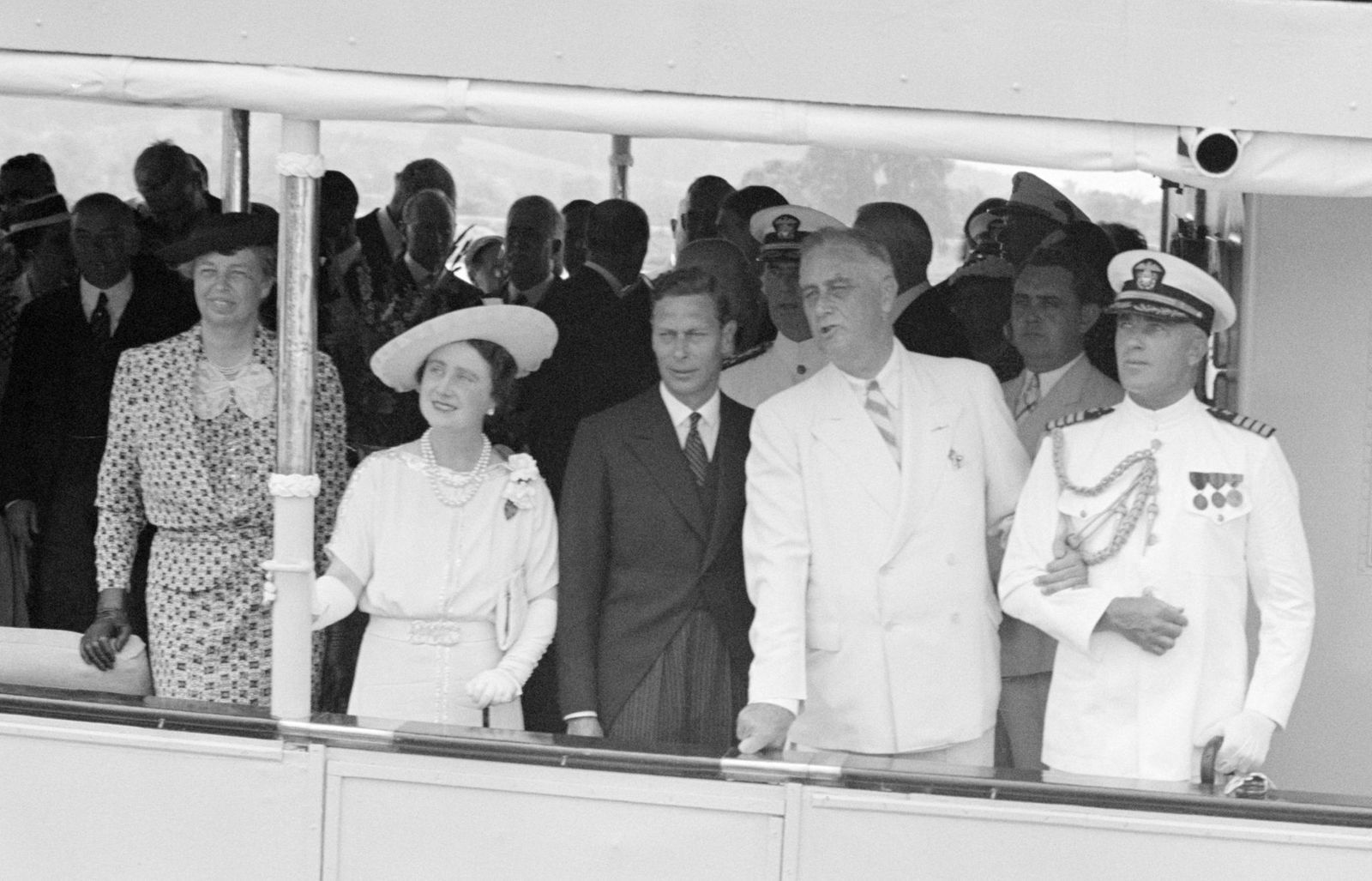
In 1939, for the first time ever, a sitting US president hosted the reigning British monarchs on American soil. And it wasn’t just a formal state meeting; it was a picnic.

On June 11 of that year, President Franklin D. Roosevelt and First Lady Eleanor Roosevelt welcomed King George VI and Queen Elizabeth to their home in Hyde Park, New York. Instead of an elaborate diplomatic banquet, the menu was unexpectedly simple and quintessentially American: hot dogs and beer. According to FDR, the queen politely tried hers with a knife and fork, while the king ate several with his hands and seemed to enjoy them. Behind the scenes, the visit was more than symbolic, yet folksy hospitality. With war already looming in Europe, both sides were quietly strengthening ties that would soon become crucial during WWII.

2
The first sitting president to fly on a plane

Image: National Museum of the U.S. Navy, Public domain, via Wikimedia Commons

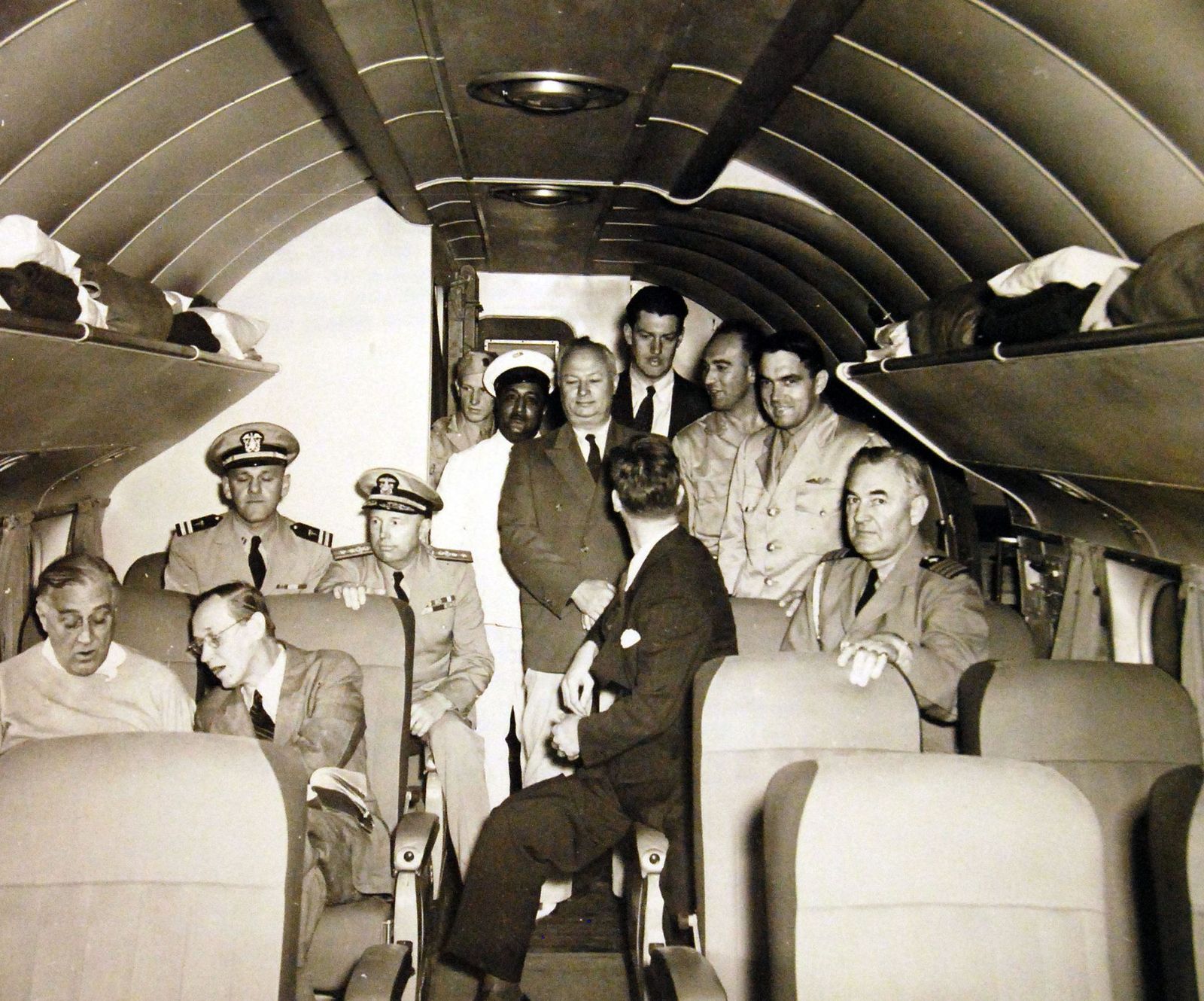
While FDR made history in many ways, one of his lesser-known firsts took place thousands of feet above the ground.

On January 11, 1943, in the middle of WWII, he became the first sitting US president to fly in an airplane. At a time when air travel was still far from routine, he embarked on a secret 7,000-mile journey from Miami, Florida, to Bathurst, Gambia, before continuing to Casablanca, Morocco. The trip wasn't taken for leisure; German U-boats had made Atlantic sea travel risky, so Roosevelt crossed the ocean aboard a Boeing 314 flying boat known as the Dixie Clipper . His destination was the Casablanca Conference, where he met with British Prime Minister Winston Churchill to discuss wartime strategy.

3
Highly superstitious

Image: Franklin D. Roosevelt Presidential Library and Museum, Public domain, via Wikimedia Commons

Are you the type to knock on wood to avoid bad luck? Or would you walk under a ladder without a second thought? If you're in the first group, you would have fit right in with Franklin D. Roosevelt.

FDR famously declared that "the only thing we have to fear is fear itself," but he also had a surprisingly superstitious side. According to people who worked with him in the White House, Roosevelt kept his desk and personal items arranged in a precise order that he believed brought good luck. He also disliked the number 13: family members and aides recalled that he avoided hosting dinners with 13 guests and was reluctant to begin important trips on Friday the 13th. He even had a lucky charm, a brown felt fedora that he wore during all four of his presidential campaigns. We can't say it didn't work.

4
He loved practical jokes

Image: Underwood & Underwood, Public domain, via Wikimedia Commons

With all his responsibilities, talents, and interests, FDR still found time to joke around.

According to his biographers, Roosevelt loved practical jokes and kept his playful streak throughout his life, even pulling pranks well into his presidency. In the tense world of politics, that sense of humor became one of his trademarks. He enjoyed classic gags, including putting bubbling powder in drinking glasses to surprise White House guests, or slipping completely made-up words into conversations and then watching with delight as his staff scrambled to check the dictionary. Friends and aides also noted that he had a unique ability to laugh off rumors, criticism, and political attacks that might have rattled other leaders.

5
Peculiar work schedules

Image: Franklin D. Roosevelt Presidential Library and Museum, Public domain, via Wikimedia Commons

Jokes didn't distract FDR from his work. If anything, they helped him cope, and he certainly had plenty of work to do. In fact, Roosevelt was known for his unusual working hours.

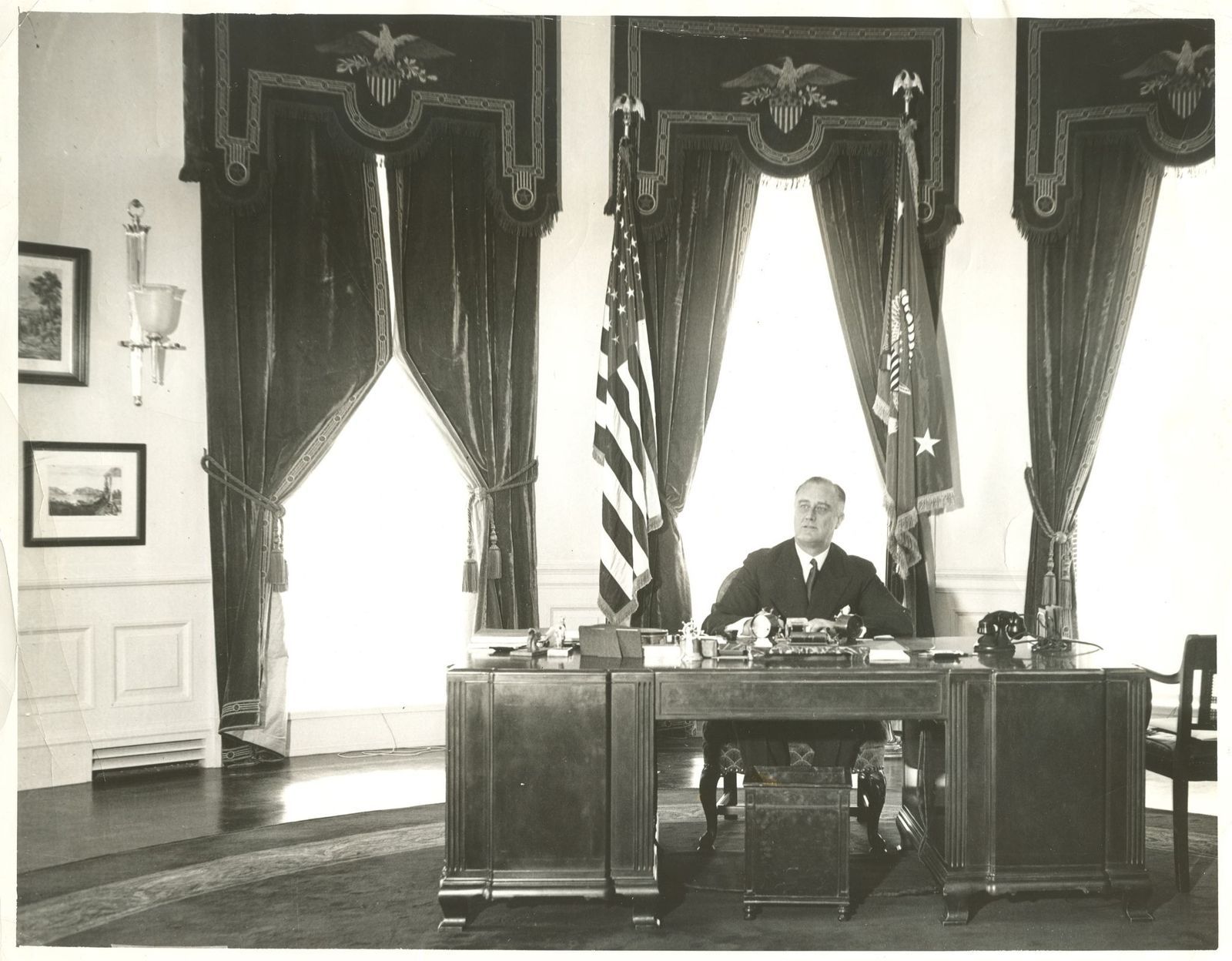
Unlike many other presidents who were early risers, he often worked late into the night and typically didn't begin his day until around 9 am. During WWII, while overseeing a global conflict, he regularly spent his evenings reviewing reports, making decisions, and meeting with advisers long after most Americans had gone to bed. What makes this even more impressive is that he maintained this pace as his health steadily declined. Doctors urged him to slow down and limit his workload, but Roosevelt frequently ignored that advice. For a wartime commander-in-chief, there was always one more decision to make.

6
He appointed the first female cabinet member

Image: Los Angeles Daily News, CC BY 4.0, via Wikimedia Commons

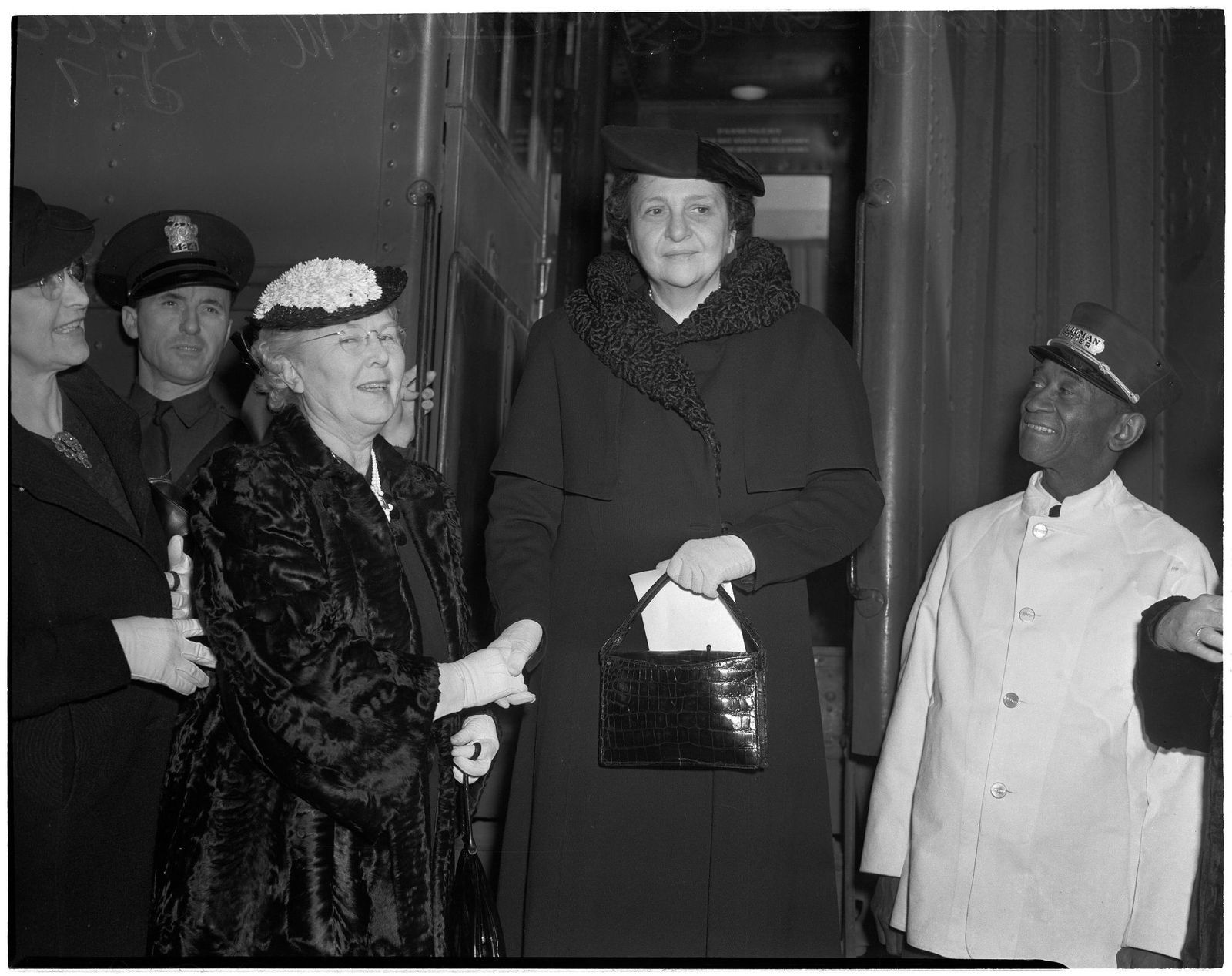
Among his many historic firsts, FDR was the inaugural POTUS to appoint a woman to a Cabinet position, a decision that reflected both his political instincts and his willingness to recognize talent and intelligence where he found it.

In 1933, he chose labor advocate Frances Perkins as Secretary of Labor. It turned out to be one of the most consequential appointments of his presidency. Perkins served from 1933 to 1945, making her the longest-serving Secretary of Labor in American history. And as if that weren't enough, she became one of the chief designers of the New Deal.

7
11 presidential relatives

Image: Franklin D. Roosevelt Presidential Library and Museum, Public domain, via Wikimedia Commons

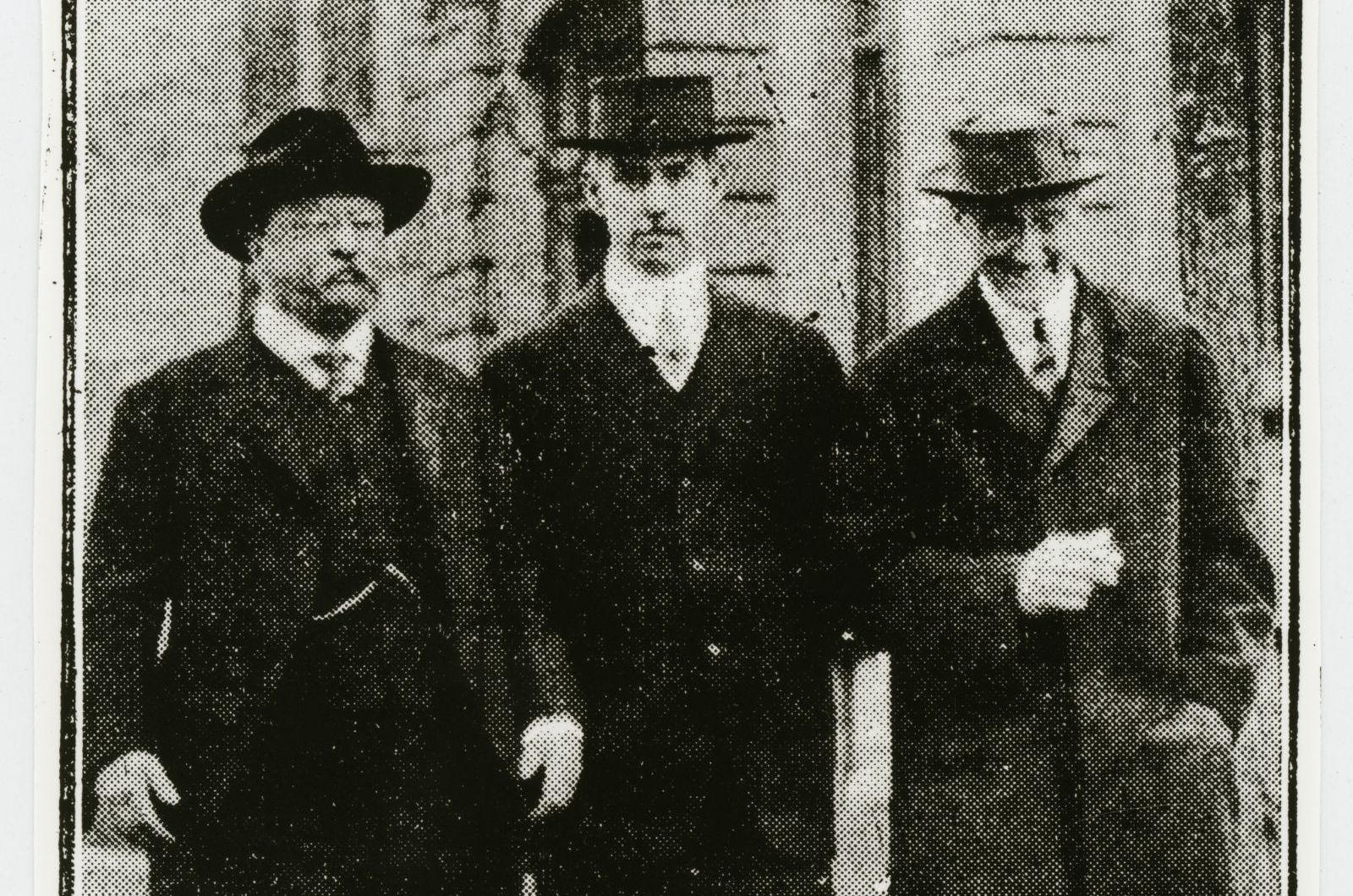
Most people know that Franklin D. Roosevelt and Theodore Roosevelt were related: the 32nd president was a distant cousin of the 26th. But few realize just how extensive FDR’s presidential family tree really was.

In fact, genealogists have traced Franklin Roosevelt’s family connections to at least 11 US presidents. FDR was not only related to Theodore Roosevelt and his own wife, Eleanor Roosevelt (his fifth cousin once removed), but also to an impressive number of other commanders in chief. Among those connected to him by blood were George Washington (with whom he shared ancestors from English nobility and the early settlers of Virginia), John Adams, John Quincy Adams, James Madison, and William Harrison. Through marriage and extended family ties, he was also related to Ulysses S. Grant, Benjamin Harrison, Zachary Taylor, Martin Van Buren, and William Howard Taft.

8
His illness may not have been polio

Image: Leon Perskie, CC BY 2.0, via Wikimedia Commons

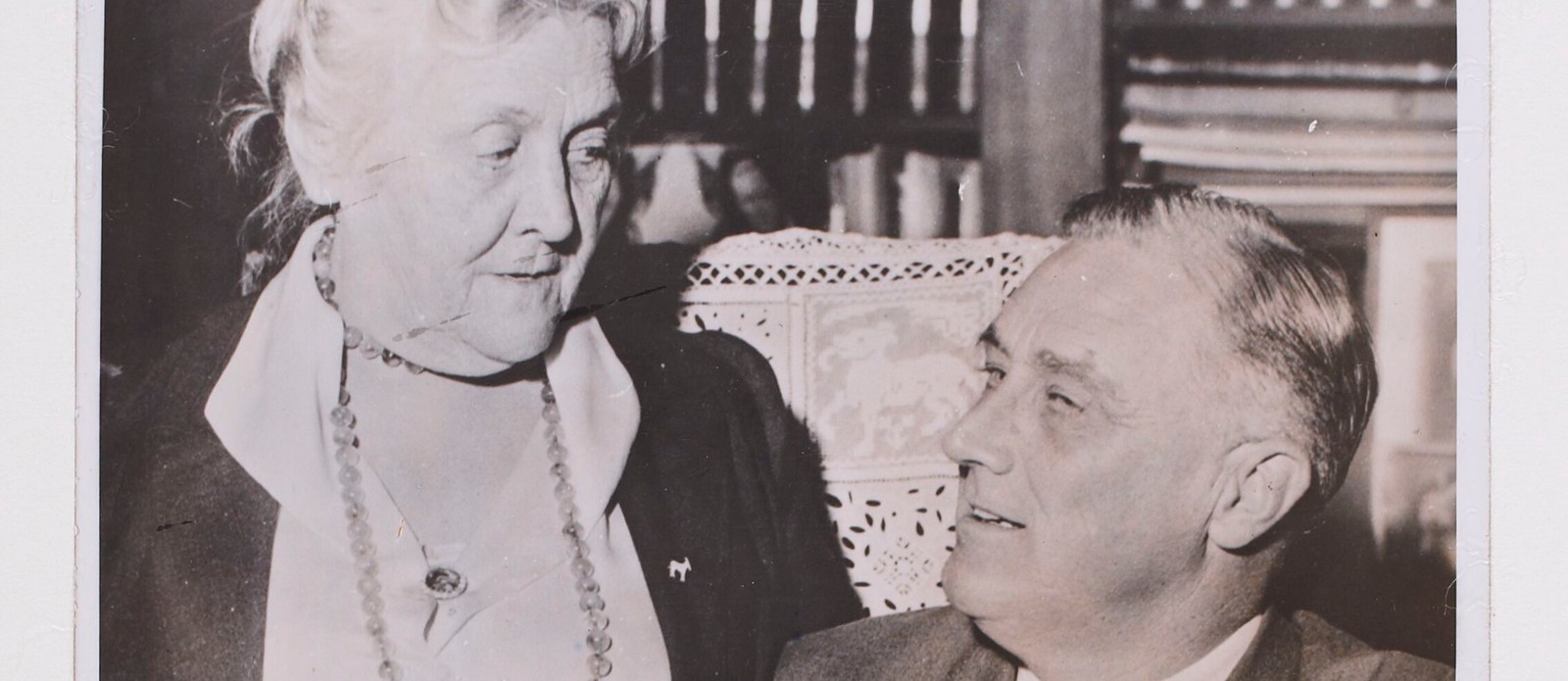
As is well known, FDR was struck by a serious illness in 1921 at age 39 that left him permanently unable to walk unaided. But during his presidency, he worked hard to keep public attention focused on his leadership rather than on his body, so while Americans understood he had been diagnosed with polio, few knew about the paralysis.

To stand at public events, Roosevelt relied on heavy steel leg braces and canes that helped him project confidence and strength throughout his presidency. However, although doctors at the time diagnosed him with polio, some modern medical researchers have suggested that his symptoms may have been more consistent with Guillain-Barré syndrome (GBS), a rare autoimmune disorder.

9
He didn’t graduate from law school

Image: National Archives and Records Administration, Public domain, via Wikimedia Commons

FDR was a bright and curious man who threw himself into subjects that fascinated him, but when something failed to hold his interest, he wasn't afraid to move on.

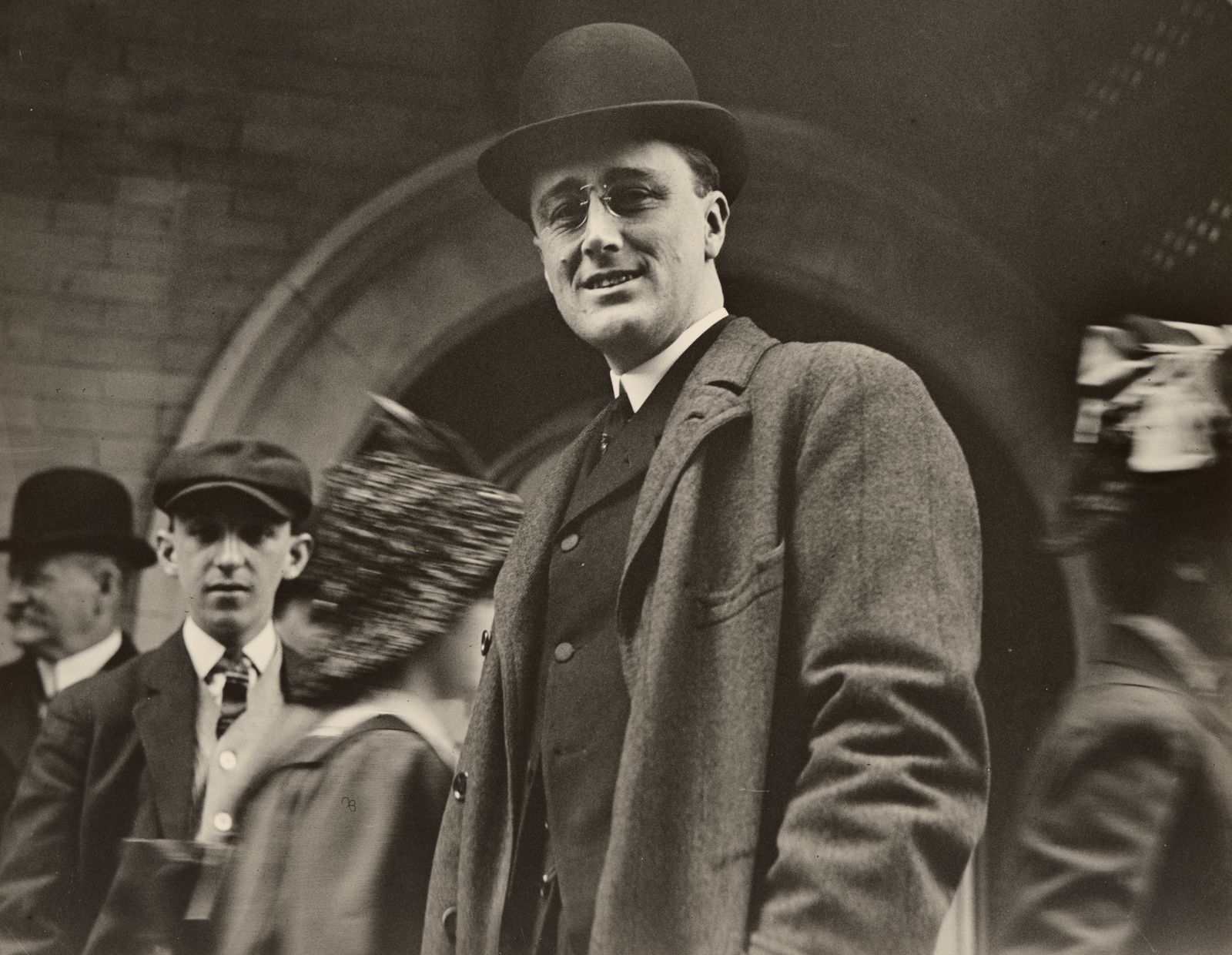
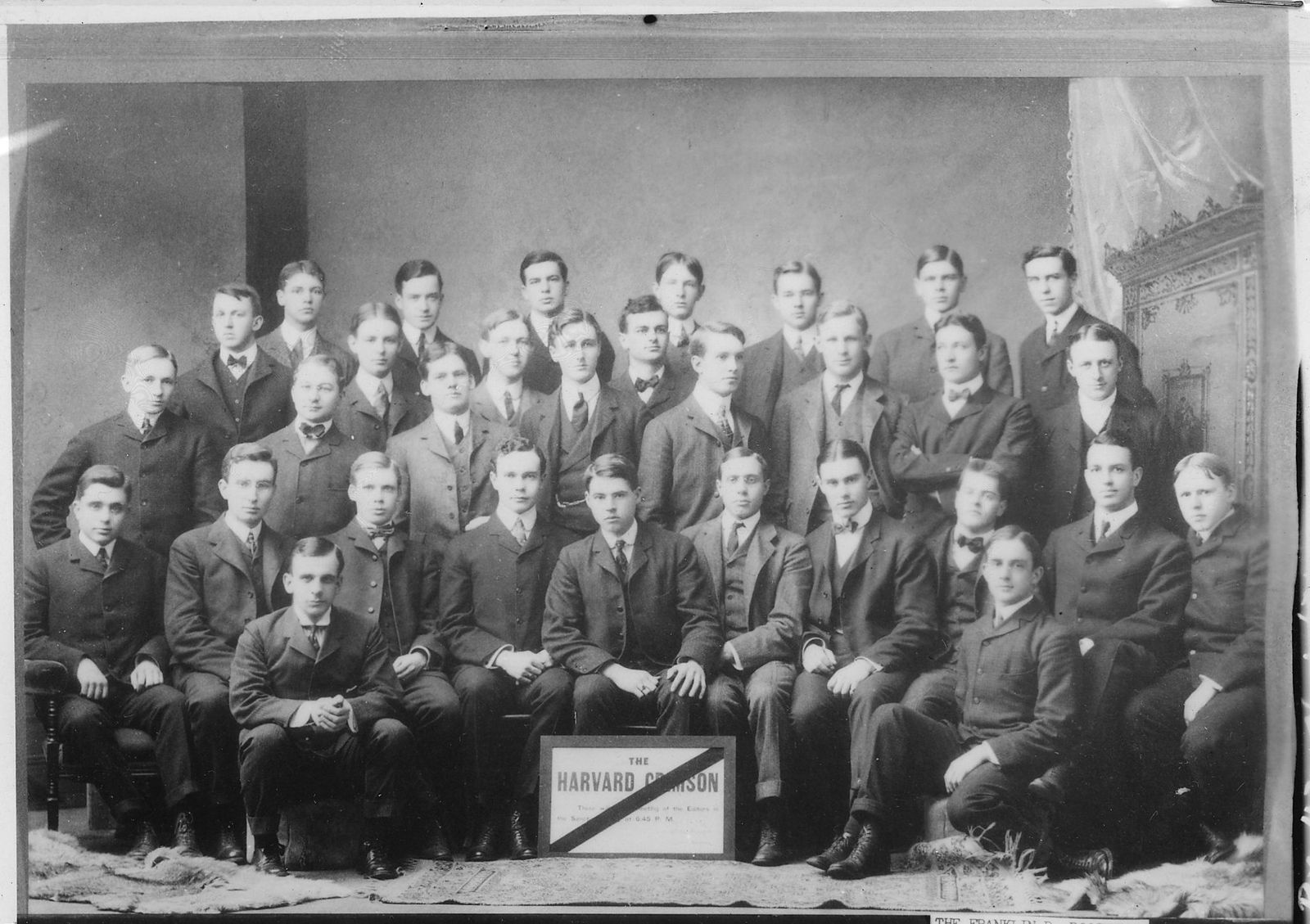
After earning a History degree from Harvard University in 1903, he enrolled at Columbia Law School, but he found that he simply didn't enjoy it. According to the Miller Center at the University of Virginia, Roosevelt showed little enthusiasm for the legal profession, and maybe that’s why he never achieved a Law degree. Even so, he passed the New York bar exam and began practicing after it, but the experiment lasted only a few years. Then, in 1910, an opportunity came along that interested him far more: local Democrats in New York asked him to run for the state Senate. Roosevelt eagerly accepted, and his political career was underway.

10
Expert in many fields

Politics and wartime strategy weren't FDR's only talents. Long before he entered the White House, he acquired a deep interest in nature.

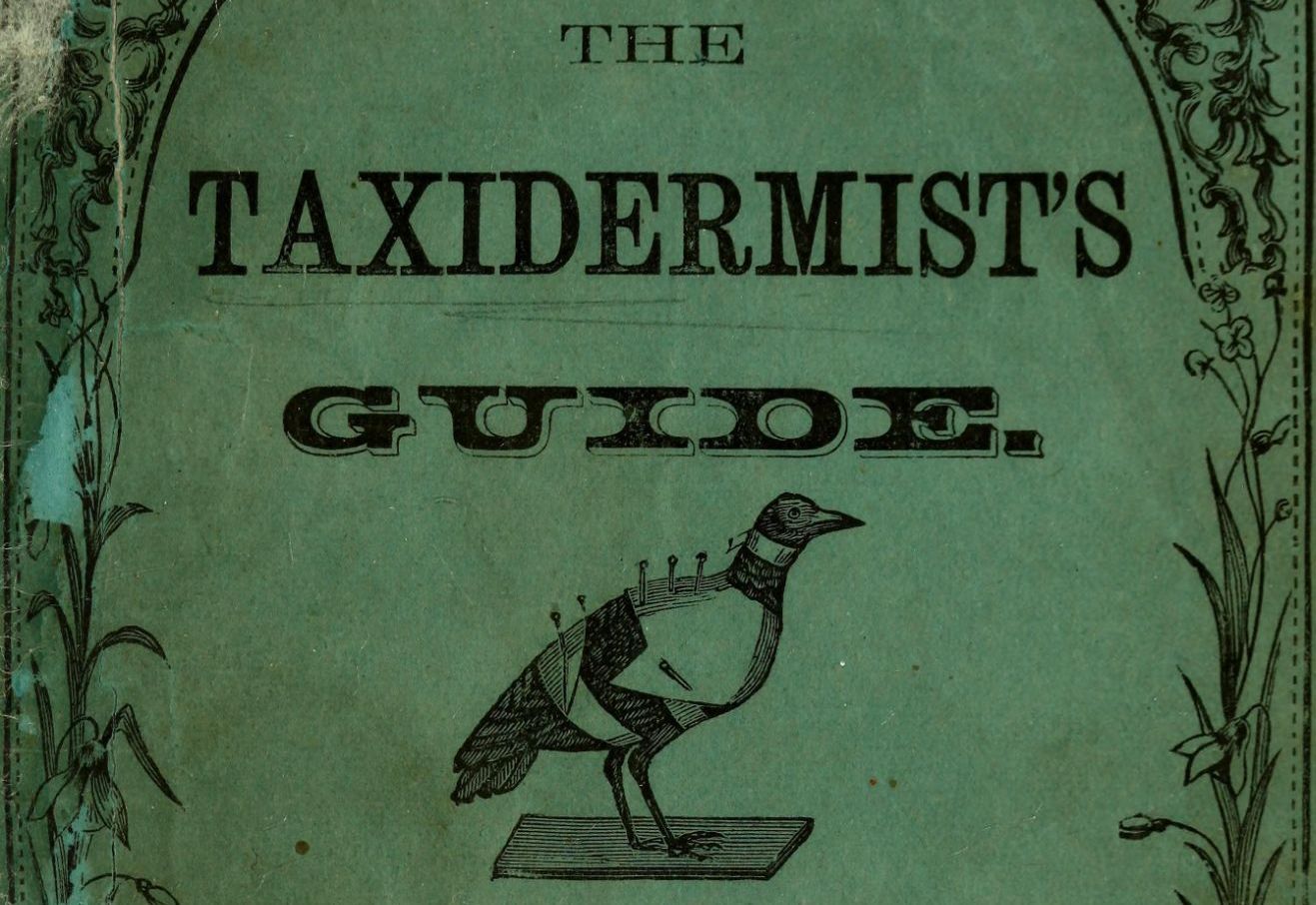
Growing up in Dutchess County, New York, Roosevelt developed a fascination with birds that went far beyond a childhood hobby. By age 11, he was already learning taxidermy, eventually becoming a skilled self-taught naturalist and bird expert. Over the years, he identified and cataloged roughly 300 bird species. His detailed field journals and collection of more than 300 Dutchess County specimens are still considered some of the most complete records of local bird life from that era.

Explore more American facts

Choose your favorite category!

General
General

As American as apple pie—the very best America has to offer!

Culture
Culture

Delve into the astounding richness of American lore.

Geography
Geography

Hop in and explore vast and diverse American landscapes.

History
History

Discover the key moments that shaped the United States.