Culture Culture 4 min read

They said, "No Thanks."

From Dolly Parton to Tom Cruise: why these stars refused major awards
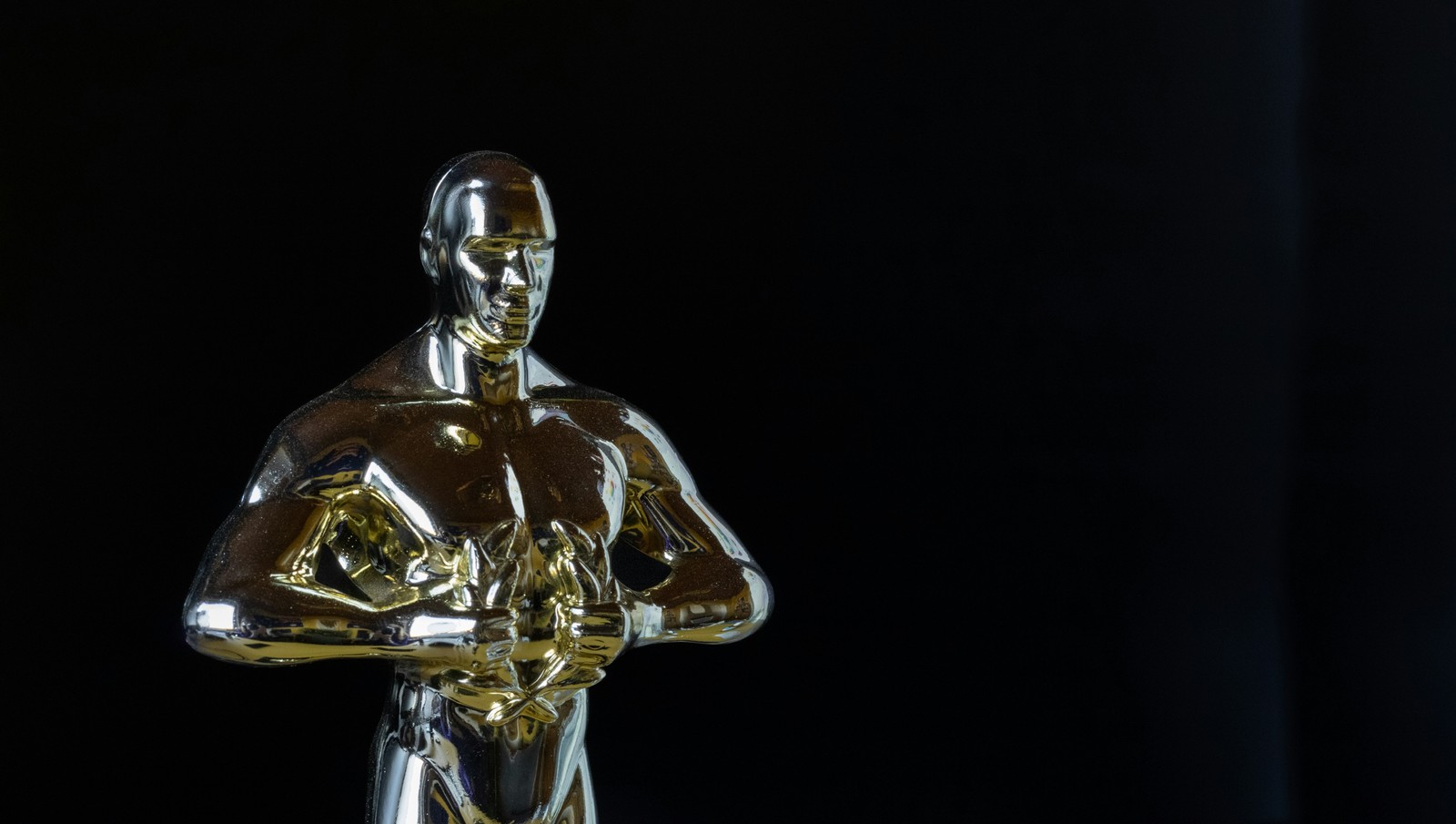
Image: Mirko Fabian

Have you ever imagined yourself winning an Oscar or an Emmy? While that might sound like a dream come true for many people, some stars have actually turned down major awards. From clashes with fellow nominees to political statements, each had their own reasons. Keep reading to discover why these 10 famous stars said "no thanks" to these recognitions.

1
Marlon Brando
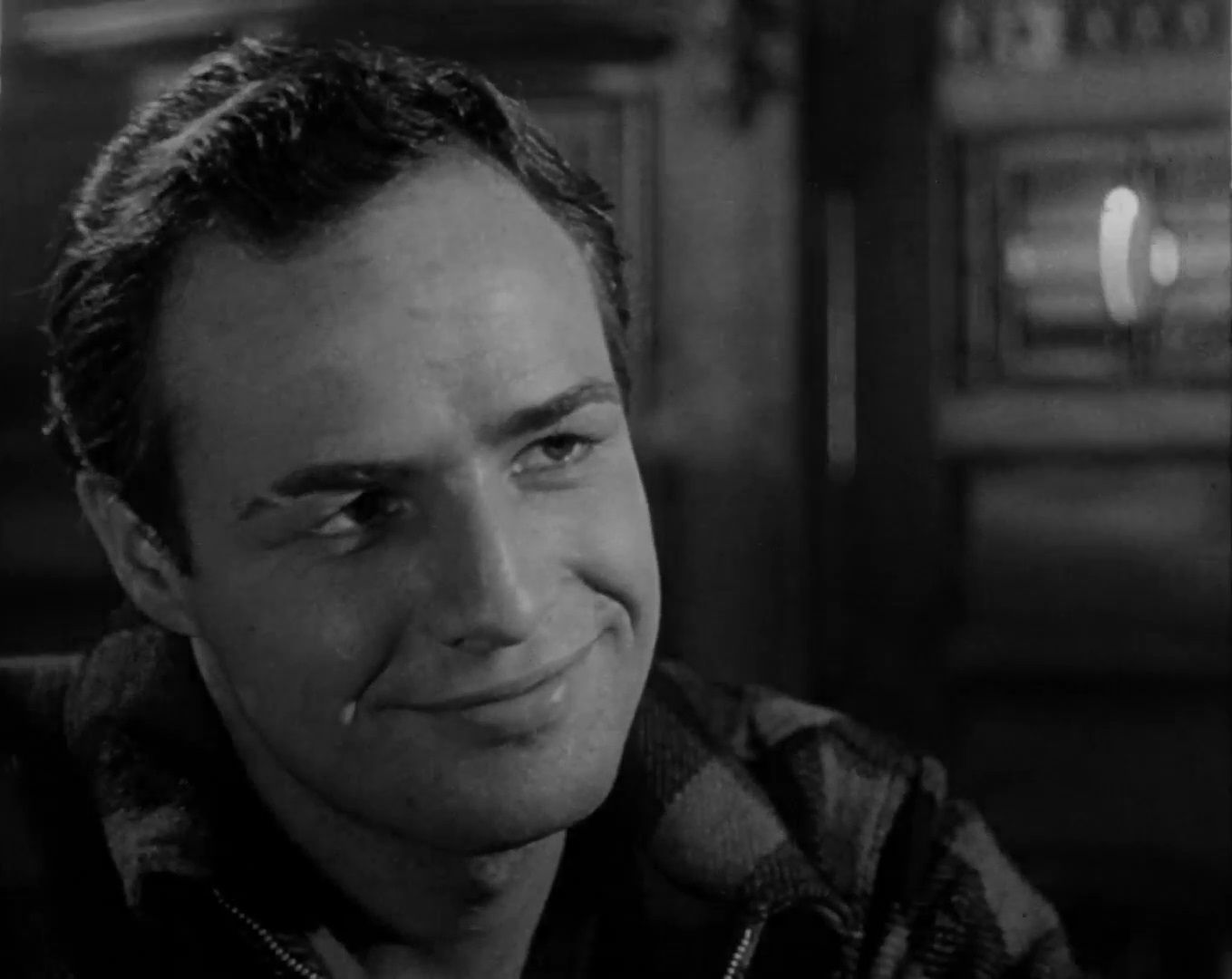
Image: Trailer screenshottrailer at IMDB, Public domain, via Wikimedia Commons

Marlon Brando was one of Hollywood’s most iconic stars, admired for his talent, charisma, and unforgettable roles. He won his first Oscar for On the Waterfront (1954), but things took a very different turn with his second win. When The Godfather earned him another Academy Award in 1972, Brando refused to attend and sent a Native American representative in his place, using the moment to protest Hollywood’s mistreatment and misrepresentation of Indigenous peoples.

2
Tom Cruise
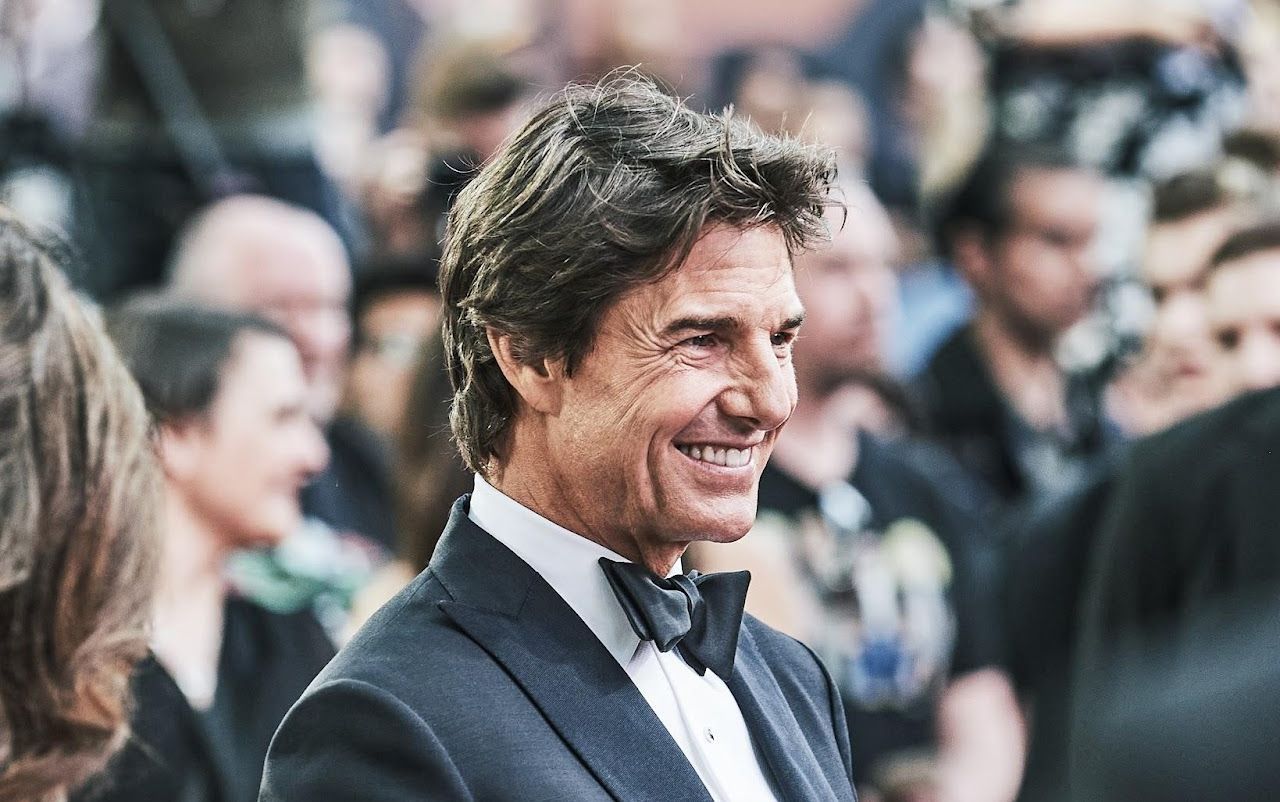
Image: Gabriel Hutchinson Photography, CC BY-SA 4.0 <https://creativecommons.org/licenses/by-sa/4.0>, via Wikimedia Commons

Like many of the actors on this list, Tom Cruise is a global icon whose career has earned him three Golden Globes: Best Actor for Jerry Maguire (1996), Best Actor for Born on the Fourth of July (1989), and Best Supporting Actor for Magnolia (1999). But in 2021, he made headlines for a very different reason: he returned all three awards. According to reports, Cruise did so as a protest against the ethics and lack of diversity within the organization behind the Globes.

3
Woody Allen
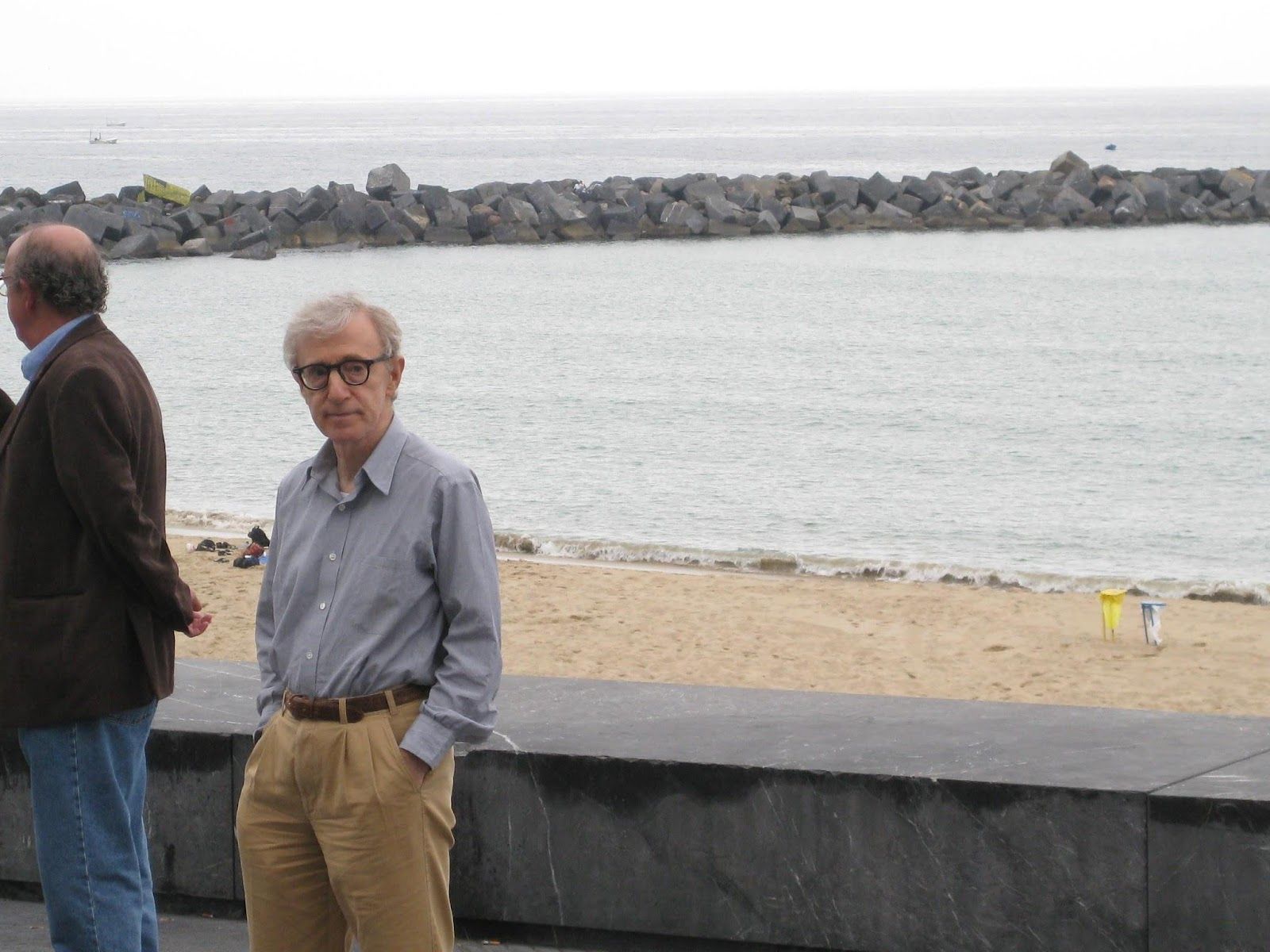
Image: Andreas Tai, CC BY-SA 3.0 <https://creativecommons.org/licenses/by-sa/3.0>, via Wikimedia Commons

Woody Allen is known for refusing to participate in awards season, despite earning many nominations throughout his career. With around 24 Academy Award nominations, he has attended virtually none of the ceremonies. He has won four Oscars, but he never went to pick them up, though he did not decline or return them. And it’s not just the Oscars: Allen rarely attends any award ceremonies, including the Golden Globes.

4
George C. Scott
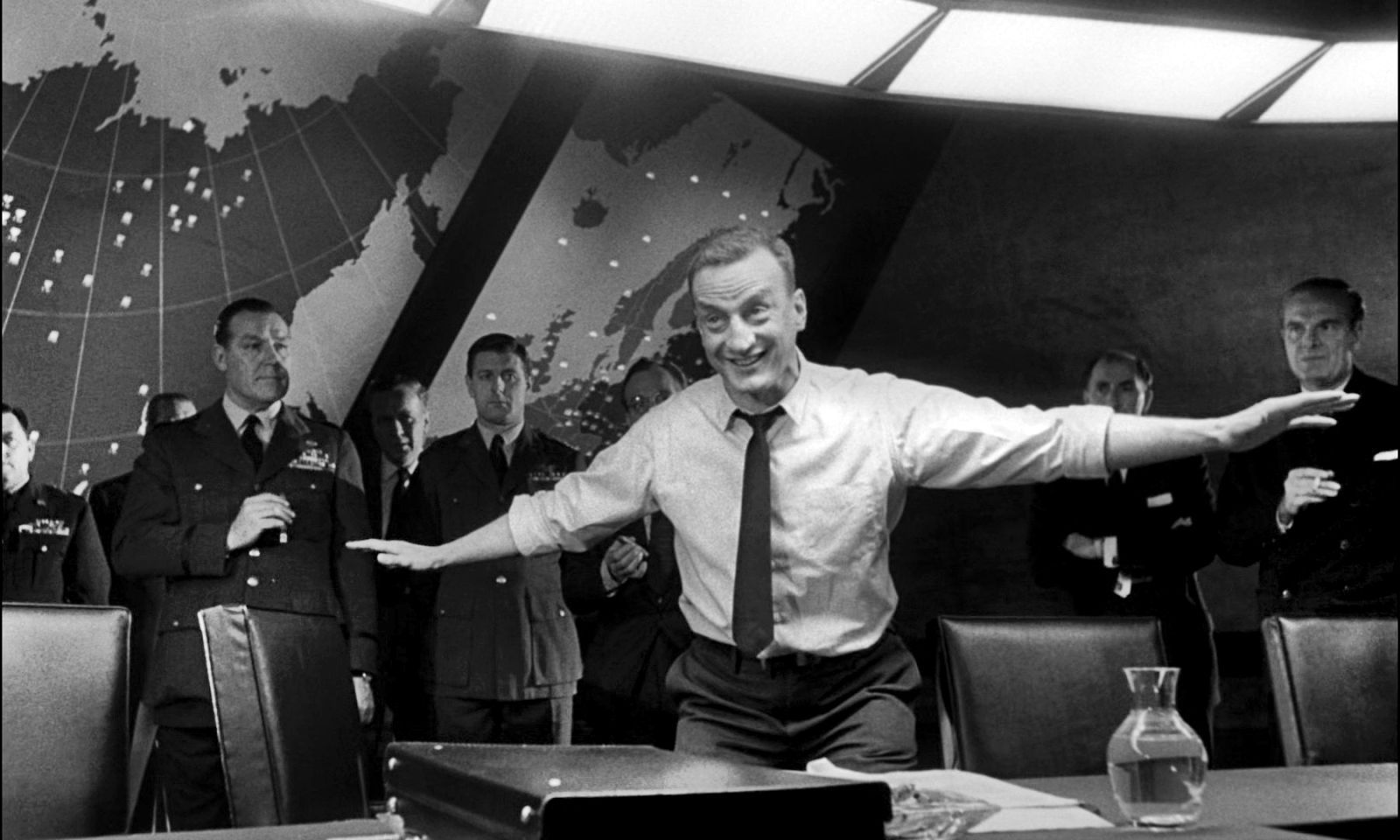
Image: Directed by Stanley Kubrick, distributed by Columbia Pictures, Public domain, via Wikimedia Commons

George C. Scott was one of Hollywood’s great classic stars, celebrated for his powerful work on both stage and screen. And he was also the first actor in history to refuse an Oscar. Not only did he decline nominations for The Hustler (1961) and The List of Adrian Messenger (1963), but he also rejected the Best Actor award he won for Patton (1970). Scott believed that each performance is too unique to be ranked against another, and that art should never be treated like a competition. What do you think?

5
Dolly Parton

Image: https://upload.wikimedia.org/wikipedia/commons/0/08/Dolly_Parton_with_guitar.jpg

Actors aren’t the only ones who turn down awards; musicians do it too. One of them is Dolly Parton, who has declined more than just music honors. She was selected three times for the Presidential Medal of Freedom and turned it down each time. The first two refusals were during the pandemic, and the third came from her concern that accepting might seem politically partisan. In addition, in 2022, she also declined a nomination to the Rock & Roll Hall of Fame, saying she hadn’t yet "earned that right."

6
Katharine Hepburn
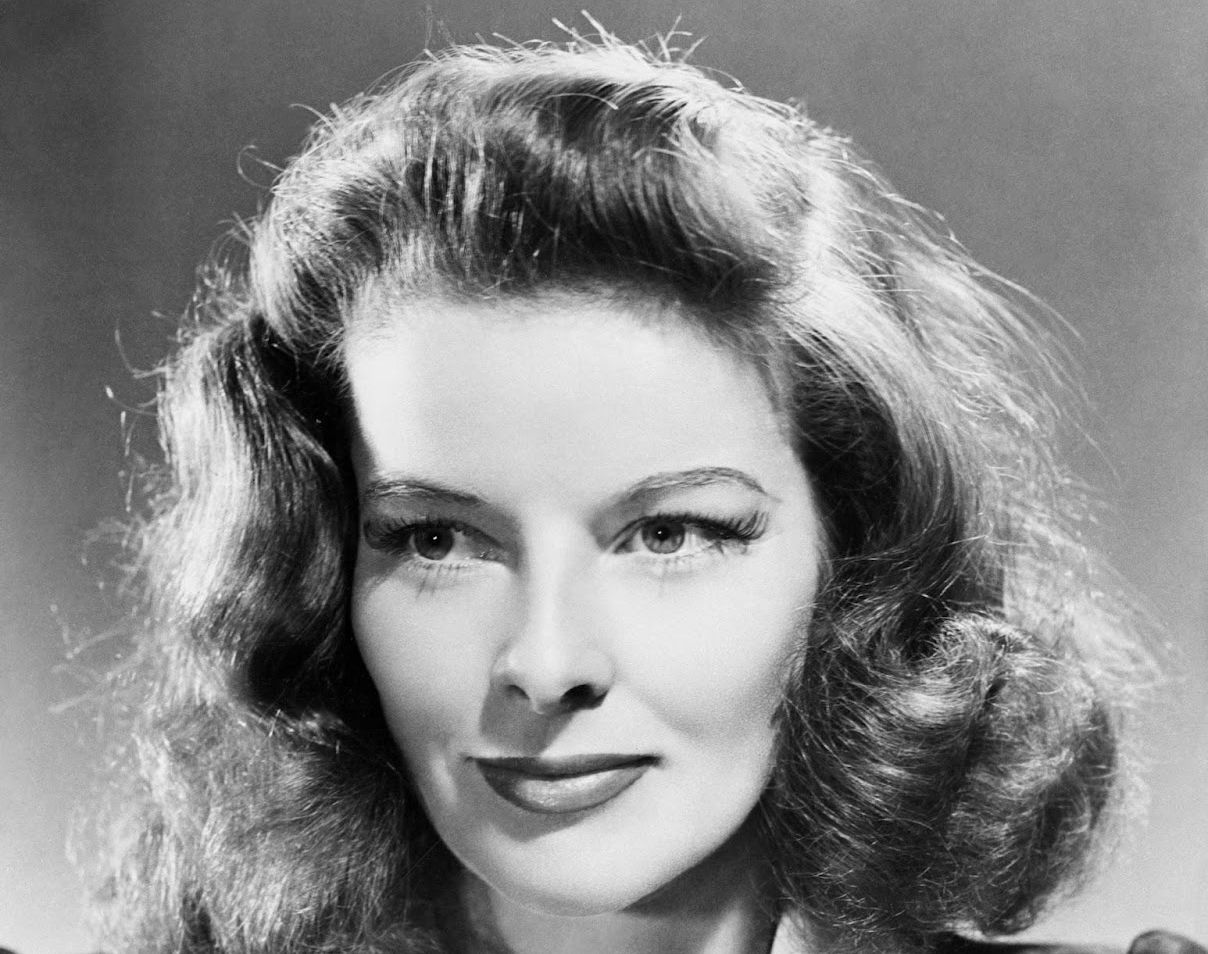
Image: Metro-Goldwyn-Mayer Studios; Restored by Adam Cuerden, Public domain, via Wikimedia Commons

The incredible Katharine Hepburn won four Oscars! But she never showed up to collect a single one. She always sent someone else to accept them on her behalf. In fact, she only attended the Oscars once, and it wasn’t to receive an award but to present one. When asked why she stayed away, she summed it up perfectly: "Awards are nothing; my reward is my work."

7
Julie Andrews
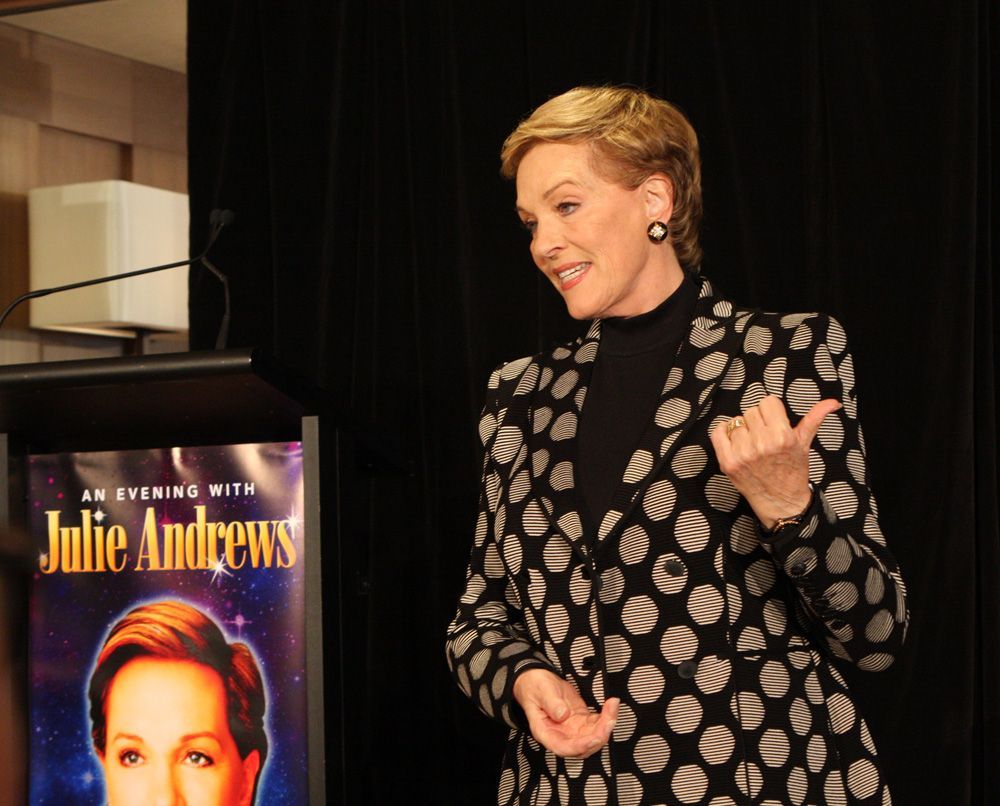
Image: Eva Rinaldi, CC BY-SA 2.0 <https://creativecommons.org/licenses/by-sa/2.0>, via Wikimedia Commons

Born in the United Kingdom, Julie Andrews is adored by Americans for many reasons, including the unforgettable films, such as Mary Poppins (1964) and The Sound of Music (1965). But beyond her cinematic gems, she also built a remarkable career in theater. In 1996, she received a Tony nomination for her role in Victor/Victoria , and chose to decline it. Why? Because she was the only member of the entire cast and production recognized, and she simply didn’t think that was fair.

8
Will Smith
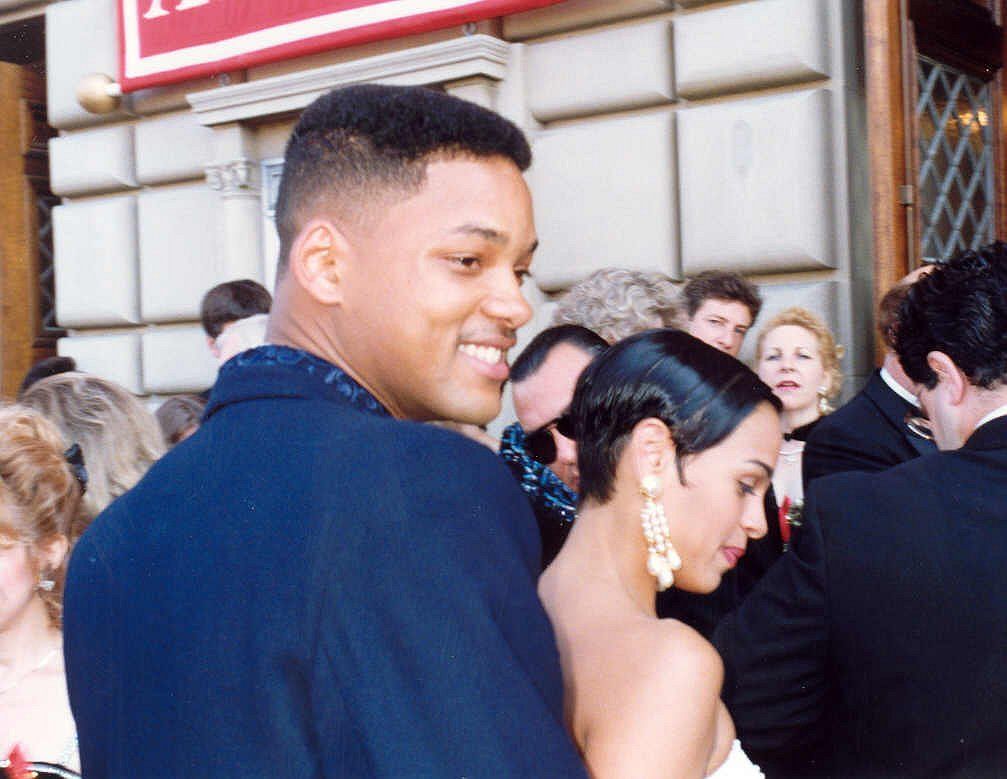
Image: photo by Alan Light, CC BY 2.0 <https://creativecommons.org/licenses/by/2.0>, via Wikimedia Commons

In the late 80s, Will Smith and DJ Jazzy Jeff won the first-ever Grammy for Best Rap Performance. But when they learned that their category wouldn’t be televised, they chose to boycott the 1989 Grammy Awards in protest. They didn’t turn down the award itself, but their stand made an impact: the following year, the rap category was broadcast on air, finally receiving the same visibility as the others.

9
Sinéad O'Connor
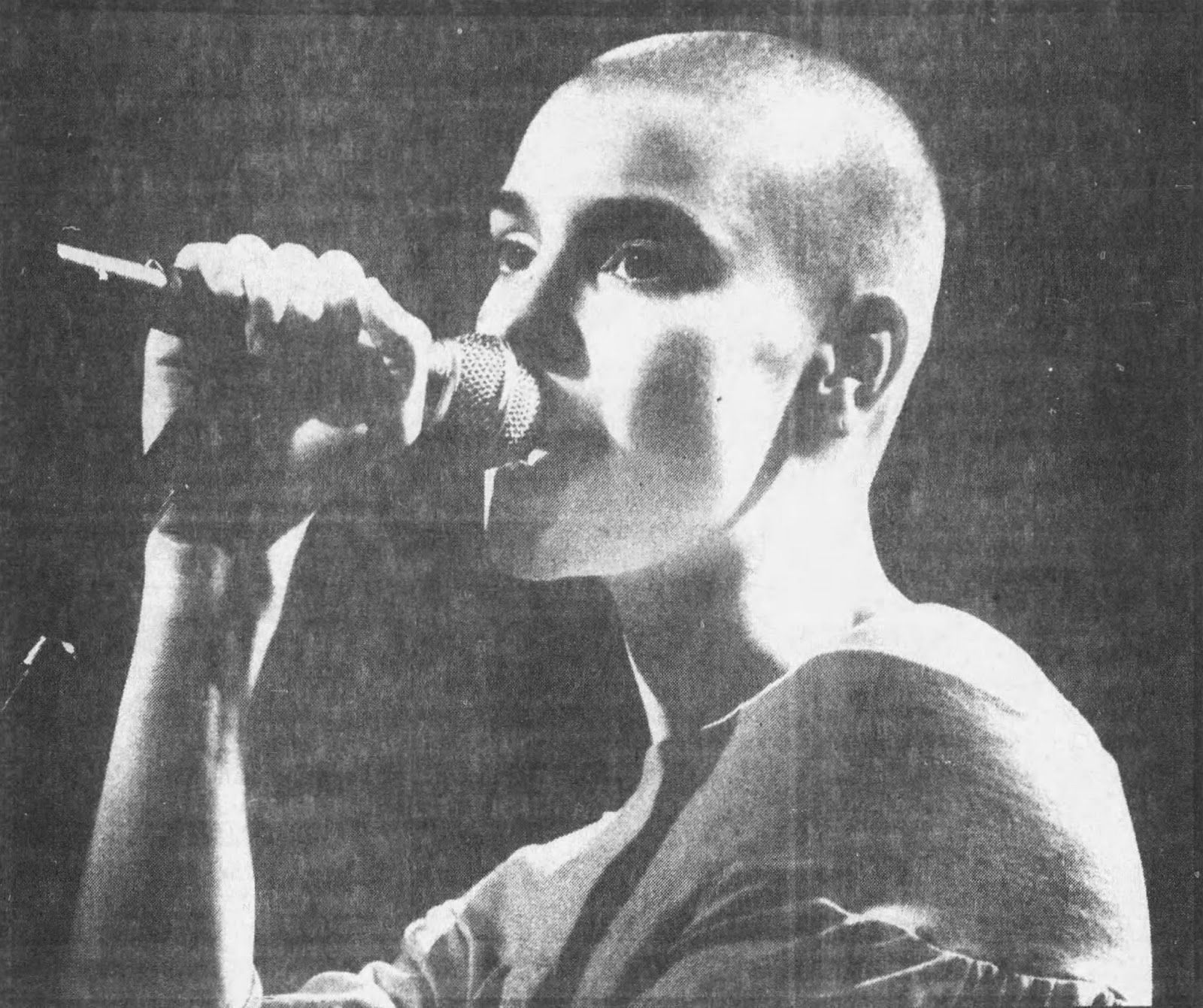
Image: Globe photo/Dave Shea, Public domain, via Wikimedia Commons

Sinéad O'Connor was world-famous, and in America, we remember her mainly for the unforgettable hit "Nothing Compares 2 U." As a passionate activist, she carried her convictions into her career choices, which led her to turn down her Grammy nomination. She specifically asked that her name be withdrawn, arguing that the Grammys were too commercial and rewarded popularity over ethics, artistry, and musical integrity.

10
Nick Cave
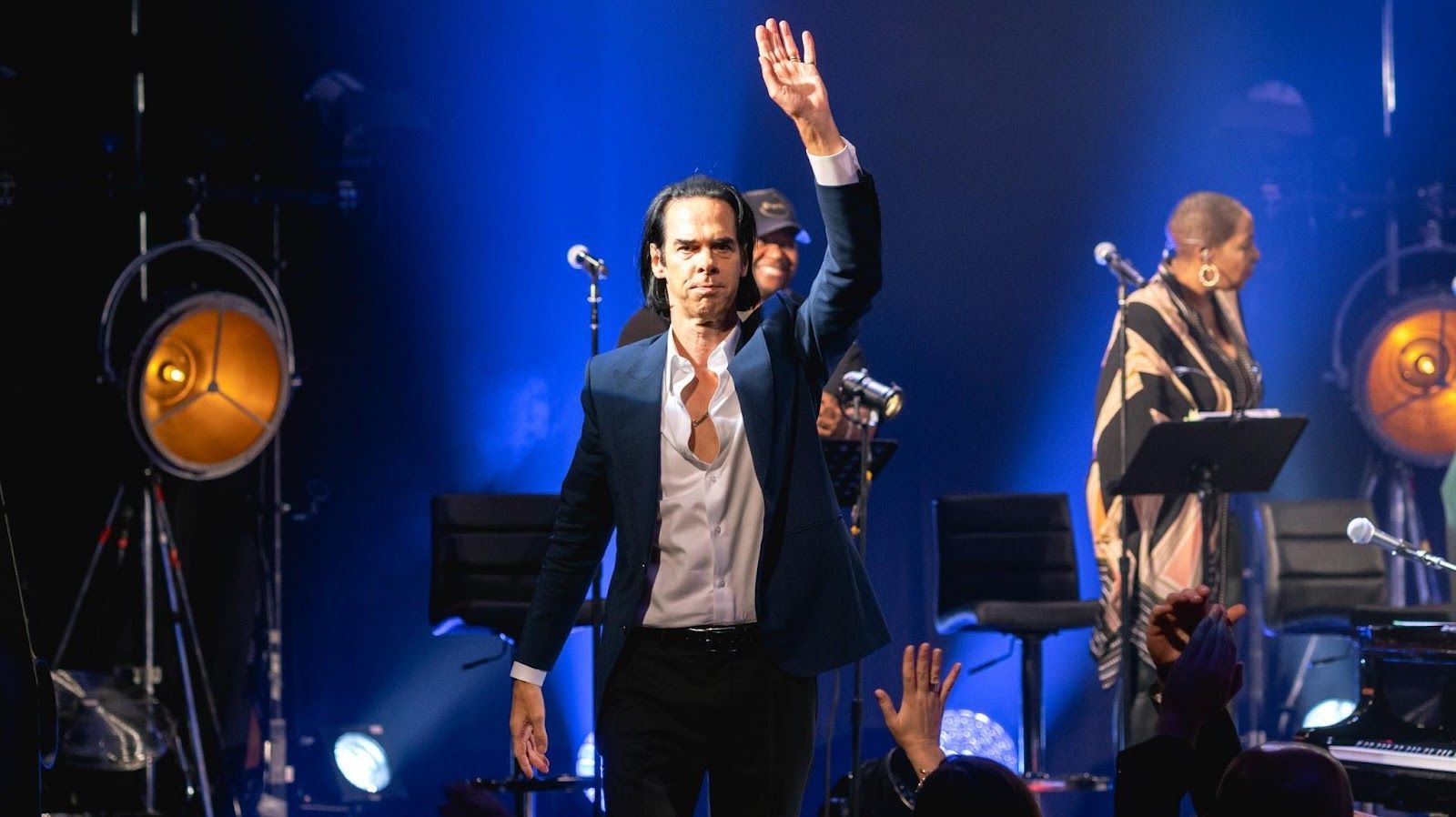
Image: Raph_PH, CC BY 2.0 <https://creativecommons.org/licenses/by/2.0>, via Wikimedia Commons

Australian artist Nick Cave declined his nomination for Best Male Artist at the 1996 MTV Video Music Awards. He even sent a formal letter asking that his name be withdrawn, famously saying: "My muse is not a horse, and I am not in any horse race."

History History 4 min read

Side hustles

Whiskey, Hollywood, and Grammys? Unexpected jobs of former presidents!

Image: The Cleveland Museum of Art

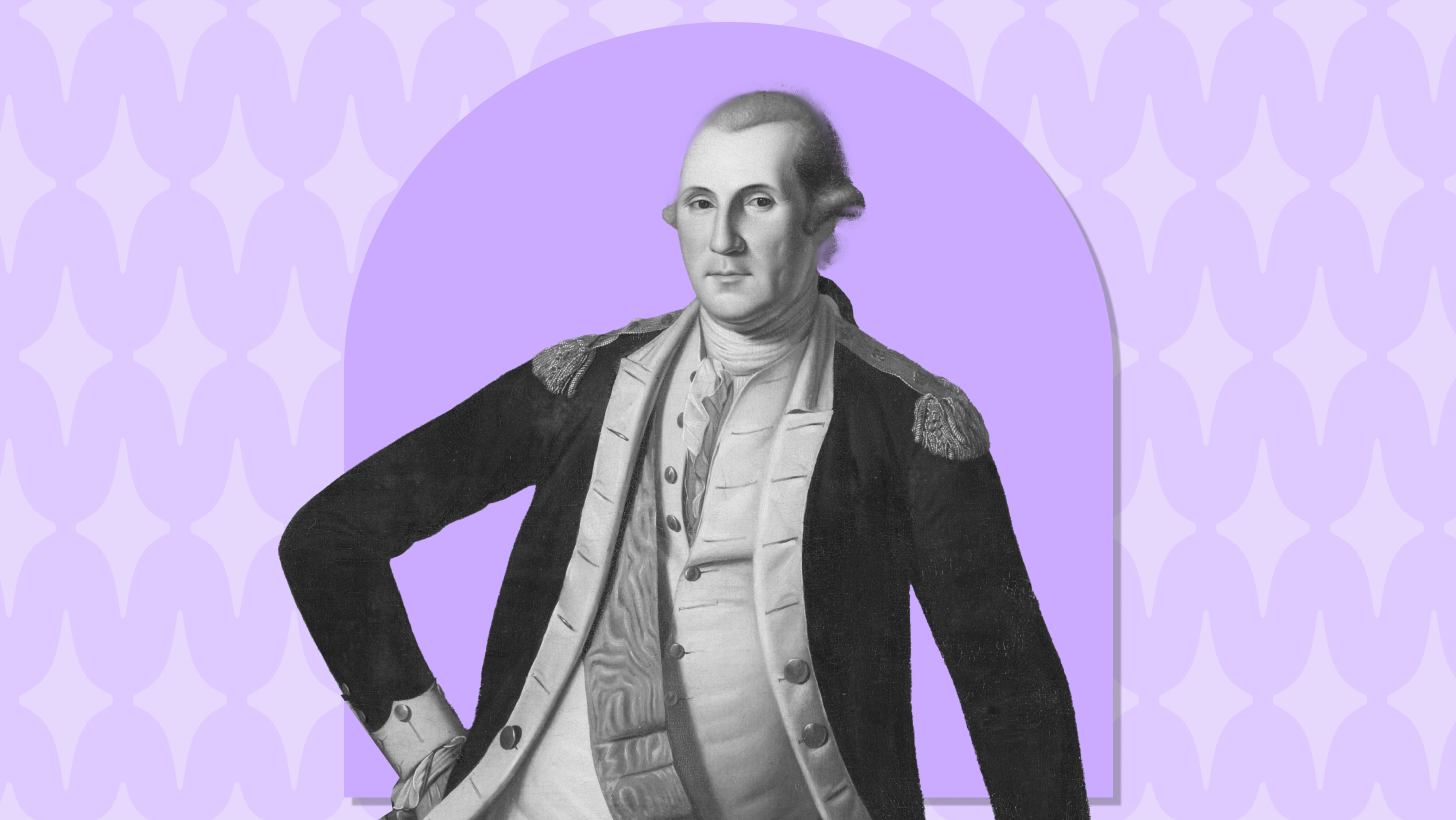
Picture this: You have just finished your term as President of the United States. It was a tough job to tackle, but you made it. It’s your first day out of office, and you wonder, "What’s next?" A world of possibilities opens up. What is the first thing you would do in that position? These former presidents, from Washington to Bush, went different ways and took up activities most Americans don’t even know about. Let’s take a look at some fascinating second acts of former U.S. presidents.

1
George Washington - The whiskey-making Founding Father

Image: Daniel Vogel

After leading the nation, George Washington stepped into the world of spirits, whiskey spirits, that is! In 1797, his farm manager convinced him to open a distillery at Mount Vernon . Within two years, it became one of the largest in the country, producing nearly 11,000 gallons of whiskey annually.

Here’s a fun fact: Washington didn’t need a marketing team. His whiskey was sold in unmarked barrels to local merchants, and his operation was so successful that it became one of the top money-makers in the area. The best part? You can try it today at the reconstructed distillery!

2
Theodore Roosevelt - Adventurer-in-Chief

Image: Zetong Li

Not one to sit still, Theodore Roosevelt went on an exploration of the Amazon rainforest after leaving office. In 1913, he embarked on a seven-month journey to map an uncharted river . Guess what it’s called today? The Roosevelt River, of course!

The expedition was grueling: he caught malaria, suffered a leg injury, and nearly died. Though he made it back home, his health never fully recovered. Roosevelt’s post-presidency was all about adventure and risks!

3
Thomas Jefferson - The University Founder

Image: Ryan Ledbetter

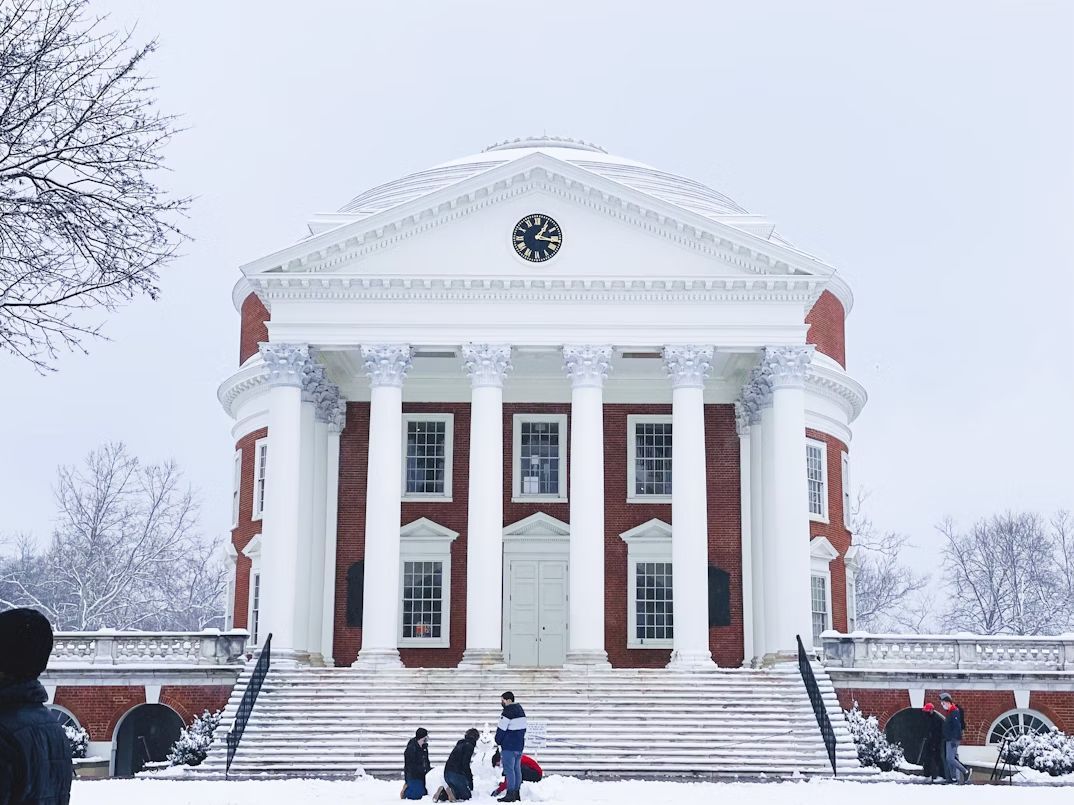
Thomas Jefferson didn’t just help write the Declaration of Independence; he also founded the University of Virginia . A firm believer in education, he wanted to create a university that emphasized academic freedom and rigorous learning. So, in 1819, ten years after leaving office, he established the University of Virginia, which opened in 1825.

Jefferson personally designed the campus, including its iconic Rotunda, and hand-picked the first professors. He once called the university one of his greatest accomplishments, right up there with drafting the Declaration of Independence.

4
John Quincy Adams - From President to Congressman

Image: Ian Hutchinson

John Quincy Adams didn’t believe in retirement, you know? He didn’t go back for a second term, but instead of stepping away from public service, he returned to Congress, serving in the House of Representatives for nine terms until his death in 1848.

His dedication earned him the nickname "Father of the House." Even in his final moments, he was working: he collapsed on the House floor after casting a vote and died two days later. Well, once a public servant, always a public servant.

5
William Howard Taft - From President to Supreme Court Justice

Image: Adam Michael Szuscik

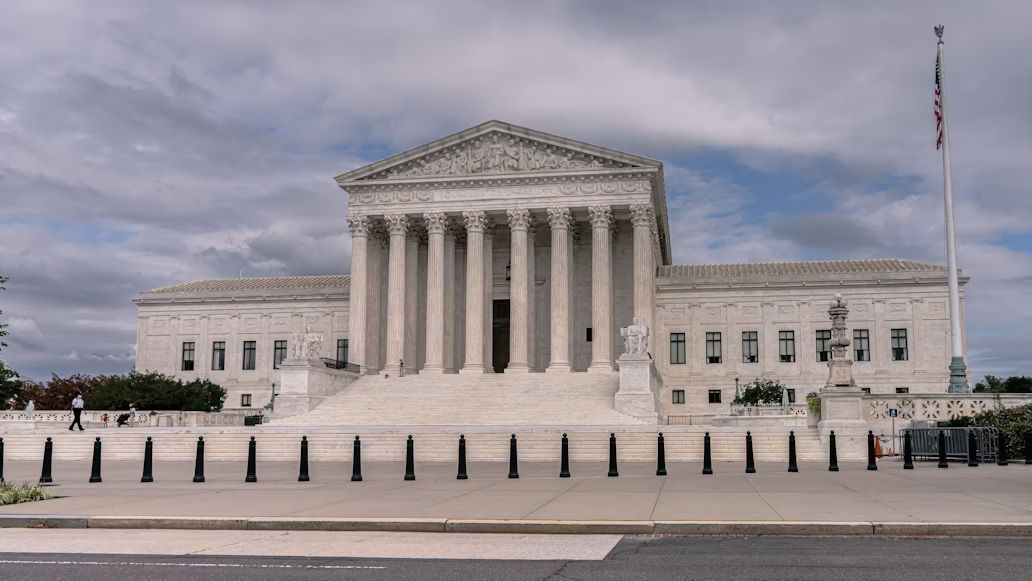
Most former presidents take a step back from government, but William Howard Taft went in the opposite direction. After serving as the 27th president, he was appointed Chief Justice of the Supreme Court in 1921.

He later admitted that being on the Supreme Court was his true calling, famously stating, "I don’t remember that I ever was president." Taft remains the only person in history to have served in both roles! Talk about an upgrade!

6
Calvin Coolidge - Presidential columnist

Image: AbsolutVision

Some former presidents write memoirs, but Calvin Coolidge took it a step further. From 1930 to 1931, he wrote a nationally syndicated newspaper column titled Thinking Things Over with Calvin Coolidge .

His articles covered a range of topics, from politics to everyday life. As it turns out, running a country gives you plenty to write about!

7
Jimmy Carter - The humanitarian president

Image: Library of Congress

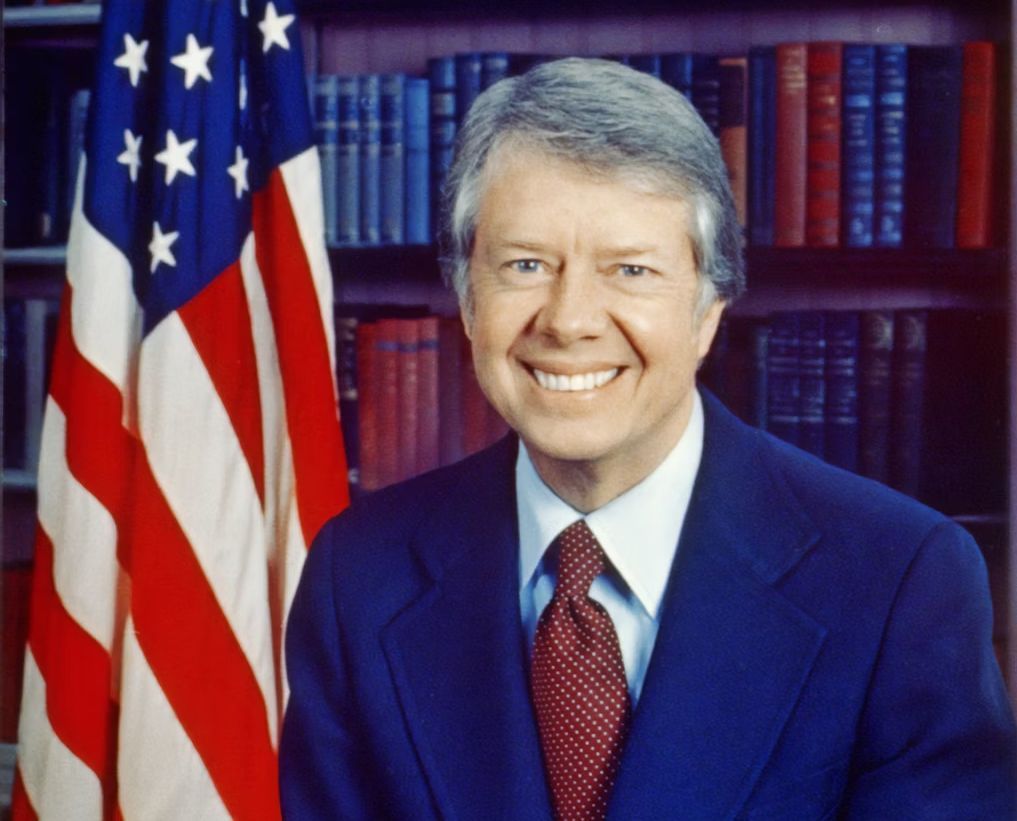
If there’s one president who redefined life after the White House, that is Jimmy Carter. In 1982, he founded the Carter Center , a nonprofit organization focused on democracy, health, and human rights.

He has also spent decades working with Habitat for Humanity, personally helping to build homes for those in need. In 2002, Carter’s humanitarian work earned him the Nobel Peace Prize, making him the only former president to receive the honor for efforts made after leaving office. He once said his post-presidency was "more gratifying" than his time in politics. Only logical, right?

8
Ronald Reagan - A Knight of the Realm

Image: Annie Spratt

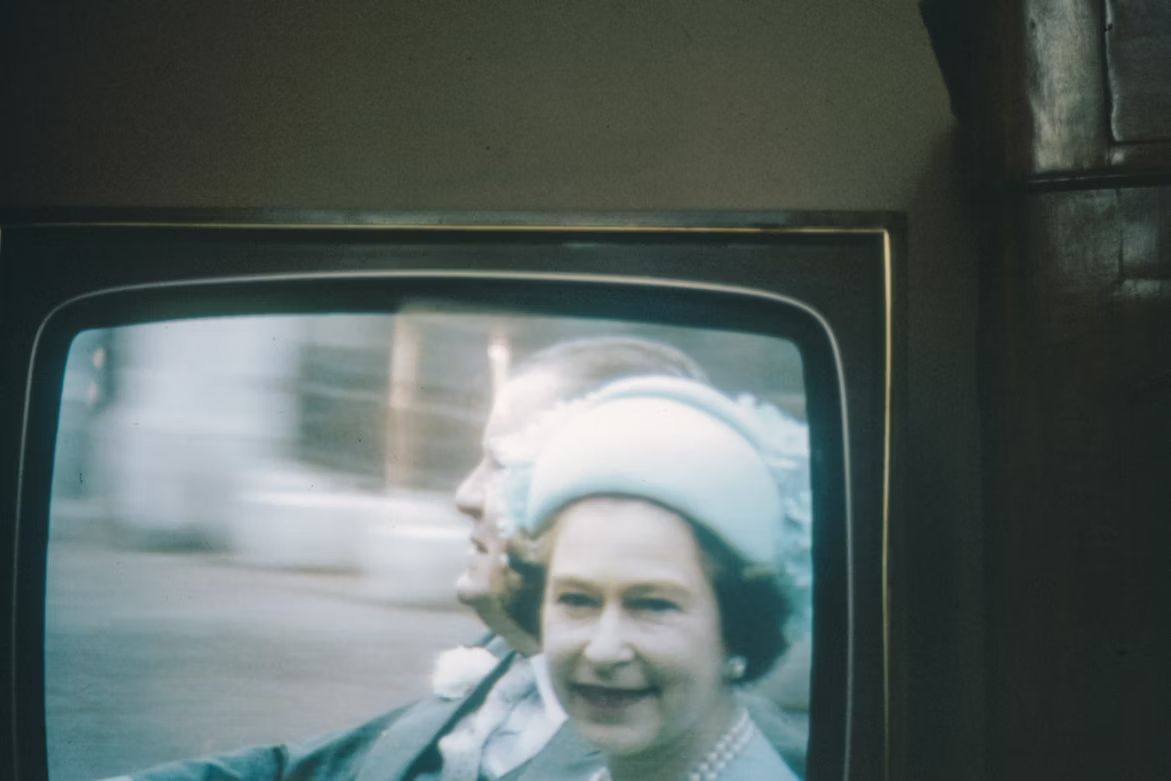
Yes, that’s a literal title. Ronald Reagan didn’t take up a new career after leaving office, but he did receive an unexpected knighthood from Queen Elizabeth II. In 1989, just months after stepping down as president, he was made a Knight Grand Cross of the Most Honorable Order of the Bath.

While it’s a prestigious honor, American citizens aren’t allowed to use the title "Sir," so there was no "Sir Ronald" in the works. Reagan wasn’t the only president to receive this honor; Dwight Eisenhower and George H.W. Bush were also knighted.

9
Bill Clinton - Grammy-winning storyteller

Image: Annie Spratt

Bill Clinton has always been a gifted speaker, so it’s no surprise that he won not one, but two Grammy Awards, though they weren’t for playing his famous saxophone. He won Best Spoken Word Album in 2004 and 2005, narrating both a children’s book and his autobiography.

Clinton joins a small but prestigious club of American presidents who have won Grammys, including Barack Obama and Jimmy Carter. His ability to captivate audiences didn’t end with politics; he simply found a new stage.

10
George W. Bush - From the White House to the Art Studio

Image: Yannis Papanastasopoulos

After serving two terms as president, George W. Bush discovered a surprising new passion: painting. How about that? In 2012, he began taking art lessons , and by 2013, his paintings were revealed to the public following an email hack.

Bush embraced his new hobby and has since published several collections, including Portraits of Courage , which features paintings of US military veterans. His artwork has been exhibited in galleries, proving that a president can become an artist, too. While politics was his career, painting has become his personal form of expression.

Culture Culture 4 min read

Words of wisdom

The words of these 10 Americans will forever live in history!

Image: Emmanuel Ikwuegbu

Quotes have the magical property of allowing us to learn, enjoy, and marvel at the minds of some of the greatest thinkers in our history. It doesn’t matter when or where, we can all learn a thing or two from these wonderfully crafted words. With that in mind, we have decided to celebrate the ingenuity and intelligence of some of the most prominent Americans in history by highlighting some of their best quotes. So, without further ado, enjoy the wisdom that these 10 Americans have to offer!

1
"Float like a butterfly, sting like a bee" - Muhammad Ali

Image: Johann Walter Bantz

Much like his innate and groundbreaking boxing technique, legendary boxer Muhammad Ali had a way with words: He was able to craft sharp and insightful commentary in interviews and press conferences. In that sense, Ali was able to perfectly summarize his incredible fighting style with a short and simple phrase, in what’s probably his most famous quote: In 1964, before his iconic fight with Sonny Liston, a 22-year-old Ali stated that he would "float like a butterfly, sting like a bee".

2
"America is another name for opportunity" - Ralph Waldo Emerson

Image: NASA

Ralph Waldo Emerson was one of the most influential and groundbreaking American poets in history. It is no small praise for Walt Whitman to refer to Emerson as "his master", nor for Friedrich Nietzsche to call him "the most gifted of the Americans". Emerson’s collection of essays and writings gives us a glimpse into the quick wit and way of words this American had, so it stands to reason that the Emerson quote we chose for this article showcases his brevity and resourcefulness: "America is another name for opportunity".

3
"I have a dream" - Martin Luther King, Jr.

Image: Elizabeth Villalta

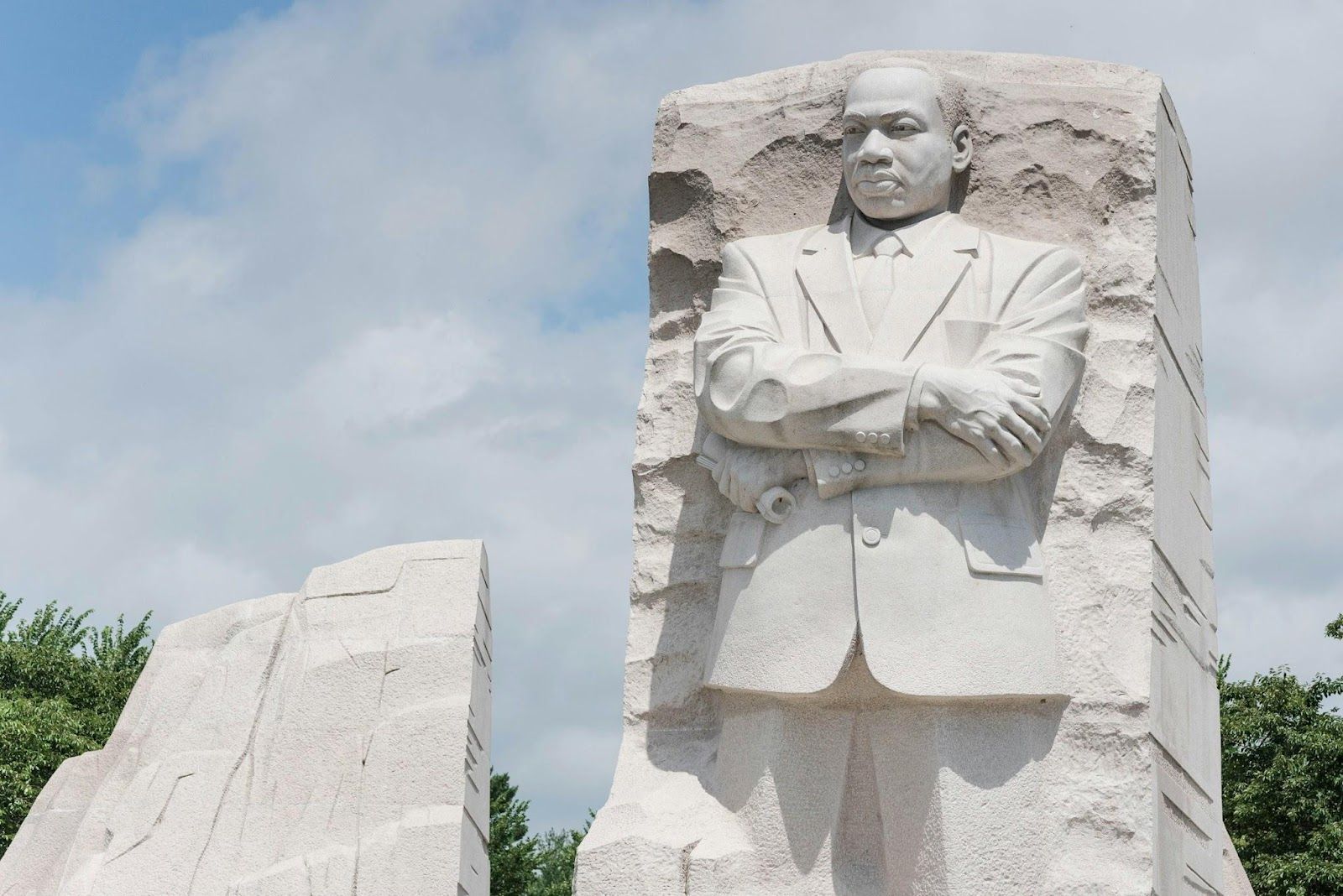
Not many know this, but Martin Luther King’s most famous quote came from a sudden moment of inspiration: Standing in front of over 250,000 supporters from the steps of the Lincoln Memorial, Dr. King departed from his prepared text and spoke from the heart, delivering a speech that had his now-iconic "I have a dream" phrase as its main theme. Most historians consider this speech to be a turning point in the history of the civil rights movement and a proud testament to Dr. King’s resolve and determination.

4
"Ask not what your country…" - John F. Kennedy

Image: Florida Memory

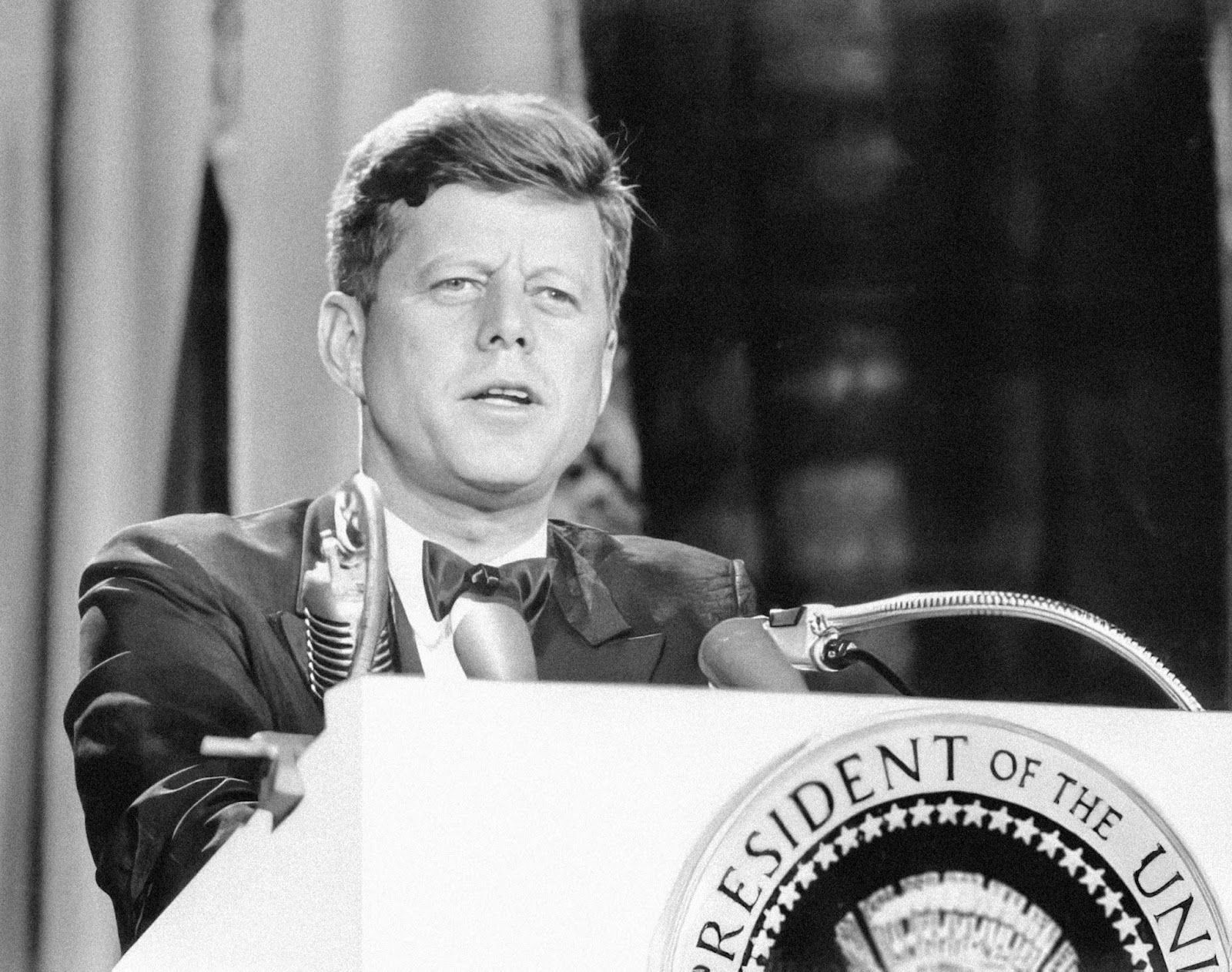
Civil service is definitely a big responsibility: The men and women in the government are naturally held to a high standard of scrutiny. In that sense, President Kennedy’s words during his inauguration speech truly cemented something that citizens often overlook: When our 35th President said "Ask not what your country can do for you – ask what you can do for your country" , he asked the American public to always keep the welfare of their country and fellow Americans in mind.

5
"Four score and seven years ago" - Abraham Lincoln

Image: Ed Fr

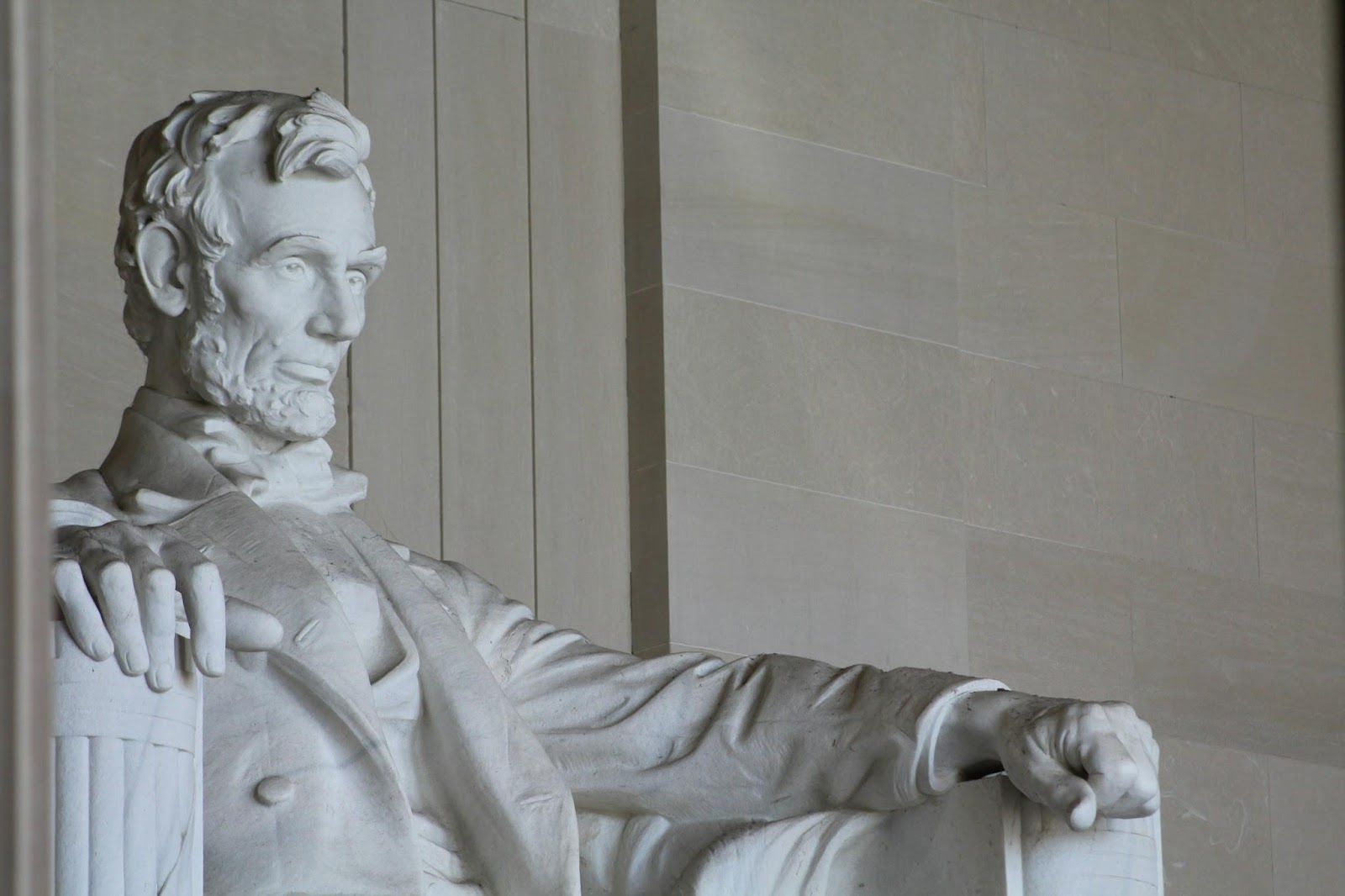
Granted, we couldn’t include the entire Gettysburg Address in this article, but we have instead decided to choose a phrase that’s as famous as this iconic speech. While we can’t be sure that President Lincoln knew the effect these words would have on American history, we do know that he was an exceptional writer, so it is no wonder that we still remember the opening lines of this famous speech: "Four score and seven years ago".

6
America, to me, is freedom - Willie Nelson

Image: Priscilla Du Preez 🇨🇦

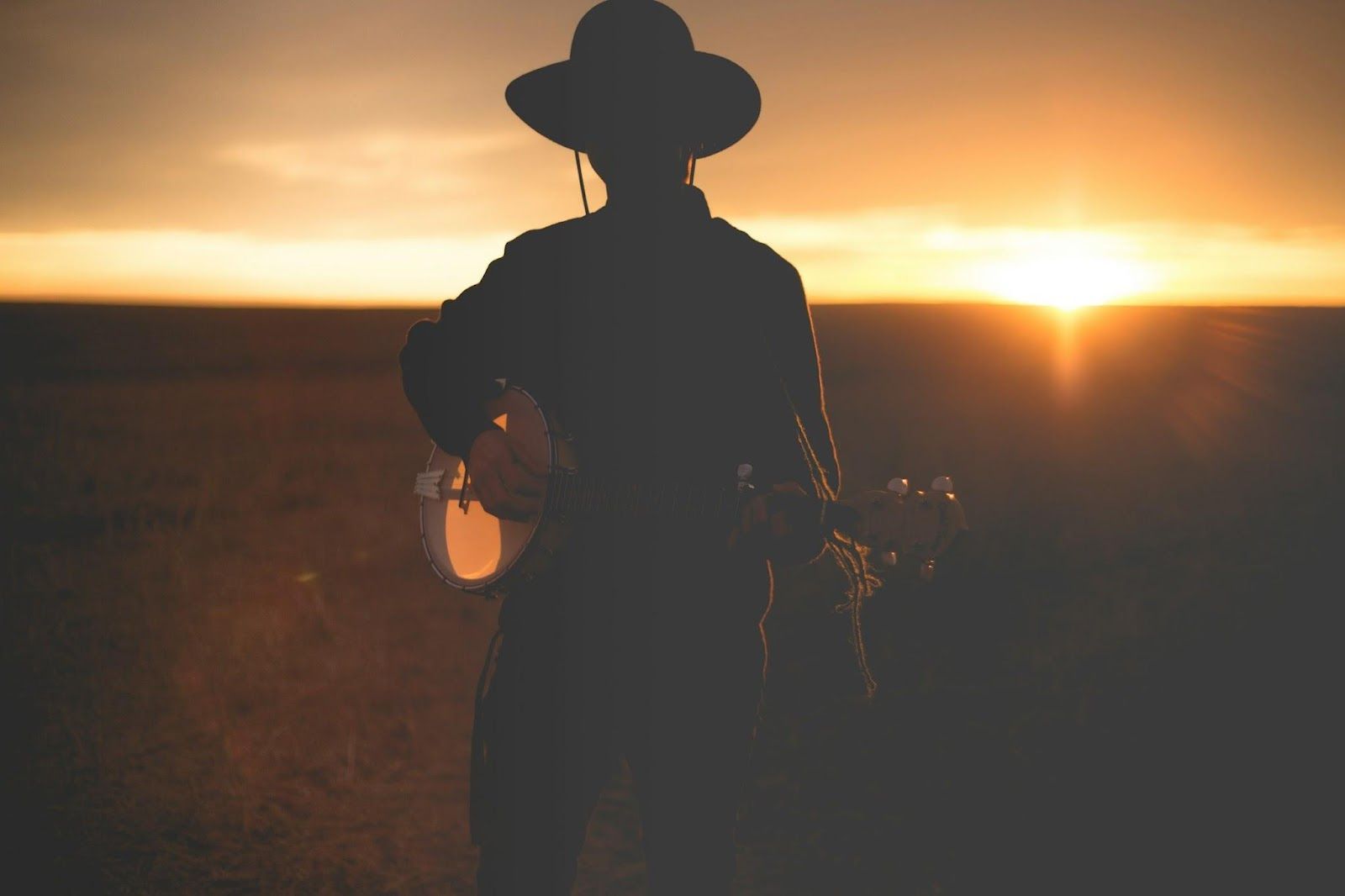
Country music is synonymous with American culture, so it shouldn’t come as a surprise to learn that one of the most patriotic quotes in this article comes from country music legend Willie Nelson. This beloved musician once stated, "America, to me, is freedom". What’s perhaps most moving about this simple yet powerful phrase is that it effortlessly describes what many of us feel whenever we think about America.

7
"To be good, and to do good, is all we have to do" - John Adams

Image: iStrfry , Marcus

Leave it to a Founding Father to perfectly describe what patriotism is all about. John Adams once stated this powerful phrase: "To be good, and to do good, is all we have to do". Much like the JFK quote we previously mentioned, our second President encouraged us to love our country and always strive to keep it a wonderful place to live.

8
"We must be free not because we claim freedom but because we practice it" —William Faulkner

Image: Tom Hermans

There’s no denying that William Faulkner was one of the most influential writers of the 20th century: A Nobel laureate, Faulkner has written such American classics like "As I Lay Dying" and "The Sound and the Fury". Much of his work centers around the American South, and on what he felt were the values that America holds most dear. In that sense, the following quote is as insightful as what can be found in Faulkner’s many books: "We must be free not because we claim freedom but because we practice it".

9
"In the face of impossible odds, people who love this country can change it." —Barack Obama

Image: frank mckenna

Standing in the very same spot in which Martin Luther King had made his iconic "I Have a Dream" speech, President Obama spoke in front of a gathered crowd of hundreds and delivered one of his most famous quotes: "In the face of impossible odds, people who love this country can change it." Besides being a great quote by our 44th President, this phrase is also a living testament to the influence that Dr. King had on all Americans.

10
"Liberty, when it begins to take root, is a plant of rapid growth" -George Washington

Image: Ryan Quintal

We’ll end this article with a phrase that comes straight from the mind of the Father of our country. In a letter to fellow Founding Father James Madison, George Washington wrote: "Liberty, when it begins to take root, is a plant of rapid growth". When you think about it, this phrase is an almost perfect summary of the ideas and beliefs that fueled the American Revolution, and that would eventually help build this great country of ours.

Explore more American facts

Choose your favorite category!

General
General

As American as apple pie—the very best America has to offer!

Culture
Culture

Delve into the astounding richness of American lore.

Geography
Geography

Hop in and explore vast and diverse American landscapes.

History
History

Discover the key moments that shaped the United States.