Culture Culture 3 min read

Do you still eat any of these?

Food can go extinct too: 12 once-common American dishes no longer around
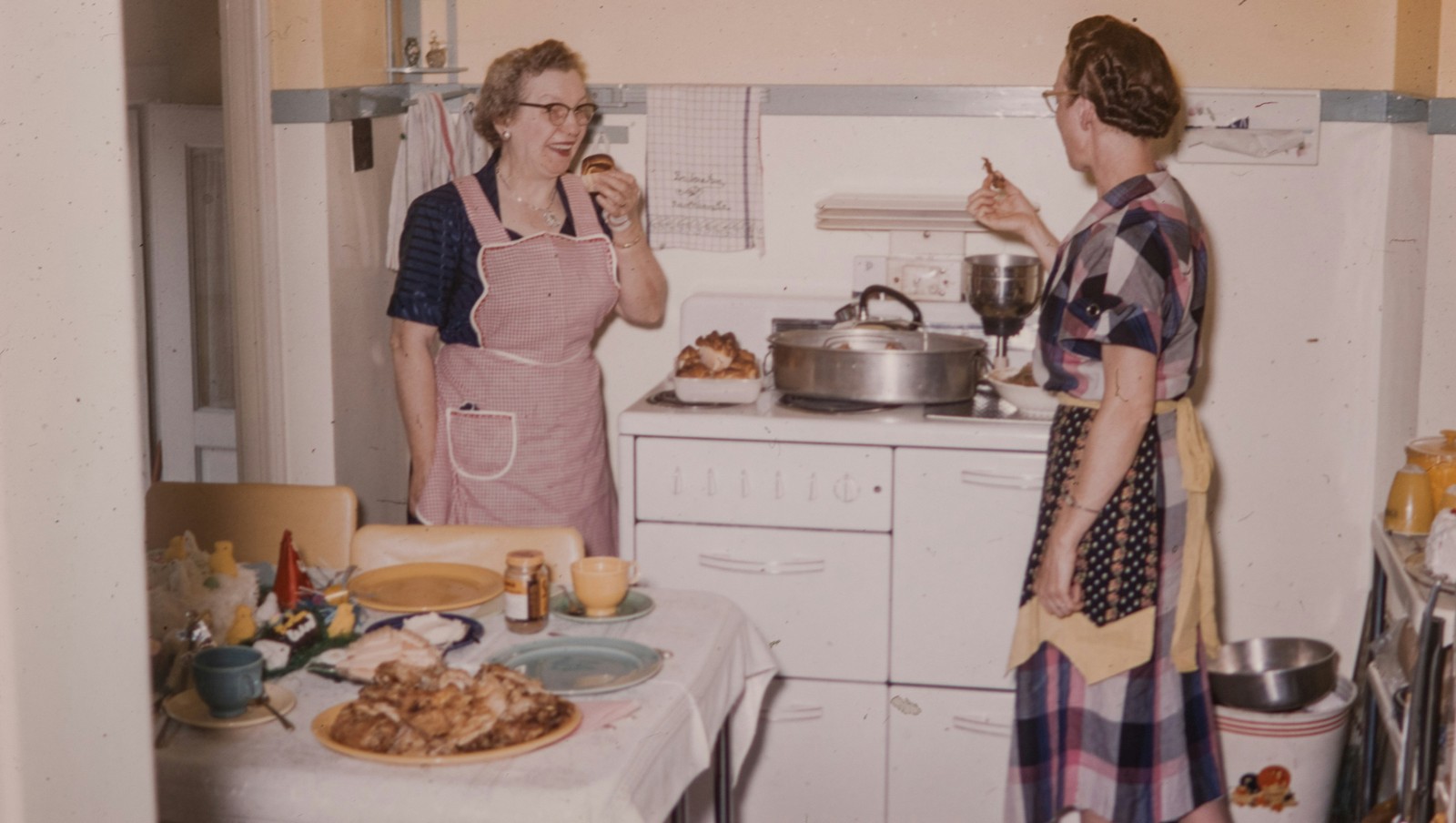
Image: Annie Spratt

Just a few decades ago, American menus looked very different. Before refrigerators, mass branding, and globalization, everyday meals were shaped by practicality, leftovers, and local habits. Some dishes thrived for decades, or even generations, before fading away. The following 12 meals were not exotic or fancy but plain, everyday dishes. Which one do you remember most?

1
Jello Molds

Image: Girl with red hat

Jello molds were once a centerpiece of American entertaining, especially from the 1930s through the 1960s. They appeared at holidays, potlucks, and family dinners, often filled with fruit, marshmallows, or even vegetables and meat .

As tastes shifted away from gelatin-based dishes, these colorful creations slowly disappeared. Today, they’re more likely to spark nostalgia or even humor than appetite.

2
Chicken à la King
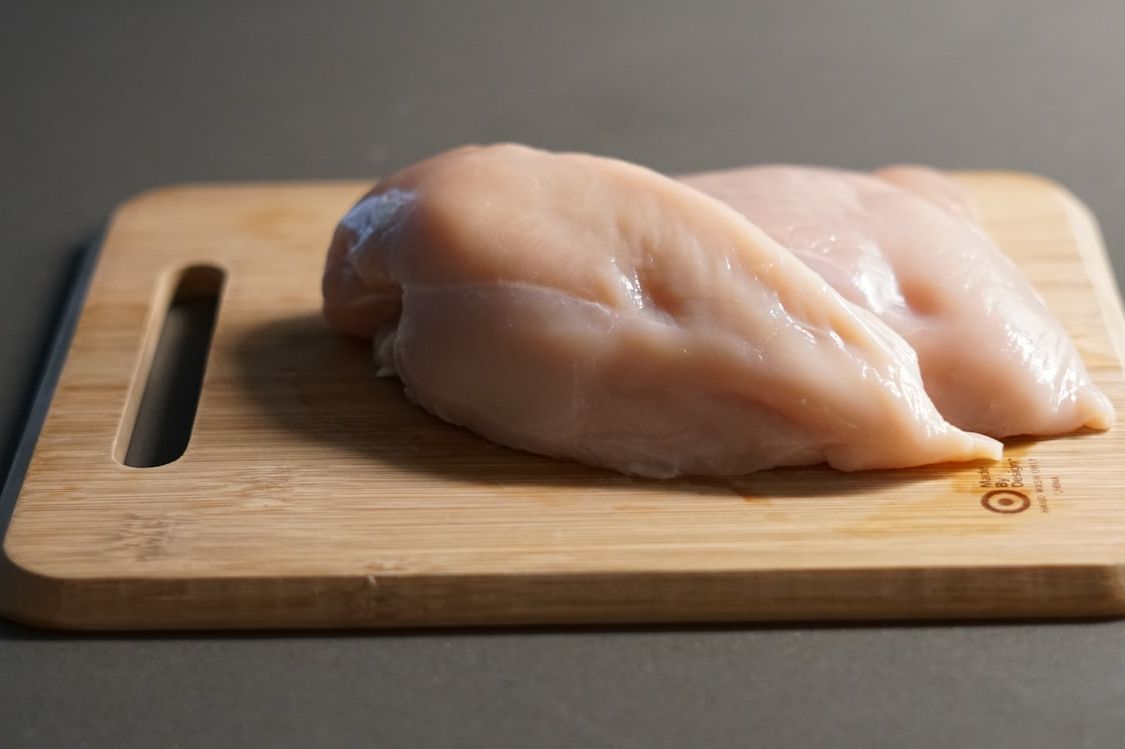
Image: Cristian Guillen

Chicken à la King was a creamy comfort dish found in homes, cafeterias, and hotel dining rooms across the country. Made with diced chicken, mushrooms, and peppers in a rich sauce , it was commonly served over toast or rice.

Once considered elegant yet approachable, it fell out of popularity as lighter, faster meals took over. Today, it’s rarely seen outside vintage cookbooks.

3
Salisbury Steak

Image: Nima Naseri

Salisbury steak was once a standard American dinner, served in restaurants, school cafeterias, and home kitchens alike. Made from seasoned ground beef and smothered in gravy, it was filling, affordable, and easy to prepare.

As food culture moved away from processed and institutional meals, Salisbury steak lost its appeal. Today, it’s mostly associated with frozen dinners or nostalgic meals.

4
Chipped Beef ("SOS")

Image: Raman

Chipped beef, thin slices of dried beef served in white gravy , was once ubiquitous. It appeared on breakfast tables and became especially associated with military dining during the early and mid-20th century.

Its strong, salty flavor eventually pushed it out of favor. While still remembered by many Americans, chipped beef is now rarely served outside a few traditional diners.

5
Porcupine Meatballs

Image: Reshu Drolia

Despite the name, no porcupines were involved in making this dish. The meatballs were made from ground beef mixed with rice , which poked out during cooking, giving the dish its nickname.

Popular during the Great Depression, porcupine meatballs stretched limited meat into hearty meals. As economic conditions improved and tastes changed, this clever and thrifty dish gradually faded from everyday cooking.

6
Olive Loaf
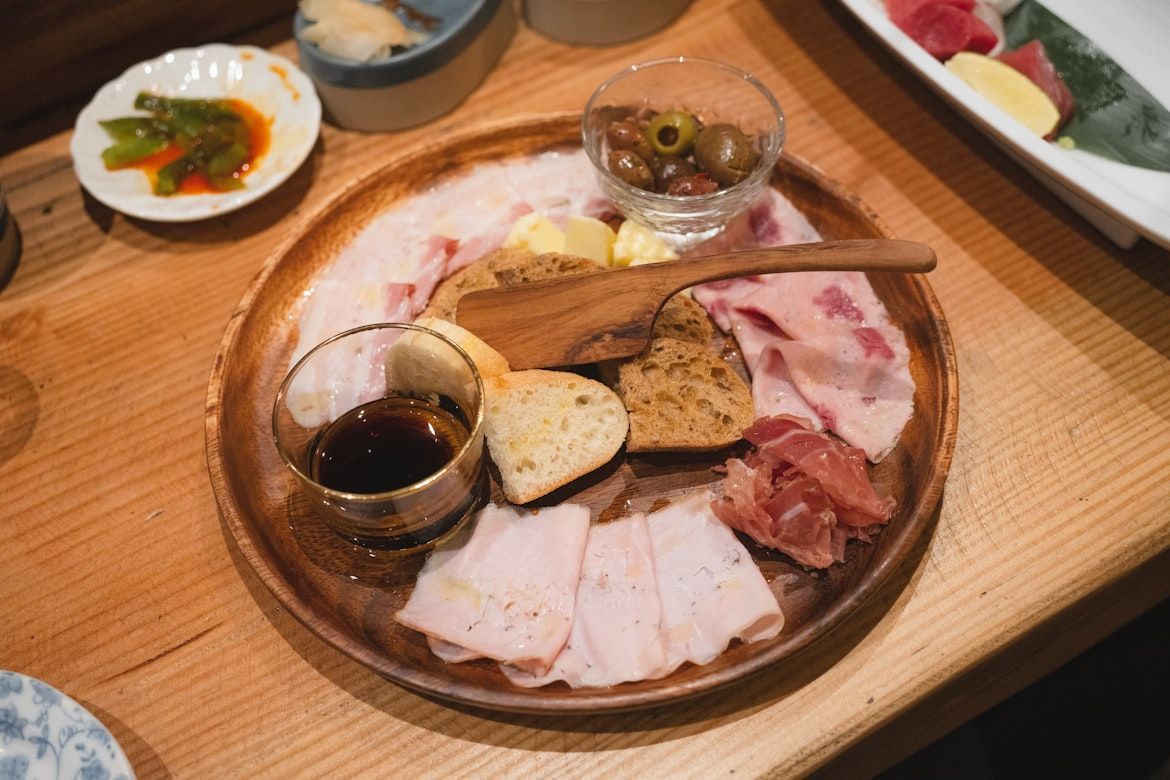
Image: GRANT LEE

Olive loaf was once a common deli meat, recognizable by its pink color and green olive pieces . It was frequently sliced for sandwiches and served at lunches throughout the mid-20th century.

Changing tastes and the rise of fresher deli options pushed olive loaf into obscurity. Today, it’s remembered mostly by those who grew up seeing it behind deli counters.

7
Pickled Herring
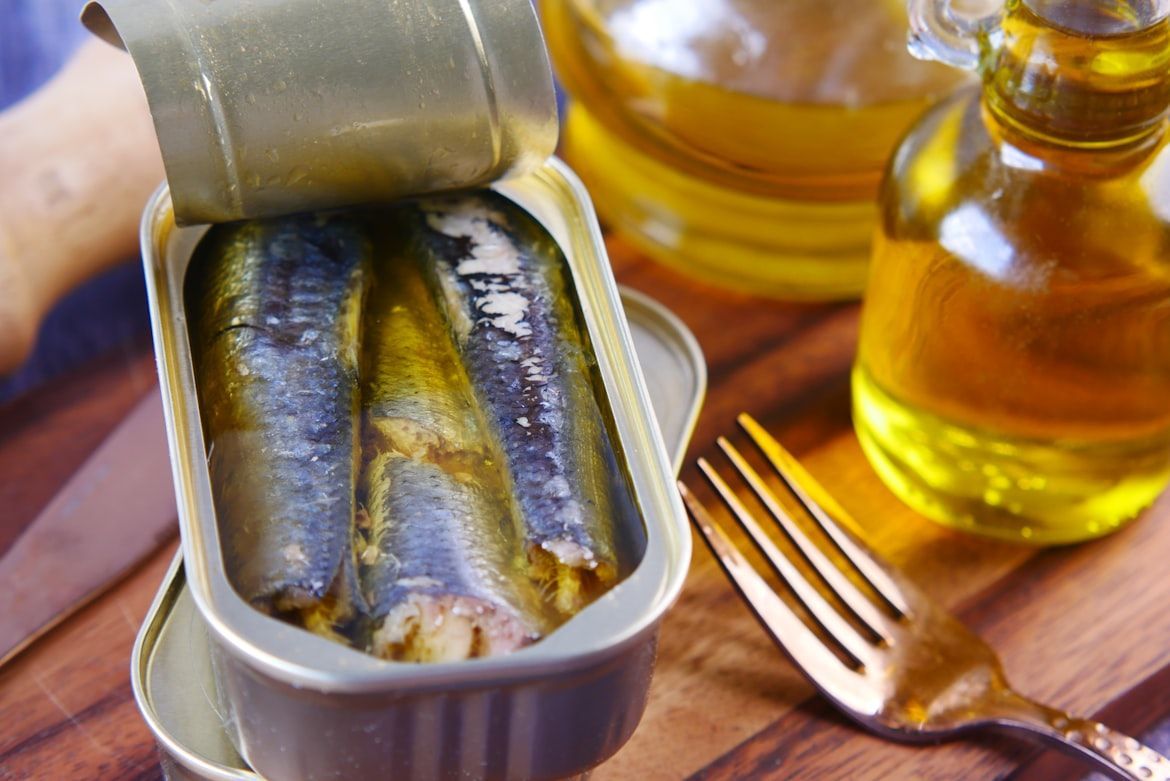
Image: Towfiqu barbhuiya

Pickled herring was widely eaten by Americans of Northern European descent and was once a common item in grocery stores and home pantries. It was valued for its long shelf life and strong flavor .

As newer protein options became widely available, pickled fish fell out of favor. Today, it survives mainly in specialty stores and cultural traditions rather than on mainstream American menus.

8
Ambrosia Salad

Image: Joshua Hoehne

Ambrosia salad combines fruit, coconut, marshmallows, and cream into a sweet side dish. It was especially popular at holidays and church gatherings.

Over time, its sugary profile and unusual texture made it feel outdated. While still remembered fondly, ambrosia salad is now far less common on modern tables.

9
Braunschweiger Sandwiches
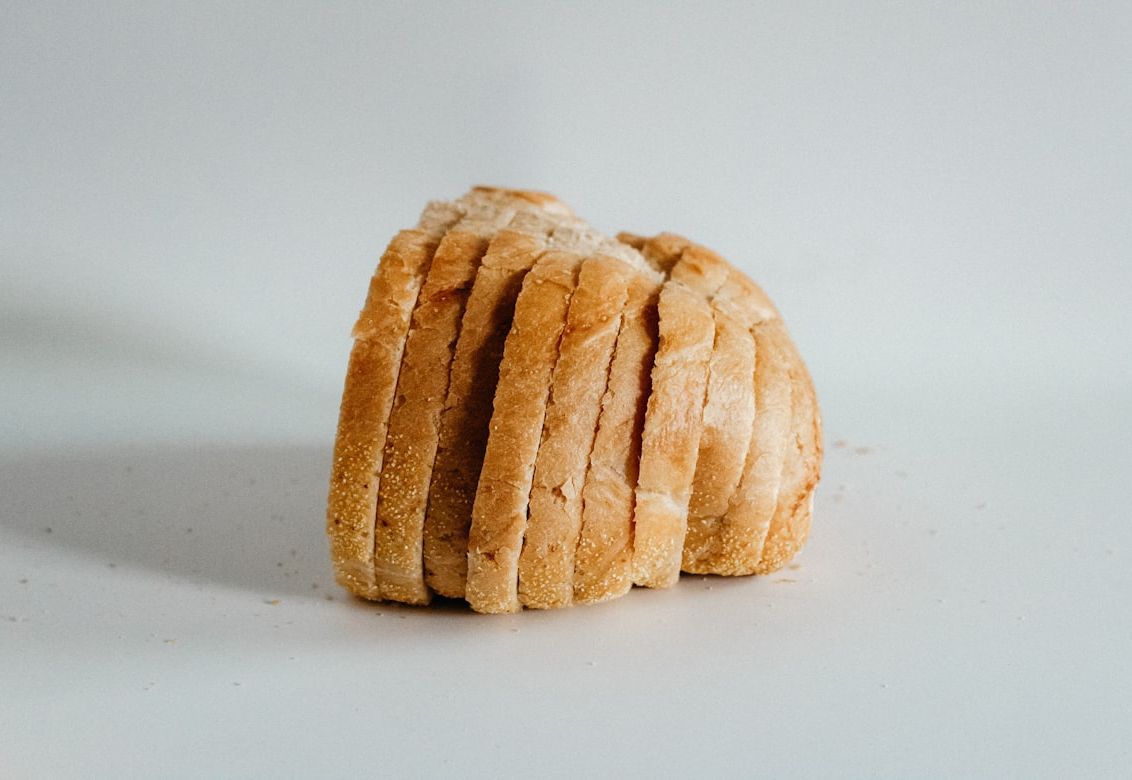
Image: Stephanie Harvey

Braunschweiger, a type of liver sausage, was once a standard sandwich filling in American households. Spread on bread with mustard or onions , it was inexpensive and widely available.

As Americans moved away from organ meats, Braunschweiger lost popularity. Today, it’s mostly limited to specialty markets and nostalgic diners.

10
Oyster sandwiches
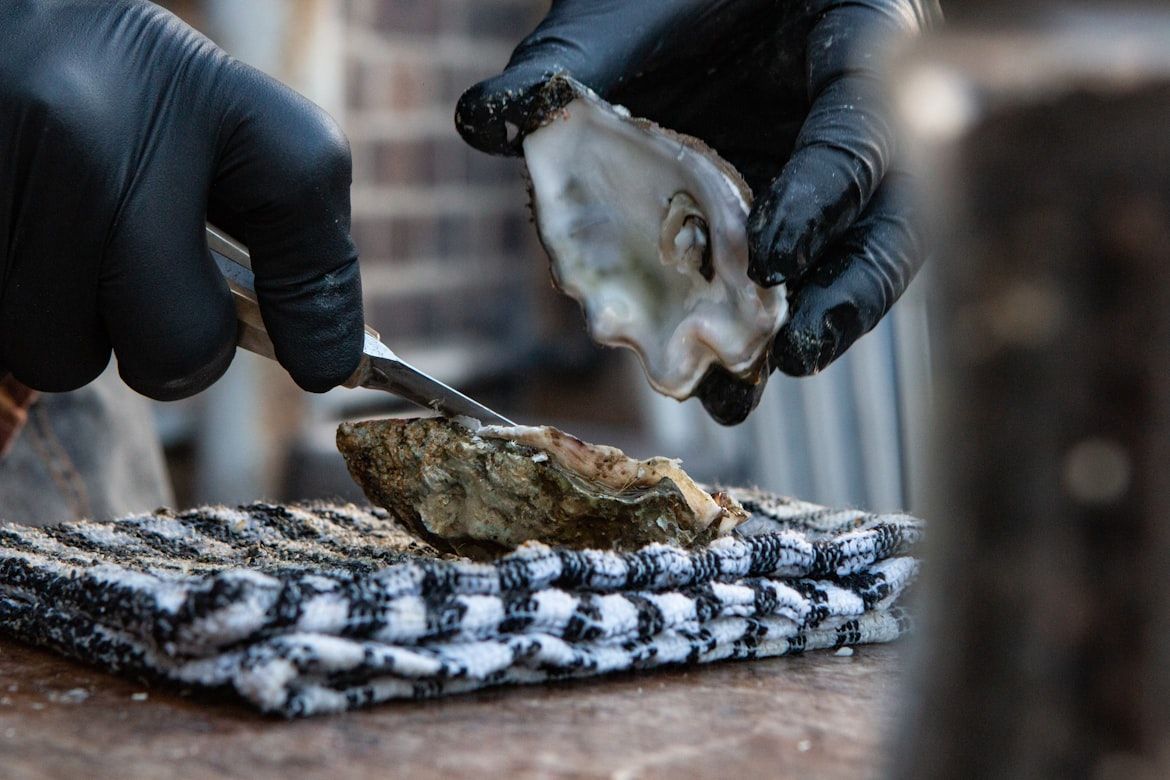
Image: Thomas John

Oyster sandwiches were once everyday food in coastal cities, especially in the 19th and early 20th centuries. Oysters were cheap, abundant, and commonly fried or stewed .

As oyster populations declined and prices rose, the sandwich disappeared from daily menus. Today, oysters are considered a treat rather than a working-class staple.

11
Scrapple
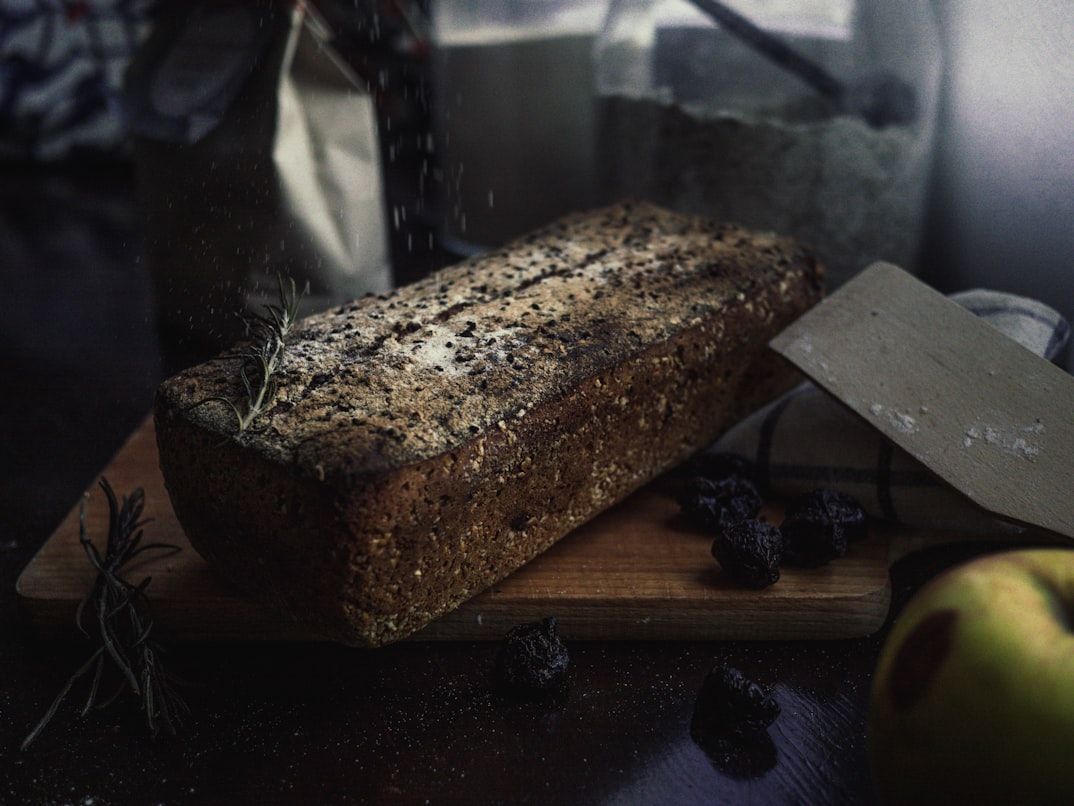
Image: Patryk Pastewski

Scrapple is a pork-based dish made from scraps, cornmeal, and spices . It was once common throughout the Mid-Atlantic, especially as a breakfast food.

While still eaten regionally, scrapple never regained national popularity. Many Americans now view it as unusual, despite its once-widespread presence.

12
Creamed Onions
Image: laura novara

Creamed onions were once a classic American dish, especially at holiday meals. Small onions were simmered and served in a thick, creamy sauce .

As side dishes became simpler and lighter, creamed onions fell out of favor. Now, they appear mainly in old family recipes or historical menus.

History History 5 min read

Would you survive these situations?

Many people don’t believe these 10 real survival stories. Do you?

Image: Yaroslava Borz

True survival tales make for the best motivational stories. Realizing the kind of challenges that a human being can withstand while continuing to persevere is both captivating and inspiring. The women, children, and men we are about to mention managed to pull off incredible feats and save their lives under terrible circumstances. Do you think you have what is necessary to survive in these situations?

1
Skydiving accident survivor

Image: Eun-Kwang Bae

Jordan Hatmaker was not an expert, but she had done enough skydiving jumps to recognize when something was wrong. On November 14, 2021, she jumped from a height of 4,100 meters and deployed her parachute. But a series of unfortunate malfunctions led to the chutes opening at the very last moment—and in a disastrous way—causing her to crash land.

Although Jordan survived, she suffered a spinal injury, broke her shin, completely shattered her ankle, and was paralyzed from the waist down. The doctors couldn’t tell if she would ever walk again. Yet, just three months after the accident, she defied expectations and began walking. Since then, she’s even climbed Mount Everest base camp.

2
Survived being frozen for 6 hours

Image: Jared Erondu

Imagine being frozen solid for a full six hours. Almost anybody who has been in a similar situation, even for a much shorter time, has experienced serious consequences or even death. But not Jean Hilliard, who slipped in the ice in the harsh Minnesota winter, knocked herself unconscious and remained frozen for six hours until a friend discovered her.

After her friend took her to the hospital, doctors had trouble inserting an IV cannula because her arm was frozen solid. But, after thawing her with heat pads, Jean came back to life and her body returned to its normal state. Her extremities took a bit longer to come around; her toes, especially, were numb for some time. Remarkably, Jean recovered quickly and has experienced no lasting physical effects from that fateful December night frozen in the ice.

3
Survived a self-amputation

Image: Justin Luebke

If you have seen the film 127 Hours then you’ll recognize this story: Aron Ralston was hiking in a remote Utah canyon when a boulder fell, trapping his arm . With no one around to hear his cries for help and his water supply dwindling, Aron made the excruciating decision to sever his arm below the elbow using a dull multitool.

After freeing himself, Ralston rappelled down a 65-foot cliff and hiked several miles through the rugged terrain before being discovered by a search and rescue helicopter.

4
Military jet crash survivor

Image: Albert Stoynov

David Steeves, a U.S. Air Force lieutenant, was ordered to fly a Lockheed T-33A trainer jet from an Air Force base near San Francisco to Craig Air Force Base near Selma, Alabama, on May 9, 1957. Shortly after takeoff, Steeves and the jet disappeared without a trace, and he was declared dead after an extensive search yielded no results. After the incident, during the height of the Cold War, Steeves faced unfounded accusations of defecting and giving the trainer jet to the USSR.

However, Steeves appeared out of the Sierra Nevada the following July. He claimed that after an explosion in the jet, he had ejected and parachuted to safety. For two weeks, he survived without food until he discovered a ranger’s cabin in Kings Canyon National Park, where he found fishhooks, beans, and a canned ham to sustain himself.

5
Rode off a cliff in her vehicle

Image: Fabian Quintero

In a scene straight out of a movie, Angela Hernandez swerved to avoid hitting a small animal on the road and accidentally drove her SUV off a cliff. Her vehicle tumbled about 200 feet to a desolate, rocky beach.

Despite suffering a brain hemorrhage, fractured ribs, a broken collarbone, ruptured blood vessels in both eyes, and a collapsed lung, Hernandez managed to pull herself out of the sinking car. She walked for days until hikers stumbled across her wrecked Jeep and scoured the beach. Eventually, they found Hernandez crumpled up, sleeping on some rocks. After surviving seven harrowing days, she was finally rescued.

6
Three-year-old survives 2 days in the wilderness

Image: Jeremy McKnight

Three-year-old Ryker Webb was playing with his dog when he decided to take a walk on his own and wandered off. After his disappearance, a massive search was launched, and for two days the search team made no progress. Then, a family visiting their remote cabin in the middle of the wilderness heard the faint cries of a little boy coming from behind a shed.

Ryker was found tucked into a lawnmower bag. He was dressed in a light blue onesie that had been covered in dirt. After they called the police, the family was shocked to learn about the massive search that had been going on. The little boy survived two days in Montana wilderness, in near-freezing temperatures in an area, that according to locals, is heavily populated with bears and mountain lions.

7
Saved his family from a plane crash

Image: Gianluca Bei

Saving oneself from a plane crash is an extraordinary feat in itself. But saving an entire family as well is exponentially harder. On August 13, 2011, Donald Evans and his family were flying to their new home in Anvik, Alaska, aboard a Cessna plane when tragedy struck. The plane crashed into the mountains, killing the pilot and another passenger, and leaving Donald and his family— including his pregnant wife—badly injured .

Despite his own injuries, Donald managed to keep his family alive until the National Guard arrived by helicopter to rescue them. Amazingly, every member of the family survived, including their unborn daughter.

8
Quicksand survivor

Image: Sumner Mahaffey

Quicksand is a threat much more present in child stories than in real life but it does exist, as Ryan Osmun discovered in the worst possible way. While hiking in Utah’s Zion National Park he and his girlfriend tried to cross an innocent-looking pond that turned out to be quicksand.

After managing to save his girlfriend, Ryan sank into the sandy bottom to no avail. He had to wait for long hours until help arrived at the scene, just in time to save his life with a pulley system to yank him out of the ordeal.

9
Surviving the Desert

Image: Max Templeton

At 72 years old, Ann Rodgers spent nine days lost in the Arizona desert keeping herself alive thanks to skills acquired at a survival course and her own knowledge of nature. After getting lost on a distant dirt road and running out of gas, she left her car and started wandering the desert.

Had she stayed in her car, police would have found her 3 days later. Despite this misstep, Ann managed to survive. After 9 days, a helicopter found her thanks to a large "HELP" sign she had crafted out of rocks and took her to the hospital, where she made a full recovery.

10
Lost in the woods with poor eyesight

Image: Jeremy Bishop

Being lost in the woods is a bad thing as it is. But being lost in the woods with very bad eyesight and no glasses is much worse. This is exactly what happened to Marcus Mazzaferri at Yosemite National Park when he tried to traverse a river by foot, slipped on a rock, and was pulled by the rapids.

Marcus was able to reach a river bank and wandered through the woods, challenged by cold and darkness, without his much-needed glasses. He hiked using deer tracks, which he was barely able to see, as his only guide. Eventually, he was able to contact a plow crew near the river and was saved.

History History 3 min read

I want to believe

Why do we knock on wood for good luck? 12 common superstitions explained

Image: Susannehs

We’ve all heard about the seven years of bad luck that are said to follow if we break a mirror, or why tossing salt over one’s shoulder is supposed to keep misfortune away. Superstitions have been a part of everyday life in the U.S., often passed down through generations without much thought to their origins. Let’s take a look at the origins of 12 common superstitions that continue to influence how people think and act today.

1
Breaking a mirror

Image: Savannah B.

As we’ve all heard, breaking a mirror is said to bring seven years of bad luck— a belief that dates back to the Romans . They thought a mirror didn’t just reflect your face, but also your soul.

Because the Romans also believed that life renewed itself every seven years, the curse was thought to last exactly that long.

2
Walking under a ladder

Image: Nick Fewings

This superstition has its roots in medieval Europe, where ladders leaning against walls formed a triangle, a shape that symbolized the Holy Trinity .

Walking through it was seen as breaking the sacred shape and inviting misfortune. Today, most people avoid it not only out of superstition but also for simple safety.

3
A black cat in your path

Image: Emmeli M

In the Middle Ages, black cats were linked to witchcraft and were thought to be witches’ companions—or even witches in disguise. Crossing paths with one was considered dangerous .

Though many cultures view black cats as lucky, in the U.S., the old stigma has persisted.

4
Knocking on wood

Image: Glen Carrie

The habit of knocking on wood to ward off bad luck likely comes from ancient pagan traditions. Trees—especially oaks—were believed to house protective spirits .

Touching or knocking on wood was a way to call on those spirits for protection. The phrase and the action traveled across centuries, and now it’s a common phrase in everyday conversations.

5
Opening an umbrella indoors

Image: Kato Blackmore 🇺🇦

The superstition that opening an umbrella indoors brings bad luck originates from 18th-century England. Early umbrellas were large, stiff, and often had metal spokes.

Opening one indoors could cause injury or break household items , so the "bad luck" warning worked as a practical safety rule.

6
Friday the 13th

Image: Nik

Friday has long been considered unlucky in Christian tradition because it was said to be the day of the Crucifixion. The number thirteen was also viewed as ominous, connected to the Last Supper .

When the two were combined, Friday the 13th gained its spooky reputation. Despite rational explanations, some hotels skip floor 13, and many people still avoid major plans on that date.

7
Spilling salt

Image: ekaterina shishina

Salt was once precious and expensive, symbolizing purity and friendship. Spilling it was considered wasteful and unlucky in ancient times.

The practice of tossing a pinch over your left shoulder comes from folklore, supposedly to blind the devil lurking there . It’s a tiny gesture that still lingers on dinner tables today.

8
Four-leaf clover

Image: Barbara Krysztofiak

The four-leaf clover is a symbol of good fortune dating back to the Celts, who believed the rare leaves provided protection against evil spirits .

Since clovers typically have only three leaves, the fourth leaf came to symbolize rarity and luck.

9
Rabbit’s foot

Image: Timofei Adrian

Carrying a rabbit’s foot for luck traces back to African and European folklore, where rabbits were seen as fertile, magical creatures .

The superstition spread through American culture in the 19th century, especially in the South. Even though it might seem unusual—and potentially unsanitary—the lucky rabbit’s foot remains a well-known charm today.

10
Wishbone

Image: Museum of New Zealand Te Papa Tongarewa

The tradition of making a wish on a wishbone originates with the Romans, who, in turn, borrowed it from the Etruscans. They believed that birds held divine powers .

Breaking the bone with someone else was thought to transfer luck to the person who ended up with the larger piece .

11
Coin in a fountain

Image: Lila Mitchell

Tossing a coin into water to make a wish has its roots in ancient Europe. Wells and springs were considered sacred, often associated with gods or spirits.

People dropped coins as offerings for health or good fortune . Today, fountains across the U.S. and around the world collect millions of coins.

12
Wishing upon a star

Image: Ali

The superstition of wishing upon a star comes from ancient Greece and Rome, where falling stars were believed to carry messages from the gods .

Even today, looking up at the night sky and spotting a shooting star inspires many people to make a wish.

Explore more American facts

Choose your favorite category!

General
General

As American as apple pie—the very best America has to offer!

Culture
Culture

Delve into the astounding richness of American lore.

Geography
Geography

Hop in and explore vast and diverse American landscapes.

History
History

Discover the key moments that shaped the United States.