General General 3 min read

Holiday curiosities

10 Thanksgiving facts you'll be thankful to know!
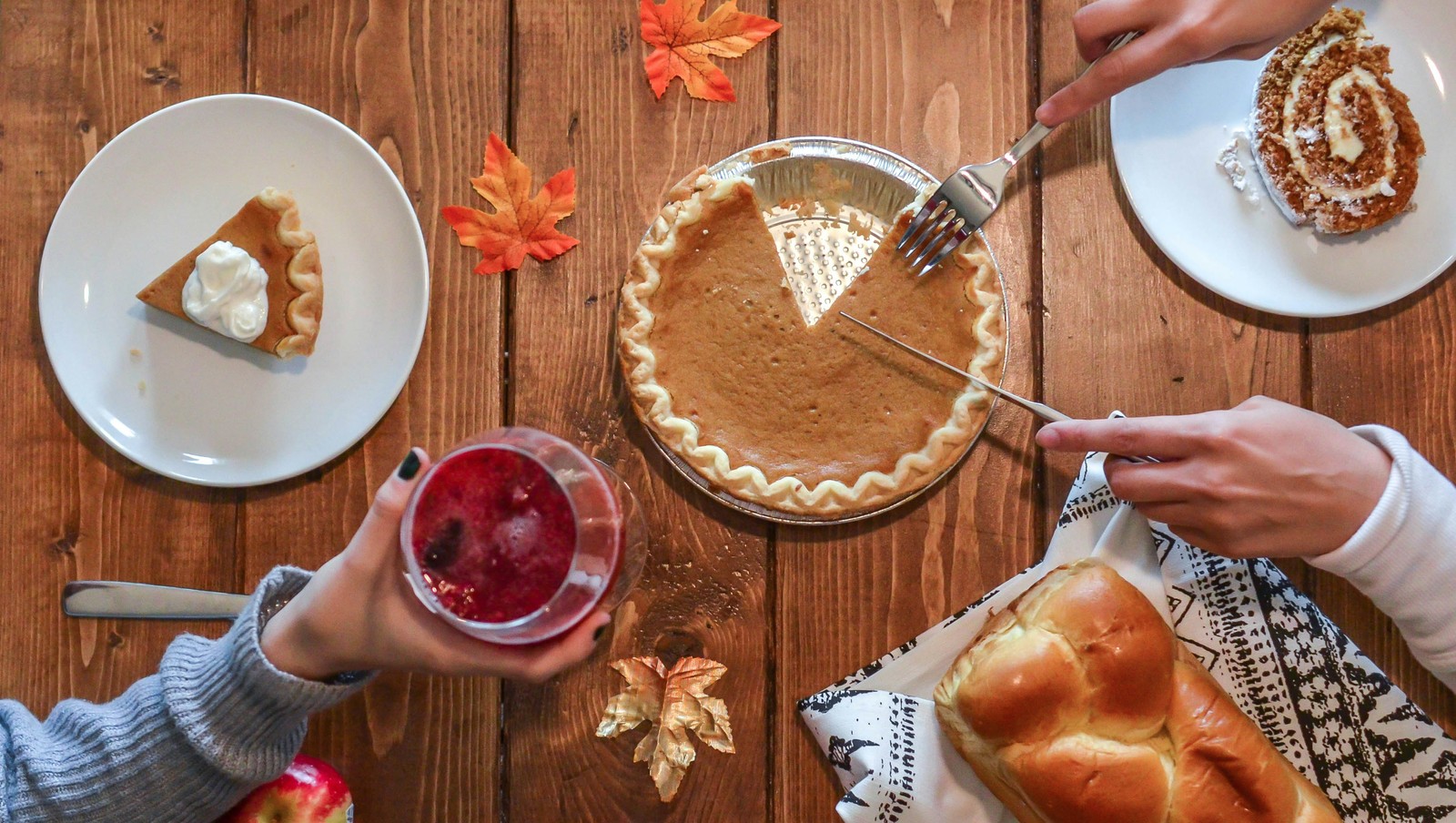
Image: Element5 Digital

On Thanksgiving Day, Americans gather with family and friends to enjoy a big dinner, watch parades, and catch football games. But this holiday isn't just about traditions and history; there's a lot of fun and surprises too. You might never guess which profession works overtime while everyone else is out chasing Black Friday deals! Read on to discover 10 fun facts about Thanksgiving you probably didn't know!

1
Bussy day
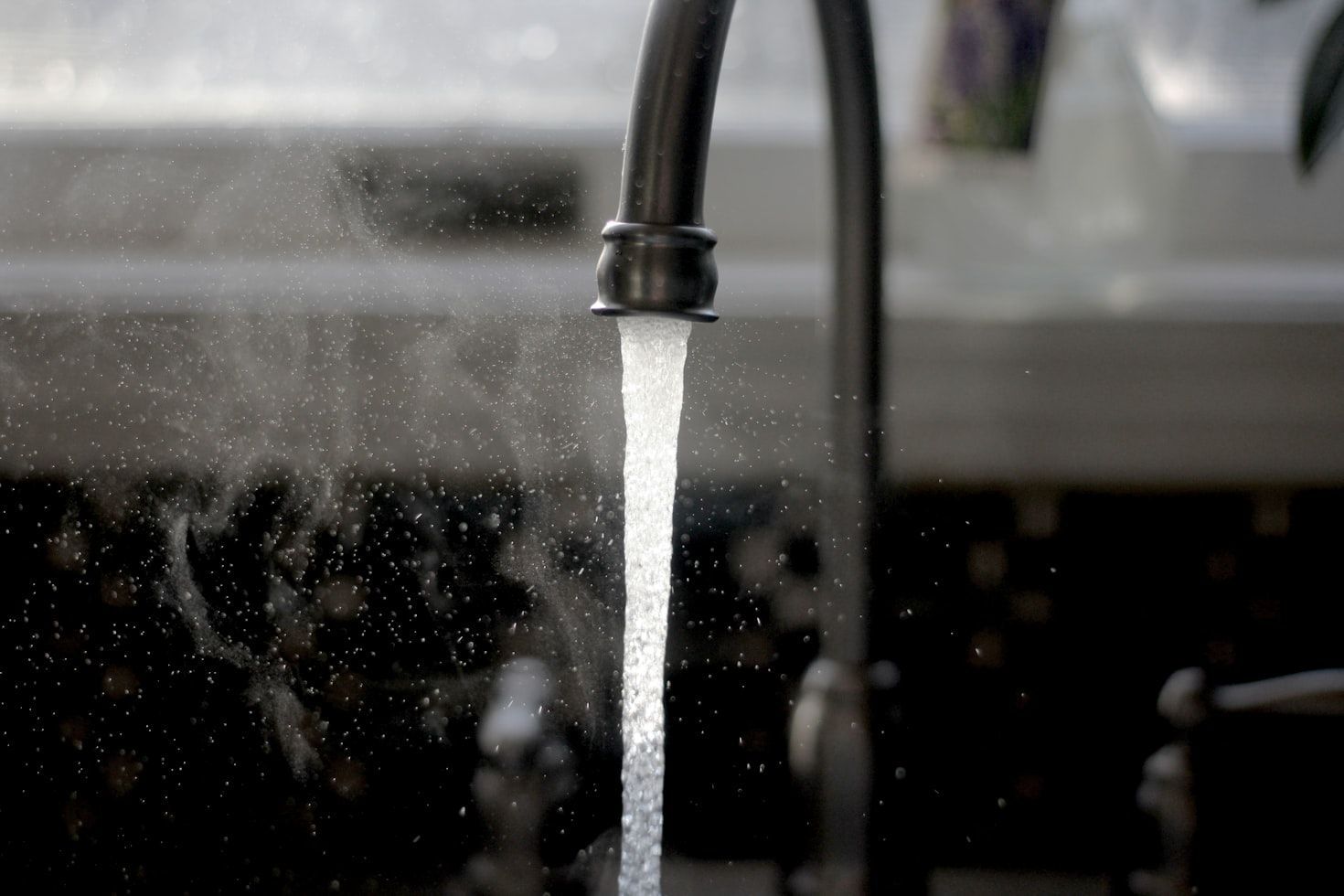
Image: Imani

Many of us spend the day after Thanksgiving relaxing or shopping. But this is not the case for plumbers. In fact, Black Friday is the busiest day of the year for these professionals. The reasons are all too common: clogged kitchen drains, overworked garbage disposals, and toilet troubles.

2
Leftovers vs. dinner
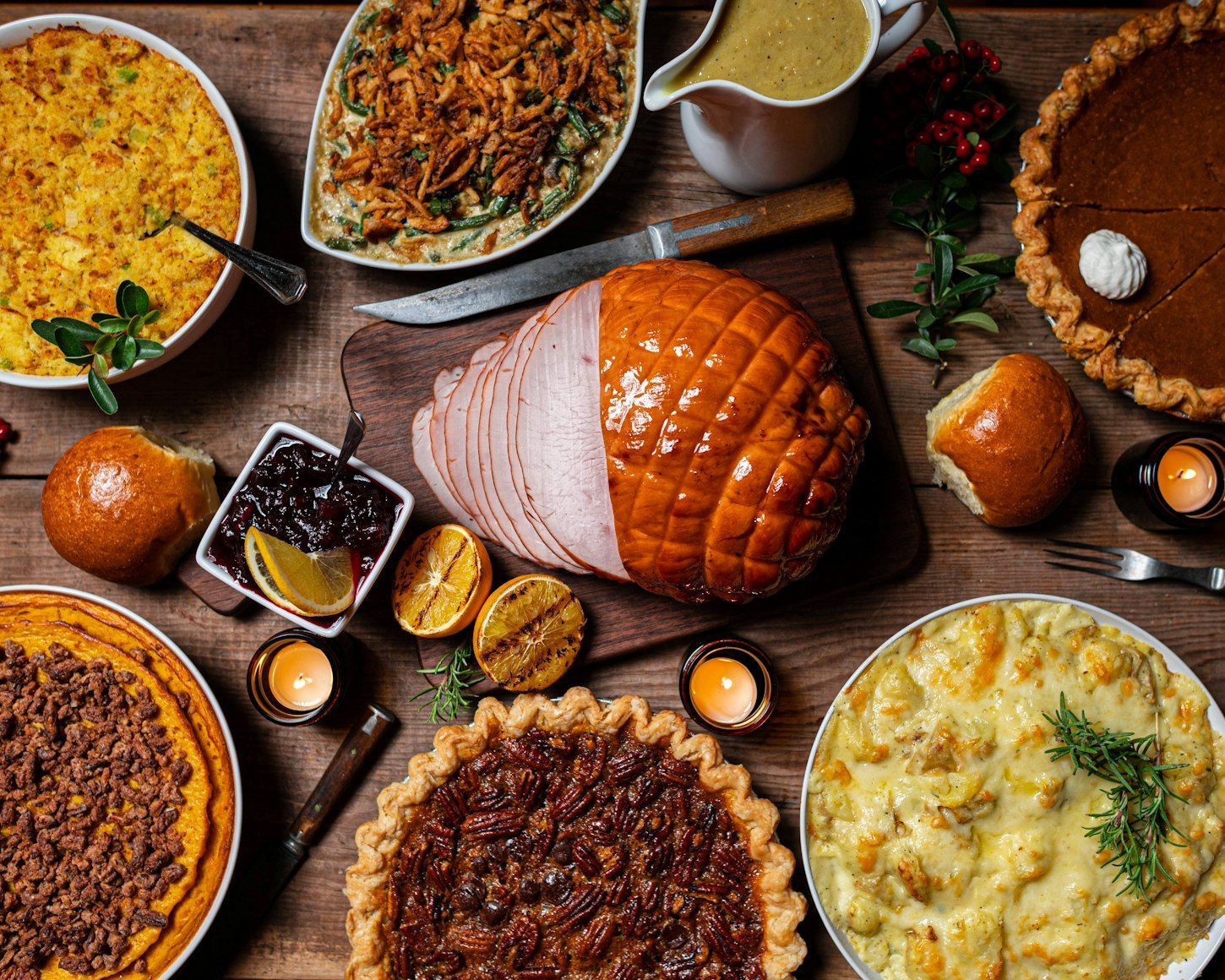
Image: Jed Owen

Stuffing, turkey, mashed potatoes, gravy, cranberry sauce, green bean casserole, and pumpkin pie are just a few of the classic food staples we enjoy on Thanksgiving. And as delicious as that feast is, studies show most Americans actually prefer the leftovers the next day! It seems there's something special about waking up and finding that delicious meal waiting for you in the fridge.

3
A caloric day
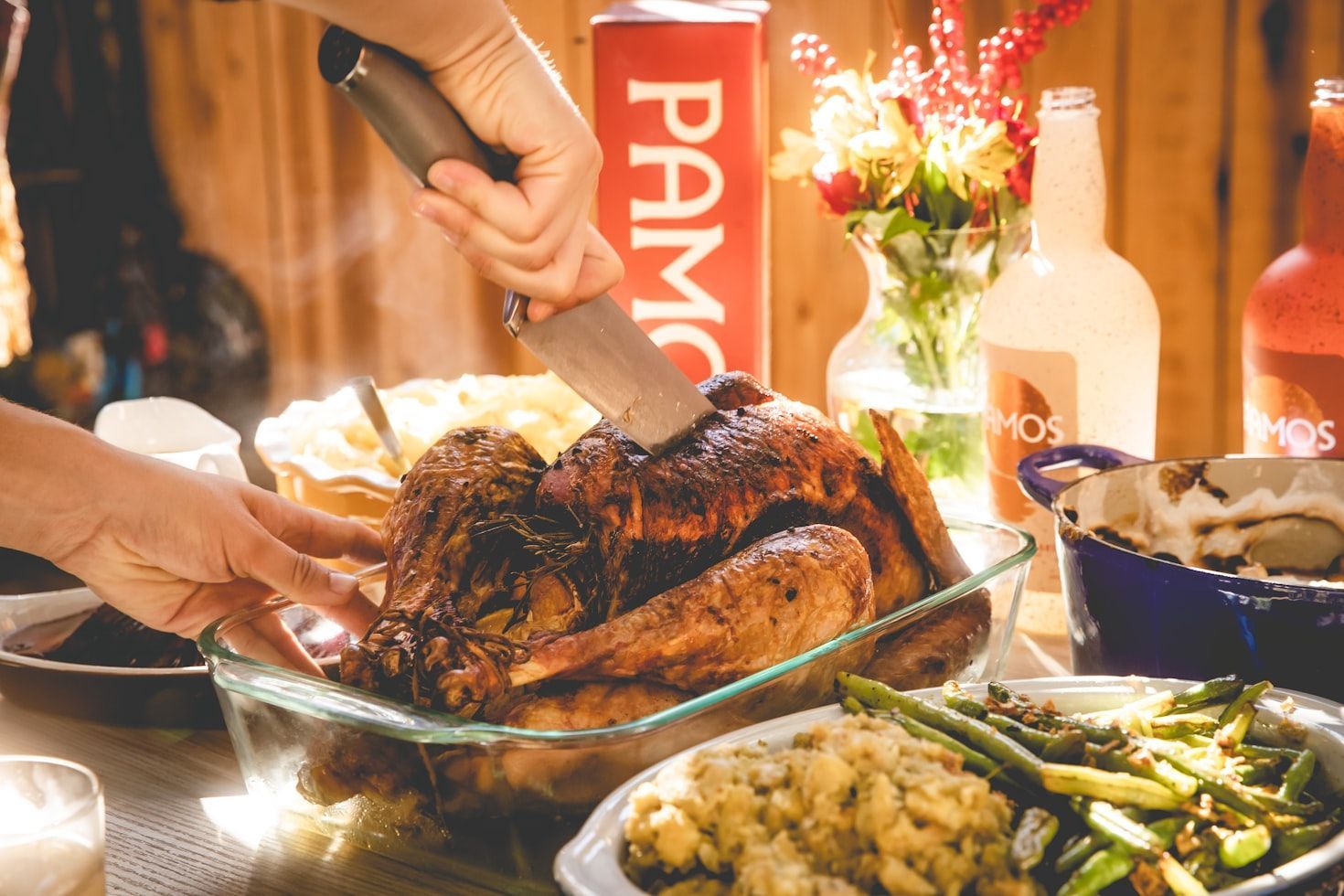
Image: Jessica Christian

There's no denying that on Thanksgiving, we often surrender to an extra slice of pie or one more piece of turkey than usual. According to the Calorie Control Council, Americans consume between 3,000 and 4,500 calories on Thanksgiving (not counting the leftovers waiting to be eaten the next day!). For comparison, medical guidelines often recommend between 1,600 and 3,000 calories for most healthy adults.

4
Thankful crowd
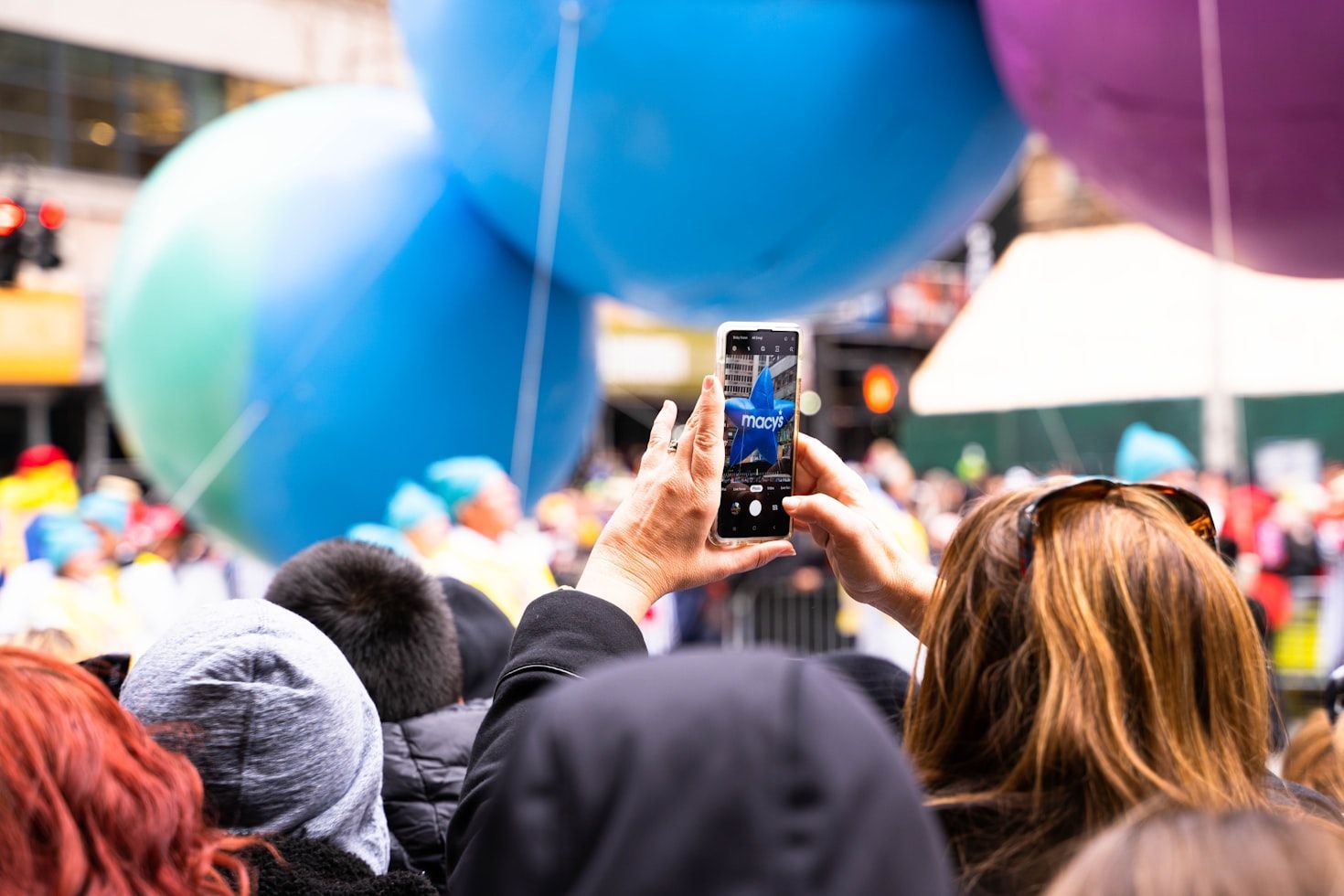
Image: Carson Masterson

Macy's Thanksgiving Day Parade is definitely a spectacular event you don't want to miss. We all know it's massive, but can you guess how many people actually attend in person? About 3.5 million! Not the best place if you're not a fan of crowds. When the parade started in 1924, the number of spectators was far smaller; around 10,000 people gathered to watch.

5
Green Bean Casserole
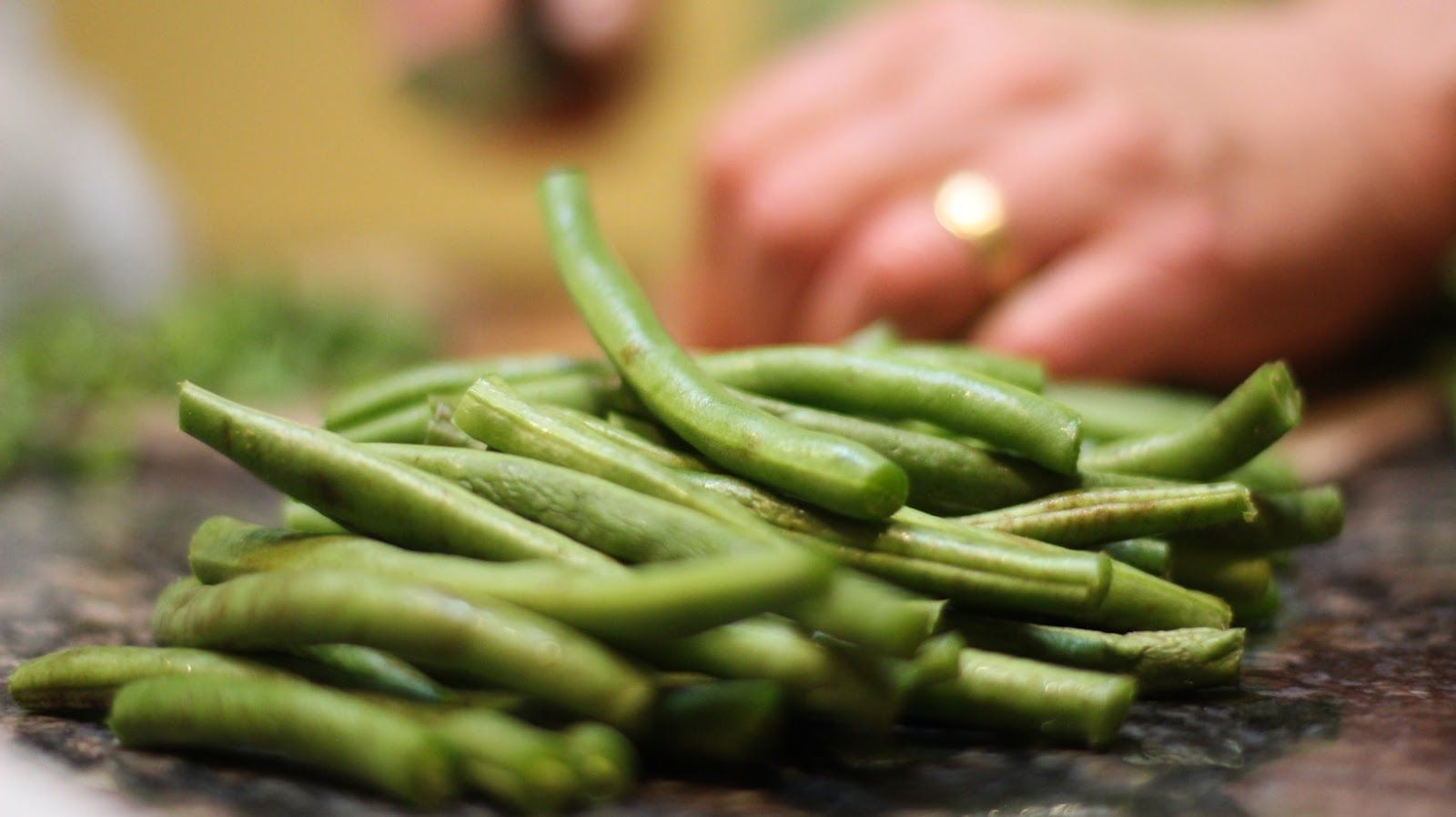
Image: Meghan Schiereck

Although it's now a Thanksgiving staple we can't imagine the holiday without, green bean casserole was actually invented in 1955! That's right; it was the brainchild of Dorcas Reilly, who worked for the Campbell Soup Company. Its success probably comes from the delicious flavor, quick prep, and simple ingredients: green beans, cream of mushroom soup, and crispy fried onions.

6
Turkey or not?
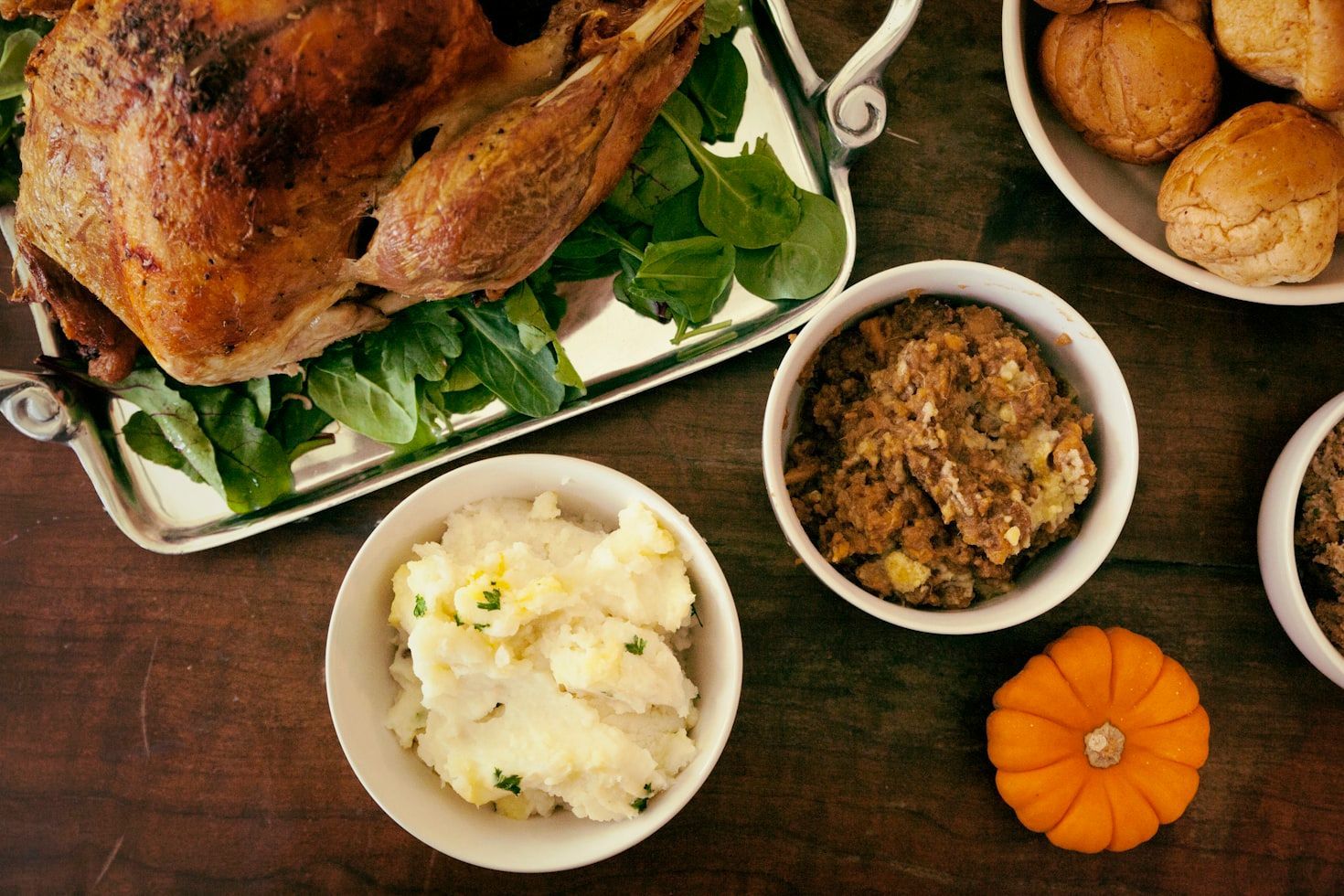
Image: Megan Watson

While turkey is the main dish on most tables, surprisingly, 12% of Americans choose to skip it during the holiday. The reasons? Endless. Some prefer other dishes, others follow vegetarian diets, some want to save room for dessert, and others avoid turkey for reasons we'll reveal in the next section!

7
Drowsy dinner
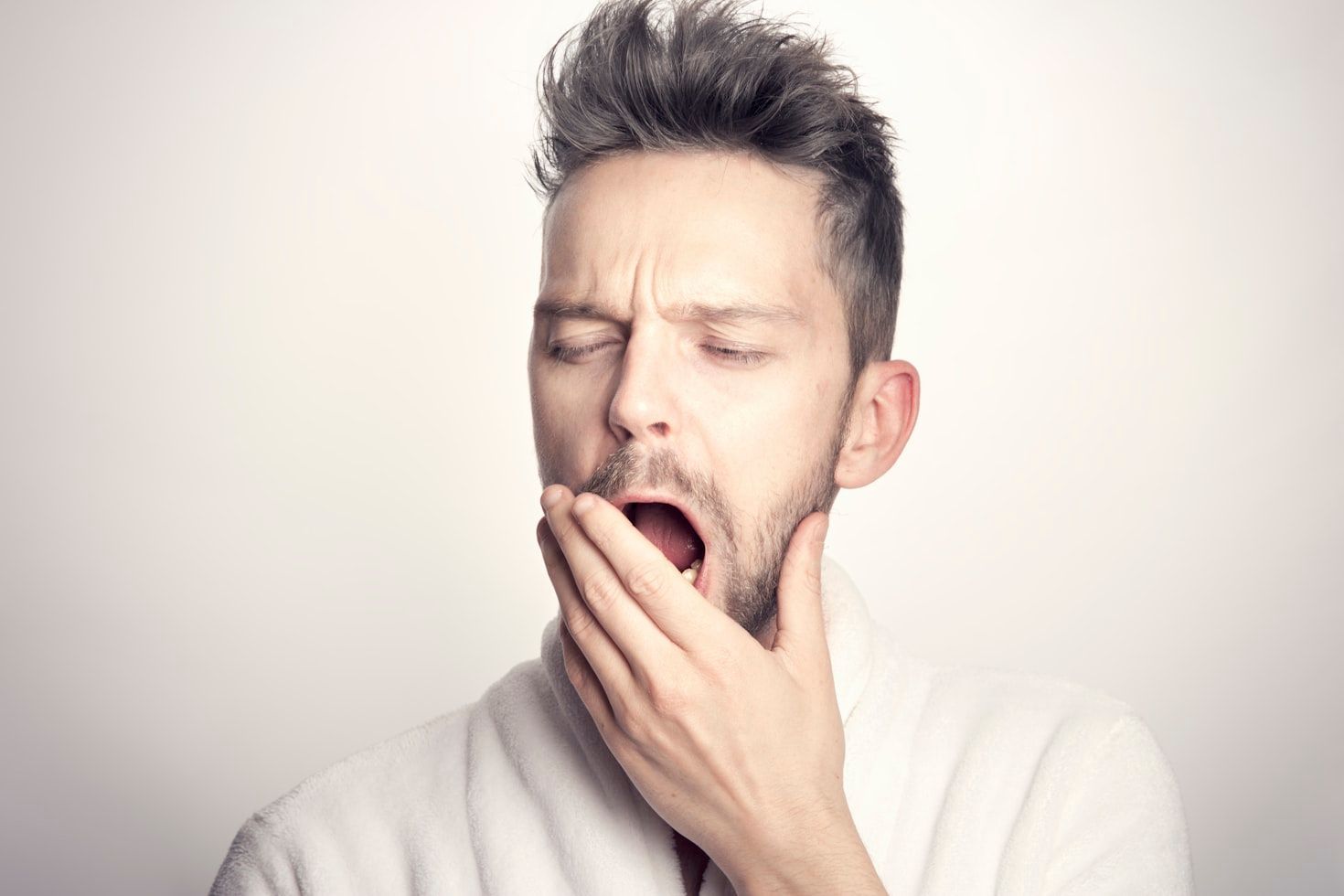
Image: Sander Sammy

Feeling like taking a nap after Thanksgiving dinner? Don't worry, you're not alone. While it's true that turkey contains tryptophan, a natural sleep aid, the present amount isn't any higher than in other birds, and a few bites shouldn't make you drowsy. What actually happens is that we eat a lot of calories in a short period, which slows down our metabolism and makes us sleepy.

8
Americans' favorite
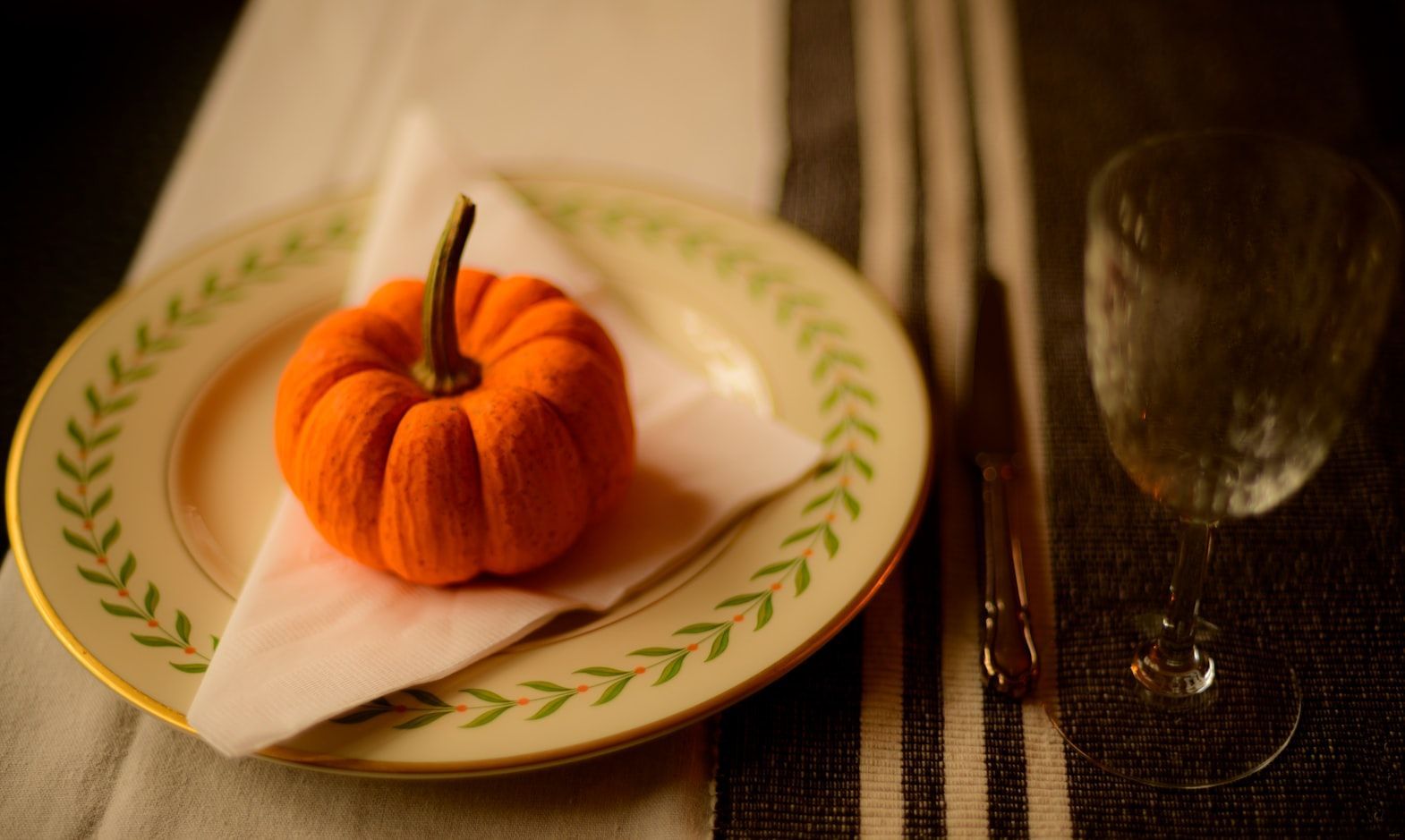
Image: Philippe Murray-Pietsch

If you thought turkey was everyone's favorite, you might want to think again! It turns out that a majority of Americans actually prefer stuffing. Specifically, 56% of Americans say they like side dishes more than turkey. For many, sides have become the real star of the meal.

9
Thanks to a miscalculation
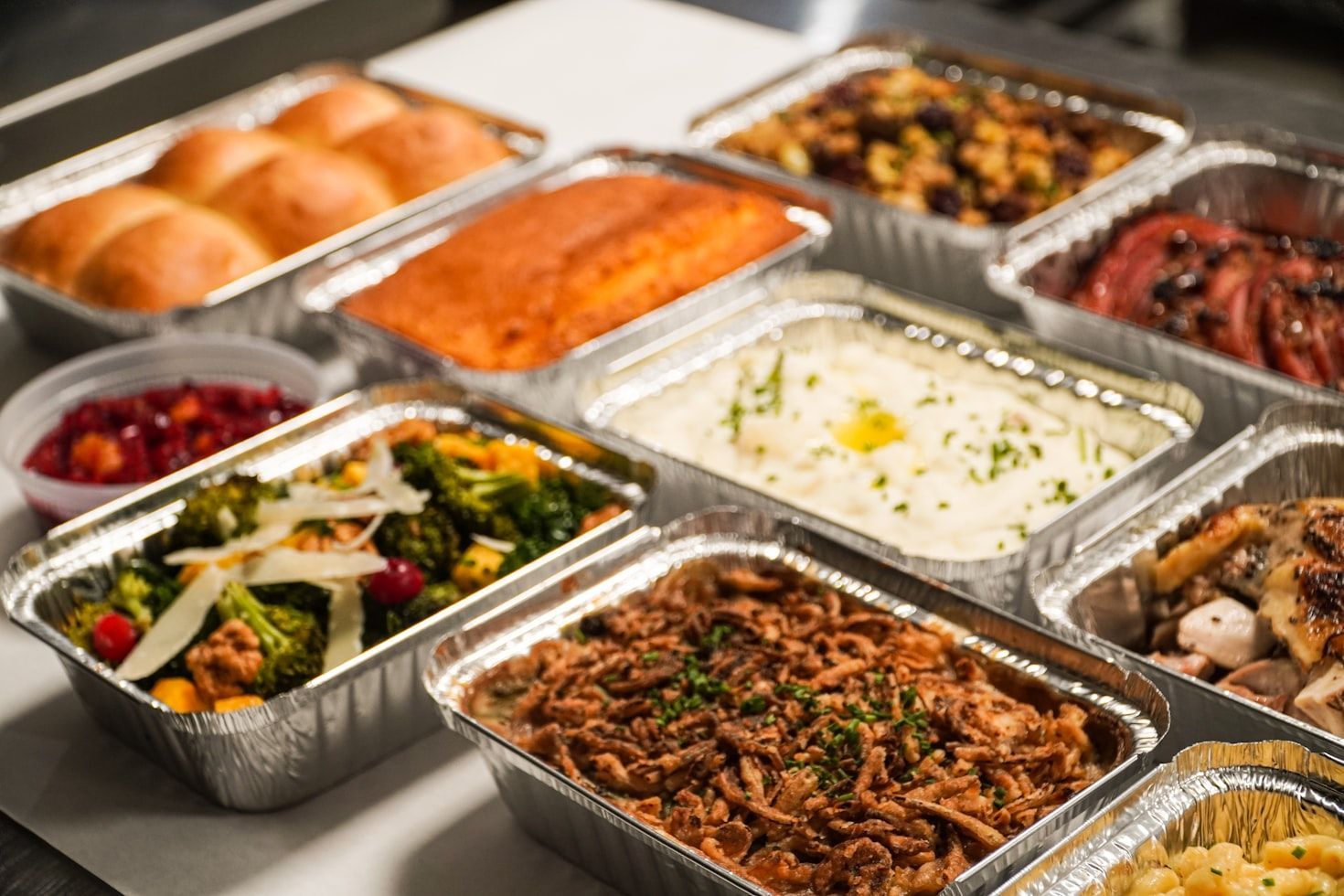
Image: Ana Maltez

The story goes that in the 1950s, the Swanson Company overestimated how much turkey Americans would eat during the holiday and ended up with about 260 tons of frozen leftovers. But a clever salesman came to the rescue: inspired by airline meals, he suggested packaging the turkey in trays with classic sides like stuffing and peas. The result: in late 1953, Swanson launched the first TV-Dinner, and the rest is history!

10
100,000 turkey-related questions

Image: Miryam León

Even though the tradition has been around for many years, people still have many questions about their Thanksgiving turkey. In fact, the Butterball Turkey Talk Line —a legendary Thanksgiving hotline— answers more than 100,000 turkey-related questions every year! Some of the most common include: "How much turkey should I buy?" and "When and how do I thaw a turkey?"

General General 4 min read

Which one are you?

Beatniks, hippies, yuppies, and beyond: 10 subcultures decoded

Image: Cottonbro Studio

Unlike generations, which can be easily grouped by years, social labels attached to groups of people with similar interests are not as rigid. Their boundaries blur into each other, and intersections appear. Aesthetic reasons, like music and clothing, bind some of these groups, philosophical reasons bring together others, and some, like hipsters, don’t even recognize themselves as such. Do you recognize yourself as a member of one of the following subcultures?

1
Bohemians

Image: Kinga Howard

Bohemianism, an original subculture that ended up lending its name as an adjective often used to describe other subcultures, is a social and cultural movement that embraces a way of life away from society's conventional norms and expectations . The term comes from the French bohème , and it was used to describe mid-19th-century non-traditional lifestyles, especially those of artists, writers, journalists, musicians, and actors.

Today, the term is used to describe anyone who shows disdain for money, dresses in hippie fashion (more on this later), and appreciates everything art-related.

2
Greasers

Image: Alberto Bigoni

Think John Travolta in _Grease_—yes, Grease . Think Biff Tannen in the 1950s segment of Back to the Future . Greasers emerged in the 1950s and early 1960s from predominantly working-class and lower-class teenagers and young adults in the United States and Canada.

An interest in cars, motorcycles, leather jackets, jeans, and rock music was the common theme among greasers. According to some sources, the subculture’s name was applied to its members partly because of their characteristic greased-back hair.

3
Beatniks

Image: Clem Onojeghuo

The first subculture on this list to adopt the adjective "bohemian," beatniks were a mid-20th-century social movement that embraced an anti-materialistic lifestyle, rejecting consumerism and expressing themselves through art, spirituality, drugs, and sexuality.

The term "beat" was first used by Jack Kerouac in 1948 to describe his group of friends and fellow writers, including Allen Ginsberg, William S. Burroughs, and Neal Cassady. Kerouac said that "beat" had multiple meanings, such as "beaten down," "beatific," "beat up," and "beat out." Beatniks are often stereotyped as wearing black clothing, and speaking in hip slang that incorporates words like "cool," "dig," "groovy," and "square."

4
Hippies

Image: Trevar Skillicorn-Chilver

One of the most famous countercultures of all time, hippies are deeply associated with the 1960s. The term "hippie" originally came from "hipster" (more on this later) and was used to describe the aforementioned Beatniks, who were "hip" to all things sophisticated and fashionable. In fact, early hippies adopted much of the language and values of the Beat Generation.

The festivals of Human Be-In (1967), Monterey (1967), and Woodstock (1969) popularized hippie culture, with its fashion and values influencing culture, popular music, television, film, literature, and the arts. Since the 1960s, mainstream society has assimilated many aspects of Hippie culture.

5
Mods

Image: Michael Schofield

The Mods were a group of stylish, London-based young men and women in the late 1950s, named for their preference for modern jazz. This subculture was known for its distinctive fashion, including tailor-made suits, as well as its love for music and scooters.

By the mid-1960s, their musical tastes had shifted toward rock and blues, with bands like The Who and Small Faces gaining popularity among Mods. Mod fashion was a defining element of the "Swinging London" era, and during this time, the subculture spread to other countries, becoming emblematic of the larger youth culture of the period.

6
Punks

Image: Viktor Forgacs

Another popular subculture, thanks in no small part to its striking visual component, is the punk movement, which encompasses music, fashion, ideologies, dance, film, and visual arts, among other forms of expression. Its strong anti-establishment views, stances on individual freedom, and DIY ethic make punks easy to identify.

Punk fashion includes T-shirts, leather jackets, boots, distinctive hairstyles such as brightly colored hair and spiked mohawks, as well as cosmetics, tattoos, jewelry, and even body modification.

7
Yuppies

Image: Nick Fewings

Anyone who has seen the movies Wall Street (the one with Charlie Sheen and Michael Douglas) or American Psycho knows what a yuppie is. The term stands for "young urban professional" and was coined in the early 1980s as a way to describe young professionals living in a city.

Those labeled as yuppies generally dislike the association, because this characterization often suggests a very materialistic approach to life in general and a cutthroat attitude towards the workplace environment.

8
Skaters

Image: Parker Gibbons

An offshoot of the punk subculture, skater culture rose to prominence in the 1980s when a massive drought in California left numerous empty pools, which skaters used to practice their sport. The rise of magazines like Thrasher and stars like Tony Hawk helped the movement transition from an underground scene to a mainstream sport.

Its aesthetics centered around the preferred type of clothes for skateboarding: baggy and sturdy pants, sneakers, and oversized shirts. Its music was shared by the punk and hardcore movements.

9
Straight Edge

Image: Evgeniy Smersh

Going deeper down the rabbit hole, we encounter the Straight Edge subculture, an offshoot of both skater and hardcore punk cultures. Its followers reject the excesses of the punk scene by abstaining from alcohol, tobacco, and recreational drugs . Many also refrain from casual sex, follow a vegetarian or vegan diet, and avoid caffeine or prescription drugs. The name "Straight Edge" was inspired by the 1981 song "Straight Edge" by the hardcore punk band Minor Threat.

Overall, Straight Edge culture promotes a lifestyle of self-discipline, health, and community, and it continues to evolve while maintaining its roots in the hardcore punk scene.

10
Hipsters

Image: John Fornander

The final entry on the list is dedicated to the most modern subculture in it: the hipsters. Mostly associated with perceived upper-middle-class white young adults who gentrify urban areas , hipster culture has been critiqued for lacking authenticity and focusing on consumption.

As mentioned earlier, members of this subculture typically do not self-identify as hipsters, as the term’s connotations are often unflattering. It is no coincidence that the term evokes the previously mentioned Beatniks, as that subculture can be seen as an early precursor to hipster culture.

Geography Geography 6 min read

ON THE ROAD

From Magnificent Mile To Ocean Drive: 10 Iconic Streets In The U.S. Magnificent Mile To Ocean Drive : 10 Iconic Streets In The U.S.

Image: Marf Fanelli-Isla

Thanks to its vast territory and diverse cultural history, the United States has a large number of paradigmatic streets worth knowing . Whether you've visited them at some point or seen them in a movie, the 10 streets selected in this article will surely not surprise you. However, you may find one or two fun facts you didn't know about. For example, did you know that the Las Vegas Strip is not in Las Vegas? It’s always worth knowing a little more! Read on to learn this and other secrets about America's most iconic streets.

1
Sunset Boulevard, Los Angeles

Image: Nathan Dumlao

Sunset Boulevard is a famous Los Angeles street that spans approximately 24 miles. It runs through districts such as Hollywood, West Hollywood, Beverly Hills, and Bel Air. This iconic street's best-known section is the Sunset Strip , where you can find restaurants, hotels, boutiques, colorful billboards, comedy clubs, and nightclubs.

Today, Sunset Boulevard is synonymous with luxury and glamour, but it wasn't always the case. In the first decades of the 20th century, Sunset Strip was home to illegal casinos and was the go-to place to find alcohol during Prohibition. Then, in the 1930s and 1940s, the new restaurants and clubs were packed with the rich and famous . In the 1960s Sunset Strip became a meeting point for rock musicians and the hippie counterculture, who were later forced to leave when prices rocketed in the ‘80s.

2
Bourbon Street, New Orleans

Image: Kristina Volgenau

Bourbon Street is a historic street in the heart of New Orleans' French Quarter. Stretching 13 blocks from Canal Street to Esplanade Avenue, it is one of the wildest and rowdiest streets in the world . Famous for its numerous bars, restaurants, and art galleries, Bourbon Street is best known for hosting the annual Mardi Gras carnival.

But it has not always been a place for partying and madness. During colonial times, it was mostly a residential area and one of the most populous streets in the city. Contrary to popular belief, this street is not named after the famous liquor. It was actually named after the French royal family that reigned in 1721 when French engineer Adrien de Pauger designed the layout of New Orleans. Now, was the liquor named after the street? That, my friends, is a story for another article.

3
Lombard Street, San Francisco

Image: NISCHAL MALLA

Although it's known as "the crookedest street in the world," Lombard Street isn't even the steepest street in San Francisco . That title technically belongs to Vermont Street, between 20th and 22nd Streets in Potrero Hill.

Those curves on that 40-degree incline may seem dangerous to you now, but they were actually built to increase the safety of the street. The natural incline was considered too unsafe, so in the 1920s, a resident suggested creating a series of zigzag curves that would not only add scenic appeal to the street but also make it safer for pedestrians . Today, it is a major tourist attraction for the two million people who visit San Francisco every year.

4
Pennsylvania Avenue, Washington D.C.

Image: Library of Congress

Pennsylvania Avenue is known throughout the world as the heart of the nation's capital , as America's Main Street . American history has paraded, marched, strolled, and protested along this avenue since its creation. It is not just another street. This is where the country’s history and all the political power are concentrated: it is where the White House and the Capitol are located.

Pennsylvania Avenue, like the entire city of Washington, was specially designed in the late 18th century by French-American artist and engineer Pierre Charles L'Enfant at the request of George Washington. For many years, this diagonal street inspired by the Champs Elysees in Paris, was a graceless dirt road. That changed when Thomas Jefferson ordered rows of Black Poplar trees to be planted along it. Finally, in 1832, it was paved to best fight the dust and dirt.

5
Michigan Avenue, Chicago

Image: Jonathan J. Castellon

The most famous portion of Michigan Avenue is known as the Magnificent Mile . Crowned by tall skyscrapers, it has hundreds of luxury stores and restaurants . It is also filled with famous landmarks such as Millennium Park, Chicago Water Tower, and the Art Institute of Chicago, among other buildings.

The Magnificent Mile began construction during the 1920s as part of the Burnham Plan of Chicago, which recommended adding wider streets, parks, and new buildings. In 2007 it was chosen as one of the 10 Great Streets by the American Planning Association. Nowadays, the Magnificent Mile has become a favorite destination for more than 22 million tourists who visit Chicago annually.

6
Wall Street, New York City

Image: Uwe Conrad

Wall Street is undoubtedly one of the most famous and well-known streets in the United States and the world. Located in Lower Manhattan, it is considered the "Financial District" because it houses multiple financial institutions and large banks , such as the Central Bank of the United States, the Federal Reserve, and the New York Stock Exchange.

But did you know why it's called like this? The Wall Street name refers to a wooden wall built by Dutch settlers to defend against possible attacks by British pirates during the Anglo-Dutch wars in the 17th century. Originally known in Dutch as Het Cingel —"the Belt" in English—, the wall was more than 2,340 feet long and approximately 9 feet high. It also had two gates, known today as the corner of Wall Street and Pearl Street.

7
Beale Street, Memphis

Image: Heidi Kaden

Beale Street in Downtown Memphis, Tennessee, is a street developed in the 1840s. Today it is best known for its pivotal role in the history of blues music, but was originally named after Edward Fitzgerald Beale, a military hero from the Mexican–American War. Part commercial, part suburbs, in the 1860s Beale Street was the go-to place for African American traveling musicians to perform.

Since then, blues and jazz legends such as Louis Armstrong, Muddy Waters, and Albert King have played on Beale Street, contributing to the development of the style known as Memphis Blues . In fact, B.B. King was once known as "the Beale Street Blues Boy." In 1977 this historic street was officially declared "Home of the Blues."

8
Newbury Street, Boston

Image: Aline Sales

Considered the "Rodeo Drive of the East," Newbury Street in Boston is one of the most expensive streets in the world . But did you know that once upon a time most of it was underwater? Until the mid-1800s, Newbury Street was part of Boston Harbor until it was filled in with dirt from neighboring communities. Back then, it was mostly a residential area with very little charm.

It wasn’t until the 1980s that Newbury Street started to become the trendy shopping mecca we know and love today. Surrounded by 19th-century brownstones turned into high-end boutiques and restaurants, nowadays you can find modern art galleries and concept stores that still retain the sophisticated style of its glory days.

9
Ocean Drive, Miami

Image: Dennis Rochel

The Ocean Drive boardwalk, located in the South Beach area, is probably the most popular street in Miami and one of the most famous in the world. Known for its white sand beaches, turquoise sea, and colorful Art Deco architecture , here you will find some of the best restaurants, bars, and hotels in the entire city.

Ocean Drive's history is full of reinventions. Originally, in the early 20th century, it was a dusty street. In the 1920s, Miami Beach became a tourist destination and the area began to develop. From the 1930s on, Ocean Drive was nicknamed the "Great White Way" and played host to big stars such as Frank Sinatra and Jimmy Durante . Today, after a remodeling that cost millions of dollars, the mythical street has been modernized and reborn.

10
Las Vegas Boulevard, Clark County

Image: David Vives

Did you know that the famous Las Vegas Strip is not within Las Vegas city limits? The Strip is a stretch of Las Vegas Boulevard, one of the most filmed and photographed streets in the United States. However, contrary to what many people think, it is located in the unincorporated town of Paradise , in Clark County.

Originally, the Strip was nothing more than a highway with a few nightclubs and motels. With the construction of the Flamingo Hotel in 1946, the Strip began to change and develop into what it is today. Regardless of its exact location, today the Strip is home to the most iconic hotels and casinos , including Caesars Palace, the Bellagio, and the Venetian, and is a must-stop for anyone visiting Sin City.

Explore more American facts

Choose your favorite category!

General
General

As American as apple pie—the very best America has to offer!

Culture
Culture

Delve into the astounding richness of American lore.

Geography
Geography

Hop in and explore vast and diverse American landscapes.

History
History

Discover the key moments that shaped the United States.



