Culture Culture 4 min read

Debunking myths

Famous Americans: The myths everyone believes and why they’re wrong

Image: JR Harris

No doubt, we love a good legend. Give us a glamorous movie star, a sports hero, or a cultural icon, and we’ll happily embroider the facts to make a story sparkle. But many of the tales we repeat with total confidence never actually happened . Here are some of the most stubborn myths about famous Americans, and (hopefully) the real stories behind them.

1
Elizabeth Taylor had purple eyes

Image: Studio publicity still, Public domain, via Wikimedia Commons

Elizabeth Taylor’s stare really did look otherworldly, so fans started saying she had naturally violet eyes, calling it a genetic rarity fit for a Hollywood goddess.

In reality, her eyes were a deep blue that photographed with an unusual richness, especially when paired with lavender clothing, dramatic lighting, or the era’s film stock.

2
There was a long-standing feud between Venus and Serena Williams

Image: Jimmie48 Photography

The Williams sisters have faced each other on the world’s biggest tennis stages, which naturally fueled talk of a bitter, lifelong rift. The truth is far less dramatic.

Their relationship, by their own accounts, has been a mix of intense competitiveness and unwavering loyalty, exactly what you’d expect from two elite athletes raised side by side.

3
Michael Jackson bought the Elephant Man’s bones

Image: RJA1988

During the height of his fame, Michael Jackson couldn’t sneeze without generating rumors. One of the wildest was that he purchased the bones of Joseph Merrick, the "Elephant Man," a Victorian-era Englishman who had been famous in his life due to his severe, rare physical deformities.

But this whole story had been a publicity stunt released by his own team to promote the album Bad in 1987. Jackson later denied the claims, but he did admit that he had always felt a kinship for Merrick and that more than once he had visited his remains, which had been kept at Royal London Hospital since his death in 1890.

4
Many listeners panicked during the "War of the Worlds" broadcast

Image: Muhammed ÖÇAL

For generations, many have repeated the tale of Americans running into the streets in terror after Orson Welles’s 1938 broadcast about a fictional Martian invasion.

While some listeners were confused or alarmed, the supposed nationwide chaos was wildly exaggerated. Newspapers of the era had a vested interest in making radio look irresponsible, and they pumped the story up accordingly.

5
Judy Garland made less than Toto in "The Wizard of Oz"

Image: Stainless Images

This rumor survives because it’s shocking and symbolic: In this 1939 production, Hollywood underpaid its young star so badly that even the dog earned more.

But Judy Garland was paid roughly $500 a week , which would be equivalent to $12,000 today. That was four times what was given to Carl Spitz, owner and trainer of the female Cairn Terrier named Terry, who played Toto. Spitz earned about $125 a week ($3,000 today). Some background actors did earn less than the dog, which may be the fact that gave birth to the myth.

6
Harrison Ford was discovered while working as a carpenter for George Lucas

Image: Craft Kitties

Hollywood loves an "accidental discovery" story, so Harrison Ford supposedly landing Star Wars while hammering nails for George Lucas became an instant classic.

The real version is less exciting. Ford did work as a carpenter to support his family, and he had already acted for Lucas in American Graffiti . When Star Wars came around, his talent and his existing relationship with the director mattered far more than his toolbox.

7
Marilyn Monroe was fragile and camera-shy

Image: Europeana

Marilyn Monroe is often dismissed as a pretty face who could barely get through a scene, but that stereotype hides a more complicated reality. The superstar did struggle with intense anxiety, insomnia, and low self-esteem. Anecdotes report that she was often late to set or that she requested dozens of takes.

But the blanket claim that she was incapable is debunked by her collection of performances. Some of her directors defended that she was undeniably magnetic and mastered camera presence. Her struggles were born from relentless perfectionism and a fight to be taken seriously in a system that constantly patronized her.

8
Elvis Presley once gave a blind fan concert tickets for life

Image: Lara Wehbe

Over the years, an irresistibly sweet story surfaced about Elvis gifting a blind girl a lifetime of free concert tickets and a large check. It’s touching, but as far as anyone can verify, it never actually happened.

There’s no record of the alleged gift in estate archives, major biographies, or credible reporting. What is true is that Elvis was famously generous, which probably helped this seem like something he could have done.

9
Babe Ruth was orphaned as a young boy

Image: Steshka Croes

Babe Ruth’s larger-than-life charisma lent itself to rags-to-riches storytelling, and somewhere along the way, people began claiming he grew up as a true orphan.

In reality, Ruth was sent to St. Mary’s Industrial School for Boys in Baltimore, Maryland, because his parents struggled with his behavior, not because they had died. The institution played a huge role in shaping both his childhood and his baseball skills, but his parents remained alive during those early years.

10
Walt Disney is cryogenically frozen

Image: serjan midili

A die-hard urban legend! The idea that Walt himself is frozen in a hidden chamber under Disneyland might be the most famous of them all. The truth is much more ordinary: he was cremated shortly after his death in 1966.

The cryonics rumor appeared almost immediately, likely because the technology was making headlines and Disney’s legacy already felt larger than life.

Culture Culture 7 min read

The life and death of the teenage outlaw of the Southwest

“And the best Billy the Kid goes to…..” These 10 actors played one role

Image: Boston Public Library, Public domain, via Wikimedia Commons

Billy the Kid is one of the most portrayed individuals in cinematic history . The most wanted man on the American frontier has been played by numerous actors—and even actresses—from 1911 to the present day. From Paul Newman to Val Kilmer, each one of them gave the famous outlaw their peculiarity, keeping his legend alive in the collective memory of the American public for generations. Do you remember any of them? Don't worry, in this article, we review 10 actors who portrayed Billy the Kid in movies and TV shows.

1
Edna Foster and Edith Storey (1911)

Image: University of Washington, Public domain, via Wikimedia Commons

Even just thirty years after his death, the figure of Billy the Kid was so legendary that films were already being produced based on his life. The first two, both silent shorts, date from 1911 and share an intriguing peculiarity: both star women.

Billy the Kid was directed by Laurence Trimble and is very loosely based on the life of the famous outlaw. It is, however, believed to be a lost film. Edith Storey , an American actress who had played male characters in films such as Oliver Twist , stars as "the Kid."

The Adventures of Billy , on the other hand, was directed by the great pioneer American motion-picture director D. W. Griffith. In this film, the role of Billy is played by American child actress Edna Foster.

2
Johnny Mack Brown (1930)

Image: Ruth Harriet Louise, Public domain, via Wikimedia Commons

American college football player and film actor John Mack Brown was the first to play Billy the Kid in the talkies. He was directed by none other than the great film director and producer King Vidor in 1930's Billy the Kid . This film is a pre-Code Western and tells the story of Billy's escape after avenging his boss and the subsequent manhunt by Sheriff Pat Garret.

Johnny Mack Brown had started his career by appearing in a few minor films until he got his big break with this movie. Unfortunately, his career in mainstream cinema did not flourish, leading him to transition into low-budget Westerns. Eventually, he found significant success as a B-movie cowboy , becoming a beloved figure in the genre.

3
Jack Buetel (1943)

Image: here, Public domain, via Wikimedia Commons

Jack Buetel was an inexperienced actor when tycoon Howard Hughes cast him in his next film, The Outlaw , in 1940. Buetel signed a seven-year contract after Hughes promised him that he would make him a star.

The film faced many difficulties. It wasn’t immediately approved due to its erotic scenes, and although it was officially released in 1943, it was not until 1946 that the public was able to finally see it. Produced during the golden age of the genre, The Outlaw is considered a psychological Western. However, it was not well received by the critics of the time, and Buetel's work was especially bashed. After this, Hughes refused to allow Buetel to participate in other films, and his career never really took off.

4
Paul Newman (1958)

Image: Unknown authorUnknown author, dedicated to Bettmann Archive, Public domain, via Wikimedia Commons

Paul Newman is one of the most celebrated actors of the 20th century and is best known for his roles in several classic Westerns. But did you know that the first Western character Paul Newman portrayed was Billy the Kid? In the mid-1950s, Newman was cast to replace James Dean in The Left Handed Gun after Dean's untimely death. This was the beginning of a series of films about the Old West that the beloved American actor would play throughout his career.

Based on a teleplay by Gore Vidal and directed by Arthur Penn, The Left Handed Gun departs from the classic genre iconography to present the famous bandit much closer to the rebellious and tormented antiheroes of the era. Thus, in this film, the characters are complex and nuanced, questioning and revising the traditional portrayal of the savage outlaw.

5
Clu Gulager (1960 - 1962)

Image: NBC Television, Public domain, via Wikimedia Commons

The first television series about Billy the Kid was The Tall Man , which aired on NBC from September 10, 1960, to September 1, 1962. Although we all know that the real story ends with Billy being killed by Pat Garrett, this light-hearted action series focuses on the duo's alleged happier days, when they had more of a father-and-son relationship.

Clu Gulager, born in Oklahoma and the son of a cowboy entertainer, plays Billy. Although he was already 32 years old when cast, the actor earned his well-deserved place in the role. After the success of this series, Gulager worked in other Westerns and later had a second career as a horror film actor. His last appearance on the big screen was in 2019, in Quentin Tarantino's Once Upon a Time in Hollywood.

6
Geoffrey Deuel (1970)

Image: Unsigned, Public domain, via Wikimedia Commons

While this is not a film specifically about Billy the Kid's life, he does appear as a supporting character. Starring the legendary John Wayne, Chisum tells the story of the 1878 Lincoln County War, an Old West conflict between rival factions involving some famous gunslingers, including William H. Bonney, better known as Billy the Kid.

In this film, Geoffrey Deuel plays Billy the Kid. Although he had already participated in some television series, Chisum was his debut on the big screen.

7
Kris Kristofferson (1973)

Image: Republic Country Club, CC BY 2.0 , via Wikimedia Commons

Kris Kristofferson is best known for his career as a country musician and his appearance in the 1976 version of A Star is Born alongside Barbra Streisand. But did you know he also portrayed Billy the Kid? In 1973, he was cast in the revisionist Western film Pat Garrett and Billy the Kid , directed by Sam Peckinpah.

One of the most intriguing aspects of Kristofferson's involvement in this film is that he introduced Bob Dylan to the director. Dylan was initially hired to write the title song, but ended up composing the whole score and even played the role of "Alias." Among the songs Dylan wrote for the film was the iconic "Knockin' on Heaven's Door."

8
Val Kilmer (1989)

Image: Billy Hathorn at English Wikipedia, CC BY-SA 3.0 , via Wikimedia Commons

American writer Gore Vidal was not pleased with the adaptation of his teleplay for The Left Handed Gun , so he decided to produce his own version. The resulting TV movie premiered on TNT in May 1989, with Val Kilmer cast as Billy the Kid.

Kilmer's version of Billy the Kid is a bit friendlier than his predecessors. He was also the right age for the character, making Gore Vidal's Billy the Kid one of the most historically rigorous accounts of the outlaw's life.

After this film, Val Kilmer's career continued to grow, with standout roles in The Doors and Batman Forever . Billy the Kid wasn’t the only gunslinger he portrayed—Kilmer also famously played Doc Holliday in the 1993 film Tombstone .

9
Dane DeHaan (2019)

Image: Gage Skidmore from Peoria, AZ, United States of America, CC BY-SA 2.0 , via Wikimedia Commons

American actor Dane DeHaan portrays Billy the Kid in the 2019 film The Kid , alongside Ethan Hawke as lawman Pat Garrett. The physical resemblance between DeHaan—a younger Leonardo DiCaprio lookalike—and the real William H. Bonney is striking, making the Vincent D'Onofrio-directed film not only a fresh take but also one of the closest onscreen renditions of the mythical character.

In an interview, DeHaan said that he accepted the role because he thought it was a very interesting character to play. He also explained that he considered Billy the Kid a victim of the media and explained that the film aims to depict the harsh realities of the Wild West, where survival often drove people to desperate and terrible actions.

10
Tom Blyth (2022 - )

Image: Asagan at English Wikipedia, CC BY-SA 3.0 , via Wikimedia Commons

The most recent version of Billy the Kid is played by Tom Blyth, a 29-year-old English actor from Birmingham. Blyth plays the infamous outlaw in the television series Billy the Kid, which premiered on MGM+ in April 2022. Produced by Michael Hirst, the English producer behind hits like The Tudors and Vikings , the series was renewed for a third and final season in 2024.

To prepare for this character, Blyth didn't just read a ton of books about Billy's story; he felt the need to do something more tangible to get into the skin of the famous outlaw. He traveled to Arizona, rented a car, and began a 7-day pilgrimage around New Mexico visiting all the places William H. Bonney had once been. He even visited his grave! His intention was to make the character more palpable and real as opposed to this exaggerated image of the mythical character we are used to.

Culture Culture 5 min read

"To be true to ourselves, we must be true to others."

Presidential goals: The 12 moments that defined Jimmy Carter

Image: National Archives and Records Administration, Public domain, via Wikimedia Commons

Long before he set foot in the Oval Office—and for decades afterward—Jimmy Carter built a life filled with unexpected achievements and heartwarming stories that showed his true character. From growing up in the small town of Plains, Georgia, to working side by side with volunteers well into his later years, Carter’s journey has been as remarkable as it has been relatable. These 12 moments offer a closer look at the farmer, the naval officer, the peacemaker, and the neighbor next door who happened to become the 39th President of the United States.

1
A farm boy from Georgia

Image: Pezibear

Before Jimmy Carter became a household name, he was a small-town boy with dusty feet and big skies overhead. Life on his family’s peanut farm in Plains, Georgia, was all about early mornings and honest work —milking cows before breakfast, hauling feed, and tending rows of peanuts under the hot Southern sun. There were no shortcuts, just neighbors lending a hand, Sunday suppers, and the comfort of familiar faces. Those long, simple days gave Carter a lasting respect for hard work, humility, and the quiet rewards of a life well lived.

2
Graduating from the Naval Academy

Image: Guy Kawasaki

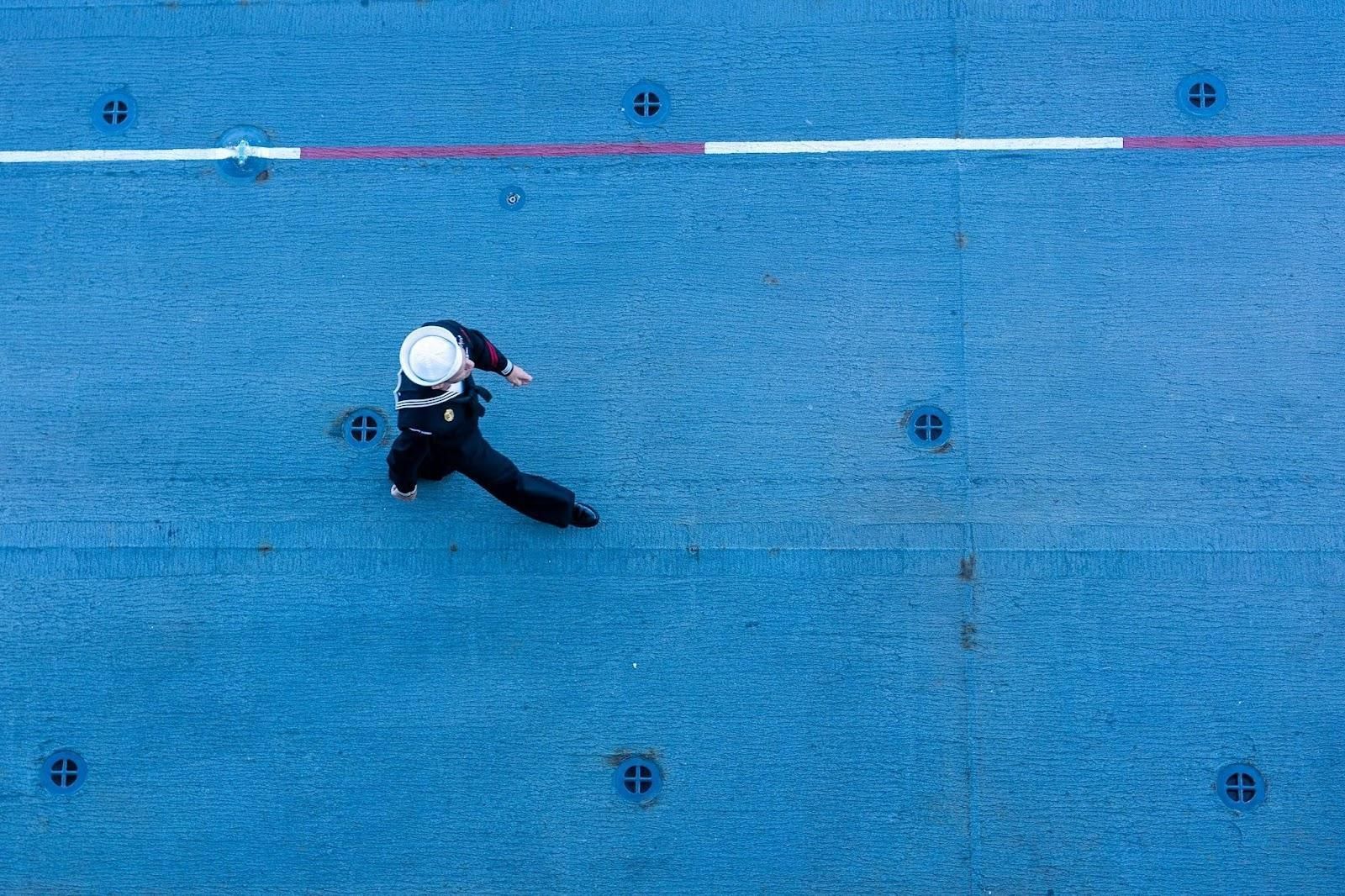
In the spring of 1946, Jimmy Carter proudly accepted his diploma from the U.S. Naval Academy in Annapolis, Maryland. It was the result of years of study, drills, and determination. From the moment he first stepped onto campus, the call of the sea seemed to be in his blood. The Navy offered him adventure, discipline, and the chance to serve his country aboard vessels that carried him far beyond the red clay fields of Georgia.

3
Training in nuclear engineering

Image: Daniil Zameshaev

Long before campaign trails and speeches, Jimmy Carter was studying the technology that powered the Navy’s most advanced submarines. The training was intense: every calculation had to be precise, every decision double-checked. There was no room for guesswork, only methodical thinking and steady hands. Those long hours in classrooms and labs didn’t just prepare him for service at sea; they built a mindset grounded in patience, careful planning, and practical problem-solving that he carried into every chapter of his life, including his presidency.

4
Running the family peanut business

Image: Ivan Bandura

Once his naval service came to an end, Jimmy Carter headed back to Georgia, ready to take the reins of the family peanut farm. But he wasn’t comfortable with just preserving the status quo. Carter rolled up his sleeves and introduced fresh ideas and more modern farming practices to the fields. Thanks to his hard work and smart management, the farm grew into one of the top operations in the area. He knew every inch of those acres, not just as farmland, but as the foundation of his family’s legacy.

5
Governor of Georgia

Image: Mick Haupt

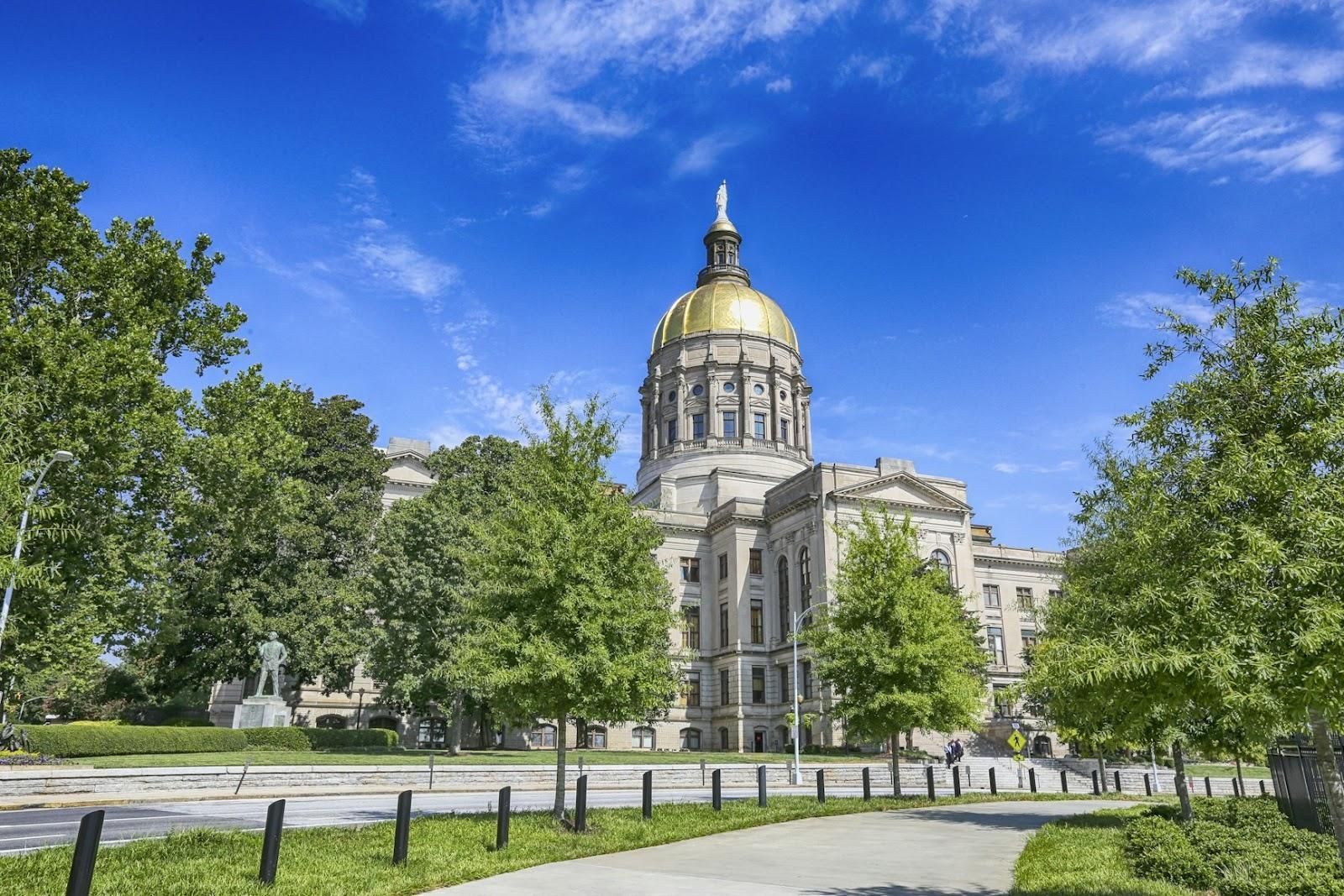
When Jimmy Carter became governor of Georgia in 1971, he brought a refreshing promise: honest leadership with open doors. People appreciated how down-to-earth he was, whether chatting with them at the state capitol or sharing a meal at a local diner. His style was all about being accessible and straightforward. Over time, Carter built a reputation as a hardworking leader who stayed close to everyday people, earning their respect by listening carefully and delivering results.

6
The President with a warm smile

Image: National Archives and Records Administration, Public domain, via Wikimedia Commons

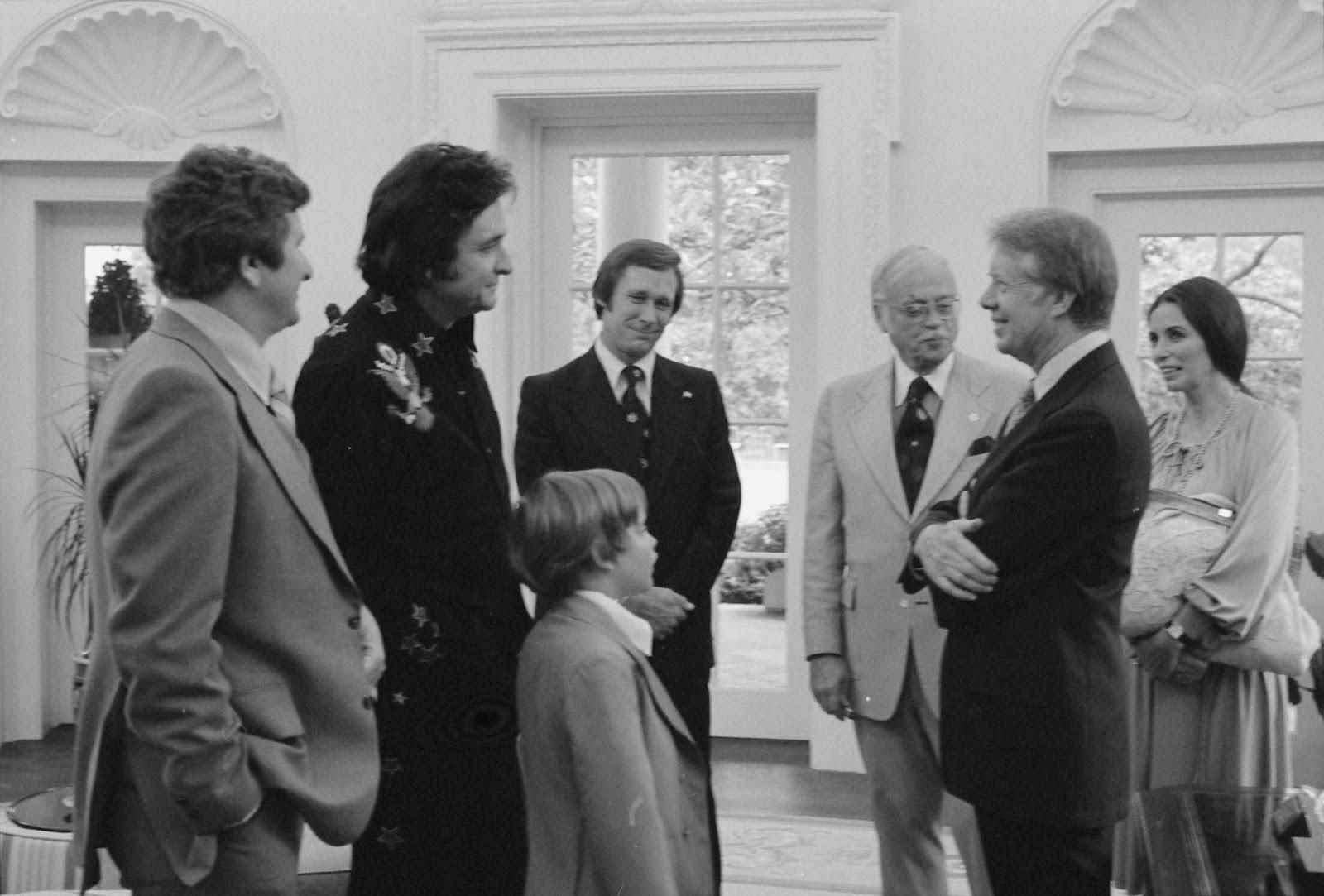
In 1977, Jimmy Carter stepped into the role of the 39th President of the United States. He wasn’t one for stuffy ceremonies or rigid protocols; instead, he valued a friendly handshake, a sincere smile, and honest conversations in which people felt genuinely listened to. With Carter around, the atmosphere at the White House became a bit more casual and welcoming, reflecting his easygoing and approachable nature.

7
The Camp David peace talks

Image: Central Intelligence Agency from Washington, D.C., Public domain, via Wikimedia Commons

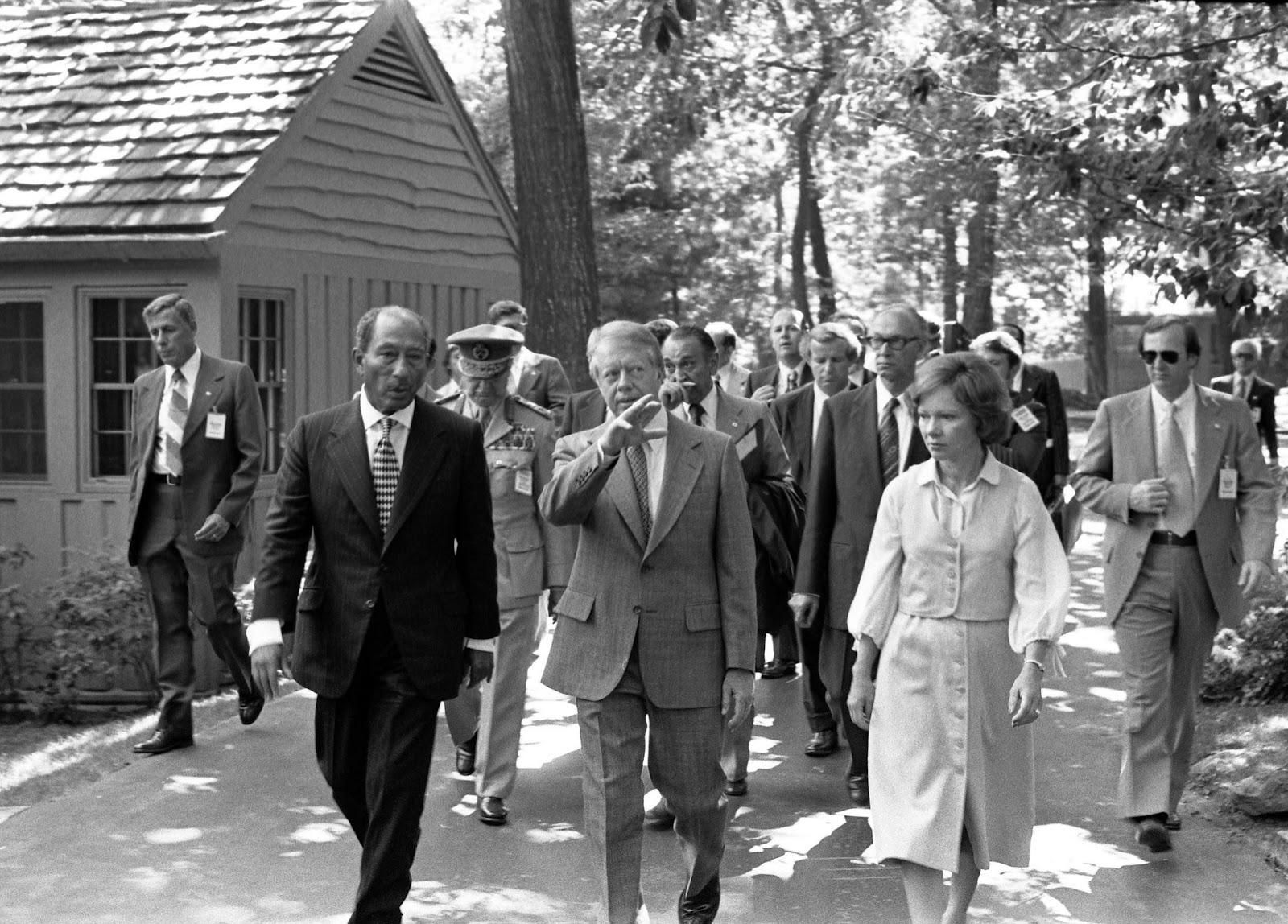
During the first year of his presidency, Jimmy Carter welcomed the leaders of Egypt and Israel to Camp David. For nearly two weeks, he played the roles of attentive listener, skillful negotiator, and steady encourager. His calm and determined approach helped bring both sides together, resulting in the Camp David Accords, a historic agreement that still stands as a powerful example of Carter’s dedication and perseverance.

8
A love for fishing

Image: National Archives and Records Administration, Public domain, via Wikimedia Commons

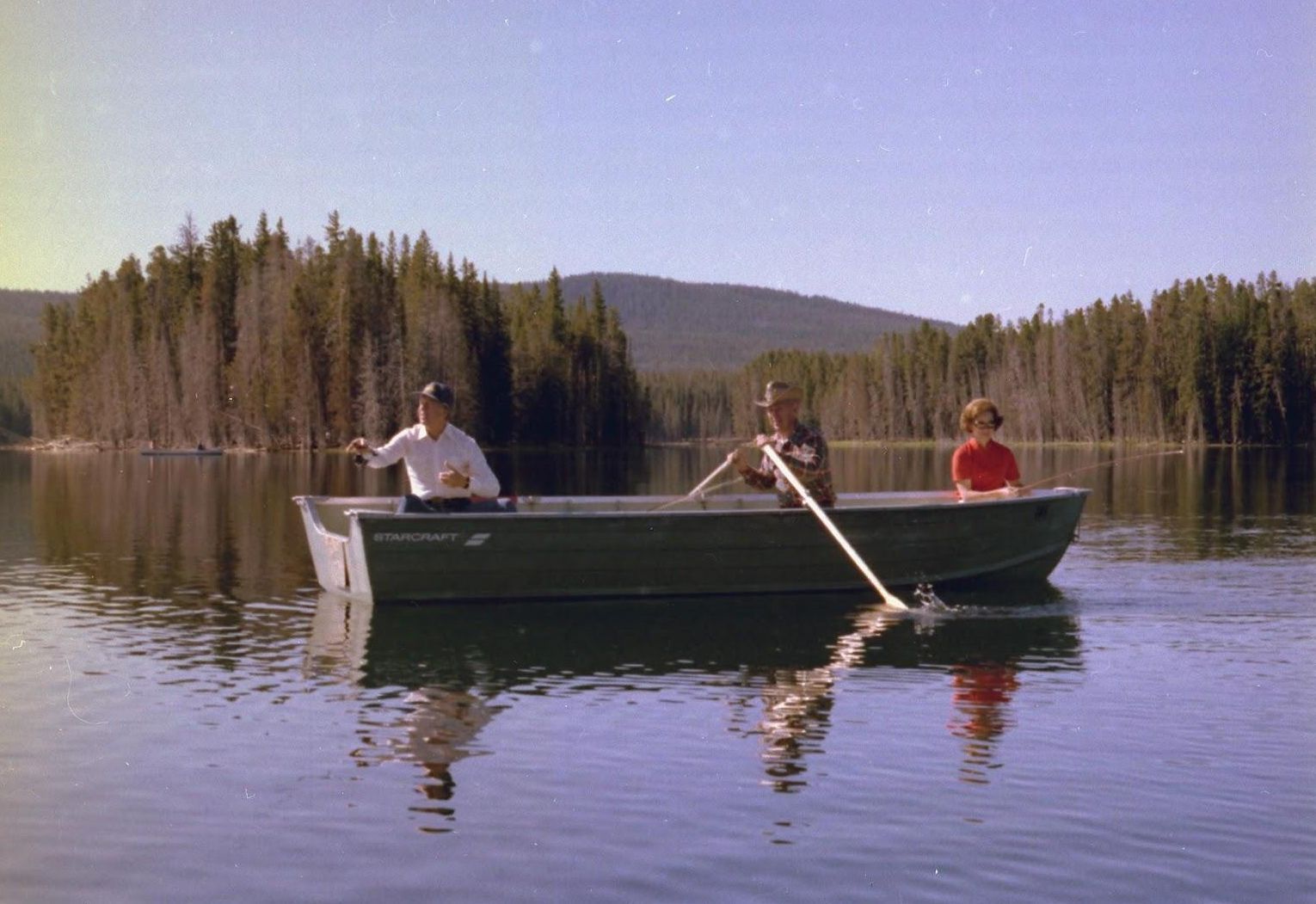
Carter’s passion for the outdoors remained strong throughout his life. Whether he was wading knee-deep in a cool river or casting a line from a modest boat, fishing offered him a respite from his demanding duties as president. With a rod in hand, he found time to think, connect with nature, and recall the easygoing rhythm of his childhood days in rural Georgia.

9
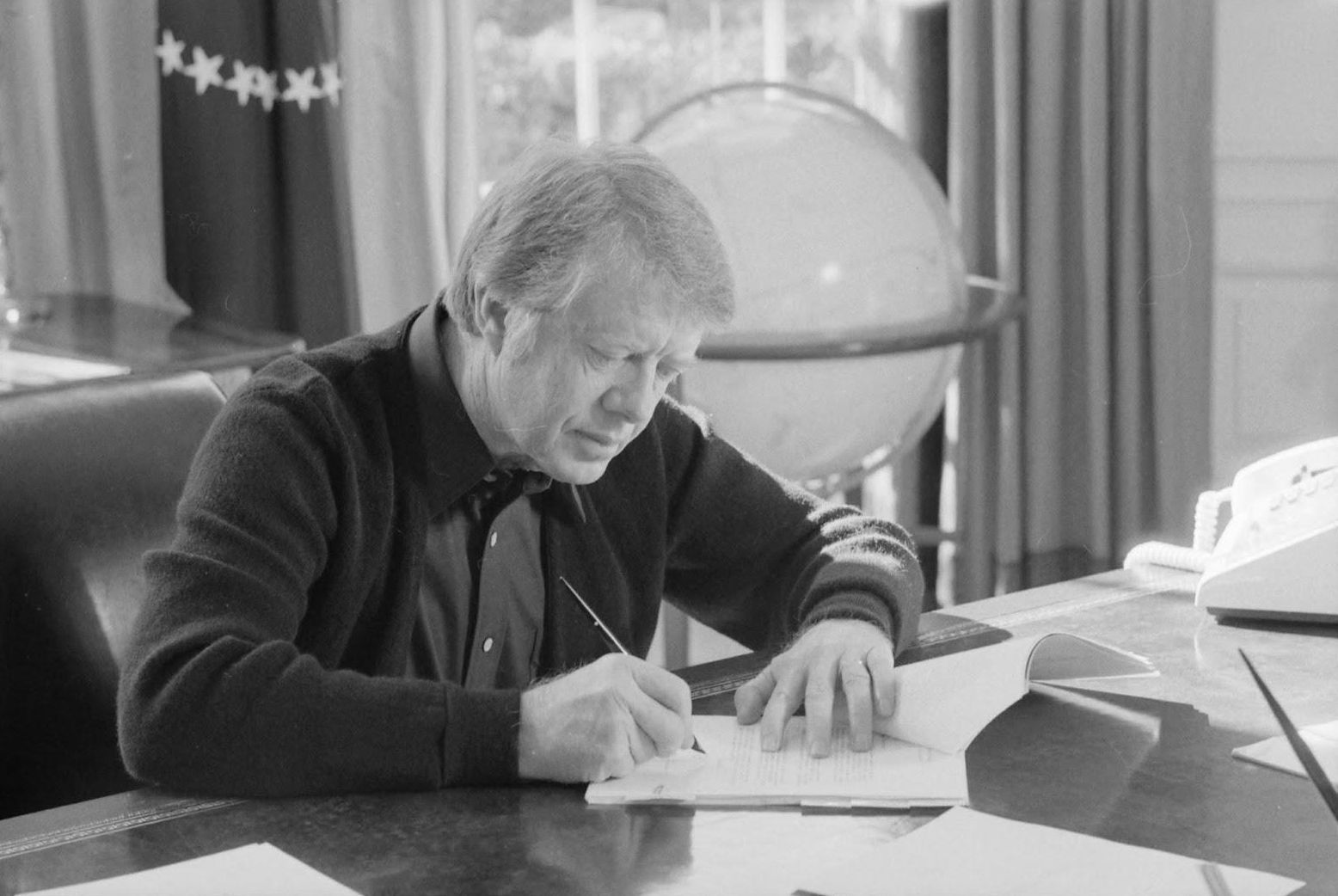
Energy-saving sweaters

Image: Jimmy Carter's Presidential Photographs, Collection: White House Staff Photographers Collection, Public domain, via Wikimedia Commons

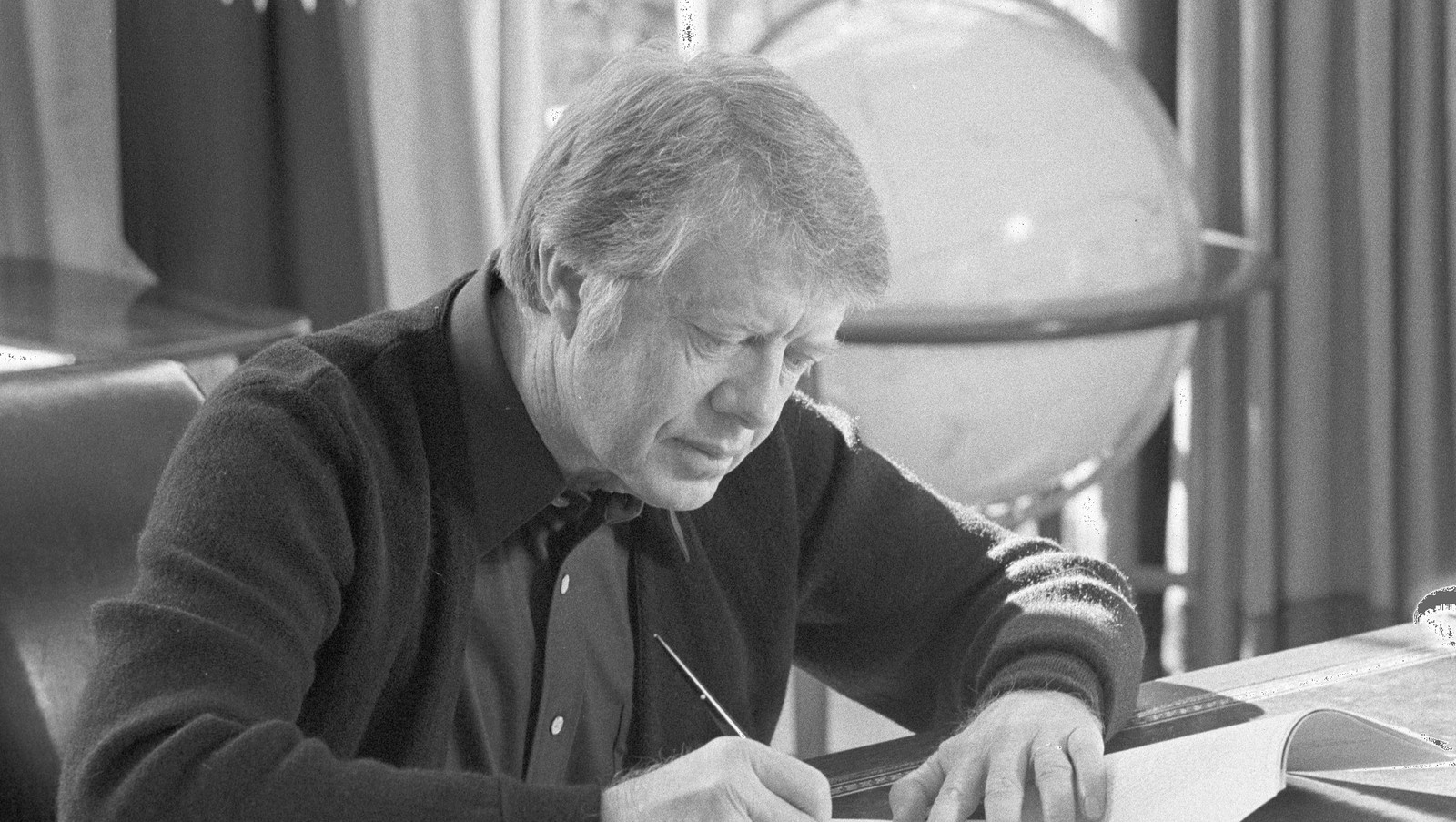
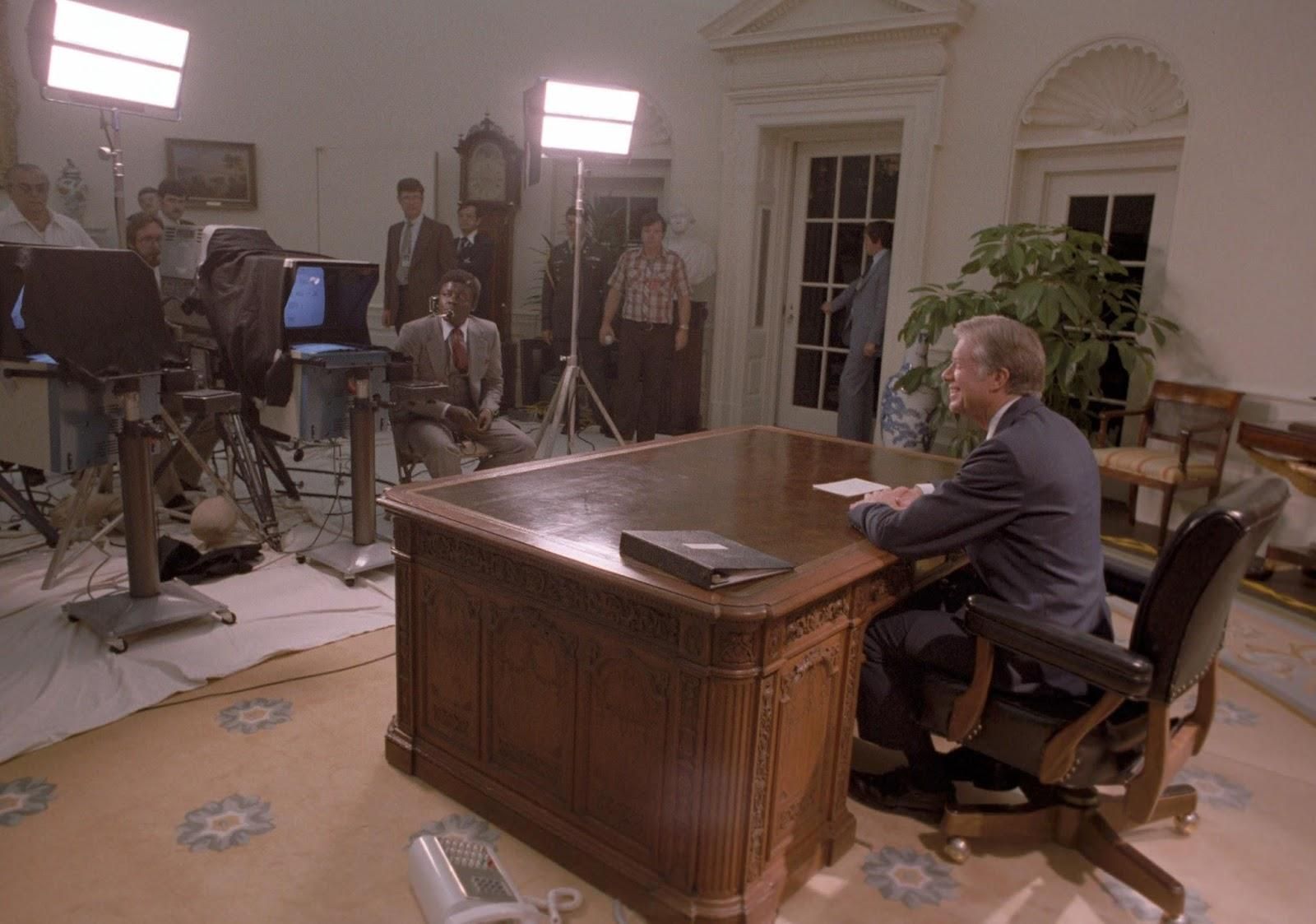
At a time when energy was in short supply, Carter didn’t just give speeches about saving power; he led by example. On national television, he appeared wearing a cozy cardigan sweater, encouraging Americans to lower their home thermostats and put on a warm layer instead. That small, relatable act sent a clear message: Carter wasn’t just asking people to conserve energy; he was doing it himself, showing that simple changes could make a big difference.

10
Nobel Peace Prize

Image: [null Courtesy], Public domain, via Wikimedia Commons

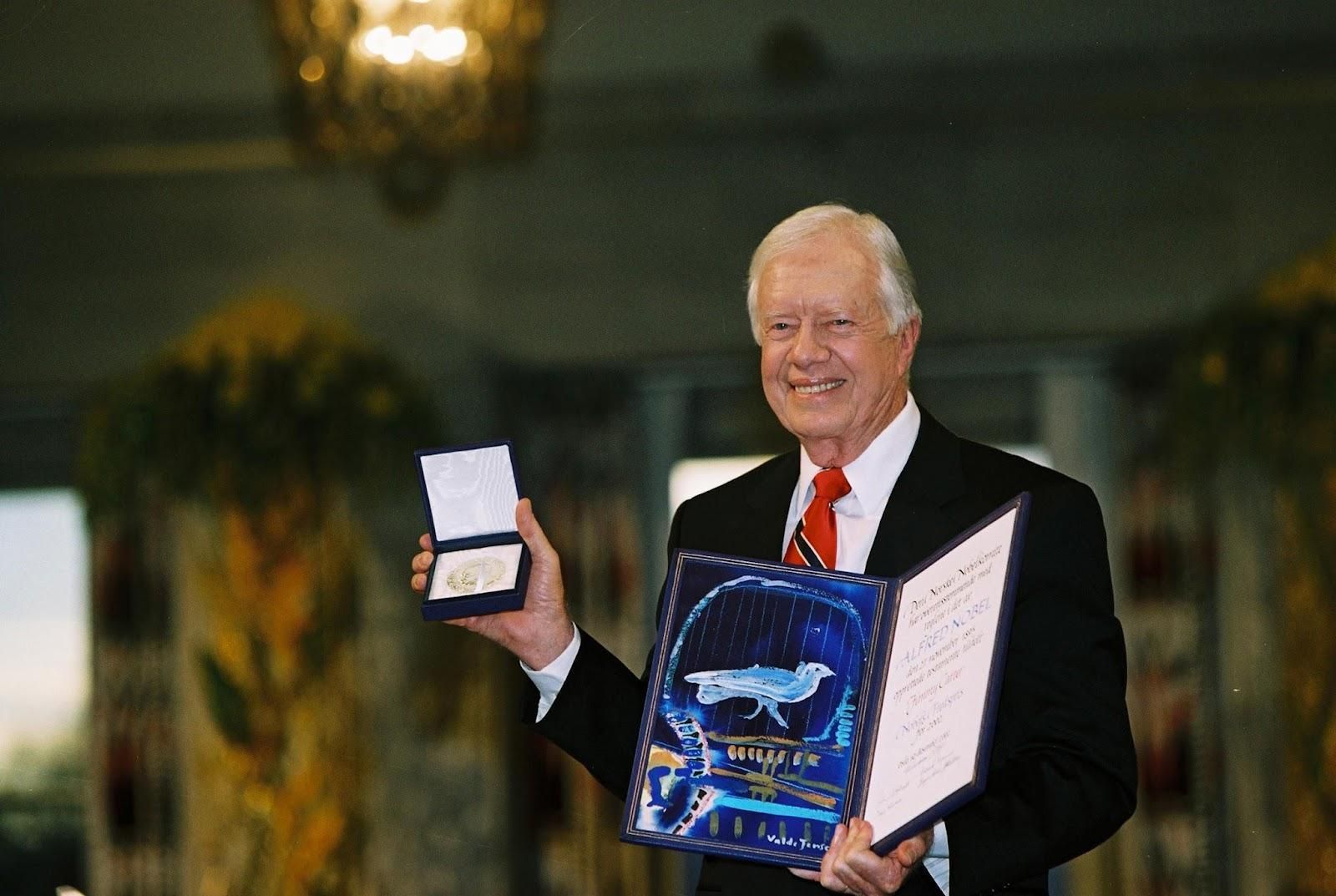
In 2002, Jimmy Carter received the Nobel Peace Prize, honoring his decades-long commitment to promoting peace and defending human rights around the world. This award wasn’t about politics or prestige; it celebrated a lifetime devoted to bridging divides and working toward understanding among people of different nations, cultures, and beliefs.

11
Building homes

Image: Photo by Chris Wingard. – U.S. Department of Energy from United States, Public domain, via Wikimedia Commons

Long after leaving the White House, Jimmy Carter showed he wasn’t one to shy away from hard work. Through Habitat for Humanity , he picked up a hammer and rolled up his sleeves, helping to build homes for families in need. It was hands-on, honest labor, the same kind of hard work he’d been familiar with since his childhood on the Georgia farm.

12
The farmer who wrote books

Image: National Archives and Records Administration, Public domain, via Wikimedia Commons

From heartfelt memoirs to thoughtful poetry, Jimmy Carter has authored more than 30 books over the course of his life. Writing became his way of sharing experiences, wisdom, and dreams for a better world. Much like tending his farm or casting a line in a quiet river, Carter approached writing with patience, care, and a personal warmth that will surely connect with readers for decades to come.

Explore more American facts

Choose your favorite category!

General
General

As American as apple pie—the very best America has to offer!

Culture
Culture

Delve into the astounding richness of American lore.

Geography
Geography

Hop in and explore vast and diverse American landscapes.

History
History

Discover the key moments that shaped the United States.