History History 4 min read

Let’s take a tour

Alcatraz: The secrets, myths, and history of America’s prison

Image: Leon Bastain

Alcatraz, also known as "The Rock," is one of the most famous prisons in American history. But there’s more to this island than just high-security cells and daring escape attempts. From its unexpected origins to some weird inmate requests, Alcatraz is packed with stories that go far beyond what Hollywood has shown us. Whether you've visited before or just love a good history lesson, these 12 fascinating facts will give you a fresh perspective on this legendary landmark.

1
Alcatraz wasn’t always a prison

Image: Maxim Babichev

Before housing America’s most dangerous criminals, Alcatraz served as a military fort. In 1850, President Millard Fillmore designated the island as a military reservation, and by the Civil War, it held prisoners of war. Its strategic location in San Francisco Bay made it ideal for defense. It wasn’t until 1933 that it officially became a federal penitentiary. Over the years, its role shifted dramatically, but its reputation as an isolated fortress remained constant.

2
Prisoners built their own cells

Image: Oxana Melis

Talk about a tough day on the job! When Alcatraz transitioned from a military prison to a federal one, military prisoners were put to work constructing their own confinement. Between 1909 and 1911, they reinforced the existing structures to prepare for the worst of the worst. By the time the Department of Justice took over, the prison was ready to house America’s most notorious inmates. Imagine building the very walls that would later trap you inside!

3
Guards and their families lived on the island

Image: Tyler Rutherford

Alcatraz wasn’t just a prison; it was also home to families. The guards and their families lived in houses and apartments on the island, creating a tight-knit community. Children took a ferry to school in San Francisco every day and played safely away from the prison yard. Some even recall watching movies in the recreation hall while criminals like Al Capone were locked up just a few feet away. Life on Alcatraz wasn’t all gloomy for those outside the cells.

4
No executions took place on Alcatraz

Image: Rita Morais

Despite its reputation, Alcatraz never had an execution chamber. While prisoner violence did lead to some deaths, executions were not carried out on the island. Inmates sentenced to death were transferred to facilities like San Quentin. That didn’t make life any easier in Alcatraz; many prisoners still feared the harsh conditions and inescapable isolation of The Rock.

5
The Pacific Coast’s first lighthouse was on Alcatraz

Image: Bruce Warrington

Before it became infamous for its prison, Alcatraz played a vital role in maritime safety . In 1854, it became home to the first lighthouse on the Pacific Coast, guiding ships through the often foggy San Francisco Bay. Though a larger lighthouse replaced it in 1909, the original helped countless sailors navigate the treacherous waters surrounding the island. Today, it stands as a historic landmark, reminding visitors of Alcatraz’s earlier days.

6
No inmate officially escaped

Image: Leo_Visions

While Hollywood loves a good prison break story, no prisoner ever successfully escaped Alcatraz, at least not officially. The closest attempt came in 1962 when three inmates, including Frank Morris, disappeared after digging their way out using spoons. Their bodies were never found, leading to decades of speculation. Did they drown in the freezing bay or make it to freedom? The mystery remains unsolved.

7
Alcatraz shut down due to high costs

Image: Jack Walker

Despite its reputation as America’s toughest prison, Alcatraz didn’t close due to security issues: It was just too expensive to maintain . The constant exposure to salt water eroded the buildings, and the cost of housing each inmate was three times higher than in other federal prisons. By 1963, the government decided to shut it down. The island was abandoned for years before turning into the tourist attraction it is today.

8
Some inmates requested transfers to Alcatraz
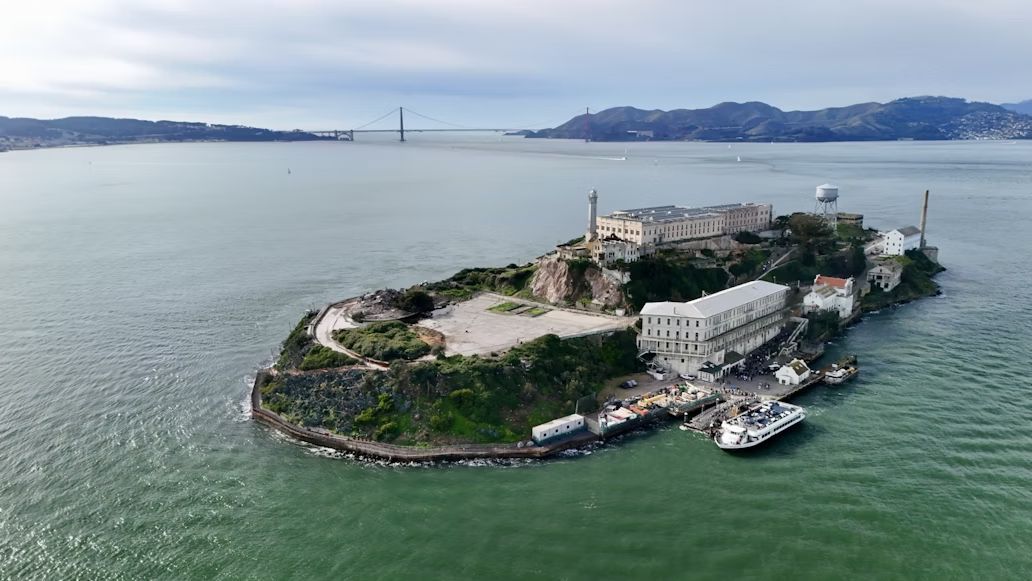
Image: Mylo Kaye

Despite its harsh image, some prisoners actually wanted to be transferred to Alcatraz. The prison provided single cells, which meant no cellmates to fight with . It also had some of the best food in the federal system because officers believed that well-fed inmates were less likely to cause trouble. For some, the strict routine and isolation were preferable to overcrowded, violent prisons elsewhere.

9
Alcatraz was named after pelicans

Image: Mollie Sivaram

Before it became synonymous with crime and punishment, Alcatraz was simply an island full of birds. Spanish explorer Juan Manuel de Ayala named it La Isla de los Alcatraces in 1775, which translates to "Island of the Pelicans." Over time, the name was anglicized to Alcatraz. Even today, the island remains a haven for seabirds, making it a birdwatcher’s paradise.

10
Alcatraz was never packed to capacity

Image: Kenny Eliason

Alcatraz was never overflowing with inmates . The prison had a maximum capacity of 336, but on average, only about 260 prisoners lived there at any given time. Sometimes, there were as few as 222. This was intentional—authorities wanted to ensure strict control over the inmates. It’s a far cry from the overcrowded prisons we hear about today.

11
Warm water showers had a hidden purpose

Image: David Castellón

Prisoners at Alcatraz were given warm water showers, not necessarily out of kindness, but as a security measure. Authorities believed that if inmates were used to warm water, they’d be less likely to brave the freezing bay in an escape attempt. Whether it worked or not is up for debate, but it certainly added another layer to Alcatraz’s infamous reputation.

12
Officers and inmates tended the gardens

Image: Maxim Babichev

Alcatraz wasn’t all cold concrete and iron bars; there were actually gardens on the island. Prison officers and even some inmates planted flowers and hardy greenery to make the island more livable. The tradition continued for decades, and today, the National Park Service maintains the Gardens of Alcatraz . It’s a surprising touch of beauty in a place best known for its harshness.

Geography Geography 3 min read

Go beyond Tahoe

Discover 12 lesser-known, but beautiful lakes to visit in the U.S.

Image: Timo Stern

America the Beautiful is filled with stunning natural landscapes for everyone to enjoy. However, for various reasons, some places are far more popular than others, and lakes are no exception to this phenomenon. While lakes like Tahoe and the Ozarks can get quite crowded, many lesser-known lakes offer equally breathtaking views—without the crowds. Take a look at the following 12 and see if any catch your interest!

1
Sunapee Lake, New Hampshire

Image: Jackson Hendry

This serene glacial lake in southwestern New Hampshire is nestled within Mount Sunapee State Park. Its visitors will find a spacious beach for swimming, a boat launch, and hiking trails within the park area.

Beyond the summer season, the lake is particularly beautiful during fall, when the surrounding trees display a vibrant array of colors.

2
Ross Lake, Washington State

Image: Paul Pastourmatzis

The remote Ross Lake, located in the North Cascades region of Whatcom County, Washington, is a hidden gem off the beaten path. This stunning lake winds its way through the landscape at 1,600 feet above sea level, framed on all sides by towering mountains.

Campsites accessible by boat or hiking are available, and backcountry camping is allowed with a permit. Visitors to Ross Lake come for trout fishing , canoeing , kayaking , and hiking .

3
Lure Lake, North Carolina

Image: Blake Wheeler

The gorgeous Lake Lure stretches along the base of Hickory Nut Gorge in the mountains of western North Carolina. If its shores look familiar, it’s because Patrick Swayze and Jennifer Grey filmed scenes here for the classic movie Dirty Dancing . The lake offers beaches and hiking trails for visitors to explore.

4
Ouachita Lake, Arkansas

Image: Aaron Burden

Nestled in the hills of the Ozarks, Lake Ouachita is home to a unique creature swimming beneath its surface—freshwater jellyfish. Unlike their saltwater relatives, these invertebrates are harmless and rarely found elsewhere. The lake also boasts over 200 uninhabited islands for visitors to explore.

5
Hamilton Pool Preserve, Texas

Image: Matthew Daniels

Located near Austin, the Hamilton Pool Preserve is a favorite summertime retreat for locals when the heat becomes overwhelming. This stunning natural pool was formed when the roof of an underground river collapsed after thousands of years of erosion.

Water from Hamilton Creek spills over the edge of the collapsed dome, creating a 15-meter waterfall that flows into the grotto below. The preserve also features hiking trails and picnic facilities for visitors to enjoy.

6
Almanor Lake, California

Image: Simon Berger

While most travelers visit the Northern Sierras for trekking, the region also boasts excellent swimming spots with magnificent backdrops —Lake Almanor being no exception.

This man-made lake sits within Plumas National Forest, adjacent to Lassen Volcanic National Park, offering visitors breathtaking views of the park’s namesake volcano.

7
Mono Lake, California

Image: Leo_Visions

Another California lake, Mono is not only the oldest in the entire US but also one of the oldest in the Western Hemisphere. Surrounded by the Sierra Nevada Mountains, it features towering limestone columns that rise dramatically from the lake bed. Mono Lake also serves as a vital habitat for migratory birds, which feed on the brine shrimp that thrive in its salty waters.

8
Bear Lake, Utah

Image: Daniel Bowman

When it comes to lakes in Utah, there’s more to explore than just the Great Salt Lake or Lake Powell. Bear Lake, a crystalline body of water straddling the Idaho–Utah border, is often called the " Caribbean of the Rockies " due to its striking bright blue hue, caused by suspended limestone in the water.

9
Blue Mesa Reservoir, Colorado

Image: Rocco Caruso

Next to the aforementioned Utah, Colorado is also home to a stunning yet relatively uncrowded lake—the Blue Mesa Reservoir. This picturesque body of water , surrounded by golden hills and rocky outcroppings, lies at the end of an hour-long hike down the Gunnison River Gorge.

10
Cave Run Lake, Kentucky

Image: Craig McLachlan

Cave Run Lake is located among the trees of Daniel Boone National Forest. The blue-toned water attracts fishermen, boaters, and swimmers alike to enjoy an escape from the heat, while its shores feature beaches and activity areas perfect for families.

11
Mooselookmeguntic Lake, Maine

Image: Les Anderson

This stunning Maine lake, part of the Rangeley Lakes region, is a renowned fishing hotspot . The distinctive shape of the lake can be appreciated from the Height of Land lookout, making it a must-visit for those seeking tranquility and outdoor adventure.

12
Hanging Lake, Colorado

Image: Irene Dávila

Reaching Hanging Lake requires a 1.2-mile hike, but the breathtaking views make the effort worthwhile. This stunning lake was formed by a geological fault , which caused it to separate from the valley above , leaving it suspended atop the cliffs of Glenwood Canyon.

General General 6 min read

Into the wild

Boost your animal instincts with 10 fascinating mammals that roam America

Image: christie greene

Mammals form one of the greatest classes of vertebrate animals. There are more than 5400 known species of mammals in the world, and more than 400 of these species are found in the United States. From terrestrial to aquatic, carnivorous to herbivorous, we have some of the most interesting mammals on the planet. In this article, we have chosen 10 animals that, due to their special characteristics, are already an essential part of our culture. Can you guess which ones they are?

1
Grizzly Bear

Image: Joshua J. Cotten

Grizzly bears ( Ursus arctos horribilis ) are one of the most famous North American mammals, but do you know why they are called that? The grizzly bear is a subspecies of the brown bear. However, although grizzlies are mostly brown, their fur can appear white-tipped or grizzled , which explains their name.

The grizzly bear once lived throughout much of the North American West. Unfortunately, the arrival of Europeans gradually drove it from its original habitat, considerably reducing its population. In 1975, they were listed as threatened under the U.S. Endangered Species Act, and much has been done since then to protect the species. Today, grizzlies can still be found in parts of Wyoming, Montana, Idaho, Washington, and the Alaskan wilderness. They are also one of the most iconic residents of Yellowstone National Park.

2
Gray Wolf

Image: Yannick Menard

We all know that wolves are legendary for their eerie howl, but there are many other interesting facts about this peculiar animal. Gray wolves ( Canis lupus ) are the largest members of the dog family and are native to North America and Eurasia. The size of an adult gray wolf is similar to that of an average dog and it can weigh up to 145 pounds. However, their tracks would outshine those of any dog, as they measure about 5 inches long by 4 inches wide.

Wolves live and hunt in packs of 6 to 10 animals. They are known to travel great distances, even covering 30 miles in a single day. In the United States, gray wolves were hunted to near extinction, although some populations survived and others have since been reintroduced. Today gray wolves can be found in areas such as the Great Lakes states of Minnesota, Wisconsin, and Michigan, the northern Rocky Mountains region, and the northwest.

3
North American River Otter

Image: lovelooking

The North American River Otter ( Lontra canadensis ) is a species of semi-aquatic, carnivorous mammal endemic to the North American continent that can be found along the coasts and rivers of the United States and Canada. Because they are very susceptible to environmental pollution, their population has been reduced considerably in recent years.

It is a mostly nocturnal animal, often seen at dusk or dawn. During the day it takes refuge in burrows with an underwater entrance that leads to a nest chamber lined with plant material and hair. North American River Otters are robust (11 to 31 pounds) and feed on fish and other aquatic prey, such as turtles, frogs, and crabs.

4
Red Fox

Image: Jeremy Hynes

The red fox ( Vulpes vulpes ) is a species of mammal in the canid family. It is the most abundant fox species in the northern hemisphere and can be found in many national parks across the country. As its name suggests, its fur is reddish in color. The tips of the ears and the ends of the legs, however, are black. They have a bushy tail whose tip is usually white, as is their belly.

Although classified as a carnivore, the red fox is actually an omnivore and, above all, a great opportunist. They are astute, have excellent eyesight, and have a keen sense of smell and hearing. They can hunt prey of a wide variety of sizes, from insects and worms to small mammals, birds, and fish. They also feed on certain vegetables, berries, and fruits.

5
Mountain Lion

Image: Robert Sachowski

The cougar ( Puma concolor ), also known as the mountain lion, is a mammal native to the Americas. These large, tan cats are found from the Yukon in Canada to the southern Andes Mountains and Patagonia in South America. In the United States, mountain lions can be found mainly in the western part of the country. However, because of their solitary nature and constant threats from humans, it is difficult to estimate exact population numbers.

Mountain lions are slender and agile felines that can adapt to different conditions and environments. They are strict carnivores and have extraordinary vision and acute hearing, which allows them to capture almost any animal, from insects to squirrels, beavers, elk, and deer.

6
North American Beaver

Image: kidmoses

Beavers are known to be one of the only animals that can affect the ecosystem around them, building watertight dams that help preserve water in streams and rivers. The North American beaver ( Castor canadensis ) is the largest rodent in North America and one of the largest in the world —it can weigh between 24 and 71 pounds! The species is widely distributed throughout the continent, from northern Canada to northern Mexico.

The North American beaver's coat can range from dark brown to reddish brown, and its most distinctive feature, a flattened paddle-shaped tail, allows it to swim. It is perfectly adapted to semi-aquatic life; its ears and nose have valves that close when submerged, and it can close its lips behind its prominent incisors to cut wood underwater.

7
Hawaiian Monk Seal

Image: Sebastian Coman Travel

The Hawaiian Monk Seal ( Neomonachus schauinslandi ) is a species native to the Hawaiian Islands. With its friendly face and long whiskers, it is perhaps one of the most endearing mammals that can be found in our country. Unfortunately, this seal species is endangered because of the large amount of chemical waste produced by the fishing industry on the reefs and beaches of the northern Pacific Ocean.

The Hawaiian Monk Seal is usually solitary but is always seen accompanied by other specimens. It is known to be piscivorous, that is, it feeds mainly on fish and other marine creatures, such as crustaceans and some species of mollusks. Since it is a predator by nature, when hunting it makes the most of its length (approximately 7 feet) and its large body (between 300 to 600 lb) to catch its prey.

8
American Red Squirrel

Image: Rusty Watson

The American red squirrel ( Tamiasciurus hudsonicus ) lives in the United States and much of Canada. It is a rodent mammal easily recognized for its deep reddish fur, long bushy tail, and prominent lower teeth. It can be differentiated from other North American squirrel species because of its smaller size, 11 to 14 inches.

American red squirrels normally live in the shady areas of coniferous forests and are primarily granivores. They feed on seeds, pine cones, nuts, fruit, and occasionally insects, eggs, and birds. It is mainly active in trees but also swims freely, using its tail as a rudder to change its direction.

9
Elk

Image: Judy Beth Morris

Elk ( Cervus canadensis ), also known as wapiti in several Native American cultures, is a species of deer that lives in North America, Central and East Asia. Today, most elk in our country are found primarily in the West, especially in mountainous regions such as Wyoming's National Elk Refuge and Yellowstone National Park. Some eastern states have also reintroduced small herds into natural forest areas.

The most prominent feature of elks is their massive antlers. Each March they shed their antlers, which begin to grow back in May to be ready for the breeding season in late summer. During this time the bellowing of the males echoes through the mountains, announcing the violent battles that serve to decide who mates with whom. The males with the largest antlers, usually the oldest, often win these duels and get to dominate the herd.

10
American Bison

Image: Stephen Leonardi

The American bison is a true symbol of American identity. Not only is it the largest mammal in North America, it is also the national mammal of the United States. In addition, it's one of the greatest conservation success stories of all time.

In prehistoric times, there were millions of specimens of American bison ( Bison bison ) roaming our territory. But by the late 19th century, there were only a few hundred left. Fortunately, thanks to the efforts of several organizations and individuals, the species was reintroduced and today it can be found in a few national parks and reserves as well as in the wild.

Explore more American facts

Choose your favorite category!

General
General

As American as apple pie—the very best America has to offer!

Culture
Culture

Delve into the astounding richness of American lore.

Geography
Geography

Hop in and explore vast and diverse American landscapes.

History
History

Discover the key moments that shaped the United States.