Culture Culture 3 min read

Which one did you fall for?

Do you remember these 12 toys that sparked national crazes in America?
Image: Eugenia Pan'kiv

For a myriad of different reasons, some toys have whipped the entire nation into a frenzy. These weren’t just mere objects, they were cultural icons that, at least for an instant, inspired stampedes and late-night shopping hunts. Did you play with any of these 12?

1
Cabbage Patch Kids

Image: Intricate Explorer

In 1983, every kid wanted to "adopt" one of these soft-faced dolls with their own names and birth certificates . Parents camped outside toy stores and even fought over the last boxes as Christmas approached.

Each doll’s "adoption" story made them feel personal, almost like family members. Their handmade look and unique identities turned them into the ultimate childhood companions.

2
Tamagotchi

Image: COSMOH

The digital pet craze of the late ’90s had kids caring for tiny creatures on pocket-sized screens . Tamagotchis needed constant feeding, cleaning, and attention, or they’d "die". Teachers soon banned them in schools.

For many children, it was their first real experience of digital responsibility and, let’s face it, anxiety.

3
Beanie Babies
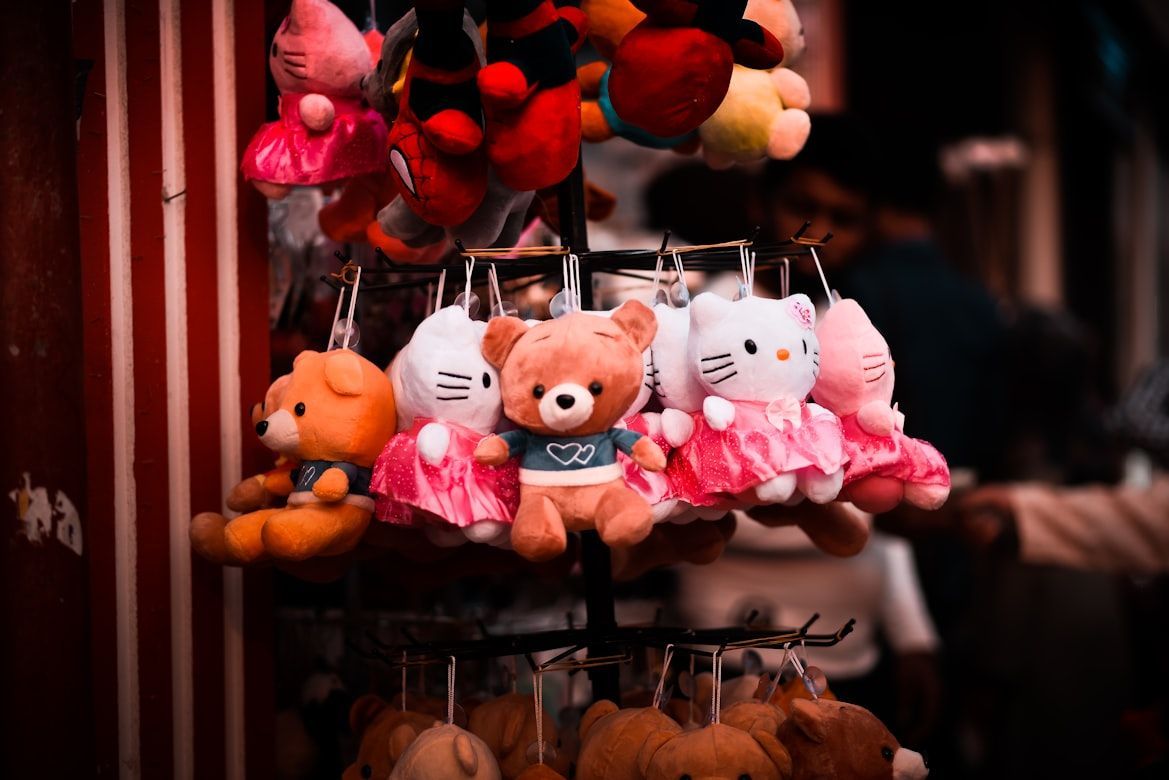
Image: Julker Naeem

In the 1990s, Beanie Babies became a mix of plush toy and stock market fantasy. Each animal had a name, birthday, and poem . Stores sold out within hours, and "rare" models traded for hundreds.

When the bubble burst, most lost their resale value overnight. But the emotional value remained: millions still hold dusty bins full of them.

4
Rubik’s Cube

Image: Olav Ahrens Røtne

The colorful cube puzzle was a massive hit in the 1980s. Kids and grown-ups twisted and turned it for hours, desperate to align all six sides . It wasn’t just a game, it was a badge of intelligence and patience.

Competitions sprang up across the country, and solving the cube became a sport. Its mix of color, logic, and timeless frustration kept it alive through generations.

5
Tickle Me Elmo
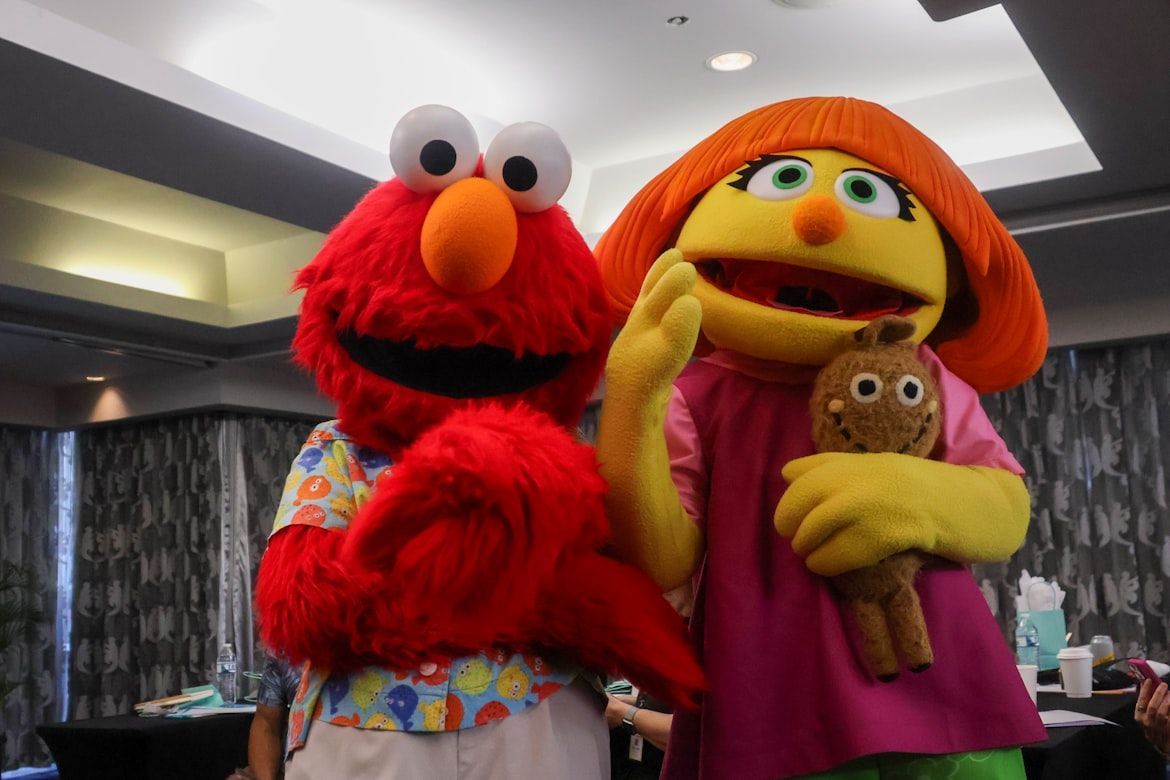
Image: Meg von Haartman

The Sesame Street doll that laughed when tickled became a holiday legend. It was marketing genius, and the consumers couldn’t get enough of it.

Parents lined up for hours, stores ran out in minutes, and desperate shoppers paid outrageous prices online.

6
Furby
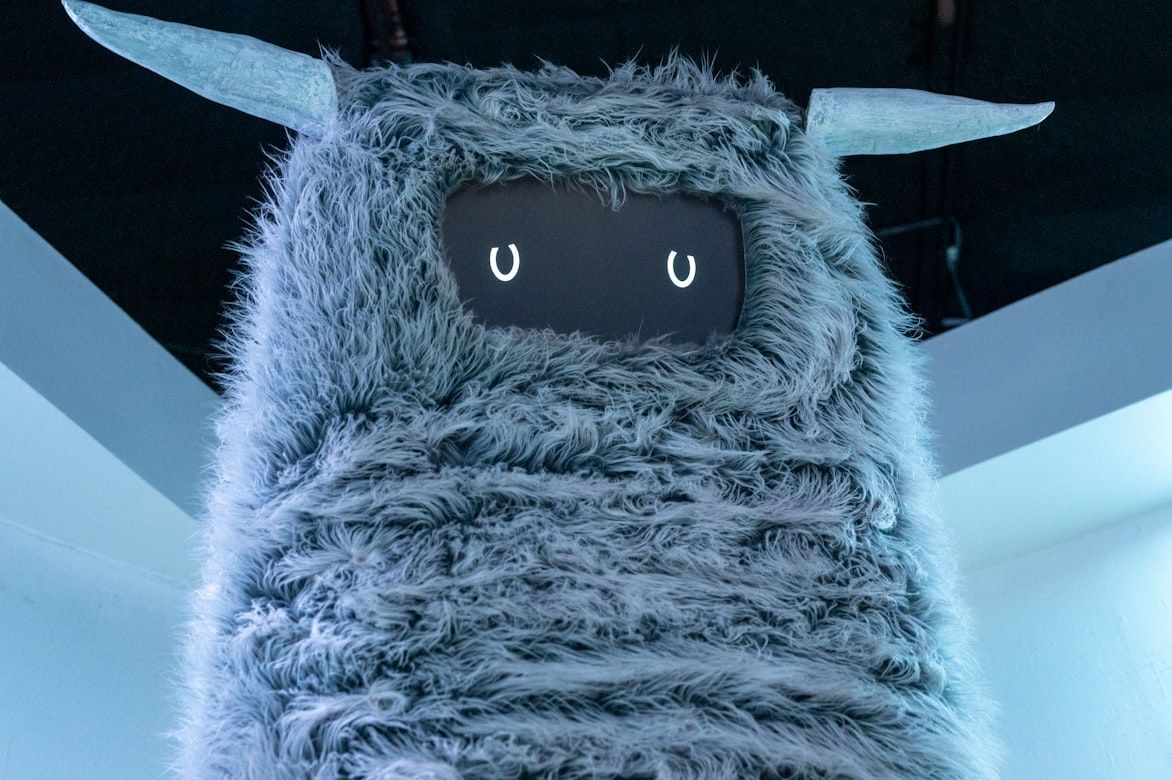
Image: David Brooke Martin

Furbies arrived in 1998, blinking, cooing, and babbling in their own language. They were part pet, part robot, and fully alive to millions of kids .

Children loved that Furbies seemed to "learn" English over time, adding to the illusion of life. With big eyes and unpredictable chatter, they embodied the spirit of late-’90s technology.

7
Slinky
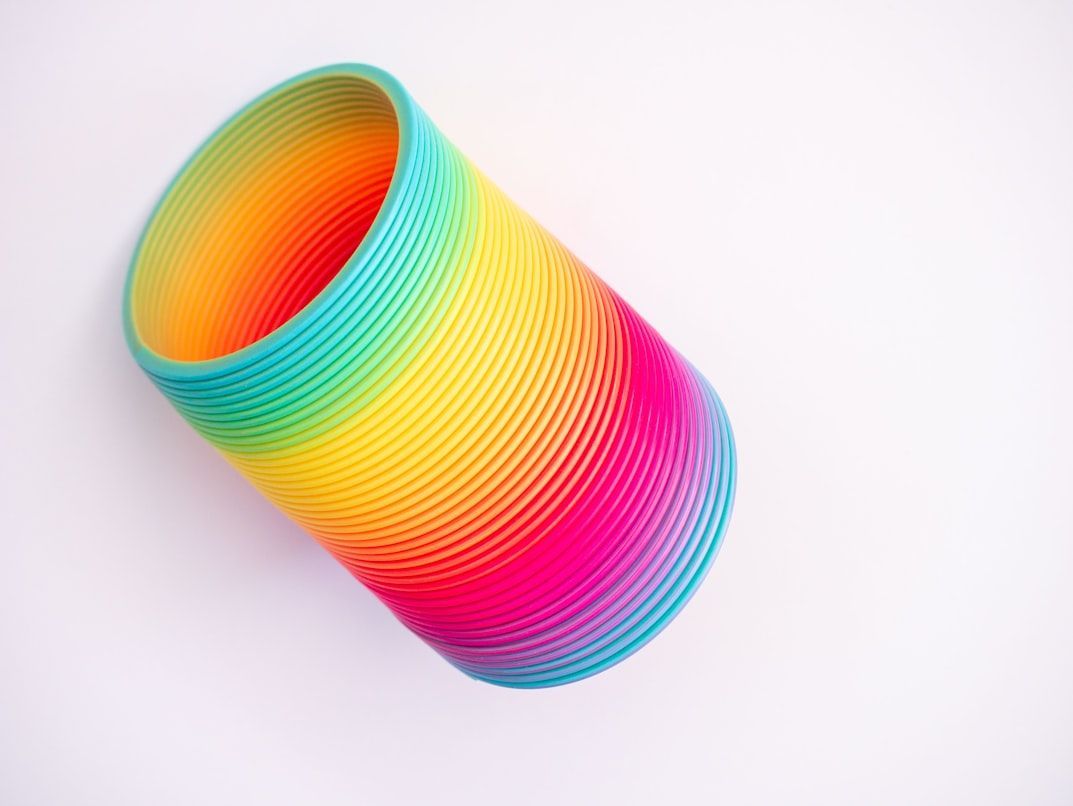
Image: Adam Valstar

Invented by accident in the 1940s, the Slinky became one of America’s simplest pleasures. Watching it "walk" down a flight of stairs never got old. Every kid wanted that graceful metallic tumble.

Cheap, clever, and endlessly fun, the Slinky inspired songs and commercials, keeping it springing through generations of playrooms.

8
Hula Hoop

Image: Patricia Prudente

When Wham-O released the plastic Hula Hoop in 1958, it instantly became a playground hit. Children spun, twisted, and competed to keep the hoop in motion . Stores couldn’t stock them fast enough.

The fad spread to adults, too, turning parks and beaches into hoop-filled arenas. Simple, affordable, and wildly physical, it managed to capture the interest of a nation for a while.

9
Pet Rock
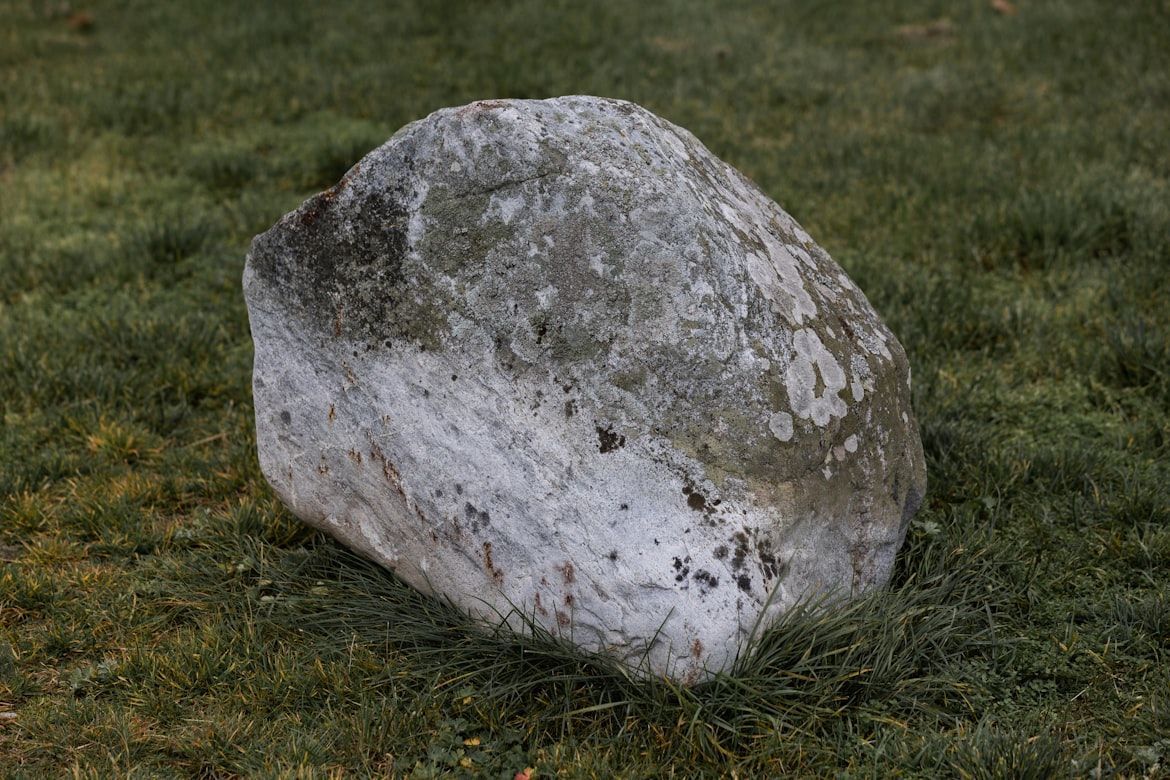
Image: Carl Tronders

In 1975, a portion of America fell in love with the world’s easiest pet: a rock. Sold in a box with air holes and a care manual , it was a tongue-in-cheek gag that somehow became a cultural phenomenon.

The creator, Gary Dahl, made millions from the joke, and several similar attempts have been tried since without the same success.

10
Pokémon Cards
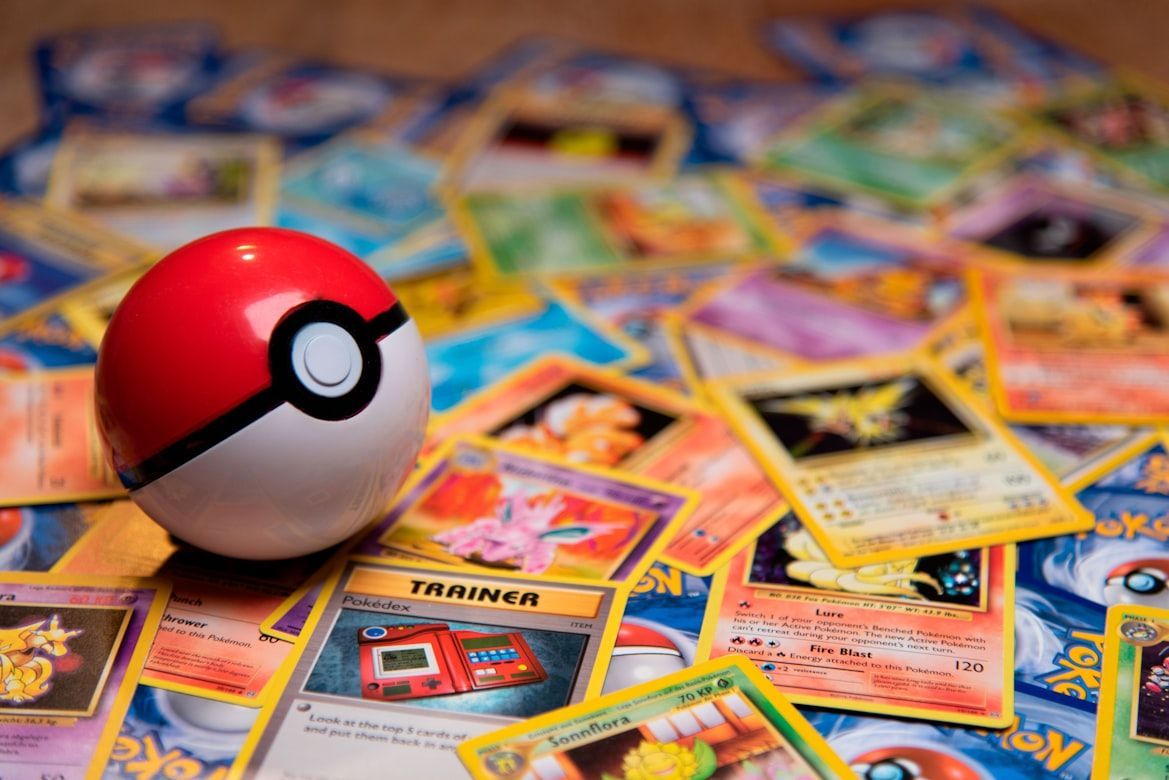
Image: Thimo Pedersen

In the late ’90s, Pokémon cards turned schoolyards into trading floors. Kids swapped, battled, and bragged over shiny holographic finds , with some cards reaching legendary status.

The thrill of opening a new pack and finding a rare card was intoxicating, and decades later, many collectors still chase that same spark.

11
Hoverboards

Image: Gustavo Torres

In 2015, these self-balancing scooters were all the rage. Celebrities and influencers made them viral overnight, and kids begged for one under every Christmas tree.

They didn’t actually hover, and some even caught fire, but that didn’t stop the craze, which lasted for about a year more.

12
Fidget Spinners

Image: charlesdeluvio

Our last entry is also the most recent one. Fidget spinners first appeared in 2017 as simple gadgets meant to ease stress , but they became an unstoppable playground obsession. Kids spun them on desks, noses, and even fingertips.

Their hypnotic motion made kids and grown-ups alike become enthralled with these little objects that seemed to be just about everywhere and faded into obscurity as quickly as they appeared.
History History 4 min read

Presidential anecdotes

When Presidents Went Off Script: 10 crazy moments from US leaders

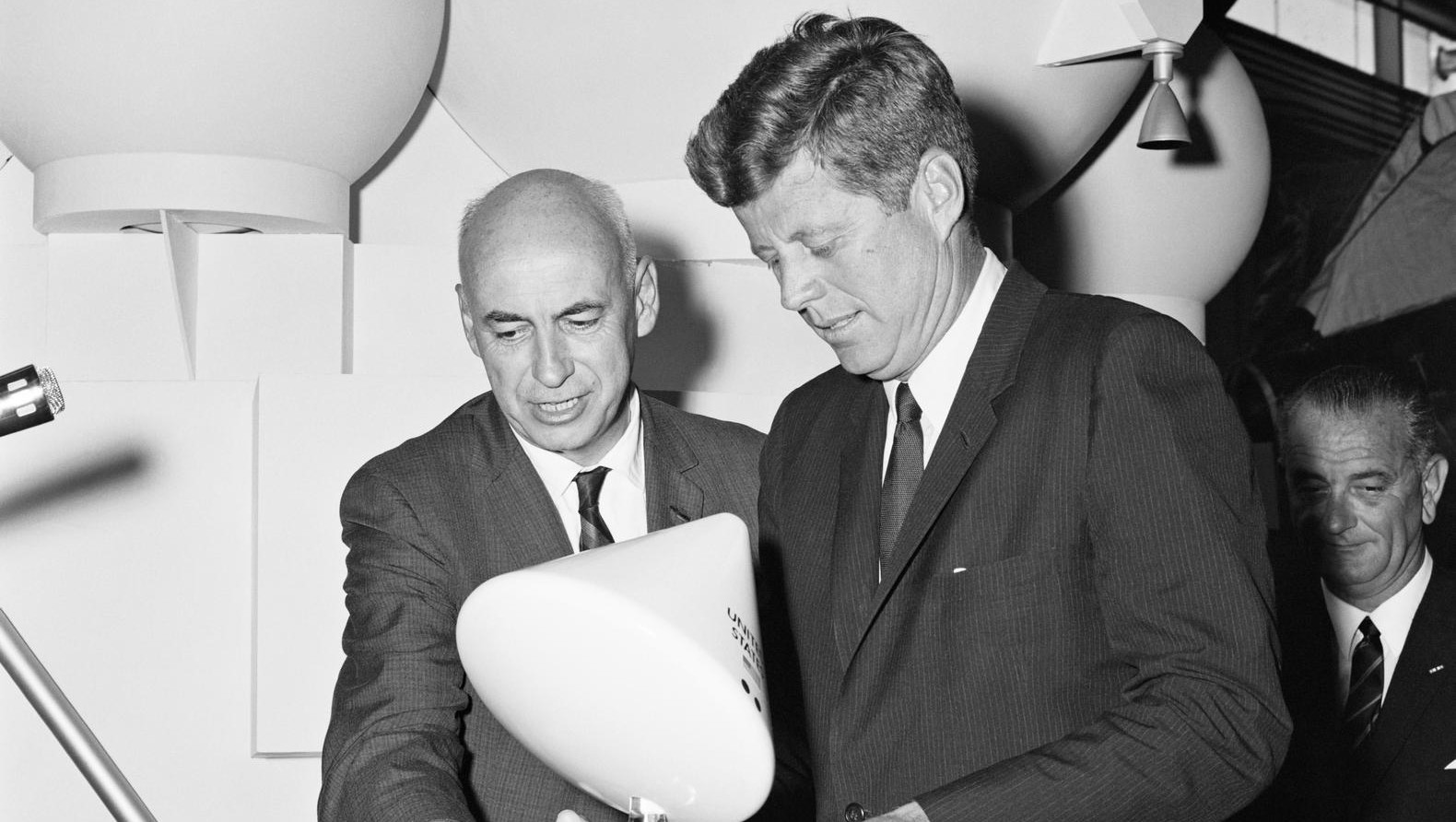
Image: NASA, Public domain, via Wikimedia Commons

Sure, many big moments in our history were protagonized by presidents. But today, we’d like to highlight those times when presidents found themselves at the center of odd situations and wild stories: less polished, less formal, and much crazier! Here are 10 surprising facts you probably didn’t know about our commanders-in-chief.

1
Richard Nixon proposed to his wife the day they met

Image: Dell Publishing, 1960. Photographer: Maggi of Pictorial, Public domain, via Wikimedia Commons

Richard Nixon met Pat Ryan in 1937 while auditioning for a community theater play. According to reports, he fell head over heels for her right away, and even proposed on their very first date! Pat, showing a little more sense, said no at the time, but two years later, in June 1940, she finally said yes and became his wife. The true romantic-in-chief!

2
George H.W. Bush almost chose Clint Eastwood as his running mate

Image: David Valdez, Public domain, via Wikimedia Commons

During George H.W. Bush's 1988 presidential campaign, his team considered a candidate who was definitely well-known to everyone, even people who didn’t follow politics. It was none other than Clint Eastwood, Hollywood star and former mayor of Carmel, California. Can you imagine if a movie star had been Bush’s vice president?

3
Martin Van Buren wrote an autobiography without mentioning his wife

Image: Mathew Benjamin Brady, Public domain, via Wikimedia Commons

How do you write an autobiography and leave out your wife? Well, President Martin Van Buren did exactly that. Historians suggest two reasons: at the time, it was considered poor taste to write about one’s wife, and the other reason was Van Buren’s heartbreak. Hannah Hoes Van Buren, his wife and also his childhood sweetheart, died of tuberculosis years before he became president, and some believe his grief kept him from remarrying or even talking about her.

4
William Faulkner turned down an invitation from JFK

Image: Carl Van Vechten, Public domain, via Wikimedia Commons

Would you turn down a dinner invitation at the White House? Renowned writer William Faulkner did. He declined an invitation from President John F. Kennedy, who had included him in an event honoring Nobel Prize winners. Faulkner explained he was "a hundred miles away" and that it was "a long way to go just to eat."

5
Jimmy Carter wrote a children's book

Image: Leffler, Warren K., photographer or Trikosko, Marion S., photographer. Work for hire made for U.S. News and World Report., Public domain, via Wikimedia Commons

Jimmy Carter wasn’t just a state senator, governor, and President of the United States. It turns out he had other interests too, including literature. Did you know he wrote a children’s book? Titled The Little Baby Snoogle-Fleejer , it was published in 1995.

6
Theodore Roosevelt didn’t think a black eye seemed presidential

Image: Theodore_Roosevelt_by_the_Pach_Bros

Teddy Roosevelt loved boxing, but once he became president, he had to be cautious. He chose to scale back his training sessions at the White House, saying it was, in his own words, "rather absurd for a president to appear with a black eye, a swollen nose, or a cut lip."

7
Bill Clinton's cat had its own video game

Image: The U.S. National Archives, No restrictions, via Wikimedia Commons

Have you heard of Socks the Cat Rocks the Hill ? It was a game developed for the Super Nintendo Entertainment System (SNES) and Sega Genesis, starring Socks, the Clinton family’s famous cat. Unfortunately, it was canceled before it ever reached the public.

8
Theodore Roosevelt had a lock of Abe Lincoln's hair

Image: Alexander Gardner, Public domain, via Wikimedia Commons

Yes, we know, the title sounds a little odd, but it’s actually a story of loyalty and admiration. When Teddy Roosevelt started his second term, he wore a ring containing a lock of hair from none other than Abraham Lincoln. It was a gift from John Hay, one of Lincoln’s private secretaries, who knew of Roosevelt’s deep respect for Honest Abe.

9
Gerald Ford worked as a model

Image: Thomas J. O'Halloran, photographer, Public domain, via Wikimedia Commons

Many presidents had hobbies, and some even held jobs outside politics before the Oval Office. One of them was Gerald Ford, who worked as a model! In fact, it was through modeling that he met the woman who would become his wife.

10
Herbert Hoover managed the football team

Image: Herbert E. French, Public domain, via Wikimedia Commons

Speaking of hobbies and interests, Herbert Hoover had a pretty common one: He really loved sports. But here’s the interesting part: He came to manage the baseball and football teams at Stanford in 1892.

Culture Culture 6 min read

We the people of the United States

America has two famous mottos, but did you know only one is official?

Image: Marek Studzinski

We see them everywhere: the flag waving on front porches, the bald eagle on government seals, and school children reciting the Pledge of Allegiance. But how did these symbols, songs and rituals become part of American life in the first place? Is it true that a teenager designed our flag? Behind each symbol lies a story of war, pride, debate, and tradition. Some were chosen centuries ago, while others are surprisingly recent. Here’s the story of ten American symbols.

1
United States flag

Image: Jacob Morrison

For years, Americans loved telling the story of Robert G. Heft , the Ohio high school student who supposedly designed the modern 50-star flag as part of a class project in 1958. According to the tale, his teacher gave him a B minus, only to change it after President Dwight Eisenhower selected his design for the nation.

But real history turned out to be more complex. When Alaska and Hawaii officially joined the U.S. in 1959, the government received roughly 1,500 proposals for a new flag. In 2022, writer Alec Nevala-Lee dug deeper into the records and found that the final version was actually credited to the U.S. Army Institute of Heraldry, not a teenager from Ohio. The current version first flew in 1960 and has now lasted longer than any other American flag design. Those 13 stripes still honor the original colonies, while the 50 stars honor the states.

2
National anthem: "The Star-Spangled Banner"

Image: Thomas Carr (arranged), Public domain, via Wikimedia Commons

You’ve probably sung it hundreds of times, but did you know that "The Star-Spangled Banner" didn’t begin as a song? Our national anthem started as a poem written during one of the most dramatic moments in early American history.

In September 1814, lawyer Francis Scott Key watched from a ship as British forces bombarded Fort McHenry near Baltimore, Maryland. The darkness was heavy, but at dawn, Key spotted the American flag still waving over the fort. That moment inspired him to write a poem called "Defence of Fort M’Henry," and the melody that kept matching in his head for the poem was borrowed from an old British drinking song called "To Anacreon in Heaven," from 1775. Ironic, considering the circumstances. The song became widely popular across the country, but it became the official national anthem in 1931, under Hoover’s presidency.

3
Pledge of Allegiance

For generations of Americans, the school day began the same: standing by a desk, hand over heart, facing the flag. But the Pledge of Allegiance has changed since it was first written in 1892 by Francis Bellamy for a nationwide Columbus Day Celebration.

The original version didn’t even mention the U.S. by name. Children simply said, "I pledge allegiance to my flag." Years later, in 1923, the words were changed so that every school kid, native or immigrant, would think of "the flag of the United States of America" when reciting it.

4
National bird: bald eagle

Image: Mathew Schwartz

The first relevant appearance of the bald eagle wasn’t as the national bird; it was in the design of the Great Seal. This was in 1782, when the first committee appointed to design the task suggested this bird. The committee was formed by John Adams, Thomas Jefferson, and Benjamin Franklin, who was the only one who thought of the bald eagle as a bird of "bad moral character." Jefferson and Adams, instead, thought the bald eagle represented strength and independence, which seemed perfect for a young country trying to stand on their own. Moreover, the bird was unique to North America at the time, which made it feel distinctly American.

While it has appeared on the Great Seal, currency, and documents since that year, it was only in 2024 when it was designated as the national bird by an Act of Congress under Biden’s administration.

5
National motto: "In God We Trust"

Image: Kelly Sikkema

Many Americans assume that E pluribus unum is still our national motto, but in 1956, that changed. The modern motto "In God We Trust" first appeared during one of the country’s darkest moments.

In 1864, as the Civil War tore the nation apart, several religious leaders urged President Lincoln to recognize God on American currency. Many believe the nation needed a symbol of faith and stability during such uncertain times. That same year, the motto appeared for the first time on a two-cent coin. But it was during the Cold War in the 1950s that the words took on new importance and officially became the national motto in 1956 when President Dwight D. Eisenhower signed the law.

6
Great Seal of the United States

Image: C Bischoff

The seal is printed on passports, official government documents, and even the back of the one-dollar bill. It features a complex design, and every detail on it means something.

The story of the Great Seal begins on the 4th of July, 1776, when the Continental Congress recognized that the new nation needed a seal to sign official documents. But that was just the beginning. Six years and three committees later, in 1782, Charles Thomson, Secretary of the Continental Congress, designed the seal we know today. The olive branch and the arrows held in the eagle’s talons denote the power of peace and war. The eagle faces the olive branch, but gazes toward the arrows, meaning it’s ready to defend. The 13 stars honor the colonies, and the escutcheon represents the eagle’s courage, along with the motto E pluribus unum, which was the official motto at the time.

7
National march: "The Stars and Stripes Forever"

Image: John Philip Sousa, Public domain, via Wikimedia Commons

Today, no Independence Day is complete without the bass of "The Stars and Stripes Forever," but its origin goes back to 1896. The national march began during a difficult trip across the Atlantic.

In 1896, composer John Philip Sousa was traveling home from Europe after learning that his close friend and business partner, David Blakely, had suddenly died. As Sousa paced the deck of a ship, a melody kept playing in his mind. By the time the ship reached New York, the entire march had taken shape. Inspired by the American flag waving as he returned home, Sousa later added the title we know today. But it was on December 10, 1987, that the march was named the "Official March of the United States of America" under Reagan’s administration.

8
National mammal: American bison

Image: Bryce olsen bolsen10

Long before highways crossed the country, bison herds thundered across the American grasslands from Texas all the way to Canada. But in the late 1800s, hunters began massively exterminating them to the point of extinction. Oddly enough, that’s when Americans began paying attention to them. Bison started appearing everywhere: on state flags like Wyoming’s, official seals, coins, and giant statues in cities across the country.

President Roosevelt became a big defender and helped create the American Bison Society in 1905 to protect the remaining herds. More than a century later, in 2016, Congress officially named the bison the national mammal of the U.S. and, today, more than 400.000 bison once again roam American grasslands.

9
National floral emblem: rose

Image: Mariana B.

Roses have been part of American life for generations. In 1986, President Ronald Reagan signed Proclamation 5574, declaring the rose the national floral emblem of the United States. This choice was highly practical since roses are grown in all fifty states and have been cultivated in American gardens since the nation’s inception. Reagan noted that Americans have long used the rose to "speak the language of the heart," making it a fitting symbol for the country.

10
National tree: The Mighty Oak Tree

Image: niko photos

The oak tree didn’t become America’s national tree through congressional debate alone. In 2004, the National Arbor Day Foundation opened the decision to the public, and Americans of all ages cast votes for their favorite tree over four months. From the start, t he mighty oak was the frontrunner, earning more than 101,000 votes and beating out redwoods, maples, and pines.

The choice came from the symbolism behind it. Oaks are some of the most widespread trees in the country, with more than 60 species stretching across the states. Besides, it carries roots in American history: The USS Constitution earned the nickname "Old Ironsides" because its oak hull was strong enough to repel British cannonballs during battle. Strong, enduring, the oak was a perfect match.

Explore more American facts

Choose your favorite category!

General
General

As American as apple pie—the very best America has to offer!

Culture
Culture

Delve into the astounding richness of American lore.

Geography
Geography

Hop in and explore vast and diverse American landscapes.

History
History

Discover the key moments that shaped the United States.