Culture Culture 6 min read

Bad blood

Did you know these celebrities were declared rivals?
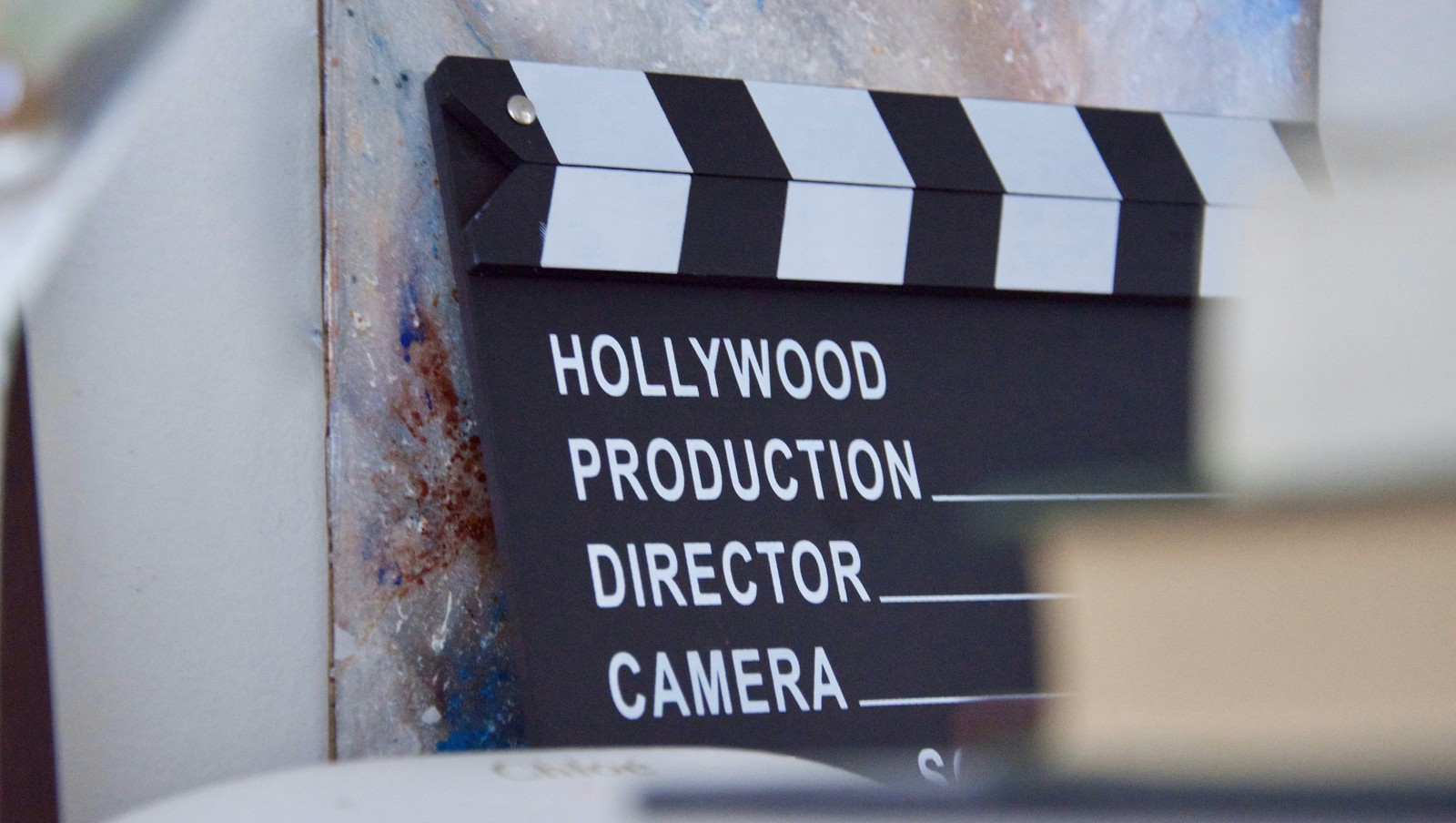
Image: Thea Hdc

Hollywood is not just about glitz and glamour. Sometimes, behind the cameras, famous stars clash in ways that are mysterious, amusing, or simply unforgettable. From bitter arguments on set to long-lasting rivalries, these legendary feuds tend to leave a mark on pop culture history. Here are 12 famous celebrity disputes fans can’t stop talking about.

1
Robert De Niro vs Mickey Rourke
Image: Vitruvian Badr

At first glance, it was the typical 1980s film set. But when Robert De Niro and Mickey Rourke worked together in Angel Heart , their differences in style weren’t just noticeable; they were combustible. De Niro, famous for disappearing into his roles with a strict Method approach, didn’t always mesh well with Rourke’s more unpredictable, improvisational take.

According to lore, all hell broke loose when Rourke decided to ignore De Niro’s suggestions for a scene. What was supposed to be a straightforward shoot turned into multiple takes, frustrating not just the two stars but the entire crew. The altercation quickly became Hollywood gossip, with insiders saying it was a classic case of two strong personalities refusing to give in.

2
David Letterman vs Jay Leno

Image: John-Mark Smith

Who deserved the late-night crown , Letterman or Leno? For years, Americans were unable to settle the debate. On screen, both comedians exchanged polite words and even jokes, but behind the curtain, the situation was a little more complicated.

Reporters loved to stir the pot, writing headline after headline about which funnyman truly deserved the throne. Viewers, meanwhile, treated it almost like a sporting match, tuning in to see who would come out on top. In truth, much of the "feud" was blown out of proportion, yet the friendly jabs and constant comparisons managed to keep audiences entertained.

3
Dean Martin vs Jerry Lewis
Image: anncapictures

On stage, there were only gags, music, and applause. But behind the scenes, Dean Martin and Jerry Lewis were falling apart. Martin often felt stuck playing the calm, serious foil while Lewis stole all the laughs with his wild, over-the-top routines.

Over time, that imbalance created real tension. After starring in 16 hit films together, the famous duo finally called it quits. Their split was so final that they didn’t exchange a word for two full decades. Fans were stunned when they eventually patched things up later in life, a reminder that even the biggest comedy legends aren’t immune to bruised egos and long silences.

4
Olivia de Havilland vs Joan Fontaine
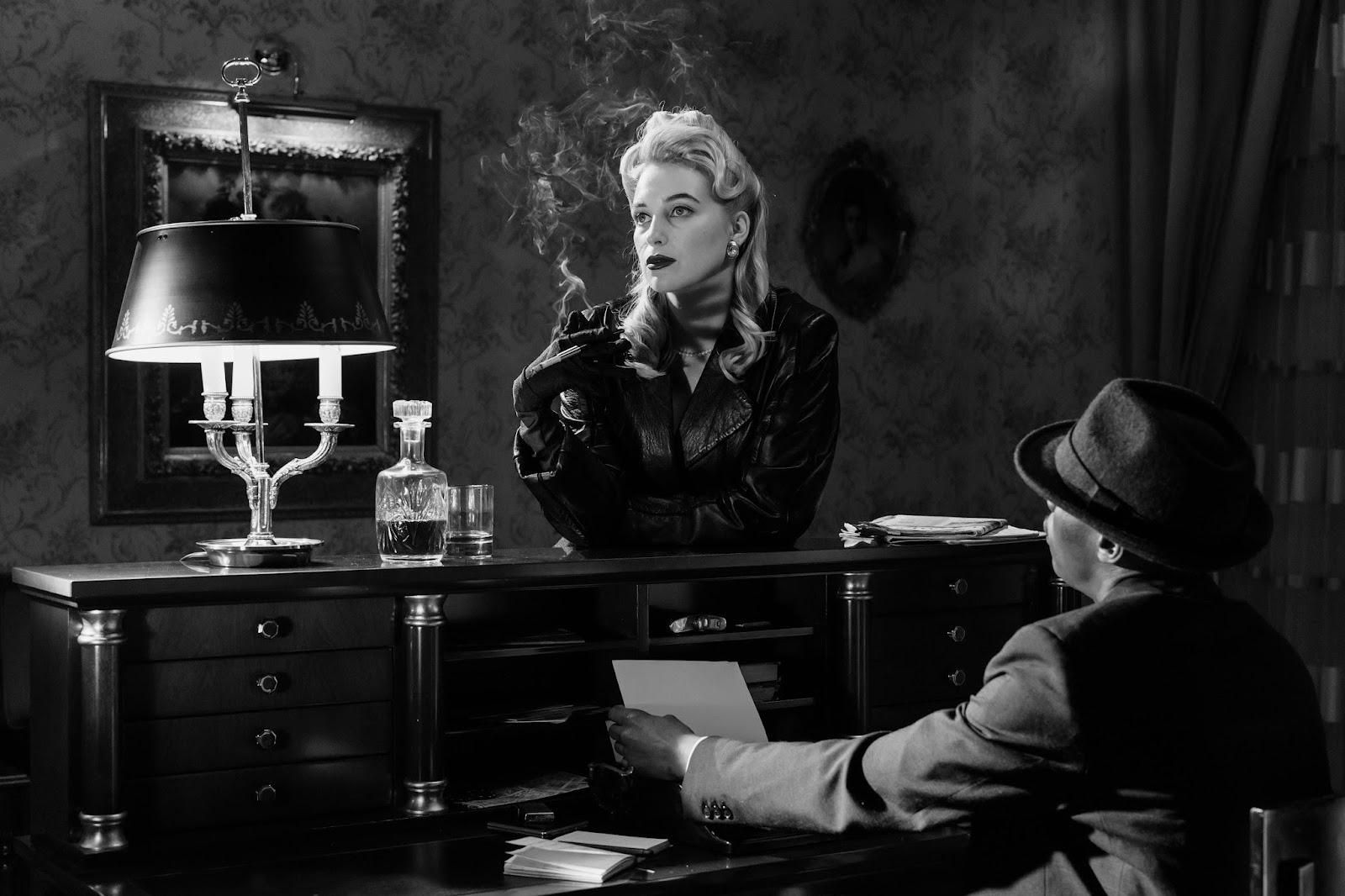
Image: cottonbro studio

Few family feuds reached the heights of Olivia de Havilland and Joan Fontaine’s legendary rivalry. The sisters were competitive long before the bright lights of Hollywood, each vying for their mother’s attention. Once both became movie stars, the bad blood only grew stronger.

In 1942, the two actresses were even nominated for Academy Awards in the same category. Fontaine ended up winning and later claimed her older sister pulled her hair during the ceremony. That incident became one of Hollywood’s most talked-about snubs. Their quarrel stretched on for decades, marked by jealousy, pride, and the kind of family drama that the public can’t get enough of.

5
Elton John vs Madonna
Image: HubertPhotographer

It may sound like sensational news, but Elton John once declared Madonna’s Bond theme "the worst ever." From that point on, the two megastars exchanged sharp words through the press, with Elton poking fun at her performances and Madonna brushing off the criticism with icy charm.

Reporters loved every jab, turning their spat into tabloid gold. Though they occasionally patched things up, the rivalry lingered. Even music royalty can squabble just like the rest of us!

6
Marilyn Monroe vs Jayne Mansfield
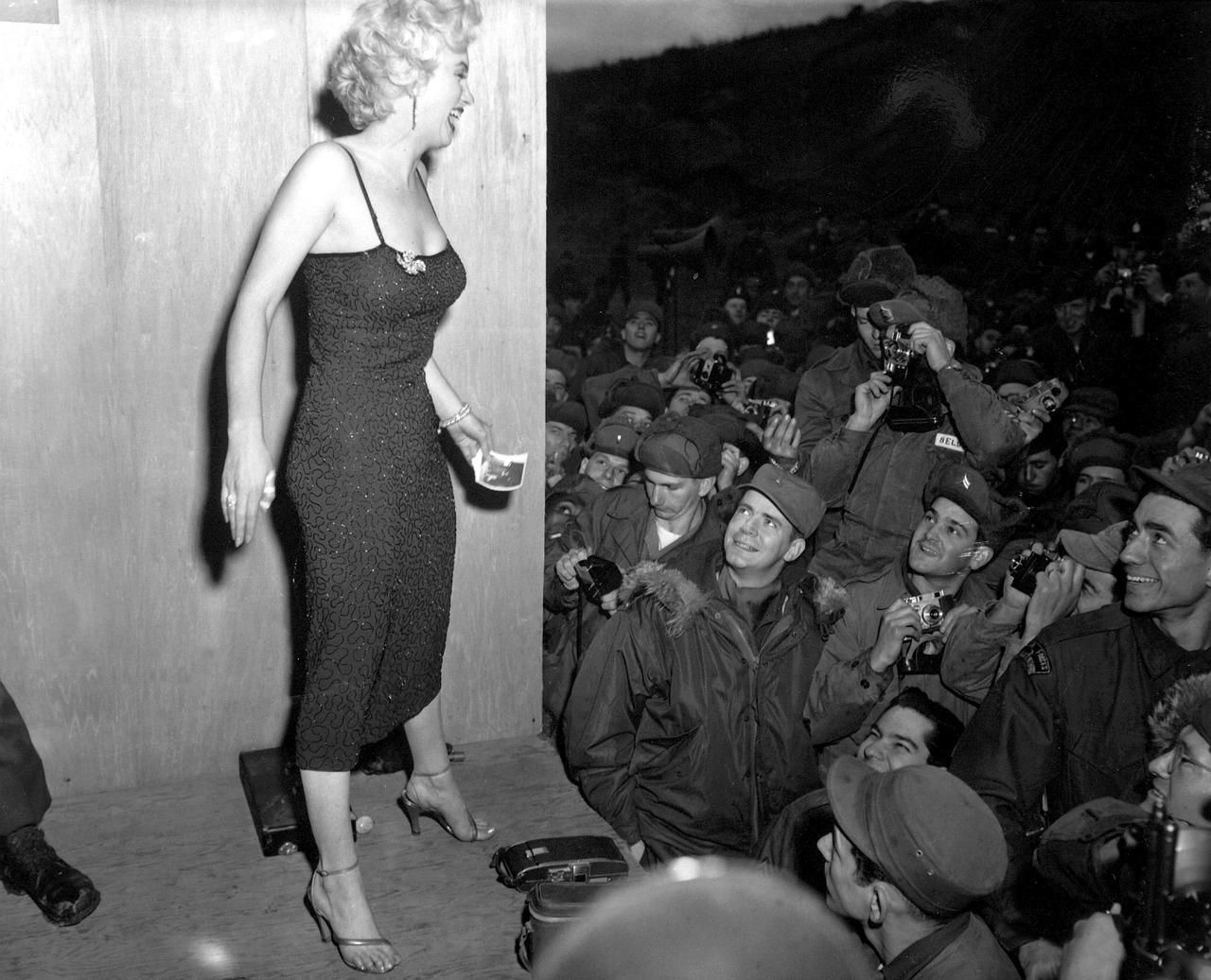
Image: WikiImages

In the 1950s, Hollywood had room for only so many platinum blondes, and Marilyn Monroe was already the reigning queen. When Jayne Mansfield came to light with her hourglass figure and playful charm, the press quickly dubbed her "the next Monroe."

Marilyn, who guarded her image carefully, bristled at the idea of a copycat stealing her thunder. Meanwhile, Mansfield leaned into the comparisons, showing up at events in daring outfits and orchestrating photo ops that guaranteed headlines. The result was a highly public rivalry that fascinated fans, turning every red carpet into a showdown.

7
Johnny Carson vs Joan Rivers
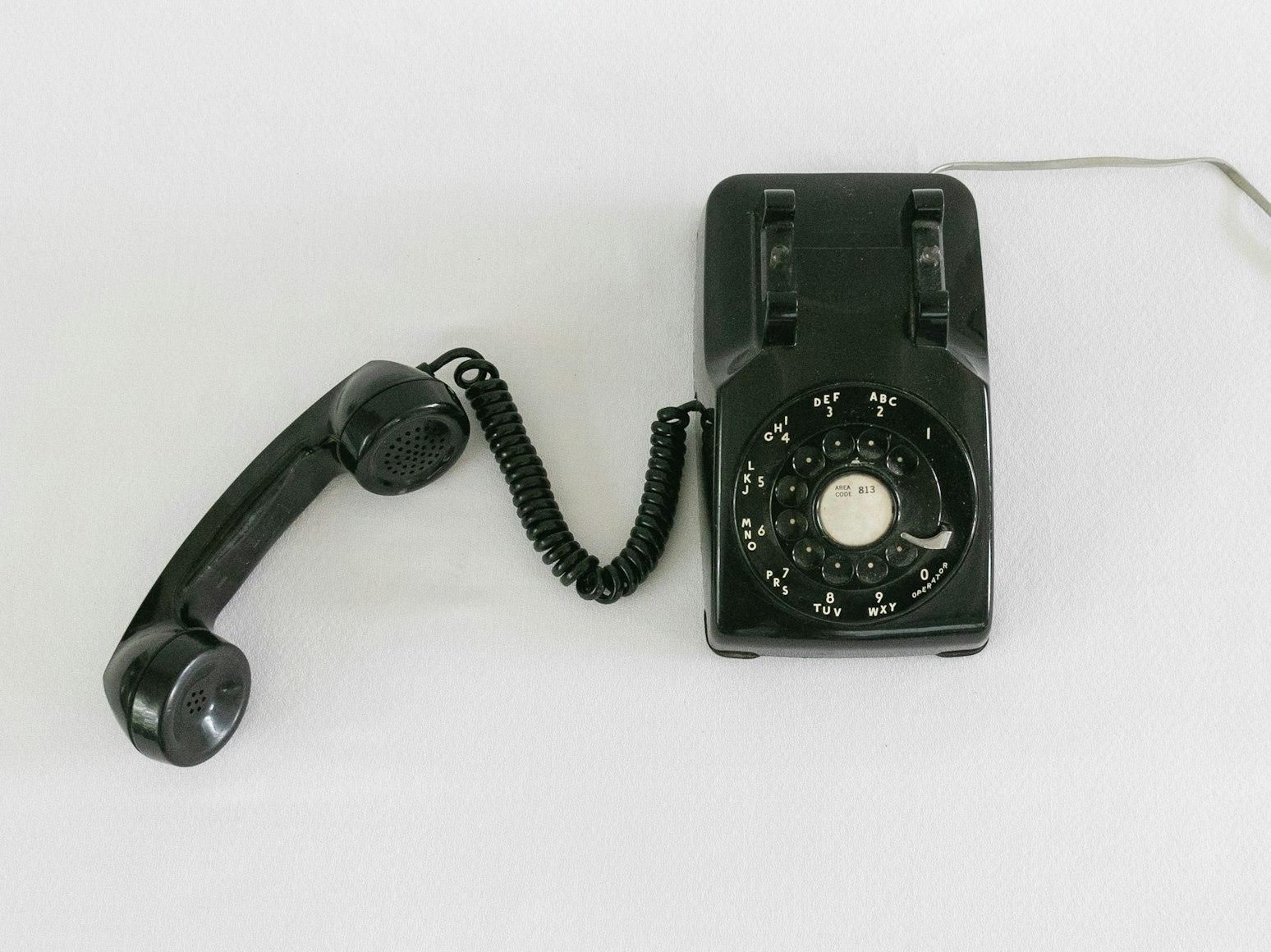
Image: Debby Hudson

One phone call never answered, one friendship lost forever. Joan Rivers owed much of her early success to Johnny Carson, who gave her a career-changing boost as a regular guest on The Tonight Show . For years, she was seen as his comic protégé, someone he personally championed. But when Rivers accepted an offer to host her own late-night program, Carson viewed it as a betrayal.

He cut off contact immediately, refusing to take her calls, and the friendship that once seemed unbreakable collapsed overnight. Fans were stunned to see the bitter end of what had appeared to be a classic mentor-and-student bond. The silence lasted all their lives.

8
Debbie Reynolds vs Gene Kelly
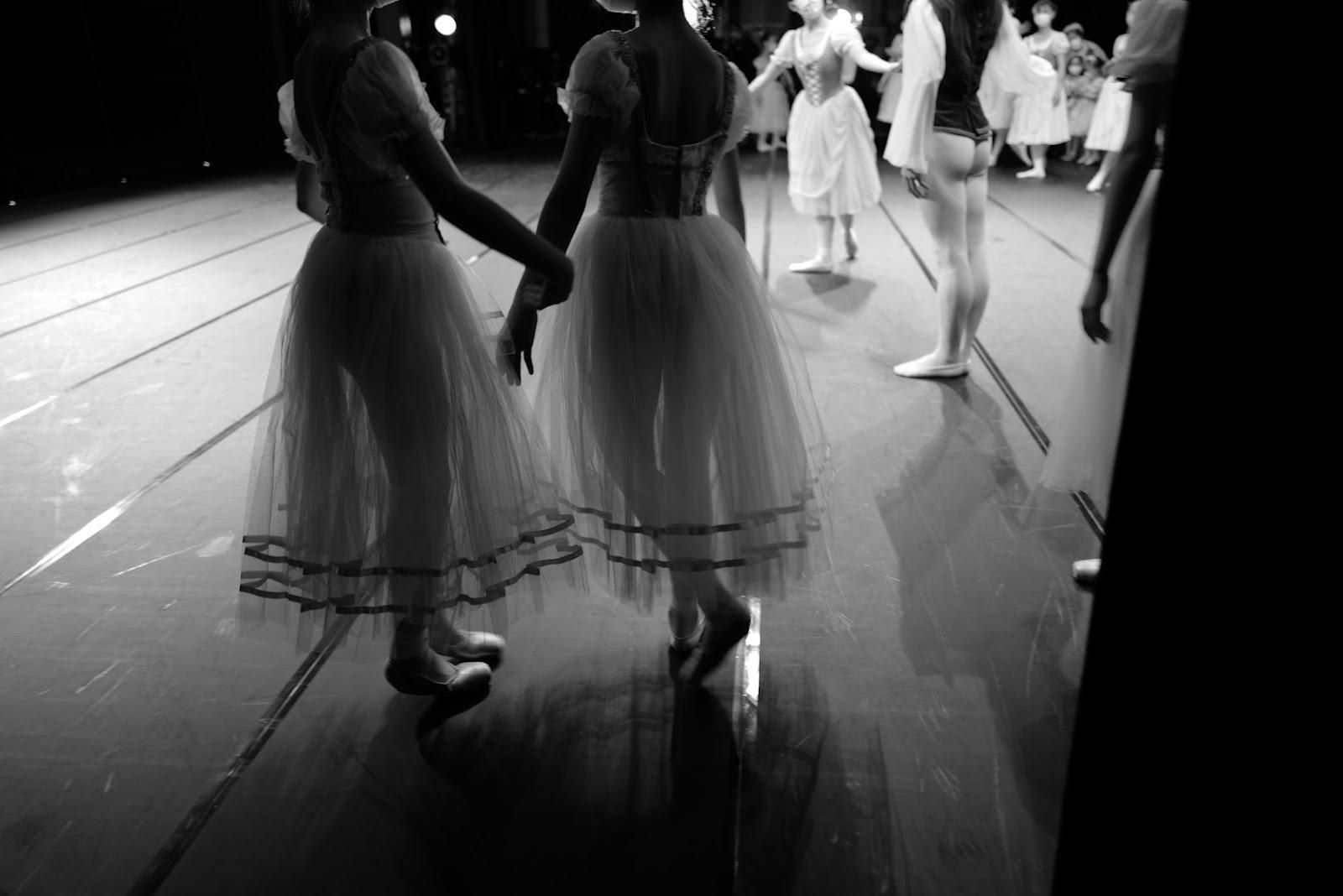
Image: Kazuo ota

When Debbie Reynolds starred in Singin’ in the Rain , she was a 19-year-old performer stepping into a major role for the first time. Gene Kelly, already an established star, demanded flawless performances and wasn’t known for his patience. Reynolds later recalled long hours of grueling rehearsals, where Kelly frequently criticized her every move, reducing her to tears.

Though their discord was rooted more in his high standards than personal dislike, the experience marked a harsh introduction to Hollywood for the young actress. Today, their behind-the-scenes tension is remembered as both a glimpse into Kelly’s tough reputation and a reminder of the enormous pressures that came with working alongside legends.

9
Orson Welles vs William Randolph Hearst

Image: William Warby

When Citizen Kane hit the screens, it wasn’t just a film debut; it was the spark of one of Hollywood’s fiercest battles. William Randolph Hearst, the media tycoon who saw too much of himself in the story, launched an all-out war against Orson Welles.

He tried to bury the film before it could reach audiences, banning ads in his papers and fueling smear campaigns. What began as a clash of egos grew into a cultural showdown, forever linking their names to both scandal and cinematic history.

10
Frank Sinatra vs Marlon Brando
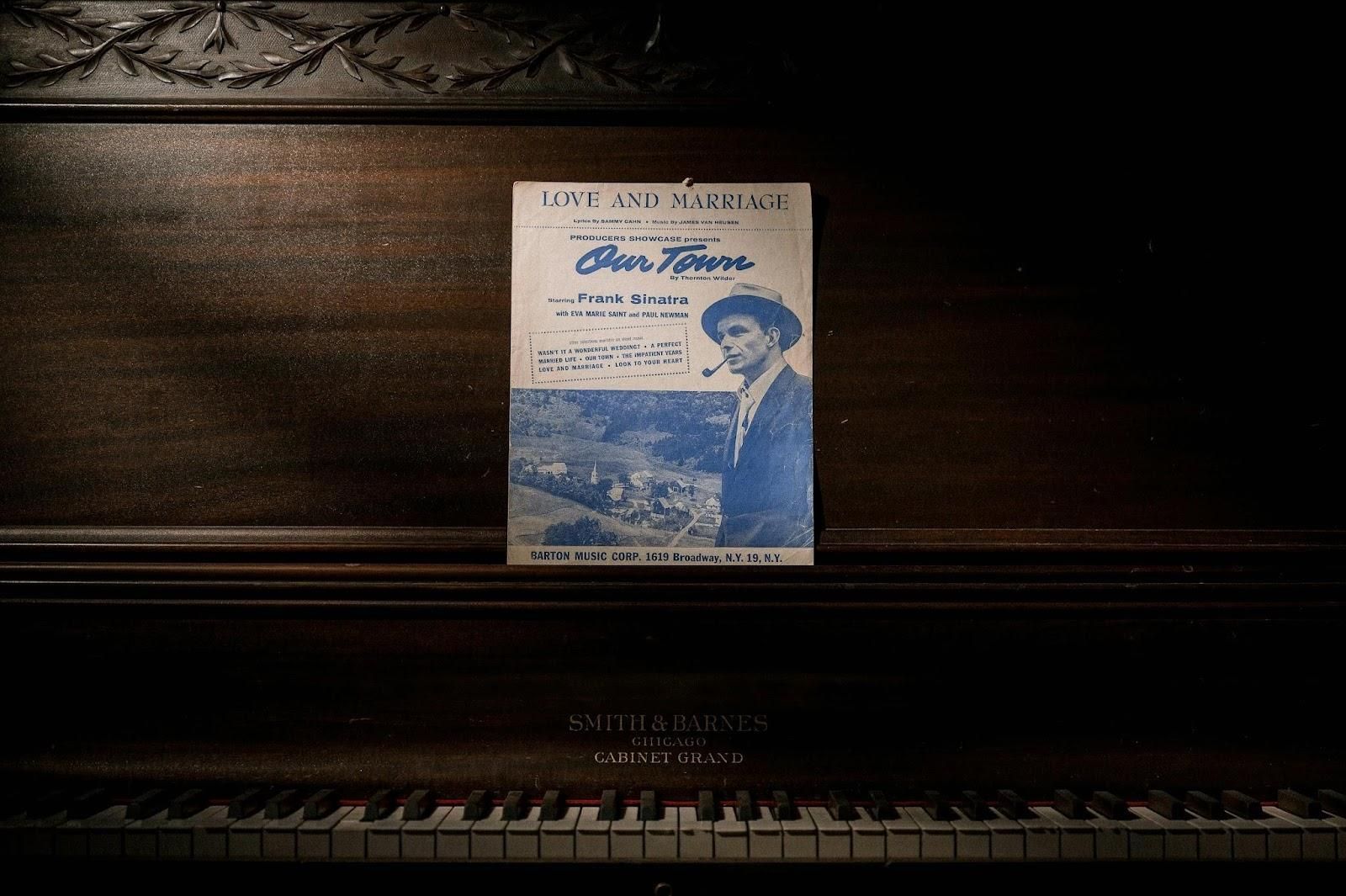
Image: Brett Sayles

If you watch Guys and Dolls today, all you’ll see is glamour. In reality, the shooting was pretty stressful: Sinatra craved efficiency, Brando thrived on slow-burning performance. Brando’s Method acting tested Sinatra’s patience, as Ol’ Blue Eyes favored efficiency and clean, polished takes.

Rumors of heated exchanges and icy silences hit the media, and by the final days of filming, the pair were barely speaking. What should have been a classy production became notorious for its behind-the-scenes tension, adding an extra layer of drama to the musical classic.

11
Bette Davis vs Joan Crawford
Image: Nathan DeFiesta

So iconic was their hatred that it later inspired documentaries and TV series. Davis and Crawford didn’t just feud; they redefined what a Hollywood rivalry is. For decades, the two icons sparred over leading roles, critical acclaim, and public adoration.

Gossip included backhanded insults, stolen lovers, and outright sabotage during productions. When they finally shared the screen in 1962’s What Ever Happened to Baby Jane? , the film’s unsettling tension was magnified by their very real animosity.

12
Chevy Chase vs Bill Murray

Image: Aleks Dorohovich

In the early days of Saturday Night Live , Chevy Chase and Bill Murray were usually at each other’s throats. Chase’s sharp, polished delivery often clashed with Murray’s more offbeat, improvisational style, and the tension spilled offstage.

Reports of heated arguments (and even a near brawl backstage) turned their working relationship into one of the show’s most notorious conflicts. Though both later moved on, their rocky career start stands as a reminder of how fragile chemistry can be in comedy’s spotlight.

Culture Culture 6 min read

An American legend

“Chairman of the Board”: How much do you know about Frank Sinatra?

Image: Alesan Aboafash

Frank Sinatra truly needs no introduction: from "The Sultan of Swoon" to "Ol’ Blue Eyes," we could fill this entire introduction only with all the iconic nicknames Sinatra collected throughout his life. This singer and actor’s amazing talent and magnetic personality have truly cemented him as one of America’s most iconic artists. While his remarkable career is definitively too extensive to cover in this article, we have selected 10 moments in Sinatra’s life to celebrate the legacy of this groundbreaking American. Enjoy!

1
Early life

Image: Laith Abuabdu

Let’s start with the very beginning, in a small tenement in Hoboken, New Jersey. It’s no secret that Frank is one of the Garden State’s favorite sons, and we like to believe that the feeling was mutual. According to biographers, Sinatra developed his love of music at an early age, becoming interested in big band jazz and singers like Gene Austin and Bing Crosby.

By the time he was a teenager, Frank began singing professionally with a group called "the 3 Flashes," which renamed itself "the Hoboken Four" after Sinatra joined. A few years later, he became the lead singer of the band, which was conducted by Tommy Dorsey, one of the most influential figures in Sinatra’s early career.

2
Time to go solo

Image: Dushawn Jovic

In 1942, Sinatra convinced Dorsey to allow him to record a few solo songs ; these included some of his first hits, like "Night and Day" and "The Song is You." Impressed by the way these recordings sounded, Frank decided it was time to go solo. This was easier said than done, since his contract stipulated that he had to give Dorsey 43% of his lifetime earnings.

After a lengthy legal battle, Frank was able to become a solo artist , although his relationship with Dorsey never recovered. Part of their dispute included the fact that Sinatra offered Dorsey’s conductor, Axel Stordahl, five times his salary to sign with him and become his personal arranger.

3
"Sinatramania"

Image: Ethan Rougon

By the start of the 1940s, Frank’s popularity was soaring, and the whole country seemed to be enraptured by a wave of "Sinatramania." He topped the male singers' polls and was the quintessential idol of "Bobby Soxers," a subculture of teenage girls characterized for their fondness of popular music.

Perhaps this following anecdote can encapsulate how hard the "Sinatramania" had hit America: In 1944, Sinatra returned to the Paramount Theatre in New York after two amazing performances a few years earlier. The audience that gathered for that show was so massive that only 250 people were allowed to enter the theatre, while the remaining 35,000 protested outside. They were so determined to see "the Sultan of Swoon" that their rejection caused a riot known as the "Columbus Day Riot."

4
World War II

Image: Museums Victoria

Sinatra’s birth was a difficult one, and his eardrum was perforated during delivery. This condition made him ineligible for military service during the onset of World War II. However, he did serve his country by raising morale, traveling through Europe, and entertaining the troops towards the end of the war.

Frank performed in several USO tours alongside comedian Phil Silvers. Not only that, many of his radio performances with the "Andrews Sisters" harmony group were broadcast to the soldiers through the American Forces Radio service.

5
Acting career

Image: Los Angeles Times, CC BY 4.0

Sinatra’s acting chops are sometimes overshadowed by his singing career, which is an absolute shame. While he had small singing roles and cameos in 1940 films like Las Vegas Nights and Reveille with Beverly , his breakthrough came with the 1945 musical Anchors Aweigh , in which he starred alongside Gene Kelly and Kathryn Grayson. The film’s success and Academy Award nominations ensured a series of movies with Gene Kelly, including the now iconic On the Town in which Sinatra plays a sailor.

However, Frank’s acting credits are not limited to musicals that showcased his amazing voice; he starred in groundbreaking films like The Manchurian Candidate , High Society, and The First Deadly Sin . Not only that, he was the first choice to play the legendary Detective Harry Calahan in Dirty Harry , but he had to turn down the role. Picture this: There’s an alternate universe in which "The Voice" is the one that utters the film’s famous line, "Do you feel lucky, punk?"

6
The Rat Pack

Image: Los Angeles Times, CC BY 4.0

What’s life without a few friends? The term "rat pack" is an old New Yorker slang name used to describe a group of friends. However, today we use it to refer to a distinct group of actors and singers, the quintessential "Rat Pack" of which Frank Sinatra was one of the shiniest stars.

Alongside Frank, the Rat Pack included iconic singers like Dean Martin, Sammy Davis Jr., Judy Garland, Mickey Rooney, and Nat King Cole. According to legend, the group received its name from Humphrey Bogart and Lauren Bacall after they were seen returning from a night in Las Vegas. Many remember the original iteration of the classic heist film Ocean’s Eleven, which starred five members of the Rat Pack.

7
The Capitol years

Image: Dane Deaner

The 1950s were truly a Renaissance time for Sinatra. While interest in his music had slowly waned over the years, Frank saw the success of the 1953 film From Here to Eternity as an opportunity to revitalize his career. In that sense, that same year, the singer made a move that would prove to be essential in this revival: his signing with Capitol Records .

SInatra’s seven-year contract with Capitol produced some of this singer’s most beloved albums , including "Where Are You?" and "Come Fly with Me." One of the strongest elements behind these albums was arranger Nelson Riddle, who was wonderfully adept at matching Sinatra’s perfectionism.

8
Family life

Image: Jorge Moncayo

Let’s step away from the spotlight for just a moment and focus on Sinatra’s family life . Frank’s four marriages were highly publicized; some of them included Ava Gardner and Mia Farrow, two of the biggest actresses of their time. However, we have decided to instead highlight the most important things that came from his relationships: his children.

Frank had three children with his first wife, Nancy Barbato: Nancy, Frank Jr., and Christina, known as "Tina." Most biographers agree that, while his relationships may have been tumultuous, Frank was by all accounts a devoted father. Two of his children, Nancy and Frank Jr., went on to follow in their father’s footsteps and became singers themselves, with Nancy turning out to be one of the most prominent artists of the ‘60s and ‘70s.

9
Retirement

Image: Los Angeles Times, CC BY 4.0

As the saying goes, "All good things must come to an end," and in 1970, Sinatra announced he would be retiring from recording and performing. However, it should come as no surprise that his retirement was definitively short-lived or, at the very least, as packed with excitement as his career had been.

By the 1970s, Sinatra’s voice had grown coarsened after years of demanding use. However, this only added a new layer of depth to Frank’s singing; audiences loved the deeper and rougher tones he added to his performances. Not only that, in 1980, Sinatra starred in his final film The First Deadly Sin , an extraordinary goodbye to his acting career.

10
Legacy

Image: IrishFireside, CC BY 2.0

On May 14, 1998, Frank Sinatra bid farewell to the world. While he is surely missed, his outstanding legacy still lives on, so we thought dedicating this final entry to some of the many homages this American icon received would be a fitting tribute.

In 1995, to honor Frank’s 80th birthday, the Empire State Building was lit blue to show its appreciation for "Ol’ Blue Eyes." Ten years after his death, the United States Postal Service issued a postage stamp honoring Frank, and Congress passed a resolution declaring May 13 as "Frank Sinatra Day."

History History 5 min read

The American way

Baseball and BBQs: 10 iconic American pastimes that shaped the nation

Image: Leon Contreras

A baseball game under the summer sun, a weekend fishing trip, a barbecue at a family gathering—all of these activities are as American as apple pie. Our favorite pastimes tend to reflect the nation’s values and history, evolving and transforming over the years yet always retaining a part of their essence. Here are 10 iconic pastimes that have shaped life in the United States.

1
Baseball

Image: Chris Chow

Baseball isn’t called America’s favorite pastime for nothing. The heartbeat of American sports, it was already recognized as the national sport in the 19th century, when it originated as a blend of older bat-and-ball games.

Curiously, the first official baseball game on record didn’t take place in the United States but in our northern neighbor, Canada, which is often credited with creating the basis for most modern baseball rules. However, New York City clubs were responsible for further shaping the game into what it is today.

2
Fishing

Image: Greysen Johnson

Fishing has long been a beloved pastime for millions of Americans, luring people in with a peaceful and nature-immersed experience. No longer a necessity for survival in everyday life, most people today enjoy fishing recreationally, with many anglers choosing to release their catch unharmed.

Celebrated American writers like Ernest Hemingway have portrayed fishing as a reflective and rewarding pursuit, capturing the romantic longing for a simpler life and the joy of the great outdoors that remains at the heart of this pastime. Moreover, the hobby encompasses more than just fishing, with many enthusiasts taking pride in creating their own custom lures, often crafted to resemble various types of live bait.

3
Camping

Image: Chris Holder

Camping became popular in the early 20th century as Americans sought respite from growing urbanization. Today, it remains a beloved way to explore the country's vast landscapes, from national parks to remote forests. Extensive networks of protected foot trails crisscross the nation, offering opportunities for both short and long excursions.

In fact, it could be argued that camping is part of the wild heritage of the American frontier spirit, encouraging Americans to reconnect with nature. Much like fishing—and these two pastimes often go hand in hand—camping is about adventure, self-sufficiency, and the pursuit of simplicity away from the hustle of daily life.

4
Football

Image: Carol Highsmith's America

American football—also known as gridiron football or simply football—originated in the 19th century, evolving from various older ball games related to rugby. In recent decades, it has grown into a national obsession, rivaling baseball and even surpassing it in viewership, with millions tuning in every weekend.

The Super Bowl and similar events have become iconic elements of American culture, transforming into major community celebrations that draw more than just football fans. Major events like the Super Bowl bring families and friends together across the country, often featuring entertainment segments and halftime shows that transform these sporting events into full-blown celebrations.

5
Barbecuing

Image: Vincent Keiman

Barbecuing is an art form in America, with roots tracing back to indigenous peoples and early settlers. Whether it’s a Fourth of July cookout or a casual weekend gathering, the grill is central to American social life. The tradition initially spread through pit barbecues, where meats were smoked and cooked over a dug trench filled with burning embers.

Over time, this technique evolved into the conventional backyard grilling we use today. Despite the widespread popularity of standard barbecues, styles vary significantly by region, each with its own distinct flavors and techniques, often featuring elaborate sauces or unique smoking methods.

6
Auto Racing

Image: Tim Trad

Auto racing—and particularly stock car versions of the sport like NASCAR—has captivated the imaginations of Americans almost since the invention of motor cars in the early 20th century. Drawing inspiration from popular European races like the Paris-Rouen contest, the enthusiasm for motor racing quickly took hold in the U.S.

The first American automobile race is generally considered to be the Thanksgiving Day Chicago Times-Herald race on November 28, 1895. As cars became more accessible and the automotive industry developed, racing grew in popularity, eventually evolving into the high-octane spectacle that is now a distinctly American tradition.

7
Gardening

Image: Benjamin Combs

Gardening has always been a cherished American hobby, providing a peaceful retreat within one’s home while also beautifying one’s surroundings. From victory gardens during wartime to modern suburban flower beds, gardening remains a thriving pastime for Americans everywhere.

It’s a way to create something beautiful and sustainable, connecting with nature in a personal and meaningful way. Recently, interest in homegrown vegetables and organic food has surged, with an estimated 40 percent of American households—33 million—growing their own produce.

8
Movies

Image: Kilyan Sockalingum

Since the early 20th century, movies have been integral to American culture. Whether going to a local theater or, more recently, enjoying a cozy movie marathon at home, millions of Americans have shared this experience for almost a century. As Hollywood and the film industry evolved, American movies reached audiences worldwide, earning acclaim for their excellence.

Today, the magic of cinema continues to captivate Americans just as it did decades ago. This is no surprise, as the love for good storytelling and innovation—two true American passions—lies at the heart of this cherished tradition. Although the 2020 pandemic dealt a blow to movie attendance, it has been steadily recovering, showing no signs of slowing down.

9
Home-Cooking

Image: Or Hakim

More than just a necessity, home-cooked meals are a true American passion. Food is a key part of a nation's identity, so it’s no surprise that cooking at home holds a special place in the hearts of many Americans. Our country’s incredibly diverse culinary heritage offers a vast array of edible experiences to choose from, and gathering with friends and family to enjoy delicious homemade dishes is one of our favorite pastimes.

Whether preserving family recipes passed down through generations or trying new culinary experiments, home cooking is always a way to connect with loved ones, celebrate traditions, and enjoy the satisfaction of a meal crafted with love and skill.

10
Road Trips

Image: averie woodard

With a country as vast and beautiful as ours, it’s no wonder Americans often choose to spend their vacations exploring its diverse landscapes. From bustling cities to scenic countryside, domestic travel is not always just about relaxation—it can also be an adventure of self-discovery and a journey through our shared history.

And there’s certainly no shortage of sights to see! From the breathtaking vistas of our national parks to meticulously preserved historic sites, few experiences foster a deeper connection to our heritage. Whether it’s the towering peaks of the Rockies, the rolling hills of the Appalachians, or the sun-kissed shores of the coasts, every corner of the country offers something new to discover.

Explore more American facts

Choose your favorite category!

General
General

As American as apple pie—the very best America has to offer!

Culture
Culture

Delve into the astounding richness of American lore.

Geography
Geography

Hop in and explore vast and diverse American landscapes.

History
History

Discover the key moments that shaped the United States.