History History 3 min read

Is the journey really the destination?

Did you know that Lewis and Clark never reached their original goal?
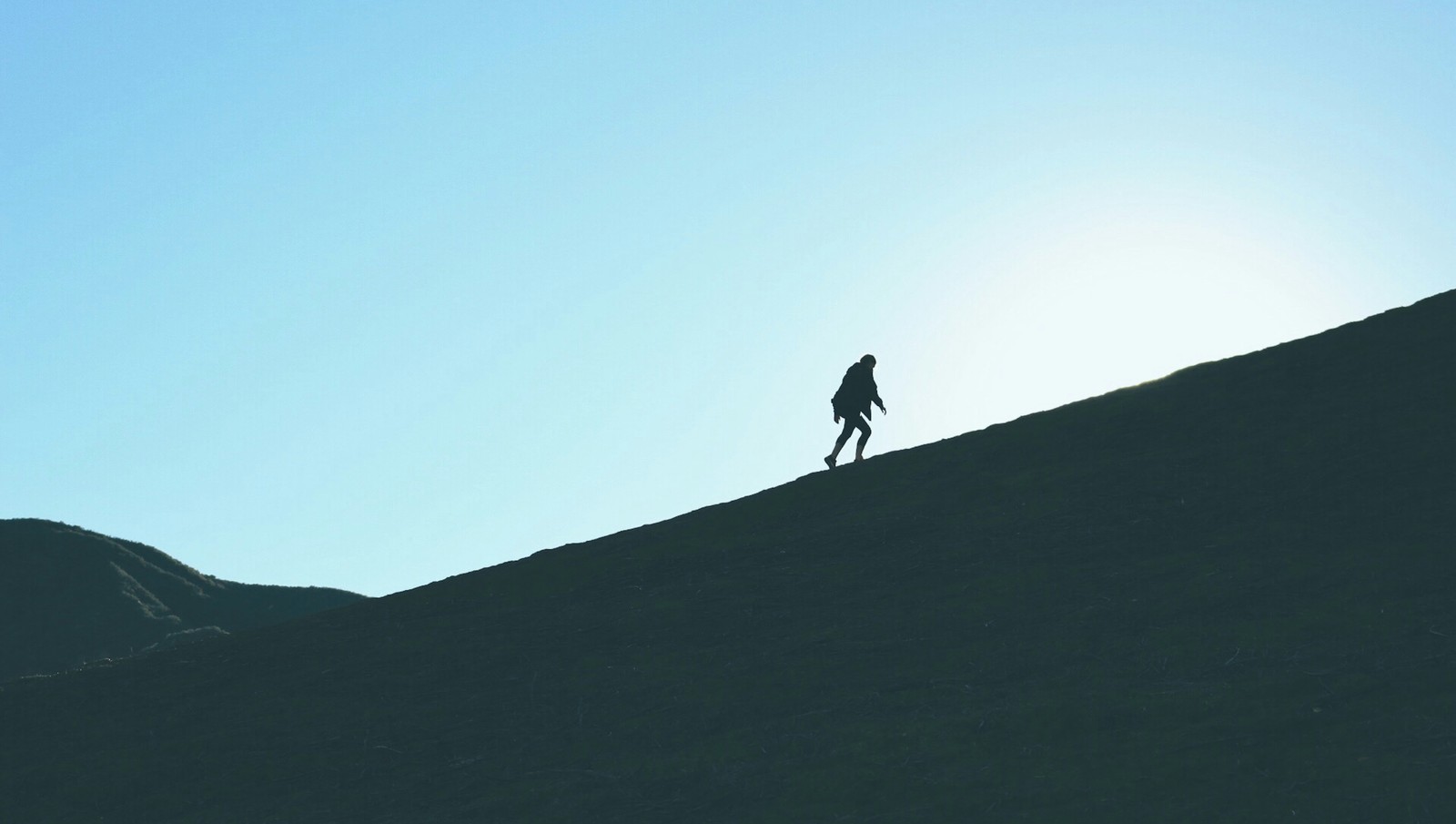
Image: Sam Mgrdichian

The spirit of exploration and the drive for immortality have long driven Americans to venture into the unknown, across continents, into polar ice, and over vast oceans. But, while many achieved greatness, some of the most compelling stories come from those who did not meet their original goals.. Did you know about these 10 examples?

1
Lewis and Clark (1804–1806)

Image: Museum of New Zealand Te Papa Tongarewa

Everybody knows about Lewis and Clark and their glorious quest across the nation, but what most don’t know is that they originally set out to find a continuous water route, the fabled Northwest Passage, from the Mississippi River to the Pacific Ocean. Commissioned by President Jefferson, the journey was meant to open up western trade routes.

Although they reached the Pacific, they confirmed that no such navigable waterway existed. Their journey was a landmark of exploration, but their primary goal remained unaccomplished .

2
Lady Franklin Bay Expedition (1881–1884)
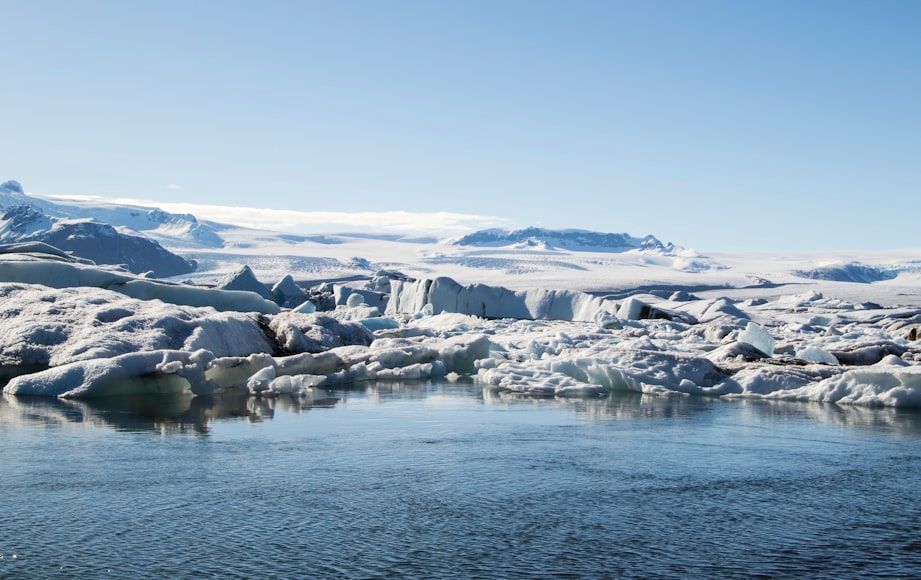
Image: David BP

The 1881 Adolphus Greely-led expedition aimed to establish a scientific research station in the high Arctic and gather meteorological and astronomical data as part of the First International Polar Year.

But two relief ships failed to reach them due to ice. Stranded for over two years, only 7 of 25 men survived. While some data was collected, the mission was a logistical and human failure .

3
Frederick A. Cook (1908)
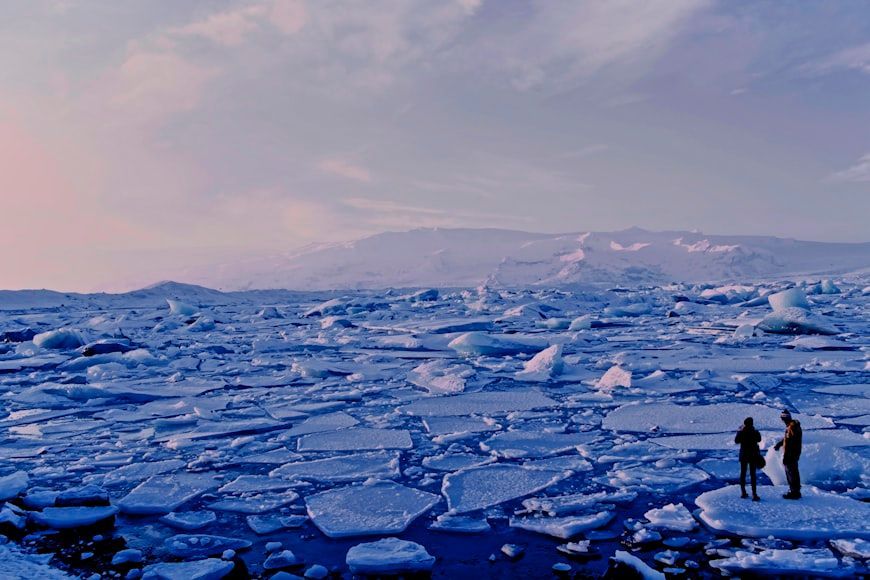
Image: Roxanne Desgagnés

American explorer Frederick Cook claimed he reached the North Pole in 1908, beating Robert Peary by a year. His announcement stirred immediate controversy and public excitement.

However, Cook failed to provide verifiable proof, and his claim was largely discredited . He also falsely claimed the first ascent of Denali. His goals, while grand, were never validated .

4
Amelia Earhart (1937)
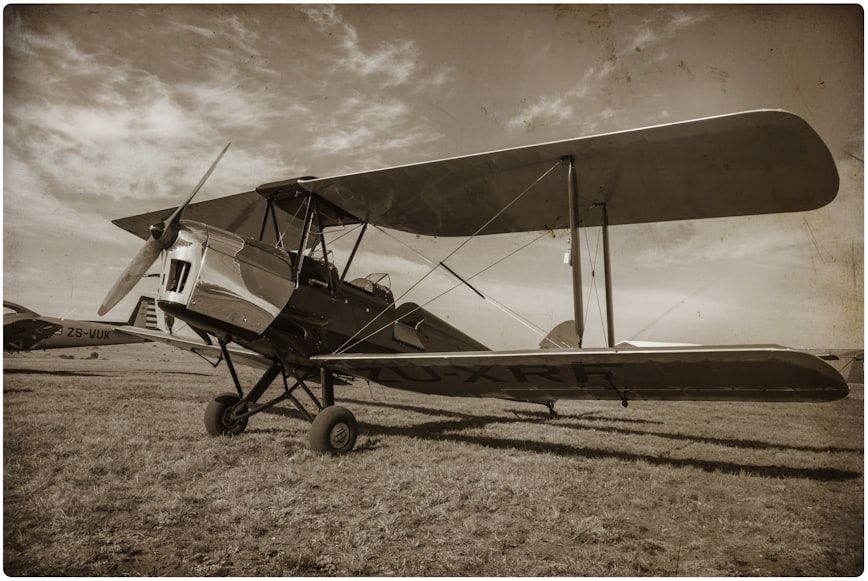
Image: Shaun Bell

Amelia Earhart sought to be the first woman to fly around the world along the equator. Her journey was a bold attempt to push the limits of aviation and global navigation.

Tragically, she vanished over the Pacific near Howland Island. Despite massive search efforts, neither she nor her plane was found. Her historic goal remains unfulfilled .

5
USS Jeannette Expedition (1879–1881)
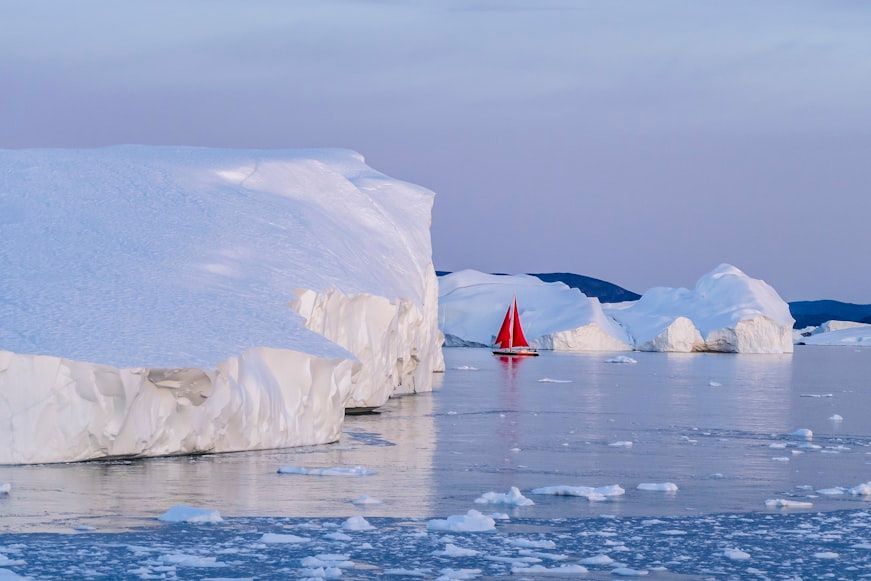
Image: Hector John Periquin

The Jeannette Expedition set out to reach the North Pole via the Bering Strait, based on a theory that a warm current could carry ships through the ice.

Instead, the ship was trapped and crushed by ice. The crew made a desperate trek across Siberia, with many dying from exposure and starvation. The pole was never reached , and the voyage ended in tragedy.

6
Crocker Land Expedition (1913–1917)
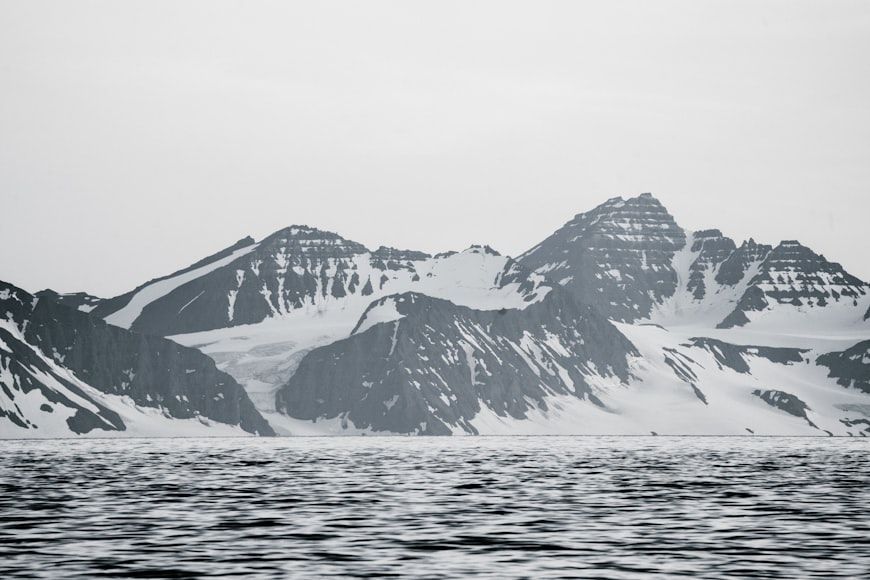
Image: Annie Spratt

Backed by Robert Peary’s reports, this expedition aimed to locate "Crocker Land," a supposed Arctic landmass seen on a prior voyage.

After weeks of travel, they discovered it was a mirage. The team was stranded for years due to failed rescue attempts. Their quest failed because the land never existed .

7
American Karakoram Expedition (1953)
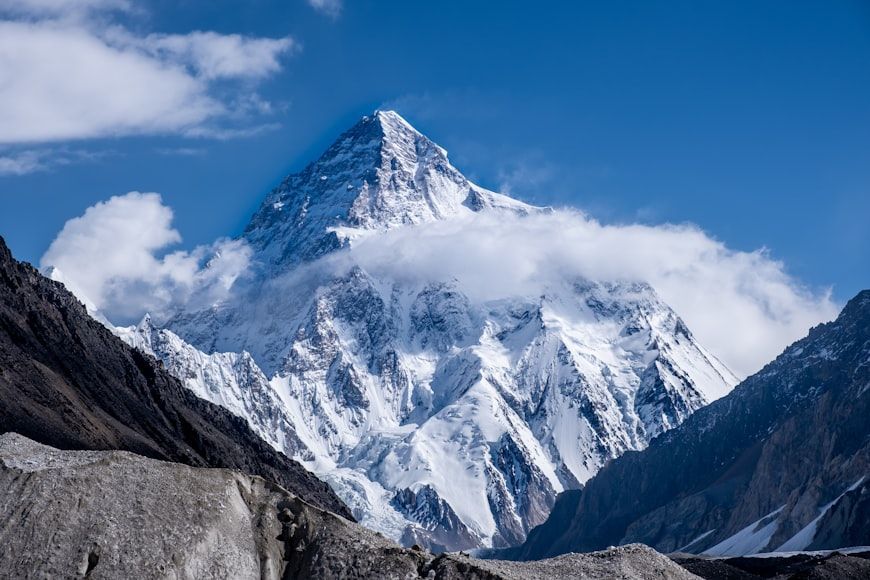
Image: Daniel Born

Led by Charles Houston, the expedition aimed to be the first to summit K2, the world’s second-highest mountain after Everest. The team climbed high and established advanced camps.

Trapped by a severe storm, they made a heroic retreat. One climber died, and the summit remained out of reach . Their attempt was noble, but ultimately unsuccessful.

8
Ziegler Polar Expedition (1903–1905)
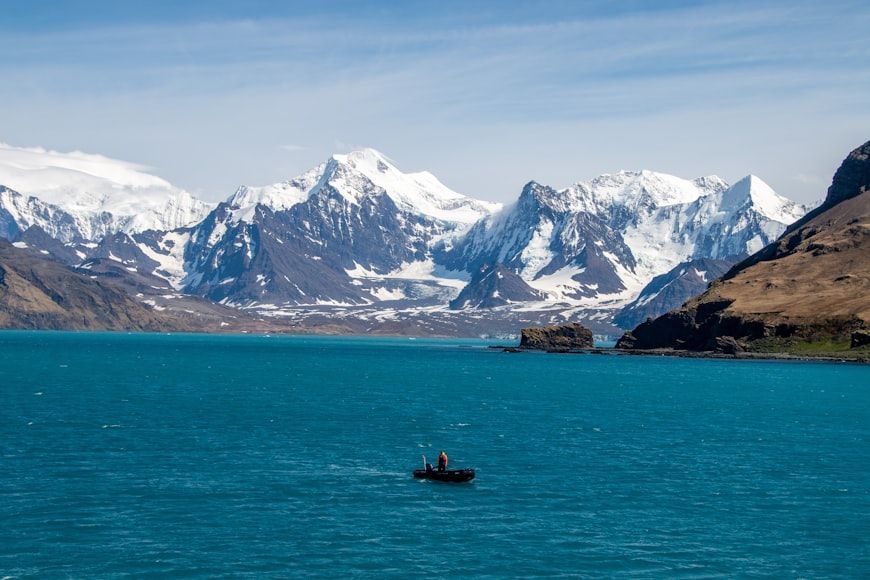
Image: ArcticDesire.com Polarreisen

The abundance of Arctic expeditions on this list is not a coincidence. This area is tough to traverse, and much of it remains unknown. This particular expedition sought to reach the North Pole via Franz Josef Land. The crew wintered in the Arctic with supplies and dogs for the attempt.

Severe ice and harsh conditions thwarted their progress. They were stranded for two years and never neared the pole. Though most survived, the mission failed in its main goal .

9
Zebulon Pike (1805)
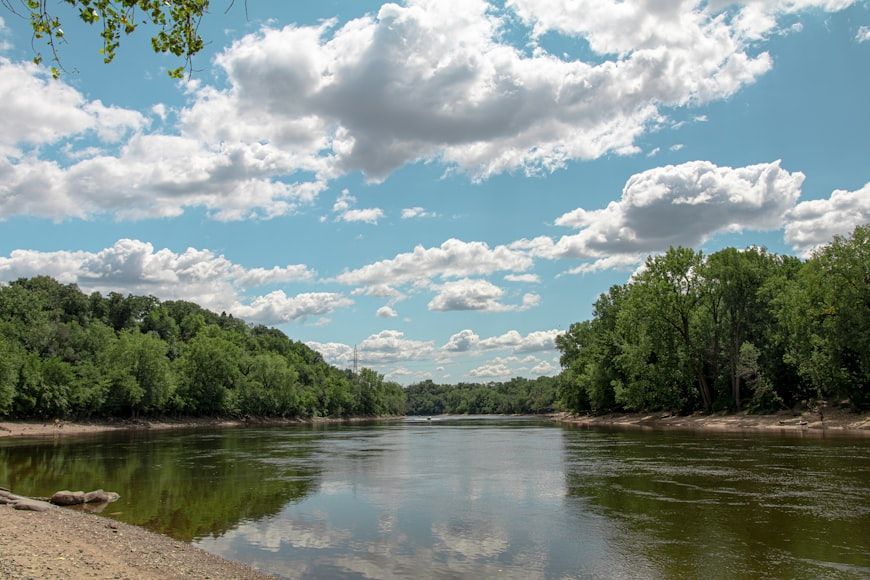
Image: Mathew Benoit

In 1805, Army officer Zebulon Pike was tasked with exploring the headwaters of the Mississippi River. The goal was to identify its true source and assert U.S. presence in the newly acquired Louisiana Territory.

Facing poor maps, freezing conditions, and supply shortages, Pike never reached the actual source . Though he gathered useful data, the mission failed to meet its primary objective.

10
American China-Everest ’82 Expedition (1982)
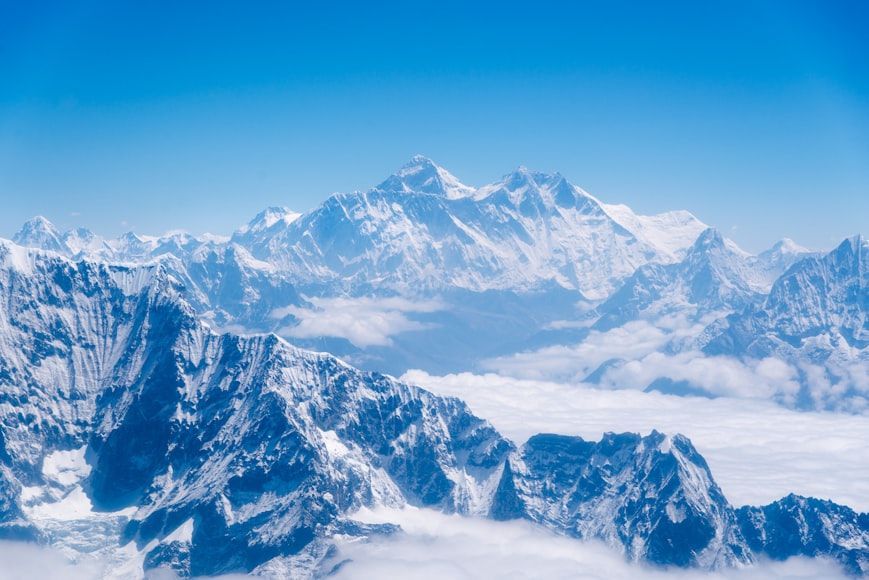
Image: Andreas Gäbler

Led by Lou Whittaker, this team aimed to summit Mount Everest via the remote Chinese (Tibetan) side, which was an unusual and challenging route for American climbers at the time.

Despite significant progress, they turned back just 1,500 feet from the top due to difficult conditions. The summit remained unreached .


Geography Geography 3 min read

Hidden country

10 places in America that still baffle scientists (and tourists love)

Image: JaZmi

America has no shortage of mysterious places—locations steeped in legend, unexplained science, or just eerie natural beauty. From strange floating orbs to weird geological phenomena, these destinations keep historians, scientists, and thrill-seekers guessing. Whether man-made or naturally puzzling, these 10 U.S. locations refuse to offer simple explanations.

1
Area 51

Image: Michael Herren

Location: Nevada

Shrouded in secrecy, this military base has become synonymous with UFOs and government cover-ups. Its official purpose was testing aircraft like the U-2 spy plane and Stealth Bomber, but its classified nature fueled decades of wild speculation, ranging from secret weapons to actual aliens working for the government.

2
Coral Castle

Image: Audric Wonkam

Location: Florida

This massive stone structure was built by a single man, Edward Leedskalnin, using enormous limestone blocks—some weighing 30 tons. According to him, no heavy machinery was ever used during the construction, and he even claimed to know the secrets of the pyramids . To this day, engineers and historians debate how he moved and placed those stones with such precision.

3
Skinwalker Ranch

Image: Jacob Padilla

Location: Utah

This 512-acre property has long been at the center of UFO sightings, cattle mutilations , and alleged portals to other dimensions. The stories were so compelling that, in the ’90s, a private research organization purchased the ranch to try and make some scientific sense of the claims, conducting extensive field studies. However, after nearly a decade of research, they found no conclusive evidence.

4
Mammoth Cave

Image: Ksenia Kudelkina

Location: Kentucky

The world’s longest known cave system has its fair share of unexplored tunnels, ghost stories, and strange air currents. More than 400 miles have been mapped , yet many passages remain uncharted. Researchers have yet to fully understand the cave’s underground ecosystem, and new chambers are still being discovered today.

5
The Marfa Lights

Image: Alexandra Vo

Location: Texas

Reported since at least the late 19th century, floating orbs of light have been seen near this small town with no consistent explanation. Night watchers continue to gather at designated viewing areas along Highway 90, hoping for a glimpse. While scientific studies suggest that distorted car headlights are the most likely cause, many remain convinced otherwise.

6
The Devil’s Kettle

Image: Andrew Ling

Location: Minnesota

This unusual waterfall splits in two—one half flows normally, while the other vanishes into a deep pothole with no known exit. Scientists poured dye, ping-pong balls, and even GPS trackers into the mysterious hole, all to see where the water ends up. While researchers eventually confirmed it rejoins the river underground, exactly how and where remained elusive for decades.

7
Cahokia Mounds

Image: pcrm Dorego

Location: Illinois

Built centuries before Columbus arrived in the Americas, the ancient city of Cahokia featured massive earthen mounds, wooden palisades, and likely formed part of complex trade networks across the continent. Despite having a population rivaling London in the 1200s, according to archaeologists, the city was mysteriously abandoned in the span of a few years. No written records explain its decline, though environmental stress, resource shortages, and internal social factors are often cited as possible causes.

8
Blythe Intaglios

Image: Alexander Schimmeck

Location: California

Similar to Peru’s Nazca Lines, these giant geoglyphs are etched into the desert floor, seemingly visible only from the sky. Created by scraping away dark rocks to reveal lighter earth beneath, the figures are believed to be between 450 and 2,000 years old, depending on the specific design. While their exact purpose remains a mystery, they are believed to have had a ceremonial function.

9
The Spooklight

Image: Ben Griffiths

Location: Missouri-Oklahoma Border

Also known as the Hornet Spooklight, this floating orb has been seen since at least the late 19th century. It appears along a rural stretch of road near the small community of Hornet, Missouri, and Quapaw, Oklahoma. While some theorize it could be caused by car lights from miles away, some sightings predate automobiles.

10
Roanoke Island

Image: Stephen Crane

Location: North Carolina

In the 1580s, an entire colony vanished overnight, leaving behind only the word "Croatoan" carved into a tree. No graves, no remains—just an eerie disappearance that sparked centuries of theories, from disease and starvation to assimilation with local tribes. Modern archaeology uncovered European artifacts at sites associated with Native groups miles away, but no definitive evidence has ever solved the mystery.

General General 4 min read

No champignons on this list

Read this before picking mushrooms: 10 toxic species in America

Image: Hans Veth

Mushrooms can be found everywhere—not just deep in the woods but also in our neighborhoods, growing in the little grass patches on our sidewalks, under ornamental bushes and plants, and nearly anywhere else. Their ubiquitous presence is a testament to the evolutionary wonder of fungi in general. While many species can be safely consumed, others are toxic or even lethal. Names like "Death Cap" or "Destroying Angel" are warning enough, but, alas, nature does not provide little tags with the names we humans assign to things. Therefore, having a general knowledge of this subject is always advisable.

1
Death Cap (Amanita phalloides)

Image: Rémi Müller

The first mushroom in our list is also the most toxic in the world. It was originally found only in Europe until imported trees transported it to America and everywhere else. Over time, Death Caps adapted to native trees, enhancing their ability to proliferate.

These unassuming-looking mushrooms have tinted green caps, white stems, white gills, and a white partial veil . They grow around oak, beech, chestnut, birches, hornbeams, spruce, and pine. Death Caps fruit in summer through fall underneath these trees, and are responsible for more than 90% of all mushroom poisonings and fatalities worldwide.

2
Destroying Angel (Amanita bisporigera)

Image: Sai Kiran Belana

Another member of the Amanita species with an ominous name, the Destroying Angel is the number one toxic mushroom in North America and is extremely widespread. Its all-white cap and stem often lead to mistaken identity with button mushrooms and meadow mushrooms.

The Destroying Angel grows from a white volva egg-like sac, features gills, and has a tall, slender stem . Its stems typically range from 3 to 8 inches in length, making it stand out in the forest like an all-white apparition. None of the common lookalikes grow this tall.

3
Funeral Bell (Galerina marginata)

Image: Lucas van Oort

The Funeral Bell appears somewhat harmless, and most poisonings are from mistaken identification. This "little brown mushroom" closely resembles several edible species, including the widespread Sheathed Woodtuft.

Funeral Bells grow on rotting wood, preferring conifer species, though they are not limited to them. They are found across North America, Asia, Australia, and Europe. This mushroom features a cone-shaped brown cap, light brown gills, and a tan to rusty-brown stem . A key distinguishing feature is a membranous ring around the upper part of the stem.

4
Pholiotina rugosa (previously Conocybe filaris)

Image: Kadri Võsumäe

A common lawn mushroom prevalent in the Pacific Northwest, this deadly fungus contains amatoxins, which destroy the liver and can cause death. Pholiotina rugosa is slender, petite, and rather innocent-looking. The cap is smooth, brown, and conical, with rusty brown gills underneath . The stem is also brown and features a distinctive, prominent ring around the middle—a key identification feature.

This deadly mushroom isn’t picky about habitat. It will grow on the lawn, soil, compost, and woodchips. P. rugosa is easily transported to new locations through woodchip and compost deliveries and adapts to new environments with little trouble.

5
Fool’s Funnel (Clitocybe rivulosa)

Image: Hoejin Iwai

Fool’s Funnel grows across North America in meadows, lawns, and other grassy areas from summer through autumn. It often grows in fairy rings, and accidental consumption by children or pets is a significant concern. These toxic mushrooms are small, white, and benign-looking . The caps are white and funnel-shaped, with crowded white gills underneath. Fool’s Funnel stems are also white and lack distinctive markings.

While this fungus rarely causes death, its ingestion will cause severe pain. This mushroom contains high levels of muscarine which acts as a nerve agent when ingested.

6
Deadly Webcap (Cortinarius rubellus)

Image: Markus Spiske

Another mushroom with a foreboding name, the Deadly Webcap, is found in coniferous and mixed forests across North America. It contains a toxin called orellanine, which can cause severe kidney failure when ingested.

The Deadly Webcap bears a close resemblance to edible species like the Chanterelle , making it especially dangerous for foragers.

7
False Morel (Gyromitra esculenta)

Image: jaStra

As the name implies, the False Morel is a toxic mushroom closely resembling the highly prized Morel mushroom . It contains a toxin called gyromitrin, which can cause severe gastrointestinal symptoms, seizures, and even death if ingested in large quantities.

There are multiple species of False Morels, and current evidence suggests that many are safe to eat, while Gyromitra esculenta should still be foraged with caution. Many people consume this mushroom, but only with proper preparation. This is not a mushroom you can simply sauté and eat; proper preparation is necessary to remove most of the toxins, making it "safe.

8
Common Conecap (Pholiotina rugosa)

Image: Oliver Fetter

This small brown mushroom contains the same deadly amatoxins found in the Death Cap and Destroying Angel. It is commonly found on or around wood mulch , particularly in landscaped areas. Its tendency to appear in yards makes it especially dangerous. Ingesting even a small amount of this toxic fungus can result in severe illness or death.

9
Amanita Muscaria

Image: Егор Камелев

Probably the most recognizable mushroom shape in the world is Amanita muscaria . Its stereotypical toadstool stands out in the woods thanks to its bright red cap with white spots and a white stem . These mushrooms are considered toxic and can cause pain but are unlikely to cause death.

Few mushrooms share the same scarlet hue that makes them so visible in green and brown underbrush. The white bumps on the cap also create a distinct, eye-catching pattern.

10
Green-Spored Parasol

Image: Timothy Dykes

Known as "the vomiter" for the effects it can have on anyone who consumes it, the Green-Spored Parasol has the same general shape as the Death Cap and Destroying Angel. Its stem is tall and thin, with a skirt that sits just under the cap . This cap ranges from rounded downward to wide and flat, depending on the mushroom’s age.

The symptoms from its ingestion range from extreme stomach irritation to bloody diarrhea, as well as the aforementioned vomiting. Therefore, caution is advised.

Explore more American facts

Choose your favorite category!

General
General

As American as apple pie—the very best America has to offer!

Culture
Culture

Delve into the astounding richness of American lore.

Geography
Geography

Hop in and explore vast and diverse American landscapes.

History
History

Discover the key moments that shaped the United States.