History History 5 min read

Female pioneers

Did you know a First Lady once ran the U.S. after her husband's stroke?
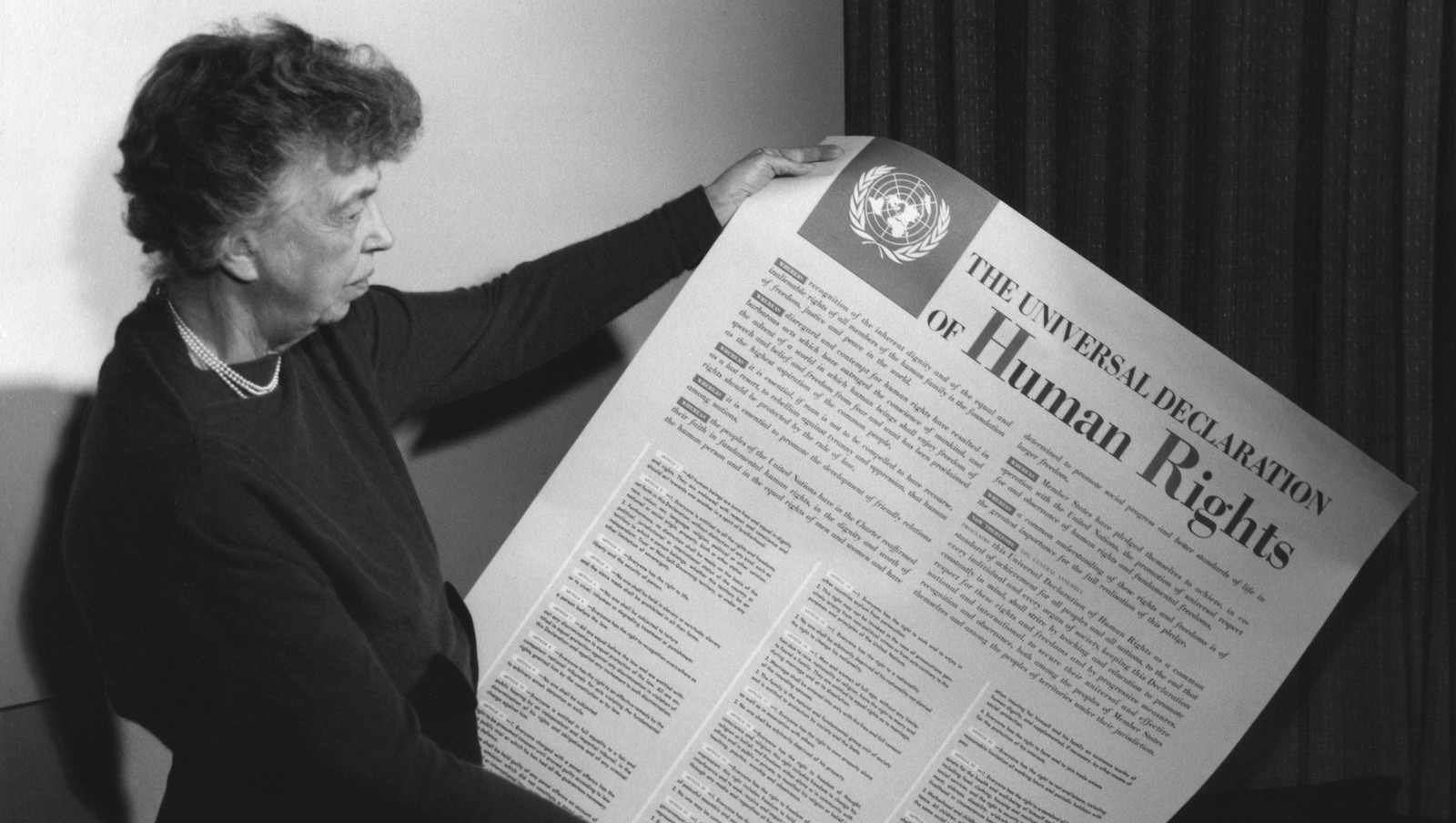
Image: FDR Presidential Library & Museum, CC BY 2.0, via Wikimedia Commons

Not all First Ladies were content to simply smile and wave. Some of them shaped American history in ways we still feel today: one redecorated the White House and captivated the world, another quietly ran the country after her husband’s stroke, and yet another one went public about deeply personal issues at a time when no one dared. Here’s a look at ten of the most impactful women to ever call the White House home.

1
Jackie Kennedy (1961–1963)
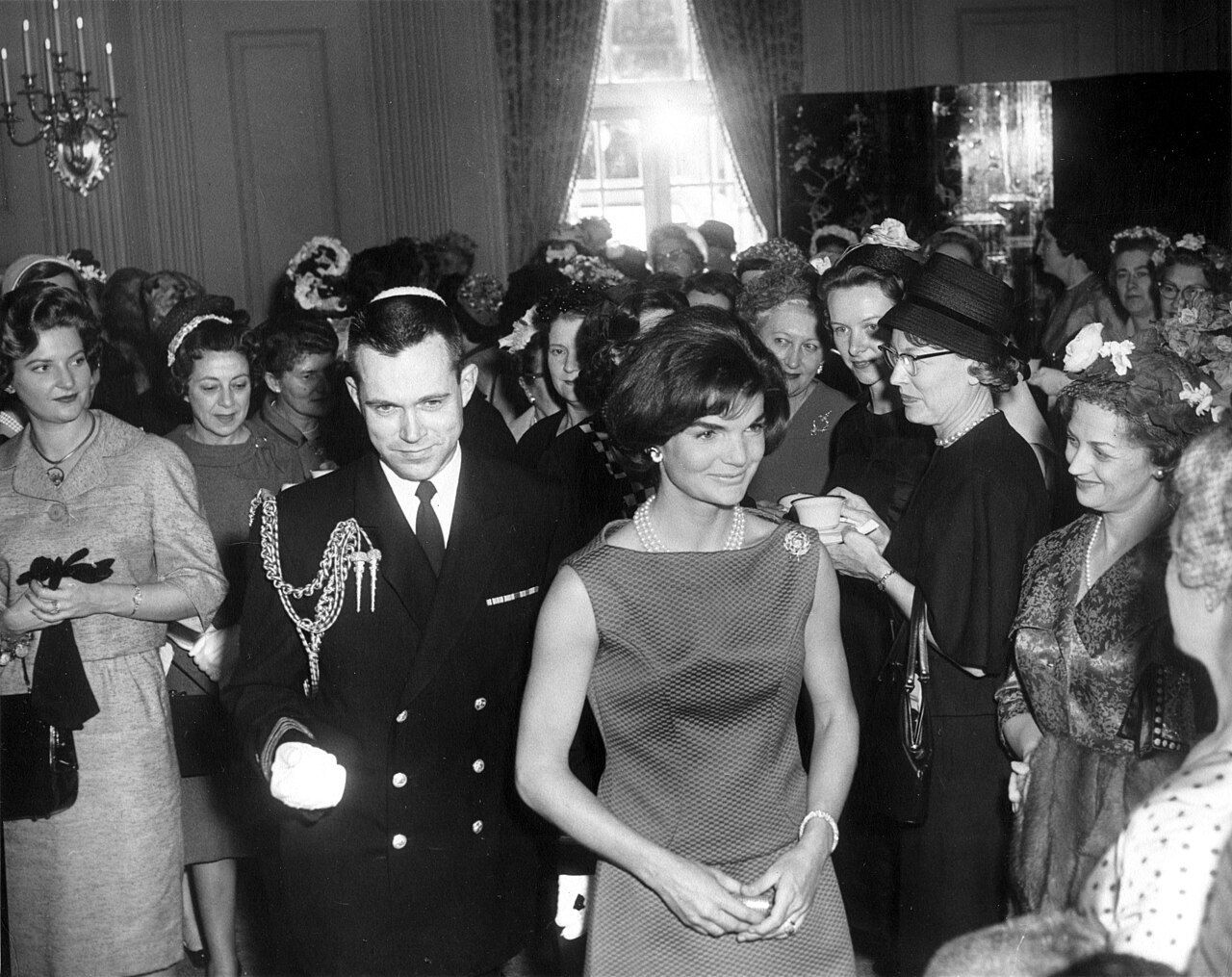
Image: The U.S. National Archives, Public domain, via Wikimedia Commons

Jackie Kennedy brought elegance, culture, and a whole lot of style to the White House. But she was much more than a fashion icon : She led a historic restoration of the White House and made sure Americans saw it as a true national treasure through a famous televised tour in 1962.

Her poise during the devastating days following her husband’s assassination gave the country something to hold onto in a time of profound national grief.

2
Eleanor Roosevelt (1933–1945)
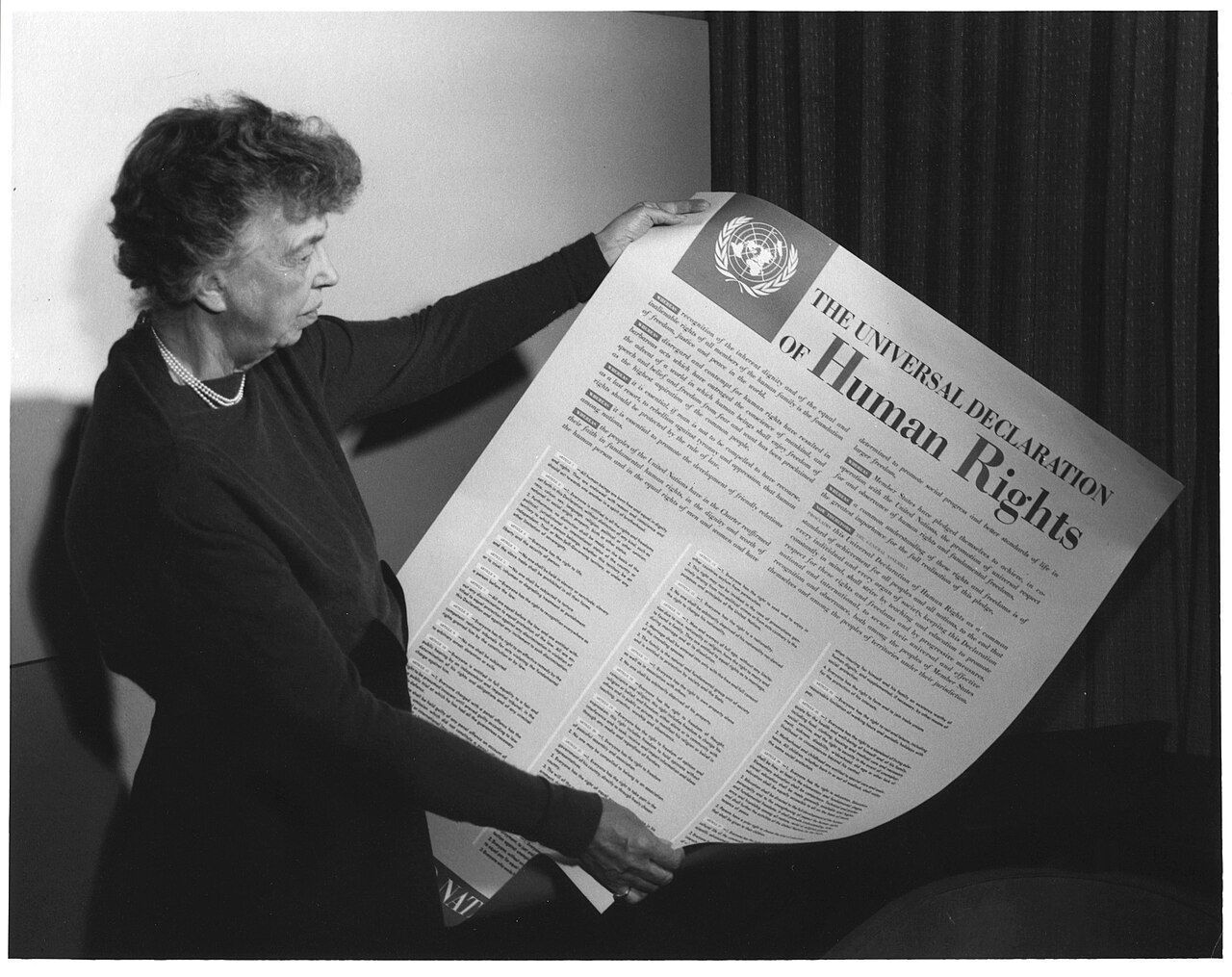
Image: FDR Presidential Library & Museum, CC BY 2.0, via Wikimedia Commons

Eleanor Roosevelt completely redefined what a First Lady could be . She held press conferences, wrote a daily newspaper column, traveled the country during the Great Depression, and pushed her husband, Franklin Delano Roosevelt, hard on civil rights.

After President Franklin died, she kept going, serving as a U.S. delegate to the United Nations and helping to draft the Universal Declaration of Human Rights. Simply put, she is the gold standard of First Ladies.

3
Betty Ford (1974–1977)
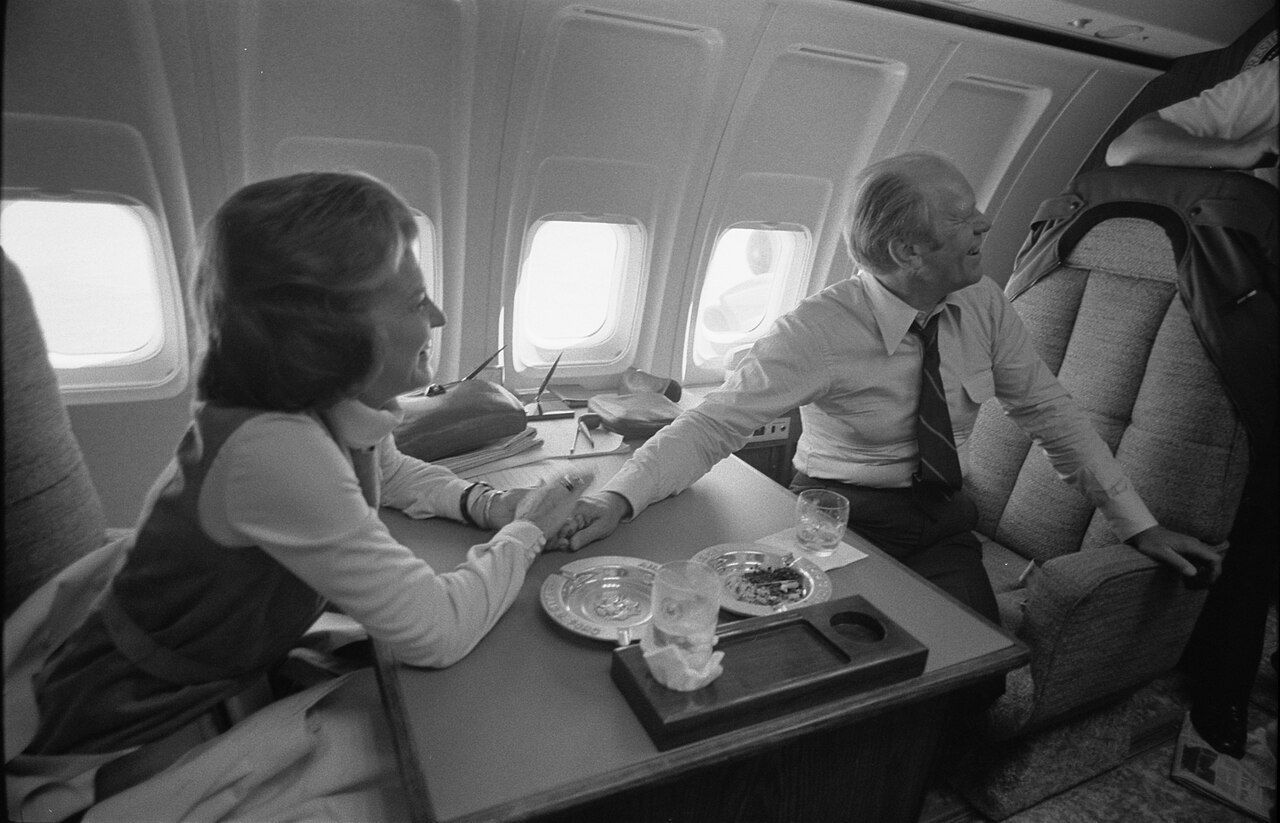
Image: Courtesy Gerald R. Ford Library, Public domain, via Wikimedia Commons

Betty Ford was refreshingly honest for a First Lady. She spoke openly about her breast cancer diagnosis at a time when people barely dared to whisper the word, and her candor is credited with encouraging countless women to get mammograms.

After leaving the White House, she went public about her struggles with substance abuse and founded the Betty Ford Center, which has helped thousands of people get sober over the years. She turned personal hardship into public good .

4
Dolley Madison (1809–1817)
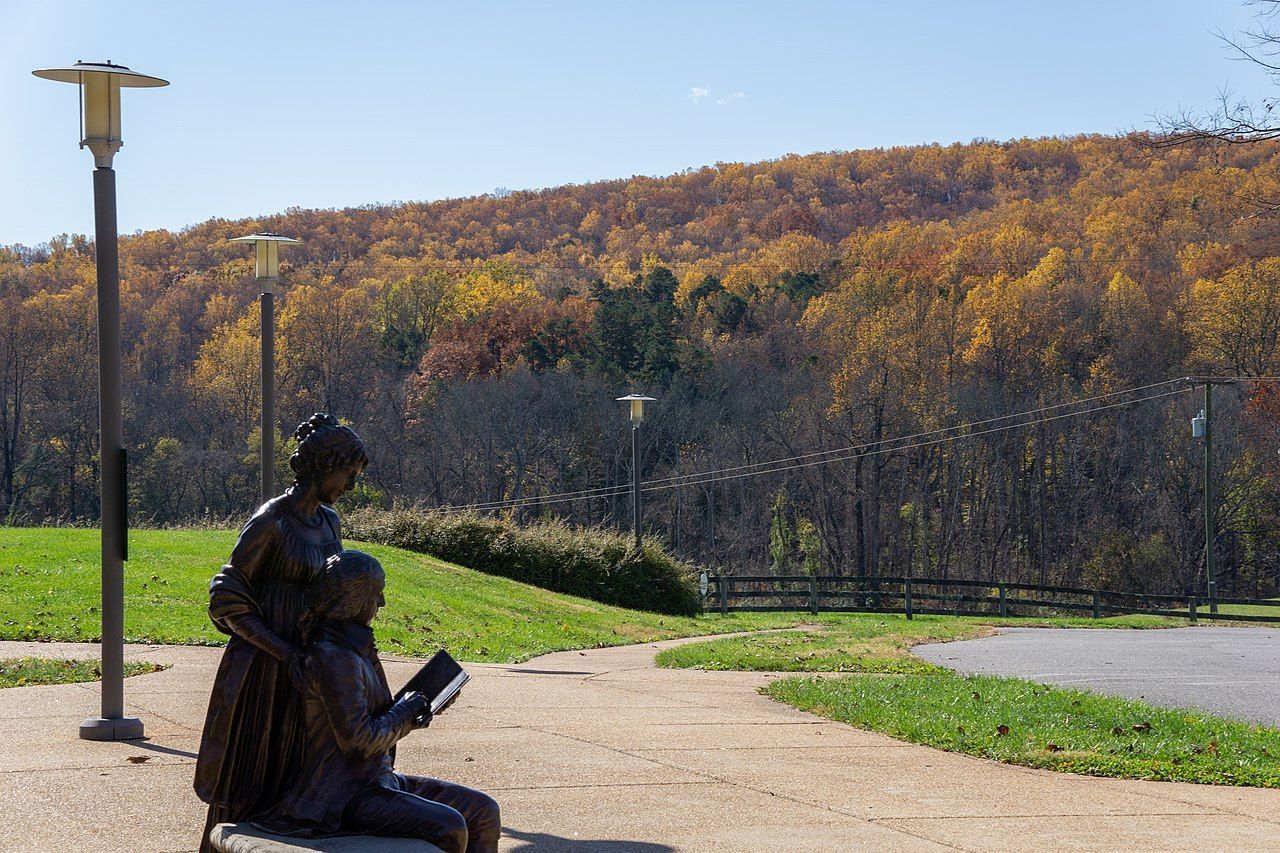
Image: Ryan Ritter, Public domain, via Wikimedia Commons

Dolley Madison turned the White House into a lively gathering place. She also used her dinner parties to help James Madison smooth over political feuds that might otherwise have blown up.

Her most famous moment was when the British invaded in 1814 and set the White House on fire, and Dolley stayed behind just long enough to save a portrait of George Washington .

5
Edith Wilson (1915–1921)
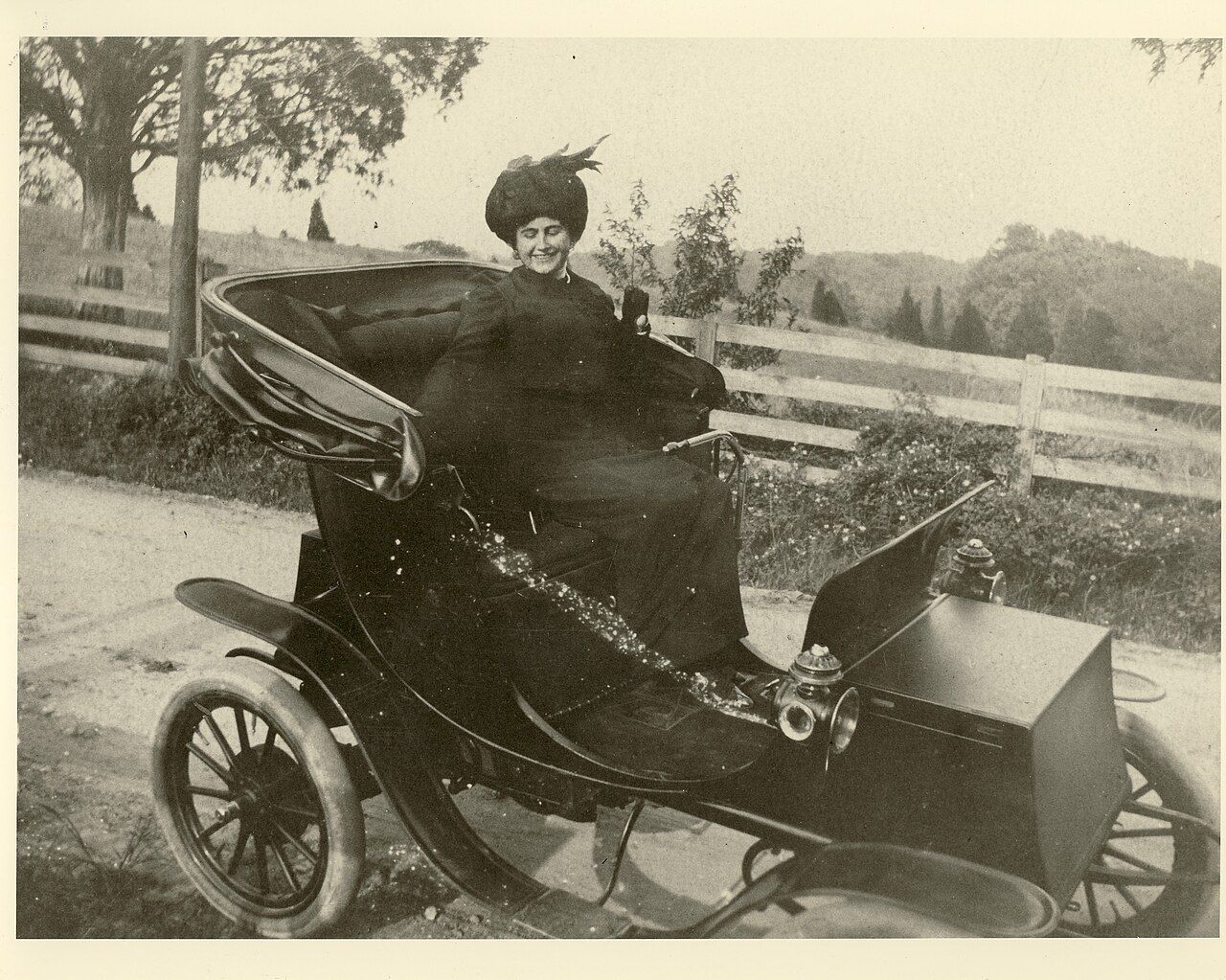
Image: Woodrow Wilson Presidential Library Archives from Staunton, VA, No restrictions, via Wikimedia Commons

When President Woodrow Wilson suffered a severe stroke in 1919, Edith didn't just stand by his side: she basically ran the show . She controlled who could see the president, filtered his communications, and made key decisions about what information reached him. In a time when women couldn't even vote yet, Edith Wilson played a key role in keeping the nation afloat during her husband's sickness.

6
Mary Todd Lincoln (1861–1865)
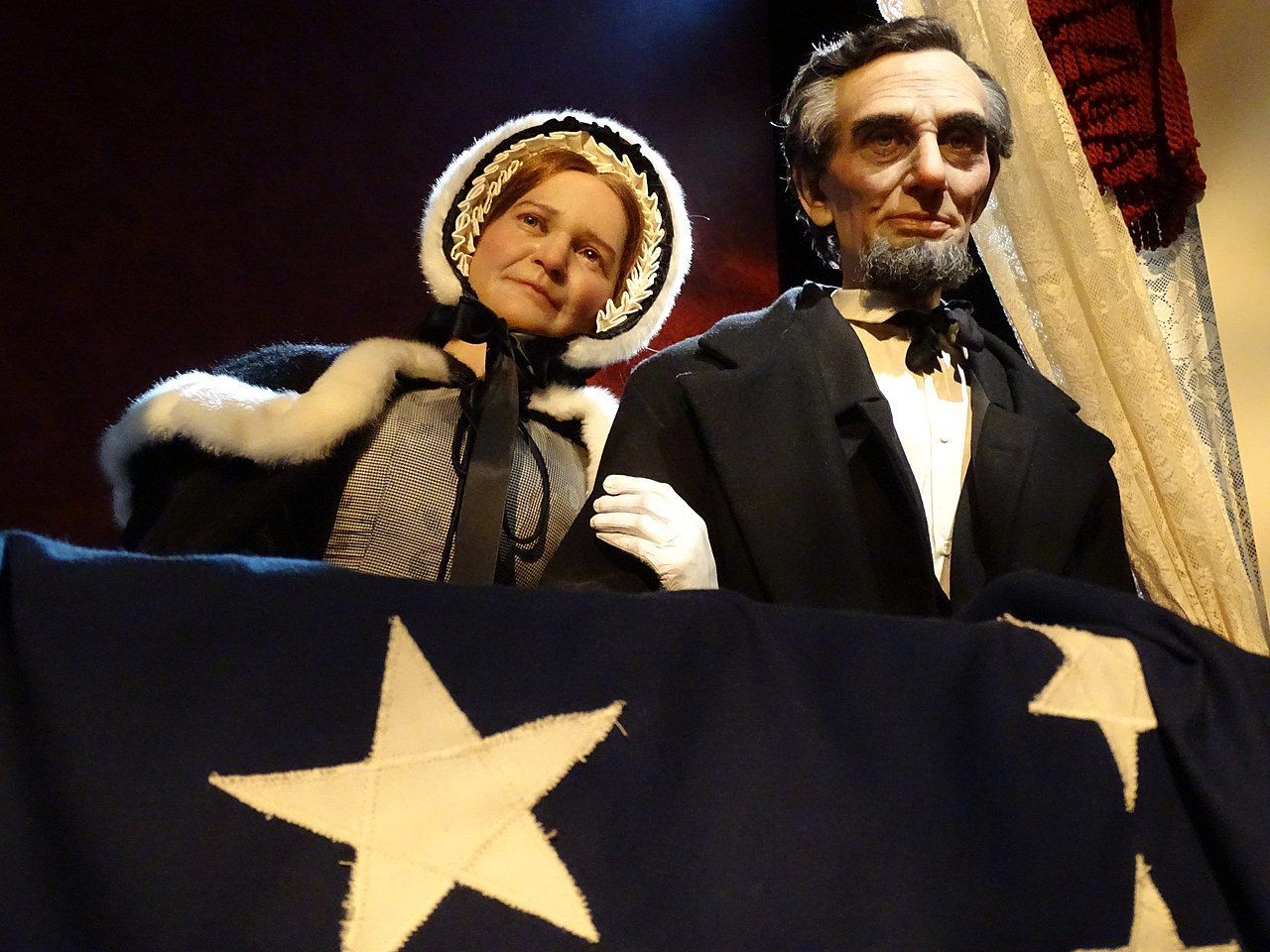
Image: Adam Jones from Kelowna, BC, Canada, CC BY-SA 2.0, via Wikimedia Commons

Mary Todd Lincoln had one of the hardest roles any First Lady has ever faced: supporting a president through the Civil War while grieving the death of their son. She was sharp, opinionated, and deeply involved in her husband Abraham's presidency.

While she was often criticized during her time by political opponents, history has been kinder to her, recognizing that she was a complex, intelligent woman navigating an almost impossible situation.

7
Lou Henry Hoover
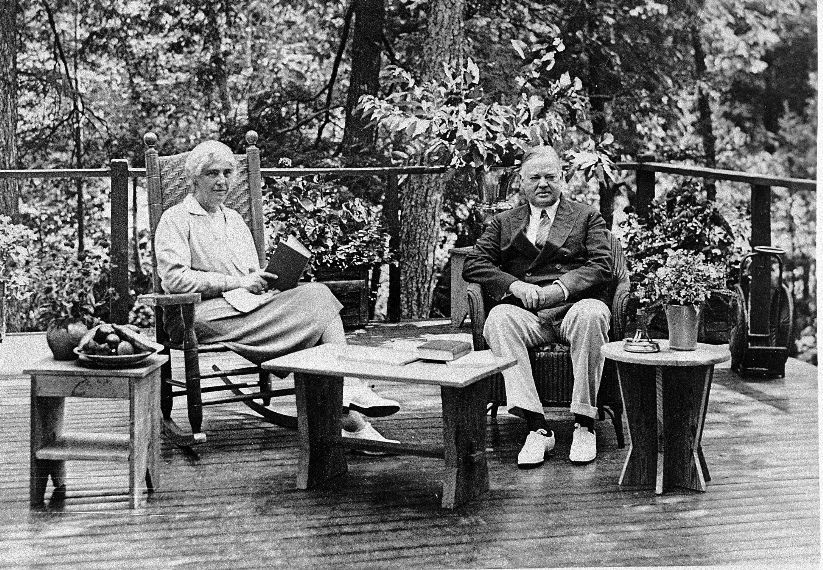
Image: ShenandoahNPS, Public domain, via Wikimedia Commons

Lou Henry Hoover brought an intellect to the White House unlike almost any First Lady before her during Herbert Hoover's presidency (1929-1933). A Stanford-educated geologist who spoke five languages, she was an accomplished woman in her own right at a time when that was genuinely rare . When the Great Depression hit, she used her own personal funds to quietly help White House staff and struggling families, often anonymously.

Her most lasting legacy was her passionate dedication to the Girl Scouts of America. She championed the idea that young women deserved the same opportunities for outdoor education and leadership development as young men, and she funded troops in underserved communities. In 1933, she became the first First Lady to deliver a solo nationwide radio broadcast, using the platform to call on Americans to support their neighbors during the crushing hardships of the Depression.

8
Lady Bird Johnson (1963–1969)
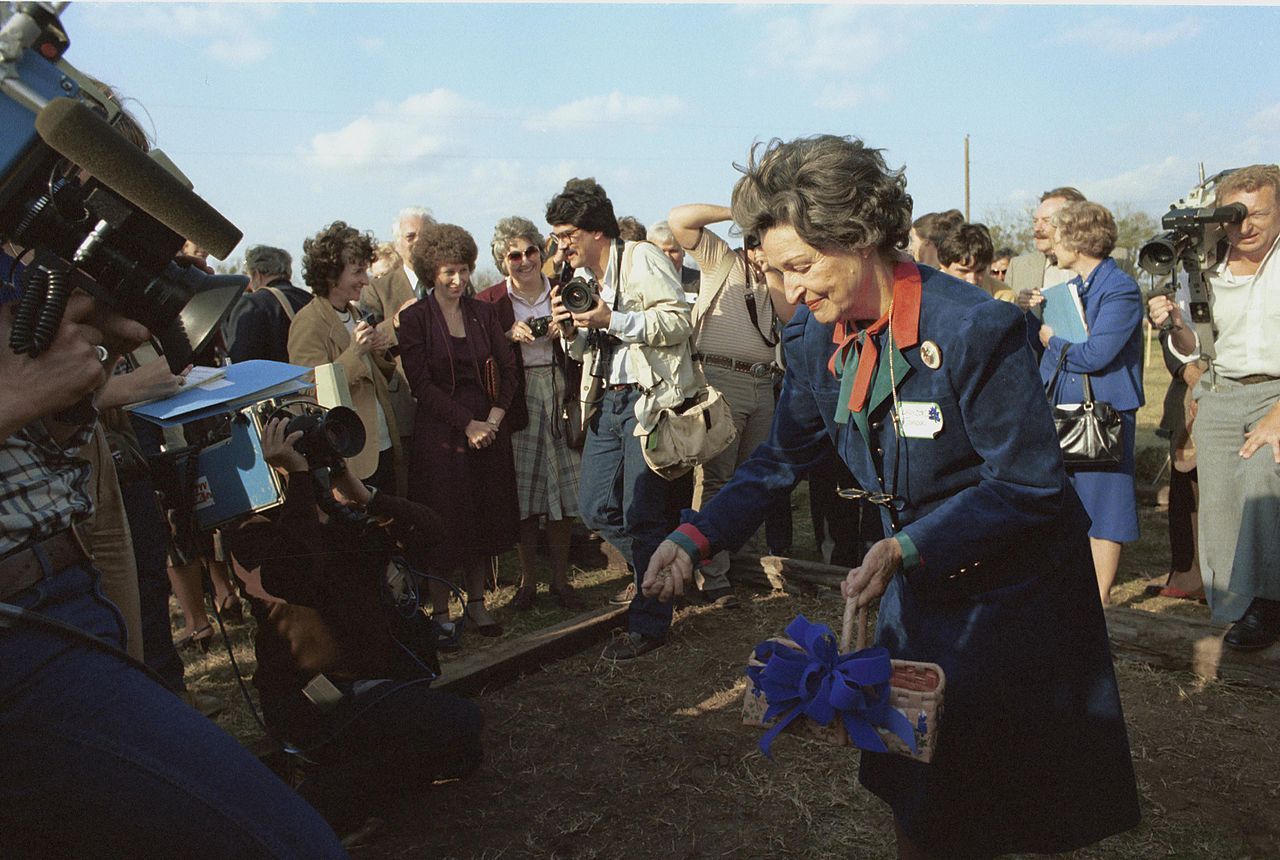
Image: Frank Wolfe, Public domain, via Wikimedia Commons

Lady Bird Johnson championed the Highway Beautification Act of 1965 , a landmark piece of legislation that regulated billboards and junkyards along federal highways and promoted the planting of native wildflowers across the country. She worked closely with the National Park Service , helped establish or improve numerous parks and green spaces, and brought conservation to the center of the national conversation at a time when few politicians were willing to do so.

She also ran the White House with great skill and was a key behind-the-scenes supporter of Lyndon B. Johnson’s ambitious Great Society programs.

9
Abigail Adams (1797-1801)
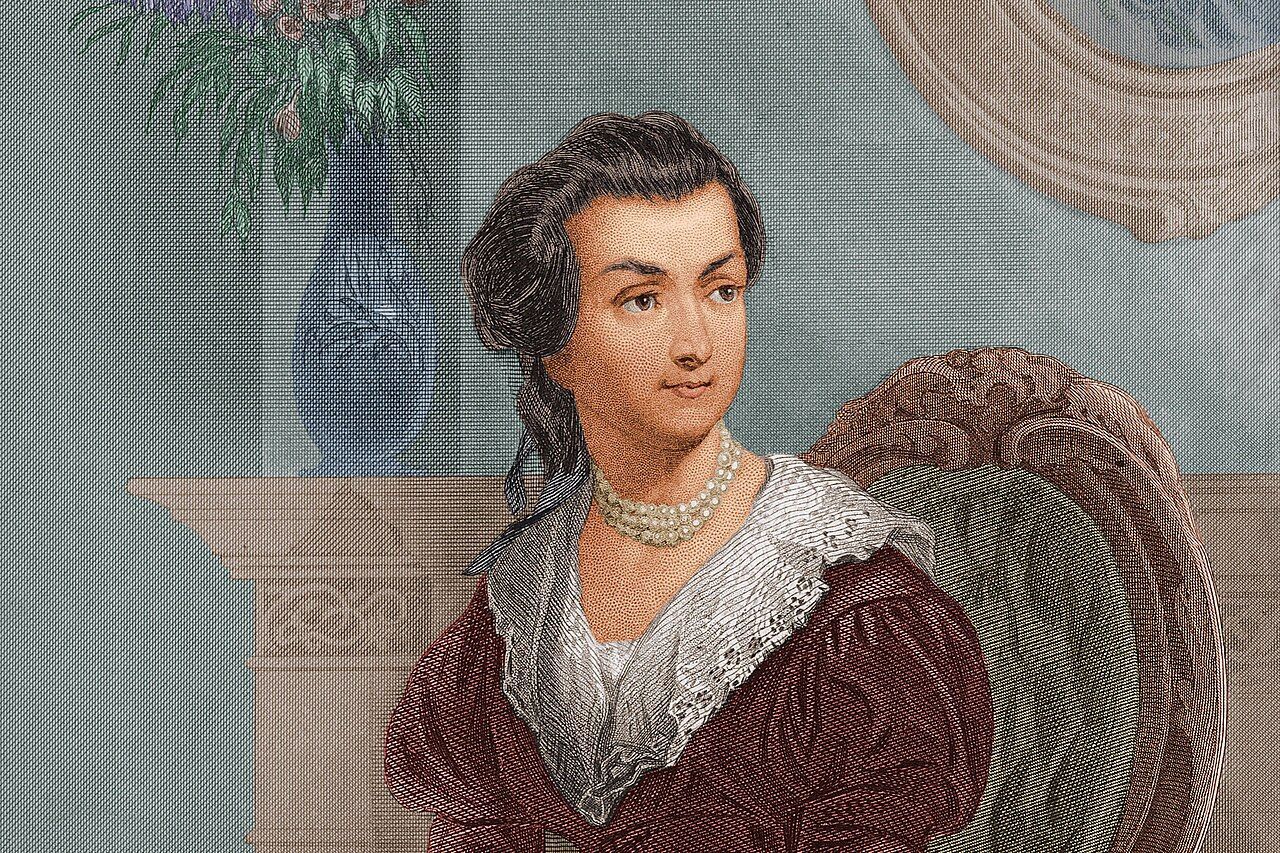
Image: Christian Schussele, Public domain, via Wikimedia Commons

Long before women had the right to vote, Abigail Adams was already telling her husband to "remember the ladies", and she meant it. She was one of the most politically engaged women of her era, writing sharp, witty letters to John that were basically unofficial policy memos.

She's often considered America's first truly political First Lady, and she was ahead of her time by about 150 years .

10
Edith Roosevelt
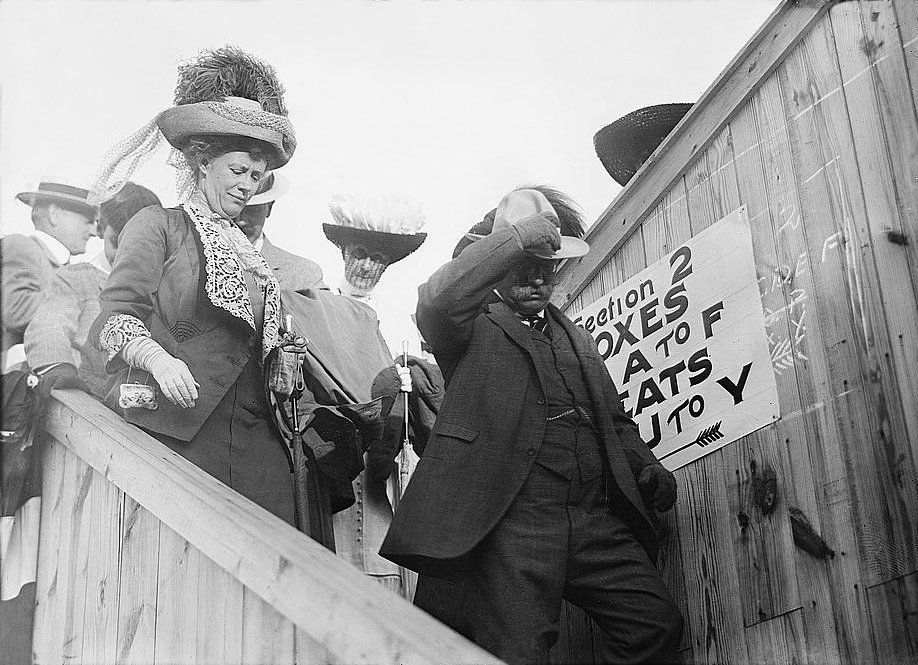
Image: The Library of Congress, Public domain, via Wikimedia Commons

Edith Roosevelt transformed the role of First Lady during Theodore Roosevelt's presidency (1901–1909), turning it into something closer to what we recognize today. Edith created a formal staff, managed the White House's finances, and oversaw its major renovation in 1902 , which gave the building its now-iconic East and West Wings.

She was also a master of image control , carefully curating which photographs of her family reached the press and keeping the famously boisterous Roosevelt children from becoming a public relations liability. Behind closed doors, she was one of her husband Theodore's most trusted advisors, and many historians believe her steady judgment was a quiet but powerful force throughout his presidency.

General General 4 min read

THE MASCOT HALL OF FAME

Remember These 10 Beloved American Brand Mascots?

We may forget many things, but certain jingles and mascots of American brands stick with us forever. We are talking about those animals, characters, and even animated objects that have become cultural icons and have dominated the marketing world for years. Do any of them come to mind? Today, we're revisiting 10 U.S. brand mascots that have touched our hearts. If you are American, you'll recognize them instantly!

1
Mr. Peanut

Image: Tom Hermans

As familiar as snacking on a handful of peanuts, Mr. Peanut is a beloved symbol for us all. Incredibly, despite being a successful and recognizable character, Mr. Peanut's design only cost $5!

That's right, Planters Company created a contest in 1916 to find the ideal mascot. And guess who won? A 14-year-old boy! Antonio Gentile received $5 in exchange for his cute peanut-bodied mascot, to which the top hat and monocle were later added. Not only is his appearance sophisticated, but his name is, too. Mr. Peanut's full name is Bartholomew Richard Fitzgerald-Smythe. Fancy, right?

2
Tony the Tiger

Image: Sten Ritterfeld

One of the most famous felines, Tony the Tiger , the mascot of Kellogg's Frosted Flakes cereal , first appeared in a TV commercial in 1952, more than 70 years ago!

Despite his age, Tony still embodies the ideas of strength and energy that the brand wants to associate with its delicious cereals.

His distinctive muscular body and unique red scarf around his neck make him one of the most recognizable characters for people of all ages. He is just gr-r-reat!

3
Energizer Bunny

Image: danilo.alvesd

We've all wished we had the incredible energy of the Energizer Bunny , right?

This cute, drum-beating mascot first appeared in a TV commercial in the late 1980s. Its characteristic endless energy symbolizes the power of the brand's batteries, summed up in its classic catchphrase, "It keeps going and going and going..."

Over time, this little pink bunny with sunglasses has gained worldwide fame and has become one of the most recognizable brand mascots.

4
Mr. Clean

Image: JESHOOTS.COM

We've already seen tigers, rabbits, and even peanuts with eyes; now it's the turn of a human-shaped mascot.

Mr. Clean is the legendary mascot of the Procter & Gamble cleaning product line, famous for his look and accessories. With his white eyebrows, classic earring, bald head, and white T-shirt, the beloved Mr. Clean is impossible to miss.

Created in 1958, this mascot has changed very little since his first appearance, making him even more iconic. If you're looking for a Halloween costume, you know who to imitate this year!

5
Ronald McDonald

Image: Brett Jordan

Ronald McDonald , the clown of the most famous fast food chain, has become a global star.

Over the decades, children around the world have excitedly lined up to see him, greet him, and take pictures with Ronald in McDonald's stores.

Created in 1963, Ronald looked a bit different than he does today. Ronald's appearance has evolved, with changes to his costume and makeup, making him more vibrant and approachable. But the magic of this character is still intact.

6
Pillsbury Doughboy

Image: Pablo Lancaster Jones

If we discuss cute mascots, we can't forget the Pillsbury Doughboy . This little man made of dough has been wearing a chef's hat and a scarf since his birth in 1965 when he first appeared in a TV commercial.

While his appearance has remained the same, his name has changed a few times. Originally called "Jonathan Pillsbury," his name was changed to "Poppin' Fresh" in the 1970s, though today we all know him as Pillsbury Doughboy.

His playful personality is captured in his classic catchphrase, "Hoo-hoo!"

7
The M&M’s Spokescandies

Image: Sebastian Gómez

Who can say "no" to a handful of delicious M&M's ? Definitely not us! And as if their great taste weren’t enough, M&M's also has a series of mascots with varied personalities that know how to win us over.

The original characters emerged in the 1950s, and there were only two mascots: the Plain (milk chocolate) and the Peanut characters. This evolved over time, and more characters were added, each with different colors and qualities.

Today, some of the most recognized are Red, Yellow, and Green .

8
Martin the GEICO Gecko

Image: Tate Lohmiller

The GEICO insurance company's Gecko is definitely one of the most famous brand mascots in the country.

Born in 1999, this little Gecko first appeared in a commercial in which he talked to the viewers, trying to convince them to choose GEICO. This appearance was so successful that the friendly and witty Gecko has remained the company's mascot to this day.

One of the peculiarities of this character is his distinctive British accent, which sets him apart from other talking mascots.

9
Kool-Aid Man

Image: Roksolana Zasiadko

If you were one of the many Kool-Aid fans as a child, you probably remember the charming and unique Kool-Aid Man fondly.

With his pitcher-shaped body filled with Kool-Aid, the character first appeared on the product's packaging in 1954. It wasn't until over 20 years later that he made his first TV commercial, always smiling and uttering his traditional catchphrase, "Oh yeah!"

The now classic character became very popular and even had cameos in famous animated TV series!

10
Chester Cheetah

Image: Ryan Quintal

If you love snacks, you've probably smeared your fingers with Cheetos crumbs at some point, right? We get it; these cheesy snacks are simply irresistible.

And if you've ever tasted Cheetos, you're likely familiar with the famous Chester Cheetah . With its cool look and relaxed attitude, Chester Cheetah was created in 1986. This feline appeared in TV commercials and on Cheetos packages, always enjoying the snack and never without his trademark sunglasses.

His fame grew to the point that in the '90s, Chester starred in a couple of video games!

History History 5 min read

AHOY, CAPTAIN!

Which Is The Most Valuable Shipwreck Ever Recovered?

Image: Massimiliano Morosinotto

There is something equally fascinating and haunting about a huge ship lying on the bottom of the ocean or a lake. From the sad story of the Edmund Fitzgerald to the largest wooden ship, or the most valuable ship ever lost, you will find here 10 ships that met their untimely fate and remain hidden underwater. Keep reading to discover which of these famous wrecks you can recognize.

1
Nuestra Señora de Atocha (Our Lady of Atocha)

Image: NOAA

A ship that sank off the coast of the Florida Keys in 1622, the Nuestra Señora de Atocha is, to this day, the most valuable shipwreck ever recovered. Originally bound from Havana, Cuba to Spain, the Atocha was loaded with a large treasure, ranging from copper and gems to gold and indigo from the Spanish colonies.

But, shortly after launching from port, a major hurricane caught the ship and destroyed the Atocha , which sank 56 feet beneath the surface. In 1985, treasure hunters rediscovered the wreck off the coast of the Florida Keys. Currently holding a Guinness World Record for its recovered value, the Atocha is a continual treasure trove for divers and fortune hunters alike.

2
SS Republic

Image: Vlad Tchompalov

A ship that served both the US and Confederate governments, the SS Republic sank in 1865 during a hurricane off the coast of Georgia. After the Civil War, the Republic carried passengers and cargo from New York to New Orleans. On October 20, 1865, a hurricane off the coast of Georgia damaged the ship, which sank around four in the afternoon.

As a result of the sinking, the cargo was lost with the ship until 2003, when a commercial archaeology company rediscovered the wreck approximately 100 miles from Savannah, Georgia. About a third of the coins that were on board the ship have been recovered, and are now valued at over USD 75 million.

3
The Whydah Gally

Image: NOAA

The Whydah Gally was intended for service in the British Empire before it was captured by the infamous pirate Samuel "Black Sam" Bellamy. As Bellamy and his crew approached the Massachusetts coast the weather turned, creating a violent nor’easter cyclone. The ship capsized and its cargo, 144-man crew, and captain were consequently thrust into the sea.

In 1984, underwater archaeologist Barry Clifford discovered the Whydah Gally. Since its rediscovery, many artifacts have been retrieved from the ship, including the ship’s bell , inscribed with the words: "THE WHYDAH GALLY 1716." This helped authenticate the Whydah as the first pirate shipwreck to ever be found and confirmed.

4
SS Central America

Image: Giuseppe Murabito

The SS Central America was an American sidewheel steamer that operated between the East Coast and Central America. In September 1857, carrying 477 passengers, 101 crewmembers, 38,000 pieces of mail, and 30,000 pounds of gold harvested during the California Gold Rush to New York City, the Central America was engulfed by a Category 2 hurricane.

At the time of the boat’s sinking, over 400 people were still on board, making it the most deadly of any American commercial boat disaster. The gold on board was also lost. In 1988, explorer Tommy Gregory Thompson found the ship, and up to three tons of gold were excavated, leading to long legal battles that have continued to the present day.

5
SS Georgiana

Image: Jason Mavrommatis

The SS Georgiana was a Confederate steamer. Built in Scotland, the ship sailed its maiden voyage in 1863 to Charleston, South Carolina, where it was expected to be outfitted by Confederate soldiers. However, the Georgiana was not armed with any guns on its first journey and approached its destination on March 19, 1863, with minimal defense.

A member of a Union blockade alerted the nearby battleship USS Wissahickon , which shot and pierced both sides of the ship’s hull. Captain Davidson, signaled a surrender to the Union blockade before beaching the boat. Before the beached ship could be boarded Davidson purposefully sank the boat, before escaping to land with his entire crew. Found on March 19, 1965, the Georgiana was lost for exactly 102 years before its discovery.

6
Edmund Fitzgerald

Image: Nott Peera

Arguably one of the most famous shipwrecks in American history , the Edmund Fitzgerald was the largest ship on the Great Lakes until 1971. The freighter was fatally wrecked on Lake Superior during the winter of 1975, with all her crew losing their lives.

The exact cause of the sinking, with no outward signs of severe damage, is still heavily debated. The prominent theories include the vessel running aground or suffering damage during the storm. A U.S. Navy Lockheed P-3 Orion aircraft discovered the wreck of Edmund Fitzgerald in November 1975, 15 miles west of Deadman’s Cove, Ontario.

7
Carl D. Bradley

Image: Sandra Seitamaa

The SS Carl D. Bradley , a Great Lakes freighter built in 1927, was popularly known as the "Queen of the Lakes" because it was the longest and largest freighter on the Great Lakes at the time. In 1957, it collided with another vessel , the MV White Rose , causing damage to the hull.

It was caught in a storm in November of the same year and sank in Lake Michigan, killing 33 of the 35 crew members. The sinking was caused by structural damage caused by the poor choice of steel used in its construction. The wreck, lying 360 feet under the water, was discovered in 1959 by the Army Corps of Engineers.

8
Lady Elgin

Image: ALDO DE PASCALE

The Lady Elgin was a wooden-hulled steamship built in 1851 that served on the Great Lakes as a passenger ship. On September 6, 1860, while returning from Chicago, the vessel sank in an unfortunate accident.

While facing a strong gale, it was rammed by the schooner Augusta of Oswego and, due to the damages caused by the collision, the vessel sank sometime later, resulting in the death of more than 300 people. Though the exact number remains unknown since the manifest was lost during the accident, it remains one of the worst shipwrecks in the region.

9
SS Eastland

Image: Anton Repponen

The SS Eastland was a Chicago-based passenger ship , used for tours. On 24 July 1915, the ship rolled over onto its side while tied to a dock in the Chicago River. In total, 844 passengers and crew were killed in what was the largest loss of life from a single shipwreck on the Great Lakes.

After the disaster, the Eastland was salvaged and sold to the United States Navy which, after restorations and modifications, designated it a gunboat and renamed it USS Wilmette . It was used primarily as a training vessel on the Great Lakes and was scrapped after World War II.

10
Wyoming

Image: rashid

The largest wooden ship ever built , the Wyoming was a six-masted schooner built, completed in 1909 in Bath, Maine. It had a length of 450 ft from jib-boom tip to spanker boom tip.

Because of its extreme length and wood construction, the Wyoming tended to flex in heavy seas, which would cause the long planks to twist and buckle, allowing sea water to intrude into the vessel. For this reason, the Wyoming had to use pumps to keep itself relatively free of water. In March 1924, it foundered in heavy seas and sank with the loss of all hands.

Explore more American facts

Choose your favorite category!

General
General

As American as apple pie—the very best America has to offer!

Culture
Culture

Delve into the astounding richness of American lore.

Geography
Geography

Hop in and explore vast and diverse American landscapes.

History
History

Discover the key moments that shaped the United States.