General General 4 min read

State treasures

Did you know Kool-Aid is a state symbol? You won’t believe the rest!
Image: Marek Studzinski

We all know about state birds and flowers, but have you ever wondered who comes up with those "official state symbols" we hear about from time to time? Who made jousting an official sport? How many states chose milk as their official beverage? These symbols often have fascinating histories, some going back centuries, of course. Whether they’re strange, funny, or just oddly specific, they all have a story to tell. And we’ve gathered some here!

1
Kool-Aid
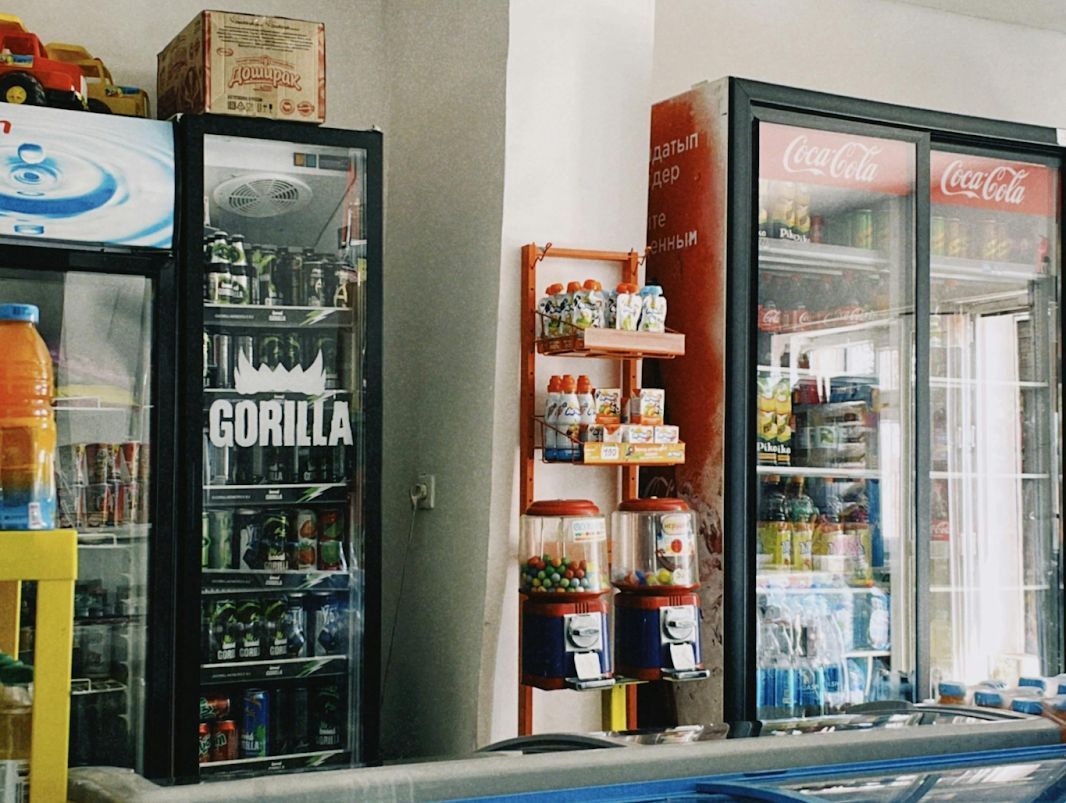
Image: Aibek Skakov

Nebraska takes pride in its sweetest invention : Kool-Aid. Created in 1927 in Hastings, the fruity drink became a household favorite. In 1998, Nebraska made it the official state soft drink, much to the delight of nostalgia lovers.

Every August, Hastings hosts the Kool-Aid Days Festival, complete with giant pitchers and endless flavors. The "Kool-Aid Man" himself even made an appearance at the declaration ceremony! Despite some pushback from health advocates, the sugary drink remains an iconic American beverage.

2
Gusty the Cartoon
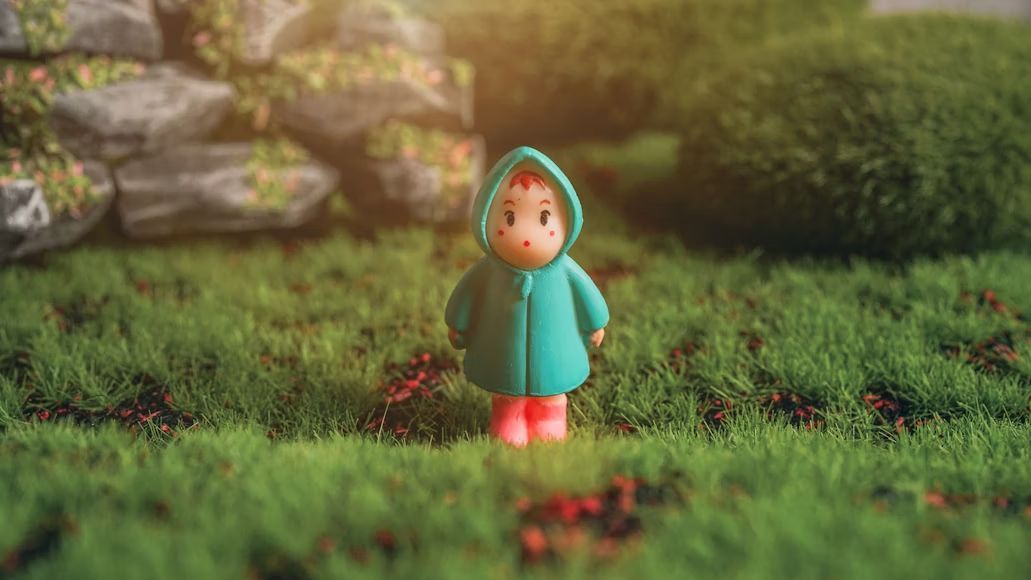
Image: Afif Ramdhasuma

Oklahoma’s state cartoon character is Gusty , a little weather-forecasting doodle, do you know him? Created by a Tulsa weatherman in the 1950s, Gusty reflected the day’s forecast, holding an umbrella, bracing for tornadoes, or sweating in the heat.

His hand-drawn charm lasted for decades, earning him a place in the Smithsonian. In 2005, Oklahoma made Gusty the official state cartoon character. For Oklahomans, he’s as much a part of the forecast as the storm warnings!

3
Whoopie Pie
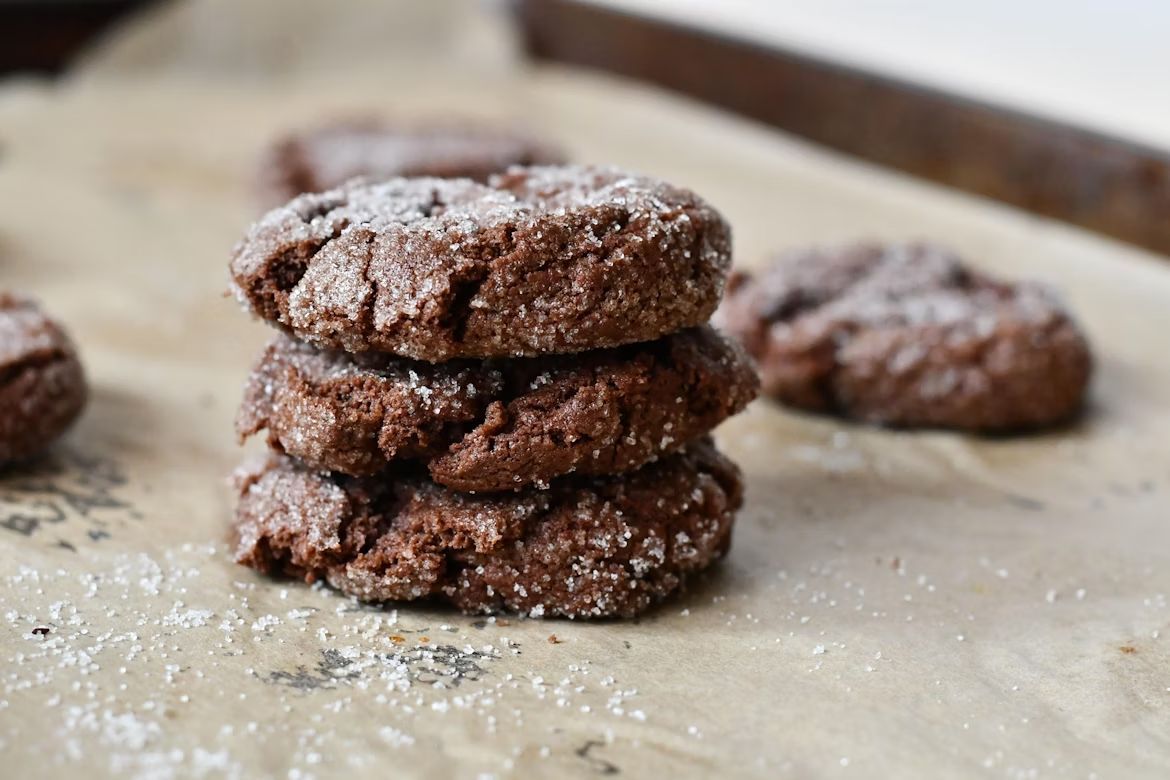
Image: Holly Spangler

Maine takes its desserts seriously. So seriously that in 2011, the state named the whoopie pie its official treat . This fluffy confection consists of two chocolate cake rounds sandwiching a creamy white filling.

It’s been a local favorite since the 1920s, though Pennsylvania also claims to have invented it. Maine, however, celebrates its whoopie pie heritage with an annual festival featuring the world’s largest whoopie pie. The origins of the name are debated, but regardless, it’s a nostalgic, delicious bite of history. And yes, it pairs perfectly with a cup of coffee!

4
Tully Monster
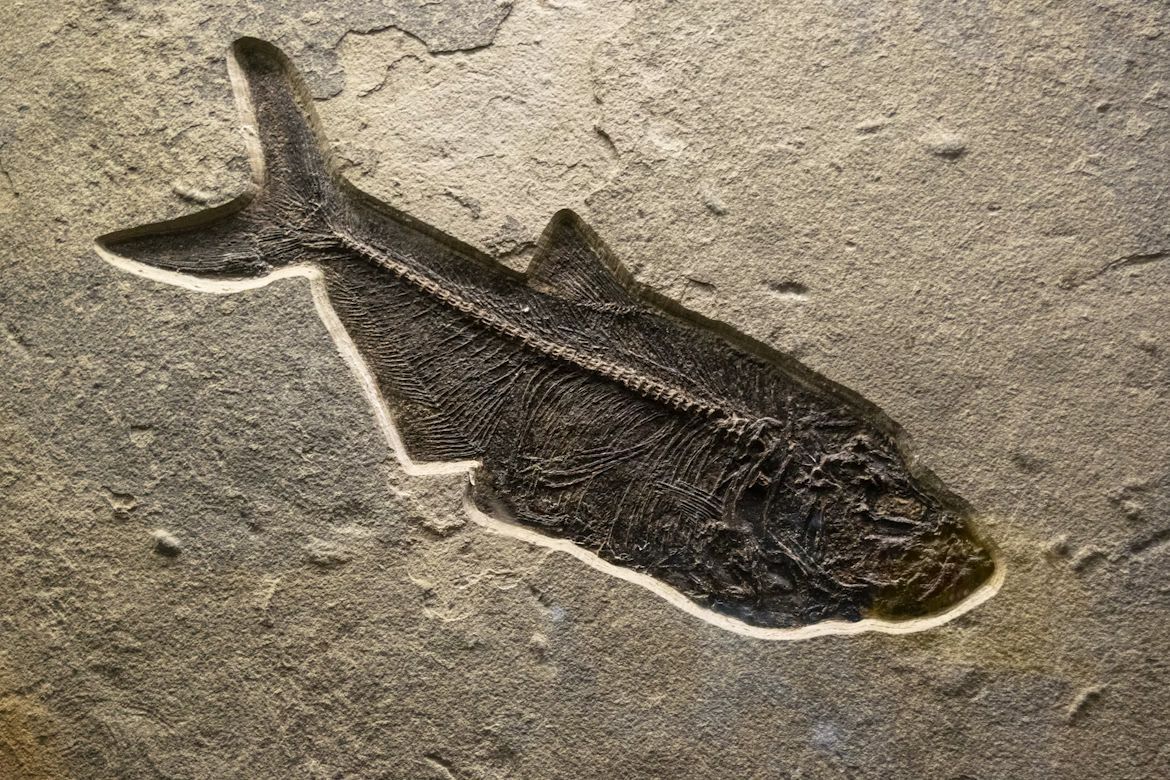
Image: Jacqueline Martinez

Illinois’ state fossil sounds like something out of a sci-fi movie: the Tully Monster. This strange, ancient sea creature swam in Illinois’ prehistoric waters about 300 million years ago. Discovered in 1958, its worm-like body, stalked eyes, and pincer-like mouth left scientists scratching their heads for decades.

It wasn’t until 2016 that researchers finally identified it as a vertebrate, possibly related to lampreys, a fish. Named after its discoverer, Francis Tully, this oddball fossil became Illinois’ official state fossil in 1989. How weird is that?

5
Clogging

Image: Ahmad Odeh

Forget the square dance, North Carolina’s official folk dance is clogging , and it’s as energetic as it sounds. This fast-paced footwork evolved from Appalachian traditions and is often performed to bluegrass music.

Clog dancers wear special shoes with taps to create a percussive beat while they move. The style has roots in Irish, English, and African dance, blending cultures into a wonderful American tradition. If you ever visit a North Carolina festival, you’ll likely see folks kicking up their heels to some lively fiddle tunes.

6
Brewer’s Yeast
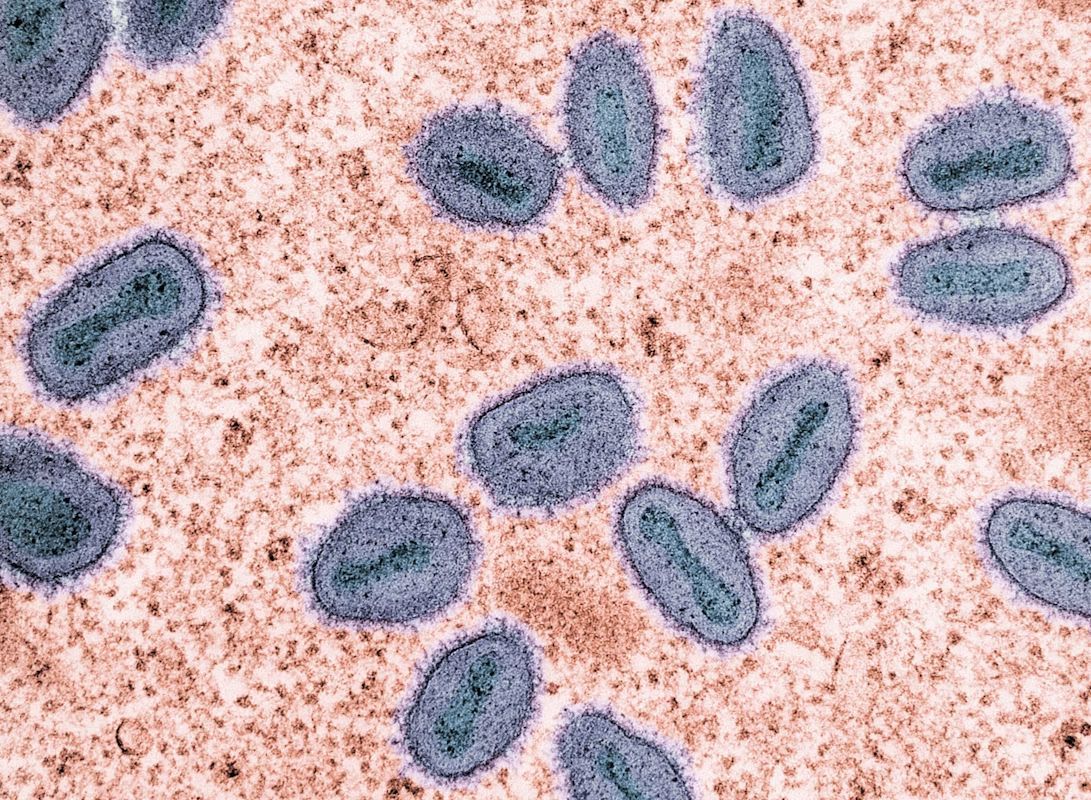
Image: National Institute of Allergy and Infectious Diseases

Oregon took a microscopic approach to state symbols when it named brewer’s yeast its official microbe in 2013. This tiny fungus, scientifically called Saccharomyces cerevisiae , is the secret behind beer and bread. You like it now, huh?

It ferments sugars, producing alcohol and carbon dioxide, making it essential to Oregon’s craft beer scene. The decision wasn’t just for fun; it’s also that beer contributes billions to the state’s economy. Just to follow the trend, Illinois later named a mold used in penicillin production as its own state microbe. Apparently, microbes deserve their moment in the spotlight, too!

7
Jousting
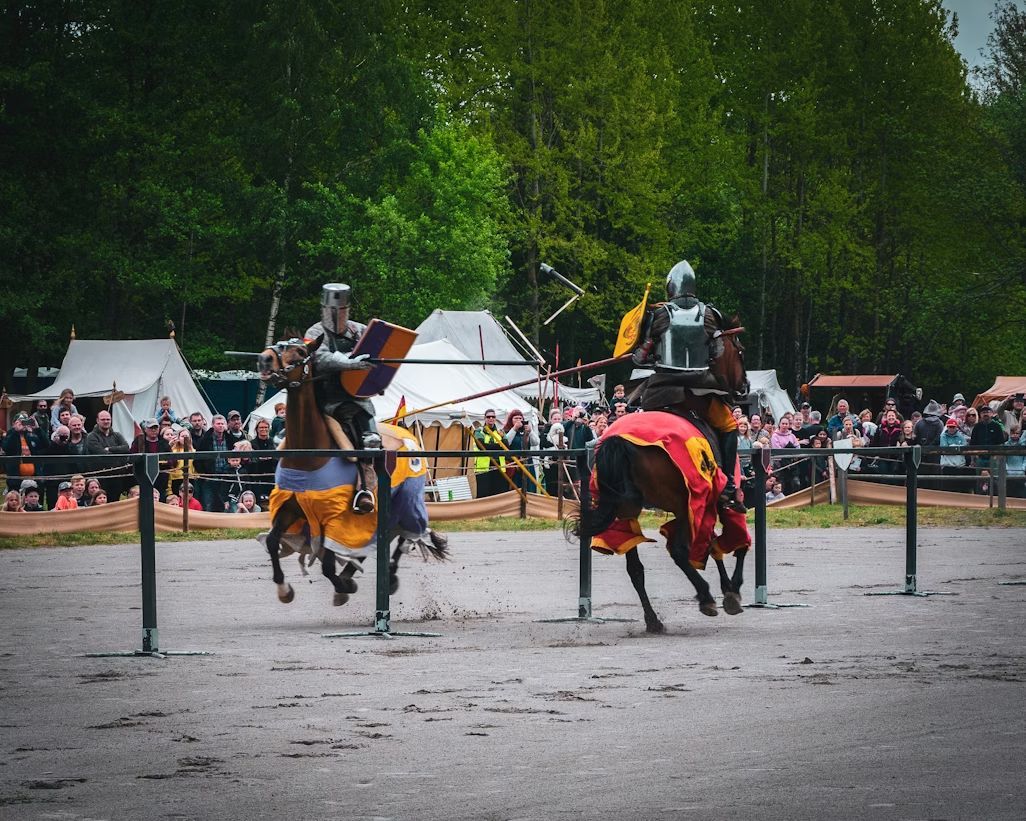
Image: Casper Johansson

In a move straight out of the Middle Ages, Maryland named jousting its official state sport in 1962. Yes, that jousting you’re thinking of, knights on horseback charging at each other with lances.

While modern jousting is more about precision than knocking opponents off their steeds, it still draws a crowd. Today’s version involves riders aiming to spear small rings while galloping at full speed. Don’t worry, in 2004, lacrosse also became the state’s official team sport, but jousting still holds its title.

8
The Teddy Bear
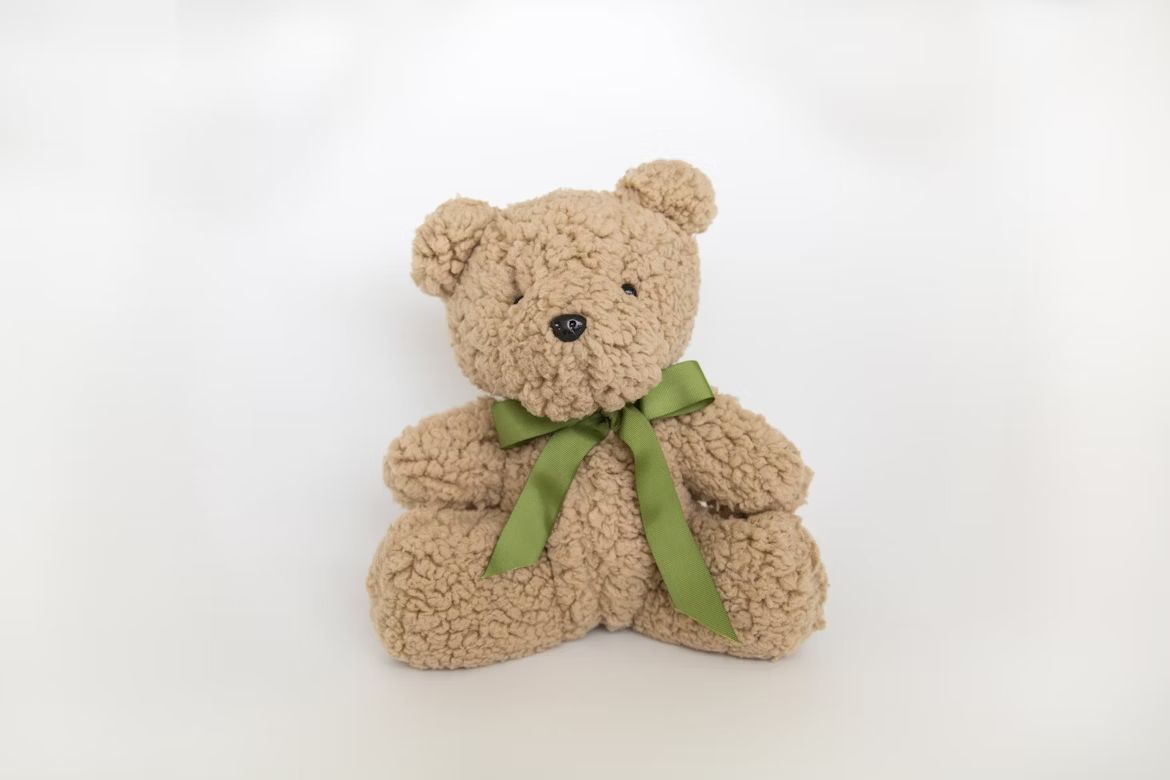
Image: Izabelly Marques

Mississippi’s official state toy, the teddy bear, has an adorable backstory. It all began in 1902 when President Theodore Roosevelt refused to shoot a bear during a hunting trip. A political cartoon about the event went viral (for its time), inspiring a Brooklyn couple to create "Teddy’s Bear."

The stuffed animal became a national sensation, and the name stuck. A century later, Mississippi made it official, naming the teddy bear its state toy in 2002. It’s a rare example of a state symbol with a direct presidential connection. But cute anyways!

9
Milk
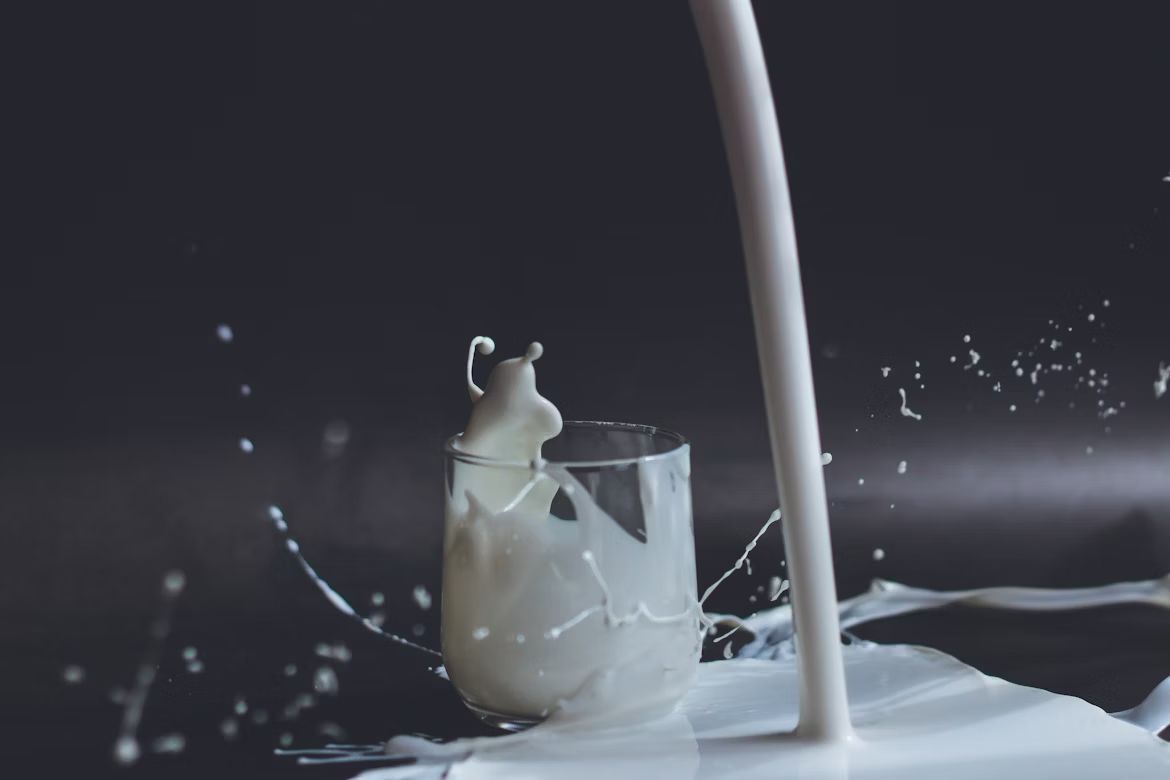
Image: Anita Jankovic

Believe it or not, 22 states claim milk as their official beverage . But it has nothing to do with keeping the bones strong! This dairy dominance started in the 1980s when milk industry lobbyists pushed for recognition.

While it’s a wholesome, calcium-packed choice, it’s not the most exciting. Some states, like Rhode Island (coffee milk) and Alabama (whiskey), took a more unique approach to the state beverage. Now, whether you drink it or not, milk has certainly made its mark on state symbols. And hey, at least it pairs well with cookies!

10
Natchitoches Meat Pie
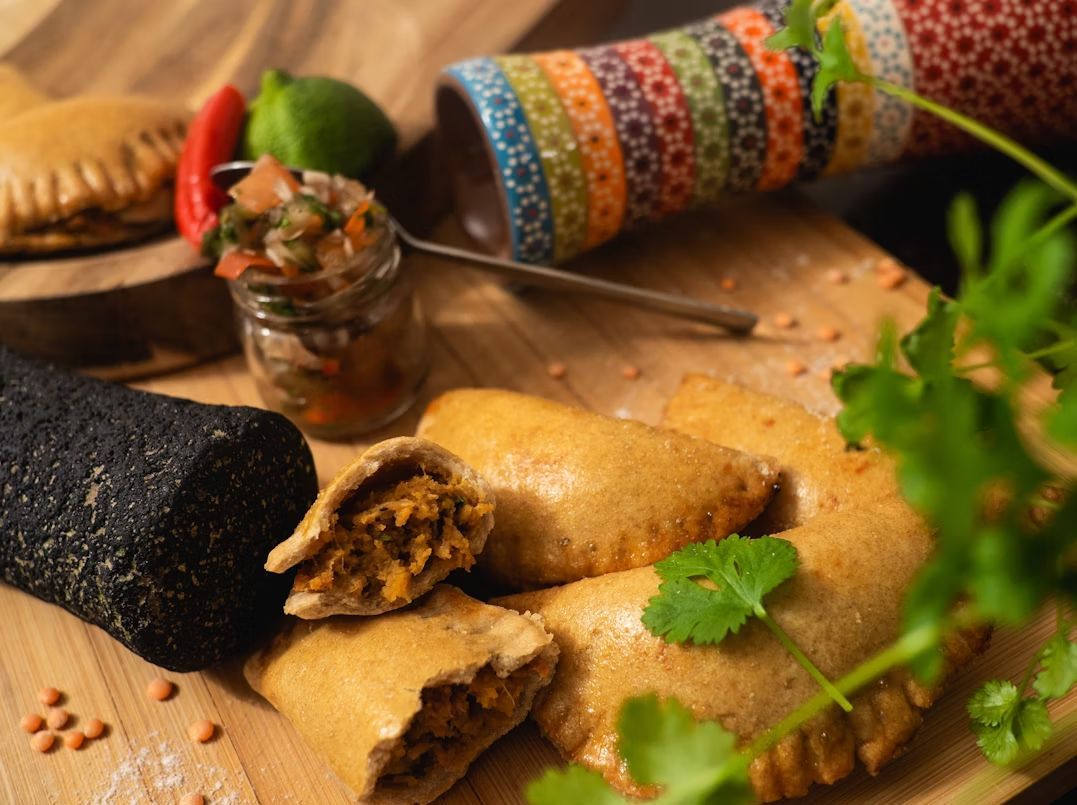
Image: Patryk Pastewski

When you think of Louisiana cuisine, you probably think of gumbo or jambalaya, but did you know the state also has an official meat pie ? The Natchitoches meat pie is a deep-fried delight filled with seasoned pork and beef.

It dates back to the late 1700s, and it was named after the local Natchitoches Indian tribe. Declared a state symbol in 2003, it’s celebrated every September at the Natchitoches Meat Pie Festival. The festival features music, cooking competitions, and, of course, a meat pie eating contest!

Culture Culture 4 min read

Brand stars

This is how these 10 brand mascots became bigger than their products

Image: P. L.

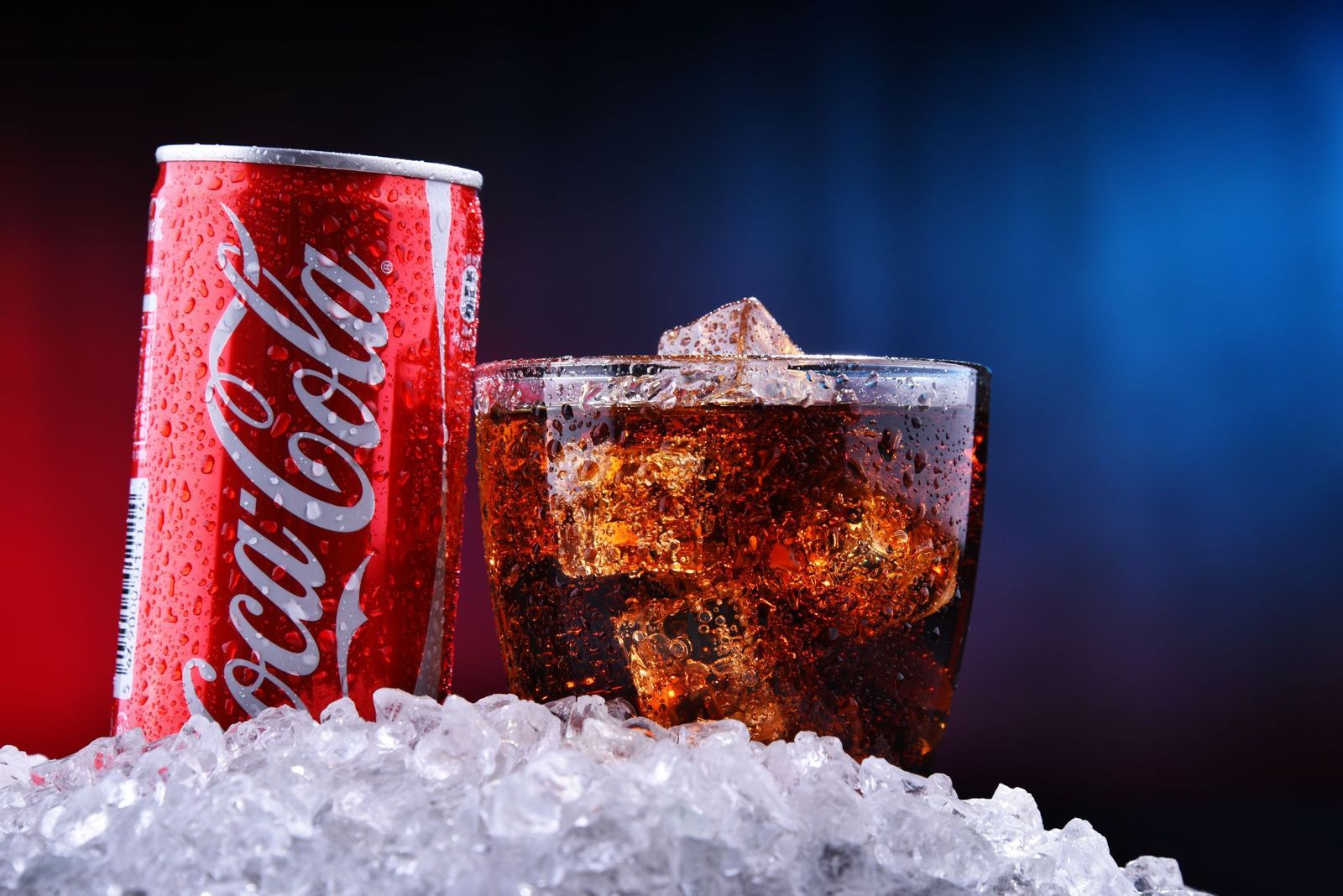
Every brand dreams of being instantly recognized by its logo or mascot, and some US brands have truly achieved this. In fact, a few have grown far beyond their products, becoming icons of American culture. From the beloved Pillsbury Doughboy to the unmistakable Colonel Sanders, join us as we take a walk through this brand-mascot hall of fame!

1
The Pillsbury Doughboy

Image: Dan Depew, CC BY 4.0 <https://creativecommons.org/licenses/by/4.0>, via Wikimedia Commons

You only need to see a tiny bit of his fluffy body to recognize him: Poppin’ Fresh, better known as the Pillsbury Doughboy, is a global star. The Pillsbury Company created him in 1965, and over the decades, he has appeared in hundreds of commercials and on all kinds of merchandise. Now, 60 years later, his cute image is still familiar to Americans everywhere. He’s even part of the Macy's Thanksgiving Day Parade!

2
Tony the Tiger

Image: SqueakyMarmot from Vancouver, Canada, CC BY 2.0 <https://creativecommons.org/licenses/by/2.0>, via Wikimedia Commons

Our childhood memories include a character who was and still is right there at the breakfast table. We're talking about Tony the Tiger, the beloved mascot of Frosted Flakes. Introduced in 1952 by Kellogg’s, many of us grew up with him and watched him become a cereal icon. And of course, no one can forget his iconic catchphrase: "They’re grrrreat!"

3
The Energizer Bunny

Image: Jazz Guy from New Jersey, United States, CC BY 2.0 <https://creativecommons.org/licenses/by/2.0>, via Wikimedia Commons

Style, attitude, energy: The Energizer Bunny has it all. With his signature sunglasses, drum, and flip-flops, this bunny first appeared in 1989 as a parody of the Duracell bunny, and he quickly grew far beyond Energizer batteries. In fact, he became a symbol of vitality and nonstop energy, so much so that when someone can’t sit still, they’re often compared to this bunny. You know, he just keeps going and going and going.

4
Mr. Clean

Image: JESHOOTS.COM

His style is unmistakable: that celebrity tan, bald head, bright white eyebrows, and even a cool earring. Of course! It’s Mr. Clean, the magical helper who shows up when stains get stubborn. Procter & Gamble introduced him in 1958, and he quickly became more than just the face of a product; he is a full character with his own personality and identity, deeply tied to the idea of household cleaning.

5
Mr. Monopoly

Image: Fluffybuns, CC BY-SA 4.0 <https://creativecommons.org/licenses/by-sa/4.0>, via Wikimedia Commons

We already talked about Mr. Clean, but there’s another Mister who is just as famous, if not more: Mr. Monopoly. While we all know him by that name today, he originally had a much funnier one: "Rich Uncle Pennybags." His mustache and top hat are unmistakable, and his fame has long transcended the Monopoly game, turning him into a visual symbol of wealth and capitalism in pop culture.

6
The Jolly Green Giant

Image: greefus groinks, CC BY-SA 2.0 <https://creativecommons.org/licenses/by-sa/2.0>, via Wikimedia Commons

The Green Giant Company introduced its giant mascot in 1928, and he quickly became synonymous with frozen vegetables across America. The Jolly Green Giant originally had a somewhat intimidating look, but a later redesign turned him into the friendly, smiling giant everyone knows and loves today. Decades of TV commercials, packaging, toys, and pop-culture references made him famous even among people who don’t buy the products.

7
Mr. Peanut

Image: InOttawa.ca, CC BY 2.0 <https://creativecommons.org/licenses/by/2.0>, via Wikimedia Commons

With his classic top hat and monocle, Mr. Peanut is undoubtedly a sophisticated mascot. And since he’s literally a peanut, it’s almost impossible not to think of Planters every time we grab a handful, right? Surprisingly, despite his excellent condition, Mr. Peanut is over 100 years old, having been introduced in 1916.

8
Mickey Mouse

Image: Brian McGowan

If there’s one truly world-famous mascot, it’s definitely Mickey Mouse. His round ears, white gloves, red shorts, and big yellow shoes are so familiar that most of us could sketch them from memory. Mickey started as a character but quickly became the unmistakable icon of Disney. Over time, he even transcended the brand itself, appearing in all kinds of products, commercials, shows, and parades, becoming a symbol of childhood around the world.

9
Colonel Sanders

Image: Marques Thomas

Every time you see this face, you instantly crave fried chicken. That’s the magic of the iconic Colonel Sanders, who is much more than a mascot. He was a real person, the founder of KFC. Because of that, his face has become so familiar to Americans that he feels almost like a father figure. His fame is so strong that KFC often doesn’t even need the brand name; the Colonel’s friendly face says it all.

10
Geico Gecko

Image: Roland Balik, Public domain, via Wikimedia Commons

The GEICO Gecko is so famous that seeing any lizard instantly brings him to mind. This friendly character has been tied to the brand since 1999, and the idea for him came from people mispronouncing "GEICO" as "gecko." Over the years, he has become a celebrity, so recognizable that he doesn’t even need the brand name for people to know exactly who he is.

History History 4 min read

Dystopian spoilers ahead

No Michael J. Fox as Marty McFly? 12 films nearly turned out differently

Image: Roger Ce

It’s hard to imagine classic movies with different stories or characters than the ones we know today, but there are many examples of Hollywood blockbusters that were originally supposed to be very different—and, thanks to wise (or accidental) decisions, were changed for good. Imagine Back to the Future without Michael J. Fox, or a version of Jaws where the shark swims away. It sounds wild, but it nearly happened. Here are some surprising what-ifs from iconic films that just missed the cutting room floor.

1
More Jaws

Image: Karen Zhang

One early idea for the Jaws ending involved not one shark, but several . After the first was killed, Brody would’ve seen more fins approaching , hinting the threat wasn’t over.

Another scrapped version, closer to the novel, had the shark drift away after being harpooned, leaving Brody alone at sea. Both endings were dropped in favor of the explosive finale we know today.

2
Titanic’s Jack & Rose

Image: Edwin Petrus

Claire Danes, best known at the time for Romeo + Juliet , turned down the role of Rose in _Titanic_—and says she has "no regrets" today. It’s tough to picture anyone but Kate Winslet in that part.

Matthew McConaughey also came close to playing Jack. He was confident he had the role, but Leonardo DiCaprio ultimately got it.

3
Psycho, in Technicolor

Image: Maxime Roedel

These days, many assume Alfred Hitchcock shot Psycho in black and white for artistic or symbolic reasons. It turns out that it was just a budget issue .

Paramount found the concept too "distasteful," so Hitchcock financed the film himself. Despite its now-legendary status, the studio initially gave it only a limited release.

4
When Harry Almost Didn’t Meet Sally

Image: Nur Fadhillah Fajarudeen

Director Rob Reiner began When Harry Met Sally after his divorce, feeling cynical about love. Originally, the film was written so that Harry and Sally would remain just friends.

But during production, Reiner fell in love again—and changed his mind. The ending was rewritten so the two characters end up together , giving the rom-com its iconic, heartwarming finish.

5
Saturday Night Gump

Image: Yosuke Ota

Believe it or not, John Travolta was originally offered the role of Forrest Gump —but he turned it down, and the part went to Tom Hanks instead.

Still, Travolta went on to star in Pulp Fiction , which became a huge hit, so in the end, it worked out for everyone.

6
Pretty Sad Woman

Image: Krists Luhaers

The original Pretty Woman script—titled _3000_—was a dark drama about sex work, ending with Edward leaving Vivian. It had little romance or humor and was meant to serve as a cautionary tale.

Al Pacino and Michelle Pfeiffer once auditioned, but things changed after Julia Roberts and Richard Gere were cast. Their charm shifted the tone, and rewrites led to the romantic ending we know today.

7
The Slaptrix

Image: Markus Spiske

Will Smith was originally offered the role of Neo but turned it down. He has since praised Keanu Reeves’s performance in The Matrix and admitted he would have ruined the film.

Smith's a great actor, but it's tough to picture anyone but Reeves as Neo, dodging bullets in slow motion.

8
Fatal Attraction

Image: Pawel Janiak

Screenwriter James Dearden disliked the altered ending to Fatal Attraction . Originally, Alex framed Dan for her murder, but test audiences didn’t like it .

As a result, the team reshot the film’s climax, giving Alex a more conclusive fate. The new version offered clearer consequences and closure, making it far more satisfying for viewers.

9
Ghost Smashers

Image: Viktor Forgacs

Dan Aykroyd’s original Ghostbusters concept—called _Ghost Smashers_—was a wild sci-fi adventure involving time travel and dimension-hopping .

Filmmakers simplified the story, shifting the focus to ghost-catching instead. That change transformed it into the hilarious, iconic classic we know today.

10
No Marty McFly

Image: Roger Ce

Eric Stoltz was originally cast as Marty McFly in Back to the Future, and even filmed several scenes. However, director Robert Zemeckis and producer Steven Spielberg felt that Stoltz didn’t embody the comedic, fun-loving spirit they were looking for.

As a result, Michael J. Fox was brought in to play the iconic Marty—and the rest is history. It’s hard to imagine the film without Fox’s perfect balance of humor and charm.

11
No Michael Corleone

Image: Enrique Bancalari

Al Pacino nearly missed out on playing Michael Corleone in The Godfather . Director Francis Ford Coppola had doubts about Pacino’s fit for the powerful role, and stars like Jack Nicholson and Robert Redford were also considered .

Luckily, Pacino was cast, and his intense, layered performance became iconic. His portrayal added depth that helped make the film a lasting classic.

12
Gone With No Lead Actress

Image: micheile henderson

Gone With the Wind began filming without a lead actress, and Clark Gable was reportedly less than thrilled when Vivien Leigh was finally cast as Scarlett O’Hara.

The production faced creative clashes, including pushback on the film’s tone and even Rhett Butler’s famous line. Fortunately , "Frankly, my dear, I don’t give a damn" stayed in .

Explore more American facts

Choose your favorite category!

General
General

As American as apple pie—the very best America has to offer!

Culture
Culture

Delve into the astounding richness of American lore.

Geography
Geography

Hop in and explore vast and diverse American landscapes.

History
History

Discover the key moments that shaped the United States.