History History 5 min read

History time

Did you know Georgia was founded as a social experiment?

Image: Kaboompics.com

The 13 original British colonies along the East Coast of what is now the United States were the building blocks of a new nation. At the same time, they were lively, complex, and filled with unique stories. Founded for reasons ranging from religious freedom to economic gain, each colony brought its own flavor to the mix. While they eventually united to resist British rule, their individual histories remain captivating. Let’s explore 13 interesting facts about these foundational colonies and uncover the tales that make them unforgettable.

1
New Hampshire: Constitution and potatoes

Image: Spenser Sembrat

New Hampshire was a pioneer in colonial America: They were the first colony to establish its own constitutional government. But its tastiest contribution? Potatoes!

In 1719, Scotch-Irish immigrants near Londonderry planted the first permanent potato crops. The tubers quickly became a staple and spread across the colonies, only to become the most consumed vegetable in the country. Plus, New Hampshire even declared the potato its official state vegetable in 2013. Who knew potatoes had such historical roots?

2
Massachusetts: Named after the original inhabitants
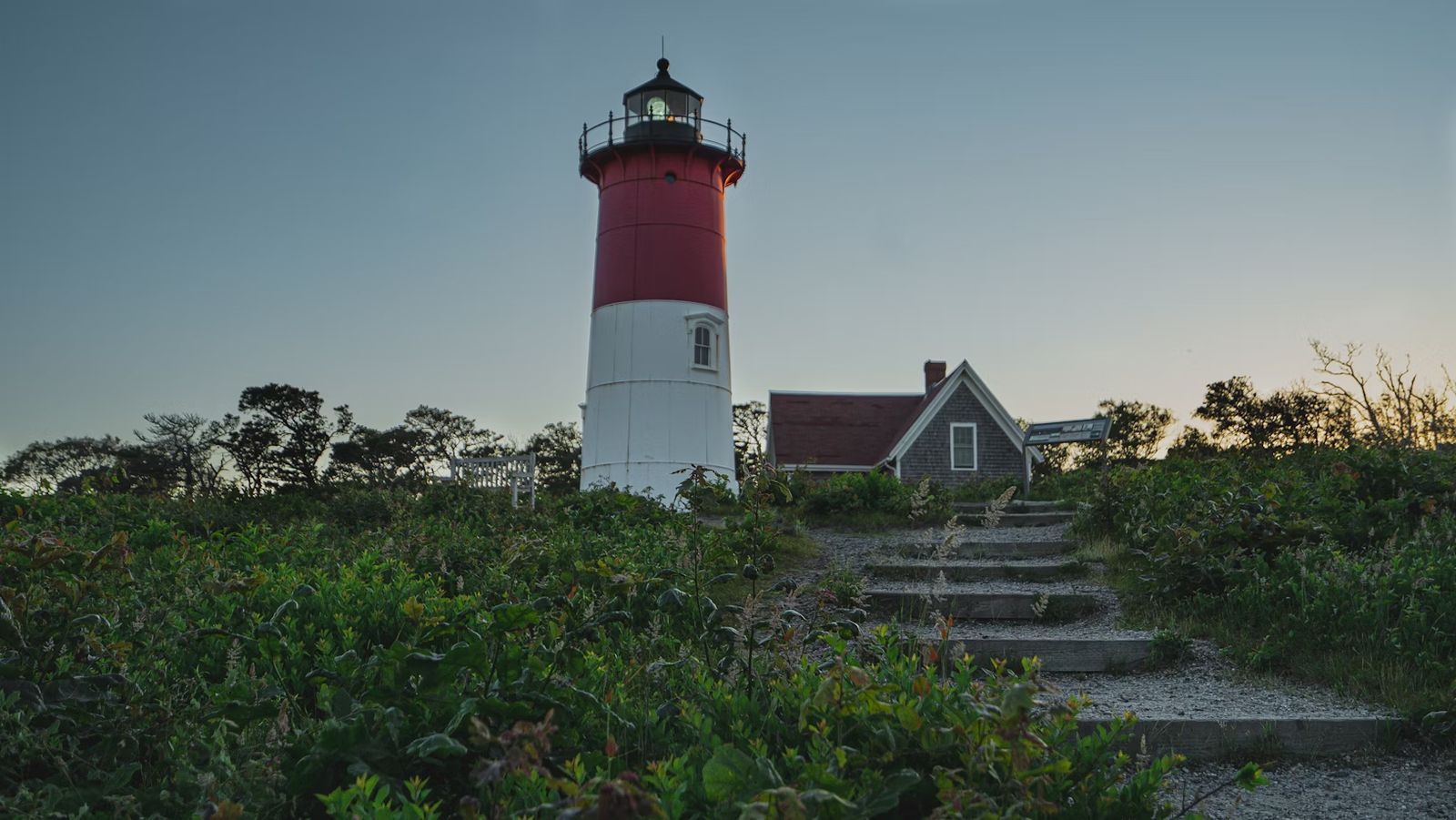
Image: Wei Zeng

When English settlers arrived on the Mayflower in 1620, they weren’t stepping onto empty land. Indigenous peoples had called the area home for thousands of years.

The colony’s name, Massachusetts, honors the Massachusett tribe. Derived from the Algonquian word Massa-adchu-es-et , it translates to "great hill-small place." Even as history tells a more complicated story about their interactions with the settlers, it’s a nice tribute to the land's original inhabitants.

3
Connecticut’s secret tree

Image: Christopher Luther

Connecticut’s colonial history has a touch of mystery and rebellion . In 1662, the colony was granted a royal charter ensuring its right to self-govern by King Charles II. After his death, in 1686, King James II tried to revoke it.

Legend has it that, during a heated debate, the charter was spirited away during a momentary blackout and hidden in the hollow trunk of a white oak tree. The "Charter Oak" became a symbol of freedom and self-determination, and it’s now honored as Connecticut’s official state tree.

4
Rhode Island: Refuge for the rejected

Image: Demure Storyteller

The colonies were revolutionary, but some views were too progressive for the era. That is why Roger Williams, Rhode Island’s founder, was banished from Massachusetts . He had progressive views on religious freedom, and so he found sanctuary in what later became Rhode Island.

In 1636, he purchased land from the Narragansett people and founded a colony based on the separation of church and state. It became a haven for minority religious groups like Baptists, Quakers, and Jews.

5
New York: From New Netherland to a global capital

Image: Benjamín Gremler

Before it was New York, it was New Netherland, a bustling Dutch colony founded in 1624. The Dutch established New Amsterdam on Manhattan Island, but in 1664, the English seized the territory and renamed it after the Duke of York.

New York grew rapidly, eventually becoming the first capital of the United States after the Revolutionary War. It’s amazing to think this vibrant city started as a modest Dutch trading post.

6
New Jersey’s devilish legend

Image: Benjamin Ashton

The Pine Barrens of New Jersey are home to one of America’s oldest and creepiest legends : the Jersey Devil. Do you know how it goes?

According to folklore, a woman named Mother Leeds cursed her 13th child, who was born as a monstrous creature, and fled into the forest. The tale, rooted in both colonial superstition and Indigenous folklore, has been passed down for centuries, keeping imaginations alive and visitors on edge in the Garden State.

7
Pennsylvania: The King’s debt becomes a colony

Image: The Body

Pennsylvania owes its existence to a royal, and quite big, IOU. King Charles II granted William Penn the land in 1681 as payment for a debt owed to Penn’s father.

Penn established the colony as a safe haven for Quakers, emphasizing religious tolerance and fair dealings with Indigenous peoples. Pennsylvania, clearly named after the family’s name, became a model of diversity and coexistence, attracting settlers of all faiths and backgrounds.

8
Delaware: The First to Declare Independence

Image: Demure Storyteller

Independence from Britain? They all did that, but Delaware took it a step further! Though initially governed as part of Pennsylvania, Delaware established its own legislature in 1704.

On June 15, 1776, this colony declared independence not just from Britain but also from Pennsylvania, making it the first colony to break away formally . Known as the "First State" for ratifying the US Constitution in 1787, Delaware’s pioneering spirit is woven into its history.

9
Maryland: A pirate colony?

Image: Luisa Frassier

Maryland’s early days weren’t all peaceful. William Claiborne , a man of the Virginia Council, refused to accept that his settlement on Kent Island was part of Maryland after the colony’s charter was granted in 1632.

Claiborne launched pirate raids on Maryland’s trading posts, leading to charges of piracy and murder. While he eventually lost his claim, Claiborne’s defiance adds a plot twist to Maryland’s story.

10
Virginia: Witch trials in the South

Image: Henry Deng

Did you think witch trials only happened in Salem? Think again. Virginia held about two dozen trials between 1626 and 1730, including the infamous case of Grace Sherwood. If that name doesn’t ring a bell, maybe "The Witch of Pungo" does.

While we’re not going to get into the details of how they proved she "was a witch," she was convicted of witchcraft and spent several years in jail before she was released.

11
North Carolina: The Mystery of Roanoke
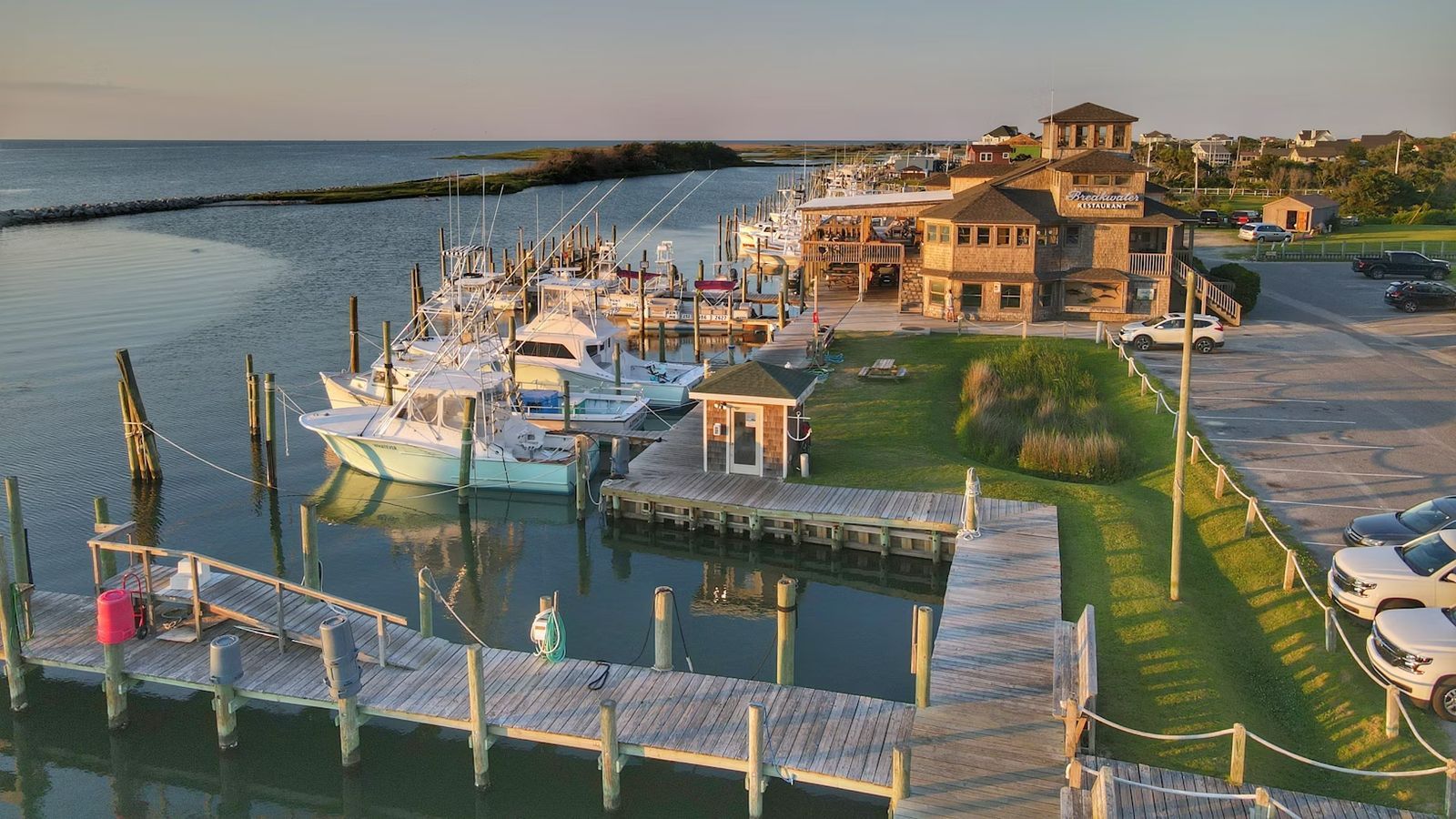
Image: Gene Gallin

North Carolina’s Roanoke Colony remains one of America’s greatest mysteries. In 1587, over 100 settlers vanished without a trace , leaving behind only the word "Croatoan" carved into a tree.

As you can imagine, there are plenty of theories surrounding this event: Did they join local Indigenous tribes, or succumb to the harsh environment? While we may never know, the "Lost Colony" keeps historians and treasure hunters quite captivated.

12
South Carolina’s "Blue Gold" boom

Image: Omri D. Cohen

South Carolina’s indigo trade, led by Eliza Lucas Pinckney in the 1730s, turned the colony into an economic powerhouse. This vibrant blue dye, vital for textiles, was so lucrative it earned the nickname "blue gold."

Despite the challenges, which included sabotage by rivals, the crop’s success transformed South Carolina’s economy. However, its growth came at the cost of enslaved labor, a sobering reality of the colony’s prosperity.

13
Georgia: A colony for a cause
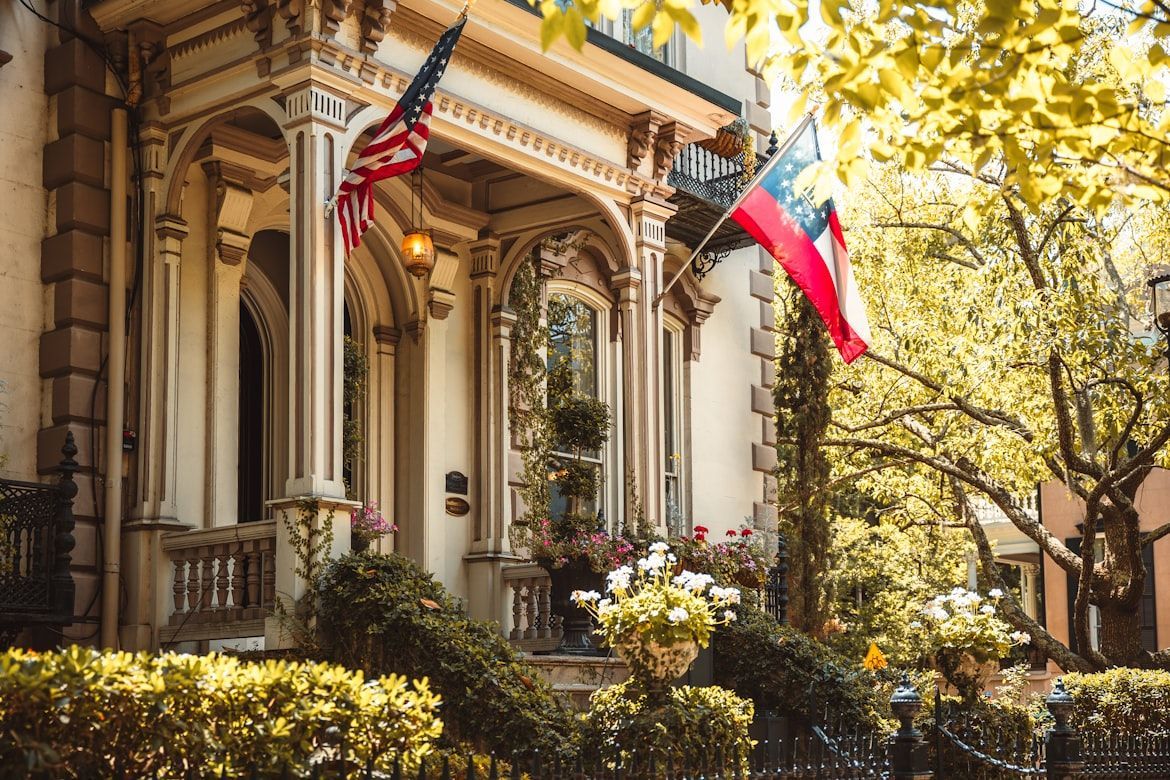
Image: Diane Picchiottino

Founded in 1732 by James Oglethorpe, a prison reformer, Georgia was established as a social experiment . It was designed to provide a fresh start for England’s "worthy poor," and to that end, the colony outlawed slavery and large landholdings.

However, settlers soon pushed back, and by 1751, many of the original restrictions were lifted. Despite its challenges, Georgia’s idealistic beginnings make it a unique addition to the 13 colonies.
General General 4 min read

Slippery, spotty, and surprising

These local amphibians can regrow limbs, release toxins, and much more!

Image: Pixabay

Given America's vast territory and rich biodiversity, our land holds a wide variety of mammals, reptiles, and birds—but let's not forget the amphibians! The United States is home to a great and extravagant range of amphibians that are far more fascinating than just regrowing tails: Some well-known and others that you'll definitely want to discover. Join us as we explore the unique traits of these 10 incredible amphibians found across the US!

1
Tiger salamander

Image: Anastasia Pirri

Meet the tiger salamander—one of the largest terrestrial salamanders in North America. While its size is certainly impressive, the tiger salamander also has other traits that make it stand out. Take its appearance, for example: its dark brown body with bright yellow blotches resembles tiger stripes, which is why it has such a peculiar name. But there's more! Unlike many other salamanders, this one spends much of its time underground, using its large, powerful limbs to dig.

Fun fact: Some states, like Colorado and Kansas, have named it their official state amphibian!

2
Eastern Hellbender

Image: laura adai

Although the tiger salamander is impressively large, another salamander stands out for its huge size: the Eastern Hellbender.

Cryptobranchus alleganiensis alleganiensis is its scientific name (quite a mouthful, right?). It holds the title of the largest salamander in North America. In fact, it's sometimes nicknamed "snot otter" due to its large body and the slippery texture of its skin.

3
Amphiuma

Image: Wolfgang Hasselmann

When you first see this creature, you might mistake it for a snake or an eel. But it's actually an amphibian—more specifically, an aquatic salamander known as the amphiuma. Its appearance, let’s just say, isn’t exactly what most would call "cute."

This unusual amphibian can grow up to 3 feet long! And while not immediately noticeable, it has tiny legs with only one, two, or three toes, depending on the species. Its limbs aren't very useful, but they do make the amphiuma look just a bit creepier.

4
Colorado River Toad

Image: Crystal McClernon

The Colorado River Toad may not be the cutest or most dazzling creature out there, but it's certainly one of the most fascinating. Native to the southwestern United States, this amphibian is one of the largest toads in North America, but what sets it apart isn't its size. So, while it may look slow and harmless, this toad is capable of releasing a dangerous, highly psychoactive toxin that acts as a defense mechanism and can be fatal to many species, including dogs.

5
Common Mudpuppy

Image: Tommy Bond

Now, it's time for an amphibian whose cuteness is one of its most distinctive features; even its name reflects that! We're talking about the Common Mudpuppy, an aquatic salamander that inhabits streams, rivers, ponds, and lakes. It's also one of the few salamanders that remain fully aquatic throughout their entire life. And that’s precisely why it sports a pair of large, red external gills on the sides of its head, giving it an almost 16th-century European look!

6
Gray Tree Frog

Image: Aurora K

The small Gray Tree Frog inhabits the forests and woodlands of the eastern United States. And while it's true you might find it on trees and plants, its nickname isn't entirely accurate when it comes to color. Yes, it can be gray, but this amphibian has the ability to change its color to blend in with its surroundings! It also has another superpower: the ability to survive freezing temperatures. By producing a natural antifreeze, it protects its organs during cold conditions that most of us couldn’t begin to handle.

7
Spotted Salamander

Image: Kristina Kutleša

As its name suggests, what distinguishes the Spotted Salamander is its shocking look. But beware, its mottled appearance isn't just for show. It also acts as a warning to ward off predators! If you've ever seen one in the wild, consider yourself lucky because although it’s fairly widespread, this salamander spends most of its time underground.

8
Pacific Giant Salamander

Image: wallace Henry

If you venture into the mountainous regions of the Pacific Northwest, you might come face-to-face with the Pacific Giant Salamander, one of the largest terrestrial salamanders in North America.

Reaching up to 14 inches in length, this amphibian is striking to see—but it’s even more surprising when you hear it. That’s right: unlike most of its kind, the Pacific giant salamander can make audible barking sounds!

9
Barking Tree Frog

Image: José M. Alarcón

We have a contestant that could go head-to-head with the Pacific Giant Salamander in a barking contest: the aptly named Barking Tree Frog.

Let’s just say the frog’s striking features are perfectly summed up by its name. In states like Florida, Georgia, and South Carolina, you can find this little amphibian calling from the treetops or near freshwater shores.

10
Dusky Gopher Frog

Image: Geraldine Dukes

Finally, we have the most mysterious and elusive of all: the Dusky Gopher Frog. As one of the rarest frog species in the U.S., the Dusky Gopher Frog is incredibly elusive and critically endangered, with fewer than 200 individuals left in the wild. The dusky frog spends most of its life hidden underground and only comes out during the mating season.

History History 2 min read

Born in America

From Pickleball to Pigskin: 10 sports only America could invent

Image: Riley McCullough

America has long been a land of innovation—not just in tech and culture, but in sports too. From backyard pastimes to professional spectacles, many athletic pursuits started here and captured the imagination of millions. Join us as we explore 10 uniquely American sports.

1
Baseball

Image: Josh Hemsley

Originating in the early 19th century, baseball evolved from British bat-and-ball games like rounders. By the 1840s, it was widely played in New York and spread quickly across the country.

Professional leagues began forming in the 1870s, and by the 20th century, baseball had become a defining cultural symbol. The Major League Baseball (MLB) remains a cornerstone of American sports identity.

2
American Football

Image: Tim Mossholder

American football developed from rugby and soccer in the late 19th century, with Walter Camp shaping key rules like the line of scrimmage.

Today, the NFL is a multi-billion-dollar enterprise, with the Super Bowl considered an unofficial national holiday. Its unique strategic play sets it apart globally.

3
Basketball

Image: Markus Spiske

Invented in 1891 by James Naismith in Springfield, Massachusetts, basketball was created as an indoor game to keep athletes active during winter.

Basketball rapidly grew in schools and colleges, evolving into the NBA by 1946. Its fast pace and high scoring made it a uniquely American phenomenon with global influence.

4
Volleyball

Image: Jannes Glas

William G. Morgan invented volleyball in 1895 in Holyoke, Massachusetts, as a less strenuous alternative to basketball for older athletes.

Originally called "Mintonette," it quickly spread through YMCA programs. Today, volleyball is a staple in American schools and a popular recreational and Olympic sport.

5
Lacrosse

Image: Gene Gallin

Though based on Indigenous games, the modern field version of lacrosse was codified in the U.S. in the mid-19th century, particularly in New York and Maryland.

American collegiate leagues helped popularize the sport. Its fast pace, physicality, and unique stick skills differentiate it from similar sports elsewhere.

6
Rodeo

Image: Lee Pigott

Rodeo emerged from cattle herding competitions in the American West in the late 1800s. Cowboys demonstrated skills like bronco riding, roping, and barrel racing.

Rodeo reflects frontier life and is heavily celebrated in states like Texas and Wyoming. It became an organized sport with professional circuits in the 20th century.

7
Skateboarding

Image: Rhendi Rukmana

Developed in California in the 1950s as "sidewalk surfing," skateboarding transformed surfing techniques for urban environments.

The sport gained a professional scene by the 1970s, complete with skate parks and competitions. Its counterculture roots remain distinctly American.

8
Roller Derby

Image: River Fx

Emerging in the 1930s as a banked-track endurance race, roller derby evolved into a full-contact team sport.

Especially popular with women, modern roller derby combines athleticism and theatrical flair. It’s a uniquely American mix of sport and spectacle.

9
Cheerleading

Image: Rojan Maharjan

Starting at the University of Minnesota in 1898, cheerleading began as organized support for college football teams.

Over time, it developed competitive elements with complex stunts and routines. Today, cheerleading is recognized both as a sport and a cultural phenomenon in the U.S.

10
Pickleball

Image: Aleksander Saks

Invented in 1965 on Bainbridge Island, Washington, pickleball blends tennis, badminton, and ping-pong.

It gained popularity for all ages due to its accessibility and social appeal. Pickleball’s exponential growth highlights American ingenuity in casual sports.

Explore more American facts

Choose your favorite category!

General
General

As American as apple pie—the very best America has to offer!

Culture
Culture

Delve into the astounding richness of American lore.

Geography
Geography

Hop in and explore vast and diverse American landscapes.

History
History

Discover the key moments that shaped the United States.