Geography Geography 4 min read

Before GPS: Clever tricks Americans used to navigate the open road
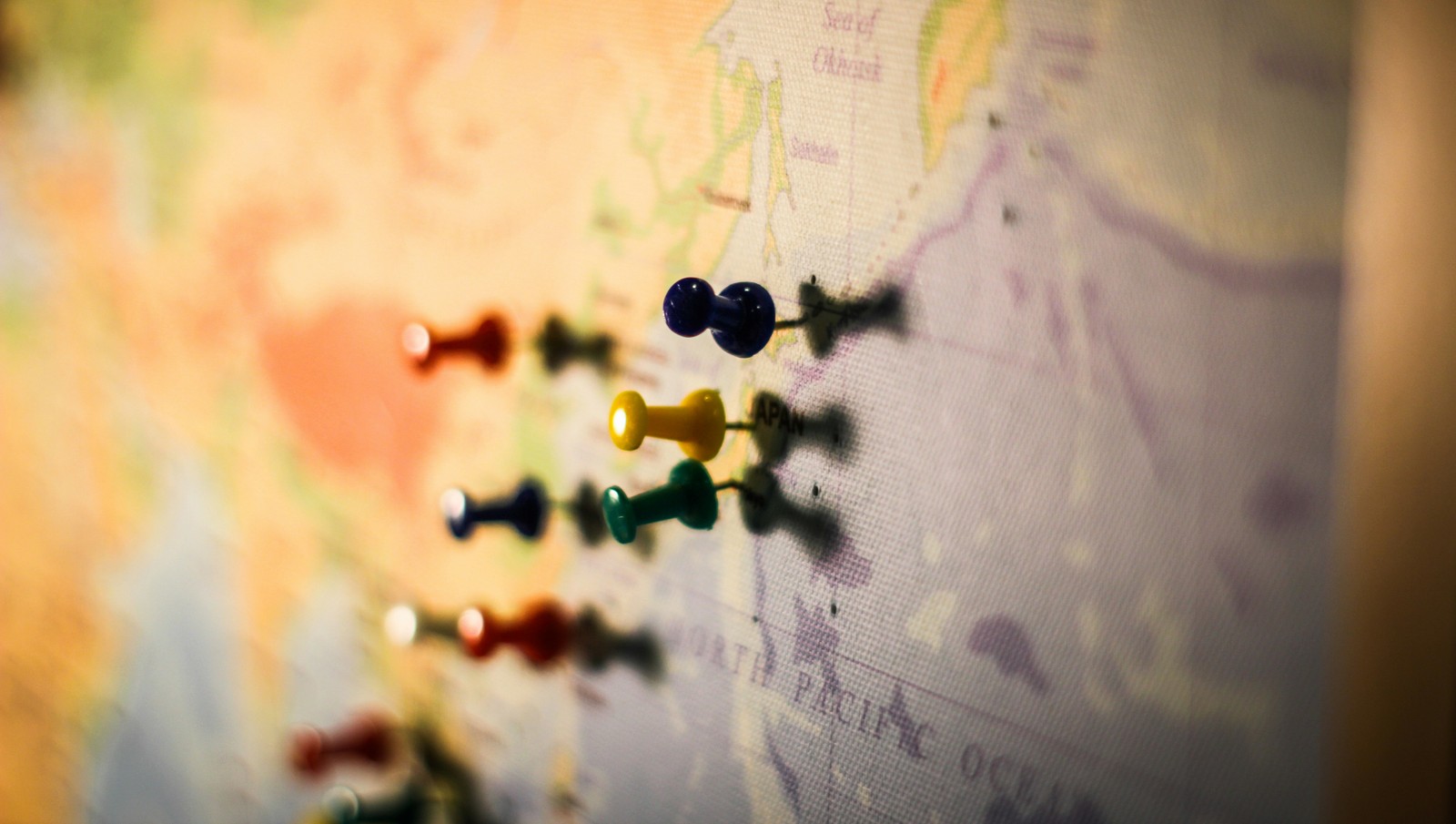
Image: T.H. Chia
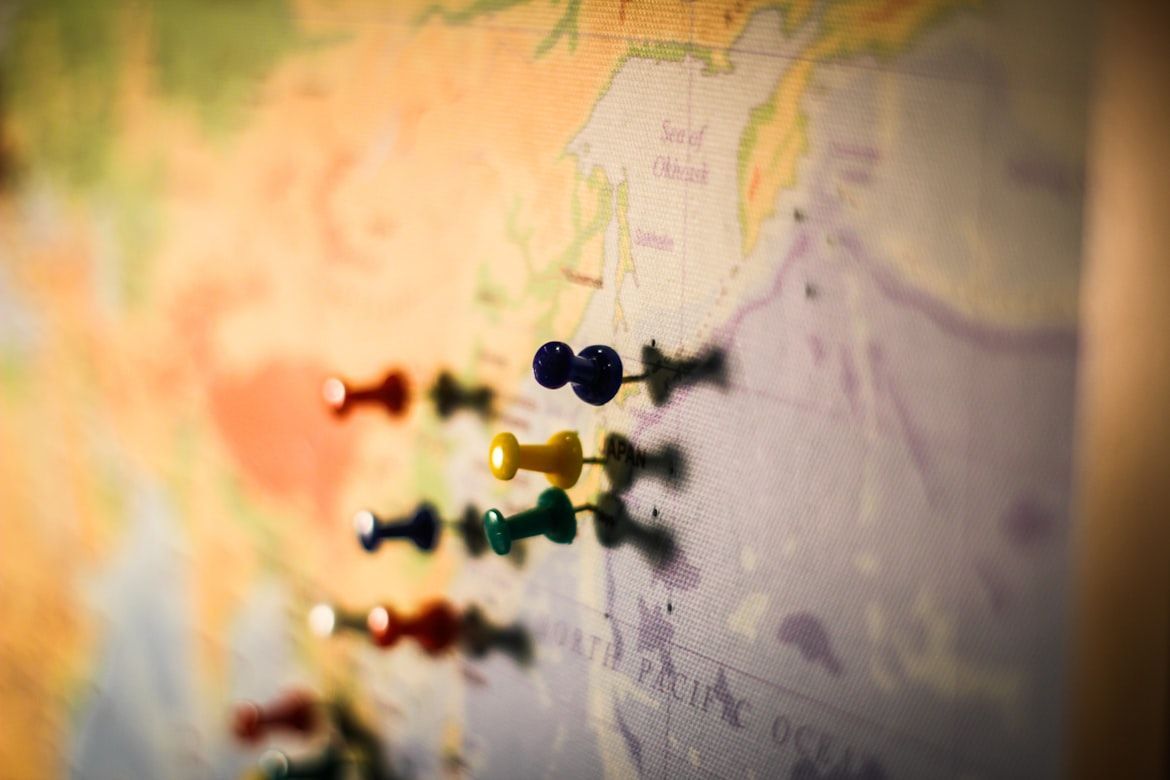
Image: T.H. Chia

Before smartphones and GPS started telling us where to turn, getting across the country required a little planning and a few clever tricks to remember the route. Travelers relied on paper maps, strangers on the road, and even public phone booths to stay on course. If your destination ever depended on the directions of a stranger, you’ll probably enjoy remembering a few of these clever tricks!

1
The MapQuest printout ritual
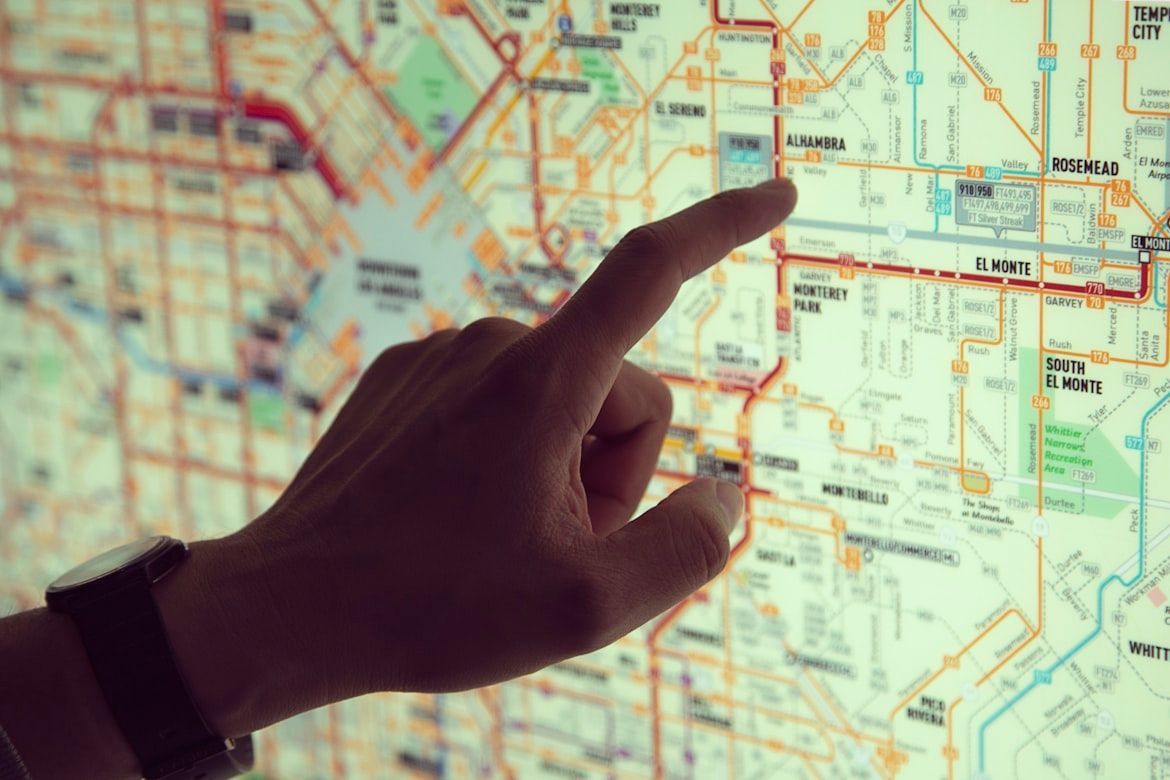
Image: José Martín Ramírez Carrasco

For many travelers, the trip really began here: sitting at the computer just minutes before leaving and printing turn-by-turn directions from MapQuest. The printed pages listed every step of the route, including the distance between each turn. This method was probably the one that marked the transition from traditional paper navigation to modern GPS systems.

2
Free maps at gas stations
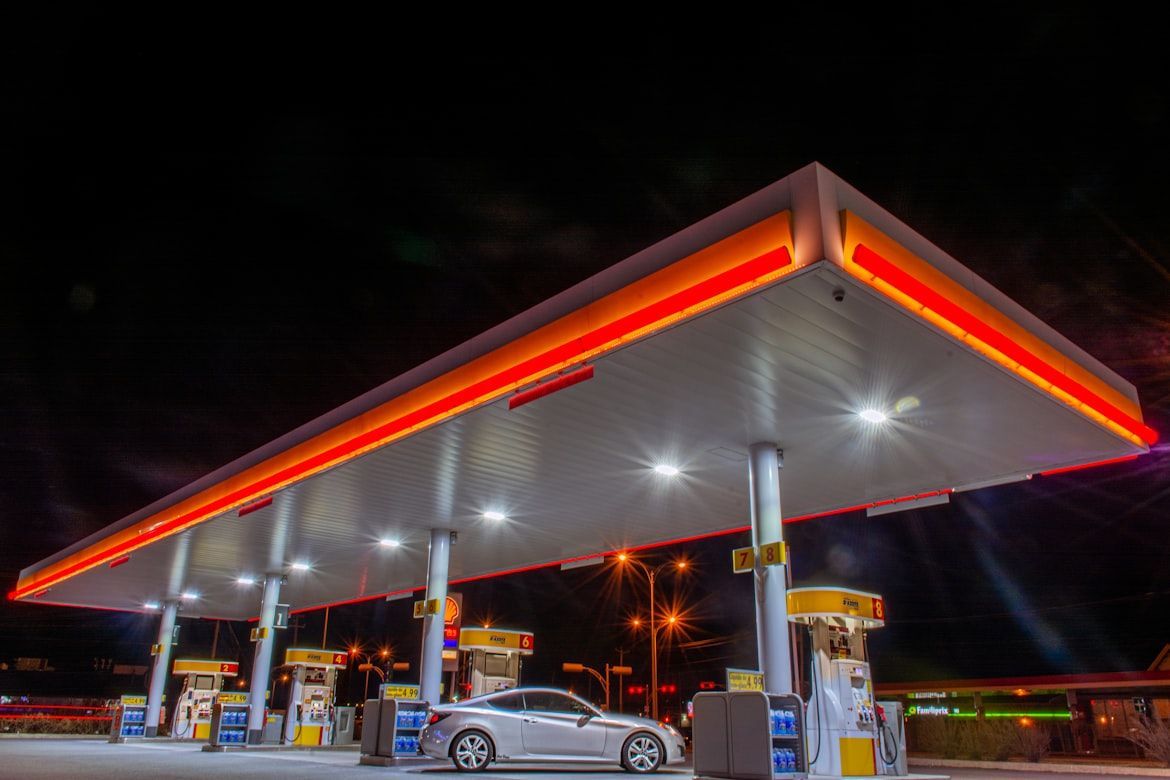
Image: Jean-christophe Gougeon

Back in the 1920s, advertising executive William Akin came up with an idea to promote the new Gulf Refining Company gas stations. At the time, drivers still had to buy gasoline in five-gallon containers because service stations were uncommon. Akin proposed distributing free local maps in each area where these Gulf stations were located.

The idea spread quickly, and other gas companies soon adopted the same strategy. Over time, gas stations became natural stops for travelers, and many stations eventually began selling maps instead of giving them away.

3
The American Automobile Association Trip Triks
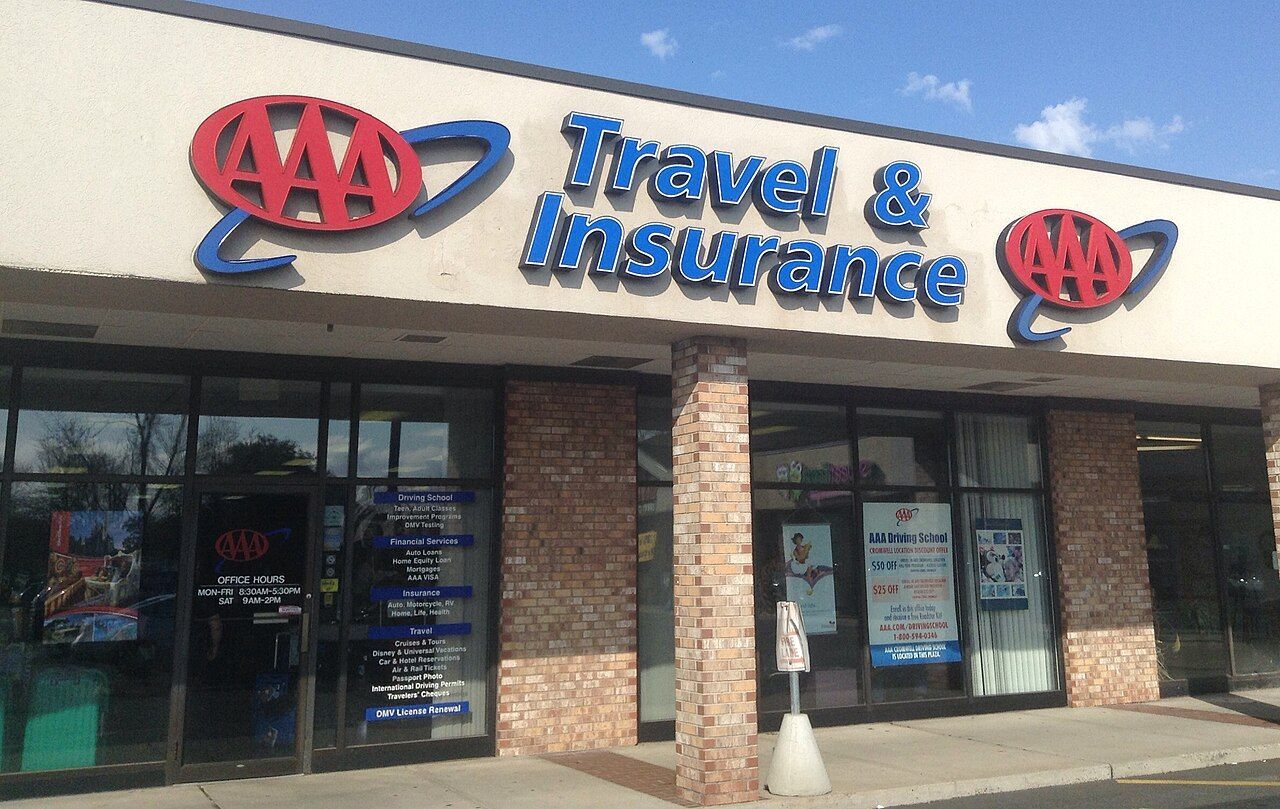
Image: Mike Mozart

No way you forgot this one! If you were a member of the American Automobile Association, you had access to Trip Triks: spiral-bound booklets customized for each traveler’s route. AAA staff highlighted the exact path on the map, marking gas stations, hotels, and attractions along the way.

4
Lost? Find a phone booth
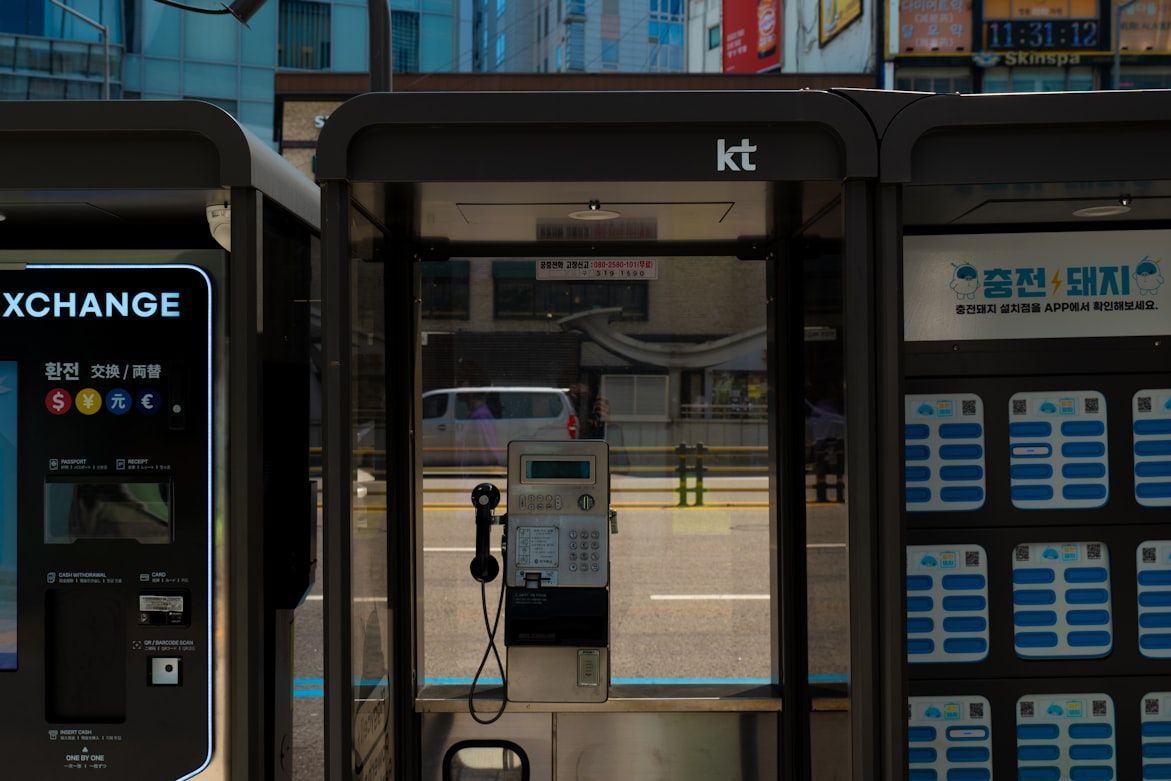
Image: jerry chen

Lost in the big city? Step into a phone booth. Back then, many phone booths had maps inside showing nearby streets and landmarks. If you were lost, all you had to do was step inside, and within a few minutes, the problem was solved. The good news was that big cities had a phone booth on almost every major corner and intersection, so if the one you stopped by was already taken, you only had to walk a few steps to find another.

5
The thick book that lived in every car
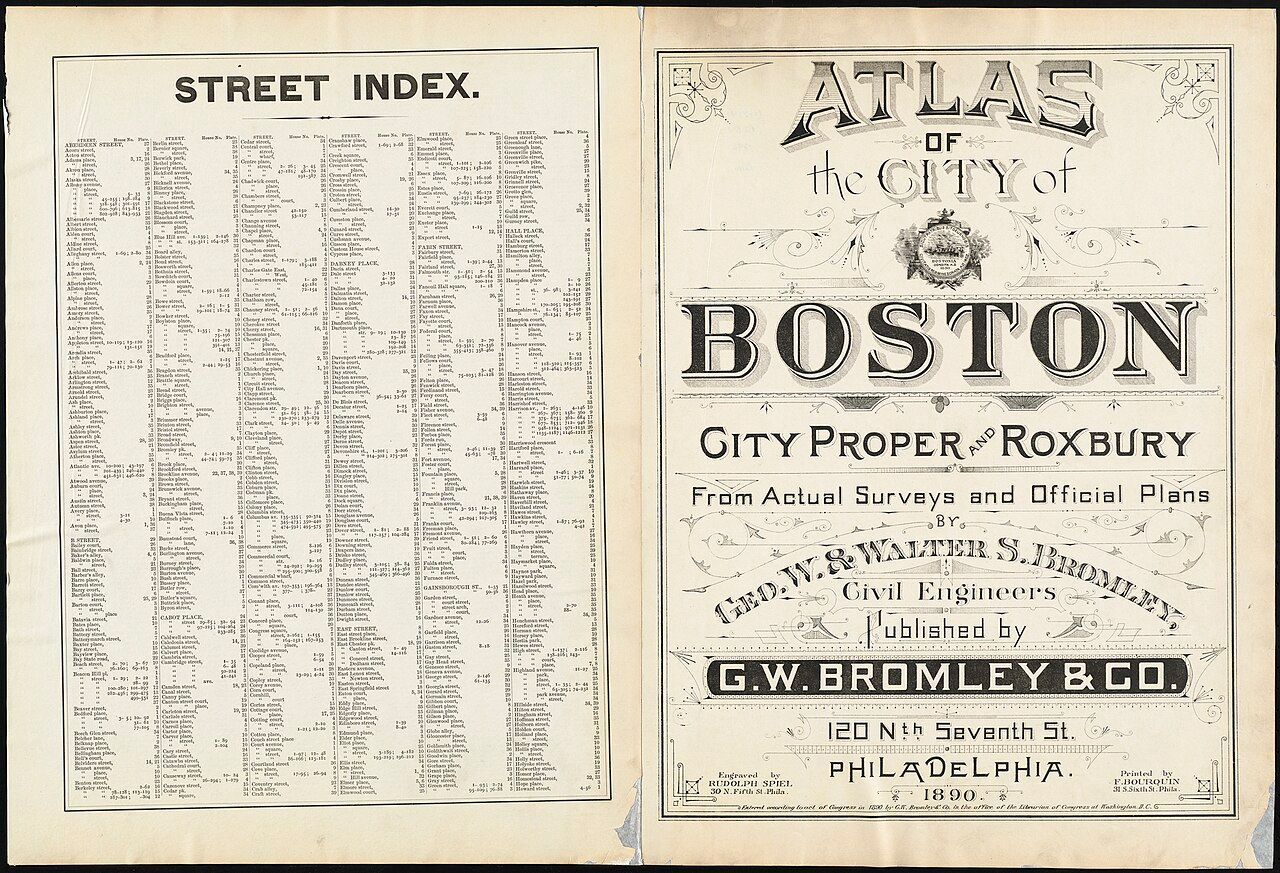
Image: Bromley Atlases

The city street atlas. One of the best companions for drivers, if not the very best. These thick books showed detailed maps of entire cities, page by page. If you spotted a street sign but had no idea where you were, you could look up that street in the atlas index. It would point you to the exact page and grid where the street appeared, helping you figure out your next move. Do you remember flipping through a street atlas to find your way across a city?

6
Asking locals for directions

Image: Deva Darshan

Following directions back then required a bit of blind faith. You might hear something like, "Drive a few miles and turn left when you see the church," or "After the green restaurant, take the second road on the right." In rural areas, where road signs were scarce, a local’s guidance was often the best map you could get. Sometimes those directions were the only way to find a place that didn’t appear on any map. Have you ever followed directions like these and hoped for the best?

7
The co-pilot seat
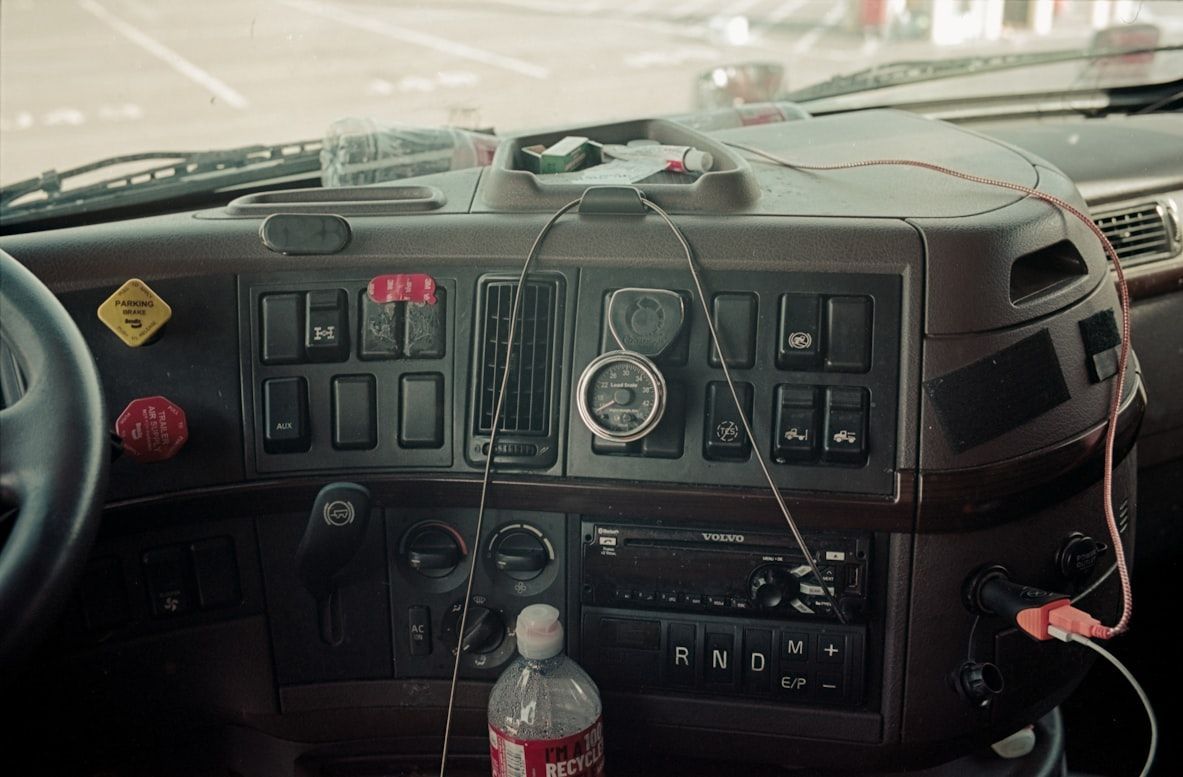
Image: Xia Hua

This trick required teamwork. If you weren’t traveling alone, one passenger was usually designated as the "navigator." Their role? Reading the map, watching for road signs, and warning the driver about upcoming turns. A good navigator also had to learn the driver’s rhythm: when to speak up, when to stay quiet, and how quickly directions needed to be given. The best driver–navigator pairs worked together almost like Batman and Robin.

8
The Rand McNally Road Atlas
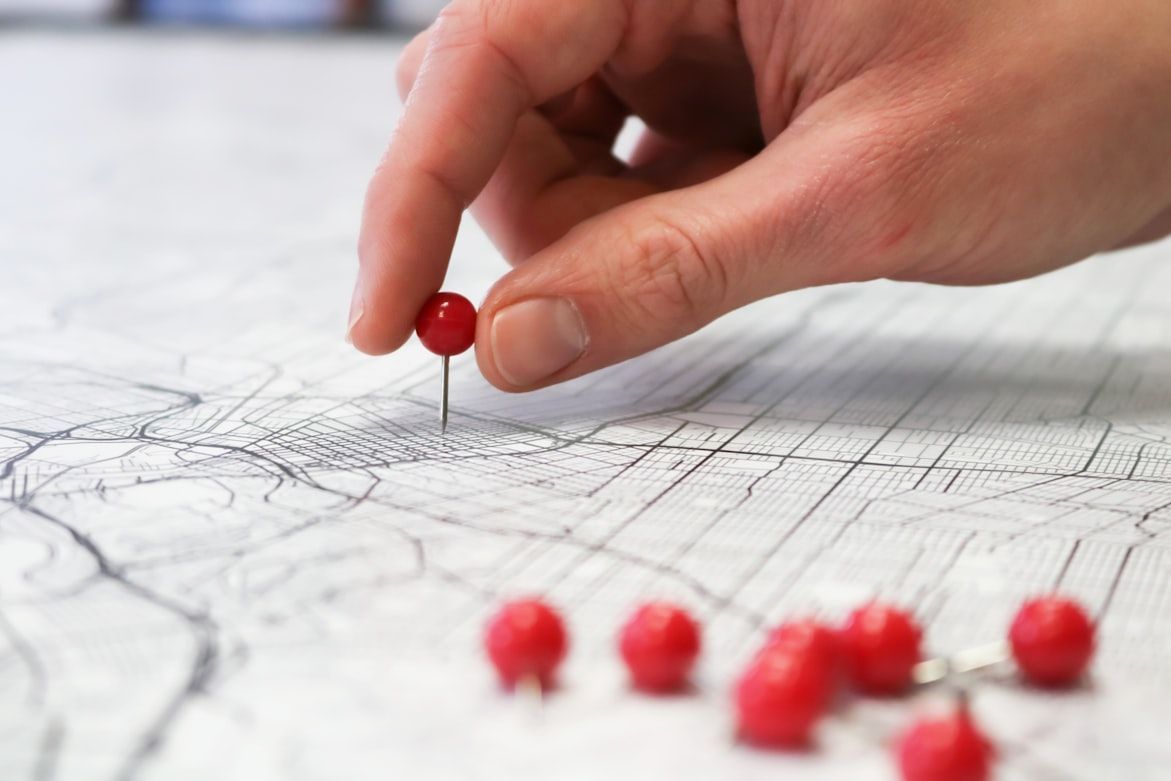
Image: GeoJango Maps

The Rand McNally Road Atlas is one of the most iconic travel tools in American road trip history. The atlas includes detailed maps of every state, showing highways, towns, and points of interest across the United States. For decades, it was a common sight in glove compartments and truck cabins, guiding travelers from city to city. Unlike digital navigation, the atlas allowed drivers to see the entire route and explore alternative roads along the way. Even today, many travelers still keep one as a backup option when cell service or GPS fails.

9
Following highway numbers
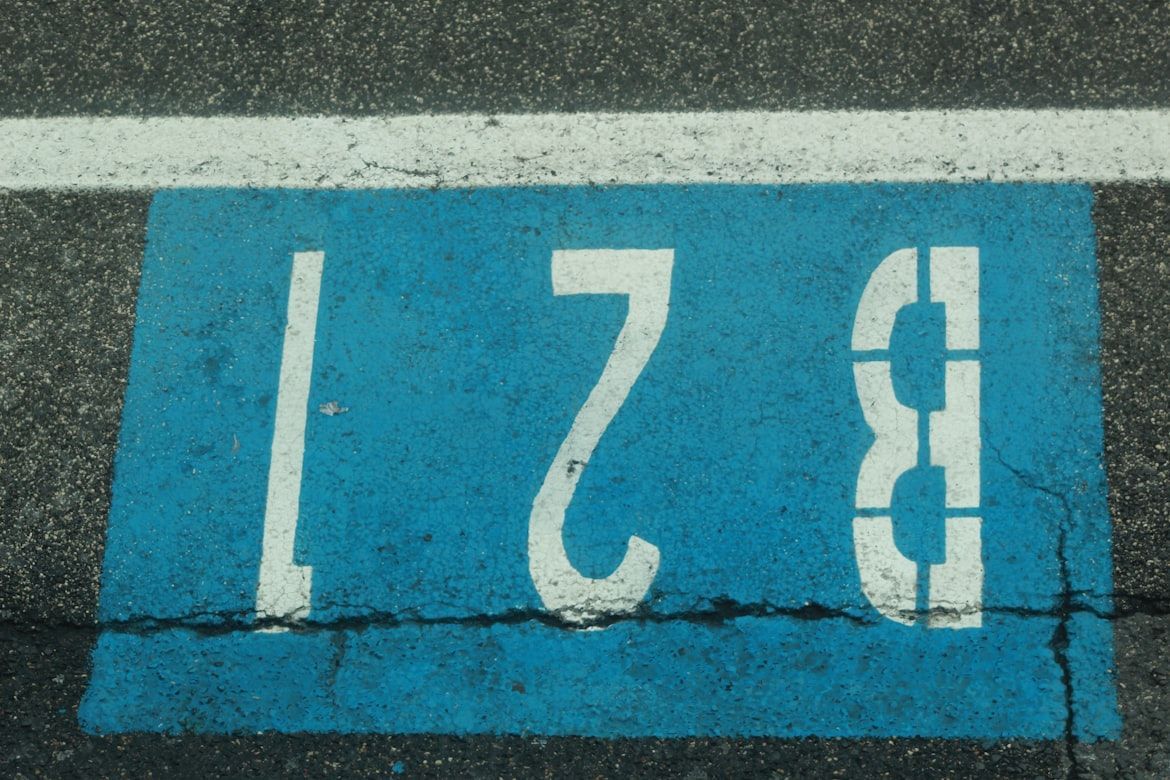
Image: Anne Nygård

During the era of long road trips, drivers didn’t worry much about street names. Instead, they followed highway numbers. If you got on the right road, like Route 66 or U.S. Route 1, you could relax and stay on it for miles and miles, sometimes across several states. As long as the number on the signs stayed the same, you knew you were still on the right path. This approach later helped inspire the Interstate Highway System, which made traveling across the country even easier.

10
The church, the bridge, the water tower
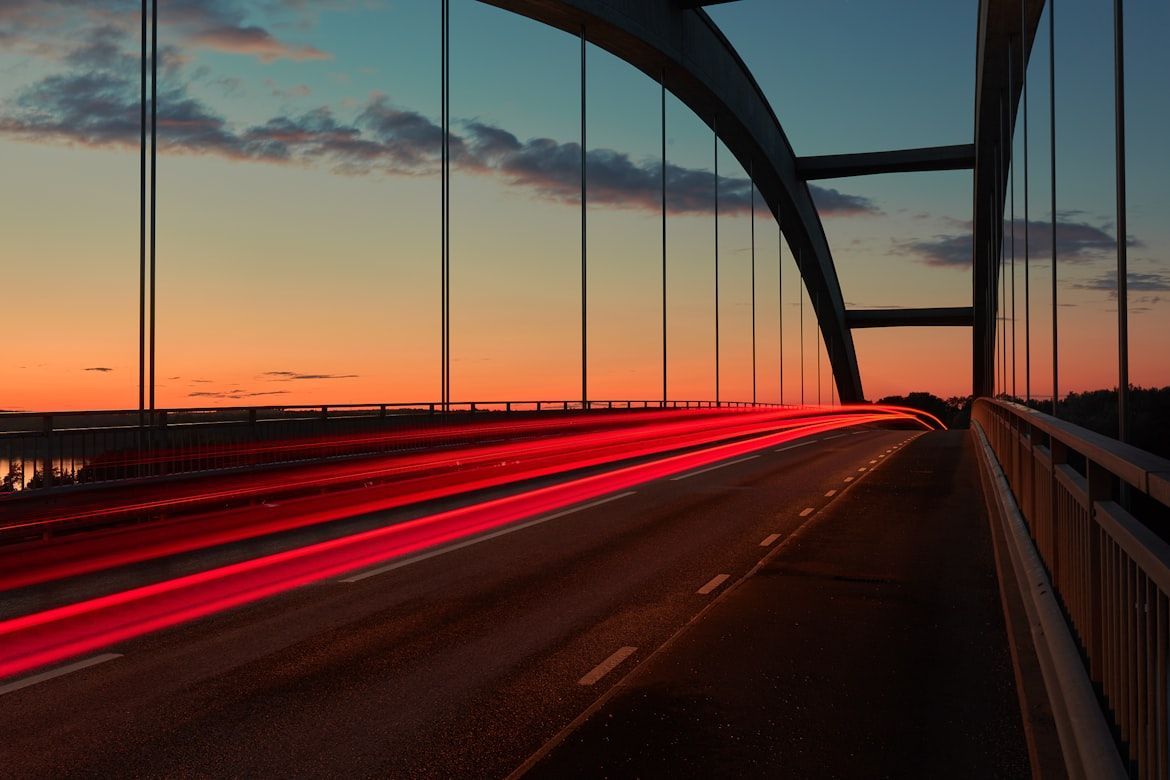
Image: Anders Jildén

Here's one of the classic road trip tricks: remembering landmarks along the road. This method required both memory and self-trust. Instead of coordinates or exact addresses, travelers remembered particular spots. They learned to look for things that stood out, like churches, bridges, water towers, or unusual buildings. When you reached the right one, you knew when it was time to turn. What landmarks did you rely on the most?

General General 6 min read

Sugar rush!

Dig into these 10 delightful American sweet treats!

Image: Christopher Ott

There’s a reason why the word "sweet" has become synonymous with a good and pleasant time: As anyone with a sweet tooth can attest, some of the best-tasting things in life are sweet. In that sense, America is definitively no stranger to sweet treats, as any of the mouth-watering items in this article can prove. So, without further ado, let’s jump right into and discover 10 of the most amazingly delicious American sweet treats. Enjoy!

1
Oreo

Image: ABHISHEK HAJARE

Who better to start this article than Milk’s absolute best friend? Oreo has been the king of American cookies since its very beginning. Dunk it, twist it, or just eat it: There’s no bad way to eat an Oreo.

Did you know that Oreos were originally sold as part of a trio of cookies? Not only that, they were sold under a much less marketable name: Hydrox, which doesn’t really fit such a delicious treat.

2
Snickers

Image: Joshua Fernandez

Have you ever wondered where the name "Snickers" comes from? You might be inclined to think that it comes from the hearty laughter that might arise after eating one of these delicious bars, but the answer is actually rather strange: It comes from a horse! Specifically, it was the name of the Mars family horse, who decided to immortalize their beloved stallion in 1930.

Regardless of its unusual name, Snickers is one of the most beloved candy bars in America, if not the world. Over their 90 years of history, they have produced a number of delicious variants of their traditional caramel and peanut filling, including dark and white chocolate, as well as peanut butter and almond.

3
Apple pie

Image: Priscilla Du Preez 🇨🇦

We’ll continue with an American icon. If you ask anyone from outside the United States to choose 3 things to define our country, they’ll probably include apple pie . This beloved sweet treat is heavily associated with the 4th of July celebrations, but let’s be honest: There’s no bad time to have a slice or two of apple pie.

For such a culinary staple, apple pie definitely has a lot of variants. For instance, you can enjoy a delicious apple pie à la mode by adding a scoop of vanilla ice cream. Other toppings include custard, whipped cream, or (surprisingly) a slice of cheddar cheese.

4
Reese’s Peanut Butter Cup

Image: Terrance Barksdale

We debated which Reese’s product to include in this list: their delicious Peanut Butter Cups or their outstanding Pieces. We decided to go for the Peanut Butter Cup, if only for one reason. This amazing product was one of the first to showcase what a dynamic duo of chocolate and peanut butter make.

The story of Reese’s Peanut Butter Cup s goes back to 1928, when H. B. Reese, a dairy farmer employed by the Hershey Company, decided to start his own candy company after he was let go of his job. The rest is history! Almost 100 years after, Reese’s Peanut Butter Cups are still one of America’s most cherished sweet treats.

5
Beignets

Image: Jessica Tan

If you ever find yourself in the beautiful city of New Orleans, you’ll be amazed by everything "The Big Easy" has to offer, from its amazing jazz, gorgeous architecture, and mouth-watering food. In that regard, take this piece of advice to heart: Don’t leave New Orleans without having some delicious beignets with a hot cup of coffee.

Like many of the things that make New Orleans so special, beignets come directly from French culture. They were most likely brought over by French colonists in the 18th century. However, Louisiana-style beignets stand out because they are topped with powdered sugar and are mostly eaten for breakfast.

6
Boston Cream pie

Image: Marko Klaric

Boston is known as "Beantown" for its affinity for beans, but don’t you dare think beans are the only culinary treat this city has to offer. With that in mind, we would like to present a slice of delicious Boston cream pie as evidence.

Many believe that the Boston cream pie was created in 1856 by Chef Mossburg Sanzian at the Parker House Hotel. Regardless of its origins, this cream-filled delicacy has grown to become a staple of Boston cuisine, being declared the city’s state pie in 1996.

7
Donuts

Image: Courtney Cook

If TV has taught us anything, it is that police officers and donuts go hand in hand. But let’s be honest: You don’t really need to be an officer to enjoy a delicious donut . This tasty treat has become an instantly recognizable pop icon, with its iconic shape and many colorful frostings.

It is believed that donuts were first brought to America by Dutch settlers, who brought a similar pastry called an olykoek to New York. In time, donuts would be happily adopted by the entire country. Nowadays, millions of these treats are consumed around America every day.

8
Hershey’s chocolate bars

Image: Janne Simoes

Let’s continue with " The Great American Chocolate Bar." Over 120 years ago, the very first Hershey bar was sold by American chocolatier and businessman Milton Hershey. This first bar unknowingly started one of the most lucrative and iconic chocolate companies in the world.

After that first bar sold at the start of the 20th century, Hershey has produced a myriad of iconic products, including their "Cookies ‘n’ Creme Bar" or their "Air Delight Bar." Regardless, you know that whenever you unwrap a delicious Hershey’s chocolate bar , you’ll find some of the world’s finest chocolate inside.

9
Cobbler

Image: Beyza Ç.

Let’s face it; the word " cobbler " is an awful-sounding word for such a delicious treat. Not only that, historians can’t seem to agree on where this name comes from. Many believe that it is a variant of the verb "to cobble", while others state that it comes from its resemblance to a ‘cobbled’ stone pathway. But we digress: Let’s instead just focus on how delicious they are.

Although originally created in the United Kingdom, cobblers are particularly popular in America, with many states and regions having their very own special variants. American cobblers are literally too many to mention, so we’ll just highlight a few of our favorites, like the "Brown Betty" (made with fruits and sweetened crumbles) or the "apple pan dowdy".

10
M&Ms

Image: Oksana Zub

We’ll end this article with one of America’s most iconic pieces of candy. At first glance, M&Ms are deceptively simple: They are just small and colorful pieces of chocolate. However, as anyone who has eaten a handful of M&Ms will tell you, there’s something magical to these small yet wonderful sweet treats.

M&Ms were created in 1941, inspired by a similar British product called "Smarties". The two Ms featured in the name come from Forrest Mars Sr., who created the product, and Bruce Murrie, stakeholder and son of Hershey Chocolate’s president.

General General 4 min read

Unexplained & unforgettable

Wait, they saw what? 10 UFO sightings that will make you question reality

Image: Bruce Warrington

Since the dawn of time, humans have stared at the heavens in search of answers, and the question of life on other planets has always been with us. But sometimes what we see defies explanation. From strange-shaped objects crossing the sky to tales of encounters with extraterrestrials, today we’re remembering 10 shocking UFO stories.

1
Roswell Incident (New Mexico, 1947)

Image: Albert Antony

It was July 1947 when something extraordinary happened near Roswell, New Mexico: a mysterious, large object crashed on a ranch outside the town. It wasn't an airplane, it wasn't a helicopter, it didn't resemble any known aircraft at the time. Interestingly, the military first described it as a "flying disc," only to later retract the statement and claim it was just a weather balloon. This shift caused endless theories and made Roswell perhaps the most famous UFO story of all time.

2
Kenneth Arnold Sighting (Washington, 1947)

Image: Parastoo Maleki

No one knows the skies better than pilots, and in June 1947, one of them, Kenneth Arnold, saw something that would change the way we think about extraterrestrial life. According to his report, Arnold spotted nine bright objects moving near Mount Rainier, Washington. He described their flight as being like "a saucer skipping across water." That phrase would go on to coin the term "flying saucer," marking what many consider the beginning of the modern UFO era.

3
Washington, DC, Flap (1952)

Image: Ben Collins

Do you think UFO sightings only happen in rural or remote areas? Between July 12 and 29, 1952, something unexplainable occurred over Washington, DC. People in the US capital reported seeing mysterious objects moving randomly in the sky. But that wasn't all; pilots and even radar stations reported the same. While the US Air Force suggested that temperature might have affected radar performance, the sightings were never fully and clearly explained.

4
Kelly-Hopkinsville Encounter (Kentucky, 1955)

Image: Danie Franco

On August 21, 1955, two families in rural Kelly, Kentucky, experienced something straight out of their wildest nightmares. In the evening, a bright, fleeting light appeared in the sky. According to their reports to the police, the light was followed by the arrival of small creatures with large eyes and long arms, described as "little green men," who allegedly approached their homes and peered through the windows. Terrified, the families shot at them for nearly four hours, until the "little green men" finally seemed to disappear. When police arrived the next day, the houses were empty. According to neighbors, both families had packed up and left, saying the creatures had returned around 3 a.m.

5
Kecksburg UFO Incident (Pennsylvania, 1965)

Image: Lamna The Shark

We all know what to do when we see a shooting star: make a wish! But that was far from the reaction in Kecksburg, Pennsylvania, where on December 9, 1965, residents watched what looked like a massive fireball streak across the night sky before crashing into a forest on the town’s outskirts. Some people rushed to the site and claimed they saw a large metallic object shaped like an acorn. The military arrived soon after and launched an investigation that suggested it may have been a meteor or space debris. But the doubters were not convinced, and the event sparked a wave of theories and speculation that continues to this day.

6
Coyne Helicopter Incident (Ohio, 1973)

Image: James Pere

On October 18, 1973, near Mansfield, Ohio, something occurred that would challenge even the most stubborn skeptics. Captain Lawrence Coyne was piloting a US Army Reserve helicopter when it was allegedly intercepted by a large, cigar-shaped craft flying erratically at high speed and emitting green and red lights. During the encounter, the helicopter suddenly ascended beyond Coyne’s control. People on the ground witnessed the event and later confirmed parts of the pilot’s account. To this day, the incident remains unexplained.

7
Cash–Landrum Incident (Texas, 1980)

Image: Anton Kapralov

The ’80s were a wild decade, and that even included alleged encounters with alien spacecraft! In December 1980, three people reported a terrifying experience while driving through Texas: they were suddenly forced to stop when a huge craft hovered over the highway. According to their account, the metallic object emitted bright lights and intense heat. Later, all three developed physical symptoms, including burns, nausea, vomiting, and hair loss. Medical reports suggested these effects were consistent with prolonged radiation exposure, although it could not be proven that the incident itself caused the symptoms.

8
Hudson Valley UFO Wave (New York, 1982-1986)

Image: Clay Banks

An isolated UFO sighting involving just a few people is one thing. But it’s quite another when, for years, hundreds of people report sightings in the same place with similar characteristics. We’re talking about New York’s Hudson Valley, where for several years (1982–1986), residents, police officers, and even pilots reported UFO sightings. Many described the same thing: a large craft with a V-shaped row of lights that moved strangely and flew very low, sometimes even approaching houses. While some skeptics claimed they were planes flying in formation, witnesses didn’t fully accept this explanation.

9
Phoenix Lights (Arizona, 1997)

Image: Jaizer Capangpangan

If one person’s sighting seems hard to believe, maybe the testimony of thousands will convince you. In March 1997, one of the most famous UFO events witnessed by large groups occurred. Thousands of people reported seeing the same phenomenon in the skies over Arizona, Nevada, and Mexico: a formation of lights moving silently and strangely across the night sky. Even Fife Symington, the then-governor of Arizona, later claimed he had seen the lights himself.

10
O'Hare Airport Sighting (Illinois, 2006)

Image: David Syphers

If your skepticism has lasted this long, the next story might make you rethink everything. In November 2006, a large group of pilots, mechanics, and airline staff spotted a metallic, disc-shaped object hovering above United Airlines Gate C17 at O’Hare International Airport just outside Chicago. Witnesses say the object punched a circular hole in the clouds before shooting off. The FAA (Federal Aviation Administration) initially called it a "meteorological phenomenon," but later-released ATC audio reveals tower and ground staff discussing the object in total confusion.

Explore more American facts

Choose your favorite category!

General
General

As American as apple pie—the very best America has to offer!

Culture
Culture

Delve into the astounding richness of American lore.

Geography
Geography

Hop in and explore vast and diverse American landscapes.

History
History

Discover the key moments that shaped the United States.