General General 5 min read

CUSTOM BEHAVIOR

Are You a Fan Of Tailgating? 10 American Traditions You Probably Follow!

Image: frank mckenna

Traditions are important as they serve as a testament to one’s culture and heritage. Despite the diverse nations and cultures coexisting within our country, American traditions are quite strong and challenging to evade.

Have you ever had a backyard barbecue or eagerly anticipated the Thanksgiving parade sitting on your couch next to your loved ones? This is evidence of your deep-rooted American identity and here we are to see ten of those customs that make us who we are . Are you ready?

1
Backyard Barbecues

Image: Maude Frédérique Lavoie

You say American, you smell a barbecue, isn’t that right? Backyard barbecues are probably one of the most American traditions there is and it is all about that summer fun we all love!

Casual gatherings on a hot summer day to grill some meat is a favorite pastime for all. Adults chat while grilling some burgers or hot dogs, and the kids play. Everyone has fun!

This tradition, like many others, is about good food, good company, and having a great day outdoors.

2
Gameday Tailgating

Image: Scott Madore

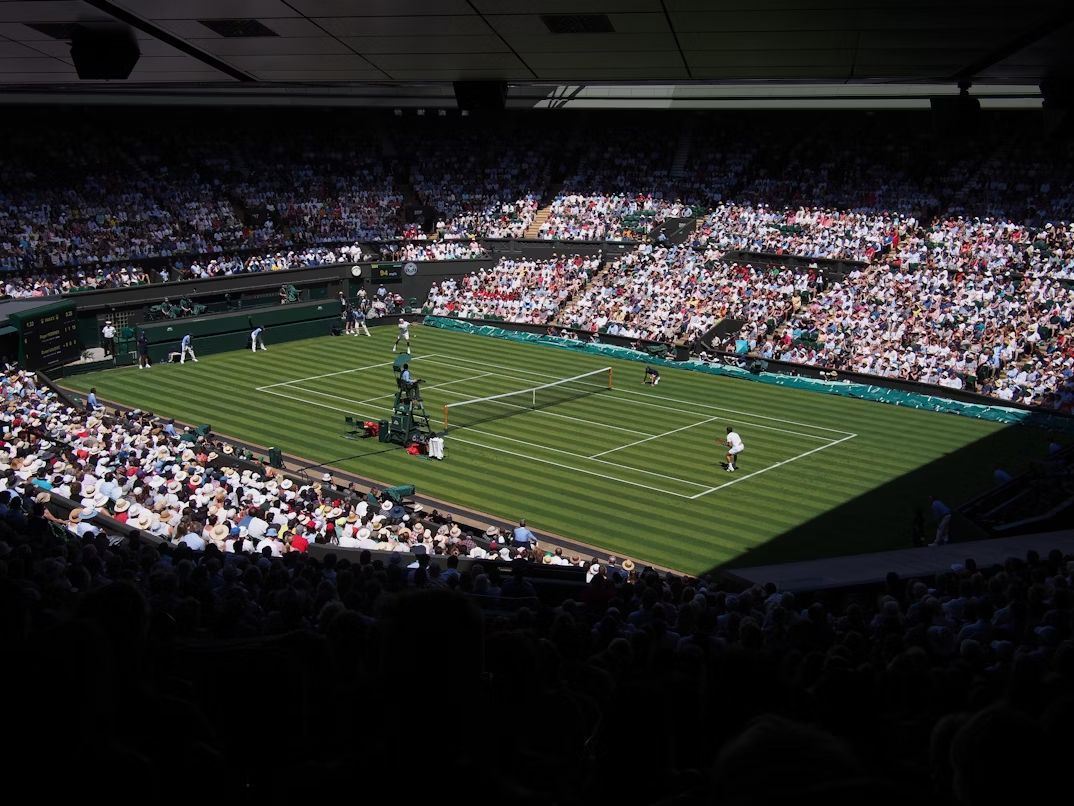
Pre-game events? Isn’t the game enough? A tailgate party is a social event held on and around the open tailgate of a vehicle. Tailgating often involves consuming alcoholic beverages and grilling food.

Hours before kickoff, fans tailgatein the parking lot with burgers on the grill and a football to toss. It is a fan gathering, a get-together to celebrate your team and get you in high spirits for the game ahead!

3
Family Game Nights

Image: Stephen Harlan

All it takes are those simple traditions, and sometimes they are the best traditions. A night of family games is an ideal opportunity to spend a few hours around the table having quality time with the ones you love.

Board games, card games, or even video games! It all comes down to bonding, some good-natured rivalry, and some potentially-not-very-serious debates on how to interpret the rules.

4
Turkeys Pardon

Image: Claudio Schwarz

If you don’t comply with many national traditions, this is one you definitely can’t evade. Thanksgiving has many rituals surrounding the holiday, but probably the most bizarre one is the ceremony by means of which the president officially grants a live turkey their pardon.

This is exactly as it sounds, traditionally, the president is gifted a turkey whose life is spared from the stove. The origins of this tradition are disputed but, regardless of who was the first to do so, this tradition continues today and it is one of the things that make Thanksgiving an amazing holiday!

5
Black Friday Shopping

Image: CardMapr.nl

The end of the year can easily become a chaotic time with all the gifts one has to get ready. Just as thousands of turkeys go unpardoned by the president, many shoppers take time to find the right Christmas gifts for their loved ones. The national weekend shopping kicks off with Black Friday, a day in which sales are high and shoppers are on alert . This shopping spree continues with Small Business Saturday and ends with Cyber Monday.

However this is one tradition that can escalate rather quickly, haven’t we all witnessed deadly stampedes or frantic arguments to get that one item?

6
Baby Showers

Image: Ajeet Singh

Celebrating a new child is customary in many cultures. All over the world babies to come are honored in many ways, but the American way is something else.

Baby showers are the traditional way to celebrate the mother and the child. They are gatherings in which friends and family "shower" the mother with gifts for the baby to come. It is worth noting that this tradition has evolved and it includes gender reveals now too.

Thanks to social media and the quick spread of news, baby showers have become a tradition in many countries now, but it all started in America!

7
Supersized Food

Image: Visual Karsa

You’ve surely been to McDonalds or Starbucks, have you ever stopped and thought about how they offer you different sizes of food and cups ? Why is that?

Well, this is already embedded in the American DNA. In our country, fast food or takeaway orders come in different sizes. And that is not all, the smaller size is not small at all; a nd the biggest is exactly as the title says, supersized.

This practice can be traced to the 70s when marketing directors saw a way to sell more for lower prices. This tradition became customary in many countries too, but each nation adapted their sizes to their customers.

8
Trick-Or-Treating

Image: Nick Fewings

Halloween is a festive time, customs come out and decorations get put up. Many cultures follow these traditions, but America is different in that children in our country go on a door-to-door hunt for candy. But that is not all, the practice is not complete until a child says "Trick or treat!"

Lovely as they are to see, the magic words are a requirement to get those precious pieces of candy they will later enjoy with their friends and family . They only have to hope the giver doesn’t require a trick from them!

9
Display Of National Symbols

Image: Serena T

If you are one to watch movies often, we have a challenge for you: try and spot the American flag in the movie you’re watching. No, we don’t work in the film industry, we know for a fact that American pride is shown in many ways, and displaying the American flag is probably the most common one.

Houses all over the country display a flag, American movies have at least one scene in which you can spot it, and the colors dress thousands of objects in all kinds of celebrations . Is there a flag in your front yard?

10
Road Trips

Image: Raphaël LR

Americans are hard workers, but like everyone else, they await those well-deserved holidays to get their feet up and chill out. Regardless of the available budget, which may vary from family to family, road trips are highly popular in our nation and they are not so common in other countries.

Mostly because of how vast the American territory is , road trips are the perfect way to travel and see all the wonders the United States has to offer. True Americans go on at least one road trip in their life, have you done it already?


Culture Culture 5 min read

Yes, that was normal

These old childhood rules and traditions would shock parents today

Image: Rohan Mathur

There was a time when childhood looked very different. Often unsupervised, kids would roam, explore, improvise, and occasionally scare their parents half to death. Cultural norms have changed, and many of the routines and traditions that once defined the all-American childhood now seem reckless . Let’s look at some of them and see how drastically things have changed.

1
Leaving with your bike in the morning and coming back for suppertime

Image: Carl Tronders

For a few generations of American kids, a bicycle meant freedom. From the 1940s through the 1980s, children often left home after breakfast with little more than a vague instruction: "Be back before dinner."

Neighborhoods were informal safety nets, and kids were free to navigate them without phones or GPS trackers.

2
Foraging fruit from neighbors’ yards

Image: Libby Penner

It was a risky gamble: Picking and eating fruit from unknown plants in your neighborhood could result in a yummy treat…or abdominal trouble.

There was a time when kids freely grabbed berries, apples, or other fruit growing along sidewalks or in neighbors’ gardens. Today, property boundaries have grown, and kids are reminded not to forage without permission.

3
Riding public transportation alone

Image: Vitolda Klein

For much of the 20th century, it wasn’t unusual for children as young as 7 to ride buses, subways, or streetcars alone, especially in large cities like New York, Chicago, and Boston.

Kids commuting to school independently was considered a practical life skill. Parents expect children to learn responsibility through real-world experience , handling routes, change, and unexpected delays.

4
Roller coasters had no belts and no headrests

Image: Tore Odiin

Do you have memories of rickety rollercoasters? You might correctly remember that earlier rides were thrilling in ways that might give modern safety inspectors pause.

Many of the rides made popular in the 50s relied primarily on simple lap bars and operated with minimal restraints. Designers assumed riders would hold on tightly. Safety rules have evolved drastically since then, and now we have over-the-shoulder harnesses and improved lap restraints.

5
Walking miles to a friend’s house alone

Image: Ansis Kančs

Kids routinely walked long distances across neighborhoods or even between towns without adult accompaniment, guided by landmarks and memory. While this independence helped build confidence, it also reflected a different perception of risk.

6
Not ringing the bell: just yelling your friend’s name from outside

Image: the blowup

Before texting "I’m here" or coordinating playdates through apps, kids often announced their arrival the old-fashioned way: by standing outside and shouting a friend’s name.

Front yards, sidewalks, and porches acted as social hubs where everyone recognized familiar voices. As concerns about privacy, safety, and structured schedules grew with the years, the casual shout-from-the-street culture slowly disappeared.

7
Spending long days at the beach without adults

Image: Gaëtan De Cuyper

Surf culture in places like California and Hawaii, as well as East Coast boardwalk towns, normalized groups of kids swimming, riding the waves, and returning home only at sunset.

Public beaches were seen as community environments where lifeguards and familiar locals provided informal oversight . Today, increased safety standards, liability concerns, and changing parenting norms mean most children visit beaches with close adult supervision.

8
Exploring woods alone

Image: Joshua Earle

Few children who lived near a forest or rural area could resist the pull to explore it, either alone or with friends. Building forts, climbing trees, and learning their way around nature were influenced by scouting movements and postwar ideas about resilience and independence.

Psychologists today even describe this kind of unstructured outdoor play as beneficial for creativity and risk assessment skills. However, modern concerns about safety, traffic, and environmental hazards have reduced opportunities for unsupervised exploration.

9
Staying home alone or being babysat by older siblings

Image: Kelly Sikkema

The rise of the "latchkey kid" became especially visible in the United States during the 1970s and 1980s, when increasing numbers of dual-income households, or single-parent homes, meant children returned home from school to empty houses.

Many kids carried house keys, prepared snacks, and entertained themselves until their parents finished work. Today, research on changing childhood independence shows that unsupervised play and autonomy have significantly declined compared to previous generations.

10
Collecting glass bottles for some cents back

Image: Lacey Williams

Long before recycling bins appeared on every curb, kids learned about value through bottle returns. Soda and milk bottles carried deposits, and children would collect empties from their own homes or even from neighbors to trade for a few coins at local stores.

It was a first taste of earning money independently, although it often funded candy purchases or comic books.

11
Climbing trees or rooftops, unsupervised

Image: Victória Kubiaki

When you are a kid, climbing a tree is decidedly an adventure. There was a time when this was considered a universal childhood activity in America, even encouraged as a playful challenge, since mid-century parenting often embraced manageable risk.

But current safety standards and greater awareness of injury risks have dramatically reduced these kinds of unsupervised play environments.

12
Casually hanging out in abandoned buildings

Image: Ljubica

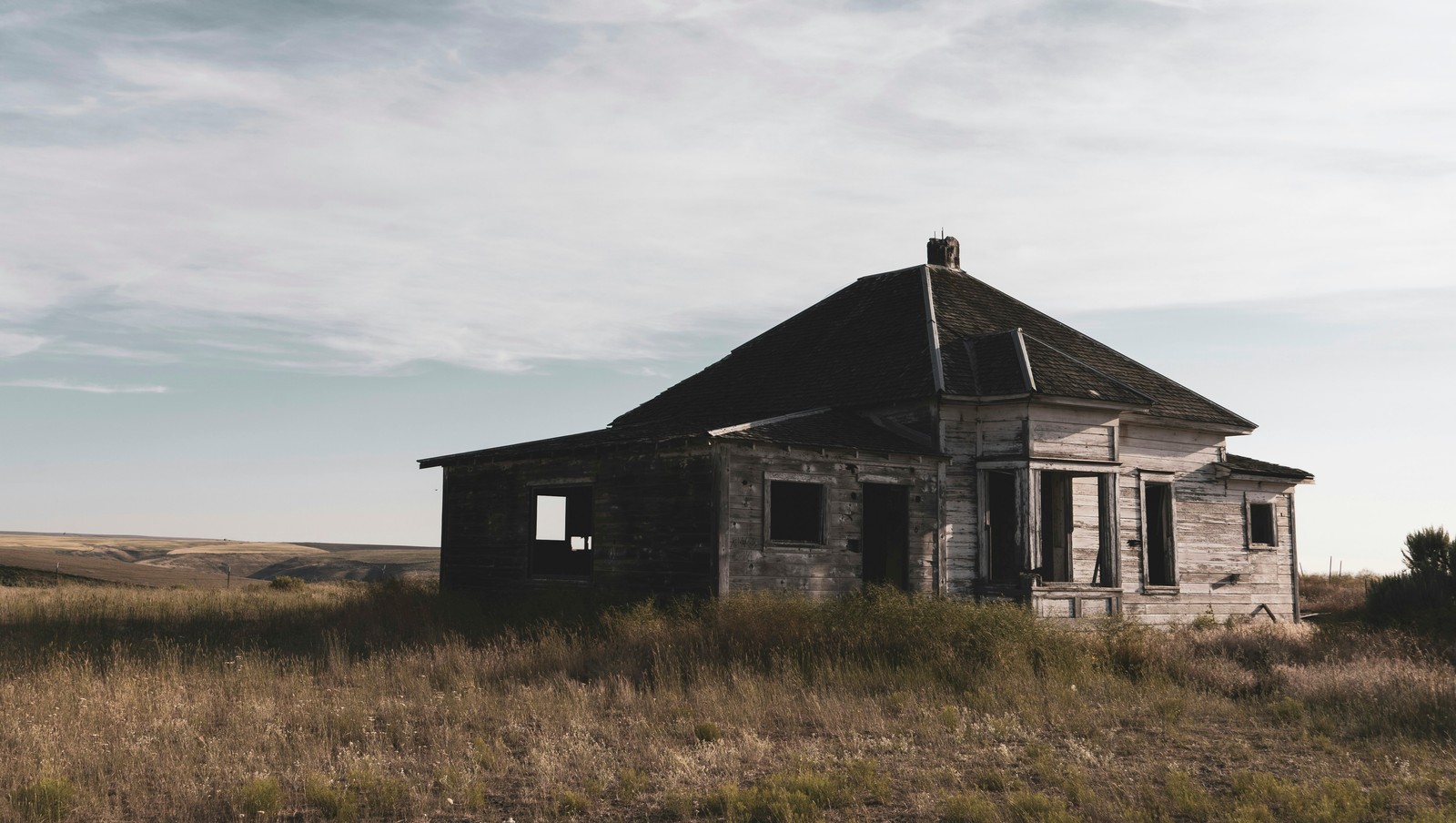
Another tempting area for children happened to be empty lots, half-built structures, and abandoned buildings . It was difficult to keep out curious and brave kids. This pastime is not entirely eradicated today, although it seems to be teenagers or young adults who engage in it.

13
Riding in cars without seatbelts

Image: Anton Luzhkovsky

For decades, families piled into cars without buckling up, simply because seatbelts weren’t standard equipment. Although basic seatbelt designs existed earlier, widespread adoption didn’t begin until the late 1950s and 1960s.

Even then, many Americans resisted using them, seeing belts as unnecessary or uncomfortable . Laws requiring seatbelt use didn’t become common until the 1980s and beyond, meaning generations of kids grew up riding freely in the back seat.

14
Playing in flooded streets after a storm

Image: Ayla Meinberg

Children once treated flooded streets like temporary playgrounds. Heavy rain expanded the available activities for a suburban child. They could splash barefoot through puddles or float makeshift boats down rushing gutters.

Over time, public health campaigns highlighted dangers such as contaminated runoff, hidden debris, electrical hazards, and traffic risks. Enough to scare modern parents!

History History 3 min read

High data

Millions, secret floors, & survivors: 10 Empire State Building stories!

Image: Kit Suman / Ofuss

The Empire State Building may be an immense structure that's hard to miss, but its history holds events, quirks, and surprising facts that most people have never heard! From lightning constantly striking it to water invading from below, let's uncover 10 things no one ever told you about this iconic American skyscraper.

1
25 times a year

Image: Johannes Plenio

Its tall, elegant steel structure is definitely captivating; no wonder thousands of photographers, painters, and filmmakers have chosen the Empire State Building as the backdrop for their work. However, that imposing height comes with something a little scary: it's estimated that the building is struck by lightning about 25 times a year! Fortunately, it was designed to handle these strikes, so it's completely safe.

2
Really fast

Image: Guilherme Cunha

There are buildings that took decades to complete. But this is not the case with the Empire State Building. In fact, this is one of the fastest skyscrapers ever built: It took only one year and 45 days to erect such an architectural masterpiece. That means it was built at a rate of an incredible 4.5 floors per week!

3
Unlikely survivor

Image: Melanie Dretvic

It was 1945 when the Empire State Building was accidentally struck by a B-25 Mitchell bomber due to the thick fog that covered NYC. A worker named Betty Lou Oliver was on the 80th floor when the plane crashed into the 79th. She was severely injured, but incredibly, she survived. Hours later, while being rescued in an elevator, the damaged cables gave way, and Betty fell 75 floors to the basement. She survived that too!

4
40 million dollars

Image: Pepi Stojanovski

A tremendous building like the Empire State couldn't be built on a shoestring budget. When it was constructed —in the midst of the Great Depression, no less— it cost about $41 million . That's a hefty sum, even today! Adjusted for inflation, that would be around $600 to $700 million in 2025. Wow!

5
Secret floor

Image: roemer overdiep

If you are afraid of heights, be prepared: the Empire State Building has two public observation decks, one on the 86th floor and another on the 102nd. But there's another one, and it's even higher! It's located on the 103rd floor, but it's not open to the public and is mostly used for VIPs or special occasions.

6
High security

Image: Pawel Czerwinski

Although an incredible 4 million people visit the building each year on average, getting in isn't easy. Many visitors say it feels like going through airport security, with X-ray machines and metal detectors everywhere. Visitors must also pass through a security checkpoint before reaching the observation decks, and the building is constantly monitored by cameras and security guards.

7
King Kong

Image: Simon Ray

We all remember the iconic scene of the imposing King Kong climbing the towering mast of the Empire State Building. And while that image lives on in our minds, there's one detail many people overlook: When the original King Kong movie premiered in 1933, the Empire State Building was less than two years old! Plus, at the time, the building still held the title of tallest in the world, making King Kong's climb even more epic.

8
Underground waterways

Image: Evgeniy Smersh

Beneath what is now NYC, there was a network of streams and rivers that flowed freely before Manhattan and other boroughs covered them. The land below the Empire State Building is no exception, and these old underground waterways still occasionally cause complications. For example, during heavy rains, water can rise and seep into the building's wind tunnels, sometimes flooding areas with up to two feet of water.

9
The original plans

Image: Jaunt and Joy

The Empire State Building was originally supposed to have a dirigible anchor! That's right; the mast at the top of the building was meant to serve as a mooring post for dirigibles, with a docking platform and a door for passengers to disembark. However, due to the extreme height, high winds, and overall potential danger, the idea was discarded. Today, the mast is used for antennas and other communications equipment.

10
Green building

Image: Chris Ladouceur

This iconic building that defines New York's skyline is considered a "green building." And no, it has nothing to do with the color of its walls; it's about something much more meaningful. The sustainability modifications that the Empire State has undergone over the years have made it one of the most energy-efficient buildings of its size, minimizing its environmental impact and earning it the title of "green building."

Explore more American facts

Choose your favorite category!

General
General

As American as apple pie—the very best America has to offer!

Culture
Culture

Delve into the astounding richness of American lore.

Geography
Geography

Hop in and explore vast and diverse American landscapes.

History
History

Discover the key moments that shaped the United States.