General General 4 min read

What were you thinking?

Appalling misconceptions: Facts about the US that many people get wrong
Image: Mick Haupt

Some people believe that the Liberty Bell cracked upon its first toll. That would speak of a very poorly built bell, don’t you think? Others believe that the Declaration of Independence was signed by all 56 delegates on the same day. Another common misconception! And can you believe that some people thought the faces on Mount Rushmore were random profiles carved naturally by some wind? Let’s look into myths about the US, ranging from understandable to appalling, and see if you fell for any of these!

1
There are 52 states in the U.S.
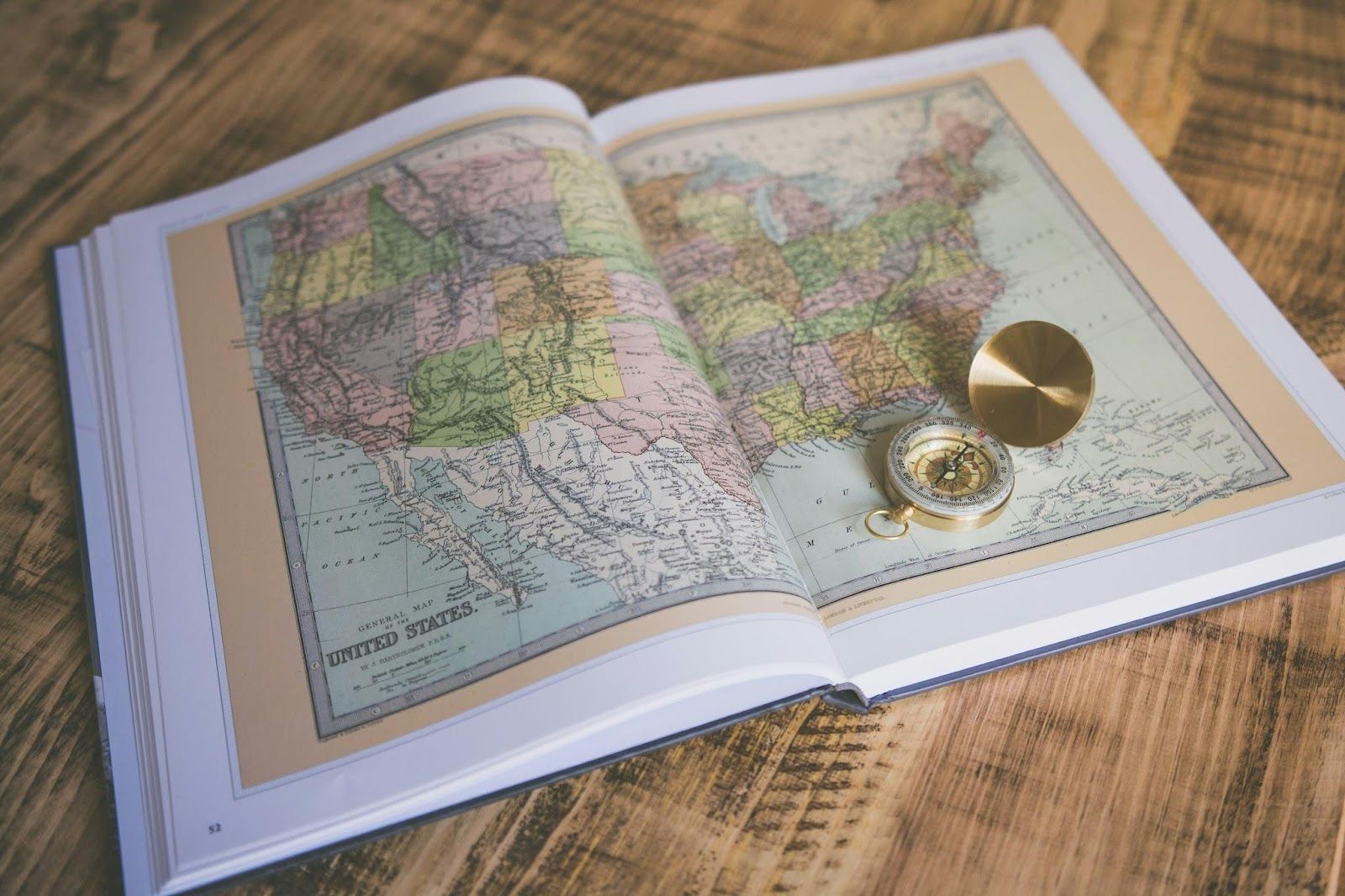
Image: Chris Lawton

Remember that Friends episode where the characters were racing to write down as many state names as they could? When they asked Joey how many he’d gotten, he leaned back and proudly announced: "Fifty-six."

While not many Americans would share Joey’s confusion, believe it or not, some people are lost about the exact number . Many, when asked, reply that the country contains 52 states! Nope, it’s still just 50. People often mistakenly include Puerto Rico and Washington, D.C. as states.

2
The Declaration of Independence was signed by everyone on July 4th, 1776
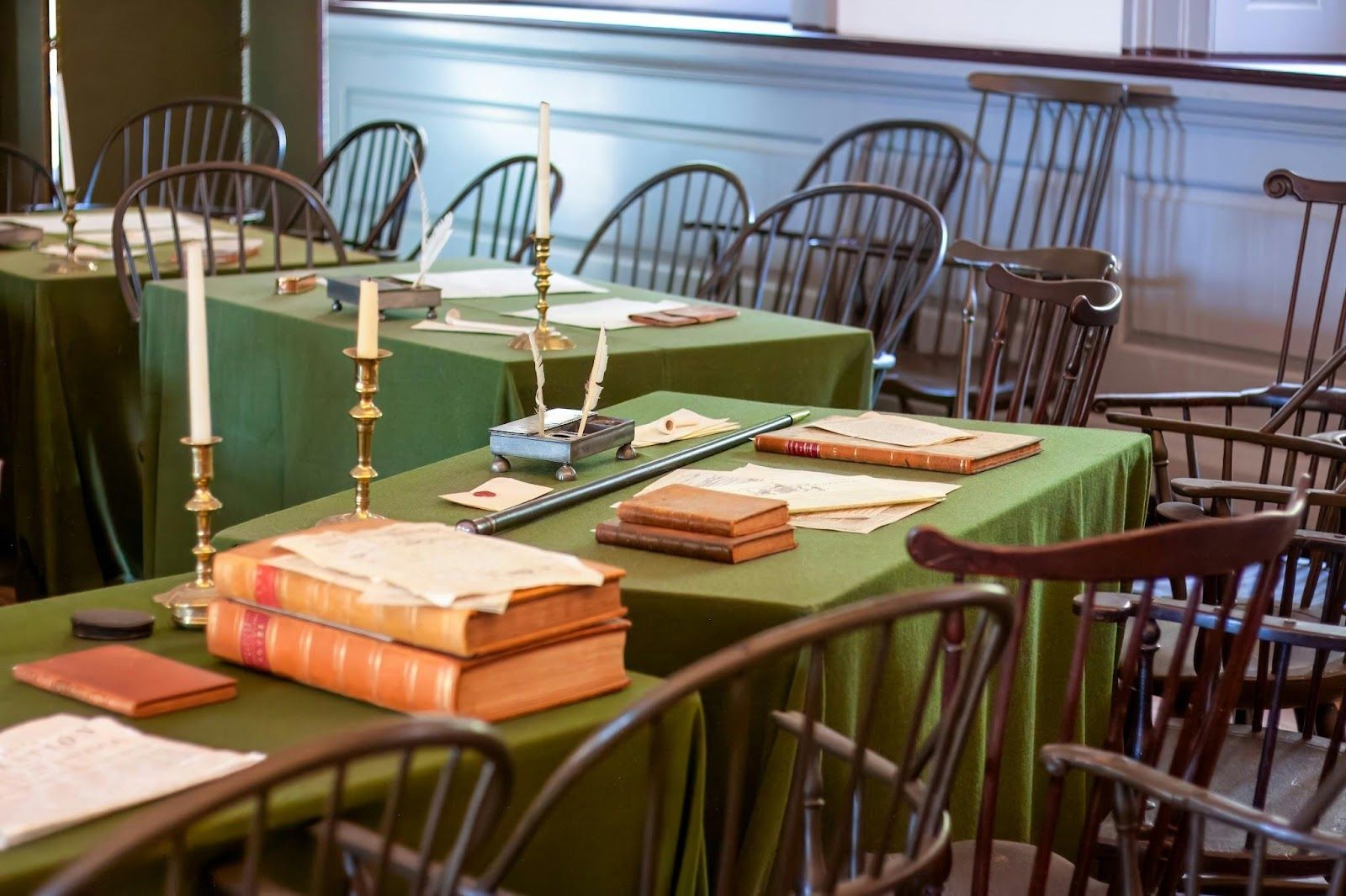
Image: Ryan Wallace

You’ve seen the paintings—quills raised, scroll unfurled, patriotic ambiance in full bloom. You probably pictured the famous document (scribbled on dramatically aged paper) being passed around the table and filled with names.

But reality was less cinematic . While July 4, 1776, is when the Declaration was adopted, only a few signatures made it on the page that day. Most of the 56 signers added their names over the course of weeks, and some not until August... or even later!

3
The Founding Fathers were all old men with powdered wigs
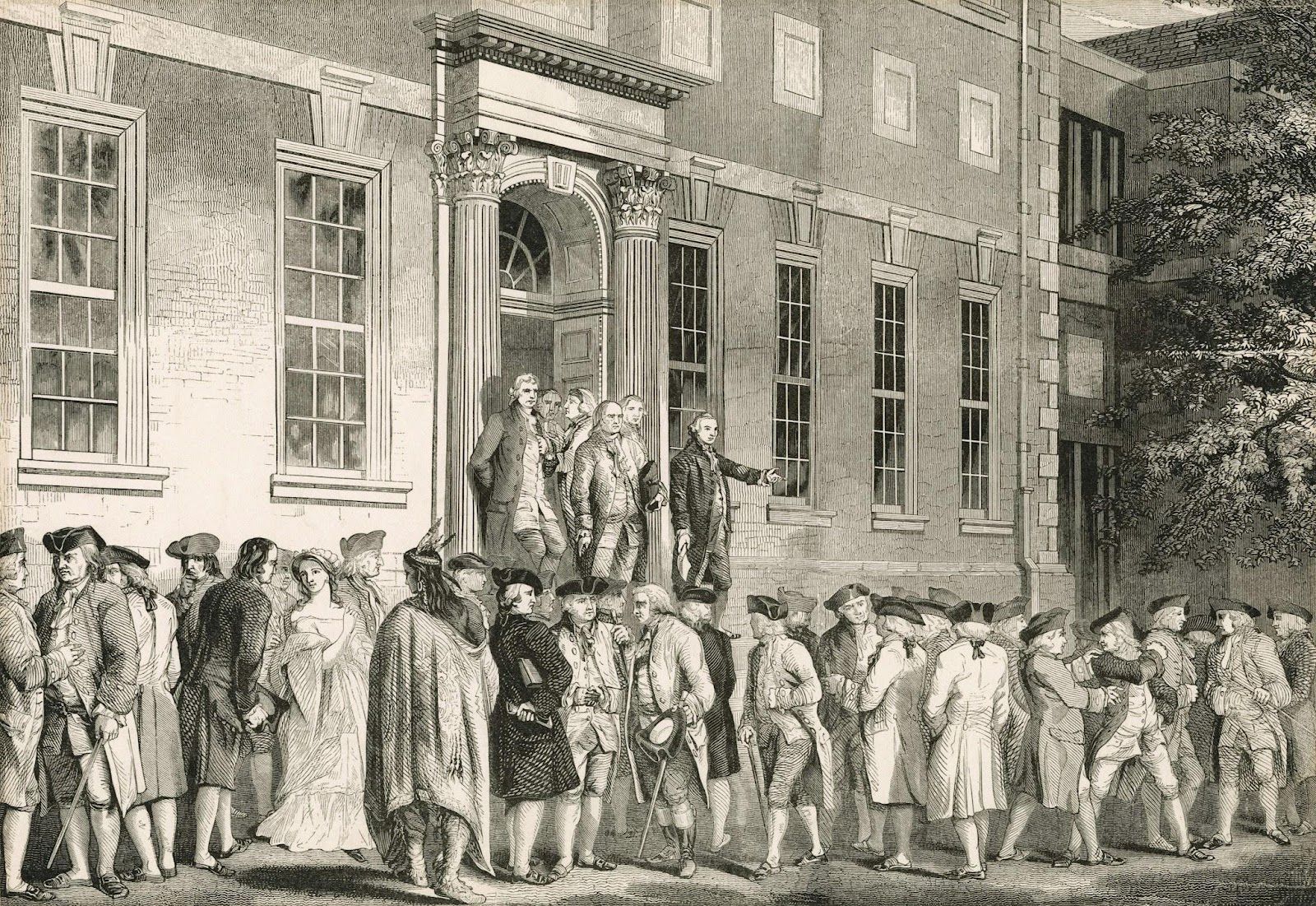
Image: The New York Public Library

You’d think the Founding Fathers were all 60-something aristocrats in wigs , sitting by candlelight. But many were in their twenties and thirties—Alexander Hamilton was just 21, and James Madison 25. Wigs weren’t as common as Hollywood would have you believe. Most preferred their natural hair, styled with a bit of 18th-century flair.

4
The U.S. Constitution was signed on July 4th, 1776
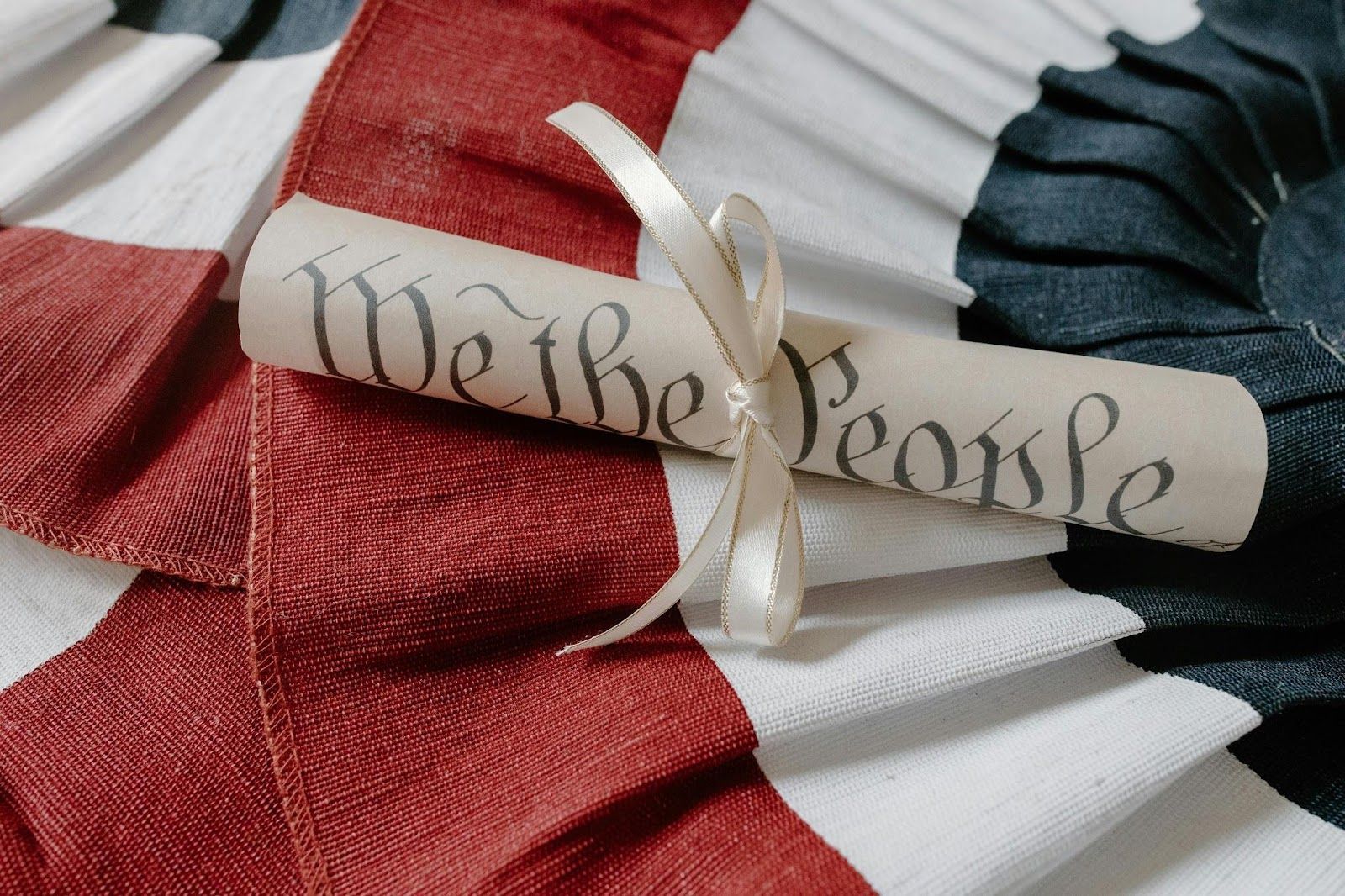
Image: Tara Winstead

It’s easy to jumble up America’s important dates , but this one’s a whopper. July 4th marks the adoption of the Declaration of Independence, not the Constitution. The Constitution came along in 1787, over a decade later, and was signed on September 17.

5
The Statue of Liberty belongs to New Jersey
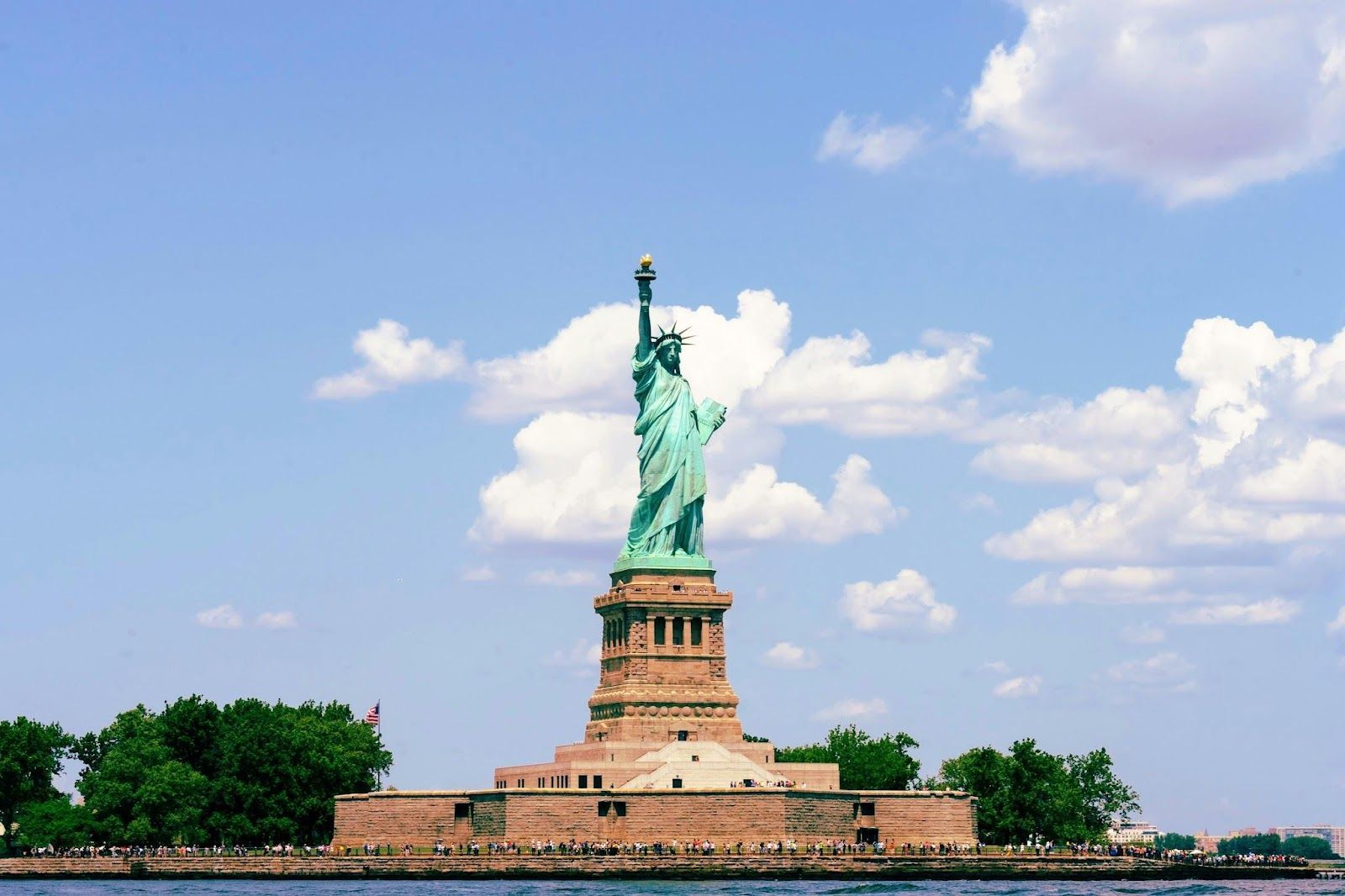
Image: Avi Werde

You’d be right to observe that Lady Liberty is surrounded by Jersey’s waters. But there’s a caveat: Liberty Island itself is federal property administered by the National Park Service. And while the island is closer to the shores of New Jersey, it remains under the sovereignty of New York State .

6
Benjamin Franklin was a U.S. president
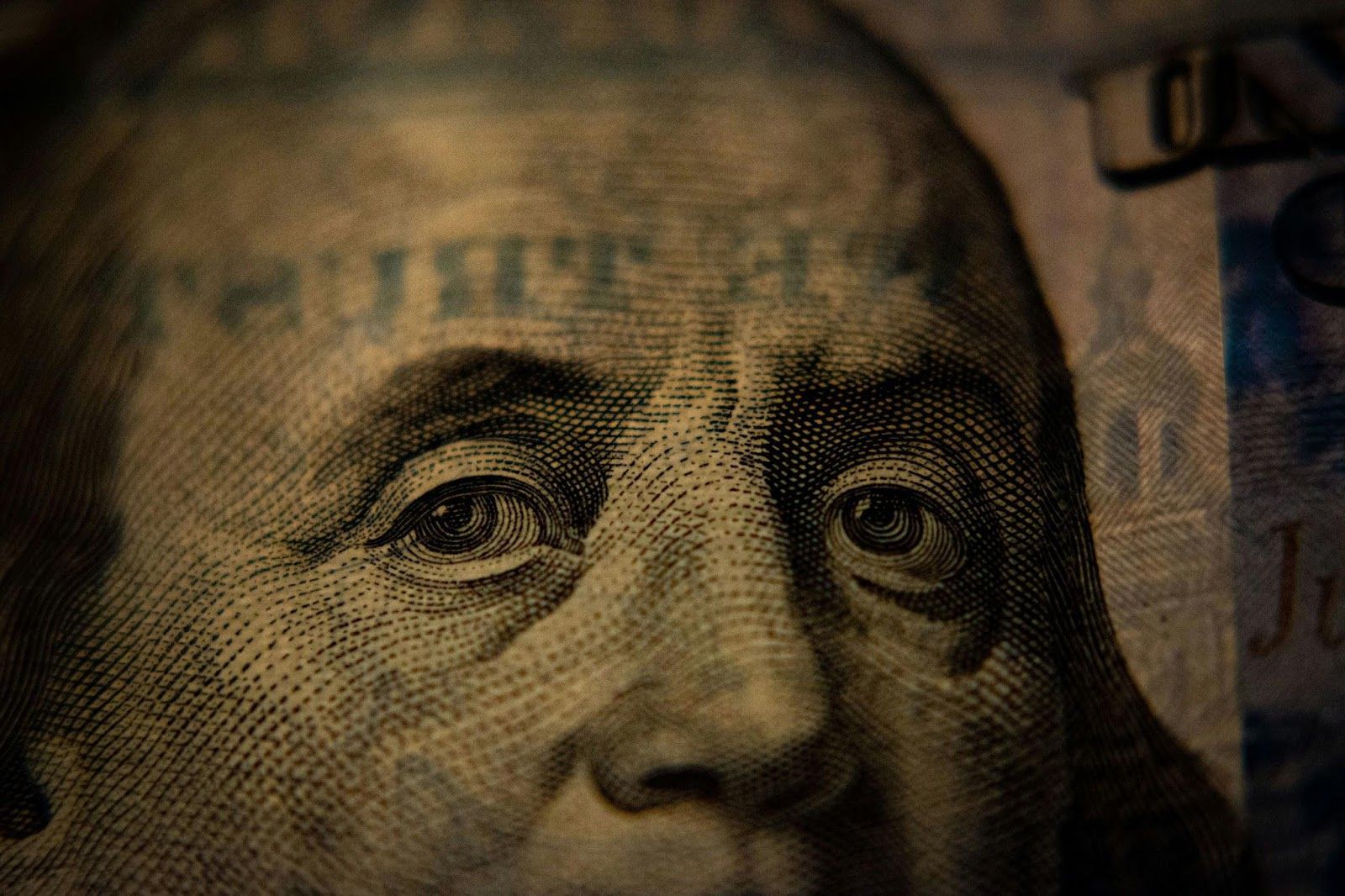
Image: Adam Nir

No! He may have earned his place on the $100 bill, but it wasn’t for being the POTUS. He will always remain, however, one of the most recognizable Founding Fathers . He flew kites in storms, and he founded institutions like it were a hobby. He was a diplomat, inventor, philosopher... basically everything but president.

7
The Liberty Bell cracked on the first ring
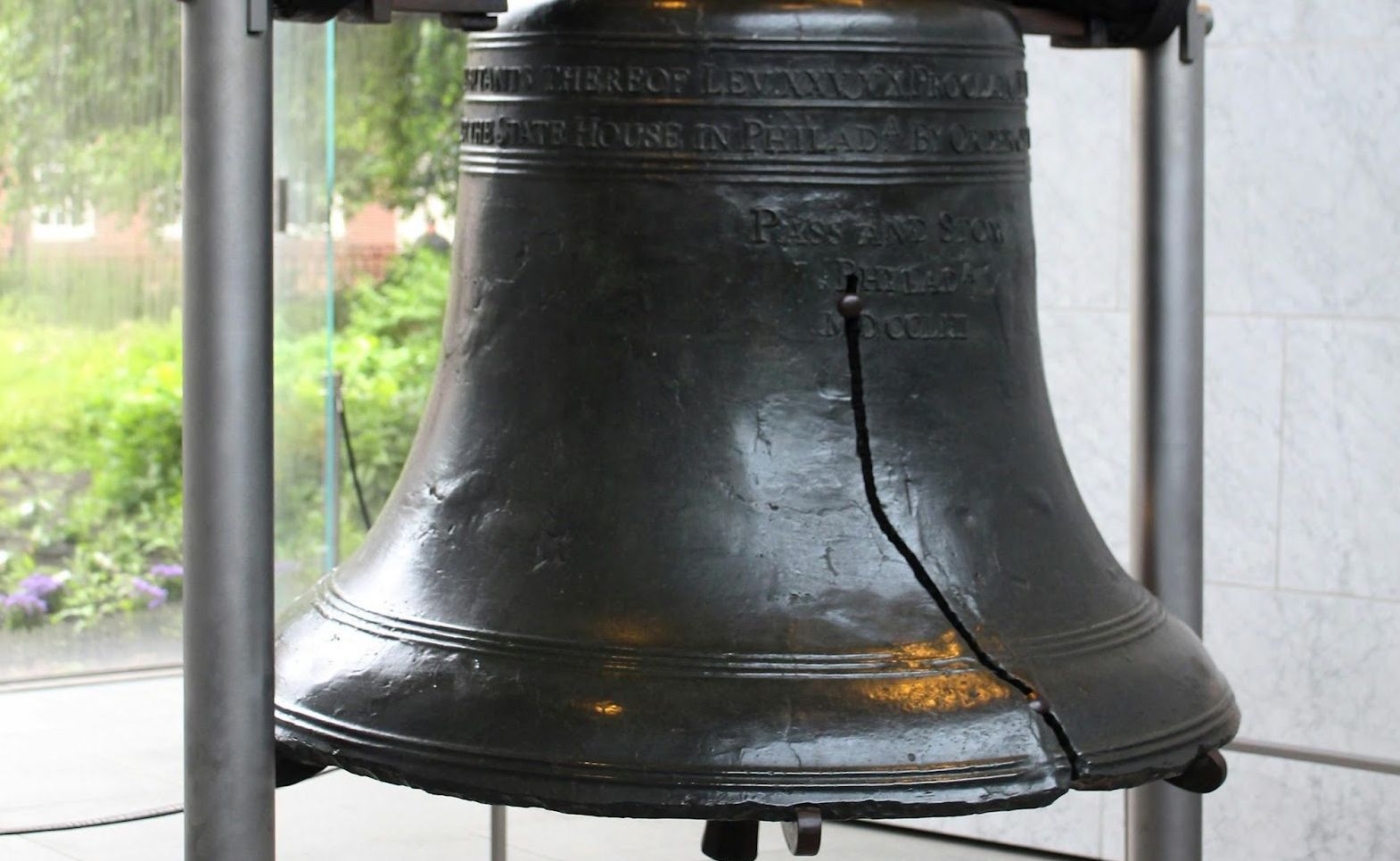
Image: Joe Richmond

Not exactly. But it sounds poetic, right? A symbol of freedom breaking as it sounded its first call. Except... not true. The Liberty Bell didn’t crack on its first ring. It cracked years after its arrival and was recast twice before the famous fracture, which likely developed in the early 1800s, during a routine toll.

8
The Grand Canyon is visible from the moon

Image: Tim Hart

The Grand Canyon is not visible from the moon. At least not to the naked human eye! Neither is the Great Wall of China, as great as it may be. In fact, no man-made structure or geological feature is visible from the moon with the naked eye.

9
Walt Disney is cryogenically frozen

Image: Steve DiMatteo

Disney was cremated in 1966, and his ashes rest at Forest Lawn Memorial Park in Glendale. No secret cryo-labs under Disneyland. Just a very enduring urban legend. But the myth persists ; some even think he's buried under Disneyland's Pirates of the Caribbean ride.

10
Hawaii is the westernmost state
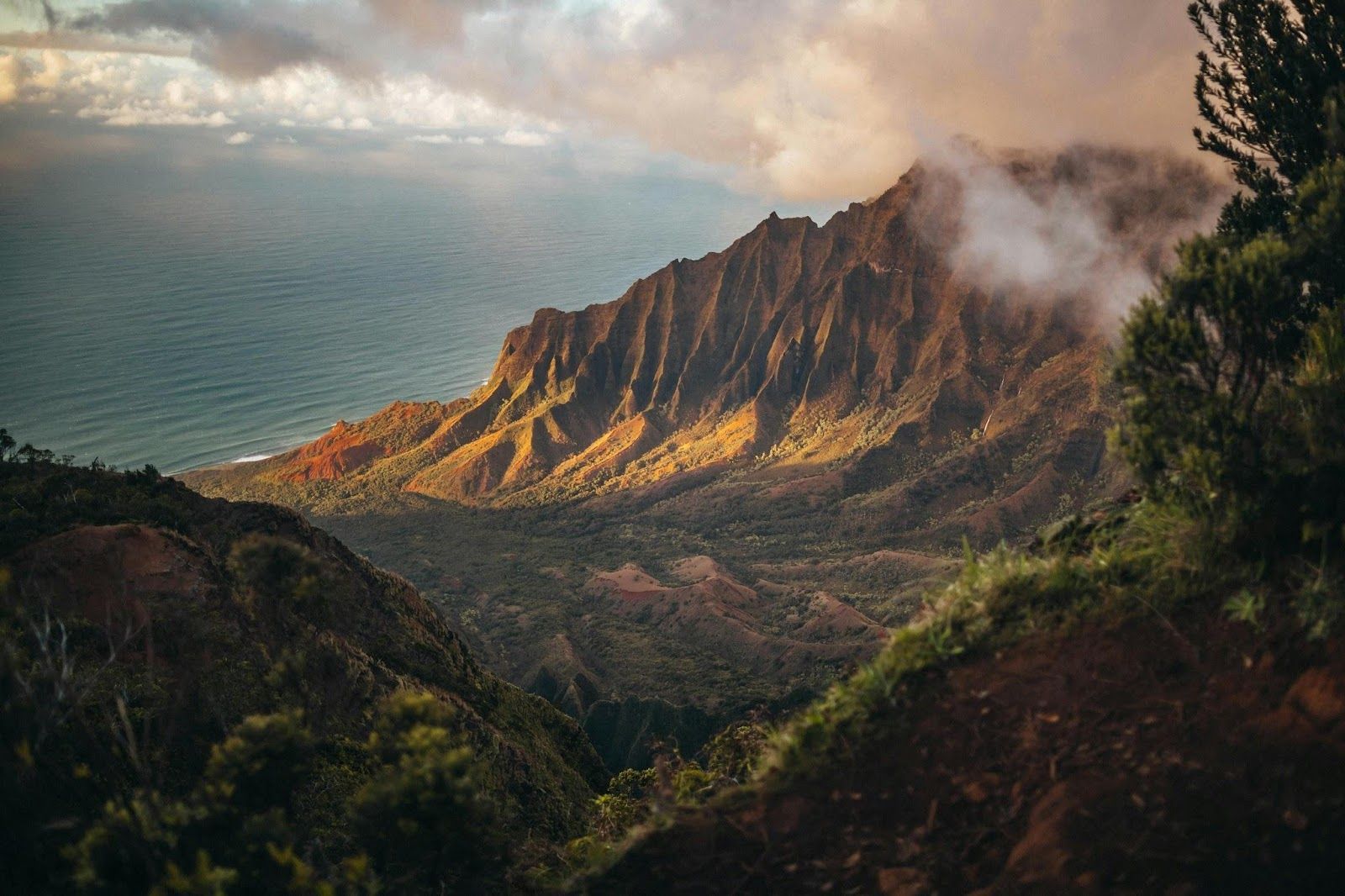
Image: Roberto Nickson

Alaska is officially considered the westernmost state, even when counting Hawaii. That’s because the Aleutian Islands stretch so far west that some cross the 180th meridian, which is the line that separates the Eastern and Western Hemispheres. And here’s the twist: since those islands wrap around the globe’s edge, they also make Alaska the easternmost state.

11
Hollywood is a city
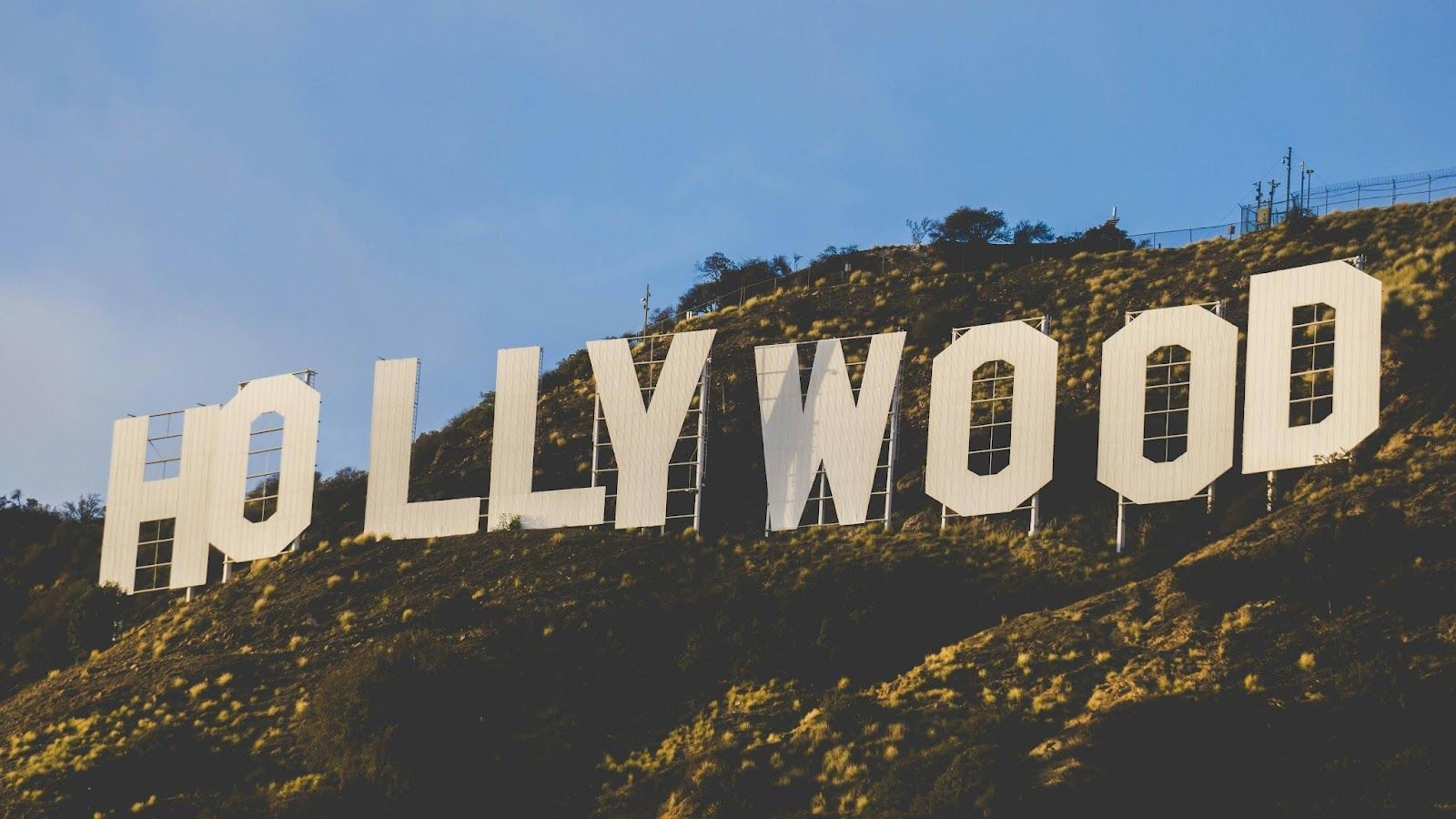
Image: De'Andre Bush

It might feel like its own world (glamorous, chaotic, full of paparazzi), but Hollywood isn’t its own standalone city. Sure, it has its own sign and red carpet events, which led people around the globe to believe it was independent from L.A., but "Tinseltown" is technically a neighborhood within Los Angeles

12
Mount Rushmore is a natural formation
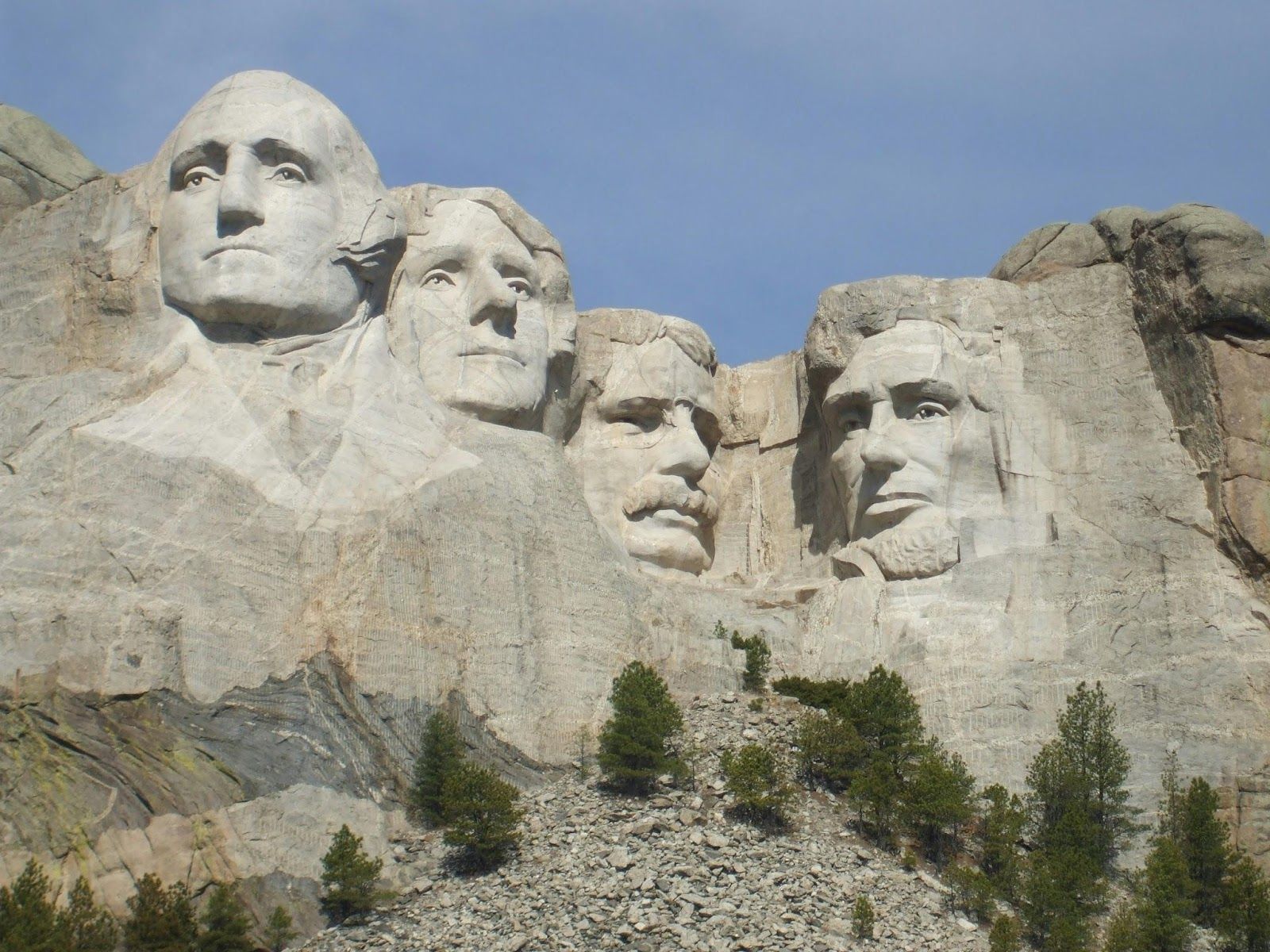
Image: VERONICA LIVESEY

Finally, the unbelievable one. Some tour guides from Mount Rushmore report that tourists have, indeed, looked them straight in the face and asked about the natural phenomenon that carved those profiles into the mountains. Nope —Gutzon Borglum and his team spent 14 years blasting the four former presidents into the rock.

Culture Culture 4 min read

FATHER OF HIS COUNTRY

Discovering the Founding Fathers: 10 Facts About George Washington

Image: Library of Congress

Born on February 22, 1732, George Washington was, undoubtedly, a key figure in the construction of our nation. He shaped the role of President of the United States, and his name is commemorated across the country in various ways: streets, lakes, buildings, a newspaper, and, of course, the capital of our country. This Founding Father has inspired all kinds of tributes to thank him for his services. In this article, we’ll go through ten facts about George Washington , the person, the president, and the legend.

1
Self-Educated

Image: Wojciech Pacześ

George Washington’s father, died when he was just 11 years of age. There isn’t much information about his childhood and most of his virtues and qualities were invented by an admirer after he passed.

However, we do know one thing: George Washington was mostly self-educated since there was little money to support formal education.

Most of his knowledge and education came from his curiosity and eagerness to learn and become a better soldier, then farmer, and, in turn, president.

2
First Official Job

Image: Matt Briney

Since he lost his father at such an early age, Washington started working very young. His first official job was as a surveyor, which was a pretty respectable job for the 18th century. His aim in this job was to measure the land.

At the age of 16, he took on an expedition across Virginia’s western frontier in order to map the land. This experience provided him with a deep understanding of the land, the resources, and the insight he would later need in his political and military career.

3
His Only Trip Off the Mainland

Image: Tom Jur

At the age of 19, George Washington accepted going on a trip to the tropics with his half-brother Lawrence who was suffering from tuberculosis.

Now, during this trip, Washington kept a diary in which he narrated his days on the ship and the island of Barbados, confessing being struck by the beauty of the place. The trip went South shortly after his arrival: On the island, he contracted smallpox, a dreaded disease during the 18th century.

Curious enough and dreadful as it was, this gave him immunity which ultimately saved him from death during the Revolutionary War, since smallpox rapidly spread across his army.

4
Agriculture Innovator

Image: Raphael Rychetsky

It is no surprise that Washington was an innovator, a forward-thinking kind of person. Besides politics and, as we learned, whiskey, he was also interested in technology.

In the 1760s, he went from growing tobacco to cultivating wheat, which revolutionized the farming practices in his estate. He experimented with crops, fertilizers, and tools to improve productivity.

He didn’t keep innovations for himself: As a president, he patented Oliver Evans’s automated mill technology, and he designed a 16-sided, two-story threshing barn that enhanced the efficiency of wheat processing.

5
Never Lived in Washington, D.C.

Image: Edoardo Cuoghi

Washington is the only president to have never lived in the White House! He, together with his family, lived in different houses along New York and Philadephia where he used to receive members of Congress, officials, and people of the sort.

The Residence Act, which moved the capital from Philadelphia to a new city along the Potomac River (later named Washington, D.C.), actually set the White House as the official presidential residence.

6
Only President To Have a State

Image: Vlad Tchompalov

Have you ever noticed that there is no Lincoln State or Jefferson State? George Washington is the only U.S. President to have a state named after him .

As a Founding Father, the first President of the United States, Hamilton, Madison, and Jefferson thought it was necessary to pay homage to his great contributions by naming a state after him.

Together with the president’s name, the state of Washington is named Columbia, after the female personification of the country.

7
First To Sign The Consitution

Image: Anthony Garand

George Washington is a Founding Father, and we all know that. As such, he was deeply involved in the writing of the Articles of Confederation, the first frame of government.

He suggested changes and his voice was regarded in the highest esteem by his fellow countrymen. In this sense, he was chosen president of the Constitutional Convention which took four months and gave, as a result, the Constitution of the United States. In his role as president, Washington was given the privilege of signing the governing document first .

8
He Was a Natural Entertainer

Image: Adam Nemeroff

When you look at pictures of Washington, you may think he was unapproachable, stiff, and serious, but history tells us otherwise.

According to many accounts, he actually loved entertaining and welcoming guests, and having company. Parties, cotillions, balls, these kinds of events were a perfect opportunity to combine entertainment and dancing, which he also enjoyed. Did you know this?

9
Post-retirement Hobby

Image: Thomas Park

Of course, they are considered national heroes, but the Founding Fathers were people with diverse interests and pursuits. George Washington was not the exception and, after he retired he took up a most interesting hobby: whiskey.

Once he ended his life in politics, he built up a whiskey distillery where he created whiskey from rye, corn, and barley. Even if it began as a hobby, the distiller became one of the most productive in the nation and, by the time he died, it remained as one of the largest.

10
One-Dolar Bill Face

Image: Marek Studzinski

Washington’s portrait on the one-dollar bill was inspired by a painting created by Gilbert Stuart. Back in 1795, Stuart painted Washington, but this piece of work comes with a few curious facts.

The first one is that the work is known only from copies. The second is that the painting was so successful that Washington’s wife commissioned a second portrait for herself. However, the painter never finished the first commission and kept it as a reference for future work.

That incomplete painting, known as the "Athenaeum," served as the reference for creating the portrait on the dollar bill.

History History 3 min read

Got mail?

Did you know these 12 facts about the evolution of mail delivery?

Image: Wolfgang Vrede

We take many things for granted, especially when they have been around forever. Their stability is reassuring and commanding. But everything has to start somewhere, and mail delivery certainly has had an interesting history in America. From humble tavern-based post offices to airplanes and ZIP codes, the postal service has a few stories to share. Did you know about these 12?

1
The first post office? A Boston tavern

Image: Mick Haupt

In 1639, the first organized mail service in British North America started at Richard Fairbank’s tavern . The owner collected and distributed mail brought by ship.

Although informal and modest by today’s standards, this post office laid the foundation for communal mail collection and delivery.

2
Enter Benjamin Franklin

Image: Brett Wharton

From 1753, Franklin served as joint Postmaster General for the colonies and undertook a sweeping reform: he organized delivery routes, aligned them with major roads and rivers, and cut the mail travel time between Philadelphia and New York to about 33 hours .

He also introduced the first rate chart, standardizing delivery costs based on weight and distance, turning what had been a scattered courier network into a more reliable, structured mail system.

3
National Postal System founded

Image: David Trinks

With the American Revolution underway, the Second Continental Congress established the first national postal agency in 1775 , appointing Benjamin Franklin as the first Postmaster General.

This new postal service initially handled mostly military and diplomatic correspondence, but the agency laid the groundwork for what would become a national communications service.

4
The Age of Steam: mail by steamboat

Image: mandylin

In 1813, Congress authorized the Postmaster General to contract steamboat companies to carry mail. Soon, steamboats were ferrying mail up and down the East Coast and the Mississippi River .

By 1848, mail even traveled to California via steamship and across the Isthmus of Panama, a three-week voyage.

5
Overland stagecoaches and the Butterfield Overland Mail

Image: Ricky BiggsSr

Between 1858 and 1861, the Butterfield Overland Mail stagecoach service carried U.S. mail across the western frontier, from eastern posts like Memphis and St. Louis to San Francisco .

This service helped connect the eastern U.S. with rapidly growing western settlements long before the completion of the transcontinental railroad.

6
Railroads enter the picture

Image: Jay Kettle-Williams

As railroads expanded, the postal service started to use this new technology: in 1832, the first mail deliveries by train were made.

Rail transport vastly improved speed and reliability compared to horse and stagecoach travel , and became a key advance as mail traffic increased and the nation expanded westward.

7
First U.S. postage stamps

Image: The New York Public Library

In 1847, the first official U.S. postage stamps were issued: a 5-cent stamp featuring none Ben Franklin and a 10-cent stamp featuring George Washington .

Prepaid stamps simplified payment and collection of postage, removing complications from pay-on-delivery systems and helping the postal system function more efficiently.

8
The Pony Express

Image: The New York Public Library

In 1860, the Pony Express started its overland mail route between Missouri and California, nearly 1800 miles of relay horseback riding . The mail took 10 days between endpoints.

Although short-lived (it ended in 1861), the Pony Express demonstrated the demand for rapid cross-country communication.

9
City-wide home delivery

Image: Lesli Whitecotton

In 1863, free city mail delivery began , allowing residents in major cities to receive letters directly at their homes rather than picking them up at a post office.

This represented a major shift: mail became a part of everyday domestic life, not just something dropped off and picked up by hand.

10
Pneumatic tube mail in NYC

Image: The New York Public Library

In 1897, a pneumatic-tube mail system began operation in New York City. Mail could travel underground at high speeds, from the General Post Office to other offices in Manhattan within minutes .

At its peak, the system carried thousands of letters daily: at one point, nearly 30% of New York City mail went through this immense underground network.

11
Parcel post service launches

Image: Olivier Rouge

On New Year’s Day 1913, the U.S. Post Office inaugurated the first official parcel post service , allowing packages, not just letters, to be sent through the mail.

The impact was immediate: within the first five days, millions of packets passed through post offices, fueling mail-order business and expanding commerce everywhere.

12
First airmail route

Image: Qihao Wang

In 1918, the postal service launched the first regularly scheduled air mail route between Washington, D.C., and New York , marking the beginning of mail carried by airplane.

Airplane mail allowed far faster coast-to-coast and long-distance communication, a major leap from sailboats, stagecoaches, or railroads.

Explore more American facts

Choose your favorite category!

General
General

As American as apple pie—the very best America has to offer!

Culture
Culture

Delve into the astounding richness of American lore.

Geography
Geography

Hop in and explore vast and diverse American landscapes.

History
History

Discover the key moments that shaped the United States.