General General 5 min read

National wildlife

Animals made in the USA: Did you know these 10 incredible creatures?
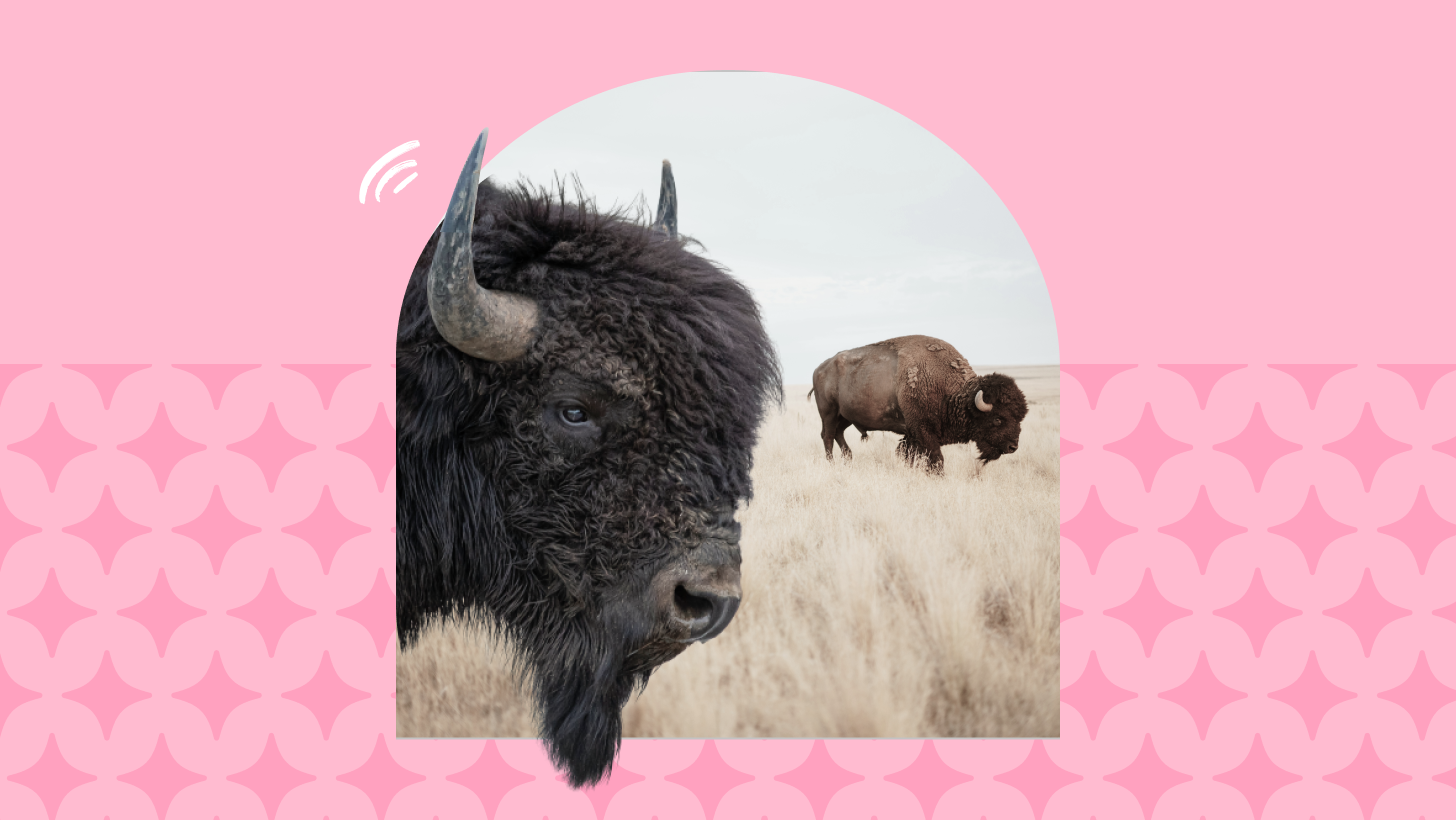
Image: Mathew Schwartz

It should go without saying that we are not the only inhabitants of this wonderful country of ours. "America the Beautiful" is also home to an amazing variety of wildlife. Our fauna is as fascinating as it is beautiful, ranging from the majestic bird chosen as our national symbol to the large ground squirrels believed to have the ability to predict the weather. In that regard, we have selected 10 of the most iconic animals that can be found across all corners of our country. Enjoy!

1
Bison
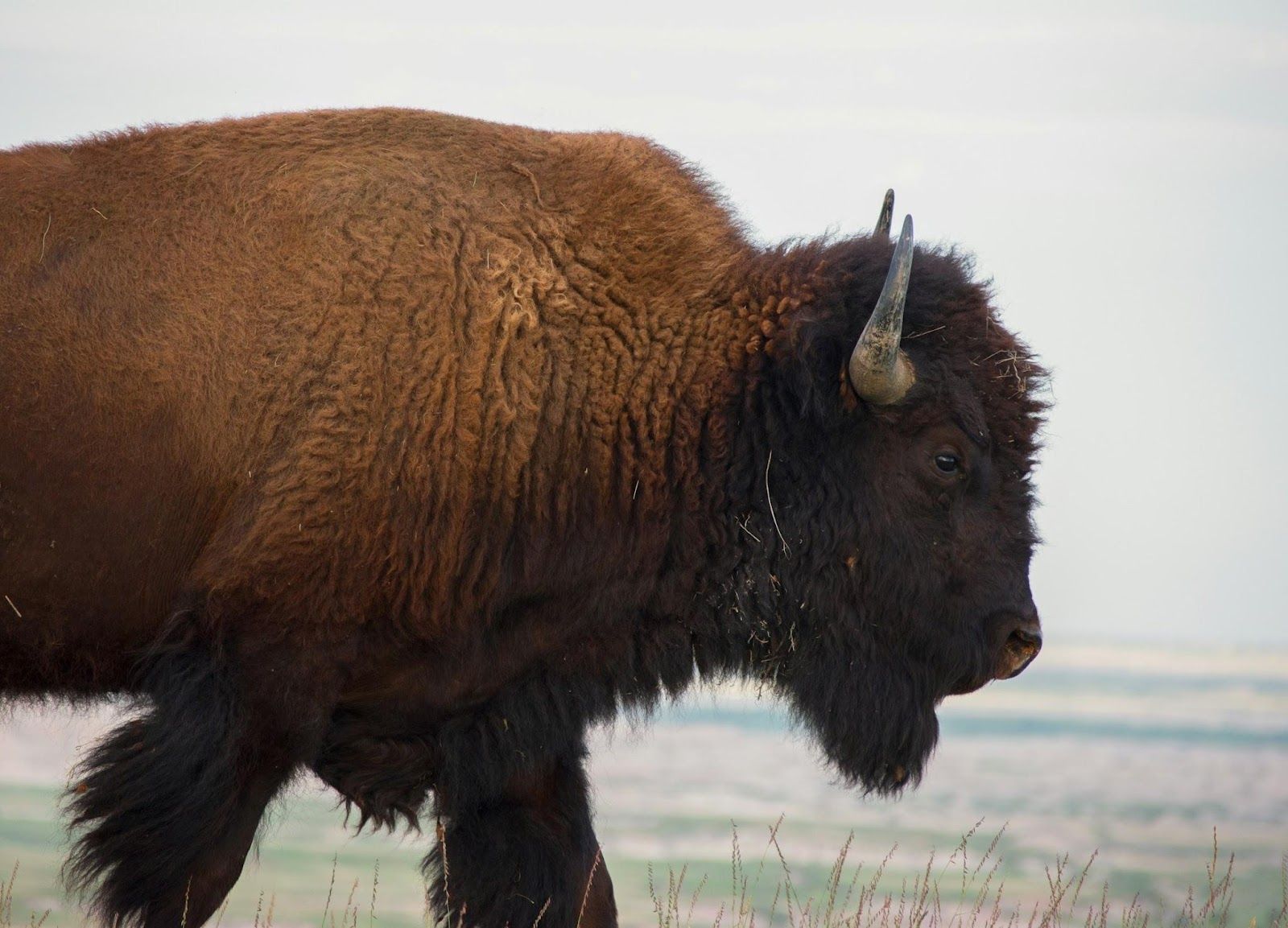
Image: Alex Moliski

We’ll begin with the national mammal of the United States. Actually, that might be a bit reductive: the bison is not just a national symbol, but it has also been chosen as representative by a plethora of institutions, including the U.S. Department of the Interior, the University of Colorado, and several Great Plains states.

Since the end of the 19th century, indiscriminate hunting made the bison an extremely endangered species: By 1884, only 325 bison remained in the country. Luckily, thanks to the hard work of several conservation agencies, that number has gradually increased over the years, reaching a population of 500,000 bison by 2017.

2
Prairie dog
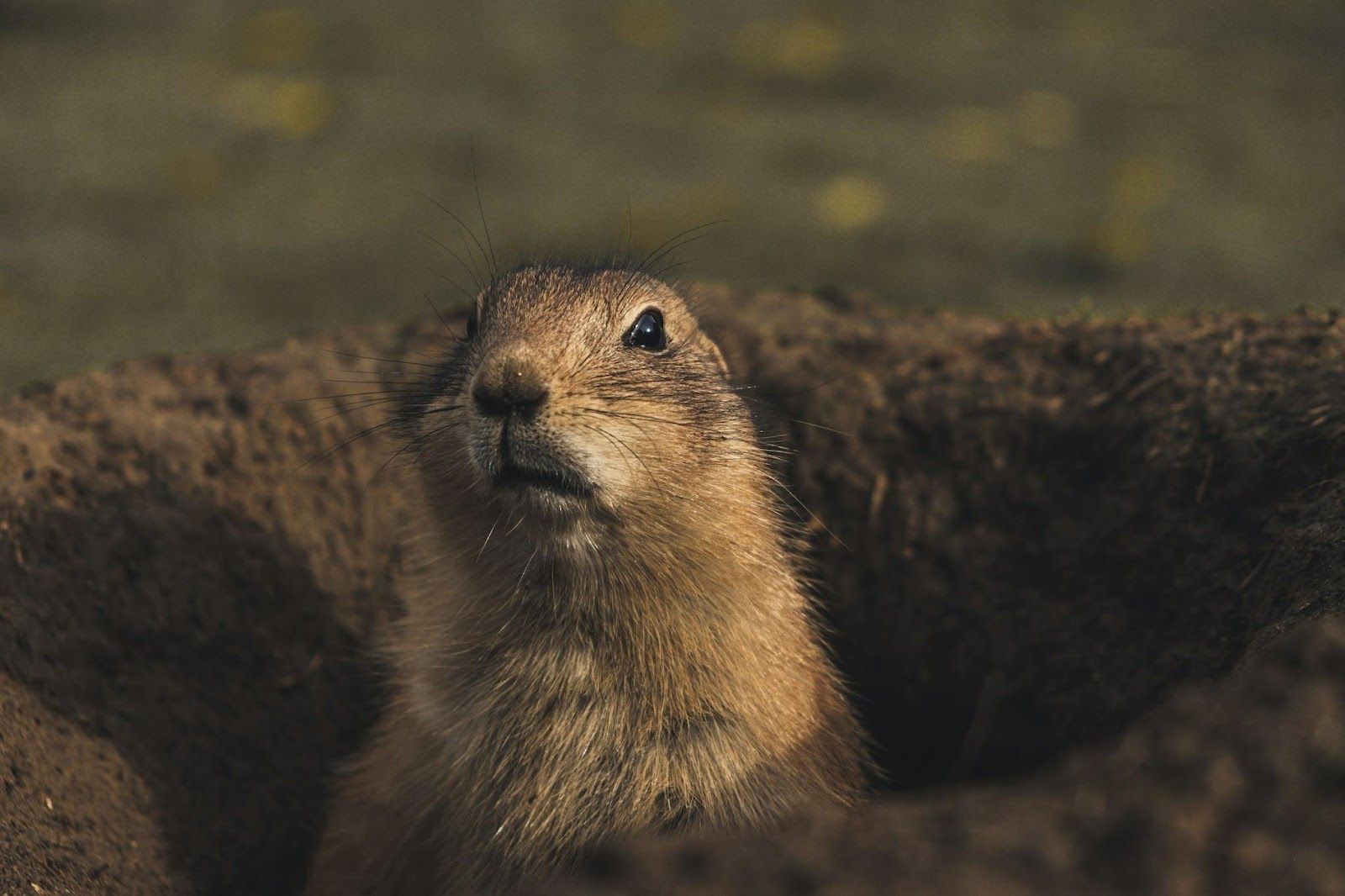
Image: Moritz Kindler

Here’s a question for any biologist reading this article: Why, pray tell, are prairie dogs not called "prairie squirrels"? While these mammals possess little to no dog-like features, they are definitely a close relative of squirrels. In fact, they belong to the same family. Food for thought, right?

In any case, prairie dogs are proof that an animal doesn’t have to be big to be important. All five species are considered keystone species to their environments, as their burrowing and mound-building help renew and revitalize the soil of their habitats. Not only that, they are extremely important components of the food chain, since they provide sustenance to many predators.

3
Alligator
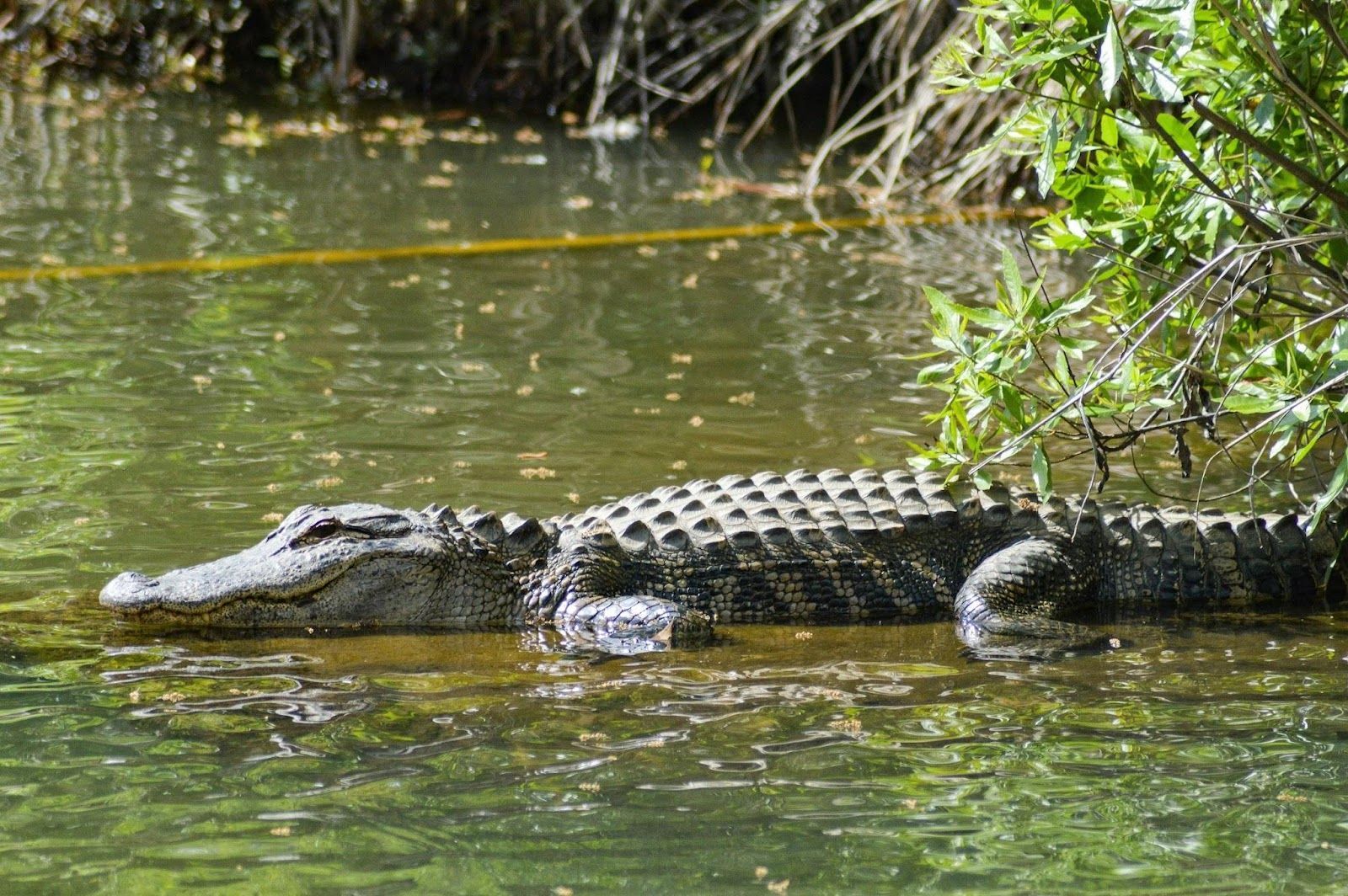
Image: Matthew Essman

From the warm weather of the American South comes the only reptile on this list. Alligators are truly fascinating creatures: not only do they date back to the age of dinosaurs, but they can also only be found in 2 countries in the entire world—China and, of course, the United States.

While they are certainly deadly predators, don’t let their ferocity fool you: they rarely attack humans, and only when disturbed. Moreover, alligators are key species in maintaining their habitats, not just through population control, but also by encouraging plant diversity through the construction of alligator holes.

4
Grizzly bear
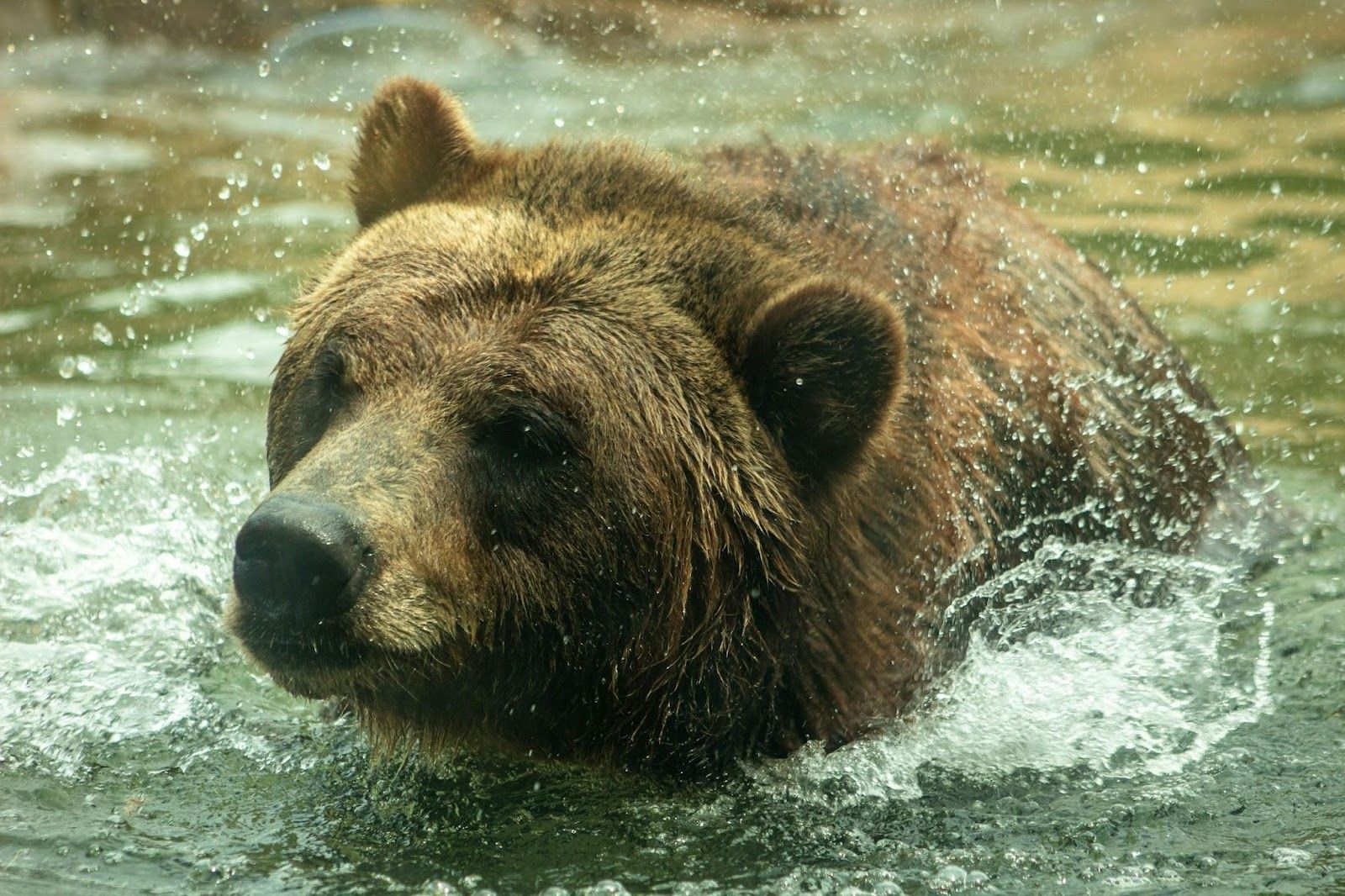
Image: Joshua J. Cotten

Anyone who has looked at a picture of a bear has probably thought in disbelief, "How can something that looks this adorable be so dangerous?" While this philosophical conundrum might be the reason that Teddy bears are so popular, the truth is that the grizzly bear is a perfect representative of the duality found in most of these large mammals: a combination of extreme cuteness with dangerous ferocity.

In that sense, we only need to take a look at the etymology of the grizzly bear to find the feral nature of this seemingly adorable creature. When Lewis and Clark first encountered these bears, they recorded their name as "grisley," which many believe comes from a Middle English word for "gruesome."

5
Gray wolf
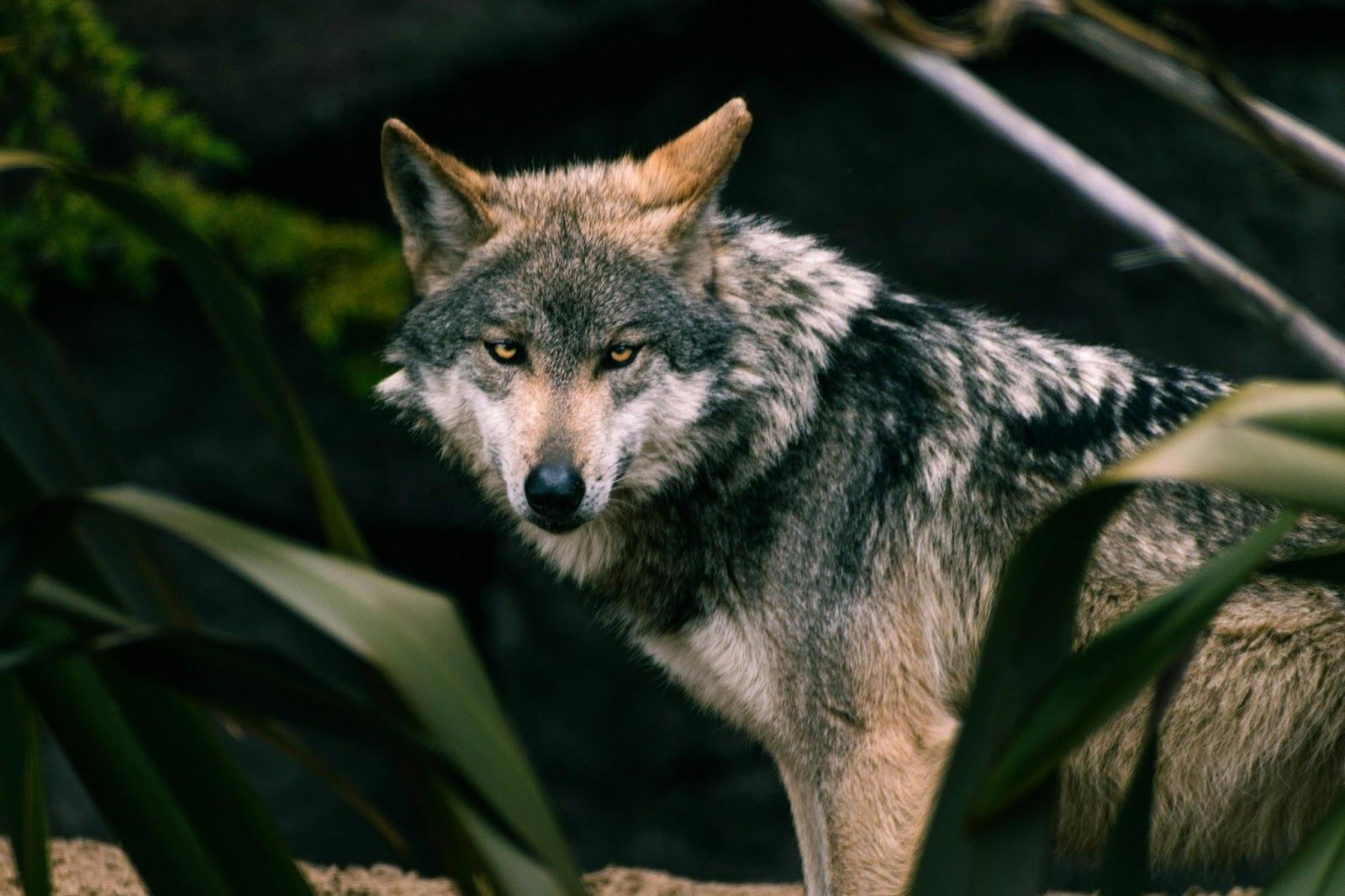
Image: Anthony Sebbo

Many biologists consider the gray wolf the unsung hero of American wildlife. This majestic hunter is a keystone species in Yellowstone National Park, helping to maintain the elk and deer populations. And while it has notably appeared in many blankets and t-shirts, the gray wolf, sadly, has not been recognized as any state’s official mammal.

Originally, grey wolves’ range covered approximately two-thirds of America, but they can currently be found in the northern part of the country. Most notably, Alaska houses the largest wolf population in the country, with a number between 7,000 and 11,000 wolves roaming the state.

6
Turkey
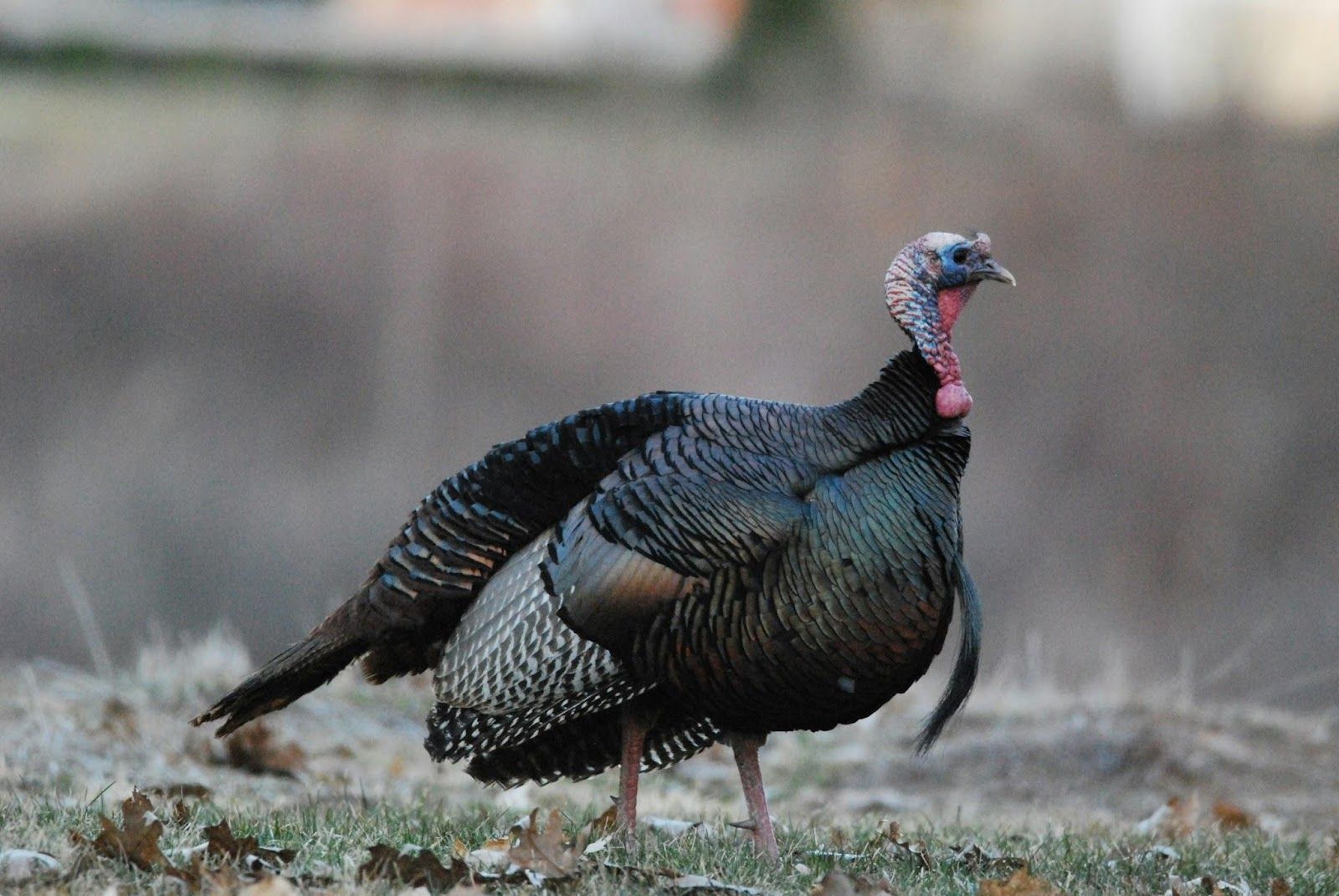
Image: Tyler Jamieson Moulton

There’s an urban legend that states that Benjamin Franklin proposed the turkey to be our national symbol. If the stories are true, there might very well be a universe in which this odd-looking bird represents Americans everywhere. And although we’ll take the bald eagle as a symbol any day of the week, there’s something to be said about the nobility of this game bird.

Unlike their domesticated counterparts, wild turkeys are more adept at flying. Although we may never see a majestic turkey soar through the skies, they are able to fly short distances of up to a quarter mile. What’s perhaps most impressive about these birds is their wide range of vocalizations, which may sound like a simple "gobble, gobble" to us, but convey numerous meanings to other turkeys.

7
Groundhog
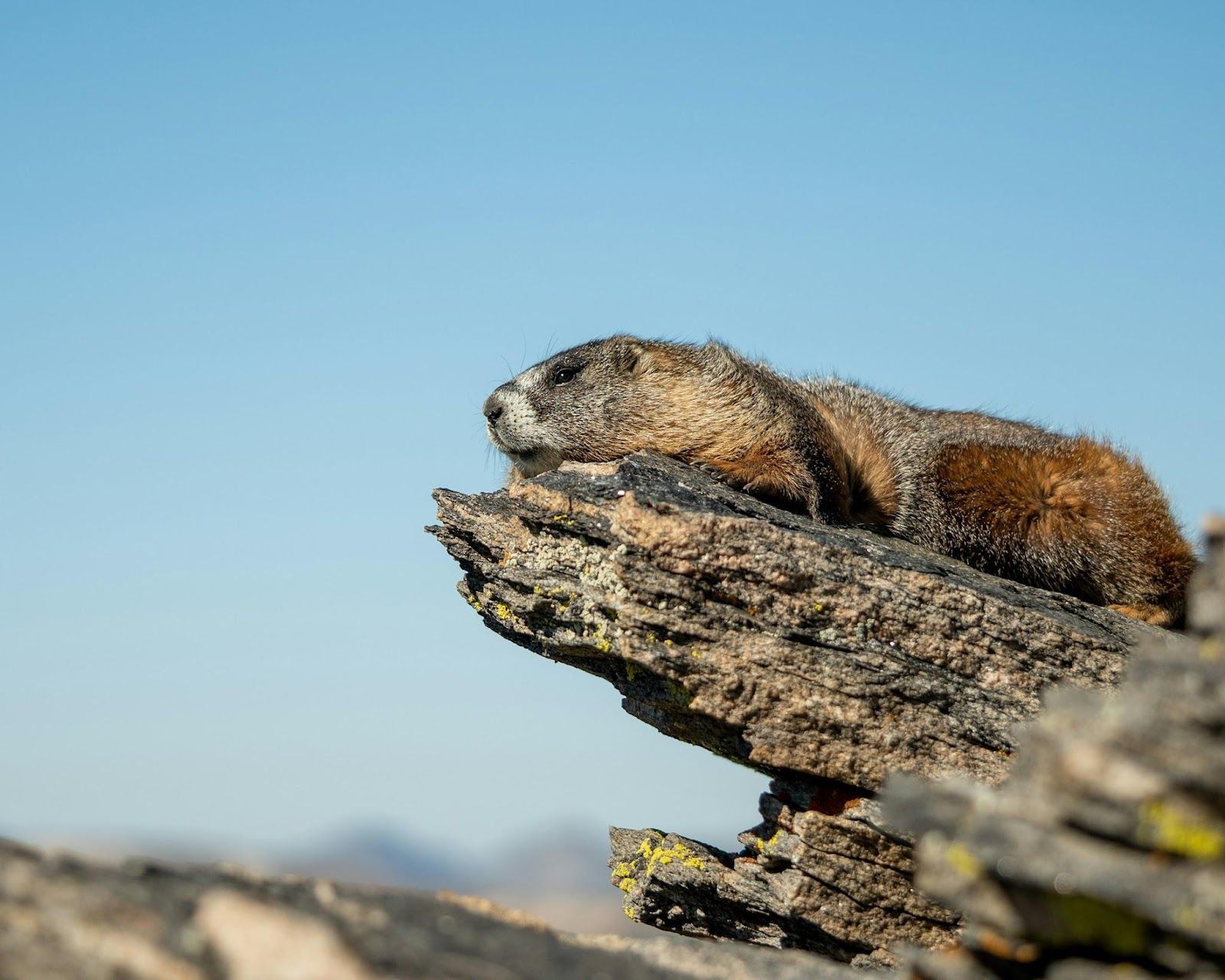
Image: Andy Sanchez

Sure, Beverly Hills might be the home of Hollywood’s royalty, but the borough of Punxsutawney, Pennsylvania, is home to one of America’s most famous stars. Since 1887, a groundhog by the name of Phil (Punxsutawney Phil, to be exact) has been the key figure in the town’s most famous tradition: "Groundhog Day," a celebration in which Phil predicts when will winter end.

While Punxsutawney Phil is perhaps America’s most famous groundhog, the truth is that these quirky rodents are one of America’s most recognizable animals. Interestingly, groundhogs are also known as "woodchucks," which is a rather baffling name, since these creatures are not known for chucking wood of any kind.

8
Florida panther
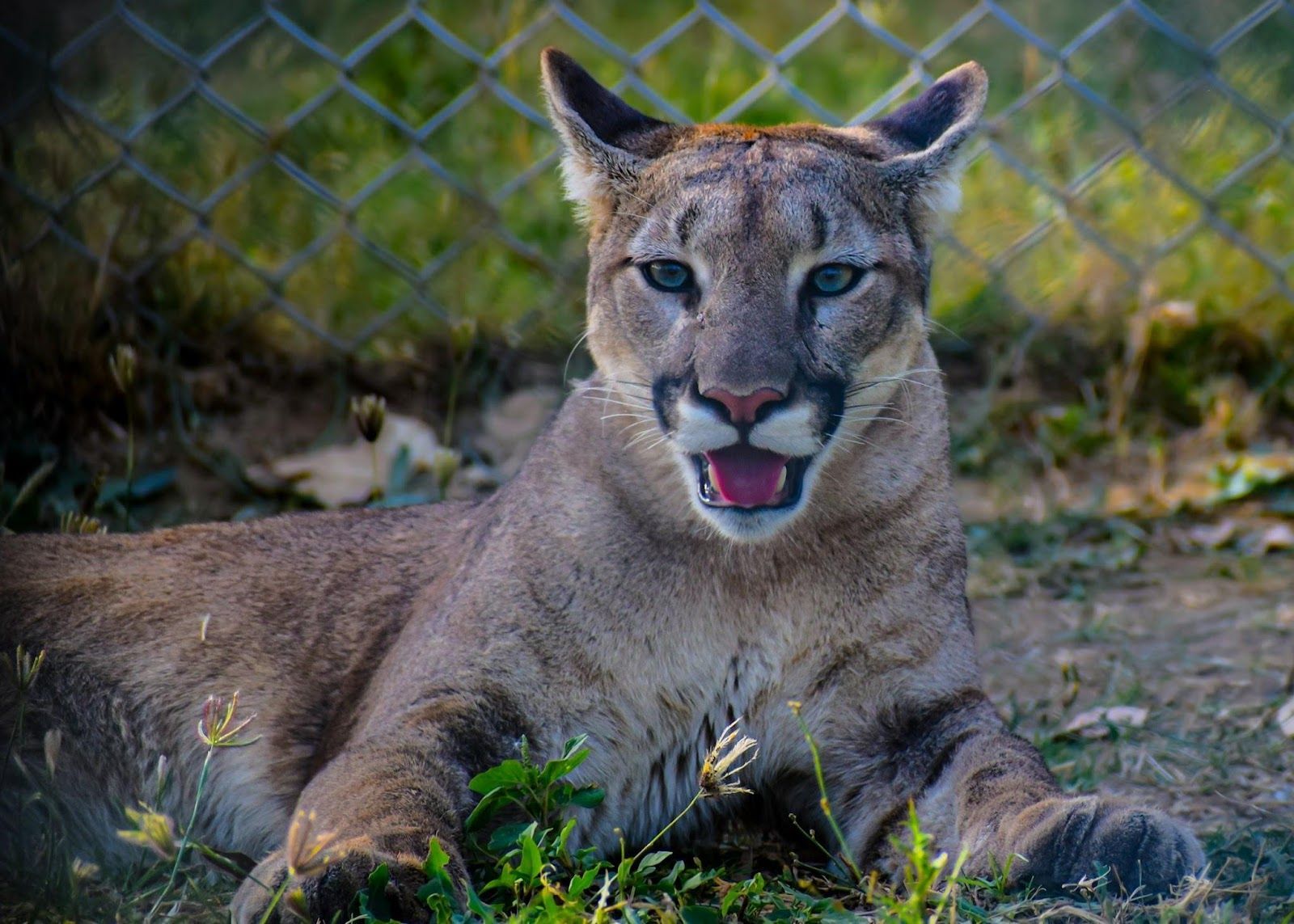
Image: Maheera Kulsoom

The alligator might be Florida’s most famous animal, but this large cat shouldn’t be overlooked. The Florida panther is the only cougar species living in the Eastern United States, with a worrying 200 individuals currently living in the Sunshine State.

This majestic cougar is a source of pride for many Floridians, and numerous conservation campaigns have been launched over the years to help protect its habitat. The Florida panther was named the state’s official animal in 1982, as well as being the namesake of the South Florida ice hockey team.

9
Roadrunner
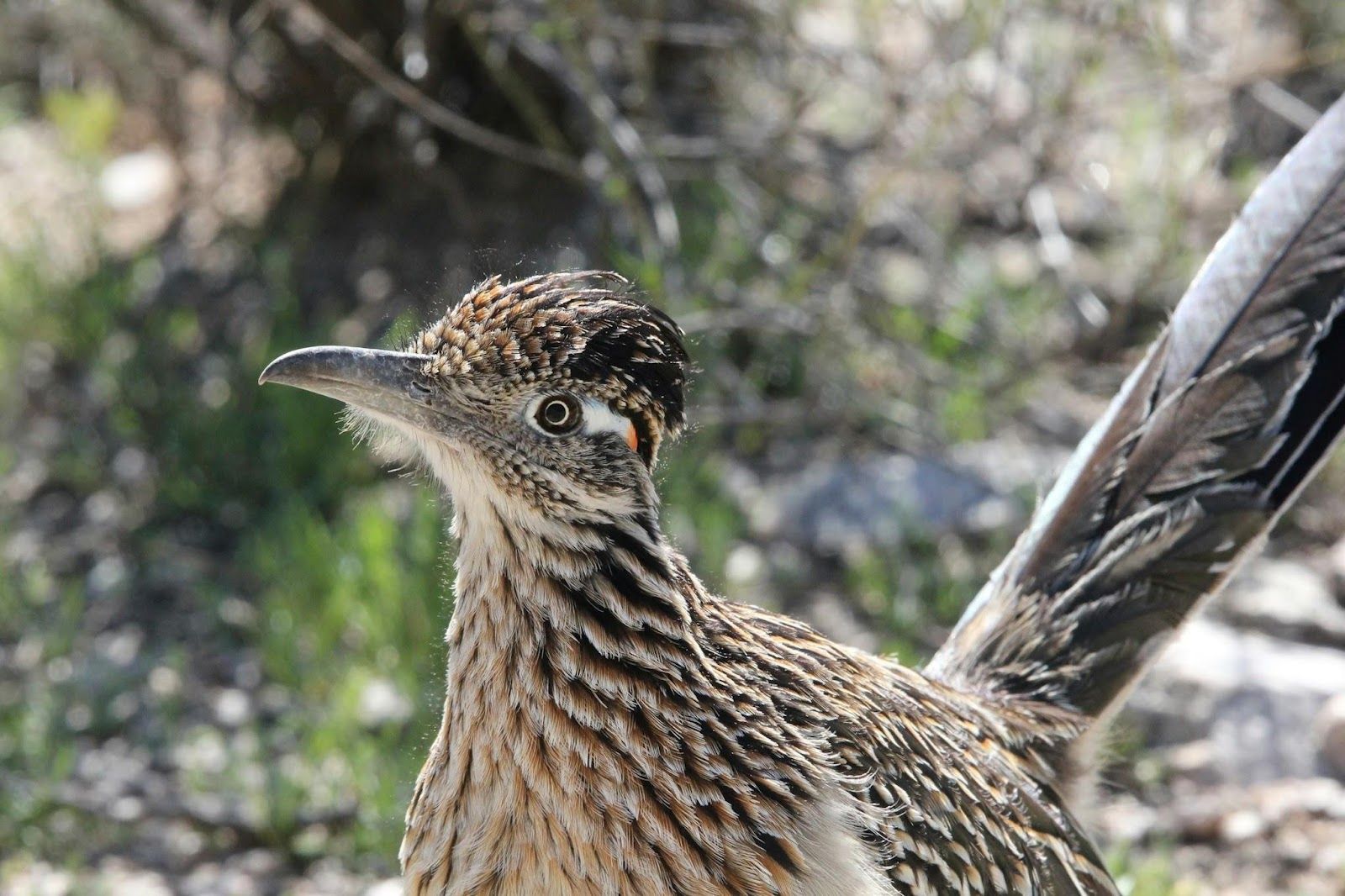
Image: Anish Lakkapragada

Isn’t it strange not to see a coyote included in the title of this entry? We feel bad about separating this iconic pair, but we are sure you’ll agree that the roadrunner is an amazing bird in its own right, even becoming New Mexico’s official state bird in 1949.

Warner Bros. cartoons quickly capitalized on this bird’s most remarkable feature: its running speed. Roadrunners can reach speeds of up to 20 mph, which comes in great help for hunting and running away from predators (like a certain coyote).

10
Bald eagle
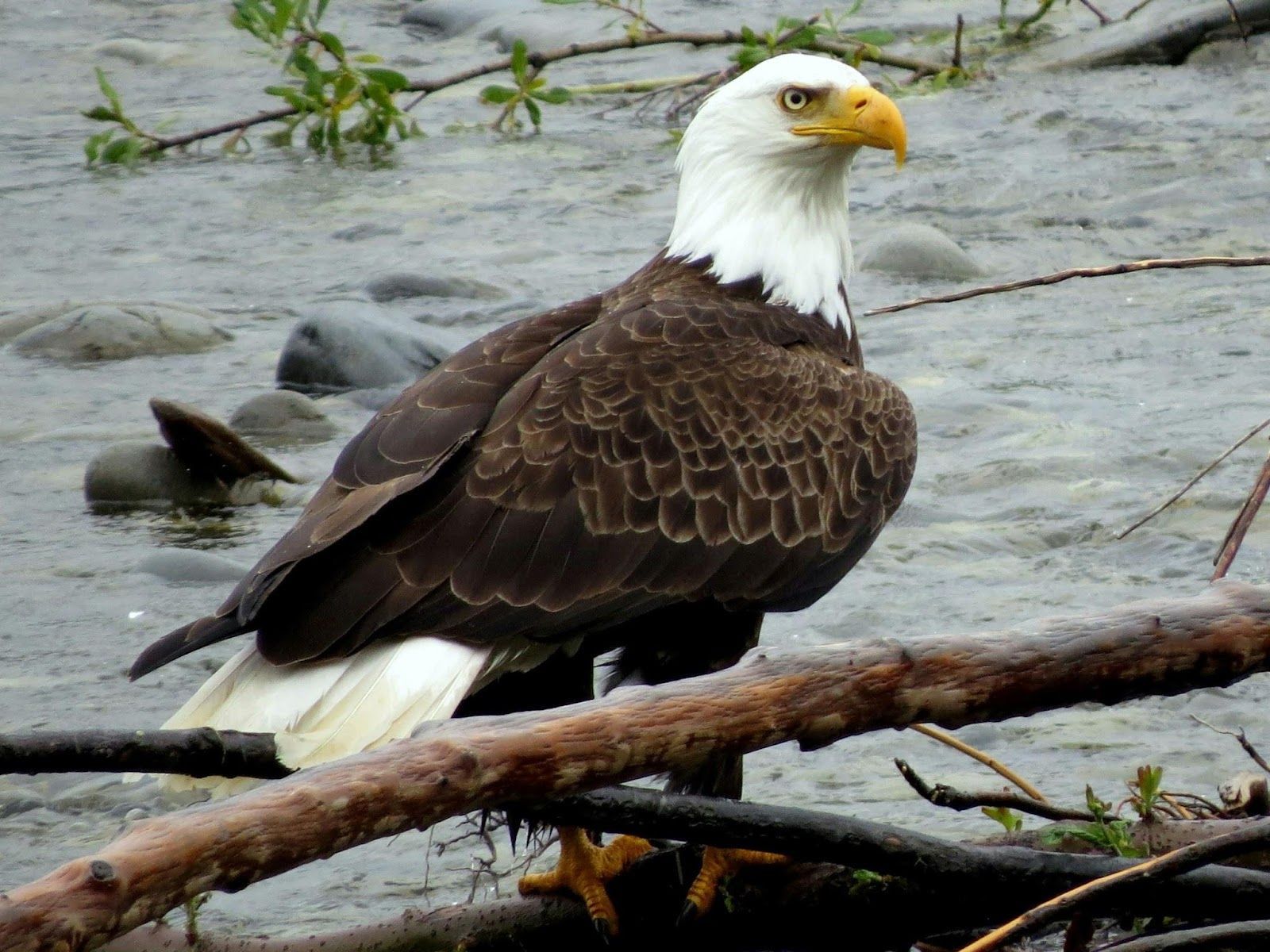
Image: Michael Jerrard

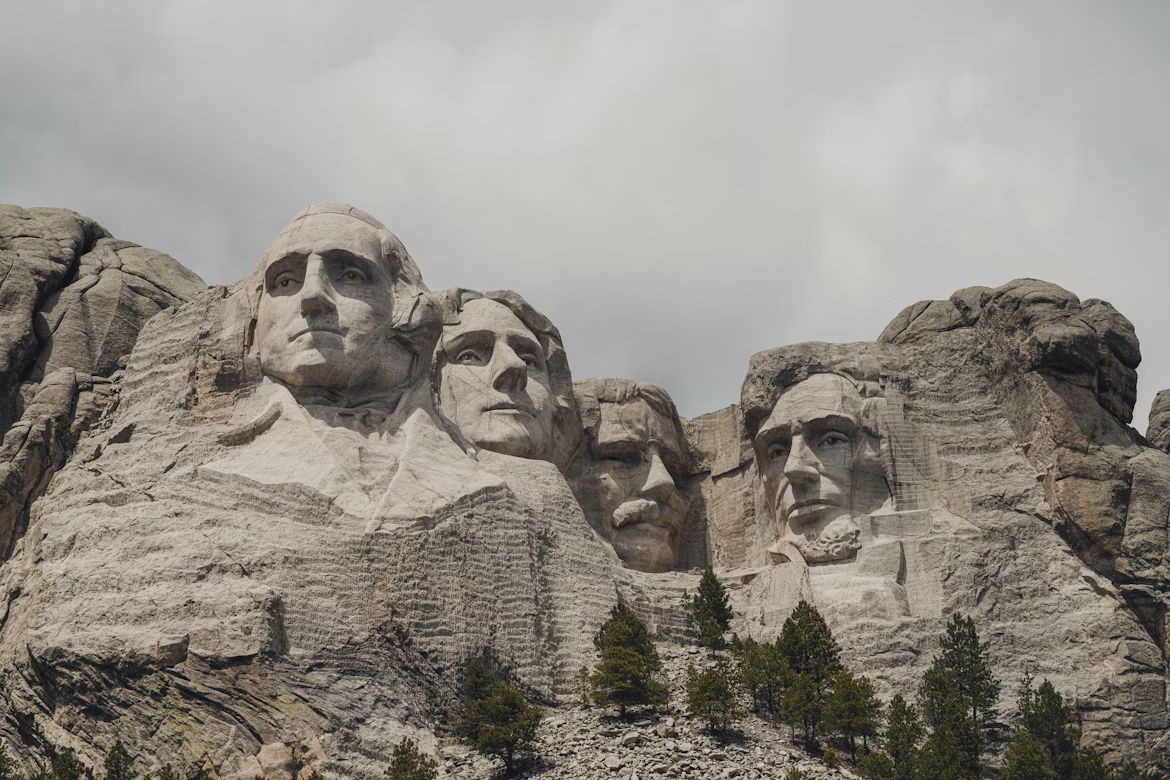
The bald eagle shares the title of "most instantly recognizable American symbol" with the American flag and Mount Rushmore. Its status sometimes makes us forget about the spectacular specimen hiding behind the American icon, so we thought it would be a good idea to close this article with a small tribute to our favorite bird of prey.

Let’s start with the obvious: the name "bald eagle" doesn’t come from any distinct lack of plumage, but rather from the old meaning of the word "bald," which used to stand for "white-headed." This distinction seems necessary because one of the most breathtaking aspects of this bird is the contrast of its feathers, which produces a stunning image when paired with its yellow beak. For a while, the status of the bald eagle was endangered until its population recovered thanks to conservation efforts.

History History 4 min read

Forgotten Titanic facts

It wasn’t just humans on the Titanic! 10 incredible facts you didn’t know

Image: Edwin Petrus

We all know the tragic story behind the Titanic, that "unsinkable" ship that didn’t make it past its first voyage. But besides the tragedy and the Hollywood movie, there are some surprising facts that never made the front page. From pups that survived and pocket watches, to hidden submarines and a tipsy worker who beat the odds, here are 12 curious facts that might just shock you.

1
Construction costs that’d make your wallet faint

Image: Jaime Labra

Back in 1912, the Titanic cost $7.5 million to build, and if you're wondering what that’d be today, it’d be over $400 million. That’s more than some sports stadiums! It took nearly three years to complete and was one of the most extravagant ships ever made.

2
Yes, there were dogs

Image: Yuki Dog

As it turns out, the Titanic wasn’t just for people. At least 12 dogs came along for the ride , lounging in a special first-class kennel. There was even a dog show scheduled for the morning of April 15. Sadly, only three tiny dogs survived, all small enough to sneak onto lifeboats tucked in coats or handbags.

3
The band really did play on

Image: Parizan Studio

Wallace Hartley, the bandleader, went down in history, and with his violin! His group kept playing as chaos unfolded around them, trying to calm passengers with music, just like the movie portrays. He didn’t make it, but his violin was found intact and later sold at an auction for $1.7 million!

4
A pocket watch frozen in time

Image: Otto Hyytiälä

The violin was not the only treasure found. Sidney Sedunary was a young steward whose pocket watch stopped ticking at exactly 1:50 a.m. , just before the ship went under. He was last seen handing out lifejackets to third-class passengers. That same watch, rusted but intact, still tells his story.

5
A survivor with frostbitten legs and Olympic dreams

Image: Shep McAllister

Richard Norris Williams spent six hours in icy water, and doctors on the rescue ship wanted to amputate his legs. He refused . And you may think he was crazy to do so, but thank God he did! He went on to win a Wimbledon title and an Olympic gold medal. How crazy is that?

6
Finding the Titanic by accident

Image: Karl Callwood

In 1985, oceanographer Robert Ballard found the Titanic wreck. But that was just an accident ; he was actually sent by the Navy to look for two lost nuclear submarines and used the Titanic as a cover story.

7
Dishes still stacked neatly on the ocean floor

Image: Jannet Serhan

When explorers visited the Titanic wreck in 1986, they found plates still stacked like someone had just finished doing the dishes. Turns out, the wooden cabinet they were in rotted away , leaving the china perfectly arranged on the sea floor. It’s as eerie as fascinating, considering the many years that passed.

8
The ship is rusting away

Image: NOAA

And speaking of the amount of time the Titanic has been underwater, we have to say that nature is reclaiming the Titanic bit by bit. A newly discovered bacterium is literally eating the ship. Scientists estimate it could disappear completely in 20 to 30 years. The latest expeditions have already shown evidence that pieces that were previously there are gone. So… the clock's ticking.

9
No photos of the grand staircase?

Image: Maria Orlova

You’ve probably seen images of the Titanic’s beautiful grand staircase. We’re sorry to disappoint, but they’re not of the Titanic . They’re from her sister ship, the Olympic. No one thought to take a picture of the real deal before the maiden voyage. And they definitely didn’t think of doing it while it happened!

10
Milton Hershey almost boarded

Image: Janne Simoes

If the name rings a bell, that’s because it’s the same Hershey from the chocolate you love. The man behind Hershey’s chocolate bars almost booked a room on the Titanic . He even wrote a $300 deposit check (big money back then!). But business delayed him, and he skipped the trip. Who do we thank for that?

11
The baker who survived two hours in icy water

Image: Maxim Hopman

Here’s a fascinating fact: Charles Joughin, the Titanic’s chief baker, survived one of the worst parts of the sinking: the freezing Atlantic water. He was reportedly treading water for two hours before rescue. Wanna know how he made it? He had been sipping whiskey to face his fate, and the alcohol in his blood kept him warm enough to survive.

12
The last lunch menu went for a tasty sum

Image: Zoshua Colah

In 2015, a copy of Titanic’s last first-class lunch menu sold for $88,000 . That’s one pricey memento. The menu included grilled mutton chops, chicken à la Maryland, and corned ox tongue. Safe to say lunch on the Titanic wasn’t your average sandwich and chips.

General General 5 min read

20th-century marvels

Architecture in the Jazz Age: 10 Art Deco buildings that shaped America

Image: Kit Suman

Characterized by sleek lines, geometric shapes, and luxurious materials, the Art Deco style was a favorite among American architects during the 1920s and 1930s. They designed opulent skyscrapers and glamorous buildings that celebrated progress and modernity. Join us to learn more about this Jazz Age style, explore its fascinating history, and tour 10 of the most beautiful Art Deco buildings in the United States.

1
Empire State Building, New York City

Image: William Wachter

Undoubtedly, the Empire State is the most famous building in New York City. Every year, about 2.5 million people visit it, and it has been featured in countless movies and TV shows. Designed by American architect William F. Lamb, it was inaugurated in 1931.

For forty-one years, the Empire State Building was the tallest skyscraper in the world. The symmetry, limestone façade, huge windows, and the monumental and luxurious lobby are some of its main features. The design of this Art Deco masterpiece is so spectacular and breathtaking that in 1986 it was designated a National Historic Landmark.

2
The Carlyle, Miami Beach

Image: Luis Erives

Miami has the largest concentration of Art Deco buildings in the world. The city has a remarkable collection of around 800 structures built in this style. Visiting the Art Deco district along Collins Avenue, Ocean Drive, and Washington Avenue is like traveling back in time. And perhaps the Carlyle, for its sophisticated combination of horizontals and verticals, is one of the most emblematic.

It was built in 1939 by German-American architect Richard Kiehnel, and its façade has barely changed since then. Its interior, on the other hand, went from hotel rooms to apartments.

3
Boston Avenue United Methodist Church, Tulsa

Image: Quang Vuong

The Boston Avenue United Methodist Church in Tulsa, Oklahoma, is one of the few examples of an Art Deco church. Beginning in the 1920s, little Tulsa became the oil capital of the U.S., and the sudden influx of resources encouraged investors to build increasingly grandiose buildings. Thus, this church is considered the first ecclesiastical building strictly designed for an emerging automobile culture.

Constructed from Indiana limestone, the church features a steel-frame tower topped with a copper and glass lantern. A seven-pointed star symbolizes seven virtues: patience, purity, knowledge, suffering, kindness, love, and truth. The complex also includes a sanctuary, a small chapel, and offices, while the lobby serves as a social center.

4
Union Terminal, Cincinnati

Image: Fred Copley

Cincinnati Union Terminal in Ohio is one of the finest examples of Art Deco architecture in the United States. Its green terrazzo floors, fine-grained Indiana limestone façade, and vast rotunda adorned with industrial murals by Winold Reiss make the station a true architectural masterpiece. In fact, it is considered the pinnacle work of Alfred T. Fellheimer, who had previously designed Grand Central Terminal in New York.

Unfortunately, Union Terminal began construction in 1928, during one of the worst periods in the country's economic history. The Great Depression was marked by a decline in train travel, and the opulent Union Terminal was considered a white elephant. In 1972, it was finally closed. Years later, however, the building regained its former luster. Today, it is served by Amtrak’s Cardinal line, while the rest of the complex houses several museums.

5
Carbide & Carbon Building, Chicago

Image: Anthony Fomin

The Carbide & Carbon Building, a 37-story skyscraper completed in 1929, is one of Chicago's most striking architectural achievements. A bold example of Art Deco design , the building is clad in black granite and green terra cotta, with genuine gold leaf adorning its tower.

It is so luxurious that the Burnham Brothers architectural firm is said to have designed it to resemble a champagne bottle. In 1996, it was designated a Chicago Landmark, and in 2021, it was renovated and reopened as the Pendry Chicago Hotel.

6
The Guardian Building, Detroit

Image: G + L

This 43-story Art Deco skyscraper is located in downtown Detroit, Michigan. Nicknamed the Cathedral of Finance , it was planned by architect Wirt C. Rowland and completed in 1929. Both the interior and exterior feature numerous modern decorative elements, including mosaics, murals, stained glass, and even a historic Tiffany clock.

Forty craftsmen worked on its design and construction, which required granite, stone, terra cotta, and more than two million distinctive "Union Guardian Orange" bricks. In 1989, the Guardian Building was designated a National Historic Landmark.

7
Chrysler Building, New York City

Image: William Wachter

The Chrysler Building in New York City is one of the greatest examples of the Art Deco style in the world. It was designed by architect William Van Alen at the request of industrial magnate Walter Percy Chrysler and completed in 1930.

The building exhibits great attention to detail, featuring many elements that mimic Chrysler automobile pieces, such as the ostentatious ornamentation of the tower. In the lobby, the ceiling mural—once the largest in the United States—was painted by artist Edward Trumbull. Following the building’s automotive theme, it depicts scenes of progress, transportation, and energy.

8
Eastern Columbia Building, Los Angeles

Image: Jordan Rubin

Located in downtown Los Angeles, this emblematic 1930s building features a striking turquoise terra cotta exterior. The Eastern Columbia Building was designed by renowned architect Claud Beelman, who also created several of the city’s notable Art Deco structures. At the time of its construction, the building was so unique that the city allowed it to exceed the maximum height limit.

Its unique color, majestic vertical lines, iconic clock, and golden ornamentation attracted Hollywood moguls and stars from the beginning. It was first used as office space and was later converted into luxury apartments. In 1985, the Eastern Columbia Building was declared a Historic-Cultural Monument.

9
Circle Tower, Indianapolis

Image: Alejandro, CC0, via Wikimedia Commons

The construction of a 14-story skyscraper in Indianapolis was a major news event in the early 20th century. "Circle Tower Is Rising," declared the Indianapolis Times in 1929. Circle Tower stands as a magnificent example of Art Deco architecture.

Built of ornately carved granite and limestone and decorated with Egyptian figures, Circle Tower has a unique, trapezoidal shape. This unusual silhouette was promoted as an icon of luxurious office space. The interior, on the other hand, features marble and terrazzo floors, bronze elevator doors, geometric flowers, zigzags, and concentric swirls. Details in the lavishly marble-clad lobby exude elegance.

10
Griffith Observatory, Los Angeles

Image: David Vives

The Griffith Observatory is one of Los Angeles’ most important cultural attractions. This Art Deco icon opened in 1935 and was designed with a revolutionary idea in mind: the cosmos should be accessible to everyone, not just astronomers.

Built of reinforced concrete on a 3,015-acre site donated by Colonel Griffith J. Griffith, it is a blend of modern design and Greek and Beaux-Arts influences. The building's most emblematic feature? The planetarium in the central dome!

Explore more American facts

Choose your favorite category!

General
General

As American as apple pie—the very best America has to offer!

Culture
Culture

Delve into the astounding richness of American lore.

Geography
Geography

Hop in and explore vast and diverse American landscapes.

History
History

Discover the key moments that shaped the United States.