Geography Geography 3 min read

More than a map

America, you’re full of surprises! 12 Geography facts you overlooked
Image: Arthur A

Maybe geography class wasn’t your favorite back in the day, but now that there are no pop quizzes, it’s actually pretty fascinating, don’t you think? The United States is full of quirky facts and surprising stories that most people never hear about: long coastlines, westernmost points, short rivers, and many more. American geography is anything but boring. So grab your coffee (or tea), kick back, and enjoy some bite-sized facts about this big, beautiful country of ours.

1
The US touches three oceans
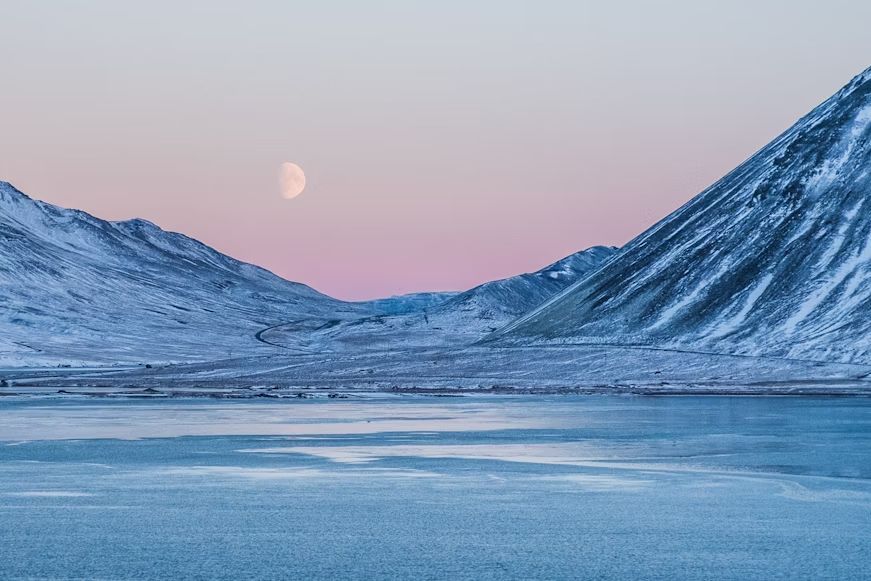
Image: Daiwei Lu

Most people remember the Atlantic and the Pacific, but the Arctic often gets overlooked. Alaska’s northern edge dips into icy Arctic waters, technically giving the US access to all three. From sunbathing to snowshoeing, we’ve got the full spectrum of ocean vibes covered!

2
America has the shortest river in the world
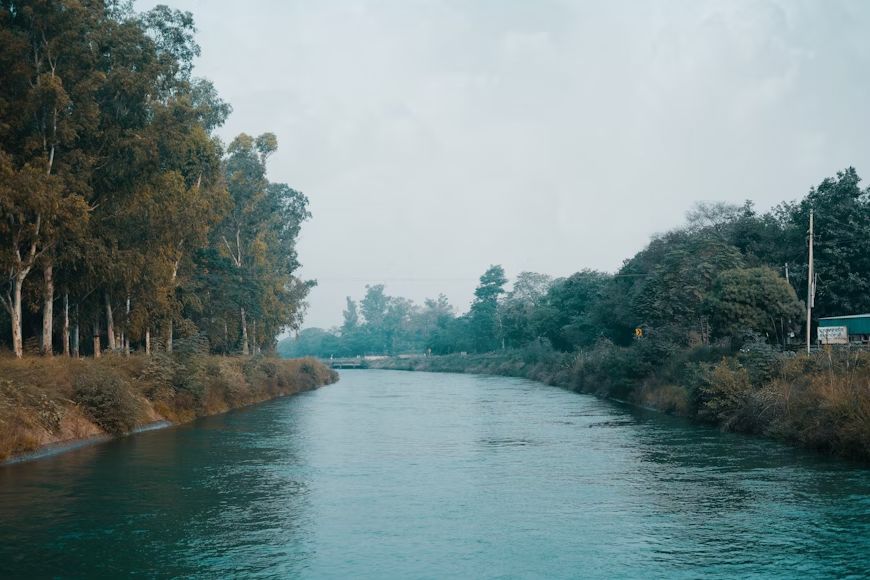
Image: Gaurav Kumar

Montana is home to the Roe River, which runs for just 201 feet. That’s shorter than a city block! It flows from its source at Giant Springs to the Missouri River near Great Falls. Sure, it’s not as mighty as the Mississippi, but it holds the record for shortest river, and that’s enough to brag about.

3
Some NYC buildings are big enough to have their own zip codes
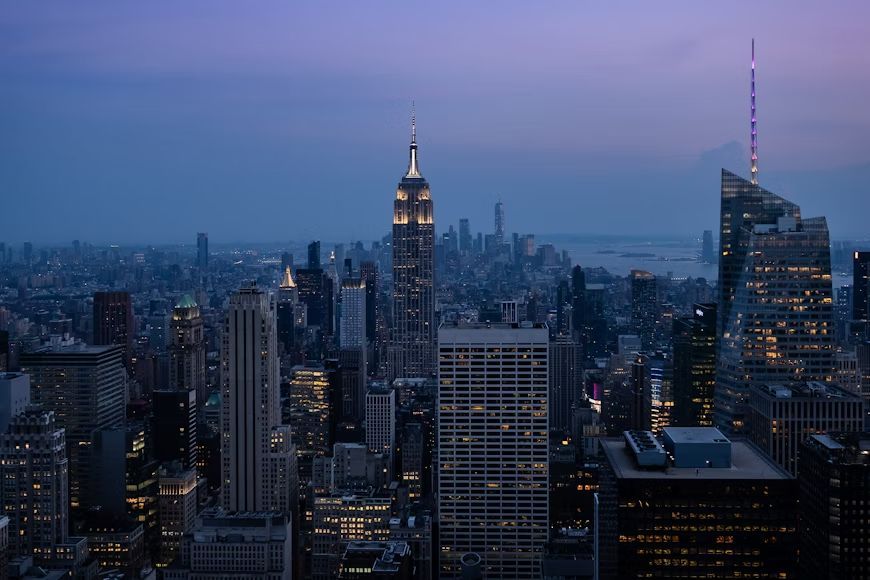
Image: Andrew Jephson

Most of us share a zip code with our neighbors. In New York City, though, some skyscrapers are so massive they have one all to themselves. You know the Empire State Building? Yep, it has its own zip code: 10118. The same goes for the MetLife and Chrysler Buildings. Manhattan alone has over 300 zip codes!

4
Alaska is the westernmost and easternmost state
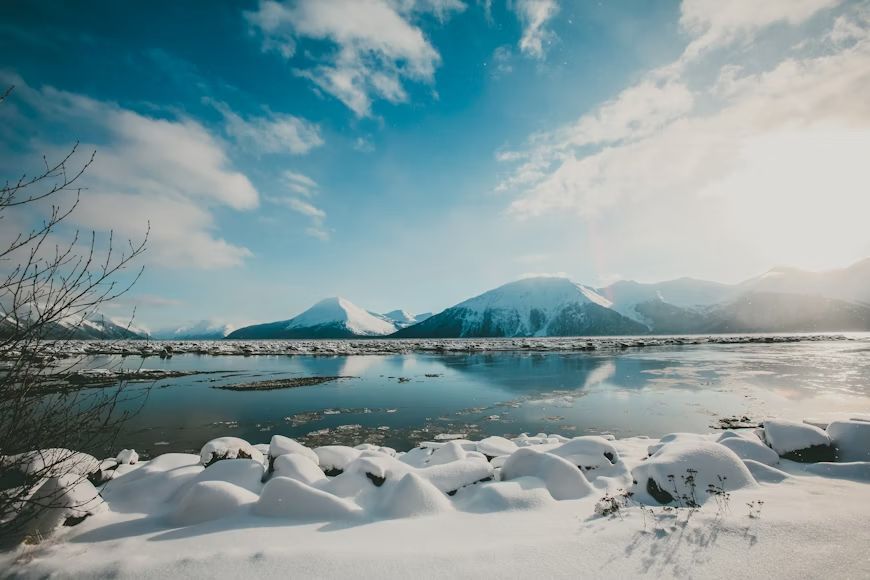
Image: Rod Long

That’s right: Alaska holds the title as both the farthest west and farthest east state in the United States. How is that possible? Well, the Aleutian Islands, which belong to Alaska, stretch so far out that they cross the International Date Line and enter the Eastern Hemisphere. Isn’t that just fascinating?

5
From Stamford, CT, all roads lead to New York
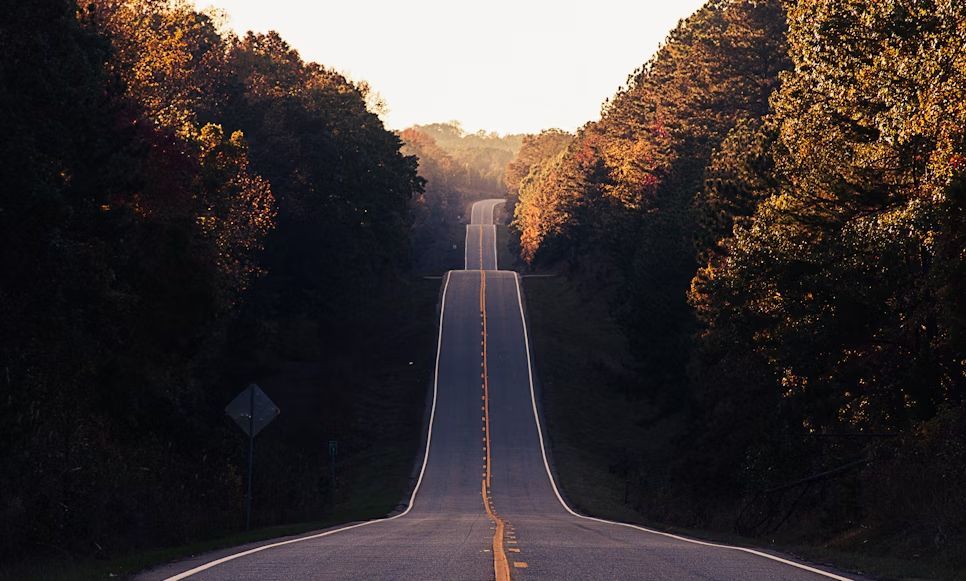
Image: Matt Foxx

Picture this: no matter which direction you drive—north, south, east, or west— you can end up in New York if you start in Stamford, Connecticut. Heading east requires a boat, of course, but it still counts!

6
Florida and California don’t have the longest coastline
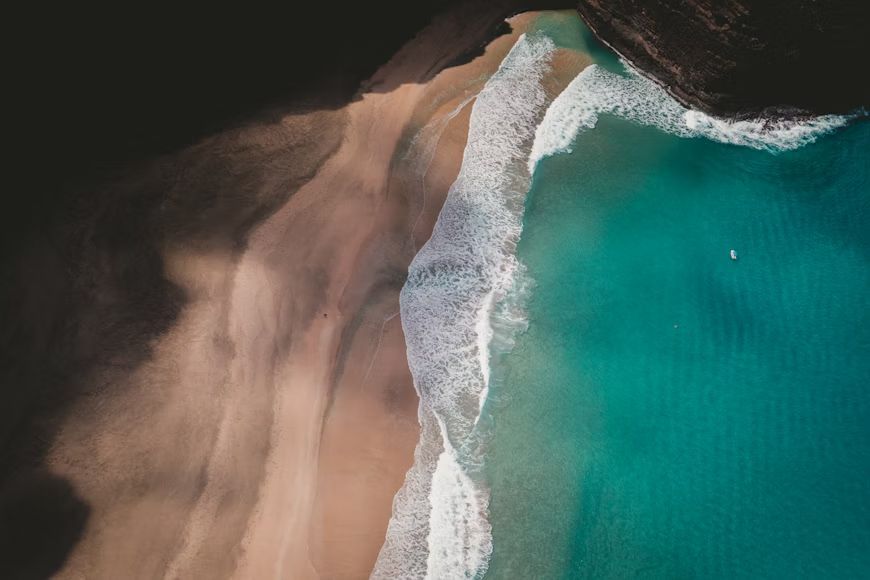
Image: Jakob Owens

Think sun and sand, and Florida or California might come to mind. But the state with the longest coastline is actually Alaska, by a long shot. With over 6,600 miles of shoreline, it beats the combined coastlines of all other states. Snow lovers will enjoy this one!

7
California has almost as many people as all of Canada

Image: Joseph Chan

Yes, the Golden State is that packed. California’s population hovers around 39 million, not enough to beat Canada, which has roughly 41 million. But give it two more years, and we’ll discuss this again. This may not sound so surprising, but bear in mind that we’re comparing a single state to a whole country!

8
Only two states are truly off on their own
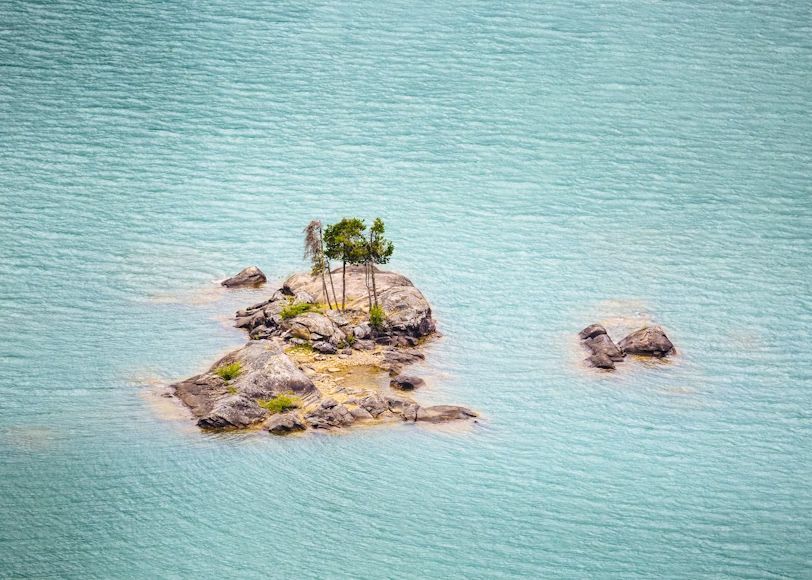
Image: Dave Hoefler

Most states have neighbors, but that’s not the case for Alaska and Hawaii. They’re the loners of the country, separated by either the ocean or international borders. Meanwhile, Missouri and Tennessee are the social butterflies of the map, each touching eight other states. Whatever the number of neighbors, we love them all!

9
The four largest US cities (by area) are in Alaska
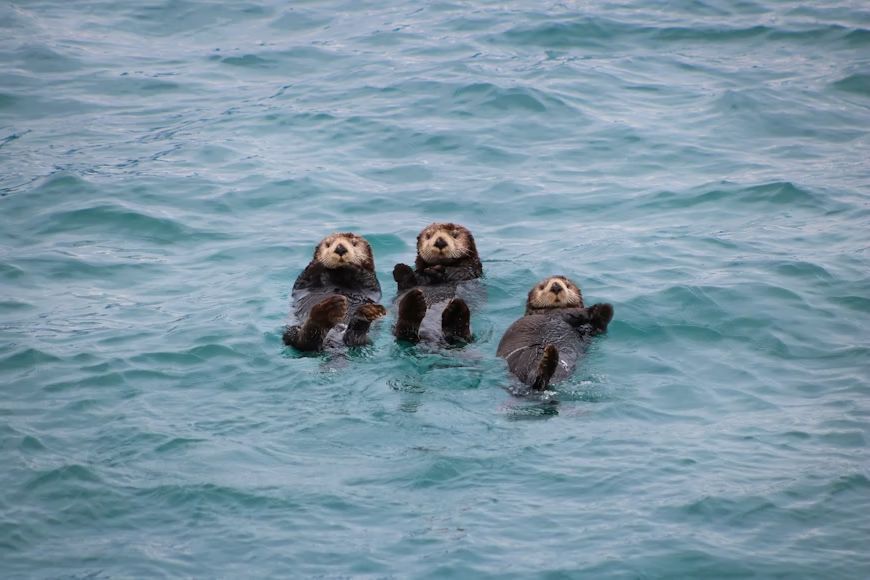
Image: Kedar Gadge

When we talk about big cities, most folks think of population. But if you’re measuring square miles, Alaska takes the cake. Sitka, Juneau, Wrangell, and Anchorage are the four largest cities by land area. You could fit entire states inside some of these!

10
The first US capital wasn’t D.C. or Philly
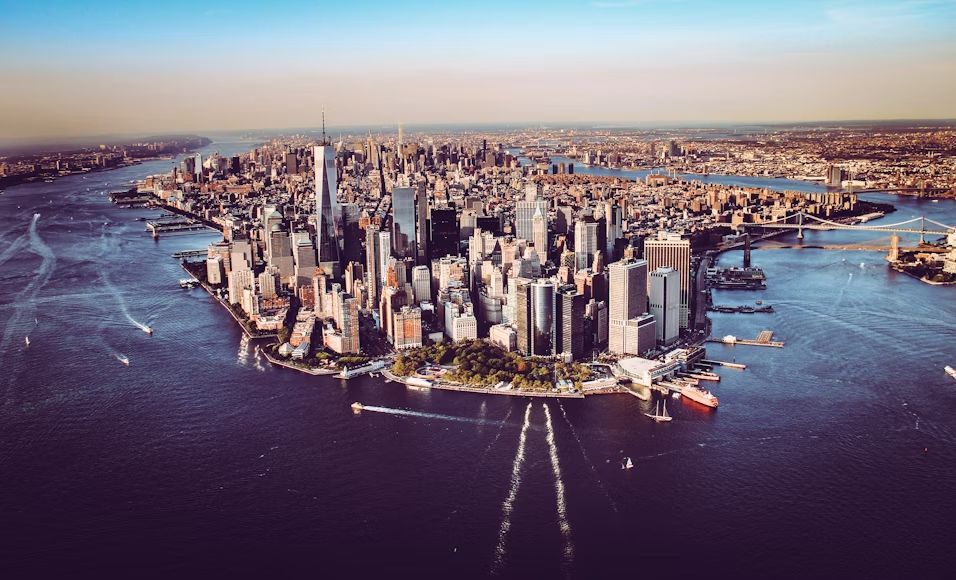
Image: Florian Wehde

Washington, D.C., may be the capital now, but it wasn’t the first, you know? That honor goes to New York City, which held the title for a couple of years after the Constitution was ratified. The capital later moved to Philadelphia and then finally settled in D.C.

11
Los Angeles had a name as long as your arm
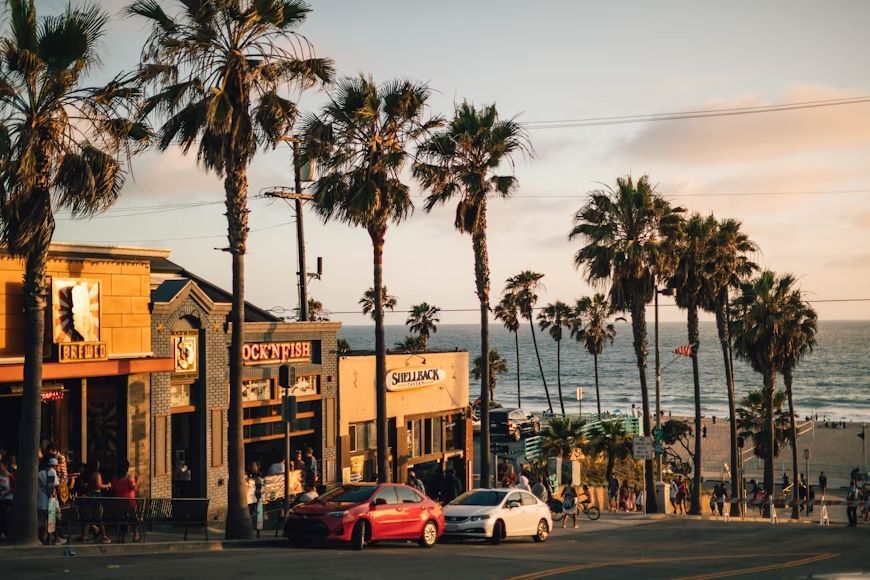
Image: Roberto Nickson

Before it was known for Hollywood, Los Angeles had a name that would never fit on a postcard. The original Spanish settlers called it El Pueblo de Nuestra Señora la Reina de los Ángeles de Porciúncula . Translation? You try saying that! Thankfully, we shortened it. "L.A." is just easier for everyone.

12
Nebraska is the only triply landlocked state
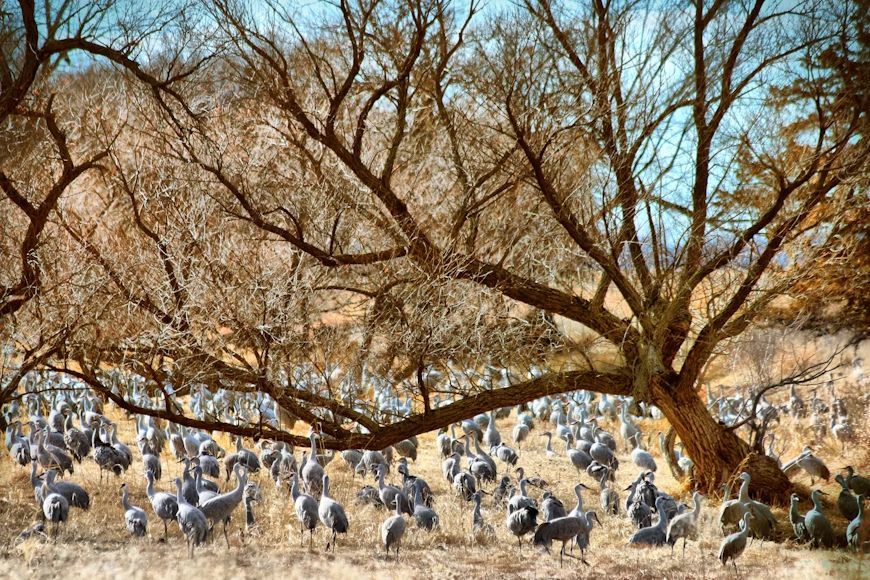
Image: Laura Seaman

If you’re in Nebraska and want to see the ocean, you’ll have to cross at least three states. That makes it the most landlocked state in the U.S.—"triply landlocked," to be exact. For those craving a beach day, that’s a bit of a hike. But for folks who love open plains, it’s prime real estate.

General General 5 min read

Sing it proudly!

Patriotic beats: do you know our anthem’s backstory?

Image: Tim Mossholder / Christina Petsos

The US national anthem, "The Star-Spangled Banner," is more than just a patriotic tune; it symbolizes American history, resilience, and unity. And that’s natural, it has a backstory dating back over two centuries, so you can imagine all the interesting, fun details it carries with it. It is filled with historical moments and a few surprises . In this article, we’ll explore 10 intriguing facts about the anthem that you may not know. Let’s dive into the journey of this iconic song and discover how it became a central part of American identity.

1
A song born from the battle

Image: Benjamin Faust

Our anthem was written in mid-September 1814 by Francis Scott Key. But what was it that brought those words to his mind? Well, the lyrics were inspired by the sight of the American flag flying after the British navy was defeated at the Battle of Baltimore.

Key penned the words while observing the conflict at Fort McHenry during the War of 1812. Originally, the anthem began as a poem, not as a song.

It celebrated the fort’s resilience, symbolizing hope for a young nation. Key’s words quickly gained popularity and were eventually set to the tune of an old British song. Little did he know, it would go on to become the anthem we sing today.

2
What’s in a name?

Image: Joshua Woods

Considering what we said before, it’s logical to think The Star-Spangled Banner wasn’t the original title, do you know what it was?

Key’s poem was originally titled "The Defence of Fort McHenry," a clear reference to the conflict that served as his inspiration.

It wasn’t until October or November of 1814, when the first sheet music was printed, that the title changed to the more poetic "The Star-Spangled Banner."

The new name broadened its appeal, allowing it to reach a larger audience who quickly embraced it. It was a name that spoke not just to the battle, but to the pride of the entire nation. This small change made a big difference in how the song was received.

3
A song for all languages

Image: Etienne Girardet

You probably already knew part of these details, but what about this one? Did you know the anthem was translated into German?

During the Civil War, Key’s anthem found a new life: Union supporters translated it into German to recruit German-speaking volunteers for the militia.

That was just the beginning, but it certainly wasn’t the last time it was translated. Over the years, the song has been translated into more than a dozen languages, making it accessible to Americans from diverse backgrounds. This highlights the anthem’s flexibility, which adapts to the times and reaches new groups. After all, freedom and perseverance aren’t exclusively American traits, don’t you think?

4
Baseball’s favorite tune

Image: Wade Austin Ellis

We are all very much used to starting important ceremonies or sporting events by proudly singing the national anthem, but, as you can imagine, there was a first time for that too. Do you know about it?

"The Star-Spangled Banner" made its debut at a sporting event in 1862 during the opening of a baseball stadium in Brooklyn, New York. This marked the first time it was played at a professional game.

Its connection to sports grew stronger over the years, and now it’s a tradition to hear the anthem at nearly every major sporting event. It’s the perfect way to kick off the game, uniting fans in a shared moment of patriotism before the competition begins.

5
Congress made it official… eventually

Image: Joshua Sukoff

The military had already embraced it as an inspirational song, and it had become a tradition to play it at sporting events, but it wasn’t really official until Congress said so and that didn’t happen until 1931. What about that?

The process wasn’t simple, either. Congress debated the decision, facing opposition from various groups—Prohibitionists, pacifists, and even music teachers—but we’ll explore those details in the next section.

Alternatives like "America, the Beautiful" were suggested, but in the end, Key’s song won out. President Herbert Hoover signed the act, and the rest was history: we finally had a national anthem!

6
It’s not easy to sing!

Image: Laith Abuabdu

Remember we said teachers were against it? Can you imagine why? On their side, one of the main complaints about "The Star-Spangled Banner" was that it’s too difficult to sing . And we have to hand it to them, the anthem is notoriously hard to perform.

In terms of scales, the original melody spans an octave and a fifth, a range that challenges even professional vocalists. This explains why many groups struggle with the anthem during public performances. How many can say they’ve truly mastered it—are you one of them?

In any case, the tune, originally a British drinking song, wasn’t designed for mass sing-alongs. No wonder it’s become a patriotic rite of passage to attempt singing it!

7
Women fought for its adoption

Image: Library of Congress

Although it’s not always mentioned first when narrating our history, women have been instrumental in many key moments, and the story of "The Star-Spangled Banner" is no exception.

Women played a significant role in pushing for the anthem’s adoption as the national anthem, how so? The Daughters of the War of 1812, a patriotic women’s organization, were among the most vocal advocates. While some groups opposed it, this organization was very much in favor of it.

Their activism helped build momentum for the 1931 legislation that ultimately led to the anthem’s adoption. In an era when political opportunities for women were limited, this cause offered them a platform to engage in national issues. They succeeded, of course, because persistence pays off!

8
There is no "official" version

Image: Alessio Fiorentino

This might sound far-fetched, but it doesn’t mean there are alternate lyrics to our anthem. Rather, there’s no single, official version of "The Star-Spangled Banner." While various states have tried to legislate performance styles and etiquette, there isn’t a definitive version set in stone.

This flexibility has allowed for creative interpretations, ranging from traditional orchestral performances to more modern adaptations, depending on the context and the event.

And even if it would be nice to have an official version, this gives everyone the possibility to bring new aspects to our national hymn!

9
Jimi Hendrix’s legendary performance

Image: Aditya Wardhana

Proof of what we just said, that the lack of an official version gives place to create amazing new interpretations is Jimi Hendrix’s legendary performance. The psychedelic rock guitarist brought a fresh, rebellious spin to "The Star-Spangled Banner" when he performed it at the 1969 Woodstock Festival . While many are familiar with his electrifying Woodstock rendition, Hendrix actually performed the anthem in concert many more times, over 60 times to be specific.

His interpretation added a new layer of meaning, capturing the turbulent spirit of the era. And even though not everyone liked it, no one can deny that, given the context, it was a powerful message!

10
Do you know the four verses?

Image: Towfiqu barbhuiya

Most of us are familiar with only the first verse of "The Star-Spangled Banner," but did you know the anthem actually has four verses ?

Now, four verses were enough and we can understand that tradition is to sing only the first due to time constraints. But, as it turns out, in 1861, Oliver Wendell Holmes Sr. added a fifth verse, advocating for the end of slavery.

While the additional verses are rarely sung, they tell a richer story of American values and challenges. So, even if you never sing it, you can read the full version and enjoy learning about American ideals!

Geography Geography 4 min read

Prehistoric life

10 top U.S. spots to find fossils and see prehistoric life

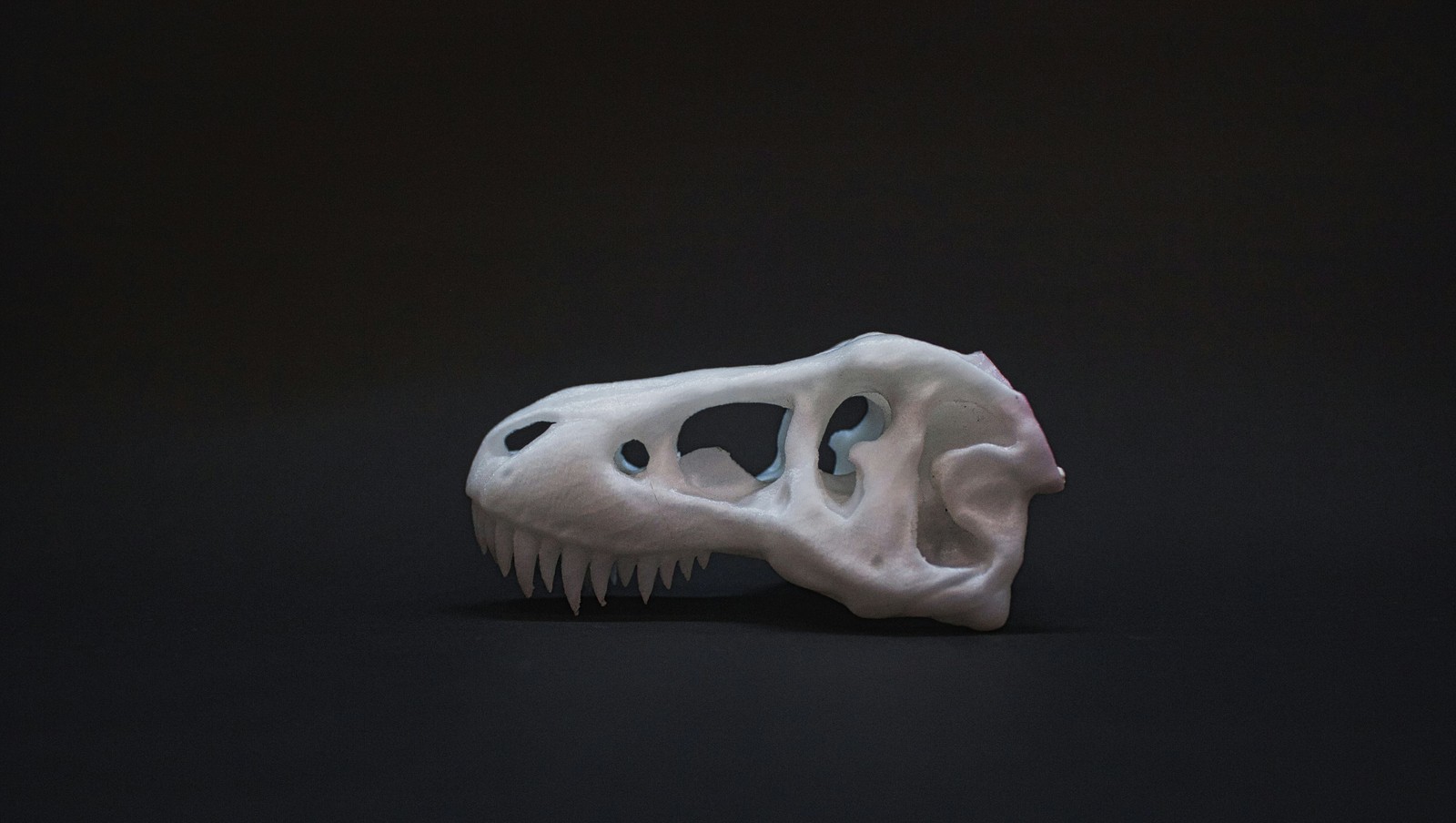
Image: Marcio Skull

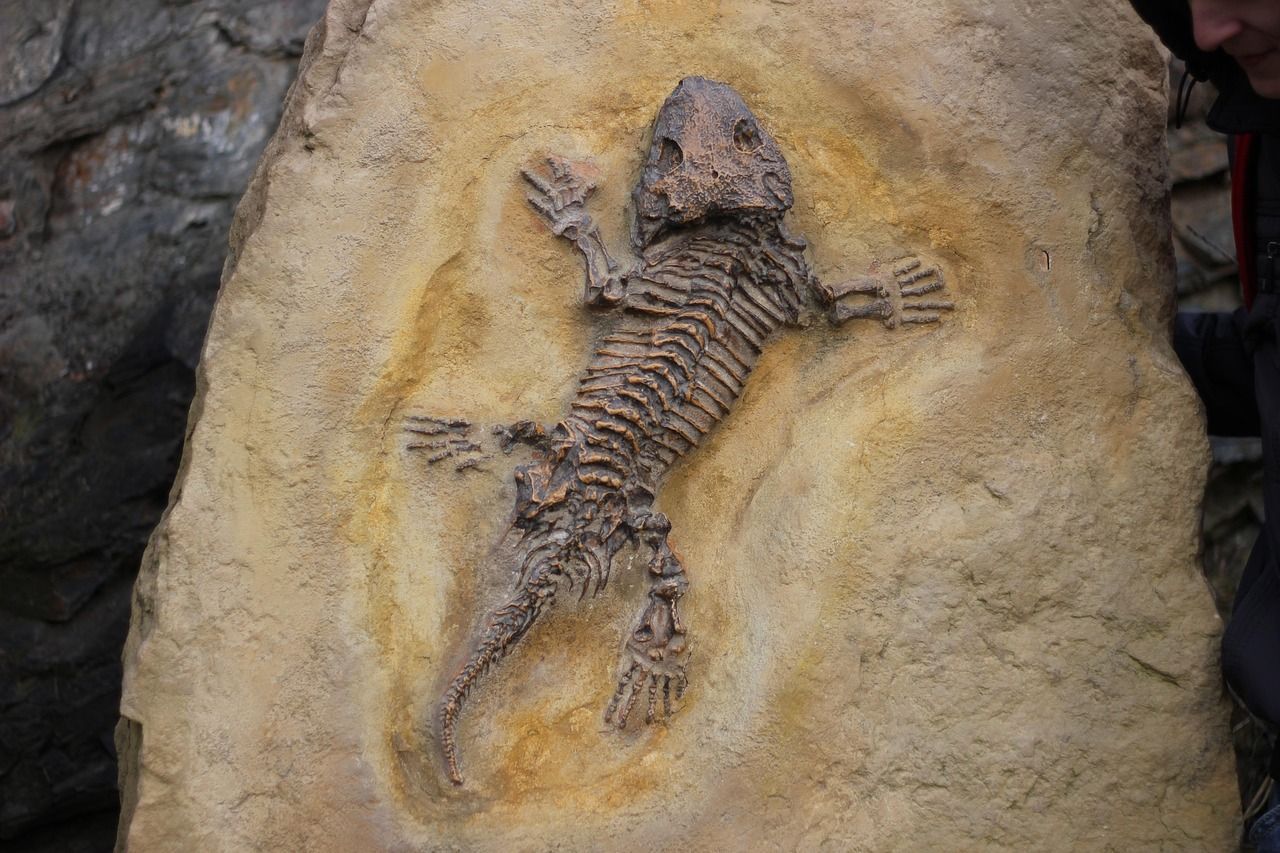
Did you ever dream of being a Paleontologist? Maybe it's not too late! In the United States, there are many places you can visit to go fossil hunting. In fact, according to the National Park Service, more than 320 species of dinosaurs have been named in our country, and most states have produced at least one fossil. But the prehistoric world was inhabited by many other species. In addition to dinosaurs, there were other animals —and plants!— that are also worth knowing about. Without further ado, here are 10 incredible destinations for fossil sightings in America.

1
Dinosaur State Park

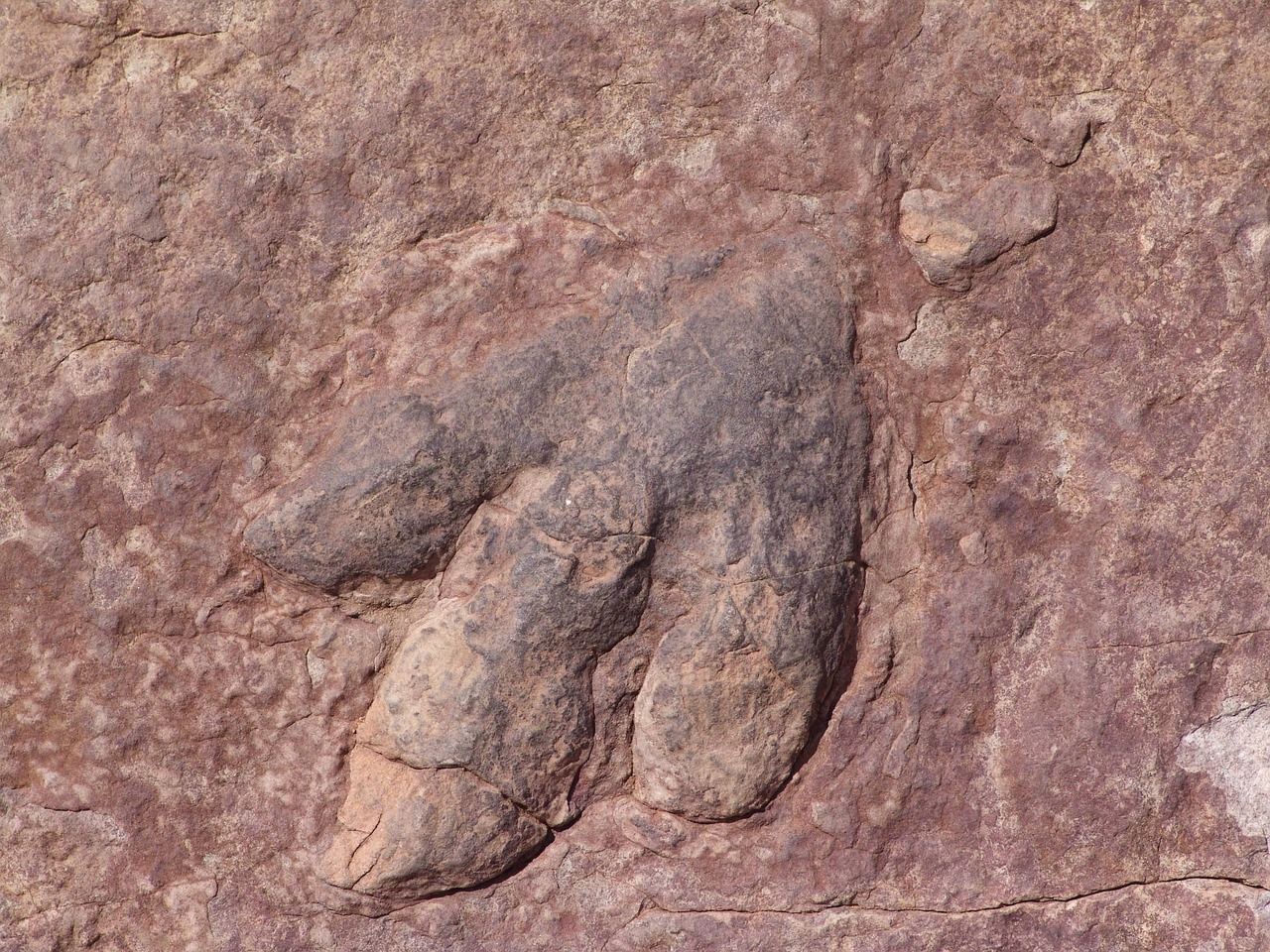
Image: Steppinstars

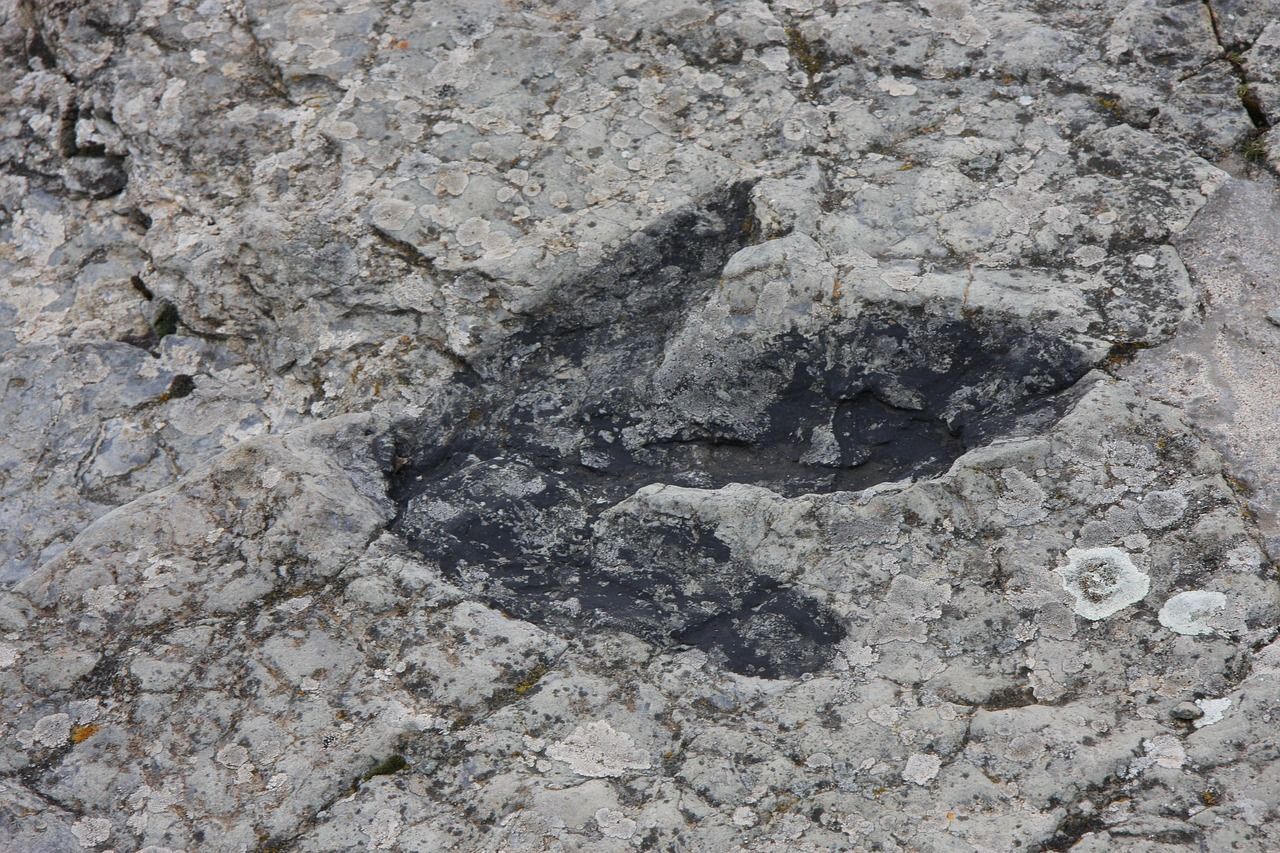
The Northeast is not particularly known for its fossil sites, as most dinosaur bones are found in the West. However, Dinosaur State Park in Connecticut Valley is a singular exception.

Dinosaur State Park is a 200-million-year-old fossil trackway containing more than 2,600 dinosaur footprints. Although most have been reburied for preservation, this park is worth a visit to see the tracks that have been left on display. In addition to experiencing the Mesozoic era, you can also enjoy nature trails, an interactive museum, an arboretum, and picnic areas.

2
Badlands National Park

Image: kkorvin

South Dakota is home to some of the most remarkable fossils ever discovered, and Badlands National Park, in particular, has been a fossil-rich reservoir for centuries. In fact, the Oglala Lakota people had been finding prehistoric remains long before paleontology was a formal discipline.

The park protects an exposed area of thousands of ancient fossil specimens. From large mammalian brontotheres to reptilian mosasaurs that swam in the ancient seas that gave way to the Badlands, there is a lot to explore here.

3
Cleveland Lloyd Dinosaur Quarry

Image: Danny Grizzle

A site with more than 12,000 bones from at least 70 different ancient animals, including lots of carnivorous dinosaurs? Sign me up!

But that's not all the Cleveland Lloyd Dinosaur Quarry in Utah has to offer. For freshwater animal enthusiasts, there are also fossilized clam beds to discover. If you want to visit, just keep in mind this park is open seasonally, April through October.

4
La Brea Tar Pits

Image: Brian Wangenheim

Los Angeles is much more than just Hollywood. La Brea Tar Pits is located right in the heart of the most populous city in California, yet it remains one of the most important fossil sites in the country.

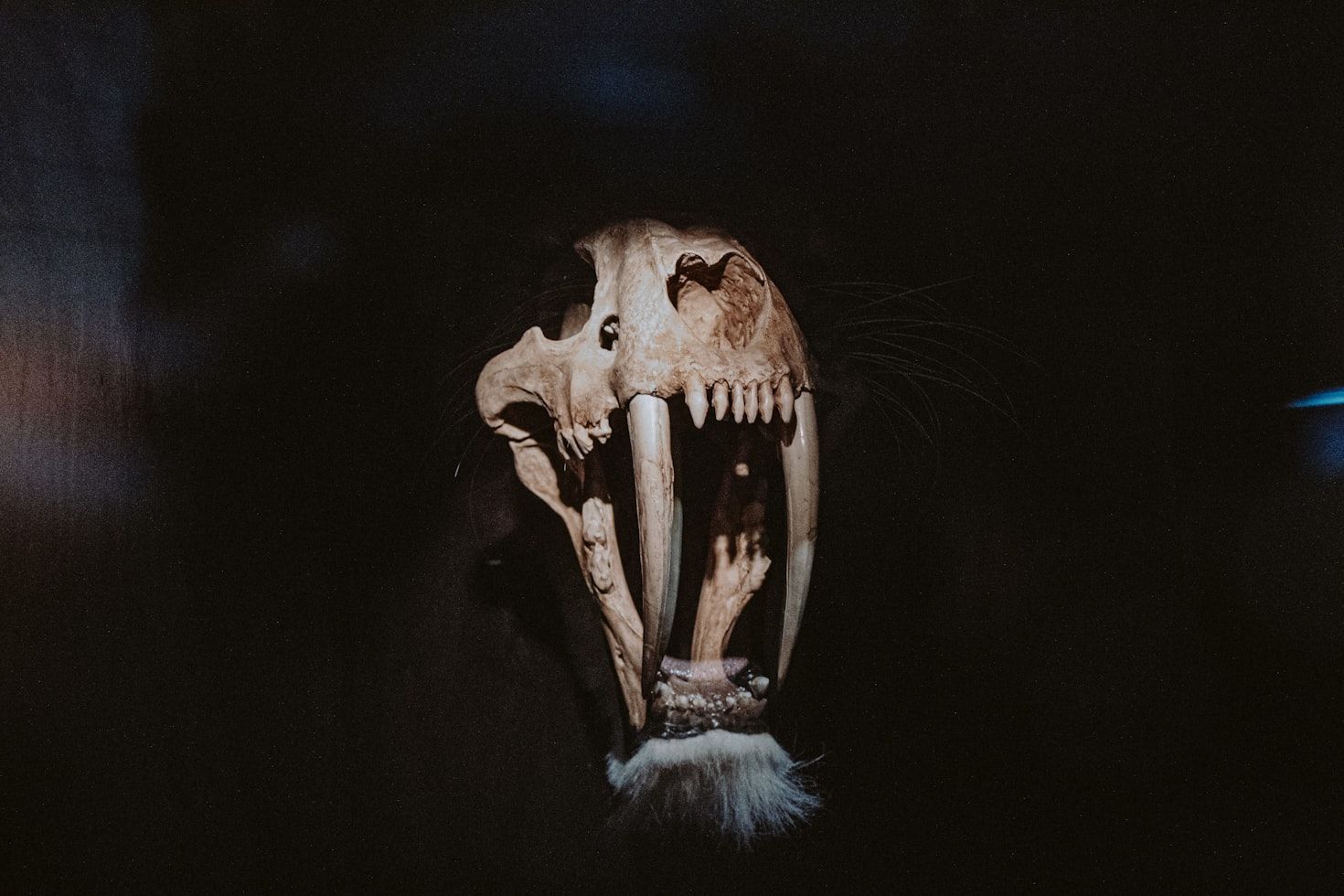
Hours of scientific work and hundreds of excavations have yielded millions of Pleistocene fossils that are now open to the public. From mammoths, saber-toothed cats, and giant mastodons to the tiny feet of Ice Age woodpeckers, you can learn a lot about prehistoric life at La Brea Tar Pits. Not bad, don't you think?

5
Petrified Forest National Park

Image: Joseph Corl

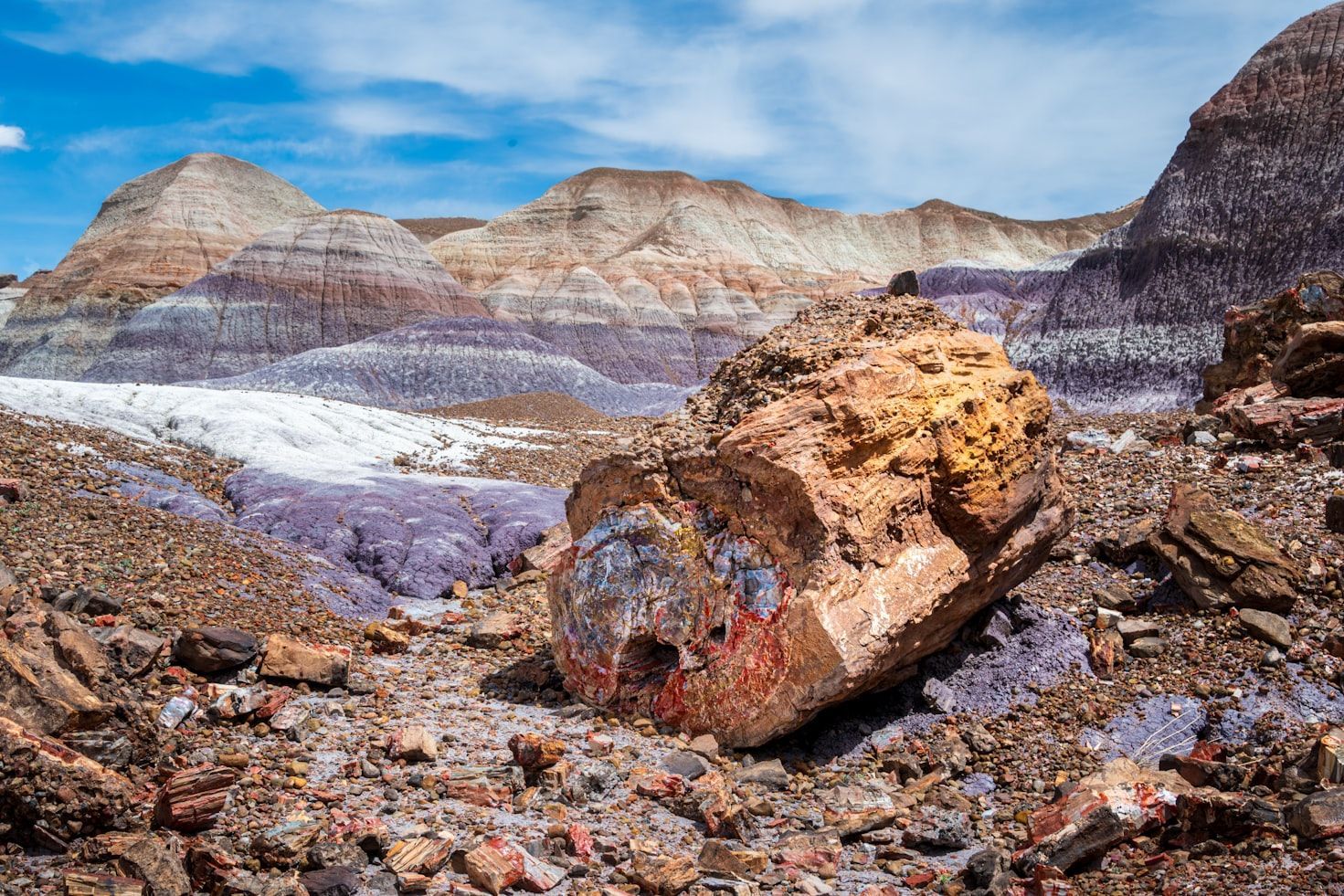
If you ever visit Arizona, Petrified Forest National Park is worth a detour. Known for its Triassic fossils, this park seems to be frozen in time, as the world was more than 200 million years ago.

In addition to petrified trees and ancient fossilized plants and animals spread in an area of about 346 square miles, Petrified Forest National Park is also home to some interesting living inhabitants that today must survive in the harsh desert climate.

6
Dinosaur National Monument

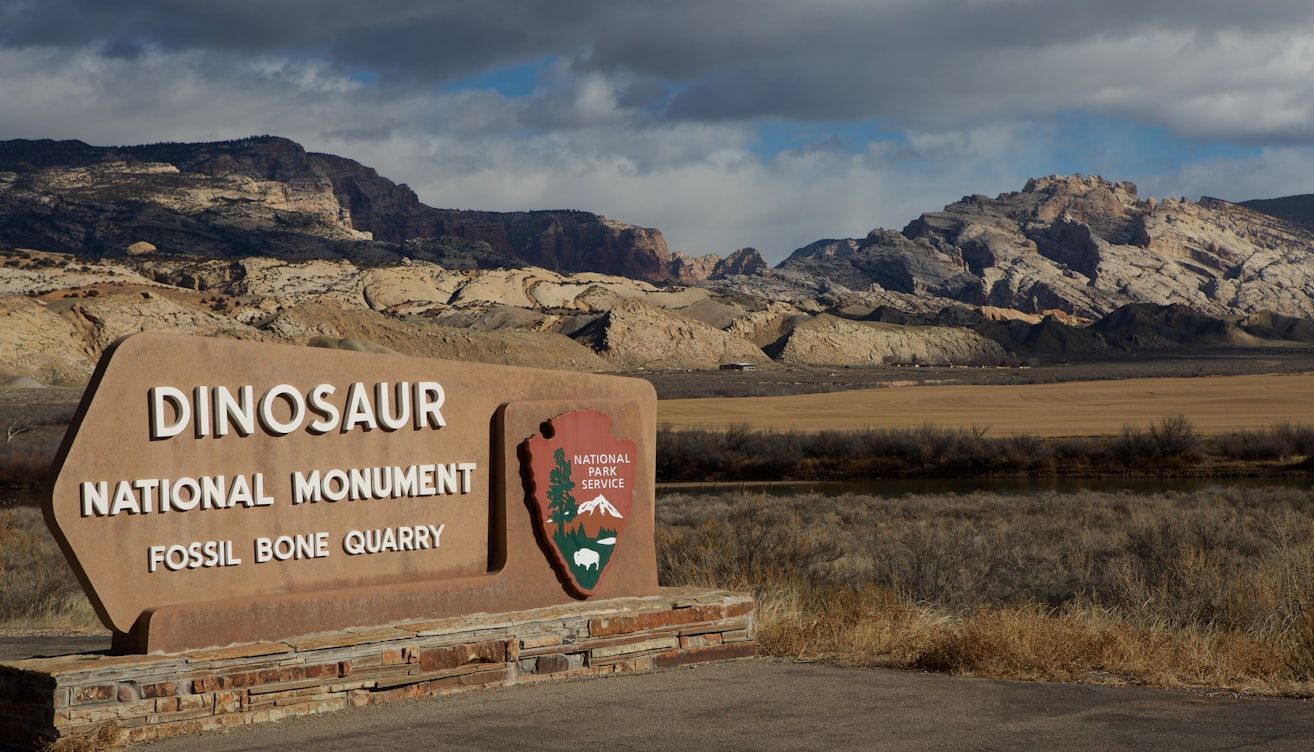
Image: Zachary

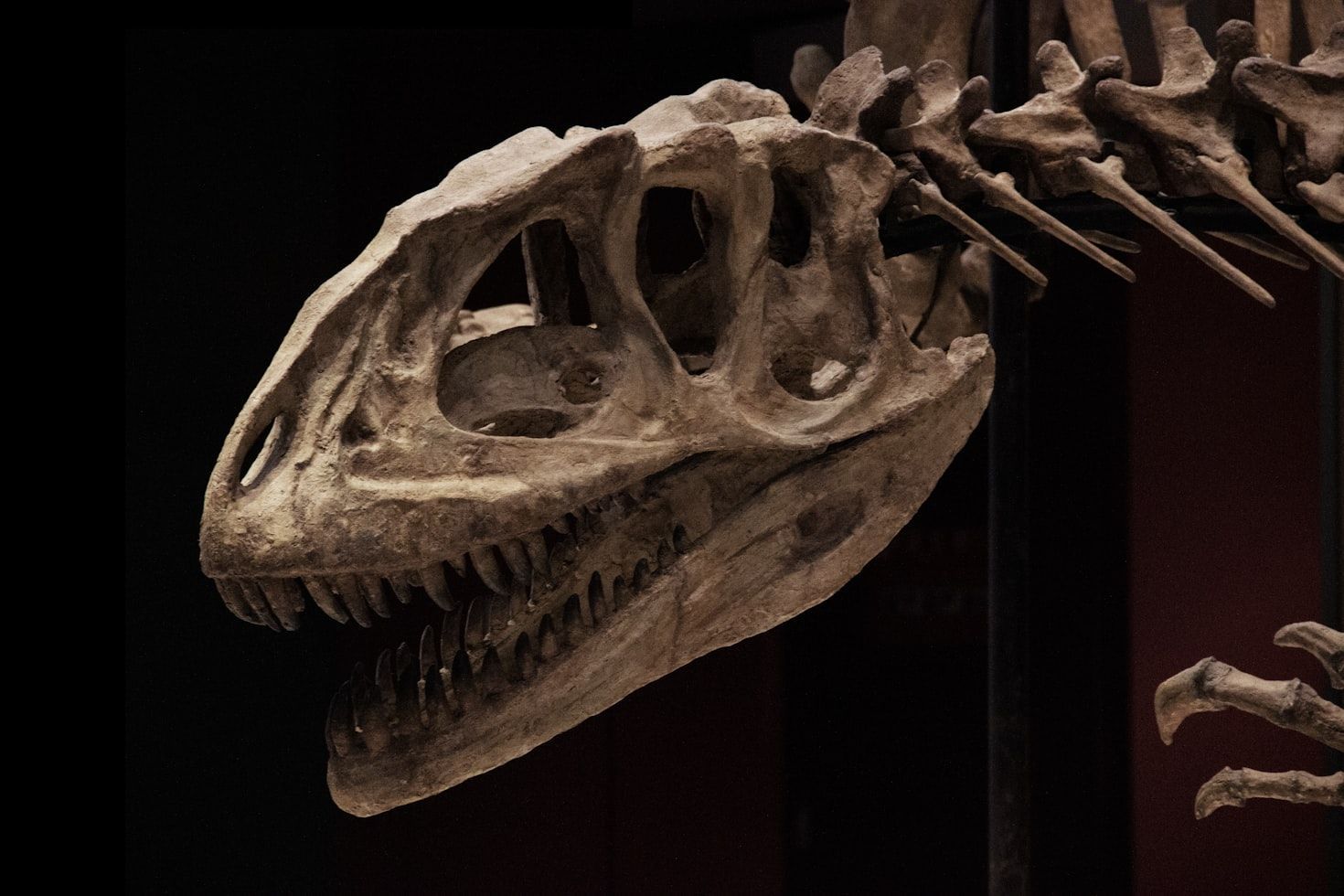
Dinosaur National Monument on the border between Colorado and Utah houses about 1,500 dinosaur bones from some of the most iconic species. Remains of Allosaurus, Apatosaurus, Diplodocus, and Stegosaurus are included among the residents of the 150-million-year-old site.

Originally preserved in 1915, in this famous dinosaur quarry, you can also see several petroglyphs and pictograph panels made by the Fremont people who lived in the area from approximately 300-1300 Common Era (CE).

7
Florissant Fossil Beds National Monument

Image: Michael Dziedzic

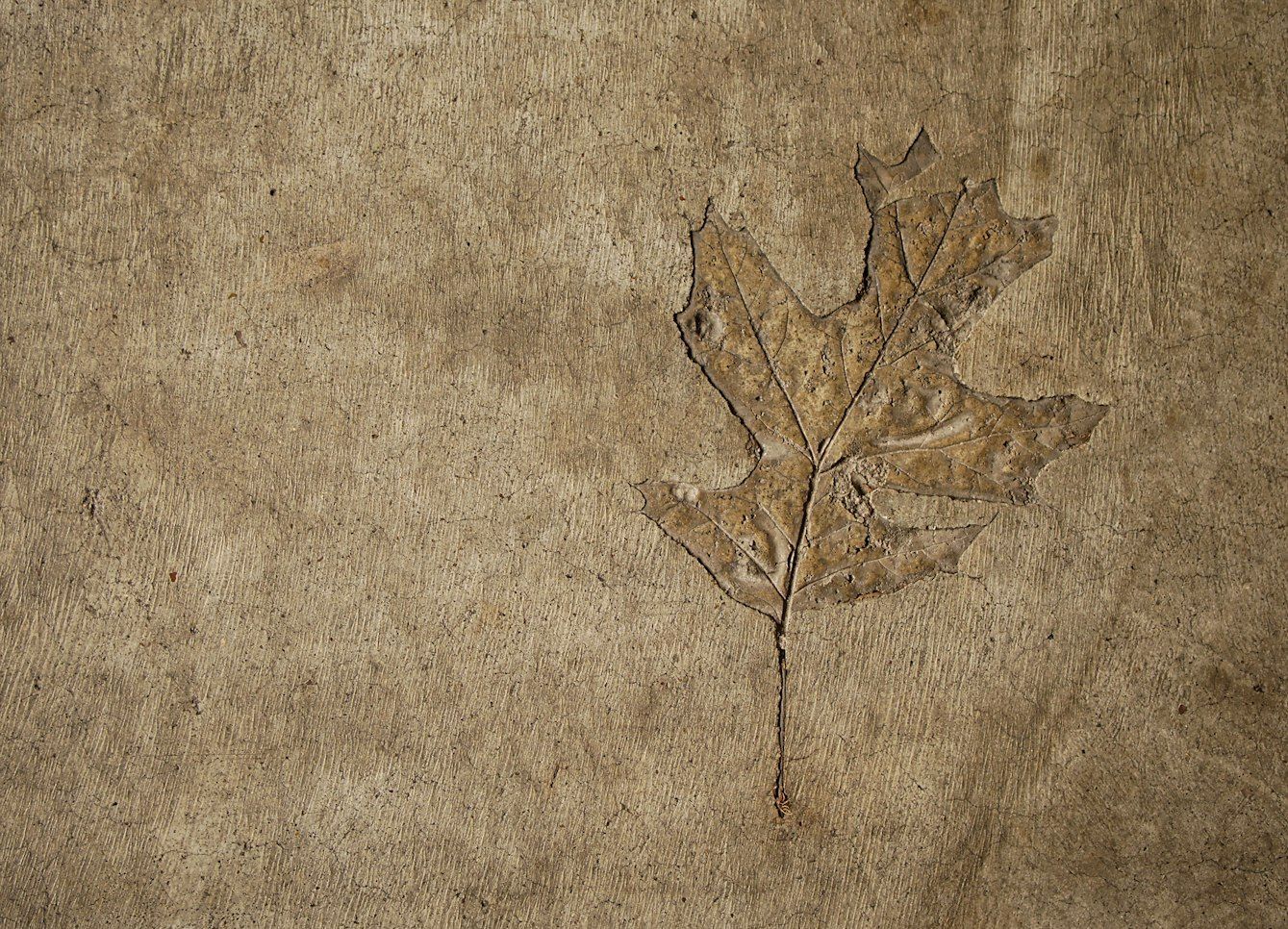
The prehistoric world is much more than just mammoths and dinosaurs. 14-foot-wide petrified sequoias and thousands of insect and plant fossils await you at Florissant Fossil Beds National Monument near Colorado Springs.

These tiny organisms, approximately 34 million years old, are just as important as the enormous Tyrannosaurus rex. Although this is a lesser-known park, it is totally worth visiting. Pro tip: In the summer, you can explore the site that serves as a fossil laboratory.

8
Dinosaur Valley State Park

Image: adolfo-atm

Did you know that the area near Dallas and Fort Worth in Texas was once an ancient ocean? Around 113 million years ago, dinosaurs, such as theropods and sauropods, walked their shores.

Set astride the Paluxy River, today this area is protected by the Dinosaur Valley State Park. The fossil traces here are sometimes submerged, but on dry days they can be clearly seen and are an impressive testimony of what the Earth was like in prehistoric times.

9
The Mammoth Site

Image: Jonathan Cooper

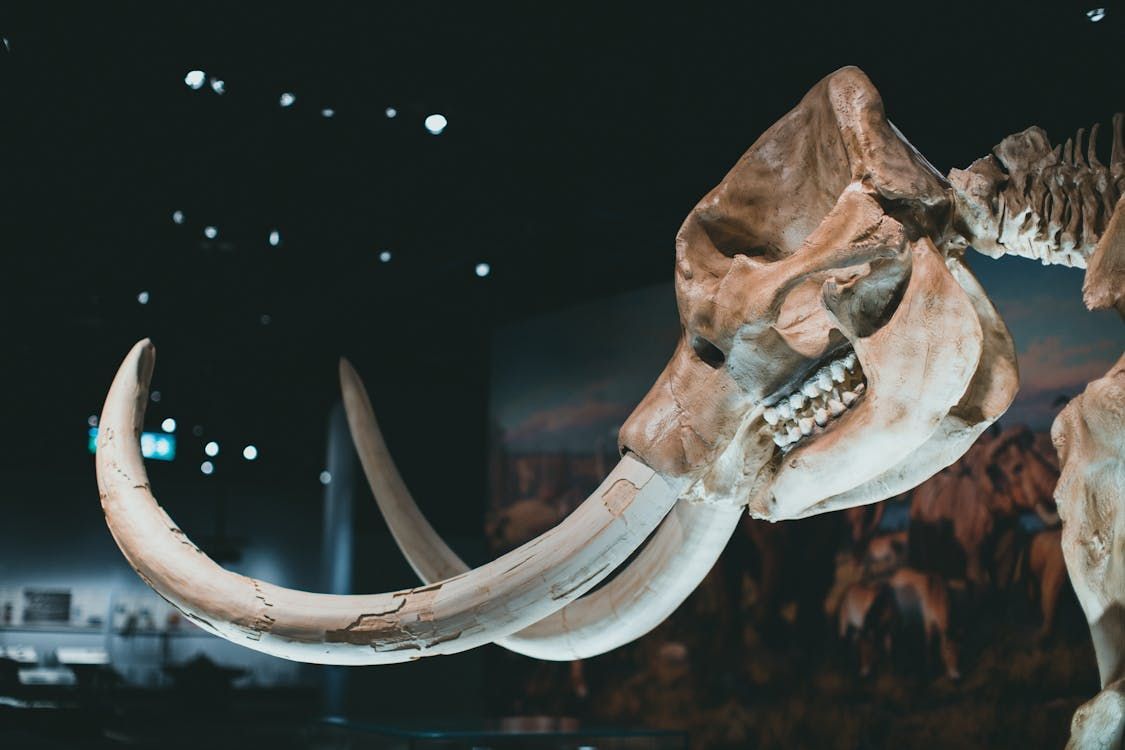
The Mammoth Site was established in the mid-1970s after a construction worker had unearthed rare bones in Hot Springs, South Dakota. The remains found turned out to be a mammoth tooth, which was soon followed by other fossils.

Today, the site serves as a museum and active paleontological excavation site. So far, a total of 61 North American Columbian and woolly mammoths have been found here.

10
Fossil Butte National Monument

Image: Jacqueline Martinez

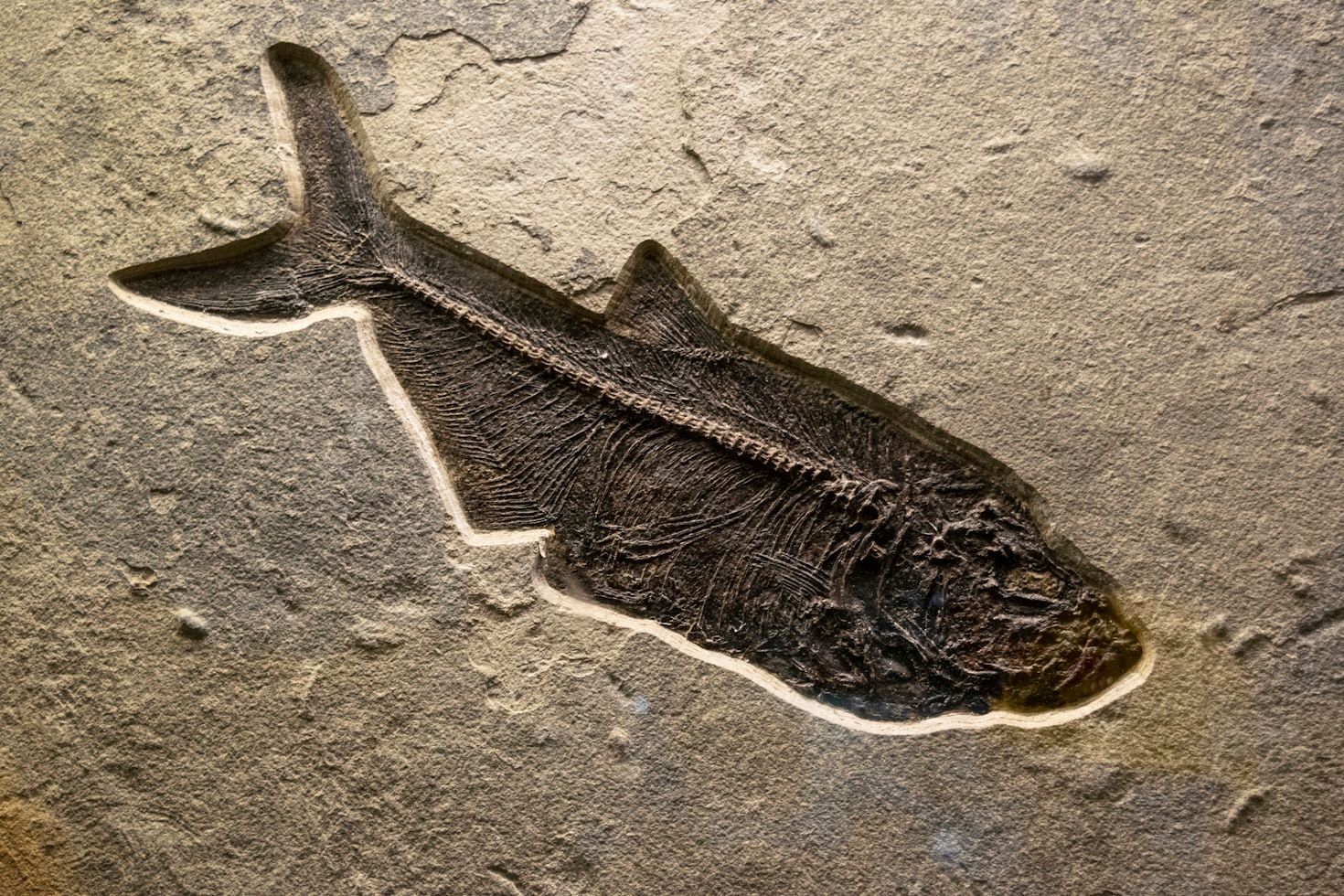
In the ridges of southwest Wyoming is Fossil Butte National Monument, a park that preserves the best paleontological record of Cenozoic aquatic communities. This sort of aquarium, carved in stone, has more than 2000 fossils of thousands of species of plants and animals, such as fish, insects, reptiles, birds, bats, and even tiny horses that lived around a freshwater lake millions of years ago.

With plenty of hiking trails, wildlife, and scenery, this unique park is definitely worth visiting.

Explore more American facts

Choose your favorite category!

General
General

As American as apple pie—the very best America has to offer!

Culture
Culture

Delve into the astounding richness of American lore.

Geography
Geography

Hop in and explore vast and diverse American landscapes.

History
History

Discover the key moments that shaped the United States.