General General 4 min read

Zzzzz…

A better rest makes for a better life: 12 simple tips for a great sleep

Image: Deconovo

We spend a third of our lives sleeping, and the quality of our sleep determines the quality of the time we spend awake. Thankfully, there are a handful of simple things that we can do to improve our resting hours. Do you follow any of these?

1
Sleep routine

Image: Tina Witherspoon

Your body is a routine animal. If you eat at a certain time, you’ll probably feel hungry around that same time the next day. If you go to sleep at a certain hour, you’ll likely feel sleepy at that same hour the next day.

Use this to your advantage by sticking to a consistent sleep schedule , both for going to bed and for waking up. If you do this consistently, your body will embrace this routine, and it will start to come naturally.

2
Food and drinks

Image: Kelsey Chance

Avoid going to bed shortly after a large meal. Your digestive system will stay active for a long period of time potentially keeping you awake until it finishes processing the food and drink you've consumed.

The same goes for alcohol: while it might make you feel drowsy at first, it can disrupt your sleep later in the night.

3
Create a good sleeping environment
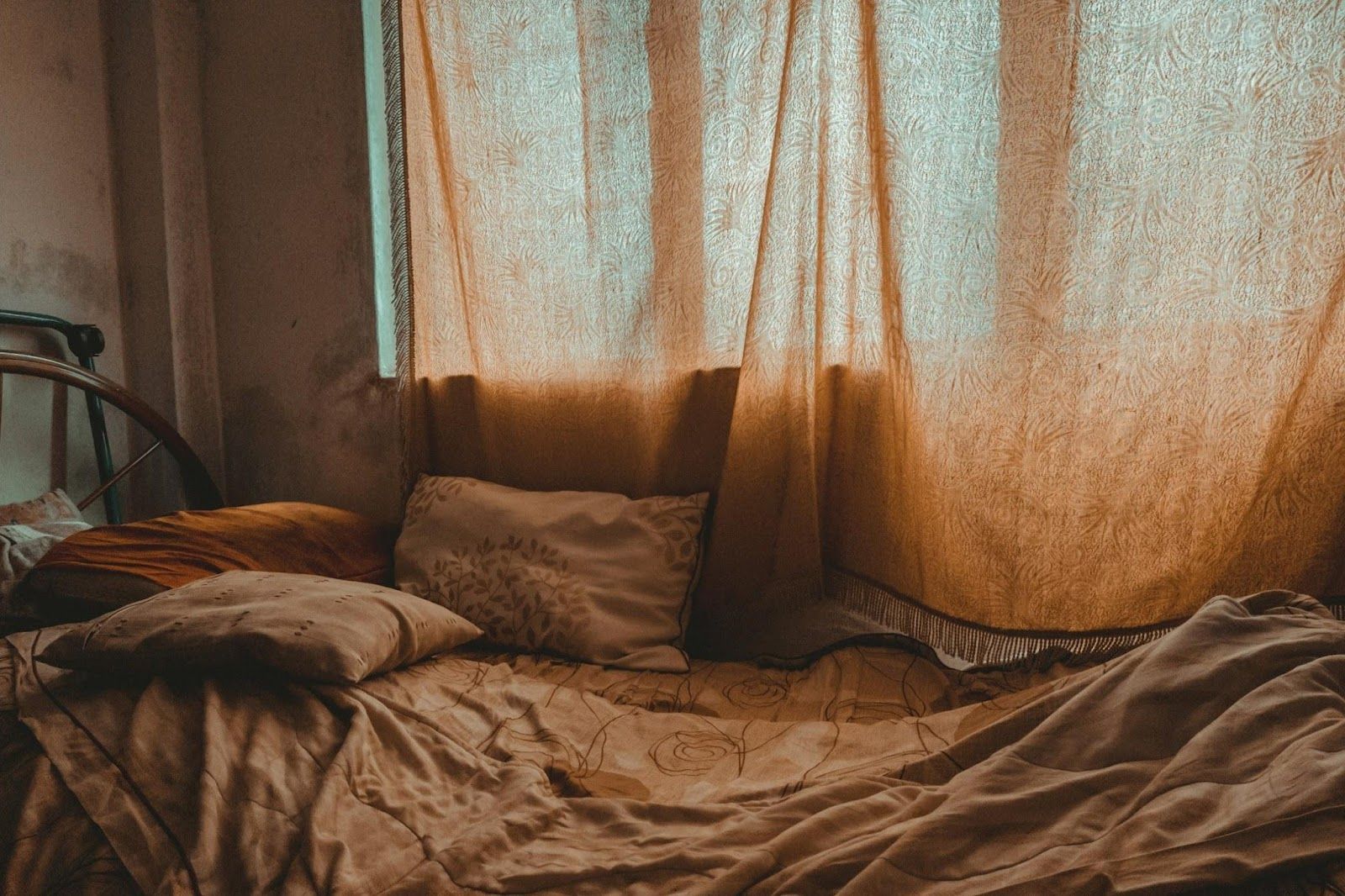
Image: Ainur Iman

A dark, quiet, and cool bedroom makes for a good sleeping environment . Your senses will continue capturing and processing any light or sound present in your bedroom, which is why it is important to minimize these distractions as much as possible.

4
Avoid long naps
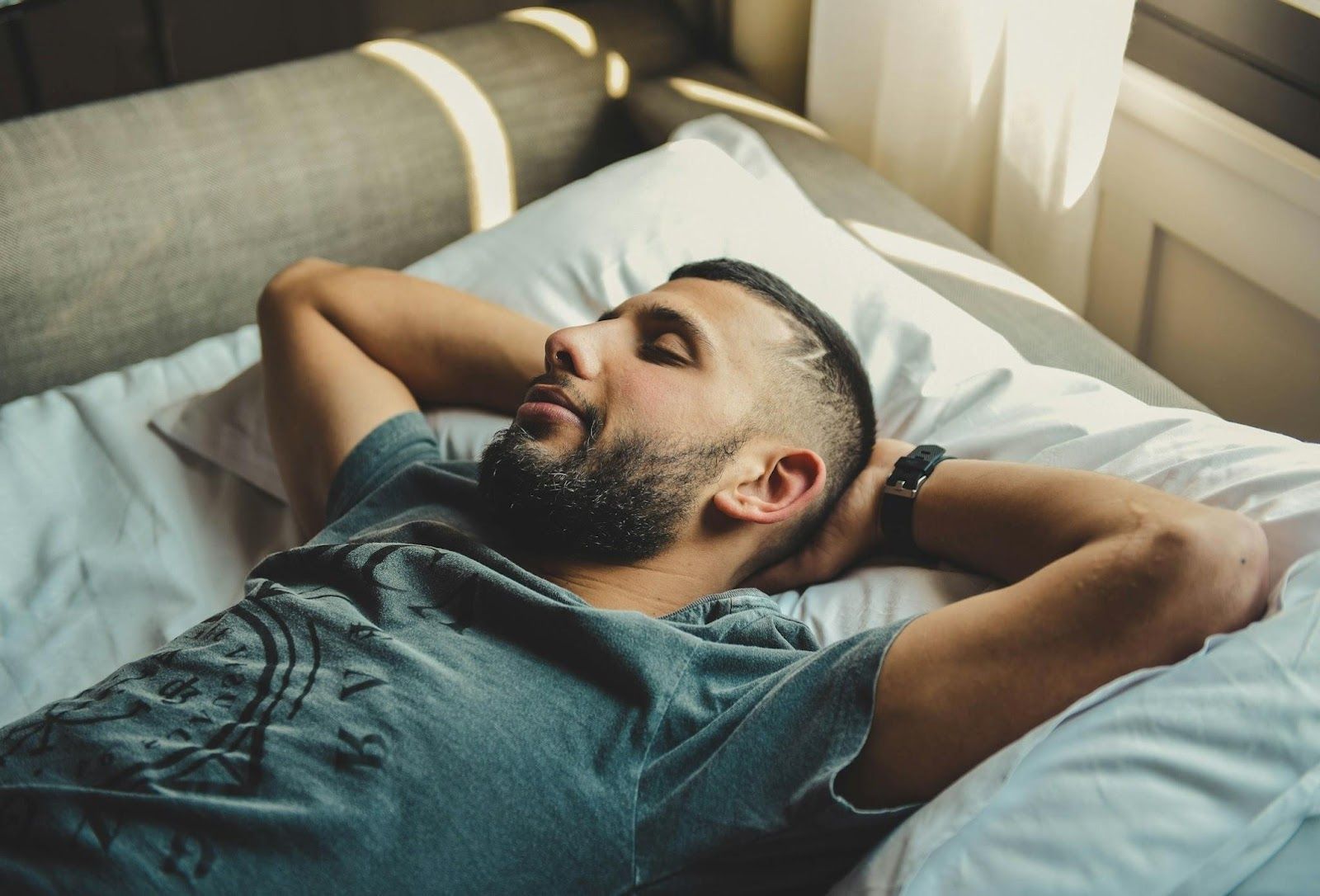
Image: Tânia Mousinho

This one is quite straightforward: your body only requires a certain amount of sleep , and if you use up a large portion of it during the day, you may find yourself staying awake longer at night. While a short, 20-minute nap during the day can help restore your energy, a longer rest period will subtract from your nighttime sleep.

5
Physical activity

Image: Chander R

Regular physical activity and spending time outside every day are great ways to promote better sleep at night. However, it’s important to avoid physical exercise if you are too close to your bedtime to avoid overstimulation.

6
Avoid going to bed with worries
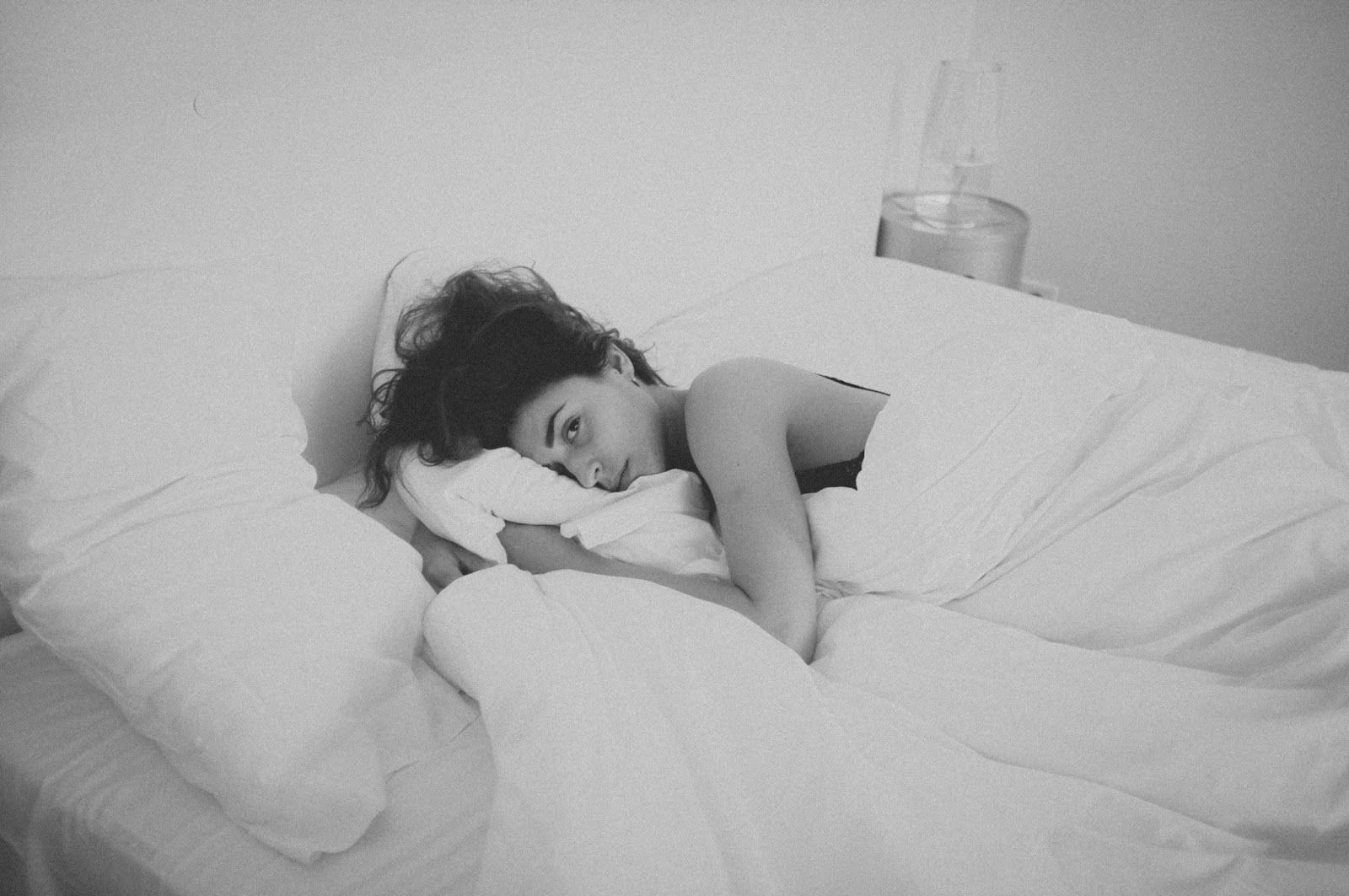
Image: Yohann LIBOT

Whatever worries you may have in your life, try to avoid thinking about them while you're trying to sleep. Stressful thoughts can delay sleep and create anxiety , leading to less-than-optimal rest. Instead, write down any issues you need to deal with and save them for the next day.

7
Light exposure

Image: Gabe

Spending time in natural sunlight or bright light during the day can help keep your circadian rhythm healthy and, in turn, improve your daytime energy and enhance the quality and duration of your sleep at night.

In contrast, avoid exposure to screens for at least half an hour before going to bed. Nighttime light exposure can have the opposite effect from daytime exposure because it reduces your levels of melatonin, which helps you relax and get deep sleep.

8
No alcohol before bedtime

Image: Vinicius amnx Amano

As mentioned earlier, drinking alcohol before bedtime is not recommended . Alcohol can cause or worsen symptoms of sleep apnea, increase snoring, and disrupt normal sleep patterns. It also alters nighttime melatonin production, which plays a key role in regulating your body’s circadian rhythm.

9
A good bed and pillow

Image: Andrew Neel

Poor-quality bedding can lead to increased lower back pain , making it harder to sleep well. Firm and medium-firm mattresses are available at different price ranges and can be a good choice for comfort and to avoid back pain.

Pillows should not cause neck pain, either. Find a pillow that isn’t too high and offers comfort for your sleep style. It will make for a better rest, and your body will thank you in the morning.

10
No liquids right before bed

Image: Steve Johnson

There’s nothing wrong with being hydrated during your sleep time, but having to get up in the middle of the night to go to the bathroom is not great. If this happens repeatedly, it can negatively affect your sleep quality and daytime energy.

To minimize interruptions, try reducing your fluid intake in the last hour before bed . This can help lower the chances of waking up during the night.

11
Good sleeping temperature

Image: Vin Jack

One way to guarantee uncomfortable sleep is a bedroom that’s either too cold or too hot . The ideal temperature can vary based on the individual, but most research suggests that sleeping in a cooler room—around 65 to 68 degrees—is optimal.

12
At least seven hours of sleep
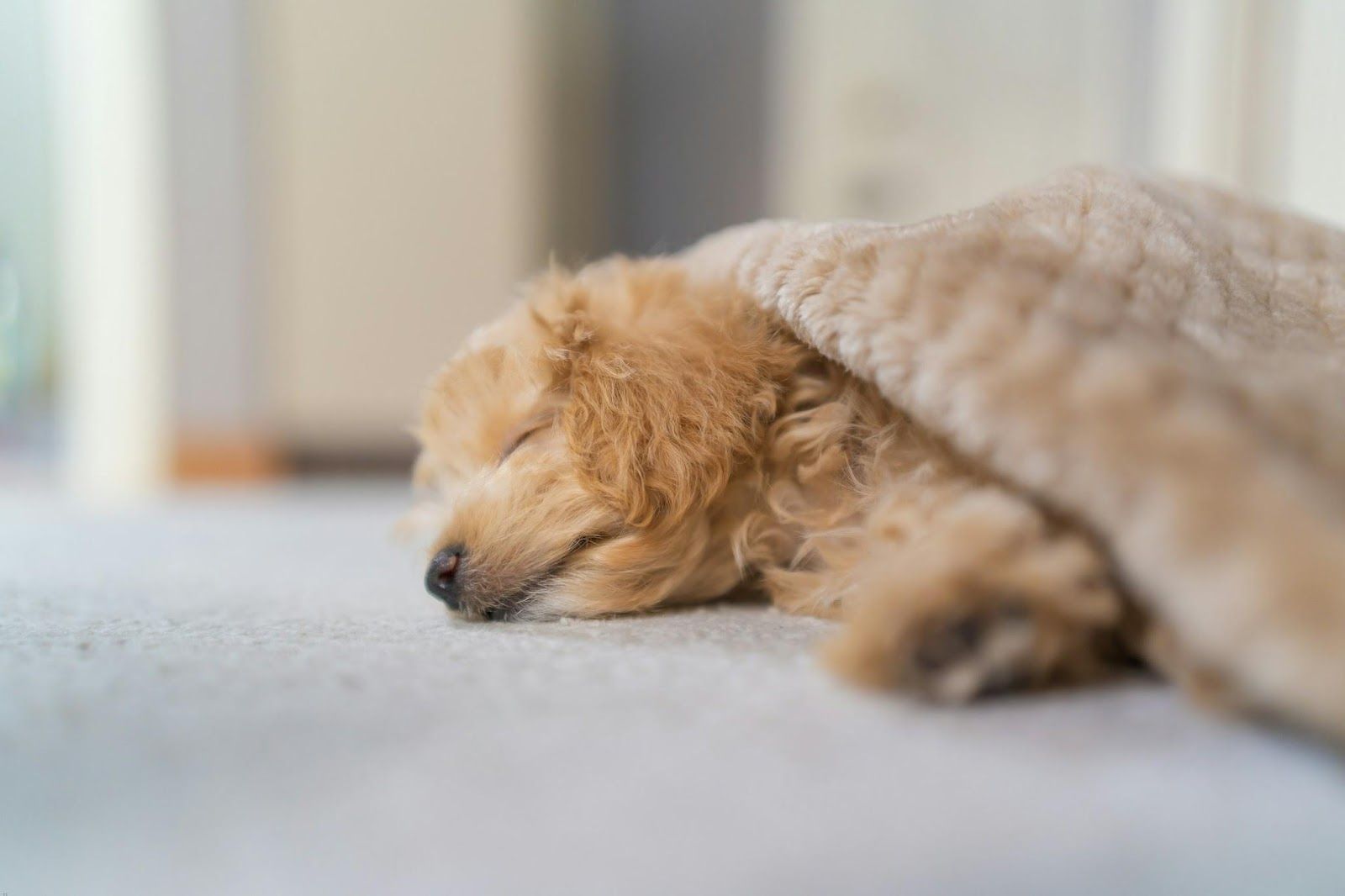
Image: sq lim

Each age group requires a different amount of sleep each night, but for most people, seven hours is the bare minimum to ensure proper rest. If you have a specific wake-up time, calculate a target bedtime that allows for at least seven hours of sleep . Give yourself extra time before bed to wind down and prepare for sleep whenever possible.
General General 4 min read

Icons of the 80s

Rediscover the top 10 trends from the 80s that should make a comeback!

Image: Cottonbro Studio

The 1980s were marked by ambition, progress, and reinvention. It was a decade that vibrated with the chimes of the New York Stock Exchange, the rise of cable TV, and the sound of personal computer keyboards. Fashion, of course, was not far behind: leg warmers, shoulder pads, and big hair were all the rage. In this article, we are covering ten years in which technological advances, finance, and pop culture reigned supreme in America. Ready for a flashback?

1
Bright colors

Image: Yaritza

In the 80s, neon was absolutely everywhere, and let’s be honest, it was very hard to miss. Found in clothes, accessories, makeup, signs, and posters, blindingly bright colors became a new style statement. From hot pink to acid green, neon yellow to electric blue, this color palette could be found in pop culture, on the streets, and everywhere in between.

2
Bold fashion

Image: cottonbro studio

There's only one word to describe 80s fashion: bold . B old hair, bold accessories, bold colors, bold everything! Fashion during this decade was strongly influenced by pop music and new rock subgenres such as New Wave. For the first time, different styles began to mix, combining formal garments with rebellious accents —like pairing suits with sneakers, mind you. Whether it was shoulder pads, multicolored leg warmers, or those striking Miami Vice suits, fashion in the 80s was all about vibrancy and an aura of success.

3
Big hair, strong makeup

Image: Gustavo Cerati, Public domain, via Wikimedia Commons

In the 80s, crazy cuts and dramatic makeup became an everyday thing, a way of expressing one’s personality and style everywhere you went. From musicians like Madonna to leading ladies like Demi Moore or Julia Roberts, the stars led the way with their perms, pumped-up hair volume, tanned faces, and bright eyeshadows.

But let's not forget the guys! They also introduced the iconic mullet, popularized by celebrities like Rod Stewart, tennis player Andre Agassi, and Patrick Swayze, just to name a few.

4
Rise of yuppie culture

Image: MART PRODUCTION

In a nutshell, Yuppie culture was characterized by slicked-back hair, V-neck sweaters, and a condescending attitude. The term yuppie , an acronym for "young urban professional," emerged in 1980 in an article in Chicago magazine. It described a young person in their 20s or 30s who was part of the middle to upper class, a socioeconomic group that became the forefront of the decade.

From the beginning, this label sparked divided opinions: For some, it represented ambition and success; for others, it symbolized superficiality, an excessive materialism, and an apparent superiority complex. Accurate or not, the trend eventually faded away after the 1987 Wall Street Crash.

5
Toys on TV

Image: cottonbro studio

The 1980s were marked by spending Saturday mornings watching ads on cartoon commercial breaks. How did this happen? From this decade onwards, companies were finally allowed to market directly to kids. The result was hundreds of all kinds of toy ads. They advertised everything from creative games like the Rubik's Cube or Lego to cute and cuddly toys like Care Bears and My Little Pony. This era also saw the beginnings of the must-have toy trend, with Cabbage Patch dolls leading the pack.

6
Music on the go

Image: cottonbro studio

During the 80s, it was common to see people walking down the street with a Walkman on their hips or a boombox to their ears. Although the boombox gained popularity in the 70s, it became mainstream in the 80s thanks to hip-hop and breakdancing culture. Yet, the Walkman would soon steal its thunder. This revolutionary new audio player allowed people to bring their music with them anywhere without bothering everyone around. And that’s also how mixtapes became a thing!

7
Personal computers

Image: Tomas Martinez

The 80s were a prominent decade for electronics development. In 1981, IBM introduced its first personal computer, and everyday life and work would never be the same again. More affordable computers were created thanks to the introduction of powerful, smaller, and cheaper processors, reaching a wider audience and creating greater demand. Models such as the IBM PC, the Commodore 64, and the Apple Macintosh became household names, paving the way for the era of domestic computing.

8
Rise of video games

Image: cottonbro studio

Thanks to technological advances in graphics and gameplay over the decade, video games finally became undeniably popular. With the rise of arcade machines and home consoles, a series of iconic games managed to capture the attention of a wider audience, igniting a cultural phenomenon that would influence music, film, and television. Titles such as Super Mario Bros., The Legend of Zelda, Space Invaders, Pac-Man, and Donkey Kong became classics that defined an era.

9
Cable TV goes mainstream

Image: Coline Haslé

When cable TV hit the mainstream, it not only gave the big three American networks a run for their money, but it also allowed the world access to specialized shows that better suited their tastes. Whether your interest was sports, comedy, or music, cable had something for everyone.

CNN and HBO definitely changed television forever, but it was perhaps MTV that left the most indelible mark by offering greater insight into contemporary bands and musicians via live performances and music videos.

10
Fitness fever

Image: Ron Lach

The 1980s were the golden age of fitness, a trend that reflected society's growing interest in health and wellness. Exercise routines were not just a workout, but a cultural phenomenon that turned our living rooms into mini gyms.

Major clothing brands began designing exercise-specific apparel and accessories, such as leotards, crop tops, and headbands. Celebrities also capitalized on the fitness craze. Jane Fonda, for example, became a massive hit in 1982 with her iconic workout videos, some of the best-selling VHS of all time.

Culture Culture 6 min read

Presidential companions

First Pets: Discover the strangest animals that lived in the White House

Image: RDNE Stock project / Aaron Kittredge

There’s a quote attributed to Harry Truman that says, "If you want a friend in Washington, get a dog." It seems U.S. presidents took this maxim to heart, as many of them brought not only dogs but also other types of animals—even exotic ones—to live with them in the White House. Some of these pets simply provided companionship to the presidential family; others gained fame for their role in shaping the president's public image or promoting important issues. Keep reading to discover the remarkable—and often amusing—pet stories of 10 former U.S. presidents.

1
Thomas Jefferson’s mockingbird

Image: Library of Congress

Did you know that one of the first animals to live at the White House was a bird? Dick was Thomas Jefferson's mockingbird and the president loved him so much that he let him roam freely in his office. Dick would sing in the Oval, perch on Jefferson's shoulder, sit on his desk, and even take food directly from the president’s lips.

But Dick wasn’t the only curious animal to inhabit the White House in the early 19th century. In fact, Thomas Jefferson had more than thirty pets, including two grizzly bear cubs. These cubs were a gift from the Lewis and Clark expedition, delivered by explorer Zebulon Pike. However, the bears didn’t stay at the White House for long, as Jefferson decided it was best to send them to a museum in Philadelphia.

2
John Quincy Adams’ alligator

Image: Library of Congress

Jefferson wasn't the only president to own fairly unusual pets during his presidency. According to lore, John Quincy Adams kept a pet alligator in the East Room of the White House. Although there’s no way to prove it, the story goes that the alligator would slither around and even chase visitors.

While the tale of the alligator may be a myth, one thing is certain: President Adams' wife, Louisa, kept silkworms. The worms lived in mulberry trees on the White House grounds, and Louisa used to harvest their silk to feed her sewing hobby.

3
Abraham Lincoln’s goats

Image: Mathew Benjamin Brady, Public domain, via Wikimedia Commons

The Lincolns had a variety of animals, including a couple of dogs, a rabbit, a horse, and a turkey. However, perhaps the most curious pets that lived in the White House during Abraham Lincoln’s presidency (1861–1865) were two goats named Nanny and Nanko .

Lincoln let their sons, Willie and Tad, keep their pet goats in their rooms, granting the animals total freedom to roam the Executive Mansion . The Lincoln family was so fond of Nanny and Nanko that the president would even send updates on the goats’ wellbeing when his wife and children were away. In one letter, he wrote: "Tell Tad the goats and father are very well—especially the goats."

4
Rutherford B. Hayes’ Siamese cat

Image: Mathew Benjamin Brady, Public domain, via Wikimedia Commons

Like the Jefferson family, the Hayes family also received some First Pets as gifts from well-wishers, friends, and foreign officials. It was publicly known that First Lady Lucy Hayes loved animals, so the U.S. Ambassador to Siam (now Thailand) gifted her a kitten. This cat became the pet of First Daughter Fanny Hayes and holds the distinction of being the first Siamese cat to live in the United States.

Another Siamese cat, named Miss Pussy, later joined the family, becoming part of a diverse collection of animals. This included two hunting dogs, Juno and Shep; Otis, the miniature schnauzer; Dot, the cocker spaniel; a goat; a mockingbird; pedigreed Jersey cows; four canaries; and several carriage horses.

5
Teddy Roosevelt’s hyena

Image: National Portrait Gallery, CC0, via Wikimedia Commons

Teddy Roosevelt's brood brought a proper zoo to the White House at the dawn of the 20th century. His large, young family and their pets often captured substantial public attention, frequently appearing in periodicals and newspapers of the time.

The Roosevelts cared for an eclectic collection of animals, including badgers, mice, raccoons, pigs, parrots, dogs, cats, baby bears, snakes, a one-legged rooster, a kangaroo rat, a macaw, and a Shetland pony named Algonquin—who once had the pleasure of riding the White House elevator. But the top prize goes to a spotted hyena named Bill. A gift from the emperor of Ethiopia, Bill was taught tricks by Roosevelt and was even allowed to beg for scraps at the dinner table.

6
Woodrow Wilson’s sheep

Image: National Portrait Gallery, CC0, via Wikimedia Commons

Some animals that spent time at 1600 Pennsylvania Avenue had a greater purpose than just being pets. For example, some presidents kept pets for a cause or to set an example. During World War I, President Woodrow Wilson allowed a flock of 48 sheep to live on the White House grounds. The sheep not only kept the lawn trimmed, reducing maintenance costs but their wool was also sold to benefit the Red Cross .

In addition to the sheep, Wilson had a cat named Puffins, chickens, a bull terrier named Bruce, a songbird, and a ram named Old Ike, who was known for his unusual habit of chewing tobacco.

7
Calvin Coolidge’s raccoon

Image: National Photo Company Collection, Public domain, via Wikimedia Commons

President Calvin Coolidge, who served from 1923 to 1929, kept several non-traditional pets at the White House . The Coolidges had a variety of animals, including dogs, canaries, Ebenezer the donkey, and Smoky the bobcat. Even more exotic animals were gifted to them by foreign dignitaries, such as Billy the pygmy hippo, two lion cubs named Tax Reduction and Budget Bureau, a wallaby, a small antelope, and a black bear.

However, First Lady Grace's most renowned pet was a raccoon. The raccoon was initially given to the Coolidges as a contribution to their Thanksgiving meal, but Grace managed to save it. She named it Rebecca and had a special tree house built for her.

8
Franklin D. Roosevelt’s Scottish terrier

Image: Franklin D. Roosevelt Library, Public domain, via Wikimedia Commons

Perhaps one of the most famous pets to live in the White House was President Franklin D. Roosevelt's Scottish terrier, Fala. Roosevelt's presidency came during a very difficult time in history—World War II. For this reason, Fala became a faithful companion not only to the president but also to all the American people.

Fala’s original name was Big Boy, but Roosevelt renamed him "Murray the Outlaw of Falahill" after a Scottish ancestor. In the early 1940s, Fala participated in a campaign by donating his toys to promote scrap rubber collections for the war effort. He also starred in an MGM short-subject film about the war.

9
Warren G. Harding’s Airedale terrier

Image: National Photo Company Collection, Public domain, via Wikimedia Commons

Pets have played a significant role in humanizing presidents and shaping public perceptions, as seen with Franklin Roosevelt and his loyal Fala. The same holds true for Warren G. Harding’s presidency. Harding and his wife, Florence, were avid animal lovers, and during their time in the White House, they kept several canaries, dogs, and even a squirrel named Pete.

But the spotlight went to Laddie Boy, a photogenic Airedale terrier that was perceived by the public as an extension of Harding's campaign slogan, "Return to Normalcy." Laddie Boy had his own cabinet chair, attended meetings, greeted official delegations, and even participated in press conferences and news briefings. He also "hosted" the 1923 Easter Egg Roll while the Hardings were away, further endearing himself to the public.

10
George H. W. Bush’s English springer spaniel

Image: National Archives and Records Administration, Public domain, via Wikimedia Commons

As we have seen, some presidential pets were as famous as the leaders they accompanied during their time at the Executive Mansion. When George H. W. Bush was elected president in 1988, a springer spaniel named Millie became the new First Pet. The following year, Millie had six puppies and quickly won the hearts of Americans across the country.

Millie's popularity was so great that First Lady Barbara Bush appeared on the cover of Life magazine with the dog and her puppies. Barbara later published Millie's Book , a bestseller that narrates a day in the White House from Millie’s perspective. The book was a huge success, selling thousands of copies.

Explore more American facts

Choose your favorite category!

General
General

As American as apple pie—the very best America has to offer!

Culture
Culture

Delve into the astounding richness of American lore.

Geography
Geography

Hop in and explore vast and diverse American landscapes.

History
History

Discover the key moments that shaped the United States.