Geography Geography 3 min read

Would you stay here?

10 unbelievable spots where people could spend the night

Image: Shamblen Studios

America hides some extraordinary places to rest your head. What’s the strangest, most unusual spot you can imagine spending the night in? Someone has probably already opened a bed-and-breakfast there . As much as we might love traditional hotels, you can find some pretty comfortable spots in the strangest of places—like an old-timey wagon or the country’s last remaining Blockbuster. Let’s talk about them!

1
The Last Blockbuster in Bend, Oregon

Image: Delaney Van

The last Blockbuster video-rental store in the world stands in Bend, Oregon—did you know? And for a limited time, at the end of 2020, it allowed guests to spend the night there, explore their vast collection, and host a movie marathon.

Sadly, the venue doesn’t operate as a bed-and-breakfast currently. But it gladly welcomes guests, and who knows? The family-owned store might be open to hosting more unforgettable stays in the future.

2
Hobbit House in Orondo, Washington

Image: Joshua Harris

Whether you are a Tolkien fan or not, surely you’ve wondered what it would be like to curl up on a comfy couch inside a Hobbit House! These underground cottages with round doors and grass roofs feel straight out of Middle-earth.

One of the fans' favorites is The Hobbit House in Orondo, Washington. You might easily miss it, carved into a hill overlooking the Columbia River Gorge—a cozy, off-the-grid spot that transports guests to another world.

3
Treehouse Point in Issaquah, Washington

Image: Ashley Endemano

Childhood dreams come alive in these handcrafted treehouses nestled among Pacific Northwest evergreens. Some feature rope bridges between platforms, while others boast skylights for stargazing from bed.

The creator, inspired by childhood forts, designed these as peaceful escapes where you can sleep high up, surrounded by green canopies. Not far away are the thunderous Snoqualmie Falls and the endless Cascade Mountain trails.

4
Fire lookout towers in National Forests

Image: Jamie Pilgrim

In today’s world, you can’t blame solitude seekers. Some people crave a digital detox, so they head to lookout fire cabins like Oak Flat Lookout, over the Kern River in California.

Once vital for spotting wildfires, many of these cabins were nearly demolished before preservationists intervened. Sure, the lack of amenities is part of the charm, but epic sunrises are the reward.

5
Newport's Jailhouse Inn

Image: Syarafina Yusof

Why not turn a historic jail into a hotel? Newport’s Jailhouse, built in 1772, is a beautiful federal-style building located near the city center of Newport, Rhode Island.

Now, it’s been reconditioned to become an inn: You can spend the night behind bars—with luxury linens—in its creatively converted cells, where original cell doors now frame plush beds.

6
Covered Wagon Glamping in Westgate River Ranch, Florida

Image: James Lee

Imagine spending a few nights inside an Oregon Trail wagon—except you’d be in Florida, armed with the comforts of a king bed and air conditioning. These tricked-out wagons are the main attraction at Florida's Westgate River Ranch, pioneers in blending Old West nostalgia with today’s glamping movement.

7
Converted Grain Silos in Green Ridge, Missouri

Image: Meredith Petrick

If you were to open a door to the inside of the silos at Prairie Vale in Green Ridge, Missouri, you would walk into perfectly functional (though unusually cylindrical) guest rooms.

These grain silos, situated on a former dairy farm, have been repurposed and transformed into comfortable living spaces. The property spans 14 acres and is home to various animals that guests can visit and feed.

8
Michigan's Big Bay Point

Image: Vladyslav Dukhin

A lighthouse bed-and-breakfast near the cliffs of Lake Superior? You can sleep where keepers once stood watch in coastal lighthouses like Michigan's Big Bay Point, where spiral stairs lead to lantern rooms with sweeping views.

They want you to fully enjoy your stay surrounded by nature, so there are no phones or TVs inside the guest rooms.

9
"Up" house in Abiquiu, New Mexico

Image: Ankush Minda

All those who watched Disney-Pixar's 2009 animated film Up will no doubt remember the image of the house being lifted into the air by hundreds of colorful balloons. That’s not exactly what’s happening at the Abiquiu house, but it’s similar.

This venue, which was available as a unique Airbnb experience temporarily, mirrored the film's architecture and interior decor in stunning detail, and yes, it was adorned with over 8,000 balloons. But it was a crane that lifted the house off the ground to create the effect.

10
Retro-Americana: the sleep-in Red Caboose in Ronks

Image: Rachel Claire

Retro road trip vibes shine at spots like the Red Caboose Motel, located in the community of Ronks, Pennsylvania. It offers a line of colorful train cars as suites. Comfortable bedrooms, dining, and storage areas were built inside recycled train cars, becoming a main attraction in the area.


Culture Culture 3 min read

Unforgettable quotes

Famous movie quotes that give the titles away: Can you guess them all?

Image: charlesdeluvio

Some movie lines live rent-free in our heads. And some other lines we recognize but can’t immediately place the film title, or the actor delivering it… or can we? That’s the game! Below, you’ll find some of the most iconic lines in cinema history . Read the line, take a second to guess, and then scroll to see if you got it right. Game on!

1
"Phone home"

Image: Markus Spiske

Who wants to phone home…? That’s E.T., of course! In E.T. the Extra-Terrestrial (1982) , an iconic Steven Spielberg masterpiece, Elliott (Henry Thomas) and his siblings help the sweetest alien in cinematic history contact his own kind, who accidentally left him behind.

Pat Welsh was the actress who lent her voice to the character. And "E.T… phone home" is the unforgettable line the little guy manages to utter.

2
"I’m gonna make him an offer he can’t refuse"

Image: Carlos Quintero

You can imagine the line in a whisper, for better context. But you probably don’t need it. Most viewers will remember this legendary threat, which belongs to The Godfather (1972), directed by Francis Ford Coppola and anchored by Marlon Brando’s unforgettable turn as Vito Corleone.

3
"I see dead people"

Image: the blowup

A movie no one could watch only once! This line, permanently etched into pop culture, comes from the chilling The Sixth Sense , written and directed by M. Night Shyamalan, and delivered with eerie calm by Haley Joel Osment to his costar Bruce Willis.

4
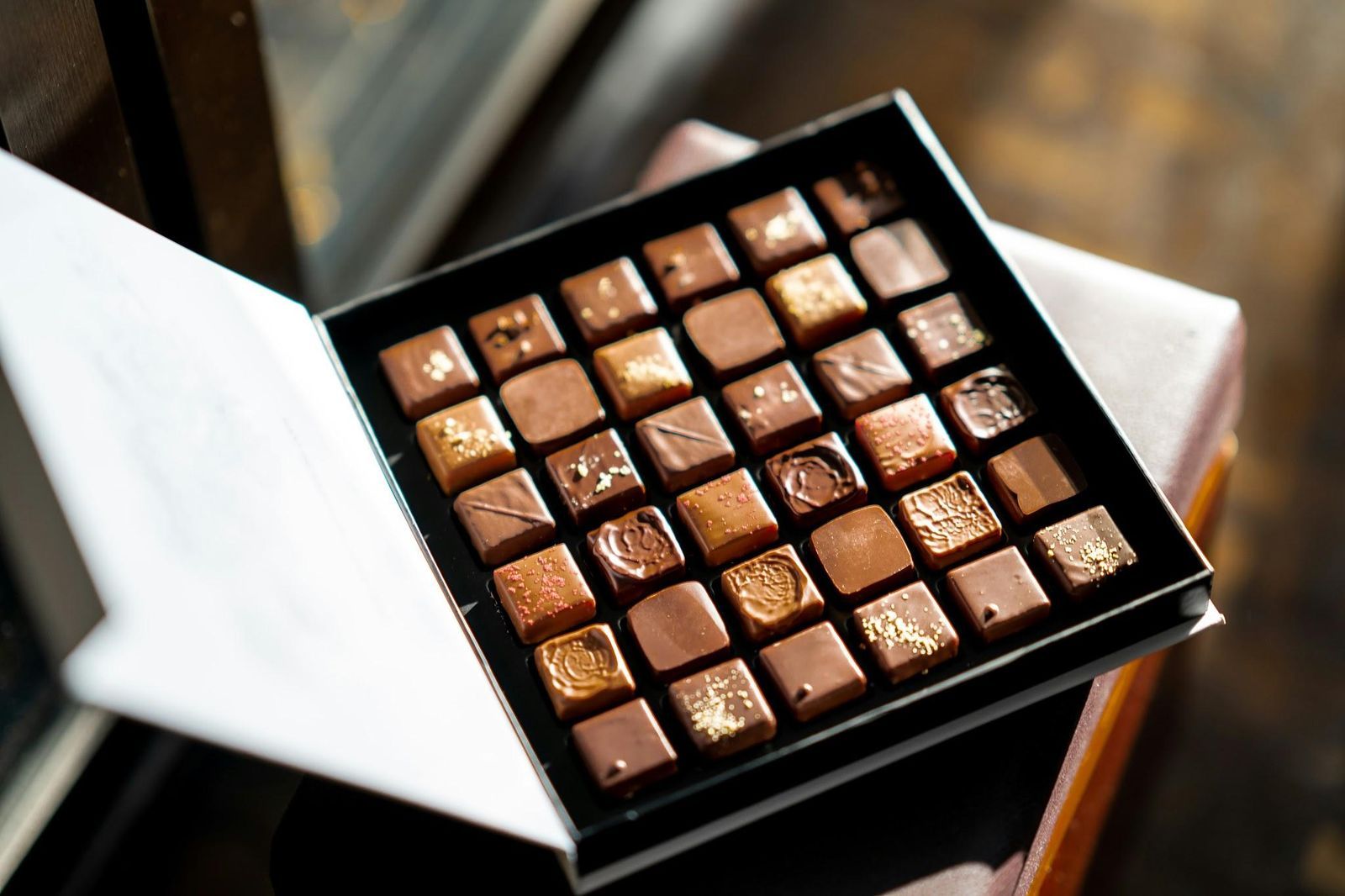
"Life is like a box of chocolates"

Image: Igor Lifar

Whose mama always said that life was "like a box of chocolates: you never know what you’re gonna get?" It was Forrest Gump’s, of course!

The unforgettable 1994 movie was directed by Robert Zemeckis and carried by Tom Hanks’ Oscar-winning performance. Spoken on a park bench, the quote summarizes the film’s philosophy: life is unpredictable, but somehow that’s okay.

5
"I’ll have what she’s having"

Image: Patrick Tomasso

A little clue: This line is delivered inside a deli. Katz’s Delicatessen, on the Lower East Side of New York, to be specific. But you probably don’t need the clue if you’re a fan of classic rom-coms –or if you’ve watched the infamous scene endlessly shared on the internet.

It is taken, of course, from When Harry Met Sally , directed by Rob Reiner and written by Nora Ephron. And, did you know? The lady who says the legendary line was played by none other than Estelle Reiner, Rob’s mom, after Sally (Meg Ryan) fakes an orgasm to prove a point to her pal Harry (Billy Crystal).

6
"Frankly, my dear, I don’t give a damn"

Image: Kaylee Stepkoski

Few lines have ever closed a film with such perfect indifference. This famously unapologetic farewell comes from 1939’s Gone with the Wind , delivered by Clark Gable as Rhett Butler opposite Vivien Leigh’s unforgettable Scarlett O’Hara.

7
"Are you not entertained?"

Image: Craig Zdanowicz

A booming challenge, roared from a scene filled with blood and sand… Of course, it belongs to none other than Ridley Scott’s Gladiator (2000), starring Russell Crowe in his Oscar-winning performance as Maximus.

8
"You’re going to need a bigger boat"

Image: Giga Khurtsilava

Dun-dun… This line comes from 1975’s Jaws , Steven Spielberg’s classic, a masterclass in suspense and suggestion. Spoken by Roy Scheider’s police chief Brody, the quote arrives at the exact moment the audience finally sees what’s been stalking them.

9
"I’m the king of the world!"

Image: Patty Zavala

And speaking of boats… Can you figure out which film this line is from? Kudos if you guessed it: It’s the signature line Leonardo DiCaprio yells from the bow of the Titanic . That’s in the first third of the 1997 movie, while things are still looking sunny and, well, optimistic, for everyone.

10
"I’ll be back"

Image: Giannis Skarlatos

Threatening, short, and flat. This line comes from 1984’s The Terminator , directed by James Cameron and delivered with robotic calm by Arnold Schwarzenegger in the role that defined his career. And yes, he did come back. Many times. Hollywood made sure of it.

11
"It was Beauty killed the Beast"

Image: Josh Connor

This is a closing line from a classic. Have you guessed it? It’s from 1933’s King Kong , directed by Merian C. Cooper and Ernest B. Schoedsack. The film gave audiences groundbreaking special effects, a towering ape with unexpected vulnerability, and a surprisingly heartbreaking ending.

That’s a wrap! How many of the movies could you identify? Did you get a perfect score?

General General 7 min read

State your colors

Why is there a bleeding animal on this state flag? Read all about it

Image: Dreajc10, CC BY-SA 4.0, via Wikimedia Commons

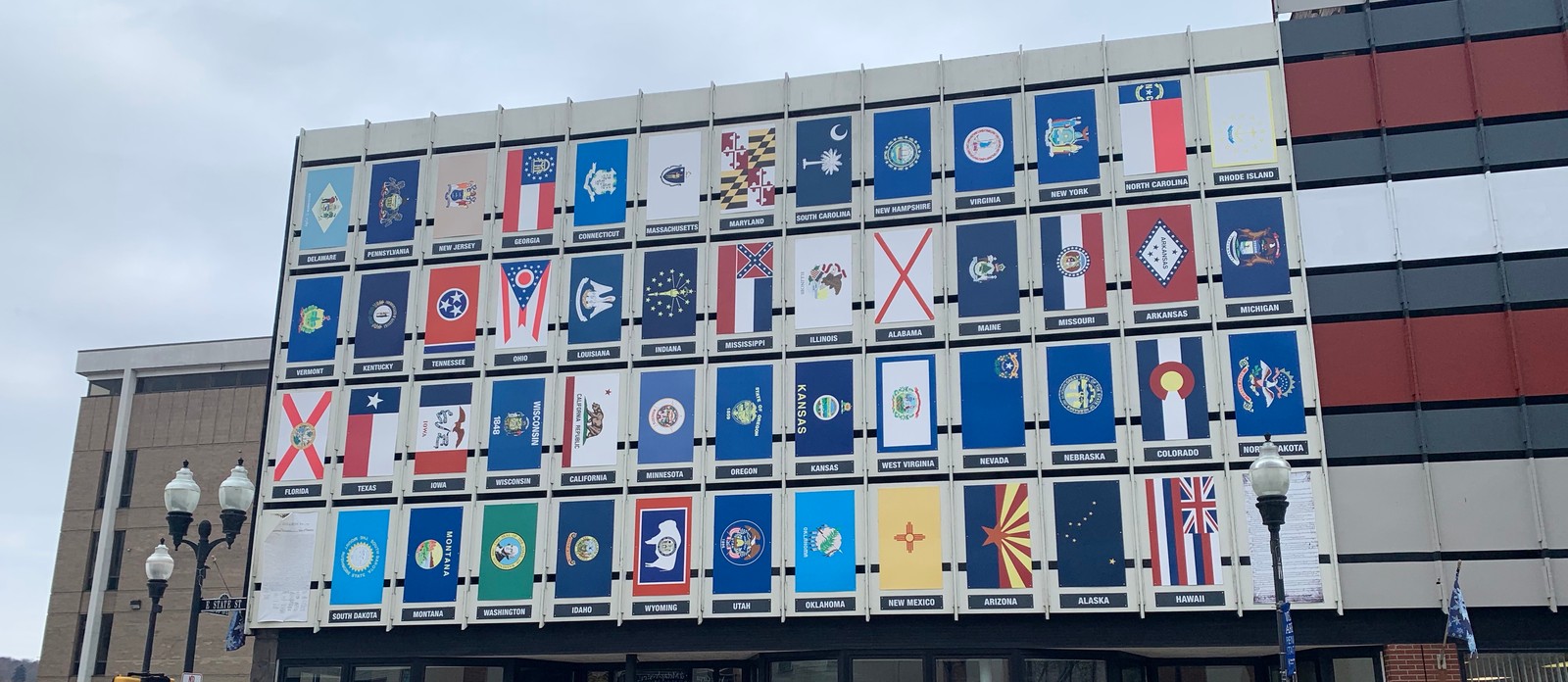
How much do you know about state flags? We see them flying at schools, post offices, and parades, but we rarely stop to think about where they come from. All of them have backstories that are worth learning about. From strange animal motifs to presidential portraits, here's a quick tour of some of the most unique state flags that you may find while touring America.

1
A 13-year-old designed Alaska’s flag

Image: Aerra Carnicom, CC BY-SA 4.0, via Wikimedia Commons

In 1927, while Alaska was still a U.S. territory, officials launched a contest inviting school kids to design territorial flags. Among the 140 entries that arrived in Juneau containing polar bears, mining scenes, or territorial seals, was the design of 13-year-old Benny Benson , an Alaskan Native Aleut.

The design featured eight gold stars against a deep blue field. Seven stars formed the Big Dipper, symbolizing strength through the Great Bear constellation, while the North Star represented Alaska’s future as the northernmost state in the Union. Benson also explained that the blue background honored both the sky and the state flower, the forget-me-not. His design was unanimously selected and officially adopted by the territorial legislature in May 1927, and Benson received a gold watch engraved with the flag and a $1,000 scholarship award.

2
Washington went green and presidential

Image: Malachi Brooks

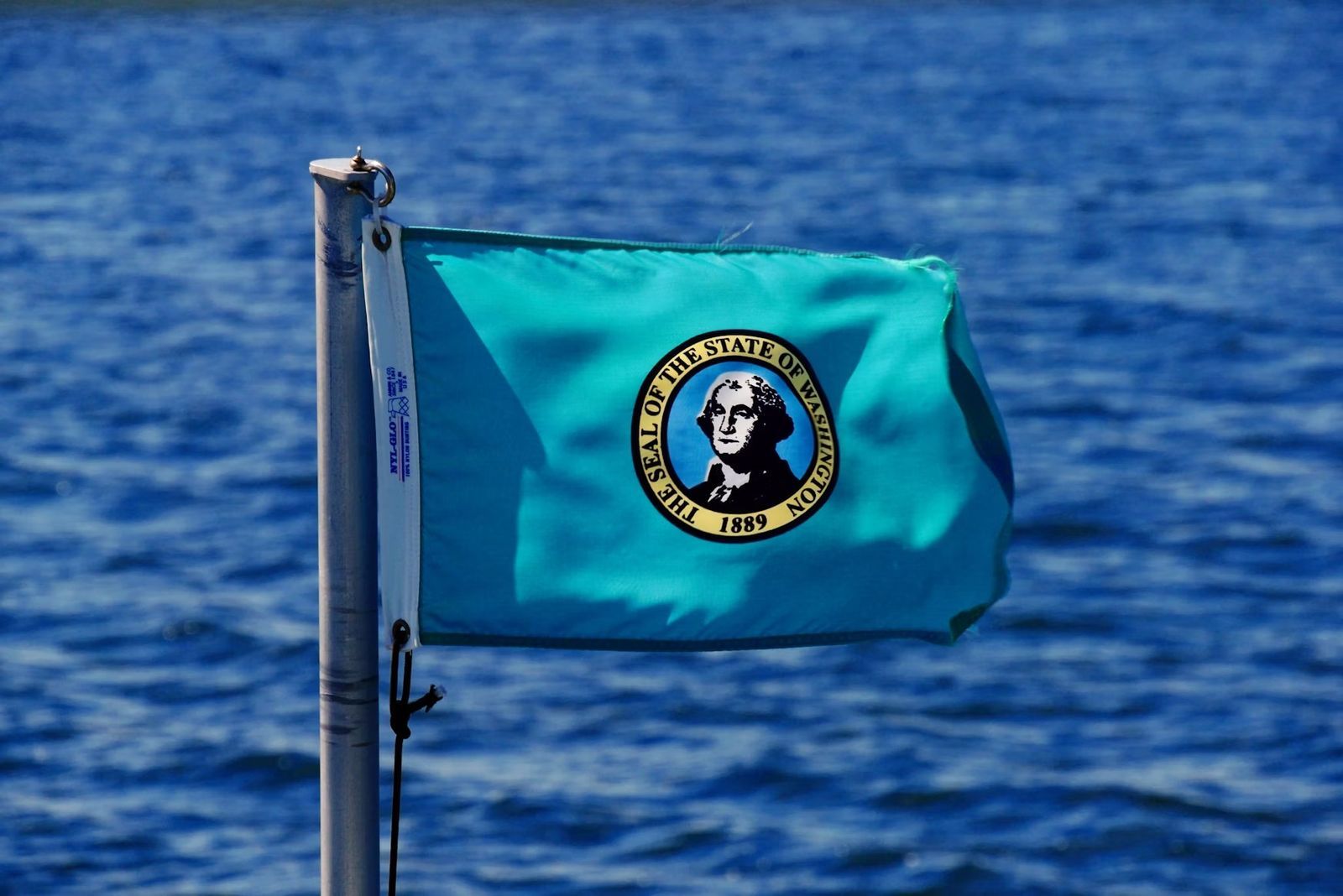
When Washington officially adopted its state flag in 1923, the Legislature made a choice unlike any other state in the country. Instead of following the usual red, white, and blue pattern, they chose a deep green background to reflect the state’s nickname , "The Evergreen State," a reference to its dense forests and year-round greenery. At the center, they placed the state seal featuring George Washington, the first president of the U.S.

The portrait itself was based on a famous painting by Gilbert Stuart, an American artist known for some of the best images of Washington. The portrait represents patriotism and identity. To this day, Washington remains the only U.S. state flag with a green field and the only one to feature an American president’s face.

3
Ohio ditched the rectangle

Image: Hannah Wernecke

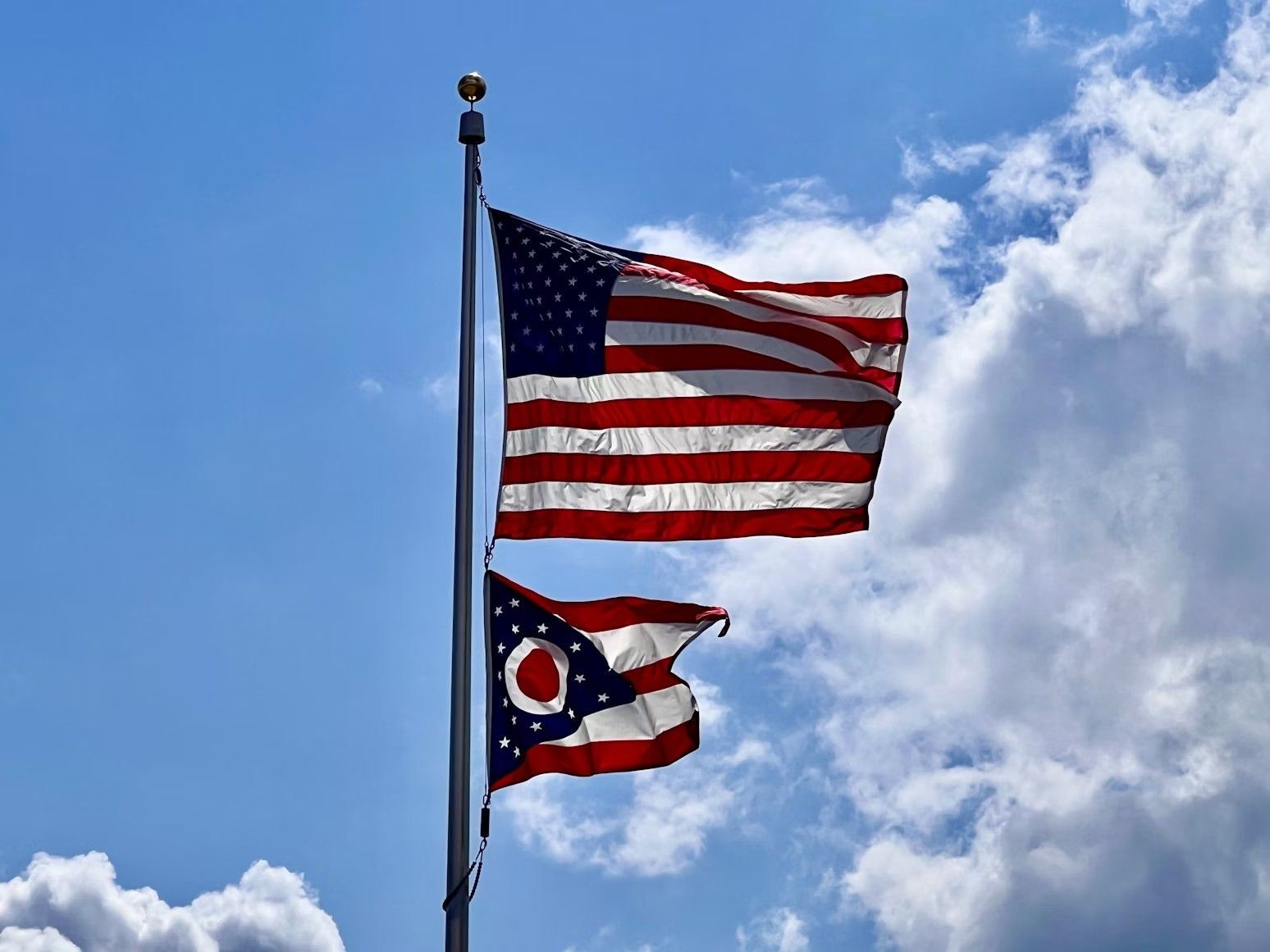
Ohio may have joined the Union in 1803, but for nearly a century, the state had no official flag of its own. But it began turning heads the moment it was introduced in 1902.

Designed by architect John Eisenmann for the Pan-American Exposition in Buffalo, New York, the flag broke one of the oldest traditions in vexillology. Instead of a rectangle, Eisenmann created a burgee, a swallowtail pennant shape more commonly used by naval organizations and cavalry units. Its red and white stripes represent roads and waterways, while the blue triangular field symbolizes Ohio’s hills and valleys. The white "O" stands for both Ohio and the buckeye nut, and the 17 stars honor Ohio as the seventeenth state admitted to the Union.

4
Maryland flew in from the Middle Ages

Image: Aerra Carnicom, CC BY-SA 4.0, via Wikimedia Commons

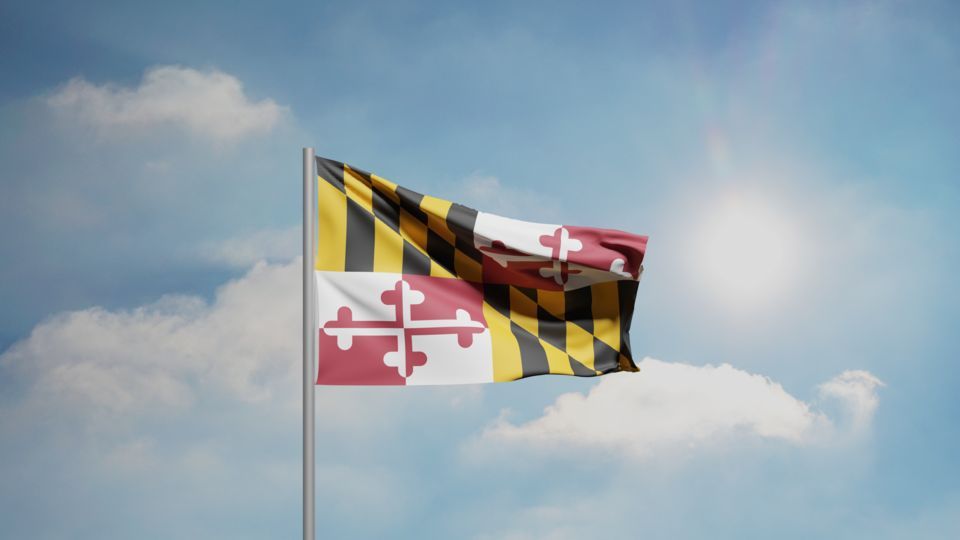
The story behind Maryland’s flag reaches back to English nobility, long before the U.S. existed. Its design comes from the coats of arms of the Calvert and Crossland families , connected to George Calvert, the first Lord Baltimore, whose family founded the Maryland colony in 1632 under a charter granted by King Charles I. The black and gold pattern belonged to the Calvert family, while the red and white cross belonged to the Crossland family through Calvert’s mother, Alicia Crossland.

During the Civil War, the colors gained powerful political meaning. Union supporters in Maryland often displayed the Calvert colors, while Confederate sympathizers adopted the Crossland pattern. Following the war, state leaders sought unity during Reconstruction, and by the 1880s, the two designs were combined into one banner. Maryland officially adopted the flag in 1904, turning former symbols of division into a lasting emblem of reconciliation.

5
California’s bear has a revolutionary past

Image: Drei Kubik

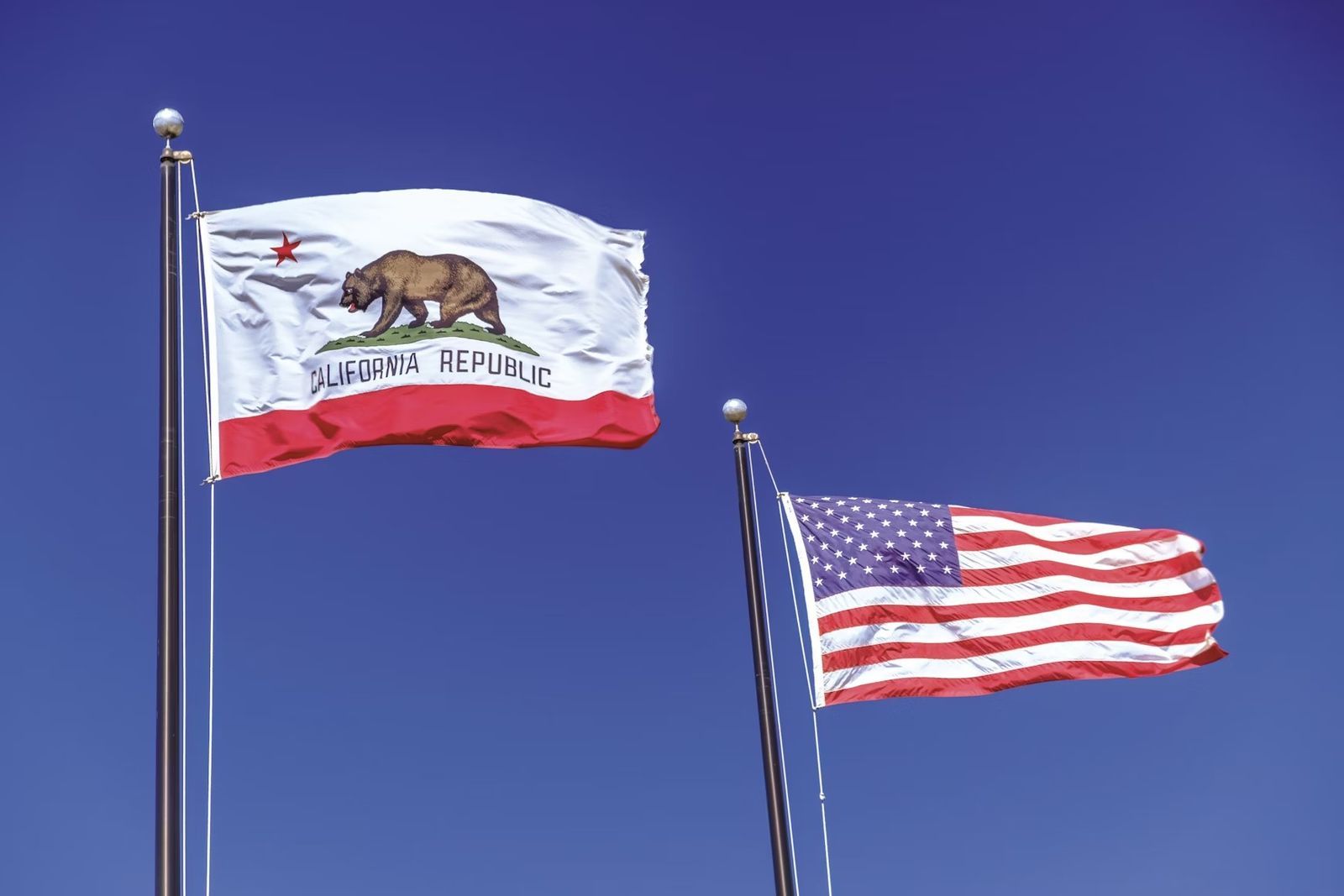
California’s famous Bear Flag began during the Bear Flag Revolt of 1846, when American settlers in Sonoma rebelled against Mexican rule and declared California an independent republic. Their handmade banner featured a grizzly bear, a red star, and the words "California Republic."

The rebellion ended in less than a month after the U.S. forces took control during the American-Mexican War between 1846 and 1848, but the image remained a symbol of independence. The original flag was later destroyed in 1906 in the San Francisco earthquake, though copies had been preserved. It wasn’t until 1911 that lobbying from the historical society, Native Sons of the Golden West, made the legislature adopt the design as the official state flag.

6
Oregon’s two sides

Image: Aerra Carnicom, CC BY-SA 4.0, via Wikimedia Commons

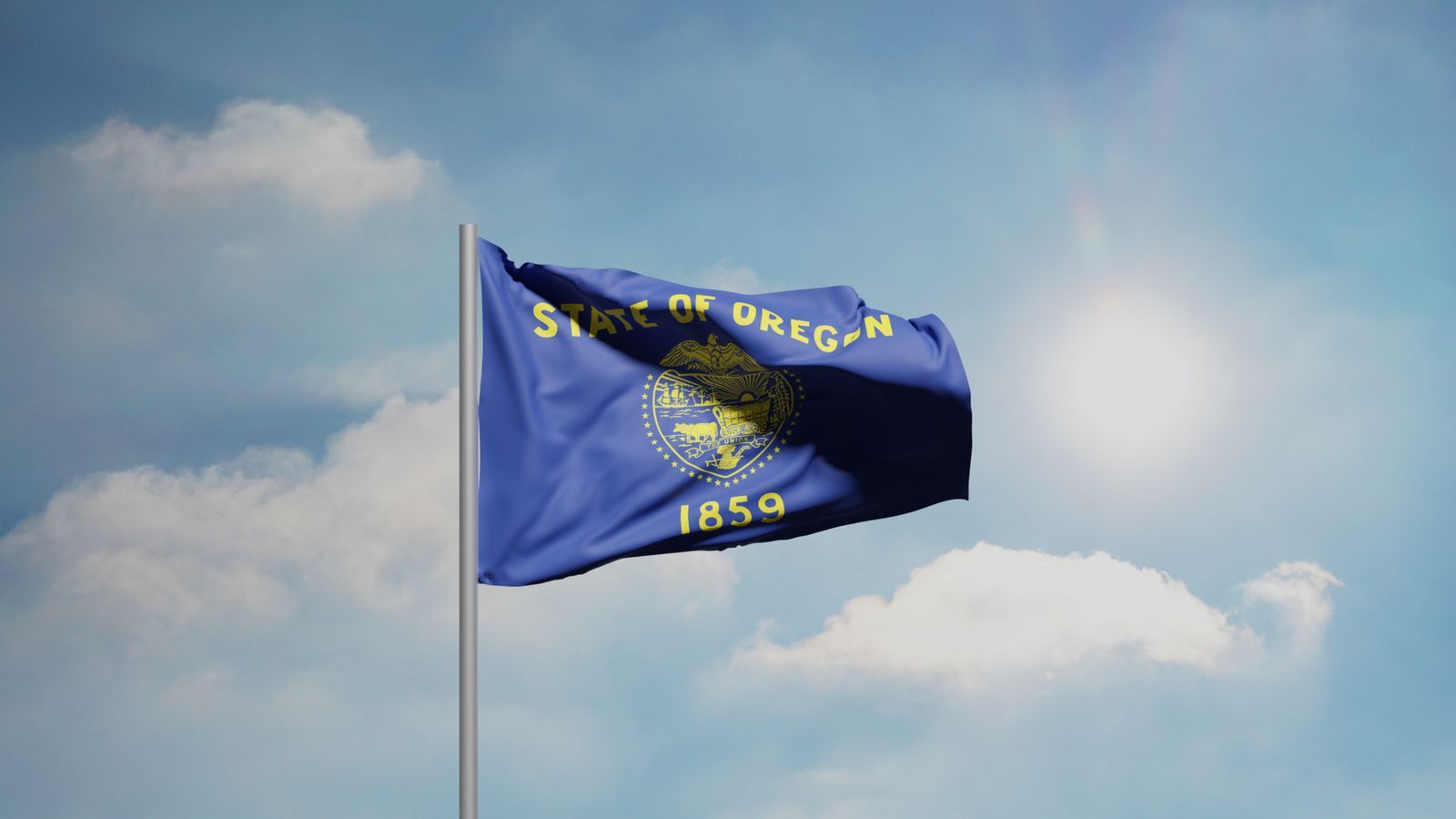
When Oregon adopted its official state flag in 1925, it quietly created one of the rarest flags in the world. Unlike nearly every other state banner, Oregon’s flag features two completely different designs, one on each side.

The front displays the state seal in gold against a navy-blue background, surrounded by 33 stars representing Oregon’s admission as the thirty-third state in 1859. Beneath the shield appears the year of statehood, while symbols such as a covered wagon and an eagle reflect Oregon’s frontier history and connection to the United States. The reverse side tells a simpler story. There, a single gold beaver appears alone on the blue field. The beaver became Oregon’s state animal because the fur trade played a major role in the region’s early economy during the 1800s.

7
Hawaii still nods to the British

Image: little plant

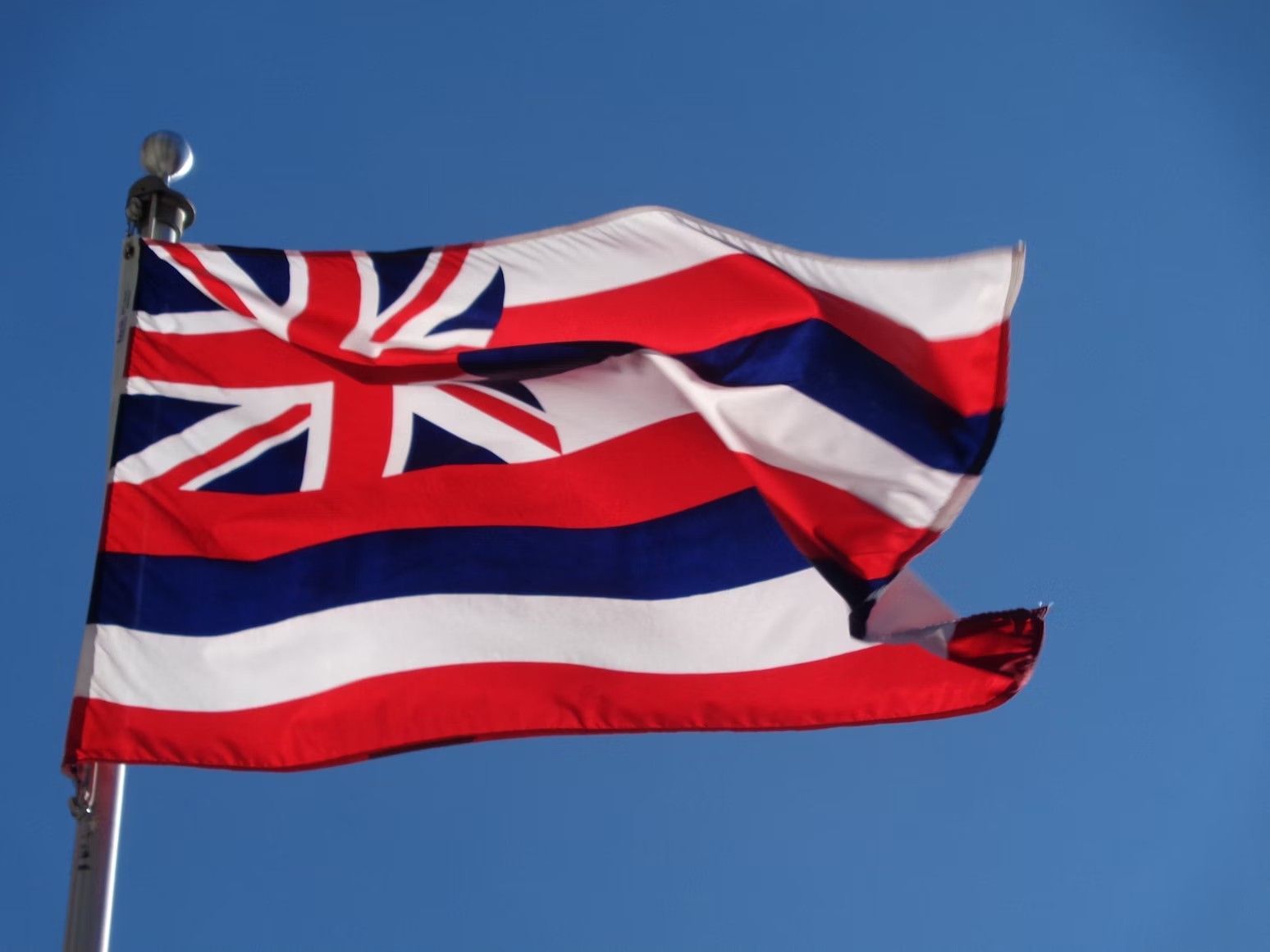
Hawaii’s state flag tells the story of a kingdom caught between powerful nations during the early 1800s. The British Union Jack placed in the corner dates back to the reign of King Kamehameha I, the ruler who united the Hawaiian Islands into a single kingdom.

Ever since the first British flag was raised in that territory in 1794, Hawaii used several variations of flags that blended British and American influences , partly to maintain good relations with both nations during the War of 1812. A combined design was created using the Union Jack alongside horizontal stripes inspired by the American flag. By 1845, the current design with eight stripes, representing the major islands, had been established. When Hawaii became a state in 1959, the historic flag remained unchanged.

8
Louisiana’s bleeding pelican

Image: Clker-Free-Vector-Images

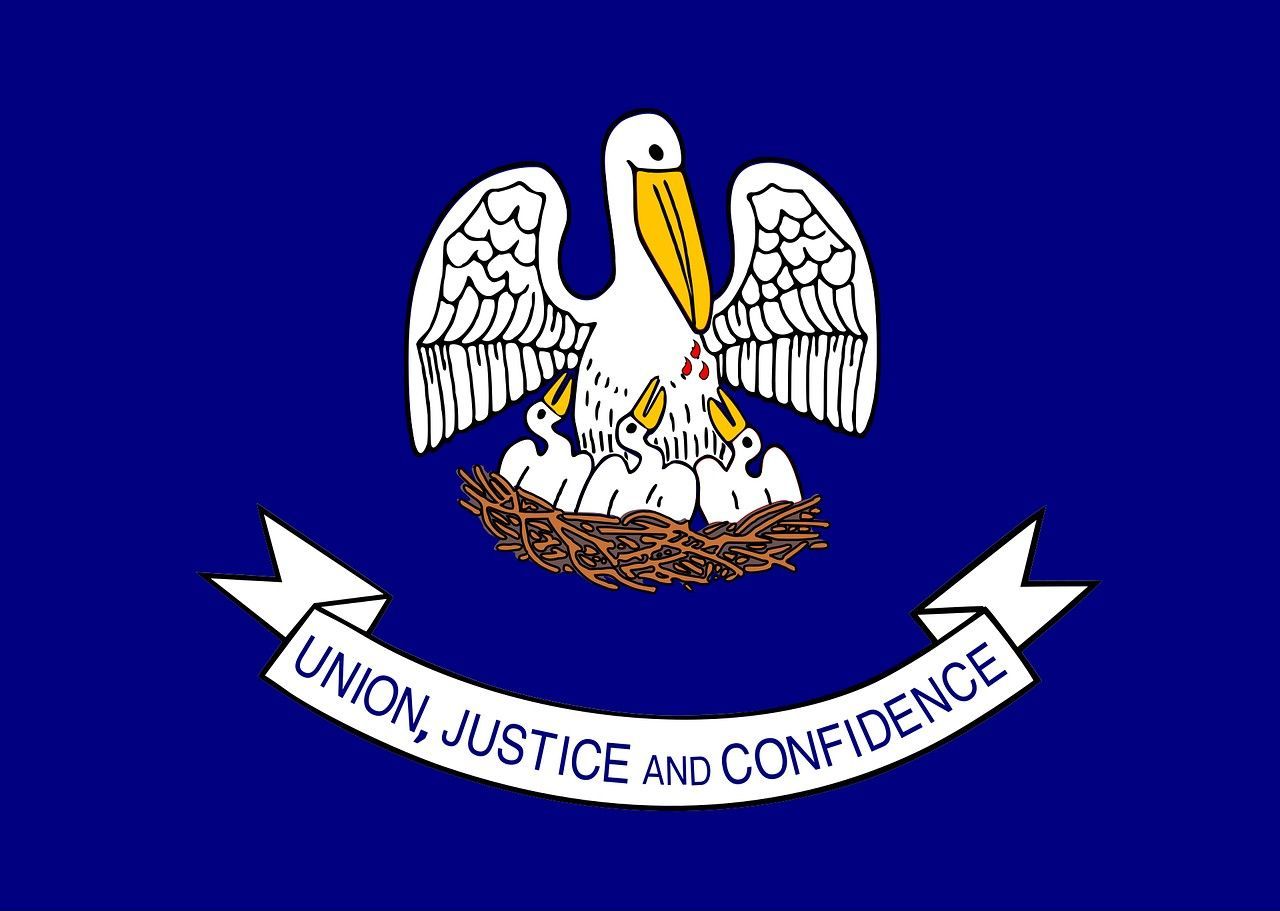
At first sight, Louisiana's choice of flag might seem a bit odd, but the meaning of its symbols carries centuries of meaning. The flag was adopted in 1912 and, at the center, stands a mother pelican feeding her chicks with drops of her own blood, an image taken from Christian traditions. According to legend, pelicans wound themselves during times of famine to keep their young alive. And even though the story is not scientifically accurate, the symbol stands for sacrifice, compassion, and protection. It also represents the bird-filled wetlands and Gulf Coast landscape that shaped the state’s identity.

Over time, different versions of the flag softened the dramatic image and even removed the drops of blood completely, but in 2010, Louisiana officially restored the traditional design and brought it back.

9
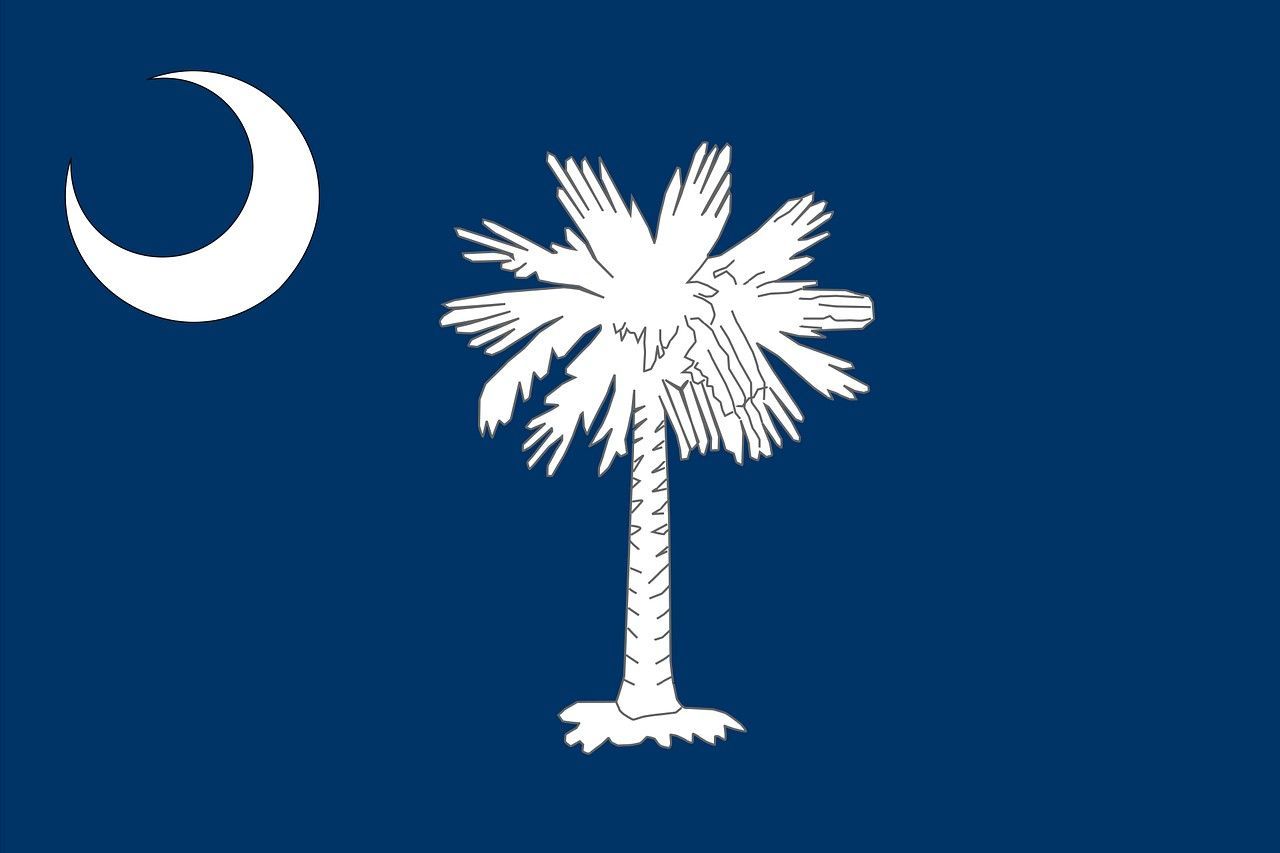
South Carolina’s flag is not standardized

Image: Clker-Free-Vector-Images

South Carolina’s flag shows a white crescent shape above a palmetto tree, and its design was born during the first days of the American Revolution. In 1775, Colonel William Moultrie designed a simple blue banner with a white crescent based on the uniforms worn by local patriot soldiers defending Charleston Harbor. A year later, the fort’s walls of palmetto logs absorbed British cannon fire instead of shattering. The Unexpected victory turned the palmetto tree into a symbol of South Carolina’s resistance, and it was added to the flag.

As the years passed, different versions appeared across the state, especially during the Civil War, when many were painted by hand. South Carolina officially adopted the familiar flag in 1861, but there were never defined exact shapes or proportions. That is why even today, no two South Carolina flags look exactly alike.

10
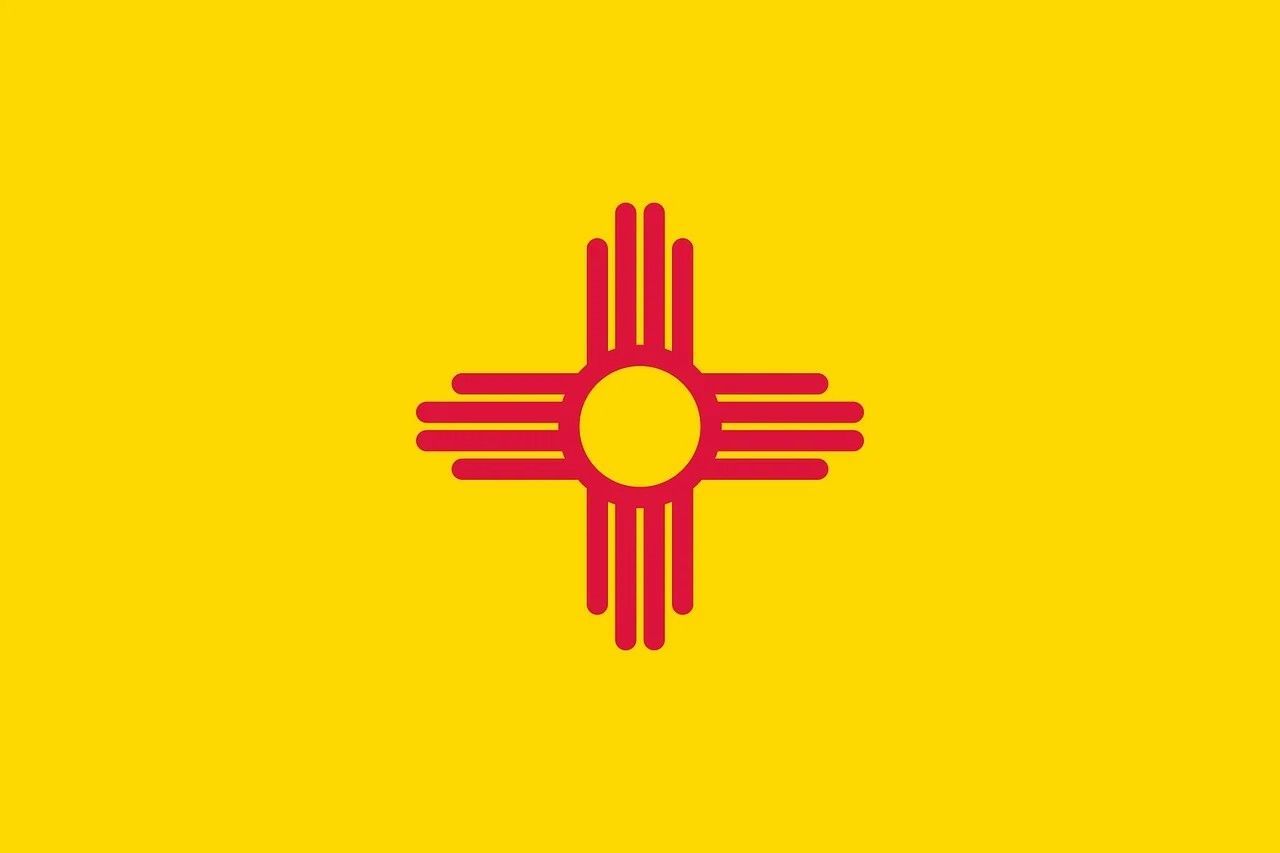
New Mexico went bold and beautiful

Image: Clker-Free-Vector-Images

New Mexico’s first flag looked much like many others of the time. Designed by historian Ralph Emerson Twitchell, it included the American flag, the state seal, and the words "New Mexico" stitched across a blue field. But in 1920, the Daughters of the American Revolution began pushing for a design that truly represented the Southwestern identity.

After winning a statewide contest, Dr. Harry Mera, a Santa Fe physician and archaeologist, and his wife, Reba Mera, presented a design that replaced crowded symbols with something simpler : a red Zia sun symbol centered on a yellow field inspired by the colors carried by Spanish explorers centuries earlier. The sacred Zia symbol represented harmony through the number four, reflected in the seasons, directions, stages of life, and times of day. Adopted in 1925, the design became one of the boldest and most admired flags in America.

Explore more American facts

Choose your favorite category!

General
General

As American as apple pie—the very best America has to offer!

Culture
Culture

Delve into the astounding richness of American lore.

Geography
Geography

Hop in and explore vast and diverse American landscapes.

History
History

Discover the key moments that shaped the United States.