Geography Geography 4 min read

Prehistoric life

10 top U.S. spots to find fossils and see prehistoric life
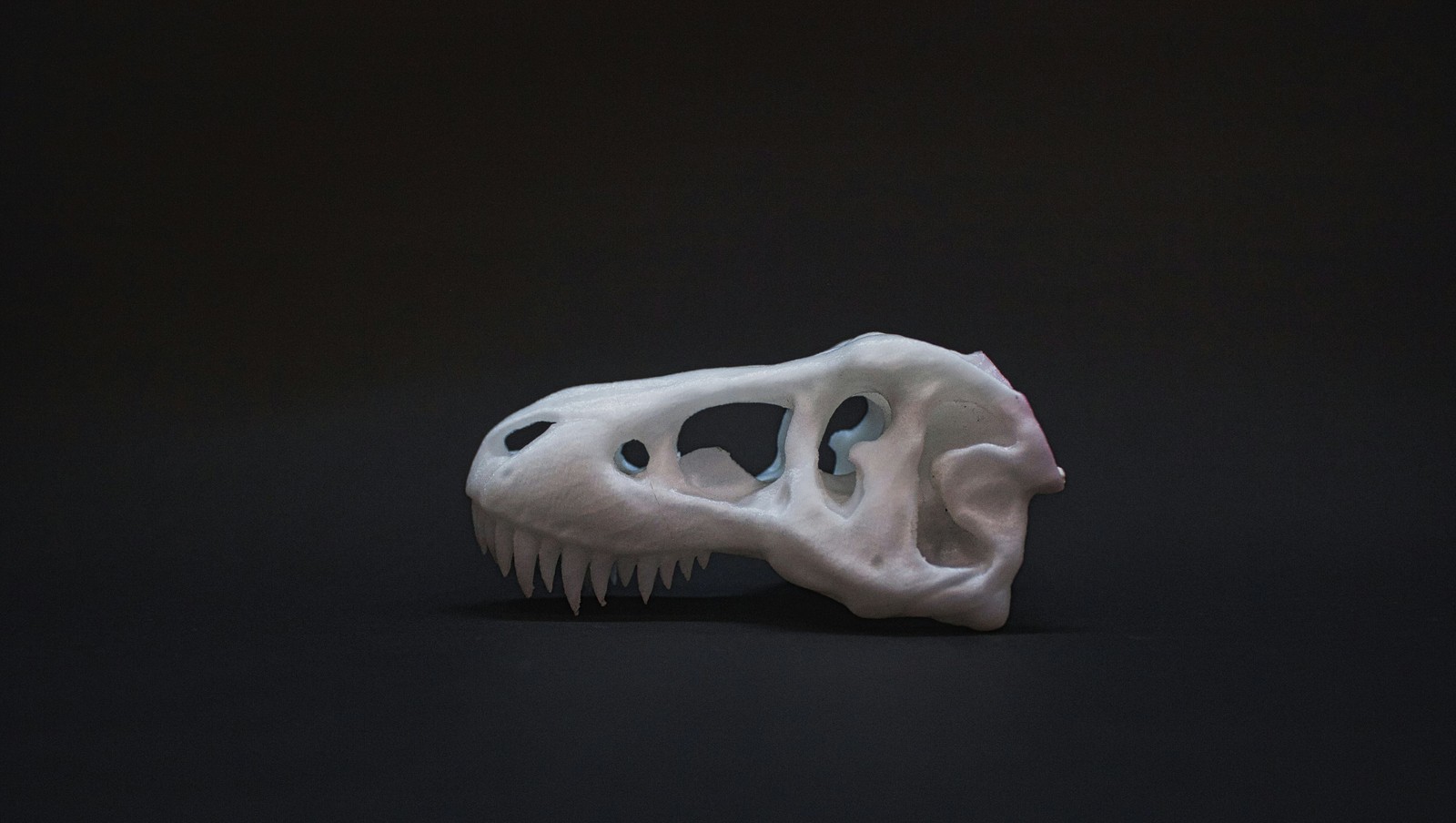
Image: Marcio Skull

Did you ever dream of being a Paleontologist? Maybe it's not too late! In the United States, there are many places you can visit to go fossil hunting. In fact, according to the National Park Service, more than 320 species of dinosaurs have been named in our country, and most states have produced at least one fossil. But the prehistoric world was inhabited by many other species. In addition to dinosaurs, there were other animals —and plants!— that are also worth knowing about. Without further ado, here are 10 incredible destinations for fossil sightings in America.

1
Dinosaur State Park
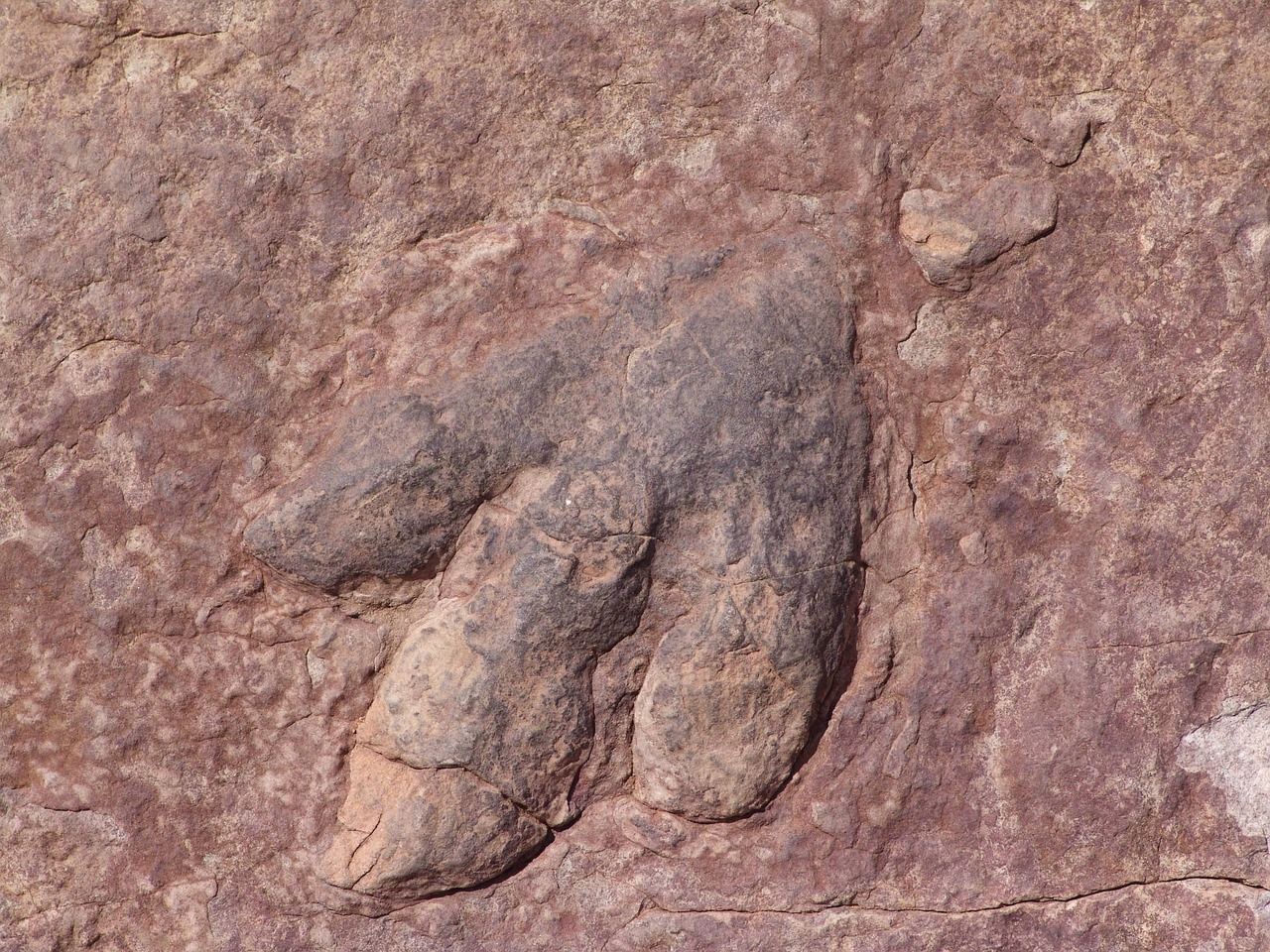
Image: Steppinstars

The Northeast is not particularly known for its fossil sites, as most dinosaur bones are found in the West. However, Dinosaur State Park in Connecticut Valley is a singular exception.

Dinosaur State Park is a 200-million-year-old fossil trackway containing more than 2,600 dinosaur footprints. Although most have been reburied for preservation, this park is worth a visit to see the tracks that have been left on display. In addition to experiencing the Mesozoic era, you can also enjoy nature trails, an interactive museum, an arboretum, and picnic areas.

2
Badlands National Park
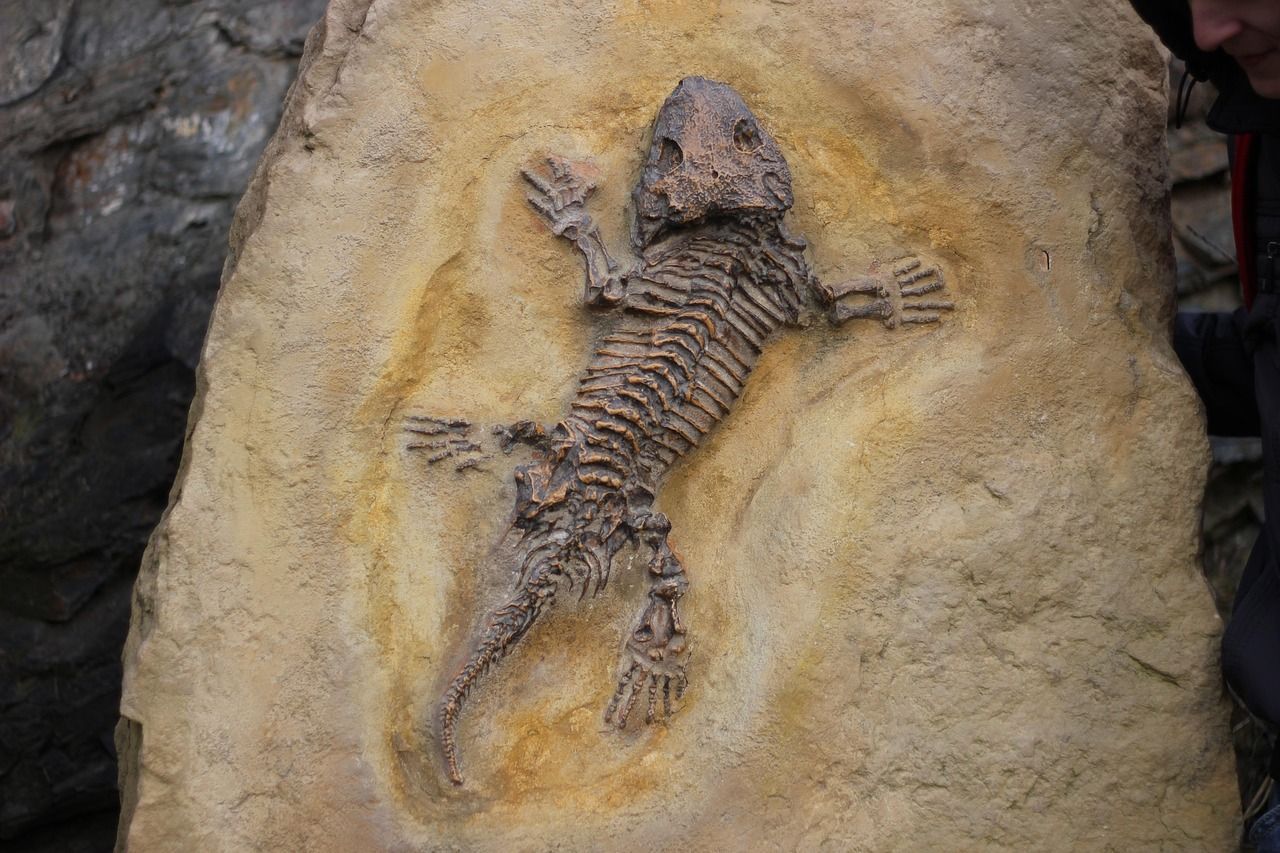
Image: kkorvin

South Dakota is home to some of the most remarkable fossils ever discovered, and Badlands National Park, in particular, has been a fossil-rich reservoir for centuries. In fact, the Oglala Lakota people had been finding prehistoric remains long before paleontology was a formal discipline.

The park protects an exposed area of thousands of ancient fossil specimens. From large mammalian brontotheres to reptilian mosasaurs that swam in the ancient seas that gave way to the Badlands, there is a lot to explore here.

3
Cleveland Lloyd Dinosaur Quarry
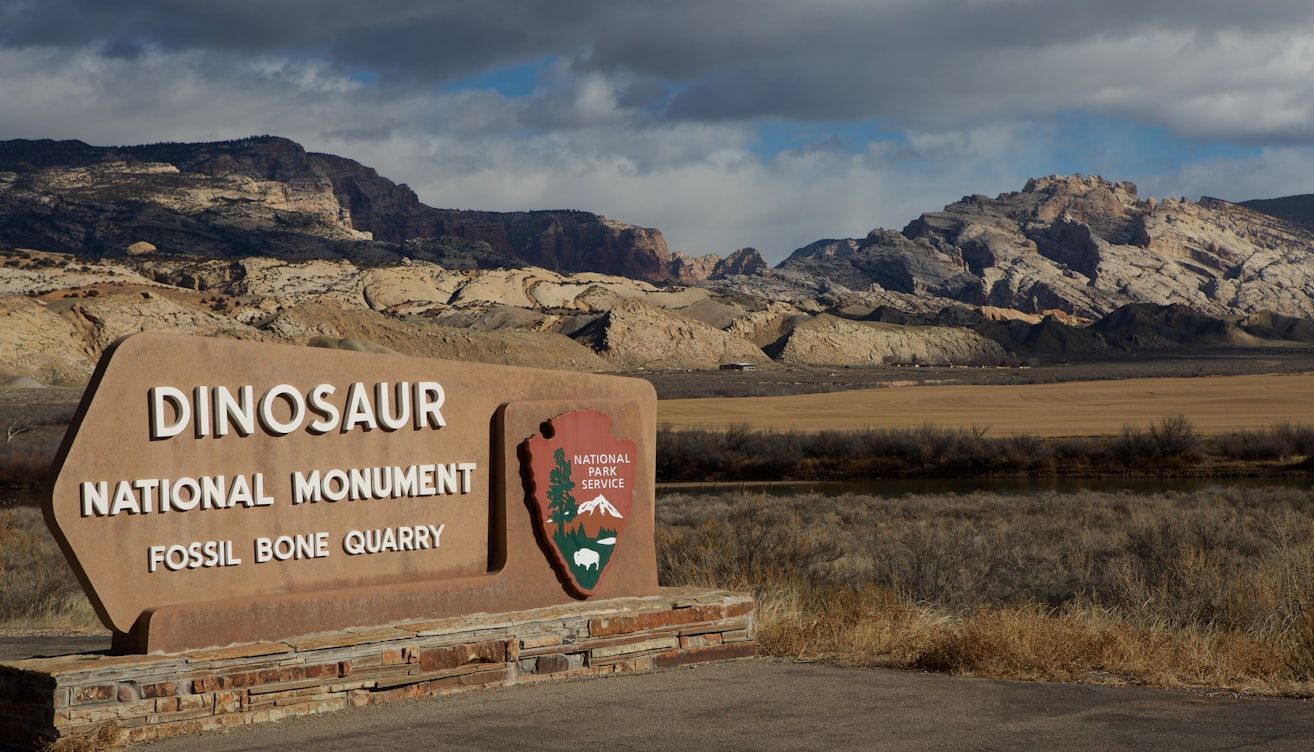
Image: Danny Grizzle

A site with more than 12,000 bones from at least 70 different ancient animals, including lots of carnivorous dinosaurs? Sign me up!

But that's not all the Cleveland Lloyd Dinosaur Quarry in Utah has to offer. For freshwater animal enthusiasts, there are also fossilized clam beds to discover. If you want to visit, just keep in mind this park is open seasonally, April through October.

4
La Brea Tar Pits
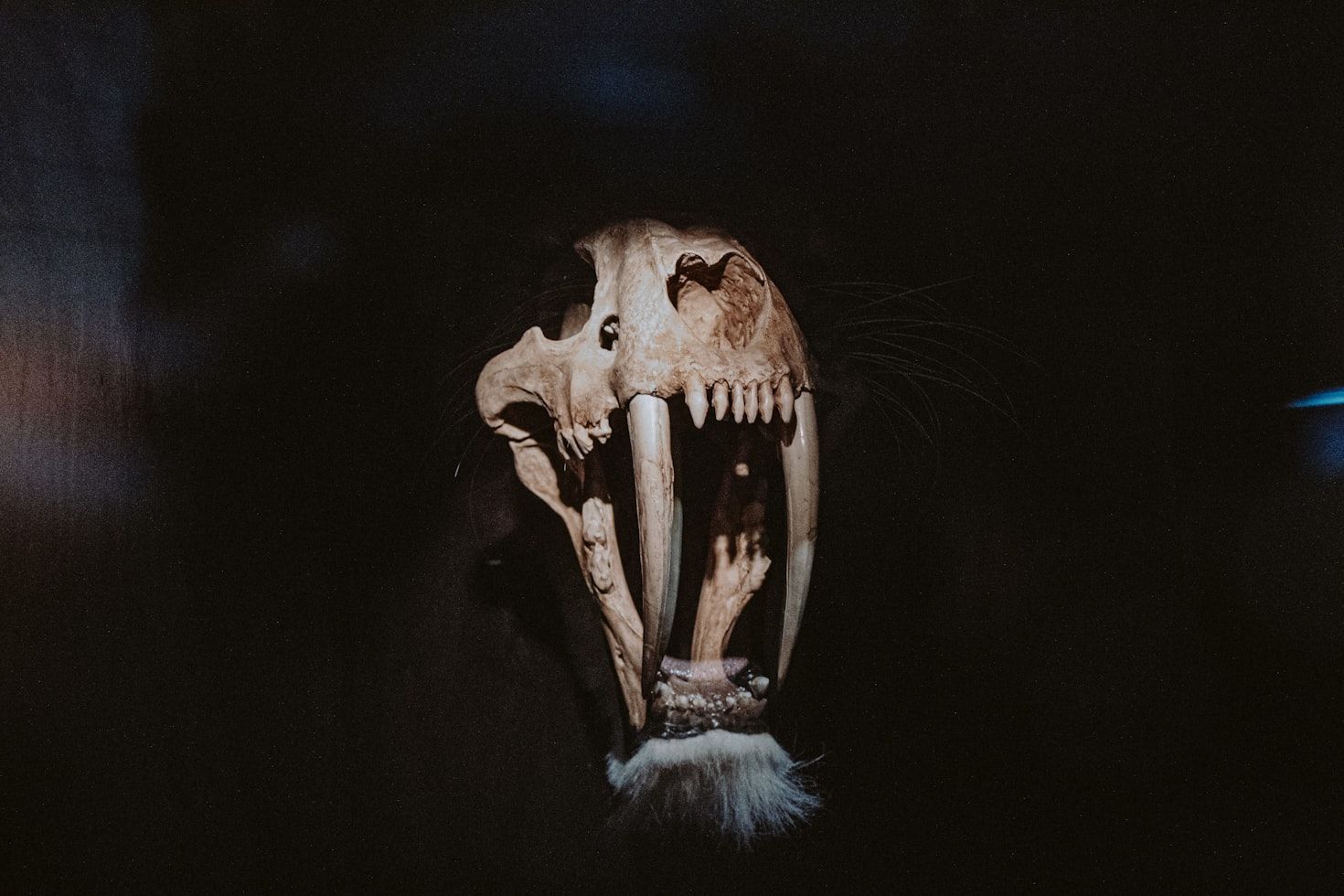
Image: Brian Wangenheim

Los Angeles is much more than just Hollywood. La Brea Tar Pits is located right in the heart of the most populous city in California, yet it remains one of the most important fossil sites in the country.

Hours of scientific work and hundreds of excavations have yielded millions of Pleistocene fossils that are now open to the public. From mammoths, saber-toothed cats, and giant mastodons to the tiny feet of Ice Age woodpeckers, you can learn a lot about prehistoric life at La Brea Tar Pits. Not bad, don't you think?

5
Petrified Forest National Park
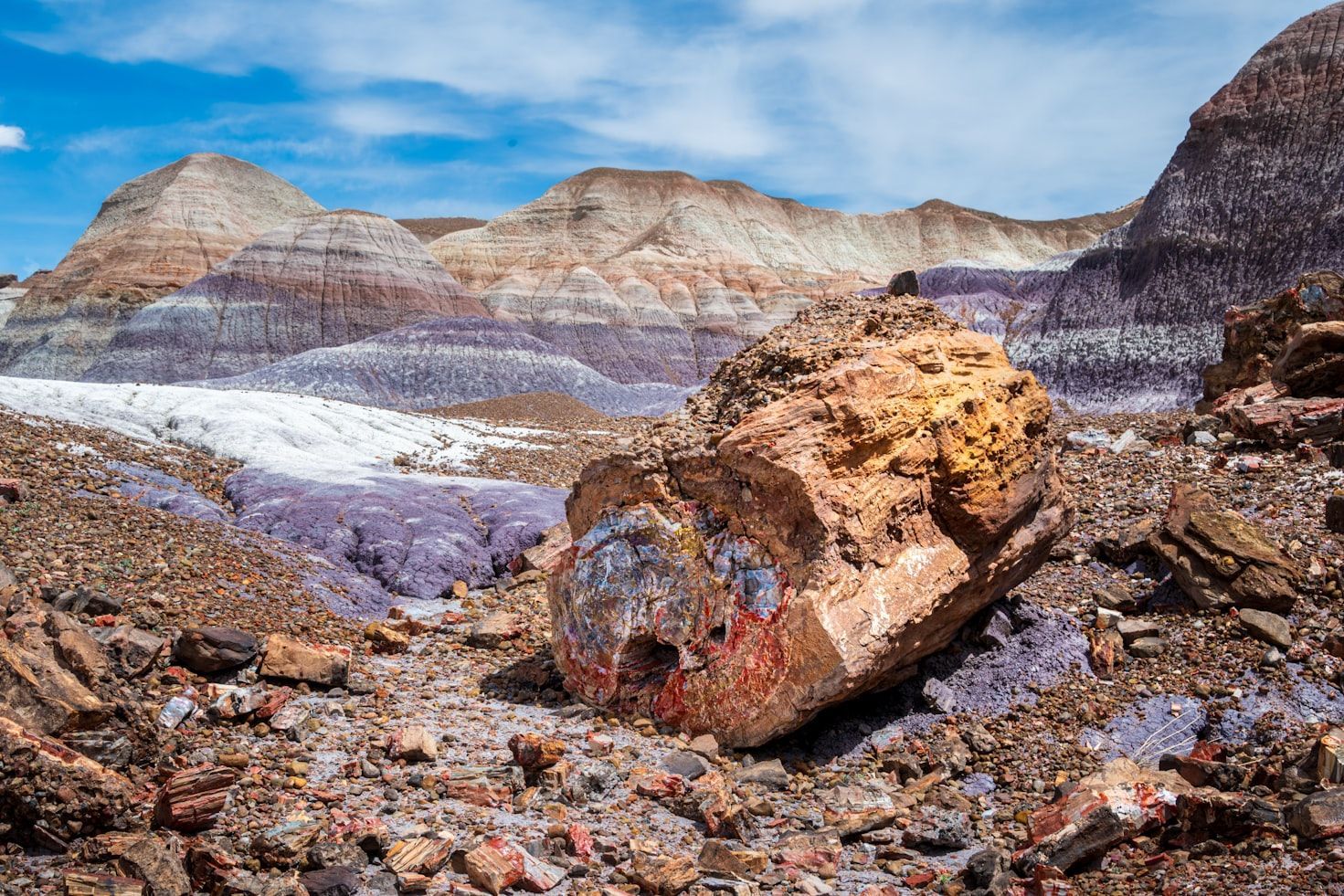
Image: Joseph Corl

If you ever visit Arizona, Petrified Forest National Park is worth a detour. Known for its Triassic fossils, this park seems to be frozen in time, as the world was more than 200 million years ago.

In addition to petrified trees and ancient fossilized plants and animals spread in an area of about 346 square miles, Petrified Forest National Park is also home to some interesting living inhabitants that today must survive in the harsh desert climate.

6
Dinosaur National Monument
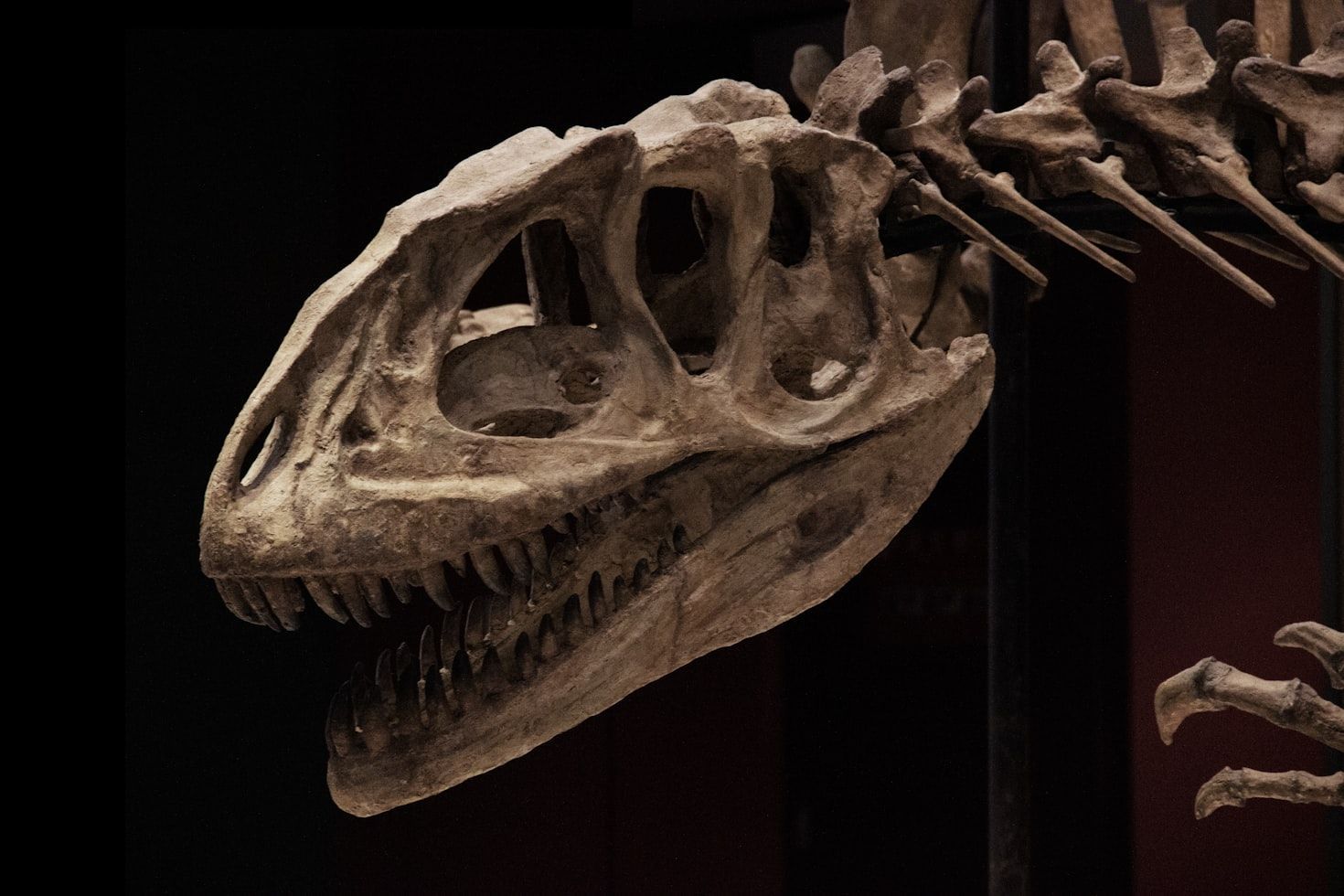
Image: Zachary

Dinosaur National Monument on the border between Colorado and Utah houses about 1,500 dinosaur bones from some of the most iconic species. Remains of Allosaurus, Apatosaurus, Diplodocus, and Stegosaurus are included among the residents of the 150-million-year-old site.

Originally preserved in 1915, in this famous dinosaur quarry, you can also see several petroglyphs and pictograph panels made by the Fremont people who lived in the area from approximately 300-1300 Common Era (CE).

7
Florissant Fossil Beds National Monument
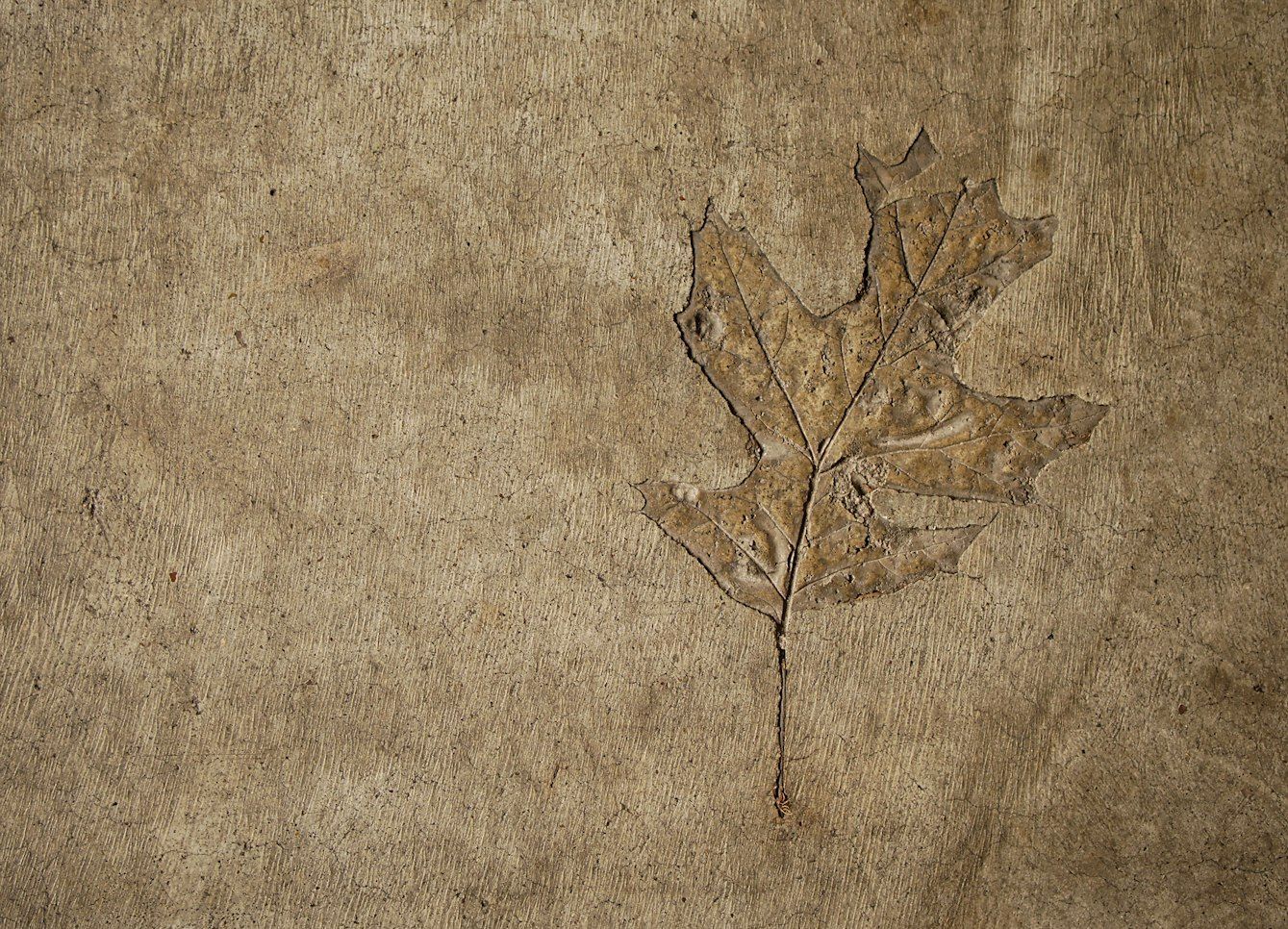
Image: Michael Dziedzic

The prehistoric world is much more than just mammoths and dinosaurs. 14-foot-wide petrified sequoias and thousands of insect and plant fossils await you at Florissant Fossil Beds National Monument near Colorado Springs.

These tiny organisms, approximately 34 million years old, are just as important as the enormous Tyrannosaurus rex. Although this is a lesser-known park, it is totally worth visiting. Pro tip: In the summer, you can explore the site that serves as a fossil laboratory.

8
Dinosaur Valley State Park
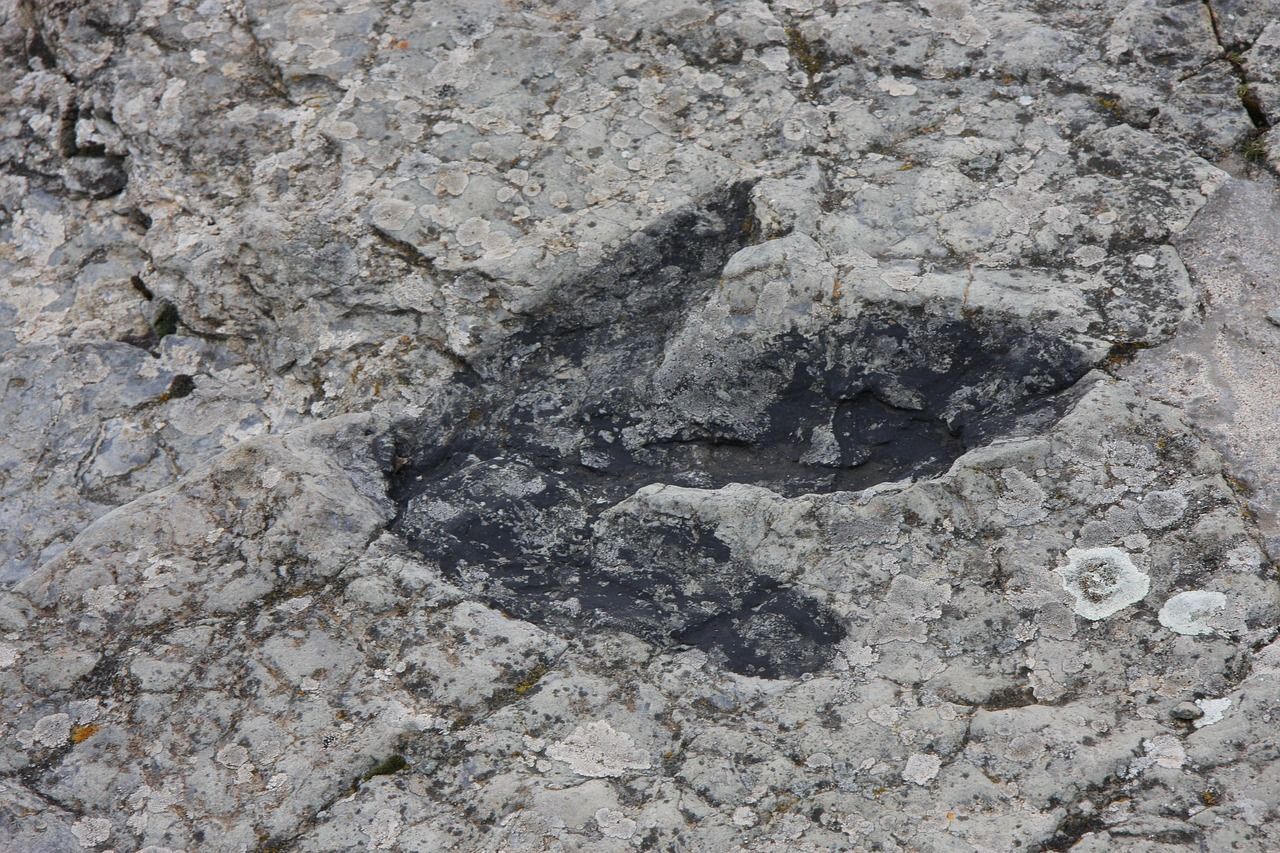
Image: adolfo-atm

Did you know that the area near Dallas and Fort Worth in Texas was once an ancient ocean? Around 113 million years ago, dinosaurs, such as theropods and sauropods, walked their shores.

Set astride the Paluxy River, today this area is protected by the Dinosaur Valley State Park. The fossil traces here are sometimes submerged, but on dry days they can be clearly seen and are an impressive testimony of what the Earth was like in prehistoric times.

9
The Mammoth Site
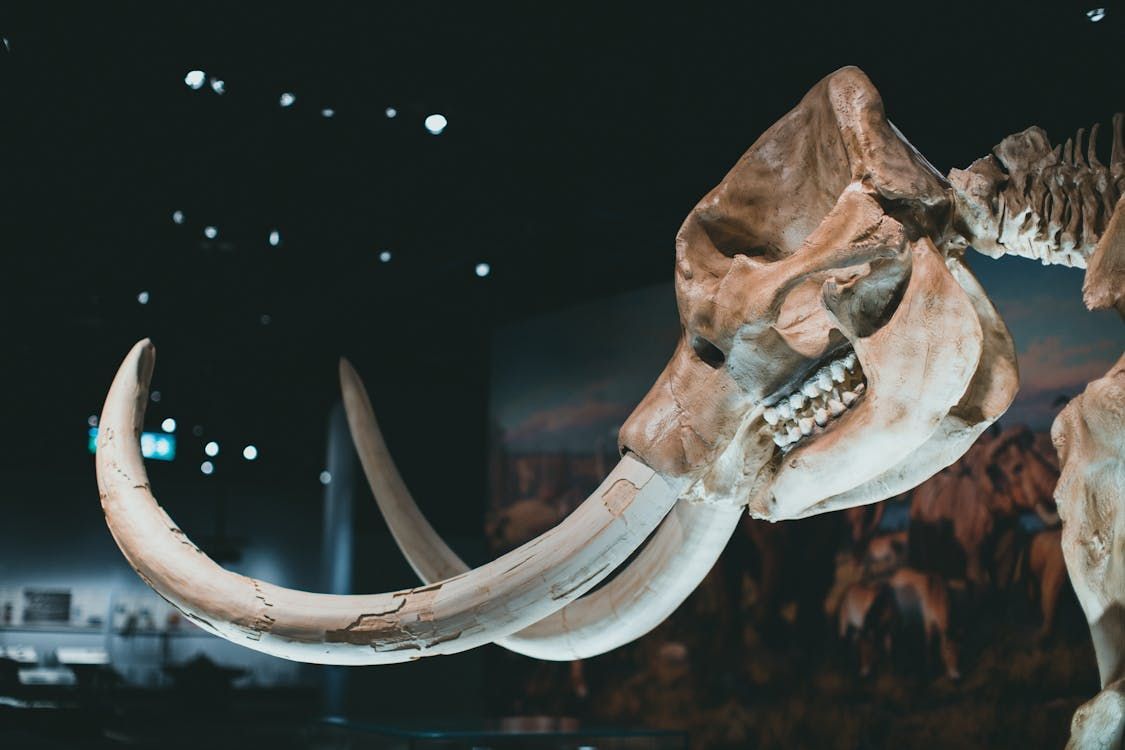
Image: Jonathan Cooper

The Mammoth Site was established in the mid-1970s after a construction worker had unearthed rare bones in Hot Springs, South Dakota. The remains found turned out to be a mammoth tooth, which was soon followed by other fossils.

Today, the site serves as a museum and active paleontological excavation site. So far, a total of 61 North American Columbian and woolly mammoths have been found here.

10
Fossil Butte National Monument
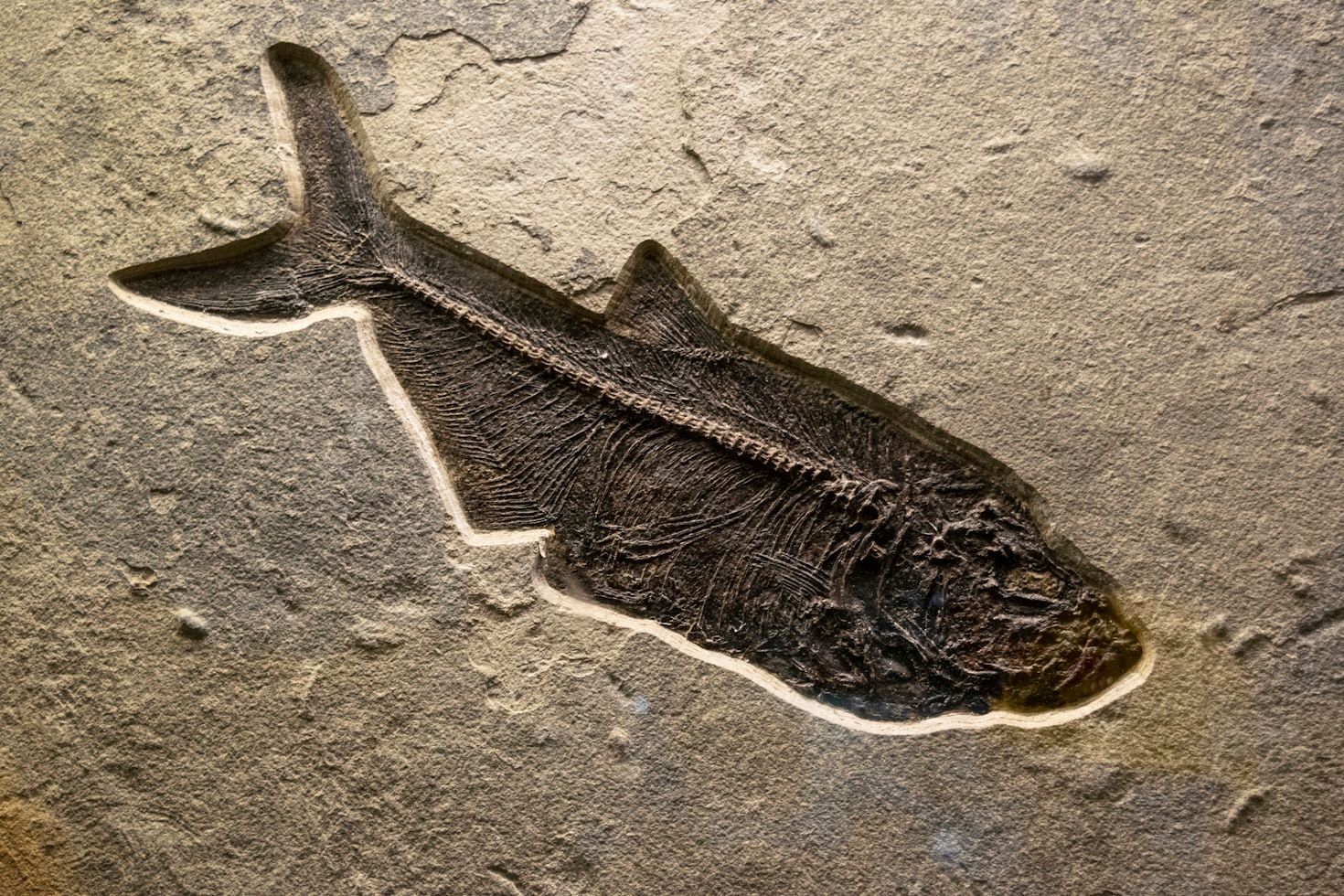
Image: Jacqueline Martinez

In the ridges of southwest Wyoming is Fossil Butte National Monument, a park that preserves the best paleontological record of Cenozoic aquatic communities. This sort of aquarium, carved in stone, has more than 2000 fossils of thousands of species of plants and animals, such as fish, insects, reptiles, birds, bats, and even tiny horses that lived around a freshwater lake millions of years ago.

With plenty of hiking trails, wildlife, and scenery, this unique park is definitely worth visiting.

Geography Geography 5 min read

CROSS-COUNTRY ADVENTURES

Discover America: The 10 most scenic routes in the U.S.A.

Image: Sean McArthur

For those with a thirst for adventure, America's vast and diverse landscape offers some of the most breathtaking road trips in the world. From challenging mountain roads to exhilarating scenic highways, the open roads of the United States beckon both locals and tourists alike. Exploring our country can be one of the most rewarding experiences within reach, and you don’t need much—just a bit of courage (and a lot of gas!). Whether you're planning a weekend getaway, an epic cross-country journey, or just feeling curious, we've gathered in this article 10 of the most beautiful roads in the country.

1
Pacific Coast Highway

Image: Joe Pilié

The Pacific Coast Highway , officially known as California State Route 1, runs along the stunning California coastline. This iconic route stretches from Dana Point in Orange County to Leggett in Mendocino County, offering breathtaking views of the Pacific Ocean, rugged cliffs, and charming coastal towns.

Designated by the United States Department of Transportation as an All-American Road , the Pacific Coast Highway also serves as a vital artery for residents in the Greater Los Angeles Area and the San Francisco Bay Area. Unfortunately, the route is also known for its frequent coastal landslides, which often cause sections of the road to be closed or redirected inland, so if you are planning to take this route, be sure to check conditions and plan ahead.

2
Blue Ridge Parkway

Image: Angela Bartosh

For those who love bluish mountains and epic landscapes, this route is a must-visit. Winding through the Appalachian Mountains, the Blue Ridge Parkway connects Shenandoah National Park in Virginia to the Great Smoky Mountains National Park in North Carolina.

This 469-mile drive is renowned for its fall foliage, lush scenery, and panoramic vistas. Whether you plan to hike some of its many trails, explore historic sites, or simply enjoy the views from the comfort of your vehicle, the Blue Ridge Parkway offers a truly rewarding experience. Just be aware that the road is not maintained in winter, and certain sections and high passes may be closed from late fall through early spring.

3
Route 66

Image: Nikolai Justesen

Famously dubbed the "Mother Road" by Steinbeck in The Grapes of Wrath , Route 66 embarks on an epic cross-country journey from Chicago to Santa Monica, stretching a total of 2,448 miles. Immortalized in songs and media, this historic road has achieved legendary status, not only as one of the country’s most celebrated routes but also as a symbol of the United States around the world.

This iconic route takes you through picturesque small towns, vast deserts, and quintessential Americana. Though the original road was supplanted by the Interstate Highway System in 1985, much of the historic route has been preserved as a National Scenic Byway , now known as "Historic Route 66."

4
Great River Road

Image: Mitchell Kmetz

Following the course of the Mississippi River , the Great River Road stretches 2,340 miles through ten states, from Minnesota to Louisiana. The term "Great River Road," however, refers not only to the official network of roadways that follow the river's path but also to a broader region of historical and touristic significance.

Originally extending north into Canada, it once connected with the provinces of Ontario and Manitoba. Notable stops along the route include the Twin Cities, Mark Twain's hometown of Hannibal, Missouri, and the Delta Blues Museum in Clarksdale, Mississippi.

5
Going-to-the-Sun Road

Image: Tevin Trinh

Located in Montana's Glacier National Park, the Going-to-the-Sun Road is a 50-mile engineering marvel, with sections carved into steep rock faces. This alpine route traverses the Continental Divide through Logan Pass at an elevation of 6,646 feet, offering jaw-dropping views of glaciers, waterfalls, and wildlife.

The road is named after Going-to-the-Sun Mountain, which dominates the eastbound view beyond the high pass. According to a Native American legend, a deity called Sour Spirit descended from the sun to teach the Blackfeet tribe how to hunt, giving the mountain its name.

6
Overseas Highway

Image: Ilse Orsel

Connecting mainland Florida to Key West, the Overseas Highway is a 113-mile journey across a series of bridges and tropical islands. Much of the route was built on the remnants of the Overseas Railroad , which was severely damaged and partially destroyed by the 1935 Labor Day hurricane. In the 1950s, the Overseas Highway was revamped into a major coastal route linking Miami to Key West.

This exotic drive not only offers spectacular views of turquoise waters and coral reefs but also provides the opportunity to spot local wildlife such as American alligators, American crocodiles, and Key deer.

7
Tail of the Dragon

Image: Stephen Cook

Deals Gap , a thrilling mountain pass along the North Carolina–Tennessee state line, is famously known as the Tail of the Dragon due to its astonishing 318 curves in just 11 miles. This legendary stretch of U.S. Route 129 is a global favorite among motorcyclists and sports car enthusiasts, who often come to challenge their vehicles and driving skills on its winding curves.

As the road forms part of the southwestern boundary of the Great Smoky Mountains National Park , the 11-mile stretch remains free from urban development and features numerous scenic overlooks and pull-off points.

8
Hana Highway

Image: Claude Piché

Also known as The Road to Hana, the Hana Highway on Maui, Hawaii, is a 64.4-mile stretch of Hawaii Routes 36 and 360 that traverses through rainforests, cascading waterfalls, and seascapes. As it meanders across the island, the road features over 600 curves , leading to the charming town of Hana, one of the most isolated communities in the state.

Before you get too excited, though, be prepared for a journey that can take nearly three hours. Although the distance may seem short on paper, the highway's winding, narrow nature and its 59 one-lane bridges can significantly extend travel time.

9
Natchez Trace Parkway

Image: Mika Matin

Stretching 444 miles from Natchez, Mississippi, to Nashville, Tennessee, the Natchez Trace Parkway is a journey rich in history and natural beauty. This scenic drive follows the ancient Native American trail of the same name, even preserving sections of the original path.

This historical route offers peaceful landscapes and numerous recreational opportunities for visitors. Notable stops include archaeological treasures like Emerald Mound , several abandoned towns and historic settlements, and the Meriwether Lewis Monument and Grave Site.

10
U.S. Route 50

Image: Paddy Kumar

U.S. Route 50 is a major highway that spans the width of the United States, connecting Ocean City, Maryland, on the East Coast to Sacramento, California, on the West Coast. Stretching 3,073 miles, this route traverses diverse landscapes but is most renowned for its rural desert and mountainous scenery in the western United States.

Particularly notable is its Nevada segment, famously dubbed "The Loneliest Road in America" due to its sparse traffic and lengthy, isolated stretches. Established in 1926 as part of the original U.S. Highway system, US 50 initially extended from Wadsworth, Nevada, to Annapolis, Maryland. The original route incorporated several historic trails, including the Lincoln Highway, Midland Trail, and the National Old Trails Road.

General General 6 min read

Happiness in a bowl

What’s your favorite cereal? The top 10 most popular brands in America

Image: DS stories

On any given day, one out of every two Americans starts his or her morning with a bowl of cereal. Altogether, Americans consume roughly 2.7 billion boxes every year. Although the story of cereal began around 10,000 years ago with the advent of agriculture, cold breakfast cereals are a more recent and decidedly American development that quickly expanded to the rest of the world. Whether you prefer Corn Flakes or Froot Loops over Cheerios and Lucky Charms, you'll likely find your favorite cereal in this article. Join us as we look back on 10 of America's most popular breakfast brands!

1
Corn Flakes

Image: Sten Ritterfeld

Who hasn't started their day with a bowl of Corn Flakes at least once? While Corn Flakes weren't exactly the first packaged cold cereal product sold in America, they are undoubtedly the most iconic. As early as 1902, William Keith Kellogg began mass production of his first cereal after proving its efficacy and popularity with patients at the Battle Creek Sanitarium, where he worked alongside his prestigious doctor brother.

The Kellogg brothers were focused on offering a healthier alternative to the traditional pork-and-beef heavy English-style breakfasts that most Americans were eating at the end of the 19th century. Therefore, they developed a process that allowed them to transform thin slices of cereal into small toasted flakes of wheat or corn. Since then, Corn Flakes, combined with fresh milk, have been one of the most popular breakfasts among Americans, young and old.

2
Cheerios

Image: Deena Englard

Did you know that a one-ounce serving of Cheerios contains nearly 250 individual "O's."? Crazy, right? Introduced in 1941 by the American company General Mills, Cheerios is one of the first oat-based ready-to-eat cereals and remains one of the most widely consumed in the United States.

Back in the 1930s, General Mills engineers tested more than 500 formulas and experimented with 10 different shapes and sizes before perfecting the now-iconic "O." They finally came up with the delicious cereal that offers the nutrients of 4 cereals: oats, corn, wheat, and rice. Today, there are about 20 different flavors of Cheerios available in the U.S., including Honey Nut, Chocolate, and Apple Cinnamon. Which one is your favorite?

3
Rice Krispies

Image: Lisa Fotios

Kellogg’s is one of the most influential breakfast cereal companies in the United States and the world, and we have them to thank not only for Corn Flakes but also for our beloved Rice Krispies. This breakfast cereal made from crispy rice first appeared on the shelves in 1928. It was revolutionary at the time because the company used a new patented process called "oven-popping" to manufacture them.

Rice Krispies’ success may have been due to its claim that the cereal would remain floating even after 2 hours in milk. The brand's classic slogan honoring this unique quality—"Snap! Crackle! Pop!"—was introduced around 1939 and is still used on packaging today. For decades, Rice Krispies has been one of the most popular cereals among consumers, so much so that even the Rolling Stones recorded a short song for a television commercial promoting the brand in 1964. Do you remember the catchy tune?

4
Cap'n Crunch

Image: Samantha Gades

Cap'n Crunch cereal, a combination of corn and oats, was developed in the early 1960s by Pamela Low, a flavorist who was inspired by a brown sugar and buttered rice recipe from her grandmother. Since its debut, additional flavors have been introduced, including Berries, Peanut Butter, and Chocolate.

But did you know that Cap'n Crunch’s full name is Horatio Magellan Crunch ? The iconic cartoon mascot was developed for the Quaker Oats Company by Allan Burns, a screenwriter and television producer who later co-created popular shows like The Munsters and The Mary Tyler Moore Show . Since its introduction in 1963, the late 18th-century naval captain, born on Crunch Island—a magical land in the Sea of Milk—has won the hearts (and bowls) of countless consumers across America.

5
Trix

Image: Sascha Bosshard

General Mills introduced Trix in 1954 as the first fruit-flavored cereal. Initially, it wasn’t marketed exclusively for kids, but because of the bright colors, it soon became a favorite among the little ones. When Trix was first launched, it featured round cereal balls in three flavors: "Raspberry Red," "Orange Orange," and "Lemony Yellow." It wasn't until 1991 that Trix became the first fruit-shaped breakfast cereal.

But as with other brands on this list, Trix is best remembered for its mascot rather than the cereal itself. In fact, the Trix Rabbit is one of the single longest-running ad campaigns in television history. Since the 1960s, the brand has kept the same character, the same slogan—"Trix are for kids!"—and the same storyline: the rabbit’s endlessly thwarted attempts to steal a box of cereal.

6
Frosted Flakes

Image: Engin Akyurt

If we talk about the sweetest cereals on the market, we cannot fail to mention Frosted Flakes. The concept and technology of a "frosted" cereal was developed in 1939 by Jim Rex, a salesman from Philadelphia who unfortunately didn’t have much success with his product Ranger Joe Wheat Honnies. The idea, though, was soon adopted by the breakfast cereal industry, and by 1952, Kellogg introduced Sugar Frosted Flakes to its lineup.

That same year, Kellogg launched a campaign featuring Tony the Tiger, Frosted Flakes’ famous mascot, who proudly declared, "Sugar Frosted Flakes are Grrr-reat! The slogan and the character became so popular in the United States that it's probably more quintessential than the cereal itself.

7
Lucky Charms

Image: Céline Druguet

The mini marshmallows found in Lucky Charms, whose technical and copyrighted name is Marbits , were invented, along with the cereal, by General Mills product developer John Holahan in 1963. One morning, he cut up a few orange marshmallow Circus Peanuts, mixed them into a bowl of Cheerios, and was delighted with the result. The rest, as they say, is history.

Lucky Charms is inspired by Irish culture. Its mascot, Lucky the Leprechaun debuted on St. Patrick's Day in 1964. The successful combination of this endearing character, delicious shaped oat pieces, and colorful little marshmallows was quickly embraced by children around the world. Tasty, crunchy, and fun, this cereal has undeniably revolutionized American breakfasts forever.

8
Froot Loops

Image: Yusuf Timur Çelik

Toucan Sam has been a part of our lives for more than 60 years now. Kellogg’s iconic mascot—a blue, anthropomorphic toucan with the ability to smell Froot Loops from great distances—was introduced alongside the O-shaped cereal in 1963.

Froot Loops were developed after Kellogg attempted to displace General Mills' Cheerios from the market. The idea of introducing fruity flavors proved to be a success, even though, years later, the company admitted that the different colors did not correspond to unique fruit flavors. In recent years, Froot Loops have faced criticism for their use of artificial colorings and high sugar content. Yet, they still have plenty of fans and they remain one of the best-selling cereal brands in America.

9
Cinnamon Toast Crunch

Image: Francisco Jacquier

Another popular breakfast cereal created by General Mills is Cinnamon Toast Crunch. In fact, the company sells over 100 million boxes a year of this brand alone, putting it just behind Cheerios and Frosted Flakes in sales. How about you—do you have a box of Cinnamon Toast Crunch waiting in your pantry?

These delicious little squares of whole wheat and rice, topped with cinnamon and sugar, were first launched in 1984 and were an instant hit. And it makes sense, given that, in a way, they were invented by a child. Cinnamon Toast Crunch was developed by General Mills scientists and product managers after an unnamed child suggested the idea of a cinnamon toast-flavored cereal during a radio contest. Since then, it has remained one of America's favorite cereals and we don't expect its popularity to wane any time soon.

10
Life

Image: Binyamin Mellish

More than 60 years after its creation, Life remains one of the top 10 best-selling cereal brands in the United States. Introduced on the market in 1961 by the Quaker Oats Company under the slogan "The most useful protein ever in a ready-to-eat cereal," Life is a multigrain cereal enjoyed by millions of family households across the country.

Like its competitor Trix, Life has also made history in marketing and advertising. A famous Life commercial featuring Little Mikey, a hard-to-please four-year-old boy, aired nationally from 1972 to 1984, making it the longest-running commercial in television history . Have you seen it? We bet you have!

Explore more American facts

Choose your favorite category!

General
General

As American as apple pie—the very best America has to offer!

Culture
Culture

Delve into the astounding richness of American lore.

Geography
Geography

Hop in and explore vast and diverse American landscapes.

History
History

Discover the key moments that shaped the United States.