Culture Culture 5 min read

Double feature

10 times movies with identical plots were released at the same time

Image: cottonbro studio

After years of cinema history, it's hard to find a narrative that's a hundred percent original. Everything seems to take inspiration from something that's come before, but sometimes Hollywood takes this to the extreme. Twin films —two feature films with a striking resemblance and released at roughly the same time— are a fascinating cinematic phenomenon. Sometimes, both movies do relatively well at the box office; other times, one film completely buries the other. In this article, we have compiled 10 pairs of cinematic doppelgangers that offer two compelling versions of the same story. Can you think of other examples?

1
Elvis & Priscilla
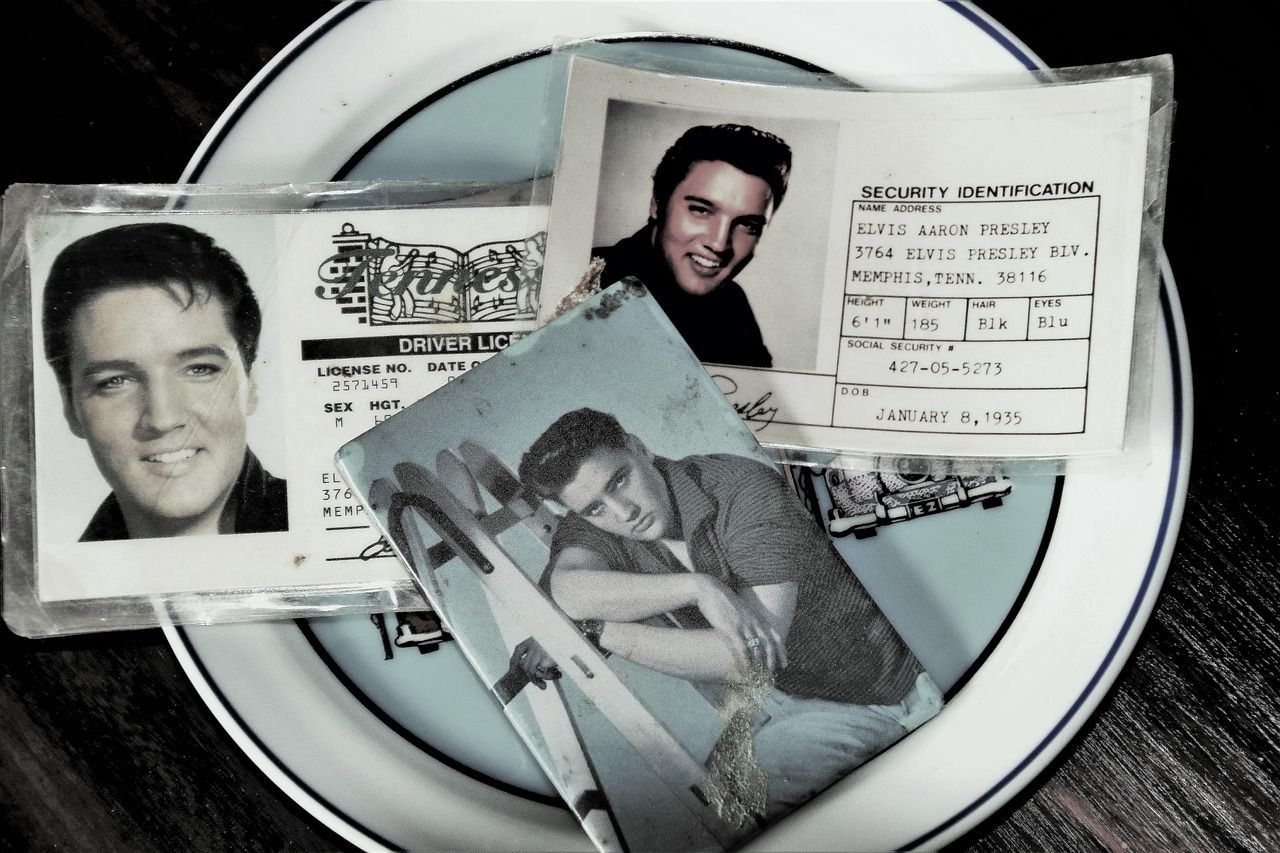
Image: pasja1000

Elvis (2022) is an original script based on the life of Elvis Presley, directed by Baz Luhrmann, starring Austin Butler and Tom Hanks. On the other hand, Priscilla (2023) is based on the autobiography Elvis and Me, written by Priscilla Presley and directed by Sofia Coppola.

Although based on the life of the same public figure, the two films have their unique tone, extremely distinct executions, and different goals in mind. While Elvis focuses on the King of Rock and Roll himself and covers a lot more ground, Priscilla is much more intimate and has his wife and her experience at the center of the plot.

2
Top Gun & Iron Eagle
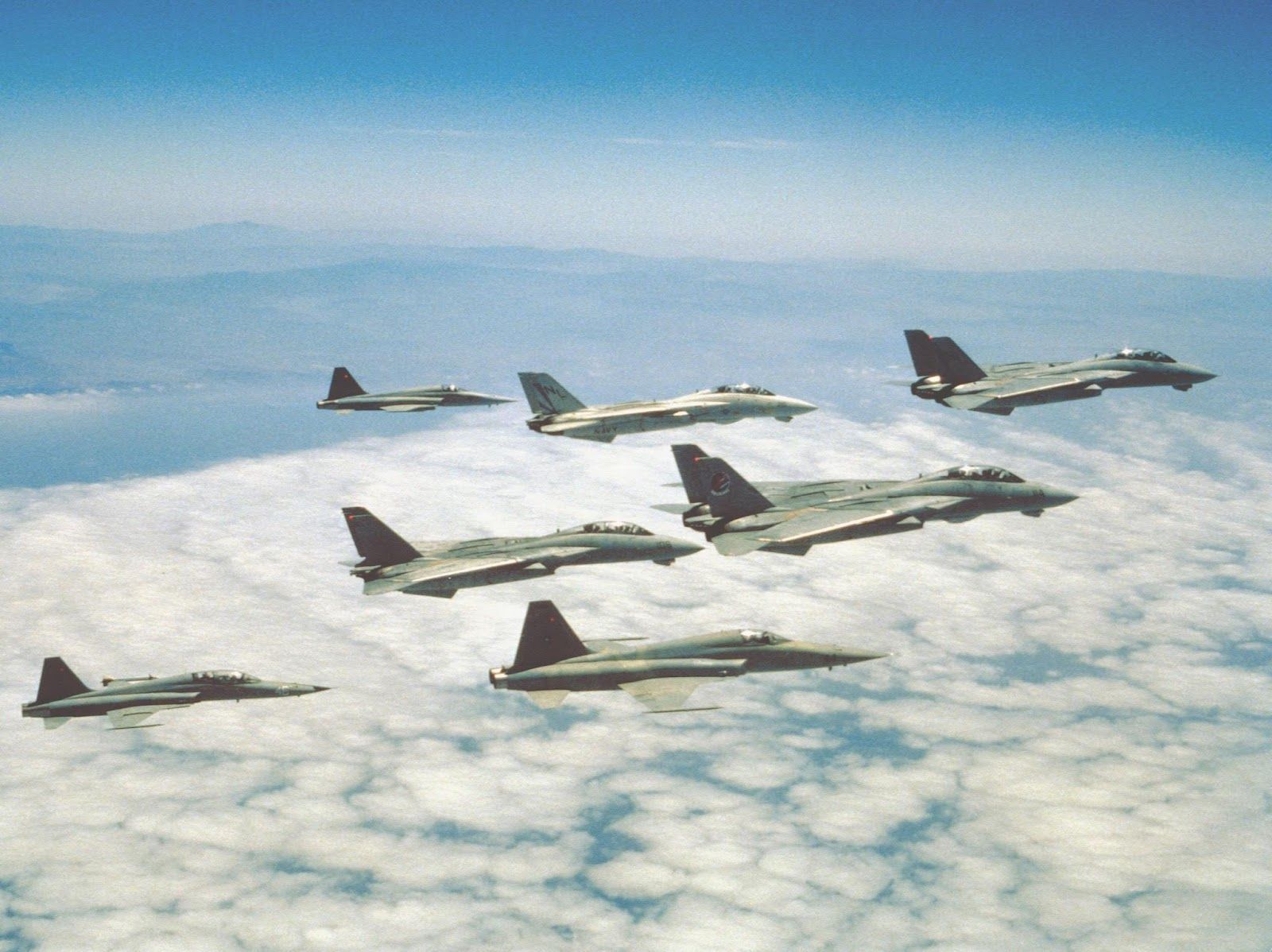
Image: LCdr. David Baranek, U.S. Navy, Public domain, via Wikimedia Commons

You've almost certainly seen Top Gun at some point. The 1986 hit that launched a young Tom Cruise to stardom as naval aviator Pete "Maverick" Mitchell was the highest-grossing title of that year, even though it was not only competing with a very similar film but wasn't even the first to be released.

Four months earlier, Iron Eagle , the story of brave fighter pilots battling in the skies, had been premiered. Although the Jason Gedrick-starring film had three sequels, none came close to the $1 billion mark that Top Gun grossed.

3
The Truman Show & EDtv

Image: Nathy dog

The Truman Show (1998) and EDtv (1999), both about a man whose life is filmed 24 hours a day for a TV show, were inspired by the then-emerging reality television.

While Truman is unaware that his life has been broadcast since he was a baby, Ed Pekurny is fully willing to air his daily life on TV —at least at first. Perhaps that lack of mystery, combined with a premiere just a few months after The Truman Show , meant that EDtv couldn't win over the audience. Would it be more popular if it had premiered earlier? Maybe, but it's hard to deny that The Truman Show is a masterpiece that will go down in cinema history.

4
Capote & Infamous

Image: Eric Koch for Anefo, CC0, via Wikimedia Commons

Truman Capote was a seminal writer in American literature. His life is full of exciting stories, so it's not surprising that his biography inspired several movies and TV series. Yet, in the case of Capote (2005) and Infamous (2006), this happened almost simultaneously.

Even more unusual, both films chose to tell the author's process that led him to interview the killers of the Clutter family and that would later become his most successful work, In Cold Blood . Capote stars Philip Seymour Hoffman and Toby Jones gives an excellent performance in Infamous . Which was your favorite?

5
Deep Impact & Armageddon

Image: Javier Miranda

In the summer of 1998, Deep Impact hit the cinemas, and just a few months later, Armageddon was released. Since both movies have similar plots —basically a comet or asteroid threatens to destroy the Earth—we can focus on which one had the better cast. On one side, you have Robert Duvall, Elijah Wood, Tia Leone, and Morgan Freeman. On the other, Bruce Willis, Ben Affleck, Billy Bob Thornton, Steve Buscemi, and Liv Tyler team up to save the world.

Looking at the box office returns, however, it's clear which one reigned supreme. Armageddon became the highest-grossing film that year, even though it received mostly negative reviews and was criticized for its scientific inaccuracies. All that said, Armageddon and Deep Impact are the pairing to go with if you're ever in the mood for a double feature.

6
Saving Private Ryan & The Thin Red Line
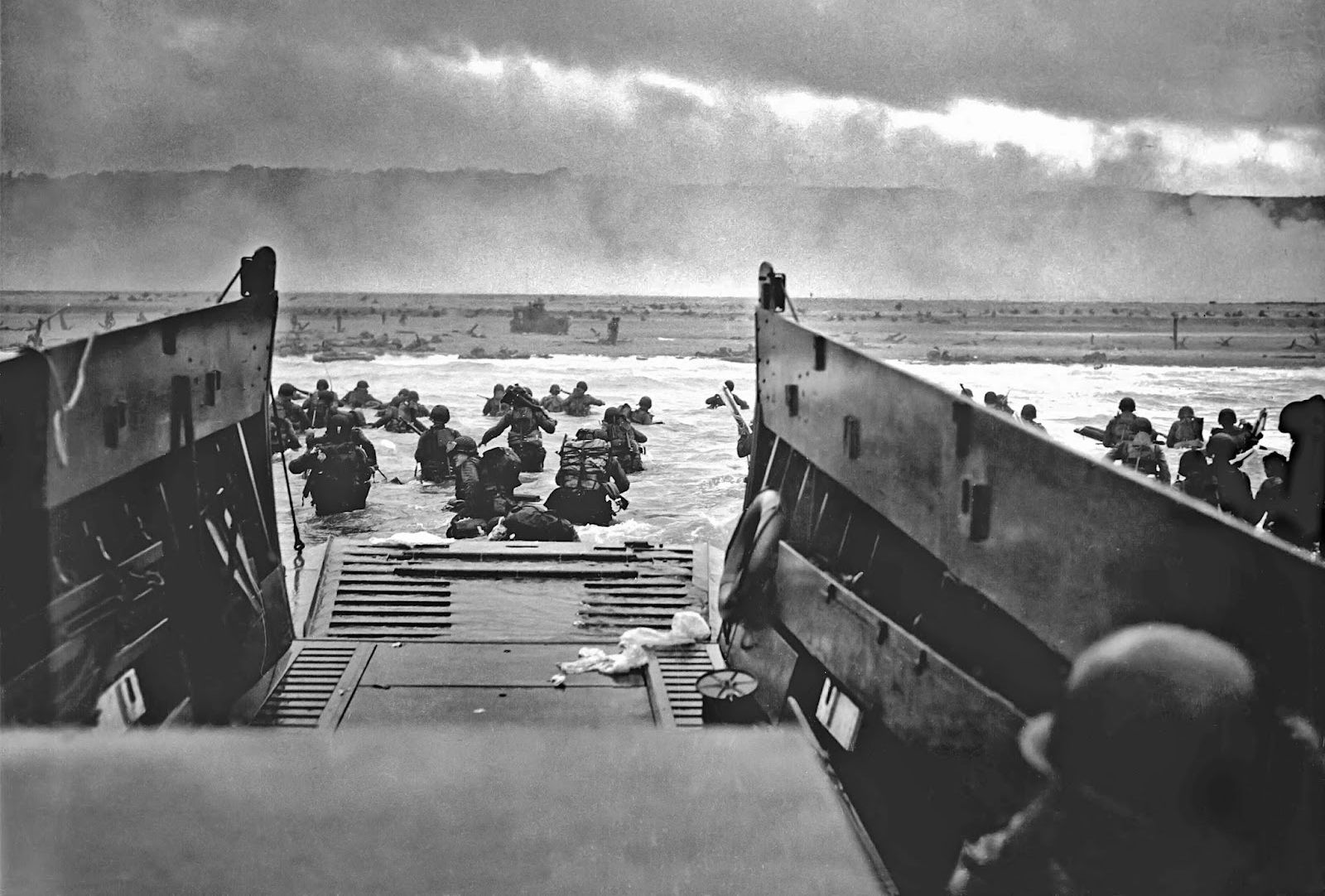
Image: Chief Photographer's Mate (CPHOM) Robert F. Sargent, U.S. Coast Guard, Public domain, via Wikimedia Commons

In 1998, Saving Private Ryan was one of the defining films of the year and captivated audiences with its heart-wrenching story and realistic portrayal of World War II. Shortly after making a fortune at the box office and scoring 11 Oscar nominations, The Thin Red Line hit the cinemas.

Both films feature similar themes and setups, but while Steven Spielberg’s take is a bit commercial and has a more straightforward narrative, the nearly three-hour-long version of Terrence Malick is more on the artistic side. That said, and despite the unfortunate coincidence, both movies are worth seeing if you like crude, realistic depictions of war.

7
The Prestige & The Illusionist

Image: jasper benning

For some reason, magic, a centuries-old form of entertainment, had its revival at the beginning of the 21st century thanks to cinema. While The Illusionist (2006) tells the story of Eisenheim, a Viennese magician who must confront Prince Leopold to avoid being discredited, The Prestige (2006) focuses on two rival magicians competing to win over late 19th-century London audiences. The two films, though different in style and tone, are excellent for any magic enthusiast.

8
Churchill & Darkest Hour

Image: Barthelemy de Mazenod

England's most famous Prime Minister, Winston Churchill, is one of the most revered leaders of World War II. Proof of that are the biographical films Churchill and Darkest Hour , released in 2017. Although both follow the same historical figure, they are very different in style, tone, and setting.

Churchill , starring Brian Cox, focuses on the last period of his wartime career, before the Normandy invasion. Released later but set earlier in time, Darkest Hour portrays Winston Churchill, played by Gary Oldman, as he holds the fate of Western Europe at the beginning of the war. The latter film turned out to be the more successful of the two, even winning an Academy Award for best actor.

9
K-9 & Turner and Hooch
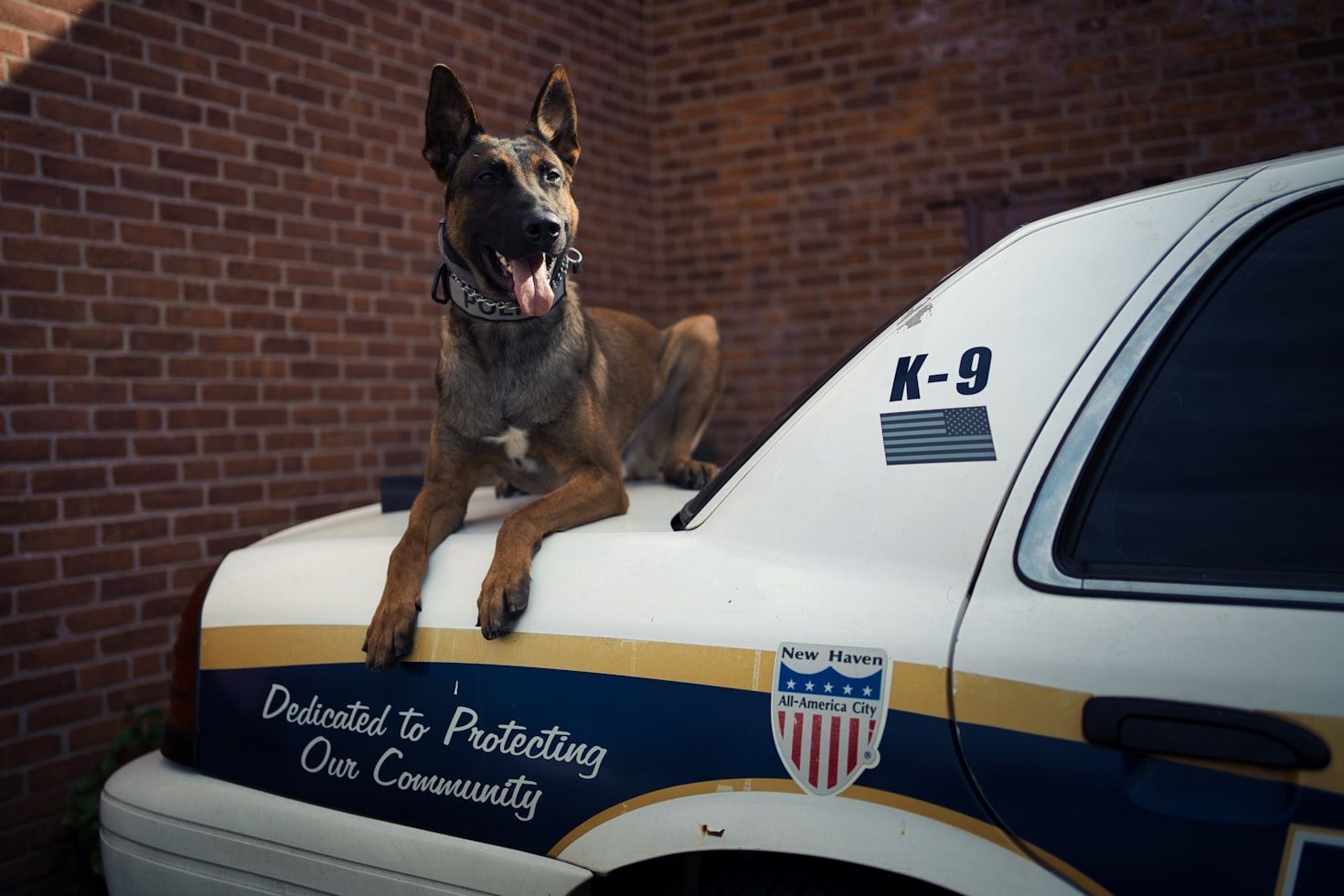
Image: Martin Podsiad

In 1989, there were not one but two films that portrayed police officers teaming up with a dog to fight crime. The first was K-9 , starring Jim Belushi as the angry police detective Michael Dooley. Instead of taking a human partner, Dooley decides to get a German Shepherd named Jerry Lee. From there, all kinds of antics ensue.

Just a few months later, Tom Hanks played a meticulous police investigator who's forced to take a troublesome dog who's the only witness to a horrible crime in Turner and Hooch . Obviously, a lot of the humor from both of these movies stems from the erratic behaviors of their titular canines. So, if you are into dog jokes, then you'll probably find something to like here.

10
No Strings Attached & Friends with Benefits

Image: cottonbro studio

In 2011, two romantic comedies were released centered around the idea of friends casually hooking up to end up realizing they were in love. No Strings Attached had Natalie Portman and Ashton Kutcher in the leading roles, while Friends with Benefits starred Mila Kunis and Justin Timberlake.

Although they are practically the same movie, they had some success. Both of them made about 150 million at the box office. However, if you have a problem telling them apart, don't worry, you are not alone!


Culture Culture 4 min read

The power of cinema

Can a movie change a whole generation?

Image: Jakob Owens

Cinema has been, since its inception, a powerful tool to reach the hearts of audiences. A well-told story can have far more influence than many give it credit for. There have been many incredible movies made during the 20th century, but some have left a special mark on American audiences . Here are 10 films that defined their generation and influenced those to come.

1
Gone with the Wind (1939)

Image: Selznick International Pictures, Public domain, via Wikimedia Commons

Based on Margaret Mitchell's bestselling novel of the same name, this emotional depiction of Civil War and Reconstruction-era Georgia follows the impoverished Scarlett O’Hara as she strives to overcome the reality of post-war Southern U.S .

With a massive budget and as one of the first films to use Technicolor, the movie broke attendance records and is considered to be one of the greatest American films.

2
Stagecoach (1939)

Image: United Artists, Public domain, via Wikimedia Commons

One of the many Westerns directed by the legendary John Ford, Stagecoach not only cemented John Wayne as an A-list actor but also elevated the concept of the Western film.

Considered a "perfect textbook of filmmaking" by Orson Welles, its characters and plot have often been described as an extraordinary representation of American archetypes and of the nation's ongoing struggle for political equality.

3
Citizen Kane (1941)

Orson Welles’s first film, and considered by many to be the greatest film of all time, this semi-biographical drama follows the life of Charles Foster Kane, loosely based on several American tycoons.

Welles’s filmmaking style featured new and innovative techniques that would later become standard in the industry. Filmed in just 82 days, the film was a critical success despite being suppressed in the media.

4
12 Angry Men (1957)

Image: United Artists, Public domain, via Wikimedia Commons

Adapted from a Reginald Rose play, this legal drama critiques the American jury system through the portrayal of 12 jurors as they deliberate whether to convict or acquit a teenager charged with murder, in a case where reasonable doubt exists.

The debate among the jurors, which leads them to question their values and morals, becomes a study of 1950s America and the dangers of mob mentality.

5
Psycho (1960)

Image: Paramount Pictures, Public domain, via Wikimedia Commons

A horror classic by legendary director Alfred Hitchcock, Psycho follows the encounter of a secretary on the run with a disturbed mother-and-son motel owners. Despite its controversial subject matter, the film was a resounding success, becoming Hitchcock’s most financially successful movie.

Considered to be the first slasher film, it is one of the most influential horror movies of the 20th century , inspiring several sequels and remakes.

6
The Graduate (1967)

Image: Rob Bogaerts / Anefo, CC0, via Wikimedia Commons

An atypical romance-drama for the time, The Graduate was a success because it captured a generational break with its anti-heroic main character, who was disillusioned with the prior generation’s worldview.

Supported by innovative film techniques and featuring several Simon & Garfunkel songs, the film changed how music and marketing were used in cinema.

7
All the President’s Men (1976)

Image: David from Washington, DC, CC BY 2.0, via Wikimedia Commons

Based on the Watergate scandal and the journalists who investigated it, this film is considered a landmark political thriller.

A massive success, both critically and commercially, All the President’s Men won four Academy Awards and is considered one of the best portrayals of investigative journalism .

8
The Breakfast Club (1985)

Image: Aiden Sorabji

One of the most influential teenage movies of its time, The Breakfast Club was a huge success despite its low budget and limited production.

Its deconstruction of the mainstream high school stereotypes, along with its discussion of adolescent concerns and insecurities, made the film an all-time classic coming-of-age story.

9
Schindler's List (1993)

Image: Vitalii Kyktov

Based on the life of Oskar Schindler, a German factory owner who saved the lives of thousands of Jews during World War II, Schindler's List is considered a cinematic masterpiece that depicts a harrowing story with compassion and humanity.

A resounding critical and commercial success, the film has been praised by survivors and scholars alike for its role in raising global awareness of the Holocaust.

10
Saving Private Ryan (1998)

Image: Helene C. Stikkel, Public domain, via Wikimedia Commons

Following a group of soldiers on a mission to locate and retrieve the last surviving son of a family during World War II, this film was praised for its authenticity, especially its opening sequence depicting the Omaha Beach landing on D-Day.

Widely considered to have redefined the war film genre , Saving Private Ryan distanced itself from other movies that glorified and idealized World War II, showcasing the suffering and struggles of individuals during the conflict.

General General 4 min read

Hear them out!

Words of wisdom: These patriotic quotes will speak to your heart

Image: WikiImages

Patriotism isn’t just about fireworks and flags; it’s also about values, courage, and unity. From the Founding Fathers to modern leaders, American history is filled with powerful words and phrases that inspire reflection on freedom, bravery, and responsibility. These quotes speak to the American spirit, reminding us of who we are and what we stand for. Let’s explore these timeless expressions of patriotism and the wise people who said them!

1
Ralph Waldo Emerson

Image: Samantha Jean

Emerson, a celebrated essayist and poet, found joy in trying to describe the essence of the American spirit. His quote "America is another name for opportunity" reflects the belief that America is a land of boundless possibilities where dreams can take root and flourish.

His phrase is from the 19th century, and it resonates with the idea that hard work and determination can turn aspirations into reality. For many, this phrase embodies the American Dream—the promise of a better life through opportunity and perseverance. What do you think about it?

2
Elmer Davis

Image: Wesley Tingey

Elmer Davis, a journalist and WWII-era director of the Office of War Information, deeply understood the connection between freedom and bravery.

His quote "the land of the free… and the home of the brave," emphasizes that liberty doesn’t come without courage. In turn, it’s the bravery of those who defend it that keeps freedom alive.

Quite accurate if we think of the sacrifices many made to build the nation we cherish today. Don’t you agree?

3
John F. Kennedy

Image: History in HD

In his 1961 inaugural address, JFK delivered this unforgettable line: "Ask not what your country can do for you, but what you can do for your country." Do you remember who were the recipients of such a call?

This was a direct appeal to all Americans, to prioritize service over self-interest. It was a rallying cry during a time of change and uncertainty, inspiring citizens to contribute to the greater good. The underlying message? Patriotism isn’t passive, it’s about active participation.

4
Benjamin Franklin

Image: Adam Nir

Benjamin Franklin, one of America’s founding fathers, believed that liberty was the cornerstone of a great nation and we all agree with him! His quote, "Where liberty is, there is my country," underscores his commitment to freedom, wherever it might be found.

During the Revolutionary War, Franklin’s words carried immense weight, symbolizing the fight for independence. For Franklin, protecting freedom wasn’t just a right; it was a responsibility.

5
Calvin Coolidge

Image: William Rudolph

Coolidge, the 30th US president, had a no-nonsense approach to patriotism. To him, it wasn’t about grand gestures or flashy displays but about taking care of your community and nation. His quote, " Patriotism means looking out for your country ," reflects a practical, everyday kind of patriotism—one rooted in responsibility and mutual care.

From lending a hand to a neighbor to preserving natural resources, it’s all about the small acts of kindness that add up to a stronger country.

6
Frederick Douglass

Image: Tim Mossholder

Freedom and bravery are common in patriotic quotes, but Frederick Douglass, a former enslaved man turned abolitionist leader, understood the moral backbone a nation needs to thrive too.

His quote, "Honesty keeps the nation secure," reminds us that truthfulness and virtue are essential for lasting security and justice. His words challenge us to strive for integrity in our actions and decisions. After all, a nation built on truth is a nation that endures, don’t you agree?

7
Thurgood Marshall

Image: Jason Richard

Thurgood Marshall, the first Black Supreme Court Justice, spoke these powerful words about democracy: "Make it. Protect it. Pass it on."

His message is quite clear: democracy and responsibility go hand in hand. It requires effort to build, vigilance to protect, and a commitment to pass it down to future generations. In just three simple steps, he captured the essence of what it takes to sustain democracy—and it’s all up to us.

8
Eleanor Roosevelt

Image: Thomas Park

It was only right to include a woman in this article. Eleanor Roosevelt, First Lady, and human rights advocate, redefined the definition of patriotism to include dignity and equality for all.

Her quote, "True patriotism knows no borders," challenges us to think beyond national lines and embrace universal values like freedom and respect. Her words are a call to take patriotism—and the American ideals of dignity and growth—wherever we go, ensuring that everyone has the opportunity to thrive.

9
Thomas Wolfe

Image: Ian MacDonald

Novelist Thomas Wolfe had a poetic way of capturing the magic of America—and we love it. His quote, "Miracles happen all the time in America," celebrates the idea that this country is a land of endless possibilities, where the extraordinary can feel quite ordinary.

From scientific breakthroughs to everyday acts of kindness, Wolfe saw America as a place where hope and wonder flourish. No wonder we developed the whole concept of the American Dream, huh?

10
Robert Frost

Image: Wilson Hobbs

Another poet makes an appearance in this article—our beloved Robert Frost. He wasn’t afraid to speak his mind, and his quote, "Freedom lies in being bold," is all about that!

For him, freedom is closely tied to courage, and the willingness to take risks and stand firm in the face of adversity. Both in personal choices or collective action, Frost’s words value independence and self-expression.

11
Franklin D. Roosevelt

Image: Daniele La Rosa Messina

This might be the most powerful quote in the article. While the other phrases speak of freedom as something granted, FDR—a president who led America through the Great Depression and WWII—understood the hard work behind true freedom.

His quote, "Freedom must be achieved, not given," takes a step back and makes sure nobody takes it for granted!

Explore more American facts

Choose your favorite category!

General
General

As American as apple pie—the very best America has to offer!

Culture
Culture

Delve into the astounding richness of American lore.

Geography
Geography

Hop in and explore vast and diverse American landscapes.

History
History

Discover the key moments that shaped the United States.