Culture Culture 4 min read

All-American tunes

10 songs that defined American culture
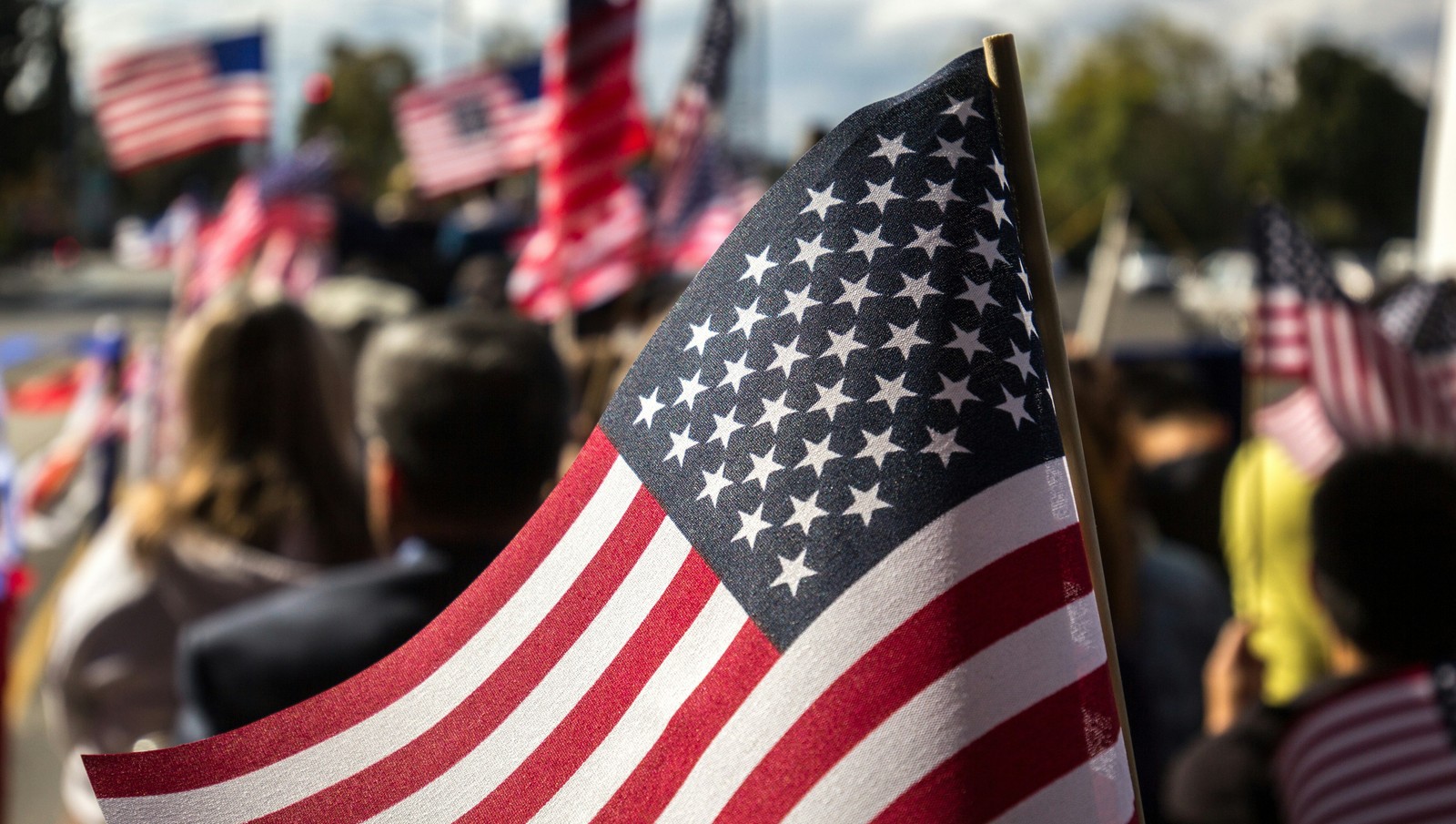
Image: Jason Leung

Can a mere song represent the experiences and feelings of a country? Some can. Throughout American history, there have been songs that, born from specific moments or capturing universal emotions , have left a lasting mark. Here are 10 songs that have remained relevant to Americans since their creation.

1
"The Star-Spangled Banner"
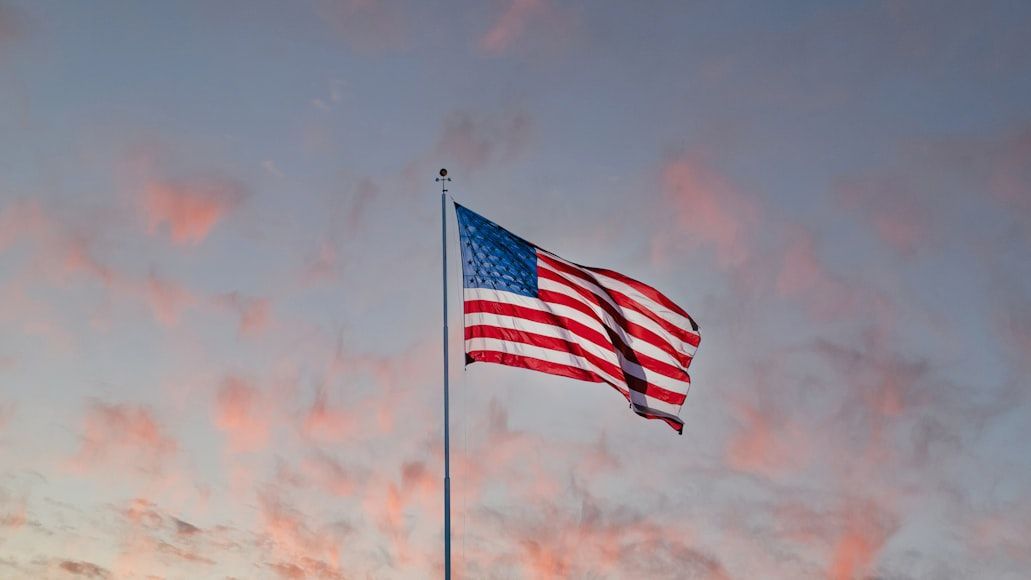
Image: iStrfry , Marcus

Arguably the most quintessential American song of all , its lyrics originated as a poem during the War of 1812, inspired by the experiences of Francis Scott Key during the British bombardment of Fort McHenry.

Surviving several controversies —from the violent content of its full lyrics to whether it is (or isn’t) easy to sing— "The Star-Spangled Banner", officially adopted as the U.S.’s national anthem in 1931, is now a symbol of unity and pride for many Americans.

2
"America the Beautiful"
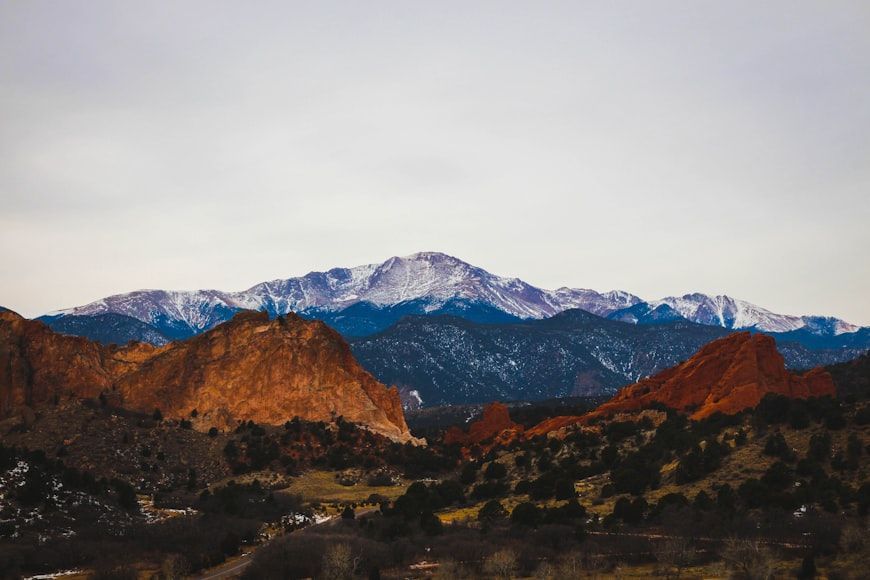
Image: Alexis Gethin

Once a strong contender for the official U.S. national anthem, this song celebrates the beauty of America, from the ideals upon which it was founded to the natural wonders within its borders .

Written by Katharine Lee Bates in 1893 and inspired by the landscape of Pikes Peak in Colorado, the song reflects the American dream of a more just and unified nation.

3
"This Land Is Your Land"
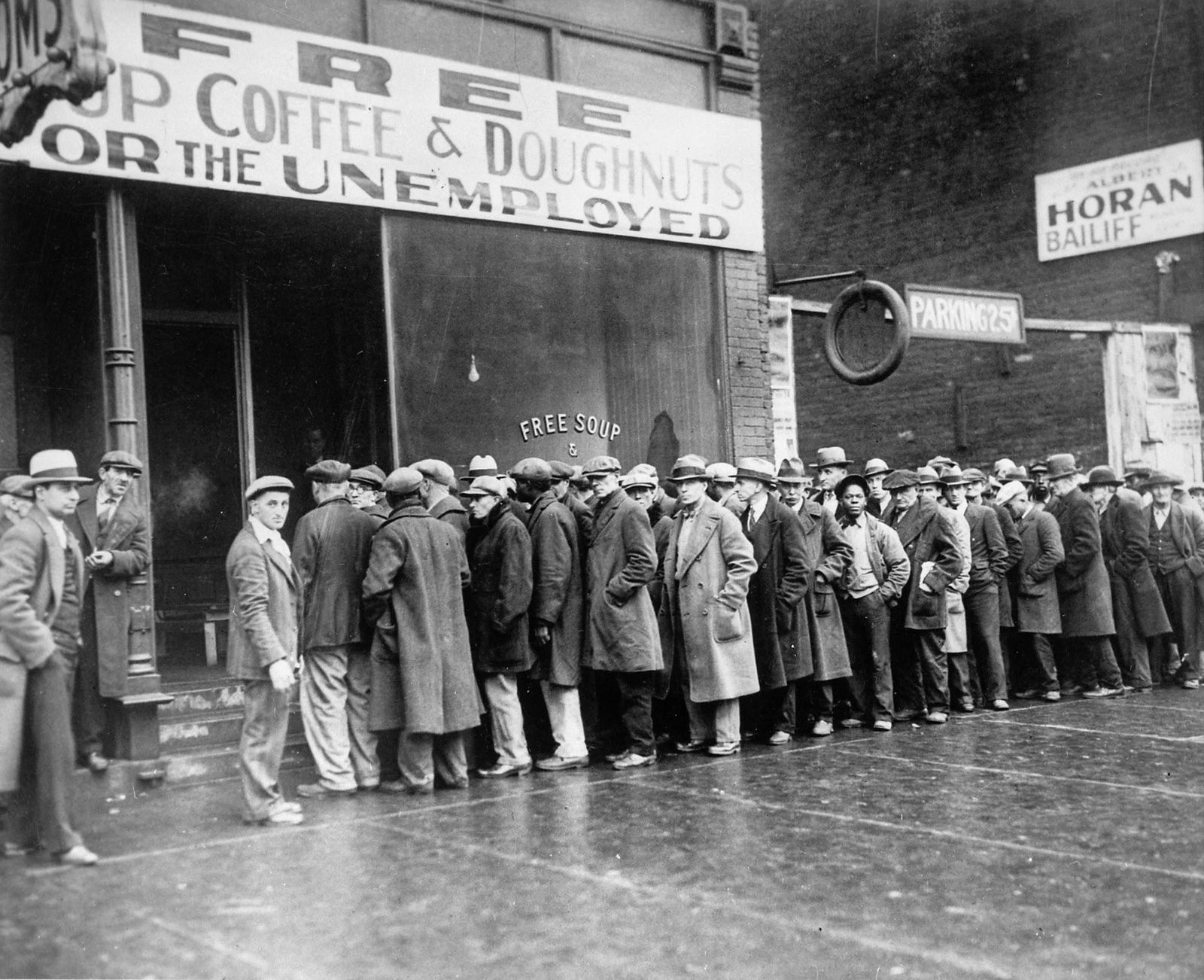
Image: National Archives at College Park, Public domain, via Wikimedia Commons

A 1940 folk song by Woody Guthrie, this song was written as a response to idealized patriotism that overlooked the everyday struggles of the common American citizen .

A product of a society that was still overcoming the Great Depression, the song emphasizes the idea of the country as belonging to all its people.

4
Yankee Doodle
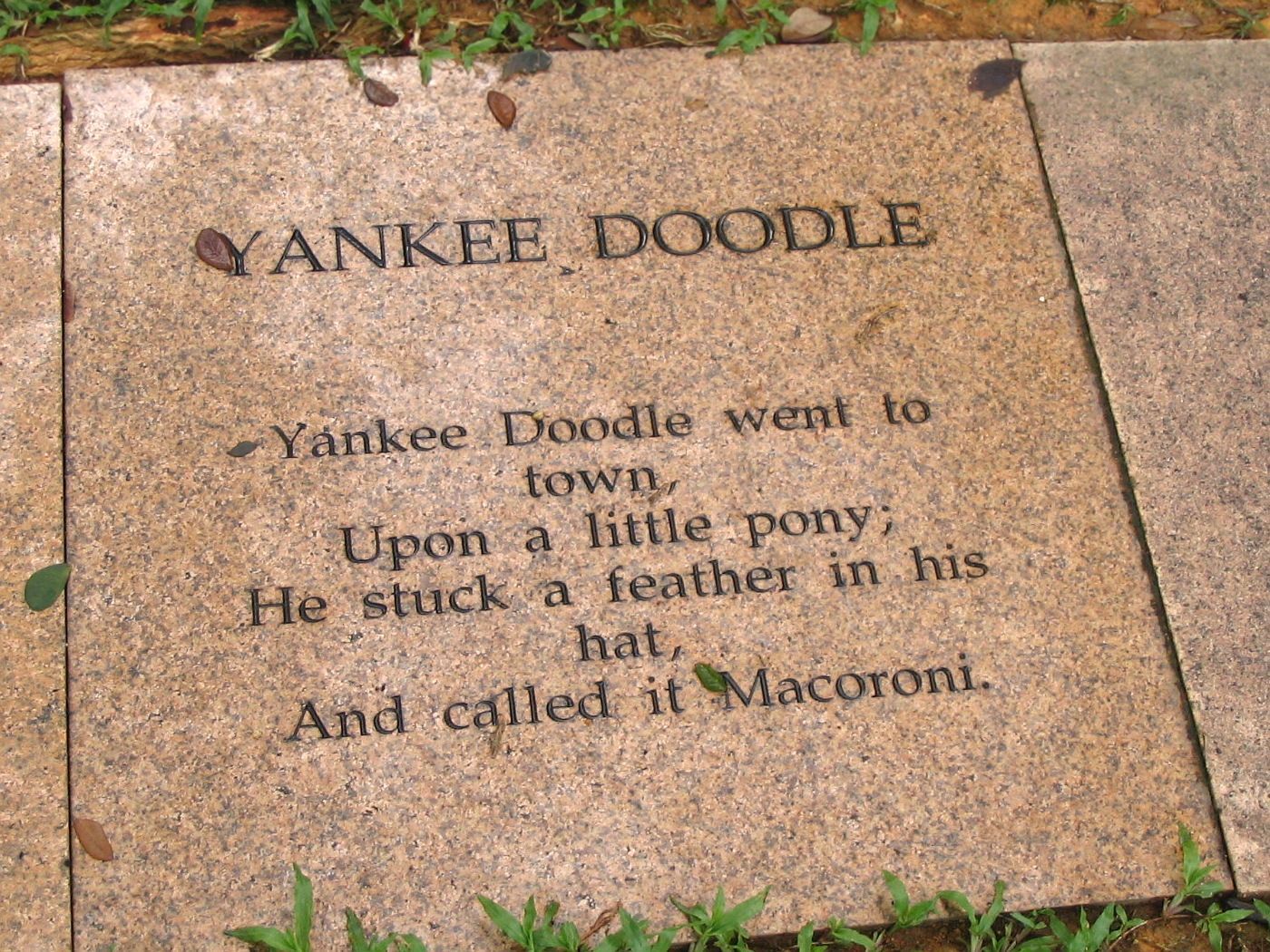
Image: Goh wz, Public domain, via Wikimedia Commons

Originally written by British soldiers in 1755 to mock colonial soldiers during the French and Indian War, and popularized during the Revolutionary War the song was later reclaimed by American soldiers after the Battle of Yorktown and turned into a symbol of independence.

What was initially meant as a mockery of " Yankee" (a New Englander) " doodle" (a fool or simpleton) became a source of pride and one of the most iconic American nursery rhymes.

5
"Georgia on My Mind"
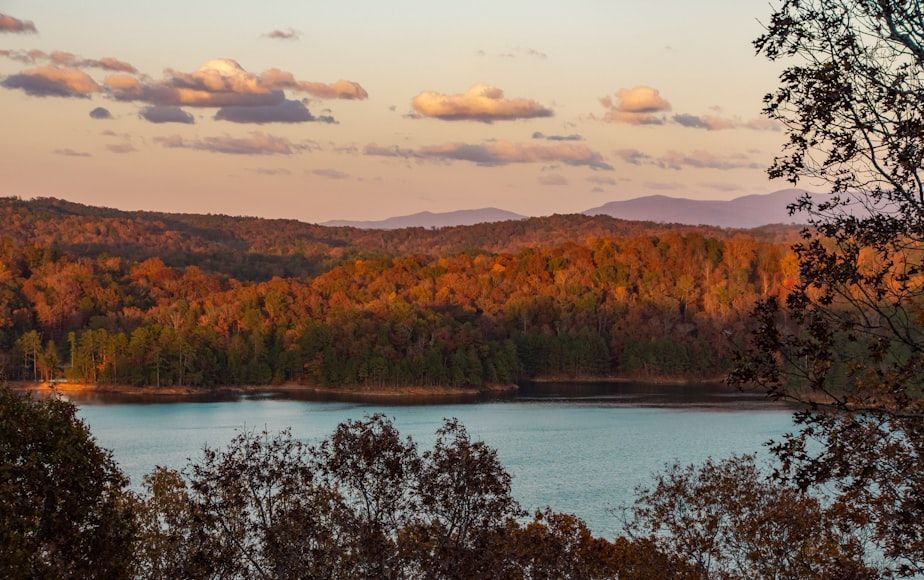
Image: Abigail Ducote

Composed in the 1930s by Hoagy Carmichael with lyrics by Stuart Gorrell, but famously covered by Ray Charles in 1960, this heartfelt ballad became an anthem for Southern nostalgia and love for the land .

A powerful ode to homesickness, it was adopted as the official state song of Georgia in 1979.

6
"I Walk the Line"
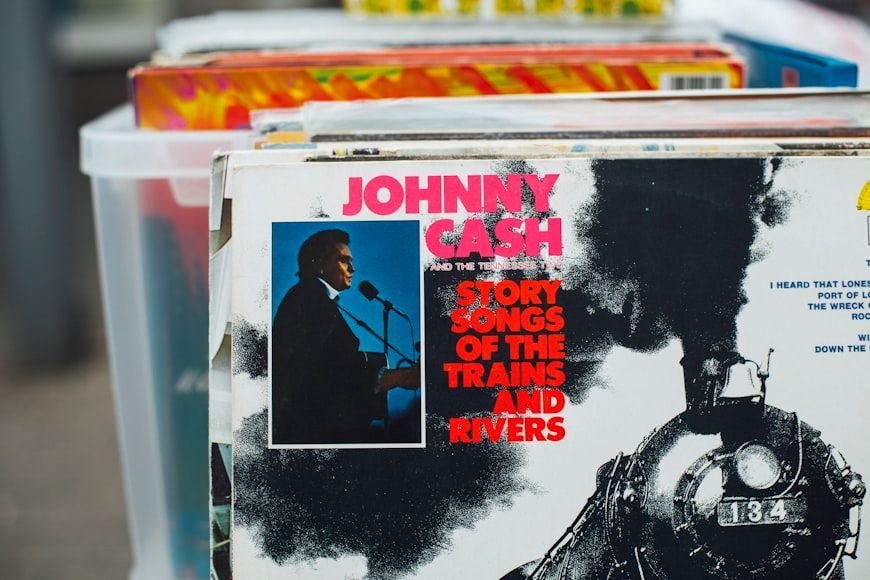
Image: Markus Spiske

Released in 1956 by country legend Johnny Cash, this iconic hit works as a pledge of devotion and faithfulness in the face of temptation.

Despite being written by Cash for his first wife Vivian, the song has since been widely interpreted as a promise of staying true to oneself.

7
"Take Me Home, Country Roads"
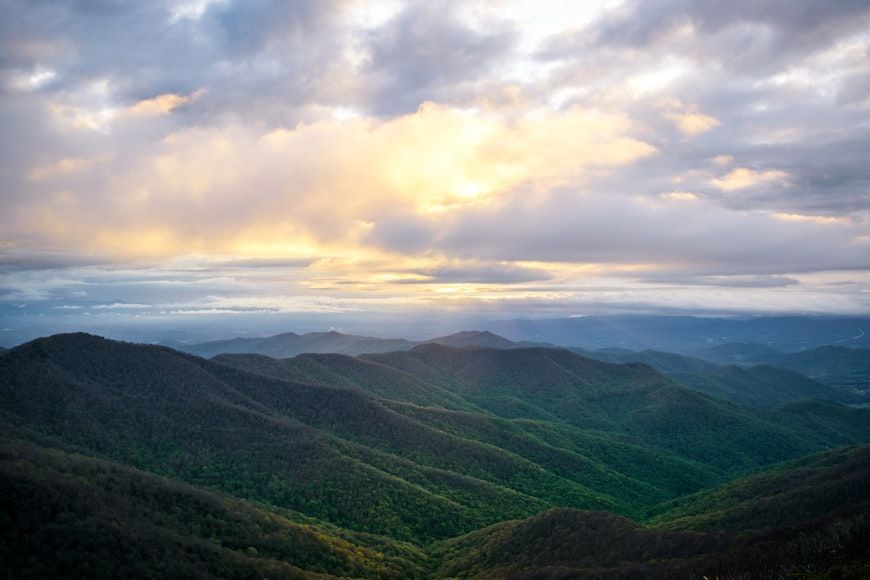
Image: Clark Wilson

One of the most well-known country songs of all time, the lyrics of "Take Me Home, Country Roads" were in part inspired by Maryland’s scenery as songwriter John Denver returned home for a family reunion.

Adopted as one of the official state anthems of West Virginia (due to a mention of the state in the lyrics), the song captures the fond feelings and sense of nostalgia associated with one’s hometown .

8
"Fortunate Son"
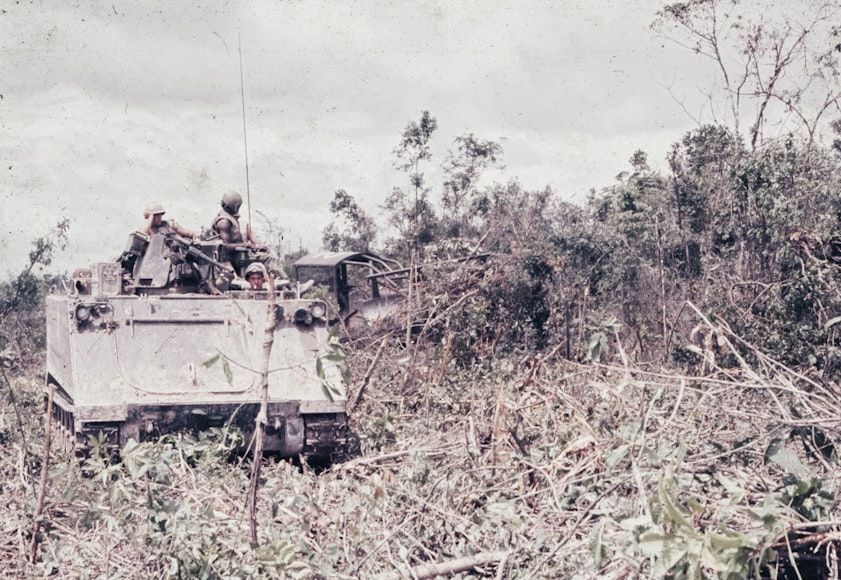
Image: Annie Spratt

The anti-war anthem of the late 1960s, Creedence Clearwater Revival’s "Fortunate Son" , first recorded in 1969, critiques a flawed system that favors the privileged few .

Addressing inequalities in the U.S. military draft system, which often excused those well-connected or placed them in safe positions while others were sent to the front lines, the song’s message has remained relevant for decades.

9
"Sweet Home Alabama"
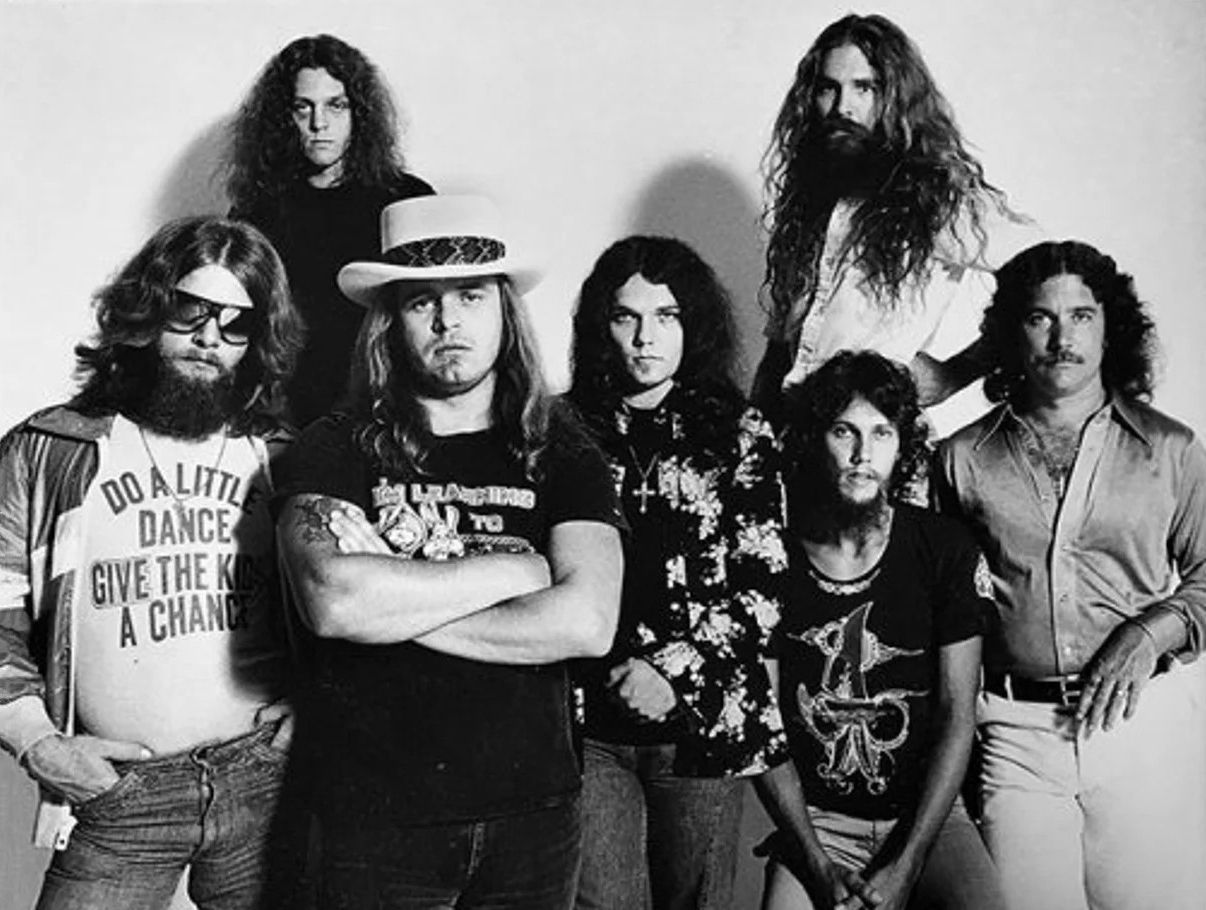
Image: MCA Records, Public domain, via Wikimedia Commons

Written in part as a response to Neil Young's "Southern Man" and "Alabama," which were interpreted by some as blaming the entirety of the South for slavery and segregation, the 1974 Lynyrd Skynyrd song "Sweet Home Alabama" became an anthem of Southern pride in the face of prejudice and generalizations.

Sadly, the song has sometimes been misinterpreted as favorable towards segregationist policies, though members of the band have expressed their opposition to these ideas.

10
"Born in the U.S.A."
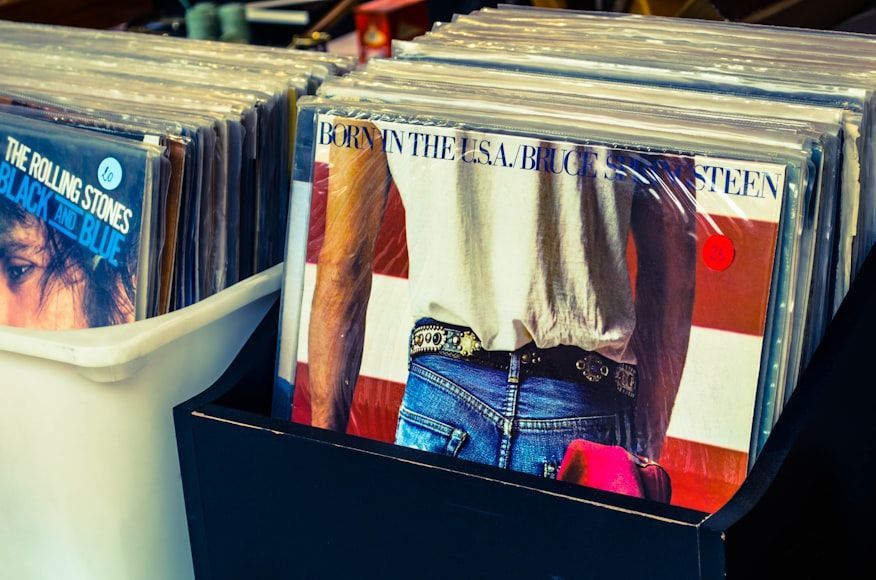
Image: Jose Antonio Gallego Vázquez

Famously considered an anthem of national pride, many fail to recognize Bruce Springsteen’s "Born in the U.S.A." (1984) as a song of protest, written during the aftermath of the Vietnam War .

Describing the alienation suffered by returning veterans, its lyrics reflect the disillusionment of those who had defended American ideals, only to feel abandoned upon their return.


History History 4 min read

Don’t believe everything

From Washington’s wooden teeth to Plymouth Rock: 12 myths still around

Image: Hartono Creative Studio

American history is filled with stories that are passed down through generations, but not all of them are accurate. Some legends were invented to inspire, others simply to entertain, and many grew from misunderstandings. Let’s take a look at 12 of the most common myths from U.S. history that are still believed to be true by a lot of people.

1
George Washington had wooden teeth

Image: Jon Sailer

When one thinks about this one, it can sound quite preposterous, but many people still believe it to be true. George Washington did wear dentures, but none were made of wood. His sets were crafted from ivory, gold, lead, and even animal and human teeth. The wood myth likely spread because stained ivory took on a rough, brown look .

The story stuck because it seemed to fit the image of a rustic leader. In truth, Washington’s constant dental pain was very real, but the wooden teeth are pure fiction.

2
The Declaration of Independence was signed on July 4

Image: The New York Public Library

Yes, July 4, 1776, is remembered as the day America declared independence, but most delegates did not sign the document then. It was approved that day, yet the majority of signatures were added on August 2 .

Only John Hancock and perhaps a handful of others signed on the Fourth. The legend of all the Founders signing together created a more dramatic story than reality.

3
The first Thanksgiving had turkey and pie

Image: Noah Samuel Franz

The 1621 gathering in Plymouth is remembered as a feast of turkey, stuffing, and pumpkin pie. In reality, the menu was very different. Venison, fish, shellfish, corn, and nuts were likely served instead .

Turkey may have been present, but it wasn’t the centerpiece, and sweet pumpkin pie was impossible without sugar or ovens. The foods we associate today were added later by tradition.

4
The Liberty Bell cracked on July 4, 1776

Image: Dan Mall

Many believe the Liberty Bell cracked while celebrating independence on July 4, 1776, but it didn’t. The bell wasn’t even rung that day, and its famous fracture appeared decades later .

Records suggest the crack happened in the 1830s or 1840s during use at civic events. The legend tied the crack to 1776 because it made for a more patriotic tale.

5
Paul Revere shouted "The British are coming!"

Image: brianfakhoury

Paul Revere’s midnight ride is legendary, but the famous phrase attributed to him is not. He likely warned townspeople, "The Regulars are out," since most colonists still thought of themselves as British.

The dramatic version was added later to make the story more exciting. Revere’s actual mission was successful, but it didn’t involve shouting through the countryside.

6
Colonial Americans were short

Image: James Coleman

It’s often said that colonial Americans were much shorter than people today, but that’s an exaggeration. Skeletal evidence shows the average man in the 1700s was about 5’8", not far from modern averages .

Malnutrition was less severe in America than in Europe at the time. The myth spread from comparing old, small doorways and beds, which were not actually built for shorter people.

7
The pilgrims landed on Plymouth Rock

Image: Bernd 📷 Dittrich

The story that the Pilgrims stepped onto Plymouth Rock in 1620 has no basis in fact. No historical accounts from the time mention it.

The tale was first told more than a century later, likely to create a symbolic landmark. The rock is real, but its role in the landing is pure invention to add drama to history .

8
Benjamin Franklin discovered electricity with a kite

Image: Brett Wharton

Benjamin Franklin’s 1752 kite experiment is well-known, but he didn’t "discover" electricity. Scientists had known about it for years. His test demonstrated that lightning was a form of electricity . So, somewhat similar but not the same.

The story became simplified over time into a myth of sudden discovery. Franklin’s real contribution was proving a connection, not inventing the concept.

9
The Alamo defenders fought to the last man

Image: Gabriel Tovar

The legend of the Alamo says every defender fought to the bitter end in 1836. While most did die, accounts suggest some may have surrendered and were executed afterward .

The truth is more complicated than the heroic version. Still, the myth of total sacrifice became central to Texas identity and American lore.

10
Lincoln wrote the Gettysburg Address on an envelope

Image: Forest Simon

Abraham Lincoln’s Gettysburg Address is often said to have been scribbled quickly on the back of an envelope. In reality, he drafted several careful versions of the speech in advance .

The "envelope" tale was later invented to emphasize his brilliance and spontaneity. The truth shows Lincoln was thoughtful and deliberate, not hurried.

11
Gunfights were really common in the Wild West

Image: Stefan Münz

Popular film and TV shows depict the Wild West as lawless and violent, with constant gun duels. In fact, frontier towns often had strict laws banning guns inside city limits .

Shootouts like those in movies were rare events, not daily life. The myth grew from dime novels and later Hollywood Westerns that exaggerated violence.

12
A cow started the Chicago Fire

Image: Daniel Quiceno M

The Great Chicago Fire of 1871 was long blamed on Catherine O’Leary’s cow kicking over a lantern. This story was published in newspapers and stuck in public memory.

Historians now know the cause was never proven . The cow tale unfairly tarnished the O’Leary family (and the cow itself), but it became a convenient explanation for a devastating disaster.

Culture Culture 4 min read

Words of wisdom

The words of these 10 Americans will forever live in history!

Image: Emmanuel Ikwuegbu

Quotes have the magical property of allowing us to learn, enjoy, and marvel at the minds of some of the greatest thinkers in our history. It doesn’t matter when or where, we can all learn a thing or two from these wonderfully crafted words. With that in mind, we have decided to celebrate the ingenuity and intelligence of some of the most prominent Americans in history by highlighting some of their best quotes. So, without further ado, enjoy the wisdom that these 10 Americans have to offer!

1
"Float like a butterfly, sting like a bee" - Muhammad Ali

Image: Johann Walter Bantz

Much like his innate and groundbreaking boxing technique, legendary boxer Muhammad Ali had a way with words: He was able to craft sharp and insightful commentary in interviews and press conferences. In that sense, Ali was able to perfectly summarize his incredible fighting style with a short and simple phrase, in what’s probably his most famous quote: In 1964, before his iconic fight with Sonny Liston, a 22-year-old Ali stated that he would "float like a butterfly, sting like a bee".

2
"America is another name for opportunity" - Ralph Waldo Emerson

Image: NASA

Ralph Waldo Emerson was one of the most influential and groundbreaking American poets in history. It is no small praise for Walt Whitman to refer to Emerson as "his master", nor for Friedrich Nietzsche to call him "the most gifted of the Americans". Emerson’s collection of essays and writings gives us a glimpse into the quick wit and way of words this American had, so it stands to reason that the Emerson quote we chose for this article showcases his brevity and resourcefulness: "America is another name for opportunity".

3
"I have a dream" - Martin Luther King, Jr.

Image: Elizabeth Villalta

Not many know this, but Martin Luther King’s most famous quote came from a sudden moment of inspiration: Standing in front of over 250,000 supporters from the steps of the Lincoln Memorial, Dr. King departed from his prepared text and spoke from the heart, delivering a speech that had his now-iconic "I have a dream" phrase as its main theme. Most historians consider this speech to be a turning point in the history of the civil rights movement and a proud testament to Dr. King’s resolve and determination.

4
"Ask not what your country…" - John F. Kennedy

Image: Florida Memory

Civil service is definitely a big responsibility: The men and women in the government are naturally held to a high standard of scrutiny. In that sense, President Kennedy’s words during his inauguration speech truly cemented something that citizens often overlook: When our 35th President said "Ask not what your country can do for you – ask what you can do for your country" , he asked the American public to always keep the welfare of their country and fellow Americans in mind.

5
"Four score and seven years ago" - Abraham Lincoln

Image: Ed Fr

Granted, we couldn’t include the entire Gettysburg Address in this article, but we have instead decided to choose a phrase that’s as famous as this iconic speech. While we can’t be sure that President Lincoln knew the effect these words would have on American history, we do know that he was an exceptional writer, so it is no wonder that we still remember the opening lines of this famous speech: "Four score and seven years ago".

6
America, to me, is freedom - Willie Nelson

Image: Priscilla Du Preez 🇨🇦

Country music is synonymous with American culture, so it shouldn’t come as a surprise to learn that one of the most patriotic quotes in this article comes from country music legend Willie Nelson. This beloved musician once stated, "America, to me, is freedom". What’s perhaps most moving about this simple yet powerful phrase is that it effortlessly describes what many of us feel whenever we think about America.

7
"To be good, and to do good, is all we have to do" - John Adams

Image: iStrfry , Marcus

Leave it to a Founding Father to perfectly describe what patriotism is all about. John Adams once stated this powerful phrase: "To be good, and to do good, is all we have to do". Much like the JFK quote we previously mentioned, our second President encouraged us to love our country and always strive to keep it a wonderful place to live.

8
"We must be free not because we claim freedom but because we practice it" —William Faulkner

Image: Tom Hermans

There’s no denying that William Faulkner was one of the most influential writers of the 20th century: A Nobel laureate, Faulkner has written such American classics like "As I Lay Dying" and "The Sound and the Fury". Much of his work centers around the American South, and on what he felt were the values that America holds most dear. In that sense, the following quote is as insightful as what can be found in Faulkner’s many books: "We must be free not because we claim freedom but because we practice it".

9
"In the face of impossible odds, people who love this country can change it." —Barack Obama

Image: frank mckenna

Standing in the very same spot in which Martin Luther King had made his iconic "I Have a Dream" speech, President Obama spoke in front of a gathered crowd of hundreds and delivered one of his most famous quotes: "In the face of impossible odds, people who love this country can change it." Besides being a great quote by our 44th President, this phrase is also a living testament to the influence that Dr. King had on all Americans.

10
"Liberty, when it begins to take root, is a plant of rapid growth" -George Washington

Image: Ryan Quintal

We’ll end this article with a phrase that comes straight from the mind of the Father of our country. In a letter to fellow Founding Father James Madison, George Washington wrote: "Liberty, when it begins to take root, is a plant of rapid growth". When you think about it, this phrase is an almost perfect summary of the ideas and beliefs that fueled the American Revolution, and that would eventually help build this great country of ours.

Explore more American facts

Choose your favorite category!

General
General

As American as apple pie—the very best America has to offer!

Culture
Culture

Delve into the astounding richness of American lore.

Geography
Geography

Hop in and explore vast and diverse American landscapes.

History
History

Discover the key moments that shaped the United States.