Culture Culture 4 min read

TV said it first

10 popular catchphrases that were born on TV

Image: Stephen Monterroso

How many times have you said "yada, yada, yada" or "d’oh!" without thinking twice about it? Or used "wassup" or "how you doin’" as a greeting? Many catchphrases that we use regularly originated on TV —or were popularized by it — making their way into everyday conversations and interactions. Let’s have a look at some examples!

1
"Yada, yada, yada" ( Seinfeld )
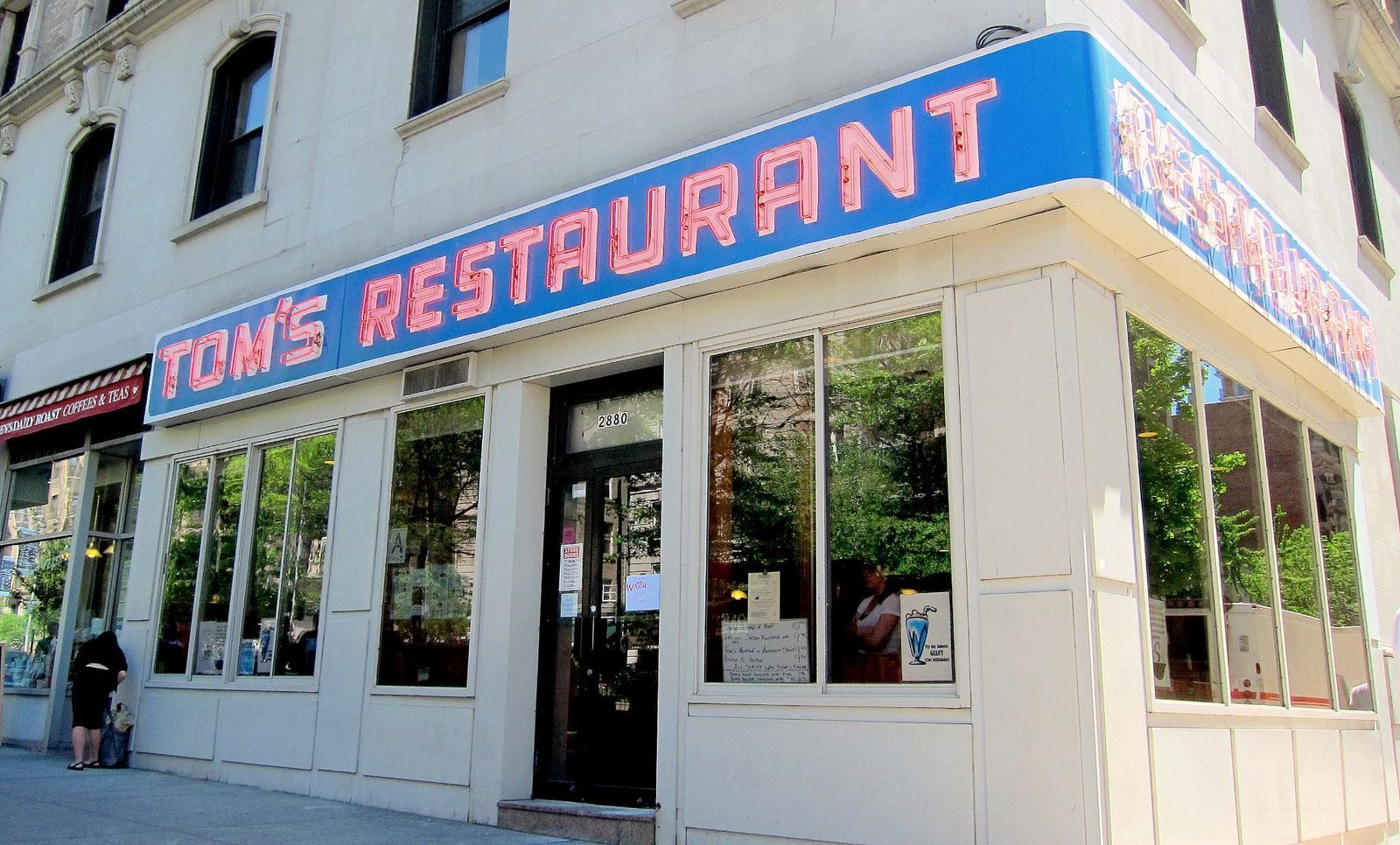
Image: Librarygroover, CC BY 2.0, via Wikimedia Commons

Though the phrase "yada, yada, yada" already existed in the 1990s, dating back to the 1940s, it was not nearly as common as it is today. It was after the April 24, 1997, Seinfeld episode, where a character constantly uses the phrase, that it became globally known , turning it into a common catchphrase for glossing over boring or irrelevant details.

2
"It's a bird! It's a plane! It's Superman!" ( The Adventures of Superman )
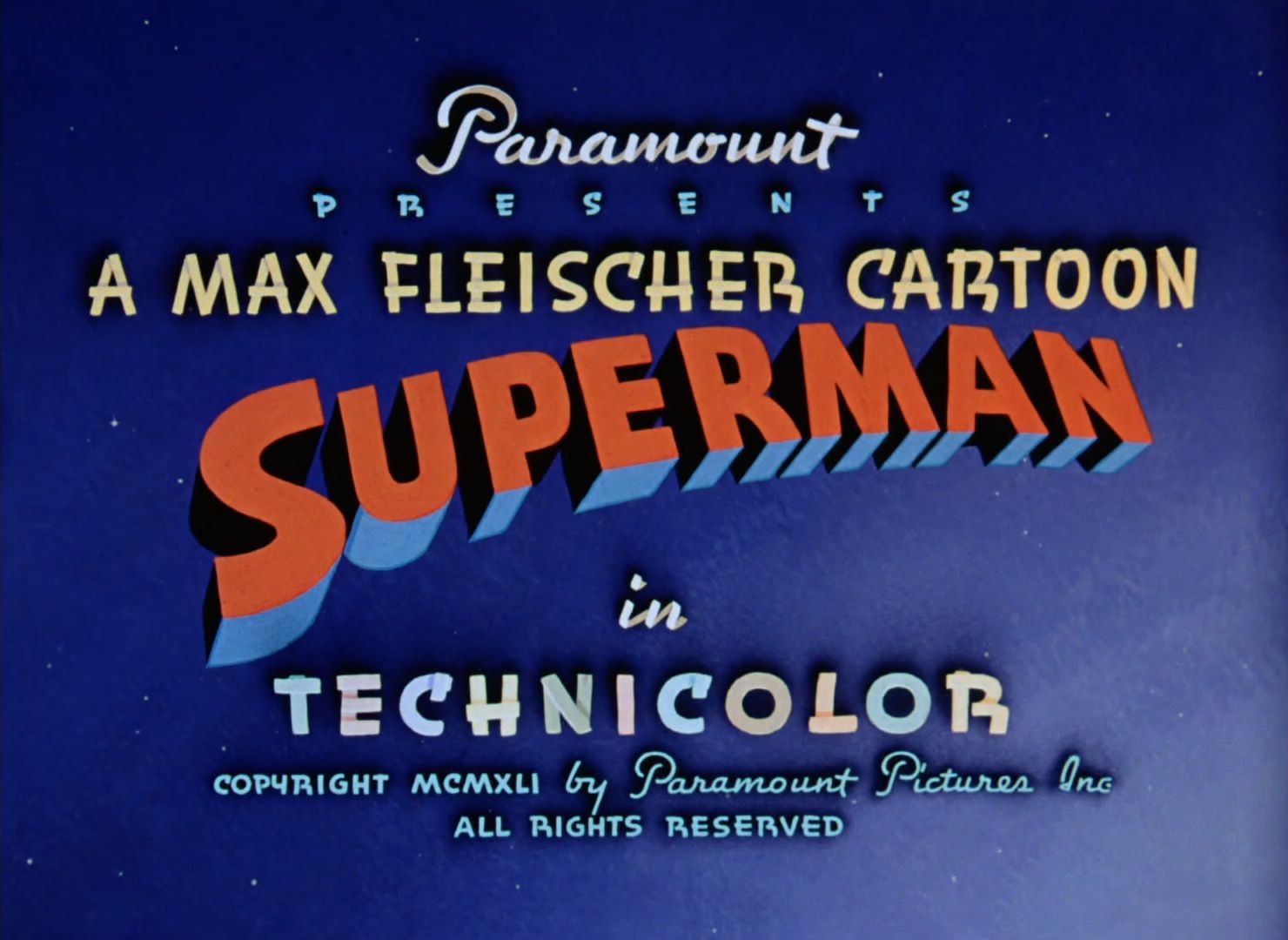
Image: Fleischer Studios, Public domain, via Wikimedia Commons

The iconic Superman opening was originally part of the 1940s Superman radio show, and it carried over to the television series. While the series was extremely popular, this catchphrase became a trope of its own beyond the Superman phenomenon and a go-to quote for any instances of unidentified flying objects.

3
"To boldly go where no man has gone before" ( Star Trek )
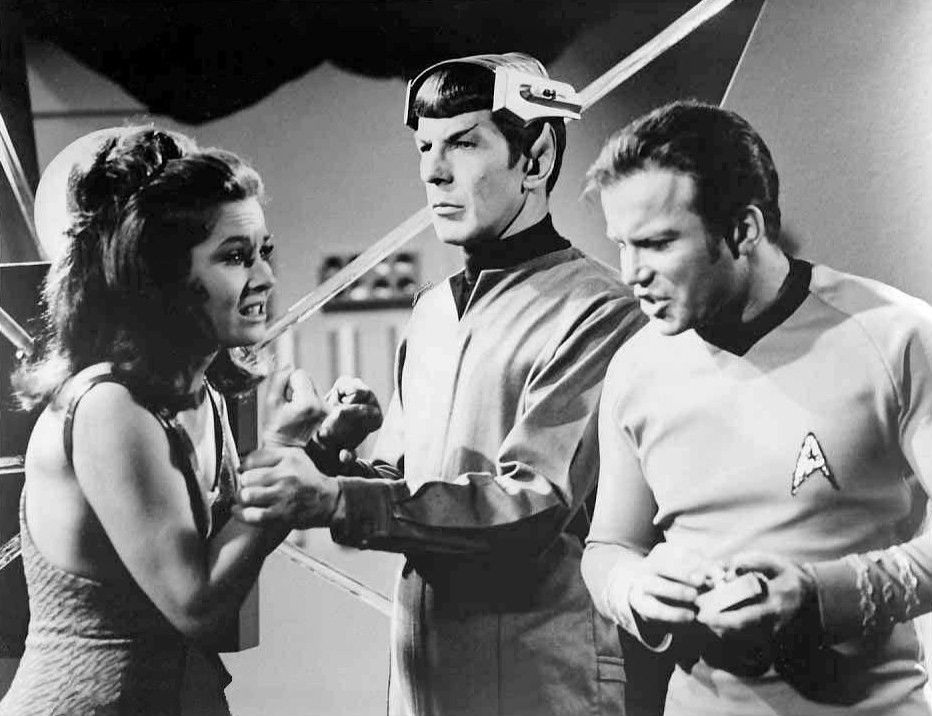
Image: Paramount Television, Public domain, via Wikimedia Commons

There is no doubt that "Space, the final frontier" is _Star Trek_’s most quoted and recognizable line, but its application to real-life situations is quite restricted by the allusion to space. The last line of the iconic intro, though, has also become a more easily adapted catchphrase of its own , even for those who aren’t into sci-fi or haven’t seen the show.

4
"Winter is coming" ( Game of Thrones )
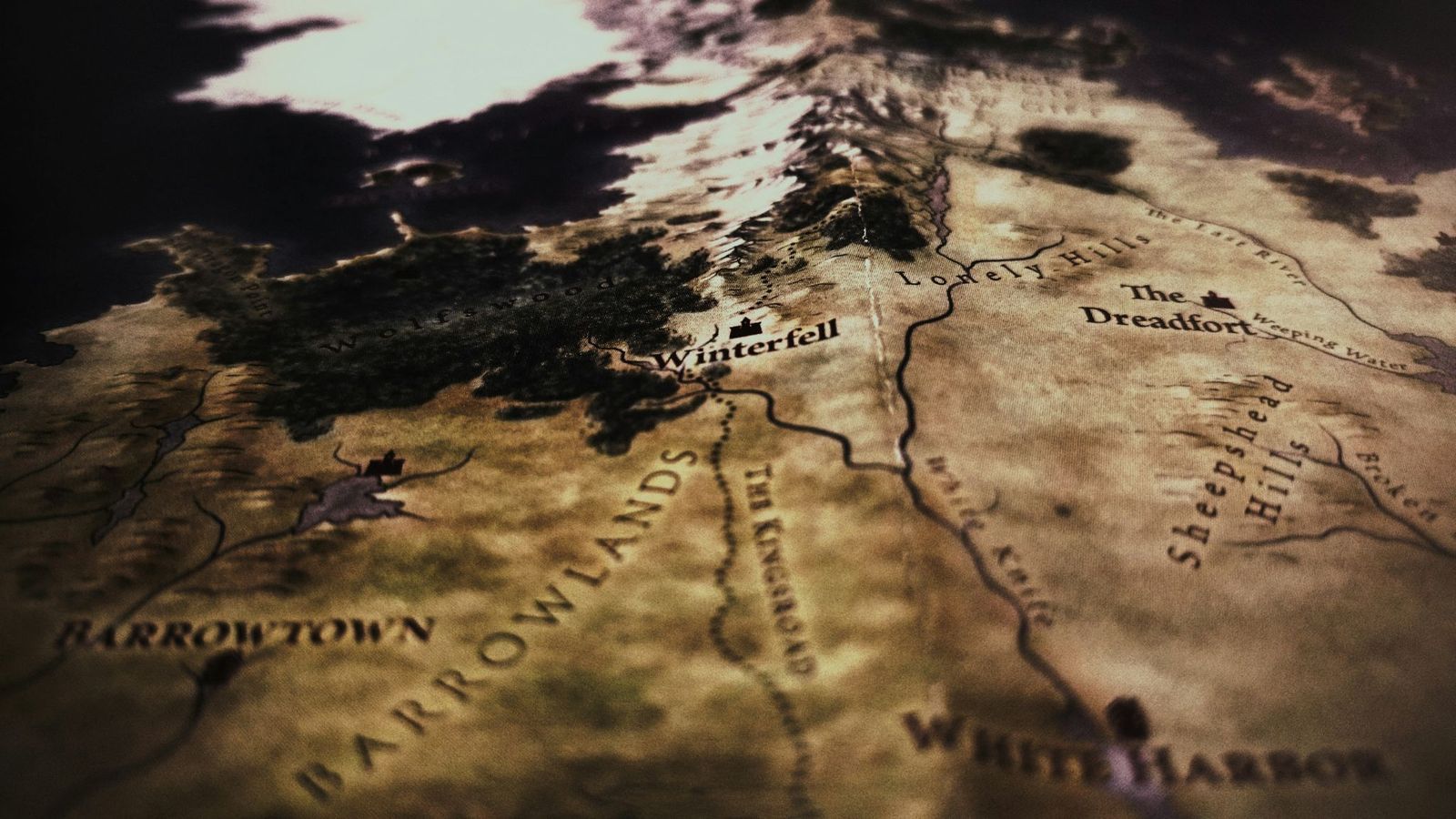
Image: mauRÍCIO SANTOS

HBO’s famed TV adaptation of George R. R. Martin's A Song of Ice and Fire book series is one of the most successful shows of all time, and many of its elements have become part of popular culture. "Winter is coming", the motto of House Stark and one of the taglines of Season 1, is now a ubiquitous catchphrase for impending challenges and difficulties.

5
"How you doin’?" ( Friends )
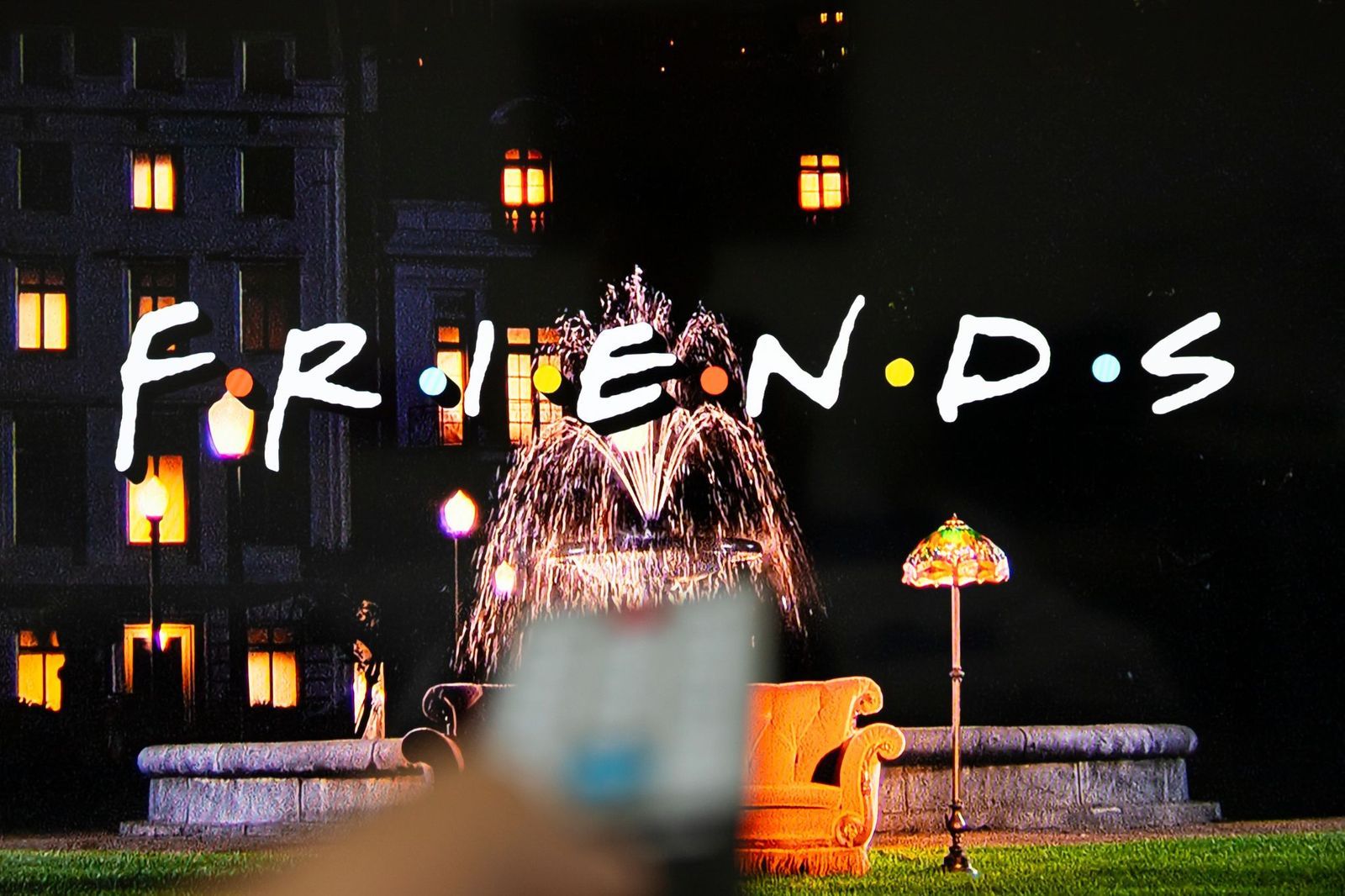
Image: ArtMediaWorx

It isn’t just the phrase, but Joey Tribbiani’s (Matt LeBlanc) Italian-American accent and flirtatious attitude that have made this seemingly plain greeting iconic . Out of the many hilarious and easily recognizable Friends quotes, Joey’s preferred pickup line is embedded in the minds of a whole generation.

6
"Cowabunga" ( The Howdy Doody Show & Teenage Mutant Ninja Turtles )
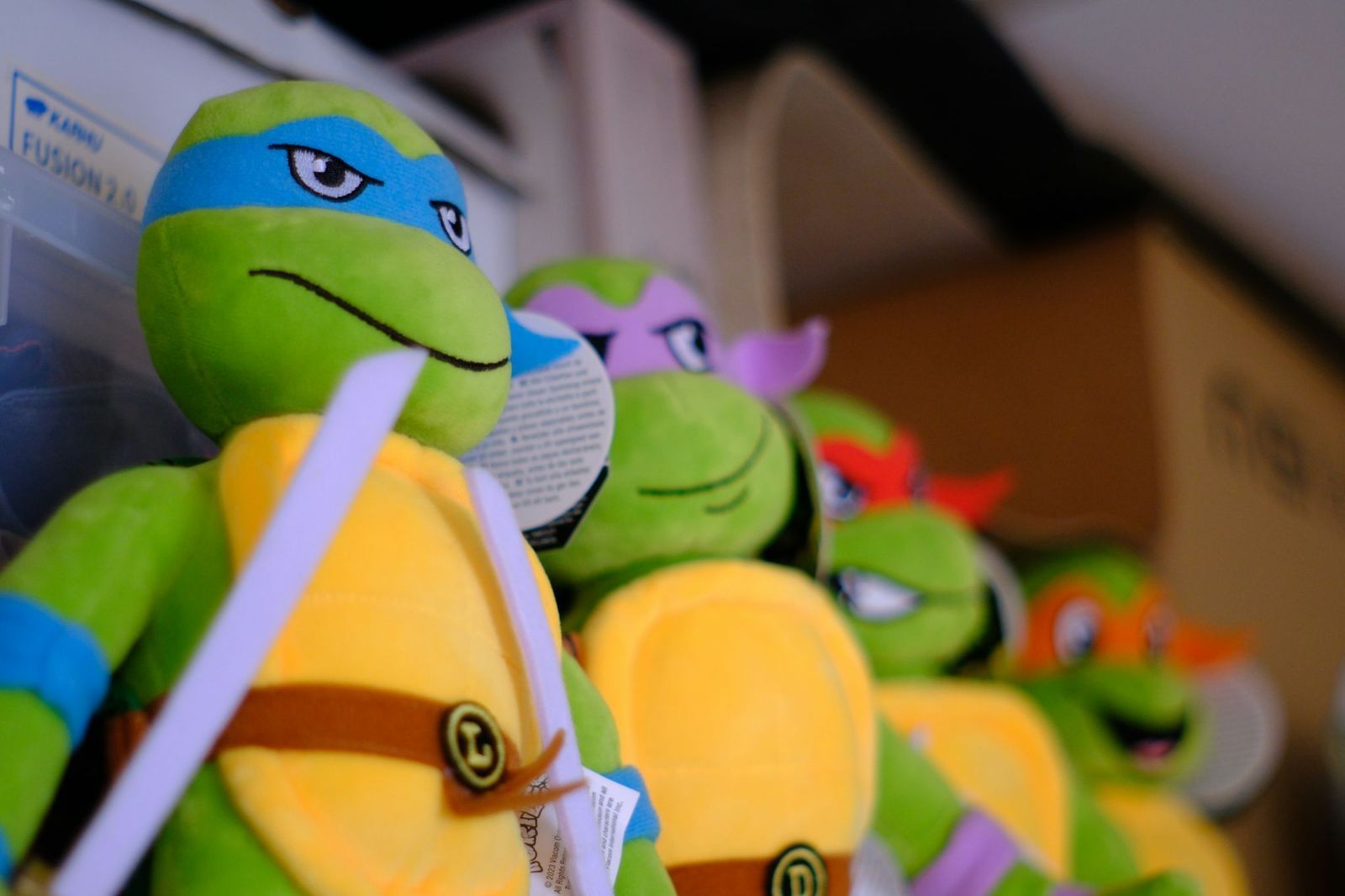
Image: Alex de Koning

Coined as the angry retort of a Native American chief in the 1950s The Howdy Doody Show and adopted by Californian surfers as a celebration, most people nowadays instantly associate "Cowabunga" with the Teenage Mutant Ninja Turtles , and with good reason, as it was popularized globally via the animated show. While later reboots tried to replace it with other catchphrases, "cowabunga" remains indelibly tied to the Ninja Turtles.

7
"D'oh!" ( The Simpsons )
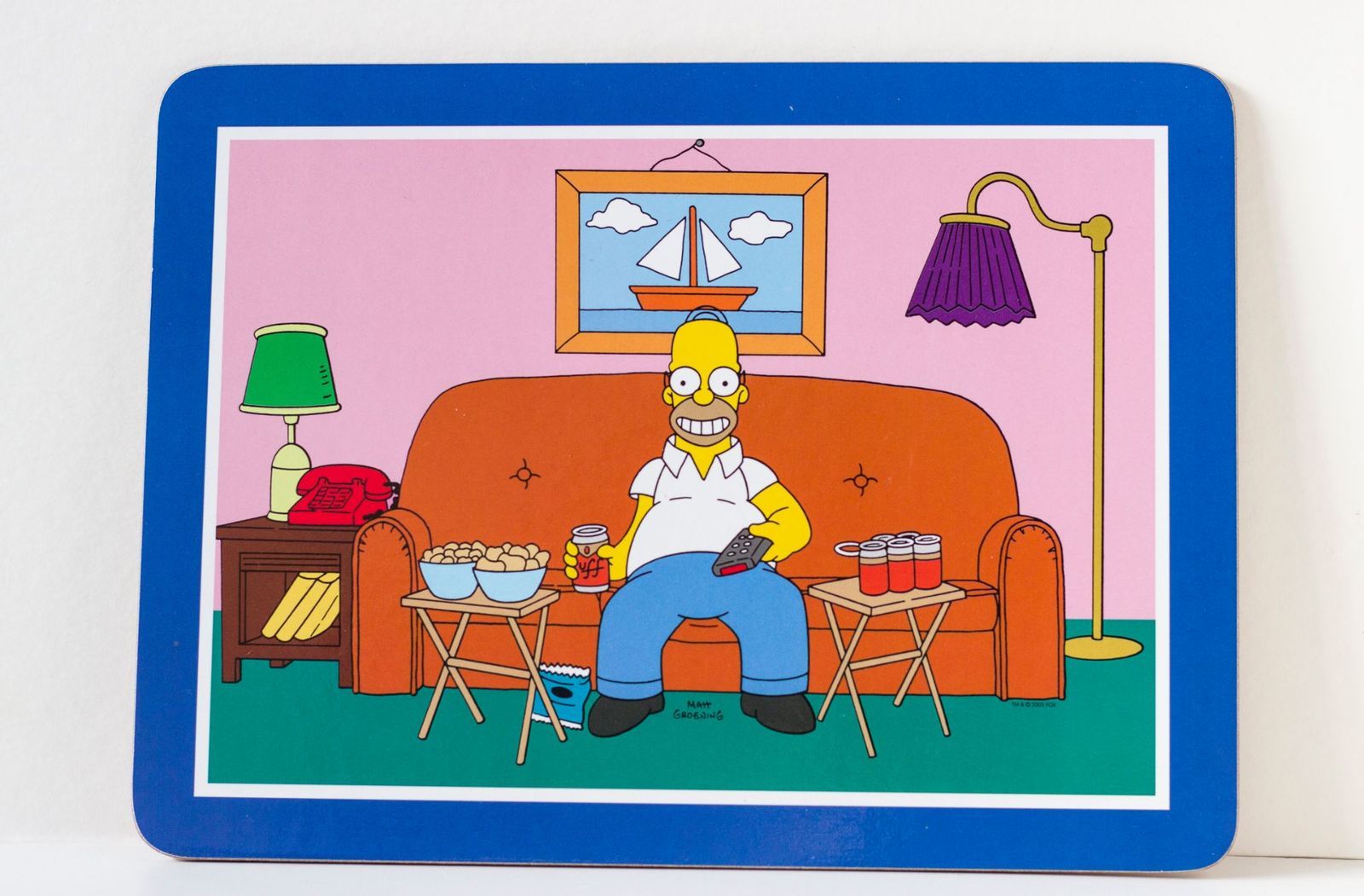
Image: Haelen Haagen

Can a TV catchphrase become so popular as to change a dictionary? It can if it’s said by Homer Simpson. Repeated more than a thousand times across the 37 seasons of The Simpsons , "D’oh!" is so ingrained in the English language that it has been incorporated into the Oxford Dictionary.

8
"You rang?" ( The Addams Family )
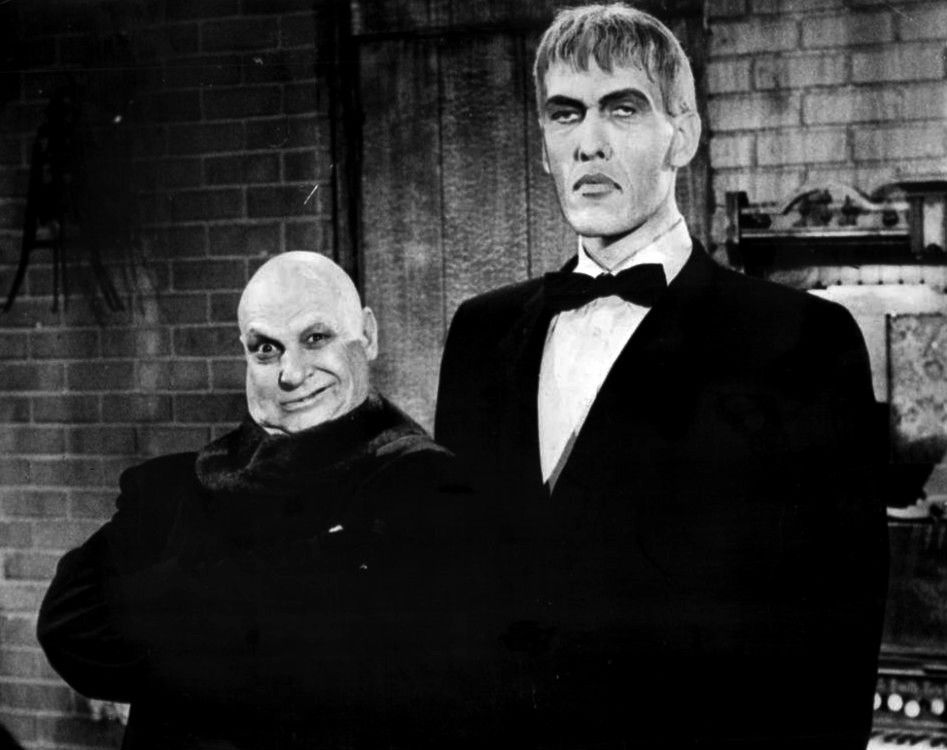
Image: Pleasure IslandUploaded by We hope at en.wikipedia, Public domain, via Wikimedia Commons

This iconic line was created by accident. In the original 1960s The Addams Family , lanky butler Lurch was supposed to be mute, but after actor Ted Cassidy ad-libbed the famous "You rang?", the producers found it hilarious and went with it. The phrase eventually transcended the Addams Family universe and became a popular catchphrase on its own.

9
"Is that your final answer?" ( Who Wants To Be a Millionaire? )
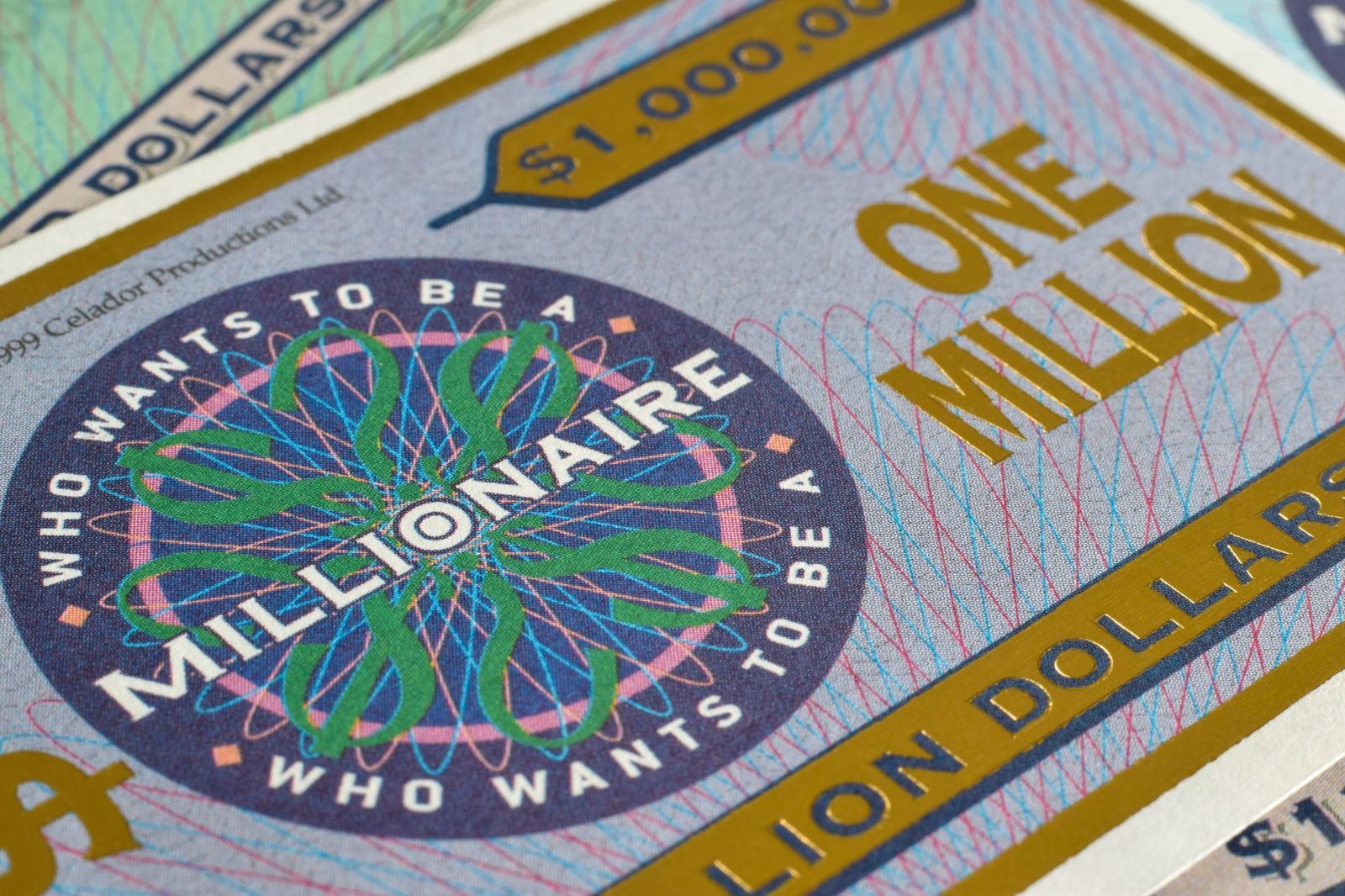
Image: JulieK2

The only entry of this list that comes from a game show, "Is that your final answer?" became the catchphrase of Who Wants To Be a Millionaire? with host Regis Philbin in the 1990s and 2000s, and is now a common way of asking "are you sure about it?".

10
"What's up, Doc?" ( Looney Tunes )
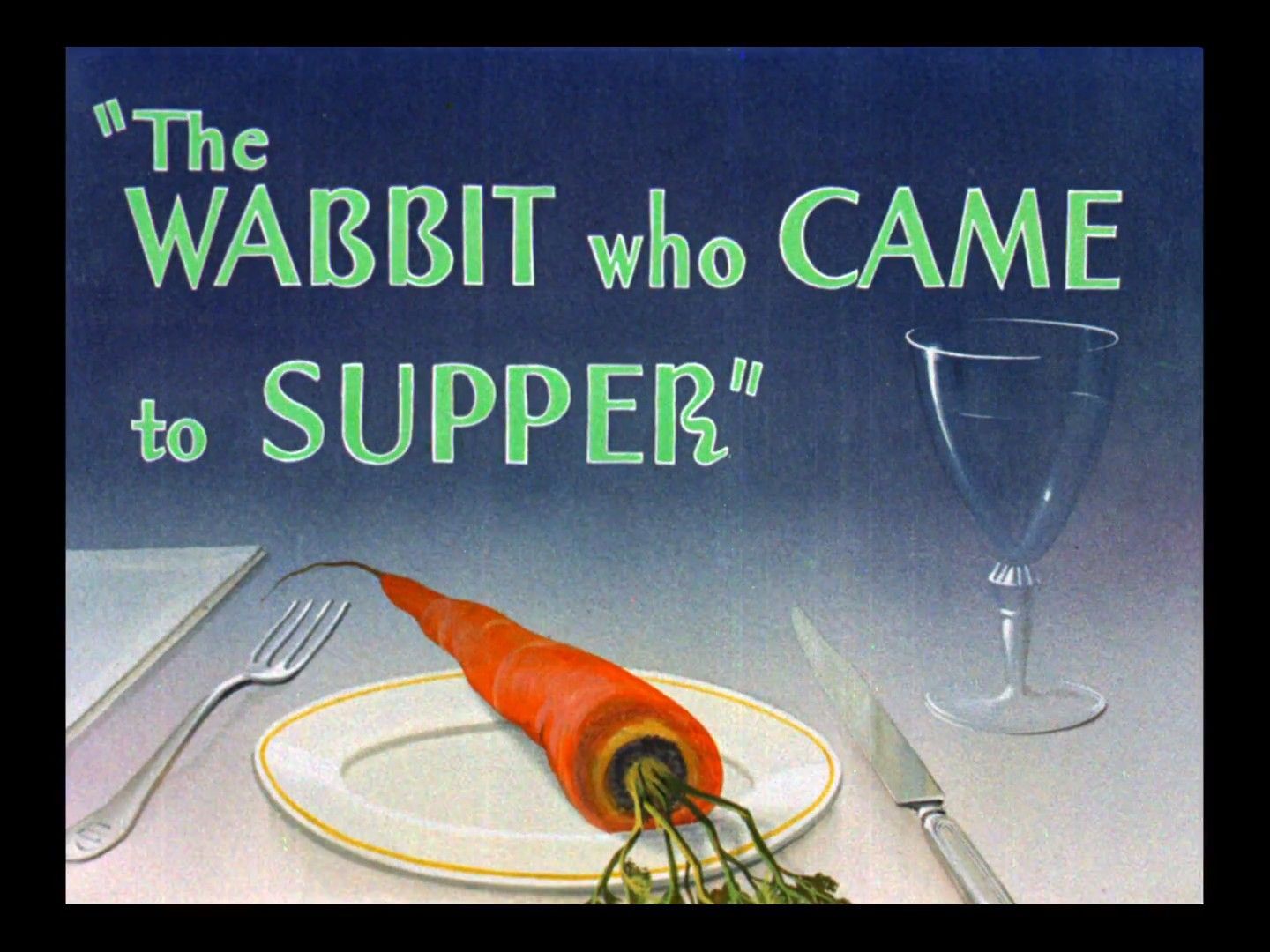
Image: https://commons.wikimedia.org/wiki/File:Wabbitwhocametosupper.jpg

One of the most popular catchphrases, but not the only one, by Bugs Bunny in Looney Tunes , the widespread popularity of "What’s up, Doc?" has had a lasting influence. First aired in the 1940s —with "Doc" as a common slang term similar to ‘pal’ or ‘dude’— it was the "what’s up" part that caused a cultural shift , with the popularity of the greeting evolving into "wassup?" in the 1990s and even inspiring the name of the messaging app WhatsApp.


General General 3 min read

Which one is your favorite?

How word of mouth has changed over the years

Image: Cottonbro Studio

Over the years, how we’ve tuned into news, music, and entertainment in America has undergone serious changes. From the days of gathering around to hear stories passed down through oral traditions, to listening to the radio for the evening broadcast, to the modern age of podcasts, each era has its flavor. Take a look at these 12 media formats that we have used and use today.

1
The human voice

Image: Priscilla Du Preez 🇨🇦

Before modern technology, oral communication and word of mouth were the primary ways people shared news, stories, and music everywhere.

From Native American storytelling traditions to community gatherings, spoken word connected people, passed down history, and spread important information long before any other medium ever existed.

2
Public proclamations

Image: Andrew Ebrahim

Public proclamations were an early form of mass communication in America, used to spread news and official announcements.

Town criers or officials would read proclamations aloud in public squares , ensuring that important information reached everyone, even those who couldn't read, who were more than a handful at the time.

3
Live music

Image: Francesco Giacomini

Before recorded music, people would gather at local events, fairs, or churches to hear musicians perform songs that reflected current events, social issues, or, often, served as entertainment.

In the same way as today, live performances were a major form of entertainment and communication.

4
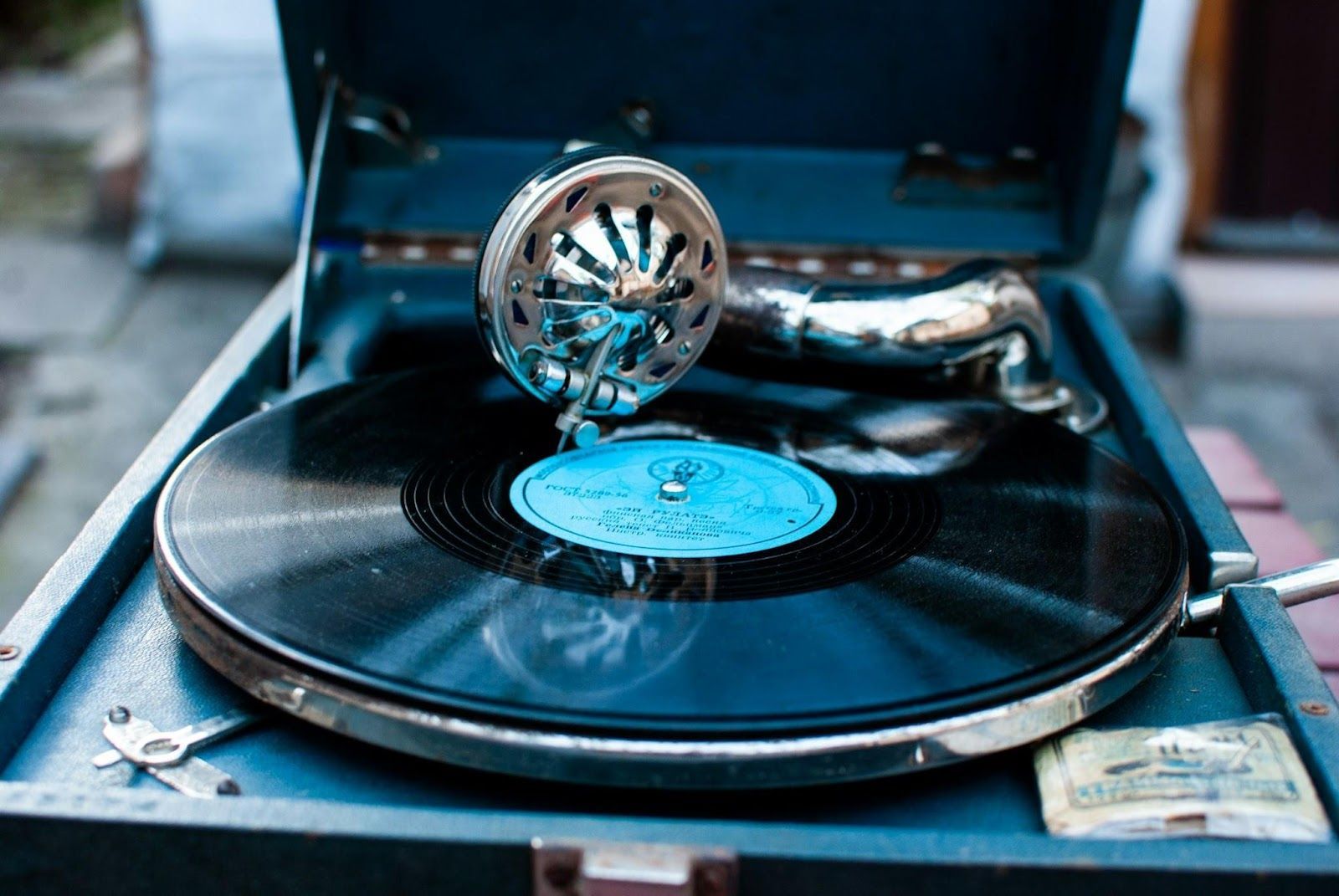
Gramophones

Image: Tasha

Gramophones and Edison’s musical cylinders revolutionized how Americans consumed music and news in the late 19th and early 20th centuries.

These devices allowed people to listen to recorded sound at home for the first time , offering a new way to enjoy music, speeches, and even news broadcasts.

5
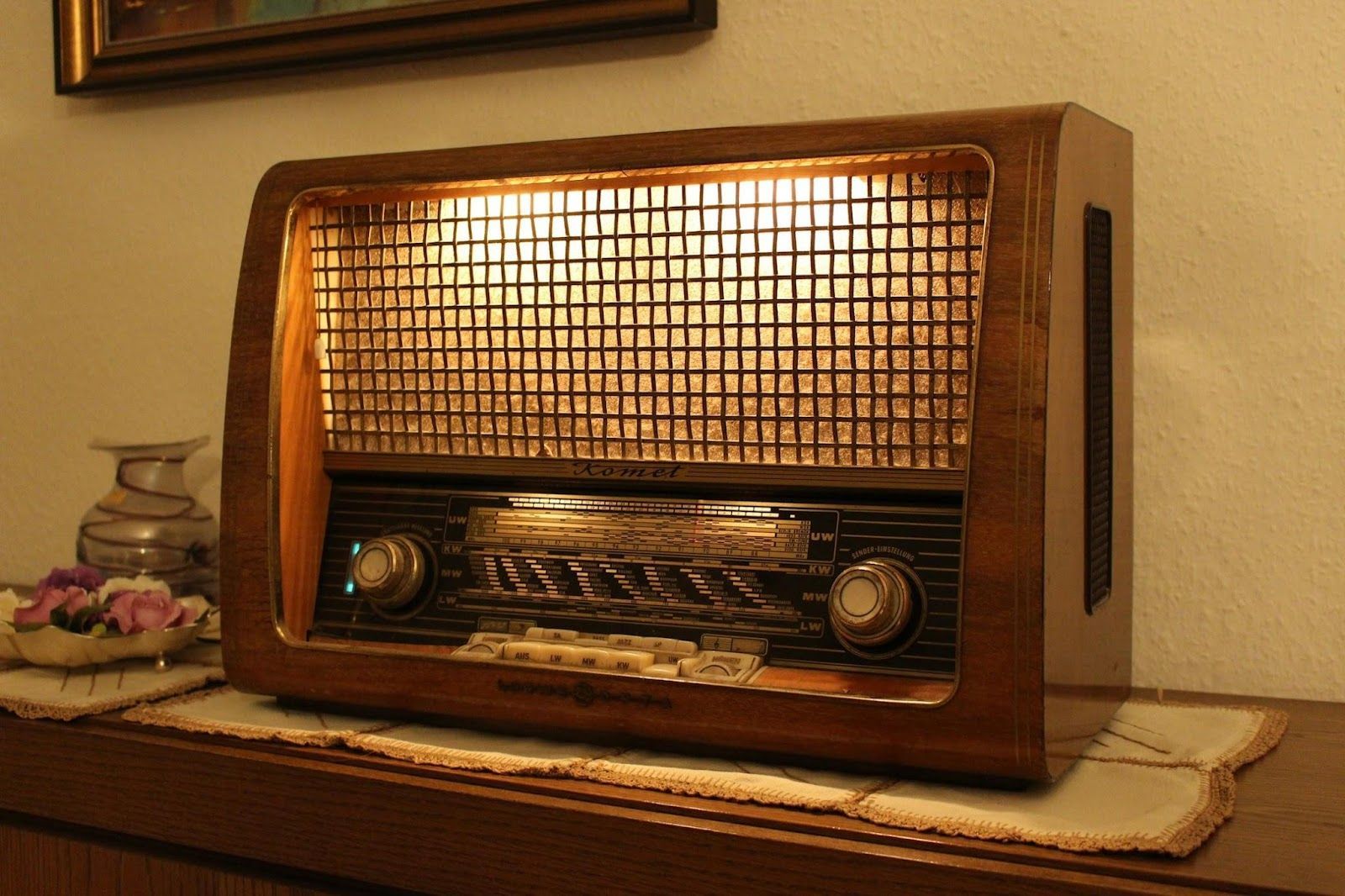
Radio broadcasts

Image: Maximilian Hofer

It is hard to overstate the importance of radio. It was a game-changer in the early 20th century, bringing news, music, and entertainment directly into homes across America.

For the first time, families could listen to live broadcasts of events, catch the latest hits, or hear radio dramas .

6
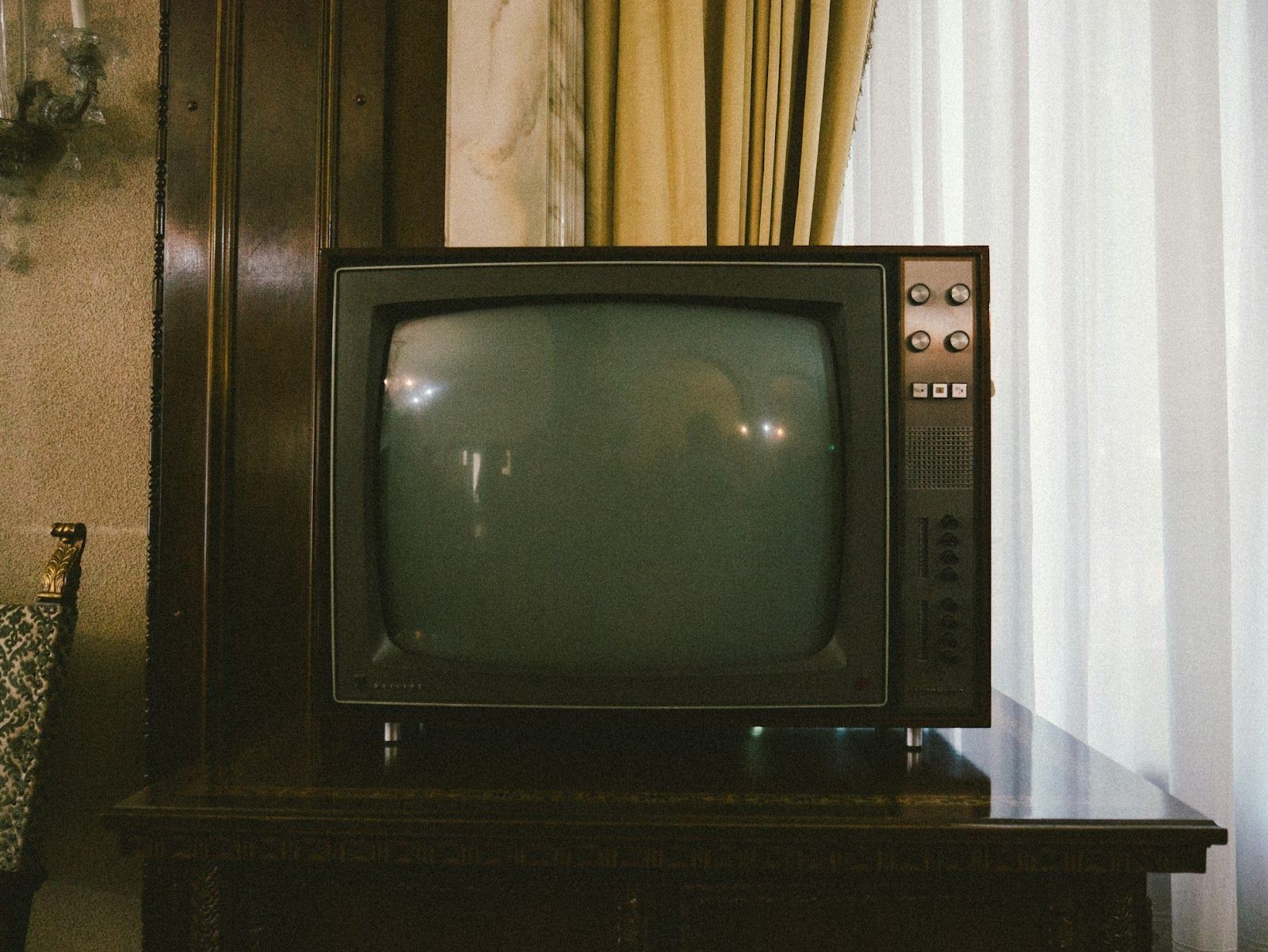
Television

Image: PJ Gal-Szabo

Television caused a huge impact in the 1950s, blending news, music, and entertainment into one screen . As with radio, families gathered around the TV for nightly broadcasts, from the evening news to variety shows and music performances.

This new visual element added a deeper level of engagement, shaping how Americans consumed information and entertainment, making TV a major force in media for decades.

7
Vinyl record players

Image: Eran Menashri

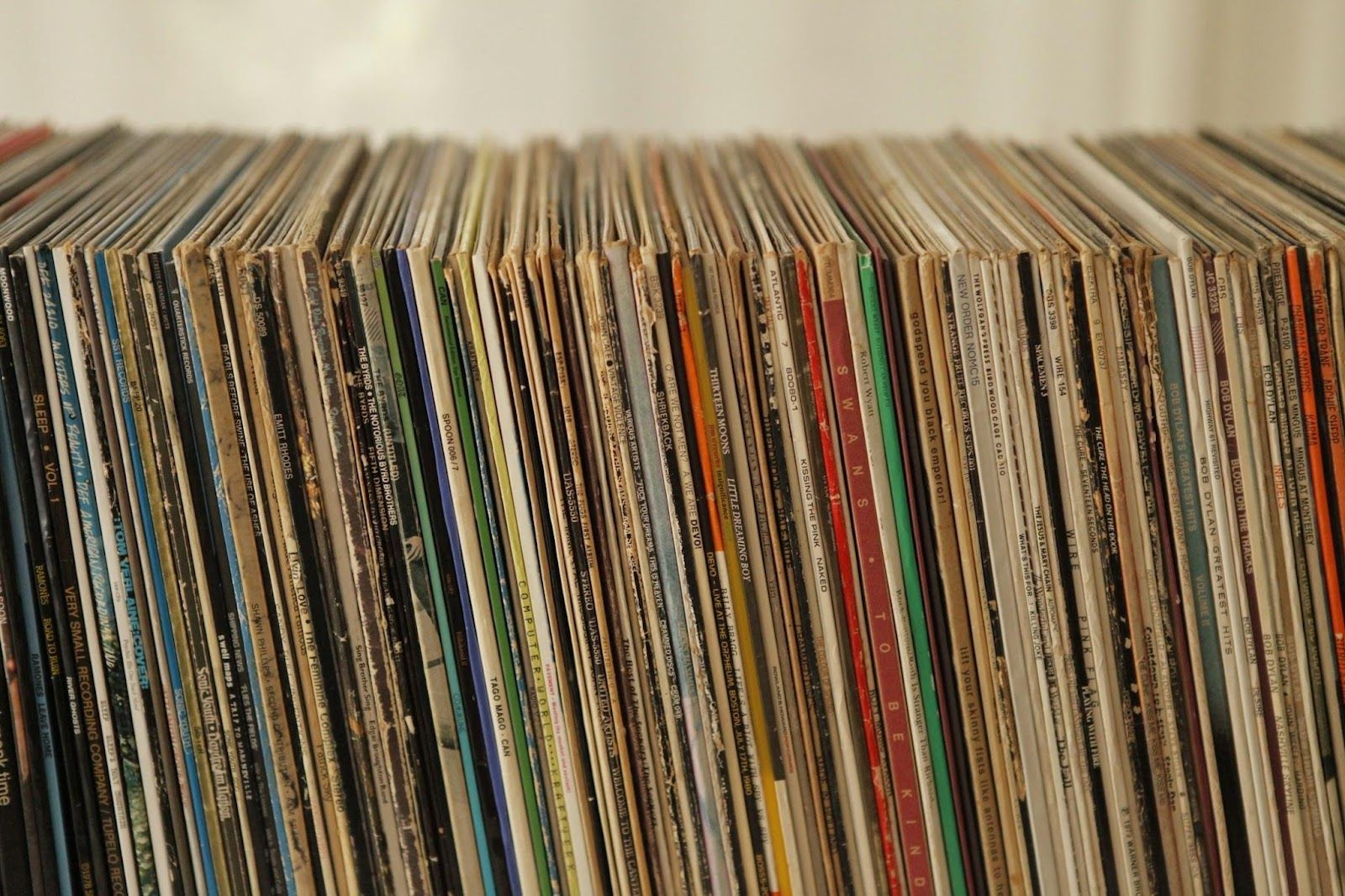
Vinyl record players became a major music format in the mid-20th century, offering high-quality sound. People could listen to entire albums, making music a personal, immersive activity .

Vinyl records also became a cultural icon, with album artwork and collector’s editions turning listening into a ritual.

8
Magazine players

Image: Ciocan Ciprian

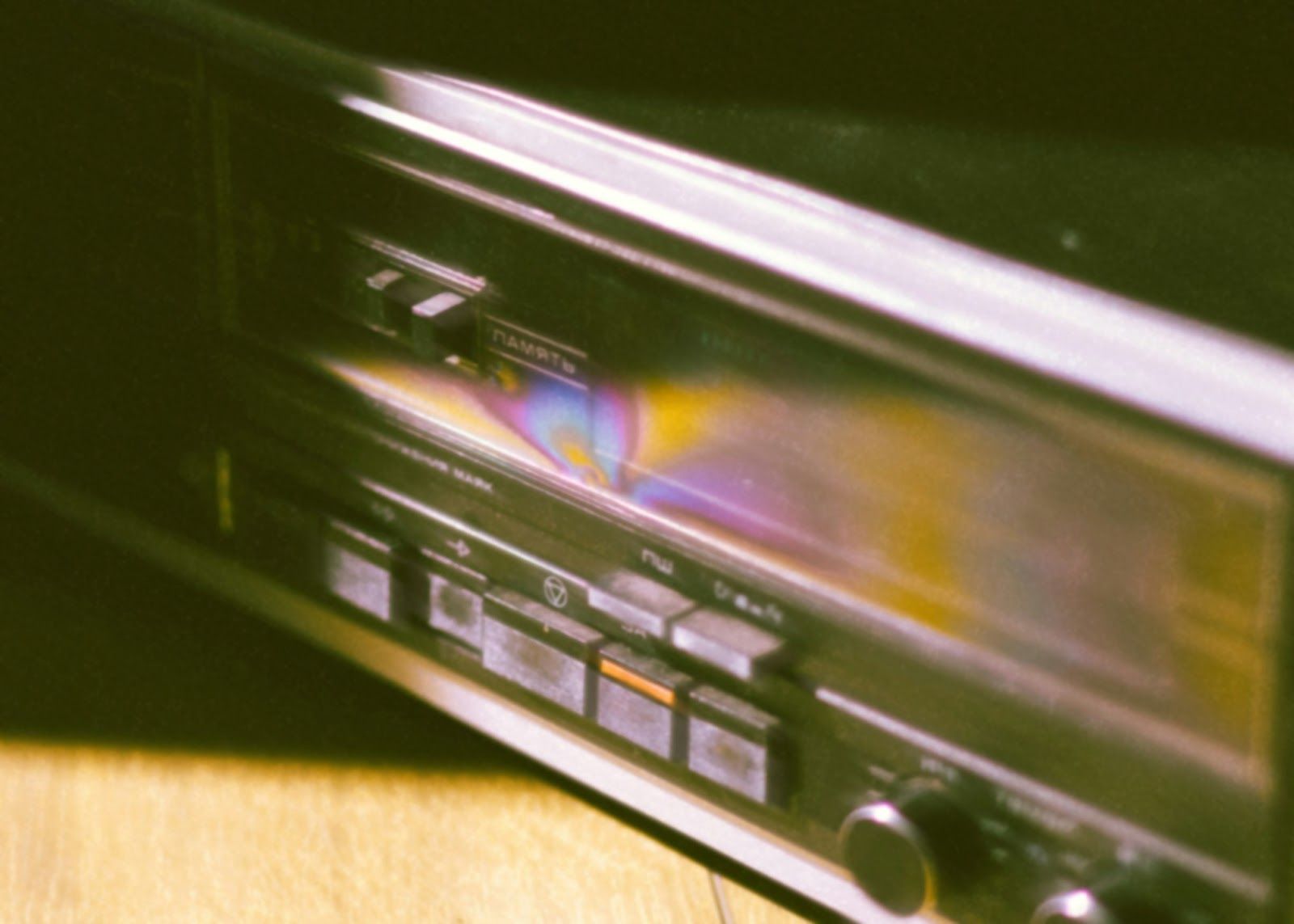
Somewhat of a half-step format between the vinyl records and compact cassettes , magazine players offered a portable way to listen to music and news in the 1960s through the 1980s.

These devices used cartridges or tapes that could hold multiple songs or recordings, making it easy for people to enjoy their favorite tunes on the go.

9
Cassette players

Image: Dave Weatherall

If magazine players made music a portable activity, cassette players and, especially, Walkmans, took it even further.

With the ability to play mixtapes or purchased albums anywhere, these devices gave people personal control over their music while on the go . Walkmans, in particular, became iconic for offering a private, on-demand listening experience.

10
CD players

Image: Lucky Alamanda

CD players became the go-to music format in the 1990s, offering a digital upgrade to cassettes with better sound quality and durability .

Compact discs could store albums without the wear-and-tear issues of tapes, and CD players were easy to use, making them popular in cars, homes, and portable devices.

11
MP3 players

Image: Ben Szymanski

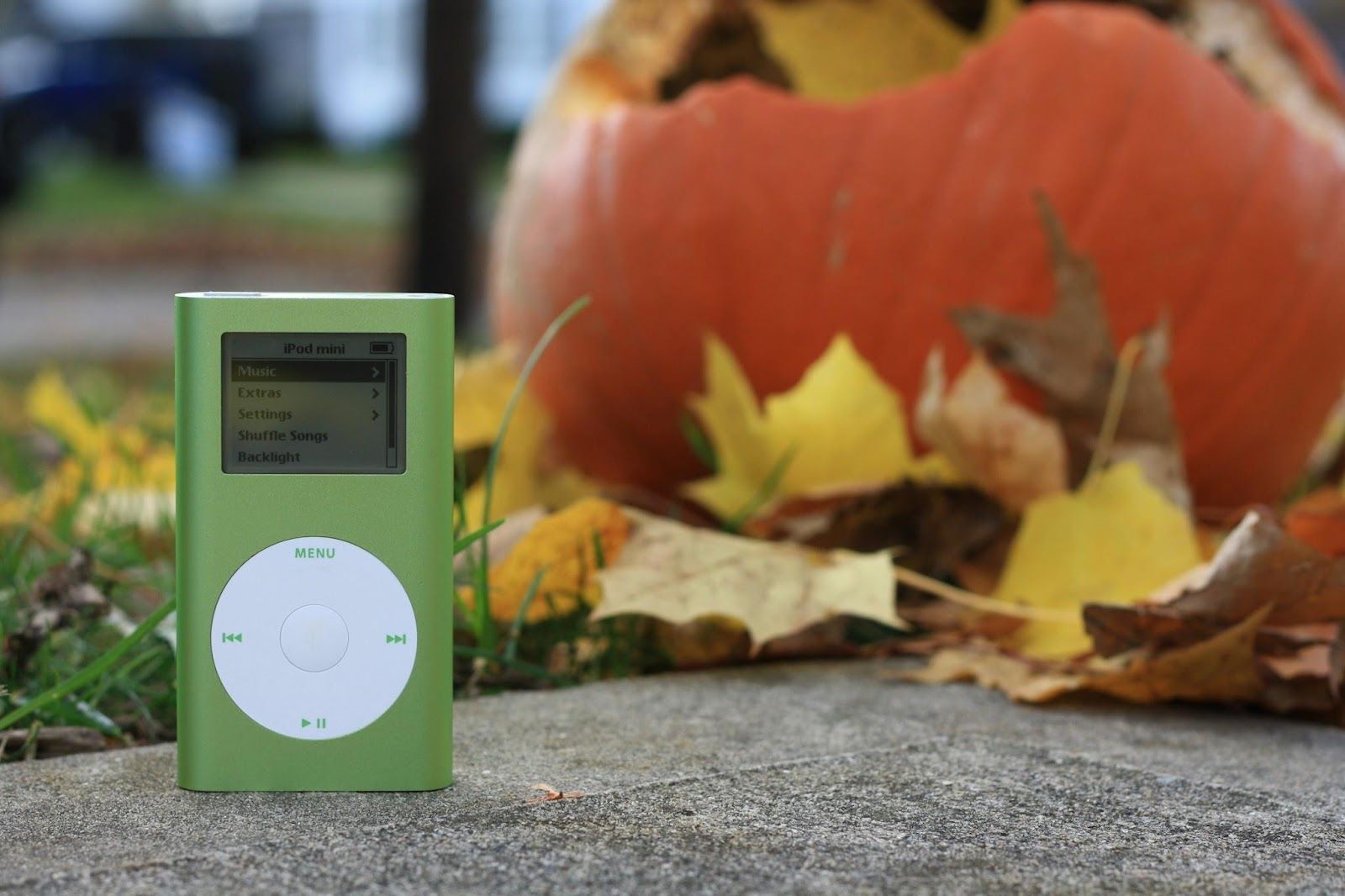
The possibility of holding entire album catalogs and more in a single portable device became real in the early 2000s when MP3 players made their appearance.

Devices like the iPod became cultural icons, shaping how people accessed and enjoyed music, paving the way for the next and last item on our list.

12
Streaming services

Image: Heidi Fin

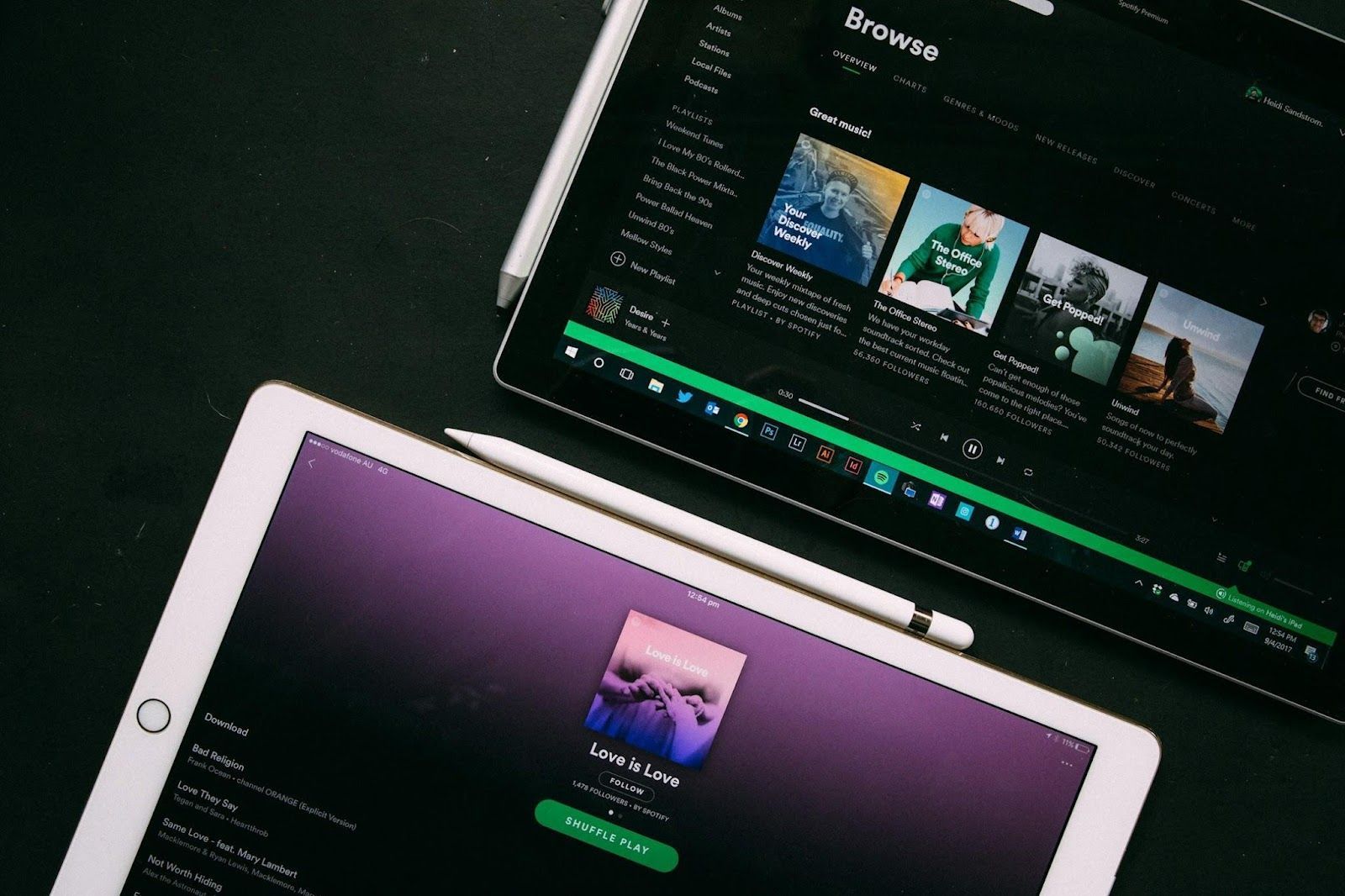
In the last decade, streaming services and podcasts have transformed the media landscape, allowing everybody to instantly access music, news, and entertainment on demand.

Platforms like Spotify and Apple Music put millions of songs at users' fingertips, while podcasts offer a vast range of topics for all interests .

History History 4 min read

THE OTHER SIDE OF HISTORY

From the Vaults: 10 Untold Stories of America's Founding Fathers

Image: John Trumbull

The Founding Fathers of the United States are often revered as almost godly figures who laid the groundwork for the birth of our nation —and for good reason! But, beneath the surface of their many laudable accomplishments, they were still human beings, with human passions and failings. From George Washington’s dental problems to the odd circumstances in which Gouverneur Morris lost his leg, this article gathers some of the lesser-known facts about the beloved founders of our nation.

Stay until the end to share these stories with our enlightened forefathers!

1
John Adams and Thomas Jefferson's Rivalry

Image: J. Amill Santiago

Despite their collaboration in drafting the Declaration of Independence, John Adams and Thomas Jefferson had a tumultuous relationship characterized by political disagreements and personal animosity. Most of their differences lay in how the government should be structured , as Adams was a staunch supporter of a strong central government, whereas Jefferson advocated for stronger local governments.

Fortunately, in their later years, they reconciled and exchanged a series of poignant letters, leaving behind a legacy of friendship. They even died on the same day , July 4, 1826, just hours apart from each other!

2
George Washington's Tooth Troubles

Image: v2osk

Although he never had to wear wooden dentures—wood isn’t even the most practical material for making dentures— Washington did have many dental problems from an early age. He underwent numerous painful treatments, including having most of his original teeth pulled.

The myth regarding wooden dentures likely originated from the ivory teeth that were part of his dentures becoming stained after many years , resembling wood to observers.

3
John Hancock's Signature

Image: Clark Young

John Hancock's bold signature on the Declaration of Independence has become synonymous with the act of signing one's name. Legend has it that Hancock deliberately signed his name so prominently to ensure that "King George can read that without his spectacles." Quite a considerate fellow, wasn’t he?

While modern historians doubt that this was the actual reason he did it—suggesting instead that he might have simply been a flamboyant kind of guy —he undoubtedly left his mark on history with a dramatic touch.

4
Franklin and Lafayette Wrote A Book Together

Image: Brett Wharton

Benjamin Franklin and the Marquis de Lafayette shared a deep and enduring friendship rooted in their mutual commitment to the American cause. Lafayette's contributions to the Revolutionary War and his lifelong admiration for Franklin exemplify the enduring bonds forged during the nation's formative years.

However, less known is the fact that they were commissioned by Congress to collaborate on creating a children's schoolbook for use in American schools. They even went so far as to hire a Parisian artist to create illustrations for the book, although the project was never completed.

5
Thomas Jefferson's Architectural Legacy

Image: Richard Hedrick

Though not exactly a secret, Thomas Jefferson's architectural legacy is often overlooked when remembering his many achievements. Some of his architectural designs, including his masterpiece Monticello, showcase his innovative spirit and eclectic tastes.

Interestingly, his interest in architecture was rooted in his humanism and extended beyond aesthetics , reflecting his belief in the importance of classical principles and practical functionality.

6
Washington Never Chopped the Cherry Tree

Image: Don Kawahigashi

While a compelling tale regarding the first president’s personal character, the story of George Washington chopping down a cherry tree and confessing with the words "I cannot tell a lie" is pure myth.

The tale was completely fabricated by biographer Parson Weems to illustrate Washington's honesty. While the story is fiction, Washington's reputation for integrity remains well-earned. This does not apply to his biographer, though!

7
Jefferson Shipped a Dead Moose to Europe

Image: Shivam Kumar

In an effort to demonstrate the natural superiority of American soil and air—which some Europeans believed made people ill and crazy (yes, really)— Thomas Jefferson shipped a seven-foot-tall dead moose to France in 1787.

Yes, a dead moose on a weeks-long trip before refrigeration even existed. We don’t know if he successfully made his point with this bizarre stunt, but he certainly highlighted the lengths Americans like him were willing to go to assert their independence from colonial powers.

8
Gouverneur Morris Lost His Leg in Dubious Circumstances

Image: Henry Hintermeister, Public domain

Gouverneur Morris, a lesser-known but influential Founding Father, lost his leg in an incident shrouded in mystery. Officially, he claimed it was due to a carriage accident, but rumors suggest it might have resulted from a risky escapade involving a woman’s jealous husband.

Morris was a quite colorful character, and his injury only made him more so—having to wear a peg leg from then on. However, he remained a vigorous advocate for American independence and played a key role in drafting the Constitution.

9
Benjamin Franklin Did Not Graduate from School

Image: Adam Nir

Despite his immense contributions to science, politics, and literature, Benjamin Franklin never actually graduated from school. He ended his brief stint at formal education in the Boston Latin School at the age of ten due to the financial constraints of his family.

However, Franklin's self-education and insatiable curiosity propelled him to become one of the most accomplished polymaths in history , making significant contributions to the science of electricity and even coining terms like "battery," "positive charge," and "negative charge."

10
The Founding Fathers’ Fondness for Alcohol

Image: Thomas Thompson

The Founding Fathers were known for their fondness for alcohol, and drinking was a common part of their social and political lives. George Washington was famous for serving an abundance of alcohol at his Mount Vernon estate, including his own brewed beer and distilled whiskey.

Thomas Jefferson, another enthusiast, imported fine wines from France and even attempted to cultivate European grape varieties at Monticello. Benjamin Franklin, meanwhile, compiled a list of over 200 synonyms for being drunk , reflecting both his wit and the extent to which consumption of alcohol was an accepted part of the period’s society.

Explore more American facts

Choose your favorite category!

General
General

As American as apple pie—the very best America has to offer!

Culture
Culture

Delve into the astounding richness of American lore.

Geography
Geography

Hop in and explore vast and diverse American landscapes.

History
History

Discover the key moments that shaped the United States.