General General 3 min read

American giants

10 massive U.S. industries that secretly run America
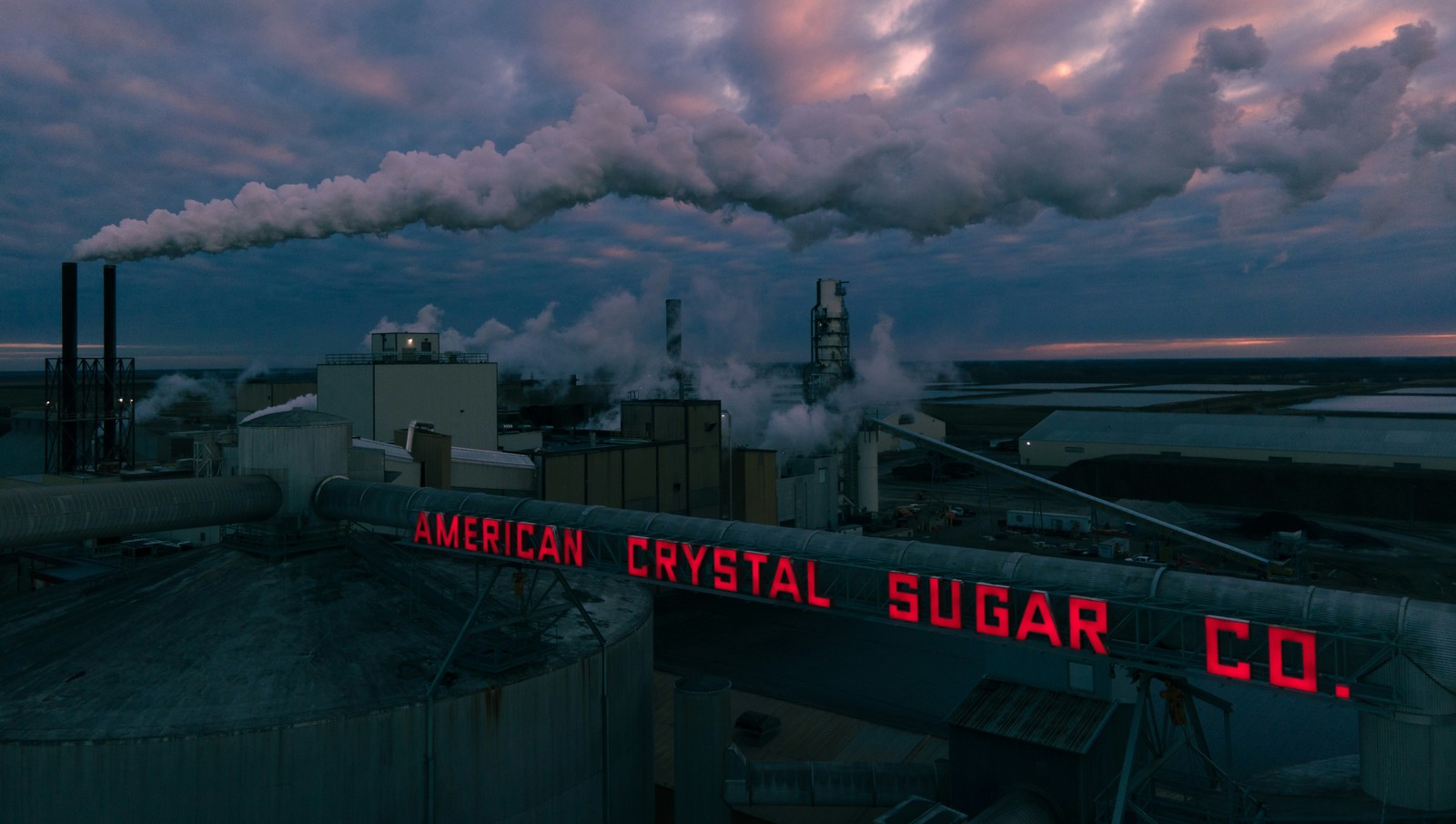
Image: White Field Photo

Behind the scenes, the U.S. economy is driven by massive industries with global reach— shaping markets, driving innovation, and employing millions. From tech giants and energy producers to farms that feed the world, each sector plays a distinct role in keeping the country moving. This list breaks down 10 of the biggest American industries today.

1
Technology

Image: Shoeib Abolhassani

The U.S. tech sector exceeds $2 trillion in market value and leads the world in software, cloud computing, and semiconductor innovation.

While major hubs like Silicon Valley concentrate much of the activity, the industry has a nationwide footprint—from research centers and investor networks to hardware design and advanced manufacturing. Also, AI investment now represents a substantial share of the sector, which remains overwhelmingly U.S.-driven.

2
Healthcare

Image: Piron Guillaume

Healthcare spending in the U.S. surpassed $4.5 trillion recently, accounting for nearly 20% of GDP. Hospitals, insurers, biotech firms, and pharmaceutical companies together form the largest employment ecosystem in the country.

Moreover, the pharmaceutical segment alone exceeds $600 billion, placing the U.S. at the forefront of global drug development and clinical research.

3
Finance

Image: Nick Chong

Banking, investment, and insurance services generate over $2.5 trillion annually, and Wall Street remains the world’s largest capital market by trading volume.

Believe it or not, U.S. asset managers oversee more than $30 trillion in global funds, a scale unmatched anywhere else. American payment networks and credit systems also form a major part of the infrastructure that supports international commerce.

4
Energy

Image: Documerica

The U.S. is one of the world’s top producers of oil and natural gas, with the energy sector generating hundreds of billions of dollars each year. Texas is the largest state contributor, while New Mexico and North Dakota also rank among the leading producers.

Although renewables now surpass several fossil fuels in total electricity generation—driven largely by wind and solar—the energy sector as a whole remains robust and highly diversified.

5
Manufacturing
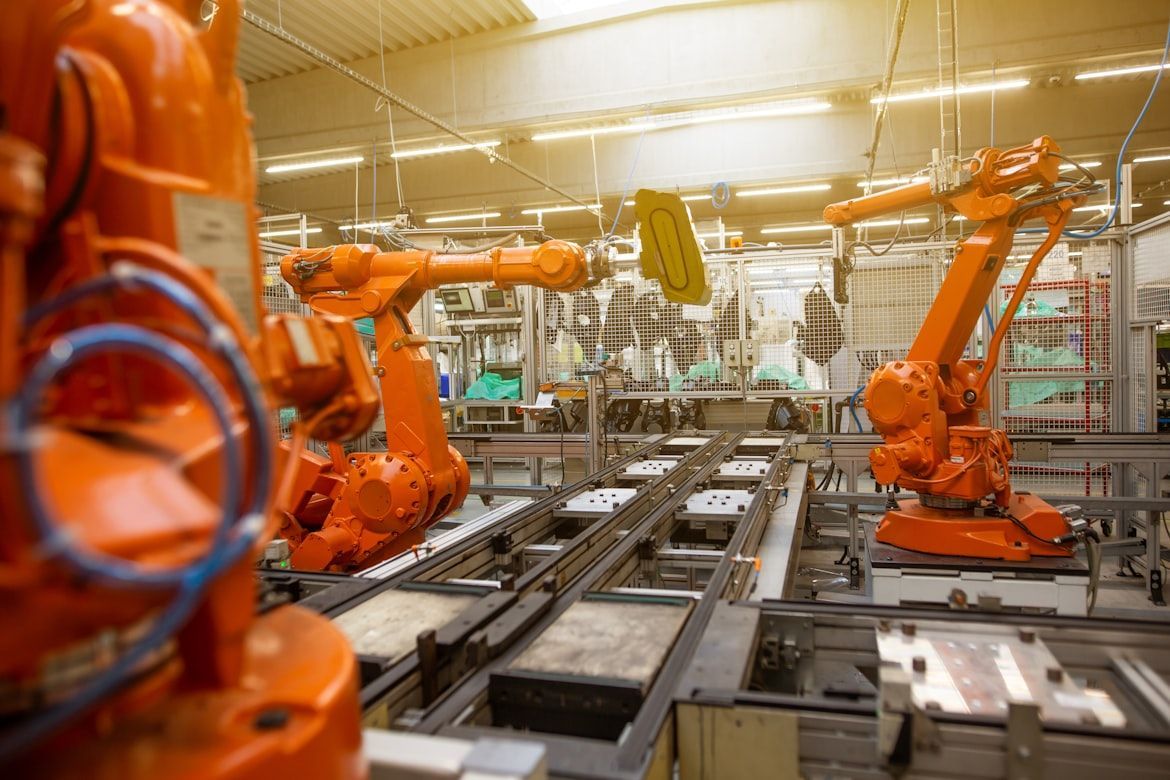
Image: Simon Kadula

Manufacturing underpins the growth of countless other industries, and American heavy industry contributes more than $2.3 trillion to GDP, spanning automobiles, machinery, electronics, and advanced materials.

The sector employs over 12 million people and remains a global leader in areas like industrial automation, chemical production, medical devices, and food processing. U.S. factories also rank among the world’s most productive thanks to high-tech equipment, robotics, and supply chains that integrate everything from raw materials to final assembly.

6
Retail
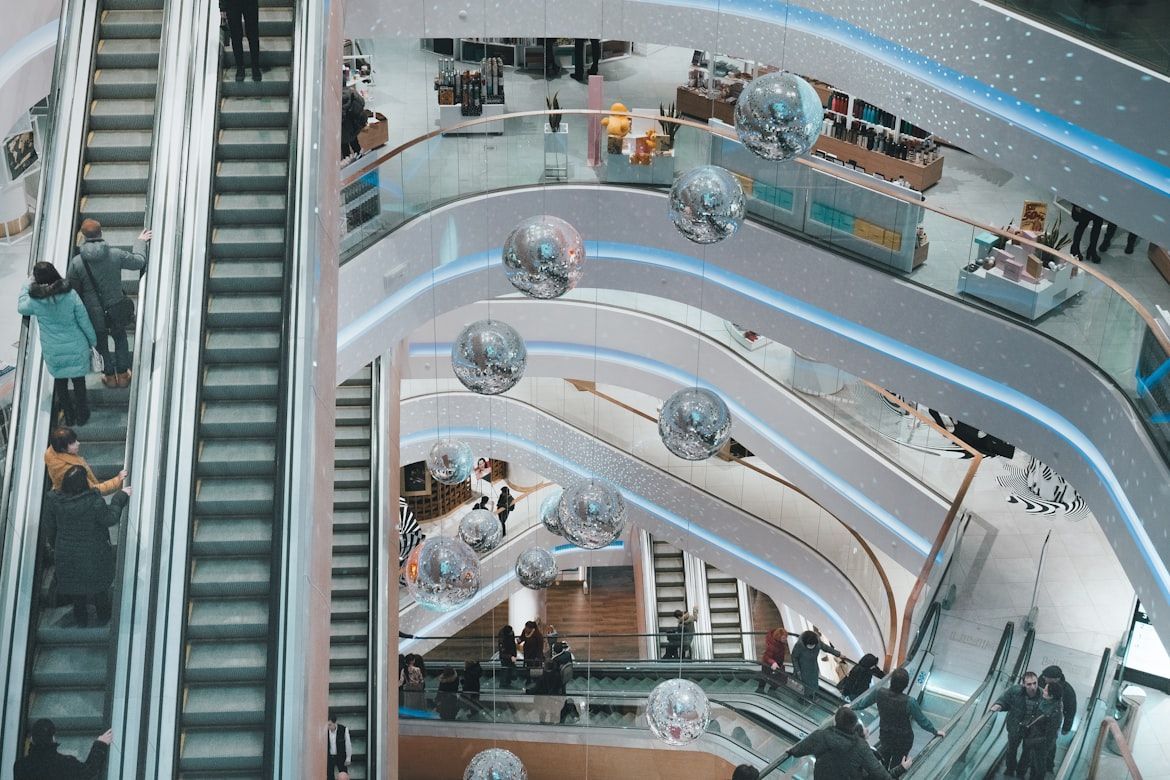
Image: Viktor Bystrov

Feel like going shopping? You’re certainly not alone—the U.S. retail sector generates over $7 trillion annually. Big-box chains, e-commerce giants, and grocery networks together make up one of the nation’s largest employment sectors.

E-commerce alone now exceeds $1 trillion, fueled by major progress in logistics, fulfillment technology, and nationwide delivery networks.

7
Agriculture

Image: Hannah Shedrow

The fertile Midwest and Great Plains are often called the "breadbasket of the world," and it’s no exaggeration—U.S. farms produce more than $500 billion in goods each year.

While corn, soybeans, beef, and dairy dominate overall output, the sector supports a wide array of other crops and livestock. It also drives innovation in precision machinery, fertilizer development, and agricultural technology that shapes global food production.

8
Transportation
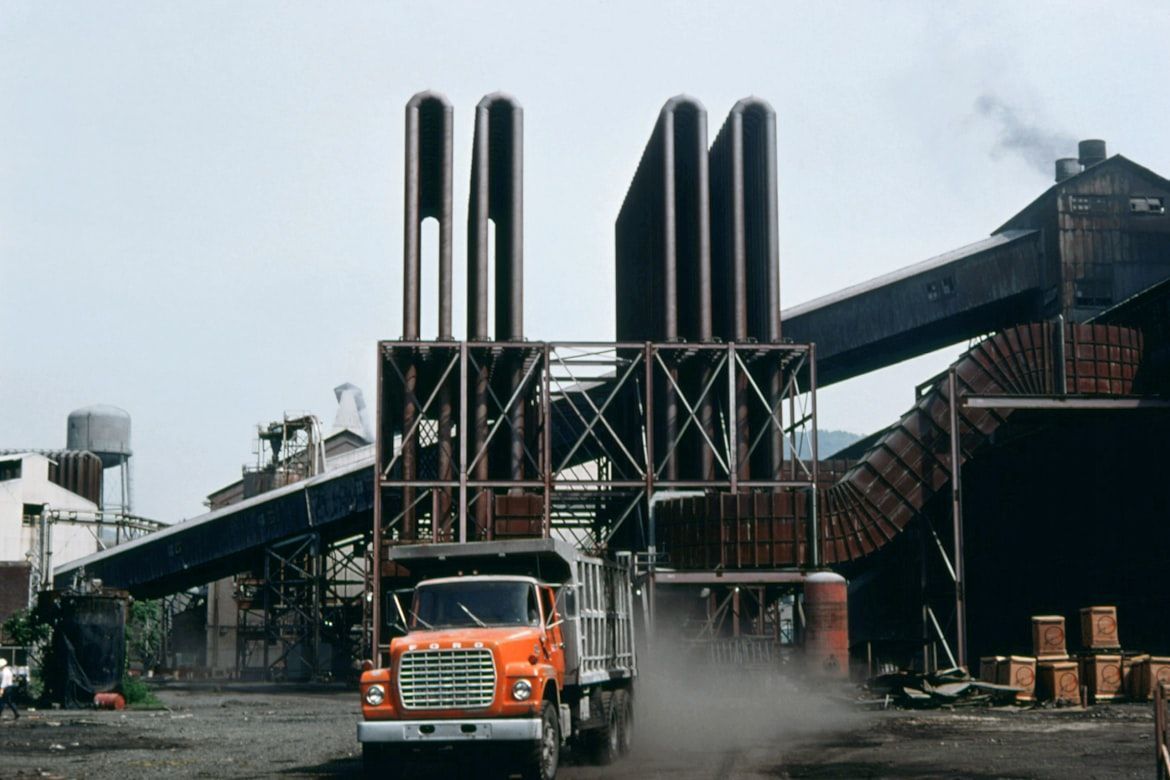
Image: Documerica

Transportation is a massive sector—covering airlines, shipping, trucking, and rail—and generates more than $1.4 trillion annually. Trucking alone moves over 70% of domestic freight, while rail remains essential for transporting bulk commodities like grain, coal, and industrial materials.

Air travel supports millions of jobs, with major hubs such as Atlanta and Dallas ranking among the world’s busiest by passenger traffic. Ports like Los Angeles, Long Beach, and Houston handle some of the highest cargo volumes in the Western Hemisphere, while the U.S. highway system remains one of the largest and most heavily used in the world.

9
Construction

Image: C Dustin

In a country where iconic skylines are considered part of the landscape, construction is naturally a major economic force. The sector now exceeds $2 trillion in annual output, driven by persistent housing demand and large-scale commercial development.

Infrastructure also accounts for a significant share of spending, covering everything from bridges and tunnels to highways and transit systems. Residential building cycles strongly influence employment, making construction one of the most sensitive indicators of broader economic health.

10
Aerospace & defense
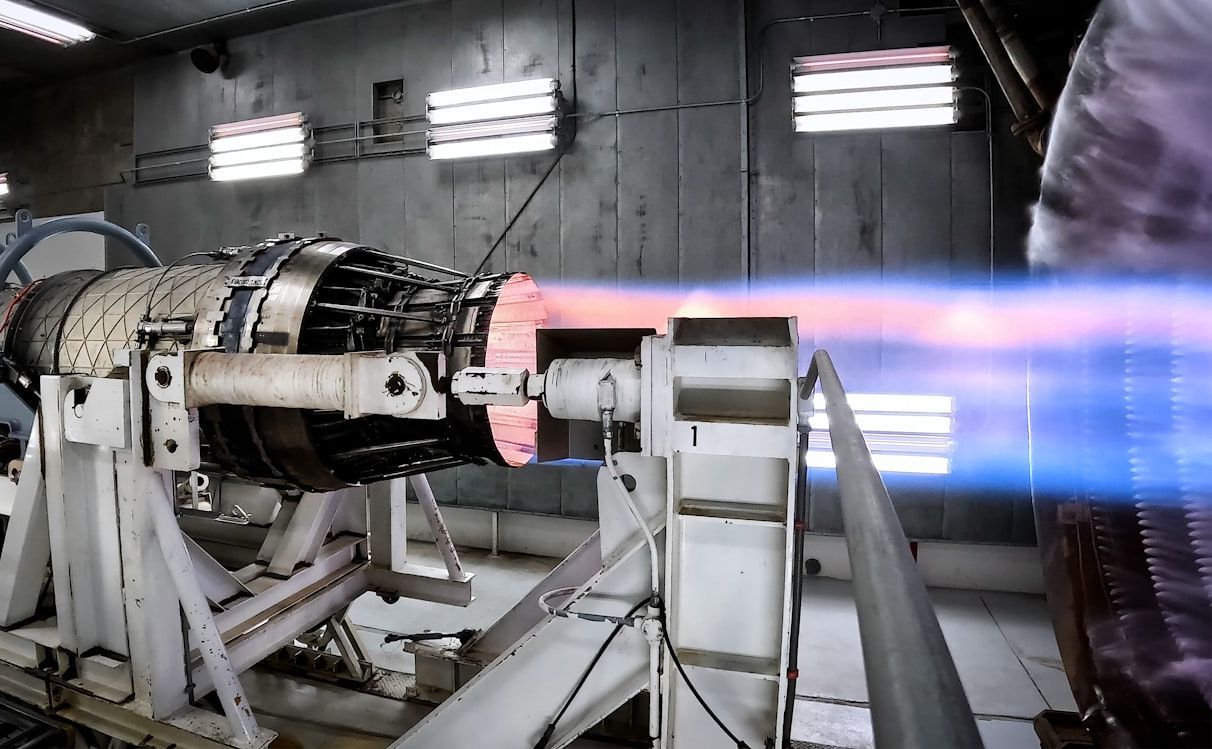
Image: Hermeus

As one of the world’s leading centers of innovation, the U.S. aerospace sector—often intertwined with the defense industry— contributes more than $400 billion annually, driven by aircraft manufacturing, satellite technology, and advanced defense systems.

Government defense spending, which exceeds $800 billion per year, supports major contractors, sustains global military partnerships, and helps maintain a technological edge over international competitors.

General General 3 min read

The nation’s wide collection

The most bizarre things held in the Library of Congress

Image: Stephen Walker

The Library of Congress is famously vast, but the strangest treasures are the ones that make you blink and ask: why? Old cake, locks of hair, specific songs, and even ordinary social media posts are all part of the nation’s most important collection. Read on to discover some of the oddest items the national library keeps guarded!

1
12 years of all tweets

Image: Marten Bjork

If you were an active and public Twitter user between the years 2006 and 2017, guess what? Your words are preserved in the Library of Congress .

The platform’s first twelve years are contained in a digital collection meant as a historical record of a new communications channel. From 2018 onwards, the Library started acquiring only "particularly interesting" tweets.

2
Oddly specific movies, like "Shrek" or "Wall-E"

Image: Denise Jans

The Library preserves film culture through the National Film Registry and other collections.

Recent registry additions have included animated hits such as Shrek , while the Library’s preservation programs and official announcements explain why even mainstream animated features matter as cultural artifacts worth saving. The Registry also contains enduring classics such as Grease , Citizen Kane , and The Wizard of Oz .

3
Specific songs, like "Livin’ La Vida Loca"

Image: Bruno Guerrero

Music enters the Library’s life via the National Recording Registry and the Music Division. Ricky Martin’s "Livin’ La Vida Loca" is one of the recordings the Library has recognized for cultural impact; these entries help posterity understand what particular songs meant to listeners at the time.

Other anthems are also preserved in the collection, like Aretha Franklin’s " Respect " and Journey’s " Don’t Stop Believin. "

4
A moldy wedding cake

Image: gryzoon

A sliver of wedding cake from P.T. Barnum’s era spectacles survives in the Library of Congress’s Manuscript Division as a historical oddity. Donated in the 1950s, it now sits darkened with age and mold.

The cake came from the wedding of Charles Stratton, who was 25 years old and just 35 inches tall at the time. Stratton performed in Barnum’s shows under the name General Tom Thumb, delighting audiences with his song-and-dance routine.

5
A map of the Grand Canyon made of chocolate

Image: Steve Johnson

Yes, that is a real thing. The Geography and Map Division highlights a 1991 topographic map of the Grand Canyon molded in chocolate , made by the Chocolate Topographic Company.

6
What Lincoln was carrying when he died

Image: Engin Akyurt

The Library’s Treasures and related pages describe the modest, deeply human contents found on Abraham Lincoln after he was shot : a silk-lined wallet with newspaper clippings, a Confederate five-dollar bill kept as a curiosity, spectacles, a pocketknife, a handkerchief, and a watch fob, among other everyday items.

7
Locks of hair from Jefferson, Beethoven, and others

Image: benjamin lehman

Why not? The Library’s Manuscript and Music Divisions preserve numerous strands of hair attributed to notable figures : from presidents such as Thomas Jefferson to composers like Ludwig van Beethoven, as well as other cultural icons including Walt Whitman, Clara Barton, and George Washington!

8
Thomas Jefferson’s vanilla ice cream recipe

Image: Colin Fearing

Among Jefferson’s papers, which the Library and Monticello both reproduce and discuss, is his handwritten vanilla ice cream recipe : cream, egg yolks, sugar, and vanilla, frozen using ice and salt. A fundamental (and surprisingly delicious) document of history!

9
A precursor of the Monopoly Game (The Office Boy)

Image: Kathy Marsh

Monopoly’s genealogy includes several predecessors. Most famously, Elizabeth Magie’s 1904 The Landlord’s Game is the well-documented precursor.

Other commercial board games , such as Parker Brothers’ The Office Boy (an 1889 Horatio Alger–style career game), along with various moral and occupational boards, helped shape the emerging mass-market game industry that ultimately produced Monopoly .

Geography Geography 6 min read

Cowboy culture

Explore the “Lone Star State” with these fun facts about Texas!

Image: Lucas Beck

A song made popular by "the Singing Cowboy" Gene Autry contains these lyrics: "The stars at night are big and bright, deep in the heart of Texas." And while it's true that the "Lone Star State" is known for that single star shining on its flag, Autry wasn’t exaggerating— a star-filled Texan night sky is truly a sight to behold. However, that’s just the tip of the iceberg of the things that make this state so wonderful. With that in mind, we have compiled 10 of our favorite facts about Texas, hoping to inspire your future trip and fill you with pride for our second-largest state. Enjoy!

1
Brisket

Image: Sergey Kotenev

We’ll begin with a Texan staple . Texas boasts a number of extraordinary culinary delicacies, and we could have easily focused on any of them for this entry. As a sign of respect, we’ll mention chili con carne, Texas’ official state dish, as well as the Texas Tommy, a delicious hotdog served with bacon and cheese. However, we must give credit where credit is due to what’s perhaps the most iconic dish in Texan cuisine— we believe that title goes to the almighty brisket.

It’s no secret that Texas barbecues are the stuff of legends, and in that sense, many believe that brisket is the undisputed crown jewel of any barbecue worth its salt. While it's true that this beef cut does take some time to cook in Texan slow-smoking barbecue, briskets are truly something special.

2
Six Flags Over Texas

Image: Zabdiel Gonzalez

Have you ever wondered why the iconic theme park is called "Six Flags?" The name comes from the popular slogan "Six Flags Over Texas," but that doesn’t clarify exactly what those flags represent. Well, the answer lies in Texas history, since it is a direct reference to the six nations that have governed Texas in the past.

Since its foundation, Texas has been governed by Spain, France, Mexico, the Confederate States, and the United States. Not only that, for a brief period Texas was its very own independent country, known as the Republic of Texas. This independent state lasted from 1836 to 1846 before it became our nation’s 28th State.

3
Size

Image: Mick Haupt

Texas might not be our largest state, but it is undeniably massive. As we mentioned earlier, for approximately 10 years the Republic of Texas was its own separate country—and it certainly had the size for it. If Texas was still a separate nation, it would be the 39th largest nation in the world. In fact, the Lone Star state could fit 10 different European nations within its borders and still have room to spare.

Speaking of which, how does Texas fare against other U.S. states? Let’s just put it into perspective: you could fit Rhode Island, our smallest state, 221 times inside Texas. Not only that, you could comfortably fit 10 different states at the same time. Impressive, isn't it?

4
Etymology

Image: Enrique Macias

We’ve referred to Texas by its "Lone Star" nickname so much in this article that you might be inclined to believe that its official slogan is "The Lone Star State." However, you might be surprised to learn that the official one is actually "The Friendly State," a moniker that comes from the etymology of the word "Texas" itself.

The name "Texas" originates from the Caddo word táy:shaʼ, which translates to "friend." It is believed that Spanish settlers called the Caddo people by this word, and eventually named the whole region Provincia de los Texas , meaning "province of the Texas people."

5
Dr. Pepper

Image: Yana Smetana

Need a tasty beverage to wash all that delicious brisket down? We've got you covered, take a trip to Waco, Texas, and visit the Dr. Pepper Museum , housed in the very first building specifically built to bottle this iconic soft drink. Not only will you get a refreshing soda in return, but you’ll also learn all about one of America’s favorite beverages.

As you might have guessed, Waco is the birthplace of Dr. Pepper, created in 1885 by pharmacist Charles Alderton. This soft drink is truly a Texan treasure, regularly enjoyed all across the state. Much like Coca-Cola and other sodas, its recipe is a well-guarded secret, allegedly kept in halves and guarded in two separate safe deposit boxes.

6
Rodeo

Image: Vinny O'Hare

Few things are as synonymous with Texas as rodeo . Cowboy culture is a huge part of what makes this state so special, so if you have a chance, attending at least one rodeo during your visit is a must.

For many Texans, rodeos are more than just a spectacle—they are a way of life that showcases both the daring nature and passionate identity that defines the Lone Star State. There are literally too many rodeos to recommend, but rest assured, the spirit of the Old West still lives in all of them.

7
Lyndon B. Johnson Space Center

Image: History in HD

What’s the first thing that comes to mind whenever someone mentions the 1993 blockbuster Apollo 13 ? You don’t have to answer—we all know it’s Tom Hanks’ iconic delivery of the classic line, "Houston, we have a problem." It’s only natural that this phrase is forever associated with space exploration; after all, the city of Houston has been home to one of NASA’s main facilities for over 60 years.

The Lyndon B. Johnson Space Center is perhaps NASA’s most renowned facility. It’s where manned spaceflight research, training, and flight control are conducted. The center has grown so much in popularity that, in 1967, the city of Houston was given the official nickname "Space City."

8
Weird laws

Image: Tingey Injury Law Firm

Let’s take a small detour to talk about Texas’ wackier side . While the state’s constitution strives to guarantee the happiness and safety of millions of Texans, it also contains its fair share of wacky and weird laws that still exist in our days.

We don’t really have the time or space to deal with every weird Texas law, so here are some of our favorites. For starters, carrying wire cutters is forbidden in Austin, a rule that dates back to whenever cattle owners would settle a dispute by cutting their neighbors’ barbed wire. You should also refrain yourself from walking barefoot on the streets of certain Texan cities, and, thanks to a particularly outdated law, from buying cheese on a Sunday.

9
Texas Eiffel Tower

Image: Estevão Teixeira

Want to experience the majesty of the Eiffel Tower but don’t feel like leaving the country? Don’t worry, Texas has your back. All you need to do is visit the city of Paris (not the French capital, but rather its Texan counterpart) to marvel at a replica of this engineering wonder. While it is significantly smaller than the original, the Texas Eiffel Tower showcases this state’s spirit by sporting a red cowboy hat at its top.

Curiously, Texas's Eiffel Tower was built the same year as another American replica of the Parisian monument. In 1993, both Paris, Texas, and Paris, Tennessee unveiled their replicas. The cowboy hat was added to the Texas Tower in 1998 in a bit of friendly competition since the added height made this tower slightly taller than the one in Tennessee.

10
Presidents born in Texas

Image: History in HD

We’ll end this article by paying homage to some of Texas’ favorite sons. Did you know that Texas is the only state with three different presidential libraries ? What’s curious is that only two U.S. presidents were born in Texas, Lyndon B. Johnson and Dwight D. Eisenhower. However, two other presidents also famously fell in love with the Lone Star State and made it their home.

George H. Bush’s love for Texas is very well-documented. Years before becoming president, he moved to this state with his family after graduating from college. President Bush passed his adoration for Texas on to his children. Years later, his older son George W. became governor of Texas and, eventually, the 43rd president of the United States.

Explore more American facts

Choose your favorite category!

General
General

As American as apple pie—the very best America has to offer!

Culture
Culture

Delve into the astounding richness of American lore.

Geography
Geography

Hop in and explore vast and diverse American landscapes.

History
History

Discover the key moments that shaped the United States.