Culture Culture 5 min read

10 legendary movie villains we still can't forget
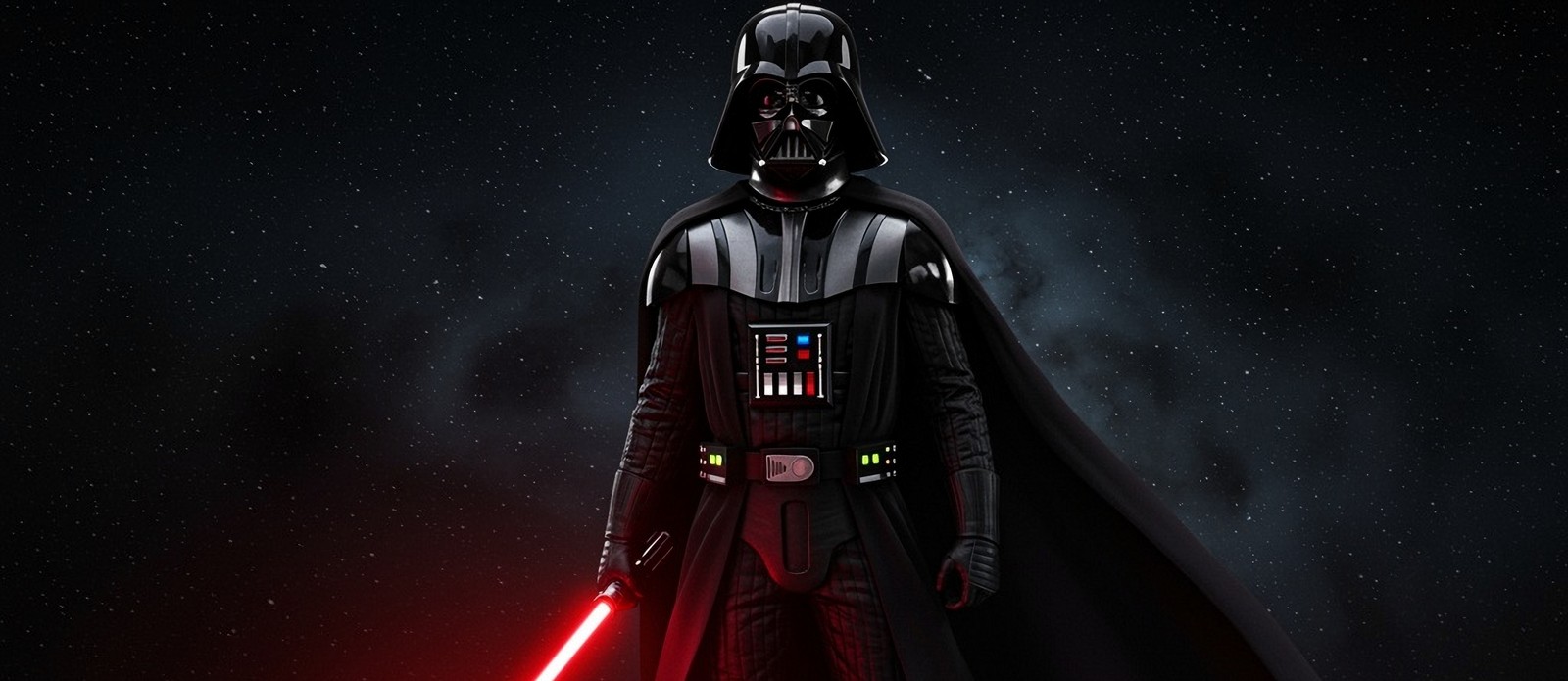
Image: Stefano Buttafoco

Some of the greatest movie heroes became what they are thanks to the evil and terrifying enemies they battled. Some of these villains left a lingering, haunting mark on the audience and pop culture at large. Who could forget Darth Vader’s robotic voice**,** the Joker’s twisted laugh**,** or the Wicked Witch of the West’s chilling threat, "I’ll get you, my pretty"? So let’s go down a scary path and revisit some of the most legendary and unforgettable villains in cinematic history .

1
Darth Vader (Star Wars)
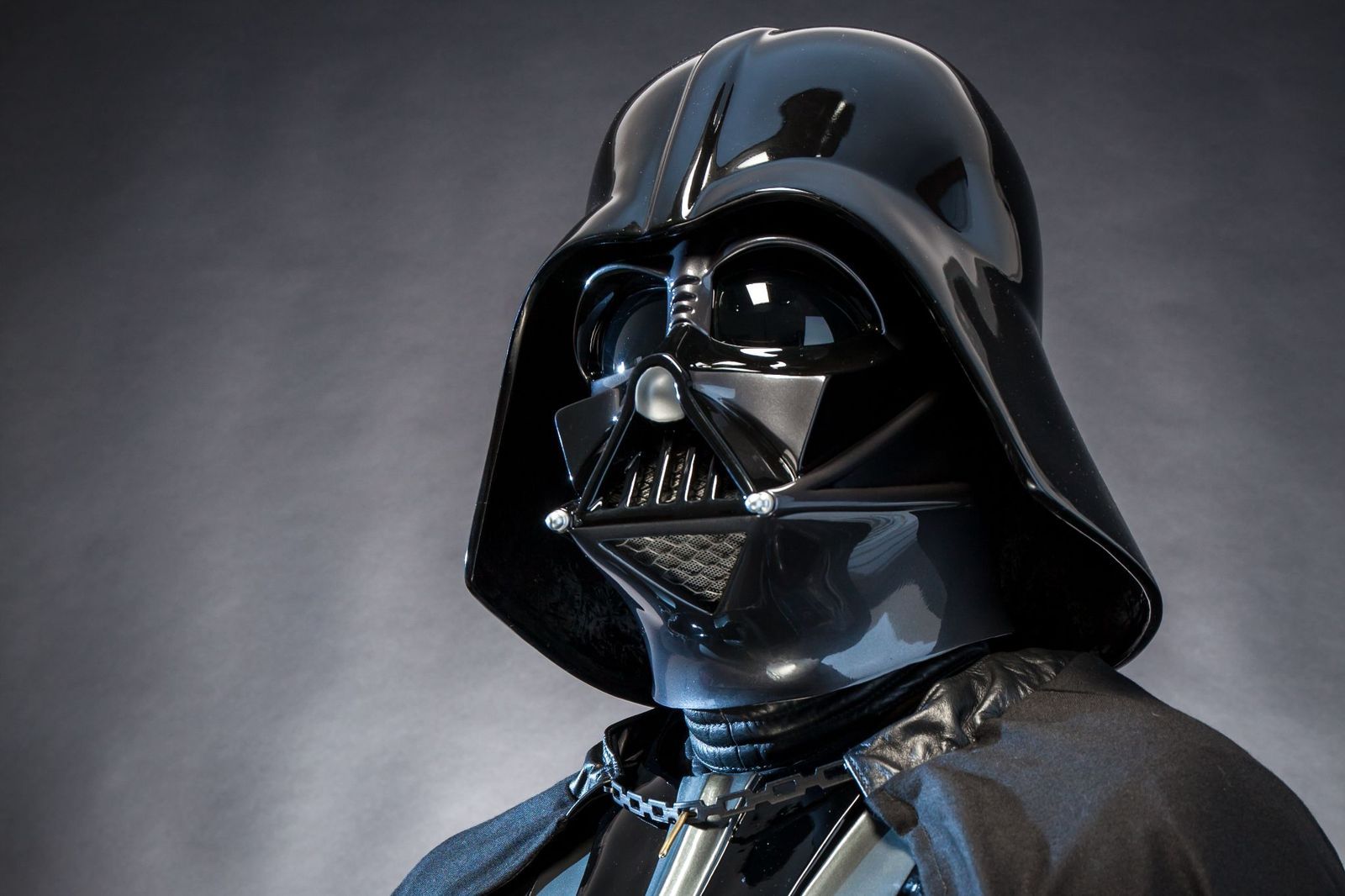
Image: Tinxi

The first time Darth Vader appeared on the big screen in Star Wars: Episode IV – A New Hope (1977), his presence was mysterious and ominous . Was he a robot? A human? A monster? This enigmatic figure with a mechanical voice and unmistakable heavy breathing terrified his enemies and allies, too.

One of the most frightening elements of Darth Vader is, perhaps, his unpredictability; he could be talking with a crew member of his ship, and suddenly lift them in the air while choking them using the Force. Darth Vader said one of the most iconic quotes ever in one of the greatest plot twists in cinema history, when talking to Luke Skywalker: "I am your father."

2
The Wicked Witch of the West (The Wizard of Oz)
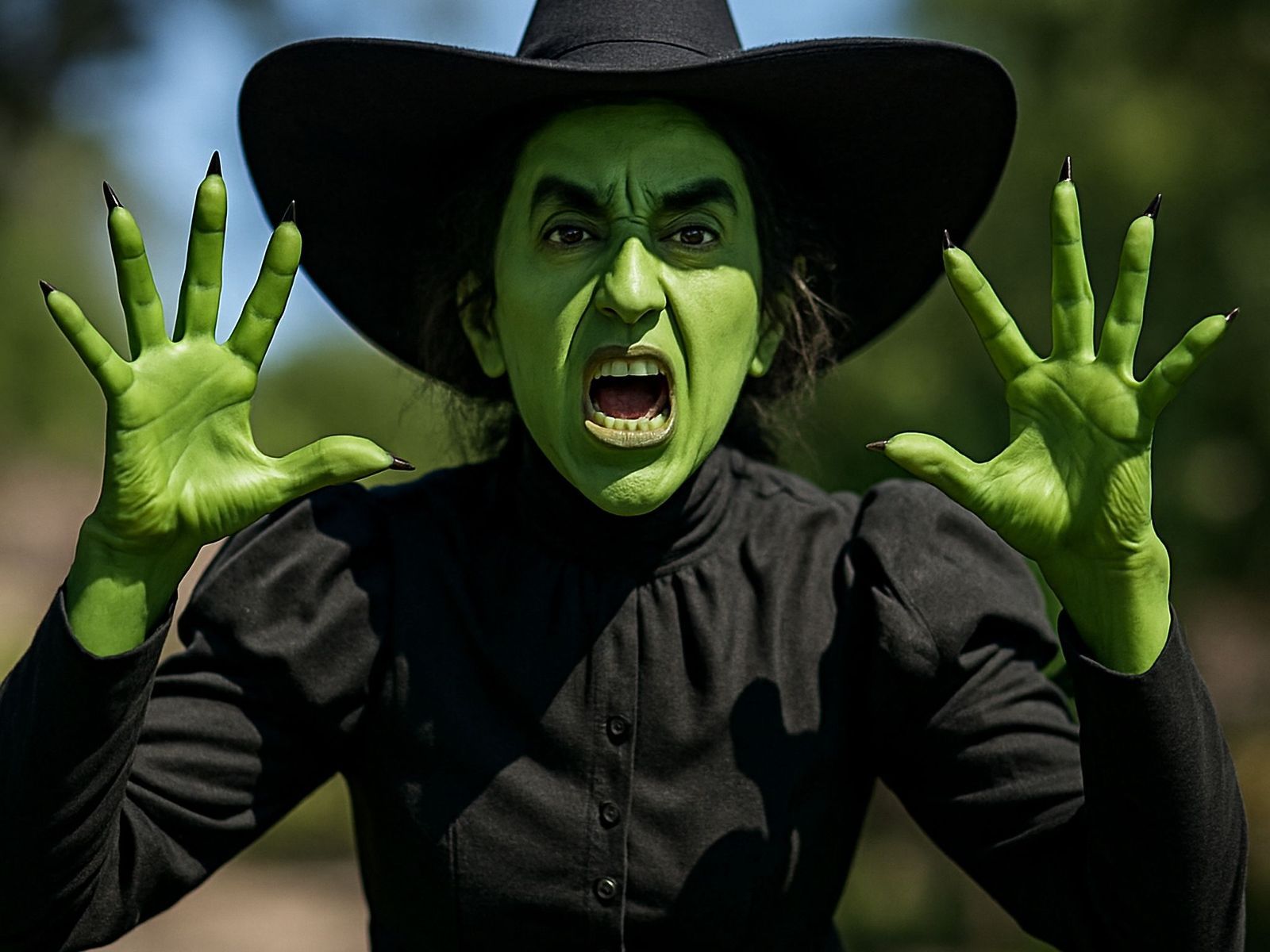
Image: Shutterstock AI Generator

Margaret Hamilton brought to life the unforgettable green-skinned Wicked Witch of the West in The Wizard of Oz (1939), scaring generations of children with her sinister laugh. In the movie, she relentlessly pursues the protagonist, Dorothy Gale (Judy Garland), and her friends and delivers one of the most quoted villain lines ever: " I'll get you, my pretty… and your little dog, too !"

The witch also commanded an army of Winged Monkeys in some of the most memorable and nightmare-inducing scenes. The American Film Institute ranked The Wicked Witch of the West as the fourth greatest movie villain of all time in 2003.

3
Joker (Batman)
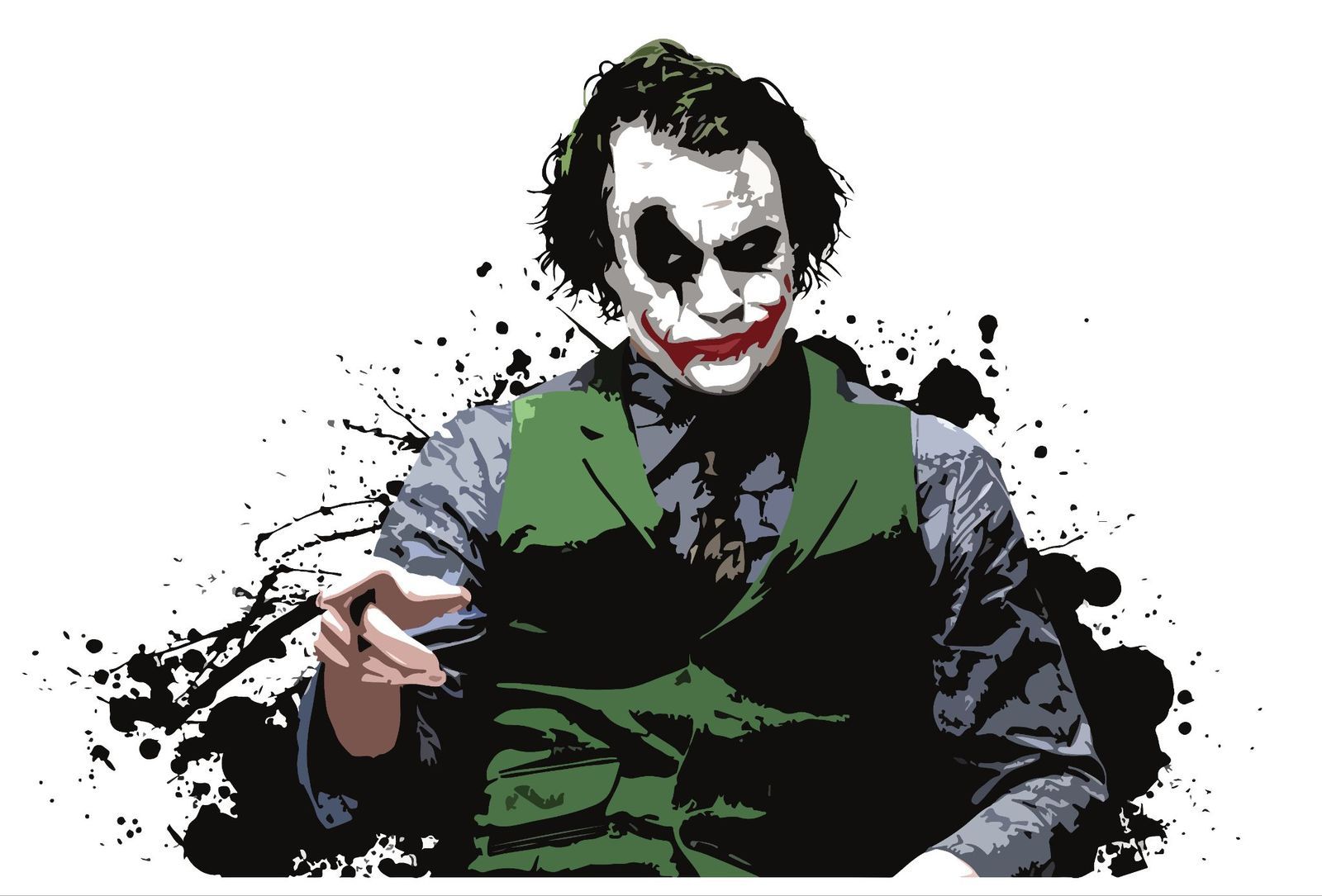
Image: Mahatir Salam

First introduced in the premiere Batman comic book in 1940, the Joker has been portrayed countless times in movies, animated fare, and TV shows, and it's hard to pick the best rendition. The iconic villain has so many characteristic features that make him unique: his exaggerated smile, green hair, and especially his twisted, vicious laugh . The first time The Joker made his big-screen debut was in Batman (1966) with Cesar Romero in the role, though he inarguably became an icon in Batman (1989) when Jack Nicholson breathed life into the character.

The Joker is Batman’s greatest enemy, and unlike many powerful villains, he doesn’t have powers . His only tool is his intelligence, which he uses to come up with the most macabre methods to terrorize Gotham. In 2009, actor Heath Ledger won a posthumous Academy Award for Best Supporting Actor for his performance playing The Joker in The Dark Knight (2008).

4
Norman Bates (Psycho)
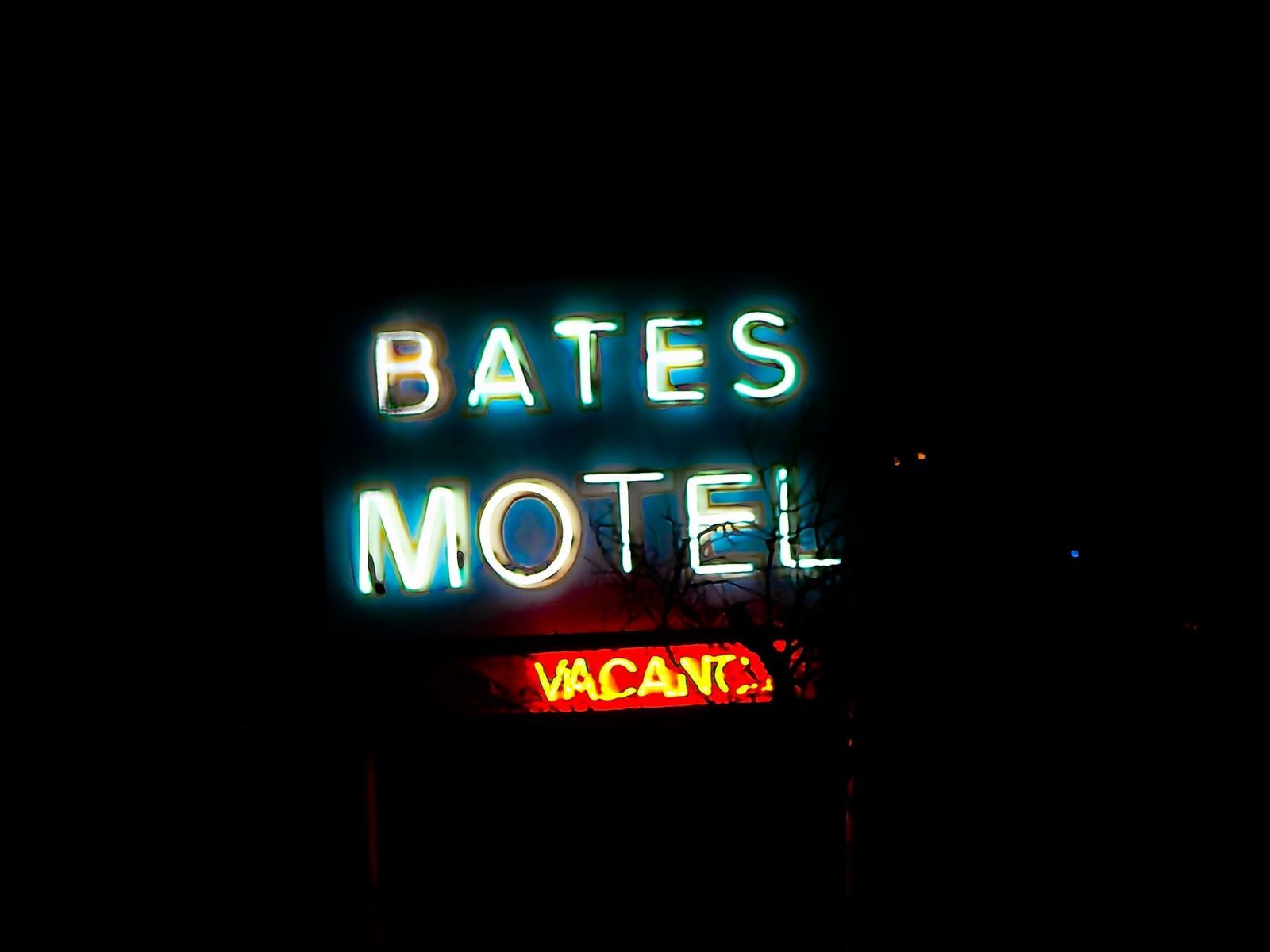
Image: Usa-Pyon

Who could forget the shower scene massacre of Marion Crane (Janet Leigh) in Alfred Hitchcock’s Psycho (1960) at the hands of Norman Bates (Anthony Perkins) — perhaps the most well-known murder scene of all time.

Belying the violent psychopath that lurks within, Norman Bates is the mild-mannered owner of the Bates Motel, and his notorious Mommy issues lead him to murder. Bates was ranked as the second greatest movie villain of all time by the American Film Institute.

5
Hannibal Lecter (The Silence of the Lambs)
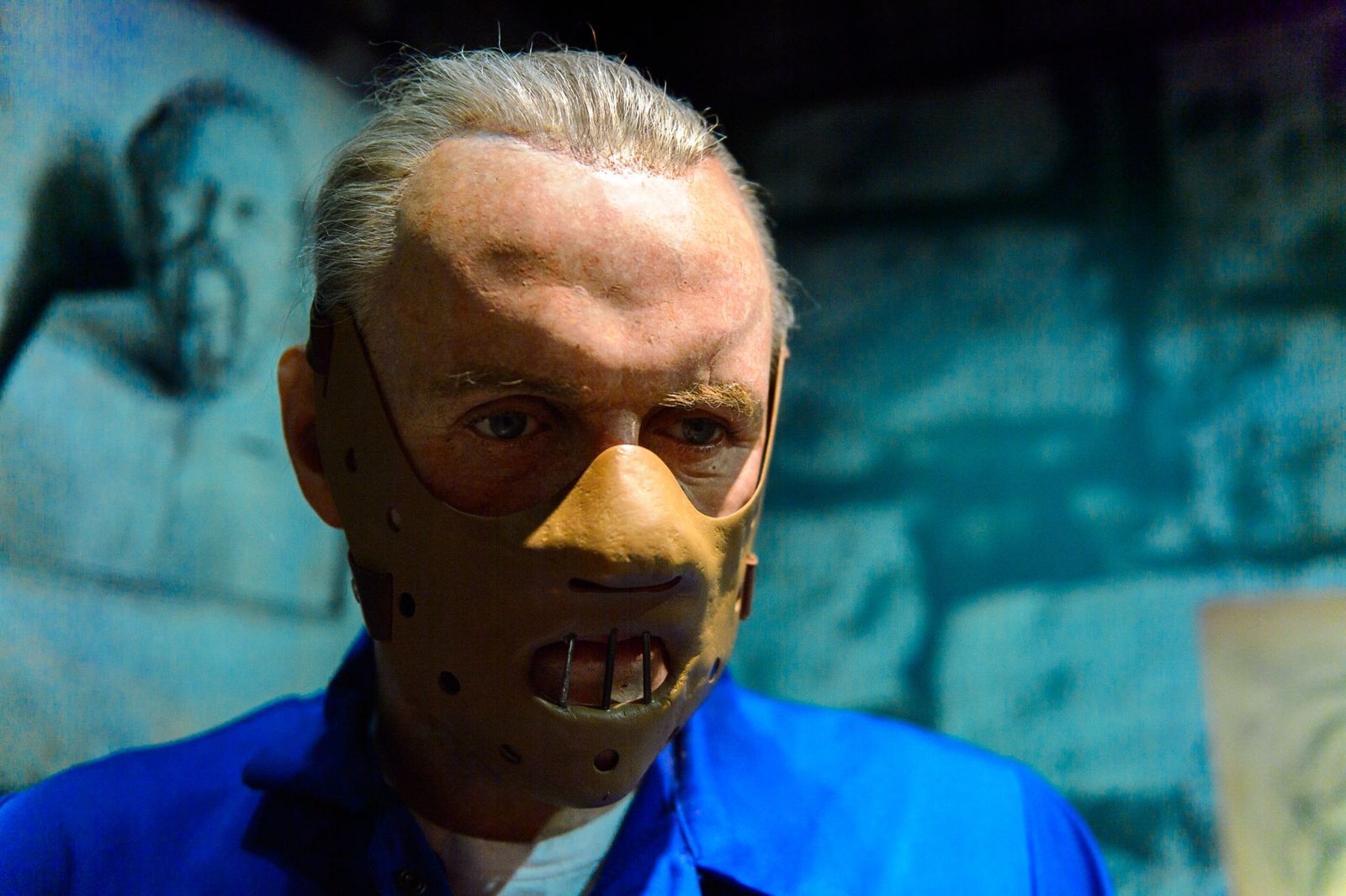
Image: Anton_Ivanov

The cold-hearted and calculating Hannibal "The Cannibal" Lecter became world-famous thanks to The Silence of the Lambs (1991) and the fantastic performance of Anthony Hopkins —earning him an Oscar for Best Actor. Hannibal’s refined manners are unsettling when you know the brutality of his actions, creating an agonizingly tense atmosphere every time he’s on screen.

Hannibal uses his deep understanding of human psychology to manipulate almost everyone he meets, including FBI trainee Clarice Starling (Jodie Foster), with his iconic "Hello, Clarice" greeting. Hannibal Lecter was named the greatest villain of all time by the American Film Institute.

6
The Terminator (T-800) (The Terminator)
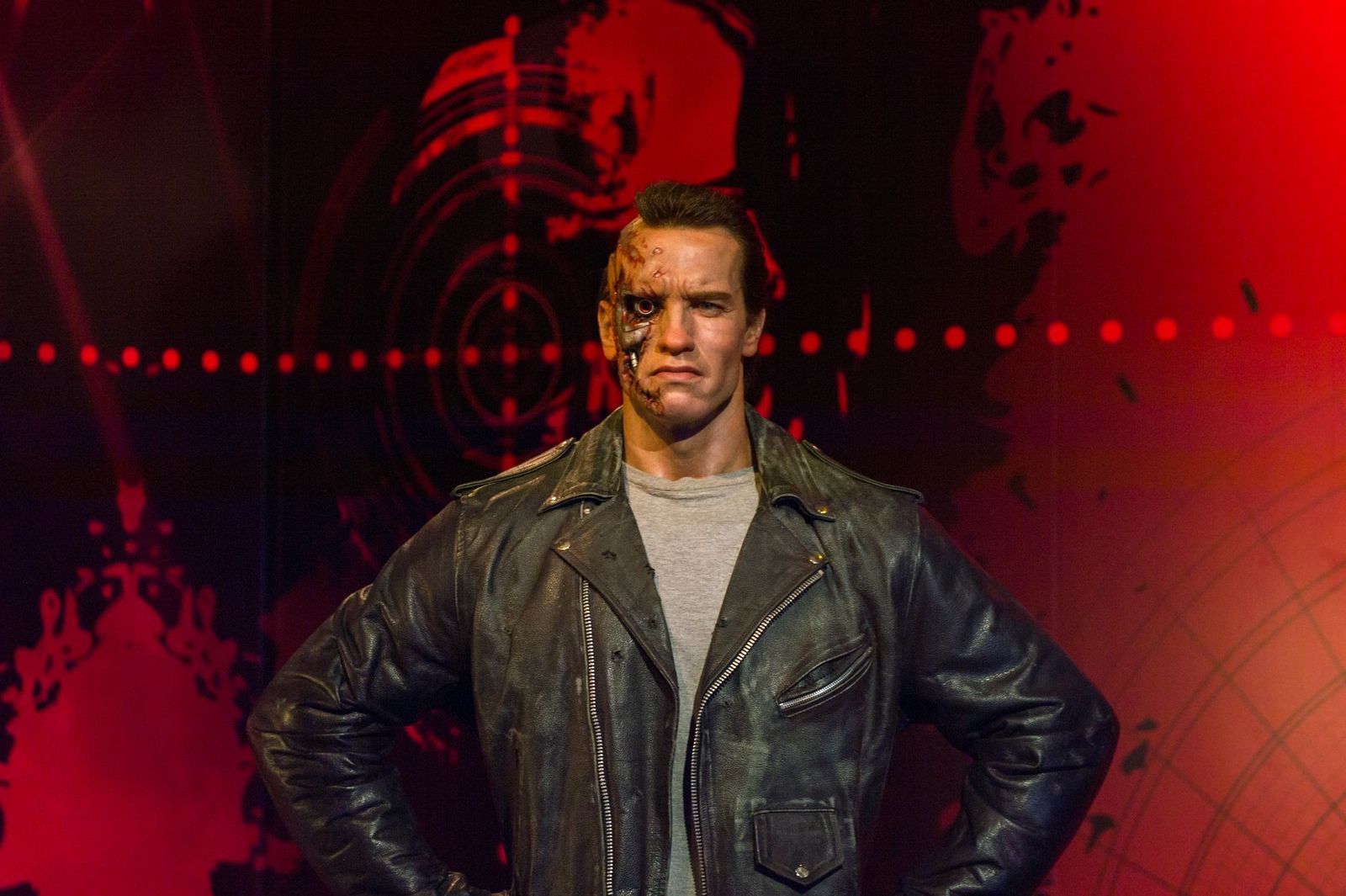
Image: Anton_Ivanov

Even though Arnold Schwarzenegger has over 50 onscreen credits, his most recognizable performance was playing the T-800 in The Terminator (1984), a relentless cyborg assassin sent from the future by the artificial intelligence Skynet that will never stop pursuing his target, no matter what.

The T-800 looks human, though beneath the skin, he’s an indestructible machine with a metal skeleton, and he is tasked with the mission of eliminating Sarah Connor (Linda Hamilton). During the movie, the T-800 delivers the staple line of the saga: "I’ll be back."

7
Freddy Krueger (A Nightmare on Elm Street)
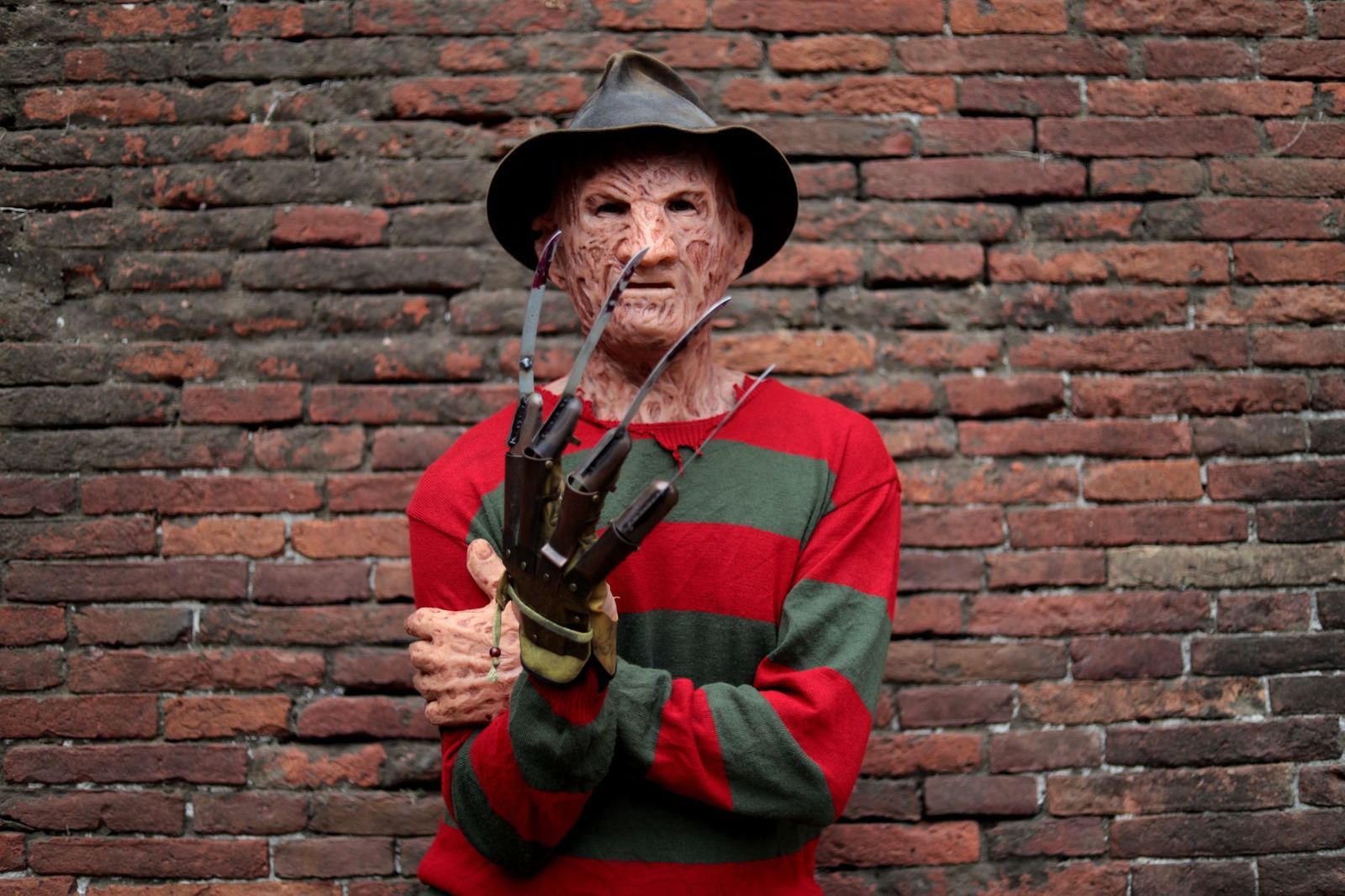
Image: Sandro Amato

The idea of a homicidal maniac who can murder you in your dreams while you are sleeping is absolutely spine-chilling and still haunts many of us. Freddy Krueger was introduced in A Nightmare on Elm Street (1984), revolutionizing horror by attacking teens in a place where their parents couldn’t save them .

Freddy became an all-time horror icon thanks to his burned face, red-and-green striped sweater, brown fedora, and glove fitted with razor-sharp blades. Of the nine movies in which Freddy is featured, Robert Englund portrayed him in eight, which makes him one of the longest-running actors to play the same villain.

8
Michael Myers (Halloween)
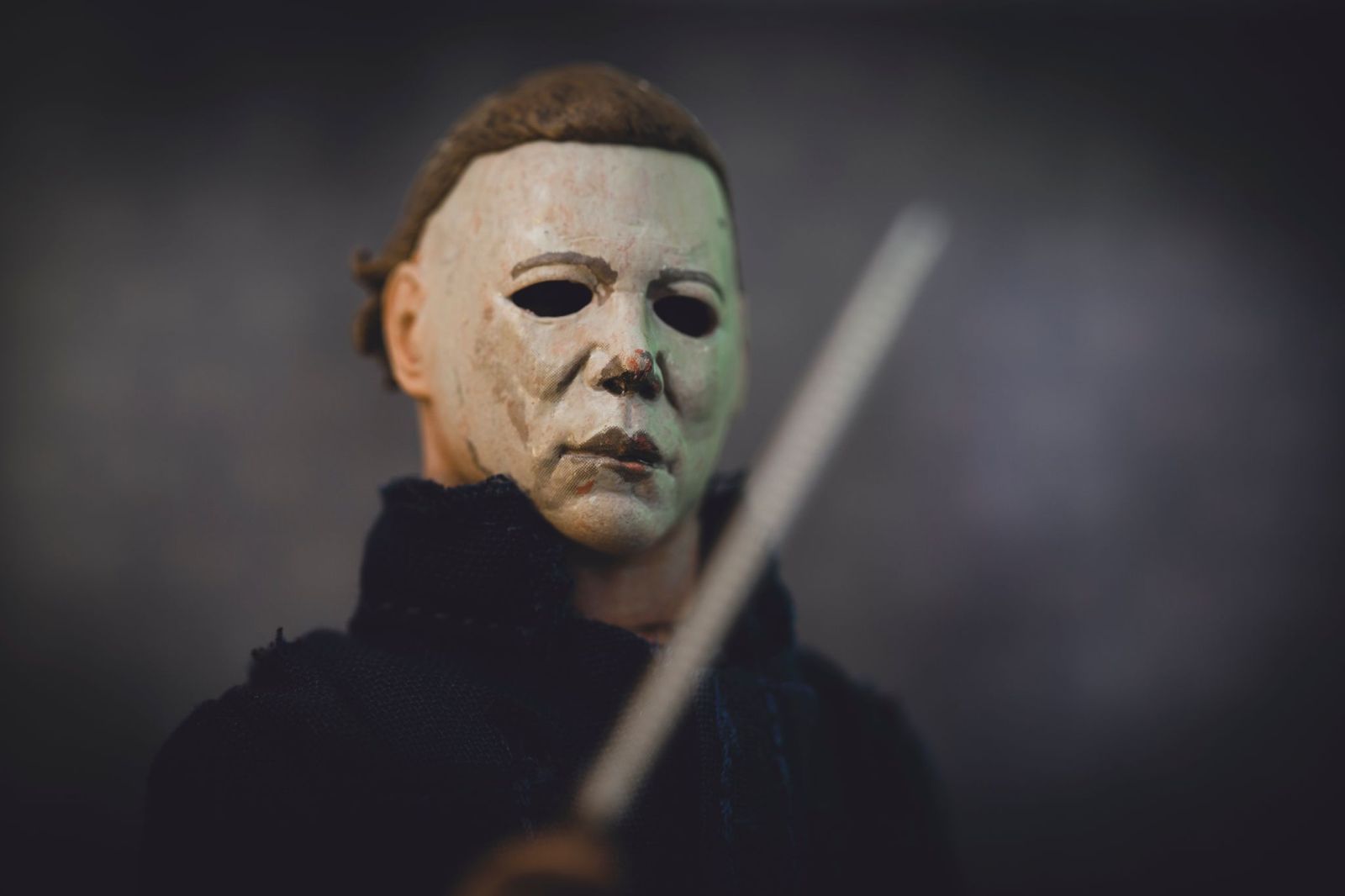
Image: Willrow Hood

Michael Myers, originally appearing in Halloween (1978), wears one of the most famous props in movie history: his mask. The undying, knife-wielding killer — whose chief target in the first film and many sequels is Laurie Strode (Jamie Lee Curtis) — has been portrayed by several different actors over the years, but Nick Castle played him in the original film, turning Michael into a defining villain of the slasher genre .

Like many other villains on this list, Michael Myers’ outfit is unmistakable, and his slow, deliberate walk is a mark of the character. In contrast with other major villains, Michael never speaks, and his silence adds to the mystery surrounding him .

9
Cruella de Vil (101 Dalmatians)
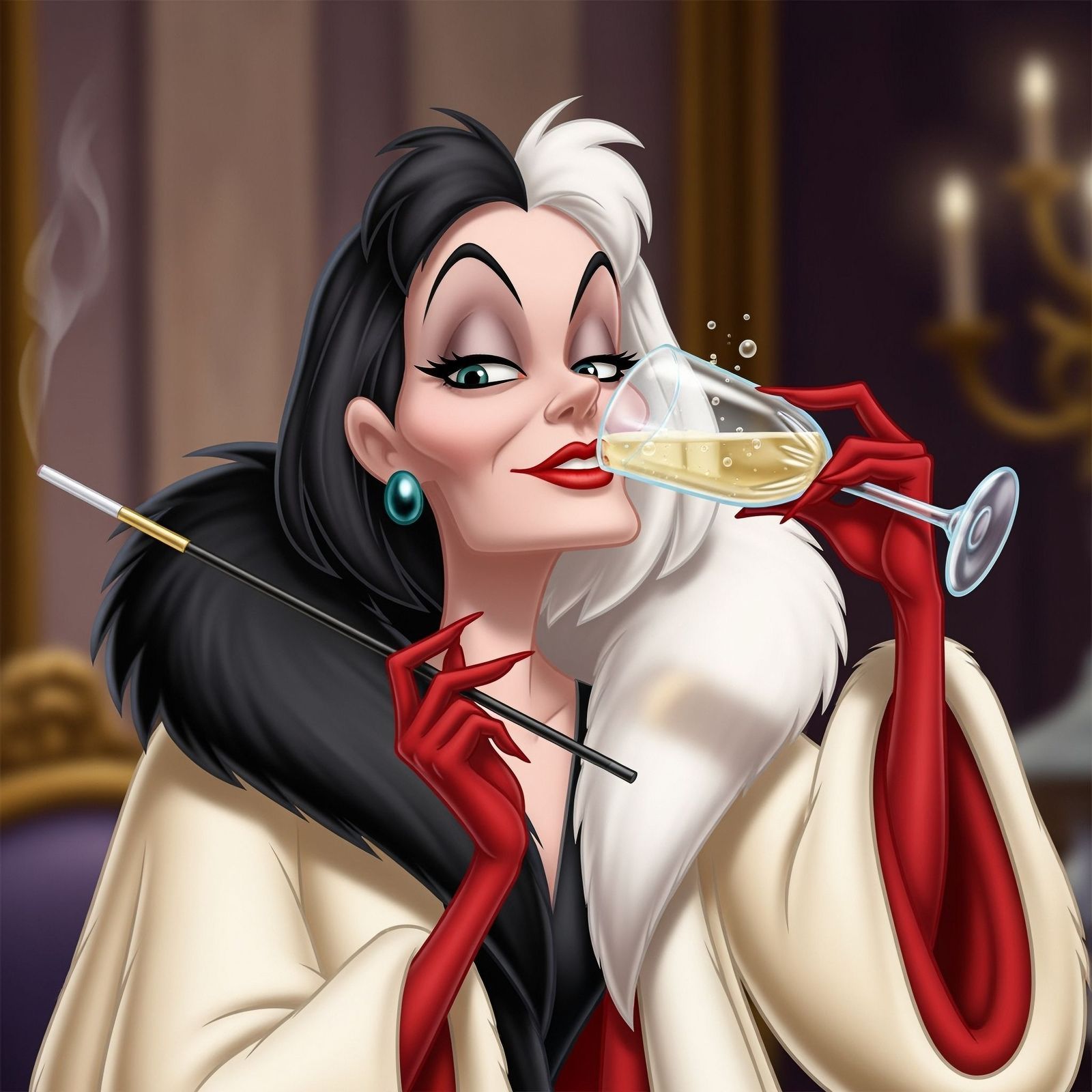
Image: Shutterstock AI

Cruella de Vil’s film debut was in One Hundred and One Dalmatians (1961), and although the animated Disney movie is a lovely classic, we cannot say the same about her. The eccentric heiress has an obsession with Dalmatians because she wants to make a spotted fur coat , so she terrifies a family trying to steal their puppies.

Her appearance, with her black-and-white hair (a nod to the Dalmatians), red gloves, and bold makeup, is impossible to ignore . Cruella de Vil became even more famous after Glenn Close portrayed her in the live-action films 101 Dalmatians (1996) and 102 Dalmatians (2000).

10
Nurse Ratched (One Flew Over the Cuckoo's Nest)

Image: Maxx-Studio

Unlike the rest of the villains on this list, Nurse Ratched — brought to life by Louise Fletcher in One Flew Over the Cuckoo's Nest (1975) — doesn’t rely on violence; instead, she controls others through quiet authority and emotional manipulation . Ratched is the head nurse of a psychiatric hospital where patient Randle P. McMurphy (Jack Nicholson) battles against her for freedom and control.

Her calm yet intimidating demeanor makes her one of cinema’s most chilling antagonists, and in 2003, the American Film Institute (AFI) ranked Nurse Ratched as the fifth greatest movie villain of all time — the highest-ranked female villain on the list.
History History 6 min read

Space Race

The bra makers who secretly built the Apollo spacesuits

Image: Jack Weir (1928-2005), Public domain, via Wikimedia Commons

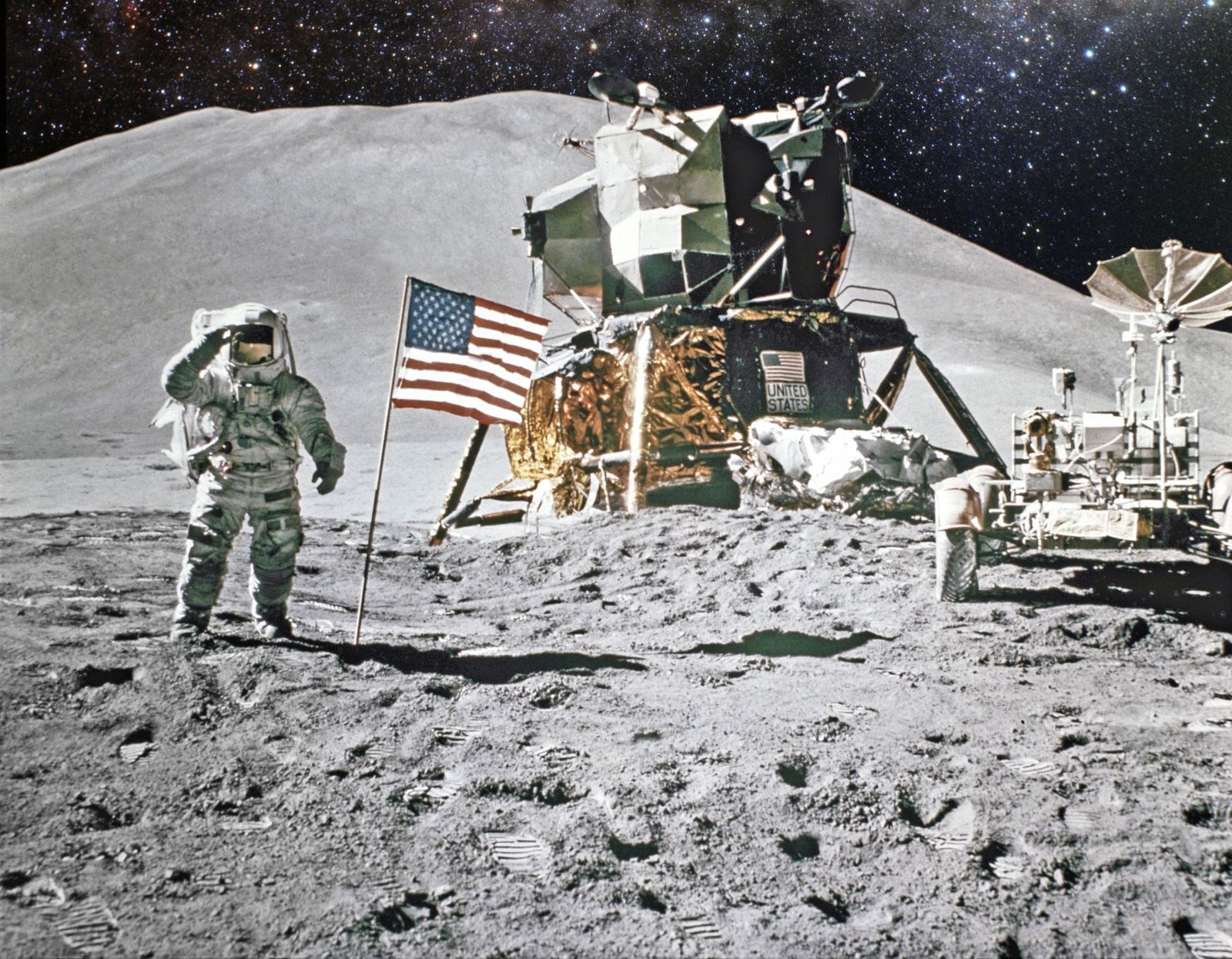
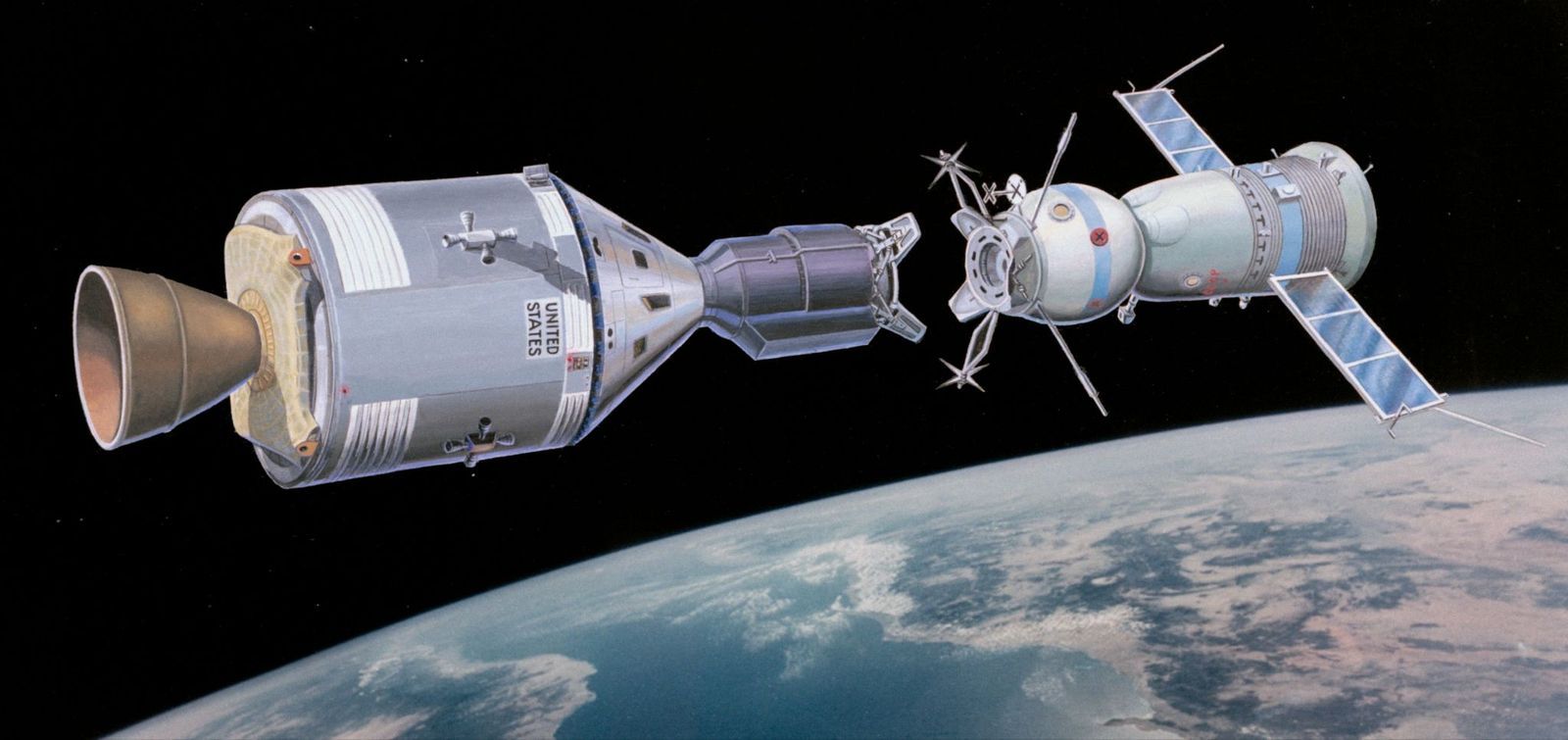
Did you know that Apollo 11 had just 25 seconds of fuel to spare when it made its historic 1969 moon landing? Or that a chimpanzee named Ham flew to space first to prove it was safe for humans? Behind the Apollo 11 flag, the spacesuits, and that giant leap sits a decade of secrets, near misses, and stories NASA never advertised. Here are 10 true stories from the Space Race that will change how you see those famous photographs.

1
Apollo 11 touched down with roughly 30 seconds of reserve fuel

Image: Neil A. Armstrong, Public domain, via Wikimedia Commons

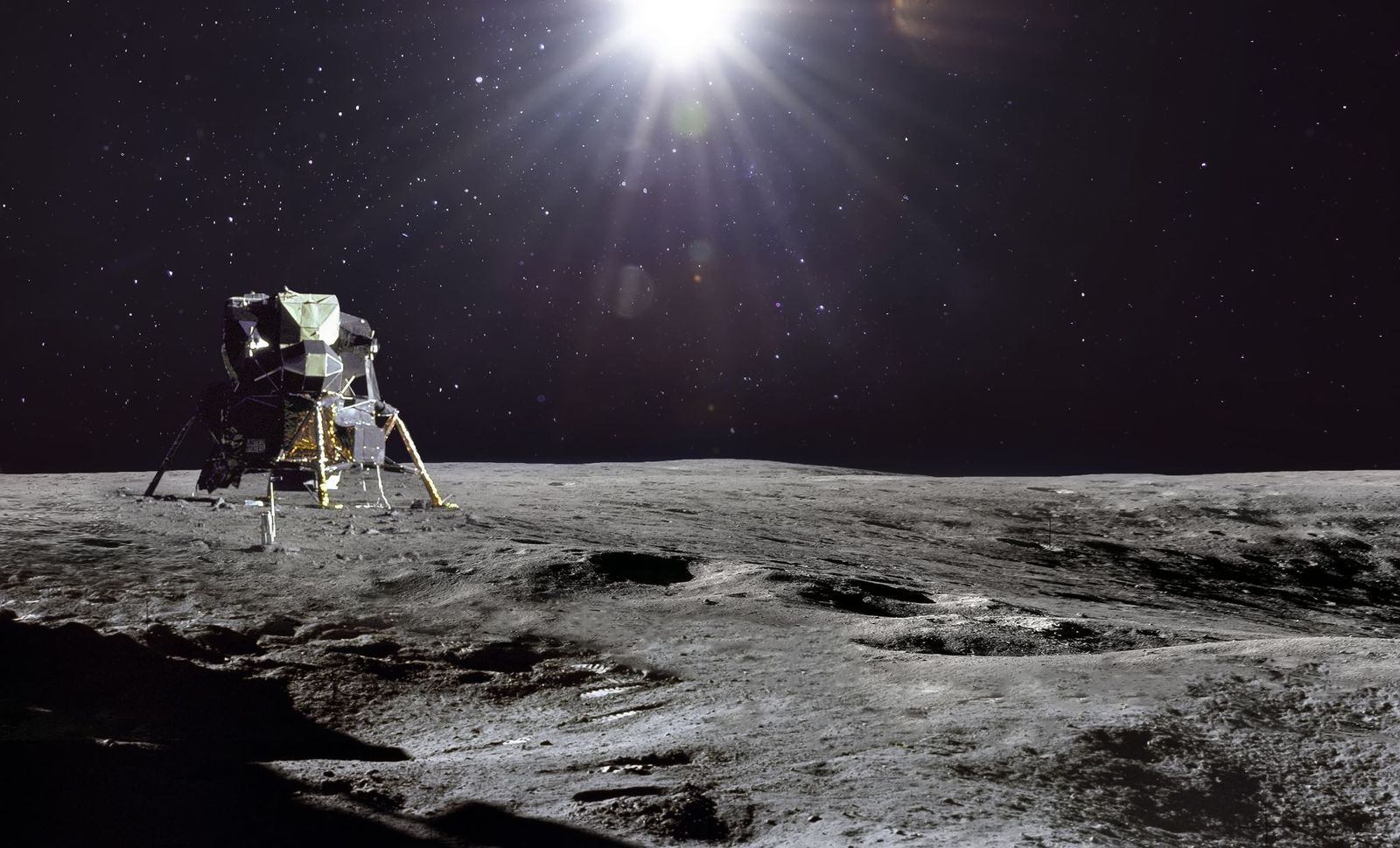
As Eagle descended toward the Sea of Tranquility on July 20, 1969, Neil Armstrong looked out the window and realized the computer was guiding them straight into a field of car-sized boulders.

He took semi-manual control, tilting the module forward to search for a clearer patch of ground while Mission Control in Houston counted down the remaining fuel out loud . Sixty seconds. Then 30. Buzz Aldrin called out altitude and speed as dust kicked up by the engine made it nearly impossible to judge distance. Armstrong finally set Eagle down with somewhere between 20 and 25 seconds of fuel left before an automatic abort would have kicked in, a margin thinner than most people realize watching the calm broadcast years later.

2
The iconic lunar flag was an altered five-dollar store-bought banner

Image: Castleski

With less than three months before launch, NASA engineer Jack Kinzler was handed an unusual assignment: figure out how to make a flag look like it was flying on a world with no wind.

Kinzler, known around the Manned Spacecraft Center as Mr. Fix It, remembered watching his mother hang curtains as a child and sketched a horizontal rod that would run through the top of an ordinary nylon flag , letting it hang stiff instead of drooping.

3
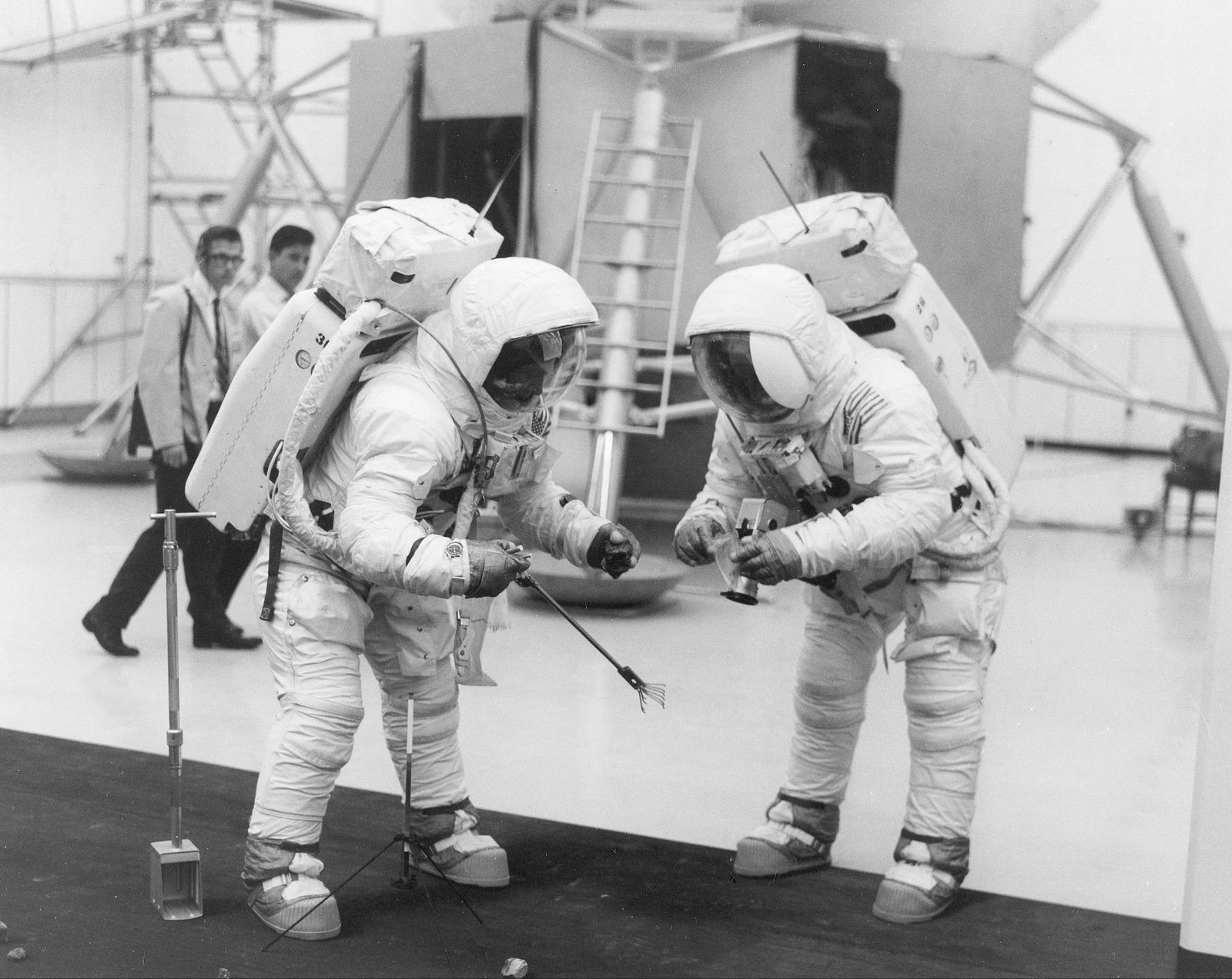
Playtex seamstresses hand-stitched the Apollo spacesuits

Image: Project Apollo Archive, Public domain, via Wikimedia Commons

In a former girdle factory in Dover, Delaware, women who had spent years sewing Playtex bras and girdles found themselves building the suit that would keep Neil Armstrong alive on the Moon.

NASA had tried stiff, engineered suits from aerospace contractors first, but nothing offered the mobility required for a human body. The International Latex Corporation, the company behind Playtex, won the contract instead, and its seamstresses stitched together 21 layers of nylon, Teflon-coated fabric, and rubber by hand, working to a tolerance of one 64th of an inch on ordinary Singer machines. No automated equipment could be trusted with a mistake that meant the difference between life and death in a vacuum, so the same hands that once sewed Cross Your Heart bras sewed history instead.

4
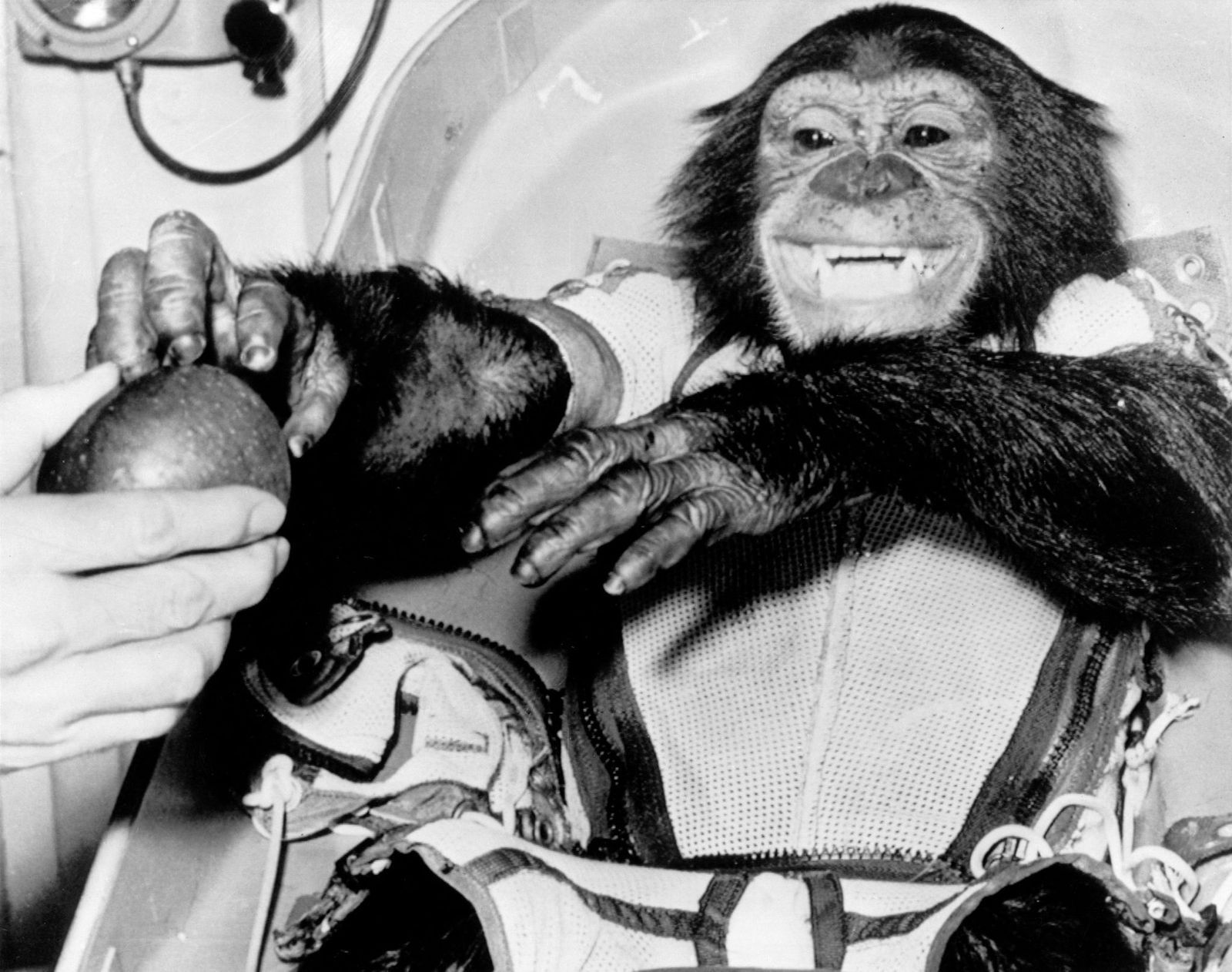
Ham the Astrochimp completed a suborbital flight in 1961

Image: NASA, Public domain, via Wikimedia Commons

Three weeks of training at Holloman Air Force Base in New Mexico came down to one morning: January 31, 1961.

A three-and-a-half-year-old chimpanzee, known to engineers simply as Number 65, was strapped into a Mercury capsule atop a Redstone rocket that launched from Cape Canaveral, Florida. His job was to pull levers in response to lights, proving an astronaut's mind could still function under the crushing forces of launch. A malfunction pushed the flight higher and faster than planned, reaching 157 miles and landing far off course in the Atlantic. He survived, tired and dehydrated but unharmed , and only afterward was given the name Ham, for the lab that trained him. Three months later, Alan Shepard became the first American in space.

5
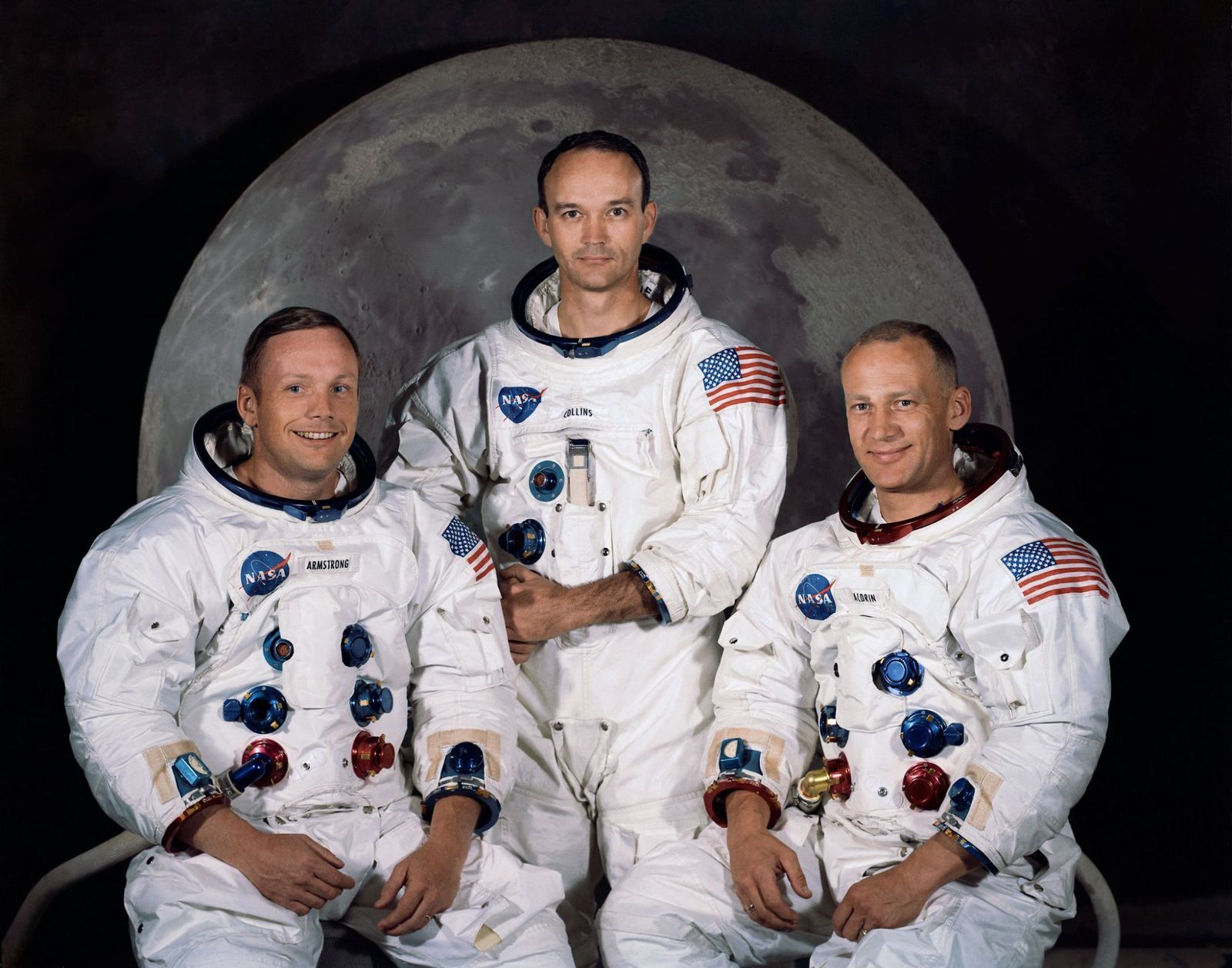
Michael Collins became the most isolated person in human history

Image: Alones

While Neil Armstrong and Buzz Aldrin walked on the lunar surface, their crewmate Michael Collins circled overhead alone in the command module Columbia.

For roughly 47 minutes of every two-hour orbit, the entire body of the Moon passed between Columbia and Earth, cutting off every radio signal from Mission Control and from his two crewmates below. Flight commentator Charlie Duke described it on the air: "not since Adam has any human known such solitude." Collins later wrote that he never actually felt lonely during those blackout stretches, only quietly aware that he was, by any physical measure, the single most isolated human being who had ever lived, with three billion people on one side of the Moon and just himself on the other.

6
The Soviet Union made the first lunar impact in 1959

Image: R. Bruneau, Public domain, via Wikimedia Commons

On September 12, 1959, a Soviet spacecraft the size of a large beach ball lifted off from Baikonur, deep in the Kazakh steppe. Two days later, Luna 2 slammed into the Moon near the craters Aristillus and Autolycus , becoming the first human-made object to ever touch another world.

Engineers in Moscow had built in a strange detail: the probe carried small metal pennants stamped with the hammer and sickle, meant to scatter across the lunar surface on impact. The timing stung in Washington. Soviet premier Nikita Khrushchev arrived in the United States for a state visit just days later, carrying a replica pennant as a gift for President Eisenhower, a not-so-subtle reminder of who had reached the Moon first.

7
Apollo 11 concluded the initial Space Race

Image: NASA, Public domain, via Wikimedia Commons

In May 1961, President John F. Kennedy stood before Congress and made a promise that sounded impossible: the U.S. would land a man on the Moon and bring him home safely before the decade was out.

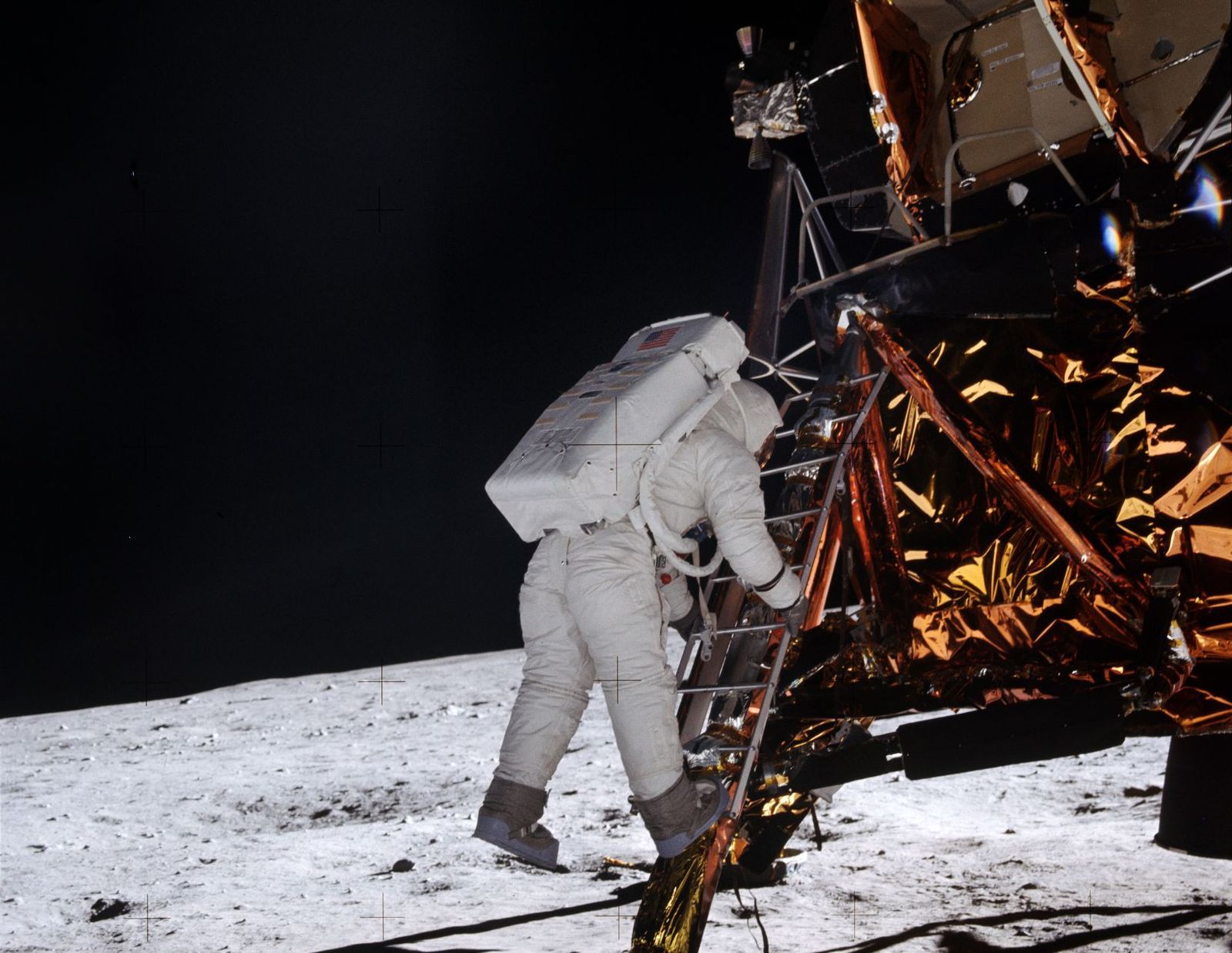
Eight years, several deaths, and one nearly disastrous fire later, Neil Armstrong stepped off the ladder of the lunar module Eagle on July 20, 1969 , and told millions watching on television that it was one small step for a man. Buzz Aldrin followed him down minutes later while Michael Collins orbited above in the command module. The landing settled a technological race that had begun with Sputnik in 1957, and for the United States, it closed the gap the Soviets had opened years earlier.

8
The lunar module was built without seats

Image: Dima Zel

Every extra pound sent to the Moon meant thousands of extra pounds of fuel needed to get it there, so NASA engineers stripped the lunar module Eagle down to its bare essentials, cutting anything that was not strictly necessary for survival.

One of the first things to go was seating. Neil Armstrong and Buzz Aldrin flew their roughly 60-mile descent to the lunar surface standing up , held in place by cables and foot restraints, much like subway commuters gripping a pole during rush hour. Standing also gave the astronauts a clearer view out the small triangular windows, which mattered enormously once Armstrong realized the automatic system was steering them toward a boulder field. The decision made purely for weight savings ended up helping save the landing itself.

9
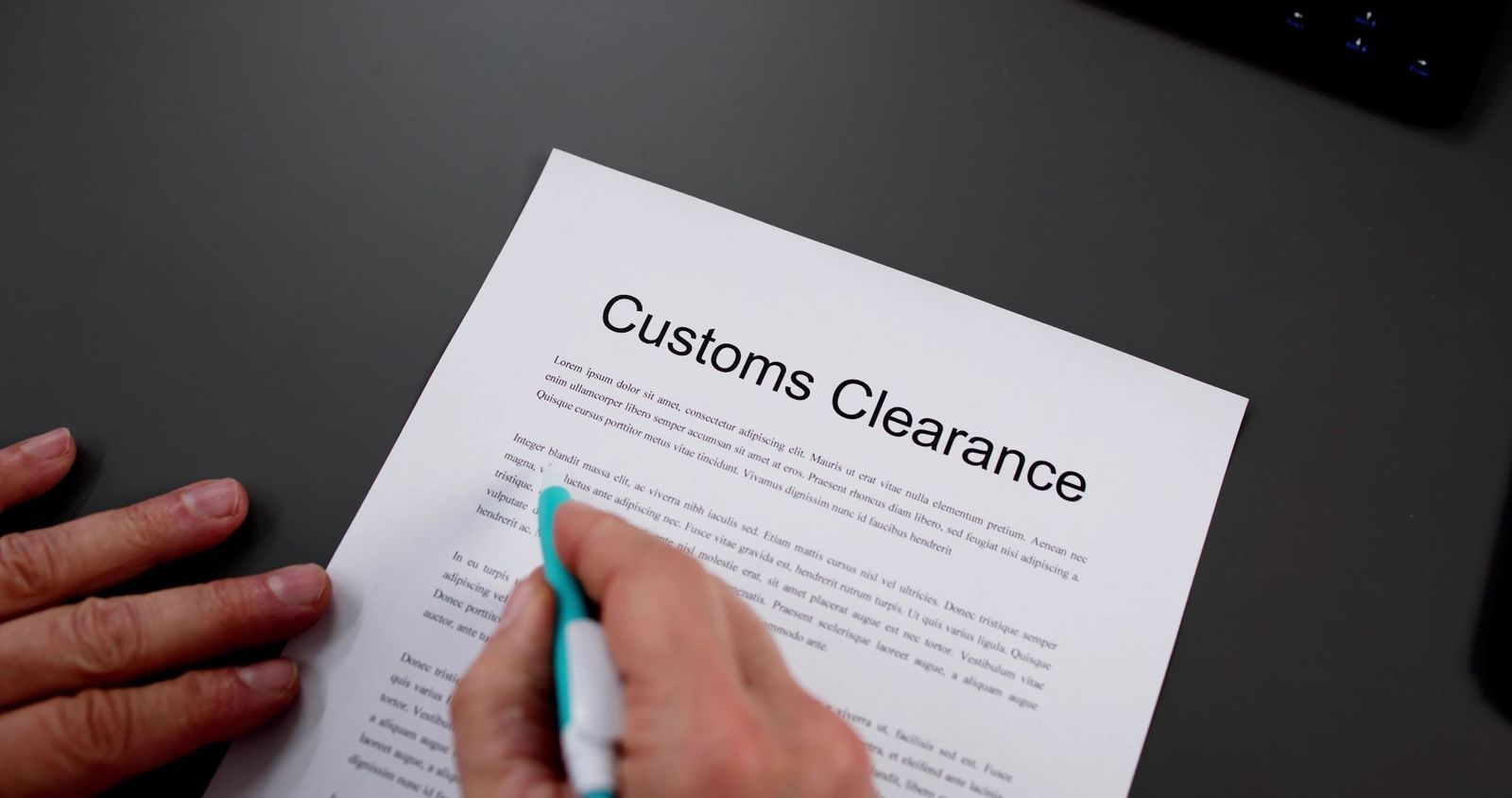
Apollo 11 astronauts signed an official customs declaration upon return

Image: Andrey_Popov

After traveling nearly half a million miles round trip, the crew of Apollo 11 still had one more piece of paperwork waiting for them back on Earth.

On July 24, 1969, the day their capsule splashed down in the Pacific near Hawaii, Neil Armstrong, Buzz Aldrin, and Michael Collins signed a standard United States Customs form filed at Honolulu Airport. Under departure point, the document read simply Moon. Arrival was listed as Honolulu, Hawaii. In the cargo section, the astronauts declared moon rock and moon dust samples, treating a piece of another world the same way any traveler might declare a bottle of duty-free perfume. The form even asked about any condition on board that could spread disease, and the honest answer at the time was simply to be determined.

10
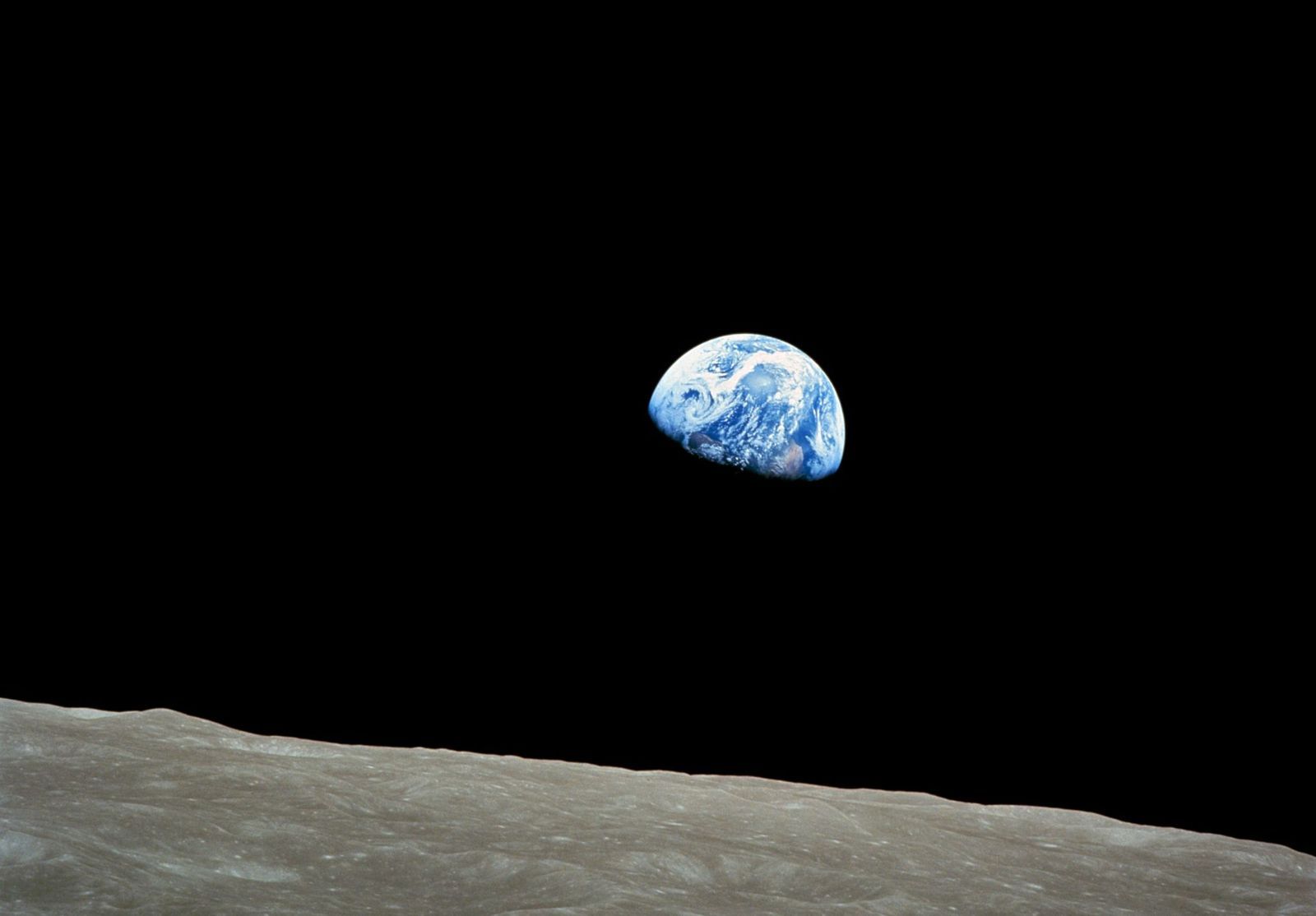
Apollo 8 astronauts captured the "Earthrise" photograph

Image: National Aeronautics and Space Administration, Public domain, via Wikimedia Commons

On Christmas Eve of 1968, astronaut Bill Anders was aiming his camera at the gray, cratered surface below when something in the window caught his eye. Earth, blue and impossibly small, was rising over the lunar horizon.

Anders, Frank Borman, and Jim Lovell had just become the first humans to orbit the Moon, and none of NASA's flight plans had accounted for this moment. Anders grabbed a color film magazine and fired off the shot in a matter of seconds, later admitting the photo was never on the schedule. Back on Earth, the image ran in newspapers worldwide and is widely credited with helping launch the modern environmental movement, giving people their first real look at how fragile and alone their home planet truly is.

Geography Geography 4 min read

Local treasures

These 10 American regional industries make our country amazing!

Image: Dziana Hasanbekava / Polina Tankilevitch / David Foodphototasty

One of the many advantages of living in such a vast country is the wide variety of landscapes, cultures, and people that can be found in each of our 50 states. The United States offers a rich tapestry of industries that vary greatly throughout the nation. If you are lucky enough to travel this great country of ours, you’ll encounter many unique and outstanding regional products. In that sense, we’ve selected 10 of the most remarkable regional industries from across America, hoping to pay homage to the hard work and dedication that make this country so wonderful. Enjoy!

1
Wisconsin - Cheese

Image: Lauren Forando

Wisconsin is crazy about cheese , and there’s a reason it’s known as "America’s Dairyland"! The state takes great pride in this regional product, and with good reason. Its cheesemaking tradition is almost as old as the state itself, with European colonists introducing the trade in the 19th century in the fertile lands that would eventually become Wisconsin. Approximately 100 years later, over 1,500 cheesemonger shops and factories had been established in the area.

2
Chicago - Deep-dish pizza

Image: Jon Tyson

Deep-dish pizza has its fair share of detractors, but we honestly can’t think of a single, concrete reason why. In our eyes, Chicago’s most famous regional delicacy is wonderful, with its copious amounts of cheese and chunky tomato sauce. In any case, residents of the "Windy City" take great pride in this pizza style, so be sure to try some whenever you're in town.

3
Detroit - Automotive industry

Image: Egor Vikhrev

Detroit has been synonymous with cars since the 1920s , when the city’s population surged following the expansion of the automotive industry across the country. Nowadays, Detroit is considered the epicenter of this industry in the United States, with the headquarters of the "Big Three" auto manufacturers—Ford, General Motors, and Chrysler—located in "The Motor City."

4
Kentucky - Bourbon

Image: Maxim Hopman

Bourbon is one of the few products that can only be found in America . This type of whiskey, typically made from maize, was created in the United States during the 18th century. While it is undeniably an American treasure, bourbon is most closely associated with the American South and, particularly , with Kentucky . The "Bluegrass State" produces 95% of the world’s supply of bourbon, so it shouldn’t come as a surprise that it is a source of great pride to all Kentuckians.

5
New Mexico - Chiles

Image: Javier Balseiro

The New Mexican chile , a moderately spicy variety , is unsurprisingly a staple of the state’s cuisine and one of its official vegetables. Not only that, New Mexico’s official question is a direct reference to this tasty vegetable. Whenever you hear a New Mexican ask, "Green or Red?", be sure they are asking which type of chile you want with your food.

6
New Orleans - Lucky Dogs

Image: Peter Secan

We could have included any number of delicious New Orleans products in this entry, from its mouth-watering gumbo to its delectable beignets. However, we’ve decided to focus instead on a New Orleans institution—a business that has been standing strong since 1948. Located throughout the streets of "The Big Easy," Lucky Dogs and its iconic hot dog stands bring smiles and tasty treats to both locals and tourists. These stands are featured in one of New Orleans’s most beloved novels, A Confederacy of Dunces , in which its extravagant protagonist briefly works at one of these stands.

7
Texas - Cowboy hats

Image: Donald Giannatti

In 2015, the Texas State Legislature declared the cowboy hat the official "State Hat of Texas." This probably doesn’t come as a surprise. If you’ve ever visited "The Lone Star State," you’ve likely seen cowboy hats everywhere. These accessories have been synonymous with Texas for as long as anyone can remember. In fact, Texas Rangers were the very first law enforcement agency to officially adopt cowboy hats as part of their uniform.

8
New York - I Heart NY T-Shirts

Image: Abhilash G

What might seem like an inexpensive memento to take home after a wonderful trip to New York City is actually one of the most instantly recognizable images in pop culture. "I Heart NY" t-shirts are everywhere in the "Big Apple," and while locals might seem disgruntled at the sight of a happy tourist sporting one of these shirts, rest assured that they feel a small amount of pride in the love and praise their city receives every day.

9
Las Vegas - Casinos

Image: David Lusvardi

Las Vegas calls itself "The Entertainment Capital of the World" for the same reason many refer to it as "Sin City." The largest city in Nevada is known worldwide for its amazing selection of Casino Hotels. Las Vegas’s most famous regional product offers many hours of fun and excitement, though we advise that caution be observed at all times.

10
Sweet Tea - South Carolina

Image: Crystal Tubens

Sweet tea has been a staple of American Southern cuisine for centuries, but many believe the birthplace of this delicious, cold drink is Summerville, a town in South Carolina . According to some historians, during the 19th century, a resident of Summerville named Dr. Charles Shepard started growing tea in the region and innovating with ice-cold drinks that he offered to visitors and neighbors. In due time, sweet tea made Summerville a tourist attraction, eventually cementing the town as the birthplace of this iconic drink.

Explore more American facts

Choose your favorite category!

General
General

As American as apple pie—the very best America has to offer!

Culture
Culture

Delve into the astounding richness of American lore.

Geography
Geography

Hop in and explore vast and diverse American landscapes.

History
History

Discover the key moments that shaped the United States.