Culture Culture 5 min read

Unexpected juxtapositions

10 films you didn't know that take place at roughly the same time

Image: konstantinrotkevich

Period pieces aim to portray specific historical events, customs, and characters. But every year, all sorts of different events happen around the world. What to cut and what to show in a historical film is an artist's main job, and the result will depend on his or her particular point of view. From Titanic and The Music Man to Grease and Malcolm X , in this article, we're going to explore 10 pairs of films that take place in the same year but couldn't be more different. Can you think of any others?

1
Titanic & The Music Man
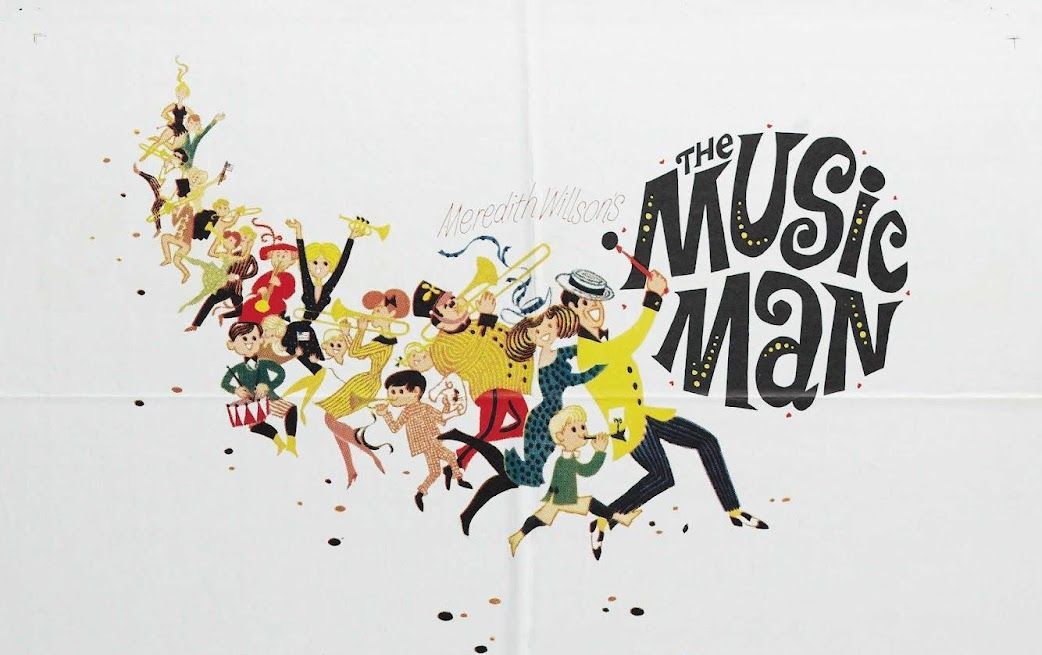
Image: Copyright © 1962 Warner Bros. Pictures Distributing Corporation - Public domain, via Wikimedia Commons

It is common knowledge that Titanic (1997), starring Leonardo DiCaprio and Kate Winslet, fictionalizes the true story of the sinking of the British ocean liner that collided with an iceberg in the North Atlantic.

The Music Man (1962), on the other hand, is a musical that tells the story of a salesman who tries to convince the residents of a small town in Iowa to start a musical band. Although the two films are set miles apart and their characters are very different, they both take place in the same year: 1912. Fascinating, don't you think?

2
Mary Poppins & The Wild Bunch
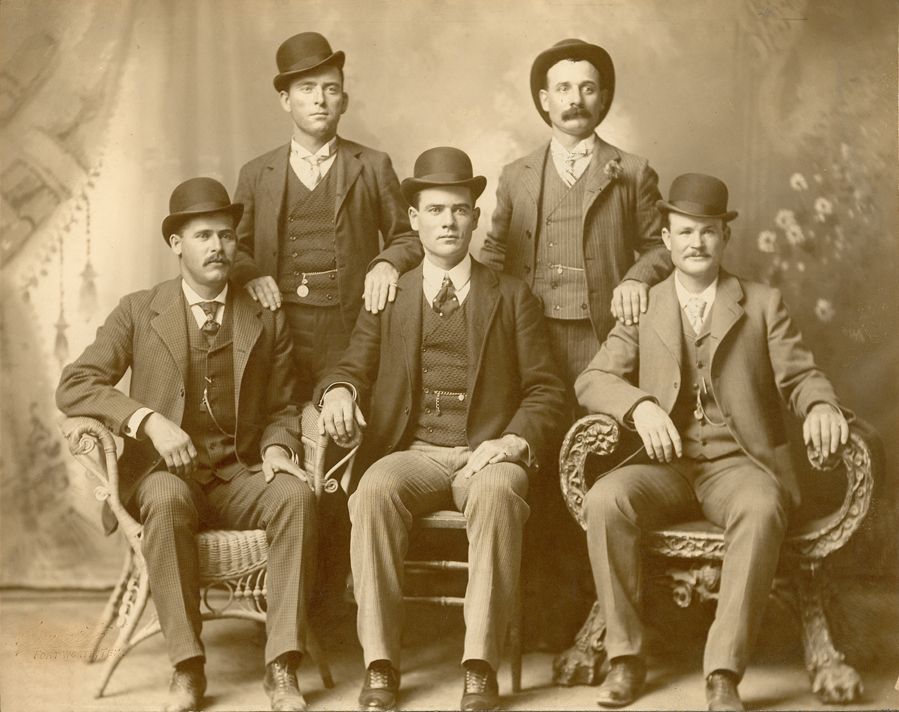
Image: From the studio of John Schwartz., Public domain, via Wikimedia Commons

Early twentieth-century London, a vibrant, sprawling city, has almost nothing in common with the wild U.S.-Mexico frontier of the same era. Yet the tender Mary Poppins (1964) and the epic revisionist Western The Wild Bunch (1969) take place during virtually the same years. Despite being vastly different stories, the two films share a similar theme: the concept of outsiders navigating a world of change and challenges.

3
There Will Be Blood & Meet Me in St. Louis
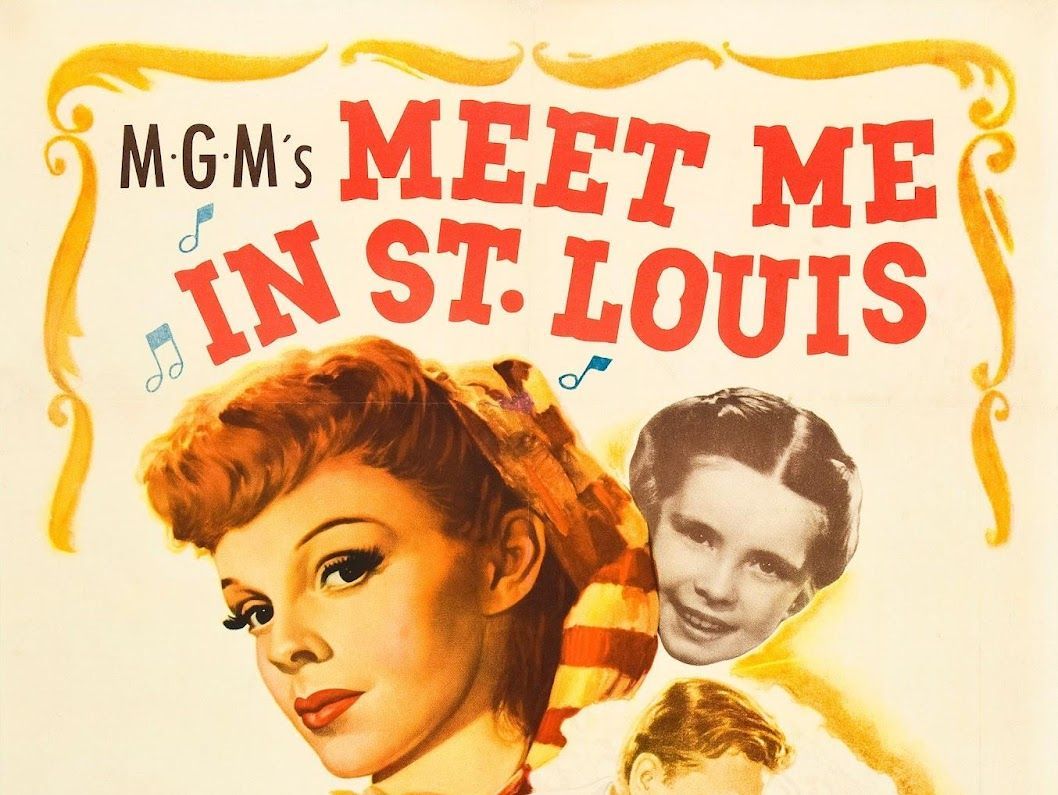
Image: Metro-Goldwyn-Mayer (Loew's Inc.), Public domain, via Wikimedia Commons

What do a Christmas musical from 1944 and a 2007 drama film have in common? They both portray the early years of the 20th century!

While There Will Be Blood is a dark film that focuses on the California oil rush, Meet Me in St. Louis , starring the iconic Judy Garland, portrays the well-to-do life of an upper-middle-class Missouri family. Watching these two films truly paints a picture of what America was like at this time in its history.

4
Grease & Malcolm X
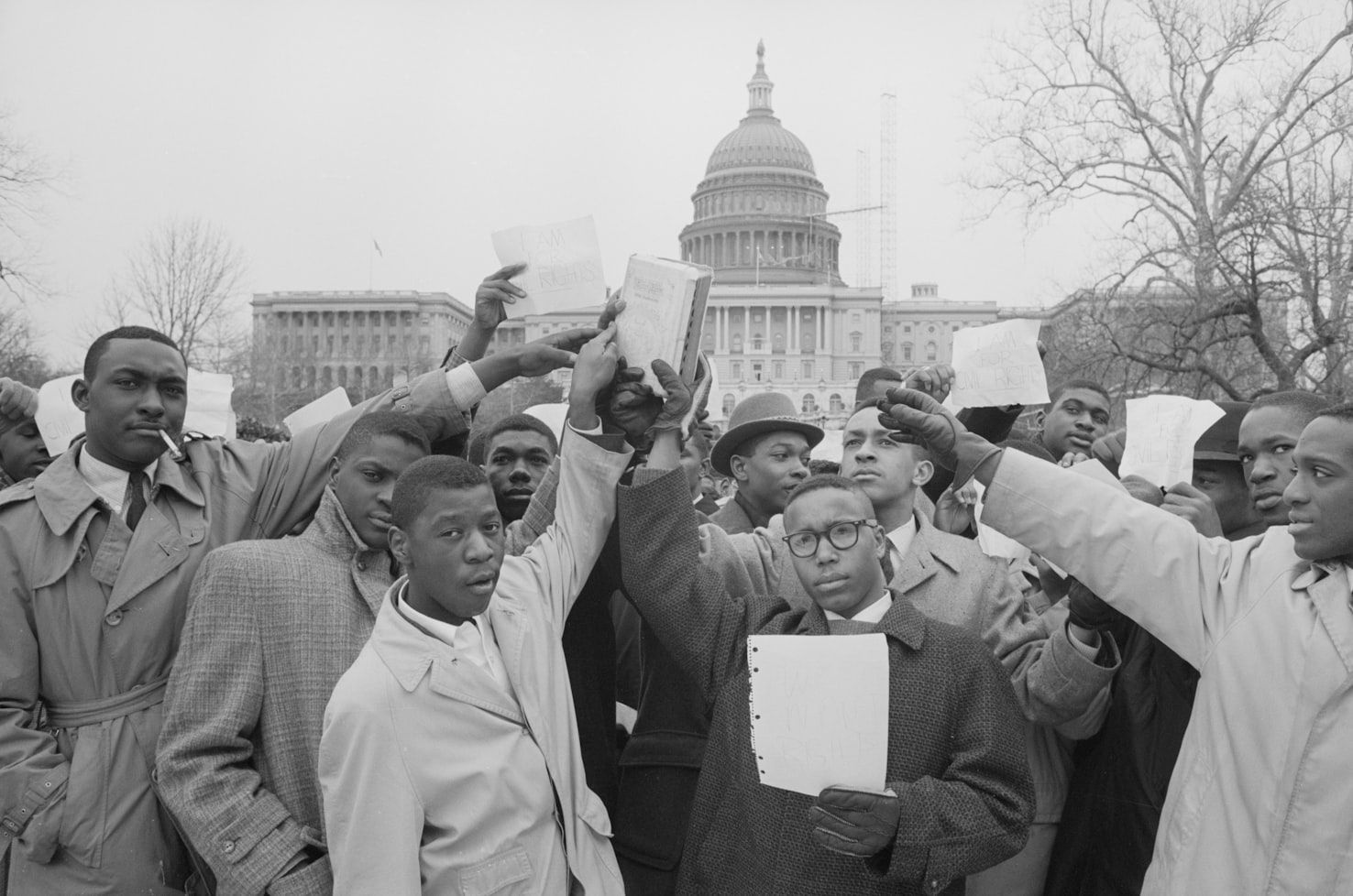
Image: Library of Congress

Two other films that offer their version of American life during a specific era are Grease (1978) and Malcolm X (1992). Both take place around 1958, but couldn't be more different.

Grease , a romantic musical with gelled hairdos and poodle skirts, portrays a group of teenagers more concerned with leather jackets, rock and roll, and fashionable cars than anything else. Malcom X , on the contrary, is based on the biography of the famous African-American activist, and dives deep into the history of the civil rights movement.

5
Barry Lyndon & Pirates of the Caribbean
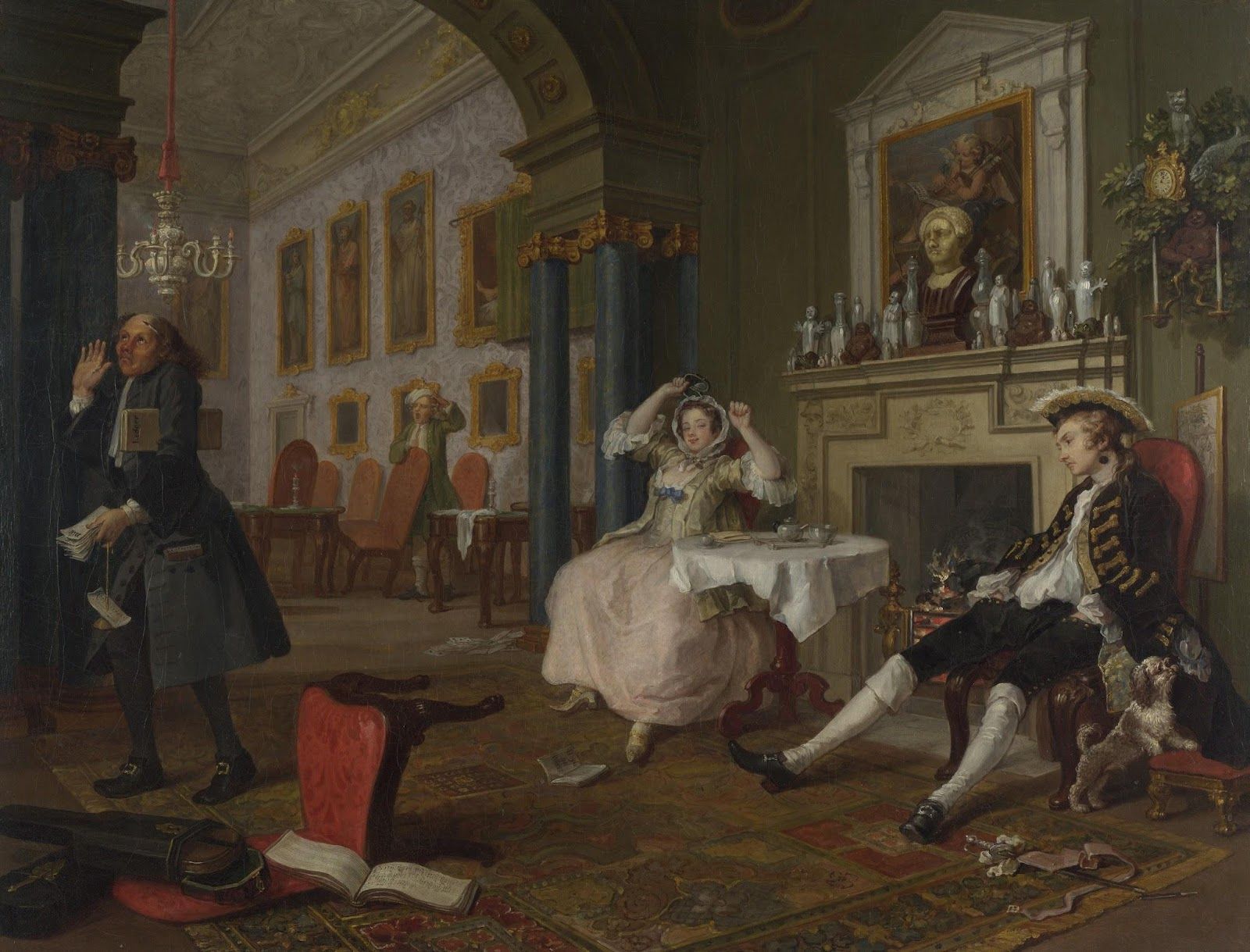
Image: William Hogarth, Public domain, via Wikimedia Commons

The story of a young Irishman trying to climb the ladder of British high society can't be too different from that of a pirate sailing through dangerous waters. However, although Barry Lyndon (1975) and Pirates of the Caribbean: On Stranger Tides (2011) take place in the 1750s, they are very dissimilar films.

While Pirates of the Caribbean is a fantasy adventure franchise chronicling the adventures of the endearing Jack Sparrow, the historic drama directed by Stanley Kubrick won four Academy Awards and is considered one of the greatest films ever made.

6
The Godfather: Part II & 1917
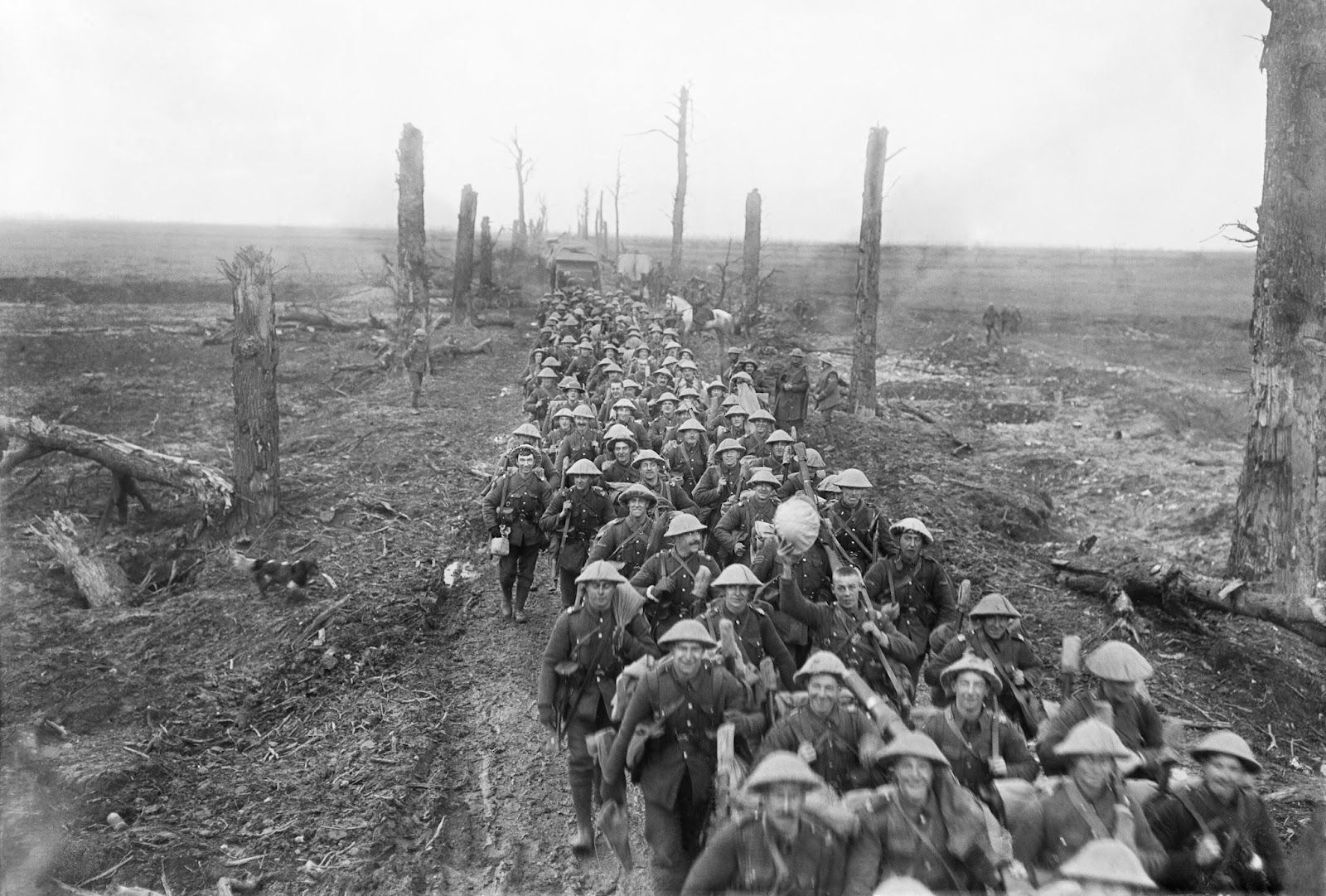
Image: Ernest Brooks, Public domain, via Wikimedia Commons

The year is 1917, and a young Vito Corleone takes his first steps in the criminal world in his native Sicily. Meanwhile, in northern France, a young British soldier is sent on a mission to save his brother.

1917 (2019) is inspired by the true story of World War I battles, and The Godfather: Part II (1974) is based on the fictional story written by Mario Puzo about a gangster family. Both films, however, portray the same period of European history, an era that had a huge impact on American society.

7
Jobs & 2001: A Space Odyssey
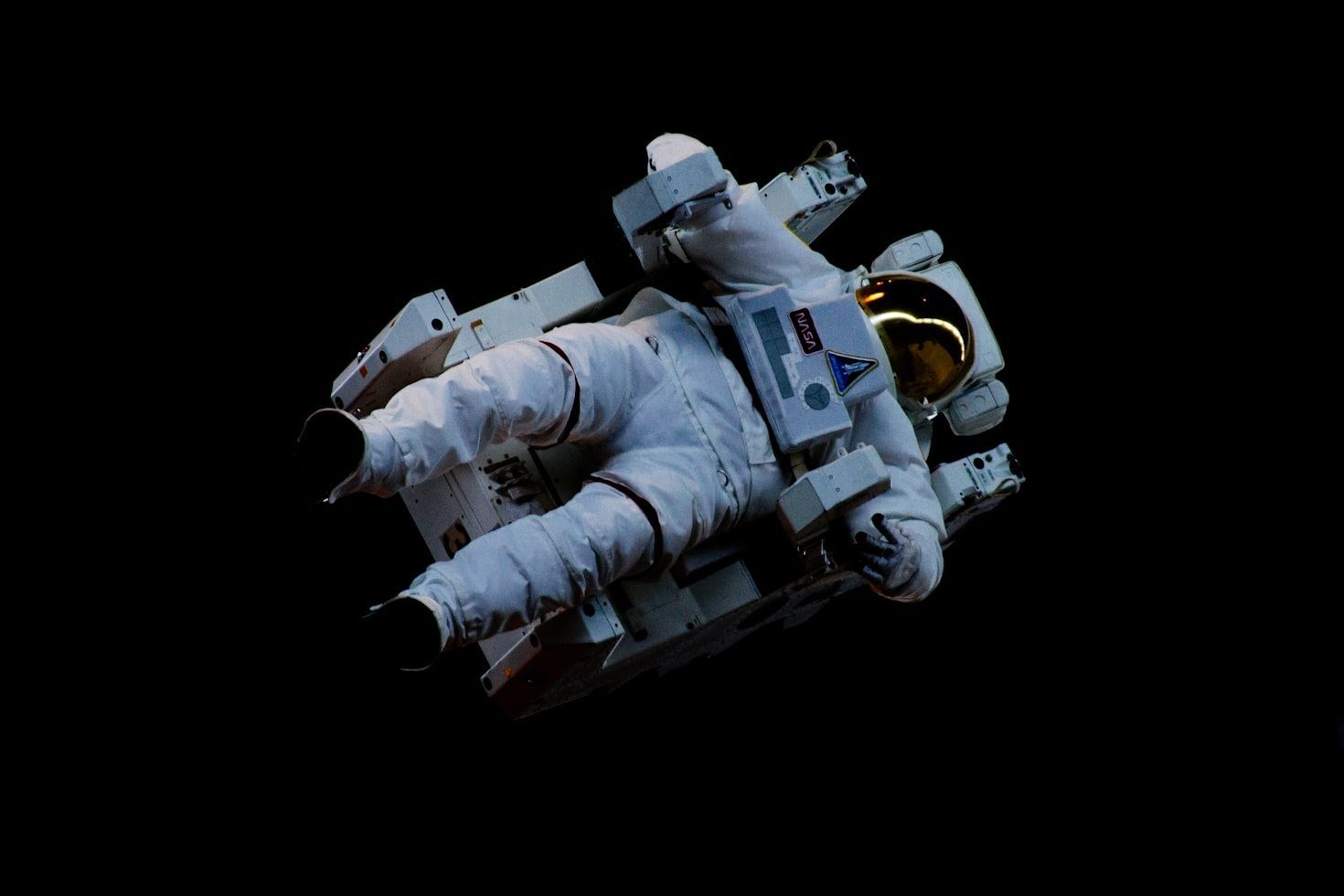
Image: Niketh Vellanki

Surely, when Stanley Kubrick directed 2001: A Space Odyssey, he was envisioning a more advanced future. But the truth is that the real 2001 was marked, among other things, by the launch of Apple's iPod.

The film Jobs (2013) begins precisely with Steve Jobs' presentation of the device that would forever change the way we listen to music. Intergalactic travel as a common currency will have to wait a few more years. Yet, to be fair, HAL 9000 is pretty much like the artificial intelligences we have today —let's just hope they don't betray us!

8
The sound of music & Harlem Nights
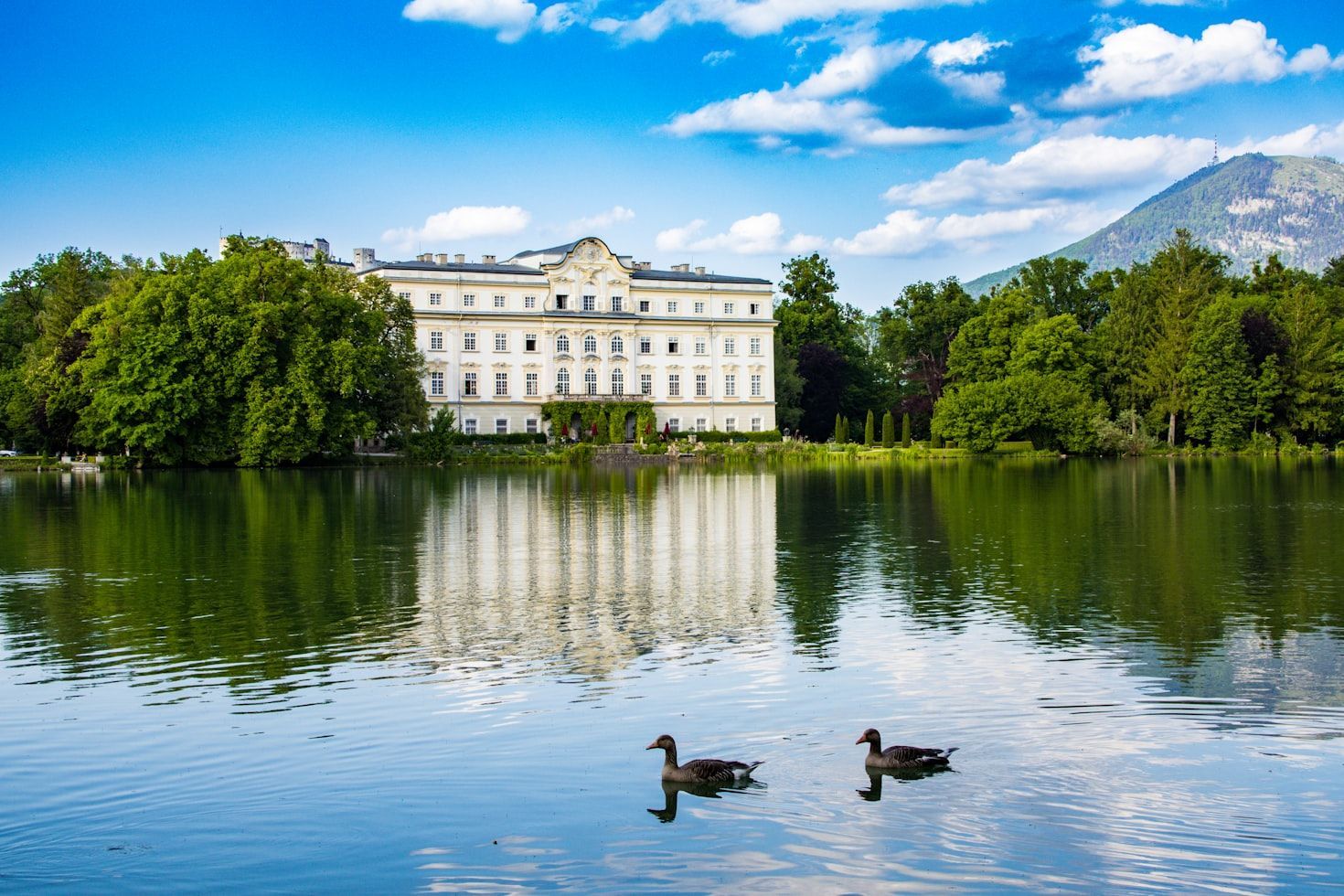
Image: Sanja Lazic

While a young governess falls in love with Captain von Trapp with the Austrian Alps as a backdrop, on the other side of the Atlantic, a nightclub owner in Harlem must face powerful gangsters to stay in business.

Although they may seem like two incompatible plots, The Sound of Music (1965) and Harlem Nights (1989) both take place in 1938, when the United States was recovering from the Great Depression and Europe was at the dawn of the Second World War. Two opposite views of the world.

9
13 Going on 30 & The Wolf of Wall Street
Image: engin akyurt

One is an innocent romantic comedy full of '80s pop culture references, and the other is a dark, full of foul language and racy scenes, portrait of the years when yuppies and stockbrokers dominated the New York scene. Yet, both 13 Going on 30 (2004) and The Wolf of Wall Street (2013) take place in 1987. Have you ever thought about it?

10
Hairspray & The Shape of Water

Image: Larissa Megale

The interesting thing about these two films is that they not only take place in the same year—1962—, but also in the same ‘place’: Baltimore, Maryland.

Hairspray (1988), a cult comedy directed by John Waters, tells the story of young Tracy Turnbland's quest to be taken seriously in an audition for a popular show for young dancers. The Shape of Water , on the other hand, is a fantasy film that portrays the love story between a mute woman and a humanoid amphibian. Two very different plots that offer a glimpse of what life was like in America during the Cold War.

General General 4 min read

Sworn enemies

All-American rivalries: 10 feuds that left their mark in history

Image: Nik A.

America is often described as the land of opportunity, and opportunity frequently comes hand in hand with conflict. American history has served as background for many rivalries—some of them real, others inflated by legend—that have greatly influenced American culture. Let’s take a stroll down (rival) memory lane!

1
Coca-Cola vs. Pepsi

Image: K8

The "Cola Wars" have been going on for decades, but it seems that there’s no resolution in sight. In the late 1970s, both companies started directing their marketing campaigns against each other, with mixed results , though Coca-Cola always seems to be half a step ahead of Pepsi. They have both gained a loyal following, but the war remains as strong as ever.

2
Hamilton vs. Burr

Image: Suleman Serwar

Political rivalries are not uncommon in America, but few include a deadly duel involving a sitting vice president. The animosity between Alexander Hamilton and Aaron Burr intensified after Burr won a Senate seat from Hamilton’s father-in-law, Philip Schuyler. During the presidential election of 1800 and the New York gubernatorial election of 1804, Hamilton actively supported candidates opposing Burr. Deeply angered by Hamilton’s continued opposition and public criticism, Burr challenged him to a duel, and the rest is history.

3
Yankees vs. Red Sox

Image: Tim Gouw

Sports fans are dedicated, but few rivalries match the intensity of those who support the New York Yankees and the Boston Red Sox. They have been rivals since their first meeting more than 120 years ago, with the Yankees often being perceived as a dominant team, while the Red Sox filled the role of the underdog . Their enmity deepened dramatically in 1920, when Babe Ruth was sold to the Yankees. What followed was an 86-year championship drought for Boston, popularly known as the "Curse of the Bambino," which the Red Sox finally broke in 2004.

4
Miami vs. Tampa

Image: Denys Kostyuchenko

Can a sandwich cause a rift between two cities? It sure can. Cuban sandwiches are a Floridian staple , and their construction is often considered set in stone: ham, roast pork, Swiss cheese, pickles, and mustard on Cuban bread, served pressed. Unless you live in Tampa. There, a strong Italian influence has translated into the addition of Genoa salami to the Cuban sandwich, much to the outrage of their Miami neighbors.

5
Mark Twain vs. USPS

Image: Joel Moysuh

Renowned writer Mark Twain had no qualms about criticizing the things he disliked, and he surely disliked the United States Postal Service . He thought it costly, inefficient, and overregulated, and he made sure to let everyone know in articles, complaint letters, and conversations with influential figures. In a poetic turn of events, the USPS released a Mark Twain commemorative stamp in 2011.

6
Hatfields vs. McCoys

Image: Tuan Nguyen

One of the most infamous feuds in American history, the rivalry between the Hatfield and McCoy families shook the West Virginia-Kentucky area for three decades . Starting with the murder of a McCoy who was returning home from war, the hostilities and deaths escalated to a point where the Supreme Court was forced to intervene.

7
Edison vs. Tesla

Image: israel palacio

Many inventors were involved in the so-called "War of the Currents," waged on electric power systems, but Thomas Edison and Nikola Tesla are the most remembered. Edison championed direct current (DC) electrical systems, which operated at relatively low voltages and were suited to short-distance distribution. Tesla, working with George Westinghouse, promoted alternating current (AC), which could be transmitted over long distances more efficiently. Despite Edison’s strong campaign to discredit AC and its proponents, it ultimately became the standard power system.

8
Joan Crawford vs. Bette Davis

Image: De'Andre Bush

Rivalries are everywhere in the film industry, but some become the stuff of legends. Allegedly, the feud between Joan Crawford and Bette Davis was never as intense as portrayed. While the two actresses did clash at times over personality differences, professional competition, and rumored romantic entanglements, much of the rivalry’s enduring reputation was fueled by gossip columns and sensational press coverage. And their respective film studios took advantage of it.

9
Burger King vs. McDonald’s

Image: mafe estudio

The fast-food industry has always had McDonald’s as one of its key players, but other companies have given their all to take that position. Burger King is one of McDonald’s oldest challengers , and has repeatedly tried to influence their customer base through a series of aggressive and often tongue-in-cheek marketing campaigns. While other brands, such as Wendy’s or Five Guys, have dipped their toes in the "Burger Wars," McDonald’s and Burger King remain two of the biggest names in the industry.

10
Edgar Allan Poe vs. Rufus Wilmot Griswold

Image: John Cobb

While Poe looms far larger than Griswold in the modern American mind, much of what the public believes about the "Nevermore" poet was influenced by his rival . Their feud began with the publication of a poetry anthology by Griswold, which displeased Poe due to its contents and criticism of his own poetry. The animosity intensified when they both vied for the same editorial position and, reportedly, the affections of the same woman. After Poe’s death, Griswold wrote an obituary and a biography filled with attacks and slander, which contributed to the idea of Poe as a drunkard and a madman.

General General 3 min read

Monikers of all sorts

Your favorite city has a nickname, but do you know its origin?

Image: Henning Witzel

New York is the Big Apple, Chicago is the Windy City, and New Orleans is the Big Easy. They feel so natural that most of us never stop to ask, "Why that name?" Every one of these labels has a story, some funny, some serious, and some a bit mysterious. Let’s take a fun tour through ten well-known city nicknames.

1
The Big Apple, New York City

Image: Jermaine Ee

New York may be famous for bagels, pizza, and hot dogs , but its nickname has nothing to do with fruit. The term "Big Apple" started popping up in horse racing circles in the 1920s, when jockeys and trainers used it as shorthand for the city’s top racetracks. A sportswriter named John Fitz Gerald picked it up and popularized it in his columns. Decades later, the city even used it in tourism ads, and the rest is history!

2
The Windy City, Chicago

Image: Dulcey Lima

Chicago’s nickname might sound like a weather forecast, but the truth is more colorful. Newspapers in the late 1800s used "Windy City" to poke fun at local politicians , suggesting they were full of hot air. Sure, Lake Michigan’s winds played a part, but it was really the dig at the city’s bragging that made the phrase hit home!

3
The City of Brotherly Love, Philadelphia

Image: Catherine Kerr

This one is actually quite simple, actually. Philadelphia’s name comes from the Greek words for love, phileo, and brother, adelphos . The city’s founder, William Penn, wanted it to be a place of religious freedom and fair treatment, even making agreements with Native Americans over land. In short, the nickname reflects the city’s values. Beautiful, isn't it?

4
Sin City, Las Vegas

Image: David Vives

We don’t really need to explain why Las Vegas is called Sin City: casinos, nightlife, and more than a little temptation . You know how the saying goes, what happens in Vegas… But the roots go deeper. In the early 1900s, Block 16 downtown had a reputation linked to illegal businesses, and the label stuck. Nevada later legalized gambling in 1931, and that sealed Las Vegas’ image as the country’s playground of vice.

5
The Big Easy, New Orleans

Image: Harold Wainwright

New Orleans picked up the nickname "The Big Easy" in the 1970s as a playful contrast to New York’s "Big Apple." The first to use it was a columnist, and later a novel and film with the same title helped spread it. The name suits the city well because its music, food, and culture have an effortless, laid-back feel that still defines New Orleans today.

6
Beantown, Boston

Image: Lance Anderson

Boston baked beans are behind this nickname , but you probably already figured that out. Now, let’s look at the deeper layer here: during the colonial era, molasses poured into the city as part of the triangular trade, and it flavored both rum and beans. Traders nicknamed Boston "Beantown" back then, though today it is mostly tourists who still use the term.

7
The Emerald City, Seattle

Image: Luca Micheli

Seattle’s leafy scenery gave it the name Emerald City. Surrounded by water, rain, and forests, the city is filled with parks like Discovery Park and the Arboretum, which keep it vibrant throughout the year. The nickname highlights Seattle’s natural beauty, providing a refreshing contrast to its reputation for gray skies.

8
The Mile High City, Denver

Image: Owen Lystrup

Denver sits at an exact elevation of 5,280 feet above sea level, which is why it’s called the Mile High City. Fun fact about this: at Coors Field, the local baseball stadium, a row of purple seats marks the one-mile line . Visitors often notice the altitude the first time they climb a hill or sip a beer, so the nickname is more than just clever branding. Do you like this city?

9
The Magic City, Miami

Image: Pontus Wellgraf

Miami earned the nickname Magic City not for magicians (that would’ve been a fun story, right?), but for how quickly it grew . In the late 1800s, Julia Tuttle, a local landowner, helped bring the railroad and development to the area. In no time, Miami transformed from farmland into a bustling hub. We could say it was magic, don’t you think?

10
The City of Angels, Los Angeles

Image: Henning Witzel

Some nicknames have more intriguing stories, but that’s not the case for LA. Los Angeles’ nickname is about as straightforward as they come. "Los Angeles" translates directly from Spanish as "The Angels." In short, this elegant nickname mirrors the city’s name itself, one that’s full of angels, apparently!

Explore more American facts

Choose your favorite category!

General
General

As American as apple pie—the very best America has to offer!

Culture
Culture

Delve into the astounding richness of American lore.

Geography
Geography

Hop in and explore vast and diverse American landscapes.

History
History

Discover the key moments that shaped the United States.