General General 5 min read

Hollywood hometown magic

10 famous movie locations hiding in small towns
Image: Adam Constanza Media

From The Truman Show to Forrest Gump, there are so many classic films that have left a lasting mark on America and the world at large. Have you visited the real-life places that brought these stories to the screen? Here are 10 evocative spots around the country that became part of movie history.

1
Seaside, Florida: The Truman Show
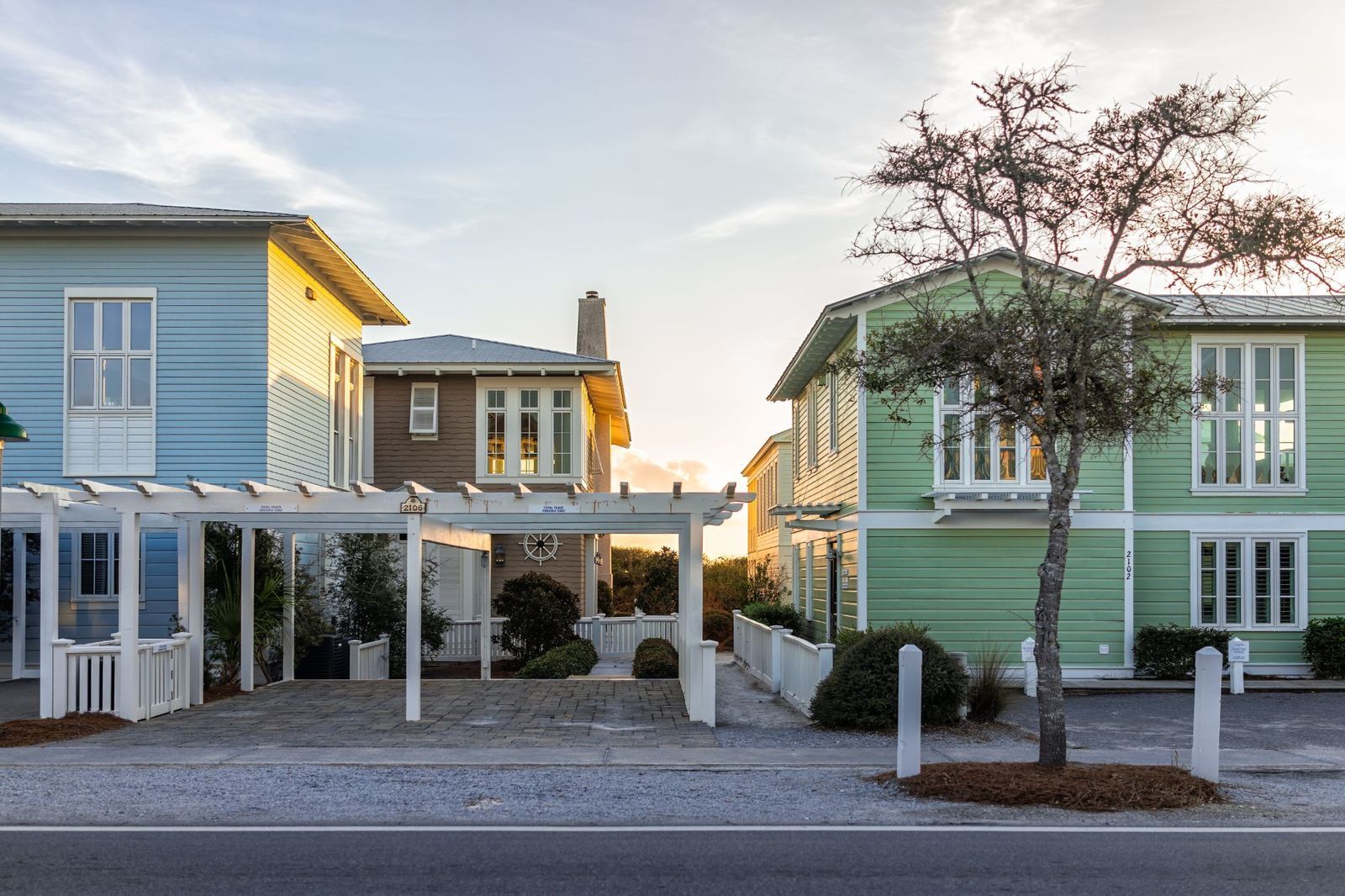
Image: Kristi Blokhin

Seaside, Florida captured the hyper-idyllic essence of the fictional "Seahaven Island" in 1998’s satirical classic, The Truman Show .

Director Peter Weir and his location scouts found the exact picture-perfect community they needed in this town , with its pristine streets, pastel homes, and carefully planned design. That’s why, instead of building a massive Hollywood soundstage, the production team filmed in this 80-acre master-planned coastal community along Northwest Florida's Scenic Highway 30A. The real town became the fictional place where Truman Burbank (Jim Carrey) unknowingly lives inside a television show. The movie helped turn this quiet Florida Panhandle community into a destination for movie fans.

2
Estes Park, Colorado: The Shining
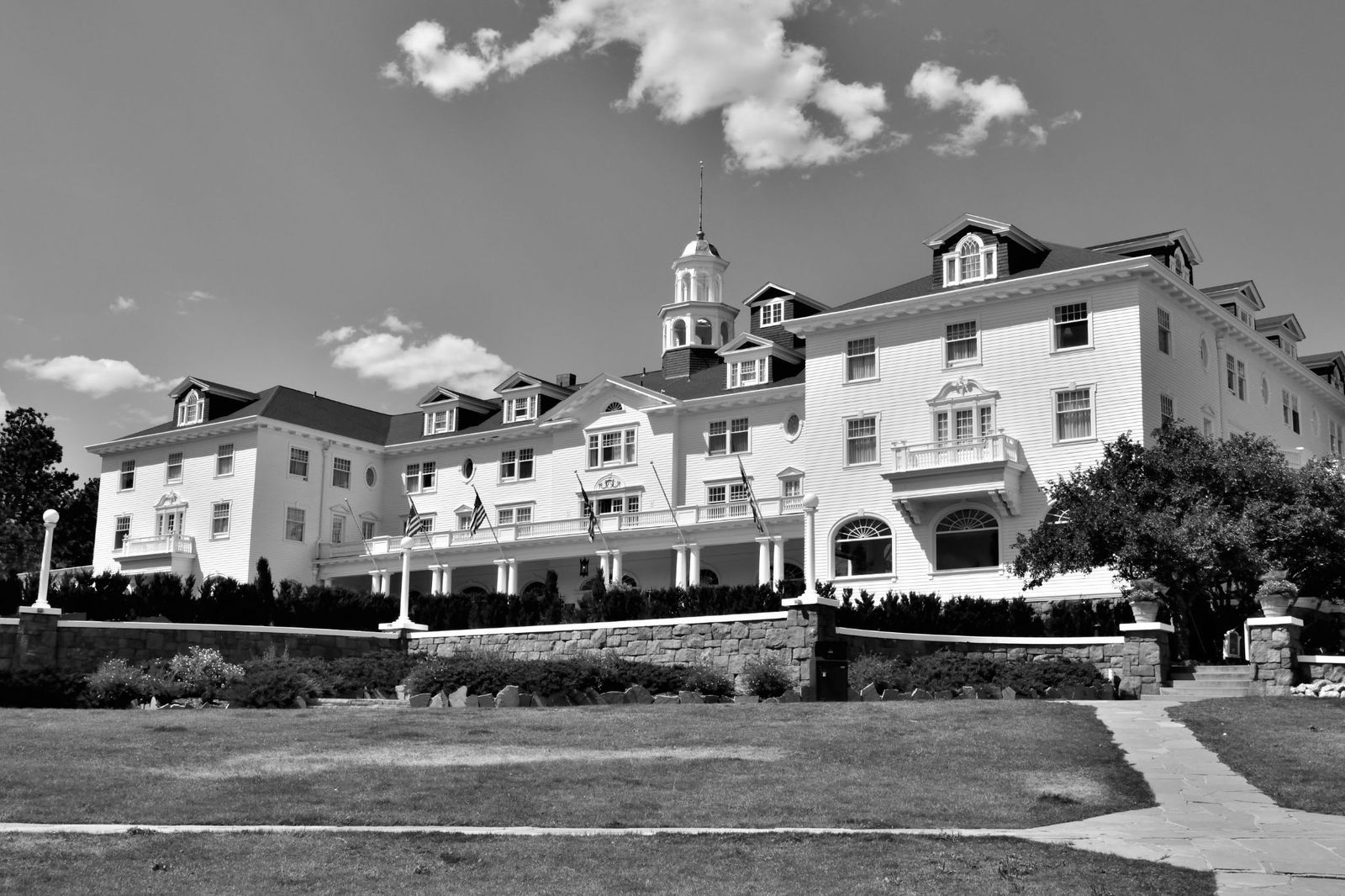
Image: Christophe KLEBERT

Estes Park, Colorado, became famous on the literary and cinematic map because its historic Stanley Hotel inspired Stephen King to write his legendary 1977 horror novel The Shinin g.

King and his wife stayed at the hotel in 1974 when it was nearly empty as the season was ending, which inevitably fueled the author's imagination. Their stay, including a night in Room 217, helped inspire the fictional Overlook Hotel. While Stanley Kubrick filmed the exterior of his 1980 movie elsewhere, the Stanley Hotel became a filming location for the 1997 television miniseries adaptation.

3
Marfa, Texas: Giant
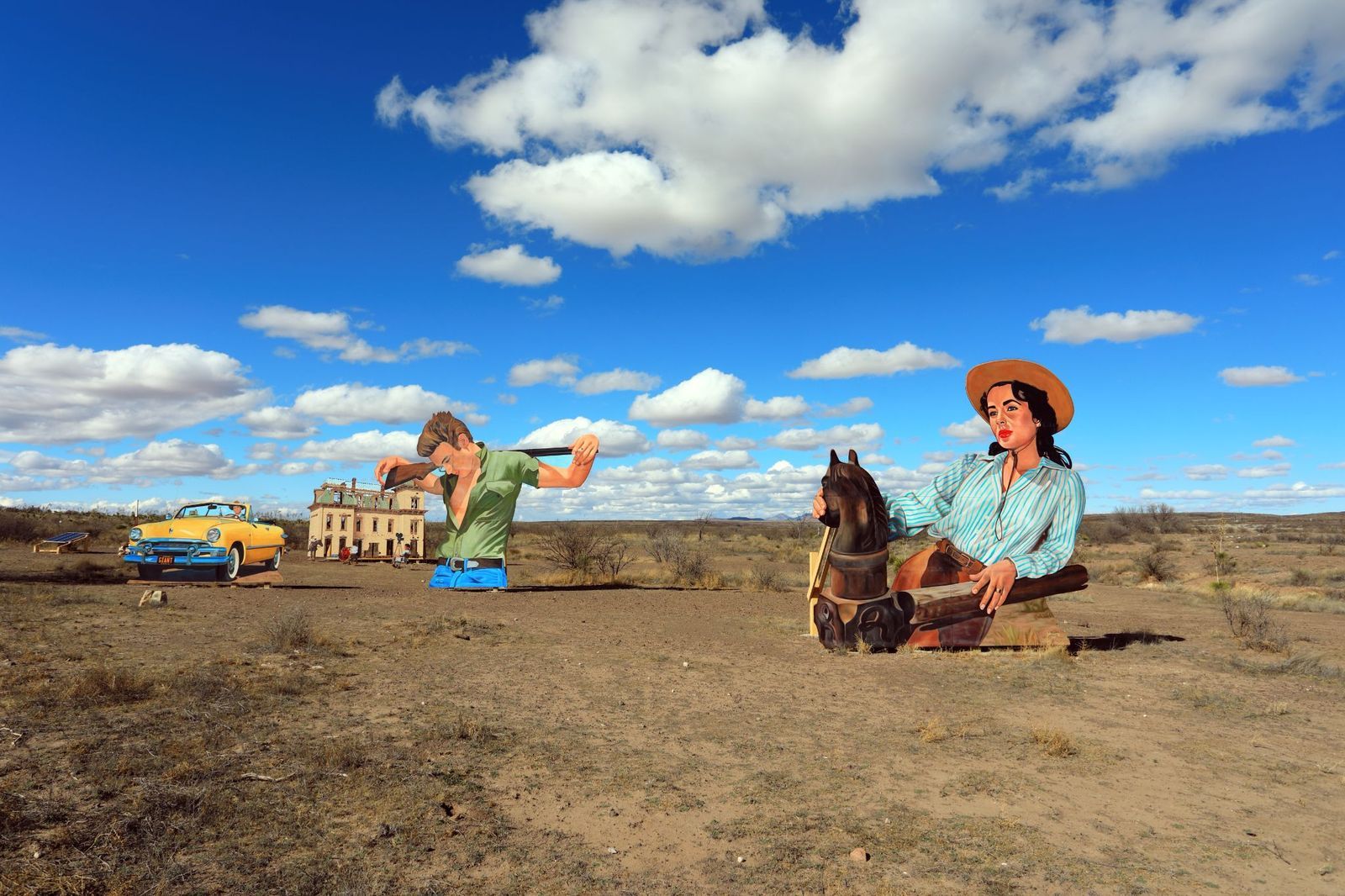
Image: Fotogro

Marfa, Texas became a legendary screen destination when it hosted the 1955 production of the classic Hollywood epic Giant, starring Elizabeth Taylor (Leslie Benedict), Rock Hudson (Bick Benedict), and James Dean (Jett Rink) in his final completed film role.

Director George Stevens used the stark West Texas desert outside Marfa to portray the sprawling "Reata" ranch. The cast and crew stayed at the historic Hotel Paisano during production, which became the center of the shoot’s off-screen life and still displays Giant memorabilia today, including giant roadside cutouts of Taylor, Dean, and Rock Hudson .

4
Monroeville, Alabama: To Kill a Mockingbird
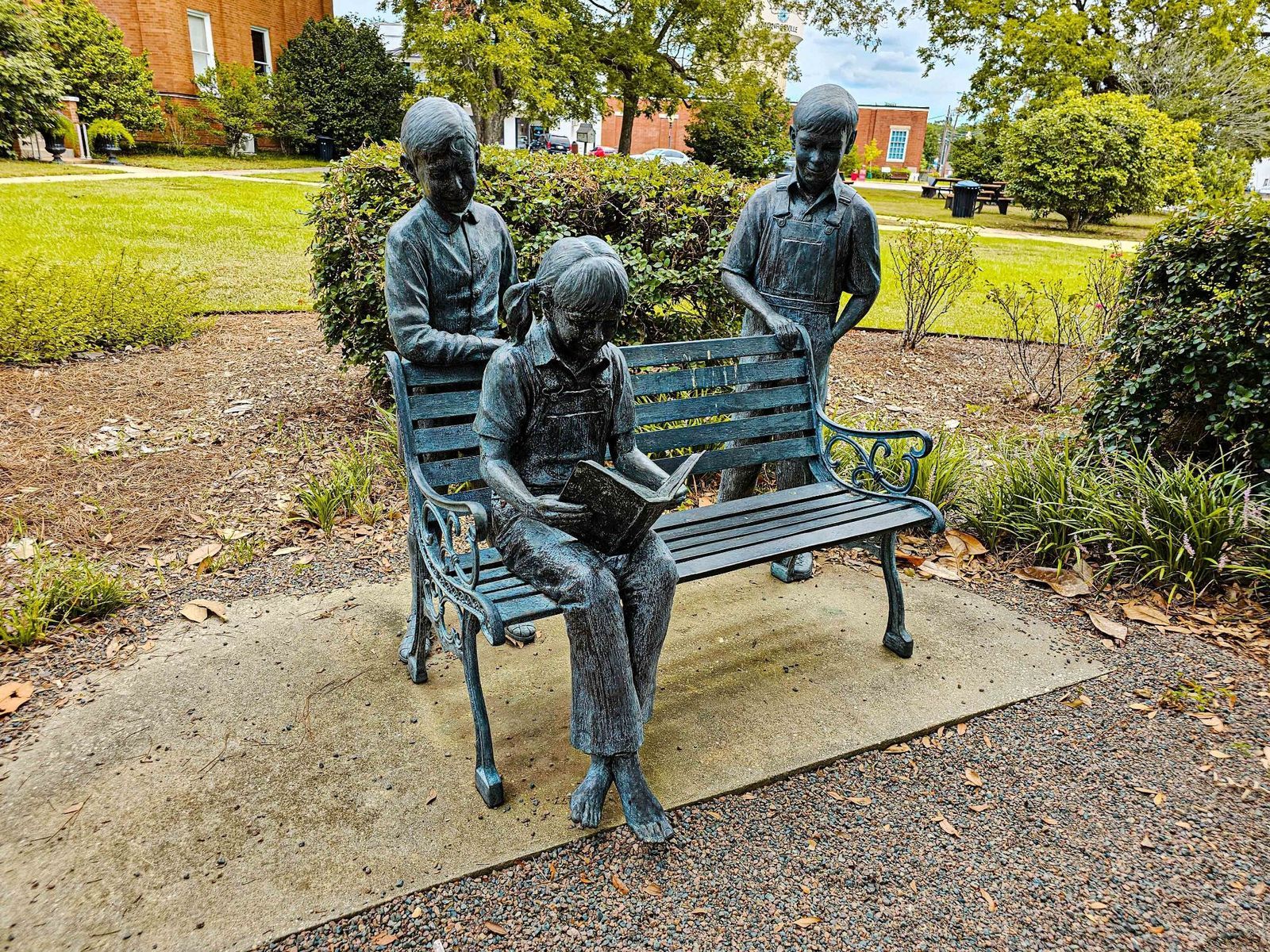
Image: AshleyGary

Monroeville, Alabama, inspired the fictional town of Maycomb in Harper Lee’s novel and the 1962 film adaptation To Kill a Mockingbird . However, the movie was largely filmed on Universal Studios’ backlot in California, rather than in Alabama itself.

Universal’s designers recreated the Southern setting on the studio lot after visiting the location and taking photographs and measurements of the town and courthouse. The courtroom was carefully modeled on the interior of Monroeville’s courthouse, helping make the fictional Maycomb feel remarkably authentic. Today, you can visit the "A Celebration of Reading" sculpture in the same square . Created by Branko Medencica, the bronze sculpture features unidentified characters from the novel, although many reasonably assume they represent Scout, Jem, and Dill.

5
Savannah, Georgia: Forrest Gump
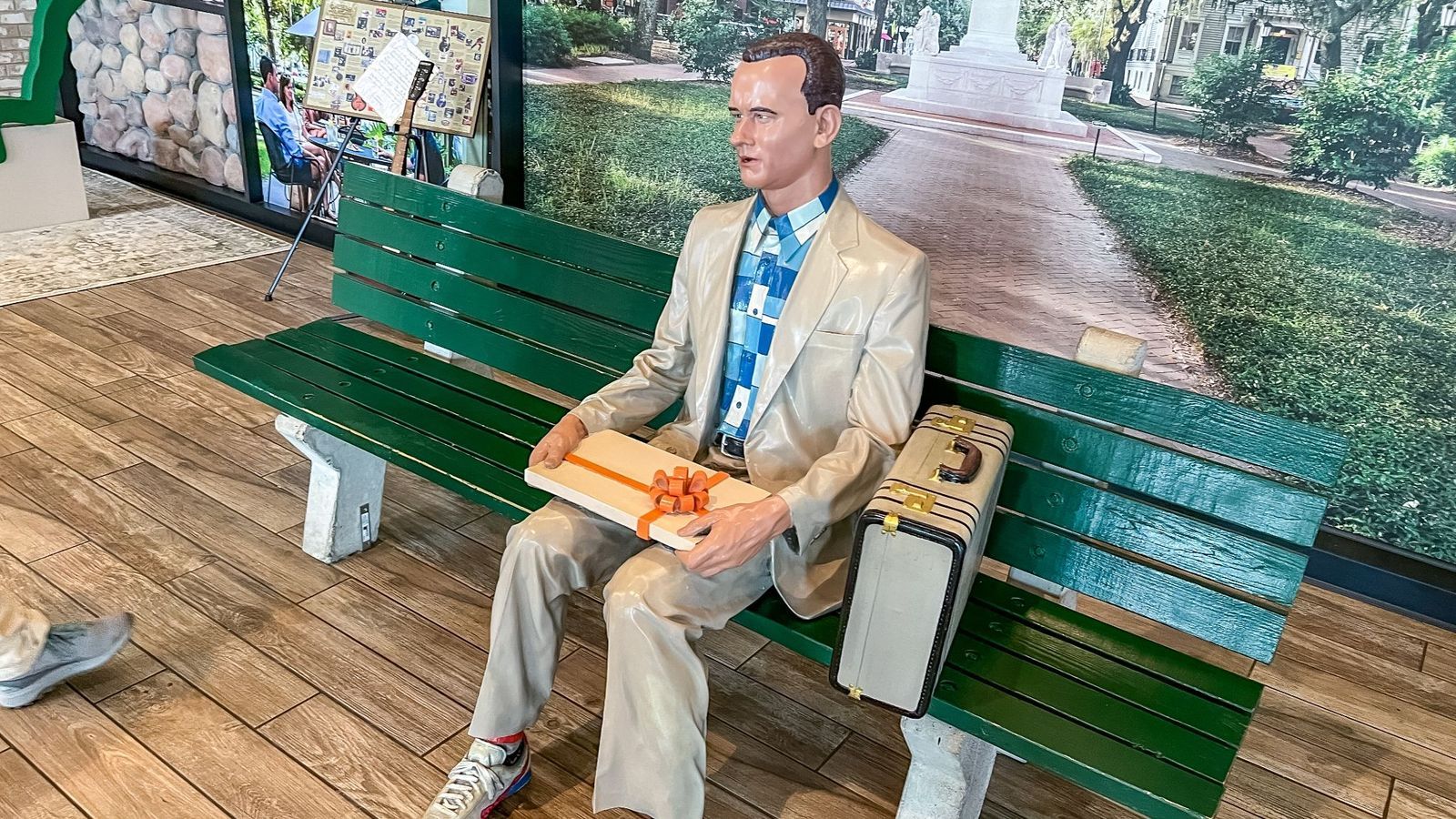
Image: JuliaDorian

Savannah, Georgia provided the setting for some of the most recognizable scenes in 1994’s Forrest Gump .

While the fictional town of Greenbow, Alabama, and many rural landscapes were actually brought to life in other parts of Georgia and South Carolina, this town was the backdrop for the movie’s famous bus-stop scenes, where Forrest (Tom Hanks) sits with his box of chocolates and recounts his life story to strangers. The movie’s opening feather sequence also passes through the city’s historic squares. The bench itself was a movie prop and was removed after filming, although a prop bench is now displayed at the Savannah History Museum.

6
Madison, Indiana: Some Came Running
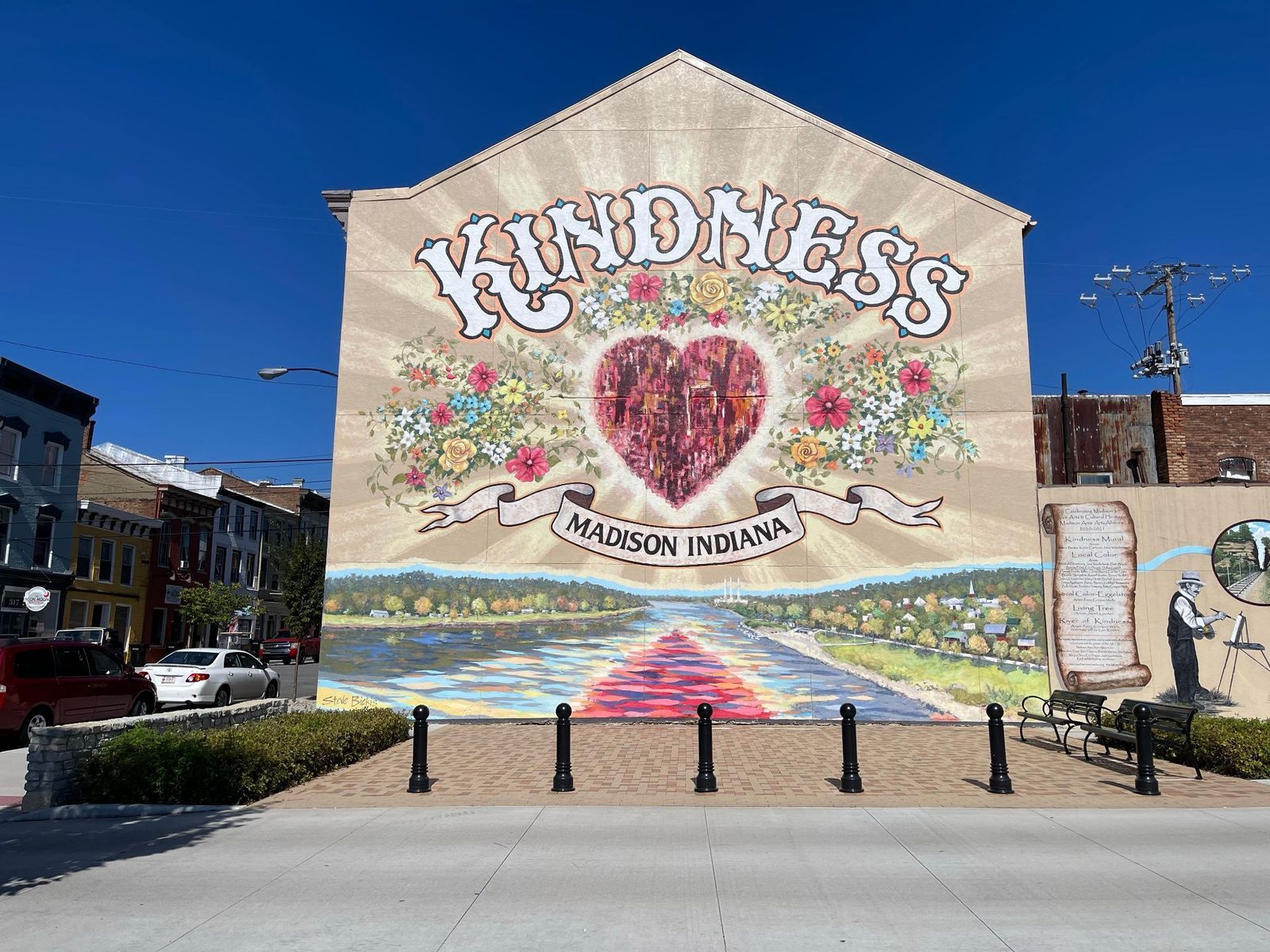
Image: Dad1966

Madison, Indiana became a temporary Hollywood set in 1958 when it served as the primary filming location for the star-studded drama Some Came Running. The movie starred Frank Sinatra as Dave Hirsh , Shirley MacLaine as Ginny Moorehead, and Dean Martin as Bama Dillert.

Directed by Vincente Minnelli, the MGM film was based on James Jones’s novel and used Madison to portray the fictional town of Parkman, Indiana. Much of the movie was filmed in and around Madison, including its streets, homes, and businesses.

7
Rome, Georgia: Remember the Titans
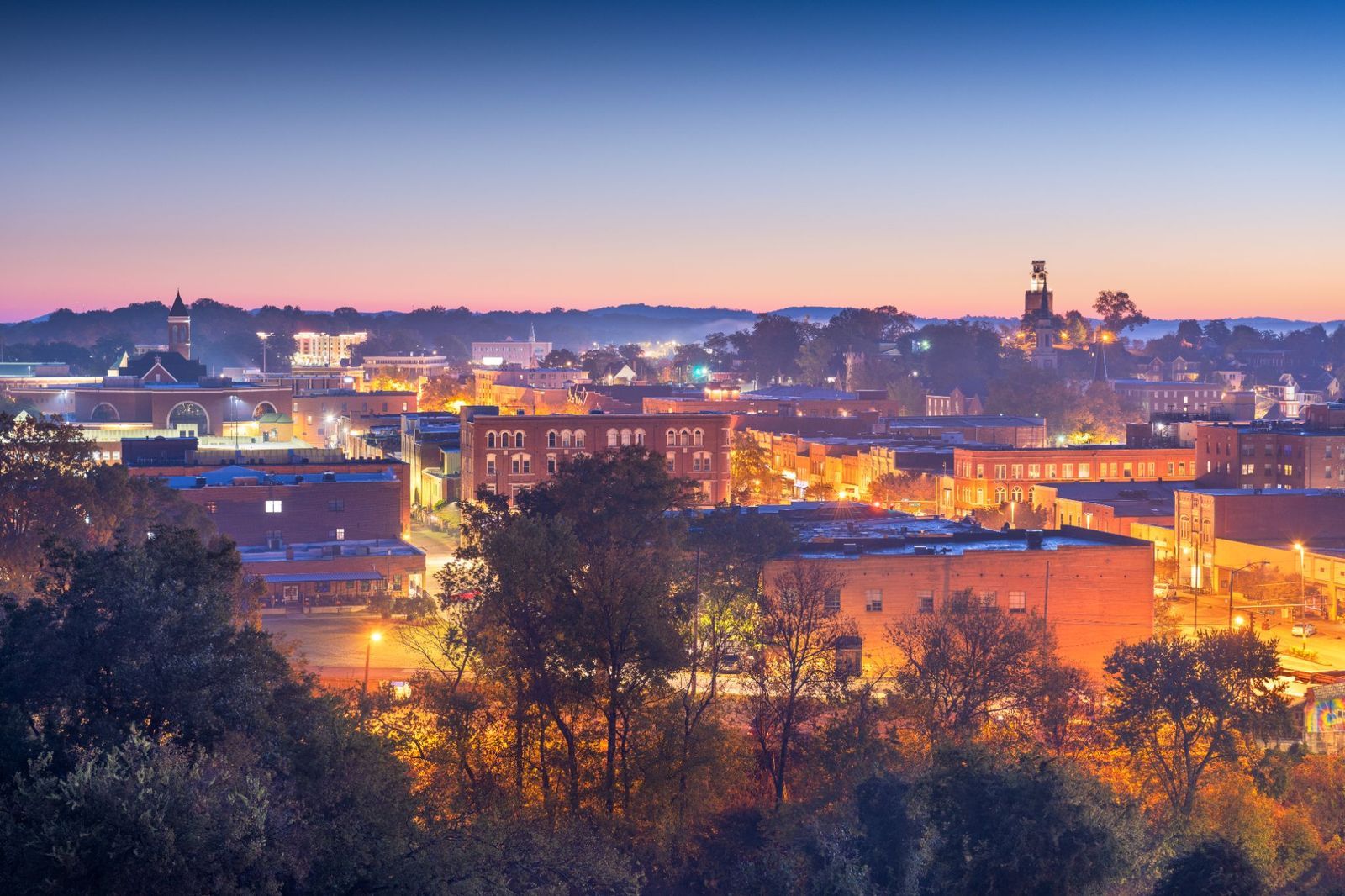
Image: Sean Pavone

Rome, Georgia, stepped into the cinematic spotlight by serving as a backdrop for the 2000 inspirational sports film Remember the Titans .

Specifically, Berry College in Rome provided the setting for the football team’s training camp. The college’s Ford Buildings, Old Mill, Oak Hill, and surrounding forest all appeared in the film. Fans can still recognize parts of the picturesque campus on screen, which was also used for other productions, including Sweet Home Alabama and Stranger Things .

8
Berlin, Maryland: Runaway Bride
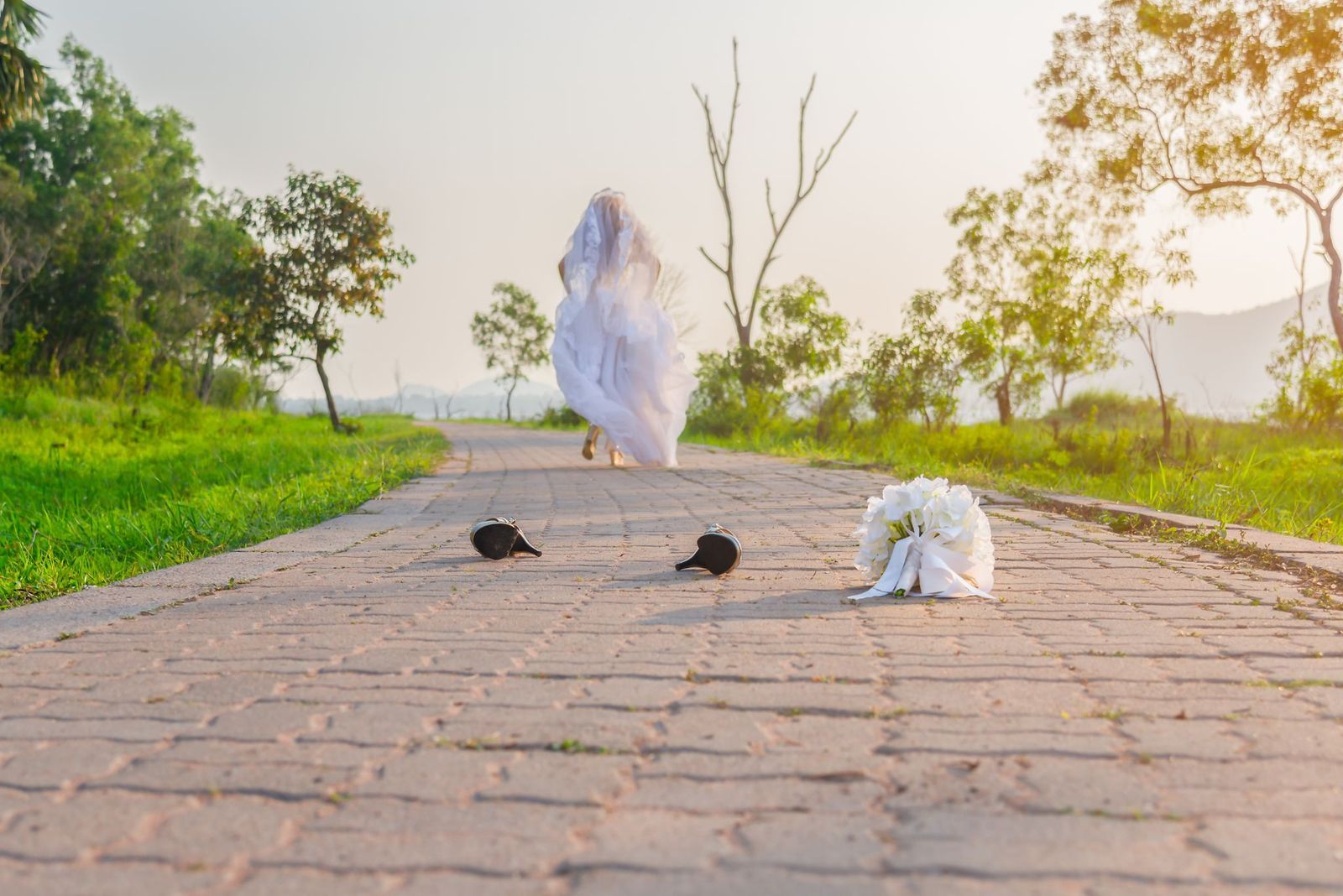
Image: APIWAN BORRIKONRATCHATA

Berlin, Maryland, stood in for the fictional town of Hale in the 1999 romantic comedy Runaway Bride , starring Julia Roberts and Richard Gere. Three weeks of filming in 1998 were estimated to have brought as much as $1 million into the local economy, while the movie’s publicity helped drive a major increase in tourism.

Downtown shops along Main Street—including a local store turned into a bridal boutique and the historic Atlantic Hotel—served as key backdrops. The hotel also became especially associated with Richard Gere, with Room 20 now known as the "Richard Gere Room."

9
Franklin, Tennessee: Hannah Montana: The Movie
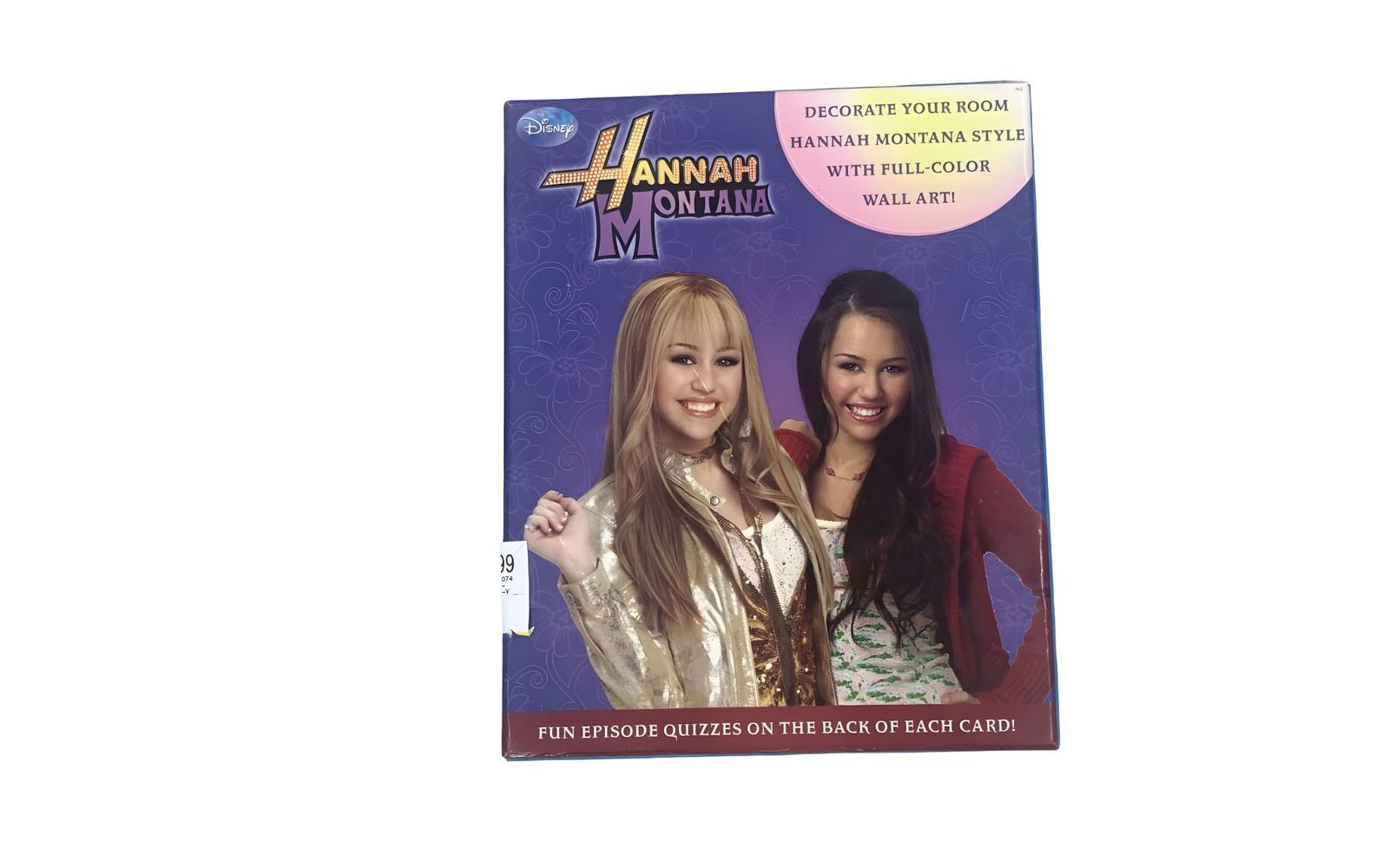
Image: teshail

Franklin, Tennessee, became famous on screen as a key filming location for the 2009 Disney hit Hannah Montana: The Movi e, starring Miley Cyrus as Miley Stewart/Hannah Montana in the role she originated on Disney’s wildly popular TV show.

Among the on-screen highlights in this town, Franklin High School stood in for the fictional Seaview High School, where Miley and Lily (Emily Osment) attend classes. CoolSprings Galleria’s Belk Department Store was also used for a memorable shoe-store scene featuring Hannah and Tyra Banks. The historic downtown area also appears in several scenes, giving the movie a distinctly Tennesseean backdrop.

10
Libby, Montana: The Revenant
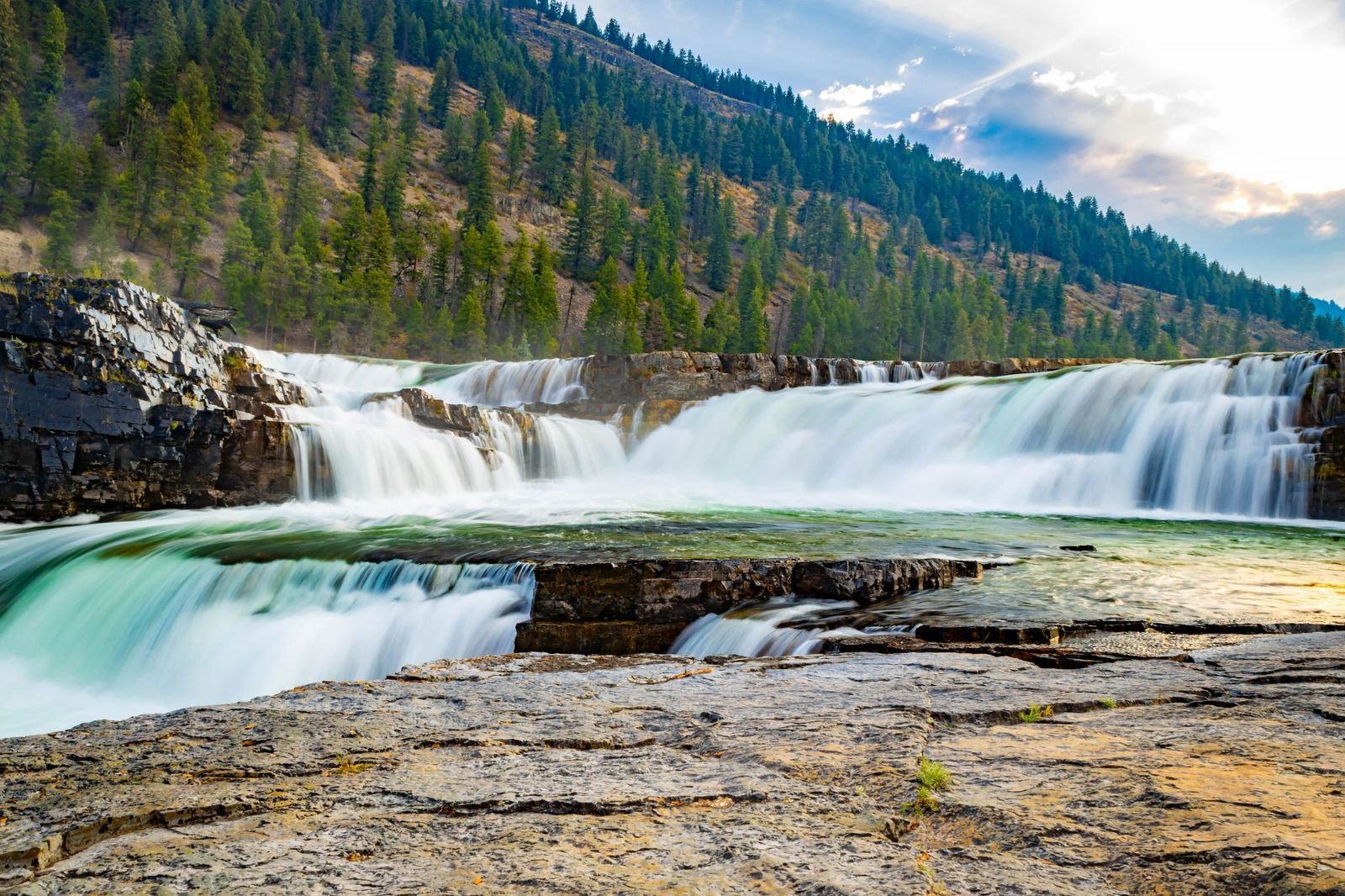
Image: Photo Spirit

Although the movie was filmed in several locations (including the remote wilderness of Canada and south of Argentina), Libby, Montana became a crucial backdrop for the 2015 Oscar-winning epic The Revenant , capturing one of the film’s most gripping and intense sequences.

The specific location used near Libby is Kootenai Falls, one of the largest free-flowing, undammed waterfalls in the Pacific Northwest. In the film, Hugh Glass (Leonardo DiCaprio) desperately escapes an ambush by a party of pursuing Arikara warriors. He throws himself into the churning rapids and is violently swept downstream before plunging straight over the edge of a massive waterfall. The sequence took 10 full days to film on location.
General General 5 min read

The Big Apple

Why is New York City a "Big Apple"?

Image: eFlexion

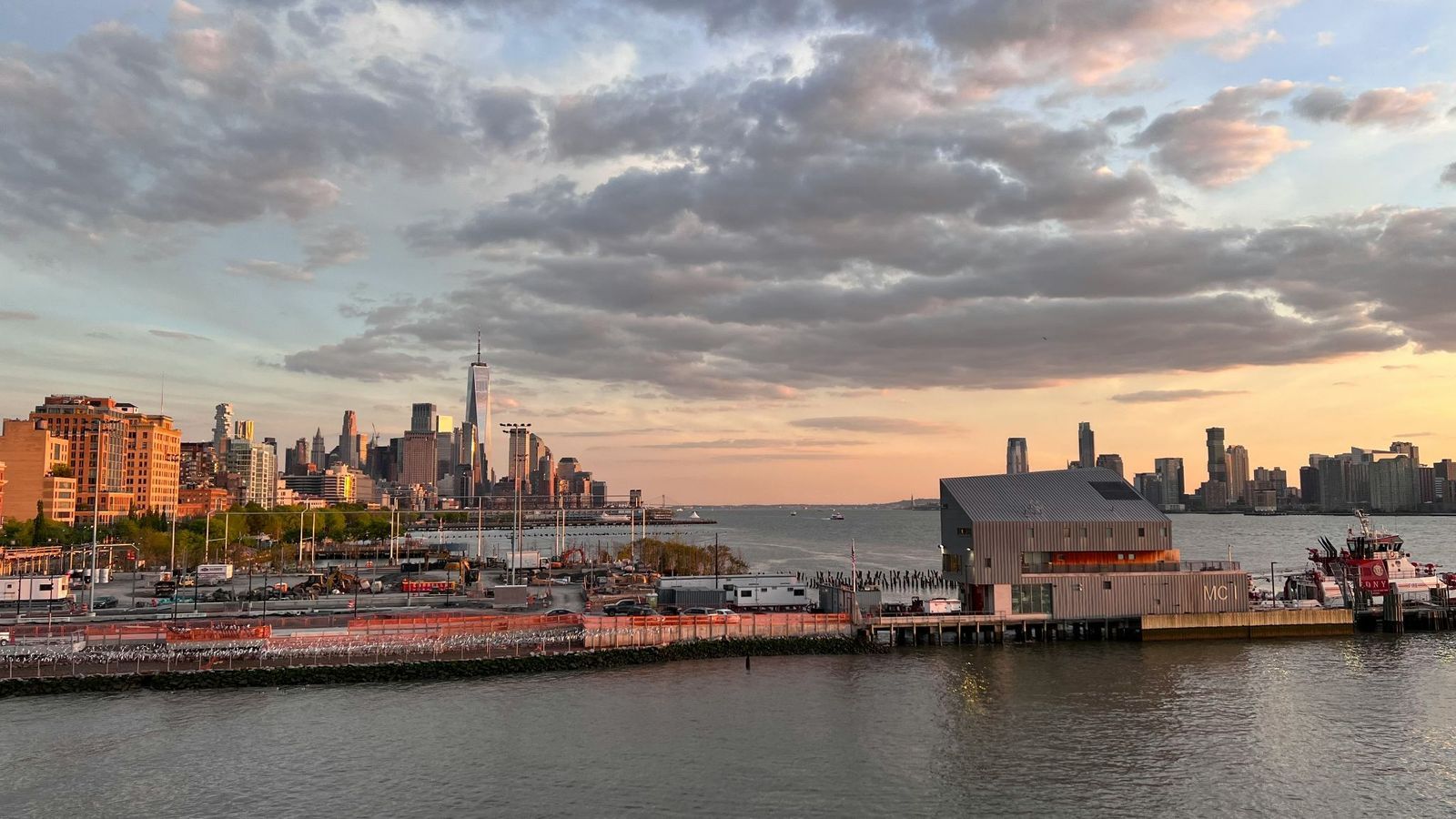
You might think there’s nothing new to say or discover about New York City. A center of finance, arts, culture, international diplomacy, and the most populous city in America, New York is a world of its own, chaotic and ever-changing, but rooted in tradition and history . Here are 10 facts you might not know about the city that never sleeps.

1
A diverse city

Image: Heidi Besen

Anyone who has ever set foot in New York City knows that it’s a highly diverse city, with ties to communities from all over the world. Around 35% of New Yorkers are foreign-born, and around 800 different languages are spoken every day in the city. This is not only the result of the millions of immigrants who have arrived there since the 19th century, but also the city’s status as a financial and cultural hub that attracts residents from around the globe.

2
The Big Apple’s name origins

Image: an_vision

Ever wondered why New York City is nicknamed the Big Apple? It has nothing to do with the fruit, but rather with horse racing. In the 1920s, John J. Fitz Gerald, a sports journalist, overheard a group of New Orleans stable hands call New York’s race tracks the "big apple", because they offered the biggest prizes . Fitz Gerald started a column in the New York Morning Telegraph titled "Around the Big Apple", and the nickname stuck.

3
An island city

Image: SooWan Jang

Is New York City on an island or on the mainland? There is no straight answer to this question. New York comprises five boroughs —The Bronx, Brooklyn, Manhattan, Queens, and Staten Island— of which only one (The Bronx) is strictly part of the mainland. As for the rest, they are located across three different islands : Manhattan and Staten Island are islands of their own, while Brooklyn and Queens are located on Long Island, a much, much larger landmass which belongs only partially to New York City.

4
The building with its own zip code

Image: Michael Discenza

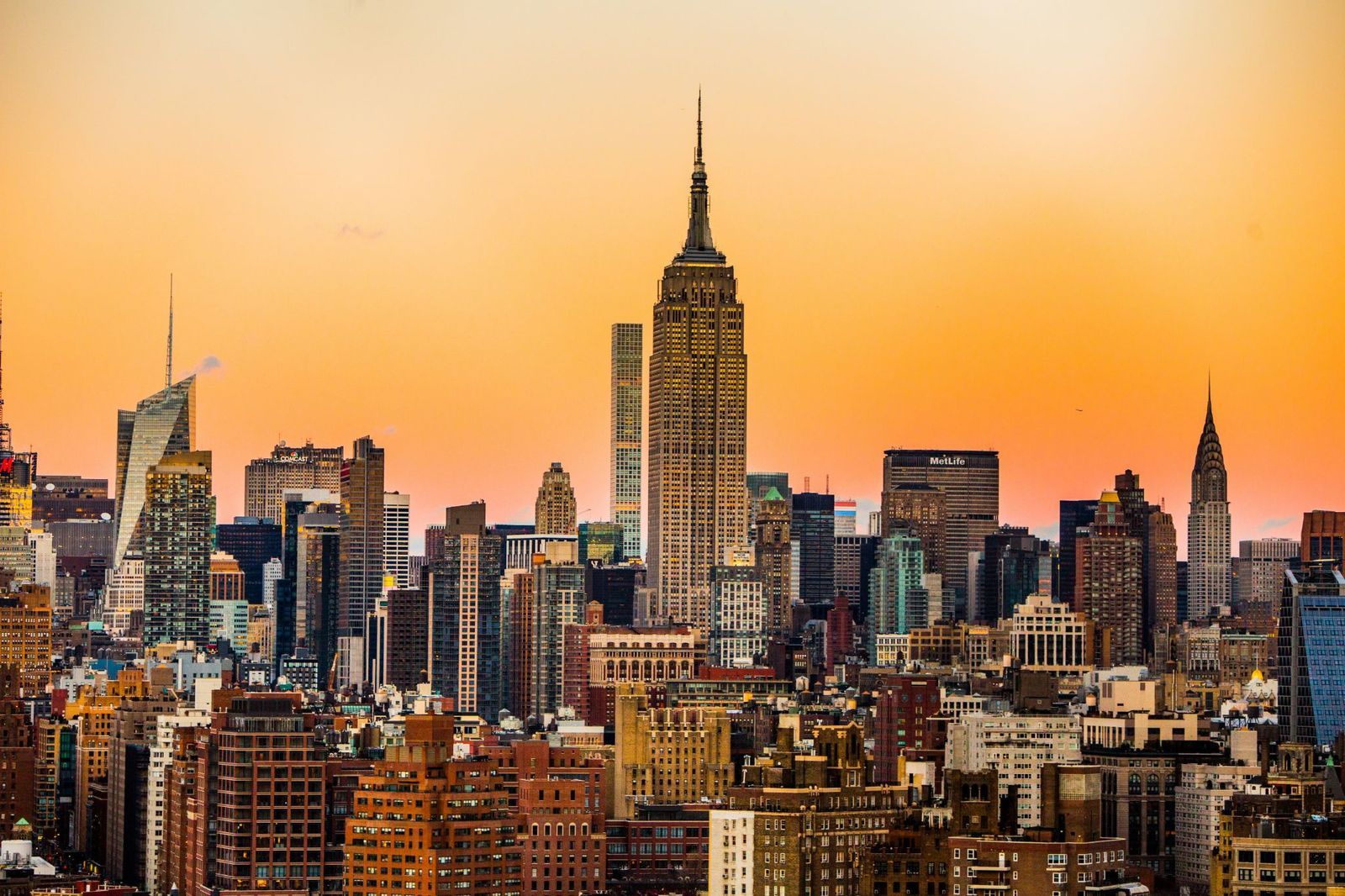
Can a building have its own zip code? It sure can, if this building is a skyscraper in one of the most populous cities in the world. The Empire State Building, located at 350 Fifth Avenue (at 33rd and 34th Streets), is not only one of New York’s most famous landmarks, but it also houses dozens of businesses and offices. For this reason, the U.S. Postal Service has given the building a ZIP code of its own, NY 10118. While the Empire State Building is not the only New York building with its own code (there are 42 others), it is certainly the most famous.

5
The first pizzeria in America

Image: Bob Rossicone

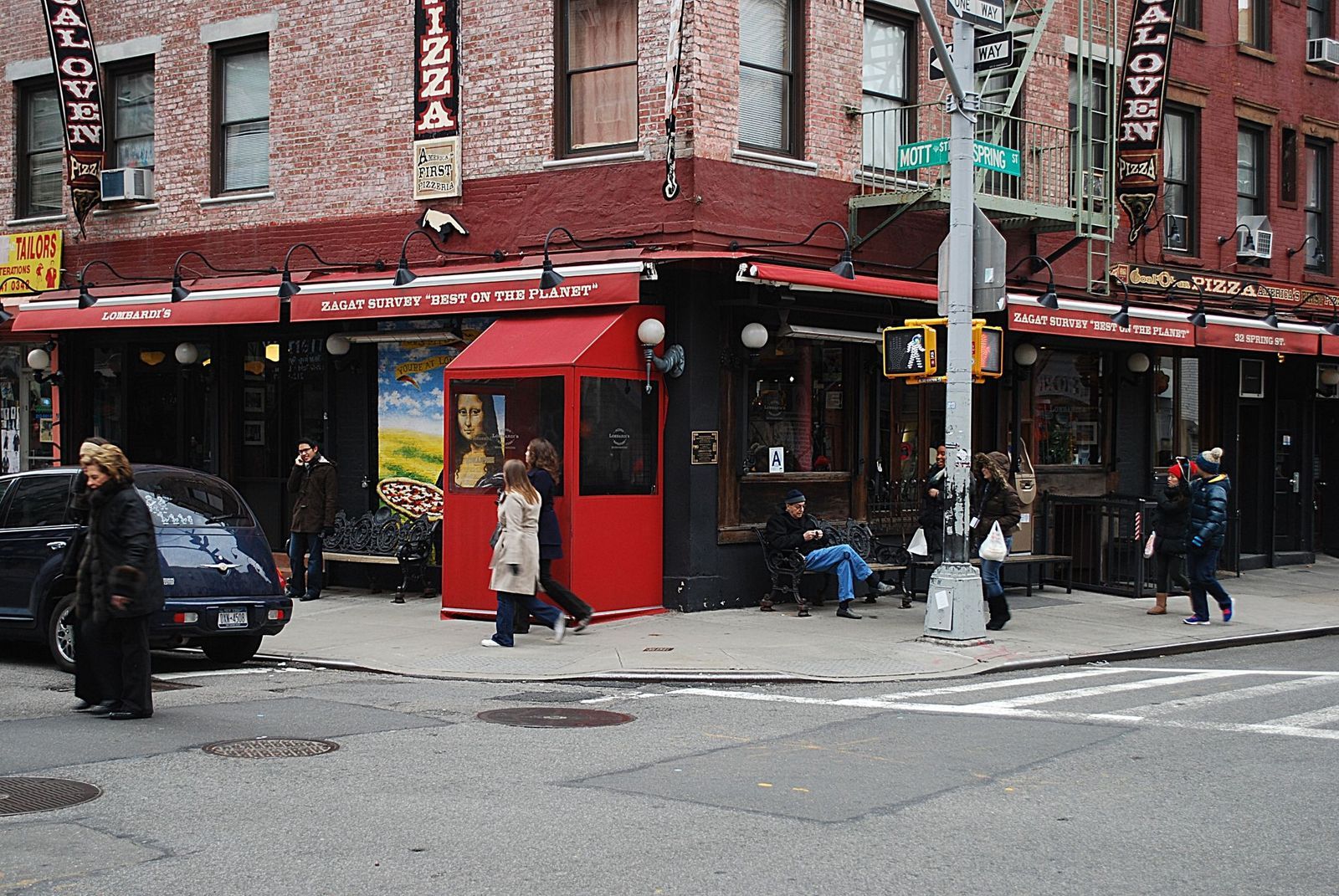
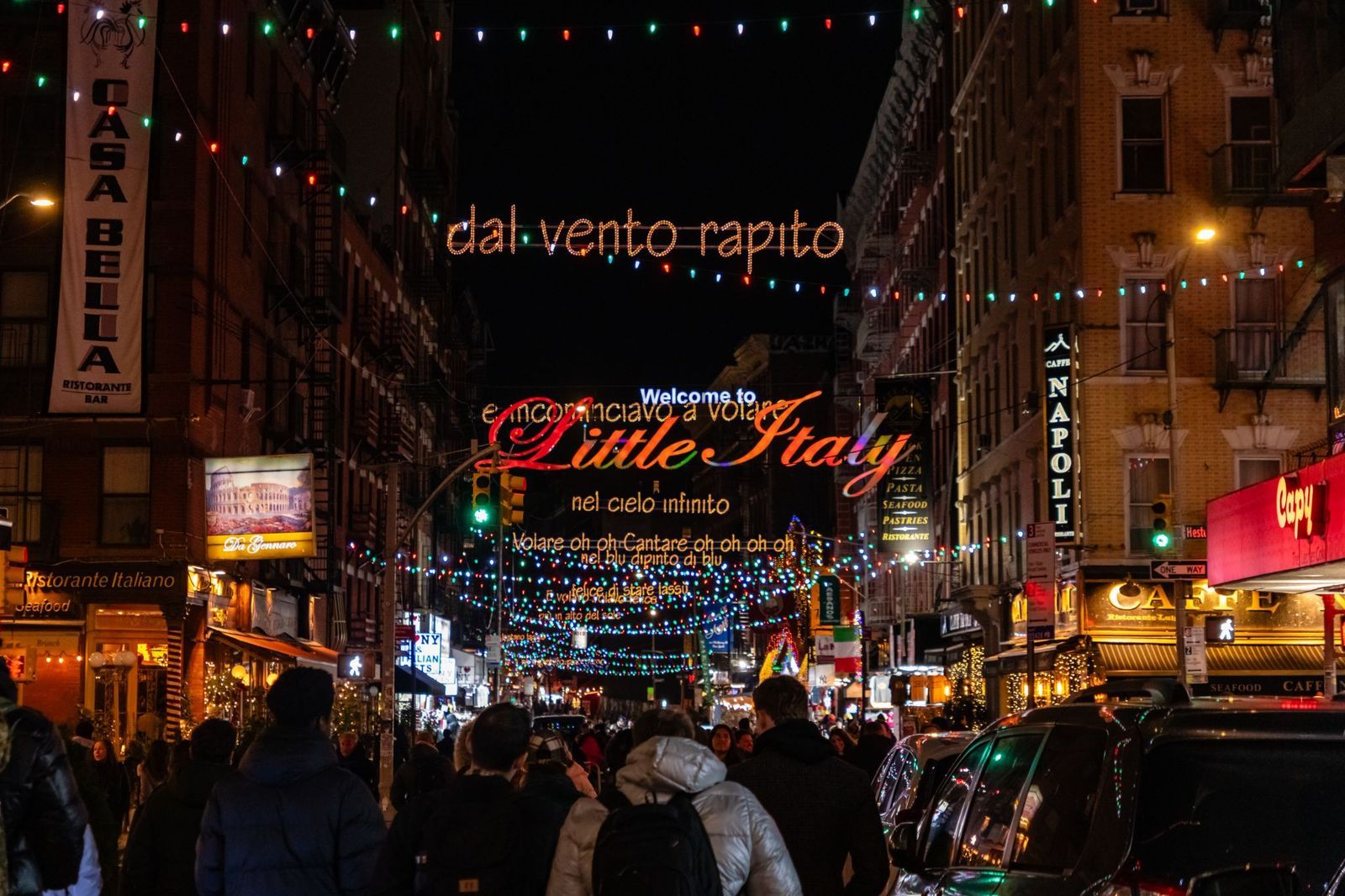
It’s impossible to imagine New York City without its pizza scene, so it’s only fitting that t he first licensed pizza place in America was founded in this city. In 1897, Italian immigrant Gennaro Lombardi opened a small grocery store in Little Italy, Manhattan, where he sold "tomato pies" (a pizza with cheese first and tomato on top). In 1905, he acquired the first official permit for a pizza place in America, which opened under the name Lombardi's Pizza.

6
The "pizza principle"

Image: Brice Cooper

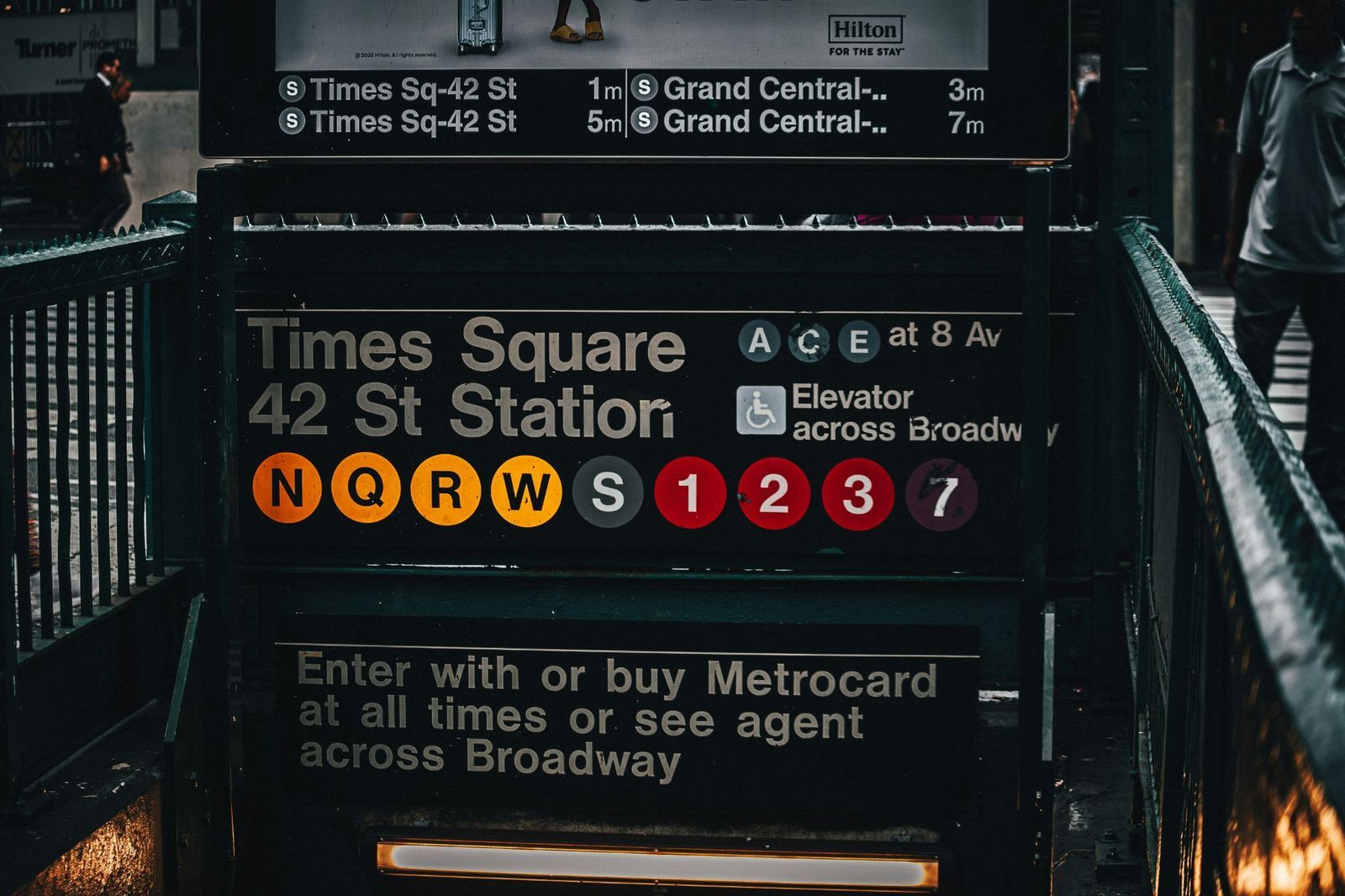
The average New Yorker is used to riding the subway and buying pizza by the slice, but they might not have noticed the price similarities between these two things. First observed in the 1960s, the "pizza principle" states that the price of a plain slice of cheese pizza is roughly equal to the cost of a subway ride , and that these two prices will usually rise in tandem.

7
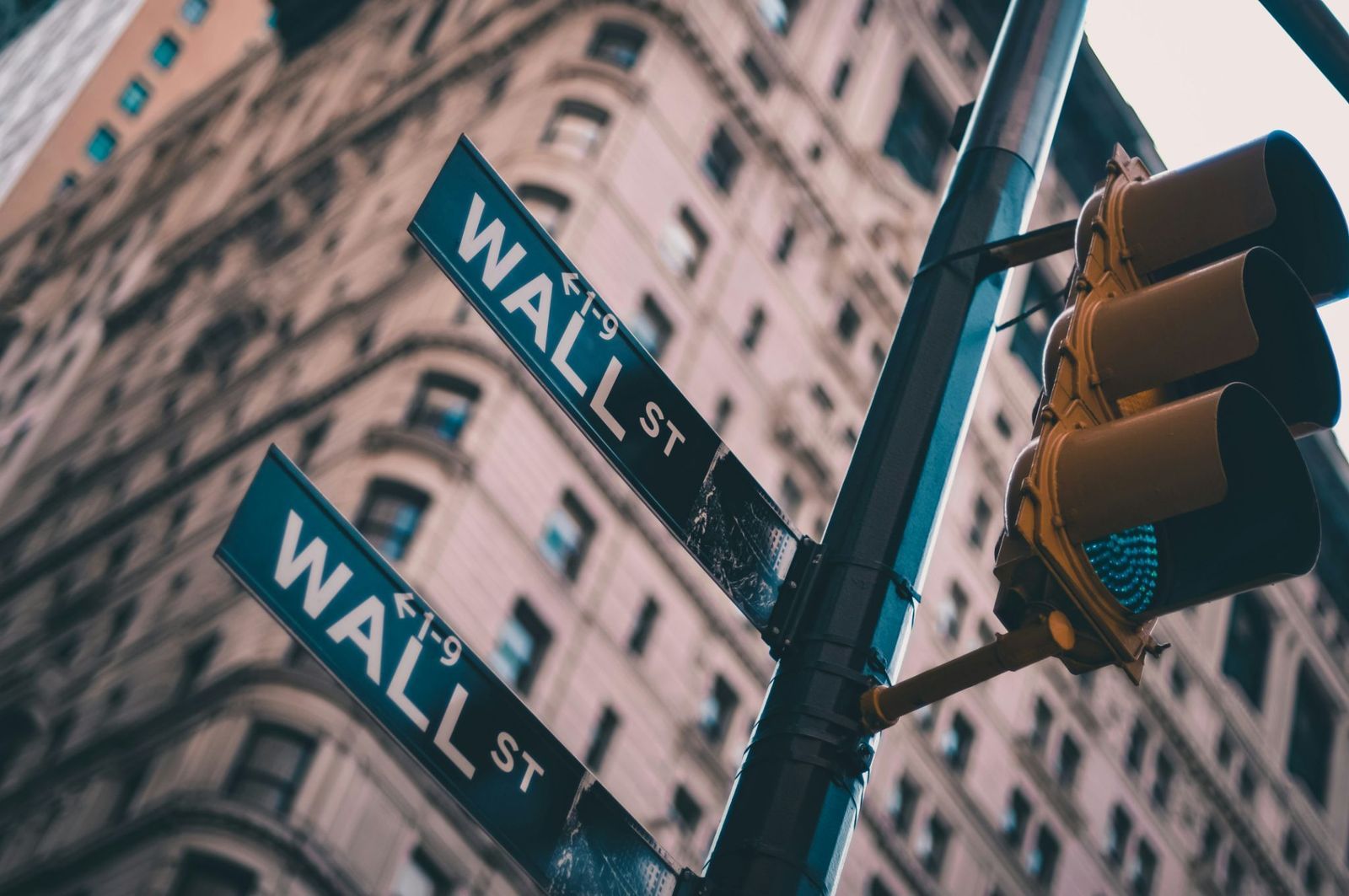
The "wall" in Wall Street

Image: Lo Lo

Most people know that the Wall Street financial district in New York City took its name from an actual street, but where did the street get its name? Well, from a wall. In 1653, when New York City was still New Amsterdam, the Dutch colonial authorities built a wooden wall along the northern border of the settlement , as protection against British and Native American attacks. After the British took control of the area in 1699, the deteriorated wall was taken down, and a road was built where the wall stood, aptly named "Wall Street".

8
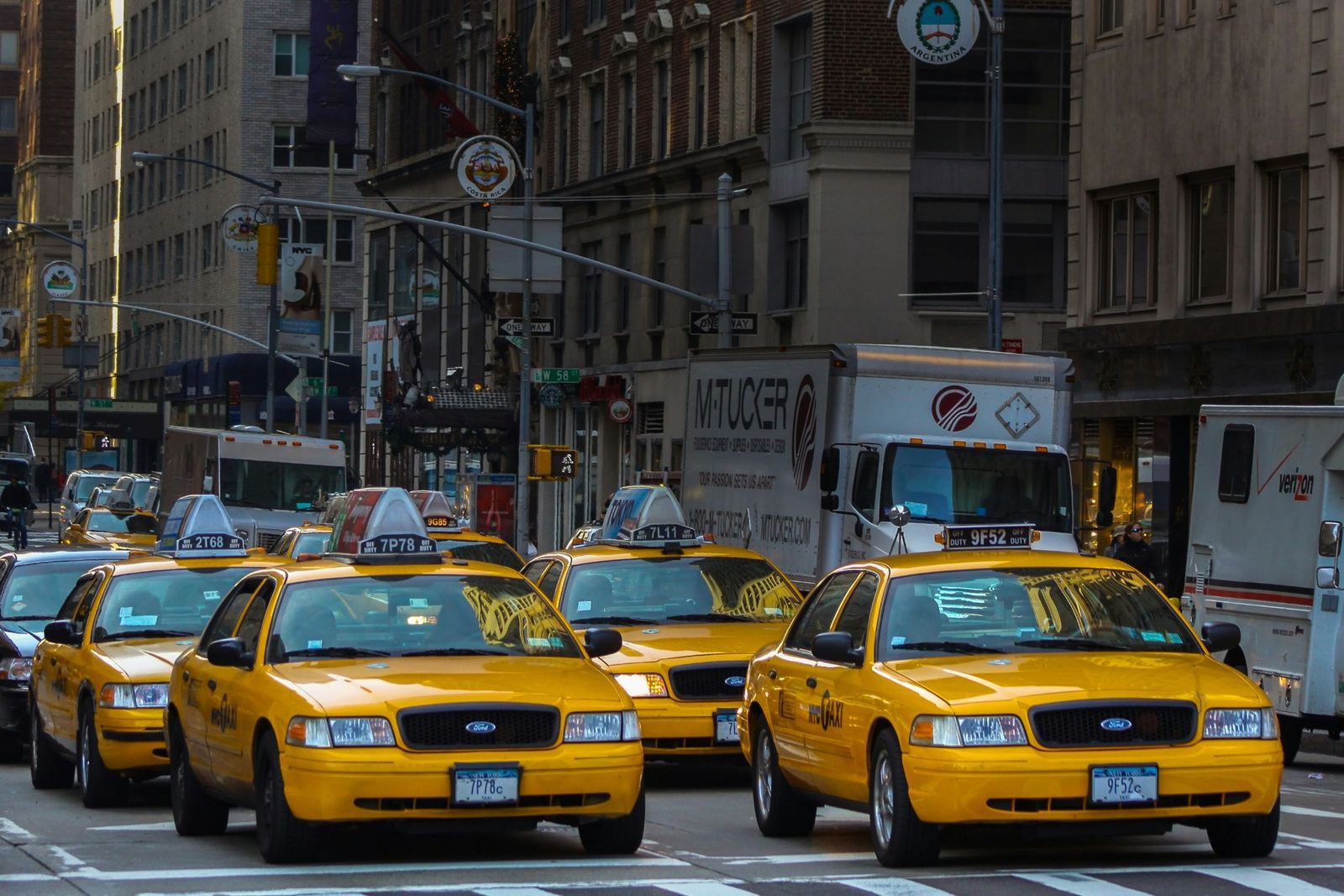
Why yellow taxis?

Image: Nick Fewings

To say "New York City" is synonymous with saying "yellow taxi", but taxis in the city used to be a different color. When motorized taxicabs replaced horse-drawn carriages in 1907, their official colors were red and green. In 1915, after a university study discovered that yellow was the easiest color to spot at a distance, taxi companies started painting their fleets in that color , but it wasn’t until 1967 that New York City officially required all licensed taxis to be "school bus yellow" or a similar shade. In 2013, green taxicabs (also known as "Boro taxis") were introduced to address the shortage of yellow taxis in the outer boroughs and in upper Manhattan.

9
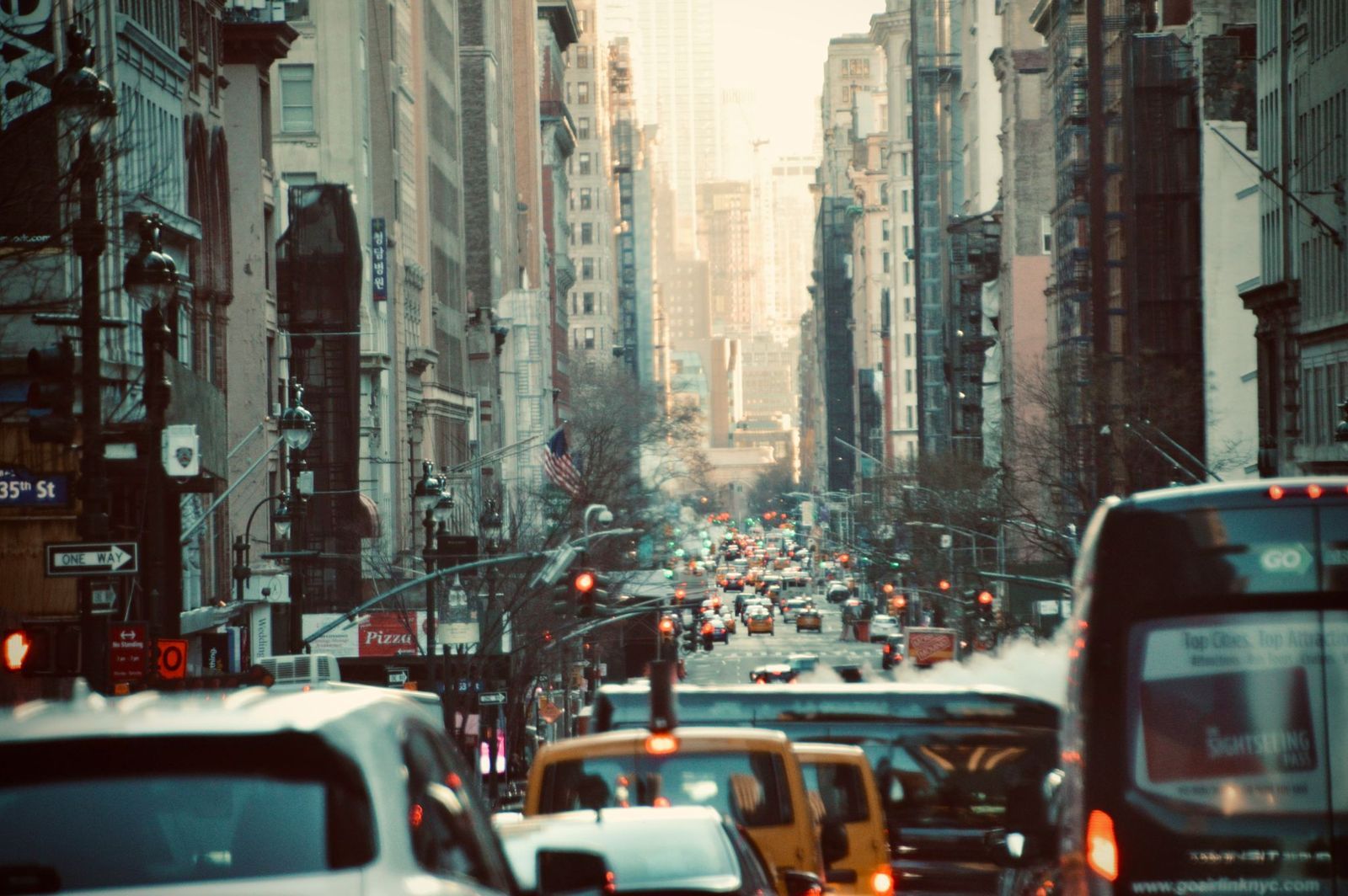
No honking allowed

Image: Andra C Taylor Jr

Traffic noise in a city as huge and populous as New York is unavoidable, and this includes honking. But did you know that honking, unless there’s a pressing emergency, is illegal? Rules concerning honking have existed in New York since the 1930s, but this doesn’t mean they are always followed or enforced . Per the city’s code, blowing your car horn is acceptable in emergencies, but not to rush traffic along, express anger, or as a greeting, all things that might carry a fine ranging from $350 to $2,500. However, despite traffic agents, noise cameras, and fines, honking is still prevalent in New York’s daily sounds.

10
Moving day

Image: Vitaly Gariev

New York City’s housing market is cutthroat, but imagine how much worse it would be if you (and everyone else in the city) were only allowed to look for a new place to live three months out of the whole year? For a long time, this was the norm. Stemming from an old Dutch custom where all leases expired on May 1st, landlords would notify their tenants about rent increases or their lease ending on February 1st. For the next three months, tenants all across the city would look for a new place, and all moves would be done on May 1st, also known as "moving day". Down the line, an extra "moving day" was added in October to reduce the chaos caused by the tradition, which died out around WWII.

General General 4 min read

Unusual local laws

Ten small towns where the law gets downright weird

Image: Tingey Injury Law Firm

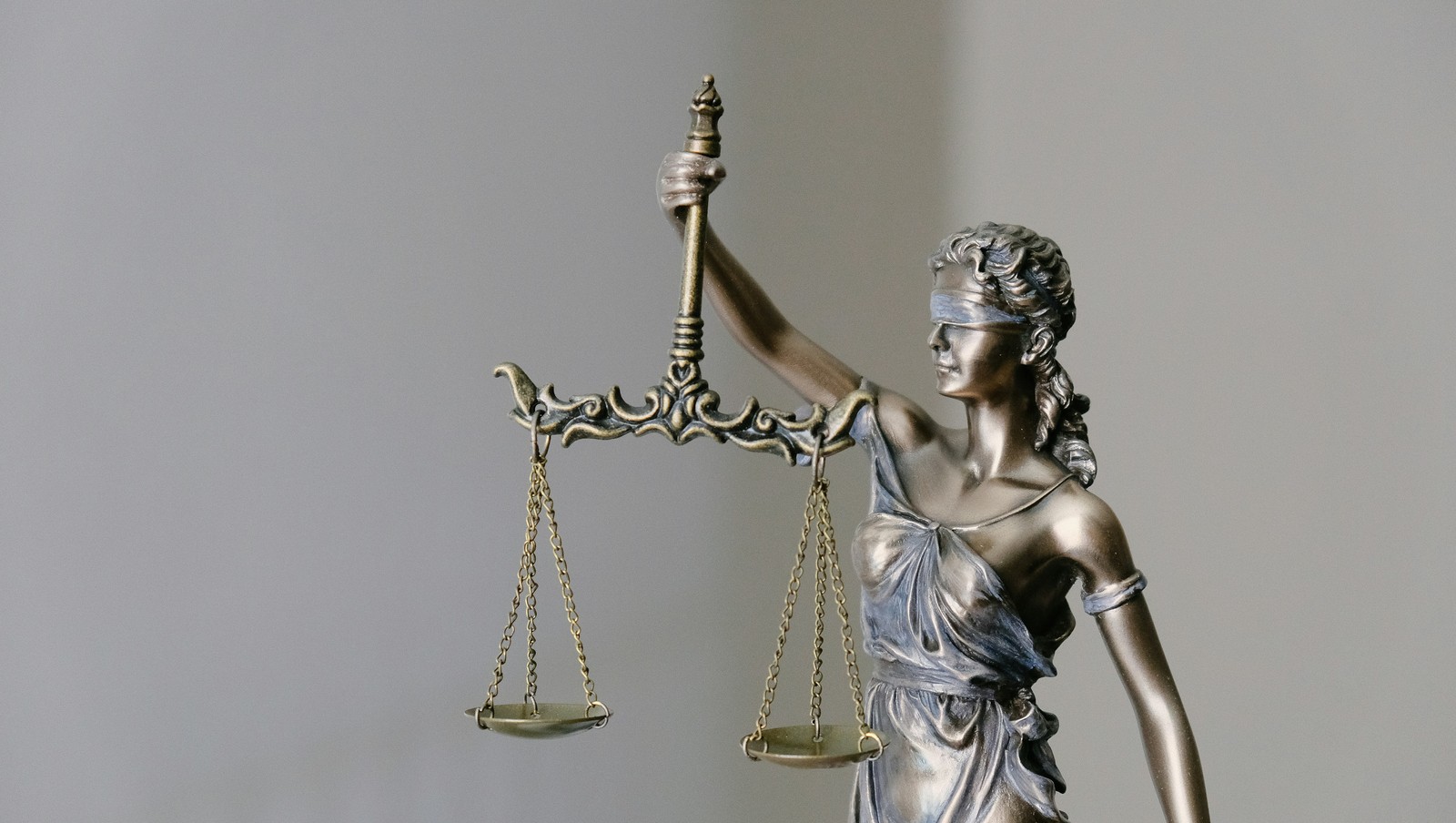
Ever wonder what happens when old laws never get repealed? America's small towns are treasure troves of bizarre legislation that'll make you scratch your head and chuckle. These aren't urban legends— these are real laws that somehow made it onto the books and stayed there, defying all logic and modern sensibility . So buckle up for a tour of ten small towns where following the law means navigating some seriously strange rules and regulations.

1
1. Gainesville, Georgia - Chicken Capital Chaos

Image: Lucas Andrade

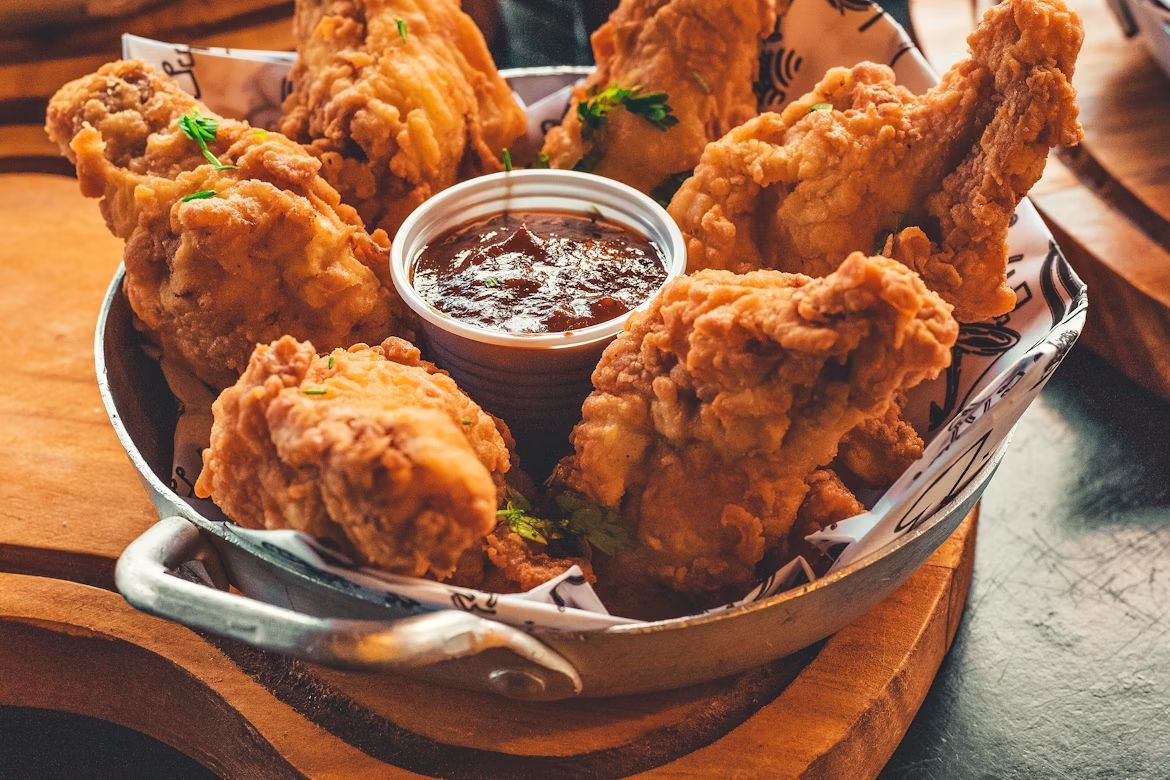
In Gainesville, the self-proclaimed "Poultry Capital of the World," you'd better not even think about using a fork to eat fried chicken. That's right— this town passed a law in 1961 making it illegal to consume chicken with anything other than your bare hands . The ordinance was originally a publicity stunt to promote the town's poultry industry, but it's technically still enforceable today.

2
2. Wilbur, Washington - Riding Ugly Horses Prohibited

Image: Magdalena Smolnicka

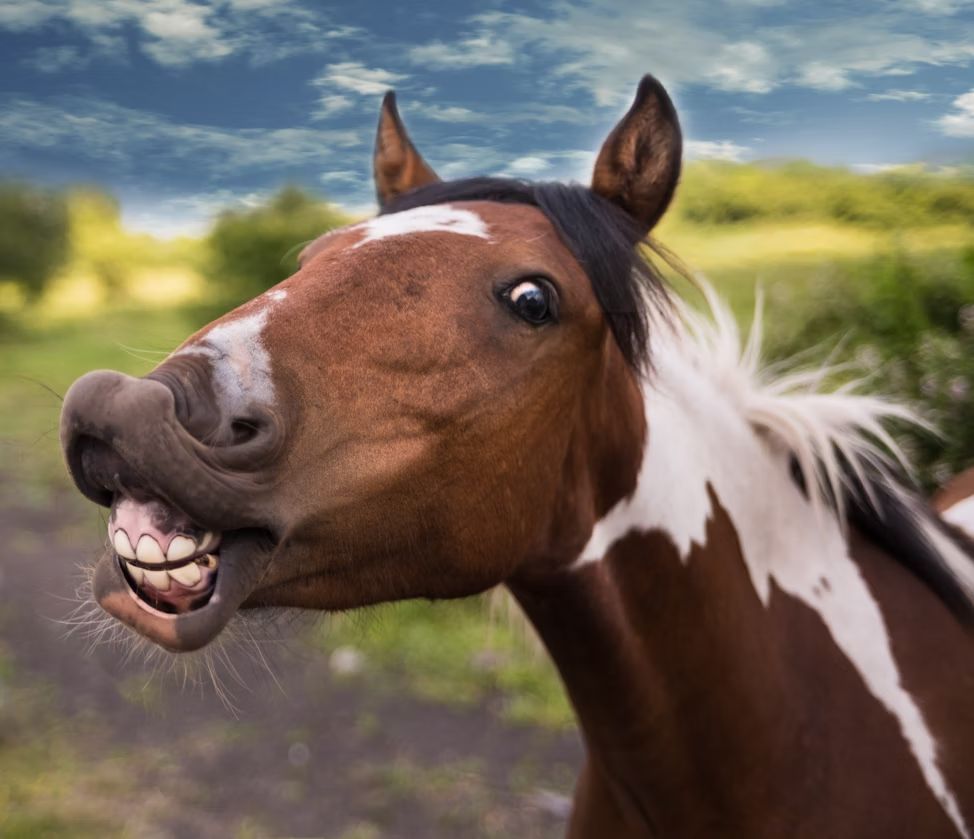
The tiny town of Wilbur takes civic beauty seriously—so seriously that they've outlawed riding an ugly horse down the street . The big question, of course: who gets to decide what constitutes an ugly horse? There's no official equine beauty standard outlined in the ordinance, leaving enforcement entirely up to interpretation.

3
3. Pocatello, Idaho - Smiling is Mandatory

Image: Allef Vinicius

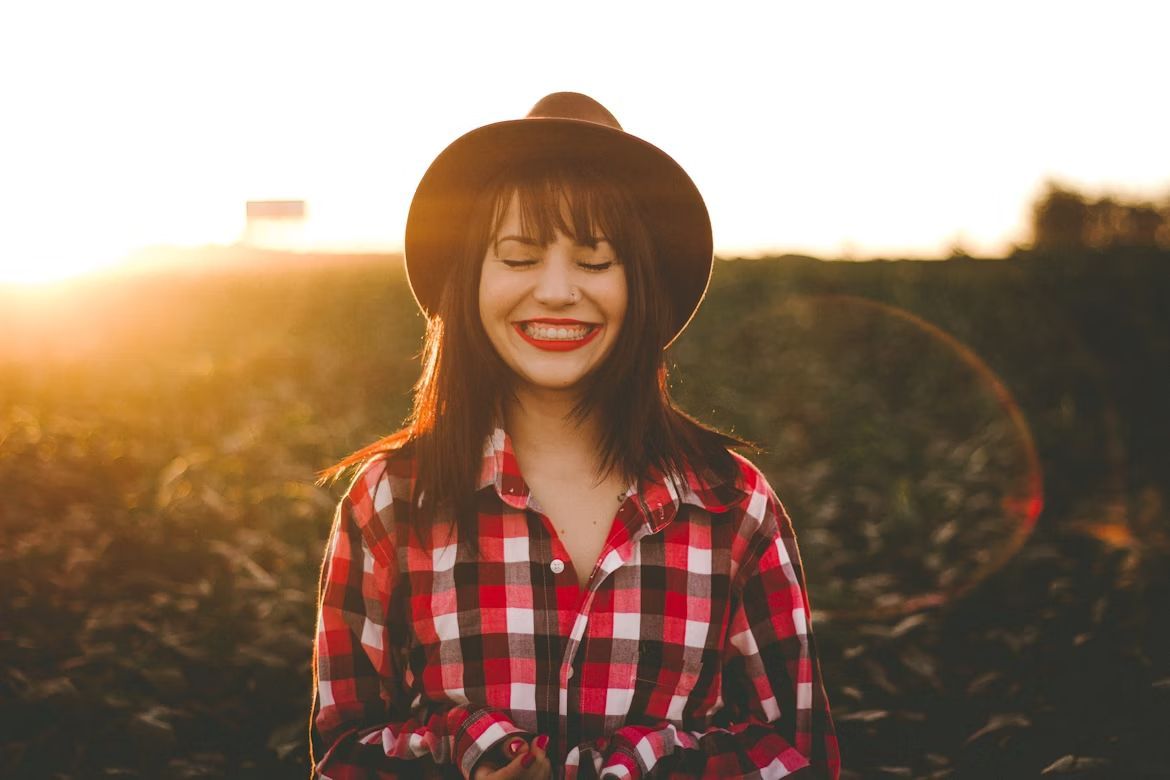
Feeling grumpy? Don't bring that frown to Pocatello, Idaho, where a 1948 ordinance made it illegal not to smile in public . The law was passed during a time when city leaders wanted to promote a more positive, welcoming atmosphere in their community. Technically, walking around with a scowl on your face could get you in trouble with the law, though enforcement has been, shall we say, lax.

4
4. Carmel, California - High Heels Require a Permit

Image: Amanda Vick

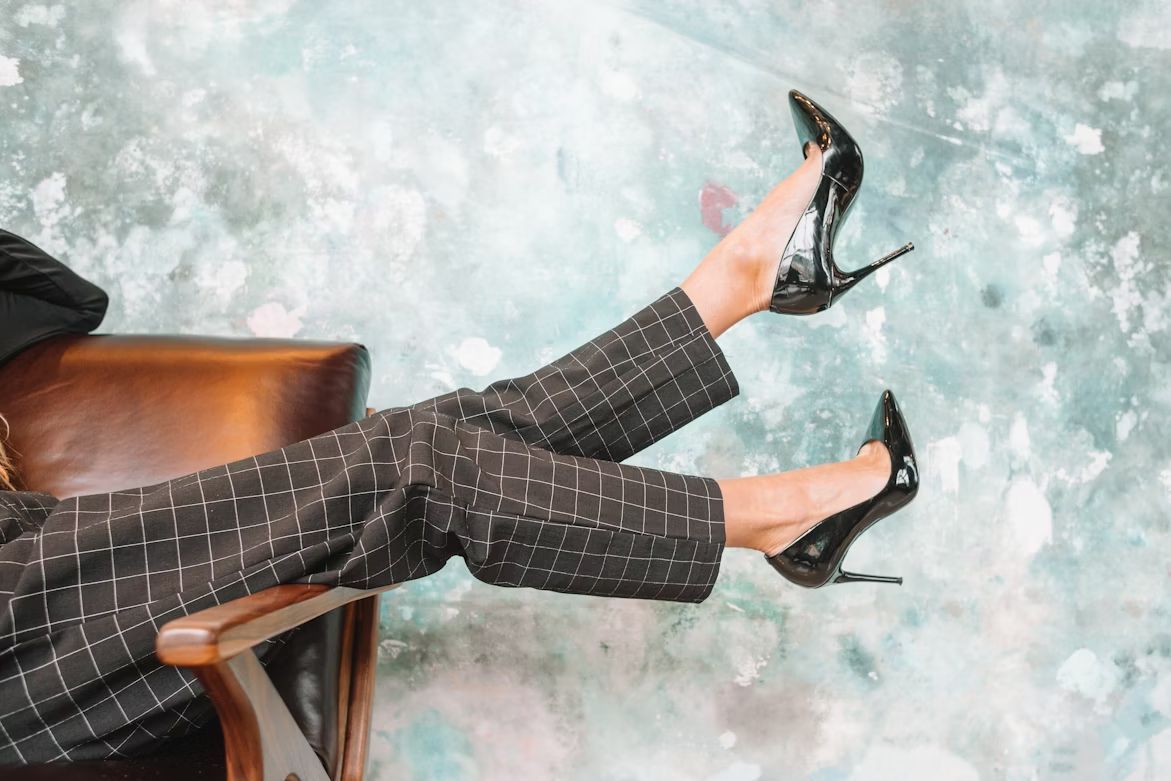
Fashionistas beware: in the upscale coastal town of Carmel-by-the-Sea, wearing high heels over two inches tall requires a permit . The law, which dates back to the 1920s, was actually created to protect the city from liability lawsuits. Carmel's charming streets are notoriously uneven and filled with quirky design features, making twisted ankles a real hazard for heel-wearers. Rather than fix the streets, city officials decided to require permits for anyone wanting to wear stilettos around town.

5
5. Blythe, California - Must Own Cows

Image: Brice Cooper

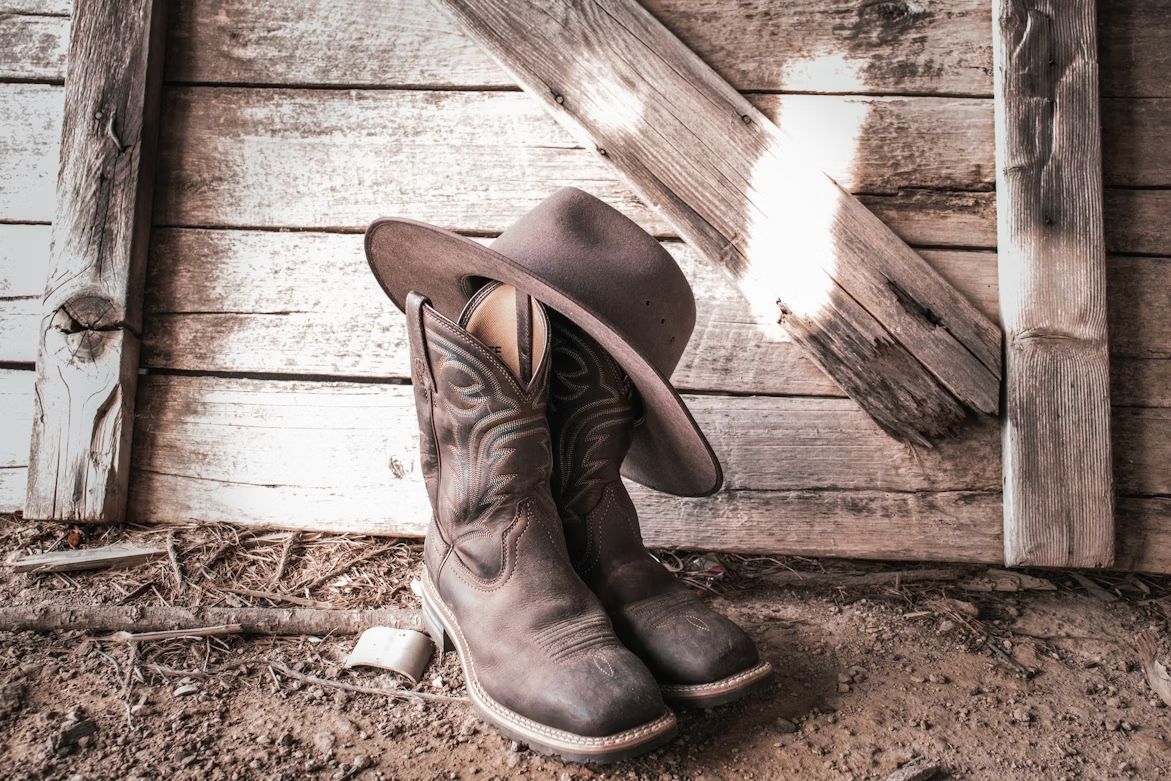
In Blythe, a small desert town along the California-Arizona border, you're required by law to own at least two cows before you can wear cowboy boots in public . This head-scratching ordinance apparently aimed to prevent city slickers from appropriating authentic cowboy culture without earning the right. The logic seems to be that cowboy boots are functional workwear for actual cowboys, not a fashion statement for posers.

The reality is that nobody in Blythe enforces this law, and you'll see plenty of people strutting around in cowboy boots without a single cow to their name. The ordinance has become more of a conversation starter than actual legislation

6
6. Marshalltown, Iowa - No Horse Eating Fire Hydrants

Image: Justin Meckes

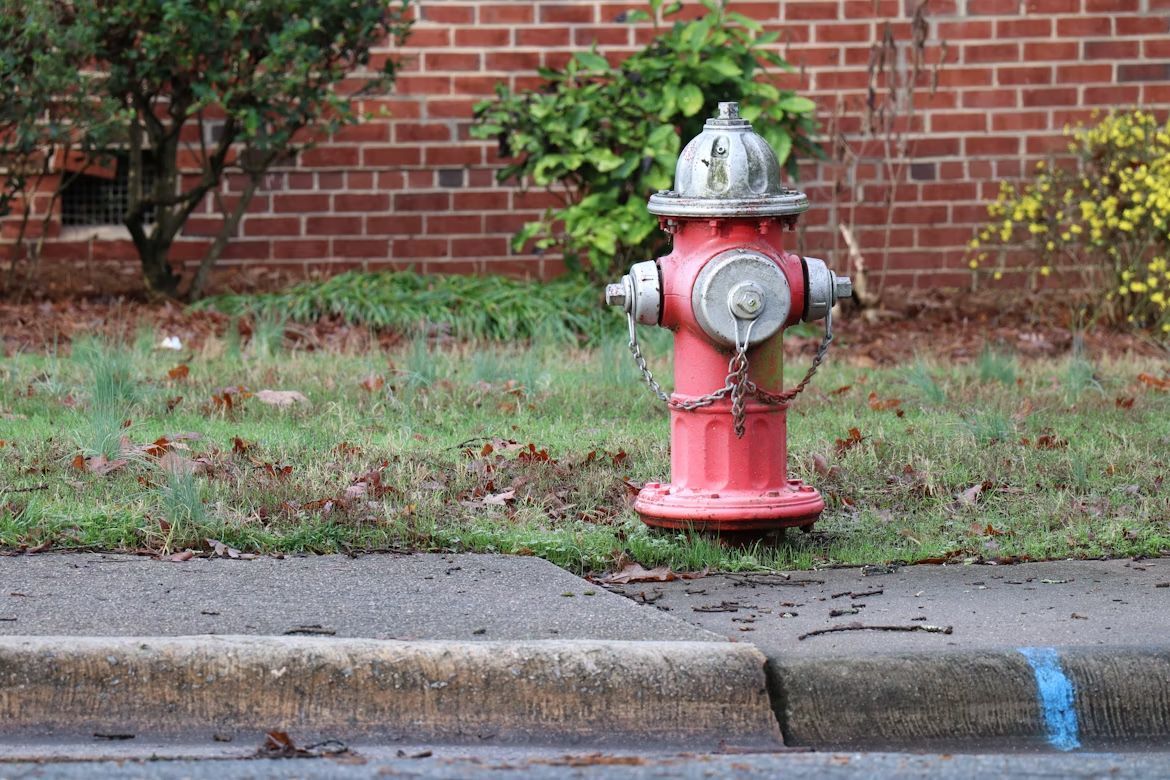
Marshalltown takes fire safety seriously, which is why they've made it illegal for horses to eat fire hydrants . This bizarre law presumably dates from the days when horses were the primary mode of transportation, though exactly what equine-hydrant-munching incident prompted this legislation remains a mystery.

7
7. Yamhill, Oregon - Fortune Telling Forbidden

Image: petr sidorov

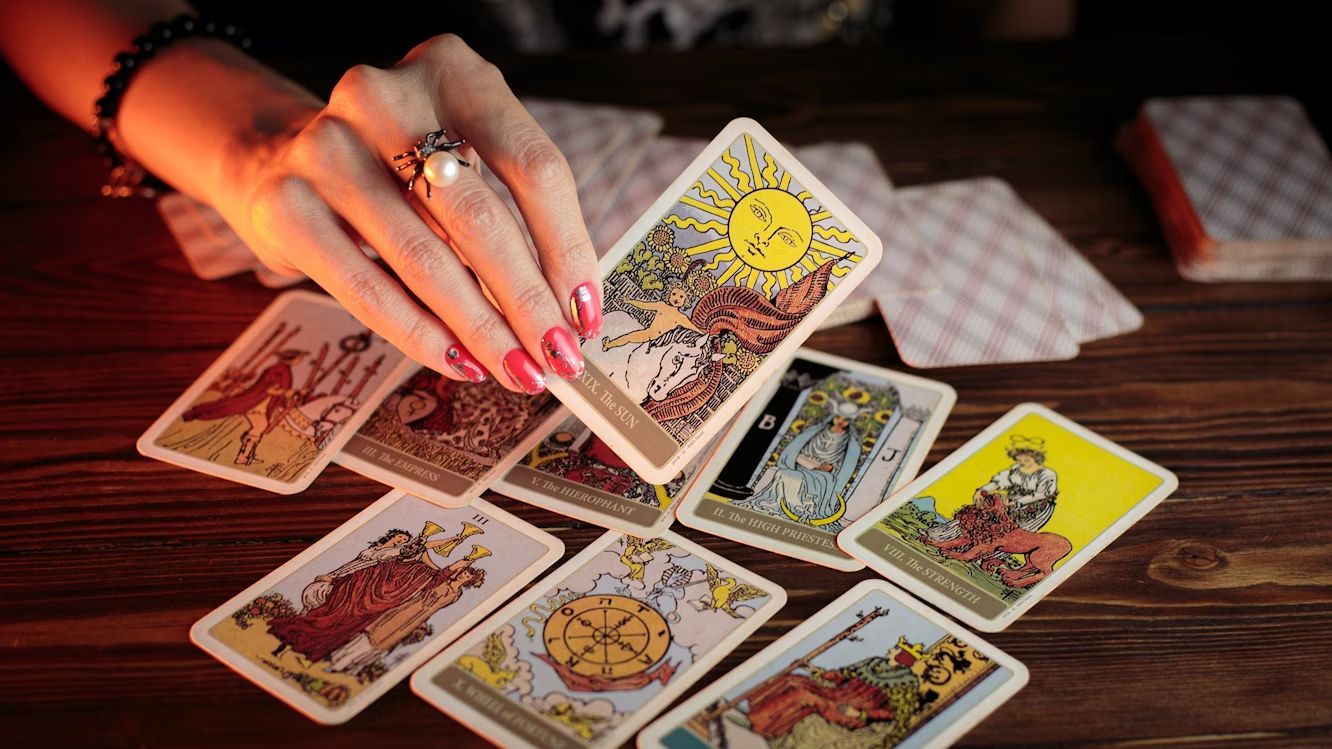
In Yamhill, Oregon, predicting the future is not just frowned upon—it's illegal . This small town of fewer than 1,200 residents has a law explicitly banning fortune telling, palmistry, and other mystic arts. The ordinance dates back to the early 20th century, when such laws were common across America, designed to protect citizens from scam artists and charlatans.

8
8. Cicero, Illinois - Humming Banned on Sundays

Image: Kristina Flour

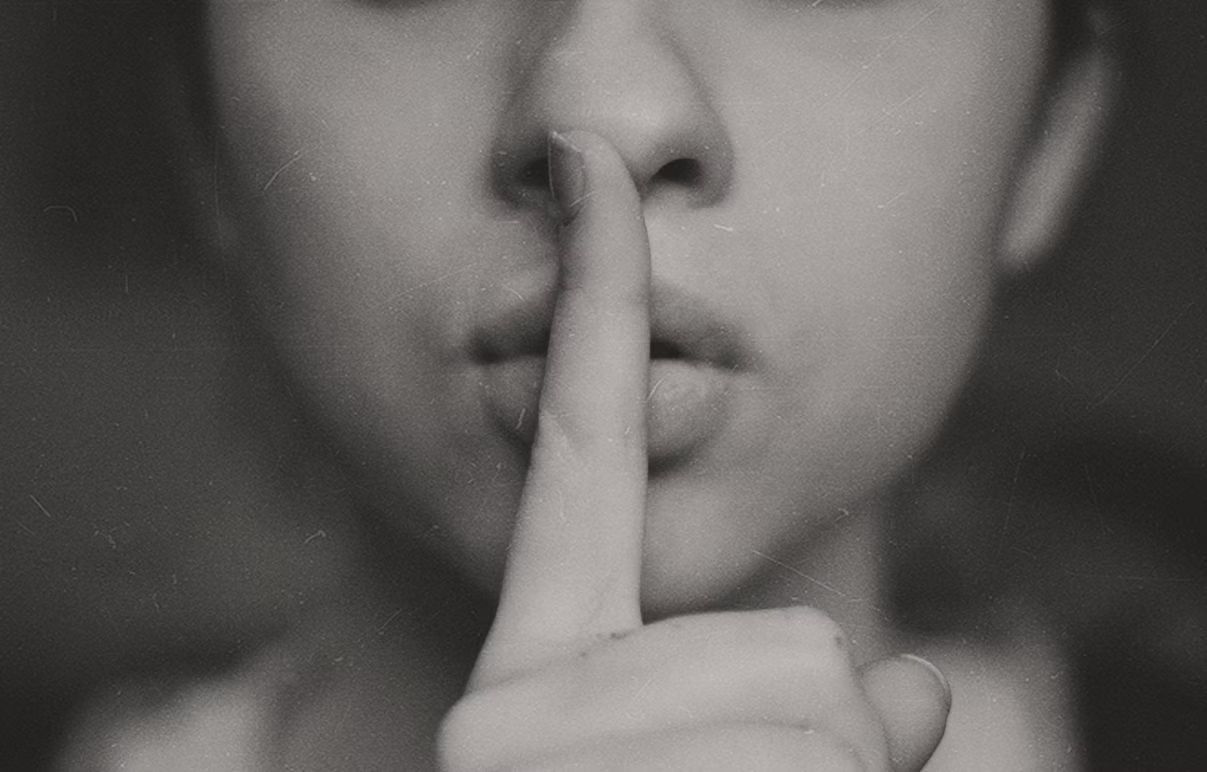
This town has an ordinance that prohibits humming on public streets on Sundays . The law likely originated during a more puritanical era, when Sundays were strictly reserved for quiet contemplation and religious observance. Any form of frivolous noise was considered disrespectful to the Sabbath.

9
9. Paulding, Ohio - No Cop-on-Dog Biting Allowed

Image: Jairo Alzate

In the small town of Paulding, there's a law that addresses a very specific workplace hazard: it's illegal for a police officer to bite a dog , even in self-defense. Most towns have laws protecting people from dog bites, but Paulding flipped the script and decided dogs needed protection from over-enthusiastic law enforcement.

10
10. San Antonio, Texas - Flirting Forbidden

Image: Elist Nguyen

In San Antonio, using your eyes to catch someone's attention romantically is technically against the law. The city has an ordinance that prohibits flirtation and "offensive ogling" in public places . This Victorian-era law was meant to protect people (particularly women) from unwanted attention and harassment before modern sexual harassment laws existed. The rule specifically mentions making eyes at someone or using hands to communicate romantic interest.

Explore more American facts

Choose your favorite category!

General
General

As American as apple pie—the very best America has to offer!

Culture
Culture

Delve into the astounding richness of American lore.

Geography
Geography

Hop in and explore vast and diverse American landscapes.

History
History

Discover the key moments that shaped the United States.