General General 4 min read

The price of popularity

10 brands that became generic names
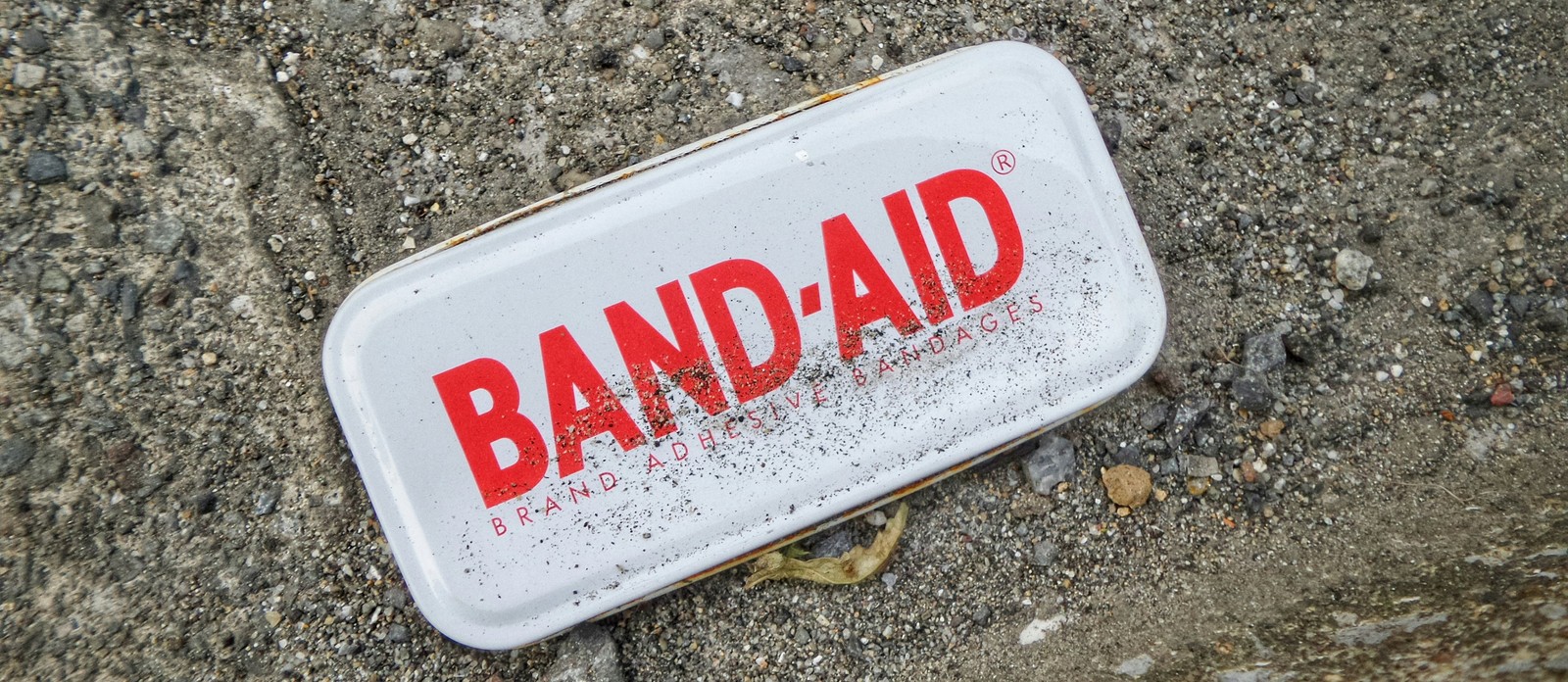
Image: Franck V.

How often do you ask for an adhesive bandage or a waste container? What about solid carbon dioxide? The answer is probably never, but you have certainly used the words band-aid, dumpster, or dry ice. While trademarked names are legally protected, there is little brands can do when a product is so popular that it becomes the generic name, regardless of manufacturer. While some of these common names are still trademarked brands, some have already entered the popular lexicon. Here are 10 brands that became generic names.

1
Band-Aid
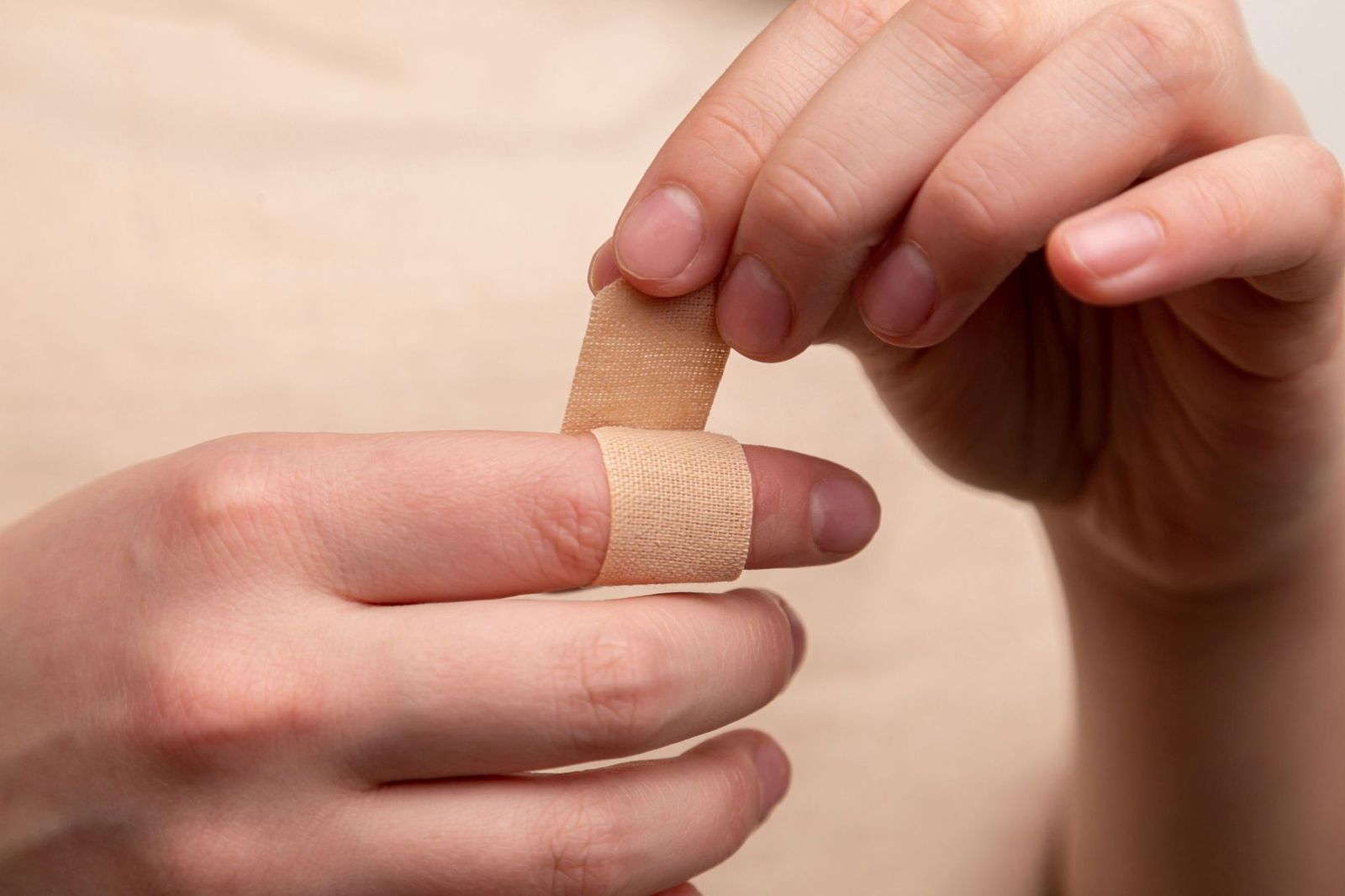
Image: Diana Polekhina

While Band-Aid is still a generic name —other brands use the terms "adhesive bandage" or "plaster" in their products— it is undoubtedly the most popular brand and word used for this kind of bandage. Invented in 1920 by a Johnson & Johnson employee whose wife often injured herself while cooking, the Band-Aid became popular during the Great Depression , as it was a quick and cheap alternative to going to the hospital for minor injuries.

2
Dumpster
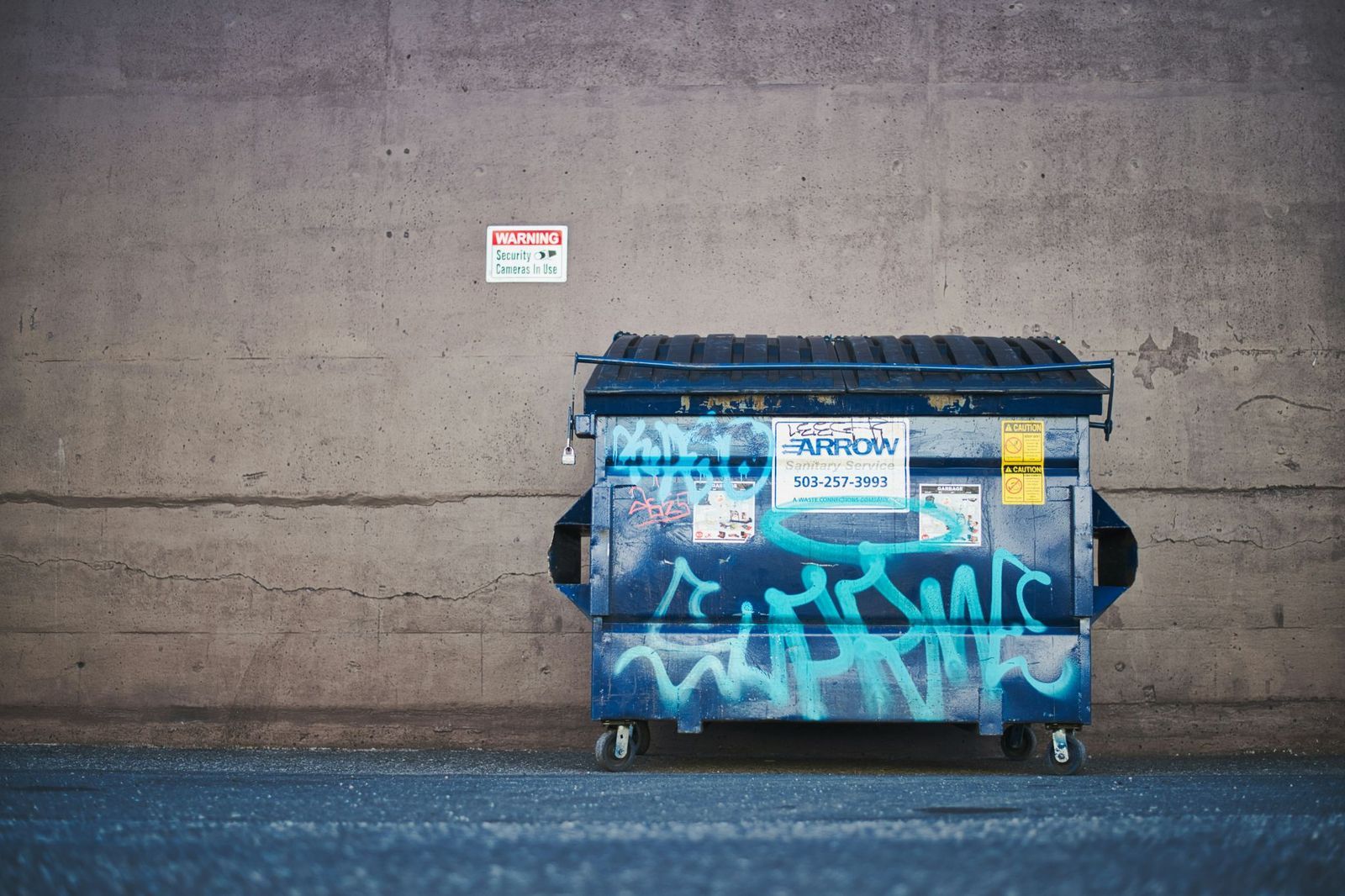
Image: Kevin Butz

Most folks wouldn't know that Dumpster is a brand, but this product is officially called "waste container". The term dumpster was first used in 1936 as part of the mechanic Dempster-Dumpster system, which allowed for standardized containers to be emptied into garbage trucks. Dumpster was a portmanteau of Dempster (the company's name) and the word "dump" , and the system became so successful that dumpster became synonymous with any garbage container.

3
Tupperware
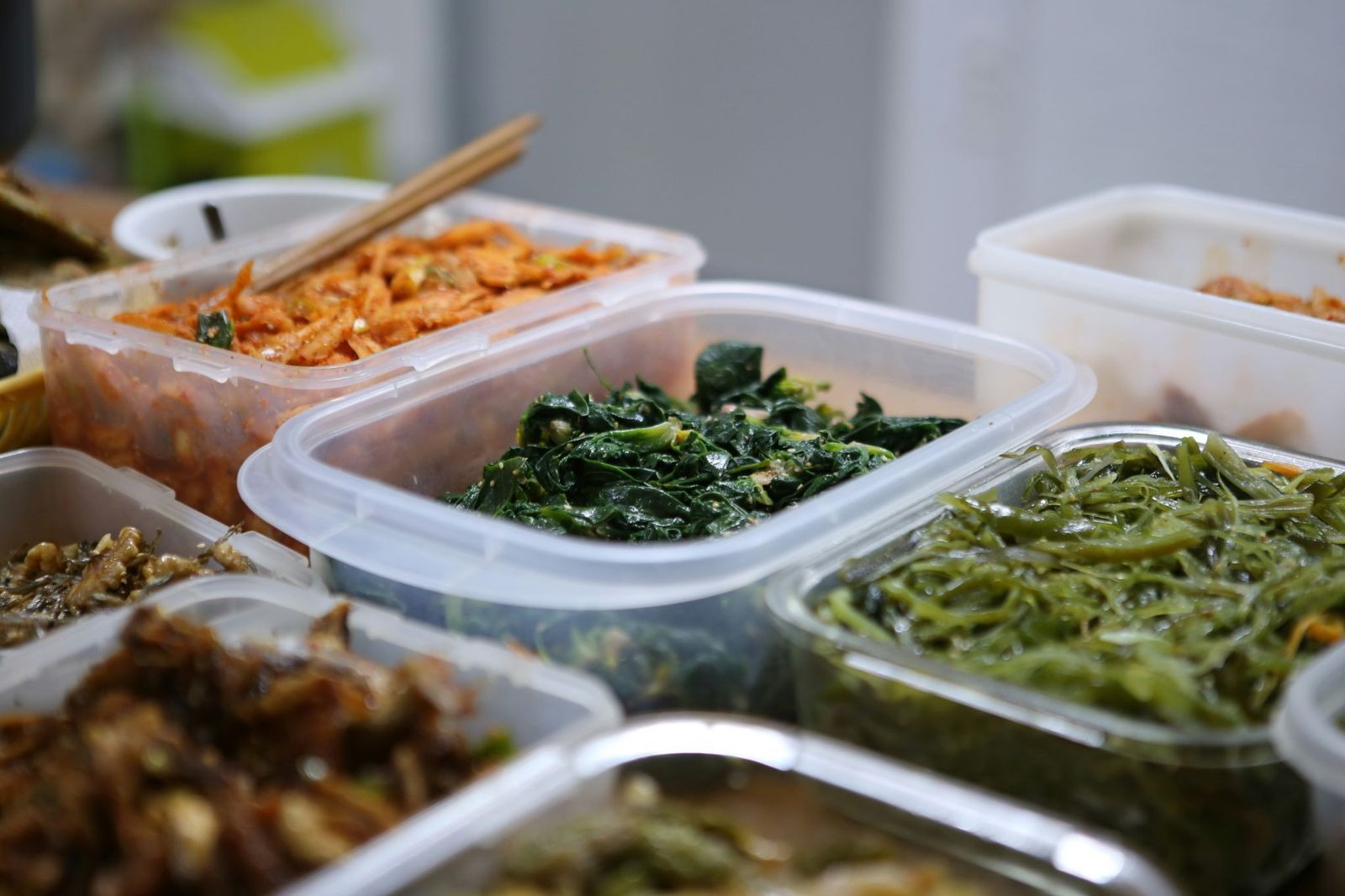
Image: Kim Deachul

This case is the opposite of the "dumpster": Tupperware has become a generic name for storage containers, but everyone knows that Tupperware-branded tupperwares are the best tupperwares . Founded in 1942 by Earl Tupper, the brand grew through a sales plan that allowed people —usually women— to earn an income without a salaried, in-office job. Through home gatherings known as "Tupperware parties", these women were able to show the products, network, and make sales among their neighbors and acquaintances, a format that contributed greatly to the popularity of Tupperware products.

4
Cellophane

Image: Emily Bernal

The chances of hearing "cellulose film" instead of "cellophane" are low, but never zero. While in the UK and other countries, Cellophane is still a trademarked name, in the U.S. the term is not only generic, but is also used for products that are not made from cellulose film , such as plastic wrap or kitchen film.

5
Dry Ice
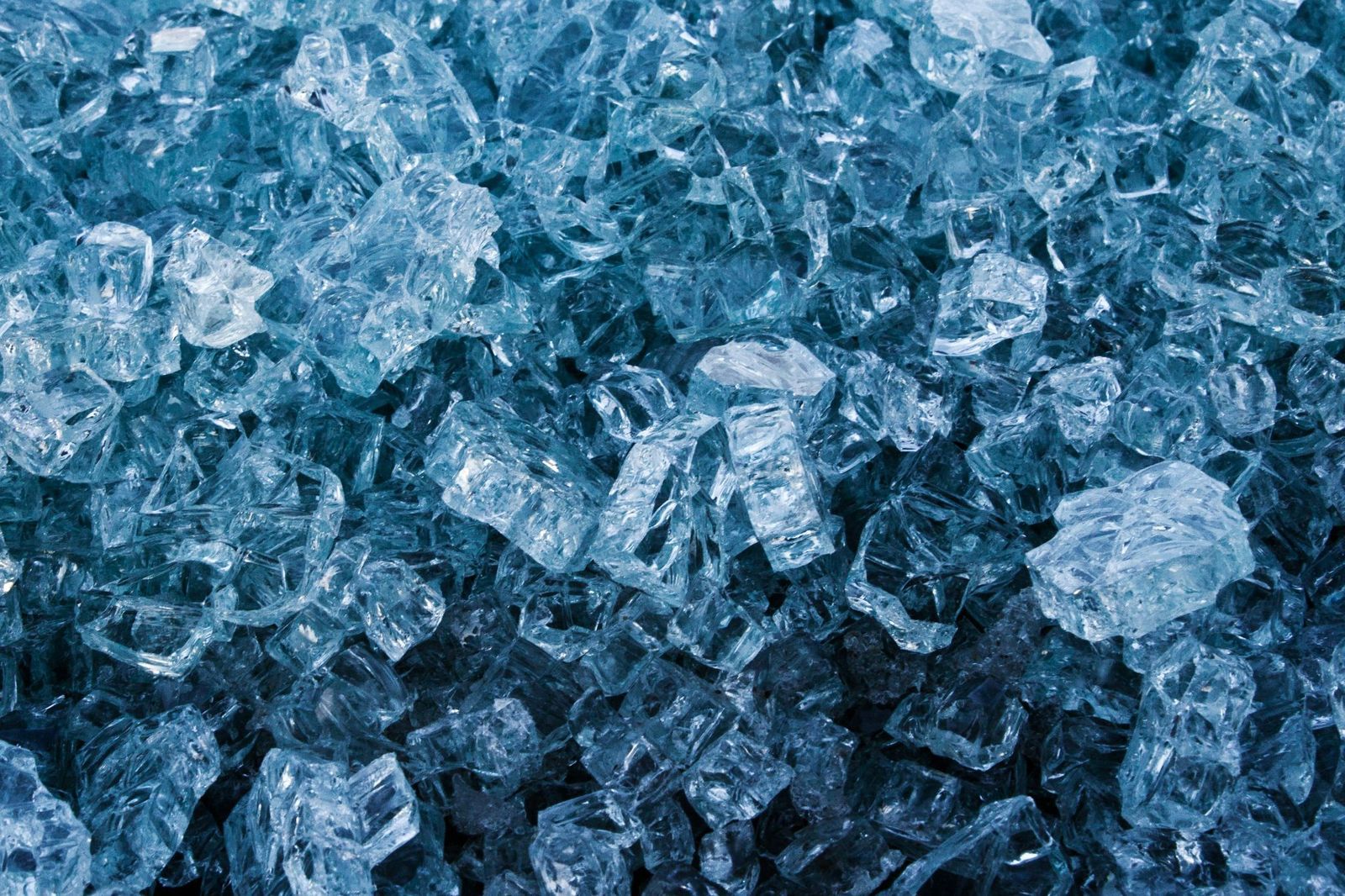
Image: Scott Rodgerson

Nowadays, "dry ice" is a common name for solid carbon dioxide, a form of ice that melts at a slower pace and without leaving a puddle. But did you know that "dry ice" was originally a brand name? Developed in the late 19th century by French inventor Adrien-Jean-Pierre Thilorier, it was first commercialized in the U.S. in 1924. The name "Dry Ice" for this product was trademarked by the DryIce Corporation of America , and quickly became the generic name.

6
Escalator
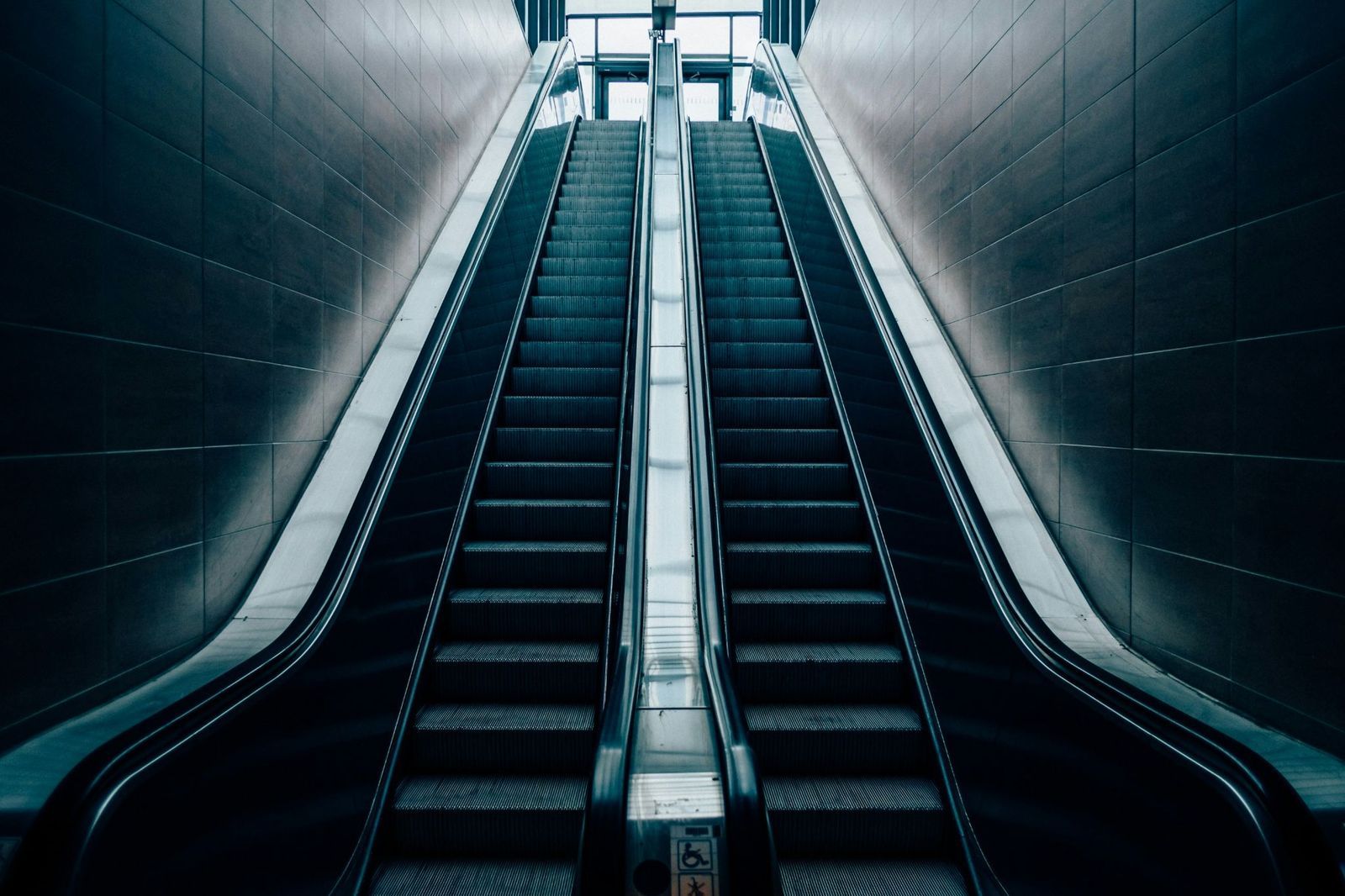
Image: Teemu Laukkarinen

You might have heard of the Otis Elevator Company, founded by the inventor of the modern elevator, Elisha Otis, but did you know that this company trademarked the word "Escalator"?. Although they were not the inventors of the moving staircase, they were the first to develop the modern flat-step commercial escalator that we use today , a machine so common that its name became generic, leading to the cancellation of the trademark.

7
Ping-Pong
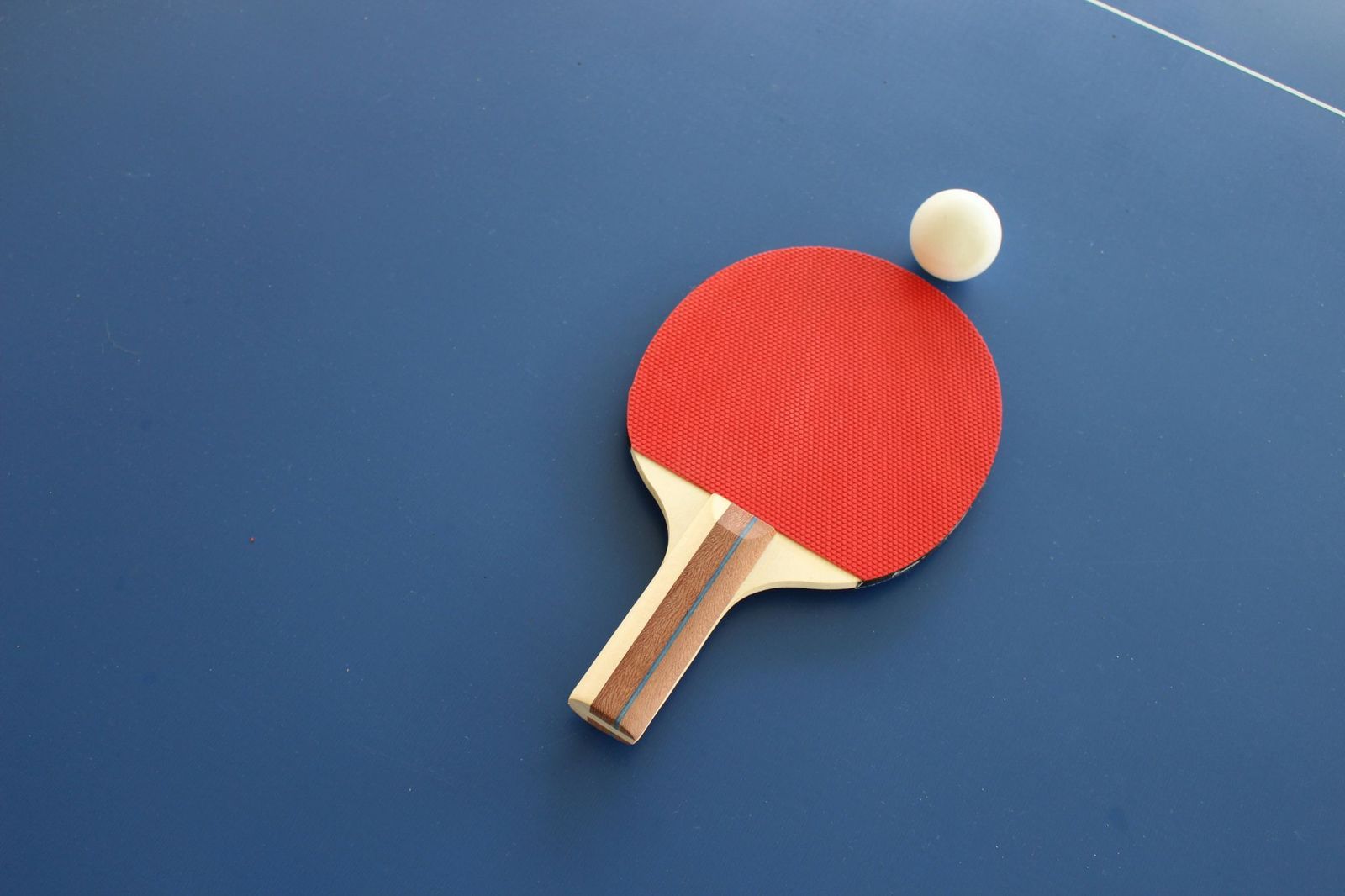
Image: Lisa Keffer

If you are an avid Summer Olympics watcher, you might have noticed that "Ping-Pong" is not officially used for the sport usually known by that name. That is because the sport is officially called "table tennis". The name Ping-Pong was initially used as a brand in the UK, and later trademarked in America by the Parker Brothers. Although it is the most widely known name of the sport, the International Table Tennis Federation uses the name "table tennis" in order to avoid trademark conflicts.

8
Realtor

Image: Tierra Mallorca

Despite what many would think, "realtor" is a trademarked name and not the official name of a profession. Owned by the National Association of Realtors (NAR), the generic term for the profession is "real estate agent" or "real estate broker". The only real estate agents that can legally use the name "realtor" are active members of NAR.

9
Trampoline
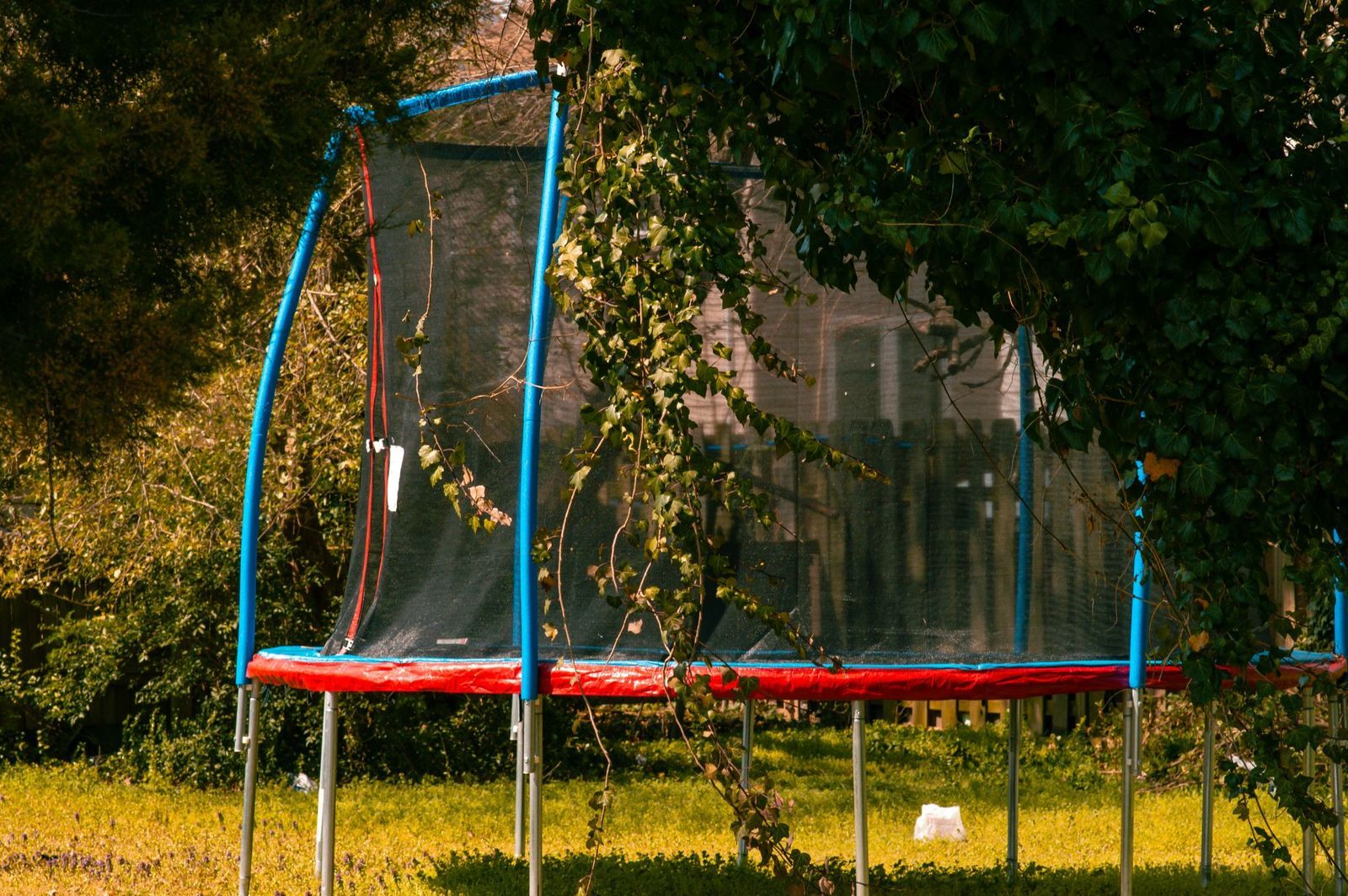
Image: Shay

Trampoline is no longer a trademarked name, but it was in its origins. Derived from the Spanish trampolín ("diving board"), it was created and trademarked by the Griswold-Nissen Trampoline & Tumbling Company in 1930, and the technical name for the product was "rebound tumbler" . Trampoline is now accepted as a generic name for a variety of bouncing apparatuses.

10
Windbreaker
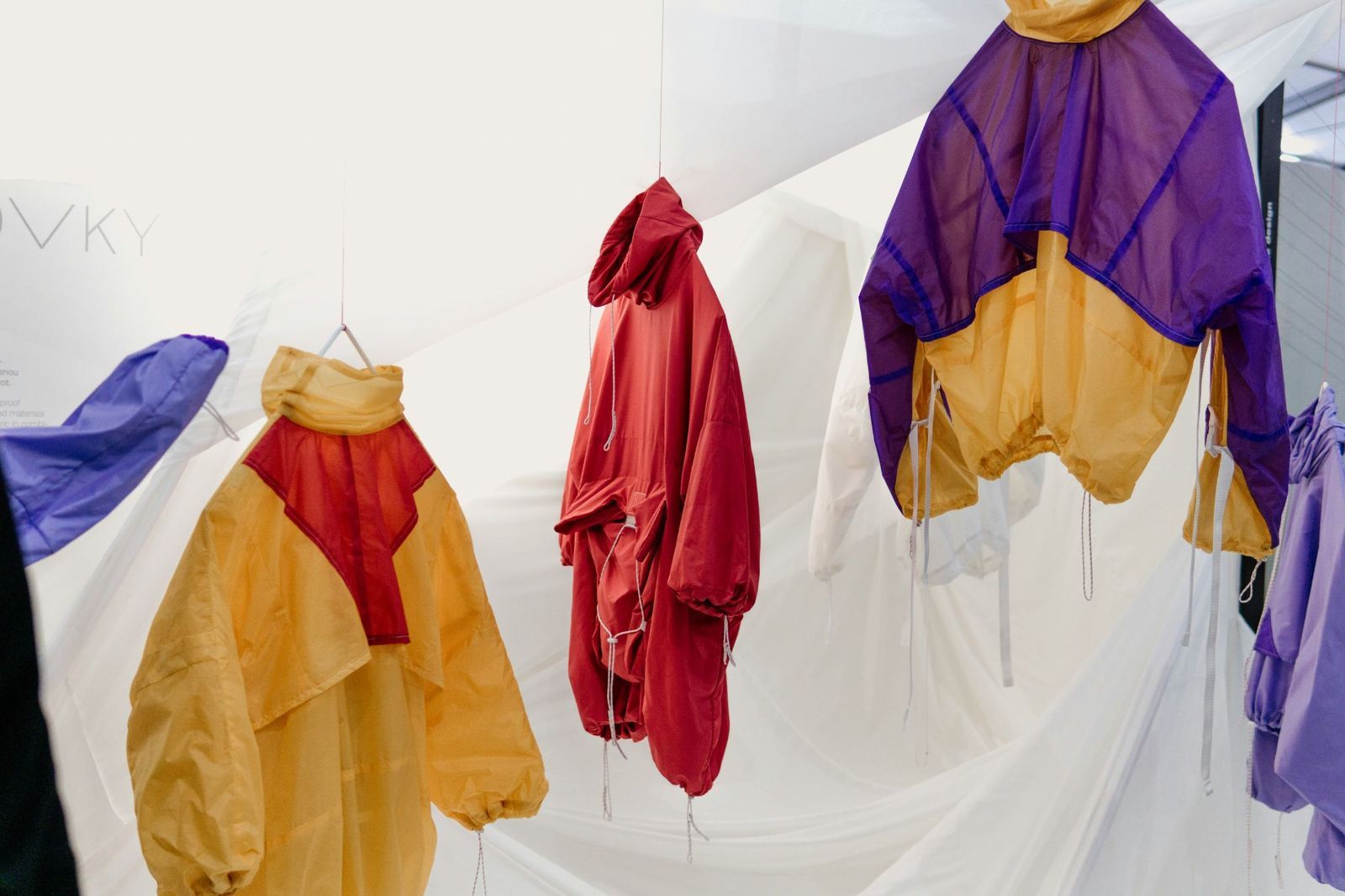
Image: David Dvořáček

We now understand that a windbreaker is any lightweight, wind-resistant jacket, but it originally referred to gabardine jackets by the John Rissman Company of Chicago . The name was developed and trademarked in the 1940s for this specific type of jacket, but down the line it not only became generic for waterproof jackets, but also synonymous with a jacket made of thin synthetic fabric like nylon or polyester.

General General 4 min read

Fast-food flops

Do you recall these 11 big McDonald's menu fails?

Image: Lucas van Oort

Around 2014, McDonald's received a lot of criticism for not including healthier, more nutritious options on its menu, especially for kids. In response, the company embarked on a mission to create bubblegum-flavored broccoli. Needless to say, it was a complete failure. But this was not the only unsuccessful attempt to introduce new recipes and flavors. Throughout its several decades of existence, the Golden Arches has ventured into a wide variety of products that didn’t receive the expected reception. Do McPizza, Hula Burger, or McDLT ring a bell? Join us as we look back at 11 McDonald's products that were complete misfires!

1
McLean Deluxe

Image: Szabo Viktor

Remember the low-fat diet craze of the 1990s? Well, McDonald's was no stranger to it. To attract customers seeking "healthier" options, Mickey D's introduced the McLean Deluxe—a supposedly lighter burger than the Big Mac . The patty, developed by food scientists at Auburn University, was made with 90% meat and seaweed extract.

The company’s intentions were noble, but most consumers weren’t convinced by the "low fat but tastes great" slogan. Apparently, it was not tasty enough for the American palate and was ultimately pulled from stores in 1996 .

2
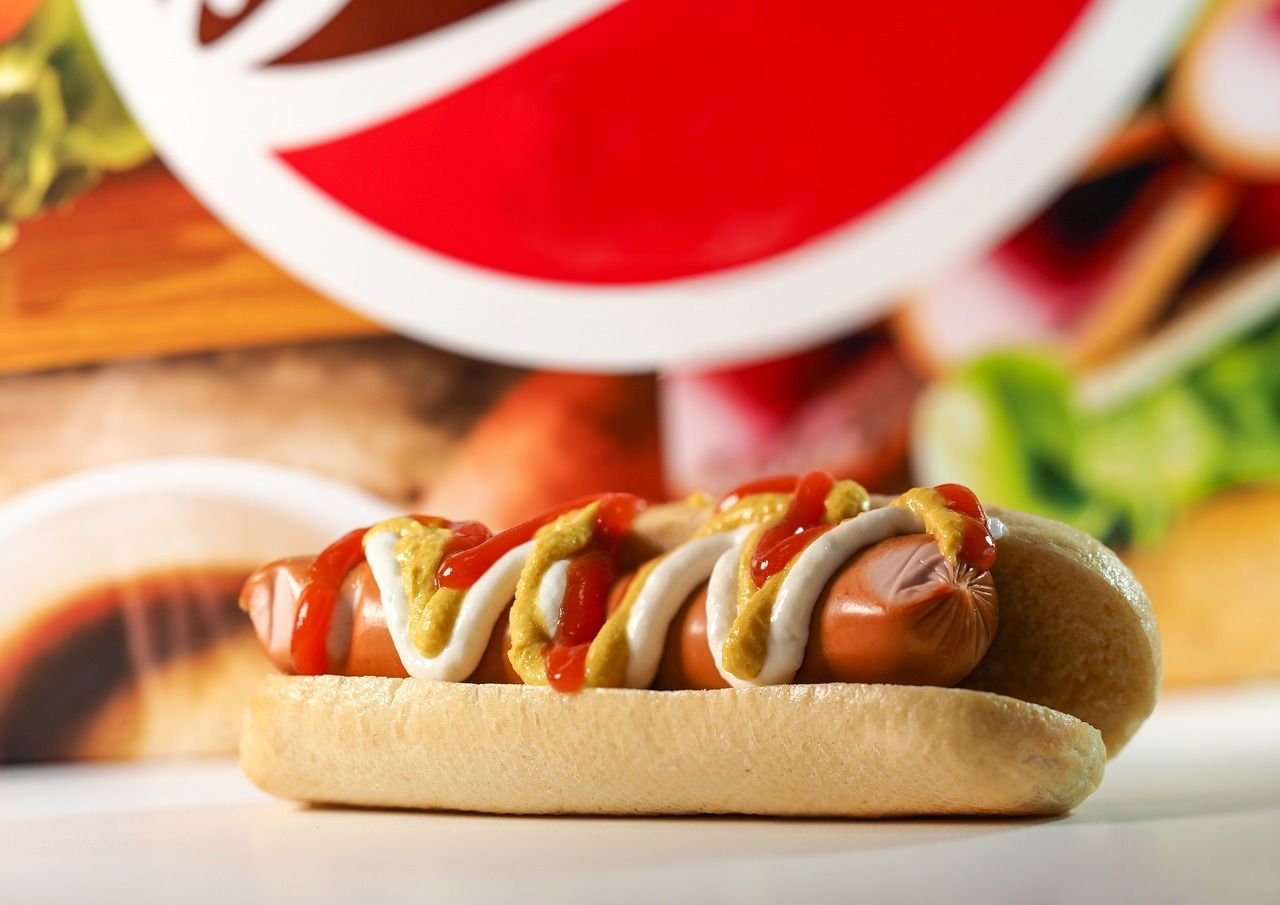
McHotDog

Image: sstoyanov

It doesn’t seem far-fetched for McDonald's to offer a hot dog on its menu. Yet, for many years, the company avoided it because Ray Kroc—the man who transformed McDonald's into the megafranchise we know today—had banned them on the grounds that sausages were of questionable quality.

Despite his reservations, McDonald's introduced the McHotDog in several locations in the mid-1990s. For unknown reasons, however, the product never took off. Have you ever tried it? What did you think?

3
McDLT

Image: Aaron Boucicault

No, it has nothing to do with Subway's BMT or the classic BLT sandwich. The McDLT, introduced in 1984, was a lettuce and tomato burger with only one novelty: it was sold in a Styrofoam container, separated in two, and you had to assemble it yourself.

The most likely reason for the McDLT’s demise was the backlash against Styrofoam in the late 1980s, due to its environmental impact. And let’s be honest—how many people actually want to assemble their own hamburger?

4
Hula Burger

Image: Irene Kredenets

Long before vegan options became popular, Ray Kroc attempted to offer a meatless option for Roman Catholics to eat during Lent. Introduced in 1963, the Hula Burger was essentially a cheeseburger with a slice of pineapple instead of a meat patty.

The idea was a complete flop and was quickly replaced by the Filet-O-Fish, which served the same purpose but was much better received by the public.

5
McLobster

Image: ucomedia

Believe it or not, McDonald's once had a lobster roll on its menu. Introduced in 1993, the McLobster was a sandwich served in a hot dog bun with lobster sauce and shredded lettuce.

Why did it fail? Mostly because of the price . Not only was it expensive for a fast food chain, but if you wanted lobster, you’d probably go to a seafood restaurant instead—don’t you agree?

6
Arch Deluxe

Image: HamZa NOUASRIA

Flavor-wise, the burger "with the grown-up taste" was decent enough, the problem was the marketing campaign that went along with it. The Arch Deluxe was designed for adults , featuring more sophisticated and expensive ingredients.

However, the ads showed Ronald McDonald engaging in adult activities and young rappers saying, "Yuck," which failed to resonate with anyone. The product flopped and was discontinued in 2000 . After all, no matter how old we are, when we go to McDonald's, we all want to feel like kids again.

7
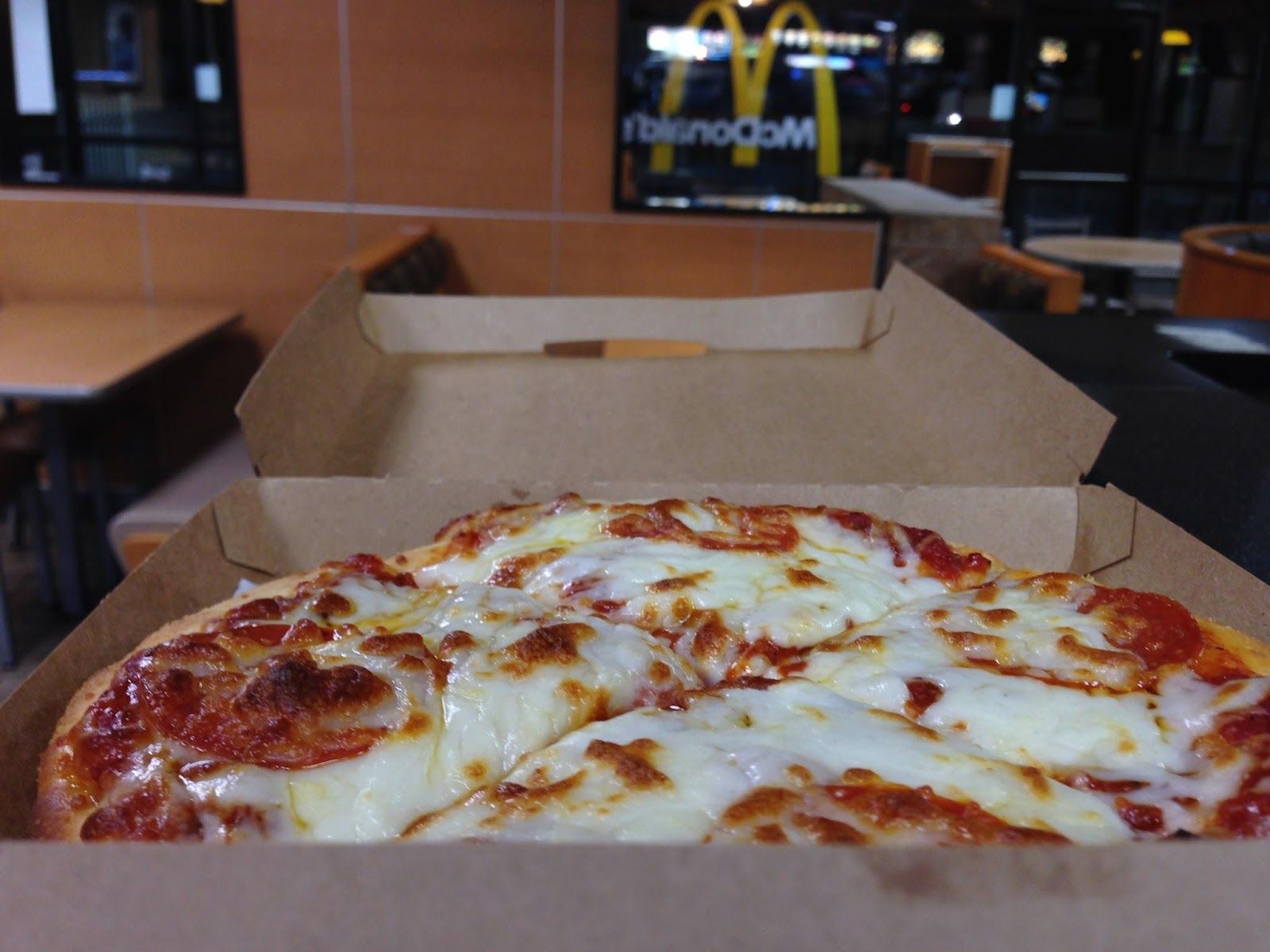
McPizza

Image: dankeck, CC0, via Wikimedia Commons

In hindsight, McDonald's should have stuck to selling burgers. But we have to give them credit for trying something different. In the late 1980s, the Golden Arches attempted to expand its menu with dinner options, introducing the McPizza. Sold only after 4 p.m. , it was heavily promoted through a major marketing campaign.

However, it was doomed to fail. Pizza takes much longer to prepare than a burger, and most people prefer to buy theirs from traditional pizza parlors. The McPizza was discontinued around 2000 and hasn’t returned to the menu since.

8
McPasta

Image: Lance Lozano

Just as pizza was a bad idea, offering pasta dishes at a burger joint was an even bigger stretch. Since the 1970s , McDonald's has attempted to market pasta, adding items like spaghetti and meatballs, lasagna, and fettuccine to its menu.

Needless to say, despite multiple attempts, all of McDonald's pasta products eventually flopped.

9
Onion Nuggets

Image: Brett Jordan

In 1975, a year after Burger King debuted its famous Onion Rings, McDonald's introduced Onion Nuggets. As the name suggests, this side dish consisted of small, fried onion pieces .

Unfortunately for vegetable lovers, Onion Nuggets were not as successful as their ring-shaped competitors and were finally removed from the menu in the mid-1980s. Just a few months later, McDonald's launched Chicken McNuggets, which proved to be a far bigger success.

10
McSalad Shakers

Image: Hermes Rivera

It seems that most of McDonald's attempts to offer healthier options were fruitless. The McSalad Shakers were salads sold in plastic cup-like containers that you had to shake to distribute the dressing evenly.

Although they featured three appealing flavors—Chef, Grilled Chicken Caesar, and Garden—McSalad Shakers lasted only a few years on the market. In 2003, the cups were replaced by traditional bowls, which, you’ll probably agree, make much more sense.

11
McDonaldland Cookies

Image: 三岁 陈

It remains a mystery why this item disappeared from the McDonald's menu, as it was a favorite among many for years. First introduced in 1974, this dessert consisted of crunchy lemon-flavored cookies shaped like the classic McDonaldland characters—Grimace, Hamburglar, The Fry Kids, Birdie, and Ronald himself!

McDonaldland Cookies came with the Happy Meal but were discontinued in the early 2000s , likely due to health concerns. The good news is, if you want to bring back this childhood flavor, you can still find them in Australia!

General General 3 min read

Golden secrets

Heard of the Half-Way-to-Hell Club? 10 hidden facts about the Golden Gate

Image: Venti Views

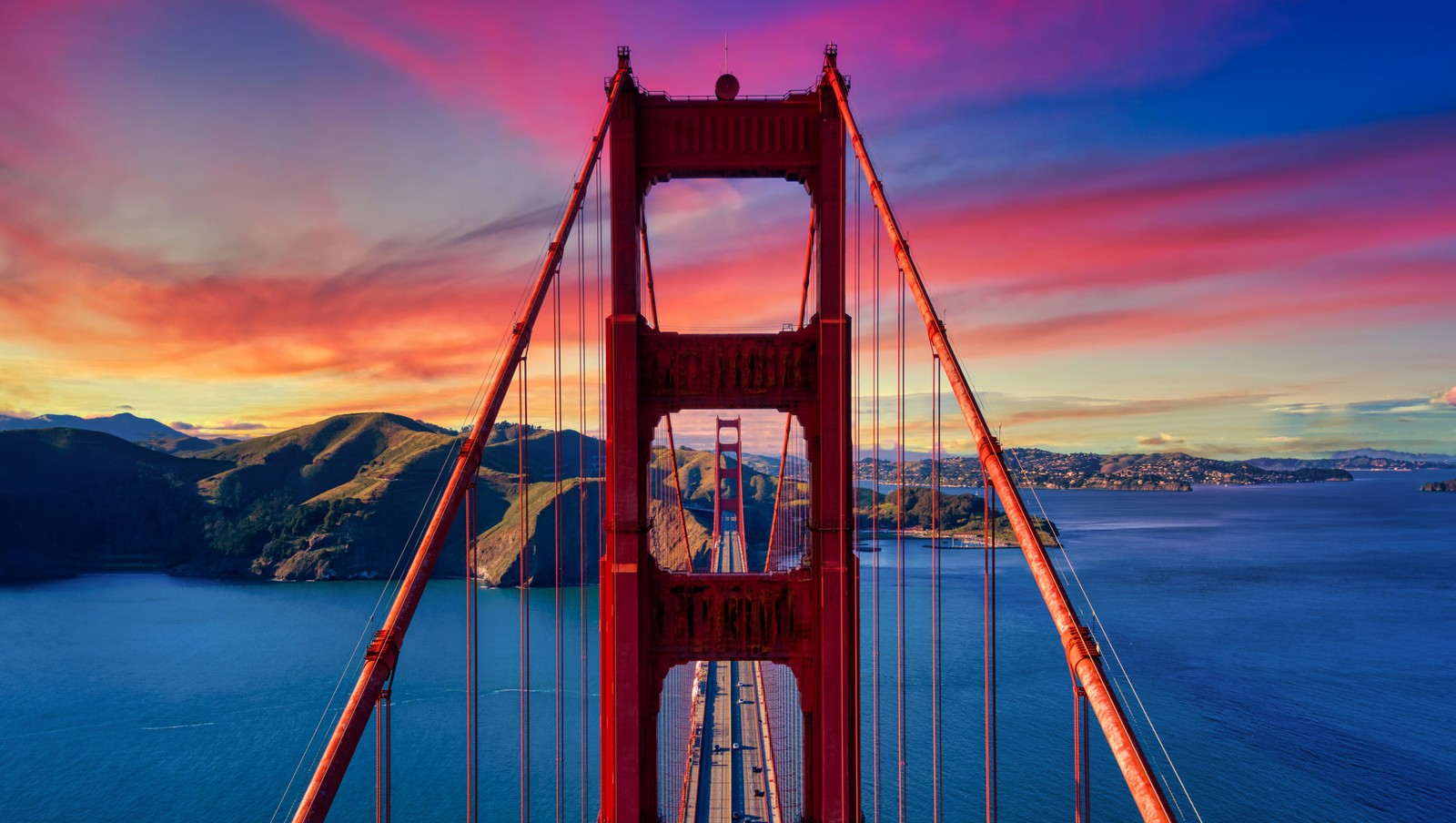
From its inception to its crowning as a symbol of San Francisco, the Golden Gate Bridge has become one of the most recognizable landmarks in California and the entire country. From its first toll of just 50 cents to stories of incredible luck, there are numerous secrets, untold tales, and fun facts that might surprise you. Join us as we uncover 10 shocking facts about the Golden Gate Bridge !

1
The first toll

Image: Barry A

When the bridge first opened to cars, the toll was 50 cents each way, $1 for a round trip, and an additional 5-cent charge for cars carrying more than three passengers. While this may not seem like much today, that money was crucial in covering the construction costs. In today’s terms, the toll would be equivalent to about $11 .

2
The Half-Way-to-Hell Club

Image: Rasmus Gundorff Sæderup

Building this massive suspension bridge was no easy task, and the story of the "Half-Way-to-Hell Club" members proves just how dangerous it was. These 19 workers were on the job when they slipped and fell from the bridge . But in the midst of their fall, something saved them : a safety net placed under the bridge, an ingenious and innovative safety measure for the 1930s.

3
A different picture

Image: Leo_Visions

While it's hard to imagine the Golden Gate Bridge without its iconic "International Orange" color, the original plan was actually quite different. During construction, they considered painting the bridge black and yellow to give it visibility. However, when the architects saw the beautiful reddish-orange hue of the primer, they decided to keep it. We have to say we're glad they didn't go with the original idea!

4
Good citizens

Image: Zoshua Colah

San Franciscans redefined what it meant to be good citizens when, during the Great Depression, they helped fund the Golden Gate Bridge by putting up their homes and farms as collateral to make the project a reality. This incredible show of faith during one of the nation's toughest economic times is truly inspiring.

5
Really heavy

Image: Leo_Visions

With its immense size and structure, it’s no surprise that this imposing bridge is incredibly heavy. Even so, the number might still shock you: The Golden Gate Bridge weighs around 894,000 tons! That's nearly the equivalent of 2.5 Empire State Buildings!

6
5,000 - 10,000 gallons

Image: JOSHUA COLEMAN

Its weight goes hand in hand with its size: the bridge is about 1.7 miles long from end to end, and its towers rise 746 feet above the water. This means the amount of paint required to cover it is anything but small. To repaint the bridge, between 5,000 and 10,000 gallons of its iconic color are used.

7
Dangerous challenges

Image: Anastasia R.

The completion of the Golden Gate Bridge had its challenges. In 1935, a powerful 7.8 magnitude earthquake struck the area, causing the entire San Francisco Bay Area, including the bridge under construction, to shake violently. One worker reportedly recalled that the south tower swayed 16 feet in each direction while several of his colleagues stood on it!

8
200,000 pedestrians

Image: fan yang

The grand opening of the Golden Gate Bridge on May 27, 1937, was far from low-key. Before it was opened to cars, a "Pedestrian Day" event took place, where an extraordinary 200,000 people walked across the city's brand-new bridge, each paying 25 cents to do so.

9
Once the tallest of its kind

Image: Casey Horner

As a suspension bridge, the Golden Gate Bridge is impressive not only for its size but also for its engineering. In fact, when it opened in 1937 and until 1964, this San Francisco landmark held the world record as the tallest suspension bridge in the world!

10
800,000 people

Image: Kiko Camaclang

Yes, the 200,000 people who attended the bridge's opening made for a huge crowd. But 50 years later, that number quadrupled! That's right; during the 50th anniversary of its opening, around 800,000 people walked across the iconic Golden Gate Bridge. It's hard to even imagine what such a giant crowd would look like!

Explore more American facts

Choose your favorite category!

General
General

As American as apple pie—the very best America has to offer!

Culture
Culture

Delve into the astounding richness of American lore.

Geography
Geography

Hop in and explore vast and diverse American landscapes.

History
History

Discover the key moments that shaped the United States.