Geography Geography 5 min read

10 State nicknames that tell a story
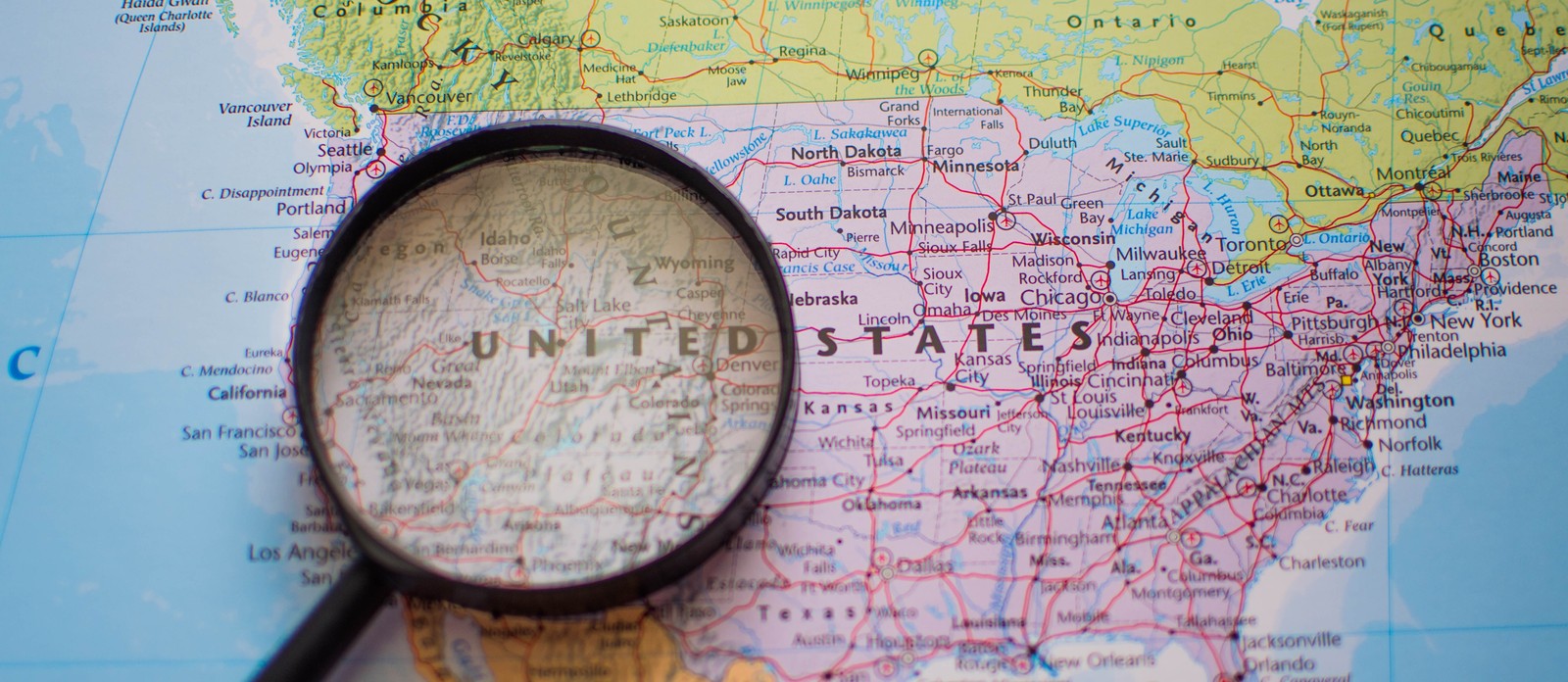
Image: Neuiiza

Ever wondered why Alaska is known as the Final Frontier? Why do we call Florida the Sunshine State (although other regions average more sunshine)? And what does it mean that Pennsylvania is called the Keystone State ? Today, we dive deep into the stories of some of our favorite regions and their pet names that reflect a bit more of what America is all about.

1
California – The Golden State
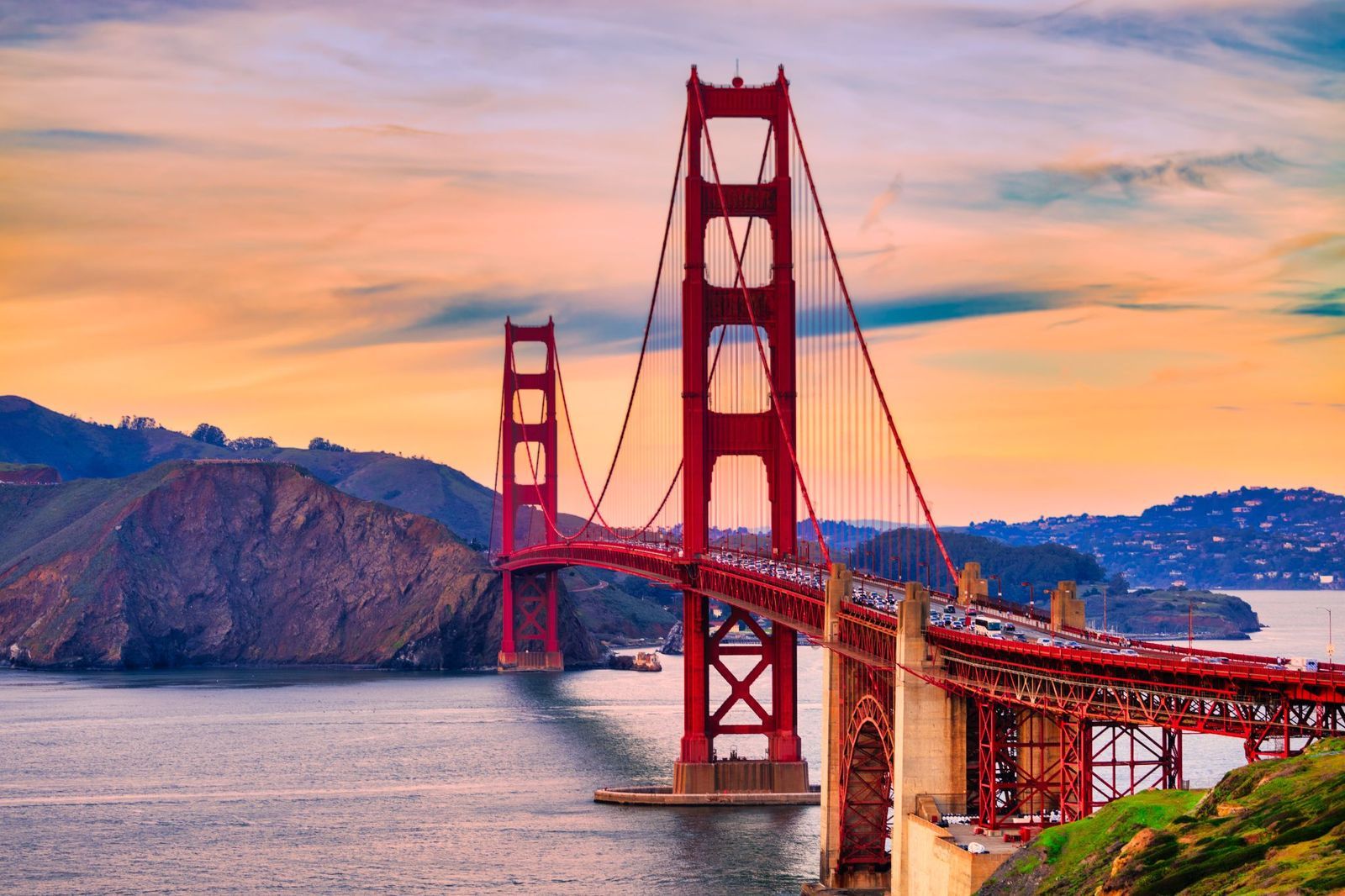
Image: UVL

California has been known as The Golden State since 1968, although the story behind why dates back to the 19th century, for three reasons: The first and main motive for this nickname is the Gold Rush, which followed the discovery of gold at Sutter’s Mill in 1848 , resulting in hundreds of thousands of Forty-Niners heading over, forever changing the economic, cultural, and social landscape.

The second explanation is the gold poppy, the state's official flower, which decorates the hills and landscape with a bright yellow hue that can sometimes be seen from the ocean. And finally, the third reason for this nickname is the state's sun-drenched climate, making it a radiant location from the inside out.

2
Texas – The Lone Star State
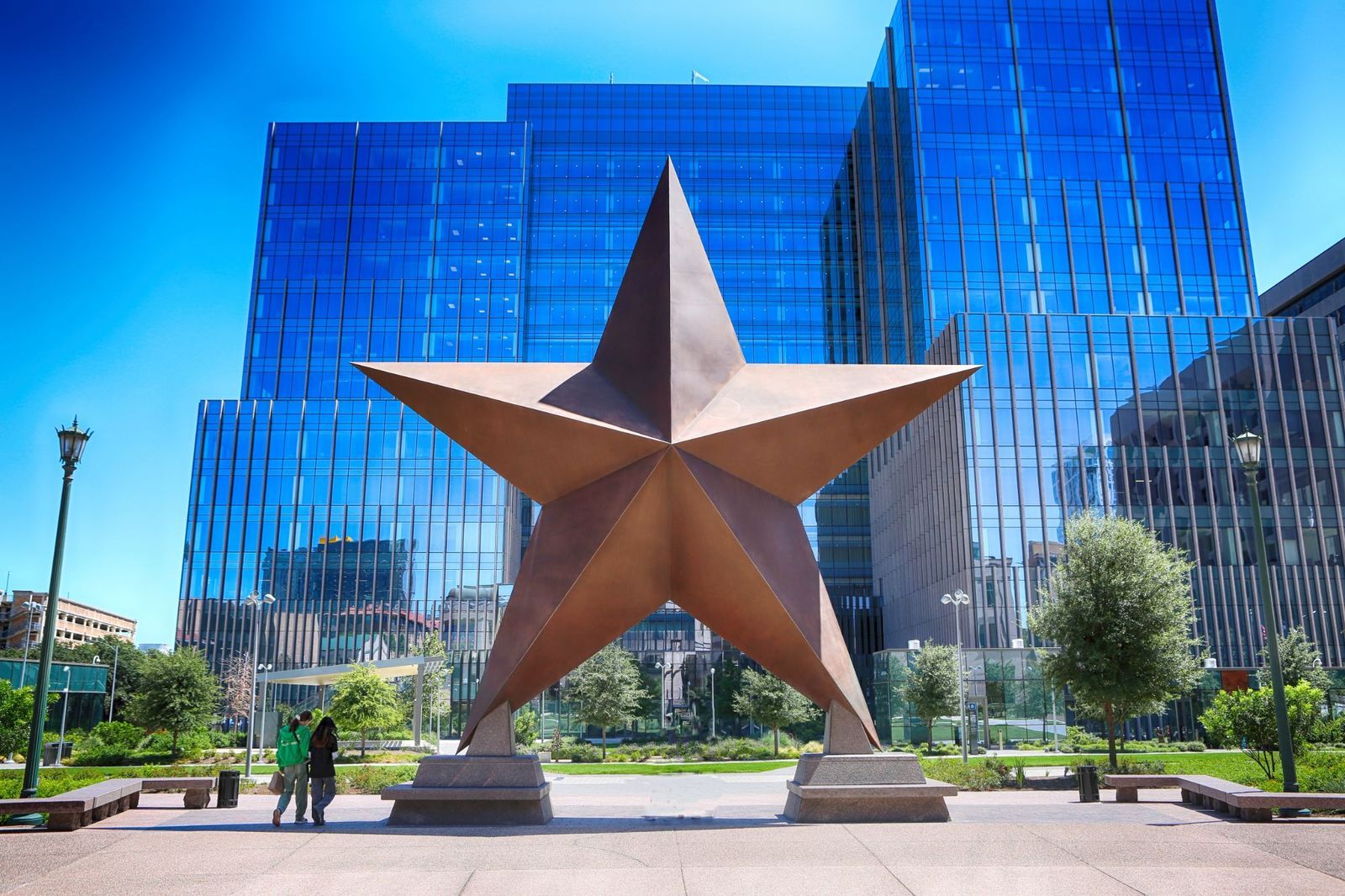
Image: GSPhotography

Texas’s alternate name is The Lone Star State because of the state’s flag, which has one big white star on its left-hand side, symbolizing the region’s fierce independence and honoring its treacherous journey to freedom from Mexico.

Not only that, but did you know that after gaining independence, Texas was actually a foreign state for almost a decade (from 1836 to 1845) ? Therefore, having the star also represents Texan’s hard work, their defiant identity, and the importance of sovereignty.

3
Florida – The Sunshine State

Image: Mihai_Andritoiu

Florida’s whimsical nickname was officially adopted by the legislature in 1970. It refers to the state’s amazing climate, which offers between 230 and 250 sunny days a year, due to its enviable tropical weather.

During the late 19th century and early 20th century, before marketing and tourism were as common as they are today, Florida was heavily promoted with this shiny catchphrase. The objective was to attract as many vacationers and investors as possible, and even though states such as Arizona, New Mexico, and Nevada are statistically sunnier , it worked!

4
New York – The Empire State

Image: Volodymyr TVERDOKHLIB

New York’s moniker is The Empire State. This powerful slogan references the unmatched ambition, wealth, and business dominance this state has over all others.

The story of how it came to be dates back to 1785, to a letter written by George Washington to the New York Common Council, describing the region as " The State of the Empire ." Later on, this reference became officially used by all in the 1800s, when, after the development of the Erie Canal, New York’s powerhouse status was solidified even further.

5
Illinois – The Prairie State

Image: David Hutton

Illinois’ nickname, The Prairie State, undoubtedly refers to its emblematic landscape of vast grasslands covering almost 22 million acres. This ecosystem, framed under stunning blue skies, has made the state a symbolic painting.

Early settlers were amazed by the immensity of the wild grasses and wild flowers. Over time, much of the area has been converted into farmland. Nowadays, only a fraction of the original prairie is intact, but the memory of its beginnings forever remains.

6
Nevada – The Silver State
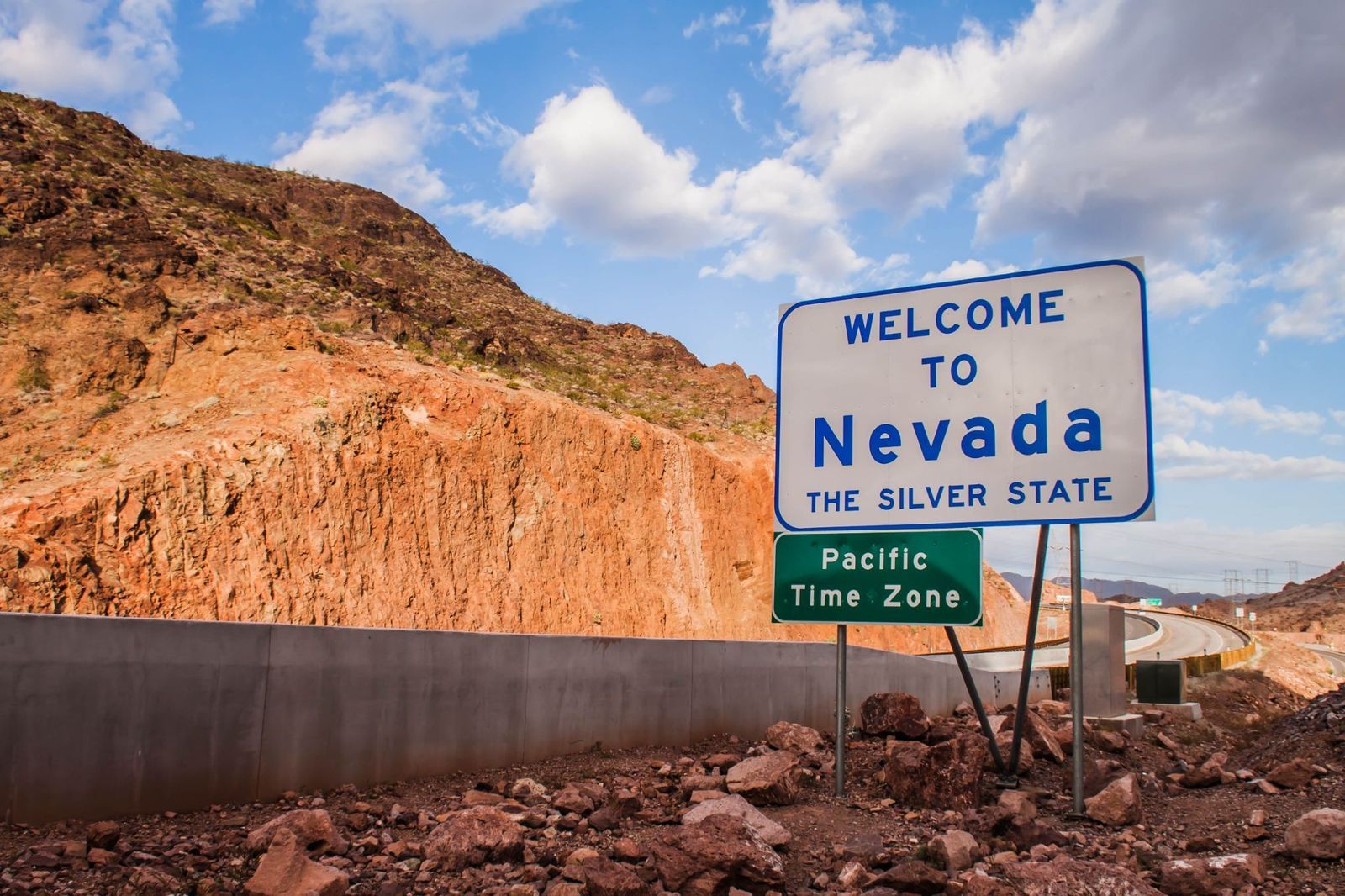
Image: Danny Thomas

Nevada's most notable nickname, The Silver State , dates back to 1859 when the Comstock Lode was uncovered. The immense discovery of so much silver led to an unimaginable mining boom, putting the area on the map.

In fact, this accelerated Nevada’s path to becoming a state in the first place and made it a defining bastion of America’s West. Other nicknames Nevada has been known for include T he Battle-Born State, The Sagebrush State, and, understandably, The Mining State.

7
Pennsylvania – The Keystone State
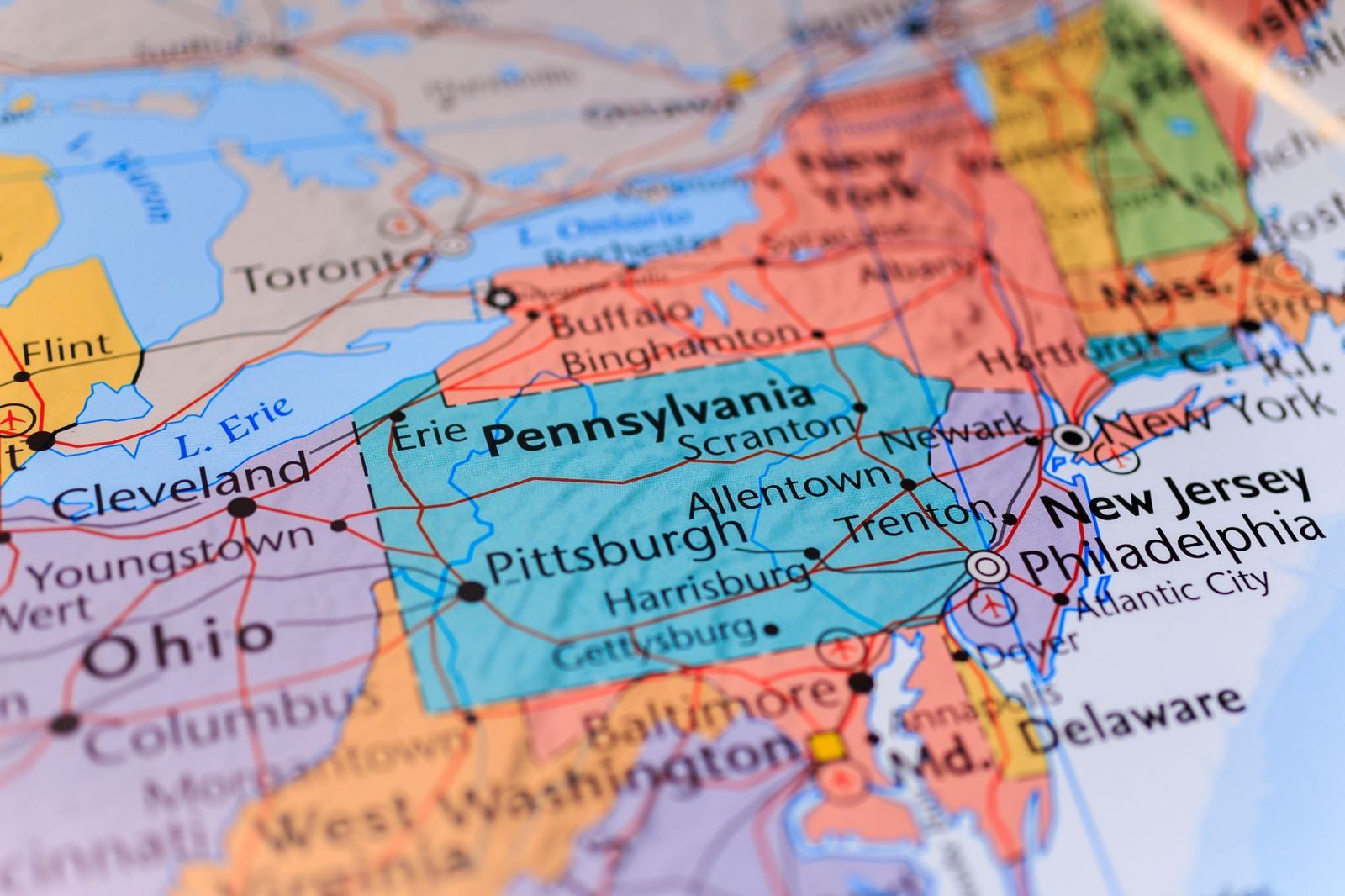
Image: Alexander Lukatskiy

Pennsylvania is famously known as The Keystone State . This derives from the architectural symbolism of a keystone, a wedge-shaped stone located at the top of an arch that locks all other pieces into place.

This reference highlights the geographic centrality of the region and the fundamental role Pennsylvania has historically played in keeping the surrounding areas connected, having held the early American Republic together .

8
Massachusetts – The Bay State

Image: Capt' Tom

Massachusetts' moniker, The Bay State , refers to the area's deep, foundational relationship with the Atlantic Ocean , tied to early colonial survival. Back in 1630, the region was known as the Massachusetts Bay Colony, defined by its hustling and bustling maritime harbor that served as a lifeline for early pioneers.

In addition, since 1990, the Massachusetts legislature has officially adopted the moniker Bay Staters as the official designation for the state’s residents.

9
Arizona – The Grand Canyon State

Image: Wirestock Creators

Arizona’s nickname, The Grand Canyon State, refers to its most iconic natural feature . It’s an incredible geographic wonder that has established the region as a tourism destination dreamed of by people around the country, and around the globe.

All the same, over the years, Arizona has also sparked other monikers such as The Baby State, The Valentine State, and The Copper State.

10
Alaska – The Last Frontier
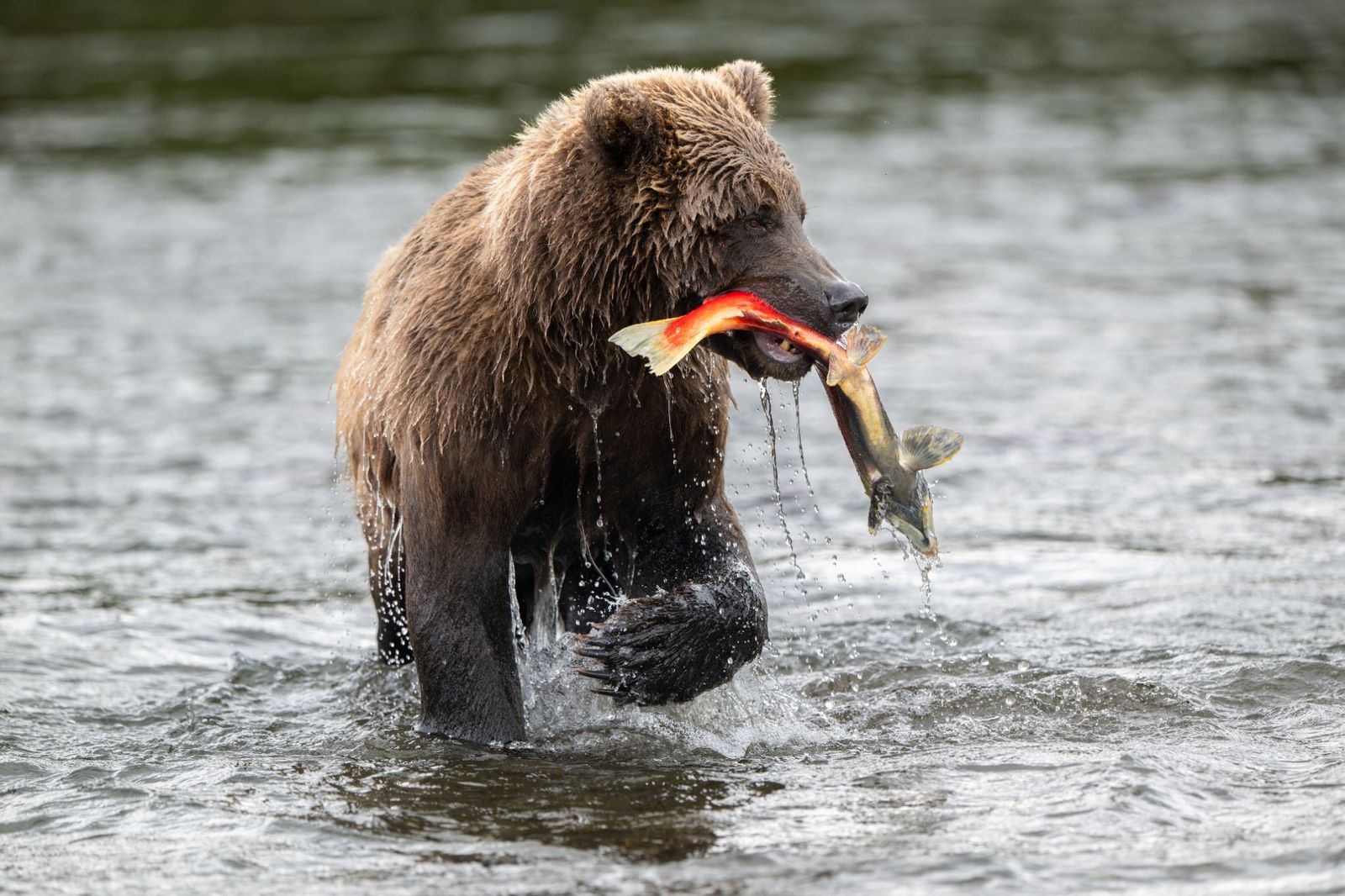
Image: Tony Campbell

Alaska's poetic nickname, The Last Frontier_,_ refers to its geography and extreme isolation . Known for its raw, pristine wilderness, it also holds historic status as the last untamed expansion in U.S. history, having joined the Union in 1959 as the 49th state.

Only about one-third of the region is organized into boroughs, leaving the majority of the massive landmass (over 660 thousand square miles) as it was: undisturbed glaciers and mountains, resulting in relentlessly extreme climatic conditions.


Culture Culture 5 min read

Quick on the draw: The 12 greatest cartoon characters of all time

Image: Elsa Tonkinwise

Comic strips are way more than just cute cartoons on a page—they’ve been the heartbeat of American newspapers for decades. Morning routines often aren’t complete without flipping to the "funnies." In just a few panels, they manage to bottle up humor and creativity while reflecting everyday life in ways that feel both simple and profound. For generations of readers, these characters have grown into familiar companions, as real and reliable as neighbors down the street. What follows is a look back at some of the most beloved comic strip icons—characters whose charm hasn’t faded with time.

1
Thelma from The Family Circus

Image: Angel Sanchez

Here’s a little bit of trivia: cartoonist Bil Keane didn’t just imagine Thelma—he sketched her straight from life, inspired by his own wife. Far from being a background character, she stands as an anchor in a house full of wild little adventurers. College-educated and quick on her feet, she is the quiet balance that keeps the comic’s playful family from tipping over.

Since its debut in 1960, fans of The Family Circus have seen in Thelma not just a mother, but the steady rhythm that turns chaos into charm. She reminds everyone that even in the middle of a circus, there’s always someone holding the tent poles steady.

2
Snoopy from Peanuts

Image: somecomputer

What if a simple old beagle could slip into the role of a daring fighter pilot or a famous novelist without ever leaving his doghouse? That’s the magic of Snoopy.

From the 1950s onward, Charles Schulz gave this iconic, innocent dog a wildly imaginative life, where a simple nap on the roof could turn into a trip across the skies. He rarely speaks, yet every tilt of his ear and twitch of his eyebrow says more than words ever could. Snoopy shows readers that the biggest adventures often happen in our heads, proving that silence can tell a story louder than any punchline.

3
Garfield

Image: Jim Davis, Public domain, via Wikimedia Commons

Who would have guessed that a fat, sleepy cat introduced in 1978 would become one of the sharpest minds in comic strip history? Garfield never bothers chasing mice or protecting the house—he lets others do the hard work while he perfects the art of comfort.

Fueled by lasagna and armed with sarcasm, he turns laziness into a lifestyle. His famous dislike of Mondays isn’t just a joke—it’s a philosophy. Why suffer through the grind when you can nap through it? In his own sly way, Garfield teaches readers that brains sometimes triumph over brawn, especially when pasta is involved.

4
Calvin from Calvin and Hobbes

Image: Michał Turkiewicz

What happens when childhood curiosity meets mischievous behavior? Calvin happens. Bill Watterson’s rebellious and cynical six-year-old, born in the 1980s, can transform an ordinary backyard into a galaxy of adventures.

One moment, he’s a space explorer dodging aliens; the next, a philosopher debating life with a stuffed tiger. All his alter egos are playful but also surreal monuments of imagination. Beneath the pranks and wild schemes, Calvin reminds us that messy questions often lead to the brightest discoveries.

5
Wednesday from The Addams Family

Image: Jon Tyson

Imagine a child who never giggles at the obvious but instead tilts her head and asks the questions no one else dares. That’s Wednesday. When Charles Addams first sketched her in the 1930s, she wasn’t just another character in a gothic family—she was the sharp thinker in braids.

While her relatives reveled in the bizarre, Wednesday cuts straight to the harsh reality with calm precision. Her curiosity is fearless, her observations unflinching, and her wit so dry it makes readers smirk. In a household full of quirks, she is the quiet compass pointing toward reason.

6
Nancy Ritz from Nancy

Image: Tip Top Comics / United Features / Ernie Bushmiller, Public domain, via Wikimedia Commons

Long before "less is more" became a fashion motto, Ernie Bushmiller’s Nancy was already proving the point. With just a few lines, Bushmiller built a character who could provoke laughs sharper than most elaborate gags. Nancy’s jokes landed fast, like little surprise jabs, and her clean, minimalist style made her humor feel universal. Decade after decade, her zingers have stayed as fresh as if they were written yesterday.

7
Popeye the Sailor Man from Thimble Theatre

Image: E. C. Segar, Public domain, via Wikimedia Commons

Believe it or not, a cartoon sailor managed to change America’s dinner plates. When Popeye appeared in 1929, kids suddenly wanted to eat spinach, and sales of the leafy green soared by nearly a third.

With his anchor tattoos, squinty eye, and gravelly mumble, Popeye wasn’t exactly polished—he was tough, funny, and unforgettable. Every can of spinach he cracked open turned into instant muscle, proving that strength, humor, and even vegetables could be downright heroic.

8
Dick Tracy

Image: R Jangaard

Imagine picking up a newspaper in 1931 and spotting a hard-boiled detective with a futuristic radio strapped to his wrist. For readers of the day, it looked like pure science fiction. Chester Gould’s Dick Tracy wasn’t only solving crimes—he was predicting the kind of technology that wouldn’t appear in real life for decades.

Sharp as a tack, with a no-nonsense style, Tracy blends American gothic with futuristic flair, making every strip feel like a peek into tomorrow’s world.

9
Dennis from Dennis the Menace

Image: Alexandra_Koch

On the surface, Dennis seems like every parent’s headache: a freckle-faced kid with a knack for trouble. But dig a little deeper, and you’ll find a sharp mind hiding behind that mischievous grin.

Since the 1950s, his pranks have been less about chaos and more about clever planning and outsmarting the grown-ups. While Mr. Wilson might sigh in defeat, readers can’t help but laugh, knowing Dennis exposes truths adults often tiptoe around. Mischief is his tool; curiosity is his true engine.

10
Archie Andrews from Archie Comics

Image: Al Fagaly, Public domain, via Wikimedia Commons

Picture a small town where jukeboxes hum, soda fountains buzz, and Friday night dances are packed with teenagers. That’s the world Archie Andrews introduces us to. With his bright red hair and everyday charm, Archie isn’t a superhero—he’s the kid next door.

Yet, he manages to shine thanks to his relatable stumbles, from juggling homework to choosing between Betty’s sweetness and Veronica’s sparkle. His stories are funny snapshots of small-town America, frozen in time like a favorite old record.

11
Mooch and Earl from MUTTS

Image: PNW Production

At first glance, they’re just a cat and a dog. But look closer, and Mooch and Earl are small philosophers wrapped in fur. Patrick McDonnell gave Mooch his playful "Yesh" and Earl his gentle kindness, creating a duo that speaks volumes in just a few words.

MUTTS isn’t about big adventures, it’s about simple, tender moments: a nap in the sun, a wagging tail, a shared silence that feels like music. Through their quirks and quiet humor, Mooch and Earl remind readers that wisdom often comes from uncomplicated friendship.

12
Private Carl James "Beetle" Bailey from Beetle Bailey

Image: Mort Walker, Public domain, via Wikimedia Commons

When Mort Walker introduced Private "Beetle" Bailey in 1950, he proved that not every comic hero needs ambition—sometimes a nap is enough. Beetle isn’t just lazy; he turns slacking into a survival skill. While others march, plan, or panic, Beetle drifts away with a smirk, always finding the shortest route around hard work.

Although Camp Swampy is a tough setting, the punchline is clear: Beetle’s effortless way of avoiding obligations is almost genius. Somehow, doing nothing becomes his greatest talent.

General General 4 min read

‘Tis the season!

Feel the holiday spirit with these 10 wonderful Christmas specials!

Image: ErikaWittlieb

The holiday season is a time to spend with family and friends, but that doesn’t mean we can’t also enjoy some quality time watching timeless specials! If you’re like us, some of your most treasured childhood memories come from those exciting, hilarious, and deeply moving shows that taught us priceless lessons about friendship, family, and the true meaning of Christmas. With that in mind, let’s take a few minutes to celebrate all those amazing TV specials that truly made our childhoods magical. Enjoy!

1
A Charlie Brown Christmas (1965)

Image: Frankieleon., CC BY 2.0

We’ll begin with an absolute classic. Peanuts is not only one of the most groundbreaking and timeless comic strips, but it also inspired one of the most memorable holiday specials in history. A Charlie Brown Christmas first aired in 1965 and featured the entire Peanuts gang trying to lift Charlie Brown’s holiday spirits. In the end, the kids realize that Christmas isn’t about expensive gifts or impressively decorated trees but rather about spending time with those we love .

2
How the Grinch Stole Christmas! (1966)

Image: Alex Stone

You might think a Christmas special without Santa Claus wouldn’t be popular, but leave it to legendary children’s author Dr. Seuss to create a character so endearing and captivating that he steals the show. For many Americans, 1966’s How the Grinch Stole Christmas! is the ultimate Christmas special—and for good reason. From the stunning animation to Boris Karloff’s incredible narration , this TV classic is truly a gem of American culture.

3
Frosty the Snowman (1969)

Image: Ethan Hu

We all have warm memories (ironically) of building snowmen with friends and family—sculpting funny features while ignoring our increasingly cold fingers. The 1969 TV special Frosty the Snowman took that childhood experience a step further by bringing to life a wish we’ve all had: What if our beloved snowmen suddenly came alive ? The special tells the story of Frosty, a snowman who springs to life when a magic top hat lands on his head.

4
Rudolph, the Red-Nosed Reindeer (1964)

Image: Tim Gouw

Like many entries in this article, the 1964 stop-motion Christmas special Rudolph the Red-Nosed Reindeer was inspired by the 1939 poem of the same name. It tells the story of Rudolph, a young reindeer ostracized by Santa’s other reindeer for his bright and shiny red nose. However, Rudolph —and the audience—soon learns that our differences are what make us special. In the end, he earns his place by leading Santa’s sleigh on Christmas Eve .

5
The Year Without a Santa Claus (1974)

Image: __ drz __

Considering he spends 364 nights a year there, you might think Santa Claus would choose a warmer place to live. Case in point: the 1974 stop-motion special The Year Without a Santa Claus tells the story of Santa waking up one cold December morning with a nasty cold . Because of this, Mrs. Claus embarks on a worldwide adventure to try to lift Santa’s holiday spirit .

6
Santa Claus Is Comin’ to Town (1970)

Image: Osman Rana

This 1970 Christmas special features an all-star cast , including Fred Astaire, Mickey Rooney, and Robie Lester . Santa Claus Is Comin’ to Town tells the story of how Santa Claus and several holiday traditions came to be. It was inspired by the 1934 Christmas song of the same name, which was extremely popular at the time.

7
‘Twas The Night Before Christmas (1974)

Image: Karsten Winegeart

The title of the 1974 TV special ’Twas the Night Before Christmas pays homage to the opening line of Clement Clarke Moore’s 1823 poem A Visit from St. Nicholas . However, the special’s plot differs greatly from the original poem. In this version, Santa Claus is offended by a published article claiming he doesn’t exist and refuses to deliver Christmas gifts that year. However, a small mouse known as Father Mouse takes it upon himself to return Santa’s Christmas spirit .

8
The Little Drummer Boy (1968)

Image: Lee Lawson

Drums aren’t traditionally associated with Christmas and are often overshadowed by softer instruments like bells or pianos. However, would you believe that a drum takes center stage in one of the most popular Christmas specials in history? Based on the 1941 song of the same name by Katherine Kennicott Davis, the 1968 stop-motion special The Little Drummer Boy tells the moving story of Aaron , a boy who, after many hardships, experiences the very first Christmas with his loved ones .

9
"A Christmas Carol" (1971)

Image: Elin Melaas

Many consider A Christmas Carol the ultimate Christmas story, as it has been adapted for film, theater, and television countless times . In that sense, we could have chosen any number of excellent Christmas specials that pay homage to Charles Dickens’s timeless classic. However, we ultimately selected the 1971 version , starring Alastair Sim and Michael Hordern, as it won the Academy Award for Best Animated Short Film in 1972.

10
A Flintstones Christmas (1977)

Image: 1950sUnlimited, CC BY 2.0

When you think about it, a Flintstones Christmas special doesn’t really make much sense—after all, this prehistoric family lived centuries before the very first Christmas. However, if we overlook that small detail, the 1977 special A Flintstone Christmas is undoubtedly one of the most enjoyable holiday TV specials . The episode follows Fred and Barney as they go to great lengths to bring Christmas to the city of Bedrock .

Explore more American facts

Choose your favorite category!

General
General

As American as apple pie—the very best America has to offer!

Culture
Culture

Delve into the astounding richness of American lore.

Geography
Geography

Hop in and explore vast and diverse American landscapes.

History
History

Discover the key moments that shaped the United States.