General General 4 min read

10 Hollywood stars whose lives took tragic turns
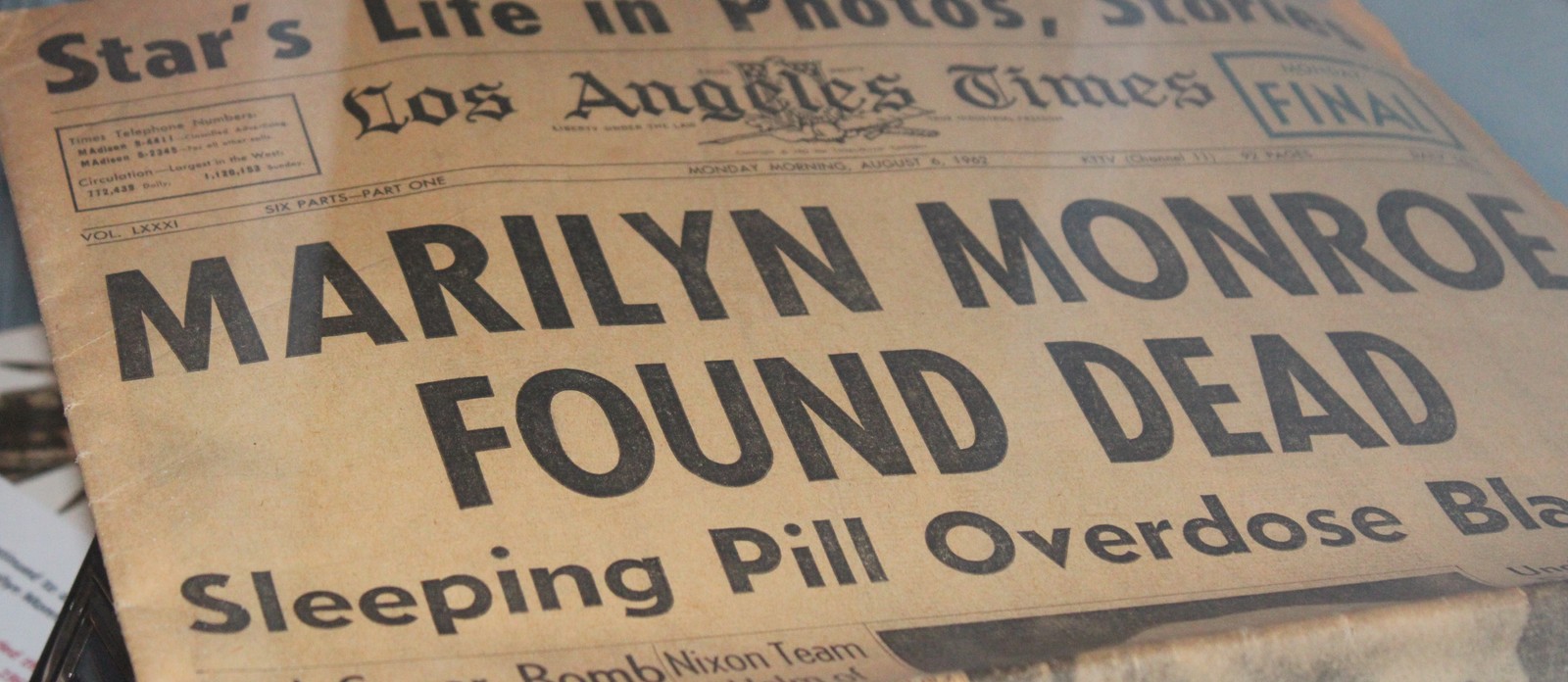
Image: mwood99

From the outside, Hollywood is the place where dreams come true. But that glamour is often just a mirage. The history of entertainment is full of iconic performers who brought joy and magic to the world but had trouble finding it themselves, with lives that took tragic turns. Let’s remember these artists and pay tribute to their legacies.

1
Marilyn Monroe (1926–1962)
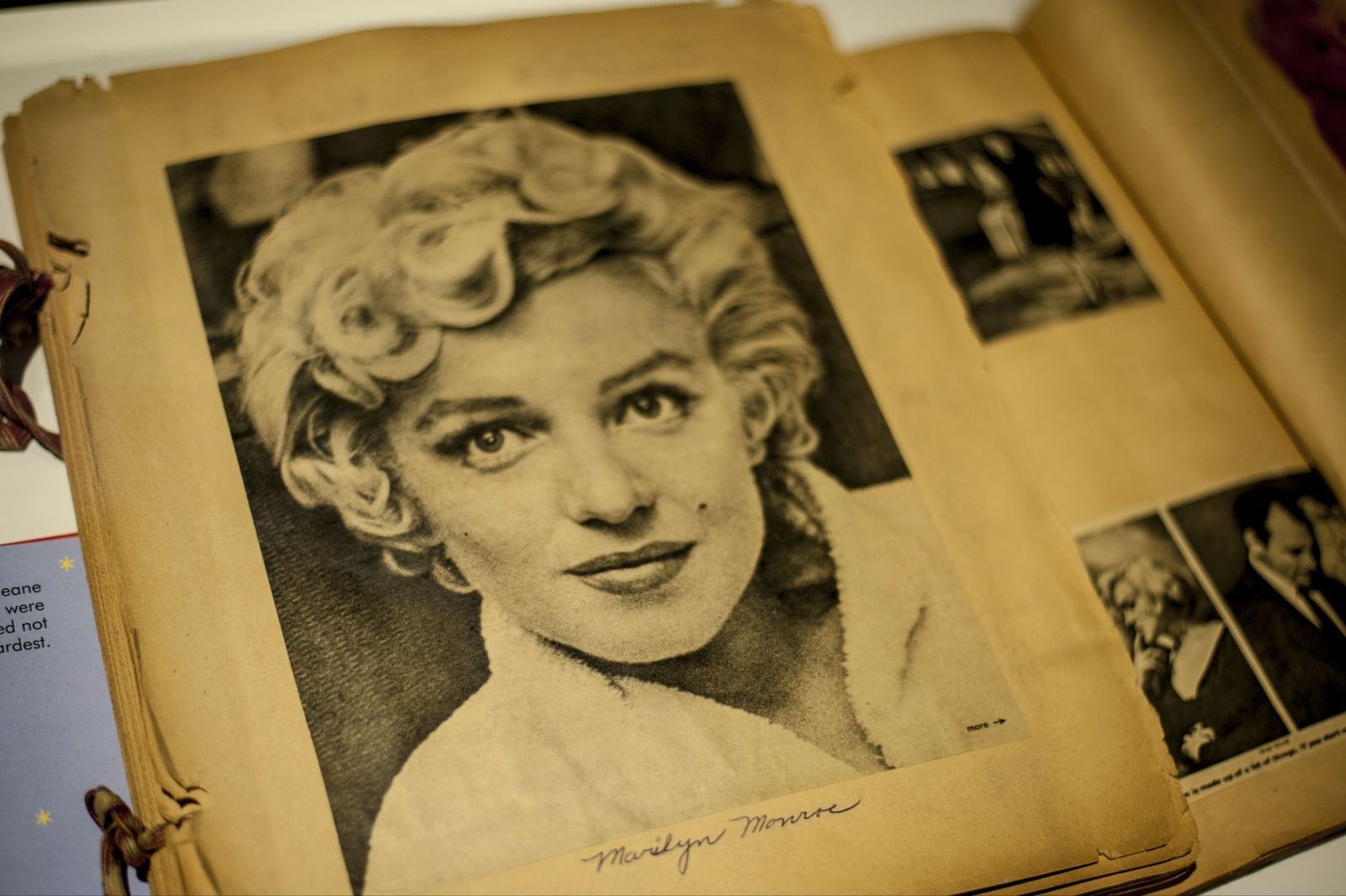
Image: SeoHeaMIn

The definitive blonde bombshell, the one and only Marilyn Monroe took the world by storm with her talent and breathtaking beauty during Hollywood’s Golden Age. And although the world will always remember her image and performance in classic films like Some Like It Hot (1959), her unforgettable smile often hid deep sadness.

The queen of glamour suffered from anxiety and substance abuse, and was very frustrated by the roles offered to her; her life came to a sudden end on August 5, 1962, at the age of 36, following an overdose.

2
Judy Garland (1922–1969)
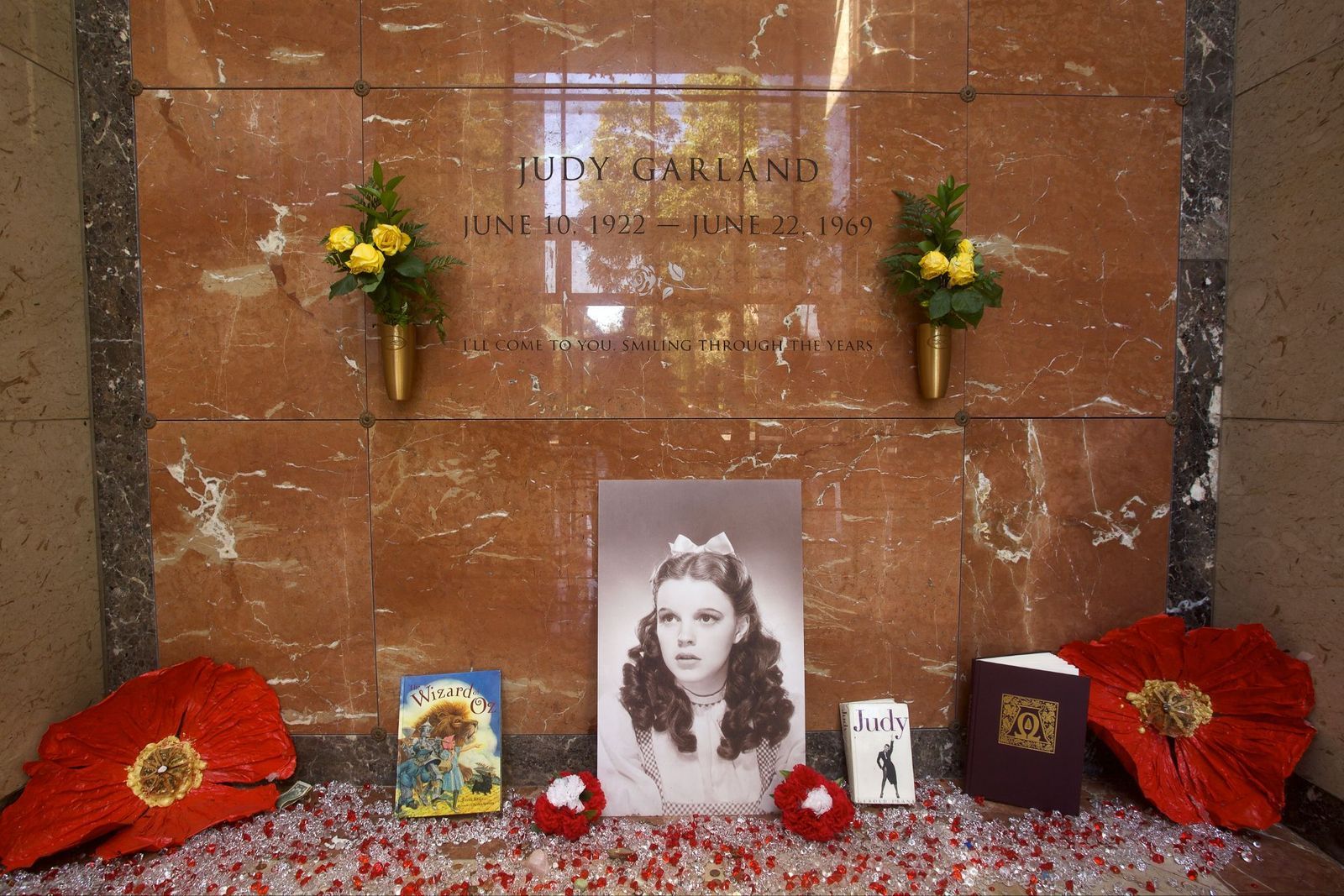
Image: Elliott Cowand Jr

When you think of Judy Garland, sweet, hopeful Dorothy Gale in 1939’s The Wizard of Oz immediately comes to mind. Just 17 when the film was released, her career as an actress and gifted singer was off to a fantastic start, and her future looked bright.

But the studio system repeatedly pressured Garland with strict dieting and the use of stimulants and sedatives when working as a young performer. Later in life, she struggled with mental illness and financial problems. Garland was 47 when she passed away in London on June 22, 1969, after an overdose.

3
James Dean (1931–1955)
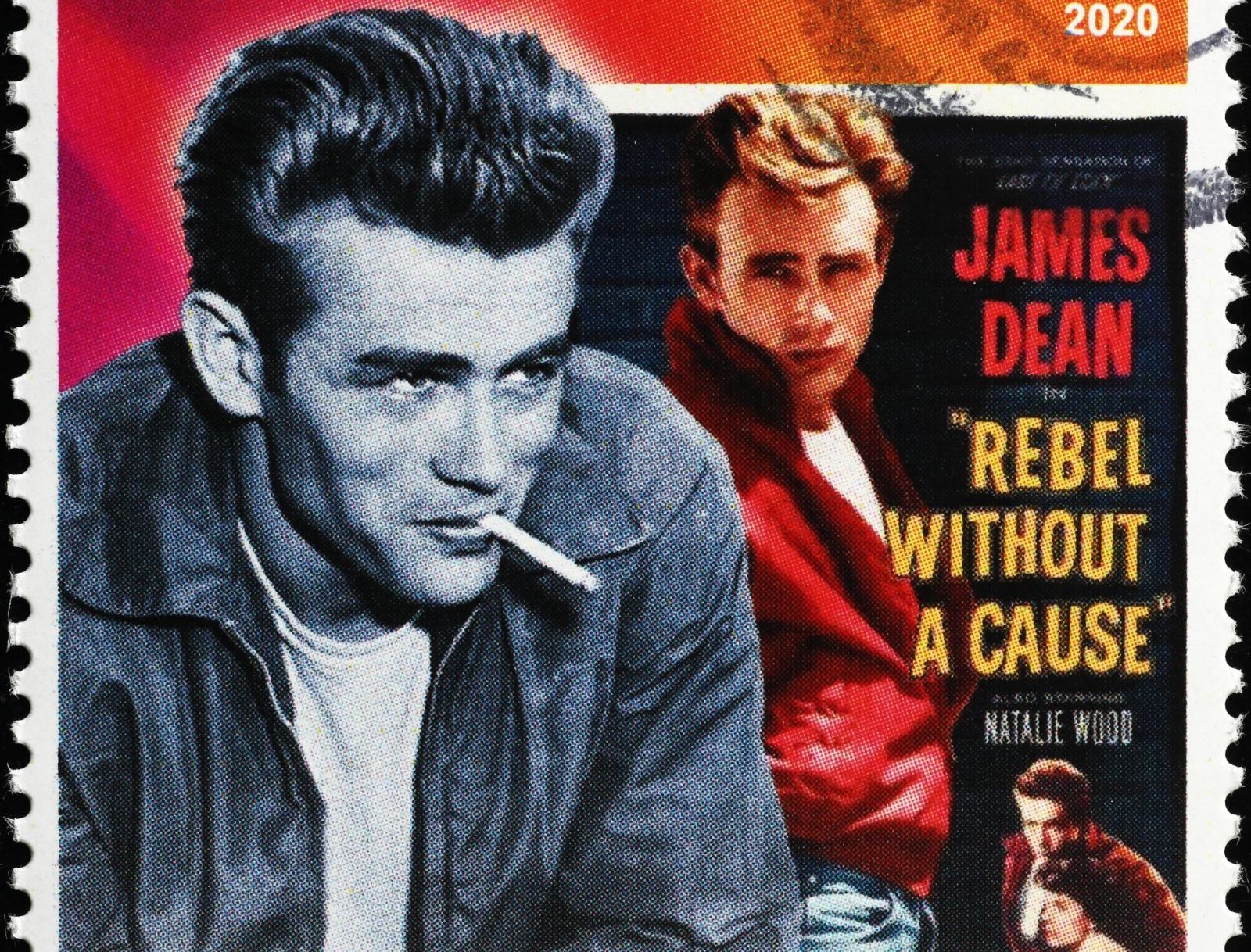
Image: spatuletail

What James Dean achieved in just five years in the movie industry is mind-blowing. In the 1950s, Dean was one of the most iconic figures in Hollywood; he was the cool young heartthrob who became a symbol of rebellion after the smash hit Rebel Without a Cause (1955).

But at the peak of his career, he had a car crash while driving his Porsche 550 Spyder in California and was killed at age 24.

4
John Candy (1950–1994)
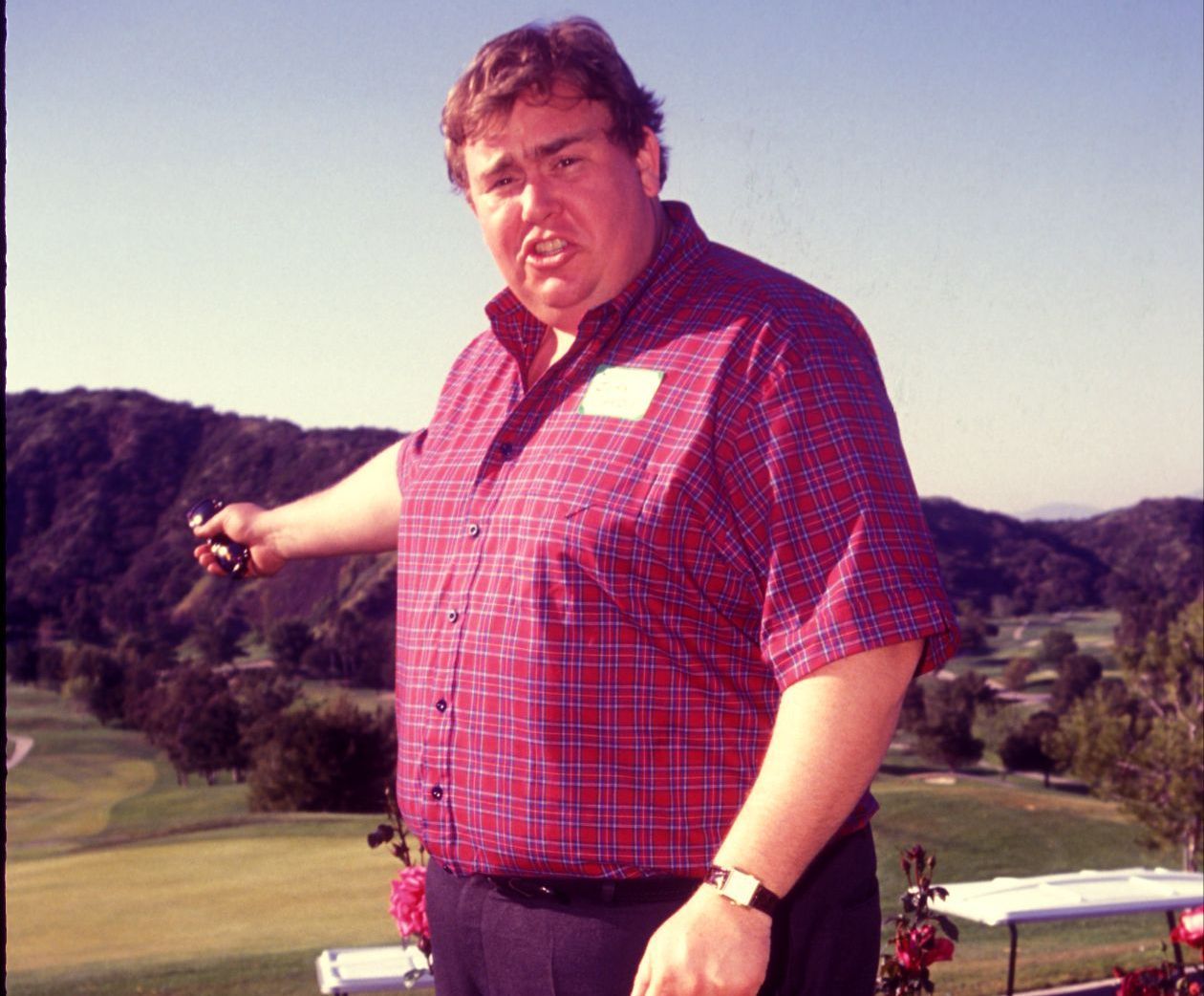
Image: Bart Sherkow

John Candy’s warm and funny characters have a special place in Hollywood history, and his death still feels unfair. Born in Ontario, Canada, in 1950, Candy became a major comedy star thanks to classics like Trains & Automobiles (1987), Uncle Buck (1989), and The Great Outdoors (1988).

And while he still had so much to offer, on March 4, 1994, he suffered a sudden heart attack while filming Wagons East! (1994) and died at the age of 43.

5
Robin Williams (1951–2014)
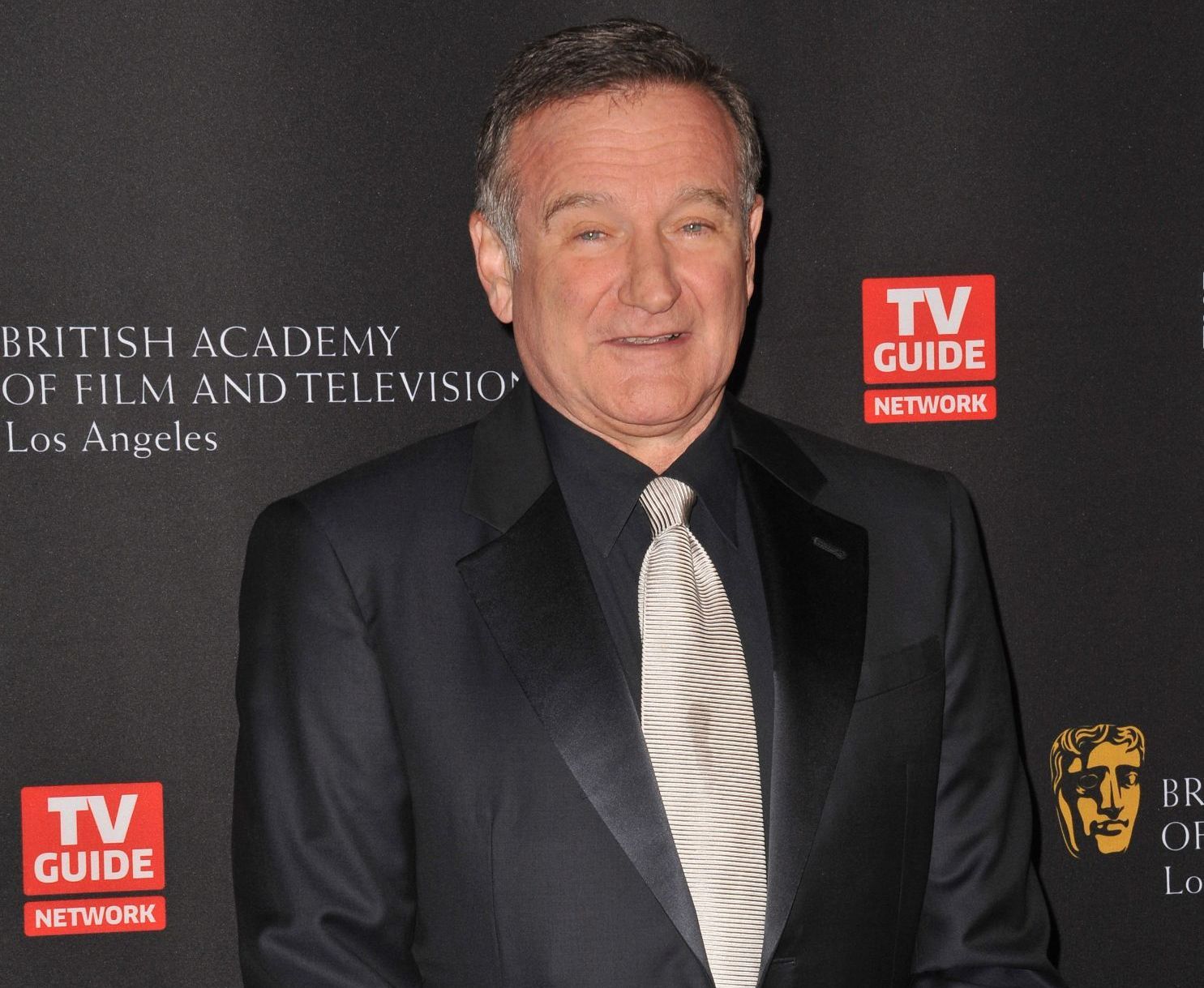
Image: Featureflash Photo Agency

Robin Williams always inspires a bittersweet smile. A genius comedian who could make audiences crack up with a funny accent or an impish smile — with real dramatic chops, too —  Williams starred in classics like Mrs. Doubtfire (1993) and brought us to tears with his outstanding performance in movies like Good Will Hunting (1997).

But behind the hilarious comedian, Robin struggled with depression and substance dependence, as well as Lewy body disease. He died by suicide on August 11, 2014, at the age of 63.

6
Patrick Swayze (1952–2009)
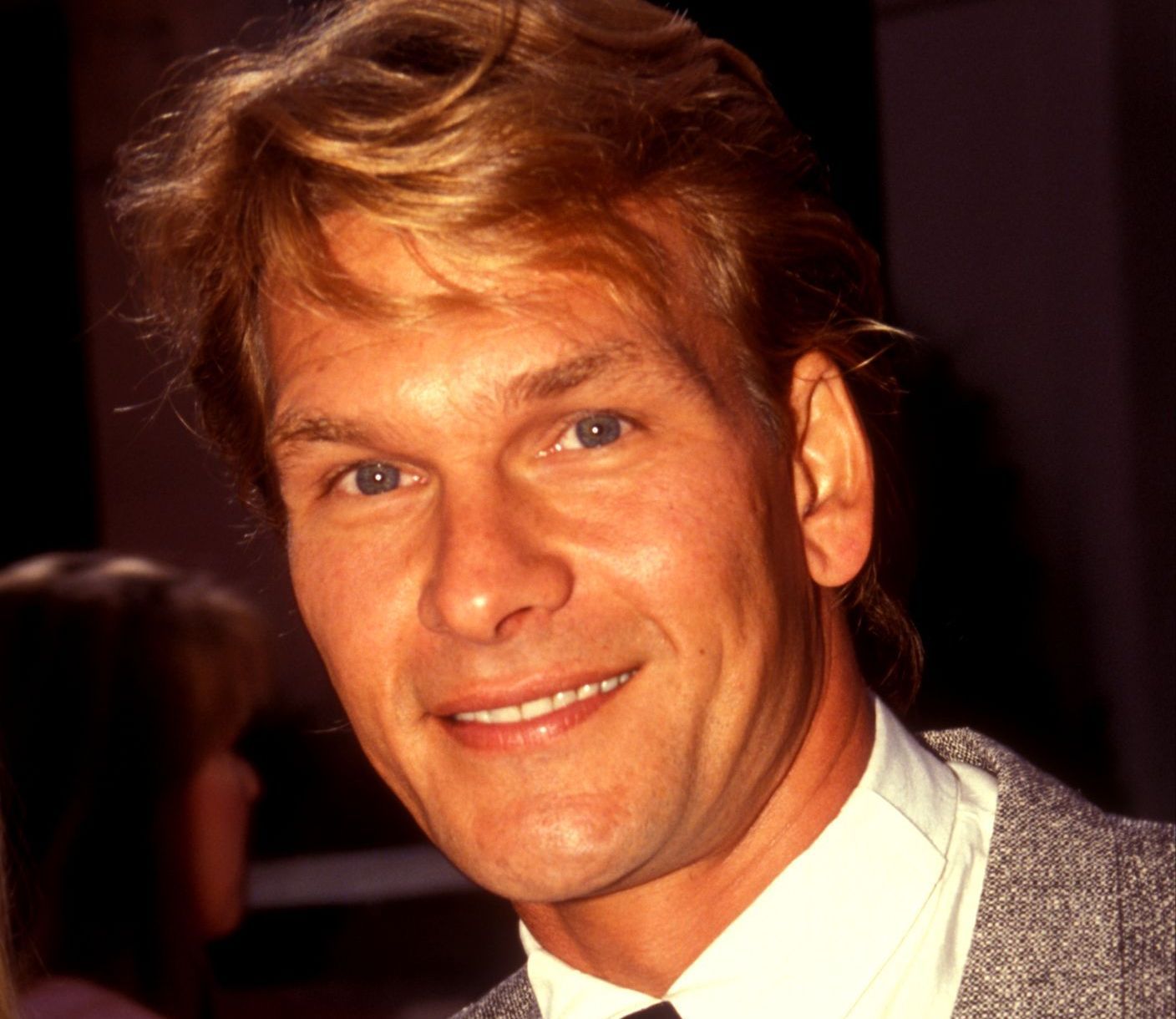
Image: Bart Sherkow

Patrick Swayze made movie history in classics like Dirty Dancing (1987) and Ghost (1990). Swayze’s energetic performances and his image as the romantic, tough heartthrob have a lasting legacy.

He was nominated three times for the Golden Globes (1997, 1990, and 1995). Sadly, in 2008, Swayze announced he had pancreatic cancer and passed away 20 months later on September 14, 2009, at the age of 57.

7
River Phoenix (1970–1993)
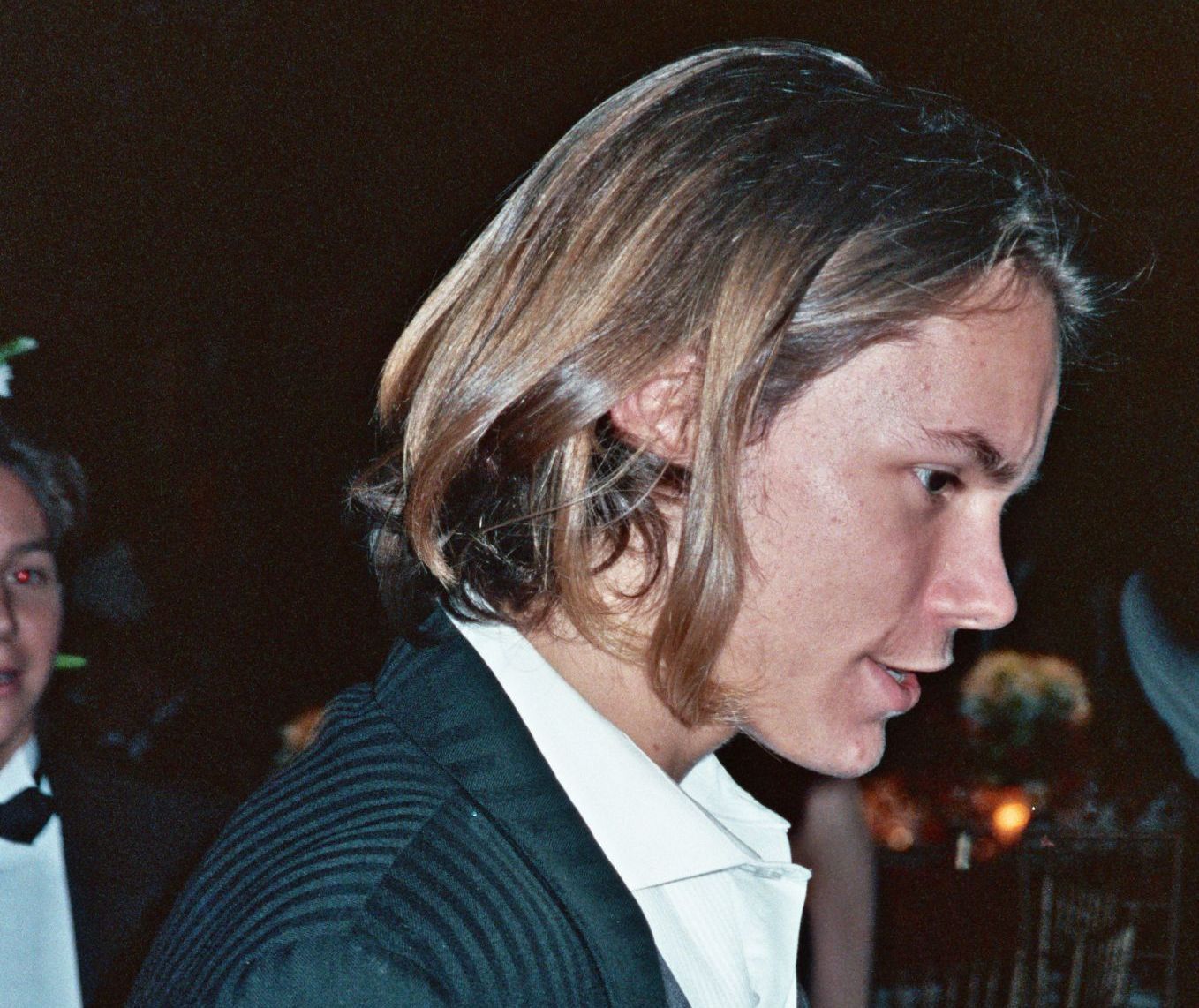
Image: photo by Alan Light, CC BY 2.0, via Wikimedia Commons

The older brother of the Oscar-winning actor Joaquin Phoenix, River Phoenix was considered one of the most promising young actors of his generation. His ticket to stardom came with Stand by Me (1986) when he was just 16 years old, and from there, his reputation took off with movies like Running on Empty (1988) and My Own Private Idaho (1991).

But when he was riding high in Hollywood, Phoenix lost his life at just 23, outside the Viper Room nightclub in Los Angeles on October 31, 1993, from acute multiple drug intoxication.

8
Chris Farley (1964–1997)
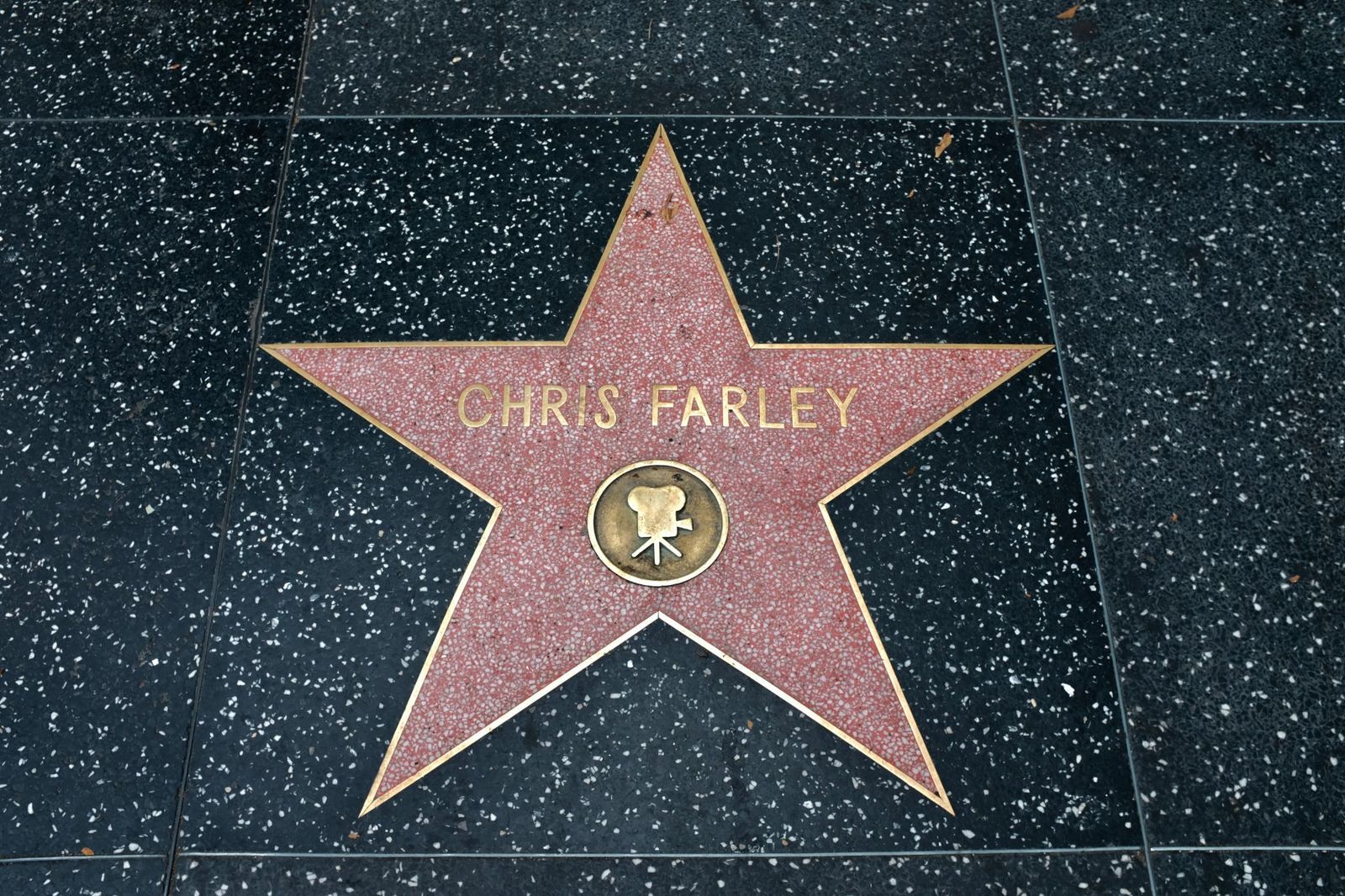
Image: Andy Chinn

Starting out in Chicago’s Second City comedy troupe and later joining Saturday Night Live in 1990, Chris Farley knew exactly how to get a laugh out of the audience with memorable characters like motivational speaker Matt Foley.

He became a major comedy star and made it to the big screen in movies like Tommy Boy (1995) and Black Sheep (1996). But behind the laughter, Farley struggled with substance use. He lost his life due to an overdose in 1997 when he was just 33 years old.

9
Heath Ledger (1979–2008)
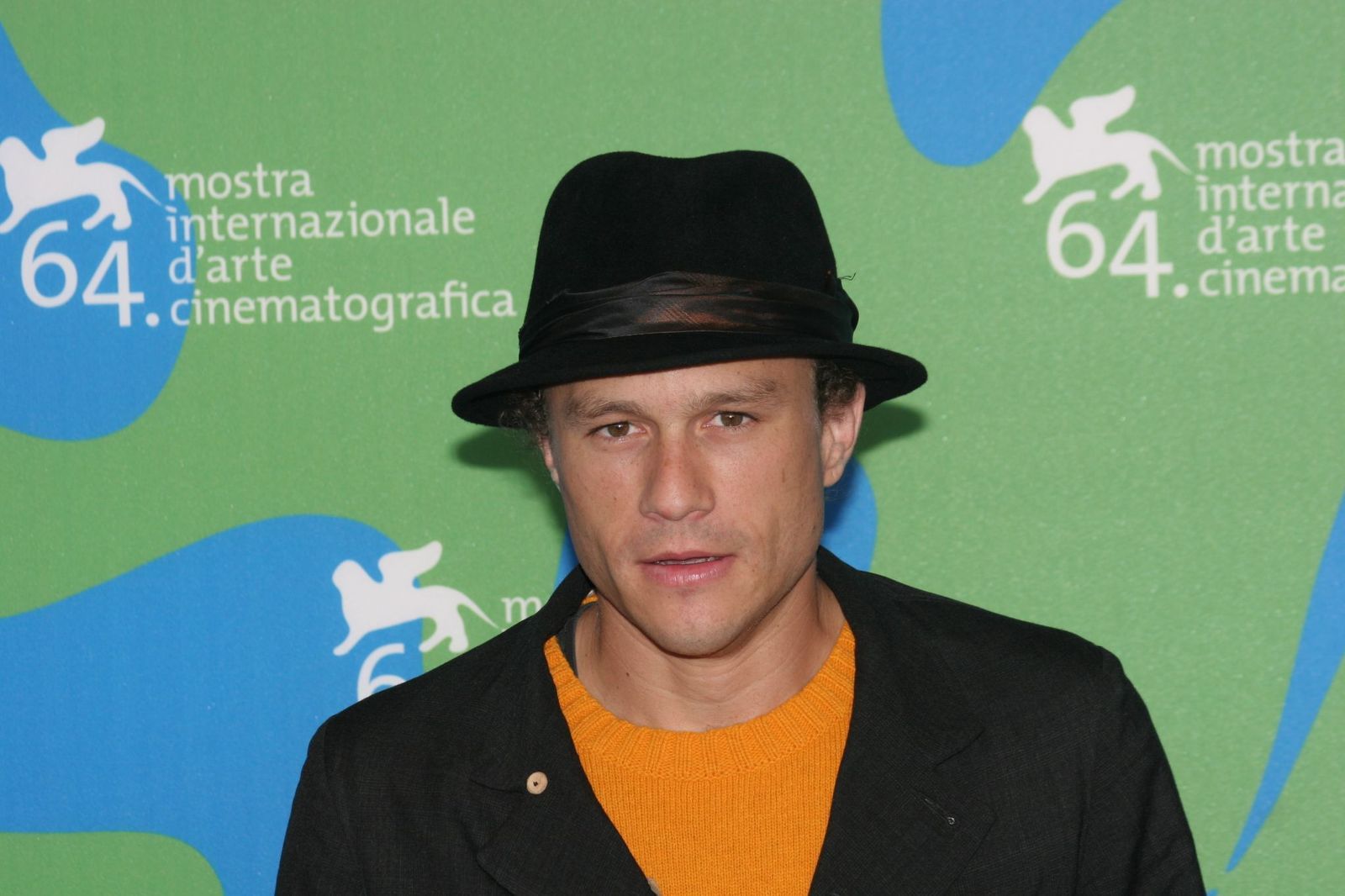
Image: Denis Makarenko

Heath Ledger remains one of the most respected actors in Hollywood, and his performances are widely remembered, especially his final turn in The Dark Knight (2008), in which he gave a masterful portrayal of Batman’s most iconic villain, the Joker — considered by many to be the best portrayal of the character ever.

Ledger was found dead in his apartment at the age of 28 from an accidental overdose. Thirteen months later, he won the Oscar for Best Supporting Actor posthumously for his performance.

10
Jonathan Brandis (1976–2003)
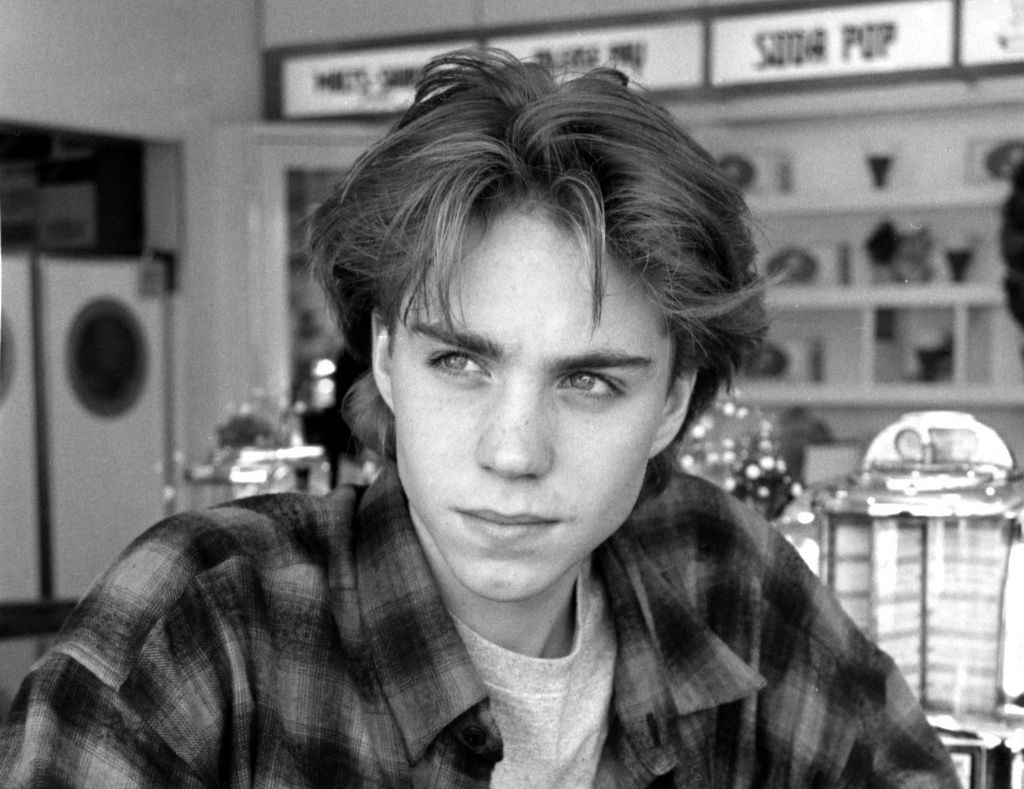
Image: Airwolfberlin, CC BY-SA 3.0, via Wikimedia Commons

Jonathan Brandis rose to fame after he played the courageous Bill Denbrough in the 1990 television miniseries It , based on Stephen King’s novel, though he had also previously starred in The NeverEnding Story II (1990).

Brandis was a teen heartthrob with a seemingly bright future, but his career opportunities started to dry up as he got older. He struggled with severe depression and heavy drinking, and took his own life on November 12, 2003, at the age of 27.
History History 4 min read

10 events that changed the course of history

Image: Rawpixel.com

Major events have shaped the history of our country and the world. Some have directly and immediately had an impact on people’s lives, like the end of World War II , and others set off a domino effect that ultimately changed the course of history, like Columbus's 1492 voyage or the Industrial Revolution. So, to see how we got here, let’s turn the pages of history and look at 10 events that helped make the world what it is today.

1
The American Revolution

Image: flysnowfly

We weren’t always the United States of America. One of the very first turning points in our history was the American Revolution, when the 13 colonies fought to become a new independent nation free from the control of the British Empire.

The Declaration of Independence was adopted on July 4 , 1776, though the Revolutionary War lasted from 1775 to 1783, when American forces finally defeated Britain. This pivotal moment influenced political movements around the world and spread new ideas about representative government and individual rights.

2
The Civil War

Image: Snap Spot

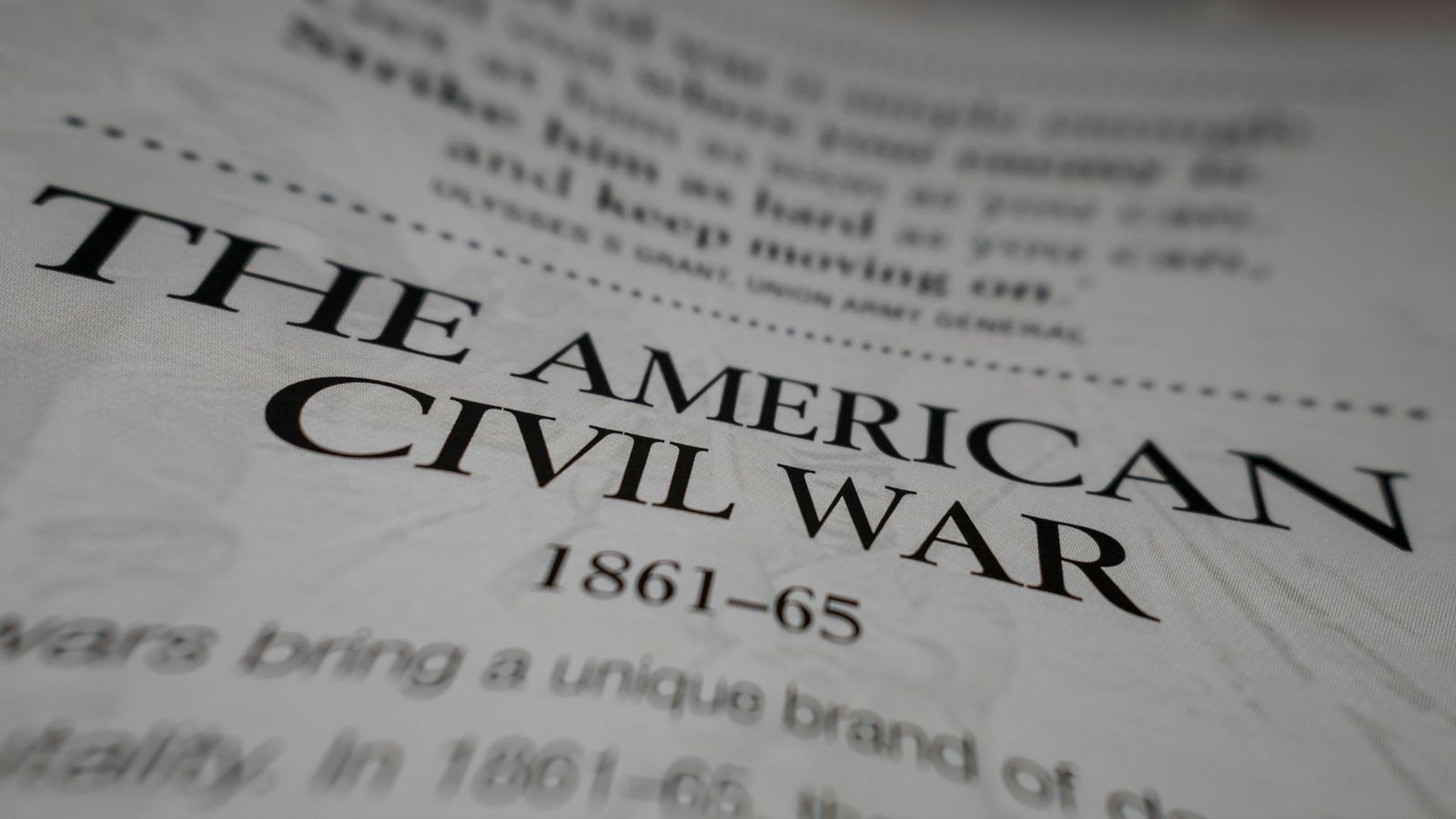
The deadliest conflict in U.S. history, the Civil War was a devastating yet defining event that changed the way Americans lived and worked, bringing about the abolition of slavery . The conflict lasted from 1861 to 1865, during which the Union fought the Confederate states that had seceded from the United States.

In 1863, Abraham Lincoln declared enslaved people in the Confederate states to be free. This didn’t immediately end slavery everywhere in America until the war officially ended and the 13th Amendment was ratified in 1865, abolishing slavery throughout the country.

3
World War II

Image: Everett Collection

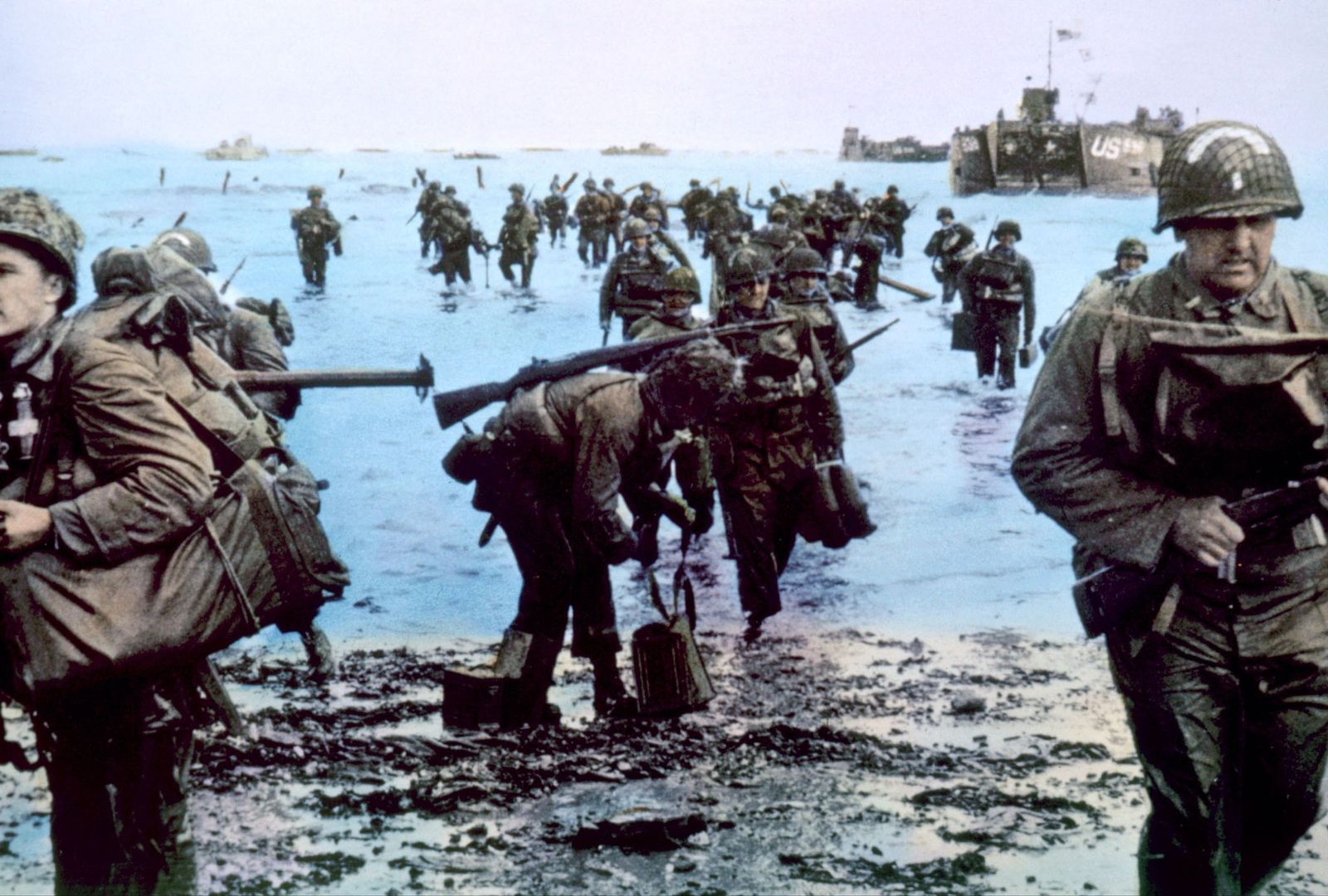
Many chilling stories have been written about how the world would be if Nazi Germany had won World War II. But in actual history, Germany surrendered on May 8, 1945, followed by Japan on September 2, 1945, officially ending the war and setting the stage for the world we grew up in .

In the aftermath of such a devastating and bloody war, the United Nations was created in October 1945 with the goal of preventing future conflicts and promoting cooperation among nations.

4
The Moon landing

Image: Rawpixel.com

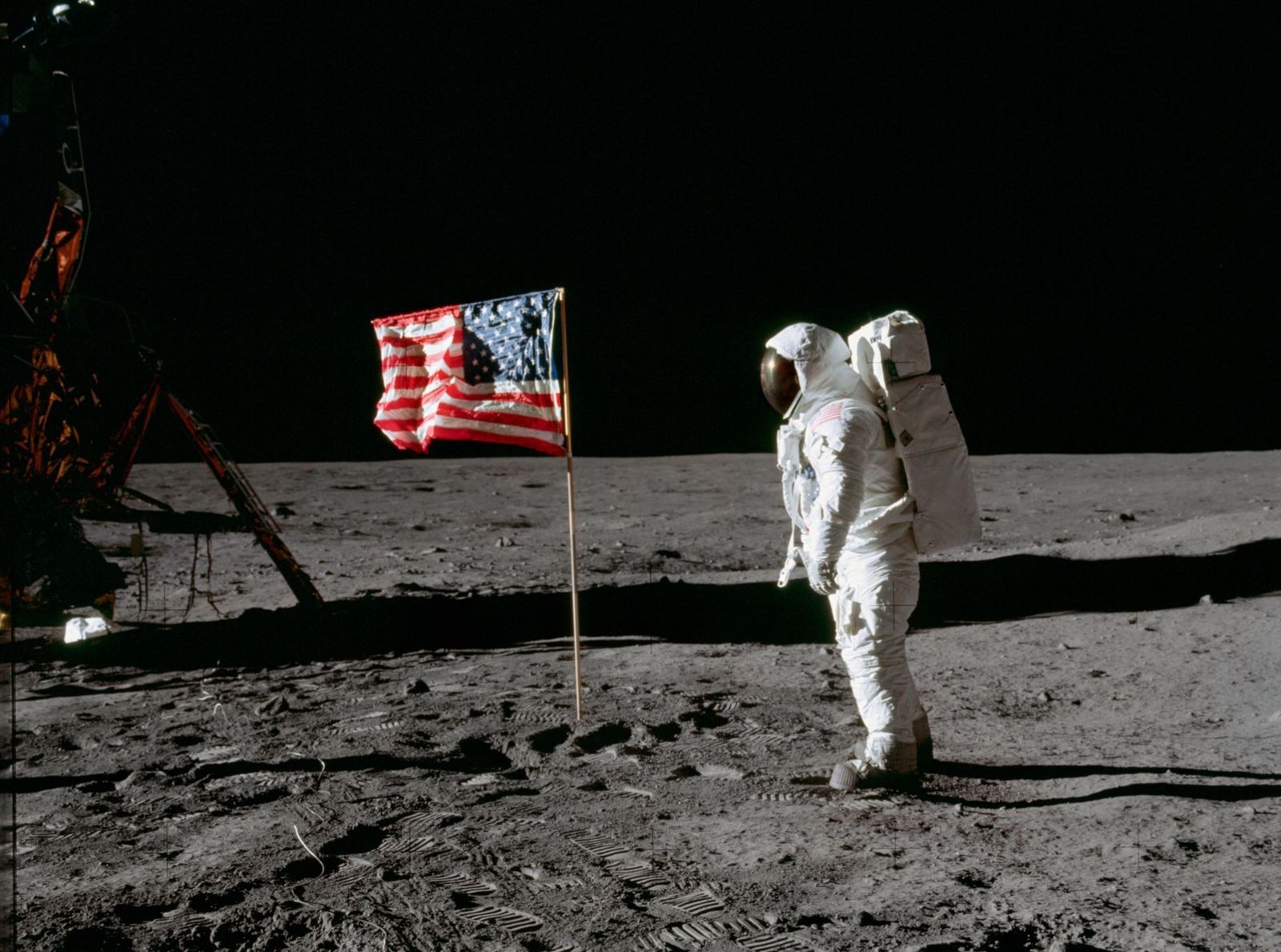
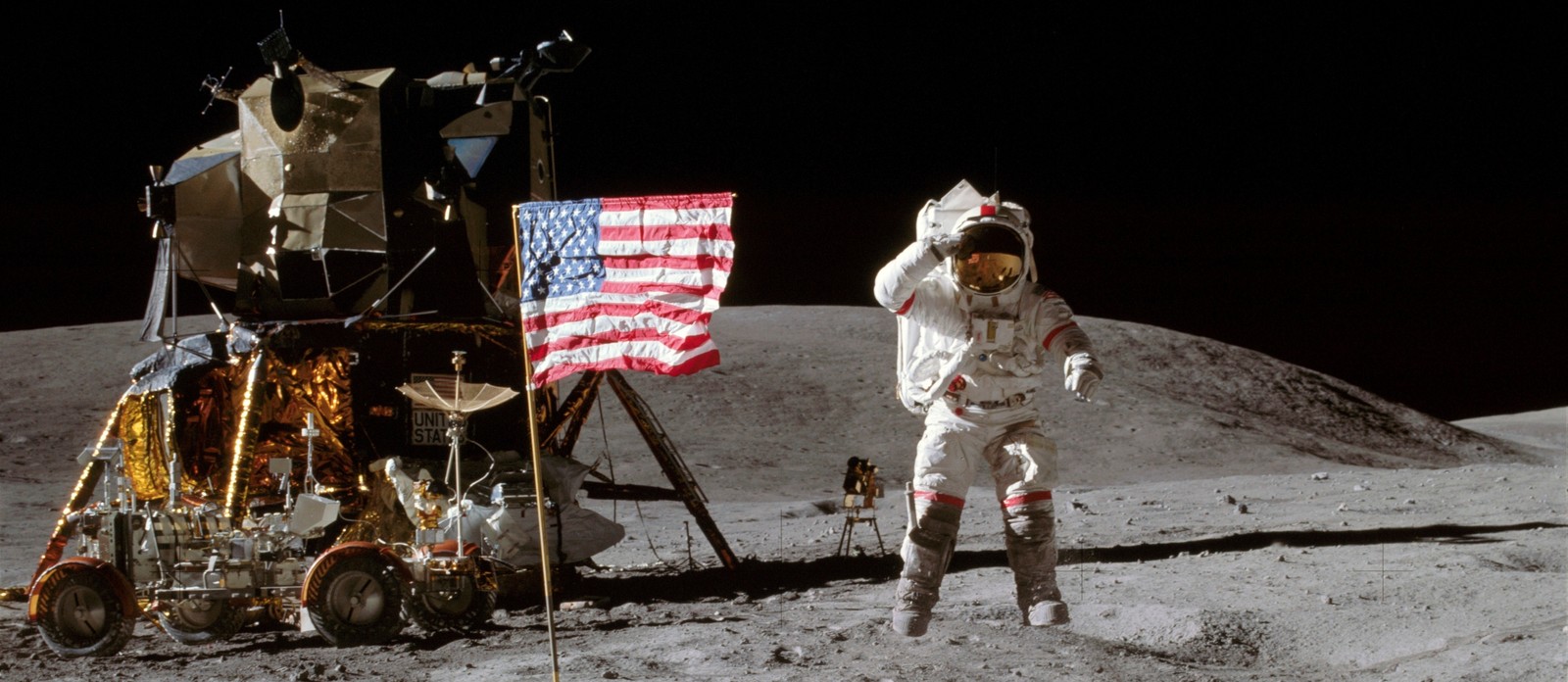
"Reach for the moon" was just a rhetorical expression until 1969, when NASA’s Apollo 11 mission put humans on the lunar surface. Neil Armstrong and Buzz Aldrin stepped on the moon in an unparalleled historical event, with an estimated 600 million people watching on television.

Such an unthinkable achievement demonstrated what was possible for humanity and opened up a whole new horizon of possibilities for science, engineering, and technology.

5
The Great Depression

Image: Everett Collection

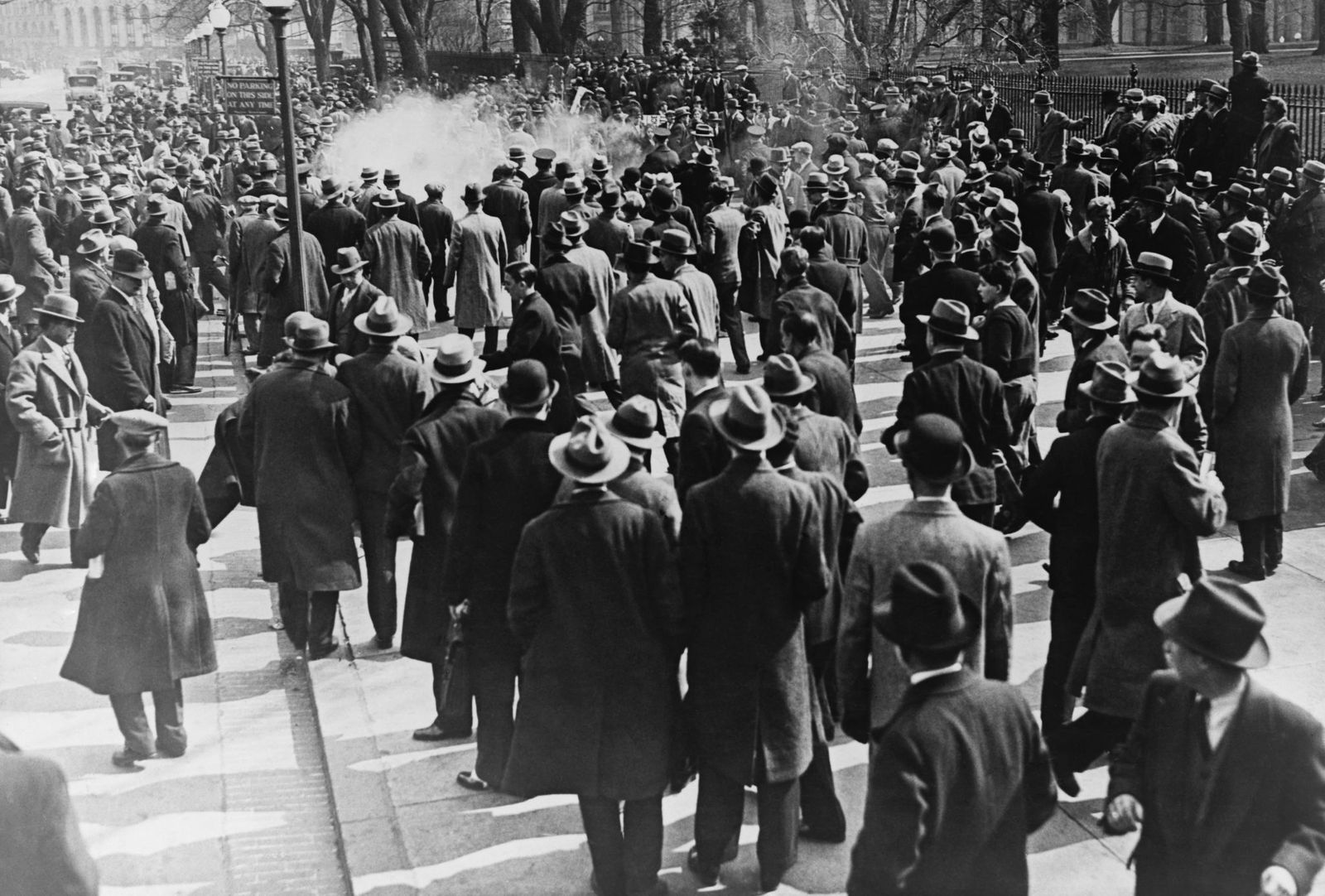
Everyone knows about the infamous stock market crash of 1929 and the start of what became known as the Great Depression. A time when banks failed, businesses shut down, and millions of Americans were left in dire straits.

This event directly led Franklin D. Roosevelt to introduce the New Deal to provide relief and economic recovery. After the Depression and these reforms, there was a new understanding of the federal government’s role in the economy that would shape American politics from then on.

6
Columbus's 1492 voyage

Image: Rawpixel.com

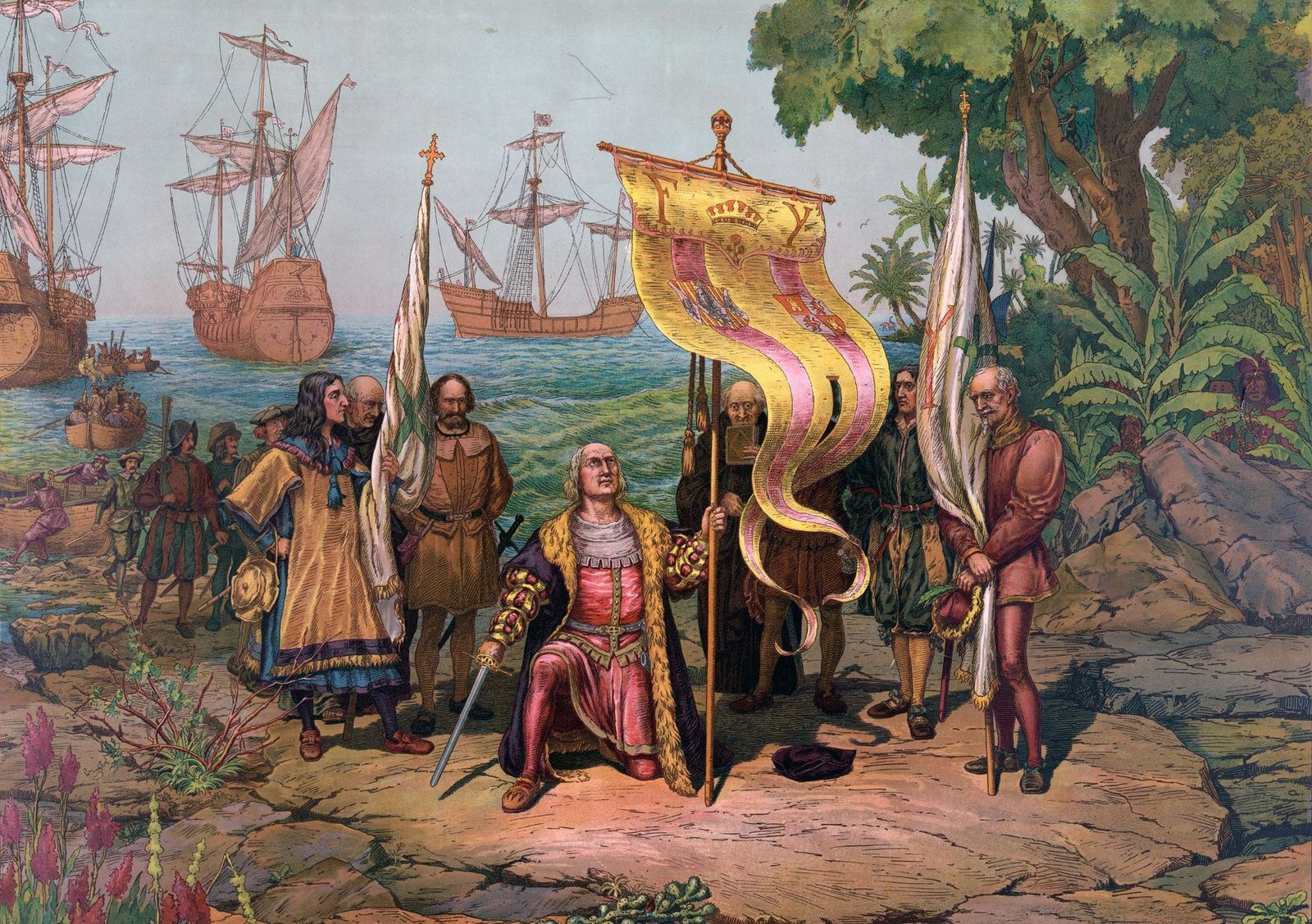
What happened after October 12, 1492, when Christopher Columbus reached an island in the Caribbean after sailing from Spain, defined the history of the Americas and the world as we know it today.

It opened the door to European exploration and conquest in the "New World" as well as the exchange of plants, animals, people, technologies, and even diseases between the Eastern and Western Hemispheres. Columbus's landing kicked off a chain reaction that unfolded over the following centuries, which also came with negative repercussions like population collapse in the continent, forced labor, and the transatlantic slave trade.

7
The Wright Brothers' first flight

Image: Rawpixel.com

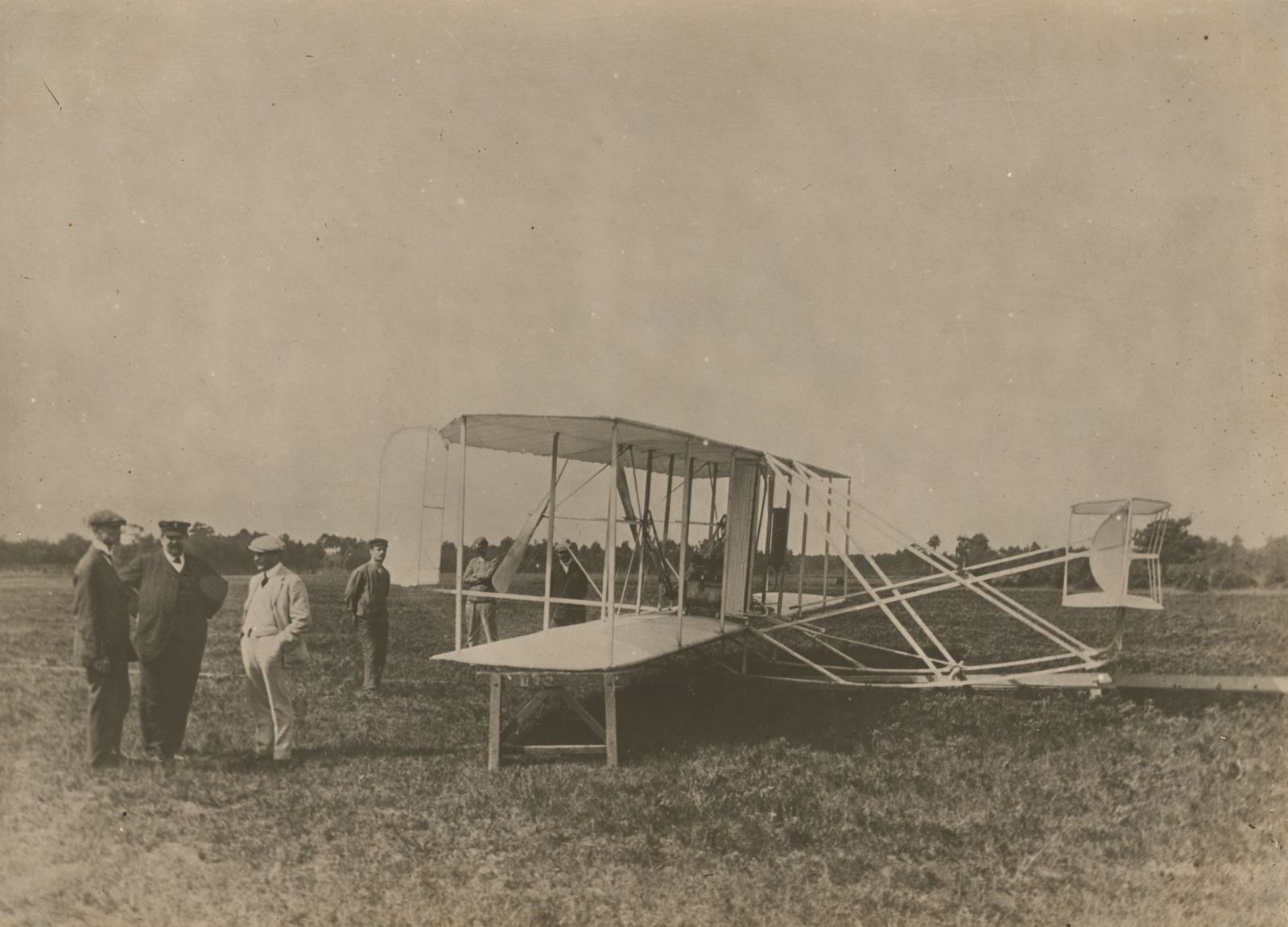
These days, hopping on a plane is no big deal. You can move around the country and the world fairly easily, and roughly 100,000 flights take off worldwide daily. But getting off the ground was a monumental achievement when Orville and Wilbur Wright did the first controlled, sustained flight of a powered, heavier-than-air aircraft on December 17, 1903.

This turning point planted the seed of modern aviation , and within the next decades, airplanes and air travel transformed the world.

8
The Industrial Revolution

Image: Everett Collection

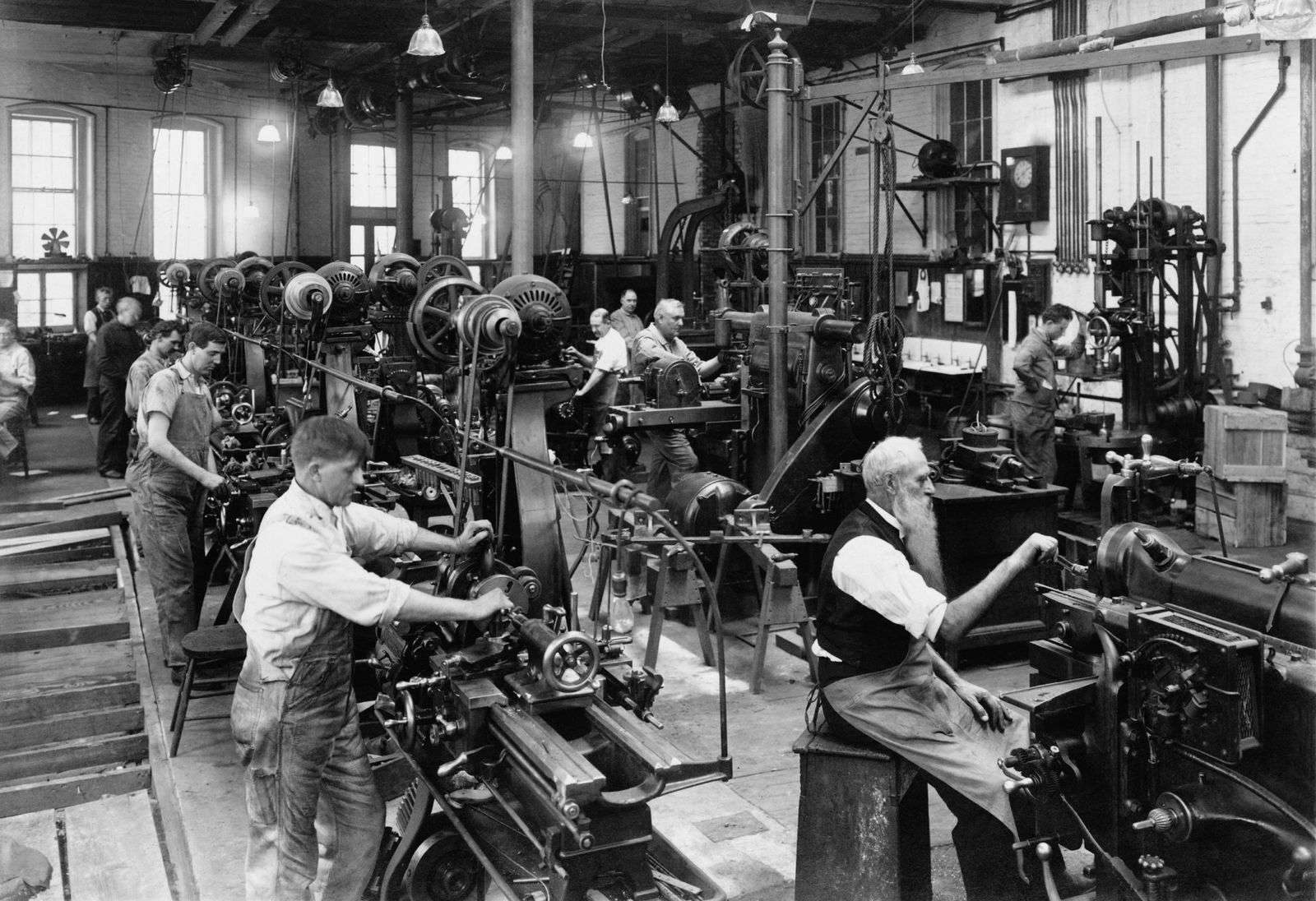
Today’s modern industry began taking shape in Britain in the late 18th century, thanks to a series of new technological advancements which saw factories and mass production take over small workshops and handcrafting.

Besides changing the way we produced goods, the Industrial Revolution redesigned the way society was structured, as millions of people moved from rural areas to cities in order to work at the new factories, causing profound changes in where and how people lived.

9
The invention of the printing press

Image: Fotokon

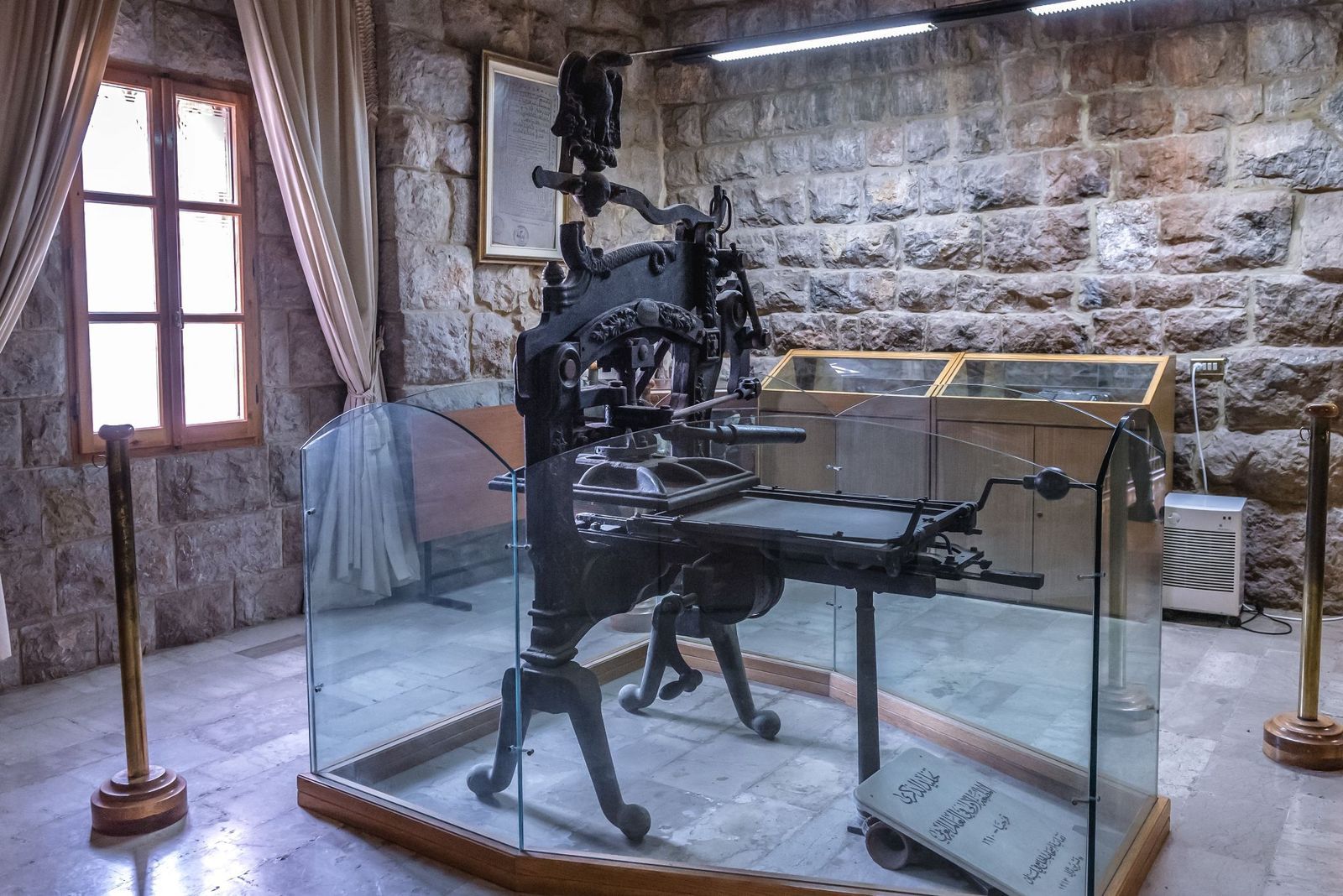
Copying books by hand wasn’t just time-consuming; it was expensive, too. Until 1440, that is, when German inventor Johannes Gutenberg created the first printing press using movable metal type.

Imagine the tremendous impact this had on religion, science, philosophy , and any other field where ideas could now circulate much more widely and quickly, expanding access to information, accelerating literacy and education, and ultimately transforming the entire world.

10
The French Revolution

Image: Shutterstock AI

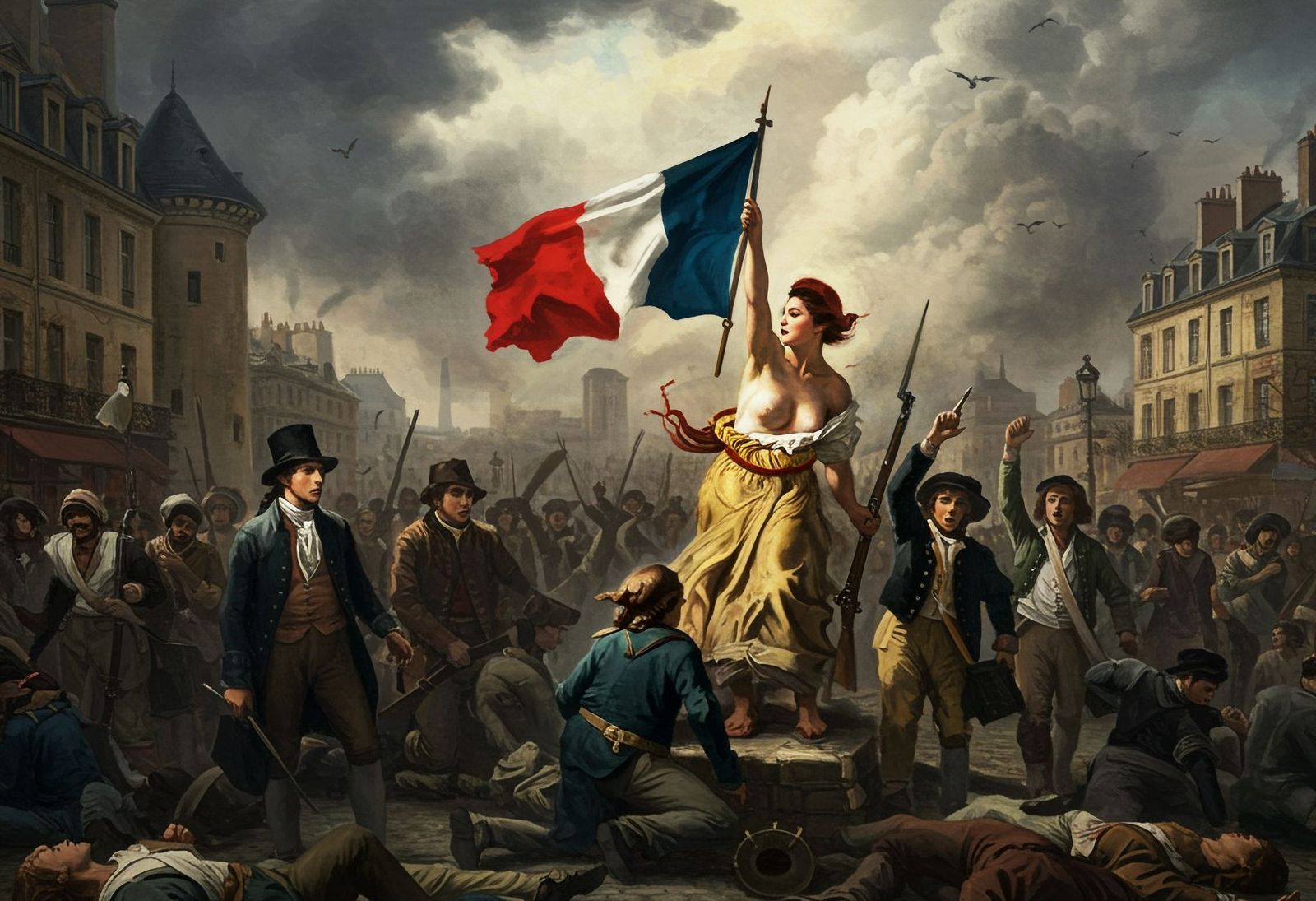
Far beyond France’s borders, the French Revolution was a game-changing moment that made waves across the world, replacing the notion that government power comes from divine right with the new understanding that it actually comes from the people.

It began in 1789 when the French people rebelled against the monarchy, proclaiming the motto liberté, égalité, fraternité, and became a republic before executing King Louis XVI by guillotine in 1793.

History History 7 min read

Hidden stories

The secret WWII project hidden beneath the White House

Image: Abbie Rowe. White House Photographs. John F. Kennedy Presidential Library and Museum, Boston, Public domain, via Wikimedia Commons

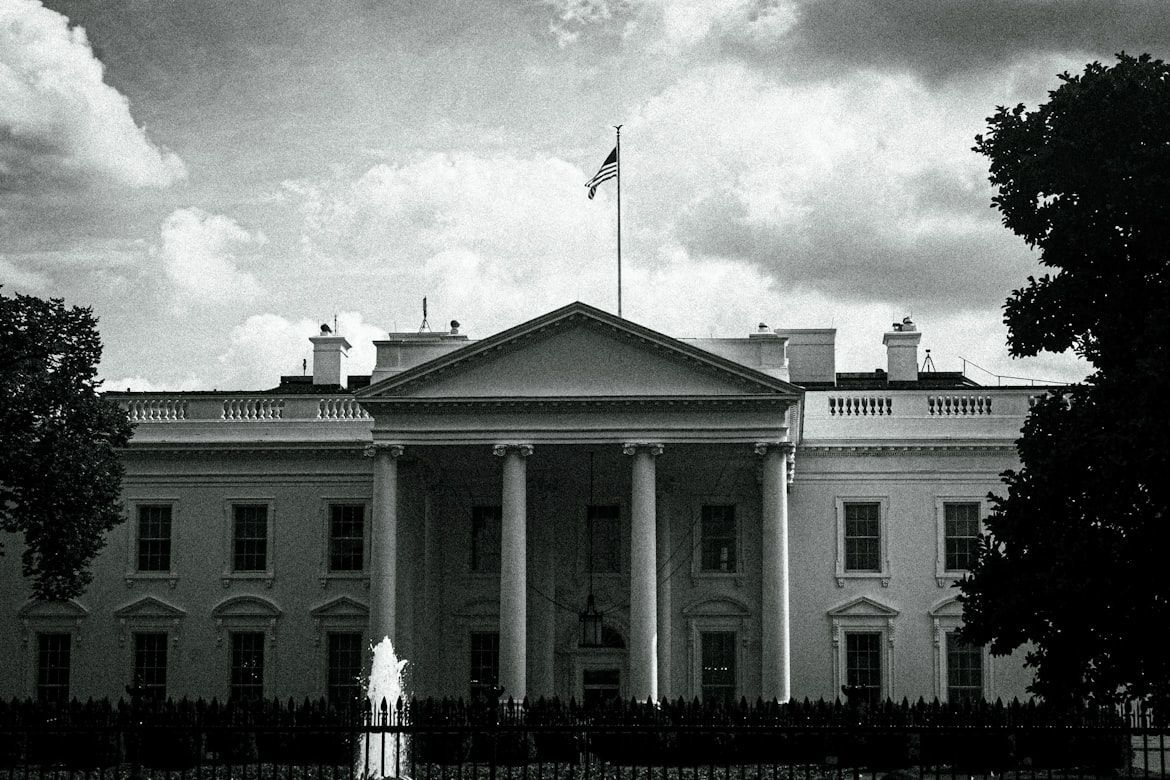
Did you know the White House wasn’t originally meant to be white? Or that hidden underground spaces were built beneath it? For more than 200 years, we have seen the White House in movies, on the news, in family photo albums from Washington trips, and during some of the biggest moments in our country’s history. But behind those famous walls are stories most have never heard. From fires and secret construction projects to strange traditions and forgotten moments, these are 10 surprising White House stories that most of us were never taught in school.

1
It was almost completely torn down

Image: Abbie Rowe, Public domain, via Wikimedia Commons

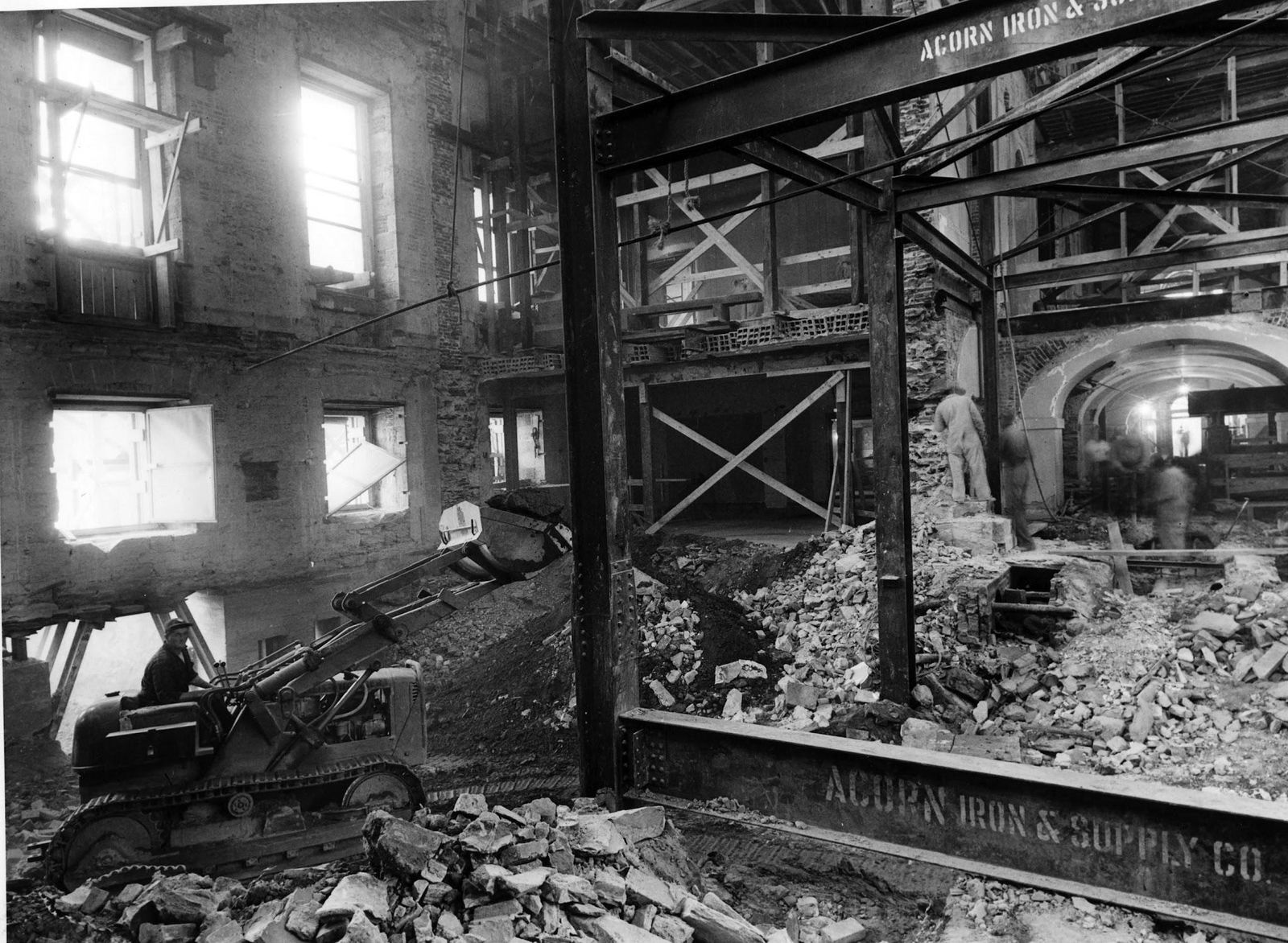
Did you know that very little of today’s White House interior is actually original? Looking at the building now, it’s hard to imagine that it was once so unstable that it was in danger of collapsing.

By 1948, after decades of heavy use, outdated wiring, poor structural supports, and years of renovations layered over one another, the White House had become unsafe. Floors and walls cracked, and parts of the residence were literally sinking. President Harry S. Truman even joked that the place felt haunted because it made so many strange noises. Rather than abandon it, Truman launched a massive reconstruction project with Congress. Between 1948 and 1952, nearly the entire interior was gutted and rebuilt while the original exterior walls were preserved, giving America a strong and reliable White House.

2
During WWII, they built an underground bunker

Image: rc.xyz NFT gallery

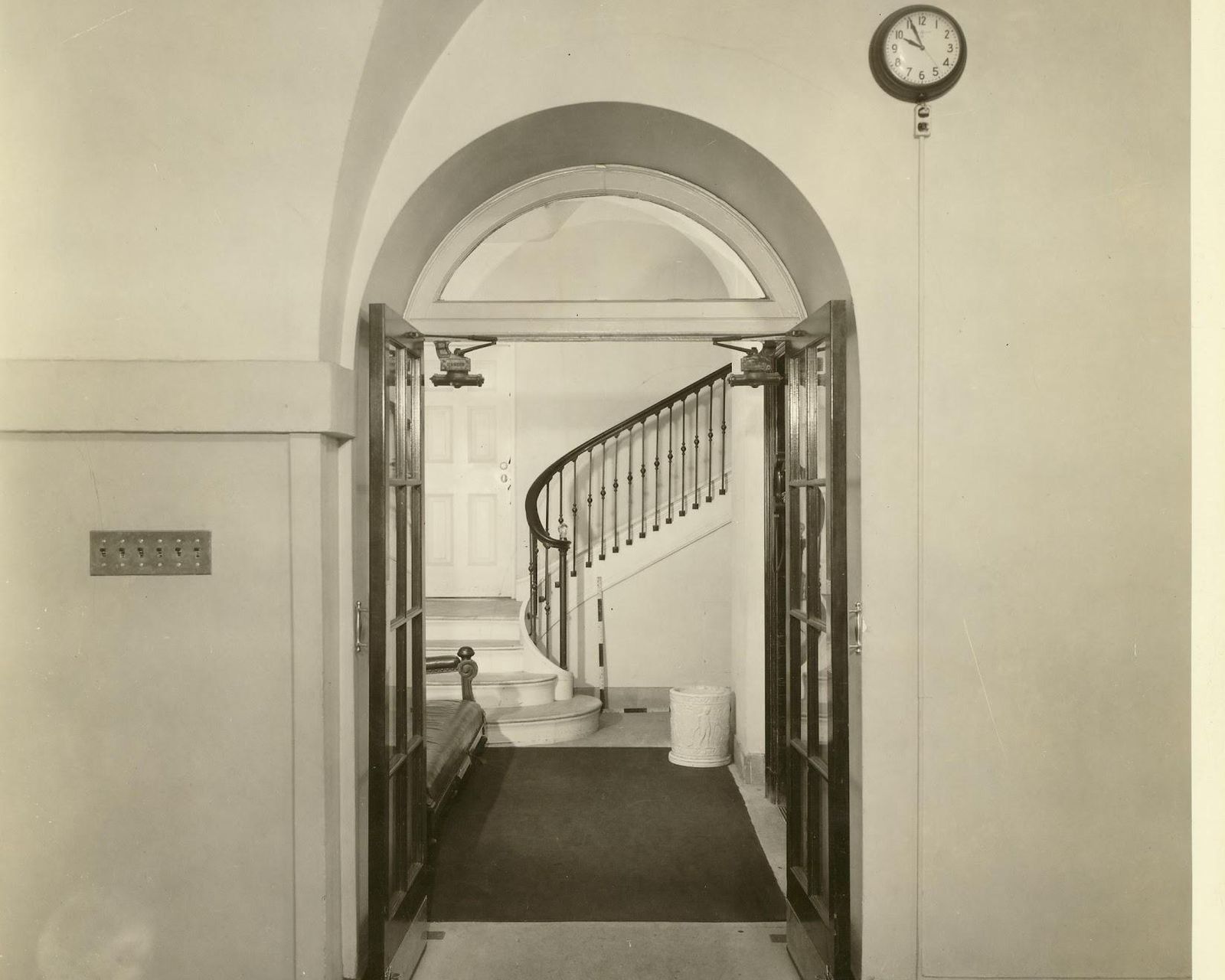
Did you know there’s a fortified bunker hidden beneath the White House? A couple of years before Truman’s famous renovation, another major project was quietly built beneath the presidential residence.

In 1942, during World War II, President Franklin D. Roosevelt ordered the construction of a secure underground shelter to protect government leaders in case Washington, D.C., came under attack. Built quickly and in great secrecy, the bunker was completed within months, though it was luckily never needed during the war. Today, the facility is known as the Presidential Emergency Operations Center, or PEOC, and it was famously used in 2001 by President George W. Bush and again in 2020 by Donald Trump.

3
It was not originally meant to be white

Image: Andriy Miyusov

Can you imagine if it were called "the Gray House"? Today, it’s impossible to picture America’s most famous home as anything other than bright white, but that wasn’t the original idea.

During construction in the 1790s, workers covered the exterior sandstone with a lime-based whitewash to protect it from moisture, cracking, and harsh winter weather. The coating gave the building a pale grayish appearance, not the brilliant white we recognize today. A long-standing myth claims the White House was painted white to hide the burn marks left after British troops set it on fire in 1814, but in reality, the building had already been whitewashed years earlier. Still, after the fire and reconstruction, the white exterior became permanent and eventually inspired the famous name "White House," though for many years people still called it the "President’s House."

4
10 people have died in the White House

Image: Woodrow Wilson Presidential Library Archives from Staunton, VA, No restrictions, via Wikimedia Commons

Many people have lived and worked in the White House over the centuries, but, according to the White House Historical Association, only 10 people are officially recorded as having died inside the presidential residence.

Among them were two U.S. presidents. William Henry Harrison died there at age 68 in 1841 after falling seriously ill, likely from contaminated water. Zachary Taylor died at age 65 in 1850 from a severe stomach illness after attending Fourth of July celebrations in extreme heat. Three First Ladies also passed away in the White House: Letitia Tyler in 1842, Caroline Harrison in 1892, and Ellen Axson Wilson in 1914. Other deaths included presidential relatives, aides, and staff members, among them Abraham Lincoln’s son, Willie Lincoln, whose death at the age of 11 in 1862 deeply affected the family and became one of the White House’s most heartbreaking stories.

5
Presidential whims

Not every White House renovation happened due to war, damage, or urgent repairs. Some changes came simply from the personal tastes and hobbies of the presidents who lived there, and over the years, there have been quite a few memorable ones.

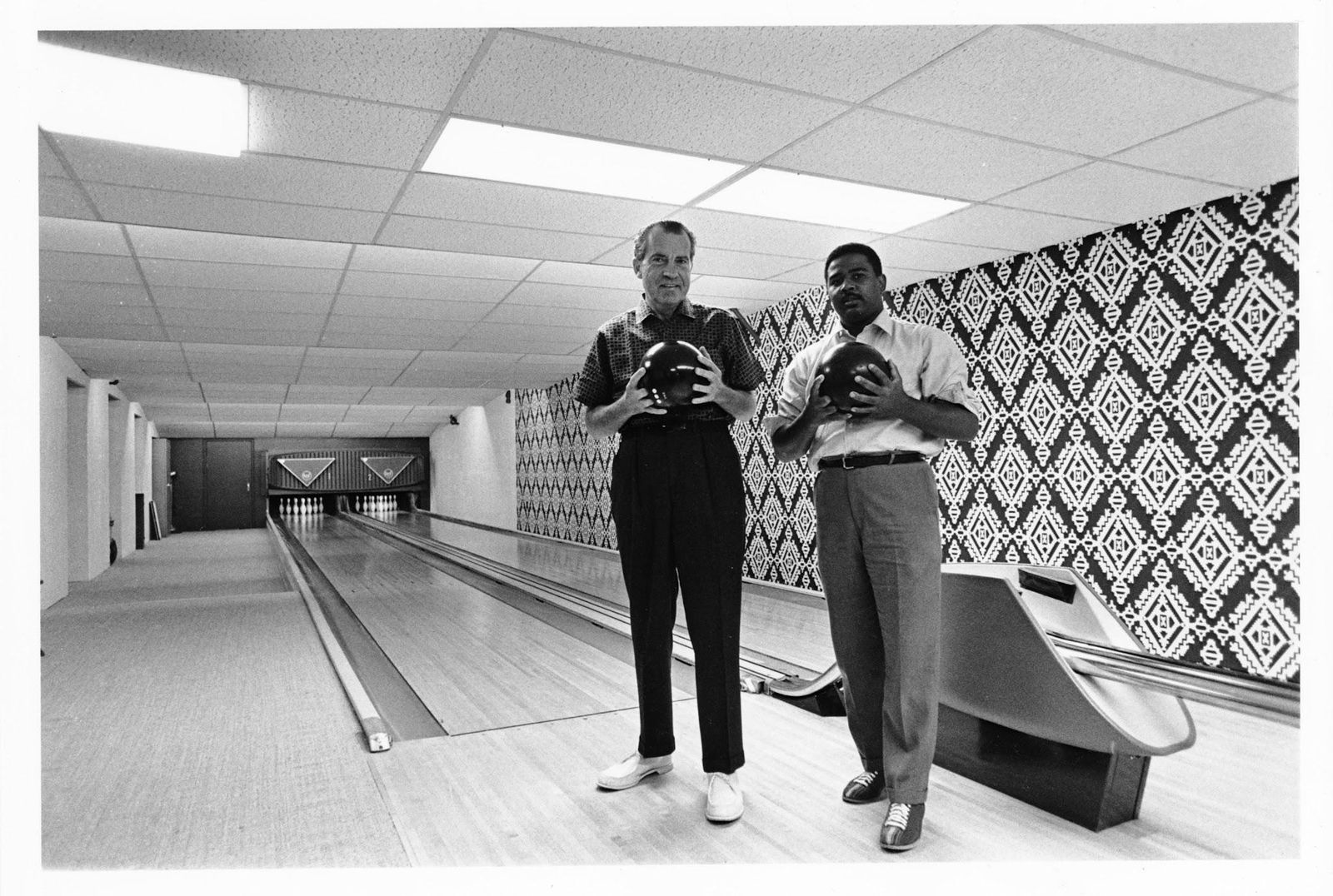
In 1973, Richard Nixon installed a one-lane bowling alley beneath the North Portico. Years later, in 1989, George H. W. Bush added a regulation horseshoe pit near the White House grounds, where he often relaxed and challenged visitors, including Queen Elizabeth II, to games. Then, in 2009, Barack Obama had the South Lawn tennis court modified so it could also be used for basketball, one of his favorite sports.

6
Jackie Kennedy's furniture

Image: Robert LeRoy Knudsen, Public domain, via Wikimedia Commons

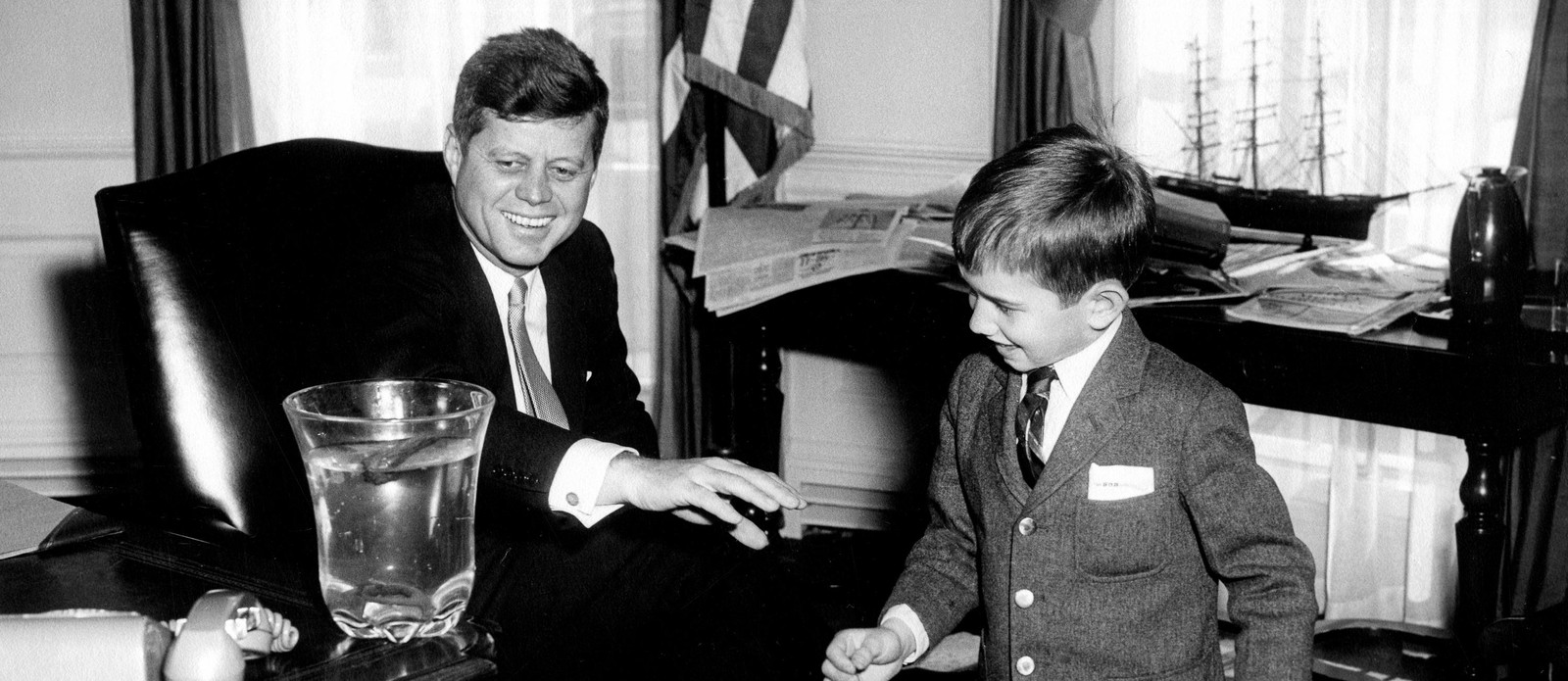
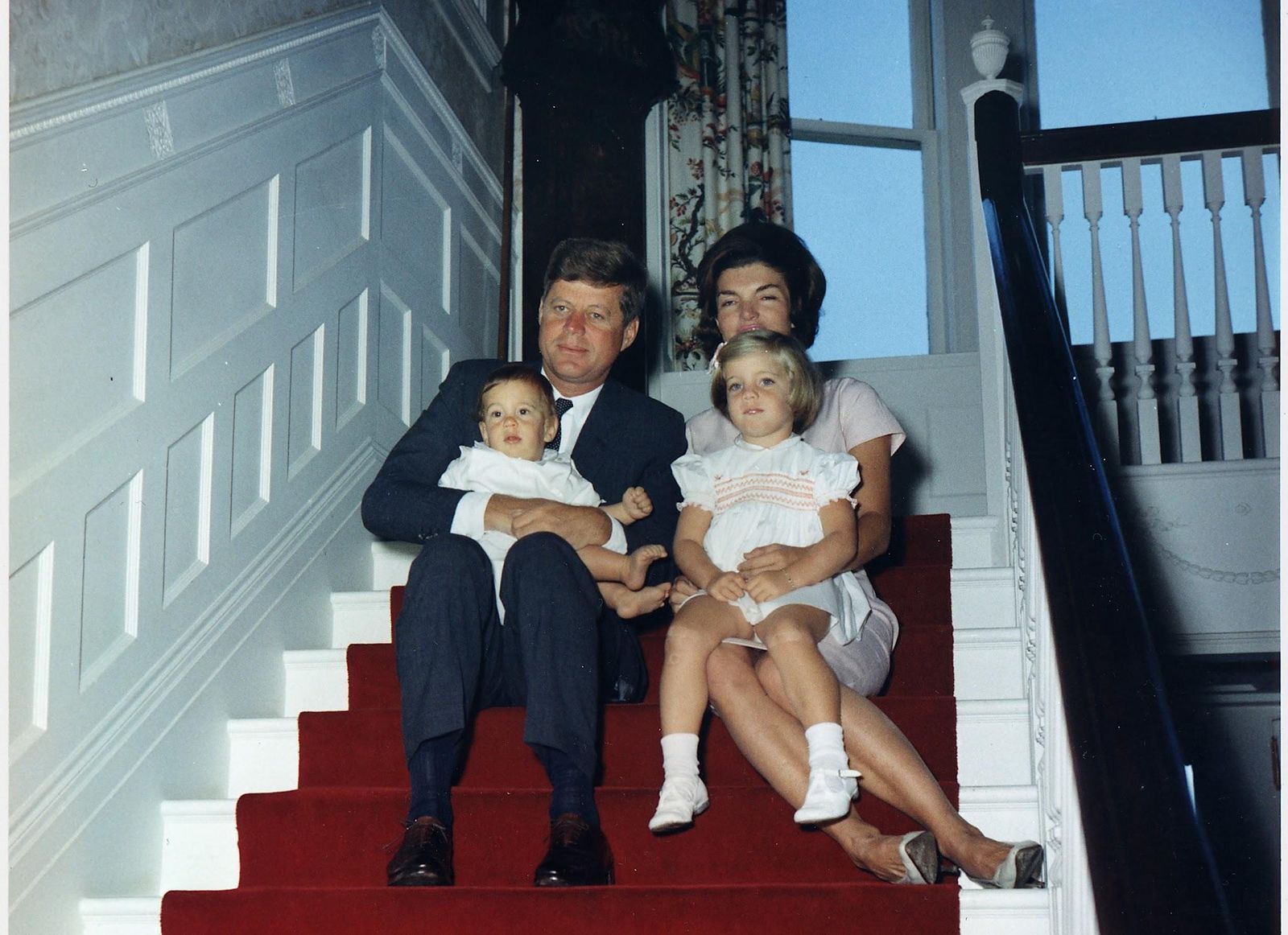
When the Kennedy family entered the White House in 1961, the first lady was disappointed to find that many of the historic rooms had lost much of their original character.

Determined to restore the White House’s history and elegance, Jackie Kennedy famously launched a massive restoration effort. She helped create the White House Fine Arts Committee, brought in historians and curators, and filled the residence with genuine antiques and historical pieces tied to past presidencies. On February 14, 1962, an estimated 46 to 56 million people tuned in to watch the First Lady’s televised tour of the White House, making it one of the most-watched programs of its era. She also supported a congressional act that made many of the White House’s historic furnishings official property of the nation, so future presidents could no longer sell, replace, or discard them.

7
Official name changes

Image: Benjamin Harrison Presidential Site, Public domain, via Wikimedia Commons

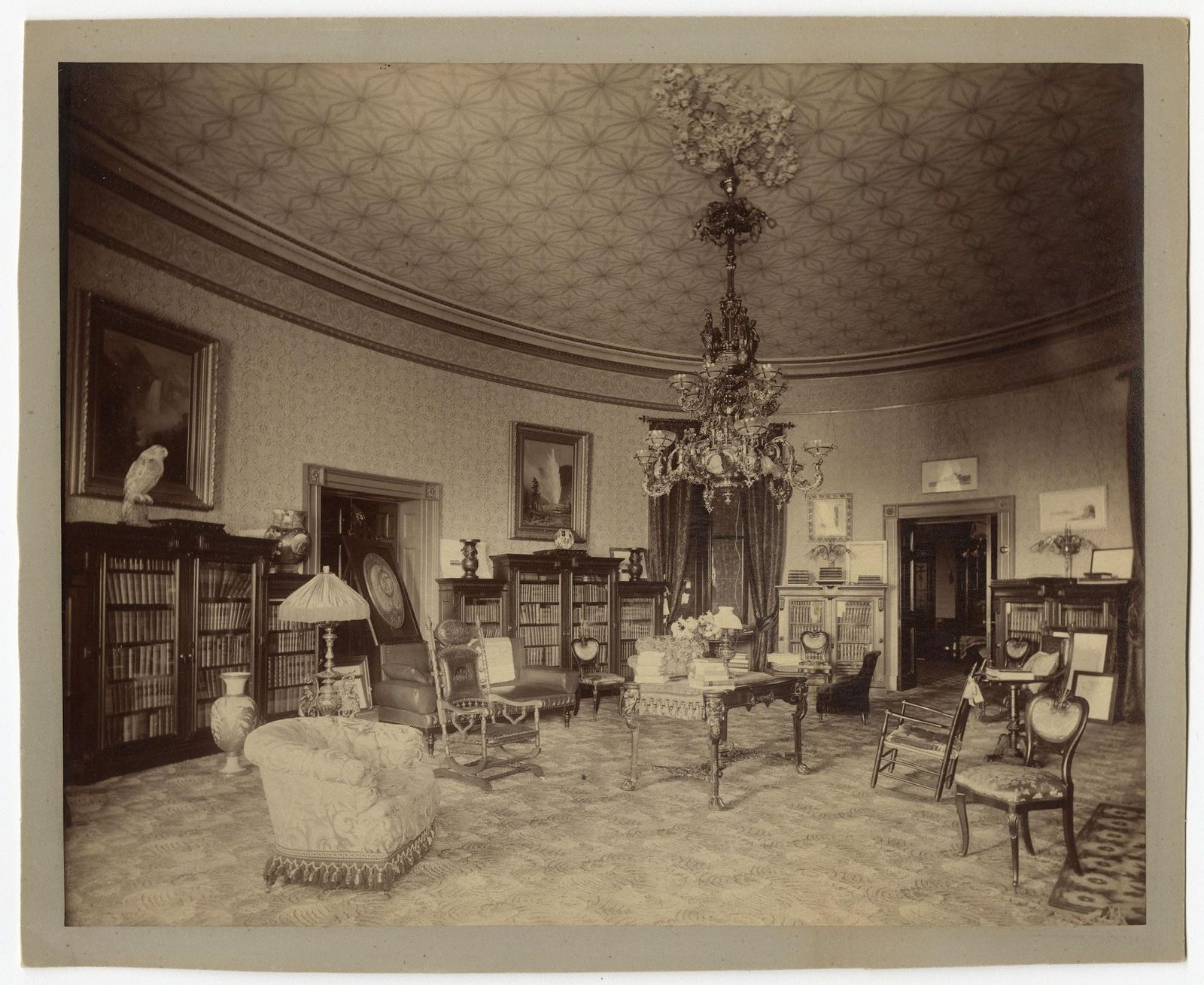
As we mentioned, the building was not always white, and therefore was not always officially called the White House. For much of the 19th century, Americans usually referred to it as the "Executive Mansion" or the "President’s House." Even after its famous white exterior made the nickname popular, it still was not the building’s official name.

That finally changed in 1901, when Theodore Roosevelt began printing "The White House" on presidential stationery. According to official sources, Teddy Roosevelt preferred this name because it clearly separated the president’s residence from the many state "executive mansions" used by governors across the country.

8
It was once America's largest house

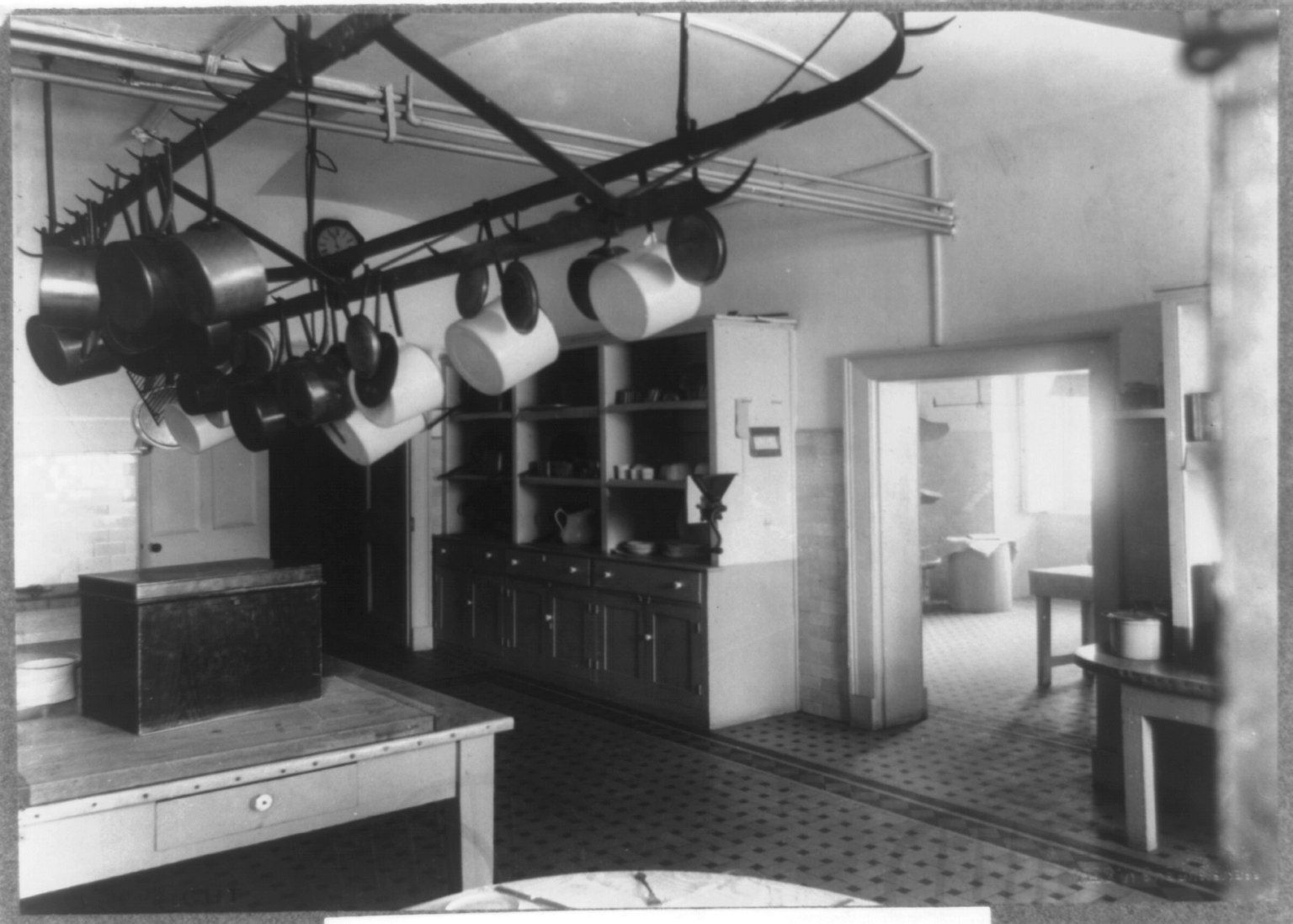
Image: Miscellaneous Items in High Demand, PPOC, Library of Congress, Public domain, via Wikimedia Commons

There is one thing about the White House that no one can deny: it has always been huge, even in its early days.

When the White House was first occupied in 1800, it already contained more than 100 rooms spread across three floors, making it one of the grandest homes in the United States at the time. In a time when most Americans lived in modest houses or farms, the presidential residence was seen as a palace. Many historians even consider it the largest private residence in the country during its early years. Today, the White House covers about 55,000 square feet, though modern private buildings, like the Biltmore Estate in North Carolina, are now far larger.

9
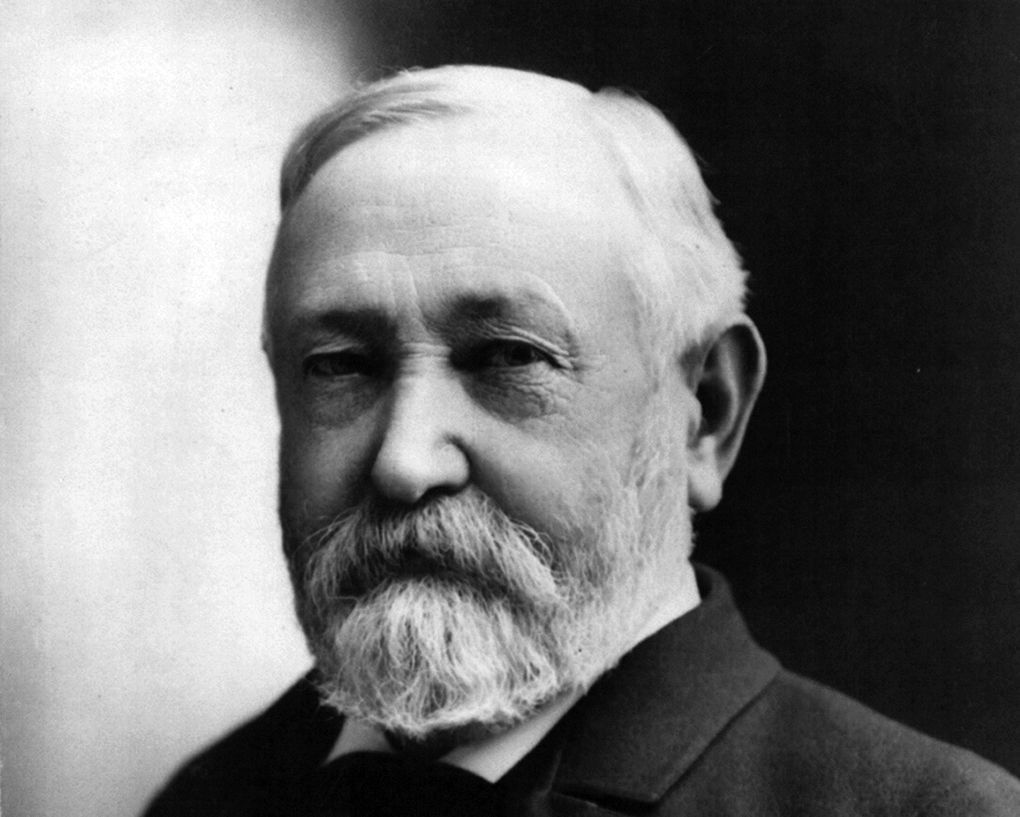
President Benjamin Harrison’s fear

Image: Joseph Gray Kitchell (1862–1945)[1], Public domain, via Wikimedia Commons

Among the many changes the White House has undergone over the years, few were as revolutionary as the arrival of electricity.

For nearly a century after it was built, the presidential residence relied on candles, oil lamps, and gas lighting. That finally changed in 1891, when electricity was installed during the presidency of Benjamin Harrison. But, like many families in that era, the Harrisons were not exactly thrilled by this modern invention. According to White House stories passed down over the years, President Harrison and First Lady Caroline Harrison were so nervous about the possibility of electric shock that they rarely touched the light switches themselves. Instead, they often asked the house staff to turn the lights on and off for them.

10
Hillary Clinton’s special gift

Image: Ralph Alswang, Public domain, via Wikimedia Commons

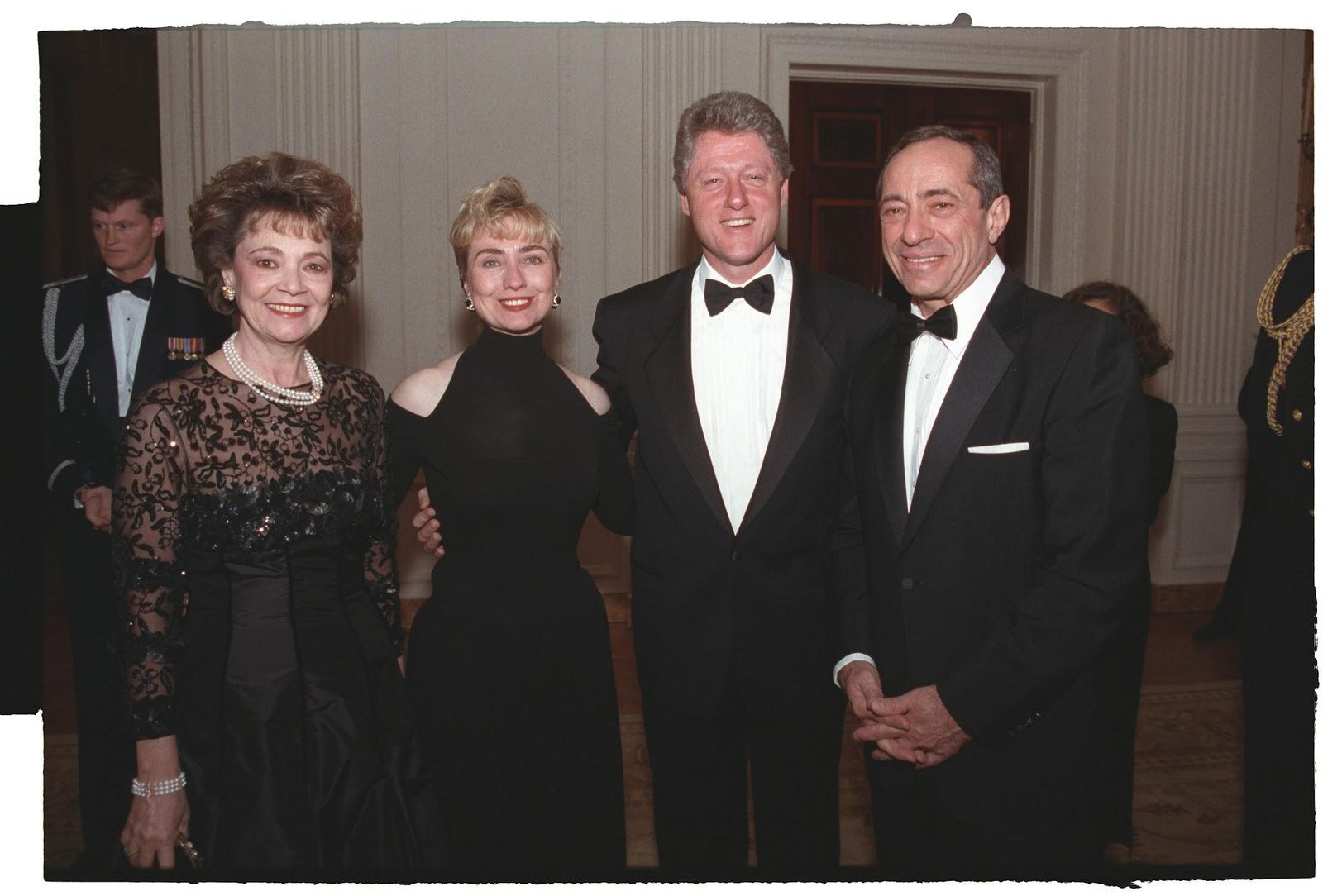
Of course, Jackie Kennedy wasn’t the only First Lady to leave her mark on the White House. Hillary Clinton added her own personal touch as well, this time as a gift for her husband.

In 1996, Hillary Clinton transformed a little-used room on the White House’s third floor into a private music room for President Bill Clinton. The gift came during the year of Bill Clinton’s 50th birthday and reflected one of his best-known passions: music. Complete with space for listening to records and playing his famous saxophone, the room gave the president a quiet retreat inside the White House.

Explore more American facts

Choose your favorite category!

General
General

As American as apple pie—the very best America has to offer!

Culture
Culture

Delve into the astounding richness of American lore.

Geography
Geography

Hop in and explore vast and diverse American landscapes.

History
History

Discover the key moments that shaped the United States.