History History 6 min read

10 American milestones that didn't happen where you think
Image: DS stories

When we think of the great milestones of American history, we often think of the obvious: the signing of the Declaration of Independence in Philadelphia, the Wright brothers’ flight in North Carolina, or the Gold Rush in California. However, the fabric of modern American life was woven all over the map. Many of the conveniences we take for granted today didn’t originate in massive tech hubs or political capitals. Instead, they were born in quiet college towns, military outposts, and colonial settlements. Here are ten unexpected "firsts" from across the United States.

1
Alabama: The first 911 call
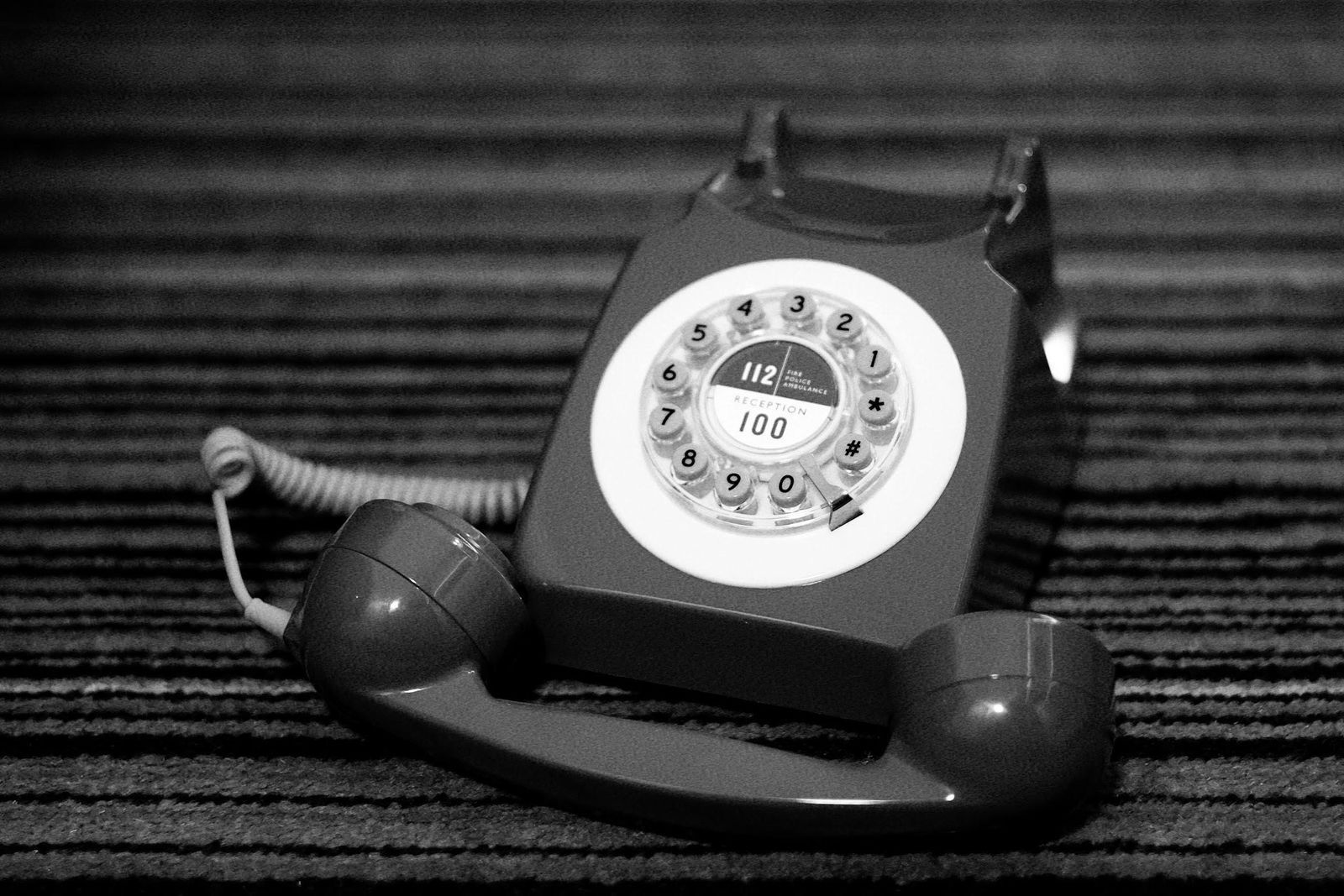
Image: Anna

Today, the number 911 is synonymous with emergency assistance. Yet, before 1968, there was no universal number to call for help. In fact, citizens had to remember specific ten-digit numbers for their local police, fire department, or ambulance service.

Contrary to what you may think, the first 911 call didn’t take place in a metropolis like New York or Los Angeles. The Alabama Telephone Company developed the system to prove that a universal emergency number was a good idea. So, on February 16, 1968, Alabama Speaker of the House, Rankin Fite, made the inaugural call from the mayor’s office in the small town of Haleyville.

2
Florida: The first sunscreen
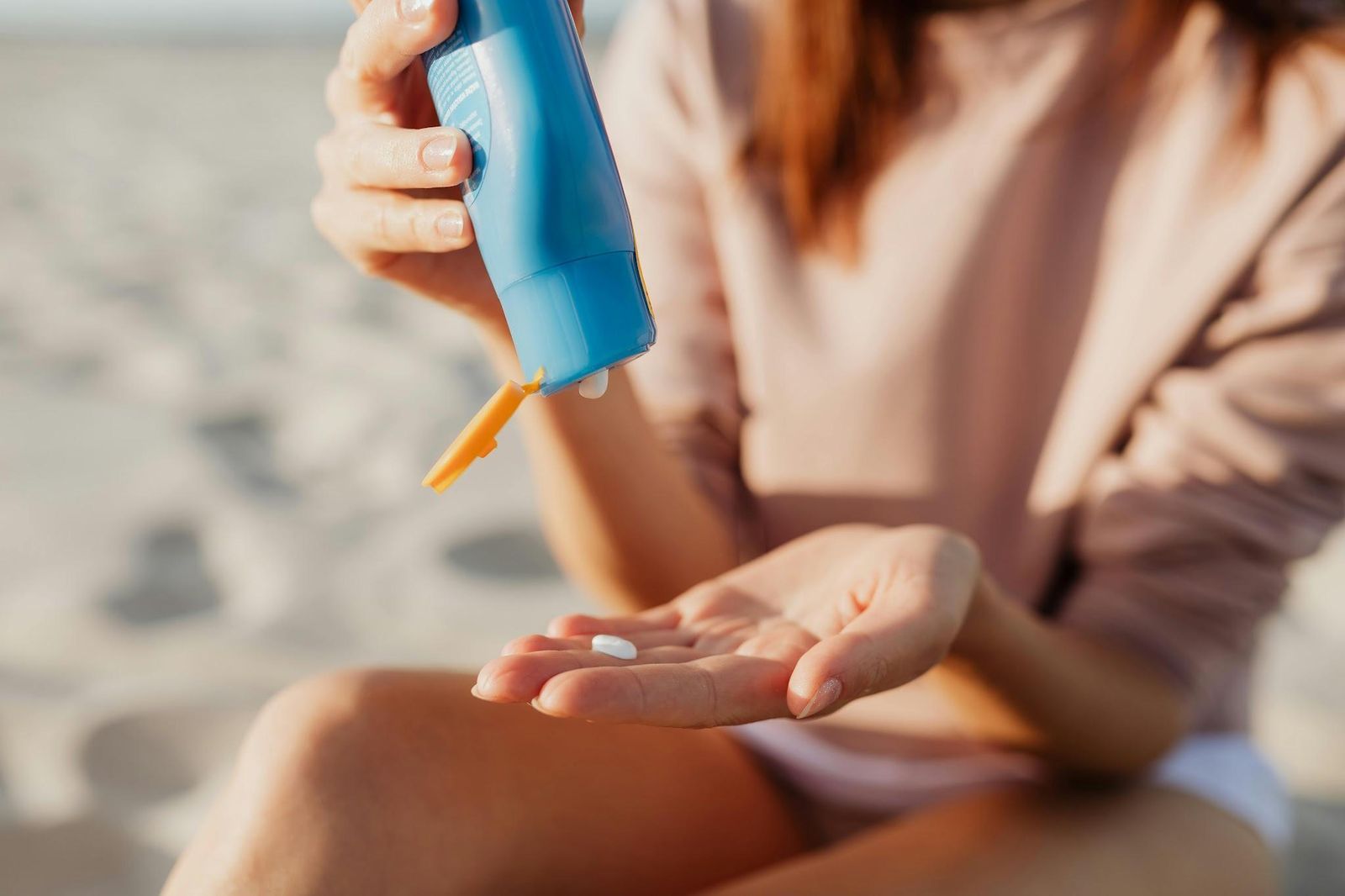
Image: www.kaboompics.com

Florida is famously known as the Sunshine State, so it’s no wonder that it’s the birthplace of the world’s first effective sunscreen. That said, the invention wasn’t driven by beachgoers looking for a tan, but by the war.

In 1944, during World War II, a Florida pharmacist named Benjamin Green was concerned about the severe sunburns suffered by soldiers stationed in the Pacific. So, he developed a substance known as "red vet pet", a thick, red, petroleum product. While it was sticky and messy, it worked by physically blocking UV rays. After the war, Green refined the formula, added coconut oil and cocoa butter, and eventually founded the world-famous Coppertone brand.

3
Iowa: The first electronic digital computer
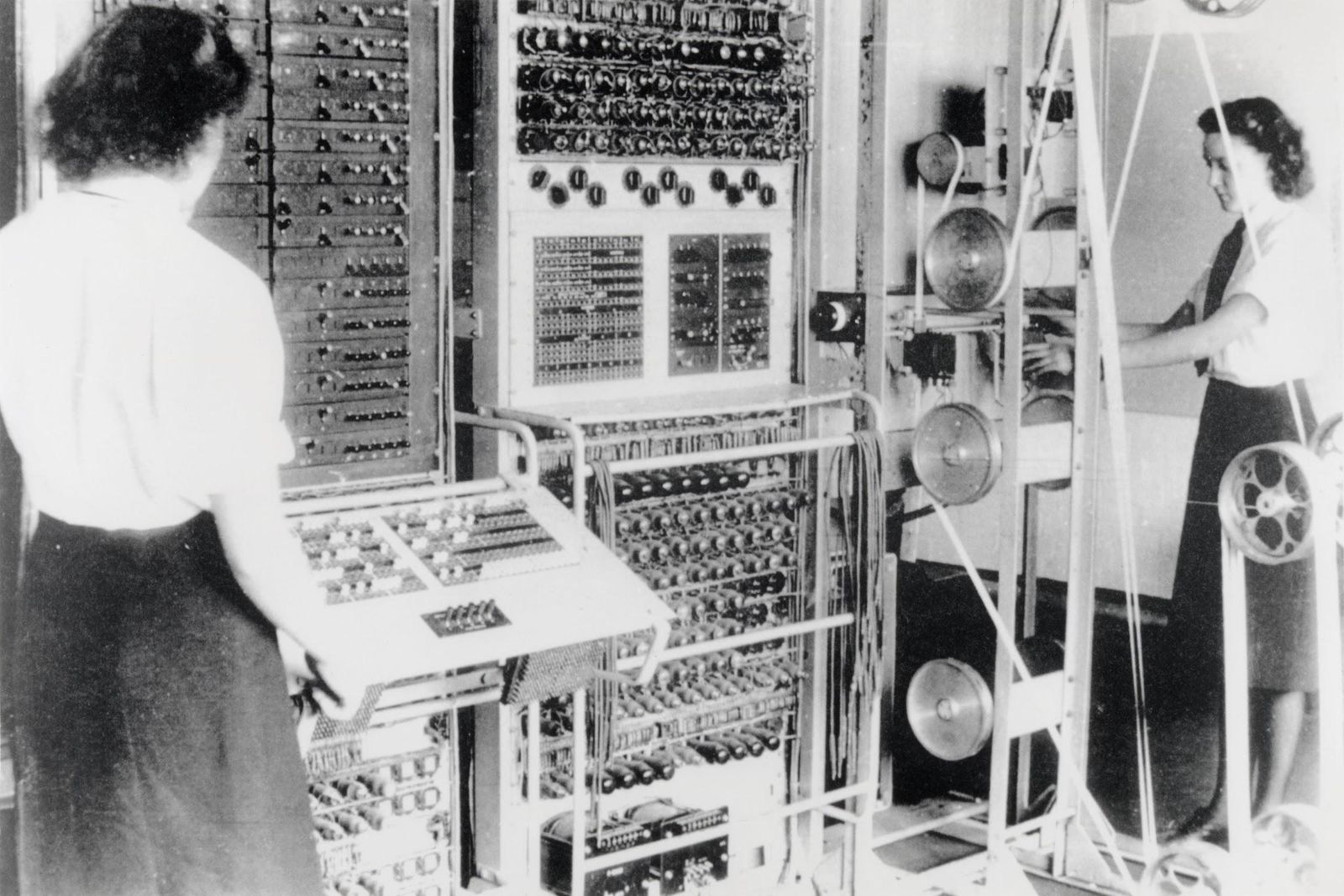
Image: See page for author, Public domain, via Wikimedia Commons

If you think of the birth of computers, the first thing that comes to mind is probably Silicon Valley or the ENIAC machine in Pennsylvania. However, the world’s first electronic digital computer was built in the basement of the physics building at Iowa State University.

Between 1937 and 1942, Professor John Vincent Atanasoff and graduate student Clifford Berry developed the Atanasoff-Berry Computer (ABC). Unlike previous mechanical calculators, the ABC used vacuum tubes and binary math, and it was the first to separate the memory from the processor.

4
New York: The first commercial brewery
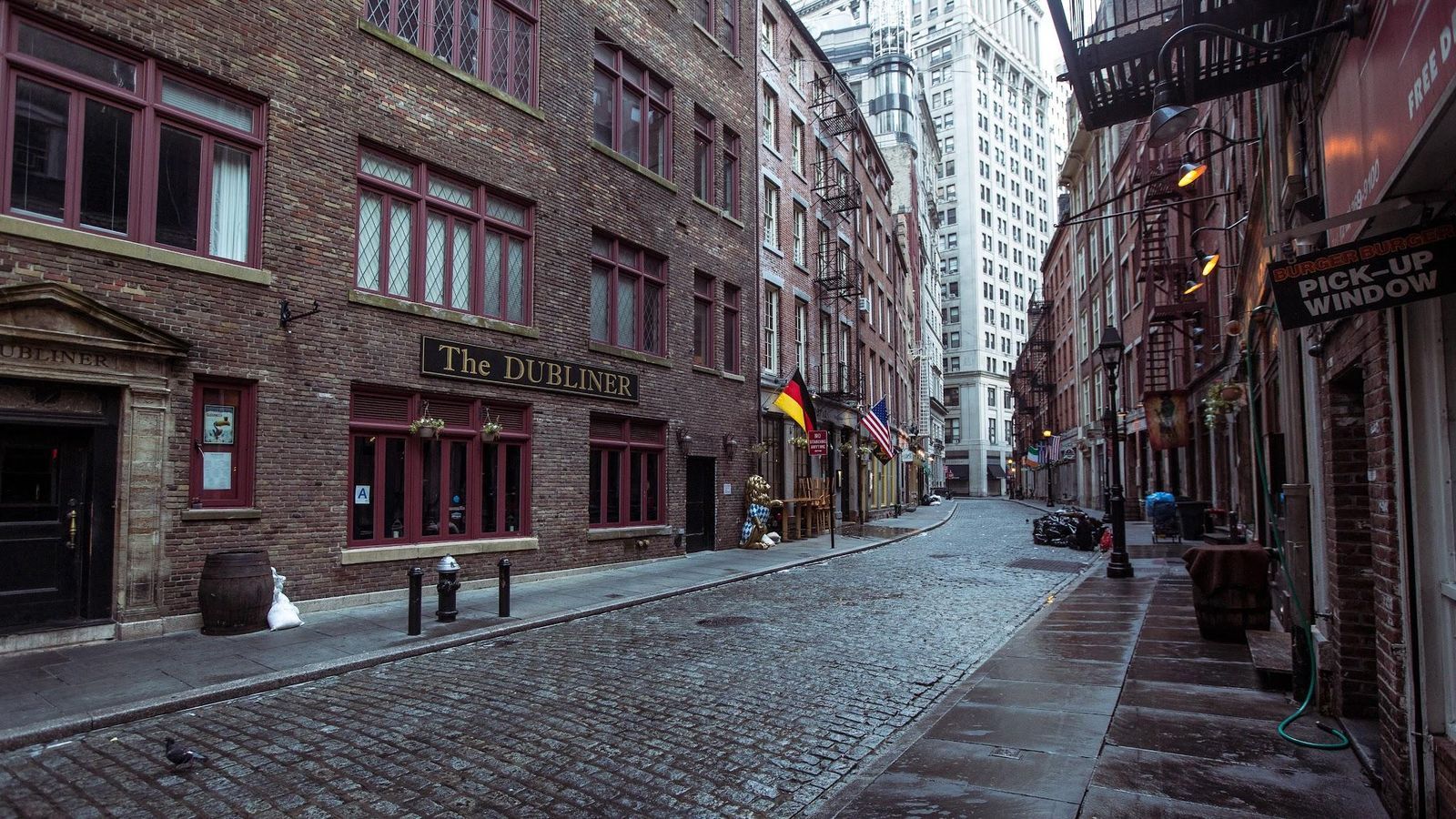
Image: Vladimir Kudinov madbyte, CC0, via Wikimedia Commons

New York City may be the mecca of finance, but in the 1600s, its primary concern was refreshment. Long before the craft beer craze, the first commercial brewery in the New World was established in New Amsterdam (now Manhattan) in 1632.

The brewery was built by the Dutch West India Company on what is now named Stone Street, near Wall Street. At a time when water was often unsafe to drink, beer was a dietary staple for both adults and children. This early industry laid the foundation for New York’s long relationship with brewing, which would eventually make the state a global powerhouse for beer production in the 19th century.

5
South Carolina: The first opera performance

Image: Leo Heisenberg

While the high arts are typically associated with the Northeast, the first opera performed in the American colonies took place in Charleston, South Carolina.

In the colonial era, Charleston was a wealthy, culturally vibrant port city, and its citizens loved European entertainment. So, on February 18, 1735, the British ballad opera Flora premiered at a makeshift theater built in a courtroom. Needless to say, this performance predated the formal theaters of Philadelphia and New York.

6
Maryland: The first dental school
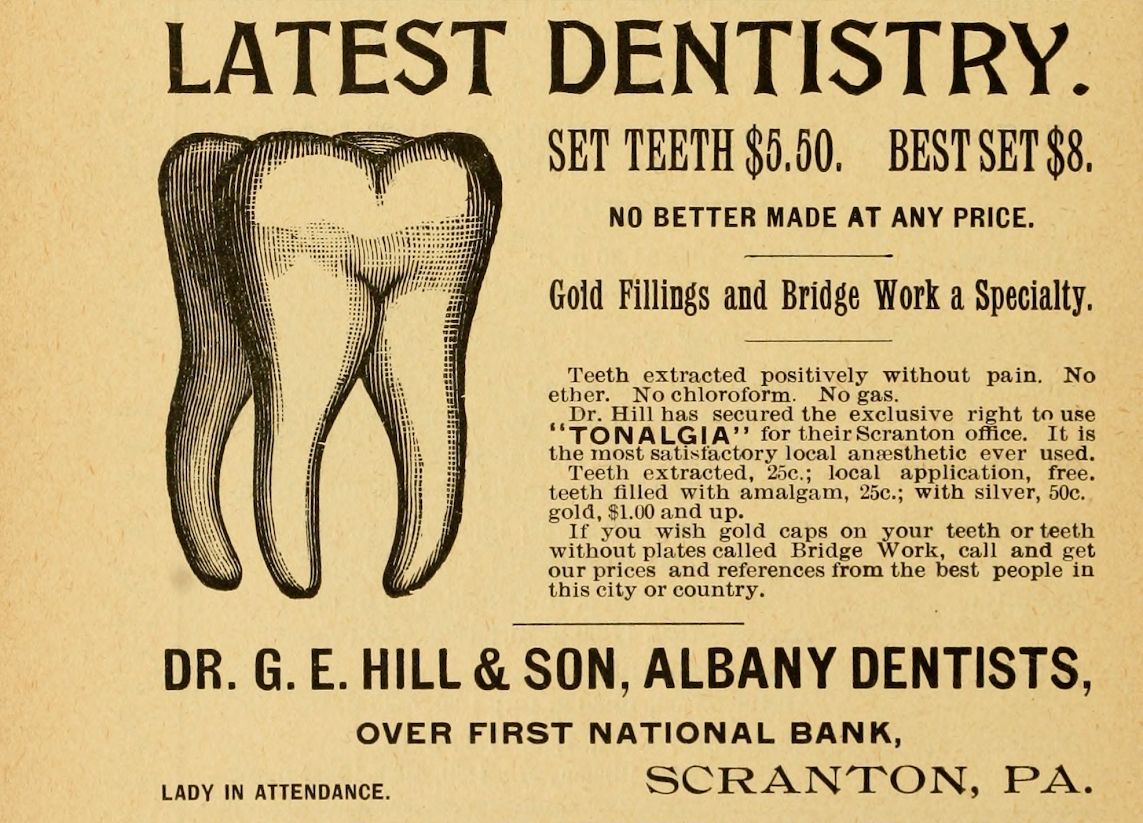
Image: Scranton Postoffice, Public domain, via Wikimedia Commons

For centuries, dentistry was a trade practiced by blacksmiths and barbers who had no formal medical training. This changed in 1840 in Baltimore, Maryland, with the founding of the Baltimore College of Dental Surgery.

Established by dentist Horace Henry Hayden and doctor Chapin A. Harris, it was the first school in the world to offer a formal degree in dental surgery. The founders had initially approached the University of Maryland’s medical school to include dental instruction, but they were dismissed by physicians who claimed dentistry wasn’t that important. They didn’t give up and eventually started their own college, which still exists today as the University of Maryland School of Dentistry.

7
Maine: The first city
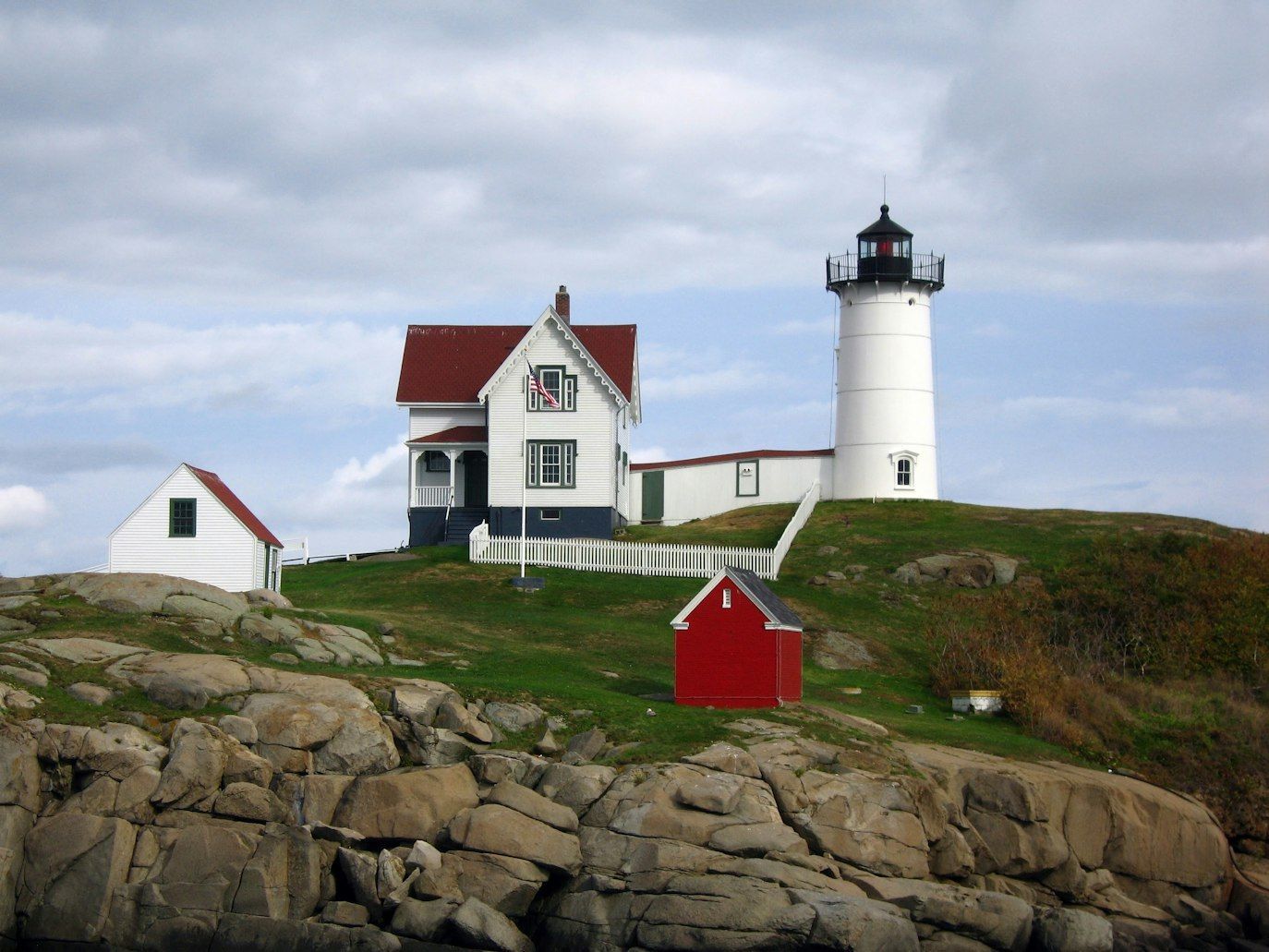
Image: Kerani

There are many really old cities in America. However, the first place to be officially chartered as a city in the English colonies was located in what is now York, Maine. In 1642, English military commander and proprietor of the Province of Maine, Sir Ferdinando Gorges, granted a charter to a settlement then known as Gorgeana. He even envisioned it as a grand capital for his new territory. While the city’s status was eventually revoked when the Massachusetts Bay Colony took control of the area, the charter remains the first of its kind in American history.

8
Michigan: The first paved road
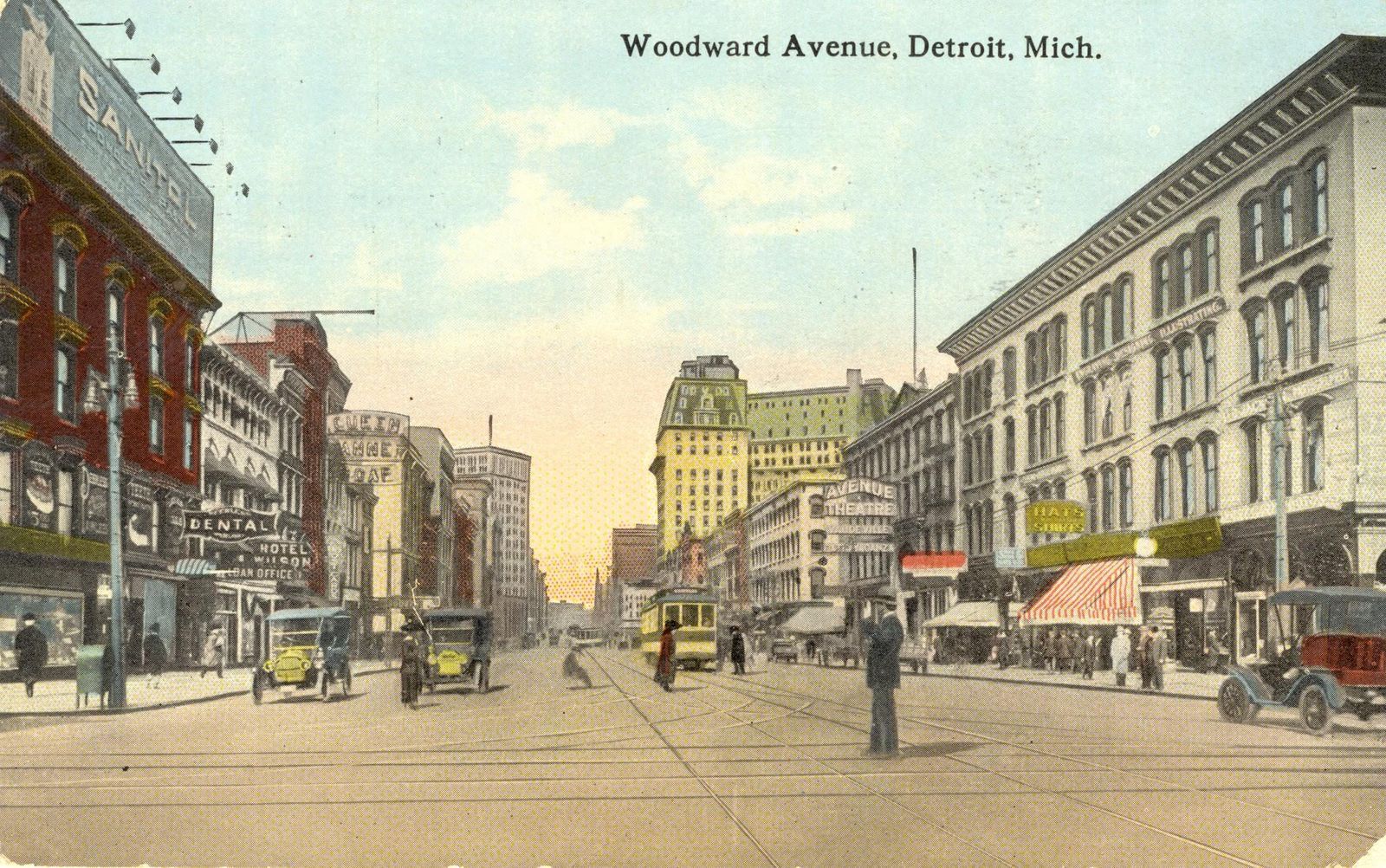
Image: Curt Teich & Co., Chicago., Public domain, via Wikimedia Commons

As the home of the American automotive industry, it is only fitting that Michigan would be the birthplace of the modern road. Before the beginning of the 20th century, most American roads were made of dirt, gravel, or bricks, which were ill-suited for the weight and speed of the newly invented automobile.

In 1909, the Wayne County Road Commission paved a one-mile stretch of Woodward Avenue in Detroit with concrete. It was the first time cement had been used to create a long-distance road surface. The experiment was so successful—costing less to maintain and providing a smoother ride—that it became the global standard for road construction.

9
Minnesota: The first shopping mall
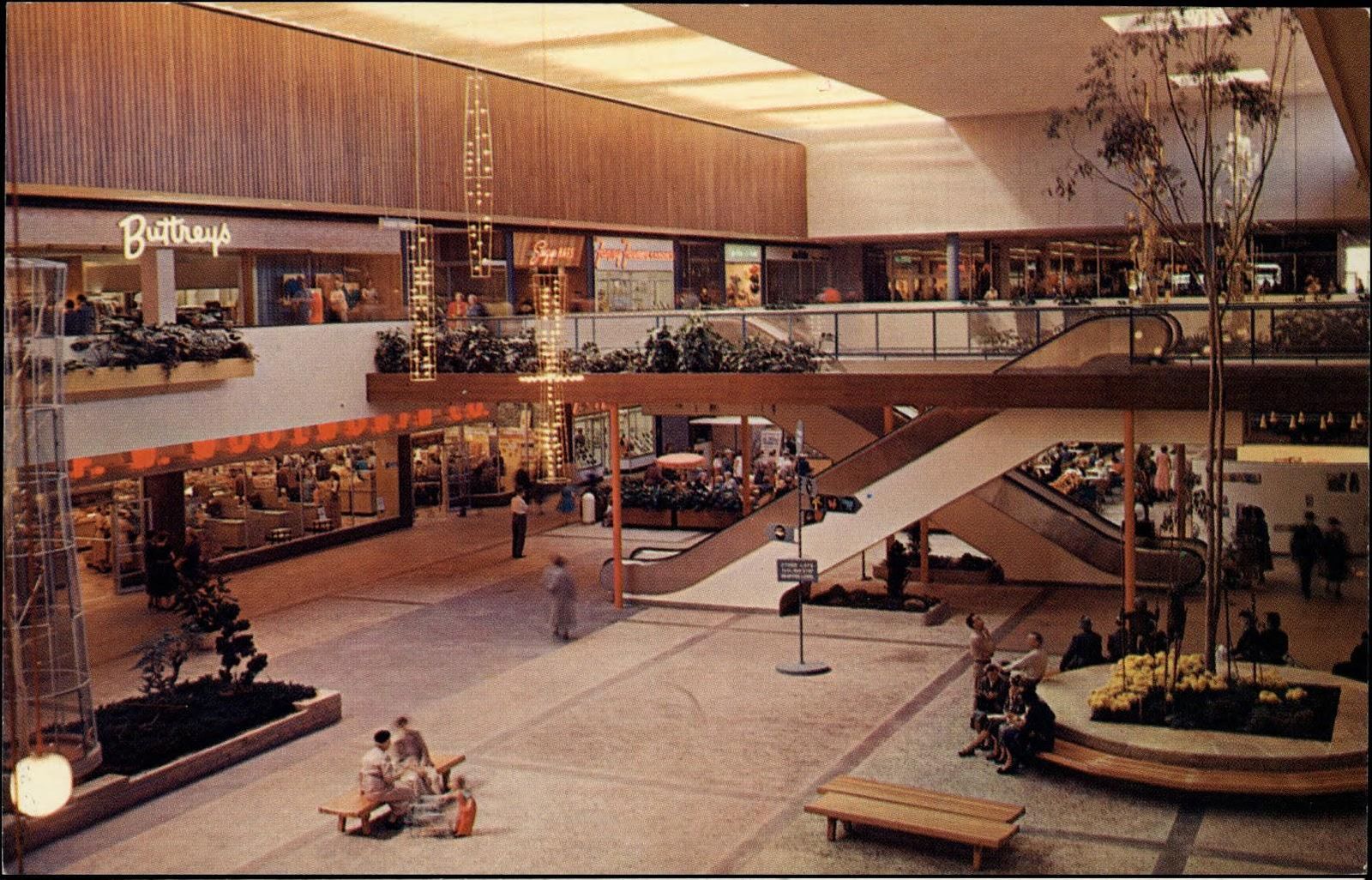
Image: Hennepin County Library, Public domain, via Wikimedia Commons

The American shopping mall is a cultural icon, but did you know it was born of a desire to escape the brutal winters of the Midwest? In 1956, the Southdale Center opened in the Minneapolis suburb of Edina, Minnesota, becoming the first fully enclosed, climate-controlled shopping mall in the U.S.

The mall was intended to be a town square that would foster community interaction regardless of the weather outside. It featured two levels of shops and a central atrium. The design was so revolutionary that it served as the blueprint for thousands of malls across the globe. Fun fact: Minnesota is also home to the largest shopping mall in the world, the Mall of America, which opened in 1992 in Bloomington.

10
Arizona: The first McDonald’s drive-thru
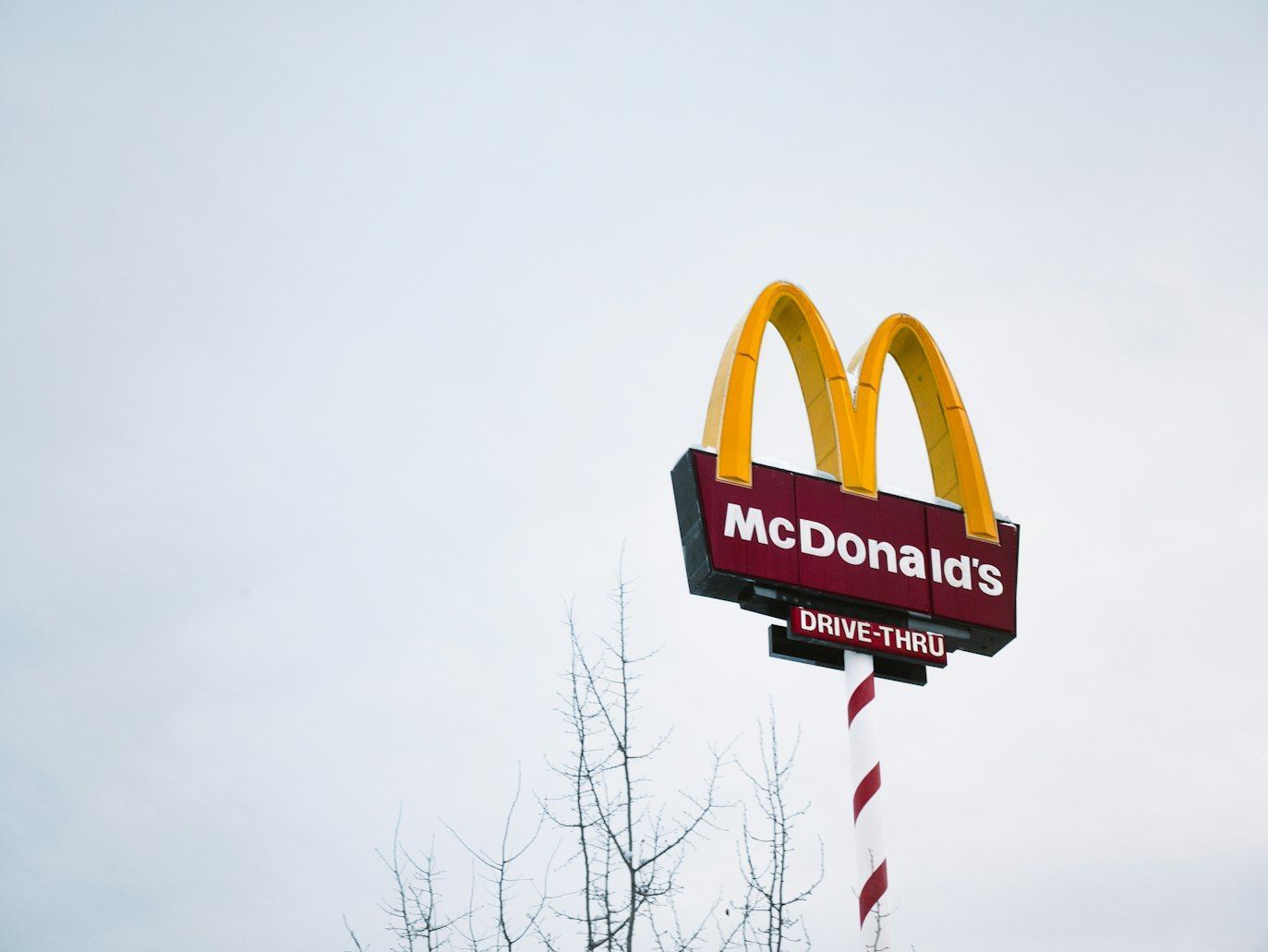
Image: Macarena Ollarzú

The drive-thru is a staple of fast food culture. Yet, contrary to what you may think, the first one wasn’t created for convenience but for military compliance. In 1975, a McDonald’s in Sierra Vista, Arizona, installed a service window to feed soldiers from the nearby Fort Huachuca.

At the time, soldiers were forbidden from wearing their military uniforms in public establishments. However, they were allowed to remain in their vehicles while in uniform. To capture the business of the hungry soldiers who couldn’t legally walk inside the restaurant, the owner installed a sliding window in the wall. The concept was an immediate success, quickly adopted by the rest of the venues.
General General 6 min read

Humans behind greatness

What’s been Clint Eastwood’s lifelong passion BESIDES movies?

Image: Collab Media

We tend to put celebrities and public figures on a pedestal: they're icons, legends, faces on magazine covers. But behind the fame, they're also just people who get bored, need an outlet, or want to do something fun on a Saturday afternoon . Did you know that Clint Eastwood has played jazz piano his whole life? Or that Albert Einstein preferred to spend his free time drifting on a sailboat with no particular destination in mind? Let's pull back the curtain and take a look at the surprisingly human side of some of America's most celebrated figures.

1
Clint Eastwood: Jazz piano

Image: Army.mil, Public domain, via Wikimedia Commons

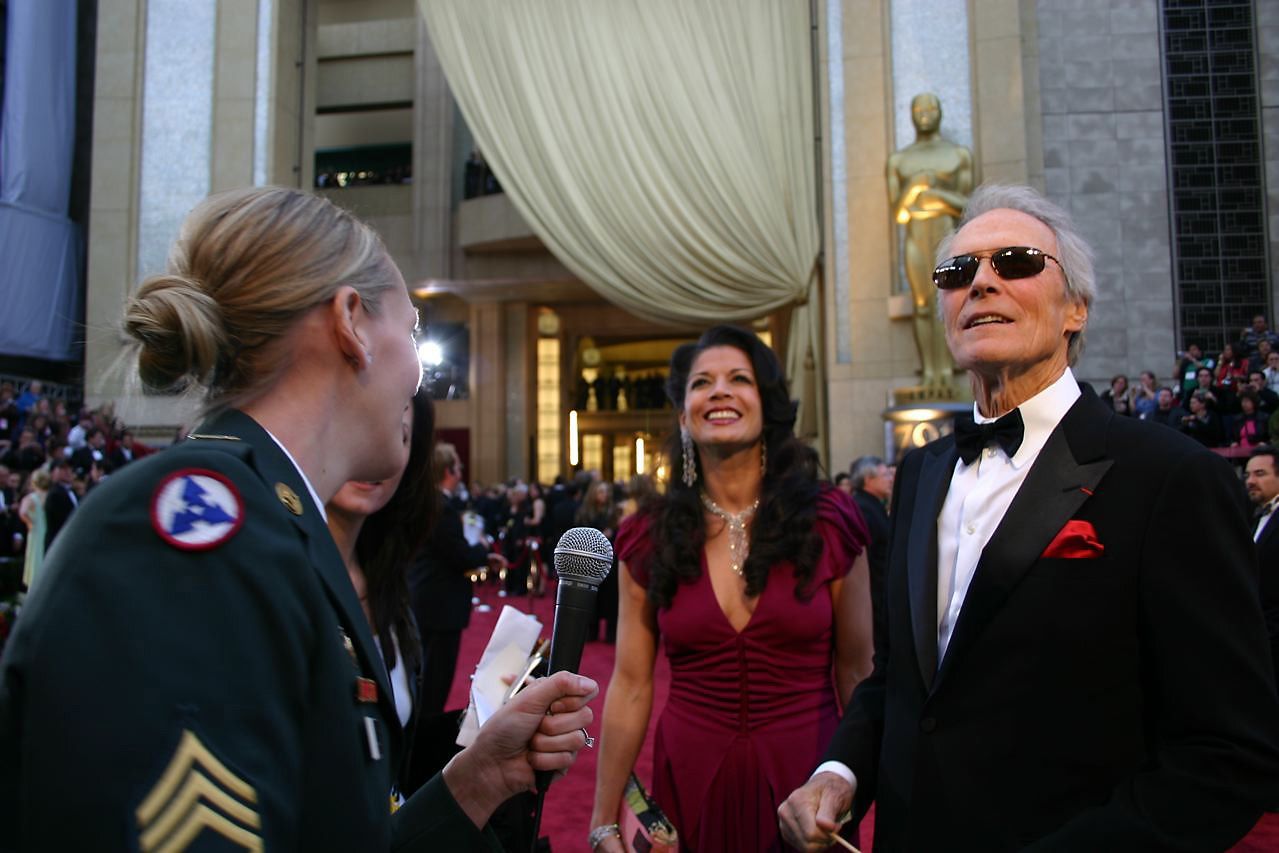
Clint Eastwood has spent many decades playing the toughest, coolest characters in Hollywood—the Man with No Name, Dirty Harry—men of few words and steely nerves. So it might come as a surprise that he has always had a deeply sensitive, artistic side rooted in jazz piano. He started playing as a teenager in Oakland, California, influenced by the bebop era.

Eastwood has composed music for several of his own films and even directed Bird (1988) , a biographical film about jazz legend Charlie Parker. He plays piano regularly to this day and has spoken about jazz as a lifelong love.

2
Albert Einstein: Sailing

Image: Los Angeles Times, CC BY 4.0, via Wikimedia Commons

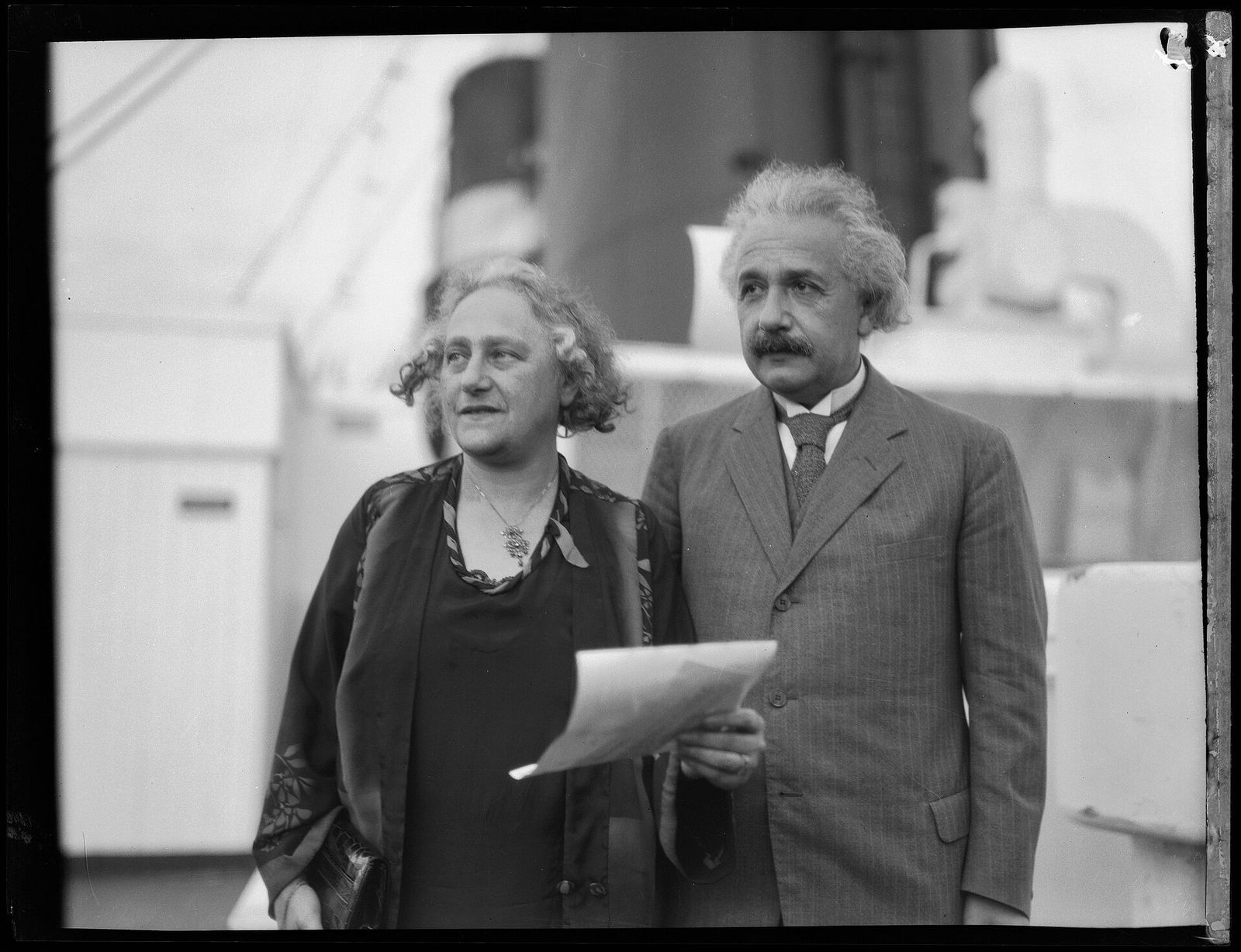
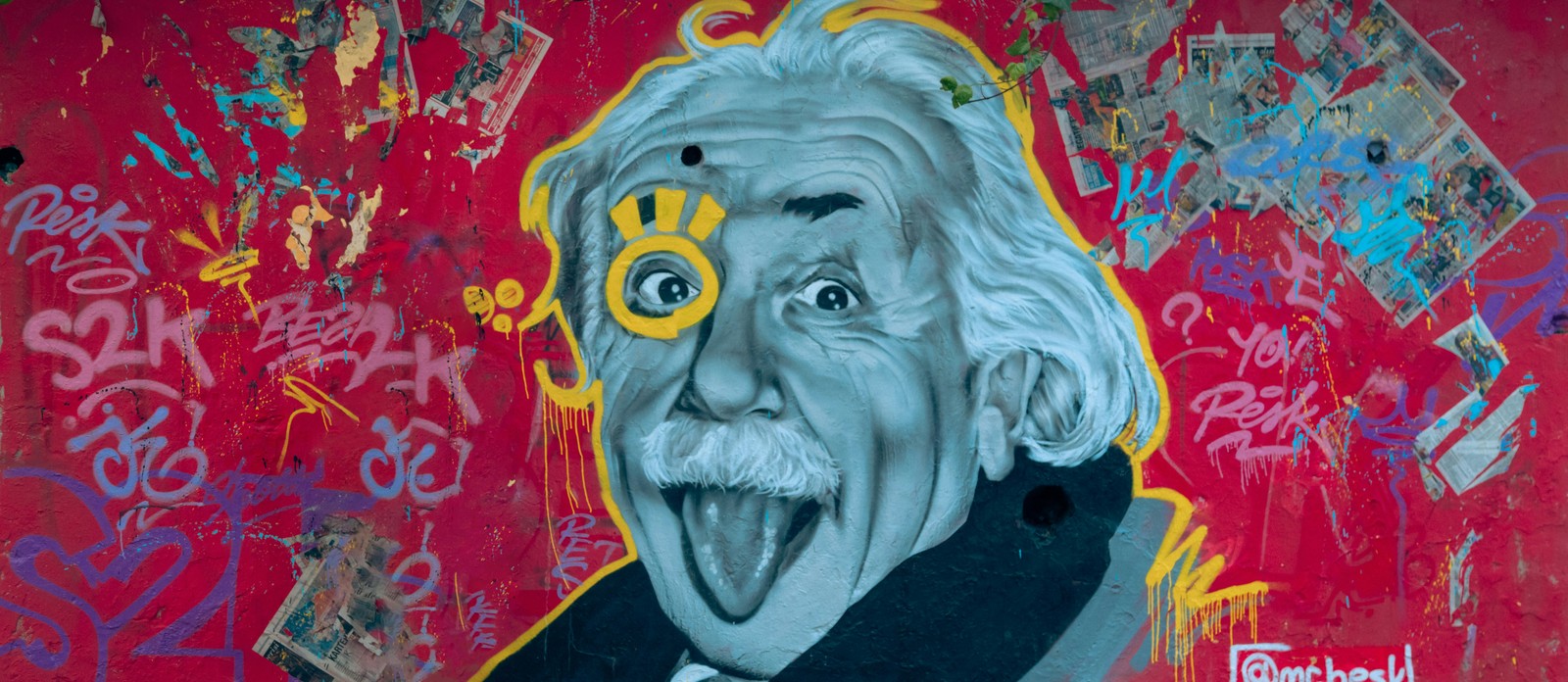
You might expect Albert Einstein's hobby to involve something complicated: equations on a chalkboard, perhaps, or building gadgets in a laboratory. Instead, the man who gave us the theory of relativity loved nothing more than to take a small sailboat out on a lake and just… drift. No engine. No motor. Just the wind.

Einstein was, by all accounts, a mediocre sailor who didn't particularly worry about being good at it. He called his sailboat Tümmler (German for "porpoise") and used those quiet hours on the water to think. He often said that some of his best ideas came to him while sailing .

3
Abraham Lincoln: Wrestling

Image: Joshua Bedford

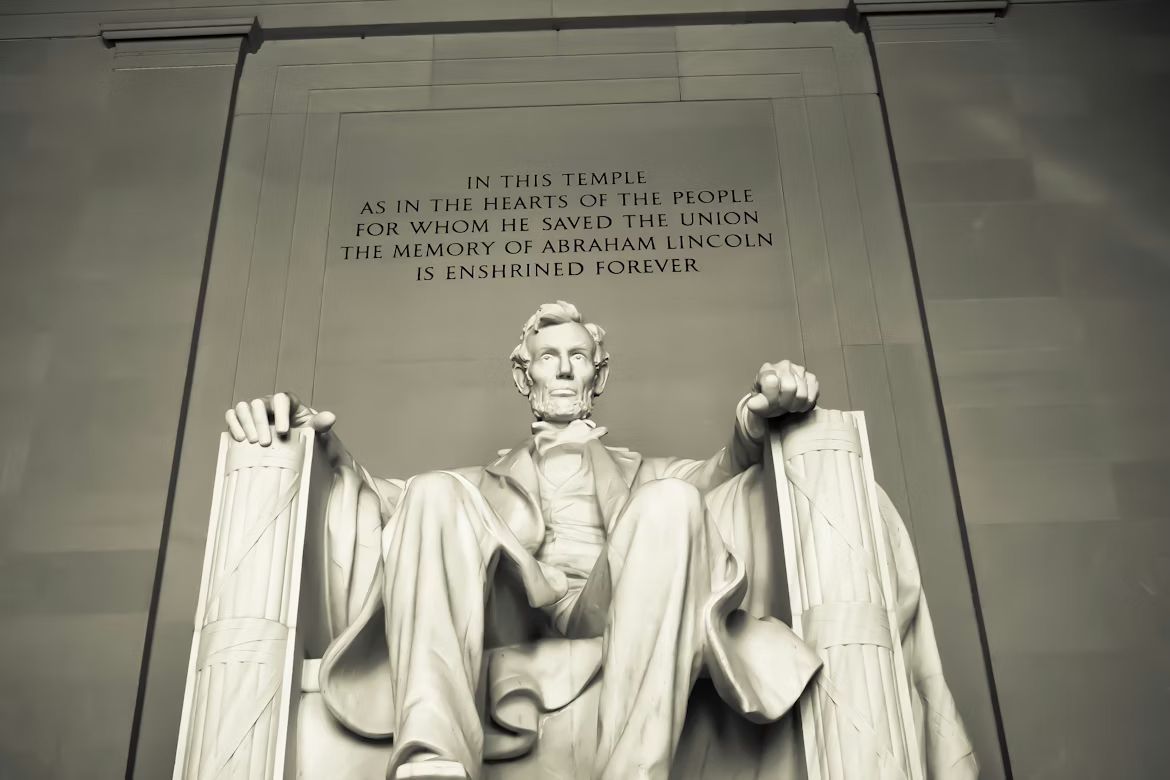
Before he was Honest Abe, Lincoln was just a tall, lanky young man from Illinois with remarkably long arms and a low center of gravity—which, as it turns out, makes you a pretty formidable wrestler. He took up the sport as a young man and quickly developed a reputation in his community as someone you really didn't want to tangle with.

Lincoln compiled an outstanding record, with reportedly one defeat in roughly 300 matches. He was so good that he was eventually honored by the National Wrestling Hall of Fame —yes, that's a real place, and yes, Abraham Lincoln is in it.

4
Meryl Streep: Knitting

Image: Kevin Payravi, CC BY-SA 4.0, via Wikimedia Commons

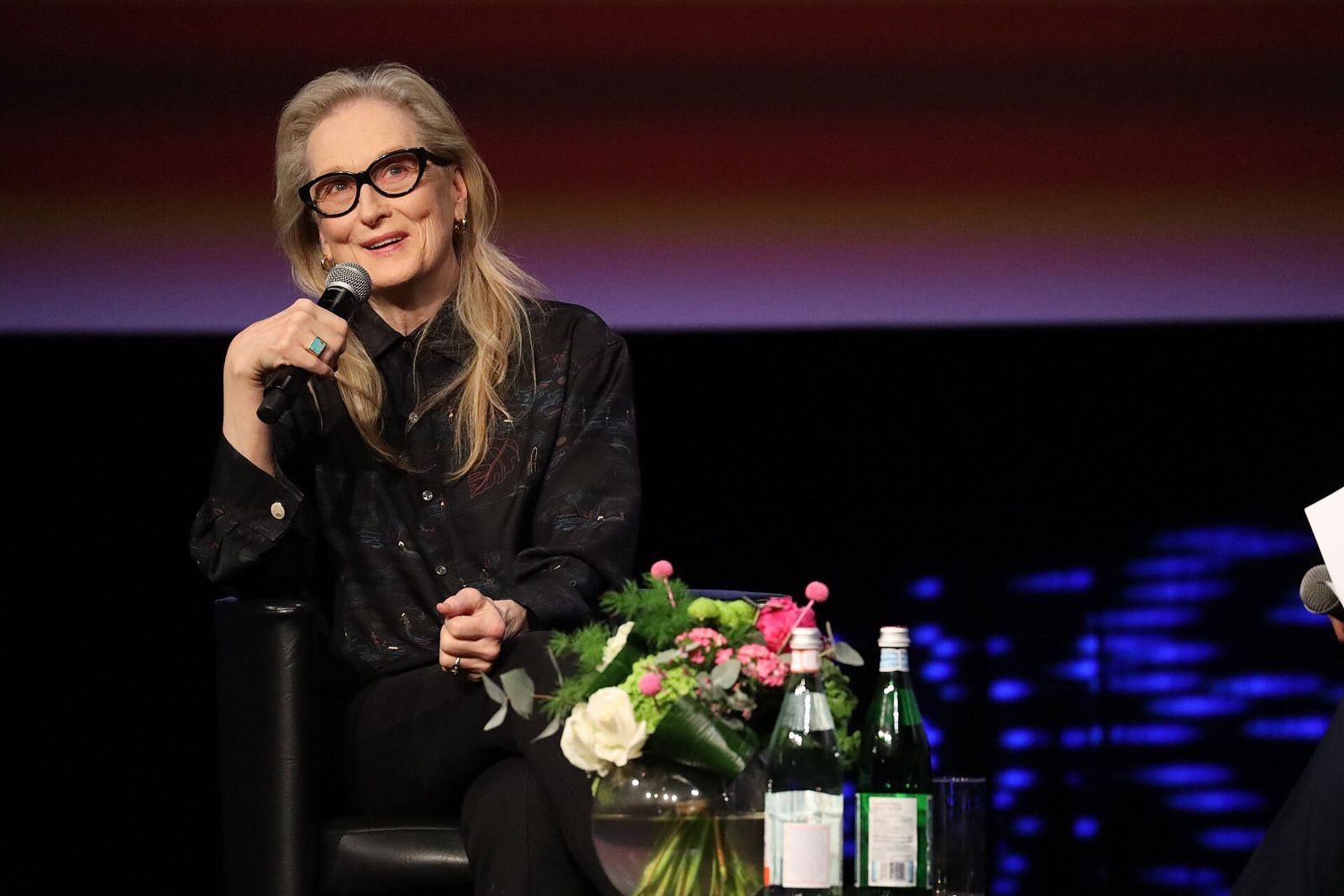
Meryl Streep is widely considered the greatest actress of her generation, with a record 21 Oscar nominations to date. She's played everything from a Nazi commandant's mistress to Margaret Thatcher. And between takes on set, she knits.

She's said in interviews that knitting helps her stay grounded and present , even in the middle of emotionally demanding shoots. It gives her hands something to do while her mind processes a role. There's also something wonderfully ironic about the most decorated actress in Hollywood finding her peace in something so delightfully ordinary.

5
Tom Hanks: Typewriter collecting

Image: Dick Thomas Johnson from Tokyo, Japan, CC BY 2.0, via Wikimedia Commons

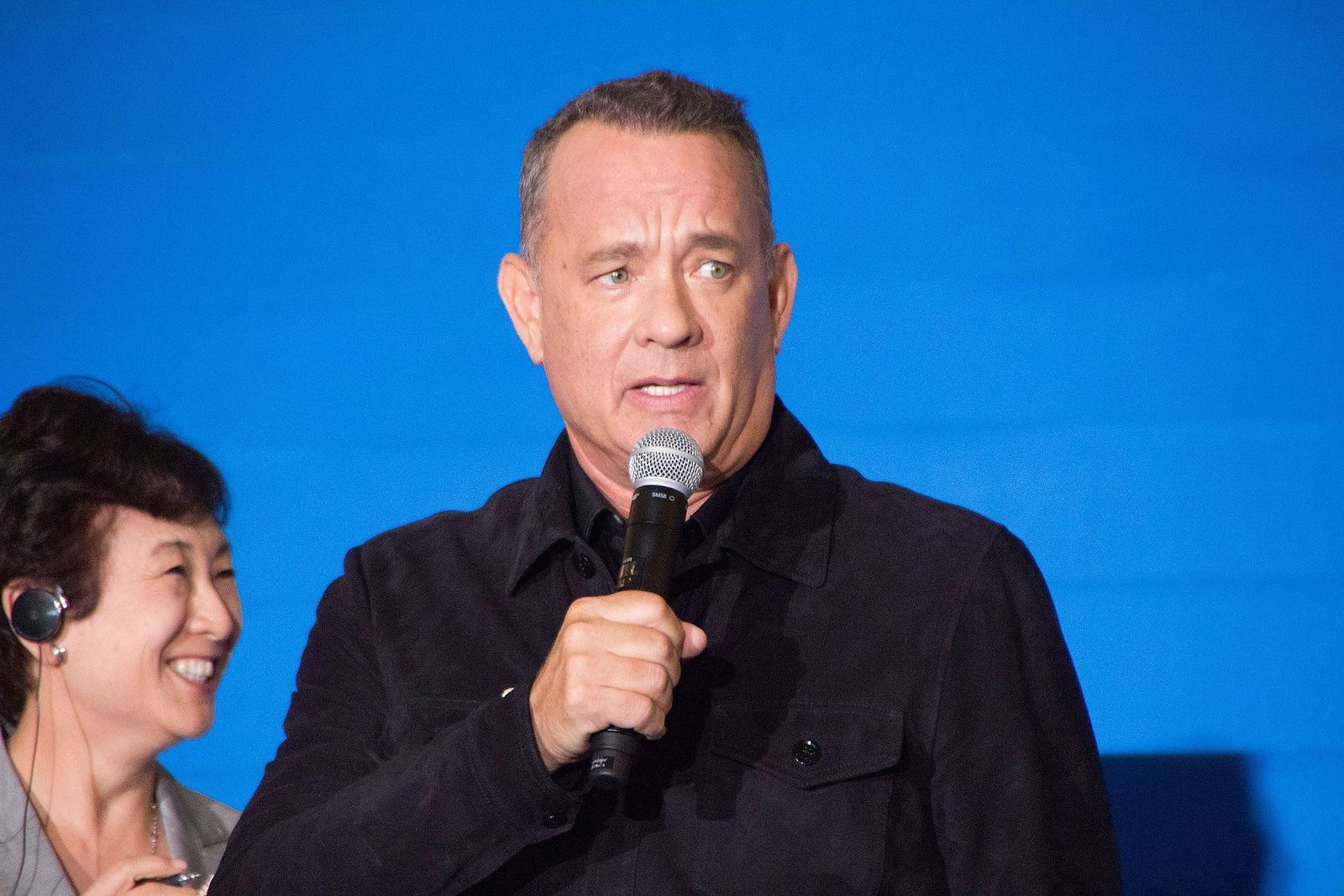
Tom Hanks has won two Oscars, starred in some of the most beloved films in American history, and also owns—by his own estimate—more than 250 typewriters . He started collecting them in the early 1980s when he came across an old machine at a second-hand shop and was instantly hooked by the sound and feel of the keys.

Hanks became such a devoted enthusiast that he wrote an entire book about it: Uncommon Type, a collection of short stories where a typewriter appears in every single tale. He's also said he writes all his personal correspondence by hand or on a typewriter.

6
Steve Martin: Banjo playing

Image: Marianna Diamos, Los Angeles Times, CC BY 4.0, via Wikimedia Commons

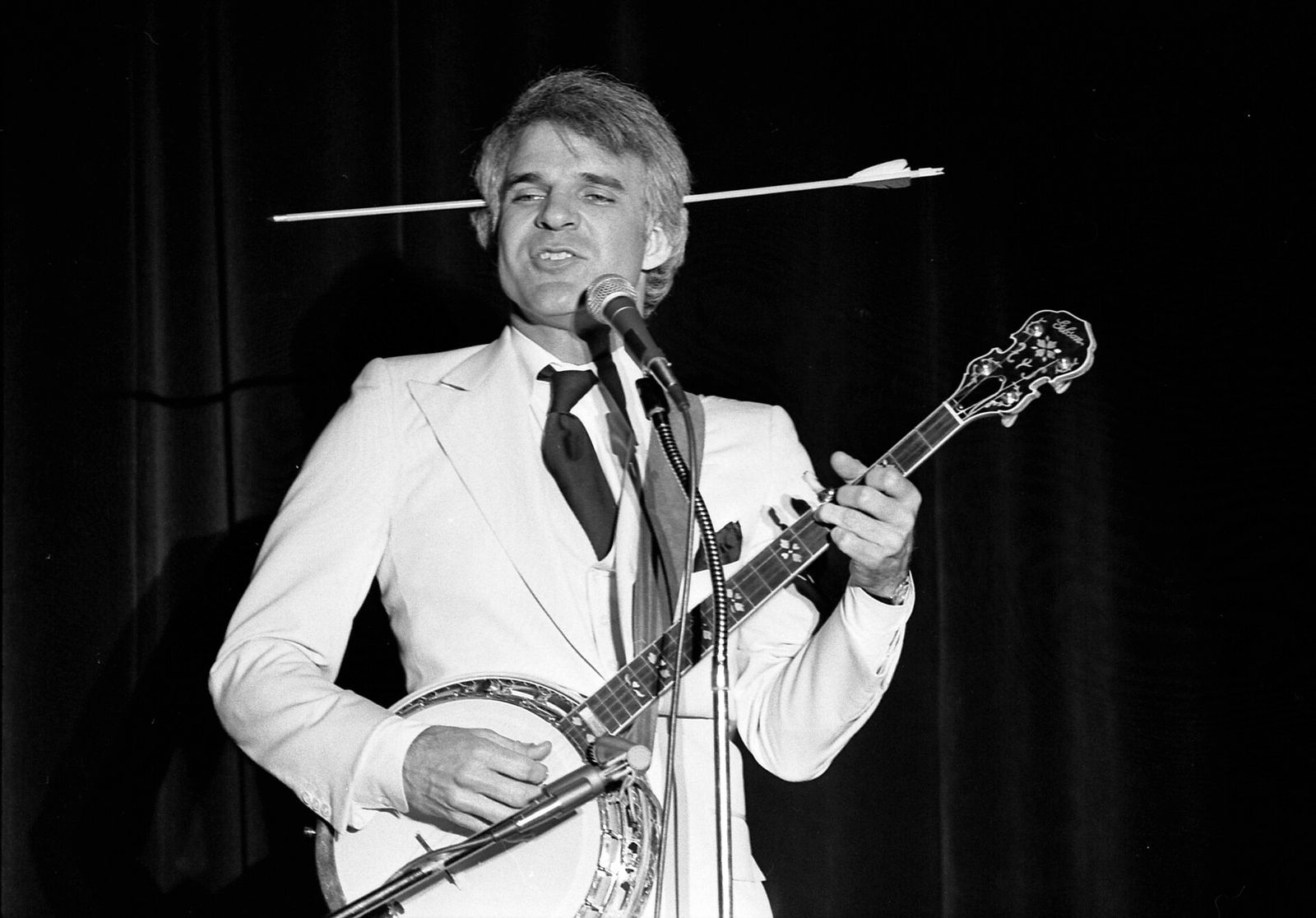
Steve Martin built his career on comedy: the arrow through the head, the wild and crazy guy, the absurdist humor that made him a superstar in the 1970s and '80s. But long before the standup, film, and TV career, there was the banjo. He started learning as a teenager while working at Disneyland, drawn in by the bluegrass musicians performing there.

He never stopped playing. Martin has released multiple bluegrass albums, toured with accomplished musicians, and won a Grammy for his 2009 album The Crow: New Songs for the Five-String Banjo . For him, it was never a joke or a gimmick: the banjo is the real deal, and he plays it with genuine heart.

7
Jimmy Carter: Woodworking

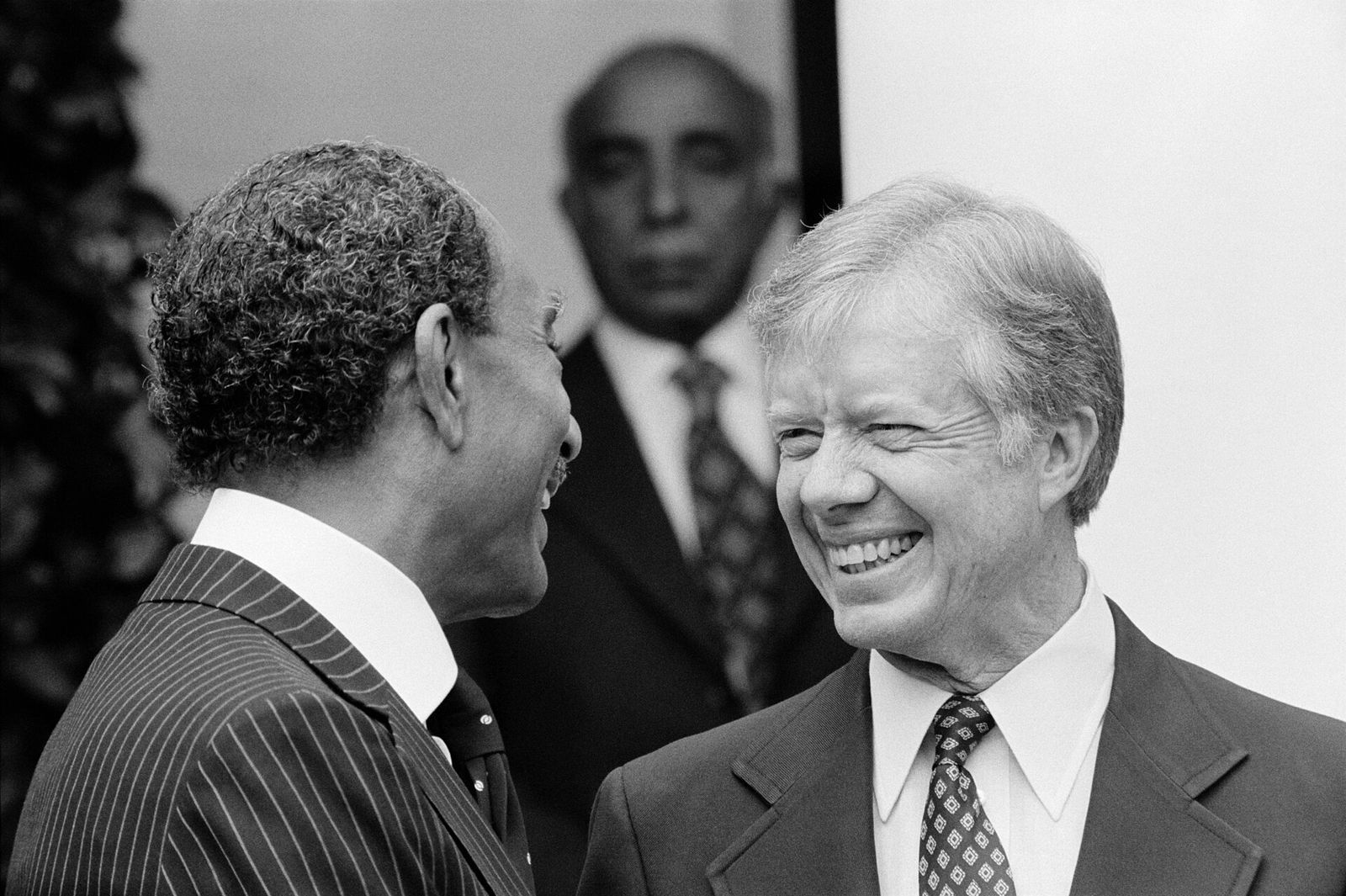
Jimmy Carter didn't pick up woodworking as a retirement hobby: he learned it out of necessity. Growing up on a Georgia farm during the Great Depression, his father taught him to be handy with just about everything. He kept at it through shop class and Future Farmers of America, and even built furniture for his own home during his Navy years.

Carter donated many of his handmade pieces to charity auctions benefiting Habitat for Humanity , a cause he championed throughout his post-presidential life. He even joked that a miniature of the White House he once built had nothing to do with his ambitions — though history would suggest otherwise.

8
Theodore Roosevelt: Boxing and judo

Image: Richard John Cunninghame (1871-1925), Public domain, via Wikimedia Commons

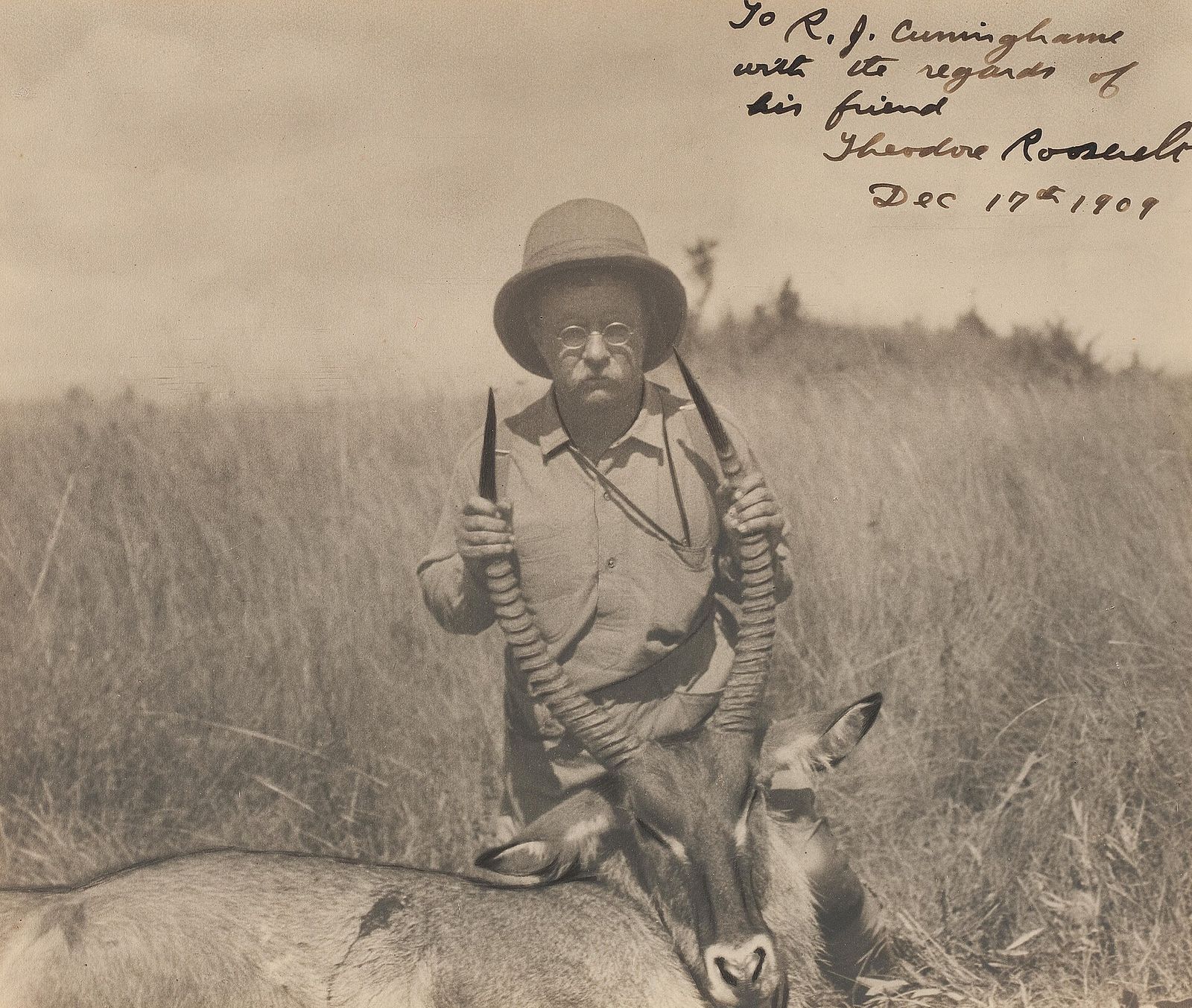
Teddy Roosevelt didn't exactly need a tough-guy reputation boost: the man charged up San Juan Hill, for crying out loud. But even as President of the United States, he kept up a regular boxing practice right inside the White House. He'd spar with aides and military officers, seeing it as a way to stay sharp, both mentally and physically.

That hobby came with a real price, though. In 1908, during one sparring session while in office, a punch left him blind in his left eye, a fact he kept secret for years. He later switched to judo, eventually earning a brown belt.

9
Condoleezza Rice: Competitive figure skating

Image: TechCrunch, CC BY 2.0, via Wikimedia Commons

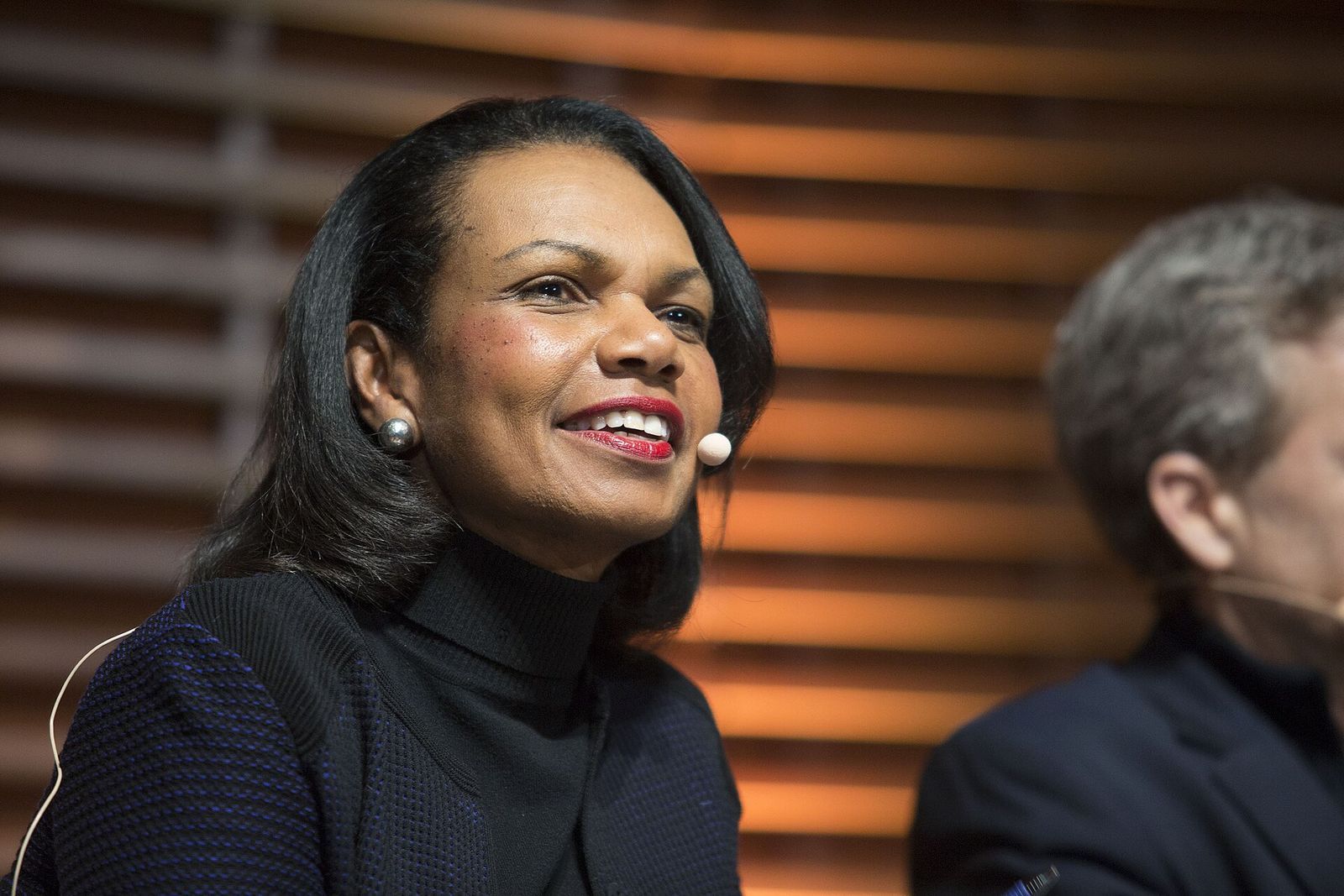
Condoleezza Rice served as National Security Advisor and then Secretary of State under President George W. Bush, two of the most demanding jobs in the world. She's also a trained classical pianist. But here's the one that really catches people off guard: she was a competitive figure skater as a young girl growing up in Birmingham, Alabama.

Rice started skating as a child and trained seriously enough to compete. She has spoken about how the discipline required in skating —the repetition, the commitment, the ability to get up after you fall— shaped the way she approached everything else in her life . From the ice rink to the world stage, the mindset, it turns out, was always the same.

10
George W. Bush: Painting

Image: Paul Morse, Public domain, via Wikimedia Commons

After leaving the White House in 2009, George W. Bush picked up a paintbrush, and nobody was more surprised than he was by how much he loved it. He started with his dogs and landscapes, quietly teaching himself the basics of oil painting with the help of online tutorials and books.

He eventually moved on to portraits of world leaders, veterans, and immigrants, and held gallery showings of his work . Critics who expected something amateurish were genuinely taken aback by the results. For instance, Washington Post journalist Karen Tumulty summed up the reaction of many when she admitted on social media that Bush's paintings were, surprisingly, kind of edgy.

Culture Culture 4 min read

How to blend in with the locals

12 American slang words that will make you sound like a local

Image: DJ Johnson

English might be the official language of all Americans, but this doesn’t mean it’s spoken the same everywhere. Across the 50 states and the territories, slang is just another way to express the idiosyncrasies of each region and its unique realities. Check out these slang phrases; they might come in handy in the future.

1
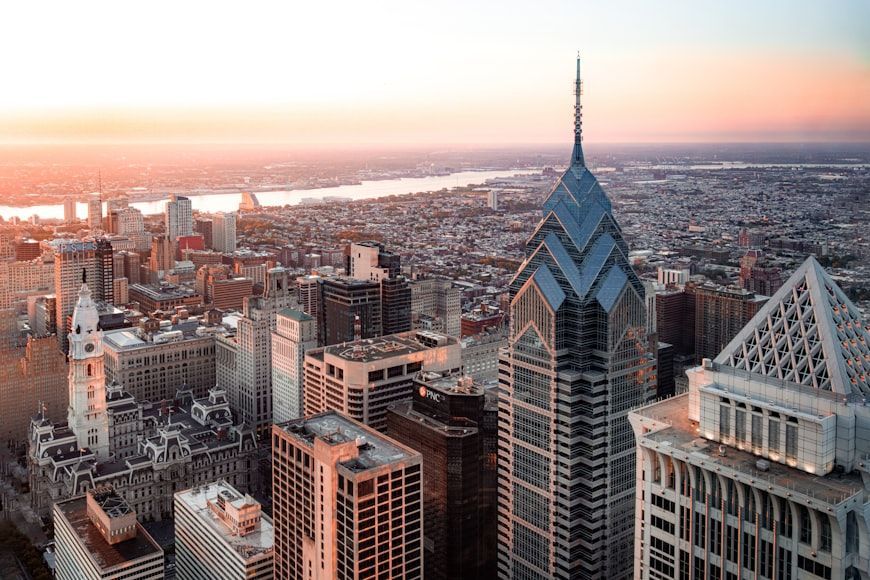
Philadelphia: Jawn

Image: ActionVance

Meaning: used as a placeholder for a noun.

When in Rome, do as the Romans do. When in Philly, be aware that the word jawn can and will be used in every sentence, no matter if the jawn in question is a thing, person, event, or place. If it’s a noun, it can be jawn’ed.

2
New England: Grinder

Image: Yoad Shejtman

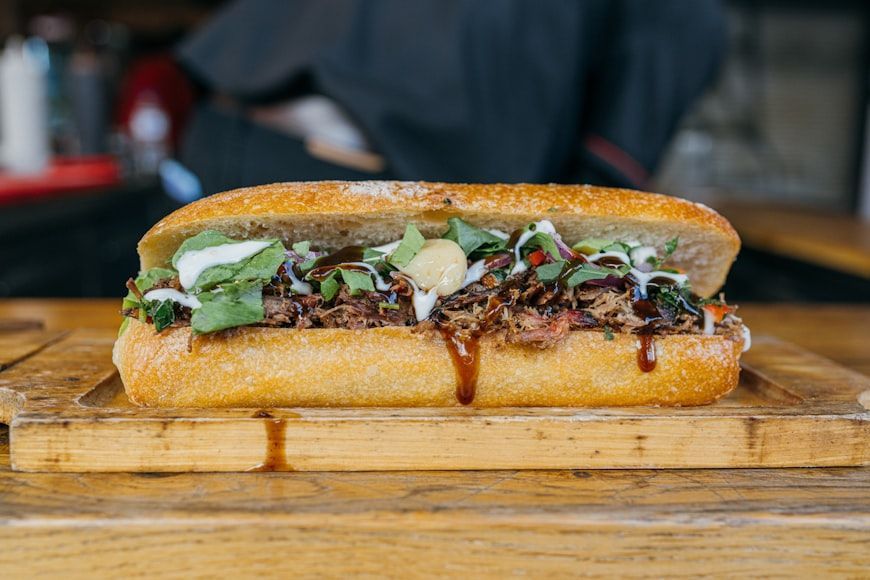
Meaning: a sub sandwich.

Subs must be one of the most widely known American sandwiches, and rightfully so. Its possibilities when it comes to fillings are seemingly endless, no matter your personal tastes. But you must consider that not every sub is called a sub. If you are passing through New England and fancy a sandwich, looking for a grinder will get you there quicker.

3
Midwest: Schnockered/ Schnookered

Image: Vinicius amnx Amano

Meaning: Schnockered: wasted/ Schnookered: scammed

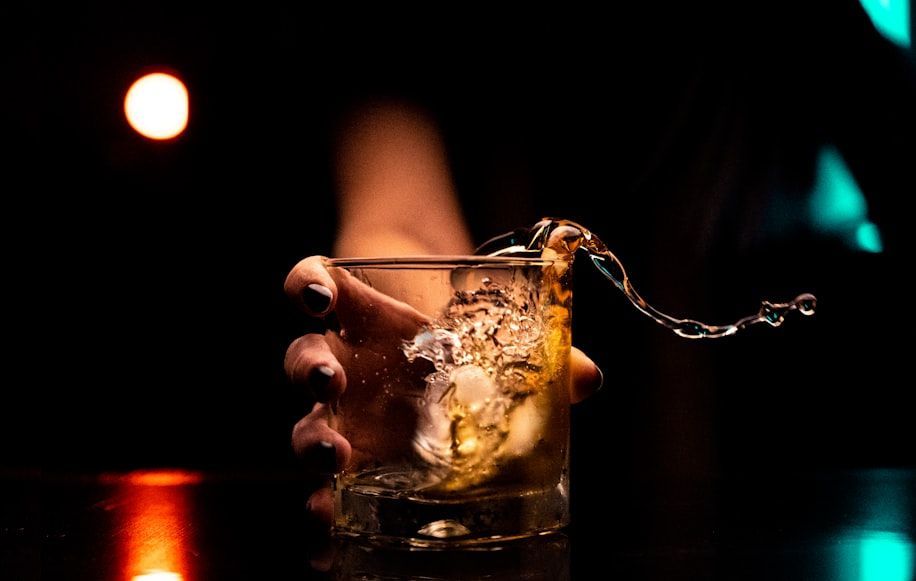
Is there a connection between excessive alcohol consumption and being easy to deceive? Midwesterners apparently think so, because they use very similar terms for both situations. We tend to agree; nothing good can come from doing business while under the influence.

4
New York: Schlep

Image: Keagan Henman

Meaning: a difficult task, to carry something with difficulty.

As far as hectic places go, New York seems to be leading the rankings. No wonder they have a dedicated slang repertoire for difficult situations. If you are planning on visiting the Big Apple, take it easy; you will most likely encounter a schlep.

5
Florida: No-see-ums

Image: Maxim Mogilevskiy

Meaning: tiny biting midges.

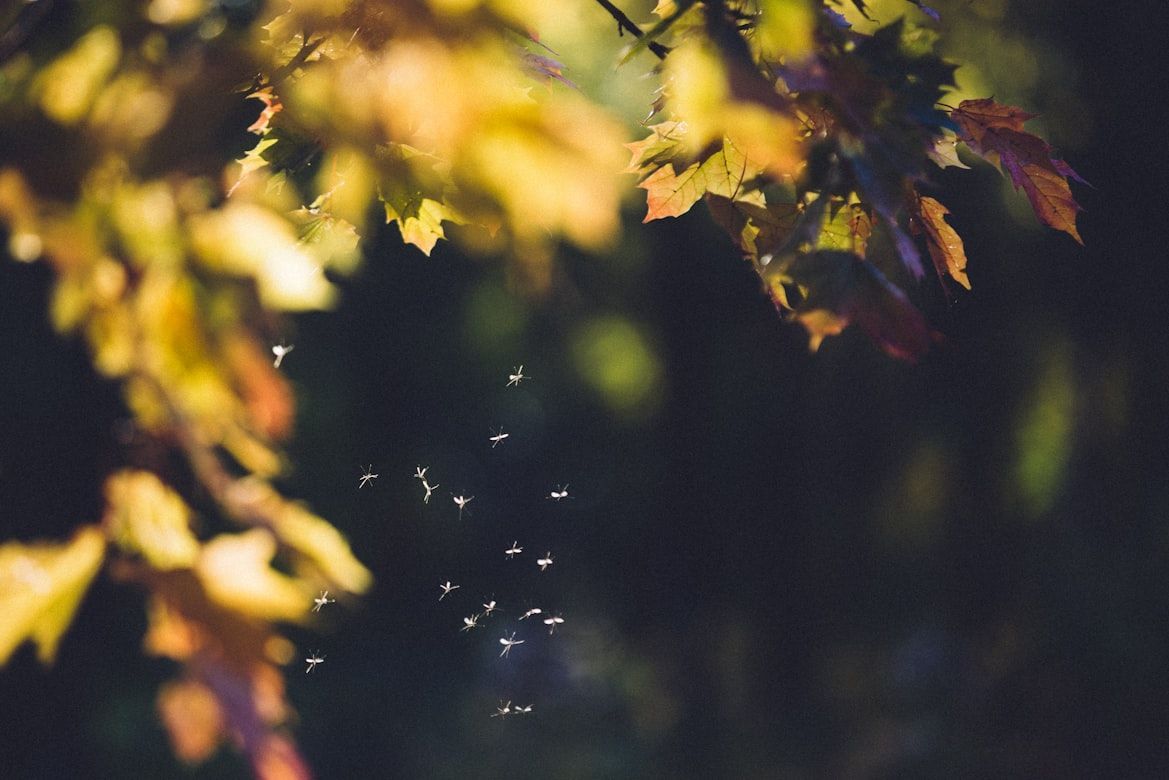
Ah, Florida! The land of cruises, alligators, and invisible attacking bugs. These welcoming critters are known for attacking at dawn and leaving itchy marks that will sting for days. They go by the government name of Ceratopogonidae, but the no-see-ums nickname seems more accurate.

6
Boston: Regular

Image: Kelly Sikkema

Meaning: coffee with cream and sugar.

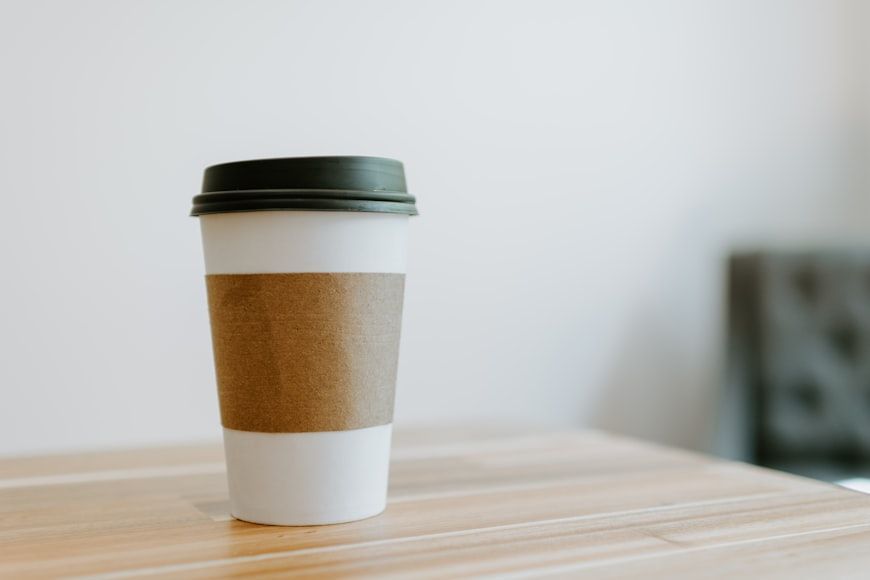
Forget about americanos, lattes, and espressos, a regular is the Boston way to go. Associated with a popular Dunkin’ order, it will come already creamed and sugared. Not advisable for diabetics and lactose intolerants.

7
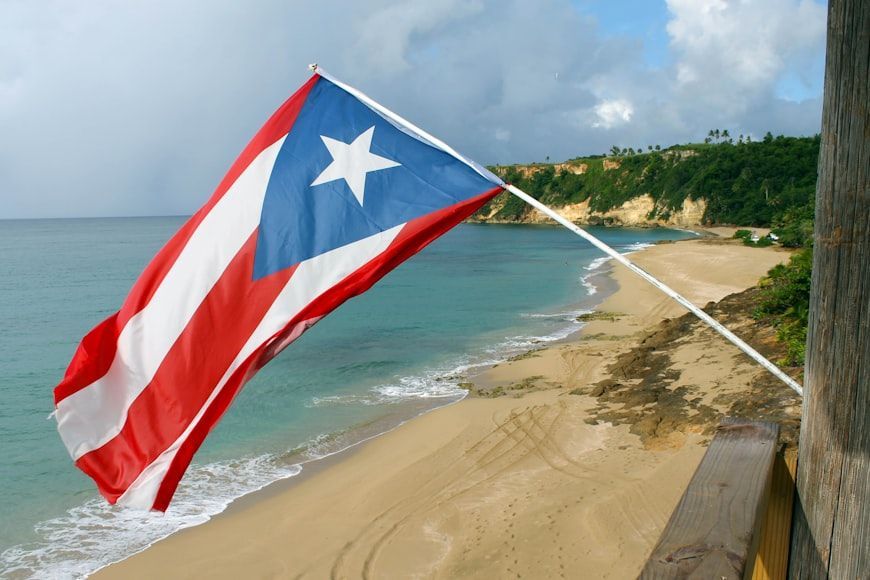
Puerto Rico: A mi, plín!

Image: Ana Toledo

Meaning: I don’t care.

Puerto Rican slang can be hard to decipher even if you speak some Spanish, but this makes it even more unique. This phrase —literally translated as ‘to me, plin’— is commonly used to express that something or someone is of no concern to you. What is a ‘plin’? We don’t really know, but to us, plin!

8
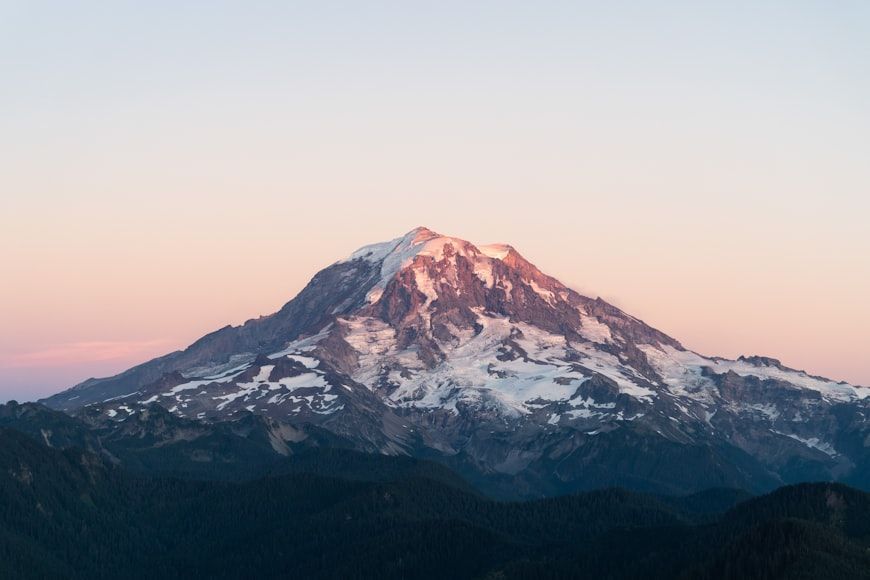
Pacific Northwest: The mountain is out

Image: Caleb Riston

Meaning: there is good weather

Mount Rainier is one of the icons of Seattle and the Pacific Northwest, even though the stormy weather can often make it difficult to admire. On the days when the sky is clear and cloudless, this natural wonder "is out" and can be seen in its entirety. For the locals, the mountain being out has become synonymous with lovely weather and sunny skies.

9
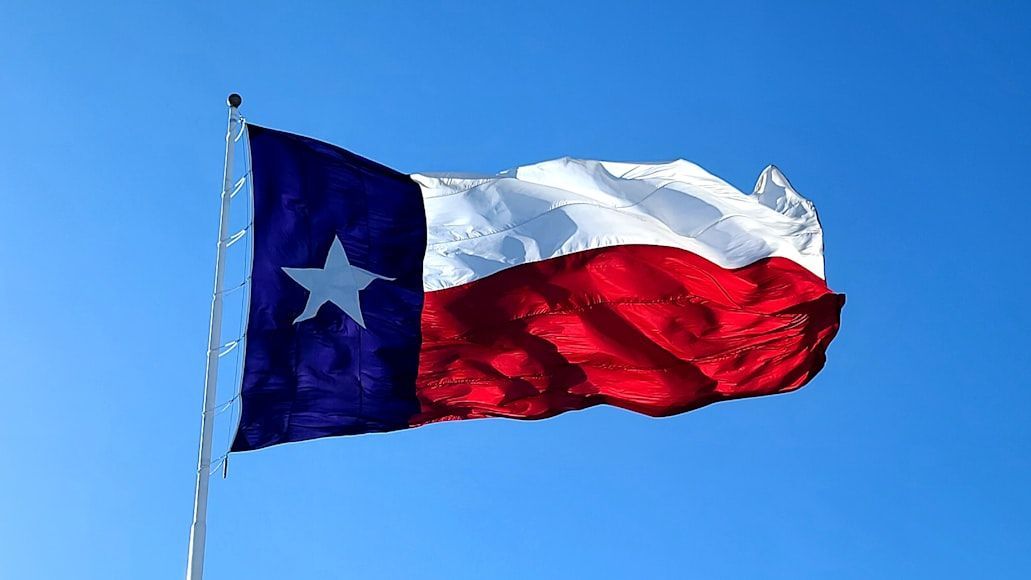
Texas: Fixin’ to

Image: Pete Alexopoulos

Meaning: about to.

We are including this phrase as Texan slang, but you might hear it from Southerners of other states. What do they use it for? Not to talk about repairs, but to say they are about to do something or getting ready for something. Important: do not confuse it with ‘fixins’, a way to refer to side dishes or condiments.

10
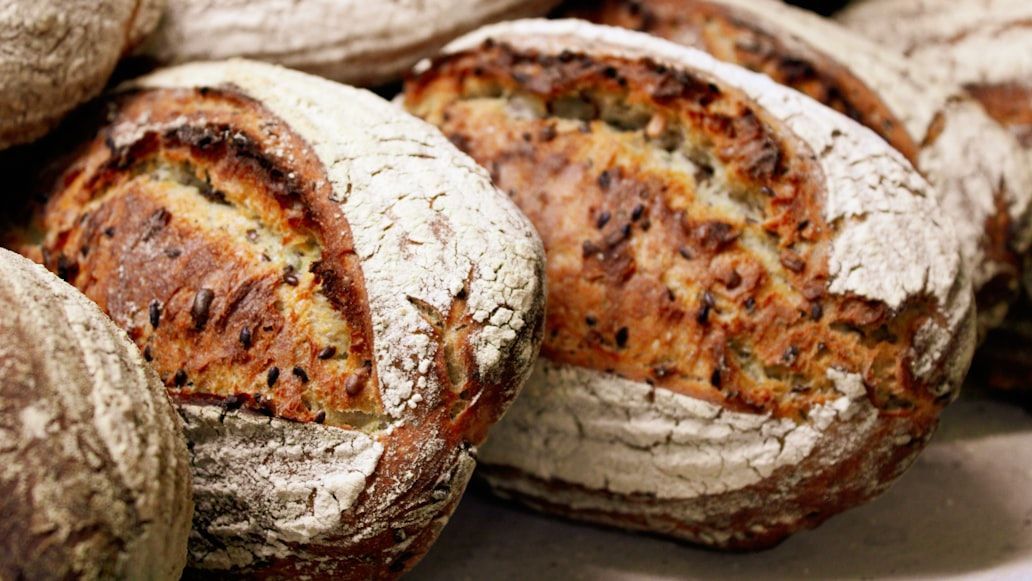
Alaska: Sourdough

Image: DDP

Meaning: a long-time resident.

Alaska is filled with natural wonders, but it has always been a tough place to live in, especially during the time of the pioneers. These brave people relied on a few food sources, one of them being sourdough starter to make bread and biscuits. In time, seasoned Alaskans came to be referred to as ‘sourdough’, as a way of honoring their resilience and love for the territory. Opposite to a ‘sourdough’, you can find a ‘cheechako’ or newcomer.

11
Utah: RM

Image: Taylor Brandon

Meaning: someone who returned from their missionary service.

Utah is known for many things, one of them being its high number of Church of Jesus Christ of Latter-day Saints members (commonly known as Mormons). Many members of the Church choose to serve as missionaries, an activity that can take them to a different state or even a different country for up to two years. Once they come back, they might be referred to as RM, or ‘returned missionary’.

12
Hawaii: Da kine

Image: little plant

Meaning: placeholder for something.

If you are in Hawaii, you might notice locals using this phrase to refer to various things, similar to how other English speakers use ‘whatsit’ as a placeholder. A common phrase in Hawaiian Pidgin, ‘da kine’ can be used for objects, people, places, ideas, and much more.

Explore more American facts

Choose your favorite category!

General
General

As American as apple pie—the very best America has to offer!

Culture
Culture

Delve into the astounding richness of American lore.

Geography
Geography

Hop in and explore vast and diverse American landscapes.

History
History

Discover the key moments that shaped the United States.