Culture Culture 2 min read

American vocabulary

Words borrowed from Native Americans (and you say them daily)
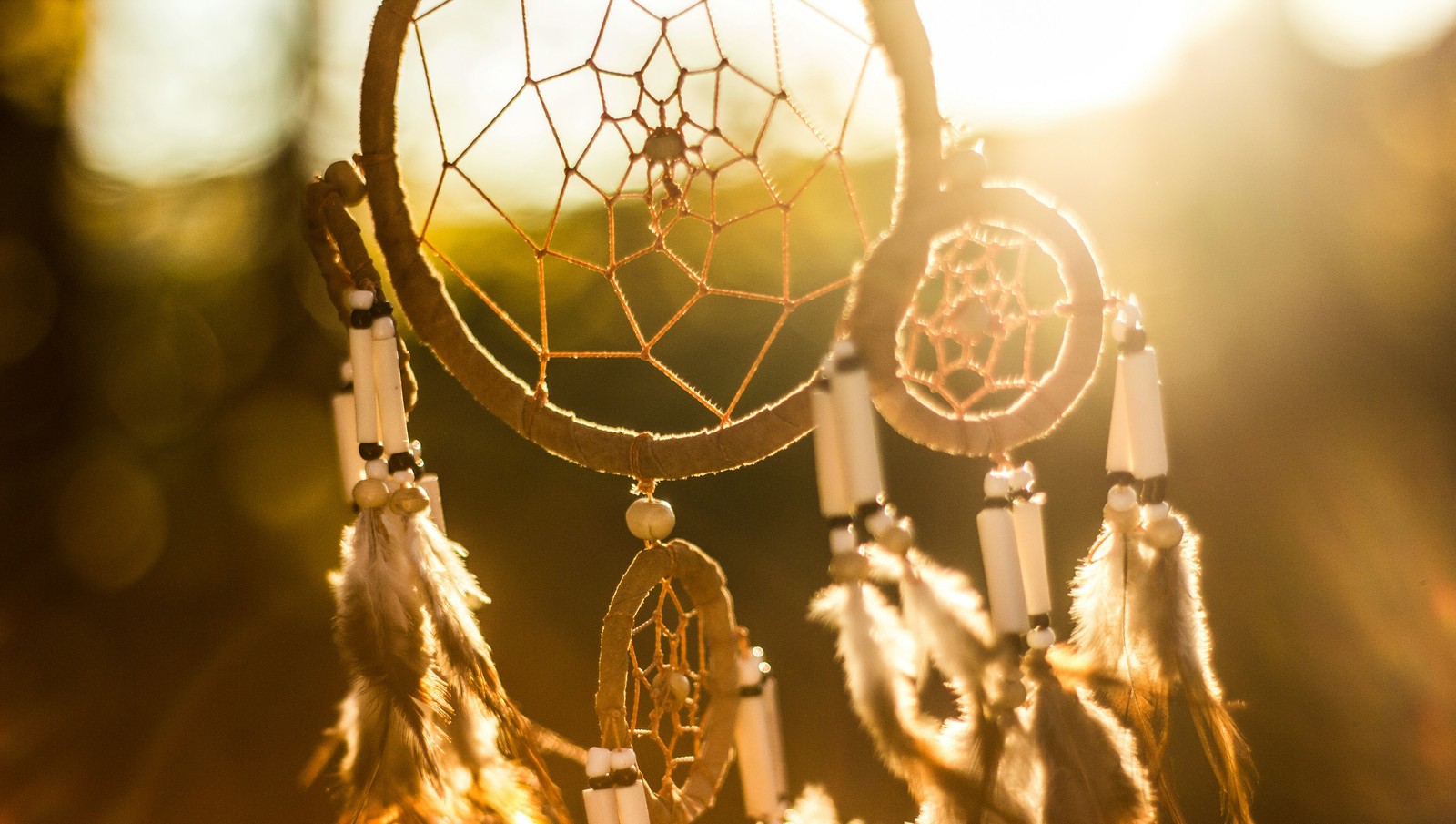
Image: Andreas Wagner

English is full of words borrowed from Native American languages. From foods to places, these terms carry centuries of history and culture, quietly blending into everyday speech. Here are 11 words you use every day without realizing their origins.

1
Chili
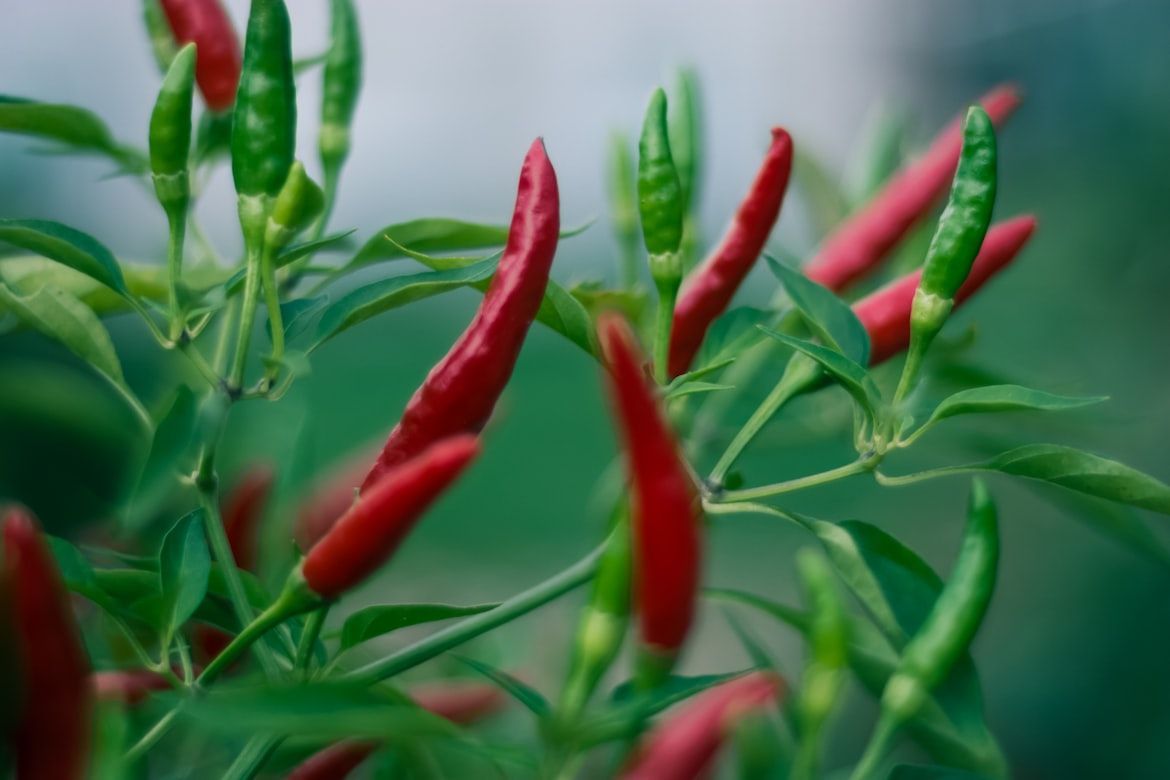
Image: Steve Johnson

From Nahuatl chīlli , referring to the hot pepper central to Mesoamerican cuisine.

Chili peppers shaped food traditions across the Americas. The word—and the plant—spread globally, influencing flavors from Asia to Europe.

2
Chocolate
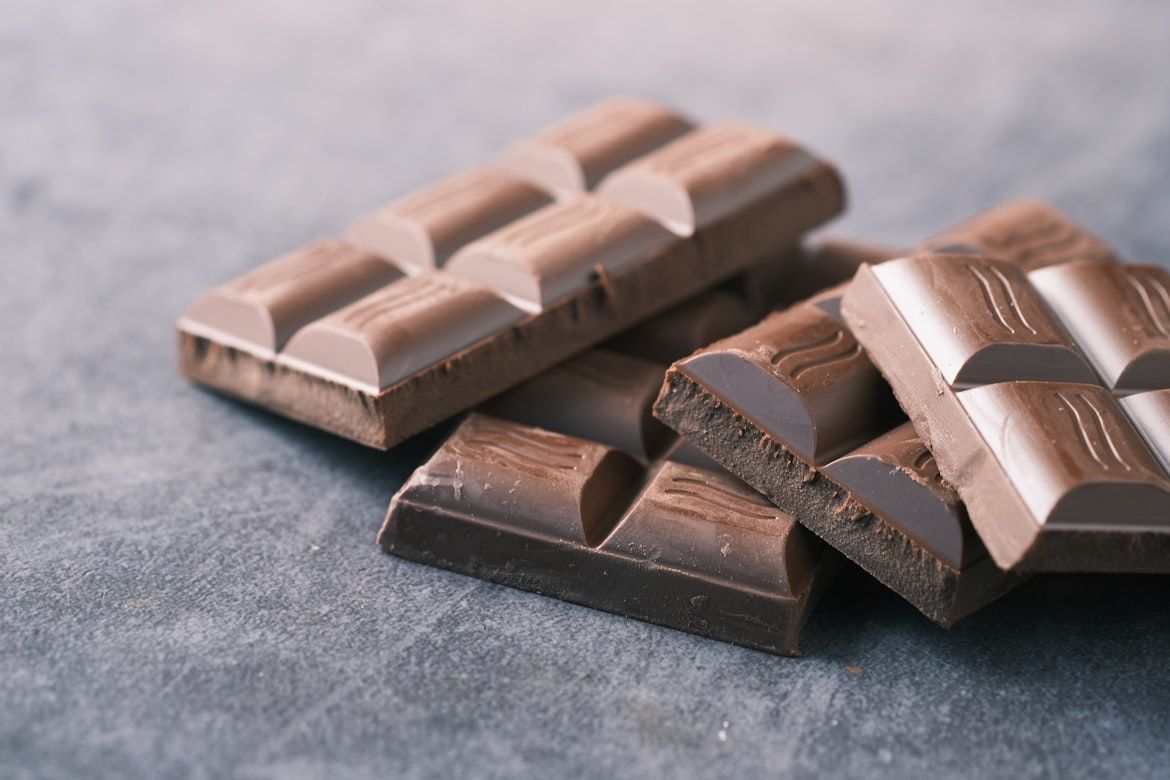
Image: Towfiqu barbhuiya

"Chocolate" comes from the Nahuatl word xocolātl , used by the Aztecs for a bitter cacao drink.

Cacao was central to Mesoamerican culture, used in rituals, trade, and even as currency. Europeans adapted it—sweetening it and spreading it worldwide. Today, chocolate is a global industry worth billions.

3
Canoe
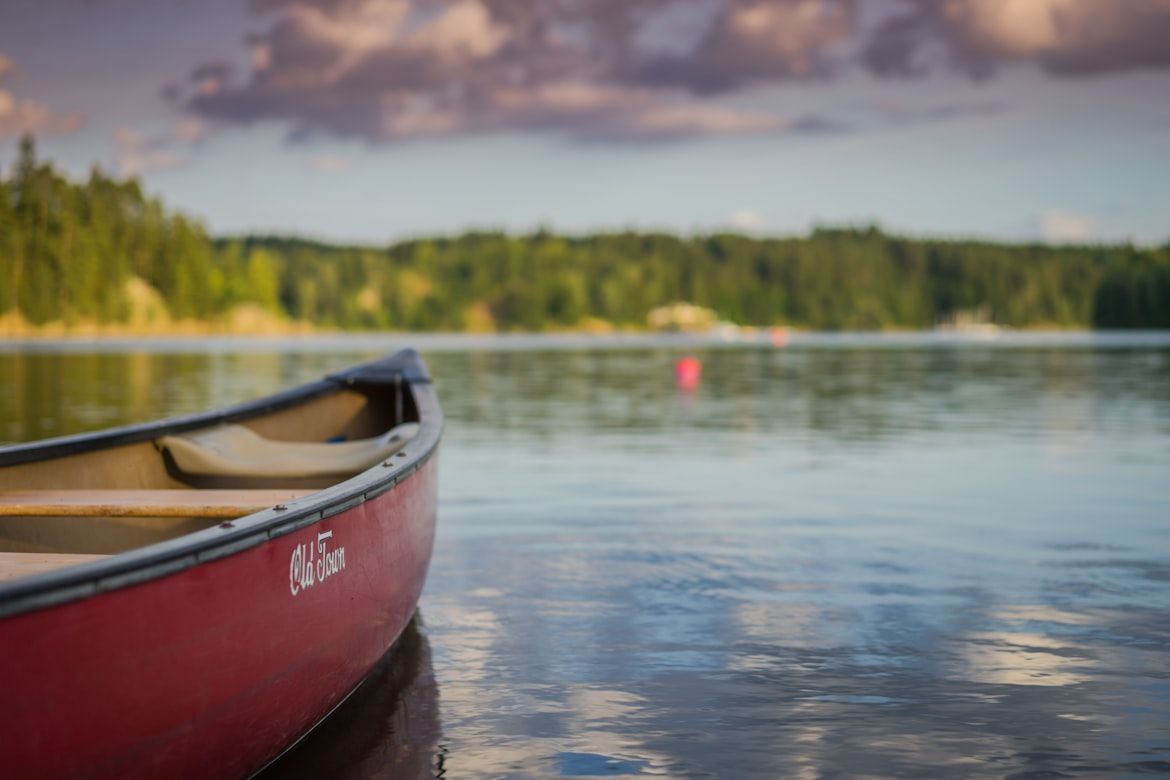
Image: Michael Niessl

From the Carib kana:wa , "canoe" described small, lightweight boats used by Indigenous peoples across the Americas.

European explorers borrowed both the vessel and the word for river and coastal navigation. Today, "canoeing" is a popular recreational activity worldwide.

4
Hurricane
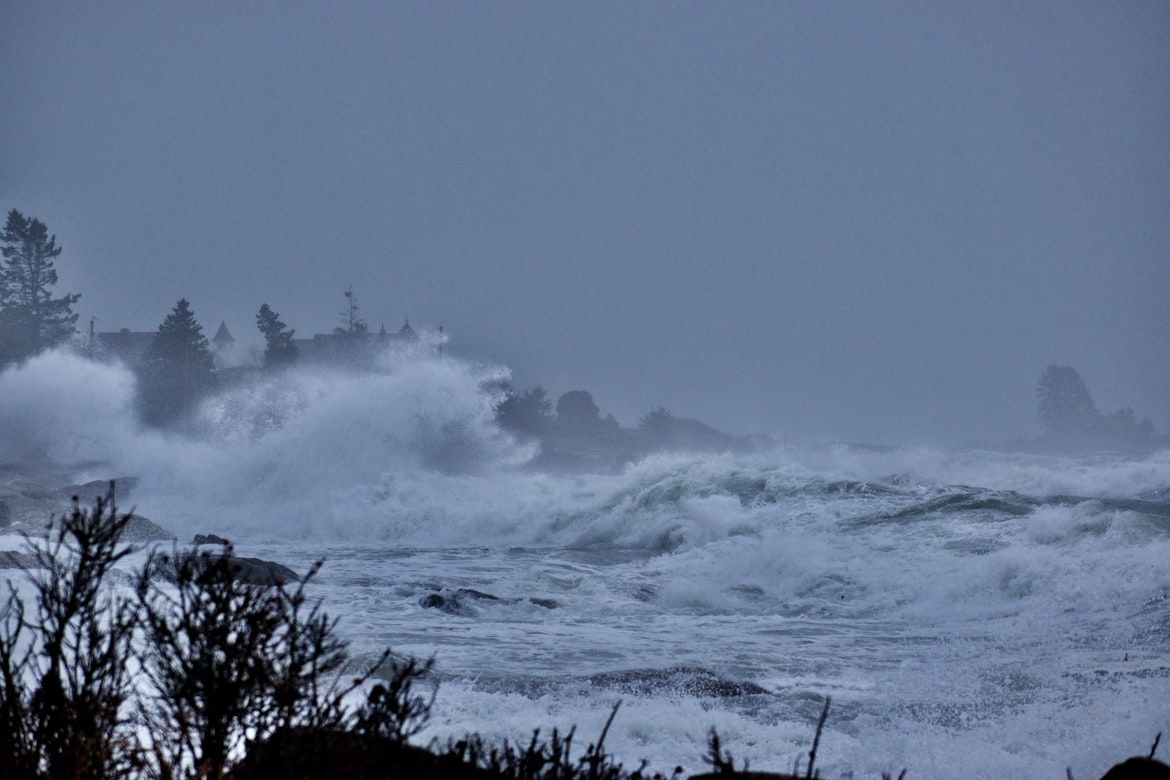
Image: Thomas Dewey

From the Taíno hurakán , meaning "god of the storm," the word was adopted by Spanish explorers.

Hurricanes shaped Caribbean history, influencing trade, settlement, and agriculture. English speakers retained the term, giving rise to a scientific and meteorological vocabulary.

5
Barbecue
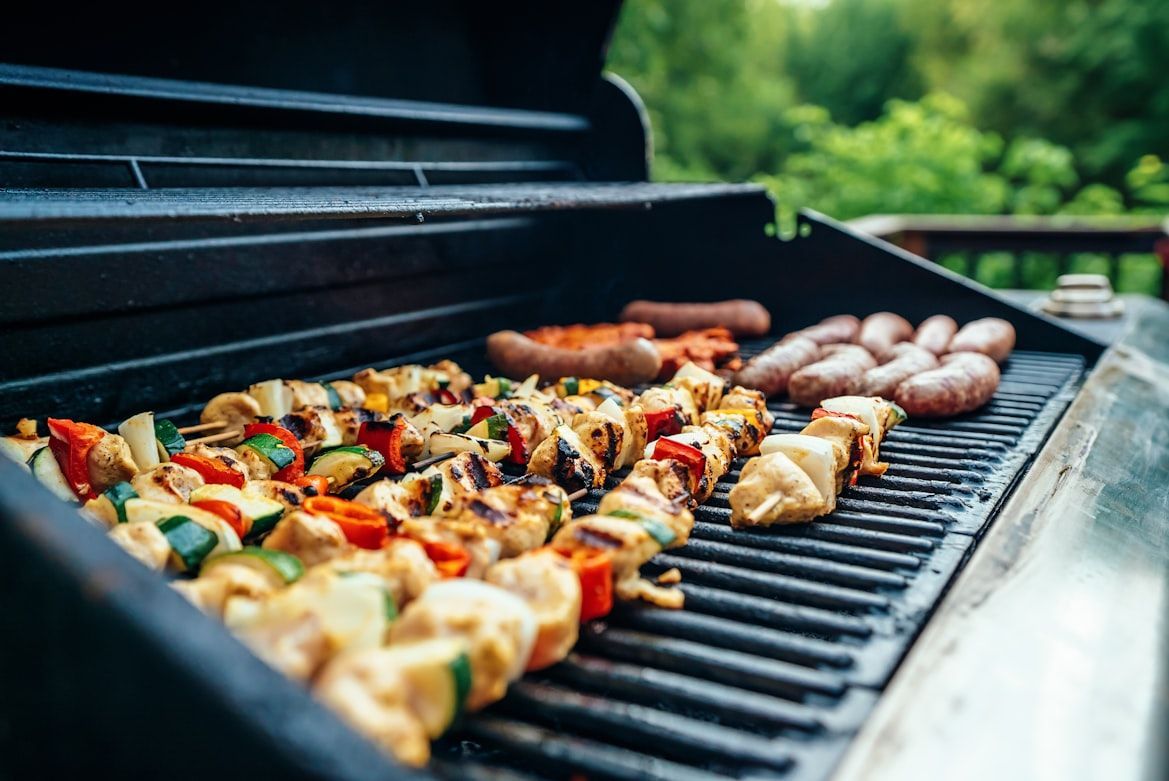
Image: Evan Wise

From the Taíno barbacoa , describing a framework for slow-cooking meat over fire.

Barbacoa influenced American culinary traditions, evolving into the modern barbecue. The word traveled with colonists, preserving its Indigenous culinary roots.

6
Opossum
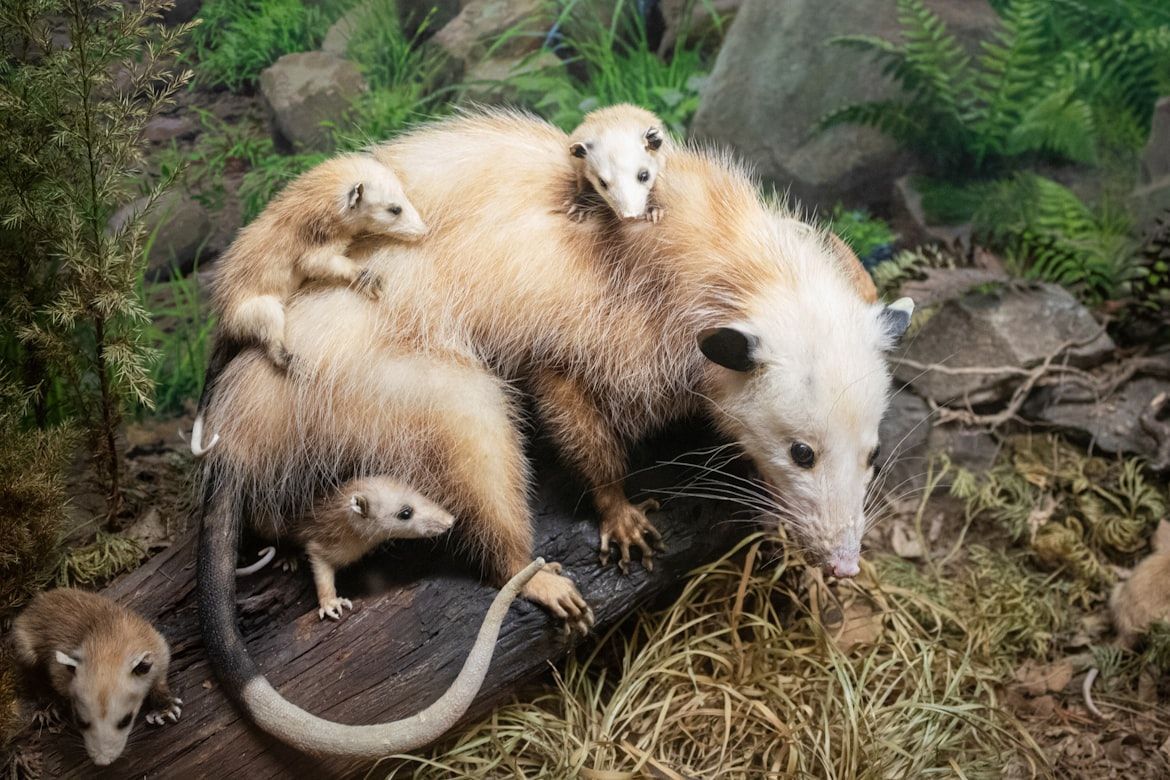
Image: Khải Đồng

From the Powhatan apasum , meaning "white animal," early colonists mispronounced it as "opossum."

North American opossums became part of colonial diets and local ecosystems. The word also illustrates how Indigenous terms influenced wildlife terminology in English.

7
Pecan
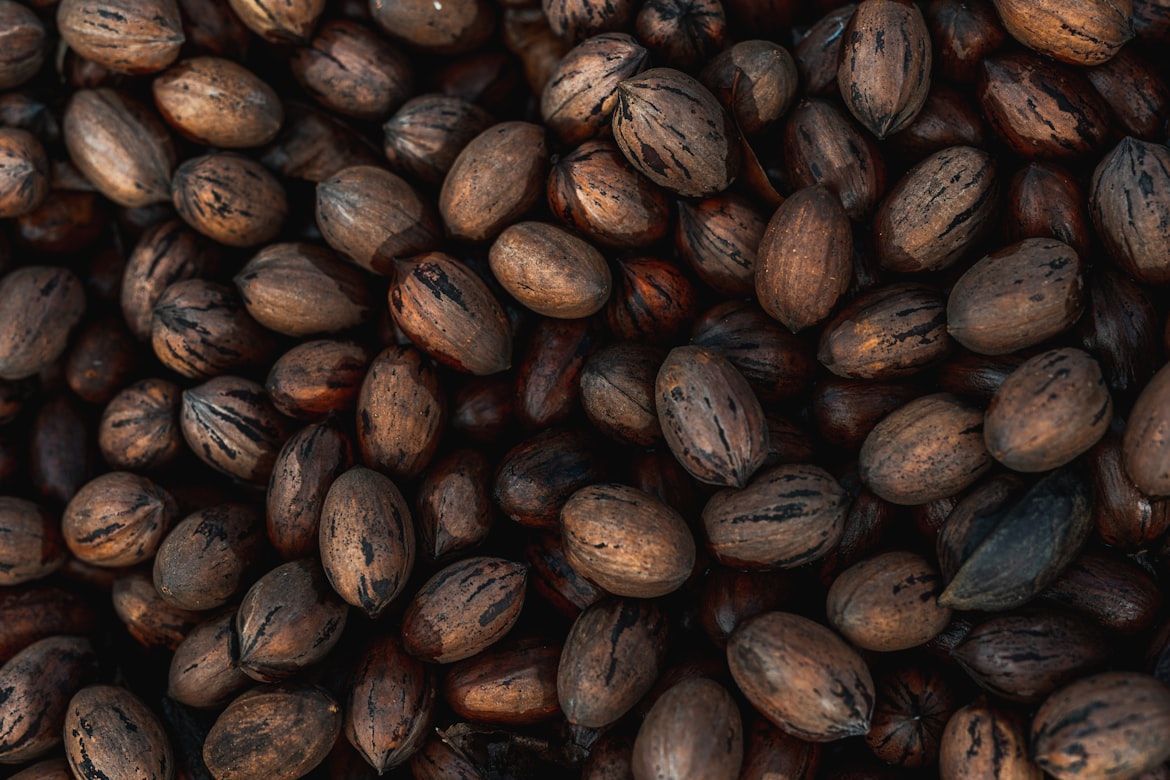
Image: Or Hakim

From Algonquian pakan , meaning "nuts requiring a stone to crack."

Pecans were staple foods for Indigenous peoples, and European settlers adopted both the nut and its name. Today, pecans are central to American desserts like pies and pralines.

8
Squash
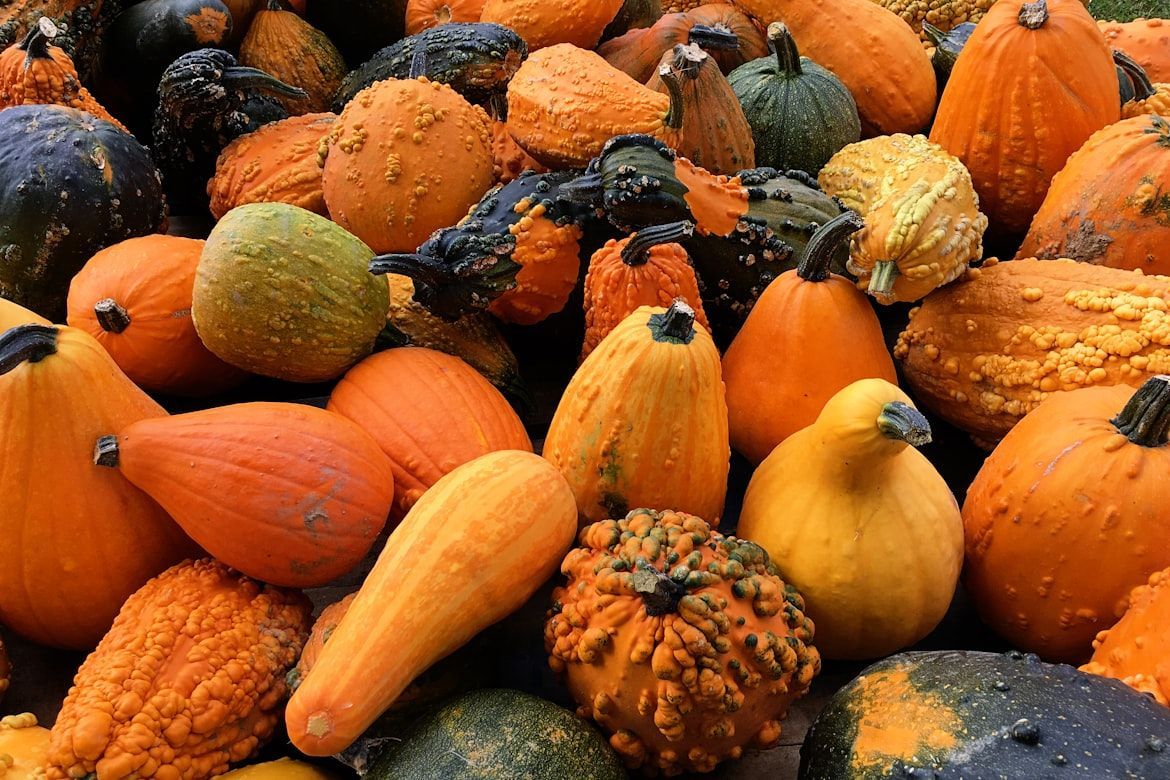
Image: Melanie Hughes

From Narragansett askutasquash , meaning "eaten raw or uncooked."

Squash was a foundational crop in the "Three Sisters" agricultural system alongside maize and beans. Europeans embraced the plant, retaining the Indigenous name.

9
Chipmunk
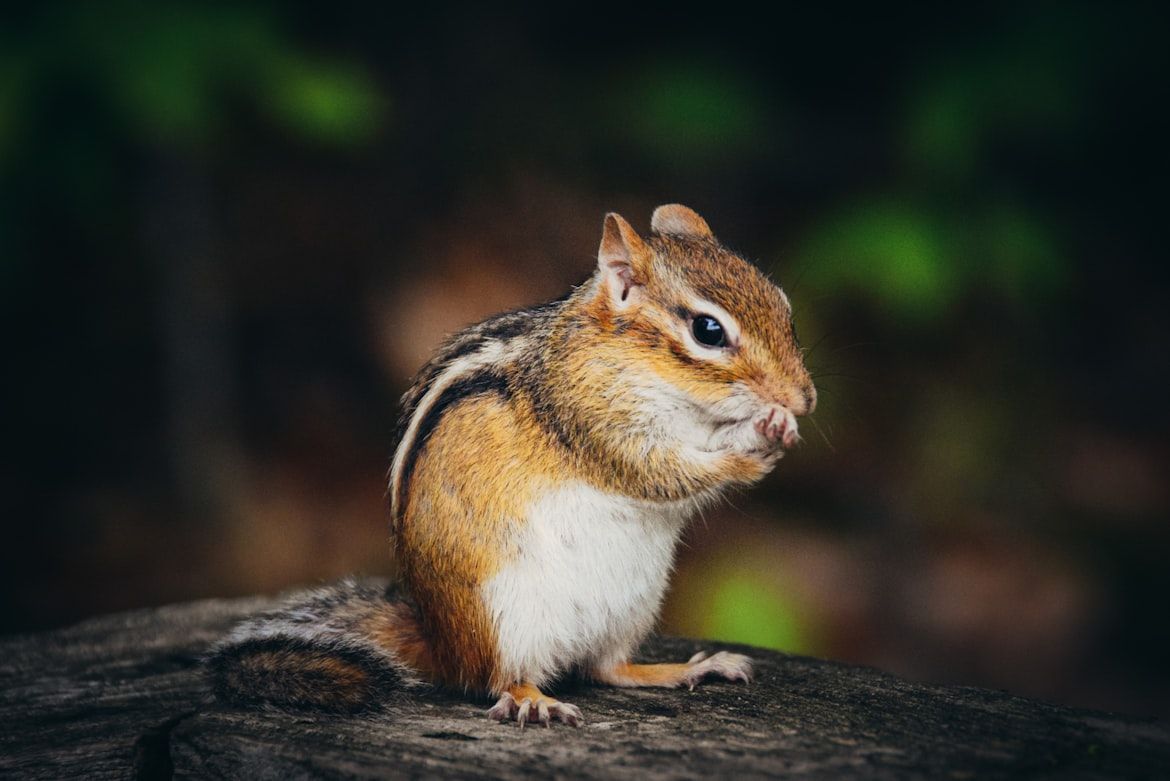
Image: Annegret Kammer

From Ojibwe ajidamoo , meaning "one who descends trees headfirst."

Colonists adapted both the word and the animal’s name, preserving the Ojibwe reference. Today, chipmunks are iconic North American wildlife.

10
Tomahawk
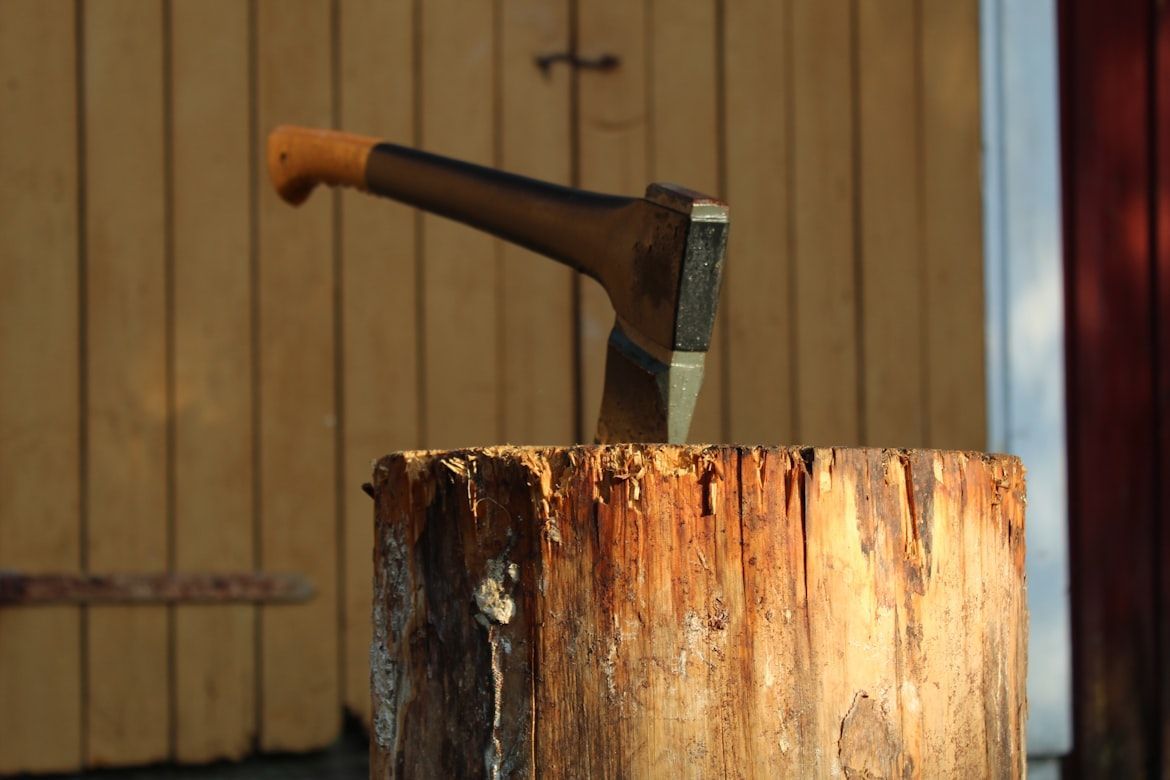
Image: Anne Nygård

From Powhatan tamahak , describing a small axe used for hunting and combat.

European colonists adopted both the tool and the word, which became iconic in North American frontier history. Today, tomahawks are primarily ceremonial or sporting tools.

11
Coyote
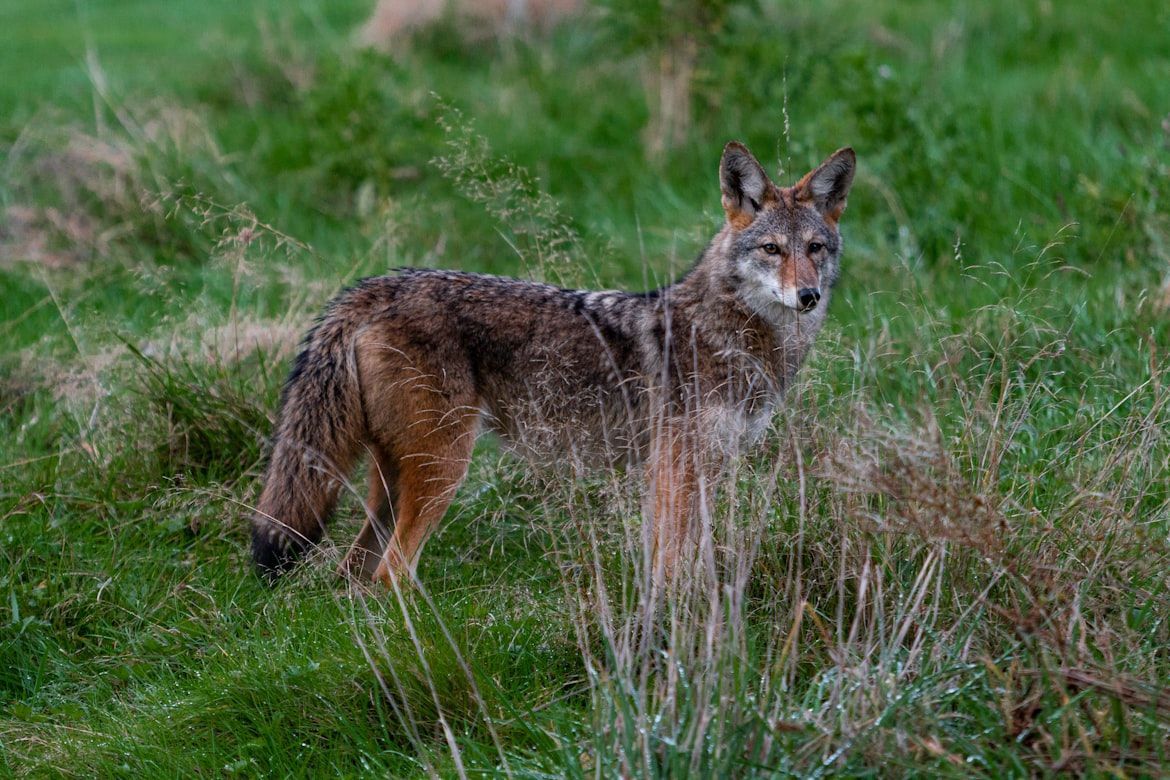
Image: Dylan Ferreira

From Nahuatl coyotl , describing a canid known for its adaptability and cunning.

Coyotes thrive in both urban and rural environments. The word entered English through Spanish, reflecting both biological and cultural observation.

General General 3 min read

Big names for small creatures

Bird is the word: 10 American bird names explained

Image: Dulcey Lima

A world without birds would be a gloomy one, indeed. These feathered friends grace our skies and brighten our days with their songs, not to mention the important environmental roles they fulfill. The names we give them often showcase their characteristics or pay homage to the people who discovered them. Scroll on to learn about ten of the most common birds and their names. How many of these did you know?

1
Mourning Dove

Image: Anish Lakkapragada

The melancholic name of the mourning dove comes from its sad call , which the casual listener might mistake for an owl. Mourning Doves inhabit a wide range of open habitats, including suburbs and urban parks.

Their call is generally referred to as the "perch coo," a song sung by an unmated male from a perch. These birds have other well-known nicknames, such as "turtle doves" and "rain doves."

2
Northern Mockingbird

Image: Tyler Jamieson Moulton

More than just mockers, mockingbirds are expert singers, continuously adding new imitations of other birds' songs to their repertoires and sometimes mimicking unnatural sounds, such as car alarms. Northern mockingbirds may learn up to 200 different sounds.

These medium-sized, long-tailed gray songbirds prefer open habitats with a scattering of shrubs and small trees. They eat a wide variety of fruits, invertebrates, and even small vertebrates, such as lizards.

3
White-breasted Nuthatch

Image: Patrice Bouchard

You can recognize this bird by its white face and underside, bluish back and wings, dark crown, nasal "yank-yank" call, and its habit of creeping down tree trunks headfirst.

The name "nuthatch" is derived from "nut hacker," reflecting the bird's method of opening up nuts by jamming them into a crevice and then hammering at them.

4
Downy Woodpecker

Image: Joshua J. Cotten

The smallest woodpecker in North America, the Downy Woodpecker is a stubby-billed, black-and-white bird that inhabits deciduous woods and tree-filled urban and suburban parklands. It forages on trees, shrubs, and large weeds for insects and other arthropods.

The "downy" in this bird's common name refers to the soft, white feathers of its long, white back stripe . The "woodpecker" part refers to the fact that this bird pecks bark, looking for termites hidden underneath it.

5
House Finch

Image: Patrice Bouchard

Originally found only in the West, the House Finch was introduced to the eastern U.S. in 1939, when a few individuals were released from a pet store. The word "finch" comes from the German idiom fink , which refers to a lively or cheerful person —a description that certainly fits this active and gregarious songbird. The term "house" refers to the bird’s tendency to hang around human dwellings.

6
Song Sparrow

Image: Patrick Fobian

Song Sparrows, as their name suggests, sing a cheerful and recognizable song. Although these birds can be found in a wide range of habitats, their favorite spots are often close to streams and other sources of fresh water.

The English word "sparrow" derives from the Anglo-Saxon word spearwa . This term means "flutterer," an apt description for this active songbird.

7
Ruby-throated Hummingbird

Image: Joshua J. Cotten

The only hummingbird that regularly breeds in the eastern U.S. is the Ruby-throated Hummingbird. The male's metallic-looking red throat, or "gorget," explains the first part of the name. And the hummingbird part comes from the humming sound their wings make as they fly.

8
Blue Jay

Image: David Bridle

The "bullies" of the birdfeeder, Blue Jays' name comes from the bird's noisy, garrulous nature. This term has also been applied to other birds of the same family, which are generally gregarious as well.

Before approaching a feeder, Blue Jays often give harsh calls that sound like those of hawks, perhaps to scare off other birds that might compete for access to the bird seed.

9
Tufted Titmouse

Image: Paul Crook

These curiously named birds form longer-lasting family units than many other songbirds, with their younglings sometimes even hanging around for a second year to help raise younger siblings. The "titmouse" name has nothing to do with rodents, but instead comes from an Old English phrase meaning "small bird."

10
Spotted Towhee

Image: Anish Lakkapragada

Spotted Towhees are members of the sparrow family. These birds have dark heads and backs, white spots on their wings, rusty sides, and striking red eyes. Their song is a simple trill.

The name "towhee" is a simulation of the bird's call and it was coined in 1731 by the naturalist and bird artist, Mark Catesby.

Geography Geography 5 min read

America’s Mainstreet

Drive across America with these 10 facts about Route 66!

Image: Vicky McLain

Is there a more famous highway than Route 66? Probably not. Show anyone the iconic "Route 66" sign, and they'll instantly think of this American staple. From its rich history to the beautiful landscapes it traverses, Route 66 is undeniably the quintessential American road. With that in mind, we have decided to pay homage to it by highlighting 10 fun and interesting facts about Route 66. Ready to hit the road? Then keep reading and enjoy!

1
History

Image: Christian Linnemann

Let’s start from the very beginning: in 1926, almost 100 years ago, Route 66 was established, covering a total of 2,448 miles. It was one of the original highways built under the then-new Numbered Highway System (also known as the "Federal Highways").

The route famously started in Chicago, Illinois, and stretched all the way to Santa Monica, California, passing through Missouri, Kansas, Oklahoma, Texas, New Mexico, and Arizona. At the time, Route 66 proved to be a quick and easy way to get to the western part of the country, which logically led to an increase in its popularity.

2
Landmarks

Image: Mick Haupt

If you find yourself driving along the 2,448 miles that make up Route 66, you’ll certainly come across a fair share of outstanding landmarks, including American icons like the St. Louis Gateway Arch or the Santa Monica Pier. Not only that, you might want to explore some natural wonders, such as a 50,000-year-old meteor crater located in the heart of Arizona.

However, if you're more interested in landmarks focused on unusual or outlandish topics, there are plenty of roadside attractions worth visiting . For instance, you might want to stop for a few hours in San Bernardino, California, to visit the original McDonald’s location, now turned into a museum.

3
One end of the road…

Image: Arnaud STECKLE

As we mentioned before, Route 66 is too long for us to include every single state it crosses in this article. However, we still felt the need to pay a small tribute to the two ends that "America’s Main Street" was built to connect. With that in mind, let’s start with Chicago, the easternmost point of Route 66.

Originally, Route 66 was commissioned as a quicker way to get from Chicago to Los Angeles in response to the large increase in car ownership that occurred in the 1920s. Route 66 shortened the distance between these two cities by 200 miles, providing an easy-to-follow route for millions of Americans.

4
…followed by the other end.

Image: Rocio Abrego

According to a popular saying, "All good things must come to an end," and the gorgeous west end of Route 66 is a living testament to this phrase. The "City of Angels" truly doesn’t need an introduction. In that sense, can you think of a more welcoming image than the warm California sun greeting drivers at the final stop of Route 66?

Interestingly, nowadays Route 66 ends in the equally gorgeous city of Santa Monica, located in Los Angeles County. In any case, the way the U.S. Route 66 Highway Association described the highway during its construction still holds true, and Route 66 can still be described as the "most scenic route from Chicago through St. Louis to Los Angeles ."

5
The "Father of Route 66"

Image: John Benitez

Nowadays, a route connecting Illinois and California seems almost logical, but at the time, it took the efforts of a visionary group of entrepreneurs to plan the construction of Route 66. Among them, one individual stands out, known to history as " The Father of Route 66 ": an Oklahoma businessman named Cyrus Avery.

A resident of Tulsa, Oklahoma, Avery was truly a jack of all trades. Originally a school teacher, he went on to become a businessman, an insurance agent, and an oilman after founding the Avery Oil & Gas Company in 1904. In the 1920s, Avery was a member of the federal board appointed to create the Federal Highway System, where he rallied for the establishment of what we now know as Route 66.

6
Feel like walking?

Image: Capstone Events

Who said that only cars can enjoy Route 66? Certainly not Charles C. Pyle, a Route 66 Association member who, in 1928, launched an innovative campaign to promote the new highway: a foot race from Los Angeles to New York City.

With a distance of 3,400 miles, this gargantuan race had a suitably large prize: $25,000, which today would be just under $400,000. Nearly 300 racers crossed America, passing through Route 66 and several checkpoints along the highway. Ultimately, the race was won by a Cherokee citizen named Andy Payne, who finished the race in 573 hours.

7
Culture inspired by Route 66

Image: Jonathan Gong

It seems only logical that such an iconic route has inspired a plethora of songs, books, and paintings. Let’s take a moment to pay homage to some masterworks of American culture that celebrate everything Route 66 has to offer. Celebrated authors like John Steinbeck and Jack Kerouac have set their novels on the highway, with Steinbeck nicknaming Route 66 "the Mother Road."

Perhaps most famously, songwriter Bobby Troup wrote the song "(Get Your Kicks on) Route 66" while traveling on the highway on a road trip across America. The song became a smash hit in 1946 after it was recorded by the Nat King Cole Trio, and it was subsequently covered by music legends like The Rolling Stones, Chuck Berry, and Bing Crosby.

8
Decommission

Image: Alejandro Luengo

In the 1950s, President Eisenhower sought to upgrade America’s highway system into a more modern network, comprising several new routes that connected all 50 states. In 1956, Eisenhower signed the Federal Interstate Act, unknowingly initiating a series of steps that would eventually lead to the end of Route 66 .

After several decades, Route 66 was officially decommissioned in 1985. However, that doesn’t mean you can’t travel through most of it. Nearly 85% of the original highway is still drivable, with many signs marking where the original route once stood.

9
Route 66 State Park

Image: Federico Lancellotti

As we mentioned before, there are plenty of spectacular landscapes to explore along Route 66 if you’re a fan of nature. With that in mind, did you know there’s a state park in Missouri named after Route 66?

Route 66 State Park is located at the site of the former town of Times Beach, Missouri, along the Meramec River. In addition to offering beautiful views and hiking trails, visitors might also enjoy seeing the old Route 66 bridge, which is currently undergoing restoration.

10
The music of the road

Image: Miguel Alcântara

We’ll end this article with a Route 66 fact you might not know. Route 66 has inspired many iconic songs, but did you know that a small part of Route 66 actually plays music on its own?

To encourage drivers to stick to the 45-mile-per-hour speed limit, the New Mexico Department of Transportation came up with a rather ingenious idea: by placing rumble strips at strategic points, cars driving under the speed limit will play " America the Beautiful "!

Explore more American facts

Choose your favorite category!

General
General

As American as apple pie—the very best America has to offer!

Culture
Culture

Delve into the astounding richness of American lore.

Geography
Geography

Hop in and explore vast and diverse American landscapes.

History
History

Discover the key moments that shaped the United States.