General General 3 min read

Behind the columns

White House tea: Did you know Madison moved out and never came back?
Image: Nils Huenerfuerst

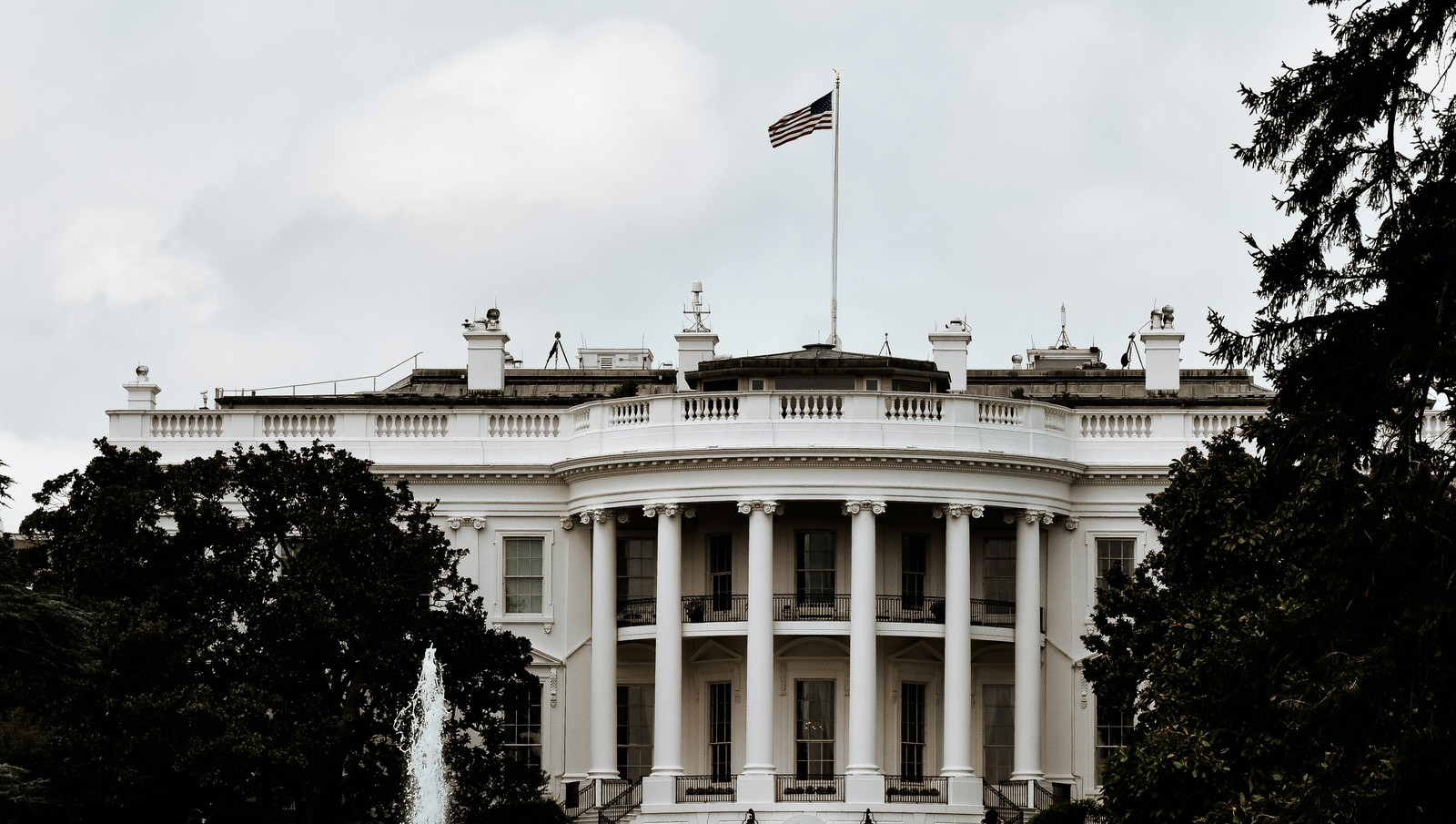
The White House may be the most famous home in America, but even if you’ve toured it or seen it in dozens of movies, there’s still plenty you probably haven’t heard. Tucked behind those white columns and sprawling lawns are fascinating facts, quiet quirks, and little-known stories that go beyond the textbooks. Whether you're a history buff, a trivia lover, or just curious, these 12 facts about the White House might just surprise you.

1
Rebuilt from the ashes
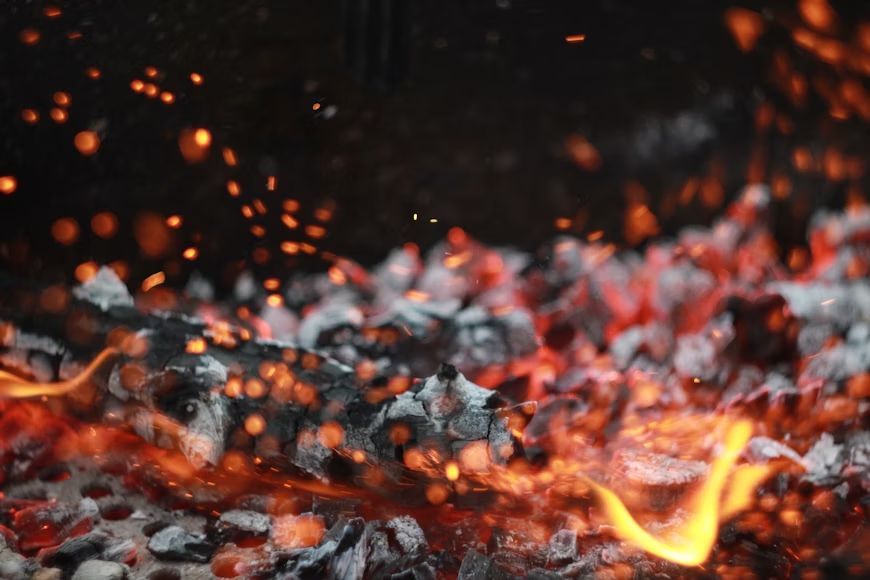
Image: Edward Kucherenko

When the British set fire to the White House in 1814, it didn’t just singe a few curtains; it gutted the place. Enter James Hoban, the original architect, who was brought back to restore what had been lost. It was a second chance for the home he first designed, and he saw it through with grit and style.

2
Madison moved out and never came back
Image: Carlos Derecichei

You might have worried about the house. But what about the people inside? Well, after the fire, President James Madison packed up and never returned to the rebuilt White House. By the time it was ready again, he was on his way out of office. The next tenant, James Monroe, received the keys to the newly renovated executive mansion.

3
Once the biggest house in America
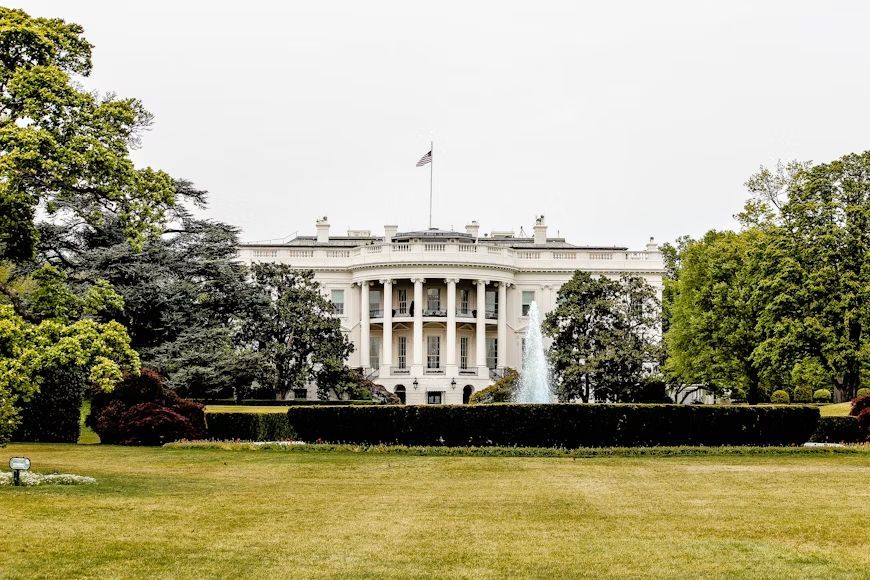
Image: René DeAnda

Believe it or not, the White House was once the largest home in the entire country. That might sound quaint now, we know, but back in the early 1800s, a residence with 132 rooms was as grand as it got. It’s safe to say the neighbors were impressed.

4
This place is no modest cottage
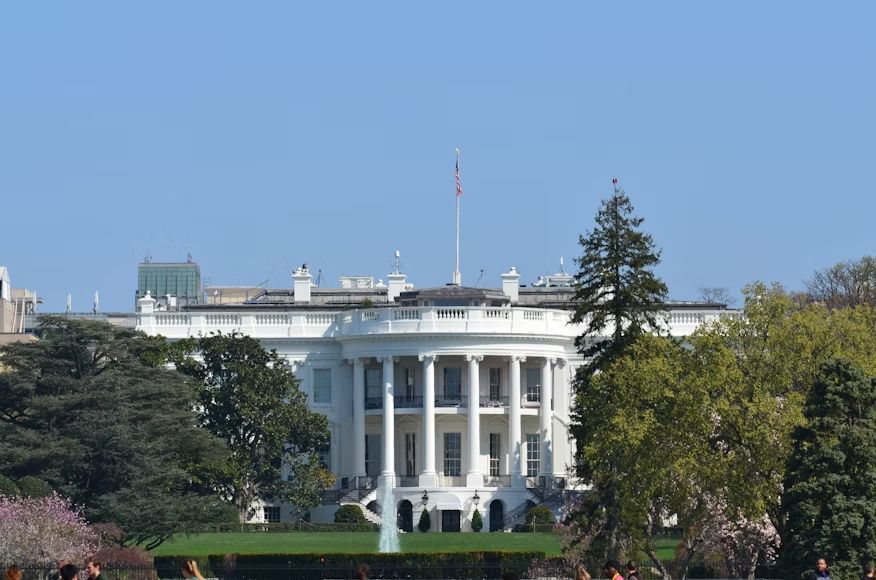
Image: Michael Schofield

In case you’re wondering just how big the White House really is, it stretches roughly 168 feet long and 85 feet wide. On the south side, it rises 70 feet tall; on the north, 60 feet and change. A serious house for serious business.

5
It sits on a whole lot of lawn
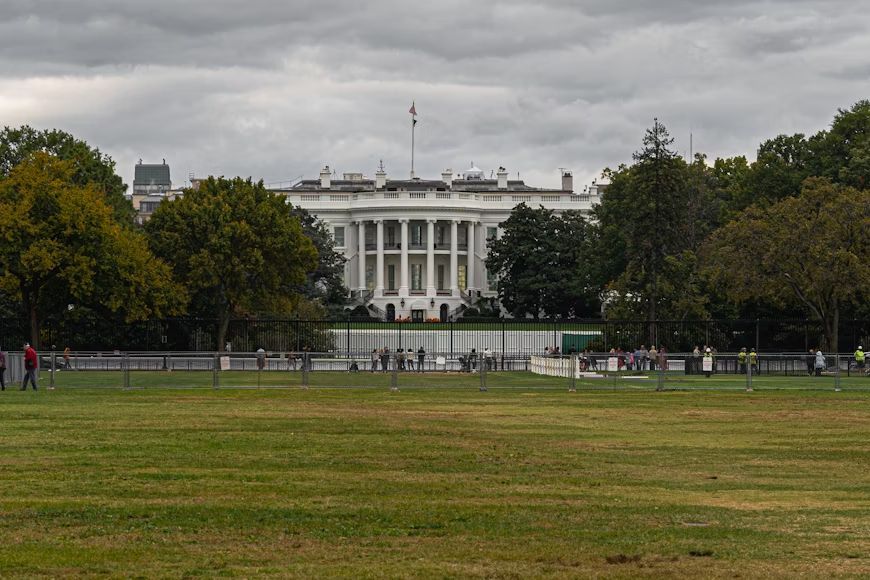
Image: J. Amill Santiago

The next time you're mowing the yard and feeling proud of your quarter acre, consider this: the White House grounds cover a whopping 18 acres. That’s plenty of room for garden parties, Easter egg rolls, and even the occasional helicopter landing.

6
Truman’s big job
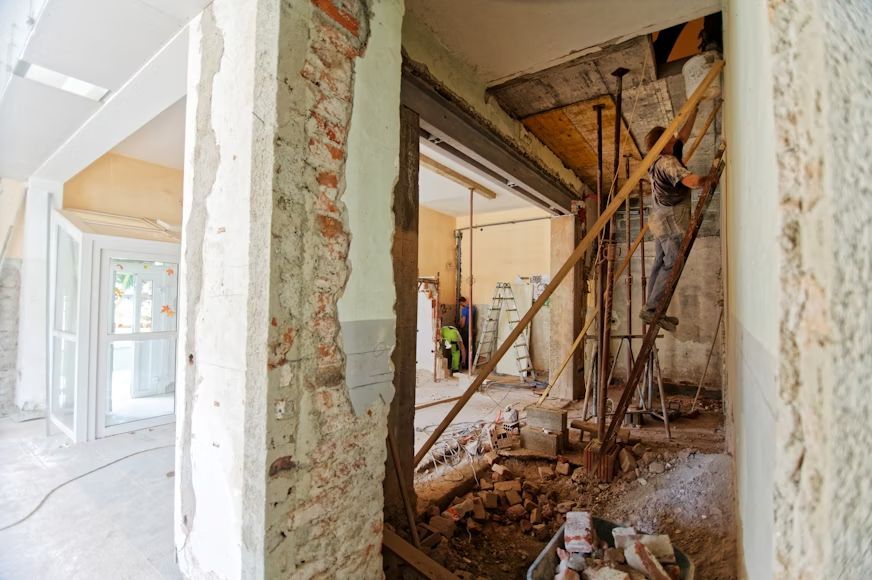
Image: Milivoj Kuhar

By the late 1940s, the White House was falling apart—you know, creaking floors, sagging beams, and some serious plumbing problems. President Harry S. Truman had the entire interior ripped out and rebuilt. The exterior stayed the same, but inside? It was practically a brand-new house hidden behind historic walls.

7
There’s a bunker down below
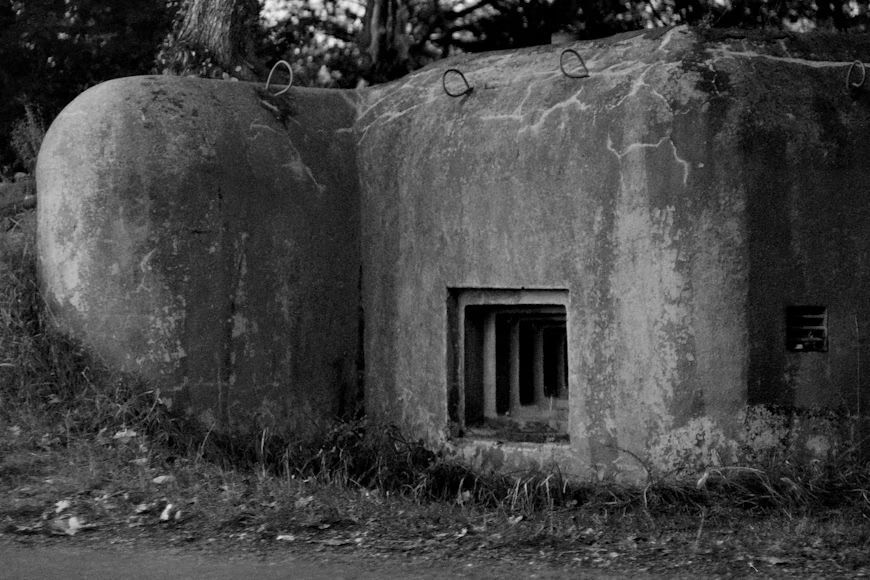
Image: Lukáš Lehotský

Tucked underneath the East Wing is the Presidential Emergency Operations Center, or PEOC. Built during WWII, it's the secure location presidents go to in times of crisis. It’s strictly off-limits to the public—and no, it’s not a James Bond villain lair, but it’s movie-worthy for sure!

8
There’s a secret Oval Office exit
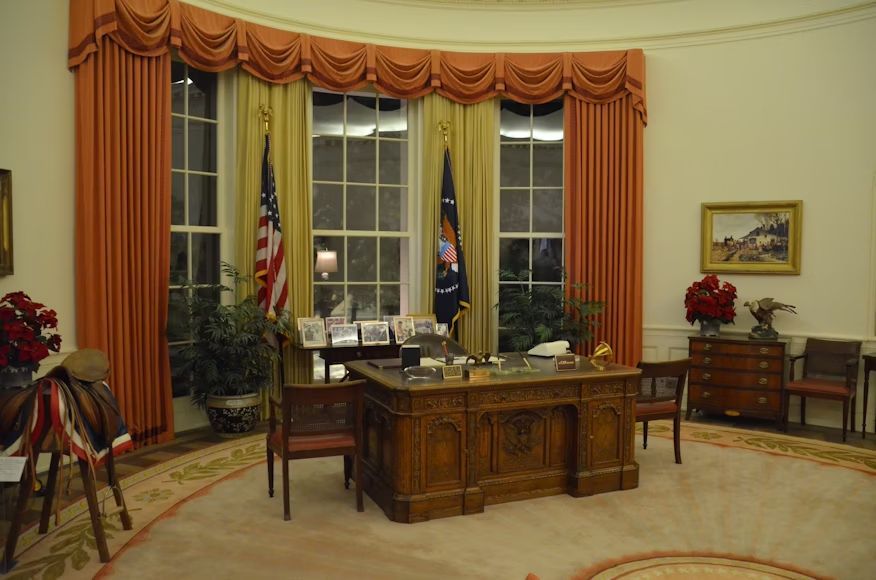
Image: Donghun Shin

Behind what looks like just another panel in the Oval Office, there is a secret door that leads to a private hallway. President Franklin D. Roosevelt used this discreet passage to come and go without fanfare. We don’t know about you, but oh, the money we would pay to take a look at it!

9
Lincoln’s ghost still makes the rounds
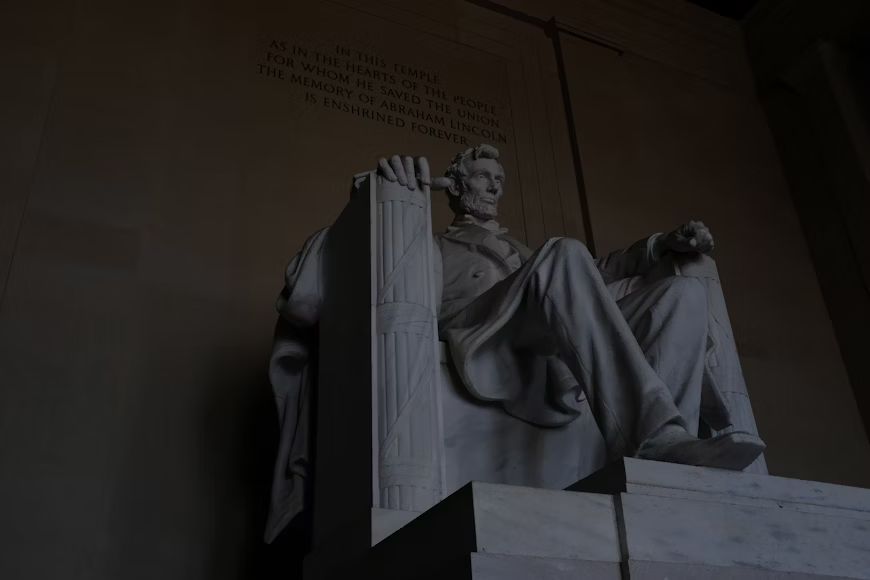
Image: Girma Nigusse

You may not believe in ghosts, but plenty of people (including presidents and White House staff) have said they’ve seen or felt Abraham Lincoln’s presence in the White House. His old bedroom seems to be the hot spot. Some say he’s still keeping an eye on the place.

10
A hidden treasure trove of gifts
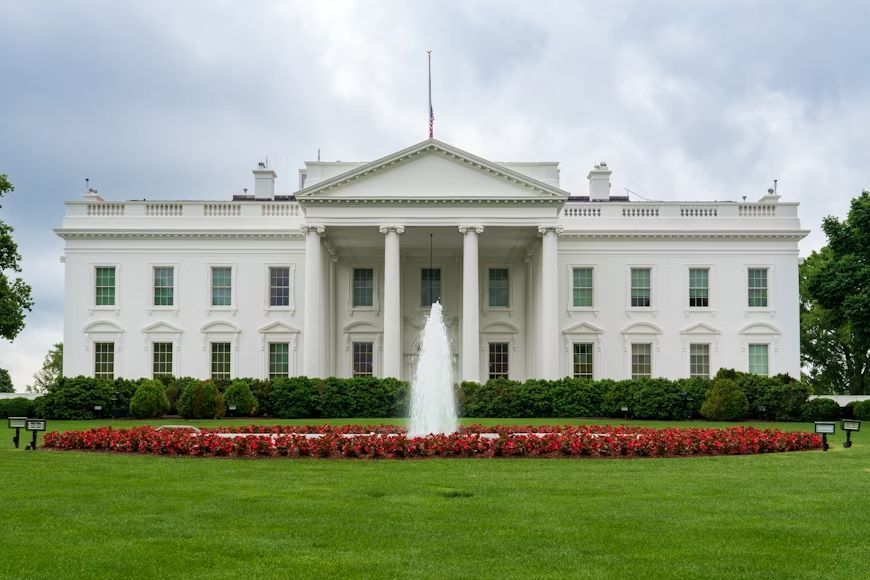
Image: Tomasz Zielonka

Foreign leaders bring all sorts of gifts when they visit the White House—from art and artifacts to, back in the day, even exotic animals. Many of these items end up tucked away inside the residence, far from public view. It’s like a museum without the tour guide.

Culture Culture 4 min read

Float like a butterfly, sting like a bee

An American legend: 10 moments in the life of Muhammad Ali

Image: Nelson Ndongala

The world has seen its fair share of outstanding athletes, but only one can rightfully call themselves "The Greatest." Many boxing enthusiasts believe that we will probably never see someone with the same level of talent as Muhammad Ali , but the truth is that his legacy extends well over the ring's confines. With that in mind, we would like to pay tribute not only to Muhammad Ali’s outstanding athletic career but also to the determination, grit, and courage that made him an American icon. We could endlessly sing our praises for this remarkable boxer in this introduction, but, as Ali once said, "Don’t count the days; make the days count." So, without further ado, enjoy!

1
Early life

Image: Mikhail Nilov

Born in 1942 in Louisville, Kentucky , Muhammad Ali was originally named Cassius Marcellus Clay Jr., after his father, who was himself named after the 19th-century abolitionist Cassius Marcellus Clay. Throughout his childhood, Ali struggled with dyslexia, which caused him to struggle with reading and writing during his school year.

2
The start of his boxing career

Image: Johann Walter Bantz

When Ali was 12 years old, a thief stole his bicycle. According to historians, police officer Joe E. Martin, who was also an amateur boxing coach, found Ali fuming over the theft. Martin suggested that Ali take up boxing in order to better channel his anger. At the time, no one could have imagined that this suggestion would jumpstart the start of the most prolific boxing career in history.

Ali made his amateur debut in 1954. Shortly afterward, he went on to win six Kentucky Golden Gloves titles, two national Golden Gloves titles, and the light heavyweight gold medal at the 1960 Summer Olympics in Rome.

3
Sonny Liston

Image: Attentie Attentie

Many consider the 1964 fight between Sonny Liston and Muhammad Ali to be the first major stepping stone on Ali’s journey to greatness. At the time, 22-year-old Ali was the favorite contender for Sonny Liston’s world heavyweight championship title. The fight was highly publicized and controversial, with the brash and confident Ali openly mocking Liston during press conferences and interviews. Despite the odds being 8:1 in Liston’s favor, Ali won the fight in the seventh round, becoming the new world heavyweight champion.

4
Refusing military service

Image: Aleksandar Popovski

Ali’s fights were not just limited to the ring . In 1967, he stood his ground and refused to be drafted into the military, citing his religious beliefs and objection to the Vietnam War. Although he was highly criticized for this decision and stripped of his boxing titles, Ali remained steadfast and appealed his conviction to the Supreme Court. In 1971, the Court overturned his conviction.

5
From Clay to Ali

Image: Art Rogers, Los Angeles Times, CC BY 4.0

In 1964, the same year he became the world’s heavyweight champion, Ali’s religious beliefs caused him to change his name from Cassius Clay to Muhammad Ali. The name comes from the words meaning "one who is worthy of praise" (Muhammad) and "most high" (Ali). At the time, heavily criticized by the press who refused to call him by his new name, Ali simply stated, "I am Muhammad Ali, a free name."

6
The Rumble in the Jungle

Image: Прикли, CC BY 4.0

Boxing fans remember 1974 as the year of what is arguably the greatest boxing match in history. Advertised as " The Rumble in the Jungle ," a 32-year-old Ali faced the undefeated and undisputed heavyweight champion, George Foreman. Though Foreman was expected to easily win, with 4-1 odds in his favor, Ali triumphed by knockout in the eighth round. This fight introduced the world to Ali’s iconic "rope-a-dope" tactic, which earned him the victory of what at the time was the world's most-watched live television broadcast.

7
Thrilla in Manila

Image: charlesdeluvio

All three fights between Muhammad Ali and Joe Frazier are undeniable highlights in boxing history, with their first bout famously known as "The Fight of the Century." However, Ali and Frazier’s third and final fight , advertised as "The Thrilla in Manila," is perhaps the most memorable, ending with Frazier conceding after the 14th round. Interestingly, the fight’s name originated from Ali’s remarkable talent for rhyming, as he declared, "It will be a killa and a thrilla and a chilla, when I get that gorilla in Manila."

8
Quotes and Poetry

Image: Fitzgerald Whitney, Los Angeles Times, CC BY 4.0

Let’s take a moment to step away from Ali’s outstanding boxing career and focus on one of his often-overlooked talents: his use of words . Ali’s struggles with dyslexia didn’t affect his poetry skills, which he often used to intimidate and attack his opponents. Not only that but his numerous interviews and press conferences gifted us with some truly remarkable quotes. We’ll leave you with one of our personal favorites: "If my mind can conceive it, and my heart can believe it—then I can achieve it."

9
Later years and death

Image: Nelson Ndongala

In 1984, at just 42 years old, Ali announced to the world that he suffered from Parkinson’s Syndrome. Despite his declining health, his spirit remained unshaken. He became a spokesperson for people afflicted with this disease, appearing before Congress in 2002 alongside actor Michael J. Fox to raise awareness for Parkinson’s . In 2016, Ali passed away at the age of 74, surrounded by family and loved ones.

10
1996 Summer Olympics

Image: Peter Robbins

We’ll end this article with an image that perfectly captures Ali’s unparalleled tenacity and fighting spirit. During the 1996 Summer Olympics, which were held in Atlanta, Georgia, Ali took on the challenge of carrying the Olympic torch and lighting the Olympic cauldron. At the time, the former boxer was bravely battling Parkinson’s Disease. However, in a showcase of moving resilience, Ali represented his country and proudly carried the Olympic Torch to its destination.

General General 4 min read

Haunted and happy to show it

Think you're brave? Explore these 13 haunted US spots… If you dare

Image: Herbert Aust

If you think ghost stories are just for campfires, think again. The United States is full of places where the past still lingers, and some say the residents never really left. From historic hotels to lighthouses, these spots are brimming with charm, history, and a touch of mischief from the other side. So grab your sense of adventure, keep your camera handy, and join us for a lighthearted stroll through 13 of America’s most haunted places.

1
Bodie, California

Image: Michael & Diane Weidner's profile Michael & Diane Weidner

Once a booming Gold Rush town in the late 1800s, Bodie now sits frozen in time. Visitors wander through dusty streets past old saloons and storefronts that look as if their owners just stepped out for lunch… a century ago. Locals whisper about strange sounds and ghostly piano music. And here’s a fun superstition: take anything home, even a pebble, and bad luck might just hitch a ride with you.

2
Bonaventure Cemetery, Savannah, Georgia

Image: Alla Kemelmakher

This is Southern Gothic at its finest. Towering oaks drip with Spanish moss over winding paths and Victorian monuments. Some visitors claim to have seen a little girl in a dress near a certain marble statue, while others swear they’ve heard distant laughter or the sound of dogs barking. Even if you never meet a ghost, the beauty of this historic cemetery will linger with you.

3
Crescent Hotel, Eureka Springs, Arkansas

Image: Nick Elmer

Often called "America’s most haunted hotel," it’s also one of the prettiest in the Ozarks. Over its long history, it’s been a resort, a college, and even a so-called cancer hospital. Guests today report friendly phantom encounters, from a Victorian gentleman strolling the halls to a playful little girl. Whether you meet the staff or the "extra" guests, you’ll get a good story out of your stay.

4
Dock Street Theatre, Charleston, South Carolina

Image: Brittani Burns

Charleston is rich in history, and this theater is a key part of its story. The stage has witnessed centuries of performers, fires, and renovations. Visitors sometimes report seeing a woman in a red gown gliding across the balcony, while others hear faint footsteps backstage when no one is there. Even if you don’t believe in ghosts, the building’s charm might still sweep you off your feet.

5
The Driskill, Austin, Texas

Image: Matthew Smith

This stately hotel has been greeting travelers since 1886, and some say its original owner never checked out. Guests report flickering lights, strange scents, and the occasional sighting of a figure in old-fashioned clothing. With its grand lobby and polished brass, you might just forget you came for ghost stories and stay for the atmosphere.

6
Honolulu International Airport, Hawaii

Image: Pascal Meier

Not every haunted spot is old and creaky, you know? At this busy airport, passersby tell of a "lady in waiting" seen in off-limits areas, said to be searching for a long-lost love. A few travelers have even reported toilets flushing on their own or paper rolls unraveling without help. We can say mystery flies around here!

7
Hotel Monte Vista, Flagstaff, Arizona

Image: Jacob

This historic hotel has welcomed movie stars and musicians, but it’s the uninvited guests that make it famous. From mysterious phone calls to the sound of a baby crying in an empty hallway, there’s never a dull moment. One legendary long-term boarder even hung raw meat from a chandelier—a story the staff still tells with a grin.

8
Lincoln Park Zoo, Chicago, Illinois

Image: Deborah L Carlson

A zoo might not seem spooky, but this one was built atop an old cemetery. Not all of the bodies were moved, and over the years, visitors have reported spotting mysterious figures or feeling sudden chills. Still, the zoo’s lush gardens and animal exhibits make it a must-see—haunted or not.

9
The Mark Twain House, Hartford, Connecticut

Image: Jessica Furtney

This handsome Victorian home is where Mark Twain penned some of his most beloved works. Visitors have reported faint traces of cigar smoke in the billiard room, even though smoking ended long ago. Others claim to have seen a lady in white near the stairwell. History buffs will appreciate the house’s charm, ghost or no ghost.

10
Pittock Mansion, Portland, Oregon

Image: Sean Benesh

Built by a wealthy couple with big dreams, this mansion boasts sweeping views and fine craftsmanship. Sadly, the owners lived there for only a few years before passing away. Tour guides say the scent of roses sometimes fills the air when no flowers are in sight, and a certain painting is said to move on its own.

11
St. Augustine Lighthouse, Florida

Image: Evgeni Tcherkasski

Perched on the coast, this lighthouse has been guiding ships since the 1800s. Some visitors report hearing the giggles of children playing or catching sight of a figure high in the tower. Even without the ghost tales, the view from the top is worth every step.

12
Trans-Allegheny Lunatic Asylum, Weston, West Virginia

Image: Andy Li

With its massive stone walls and sprawling grounds, this former asylum looks straight out of a movie set. Once home to thousands of patients, it’s now a historic site where tour guides share both medical history and lighthearted ghost tales. Maybe you’re in it for the architecture, or maybe it’s the stories. Whatever draws you in, it’s a fascinating place to explore.

Explore more American facts

Choose your favorite category!

General
General

As American as apple pie—the very best America has to offer!

Culture
Culture

Delve into the astounding richness of American lore.

Geography
Geography

Hop in and explore vast and diverse American landscapes.

History
History

Discover the key moments that shaped the United States.