General General 4 min read

Gracias , capisch’ ?

America the polyglot: 10 (other) languages spoken in the U.S.

Many Americans might not know this, but until recently, American English was not the official language of the United States of America . It was, however, the de facto language of the country , meaning that its historical use and importance made it the official language, even if Congress had never issued legislation on this issue. In the U.S., English is the language of the foundational documents, such as the Declaration of Independence or the Constitution, the language of communication, education, administration, and paperwork. But is it the only language that is spoken in daily life? Let’s have a look at 10 other languages that are widely spoken in the U.S.

Spanish

Image: Amit Ovadia

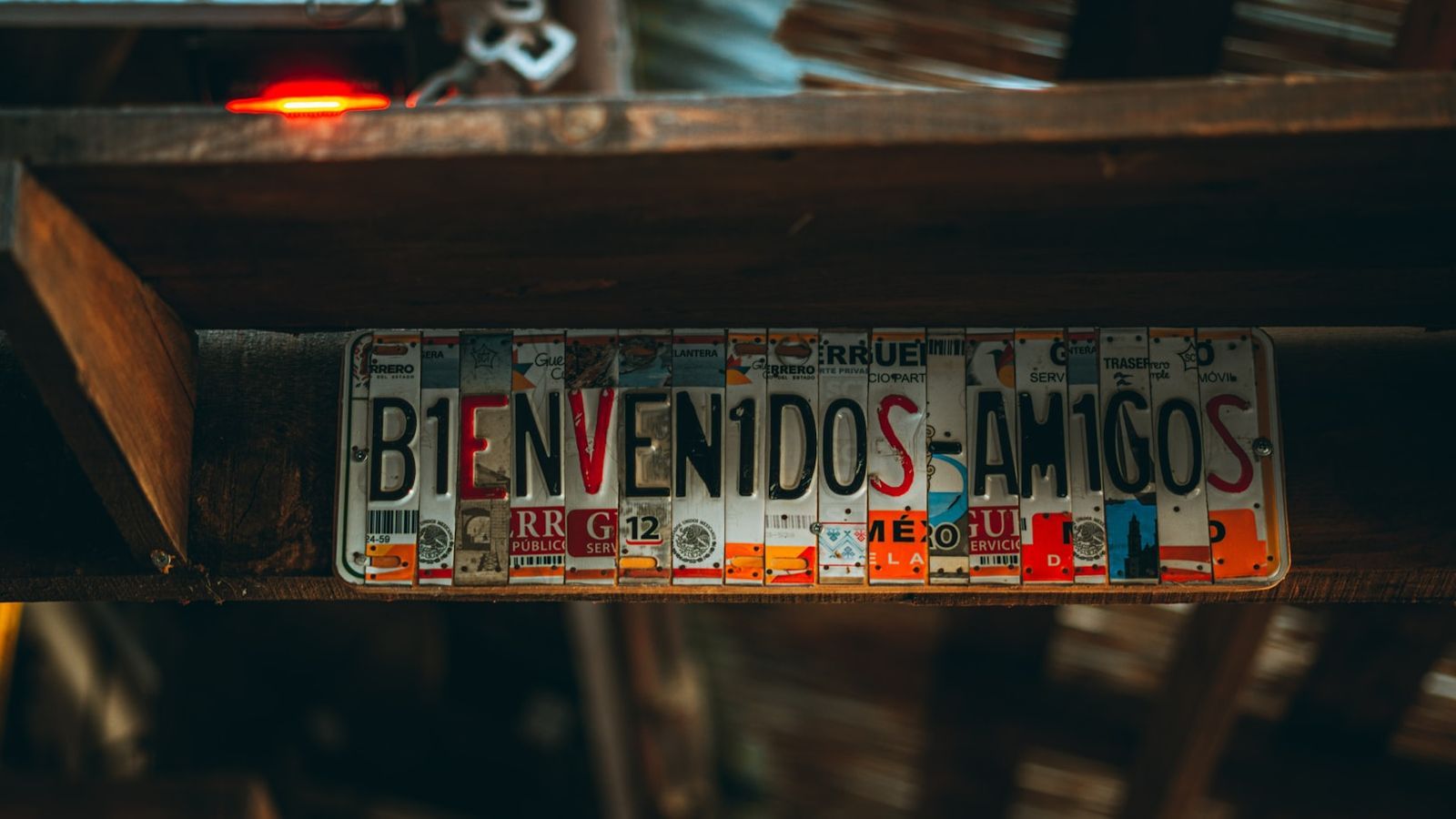
The fact that Spanish is the second most spoken language in the U.S. comes as no surprise if we consider that at least 18 of the current 50 states were once part of the Spanish Empire. This, combined with migration from other Hispanic territories, means that around 40 million people speak Spanish at home in the U.S., nearly 13% of the population.

Native Spanish speakers in the U.S. have developed their distinct dialectal variants, such as New Mexican Spanish in the states of New Mexico and Colorado, Puerto Rican Spanish , or Spanglish .

French

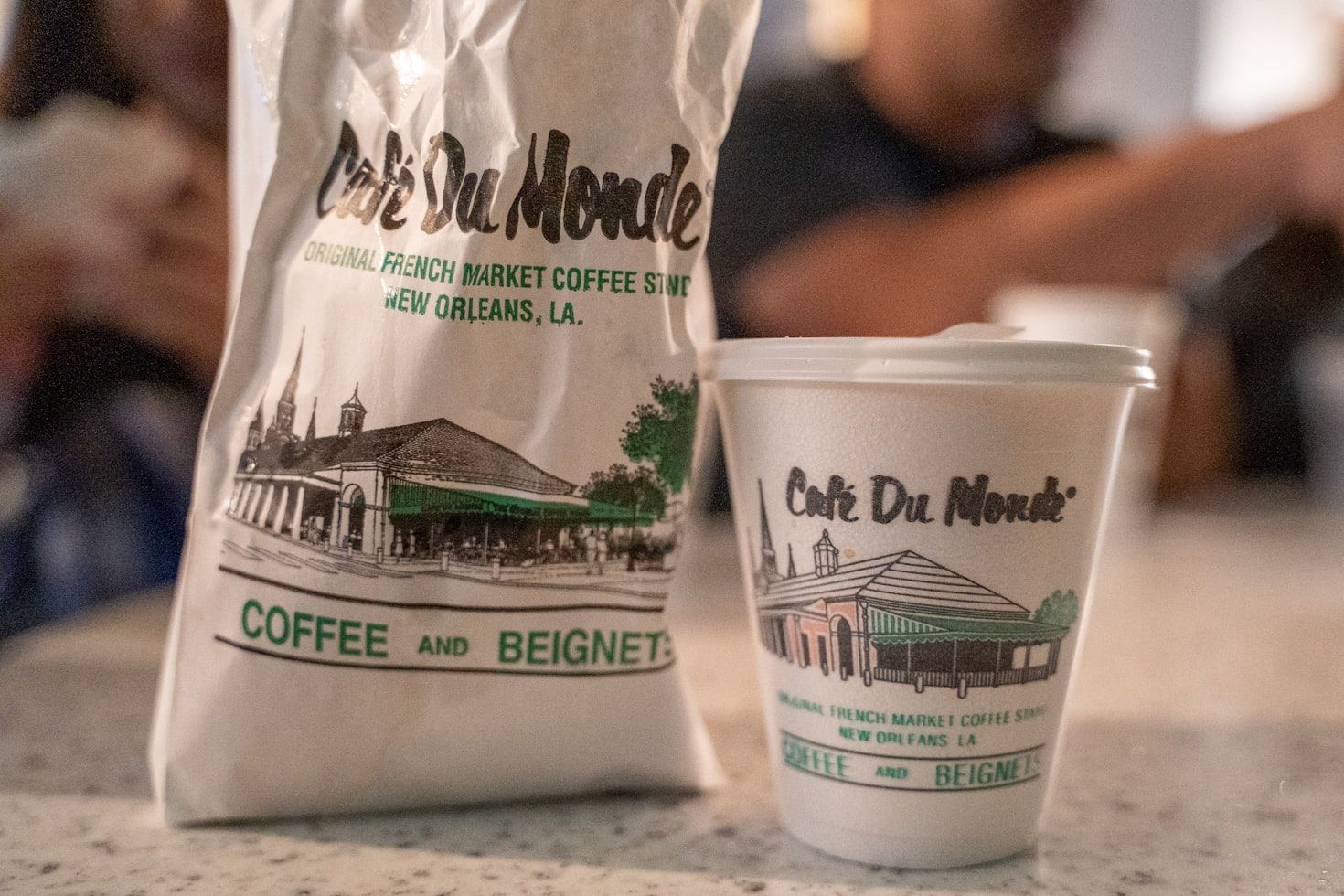
French is, after Spanish, the most taught foreign language in schools. But did you know that more than a million Americans speak French at home ? Historical events such as the Louisiana Purchase or the French and Indian War in Canada meant that native French speakers migrated to the U.S. or became American when French-speaking territories were incorporated.

Nowadays, the French language presents three main dialectal groups in the U.S. , mainly located in Louisiana and the New England region. So, if you were planning a holiday in NOLA or Lewiston, you might want to brush up on your ouis , bonjours , and mercis .

Navajo

Compared with other languages on this list, the Navajo speaker population might seem small, with around 170,000 native speakers . However, it is the most widely spoken Native American language , with most of its speakers located in the Southwestern U.S.

Navajo is famous for its use as a code during World War II . Its complex grammar and the fact that, at the time, it wasn’t a written language, significantly reduced the chances of enemy forces deciphering transmissions, and even native Navajo speakers wouldn’t have been able to understand the code used.

Chinese

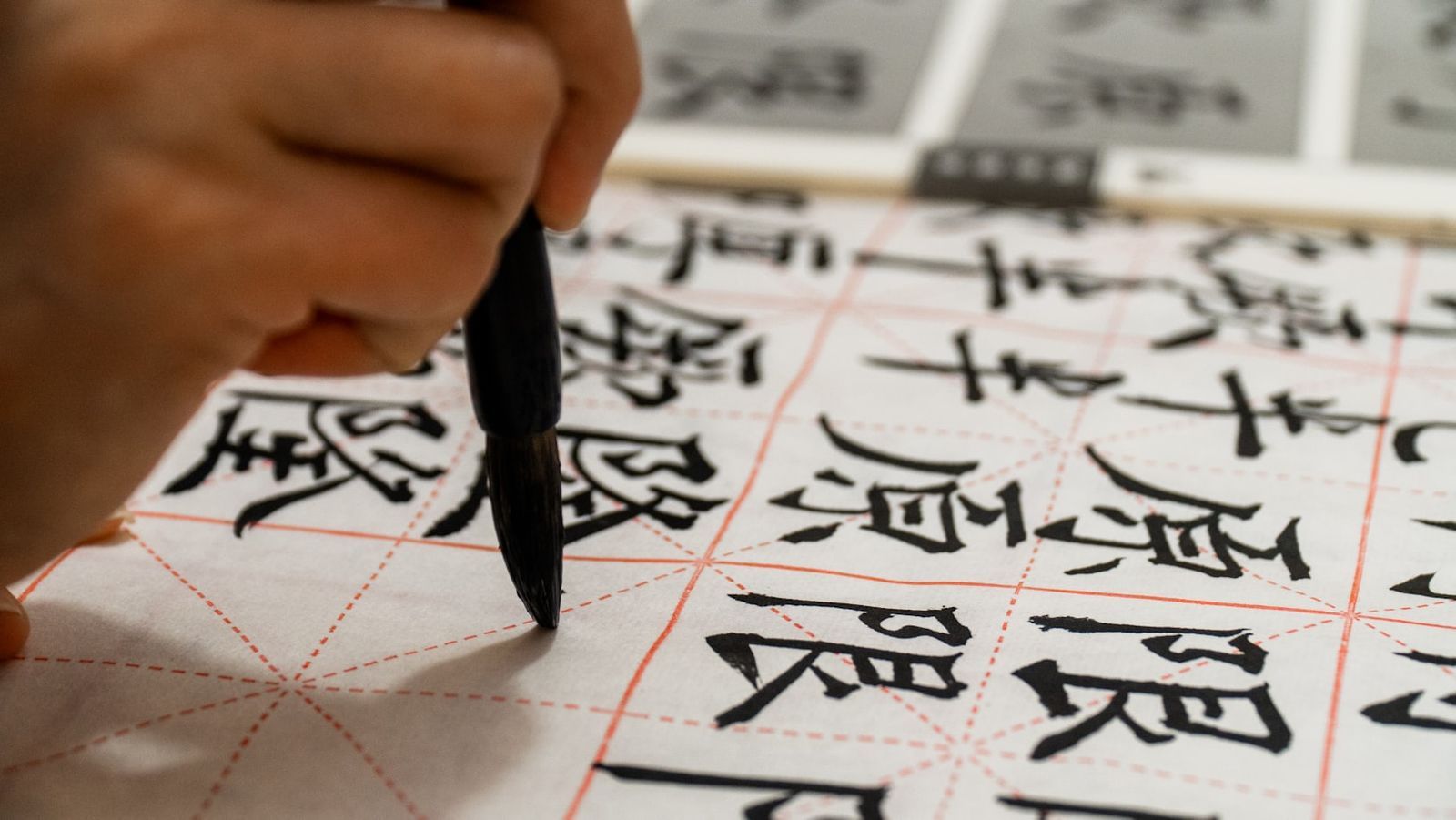
When we think about Chinese immigration into the U.S., we sometimes forget that China is a multicultural, multiethnic country, and that not all Chinese immigrants spoke the same language or came from the same region.

It is reported that more than 3 million people in the U.S. speak a Chinese language at home, with Mandarin, Cantonese, and Hokkien accounting for the majority of those speakers.

German

Although more than a million Americans speak German at home , nearly half of them would have issues communicating with a German person. This is because there are several variants of German spoken in the U.S., such as the Pennsylvania Dutch, the Plautdietsch, or the Alsatian , mainly spoken by Amish or Mennonite communities, or the Yiddish , widely spoken in Jewish communities.

Standard German is the second most spoken language in North Dakota , while Texas German , a U.S. variant, is still spoken in the state of Texas by the descendants of 19th-century German settlers.

Hawaiian

Hawaiian is recognized as one of the official languages of the state of Hawaii , but is classified as an endangered language . It is estimated that only 2000 of its 30,000 speakers learned it as a first language. In the late 19th Century, Hawaiian was banned from schools , which significantly reduced the number of speakers, but conservation efforts over the past decades have proven successful in revitalizing the language .

Hawaiian Pidgin , an English-based creole language , is also spoken by more than half a million Hawaiians and has been influenced by languages such as Portuguese, Cantonese, Japanese, Okinawan, and Korean .

Italian

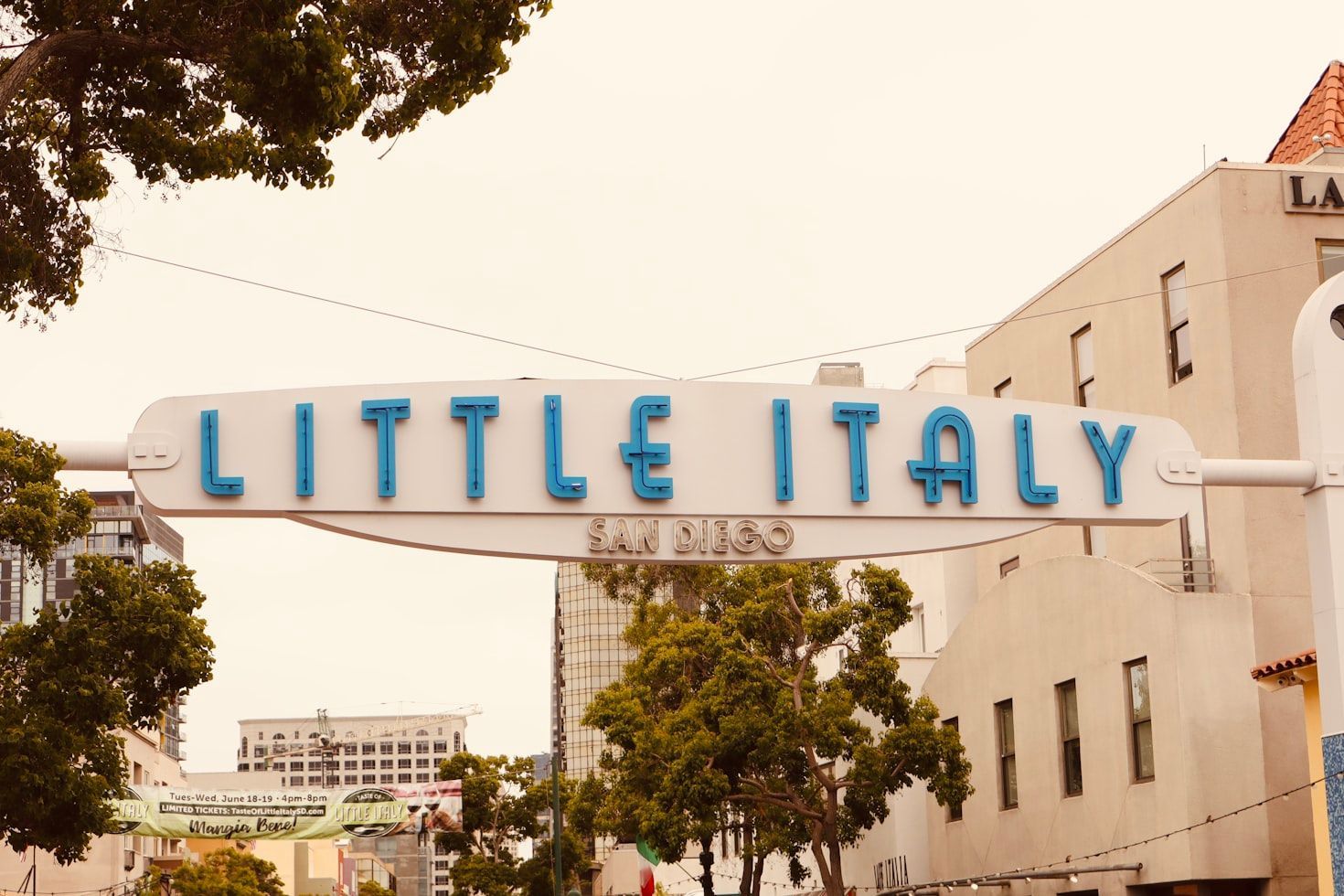
Italians are one of the most notorious U.S. communities of immigrant descent, with their way of speaking being one of the main traits associated with Italian-Americans . But nowadays, of the more than 15 million Italian-Americans, only 700,000 are fluent in standard Italian .

Many Americans of Italian descent speak a pidgin (a simplified language that results from the contact of two groups) that mixes English, standard Italian, and regional Italian dialects , with words like mootsarell’ (from mozzarella ), gabagool’ (from capocollo ), or latte (from caffelatte ). Something to think about next time someone orders a pumpkin spice latte at Starbucks.

Vietnamese

You might not know this, but despite Vietnamese immigration being relatively recent compared to other Southeast Asian communities, Vietnamese is the sixth most spoken language in the U.S . This is a result of a conscious effort by the Vietnamese community to maintain the language and pass it down to new generations.

Before the start of the Vietnam War, it was estimated that only 3,000 people of Vietnamese descent lived in the U.S. Currently, around 2.3 million individuals identify as Vietnamese-American, 1.5 million of them being fluent speakers of the language .

American Sign Language (ASL)

When we say ‘languages other than English’, most of the time we are not thinking of sign languages . For many people, sign language is a variant of a spoken language, but sign languages have their own grammar, syntax, and rules that make them full-fledged languages.

It is estimated that American Sign Language (distinct and separate from the sign languages of some other anglophone countries) has between 250,000 to half a million native speakers , with thousands more as second-language users.

Arabic

The presence of the Arabic language in the U.S. dates back hundreds of years, with records of Arabic speakers from the 17th Century . Arab-Americans are estimated to be more than 3 million, of diverse backgrounds, with ties to at least 22 Arabic-speaking countries .

Following historic events in the past decades, many Arab-Americans have stopped using the language or teaching it to their children to avoid prejudice or stigma . Nonetheless, Arabic is still one of the most spoken languages at home for U.S. citizens , with more than a million users.

General General 6 min read

Discover the story behind our favorite childhood companions

What do Theodore Roosevelt and teddy bears have in common? 10 fun facts

Image: Jonathan Nenemann

Stuffed animals have great significance for many people, especially in the United States. In fact, the teddy bear's origin story is a testament to the American dream. It is related to one of our most beloved presidents, and they have been portrayed in popular culture, involved in historical events, and present in our homes for the longest time. Would you like to know more about America’s most beloved toy? Continue reading to discover 10 curious facts about teddy bears that you probably didn't know.

1
The first stuffed animals

Image: ariesa66

In 1879, German seamstress Margarete Steiff made an elephant-shaped pincushion from a pattern she found in a fashion magazine. She soon realized that local children were playing with it, and thus the first stuffed animals of the modern era were born. Within six years, she sold more than 5,000 items, and by the 1890s, her company was producing a wide variety of stuffed animals, including dogs, cats, and pigs.

In the early 20th century, Margarete's nephew, Richard Steiff, designed the first bear with jointed limbs. In 1903, he presented his prototype at the Leipzig Toy Fair, where it was discovered by an American merchant who bought 3,000 units that were exported to the United States. Today, many of the stuffed animals created by the Steiff company over the past 140 years are on display in a museum in Giengen an der Brenz, Germany.

2
Theodore Roosevelt and the Birth of the Teddy Bear

Image: Pach Brothers (Firm), photographer, Public domain, via Wikimedia Commons

Almost at the same time as Steiff's stuffed animals, Teddy bears were born in the United States. In 1902, a Russian-born businessman and inventor named Morris Michtom was inspired by a cartoon published in The Washington Post to create what would become the most beloved toy in America. The cartoon depicted President Theodore Roosevelt showing compassion for a bear on a hunting trip in Mississippi.

Michtom made a small plush bear cub, sent it to Roosevelt, and asked for permission to use his nickname, Teddy. After the president's blessing, Michtom placed the doll in the window of his Brooklyn store with the caption "Teddy's bear." The success was so great that he began mass-producing them, and within a few years, he founded the Ideal Novelty and Toy Company, which would become the largest doll-making firm in the United States.

3
The smallest teddy bear

Image: Myshanah

Stuffed animals come in all sizes, but do you know how tiny the world's smallest teddy bear is? Here's a hint: it can only be seen using a magnifying glass ! In March 2003, a woman from Gauteng, South Africa, named Cheryl Moss entered the Guinness World Records Hall of Fame for creating the smallest handmade teddy bear.

Called Tiny Ted, this fully articulated toy with a movable head, arms, and legs measures just 0.17 inches . To give you an idea, it’s smaller than a coin and about the same size as the nail of your index finger. Can you imagine? This miracle of creativity and ingenuity can be visited at the Teddy Bear Museum on Jeju Island, South Korea.

4
The largest teddy bear

Image: SONIC

If we are talking about extremes, you might be interested to know that there is also such a thing as the world's largest teddy bear. In 2019, the municipality of Xonacatlán in Mexico broke the Guinness World Record, taking the title that had been occupied since 2008 by a 55-foot bear from Kansas City.

Xonita, nearly 64 feet in length , was displayed in a soccer stadium to promote Children's Day. The name Xonita is a portmanteau of the words Xonacatlán, the bear’s birthplace, and bonita , which means "pretty" in Spanish.

The hands of 60 artisans created the giant doll over a period of three months. About 2,030 feet of fabric and more than 2,000 pounds of stuffing were used to make it. She was dressed in a red blouse and a beautiful pink tutu. The nose and eyes were specially made with acrylic and fiberglass.

5
The most expensive teddy bear

Image: Bru-nO

Teddy bears may be an affordable toy for almost any child, but their popularity and the fanbase they have acquired over the years have also made them a coveted collector's item, even for adults. That's why the renowned fashion brand Louis Vuitton and the world's most famous stuffed animal company, Steiff, teamed up to create a luxury teddy bear.

Dressed in a raincoat and hat printed with the brand's iconic logo, this 17-inch teddy bear was auctioned at Christie's in Monaco in 2000. It was purchased for a total of €213,720, about 182,000 American dollars , by Korean Jessie Kim, breaking the record for the world's most expensive teddy bear. It is currently on display alongside Tiny Ted at the Teddy Bear Museum in South Korea.

6
To infinity and beyond

Image: Oxana Lyashenko

Teddy bears offer emotional comfort to both children and adults. These toys have a special ability to help relieve stress and cope with loneliness, not only on Earth but also in space, where astronauts must spend long periods away from their loved ones. That's why, throughout history, many teddy bears have traveled into space . Not only for sentimental reasons, but they also play crucial roles in education.

Magellan T. Bear was the first official teddy bear in space. In 1995, this stuffed animal, created by NASA and students of Elk Creek Elementary School in Pine, Colorado, boarded the Space Shuttle Discovery mission STS-63. Magellan’s journey not only served as a source of inspiration for the children but was also part of an educational project that taught students about geography, social studies, and science.

7
Teddy bears in popular culture

Image: Billy Joachim

As one of the most universal toys in history, it's no wonder that teddy bears have been portrayed in popular culture since they first appeared on the market in the early 20th century. Since then, they have been featured in children's stories, movies, books, comic strips, songs, and more.

For example, characters such as Winnie the Pooh, Paddington, and Corduroy have touched generations of children around the world. The song "Teddy Bears' Picnic" was a hit at the time and has been recorded by numerous artists, including Bing Crosby. In the 1980s, the Care Bears were introduced as characters in a series of greeting cards, and the success was so great that they soon became a franchise that included toys, movies, and television series. Finally, the movie Ted , created by comedian Seth MacFarlane in 2012, offers a more modern and edgier take on the world's most famous toy.

8
Hop on the rollercoaster

Image: Alexavier Rylee Cimafranca

Like many tourist attractions, the Giant Dipper rollercoaster at Belmont Park in San Diego was closed to the public in mid-March when the COVID-19 pandemic struck the world. However, to keep the 95-year-old historic roller coaster from rusting, it had to be operated several times a day. Instead of letting the cars slide down the tracks with empty seats, the operators decided to include some curious passengers immune to the coronavirus.

Every day, a dozen giant stuffed animals were placed in the attraction's 24 seats and secured with grab bars. From noon to 6 p.m., twice an hour, the teddy bears happily rode the rollercoaster . While the toys played no vital role in maintaining the machinery, they certainly served to cheer us up for the duration of the confinement.

9
National Teddy Bear Day

Image: Sung Jin Cho

Did you know there is a special day to celebrate our loyal stuffed companions? Every September 9th in the United States, we commemorate National Teddy Bear Day, a perfect time to dust off our first imaginary friends and pay tribute to one of our favorite childhood toys.

It is also a good opportunity to share with the children in the family, telling them about our youth and reminiscing about the past. They will surely have fascinating stories to tell, too!

10
Teddy Bears provide therapeutic benefits

Image: Oleksandr Skochko

Teddy bears are known to be loyal and comforting companions for kids. But did you know they can provide mental and physical benefits for adults too? According to several scientific studies, in childhood, teddy bears serve as transitional objects, aid in developing and maintaining sleep habits, and help children overcome stressful and traumatic situations.

As we grow older, teddy bears have similar effects, which is why many people treasure their beloved teddy bears even years after they have become responsible adults. Stuffed animals create a sense of shielding and protection and can help people who have lost a loved one or have experienced serious illness and trauma cope better. So now you know: don’t feel self-conscious if you still keep that ragged teddy bear from your childhood!

General General 5 min read

From coast to coast

You probably haven't heard of these 10 fascinating facts about America!

The United States is one of the largest, most famous, and most diverse countries in the world. But beyond the well-known facts and features of America, there are many surprising details that even some of us may not know. If you want to learn interesting things, such as the number of versions of the American flag, which famous landmark has a controversial addition, or which state has the fastest-speaking population, keep reading! Today, we're discovering 10 fun facts about our country that you may have never heard before.

1
World's largest office building

Image: Clem Onojeghuo

Among its many record-breaking achievements, America has one lesser-known record that also deserves attention.

Our country is home to the largest office building in the world. Want to know which one? The world's largest office building by floor area is the United States Department of Defense, also known as the Pentagon.

Ok, but how big is it? Located in Arlington, Virginia, and famous not only for its size but also for its distinctive five-sided design, the building has a total floor area of approximately 6.5 million square feet.

2
People in New York

Image: Nicolai Berntsen

We all know that New York City is packed with people. In fact, it's the most populous city in our country. But how many live there?

As of 2024, around 8.8 million people call NYC their home. That's a huge number on its own, but it might be even more impressive when you consider that NYC's population surpasses that of 40 US states, including Montana, New Hampshire, and Mississippi, to name a few. In other words, NYC has more residents than each of those 40 states individually.

After all, New York City is famously known as "the city that never sleeps" for a reason!

3
Many versions of the flag

Image: Chris Hardy

The US flag is one of our most beautiful and beloved symbols and also one of the most recognized worldwide. With its distinctive stripes, stars, and classic red, white, and blue colors, it is an unmistakable icon. But did you know it has undergone several changes over the years?

The US flag has not just had 1, 2, or 3 versions; in fact, there have been 27 official versions! Each of these versions served an important purpose, reflecting some key changes throughout our history. For example, whenever a new state joined the Union, an additional star was added. This is how we arrived at the 50 white stars you see in the upper left corner of our beautiful flag. The current version was made official on July 4, 1960.

4
No official language

Image: Ben Duchac

While English is the most widely spoken language in the United States, the country does not have an official language at the federal level.

This might surprise some people, given that English is the primary language for most Americans and is used for government and legal purposes.

On the other hand, many other languages are spoken here as well. For instance, Spanish is the second most spoken language, though it is used considerably less than English. And that's not all; Chinese, Filipino, and French also have a notable number of speakers in the US!

5
The fastest-speaking states

Image: Chris Liverani

We all have that friend who speaks so fast it's hard to keep up, even if you know them well. Would you like to know how fast Americans speak?

Fortunately, there's not just data on the languages we use but also on how quickly we speak in our daily lives. And it turns out that a few states lead the pack in this speed race.

According to the Smithsonian Institution, Oregon, Minnesota, and Massachusetts are the states where residents speak the fastest . So, if you know someone from those states, why not give it a try and see if you can keep up with their speedy conversations?

6
Most airports in the world

Image: Alex Underwood

Americans seem to love air travel, and there's a good reason for that: the US holds the record for the most airports in the world!

This isn't just a coincidence. The vast size of our territory— yes, we're one of the largest countries in the world—requires fast, safe, and efficient ways to travel to all corners.

With thousands of airports of all kinds spread across the country, it's no wonder that so many movies feature airport scenes or are even filmed inside airplanes, right?

7
Alaska's price

Image: Joris Beugels

We have the great advantage of having the gorgeous state of Alaska as one of the 50 states. Beyond its natural beauty, it holds another impressive distinction: it's the largest state by area, covering approximately 663,300 square miles.

As you may know, Alaska was purchased in 1867 when US Secretary of State William H. Seward sealed a deal with Russia to acquire the territory. However, what some people may not know is just how affordable it was: the purchase cost $7.2 million, which means we acquired Alaska for about 2 cents per acre! To put it in perspective, adjusted for inflation, that $7.2 million would be equivalent to about $140 million today.

8
The first national park in the world

Image: Nicolasintravel

The United States is home to some of the most spectacular and diverse national parks in the world. And not only that, but we also have the honor of being the country that established the world's very first national park.

Inaugurated on March 1, 1872, Yellowstone National Park became the Earth's first national park. This event marked a turning point, leading to the creation of many other national parks and protected areas both in America and around the globe.

The incredible Yellowstone spans approximately 3,472 square miles , primarily in Wyoming, with portions extending into Montana and Idaho. Have you had the chance to visit it?

9
A special feature on Washington National Cathedral

Image: Ryan Arnst

The Washington National Cathedral offers many attractions for visitors, starting with its beautiful Gothic-style architecture. However, it also holds some secrets and fun facts within its walls.

Construction began in 1907 and took 83 years to complete. The wait was well worth it, as the Washington National Cathedral is now the sixth-largest in the world! And here's a fun fact: its famous Space Window features a real piece of moon rock at its center. Amazing!

Additionally, there's also a quirky feature that some visitors overlook: on the Cathedral's façade, there's a gargoyle with the face of none other than Darth Vader! This Star Wars character was added to the building's northwest tower in the 1980s after a children's design competition. A curious touch, isn't it?

10
Miles of bookshelves

Image: Roman Kraft

The Library of Congress is much more than a beautiful complex of buildings. Located on Capitol Hill in Washington, D.C., this famous landmark was established over 200 years ago in 1800 . Since then, it has preserved and protected countless documents, treaties, and books that reflect and constitute our nation's history.

Adding to our list of world records, the Library of Congress holds the title of the largest library in the world. It boasts an incredible 164 million items, which translates to 838 miles of bookshelves. That's enough to cover the distance from Atlanta, GA, to New York City, NY!

Explore more American facts

Choose your favorite category!

General
General

As American as apple pie—the very best America has to offer!

Culture
Culture

Delve into the astounding richness of American lore.

Geography
Geography

Hop in and explore vast and diverse American landscapes.

History
History

Discover the key moments that shaped the United States.