Culture Culture 4 min read

Did you know?

What does "R2-D2" mean? Surprising facts about movies we've all seen
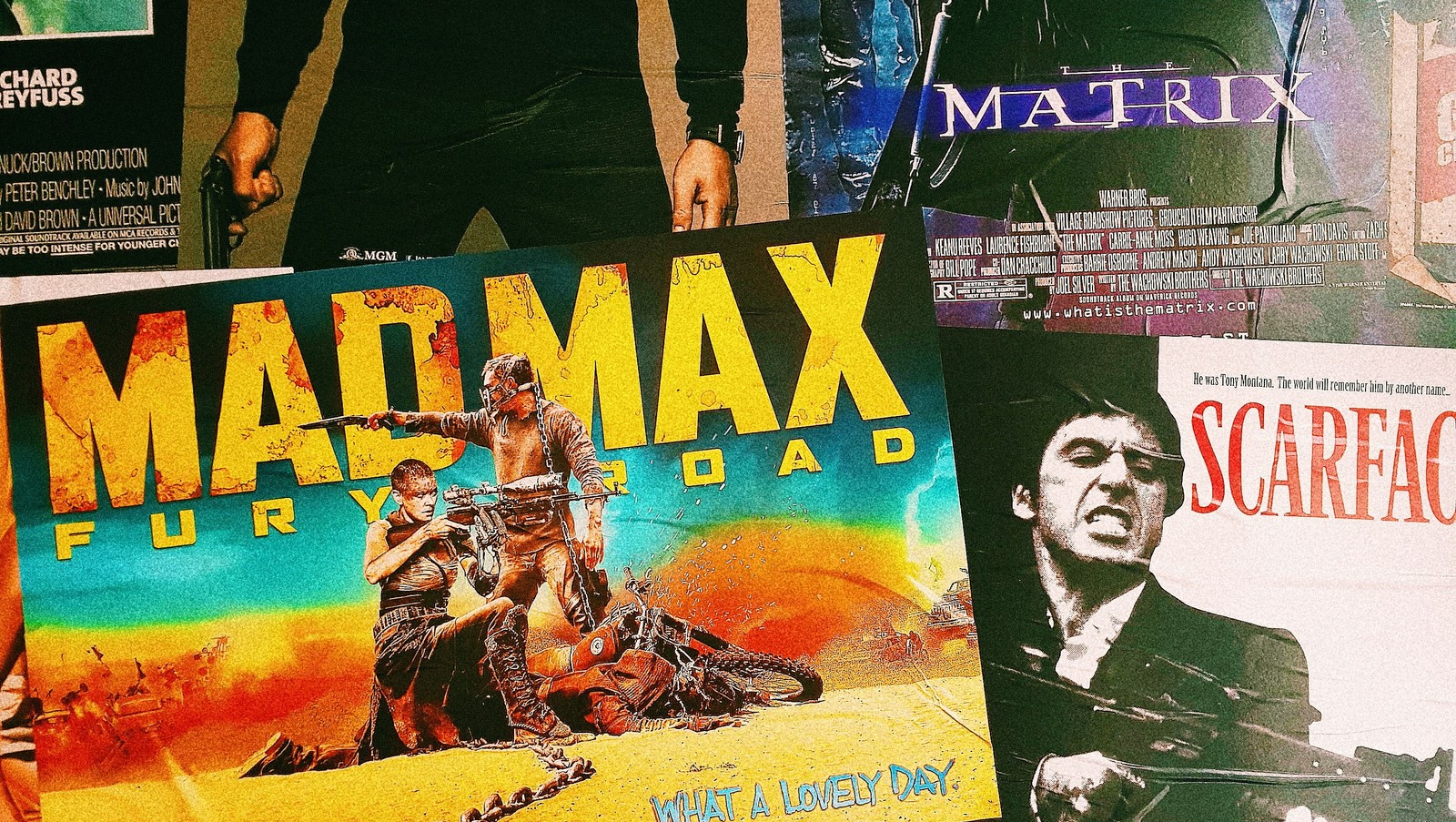
Image: Samuel Regan-Asante

What did Martin Scorsese first think about Scarface ? What does R2-D2 mean, exactly? And what type of toy was Woody the Sheriff supposed to be, at first? The answers to these questions are some lesser-known stories behind some of Hollywood’s most memorable titles. Read on to learn a tale or two about movies we’ve all watched.

1
X-Men (2000)

Image: Alex Green

Remember the scene when Magneto and Professor X play a tense, symbolic game of chess? Well, the actors certainly do. Here’s why: Neither Patrick Stewart nor Ian McKellen knew how to play chess before filming.

So, director Bryan Singer brought in a Canadian chess Grandmaster to help design the game the two men would share by choreographing each piece's movement based on the high-strung dialogue they were having —Professor X needed to win.

2
E.T. the Extra-Terrestrial (1982)
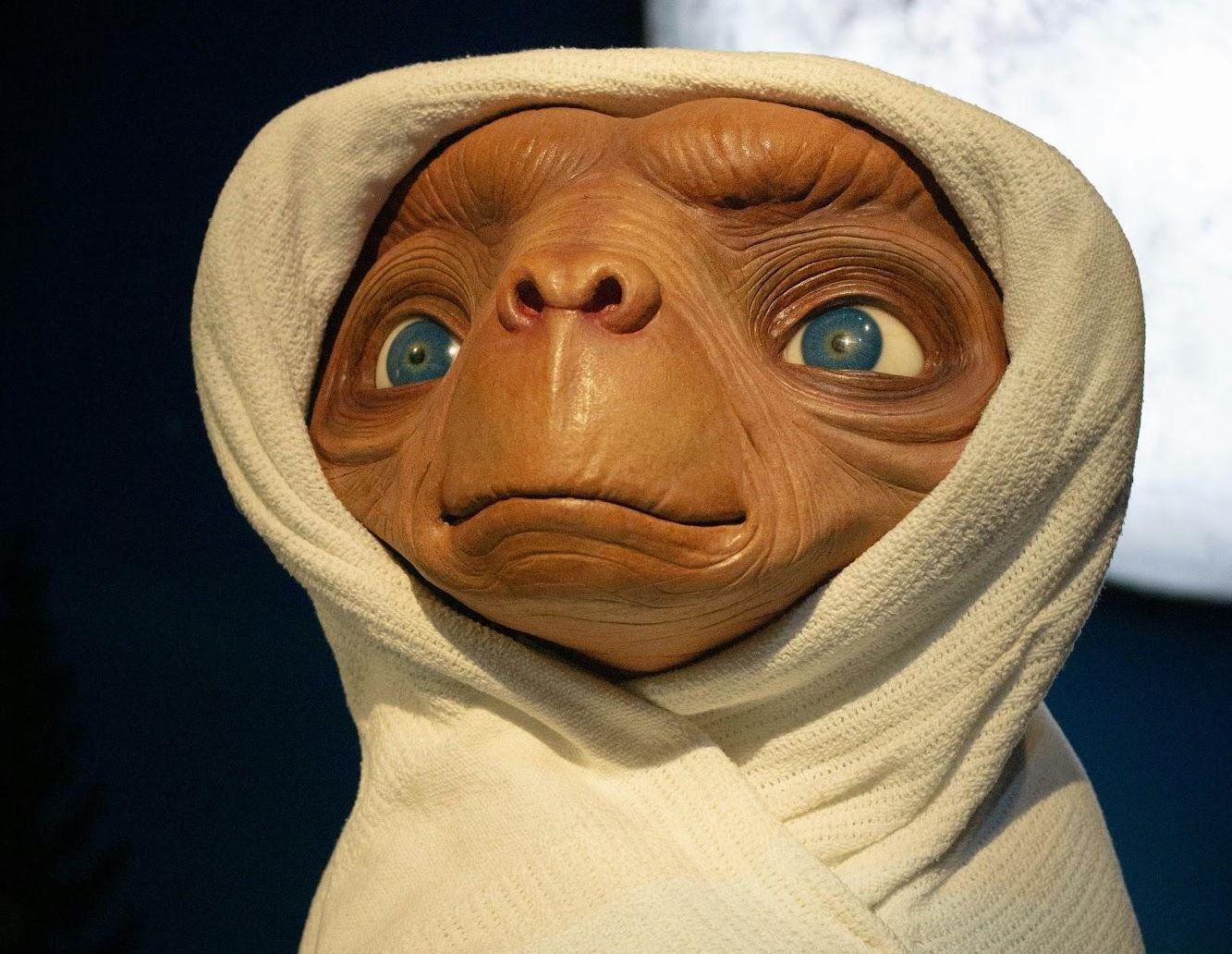
Image: Sreevishnu Nair

Did you know that E.T., the beloved extraterrestrial who wanted to phone home, was intentionally designed to have no specified gender ?

Director Steven Spielberg expressed that his intention was to define E.T. as a "plant-like" creature, neither male nor female, and that this was explicitly explained in earlier versions of the script.

However, in the film, young Elliott insists that he knows the gender of his newfound friend: "He’s a boy," he explains to his sister when she asks. The audience went along with Elliott’s interpretation, and hence E.T. is considered to be male.

3
How the Grinch Stole Christmas (2000)
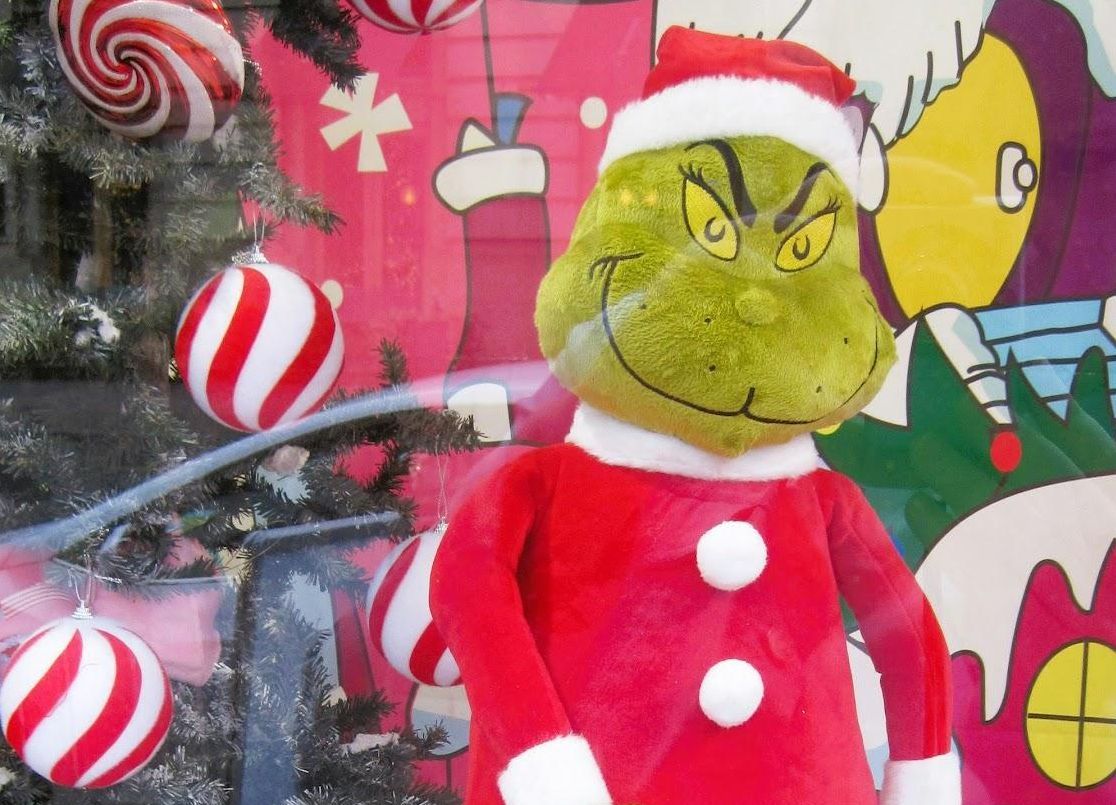
Image: Alex Stone

Jim Carrey loathed the process of becoming The Grinch. Though the Dr. Seuss character was fun to play, sitting for hours and hours for makeup and costume until the green look was perfected, he said, was exhausting.

So, he was shocked one day when he arrived on set, only to find yet another Grinch ready there before him. It was none other than director Ron Howard, who had been up since 3:30 am, getting into full costume in solidarity with him.

4
The Nightmare Before Christmas (1993)

Image: Elin Melaas

Watching Tim Burton’s The Nightmare Before Christmas, one might take for granted that the stop-motion marvel took years of painstaking effort. Around 227 puppets were built for the production because each character had multiple duplicates to allow shooting on many sets simultaneously.

The protagonist Jack Skellington alone needed nearly 400 different heads to capture enough facial expressions.

5
Toy Story (1995)
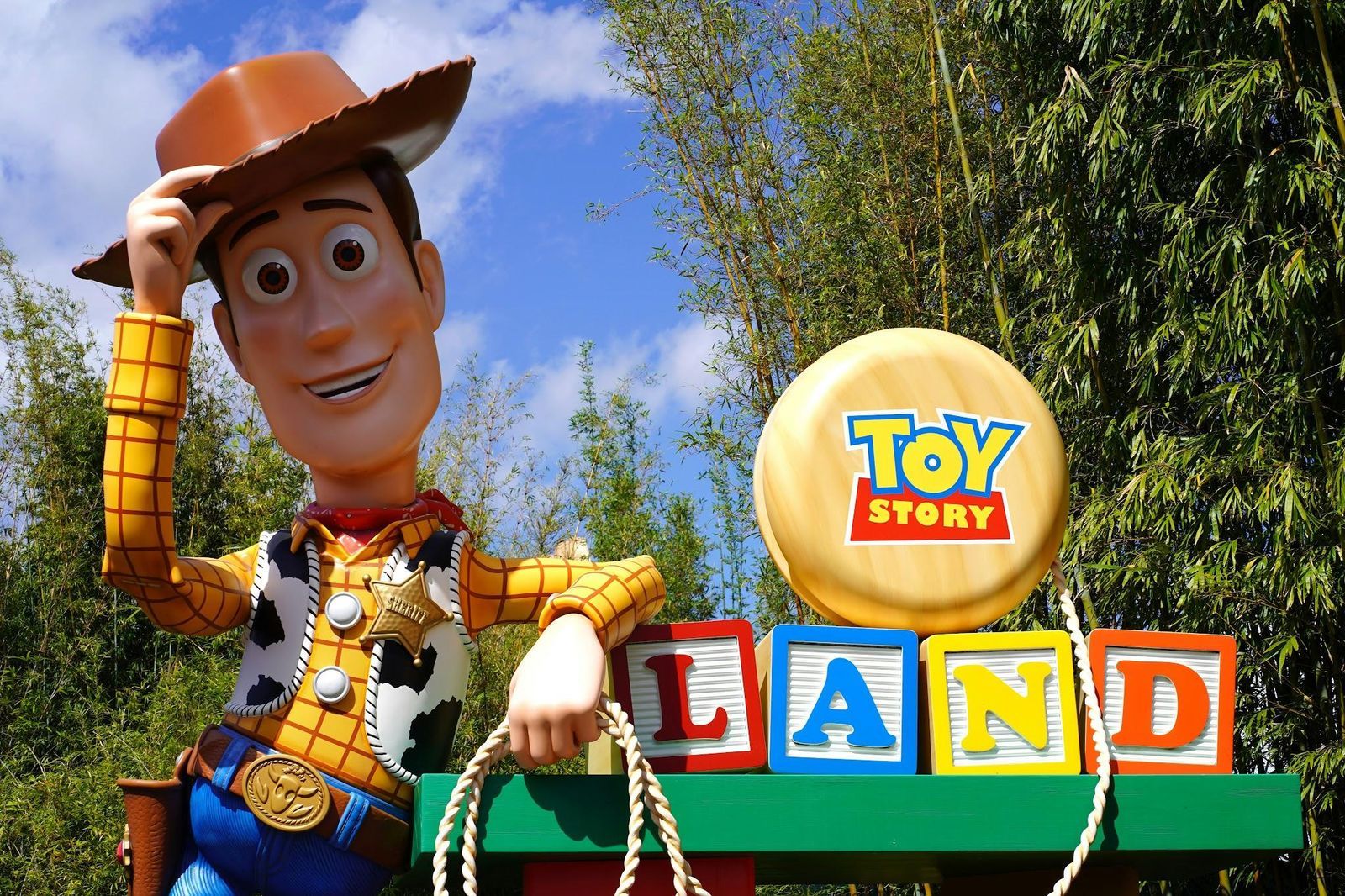
Image: Stone Hood

Even though we all recognize Woody the Cowboy, there was a time when the leading character of Toy Story was going to be… quite different.

Sheriff Woody was at first conceived as a ventriloquist dummy . But the Pixar creators thought that a softer cowboy toy would be a little bit friendlier. What do you think?

6
Star Wars: A New Hope (1977)
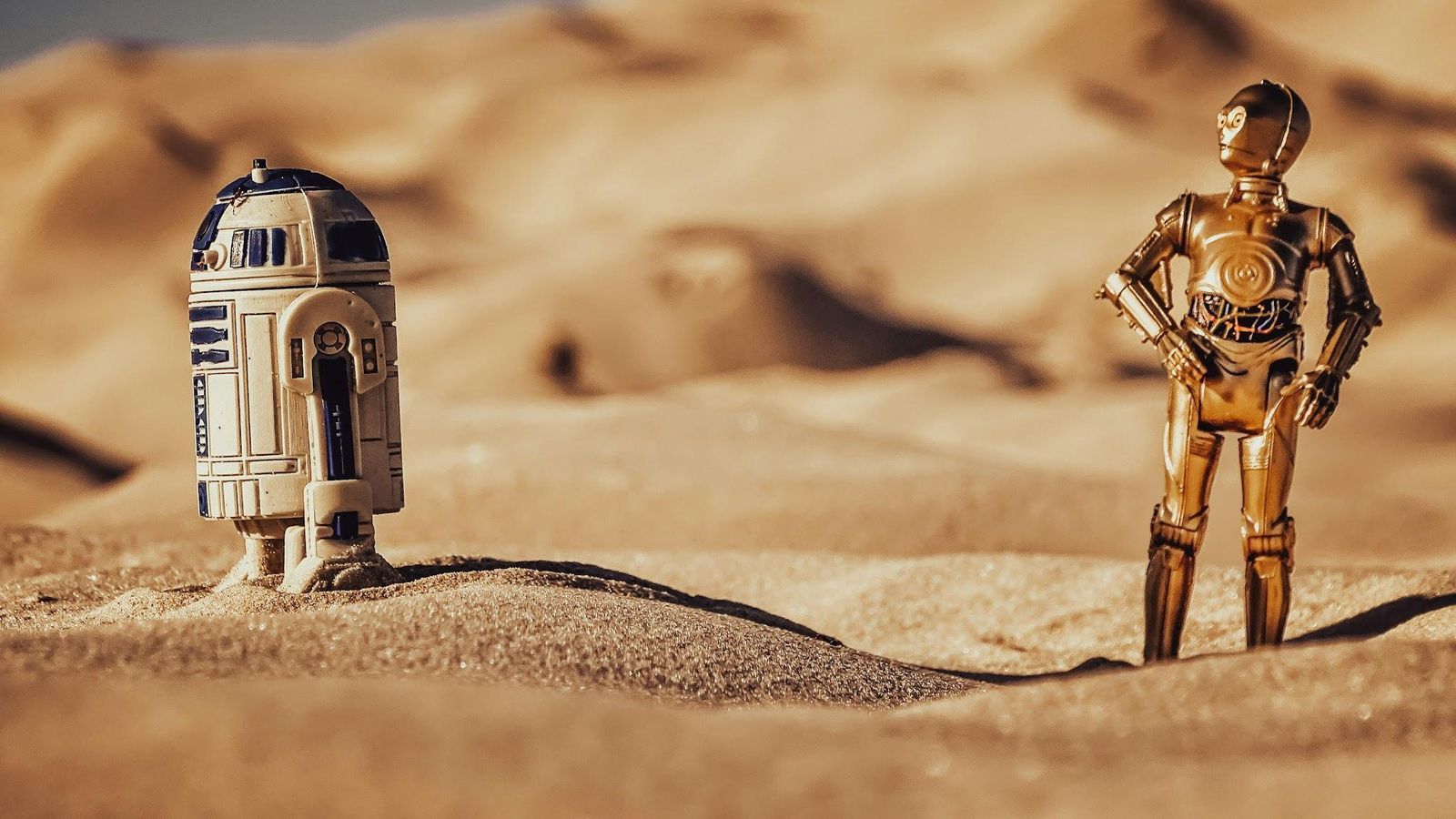
Image: Christian Maass

We all know the loyal little robot of the Star Wars world. But R2-D2’s name came about unintentionally. While filming a previous film, George Lucas had liked an abbreviation he heard his sound editor shout one day: "R2, D2".

It referred to "Reel 2, Dialogue Track 2" . But the expression sparked Lucas’s imagination.

7
Home Alone (1990)

Image: Liubomyr Vovchak

Yes, Kevin is nine years old in the movie. But most of his "dangerous" moments were handled by a 30-year-old stuntman in kid-sized clothes!

Still, some injuries were inevitable. And they didn’t come from hanging from a zipline or sliding downstairs: No, young Macauley Culkin got a scar from Joe Pesci accidentally biting his fingers too hard in one scene.

8
Interstellar (2014)
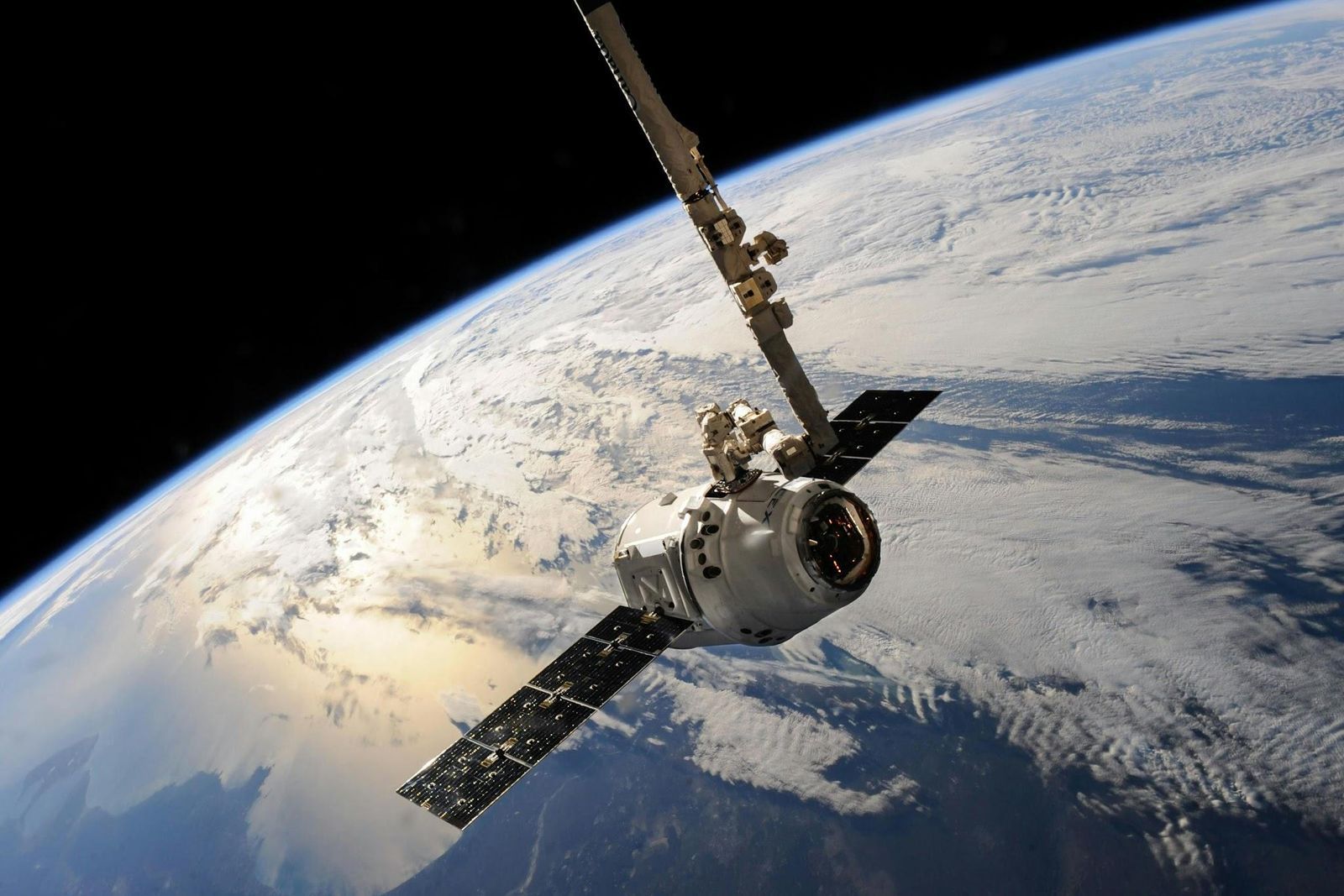
Image: SpaceX

Christopher Nolan’s Interstellar is well known for its ambitious science fiction vision. But Nolan went above and beyond with details. For example, the robot TARS wasn’t a CGI creation: it was physically built (a kind of "puppet-robot").

Plus, the space suits the actors wore were designed with functioning oxygen units and cooling tubes! Needless to say, though, all scenes were filmed on Earth.

9
The Matrix (1999)

Image: Markus Spiske

Did you know that Johnny Depp was the first choice to play Neo for The Matrix ? As an up-and-coming actor in the 90s, the writers had considered him perfect for the role. However, fate decided Keanu Reeves would take the part, and the rest was history.

Reeves didn’t have it easy, though: the Wachowskis had him read philosophical books like Simulacra and Simulation by Jean Baudrillard, Out of Control by Kevin Kelly, and Introducing Evolutionary Psychology by Dylan Evans.

10
Scarface (1983)
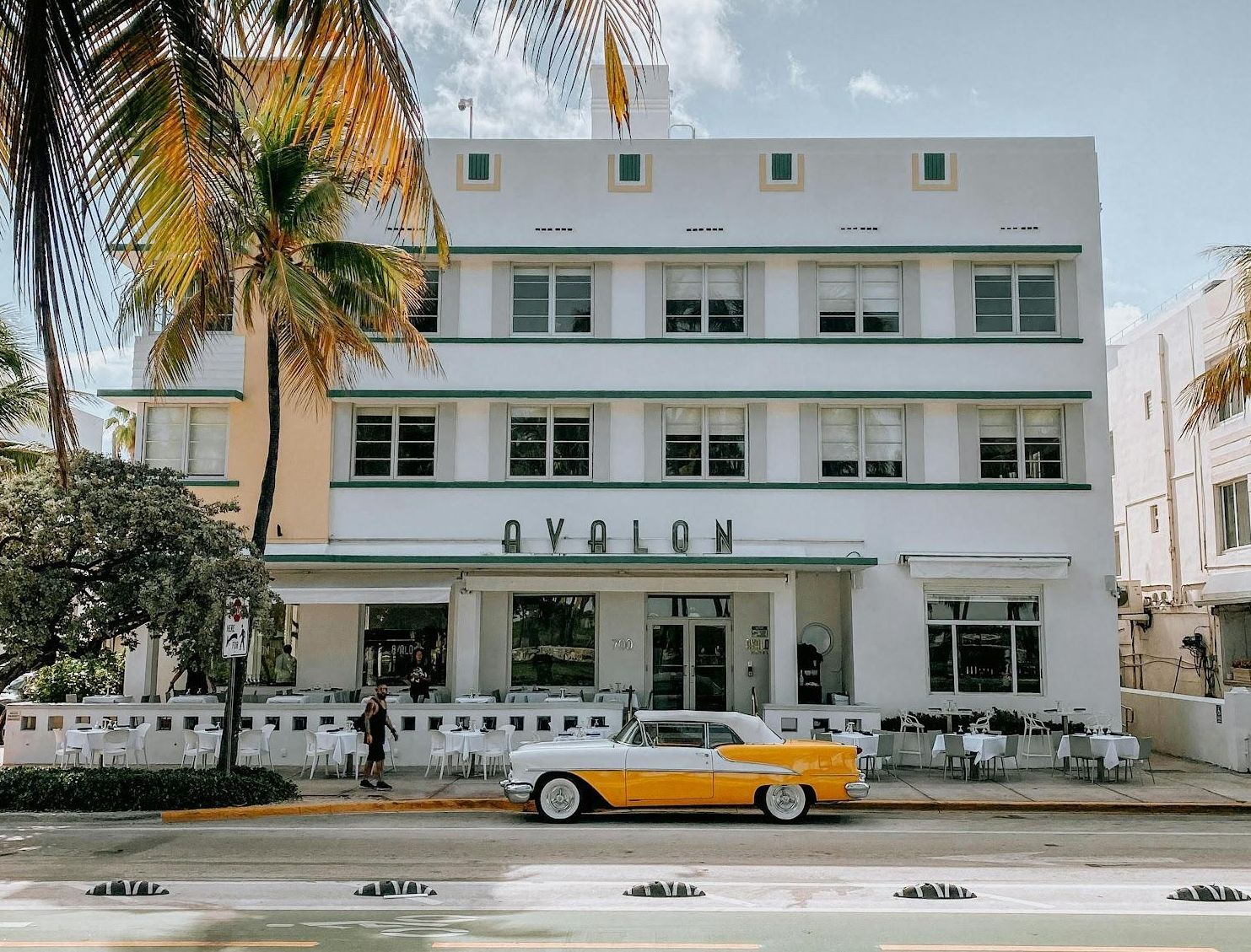
Image: Bryant's Juarez

After Martin Scorsese saw Brian De Palma’s Scarface, he reportedly told actor Steven Bauer: "It’s great… but they’re going to hate it ."

He wasn’t wrong. Critics did hate it, at first. They called it vulgar, excessive, hysterical, and violent. Scorsese himself had been criticized for the violence in his own work, so he recognized the pattern instantly. However, as we know, audiences eventually made it a cult classic.
History History 7 min read

Full story

Who was Uncle Sam before the famous poster? The mystery revealed

Image: Cory Woodruff

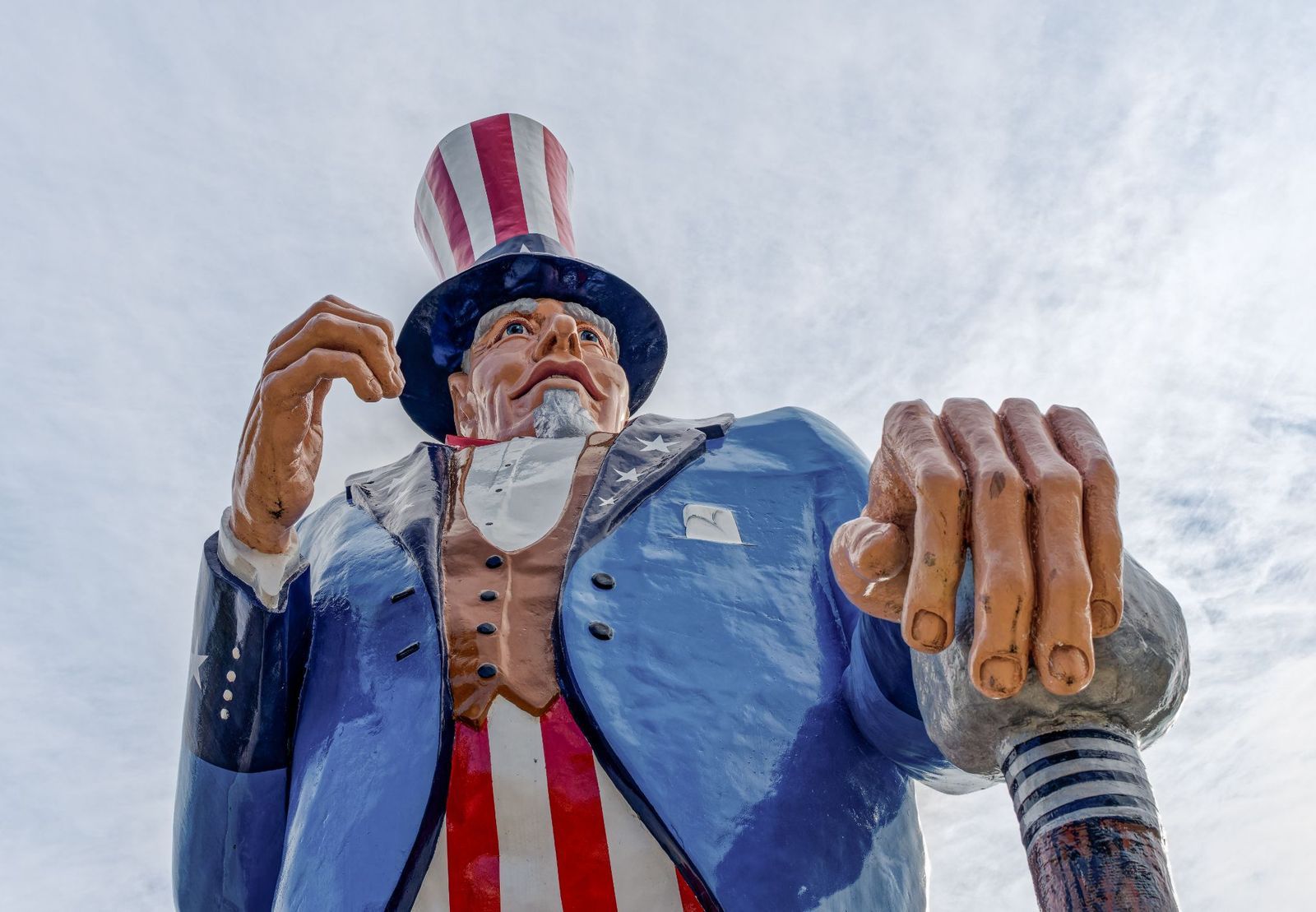
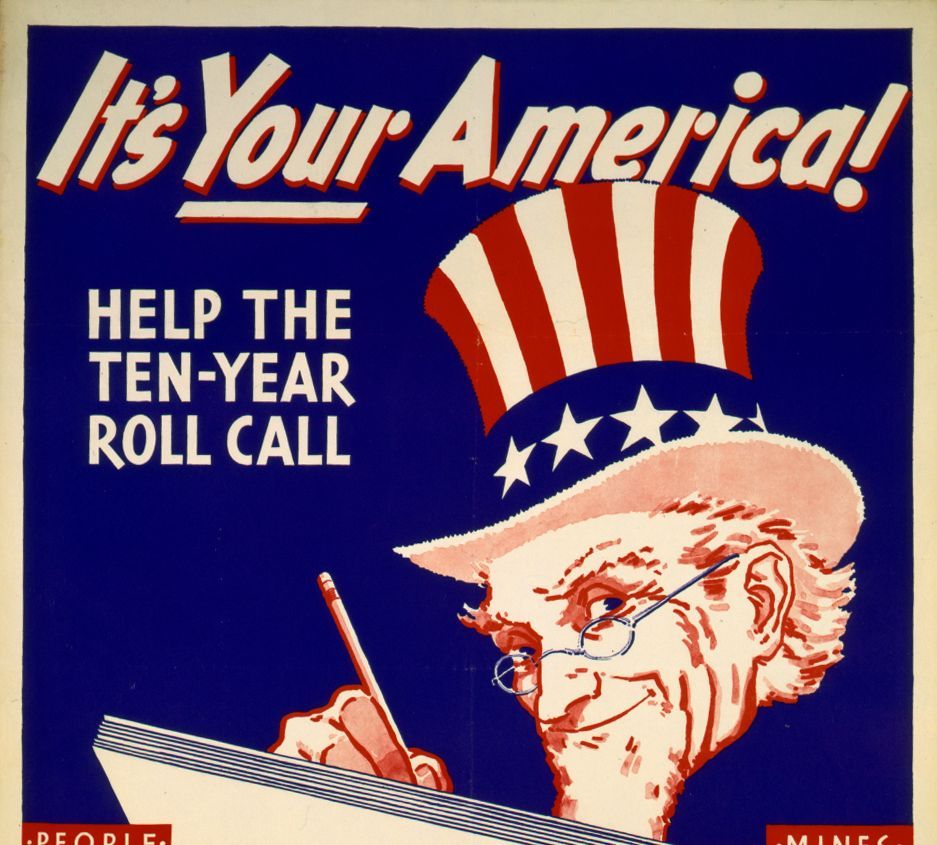
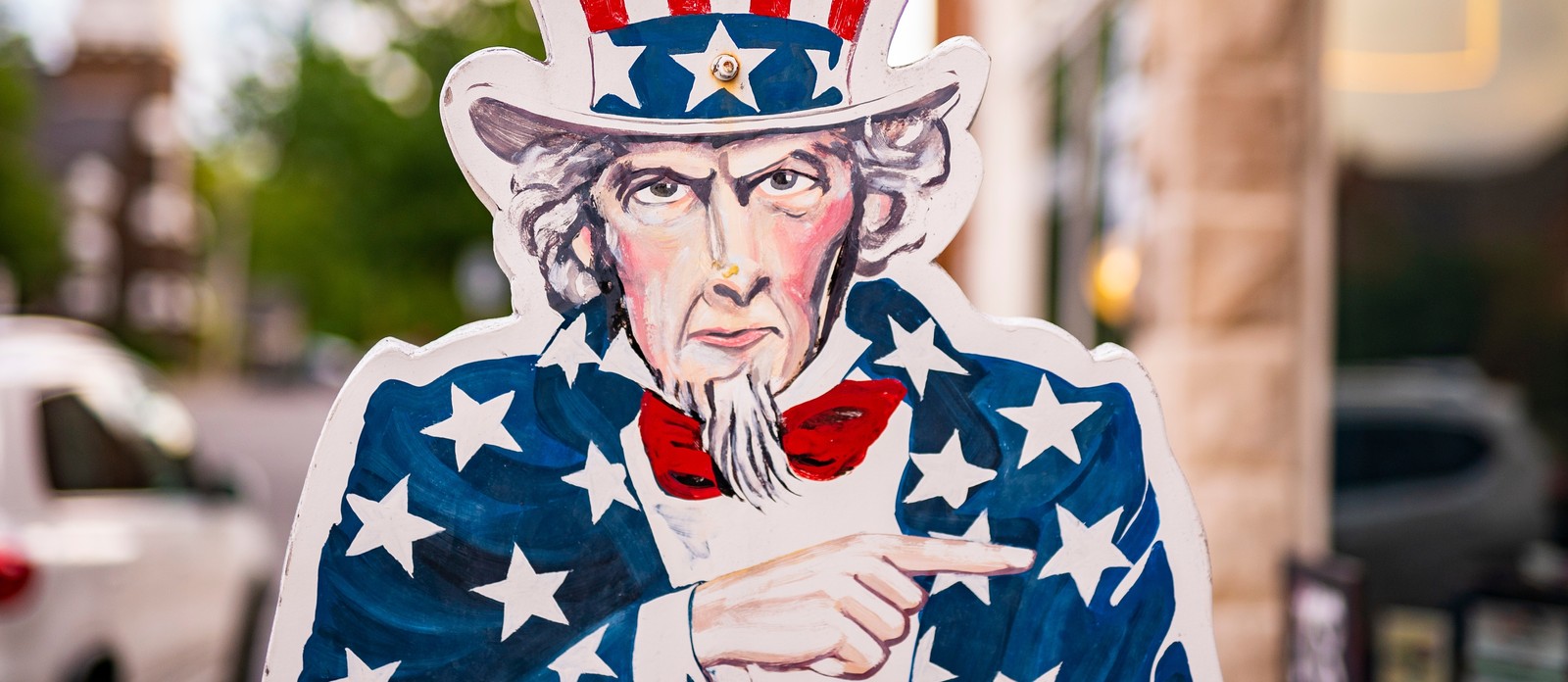
You know Uncle Sam's face from posters, coins, and cartoons, but did you know he started out as a real meatpacker from Troy, New York, stamping beef barrels with two letters that changed everything? Long before the stern man in stars and stripes pointed his finger at you, he wore patchwork clothes, borrowed his pose from a British general, and even helped sell war bonds through baseball. Ten surprising moments shaped the Uncle Sam you know today, and a few of them might genuinely catch you off guard.

1
A meatpacker from Troy sparks a nickname

Image: National Archives at College Park, Public domain, via Wikimedia Commons

In 1812, while the country was at war with Britain again, soldiers stationed near Troy, New York, needed to eat. A local businessman named Samuel Wilson, who ran a meatpacking company with his brother Ebenezer along the Hudson River, won a contract to supply barrels of beef and pork to the army.

Wilson stamped every barrel "U.S." for United States, but around town he was already known by a friendlier name, Uncle Sam, for being an honest and generous employer to the many workers who passed through his docks. Soldiers saw the initials, heard the nickname, and started joking that their rations came courtesy of "Uncle Sam" himself. What started as a joke stuck, and local newspapers quickly picked it up, marking the first step in Uncle Sam’s story.

2
A patchwork figure before the patriotic suit

Image: Rosemarie Mosteller

Before Uncle Sam wore his familiar star-spangled coat, he looked more like any other fisherman.

The earliest known drawing of him appeared in the New York Lantern in 1852 , decades after Samuel Wilson first earned the nickname back in Troy. In that cartoon, he had no top hat, no red and white stripes, nothing close to what you would recognize today. Early illustrators dressed him in rustic, everyday clothes, sometimes patchwork, because he was meant to represent the common American, not a polished symbol of government sitting in an office. It took years of cartoonists experimenting, borrowing bits from other figures and dropping others, before Uncle Sam’s look settled into anything close to consistent.

3
The Civil War gives him his iconic aesthetic

Image: Bibliothèque nationale de France, Public domain, via Wikimedia Commons

During the Civil War, Uncle Sam needed to do more than represent the country. He needed to rally it. Editorial cartoonists of the era, most famously Thomas Nast at Harper’s Weekly , reworked him into someone sharper and more commanding , trading the rustic patchwork look for a tall, lean man with a top hat and striped trousers.

Nast used Uncle Sam to speak for the Union cause and to argue for keeping the country unified, at a time when families followed the war through newspaper cartoons the way we now follow headlines on our phones. This version of Uncle Sam, dignified rather than folksy, laid the groundwork for the figure who would later stare down at millions of Americans from recruitment posters, decades before that poster was ever drawn.

4
Uncle Sam becomes a tool of political satire

Image: Udo Keppler, Public domain, via Wikimedia Commons

By the turn of the 20th century, Uncle Sam had developed a new side: he could make a political argument without saying a word.

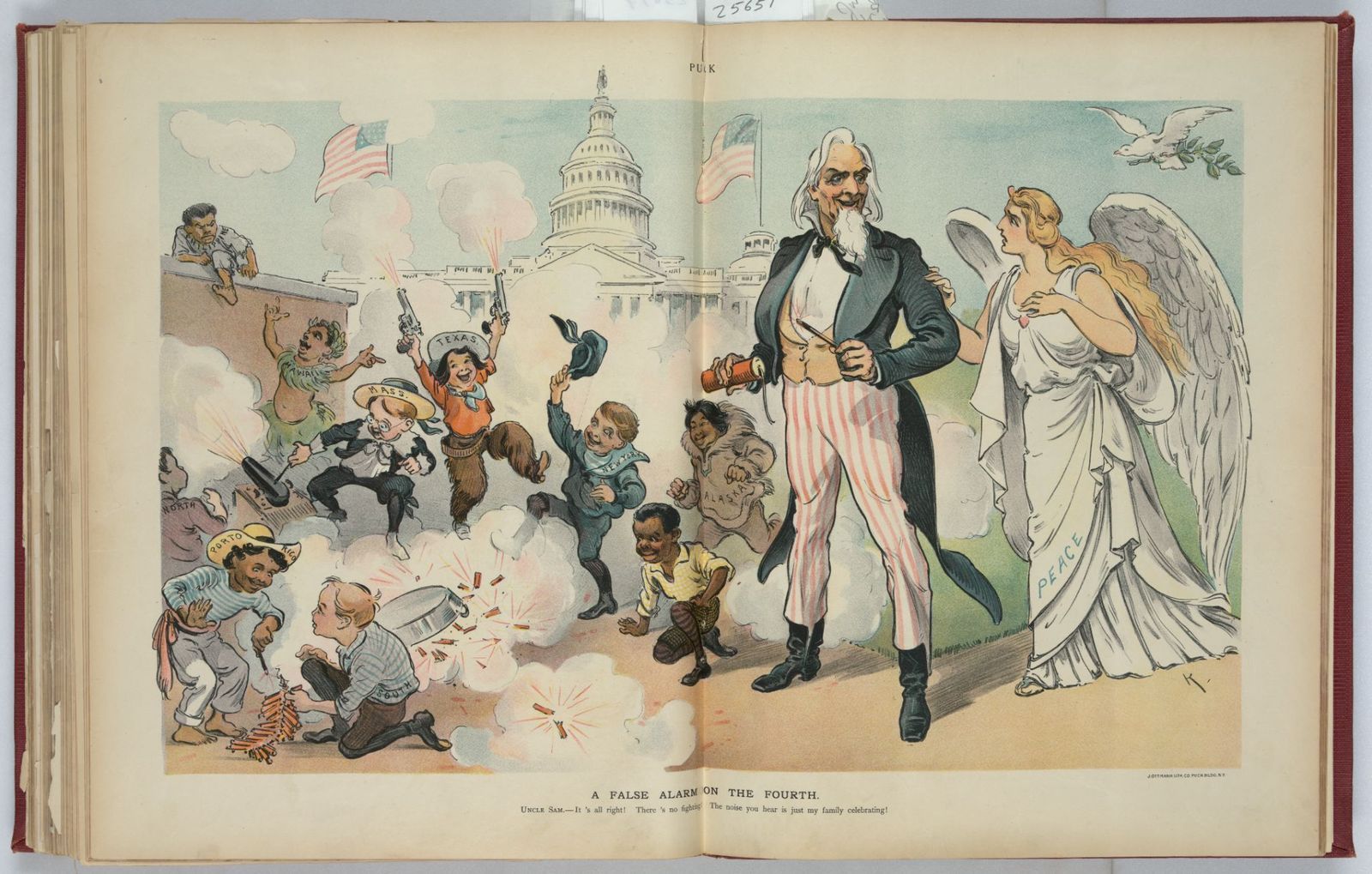
As the United States expanded overseas after the Spanish-American War, cartoonists used his body, clothes, and size to debate what that expansion meant. Around 1900, in J.S. Pughe’s cartoon "Declined with thanks," an oversized Uncle Sam gets measured for an ever bigger suit, a visual joke about the country’s growing territorial expansion. The joke was visual, but the issue was serious. Uncle Sam had become a flexible political weapon, useful both to supporters and critics of American power. The character could literally grow as the nation grew, making him ideal for newspaper satire.

5
A British general points the way first

Image: Alfred Leete, Public domain, via Wikimedia Commons

Here’s the twist most people don’t know about: That famous pointing finger, the one every American associated with Uncle Sam, was not originally American at all.

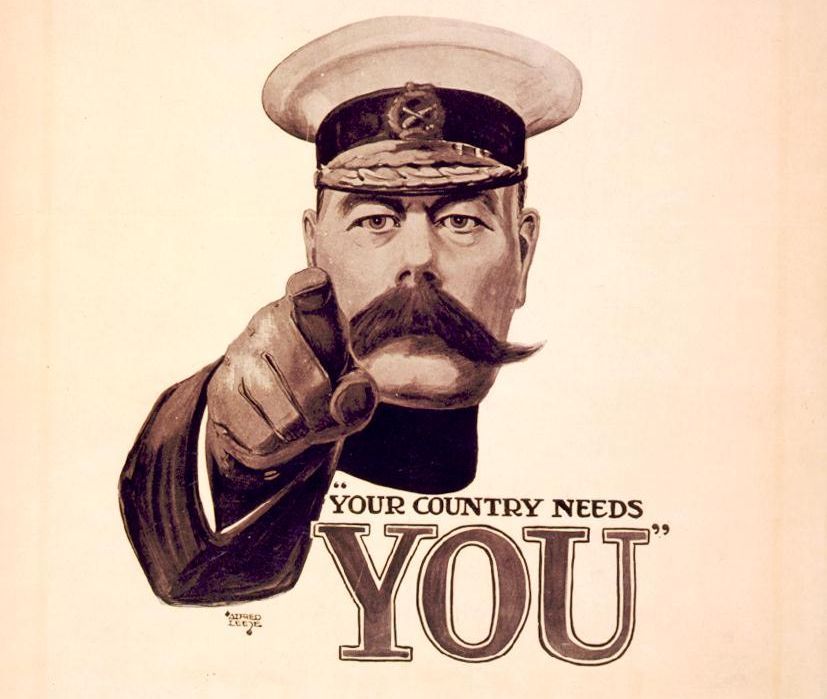
In 1914, as Britain entered World War I, illustrator Alfred Leete created a recruitment poster showing Lord Kitchener, Britain’s Secretary of State for War, pointing directly at the viewer above the words: "Britons: Join Your Country’s Army." The poster ran on magazine covers and street corners across the country and became one of the most talked-about images of the war’s early days. A few years later, on the other side of the Atlantic, an American artist would study that same commanding pose and realize it was exactly what his own country needed to put on paper.

6
An artist paints himself into history

Image: Arnold Genthe, Public domain, via Wikimedia Commons

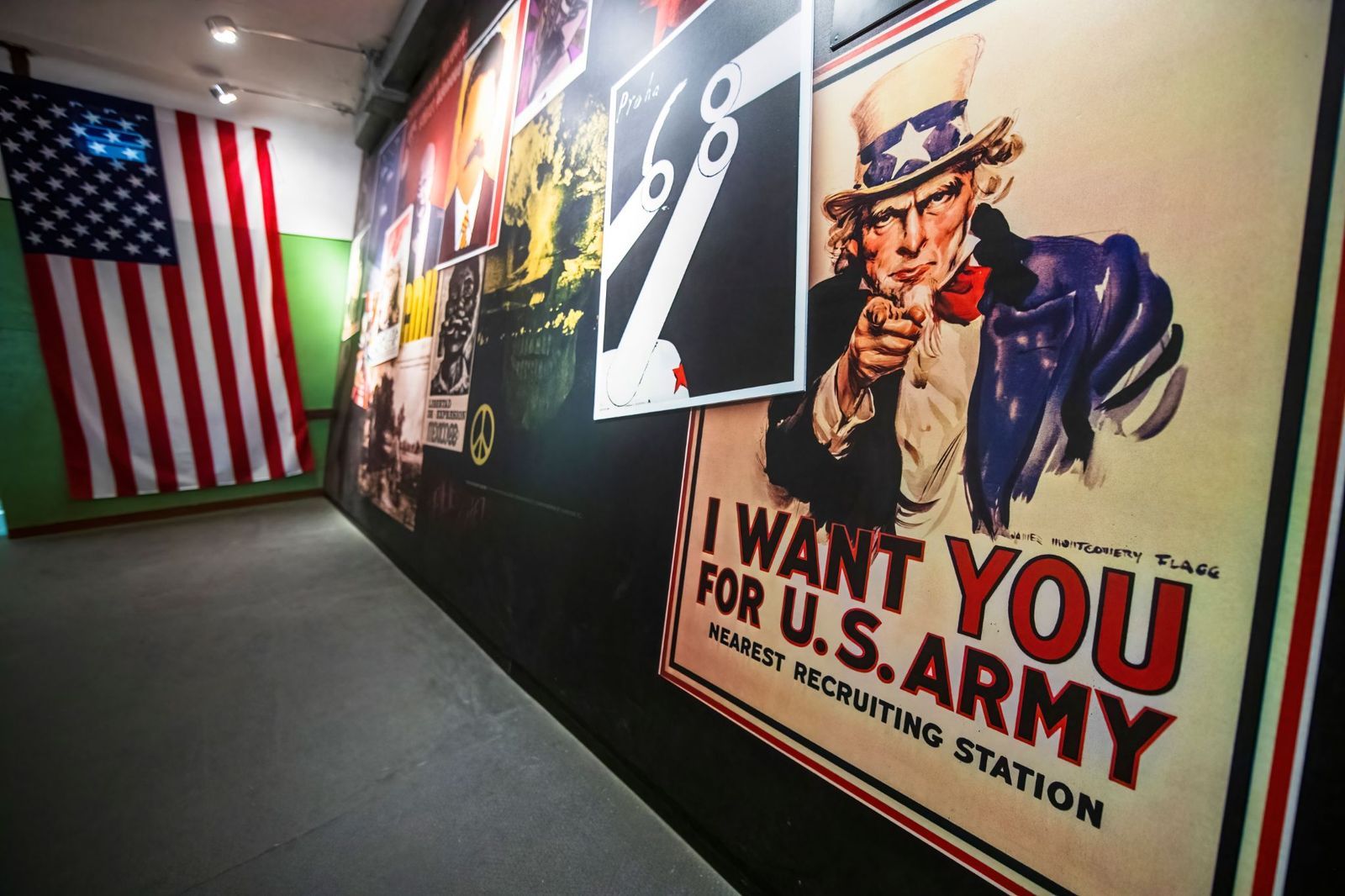
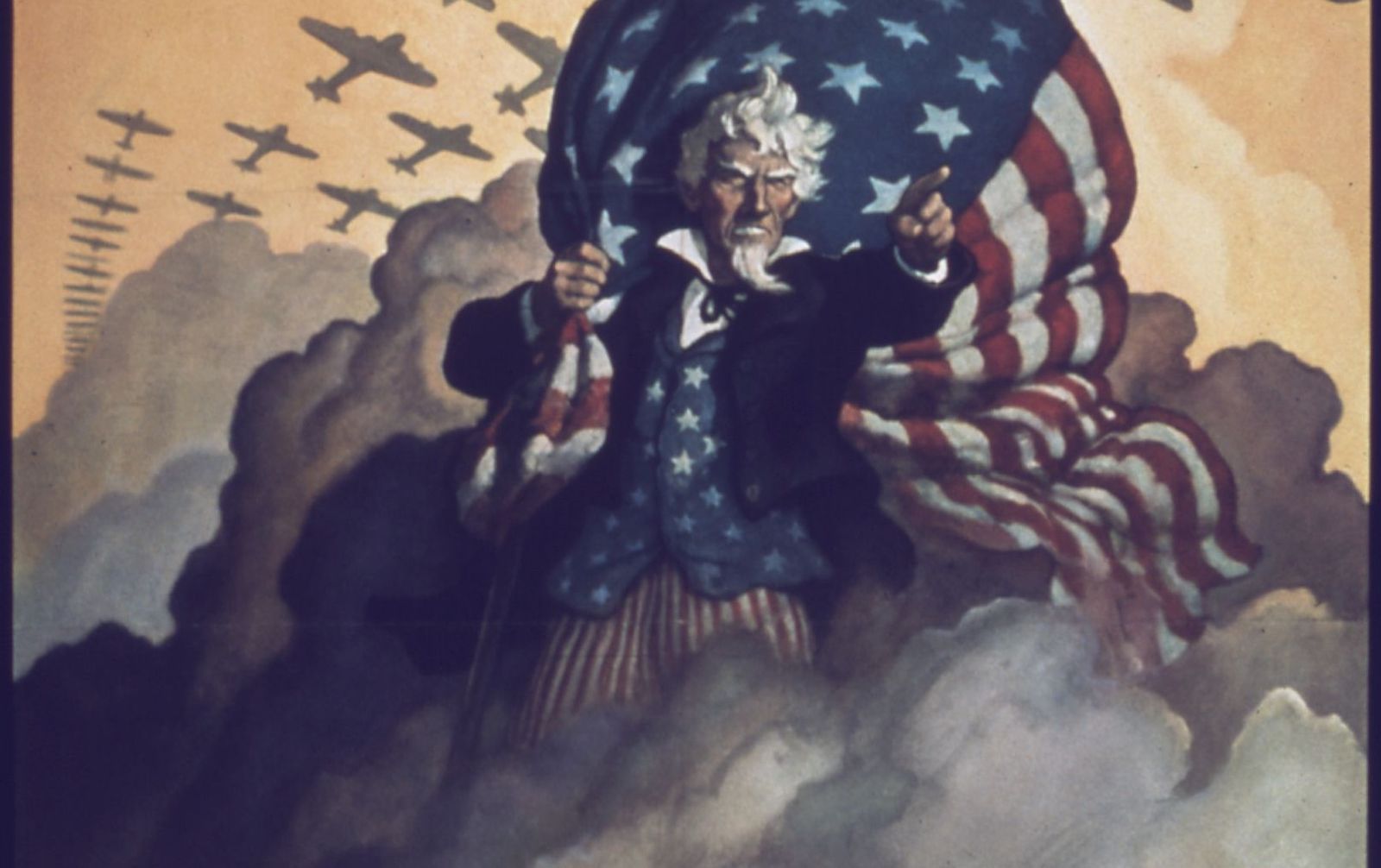
That American artist was James Montgomery Flagg, a well-known illustrator commissioned by the Committee for Public Information to create a recruitment poster for WWI in 1917.

The plan was simple: echo the Kitchener pose with an American face. There was just one problem: the model scheduled to sit for the painting never showed up that day. Rather than waste the afternoon, Flagg propped up a mirror in his studio and used his own reflection, adding a goatee and white hair to age himself into the role of Uncle Sam. The result, "I Want You for U.S. Army," turned out to be the defining image of Uncle Sam for generations, all because one artist got impatient and decided not to wait around for someone else to show up.

7
A single poster printed over four million times

Image: ZikG

Numbers rarely tell a full story, but this one comes close. Between 1917 and 1918, Flagg’s Uncle Sam poster was printed more than four million times, plastered across train stations, storefronts, and town squares nationwide, often right next to enlistment tables.

It pushed Americans to sign up for service, to buy Liberty Bonds, and to see the war as something that involved them personally, not just the soldiers overseas. Few pieces of American graphic design have ever reached that scale of distribution, and fewer still have stayed recognizable a century later. If you have ever seen a Halloween costume, a magazine cover, or a protest sign featuring that pointing finger, you have already seen Flagg's poster still at work.

8
Uncle Sam trades his rifle for a baseball bat

Image: Rosemarie Mosteller

Not every wartime appearance of Uncle Sam involved a battlefield. Illustrators found plenty of other uses for his familiar face between 1917 and 1918, some of them surprisingly playful.

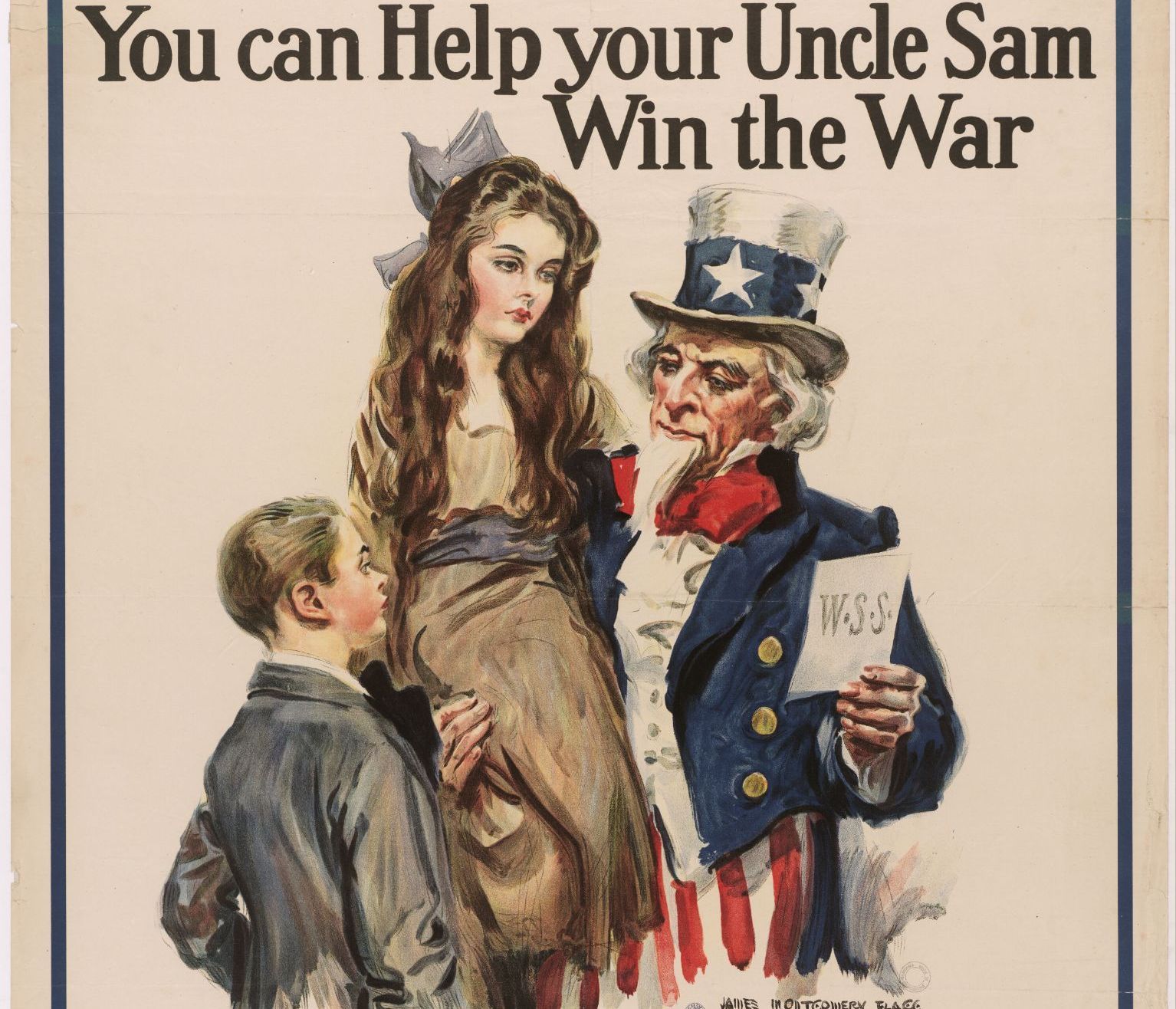
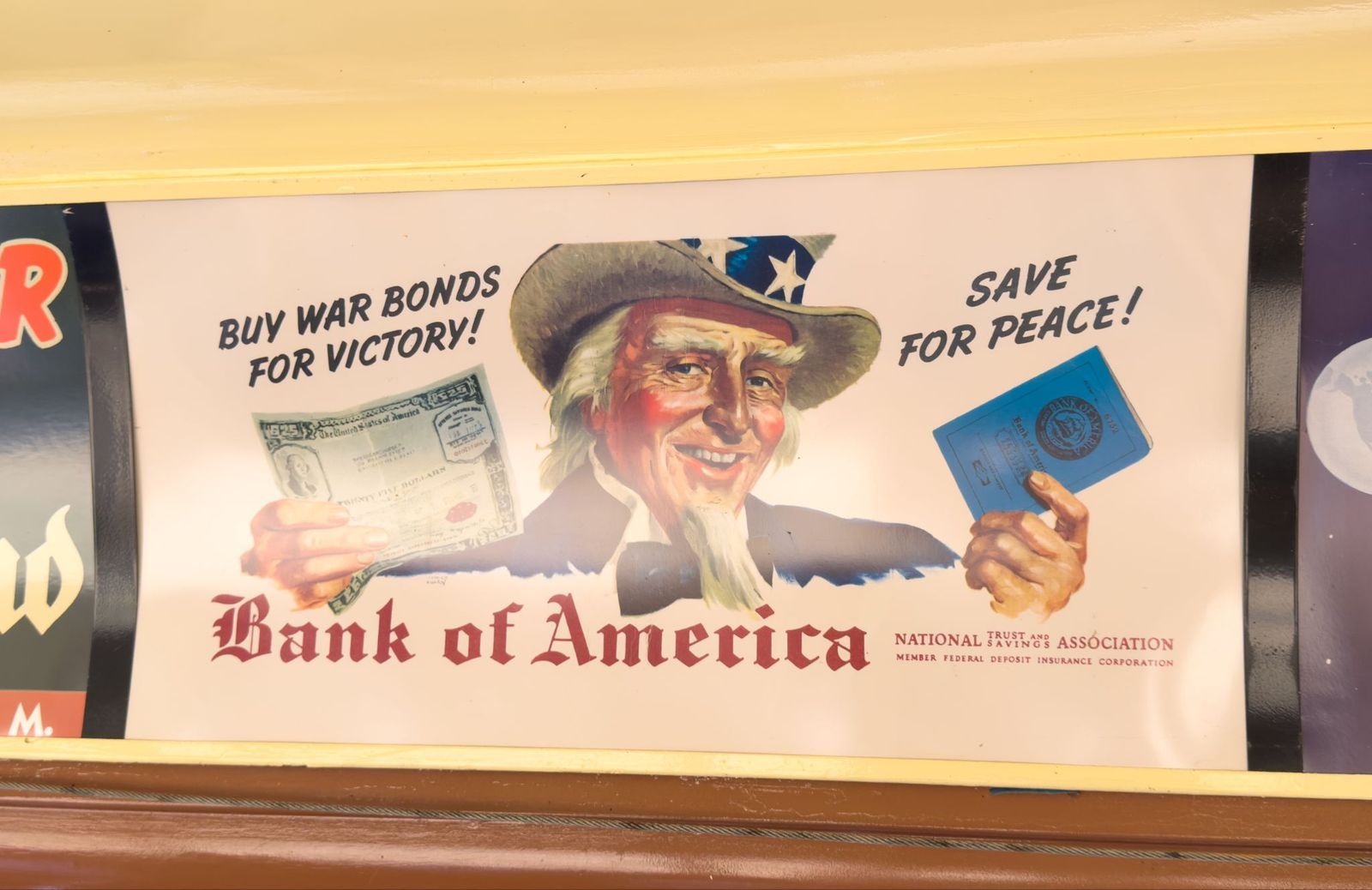
J.C. Leyendecker drew him swinging a baseball bat under the slogan "Get in the Game," nudging Americans toward the war effort through a sport nearly everyone already loved on weekend afternoons. Flagg himself created a gentler image of Uncle Sam with his arm around a horse, part of a campaign asking Americans to support the care of military animals overseas. These lighter, unexpected adaptations remind us that propaganda during that era was not only about urgency; it also leaned on familiarity and warmth to make its point stick.

9
Pearl Harbor brings the same face back

Image: Karolis Kavolelis

When Japan attacked Pearl Harbor in December 1941, the country needed a rallying image fast, and rather than starting from scratch, officials reached for something already proven.

Flagg’s 1917 interpretation was dusted off and reprinted by the millions once again, this time for WWII enlistment drives and home front civil defense campaigns. The same stern face that had once urged an earlier generation to sign up was now doing the job all over again for their sons, appearing on posters in recruiting offices, factories, and post offices nationwide. By the 1940s, he was more than a wartime recruiting figure. He was a shorthand symbol for the federal government and the country itself.

10
From wartime symbol to modern canvas

Image: US Census Bureau, Public domain, via Wikimedia Commons

Uncle Sam did not retire once the World Wars ended. In the decades since, he has become something closer to a blank canvas that each generation paints over with its own concerns.

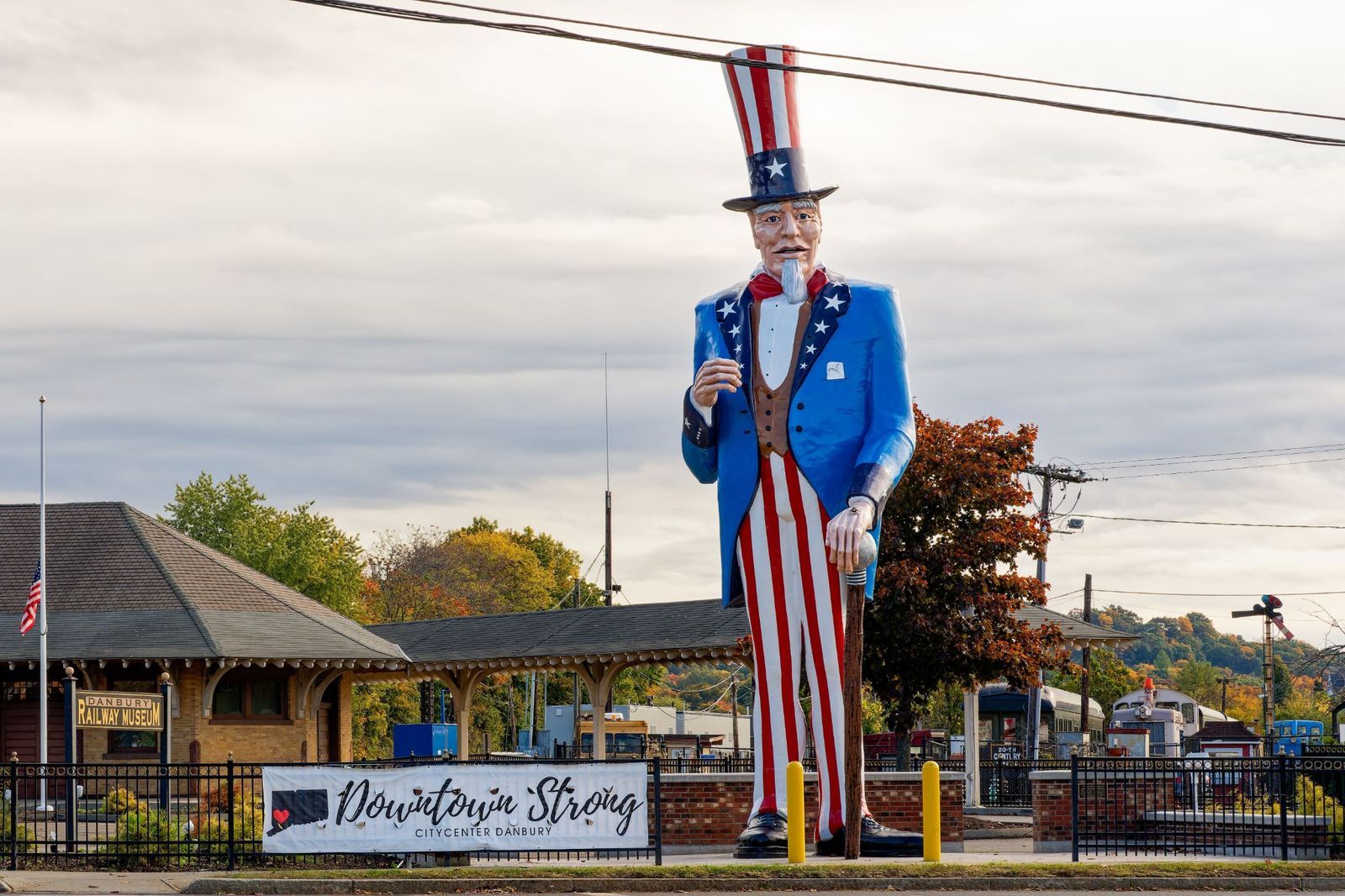
During the Vietnam era, protest artists twisted his familiar pose into pointed criticism of the very government he once represented so simply, using his own famous finger to accuse instead of recruit. Political cartoonists continue to reach for him today, whether the topic is an election, a policy debate, or a national controversy, counting on readers to instantly recognize who he stands for. Few American symbols have proven so adaptable, stretched and reshaped again and again across more than two centuries, yet somehow always recognizable the moment that pointing finger appears.

General General 3 min read

Unveiling the truth

Believe it or not? A stroll through some conspiracy theories

Image: Cottonbro Studio

Let’s face it, America has always loved a good mystery, right? Whether it's whispers about aliens or oddball internet chatter, conspiracy theories have a way of capturing our imagination. Some make us chuckle, others make us scratch our heads, and a few might even make us wonder, "What if?" So pour yourself a cup of coffee, and let’s take a lighthearted tour through some of the most talked-about conspiracies.

1
The moon landing: staged in Arizona?

Image: NASA

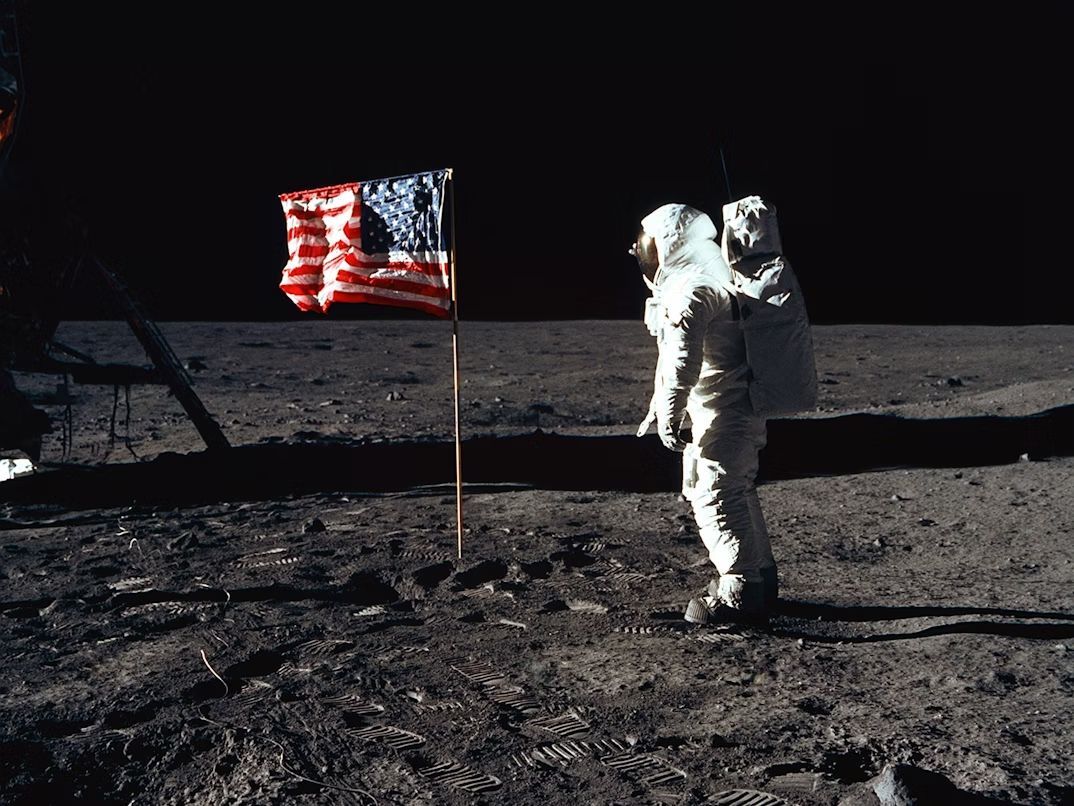
Back in 1969, Americans watched Neil Armstrong take one small step for man on TV. But not long after, rumors started floating around that it was all filmed on a Hollywood-style set somewhere in the desert. Books and even a movie helped the idea spread. Still, with hundreds of pounds of moon rocks and decades of scientific study to back it up, it seems pretty clear the only thing fake was the rumor itself.

2
The dead internet theory: bots gone wild

Image: Waldemar

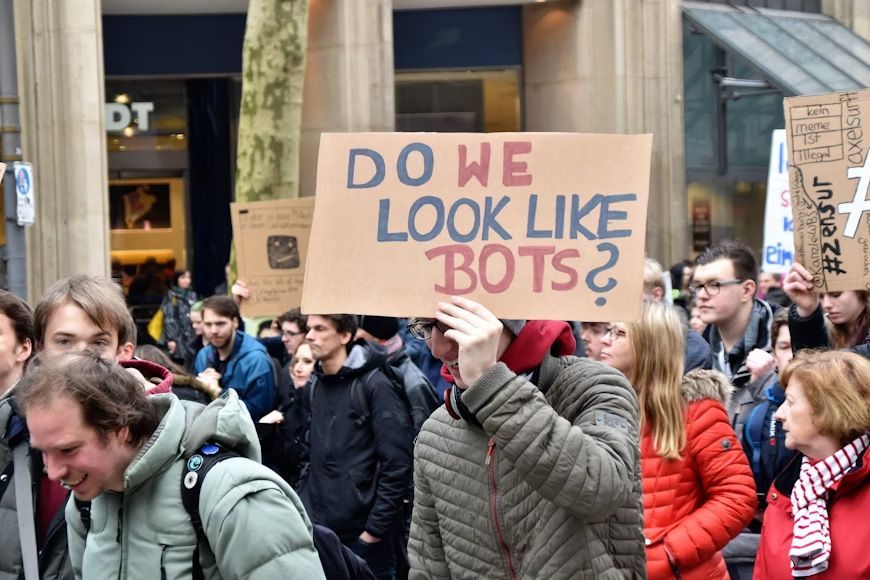
According to this theory, you might be talking to a wall online. The idea is that most of the internet isn’t run by people at all but by bots—that is, automated programs pretending to be humans. They supposedly post, reply, and argue, all to keep clicks coming. Even if bots are increasingly popular on some sites and apps, it’s evident that this is nothing but a crazy conspiracy theory!

3
Subliminal advertising: blink and you’ll miss it

Image: Wojtek Witkowski

Remember when people thought ads were sneaking messages into our brains? Some authors were convinced that companies were hiding secret images in movies and commercials to mess with our minds. This theory hit headlines in the ’70s, but most of those claims didn’t hold up under scrutiny. Marketing and advertising do know some tricks around our minds, but your sudden craving for popcorn probably has more to do with the smell than secret mind control.

4
Paul is (not) dead

Image: IJ Portwine

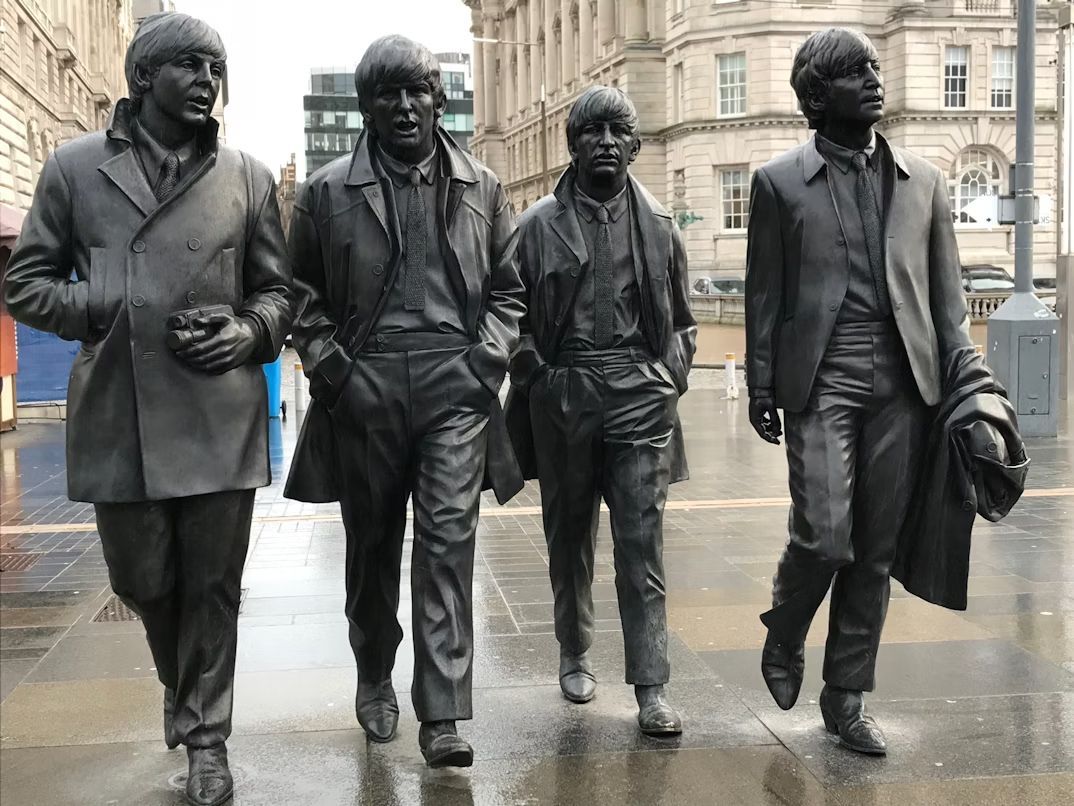
Back in the swinging ’60s, a bizarre rumor began circulating: Paul McCartney had supposedly died and been replaced by a lookalike. Fans claimed to find hidden clues in Beatles albums, like barefoot walks and cryptic lyrics. The theory quickly crossed borders and spread worldwide. But don’t worry, Paul was (and still is) very much alive, touring, and giving interviews.

5
Roswell: crash course in confusion

Image: Rishabh Sharma

Something definitely fell near Roswell, New Mexico, in 1947—remember that? The question is, what was it? The government first hinted at flying saucers , then changed the story to a weather balloon. That was all it took for conspiracy theories about aliens to bloom. Years later, it turned out the object was actually a Cold War–era military balloon from a classified program. No aliens—just some top-secret tech.

6
Chemtrails: clouds of confusion

Image: Val Vesa

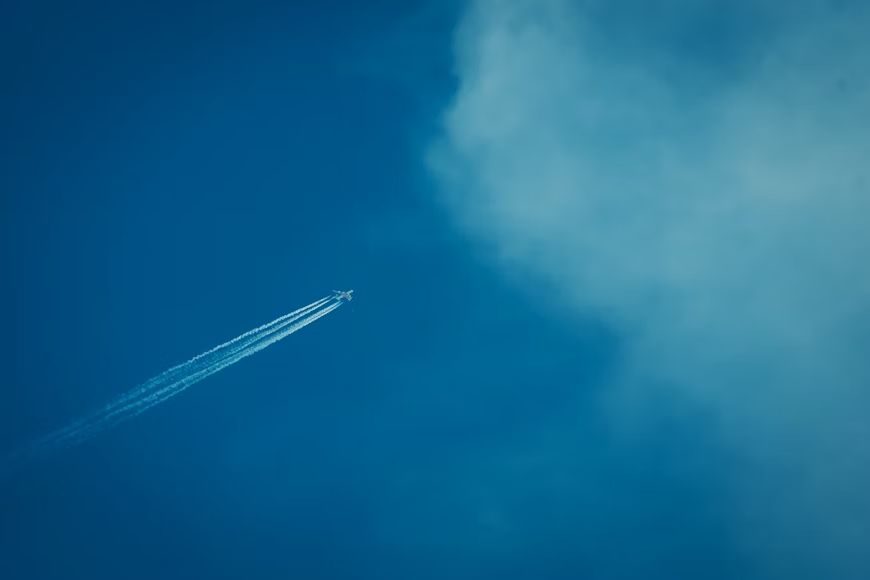
Those streaks behind planes? They’re called contrails, and they’re mostly made of water vapor. But some believe they’re really "chemtrails" (chemical agents sprayed into the sky). Theories range from weather control to population mind games. Scientists have tested the air and found nothing unusual, but some folks still keep looking up and wondering. What do you think?

7
COVID and 5G: a confusing combo

Image: Shiwa ID

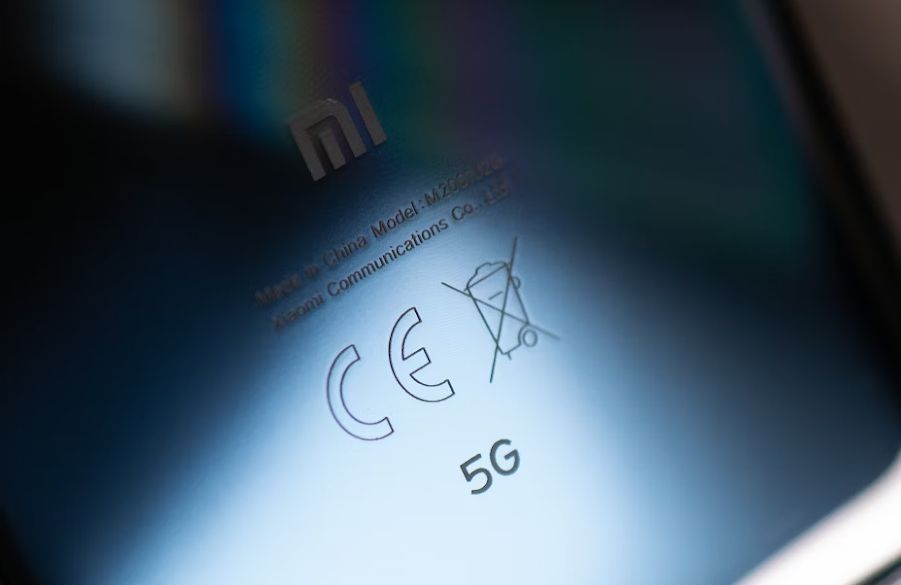
When the pandemic hit, it brought more than just a virus. With so much uncertainty, conspiracy theories spread just as fast. One unusual claim linked COVID-19 to 5G technology, even suggesting that vaccines contained tracking chips. Researchers and doctors around the world quickly debunked it all, but it just goes to show how fear and confusion can breed some pretty wild ideas.

8
Birds aren’t real... or are they?

Image: Gareth Davies

This one takes the cake. A satirical movement claims that birds are actually government surveillance drones . What started as a joke by a college student quickly went viral, billboards and all. While some people mistook it for a real conspiracy theory, it’s actually a commentary on how misinformation spreads.

9
Flat Earth: going against the grain

Image: Elena Mozhvilo

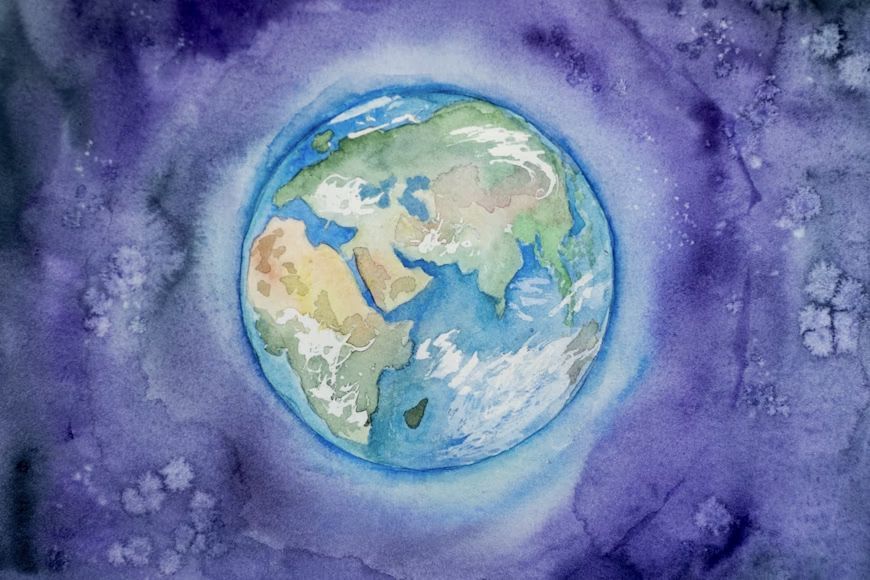
Despite centuries of science and countless space photos, some people still believe the Earth is flat . They point to the horizon, question gravity, and invent creative explanations for eclipses and orbits. It’s a belief often fueled by mistrust or ideology, but the round Earth, seen from space, keeps on spinning just the same.

10
Denver Airport: baggage and bunkers

Image: Rocker Sta

Denver’s airport has some… interesting décor. Murals of chaos, red-eyed horses, and creepy gargoyles have sparked rumors that it’s hiding secret bunkers for the Illuminati. While the truth is less exciting (just over-budget construction and bold public art), the place does have a weird vibe that fuels the fun of imagining a secret space beneath the baggage claim. If only!

Explore more American facts

Choose your favorite category!

General
General

As American as apple pie—the very best America has to offer!

Culture
Culture

Delve into the astounding richness of American lore.

Geography
Geography

Hop in and explore vast and diverse American landscapes.

History
History

Discover the key moments that shaped the United States.