General General 5 min read

Television memories

What do Lucy Ricardo, Fonzie, and Lieutenant Columbo have in common?
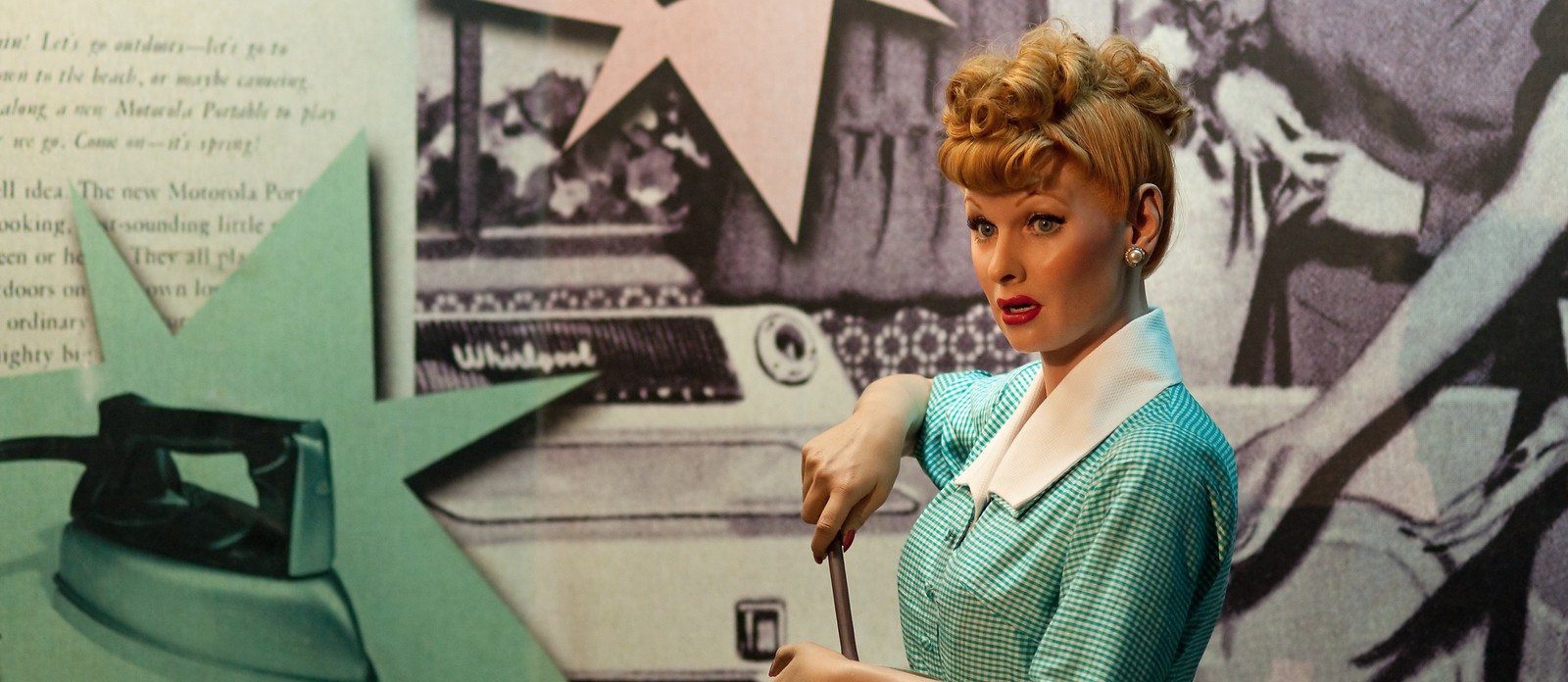
Image: Shutterstock

We live in a time where there's an endless supply of TV shows to choose from. And with so many options, it's easy to forget a character or really connect with them in the first place. But there was a time when characters felt relatable and could bring whole families together. As a result, they have become unforgettable. Let’s take a walk down memory lane with the TV characters who’ve stayed with us.

1
Lucy Ricardo, I Love Lucy
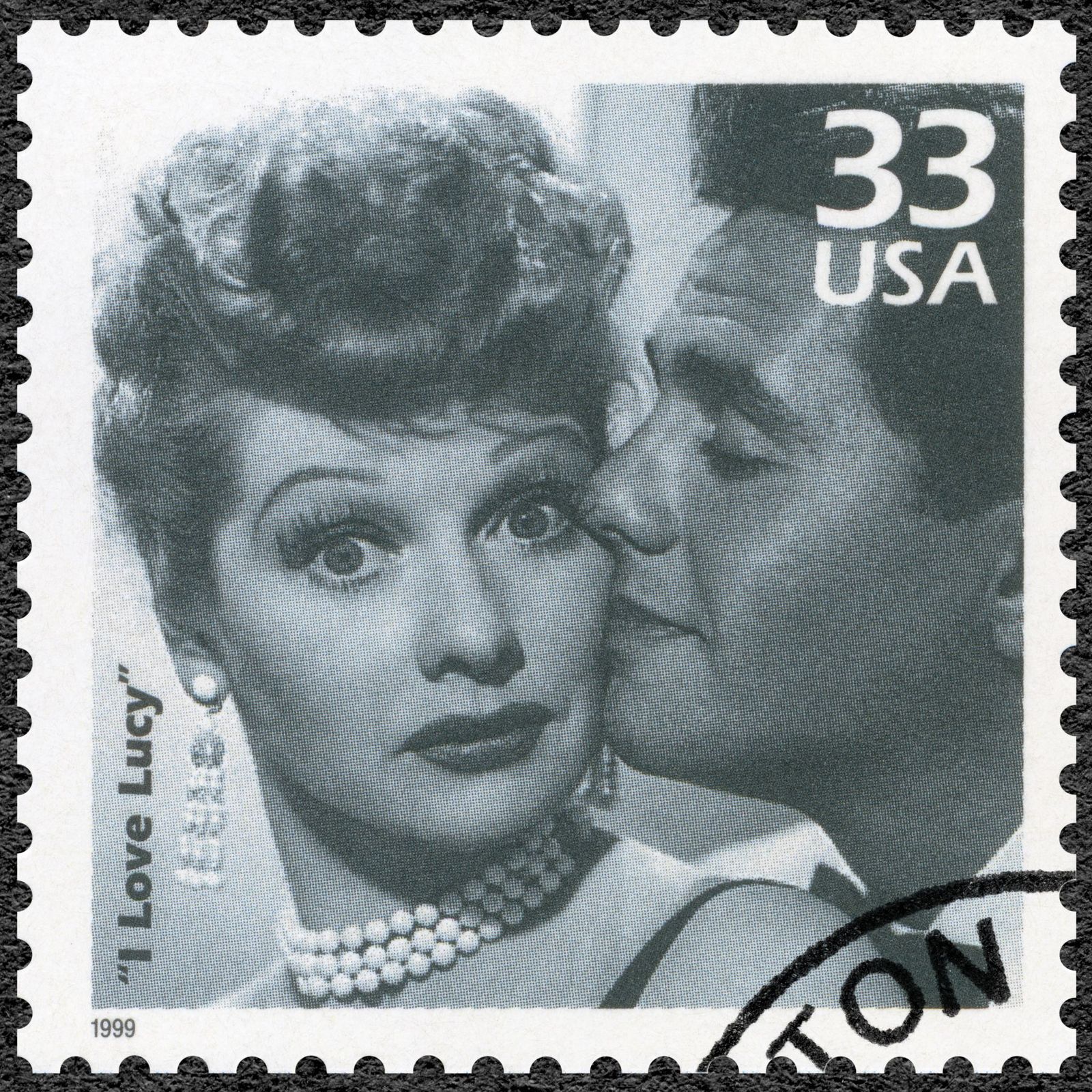
Image: Shutterstock

Why do we still love Lucy? Because her unique personality gave us some of the funniest moments in television history, including the real birth of her baby that matched her fictional one.

Lucy Ricardo was a housewife, and she stood in for most women of the 1950s, showing just how adventurous, messy, and fun a day at home could be. But Lucy also captured something else: women's desire to chase their dreams, even when society wasn't ready for it yet.

2
Arthur "Fonzie" Fonzarelli, Happy Days
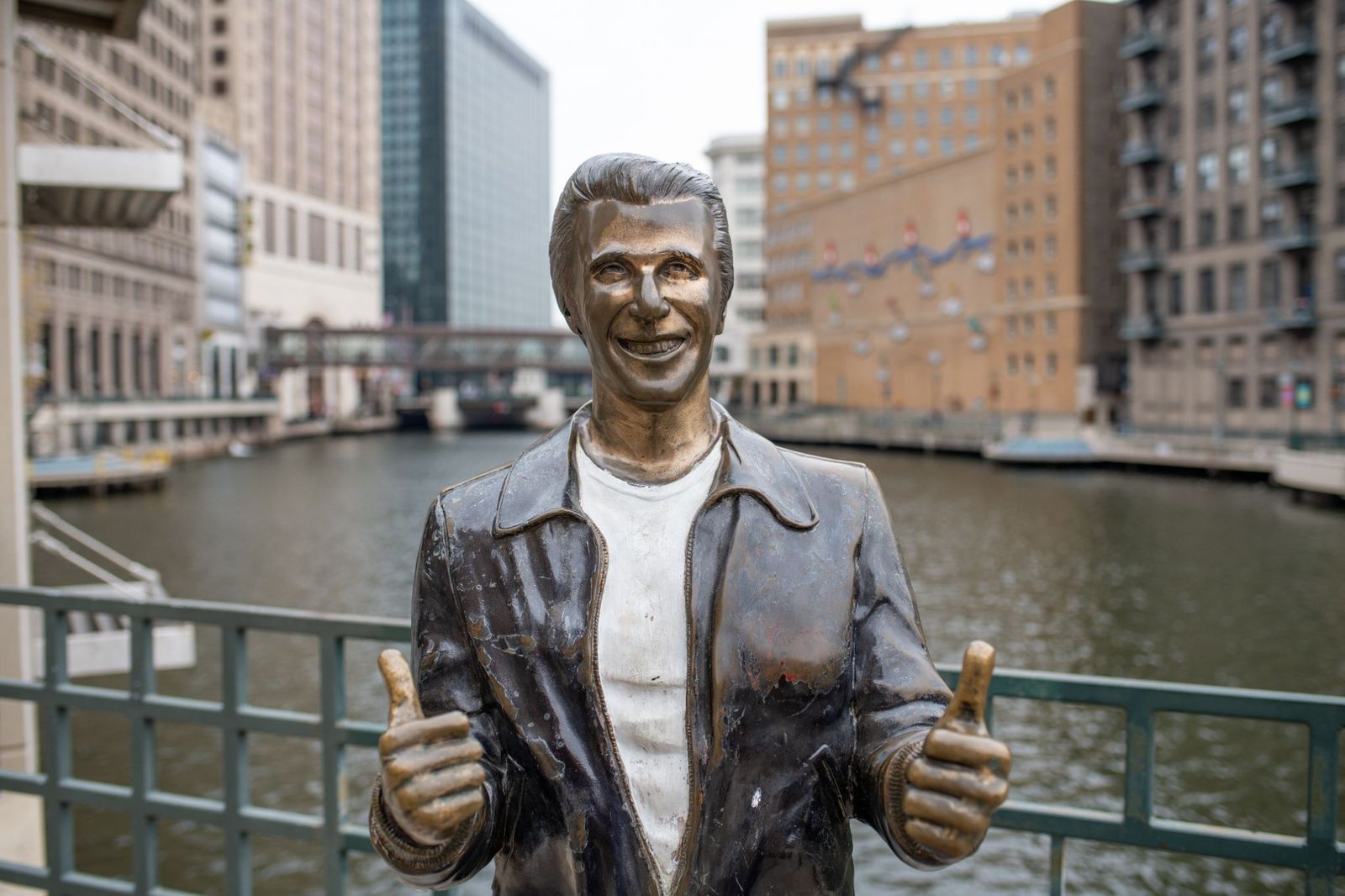
Image: Shutterstock

Arthur Fonzarelli, or "Fonzie", was played by Henry Winkler in the sitcom Happy Days (1974-1984). He was a greaser, often seen on his motorcycle, in his leather jacket, and started as a secondary character. But audiences loved him so much that he quickly became a leading star.

Fonzie redefined "cool" for an entire generation. He was self-confident but not cynical; he took responsibility for his mistakes, respected adults, and showed vulnerability without ever losing his coolness. He was the symbol of safe, necessary rebellion young guys admired with all the swagger of a classic greaser.

3
Lieutenant Columbo, Columbo
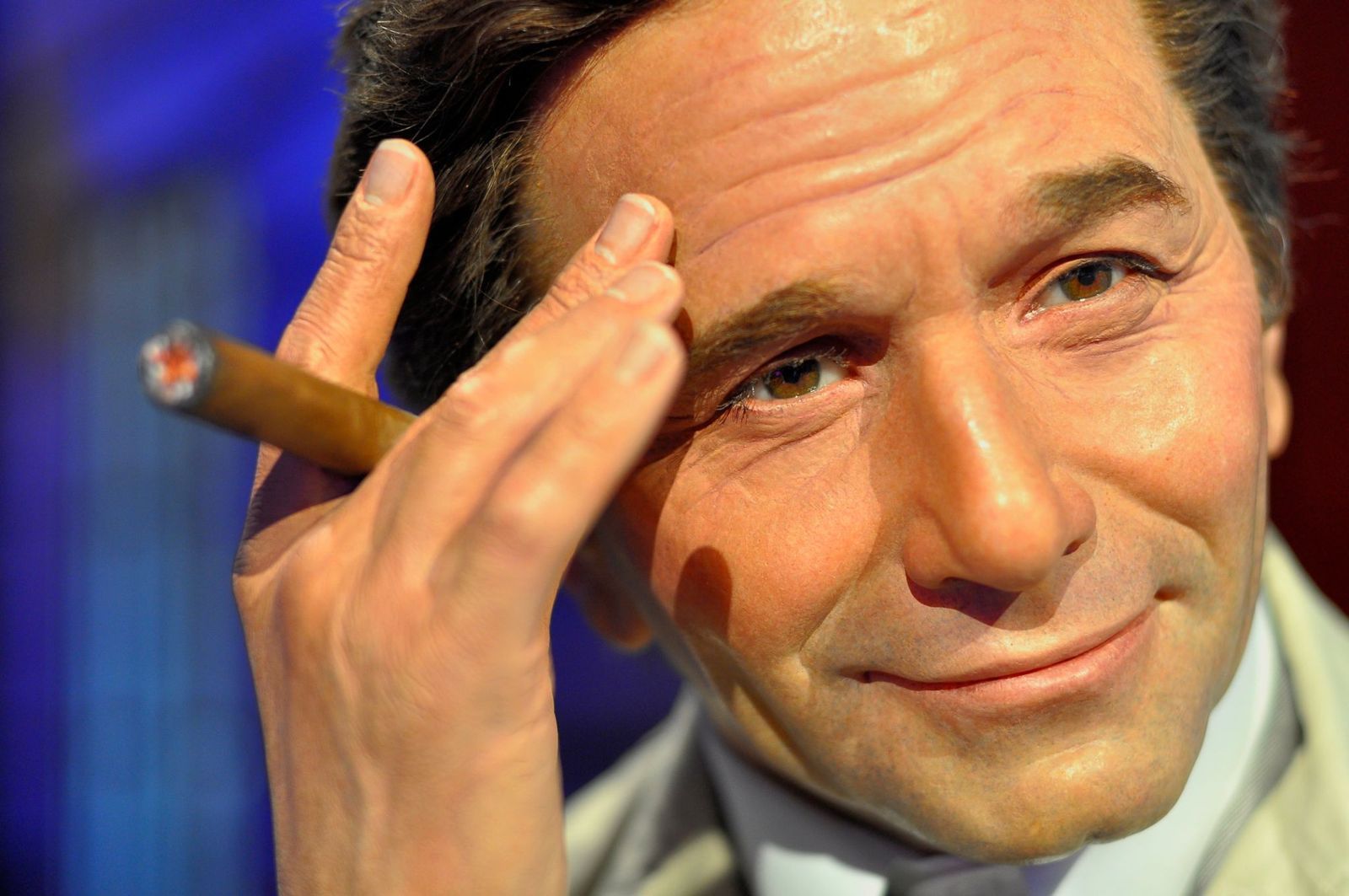
Image: Shutterstock

Lieutenant Columbo was the main character on the series that carries his name. Played by Peter Falk in his trademark rumpled beige raincoat, he was a homicide detective with the Los Angeles Police Department. The show originally aired on NBC in 1971 and was an inverted detective story format, or "whodunit" pioneer. Unlike most detective shows, Columbo revealed the killer and the crime at the beginning. The mystery wasn’t about who did it, but how Columbo would catch them. Viewers sometimes spotted the clues along the way, while others weren’t explained until the very end. Between episodes, Columbo gave us some valuable lessons: perseverance pays off, question everything, be humble, and be tough when it's necessary, too.

4
Captain Benjamin Franklin "Hawkeye" Pierce, M A S H
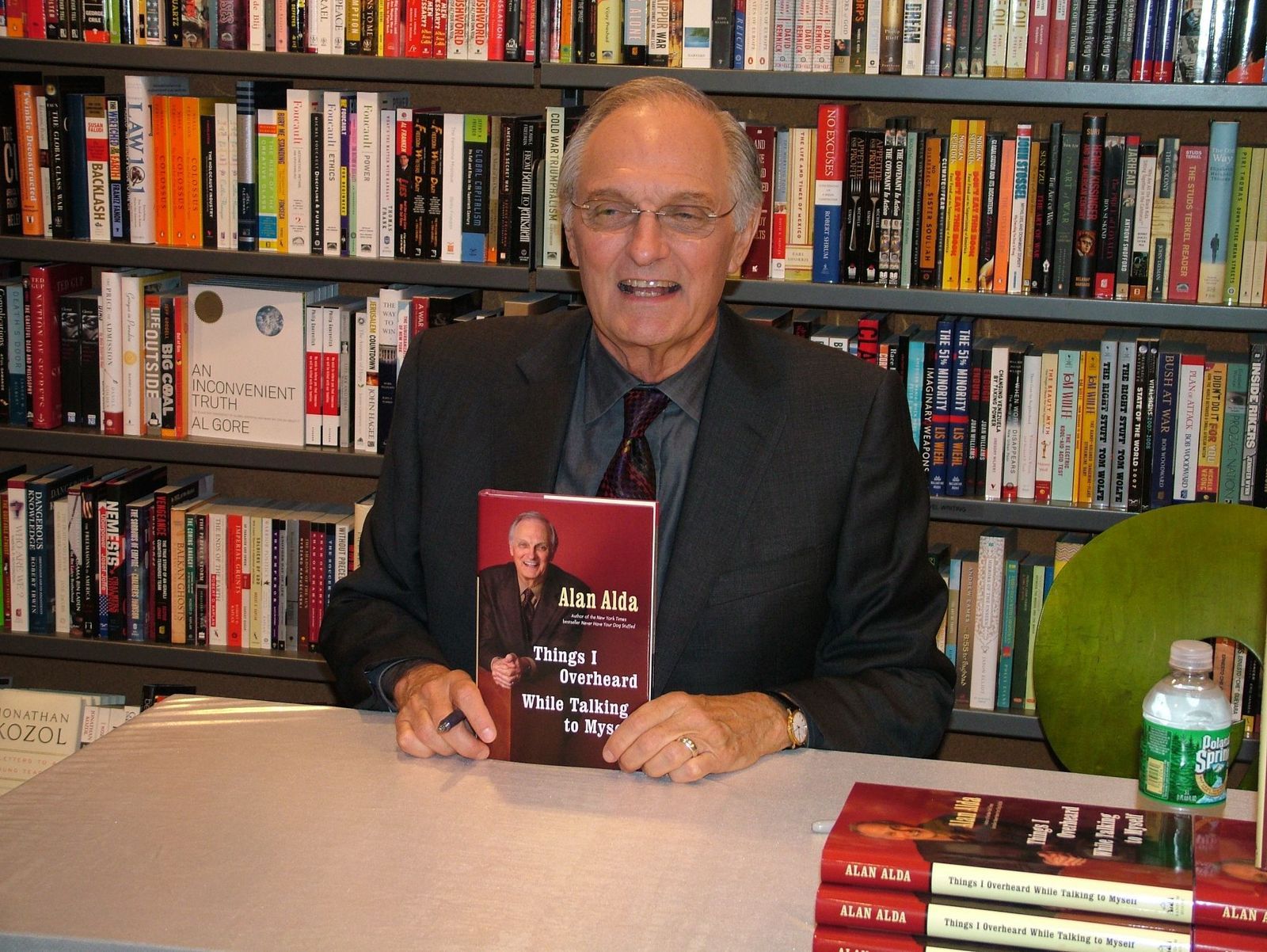
Image: Shutterstock

M A S H effectively blended comedy and drama. Hawkeye Pierce could make viewers laugh one minute and think about war’s consequences the next. Alan Alda played the quick-witted Army surgeon during the Korean War. When it premiered in 1972, many viewers connected it to the Vietnam War and the dramatic images they were watching every night on the evening news.

Hawkeye's trademarks were his jokes, pranks, and martinis. But beneath all that humor, he never stopped questioning the war and speaking out about its terrible cost. Alda became one of the show’s writers and directors, and he made Hawkeye more than just a funny doctor.

5
Archie Bunker, All in the Family
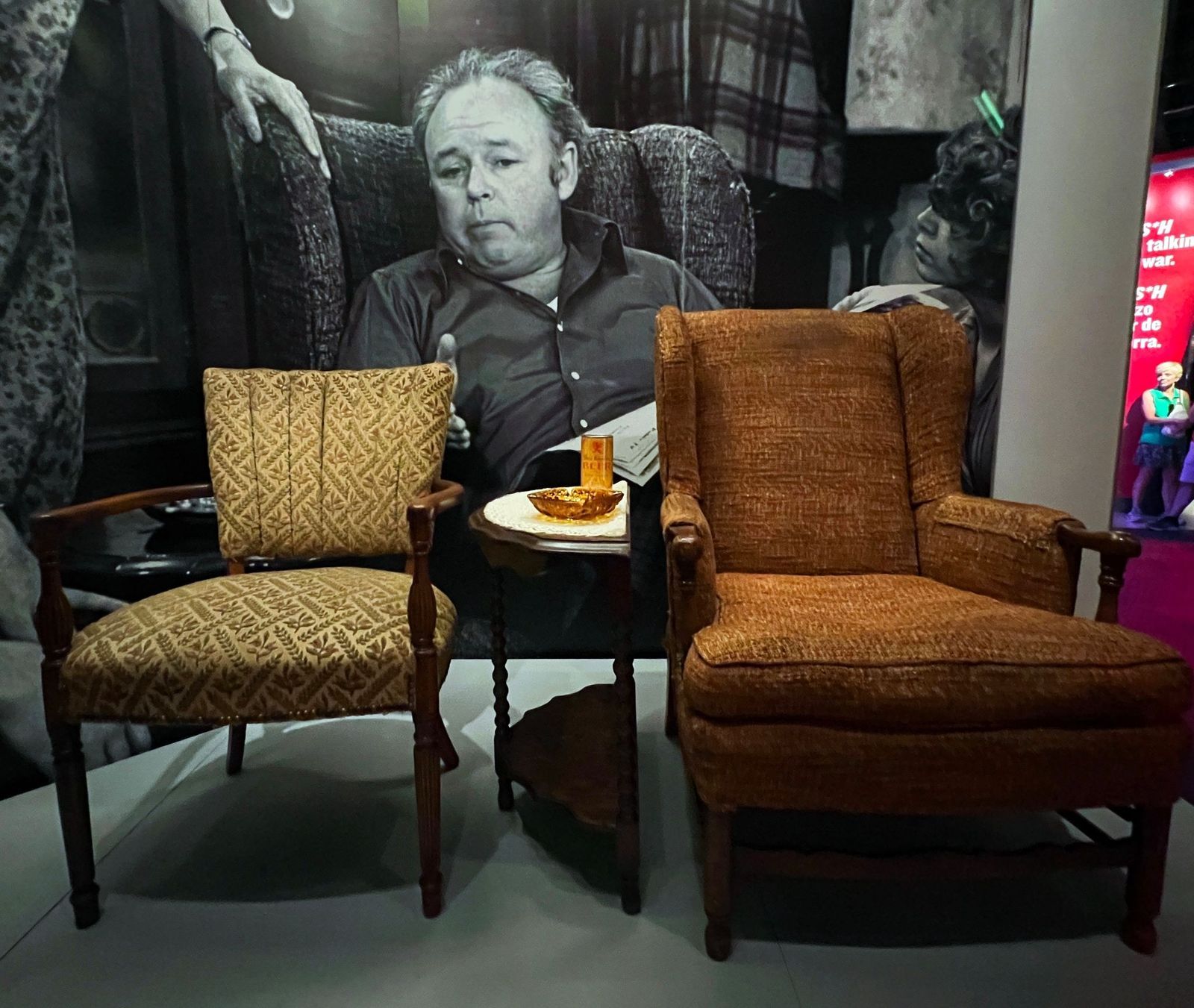
Image: Shutterstock

Carroll O’Connor starred as Archie Bunker in the 1970s sitcom All in the Family . Bunker was a World War II veteran, blue-collar worker, and family man. But above all of these, he exposed the uneasiness and ambivalence some Americans felt as society and its values began to change. Archie was always arguing with his son-in-law, Mike (Rob Reiner), and his daughter, Gloria (Sally Struthers). Their fights touched on the same issues dividing society at the time, including racism, prejudice, and women’s liberation.

6
Sheriff Andy Taylor, The Andy Griffith Show
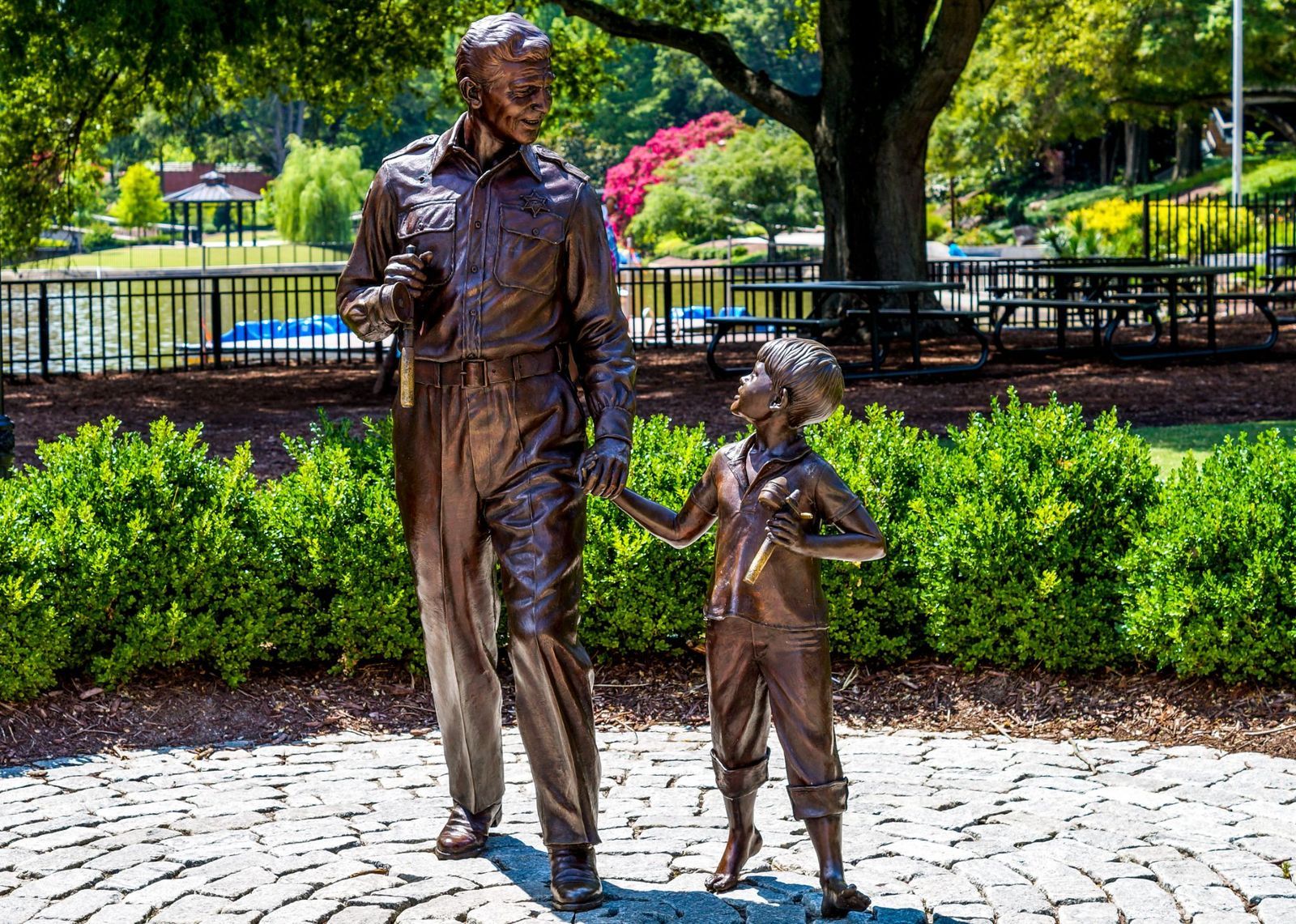
Image: Shutterstock

Andy Taylor was the sheriff of the sleepy town of Mayberry, North Carolina. The Andy Griffith Show aired in the 60s on CBS and became an instant success, ending its last season at number one in the ratings charts.

Sheriff Andy Taylor rarely carried a gun. He instead solved problems with patience, common sense, and conversation. Whether he was dealing with local disputes, teaching Opie a lesson, or keeping Barney Fife out of trouble, Andy usually knew how to make things right. He was much more than the town sheriff: he was also a neighbor, a father, and a trusted friend who truly knew the people he served. During the social and political changes of the 1960s, Andy and Mayberry offered a comforting picture of small-town life, where even the biggest problems were settled with kindness.

7
Samantha Stephens, Bewitched
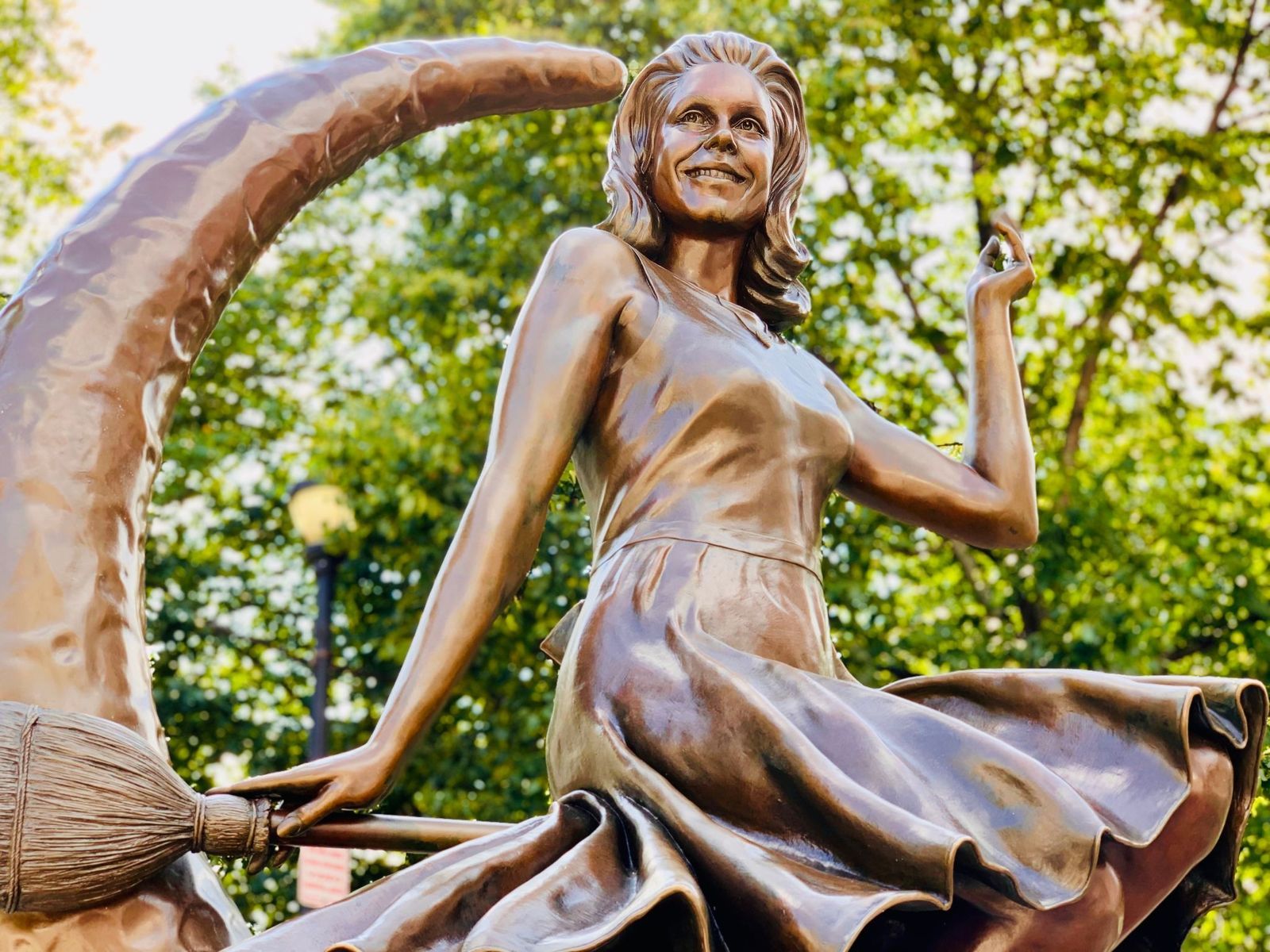
Image: Shutterstock

Bewitched premiered on ABC in 1964, with Elizabeth Montgomery playing Samantha Stephens. Samantha was a powerful witch who married an ordinary mortal, Darrin, and tried to settle into life as a typical suburban housewife. There was only one problem: Darrin wanted her to stop using magic, but Samantha’s famous nose twitch often proved too useful to resist.

Behind the magic and comedy, Samantha reflected the role of women in the 1960s. She loved her husband and family, but she was also independent and far more powerful than anyone around her. Her struggle to fit into Darrin’s idea of a "normal" wife resonated with many women questioning what society expected of them. She tried to blend into the neighborhood while keeping her true identity secret, but her powers could never stay hidden for long.

8
Jeannie, I Dream of Jeannie

Image: Shutterstock

In I Dream of Jeannie , Barbara Eden played a 2,000-year-old genie who lived inside a magical bottle. The story began when astronaut Tony Nelson, played by Larry Hagman, landed on a deserted island and found a bottle on the beach. When he opened it, Jeannie appeared and followed him home, bringing magic and lots of trouble into his carefully ordered life.

Although Tony tried to control her magic, she was usually the most powerful person in the room, and her plans rarely went the way he expected. Mixing space travel with old-fashioned magic gave viewers a fun escape during a time of fast scientific and political change.

9
Mary Richards, The Mary Tyler Moore Show
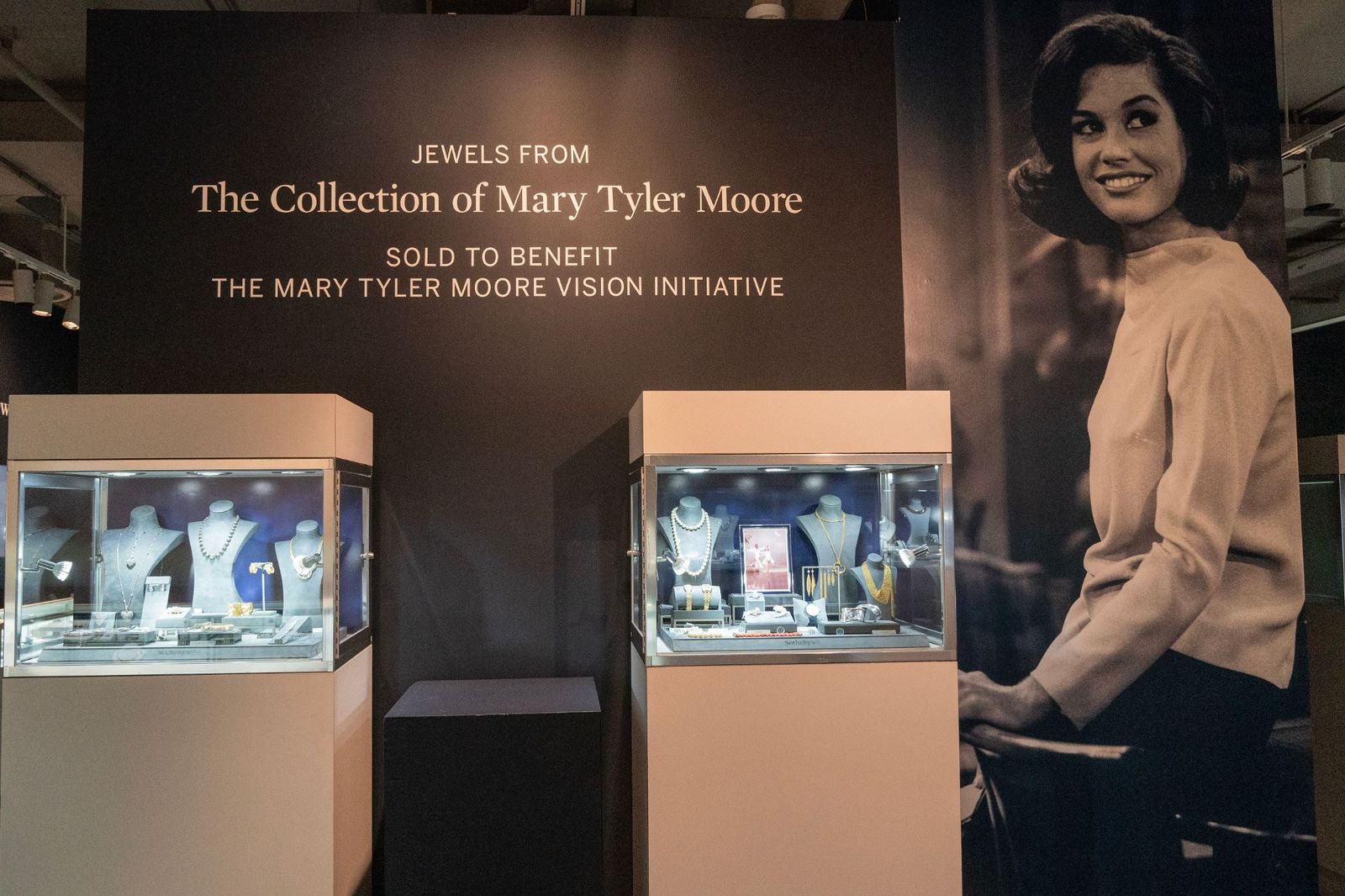
Image: Shutterstock

The Mary Tyler Moore Show first aired in 1970, with the actress playing a single woman in her thirties who moved to Minneapolis to work at a local television newsroom.

Mary had her own apartment, supported herself, and built a life around her career, friendships, and personal goals. She represented a new kind of woman on television that was becoming increasingly common in real life. She was independent and ambitious, but also warm, funny, and easy to relate to. She was not against marriage or family; she simply showed that a woman could enjoy a full, happy life without making either one her only goal. Mary made that path look possible at a time when more women were entering the workplace and questioning everything.

10
Lieutenant Theo Kojak, Kojak
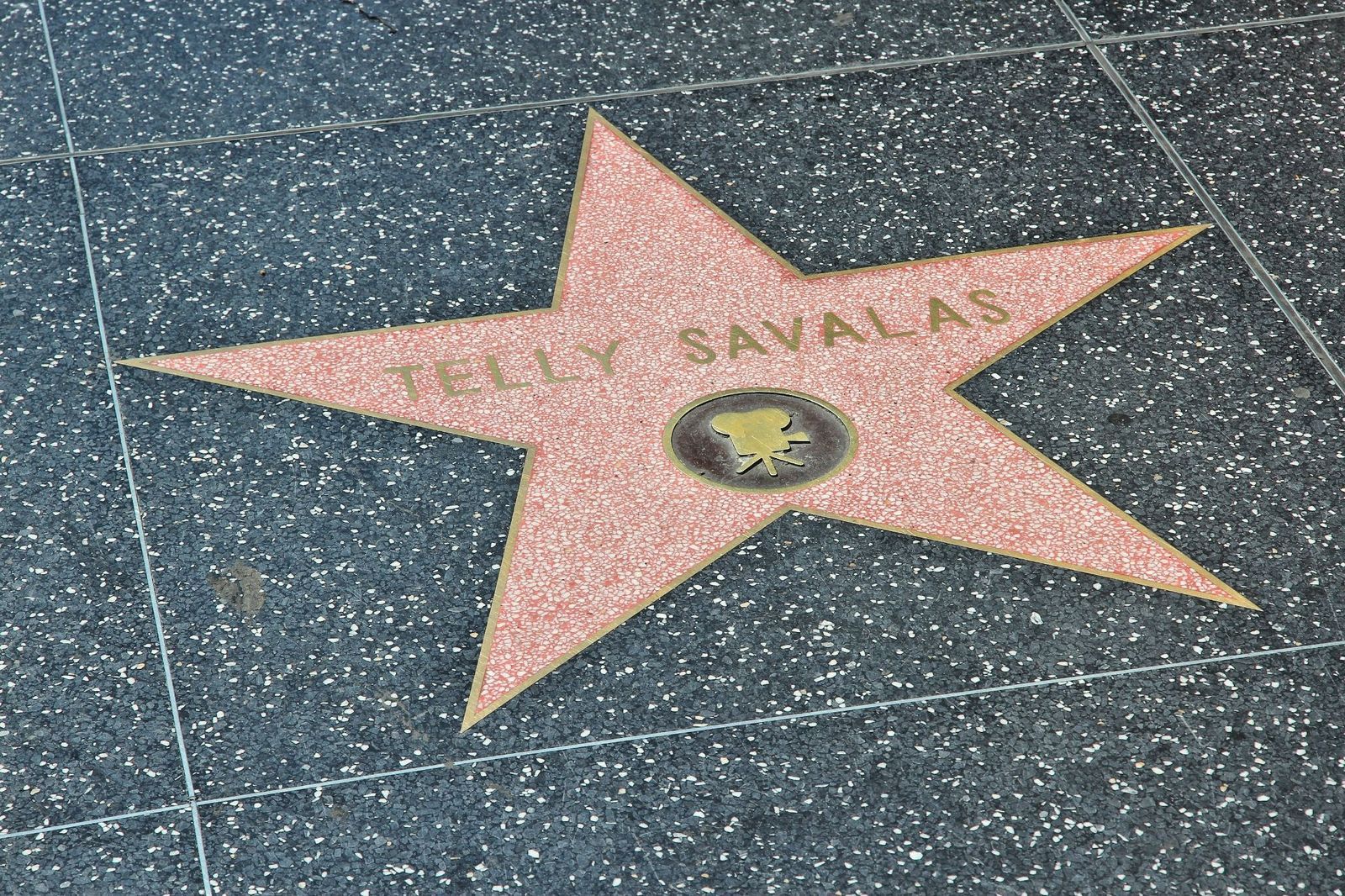
Image: Shutterstock

If Lieutenant Kojak represented one thing, it was surely incorruptible justice. Played by Telly Savalas, Theo Kojak took on crime in the rough streets of New York City in Kojak , which aired from 1973 to 1978.

At a time when political scandals and police corruption had made people suspicious of authority, Kojak was someone viewers could still trust. He often ignored the rulebook and argued with his bosses, but he never let the system corrupt him. Kojak could be tough when he needed to be, but he also cared about victims and people left out by society. With his bald head, sharp suits, ever-present lollipop, and famous "Who loves ya, baby?", he was impossible to confuse with any other TV detective .
General General 4 min read

Before they led the nation

He walked 18 miles to school: Shocking presidential childhood stories

Image: Florida Memory

The figure of the president can feel very serious, but we often forget that behind these leaders were once little kids. From funny pranks to painful moments, today we’ll share 10 surprising facts you probably didn’t know about the childhoods of some of our presidents.

1
John F. Kennedy

Image: History in HD

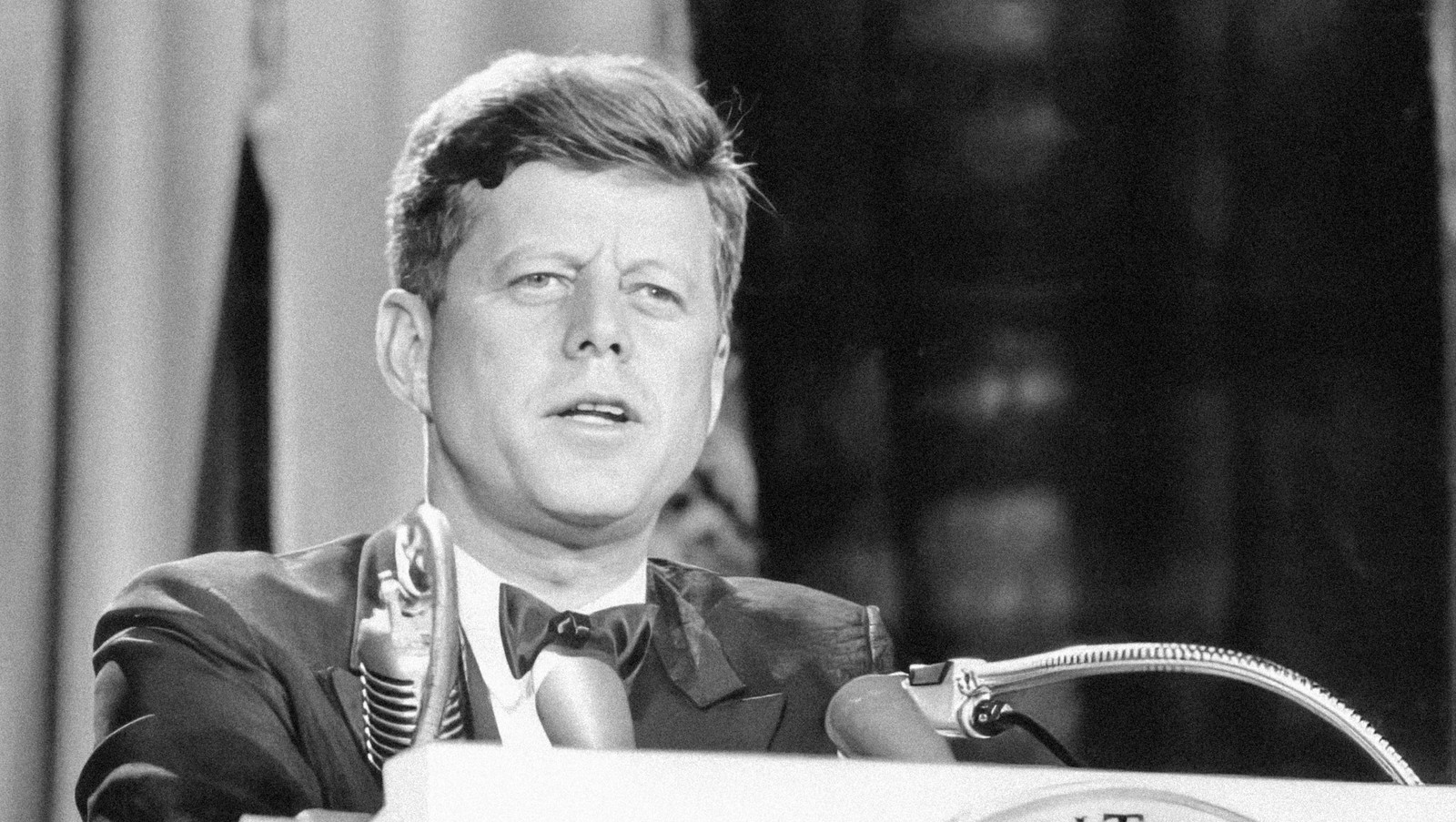
JFK, called "Jack" by his family, grew up with eight siblings in a home that encouraged both physical and intellectual competition. His strict upbringing didn’t stop him from forming the "Muckers Club" at Choate School, a group known for pranks and mischief that nearly got him expelled. Still, he was a popular, athletic student, and when he graduated in 1935, his classmates voted him "most likely to succeed."

2
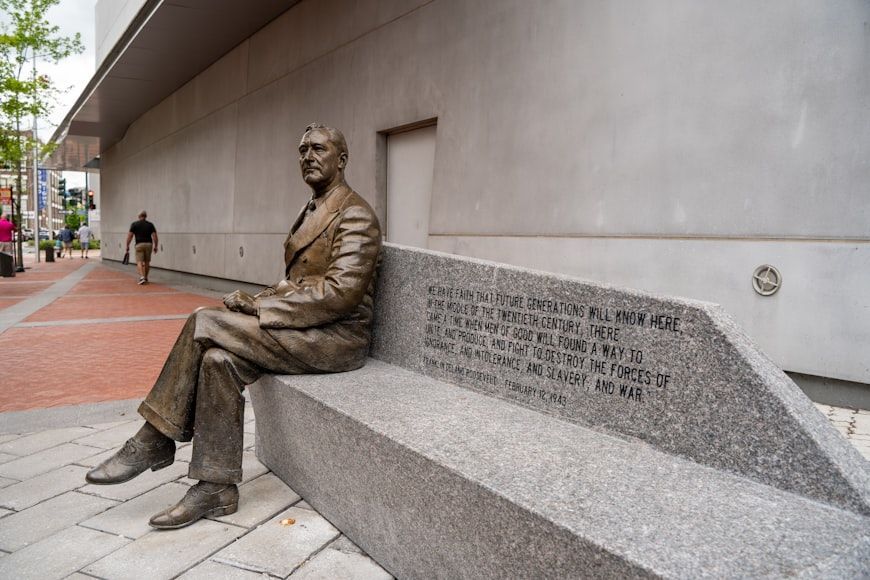
Franklin D. Roosevelt

Image: Jessica Tan

FDR grew up in a wealthy household, enjoying every comfort and taking frequent trips to Europe from an early age. He even visited the White House as a child, where he experienced a moment he would remember years later. When he was five, his family met President Grover Cleveland, who looked at little FDR and said, "My little man, I am making a strange wish for you. It is that you may never be president of the United States," referring to the heavy burden of the office. Curious, isn’t it?

3
Dwight D. Eisenhower

Image: juan pablo rodriguez

Those of us with siblings know just how important they can be, and that was true for young Dwight D. Eisenhower as well. When little Ike was being picked on at school by bullies bigger than him, his older brother Edgar stepped in. One day, Edgar stood up for Ike and made sure the bullies got the message, teaching them (and Dwight) an important lesson.

4
Herbert Hoover

Image: Judy Thomas

Herbert Hoover was still far from becoming president when, at about six years old, he lost his father. He was sent to live with his uncle, a US government agent at the Osage Indian Reservation in Pawhuska, Oklahoma. For a year, young Bertie was surrounded by Native Americans and attended "Indian Sunday School," an experience that later shaped his policies and influenced his choice of Charles Curtis, a member of the Kaw Nation, as vice president.

5
Calvin Coolidge

Image: Joe Dudeck

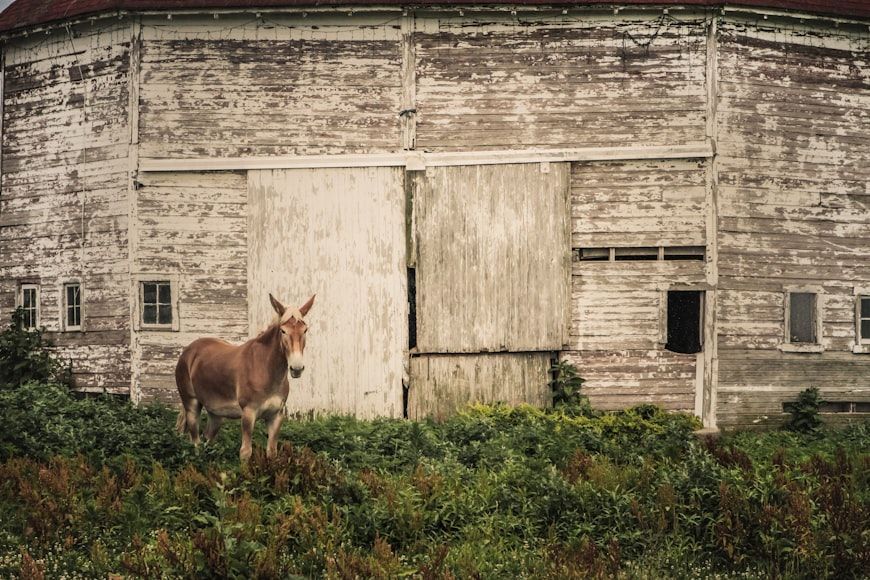
The story goes that in the 1880s, a mule was once found locked inside a classroom at a school in Vermont. Can you imagine the chaos that poor animal must have caused? According to the tale, the culprit was a young Calvin Coolidge, who supposedly did it to get back at a teacher he didn’t like. The story was passed down by people who knew him, and although it was never recorded in official documents, it’s a fun contrast to the quiet, reserved man he later became as president.

6
Bill Clinton

Image: Lesli Whitecotton

Young Bill was often described as "unbearably responsible." According to one story, when he was in high school, a classmate once turned to him and said, "Don’t you ever break any rules? You’re a teenager!" Still, even this calm, rule-following kid had a mischievous moment: with some friends, he once spent a couple of hours tossing acorns at passing cars. Harmless, right? As long as it wasn’t your car!

7
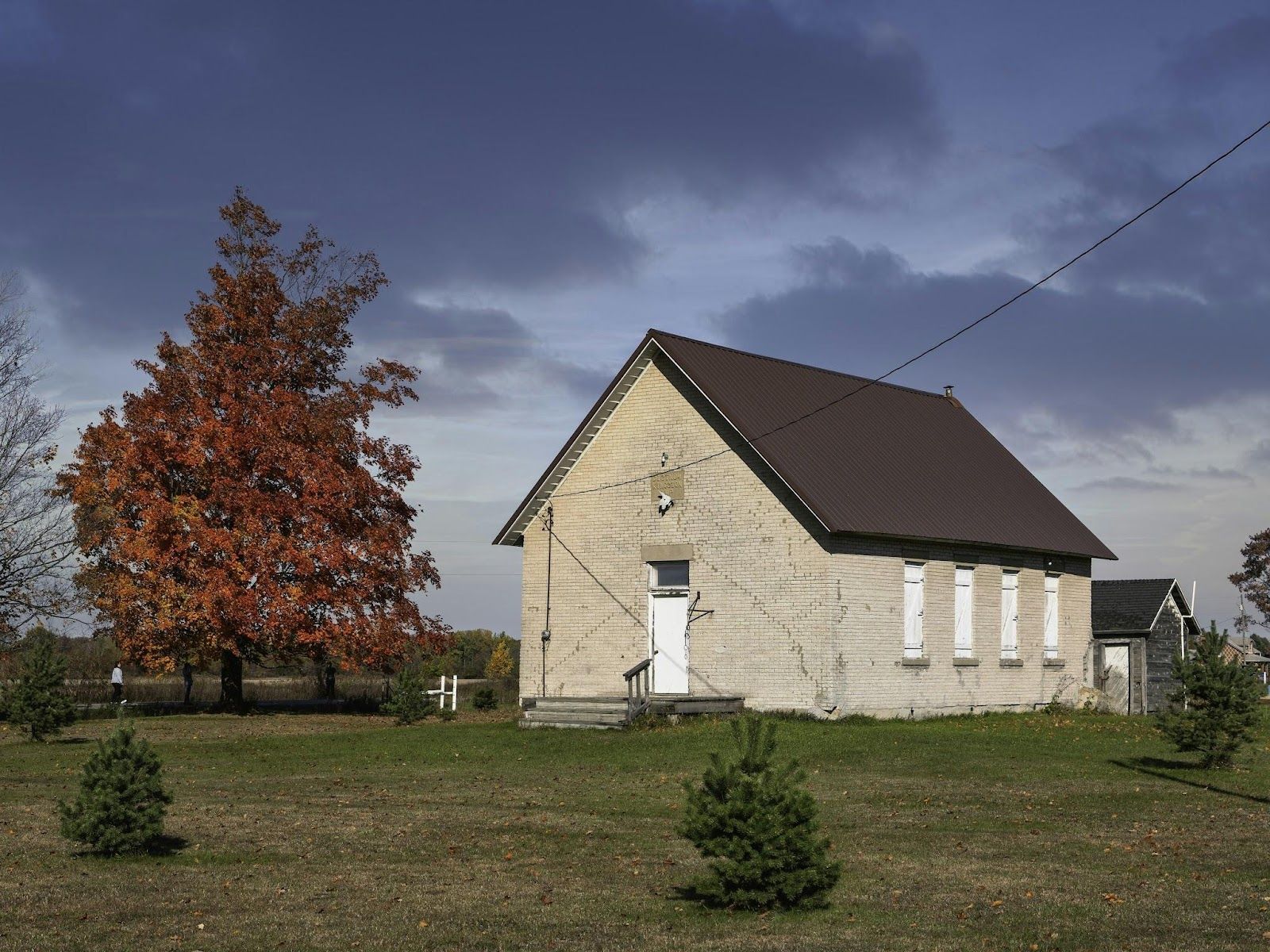
John Tyler

Image: Brad Switzer

Apparently, young John Tyler had a rebellious, righteous spirit. There’s a story from his youth that shows it perfectly: when he was just 10 years old, he led a revolt at his one-room schoolhouse against a teacher who was cruel and despotic. According to the tale, when the teacher complained to his father, Judge John Tyler, he replied, "Sic semper tyrannis!"

8
Abraham Lincoln

Image: Jacob Thorson

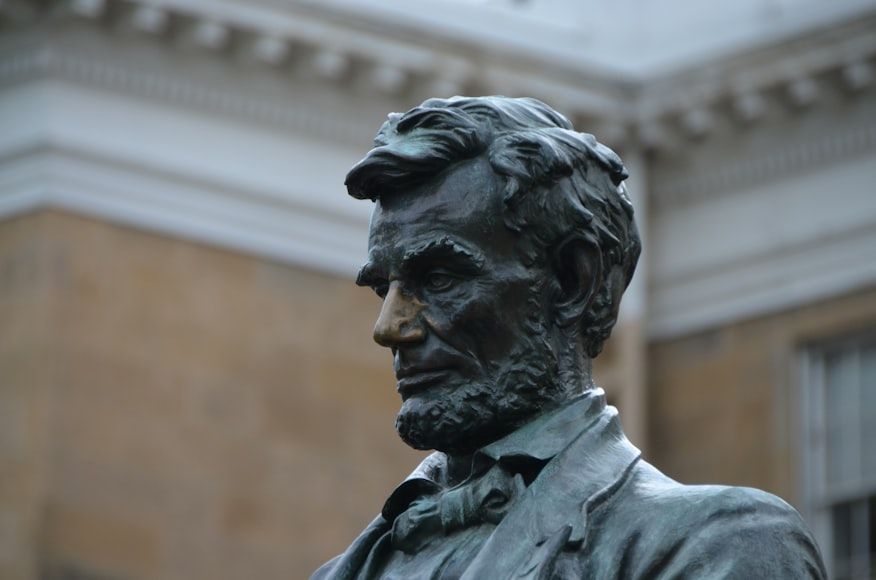
Although she never attended school herself, Abraham Lincoln’s mother believed it was important for her children to get an education, so they began attending one in a nearby town. The thing is, it wasn’t very close: the future president Lincoln and his older sister walked a little over nine miles to school, and another nine back home every day. Talk about perseverance!

9
Ronald Reagan

Image: Nicolas HIPPERT

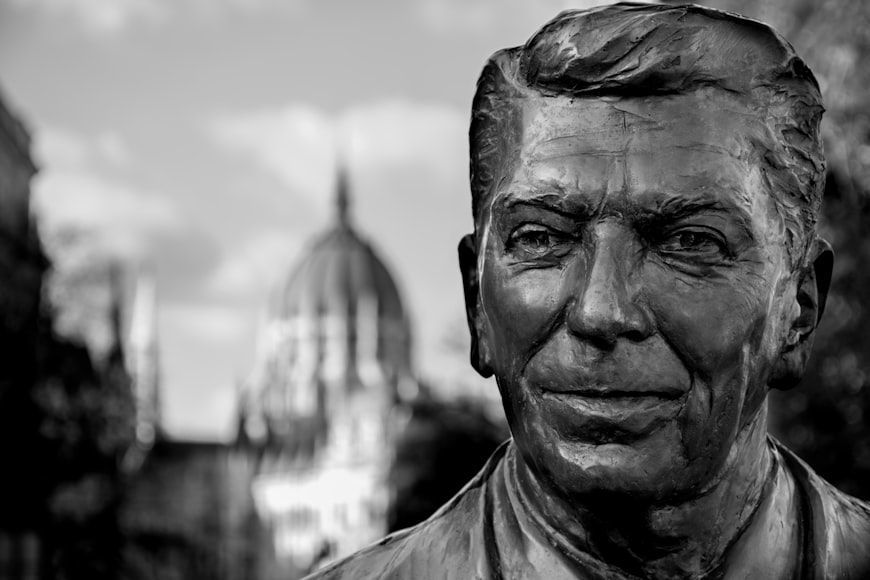
Ronald Reagan was born on February 6, 1911, in Illinois. Although his future would be very bright, his childhood wasn’t easy. From an early age, he struggled with vision problems, which made it hard for him to see clearly and focus on activities he liked, such as sports. But everything changed at 13, when he was finally prescribed his first pair of glasses, and soon landed his first job as a lifeguard. For several summers during his youth, he dove into the water to save people, an experience that, according to Reagan himself, gave him the confidence that stayed with him for the rest of his life.

10
Ulysses S. Grant

Image: Fabian Burghardt

According to historical sources, Ulysses S. Grant showed an extraordinary ability with horses from an early age. So strong was his talent that people in his town brought him their "problem horses" to train. It is said that, at just 10 years old, he led a 40-mile journey driving a team of horses carrying passengers, a remarkable feat for someone so young!

History History 6 min read

Would you dare go in?

From Lincoln to Lizzie Borden: The 14 most haunted spots in America

Image: Sandy Flowers

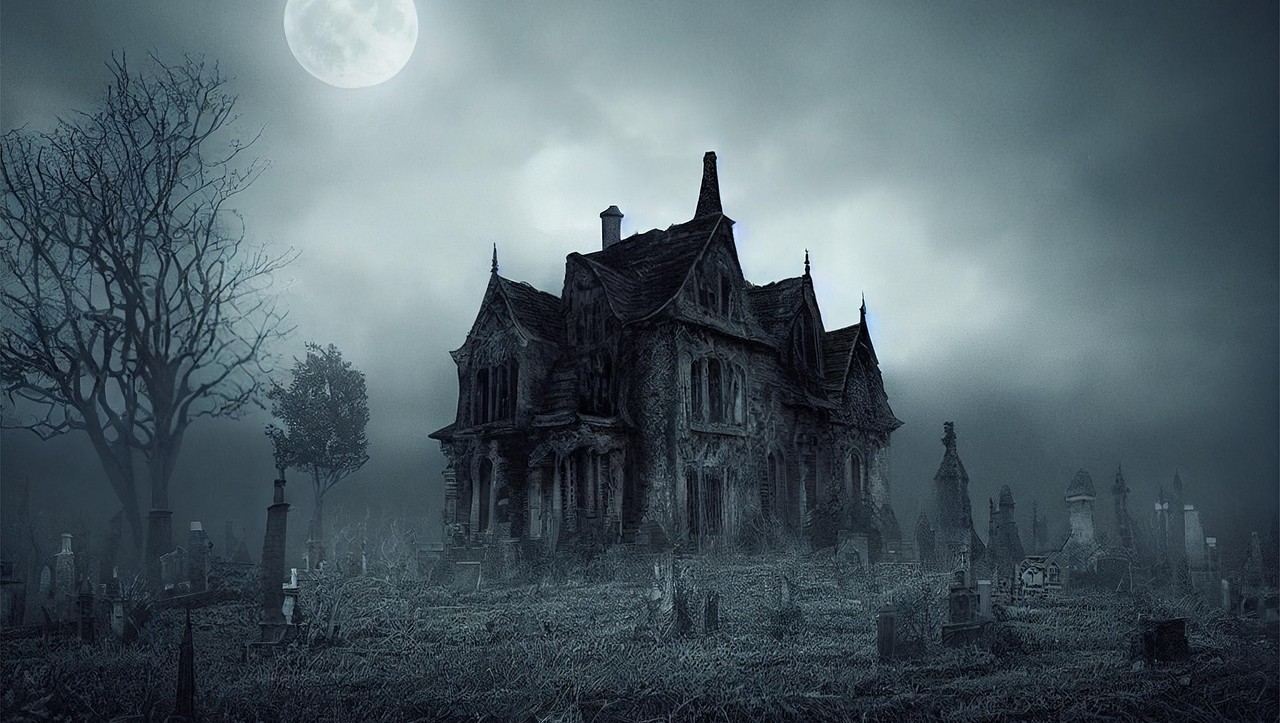
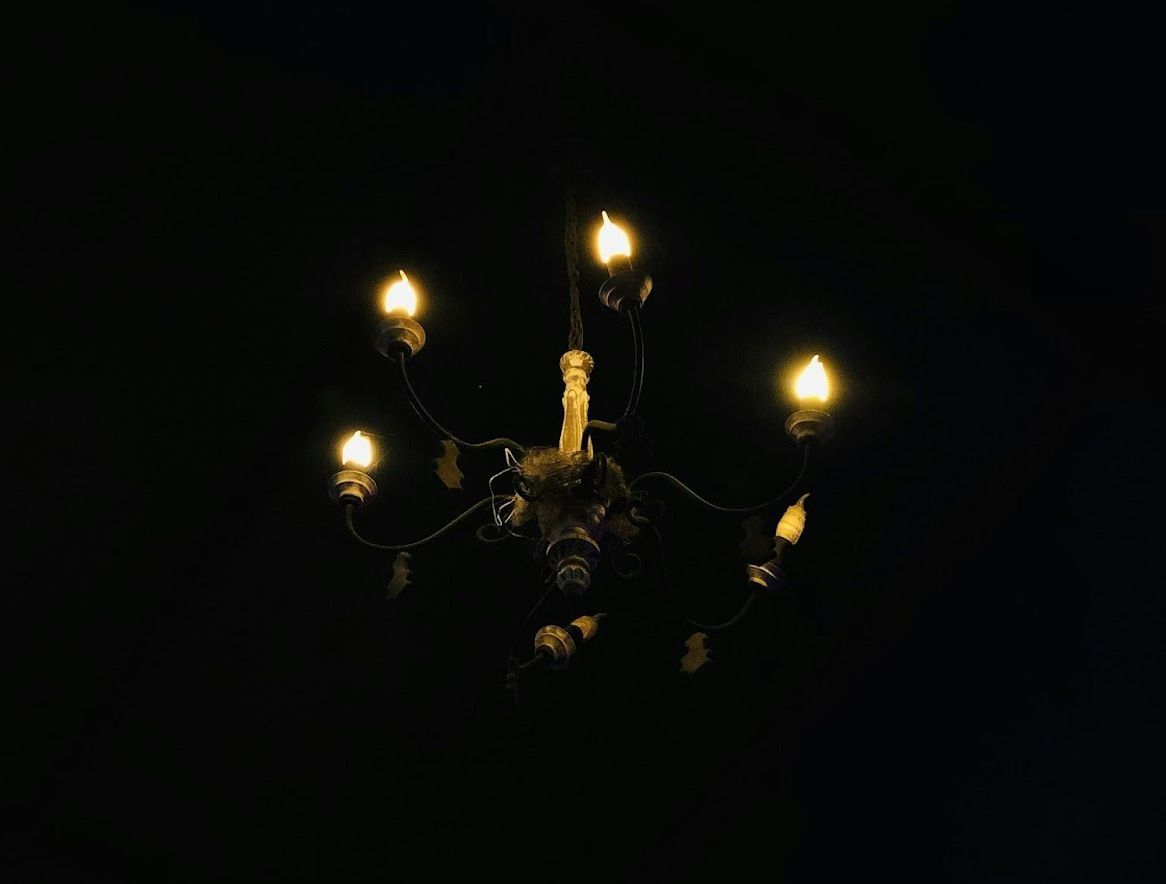
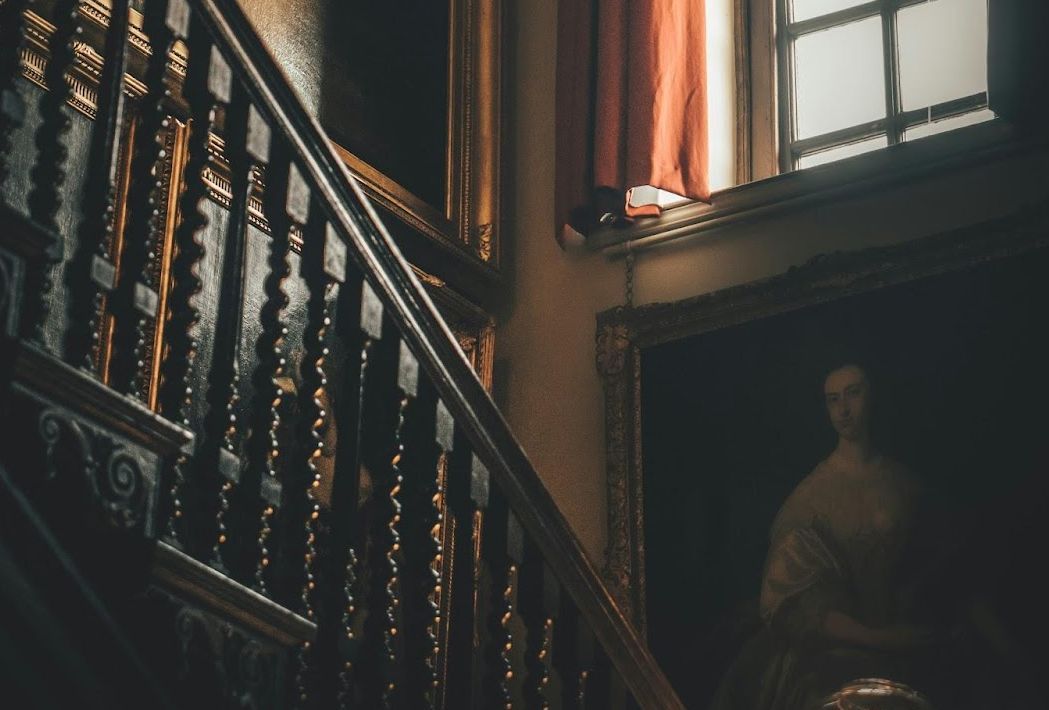
We know—it’s one thing to watch a scary movie hidden behind a giant bag of popcorn, and a very different thing to step into a dark, allegedly haunted house while an eerie, chilly breeze brushes your neck. Here, we’ve made a list of houses, hotels, and mansions in America with the spookiest claims of paranormal activity . Which one would you be brave enough to visit?

1
The Whaley House in San Diego, California

Image: Ivan Borinschi

The Whaley House is one of the few homes officially deemed "haunted" by the US government. Visitors report footsteps echoing in empty hallways, cold spots that won’t go away, and spectral figures on the stairs. How did it come to this? Built in 1857 by Thomas Whaley, the house stands on the site of former gallows. Whaley installed San Diego’s first brick house, which included a courtroom, general store, and theater space.

Unfortunately, Whaley’s daughter died by suicide in the house, and other family members passed away under the same roof. Accumulated tragedies and a spooky old house were enough to turn this eerie spot into a museum.

2
The Roosevelt Hotel in Los Angeles, California

Image: pure julia

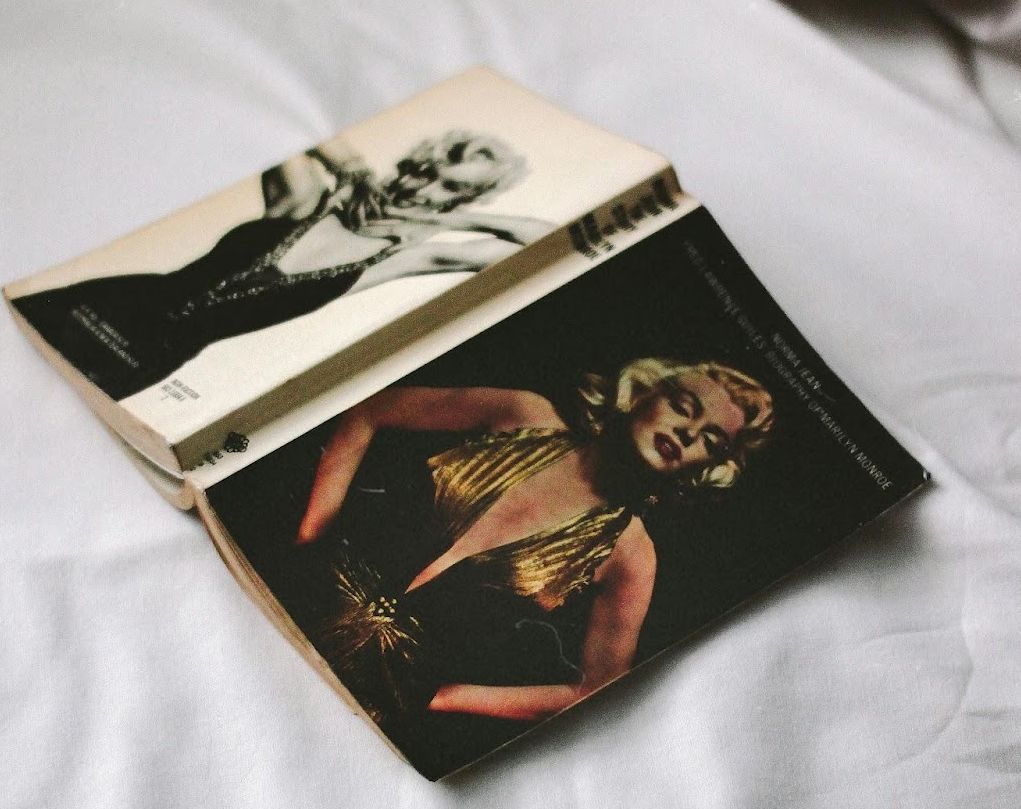
Built in 1927, this glamorous hotel hosted the very first Academy Awards. Stars like Clark Gable, Charlie Chaplin, and Marilyn Monroe were among its esteemed guests. But, according to recent visitors, Monroe never really checked out.

She is said to appear in a mirror that once hung in her poolside suite. Guests have reported seeing the reflection of a blonde woman behind them, only to turn around and find no one there. How would you react?

3
The White House in Washington, D.C.

Image: Suzy Brooks

Did you expect to find America’s most powerful address on this list? As it turns out, presidents, first ladies, and staff have all reported eerie encounters over the years, with Abraham Lincoln’s presence as a recurring theme.

Queen Wilhelmina of the Netherlands allegedly fainted after seeing his ghost, and Eleanor Roosevelt claimed to feel his presence. Even Winston Churchill and Ronald Reagan contributed to the stories of a mysterious presence in the Lincoln Bedroom. Reagan famously reported that his dog, Rex, refused to enter the room.

4
The Winchester Mystery House in San Jose, California

Image: Brett Wharton

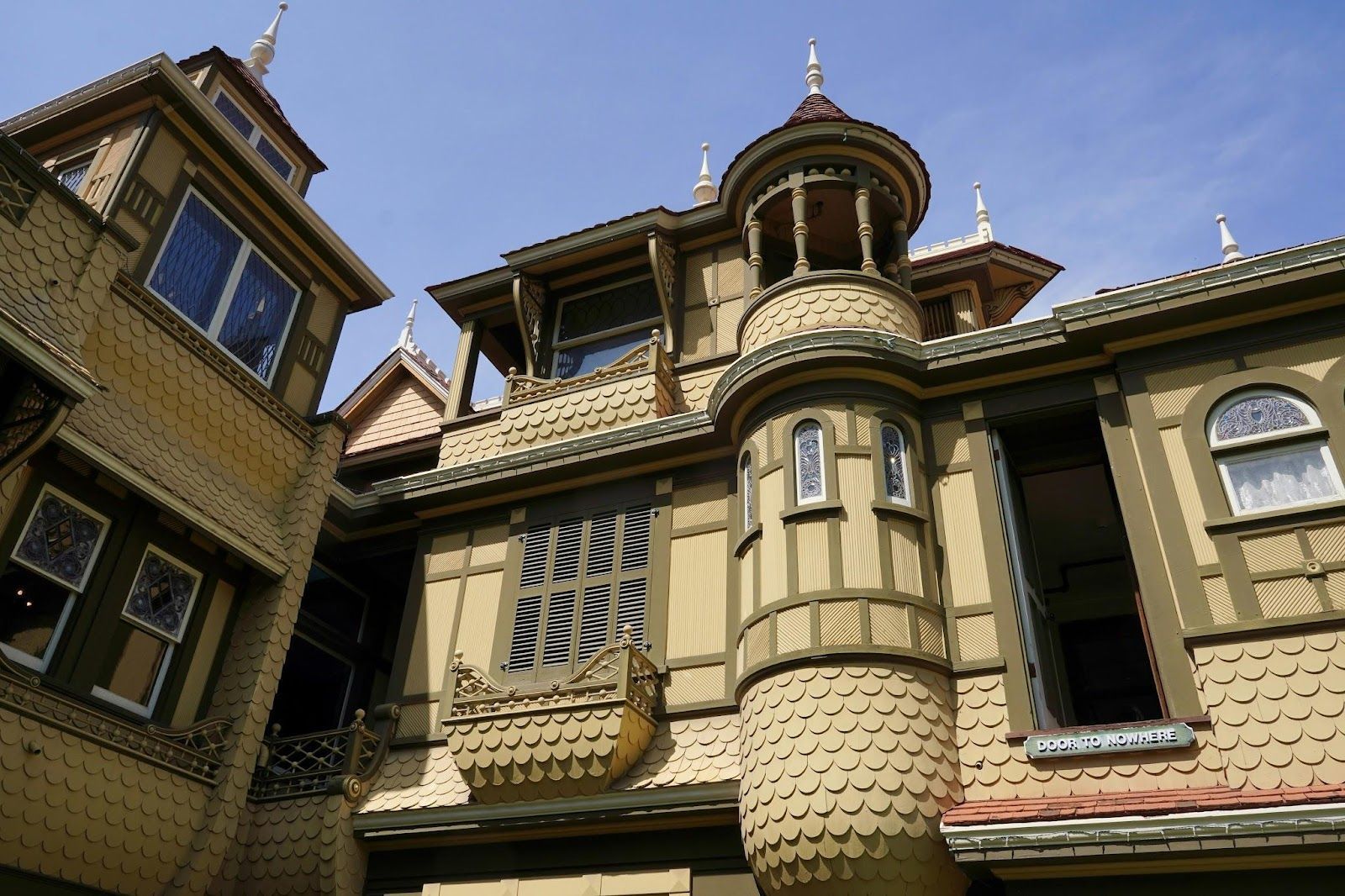
When it comes to haunted mansions, Sara Winchester’s old Victorian-Gothic house will always sit in the podium.

After her wealthy husband and several family members died within months of each other , Sara began commissioning the construction of this puzzling house, which remained under continuous construction for 38 years. Naturally, it’s a bit of a labyrinth.

With staircases that lead nowhere, séance rooms, and flickers of shadowy figures here and there, the house stands as a monument to grief—and to ghosts.

5
The Villisca Axe Murder House in Villisca, Iowa

Image: Kevin Schmid

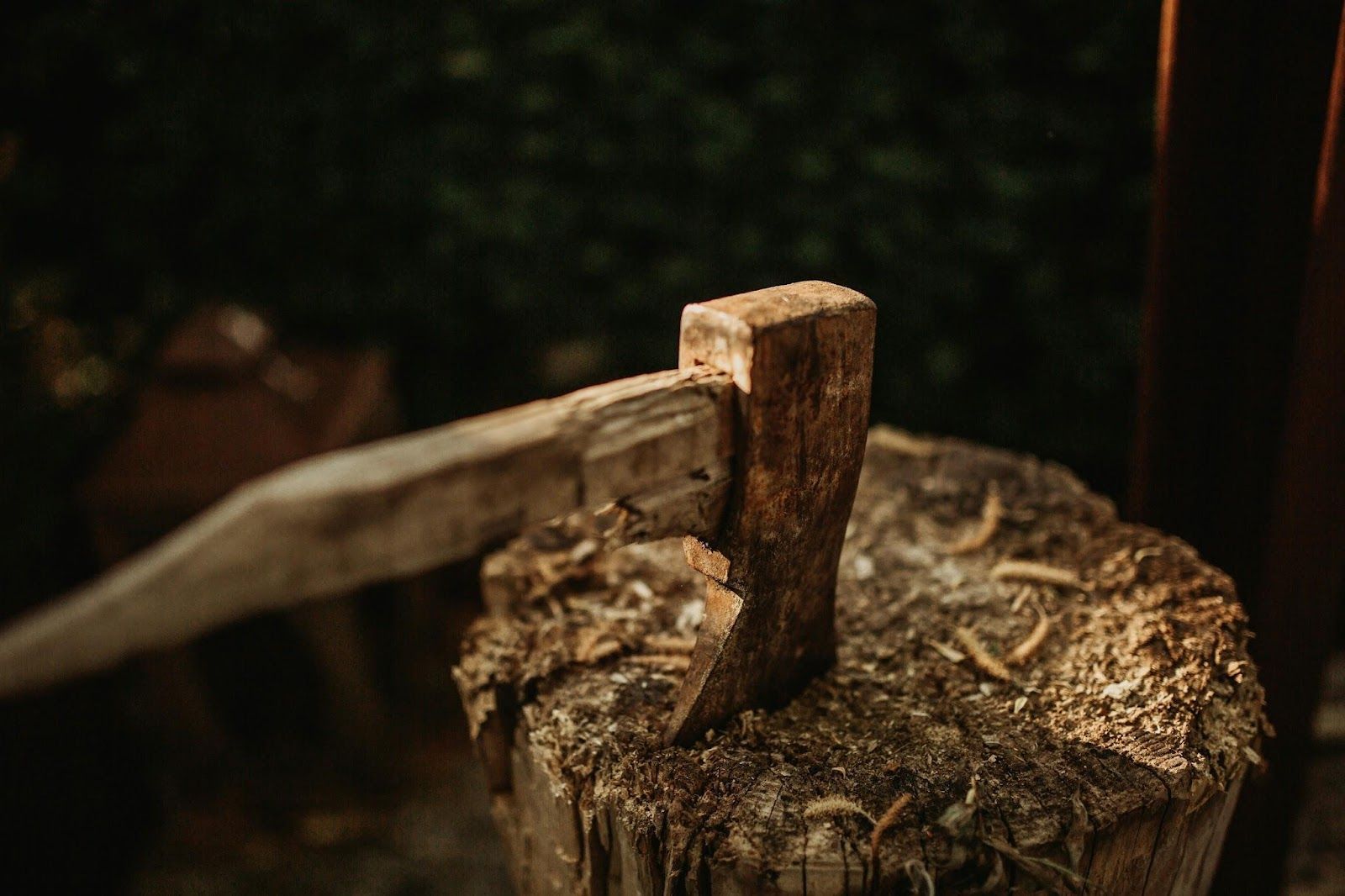
It might look like a quaint white farmhouse, but in 1912, it was the site of one of America’s most brutal unsolved murders. The Moore family and two guests were killed with an axe while they slept. There were no witnesses, and no real explanation was ever found.

Today, the house remains frozen in time, restored to its 1912 condition. Creaking floors, oil lamps, and a whole lot of uneasy silence.

6
Lizzie Borden House in Fall River, Massachusetts

Image: Bee Felten-Leidel

You know the rhyme: "Lizzie Borden took an axe…" This New England house was the scene of one of America’s most infamous double murders in 1892. Lizzie was acquitted, but many believe she was responsible for the deaths of her father and stepmother, who were found dead under violent and suspicious circumstances.

Today, the house operates as a B&B for the brave and the curious. Guests have reported hearing footsteps, whispers, and even muffled cries coming from empty rooms. Some even choose to sleep in the very bedroom where Abby Borden met her tragic end.

7
The Lemp Mansion in St. Louis, Missouri

Image: Dhruv vishwakarma

Once home to the wealthy Lemp brewing dynasty, the mansion witnessed four family suicides between 1904 and 1949. That’s enough to make anyone who steps inside feel a bit… uncomfortable.

The family was cursed by misfortune: mental illness, failed fortunes, and mysterious deaths. Guests now report heavy footsteps in empty halls, strange knocking, and even ghostly apparitions—especially in the downstairs bathroom, where one Lemp took his own life. Today, it operates as a restaurant and inn.

8
Franklin Castle in Cleveland, Ohio

Image: Rob Potter

This Victorian mansion looks like it was designed to be haunted. Built in 1881 by Hannes Tiedemann, the home witnessed the deaths of several of his children and his wife within a short period.

Since then, tales of secret passageways, Nazi spies, and ghostly weeping have become forever attached to the castle. Owners have come and gone , but as the locals expected, none have chosen to stay.

9
The Sallie House in Atchison, Kansas

Image: Caroline Rogers

What began as a doctor’s residence in the 1800s took a dark turn when a young girl named Sallie allegedly died on the operating table . Her ghost, people say, began tormenting a later male resident, scratching, shoving, and even burning him.

Paranormal teams have confirmed that lights flicker, toys move on their own, and male visitors, especially, report sudden feelings of hostility.

10
The House of Death in New York, New York

Image: With Paul

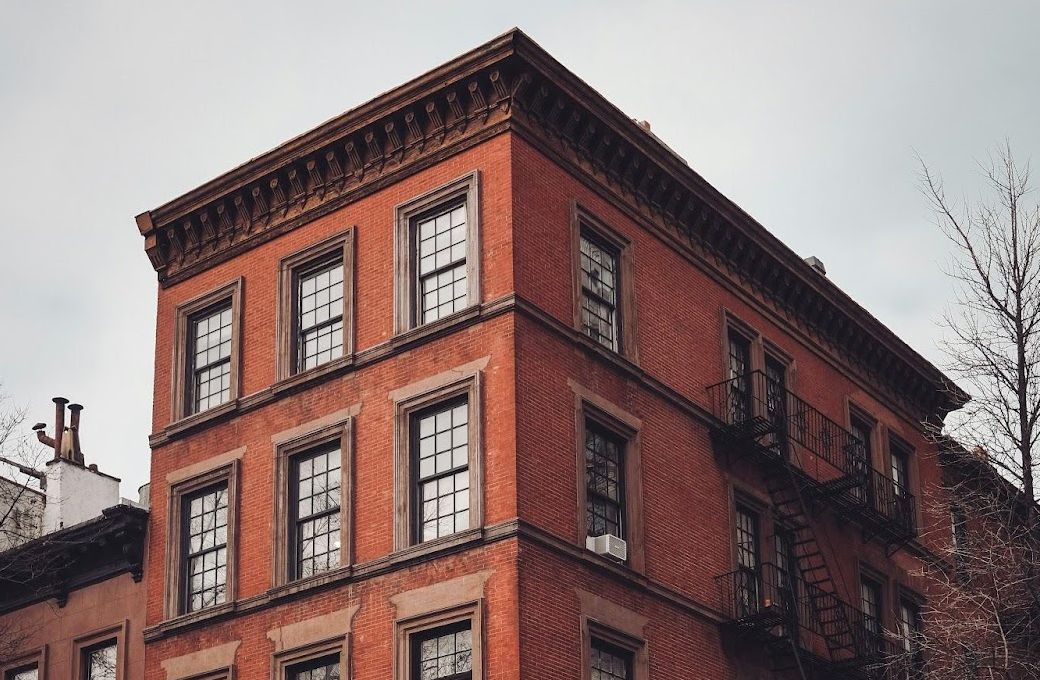
Behind the brownstone elegance of 14 West 10th Street in Greenwich Village lies one of NYC’s darkest secrets: over 20 reported deaths have occurred there.

Mark Twain was its most famous tenant , living there briefly in 1900. He once recounted a story about a floating log inside the house, but insisted that a rodent must have been responsible. Paranormal enthusiasts, however, refuse to believe his explanation and now claim that Twain’s ghost also haunts the house.

11
The Joshua Ward House in Salem, Massachusetts

Image: Blake Cheek

This Georgian brick home sits under a dark curse in Salem. Its original land once held the jail of Sheriff George Corwin, infamous for torturing accused witches during the 1692 Salem Witch Trials. Known as the "Strangler," Corwin died of a heart attack at age 30 and was secretly buried in the basement.

Today’s residents and visitors report strangled sensations, cold drafts, and photographic anomalies—including a famous 1980s photo that appears to show a ghostly woman dressed in black with no eyes.

12
LaLaurie Mansion in New Orleans, Louisiana

Image: Alain Pierre-Lys

Few stories are darker than that of Madame Delphine LaLaurie, a socialite whose elegant French Quarter mansion concealed an appalling secret. In 1834, a fire revealed a hidden attic where enslaved individuals had been cruelly confined under horrific conditions.

LaLaurie fled to Paris, but the ghost stories remained. Visitors claim to hear moans and phantom footsteps and to see shadowy figures. Actor Nicolas Cage once purchased the property but quickly sold it, claiming bad luck followed him.

13
The Bell Witch Cabin in Adams, Tennessee

Image: Alex Vinogradov

This cabin marks the site of one of America’s oldest and most documented hauntings: that of the Bell Witch . This ghost received the nickname for haunting the Bell family in the 1800s. For years, the family endured a spirit that scratched walls, pulled hair, and even spoke in full sentences.

Legend has it that the entity killed patriarch John Bell. To this day, the rebuilt cabin and nearby cave remain popular destinations for ghost hunters.

14
The Riddle House in West Palm Beach, Florida

Image: Braden Wagner

Originally a funeral home (already a chilling start, right?), the Riddle House was later converted into a private residence. The story goes that it became haunted after an employee named Joseph hanged himself in the attic.

The house was eventually moved to Yesteryear Village to be preserved as a historical site, but it seems the ghosts made the trip too.

Explore more American facts

Choose your favorite category!

General
General

As American as apple pie—the very best America has to offer!

Culture
Culture

Delve into the astounding richness of American lore.

Geography
Geography

Hop in and explore vast and diverse American landscapes.

History
History

Discover the key moments that shaped the United States.