General General 5 min read

What bird species can recognize human faces and remember them for years?
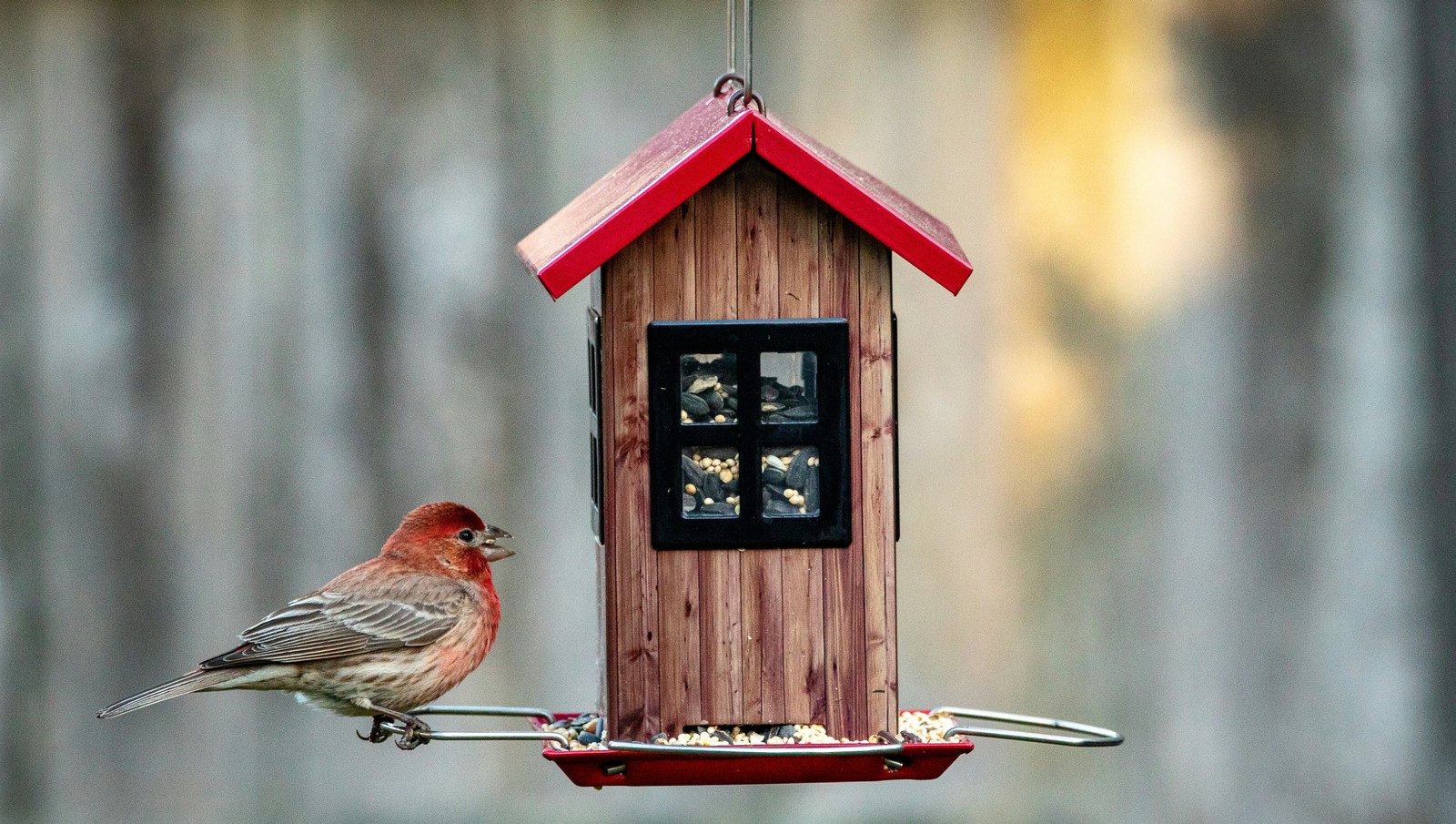
Image: Joshua J. Cotten

Backyard birding doesn’t require binoculars, special gear, or even much planning. Just a window, a cup of coffee, and a bit of curiosity. Across the United States, from the Rockies to the coastal plains, a colorful cast of familiar birds visits neighborhoods every day. Whether you catch the bright flash of a cardinal, the quick zip of a hummingbird, or the clever antics of a crow, these 12 backyard birds offer stories worth noticing. Keep reading to learn their traits and what you can do to lure them in for a closer look.

1
American Goldfinch
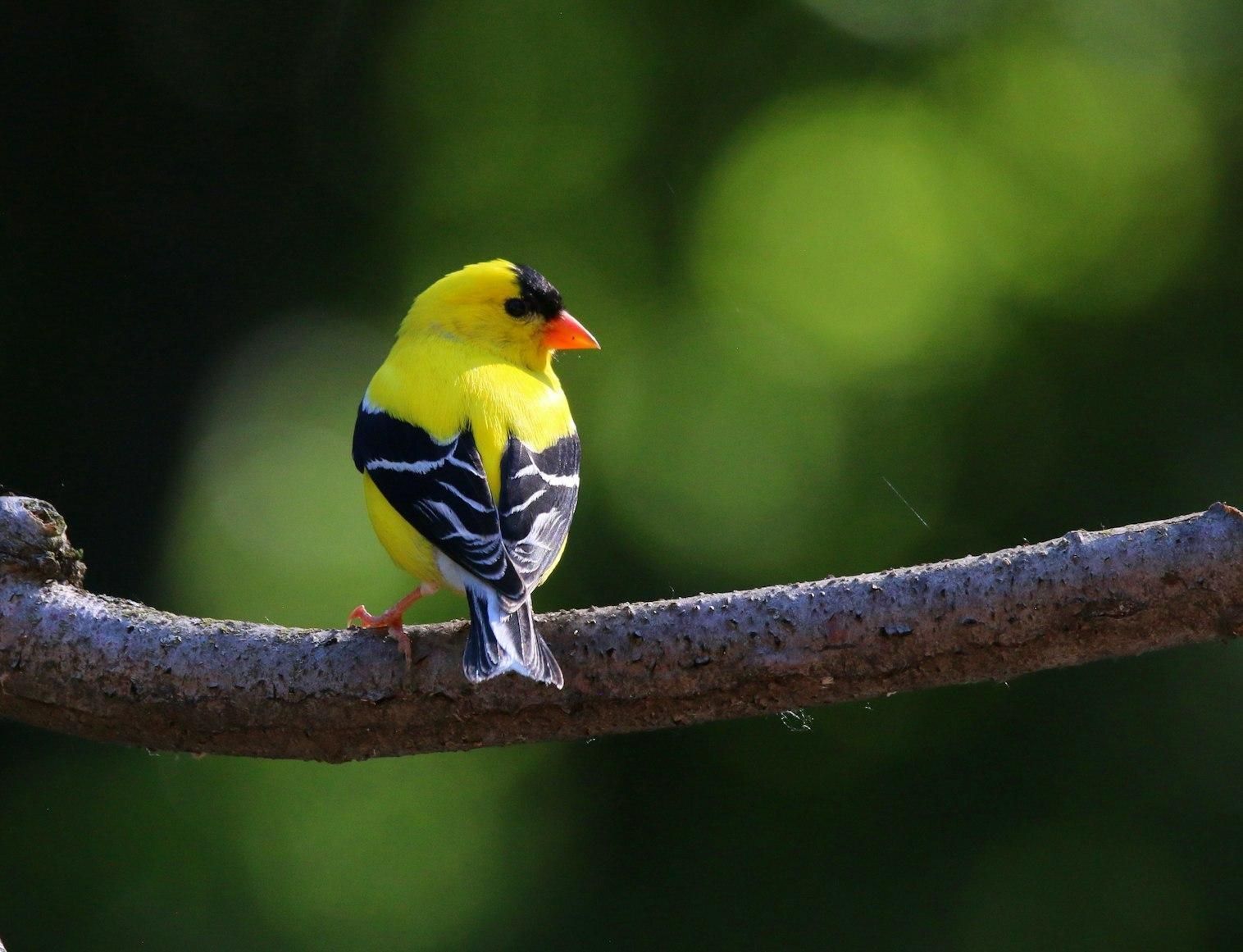
Image: Paul Crook

If you’ve spotted a drop of sunshine landing on your feeder sometime in the summer, that’s the American Goldfinch. Males turn a vivid yellow each year thanks to a complete molt, usually finished by late May.

They’re found coast-to-coast but are especially common in the northern and central U.S., where they favor open meadows and backyard thistle feeders. Unlike most songbirds, they nest late, often waiting until July when thistle seeds peak. If you see a tiny bird—barely 5 inches long—bouncing through the air in a roller-coaster flight pattern, you’ve found the American Goldfinch.

2
Blue Jay
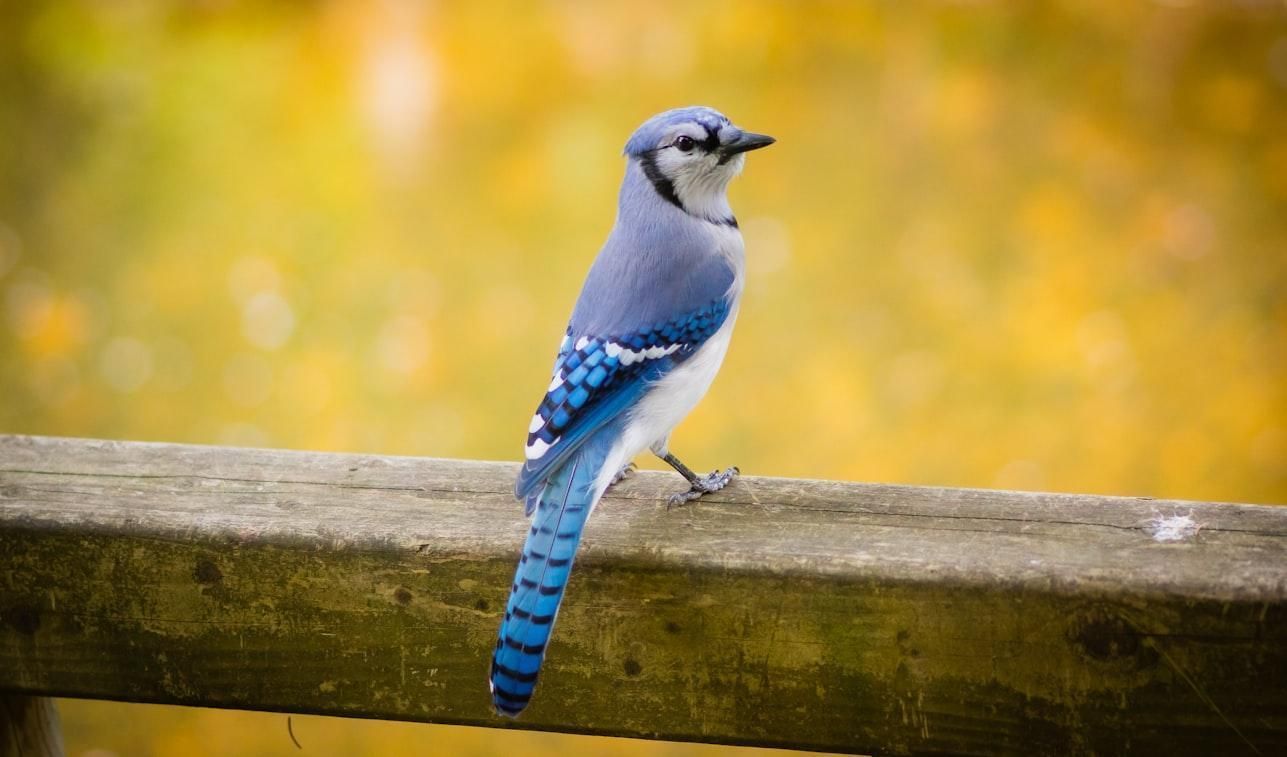
Image: Ruben Ortega

Blue Jays are known for being loud, confident, and colorful. Throughout the eastern half of the U.S., from Florida to Maine, they flash electric-blue wings marked with black "bar codes." Their blue color is actually a light trick: microscopic feather structures scatter wavelengths to create the hue. Another fun fact: back in the 1970s, researchers discovered they can mimic hawks, a clever way to scare other birds away from food.

3
American Robin

Image: Vijayalakshmi Nidugondi

Long before digital calendars, people guessed the seasons thanks to this bird. The American Robin’s spring chorus has been recorded in journals as early as the 1800s, marking the end of winter across most of the U.S. They’re widespread, found in all lower 48 states and even in Alaska during summer. Robins stand upright, tugging worms from lawns with that unmistakable rusty-orange chest. Adults measure about 10 inches long, roughly the size of a small paperback book.

4
Ruby-Throated Hummingbird
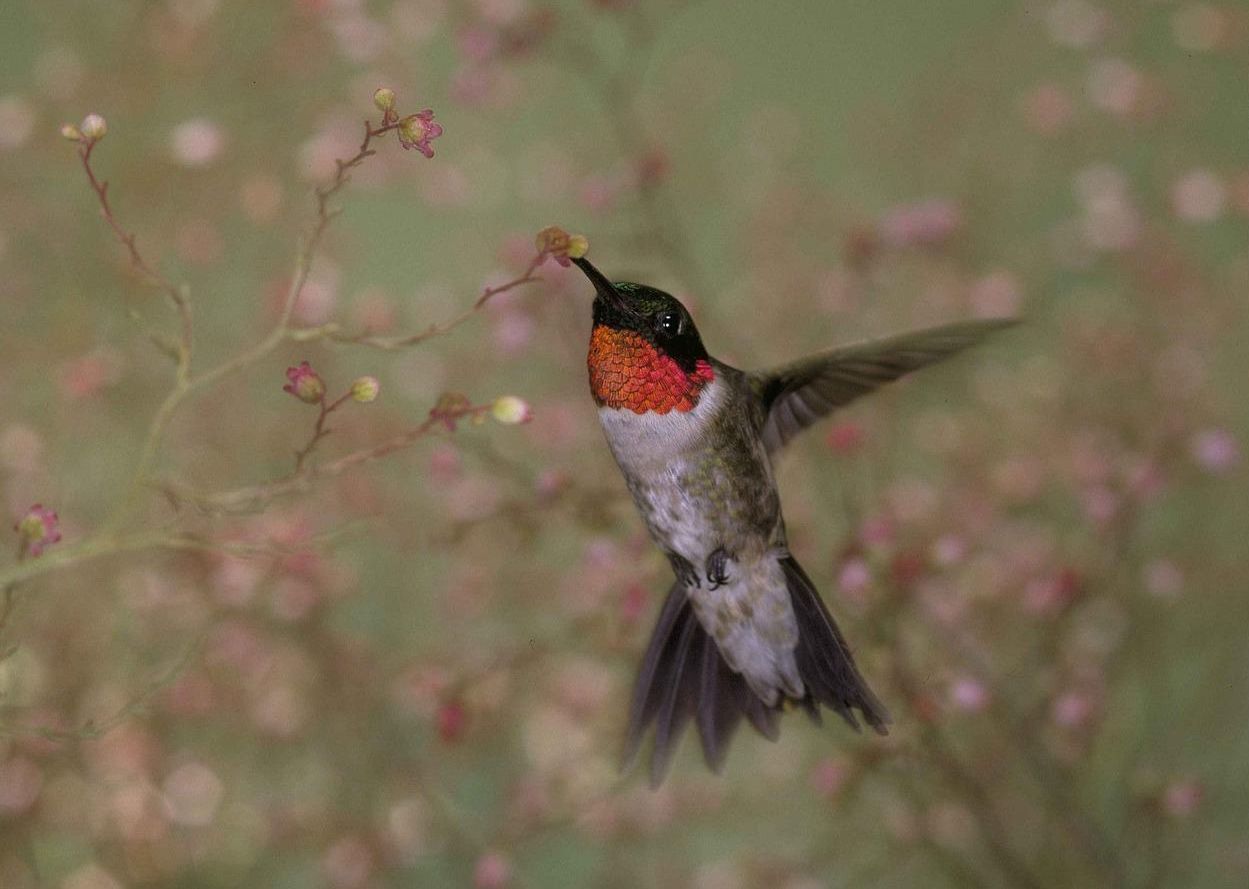
Image: PublicDomainImages

If you’ve ever seen a green flash zip past your porch faster than a camera shutter, it may have been a Ruby-throated Hummingbird. It is the only hummingbird species that breeds east of the Mississippi. It weighs 0.2 ounces—as little as a nickel!—yet crosses the Gulf of Mexico during migration. Males display an iridescent red throat that lights up when sunlight hits at the perfect angle. A single feeder with a simple sugar solution can lure them in from May through September.

5
Northern Cardinal
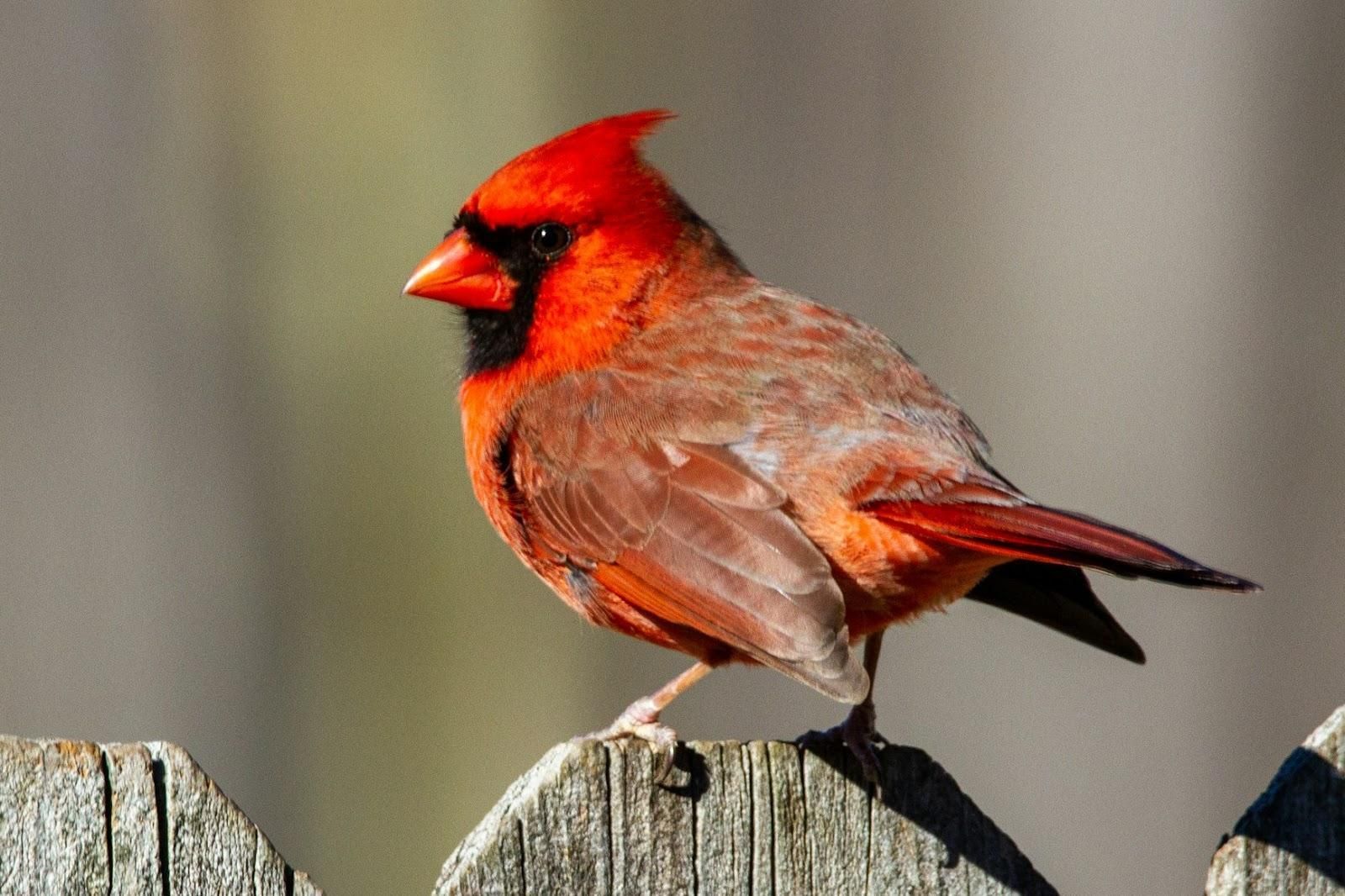
Image: Joshua J. Cotten

Northern Cardinals look like Christmas on wings, and it’s easy to see why. Males glow bright red, while females wear warm browns brushed with hints of red. They live year-round in the eastern and central U.S., especially in woodlots and suburban yards. Cardinals measure about 9 inches long and crack seeds with thick, powerful bills. Their "what-cheer!" call is one of the most recognized bird sounds in North America.

6
Song Sparrow

Image: Patrice Bouchard

At first glance, this little brown bird might look like one of many, but listen closely. Song Sparrows have been studied for their remarkable vocal variety; a single male may sing more than 10 distinct song types. They’re common nationwide, from the Atlantic to the Pacific, but differ subtly by region. They’re small—around 6 inches—but their voice carries surprisingly far.

7
Black-Capped Chickadee
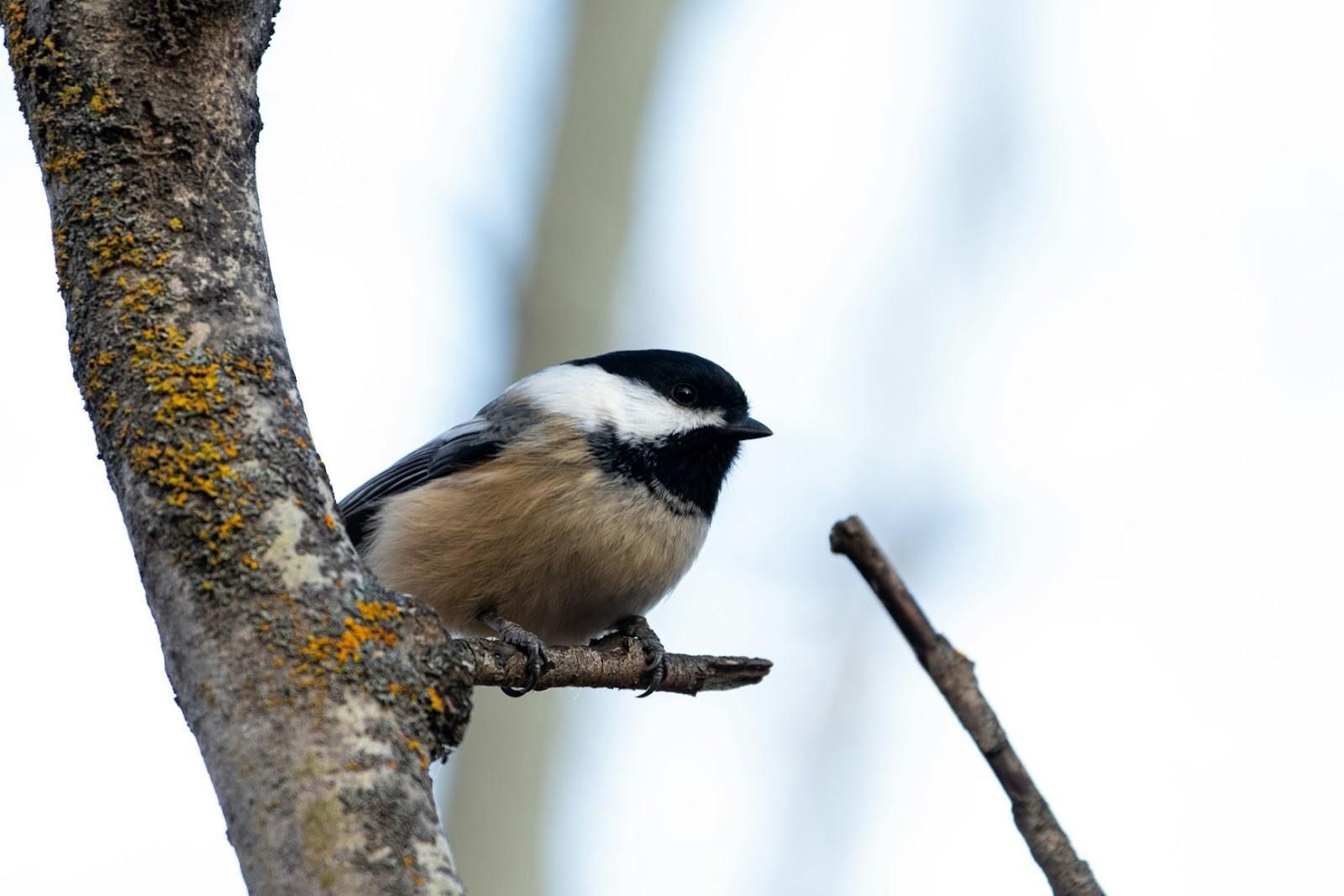
Image: Derek Otway

A bird the size of a tennis ball—about 0.3 ounces—with the confidence of a much larger creature: that’s the Black-capped Chickadee. They have a surprisingly sophisticated communication system. In fact, biologists discovered that the number of "dee" notes in their call changes depending on the threat level of predators.

Found across the northern U.S. and in the Rockies and Appalachians, they sport crisp black caps and snow-white cheeks. Offer sunflower seeds, and they’ll visit you all winter.

8
Northern Mockingbird
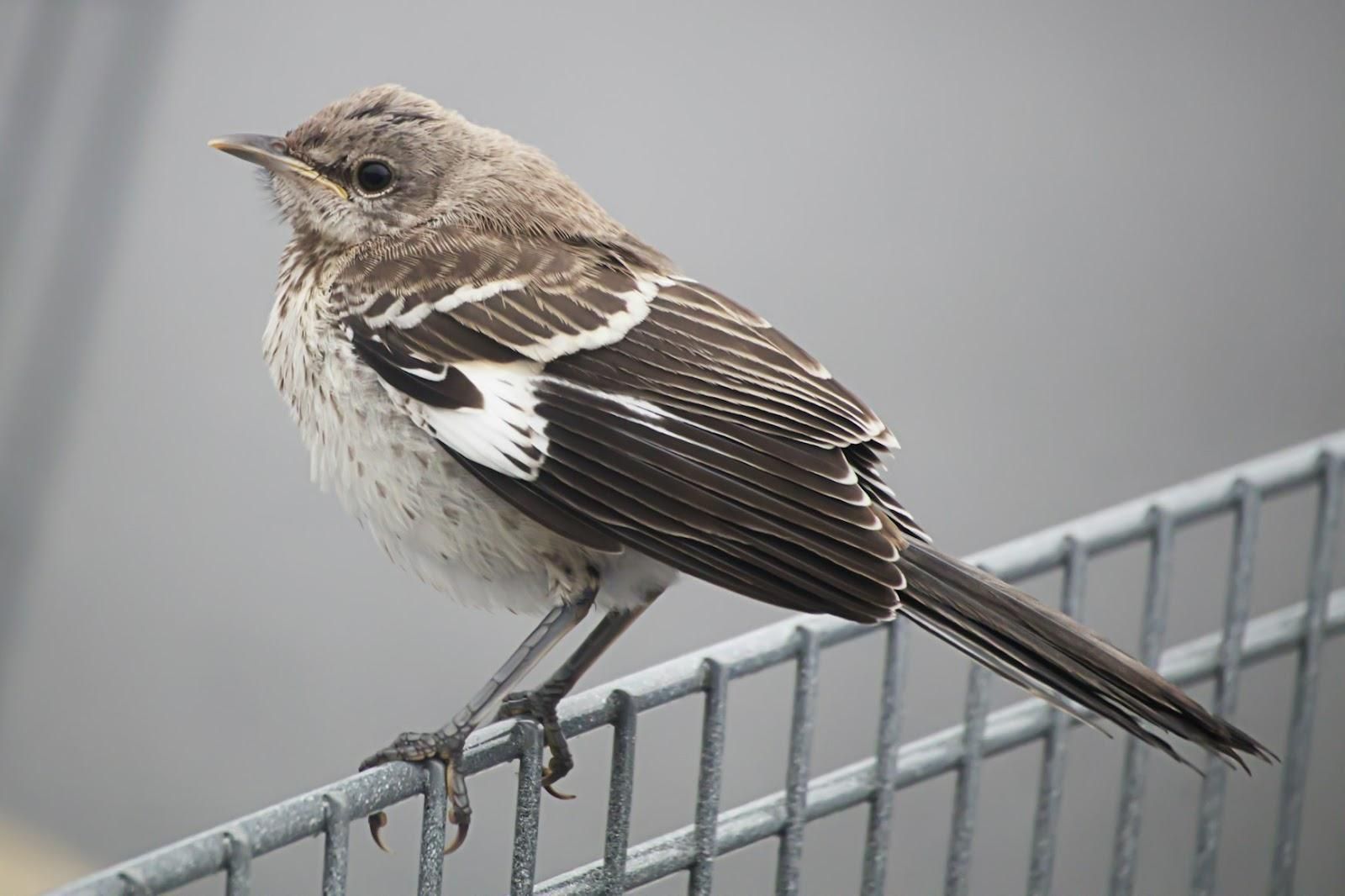
Image: Jacob McGowin

What if one bird could perform an entire playlist? Northern Mockingbirds—common throughout the South, Midwest, and many western suburbs— can mimic over 100 sounds, from other birds to squeaky gates. In the 1960s, scientists confirmed their habit of singing at night, especially males guarding territory.

They’re roughly 10 inches long, the size of a stretched-out flashlight. Their slender gray bodies and white wings make them easy to spot when they swoop from fence posts.

9
Baltimore Oriole
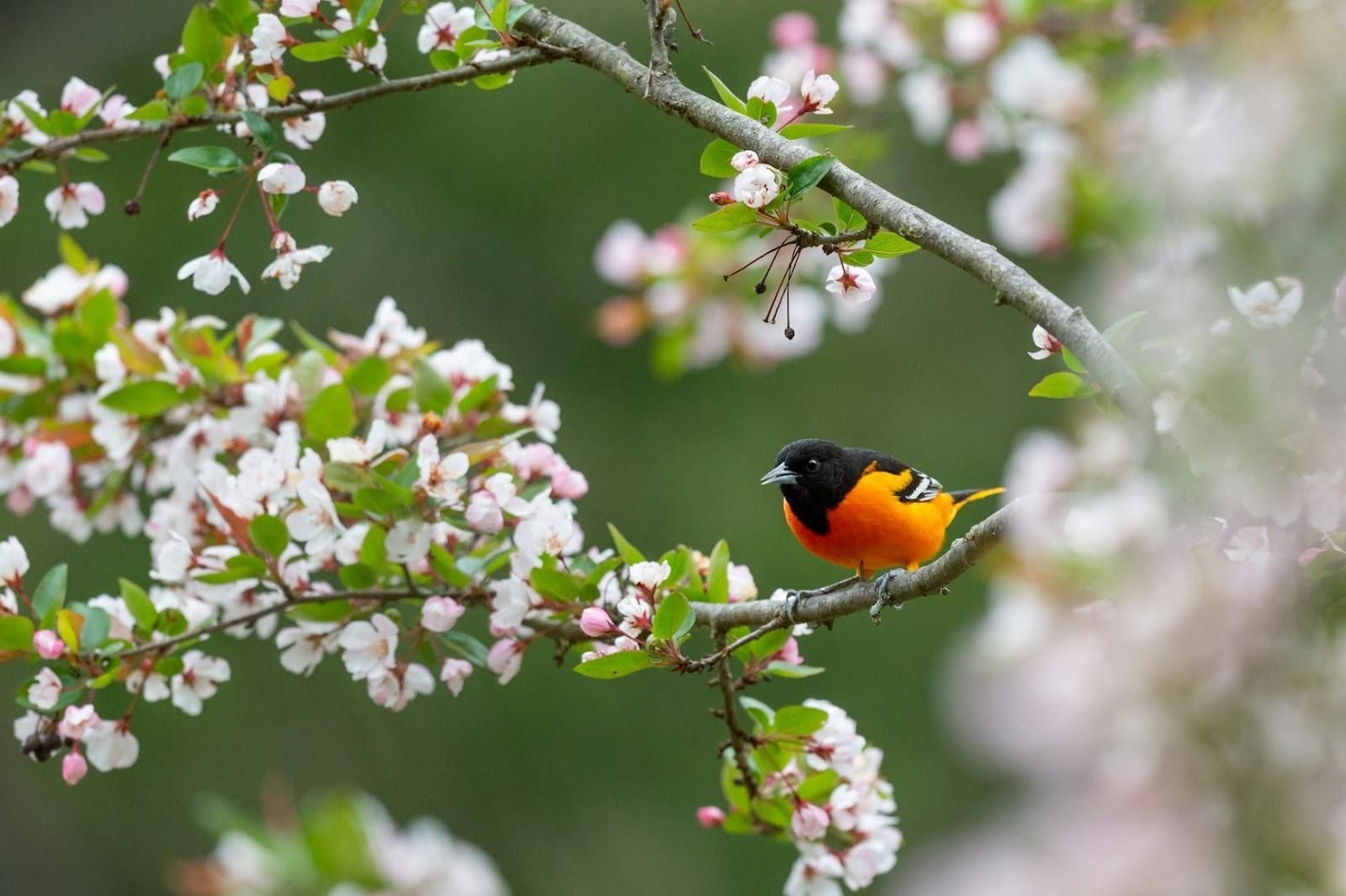
Image: Ray Hennessy

The Baltimore Oriole can be described as "a flame carried by wings", since males sport brilliant orange while females show softer yellows.

These bright orange migrants breed across the Northeast and Midwest before wintering in Central America. Their hanging pouch nests—up to 8 inches deep—are woven with fibers like tiny hammocks swaying in the breeze. Orioles love tall shade trees and can hang upside down to sip nectar or jelly.

10
American Crow
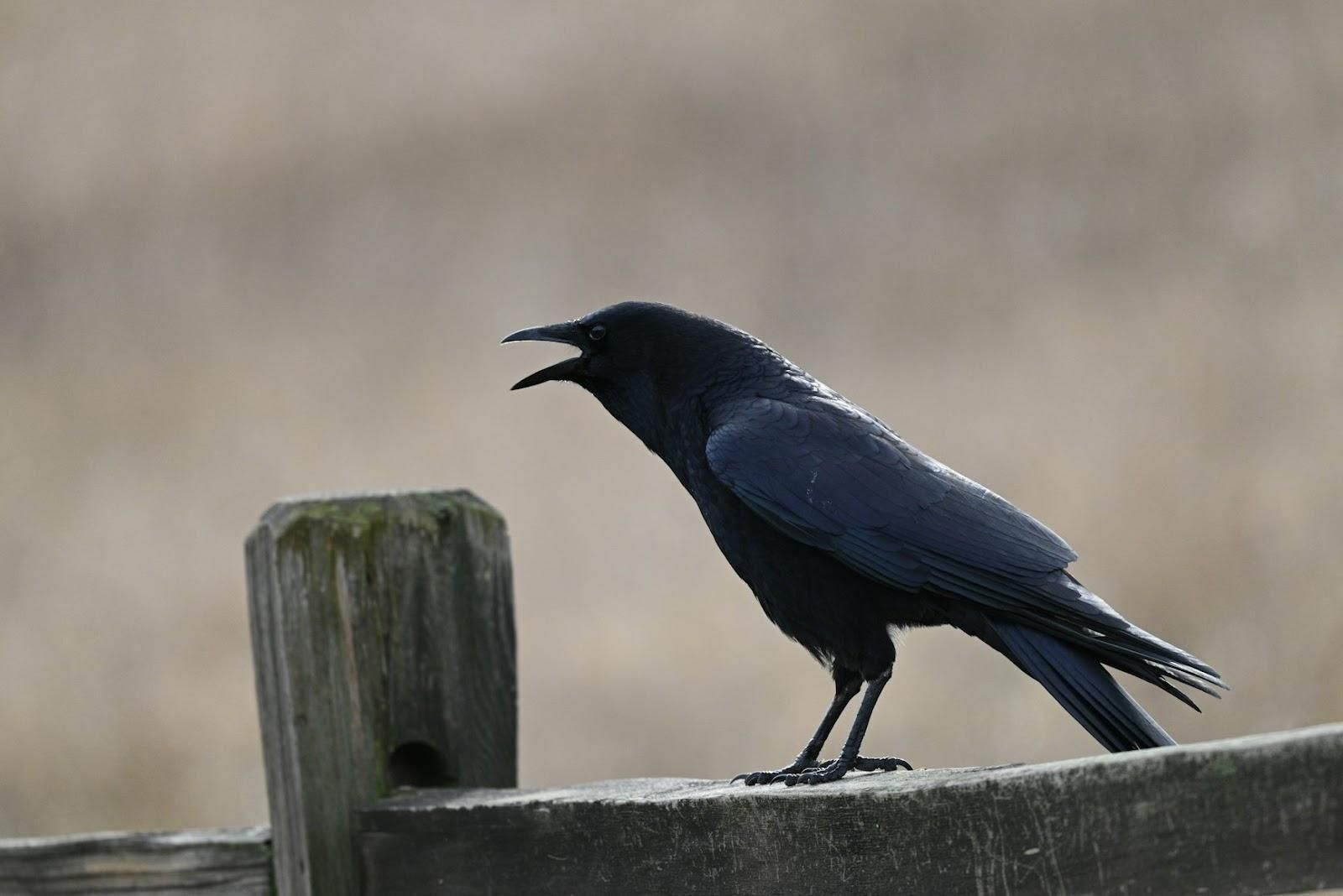
Image: Genevieve Curry

Think of crows as neighborhood detectives. Studies show they can recognize human faces and remember them for years. Found in every U.S. state except Hawaii, American Crows are large—about 17 inches long—and solid black from bill to tail. Their aerial circling and communal roosts, sometimes numbering thousands, are especially common in the Midwest. They travel in family groups and announce their presence with a clear "caw!"

11
Black-billed Magpie
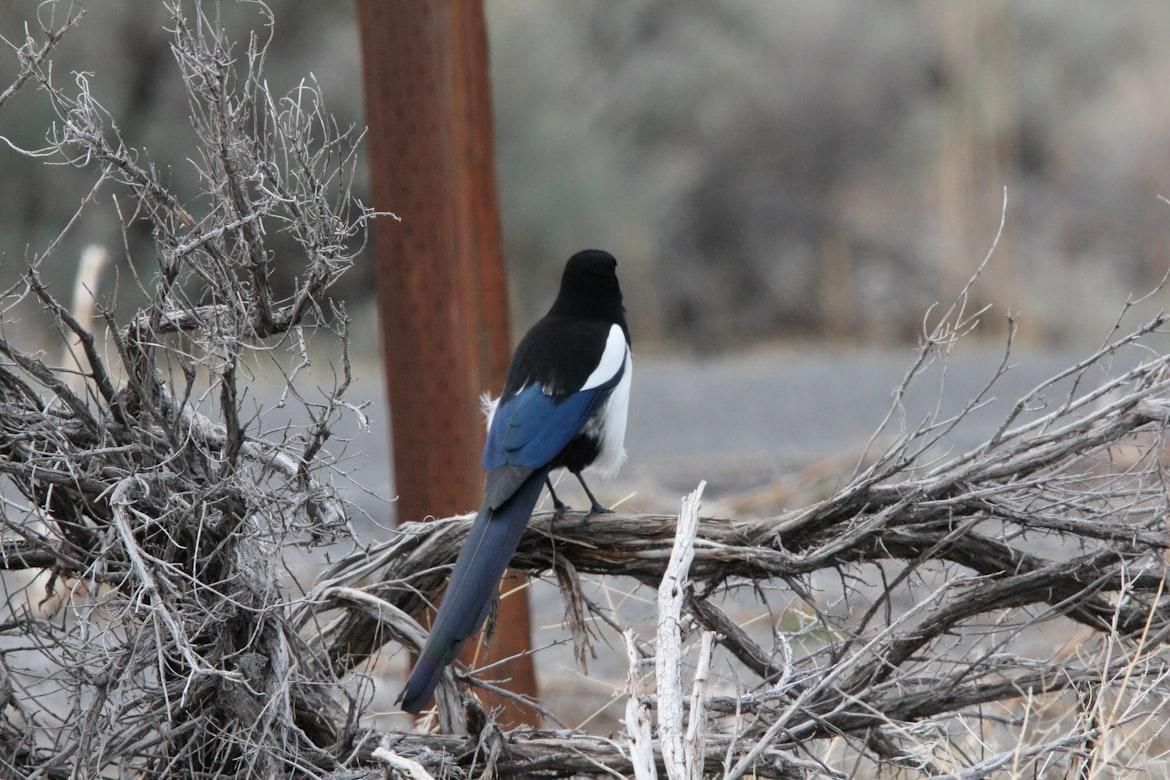
Image: anish lakkapragada

If you’ve ever driven through the Rockies or the Great Plains, you’ve likely seen this striking bird swooping low over fields. Black-billed Magpies, common from Nevada to the Dakotas, wear glossy black feathers with a blue-green sheen and long tails that can reach 12 inches—nearly half their total length. Their dome-shaped stick nests can be 3 feet across, and they thrive in open country and ranchlands.

12
Tufted Titmouse
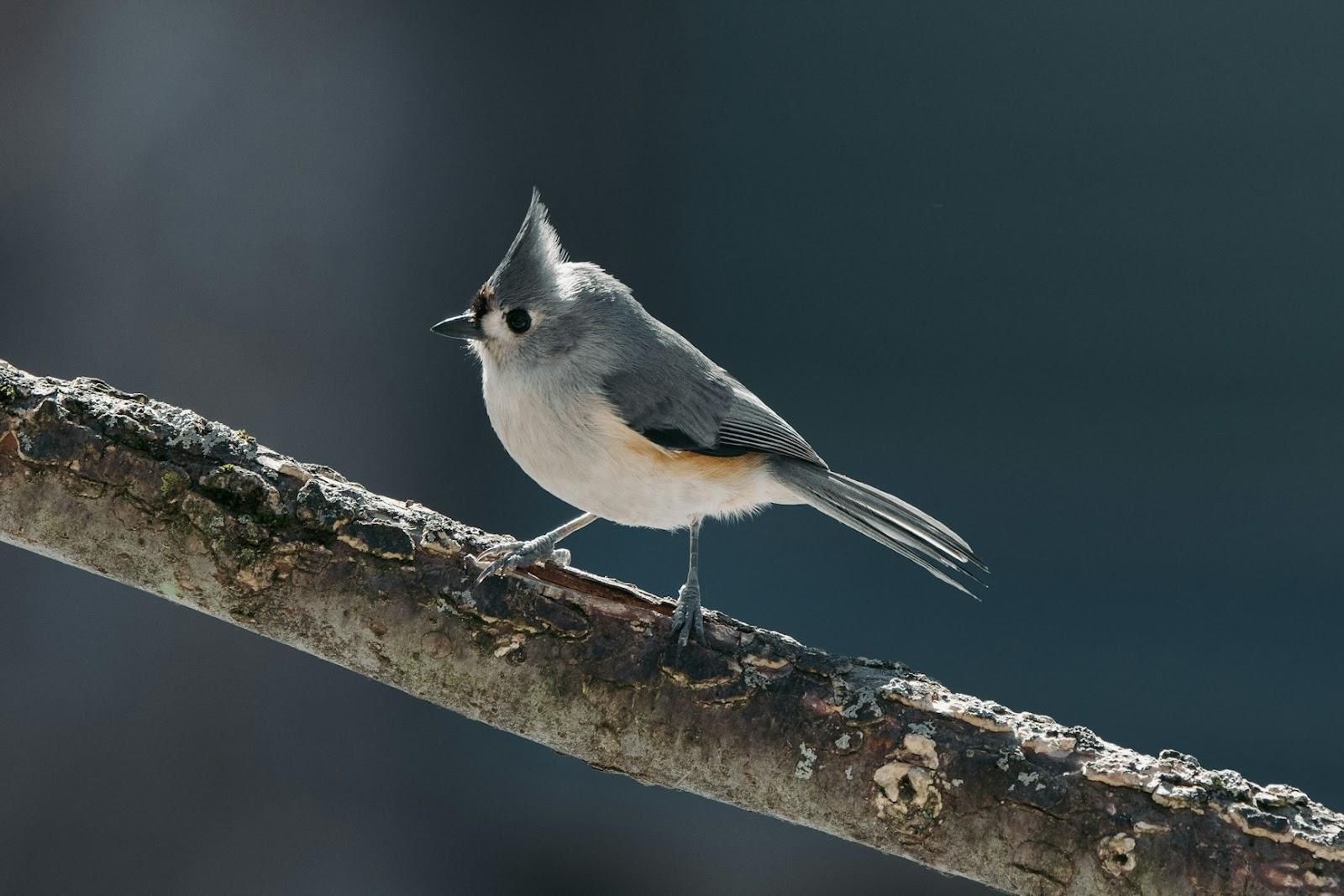
Image: Mark Olsen

One of the most charming feeder visitors in the eastern U.S., the Tufted Titmouse has a soft gray coat, a tiny crest, and warm orange patches under the wings. Though small—around 6.5 inches—they have a bold, ringing call: peter-peter-peter . Their range has expanded steadily northward, partly thanks to backyard feeders. Another fun fact: titmice store seeds one by one in tree bark, creating "pantries" they revisit all winter.

13
‌

General General 3 min read

Do you have a landline?

Can you tell what this was for? 12 items we no longer use!

Image: Luca Onniboni

Little by little, many of the things we used just a few decades ago have been phased out by newer technologies and changing habits. Your relatives no longer invite you over for a family viewing of holiday photos on a slide projector—they share them in the family WhatsApp group. Hardly anyone calls you on a landline anymore—they call your smartphone instead. Take a look at the following 12 things we no longer use. Do you miss any of them?

1
Paper road maps

Image: Sylwia Bartyzel

Paper maps—atlases, or topographic maps—are beautiful and there is always room for those as home decorations or teaching geography in schools. But as far as bulky roadmaps on your back pocket go, smartphones with GPS capabilities have made them obsolete.

2
Bathing machine

Image: Uta Scholl

Back in the day, modesty was far more strictly enforced than it is today. Forget about simply wearing your beach clothes to the shore—the bathing machine was a device, popular from the 18th century to the early 20th century, that allowed beachgoers to change out of their regular clothes , put on swimwear, and wade into the ocean.

3
Public telephones

Image: Pedram Farjam

Before cell phones existed, coin-operated pay phones were the go-to option for contacting someone or leaving a message. Pay phones were everywhere—on street corners, in malls, restaurants, airports, train stations, and hotels, allowing people to make calls in public places.

4
Teleseme

Image: Zoshua Colah

In the late 19th and early 20th centuries, luxury hotels featured an electric signaling device in each room , allowing guests to request goods or services from over 100 options. An attendant in the hotel office would receive the request via a corresponding teleseme and ensure the order was fulfilled.

These devices were eventually replaced by private branch exchange (PBX) telephone systems.

5
Slide projectors

Image: Nathan Anderson

As mentioned earlier, slide projectors were once a common household appliance in many homes and a popular form of entertainment . However, they became obsolete as video projectors became more affordable and accessible.

6
Phonebooks

Image: Brittany Colette

Imagine a book containing the home phone numbers of everyone in your city . It once existed and was delivered annually to every household with a landline by the telephone company. These hefty directories became obsolete with the rise of online listings and the death of landlines in favor of cell phones.

7
Typewriters

Image: Bernard Hermant

Imagine not being able to revise what you’re writing without scrapping the whole page . While that situation was a great exercise for your focusing abilities, it was phased out by home computers and word processors, which allowed for infinite rewrites in no time.

8
Photo Album

Image: Laura Fuhrman

Smartphones have made photography more accessible than ever, yet we print fewer photos than before. When photography wasn’t digital, people took their film rolls to be developed , returning with 36 crisp pictures—some of which, if deemed worthy, were carefully placed in photo albums .

9
Cassette tape players

Image: Dave Weatherall

If you're over 40, you’ve probably owned a cassette player—whether a Walkman, a boombox, or any other model. Cassettes were sturdy, reliable, and easy to use . However, with the arrival of CDs, which offered superior sound quality and the ability to skip tracks at the press of a button, cassettes and their players quickly faded into obscurity.

10
Encyclopedias

Image: James

Before the internet, encyclopedias were the primary source of knowledge. These extensive book collections adorned bookshelves in homes and public libraries, offering detailed descriptions of almost any subject imaginable , all listed in alphabetical order .

11
Fax machines

Image: alecale35

By today’s standards, sending and receiving faxes wasn’t particularly fast, but at the time, it was a game-changer. The fax machine digitized documents with a scanner and transmitted printed pages over telephone lines . However, it became obsolete with the rise of email, scanners, and smartphones.

12
VHS tapes and VCRs

Image: Leonard Reese

Being able to see any movie you want at home feels ordinary today, but, in the early 80s, it was a dream come true. And this dream was made possible by VCRs and VHS tapes. These bulky devices were eventually replaced by DVD players, which offered superior image quality and eliminated the need to rewind the tape.

Geography Geography 3 min read

All aboard!

10 train rides across America everyone should take at least once

Image: Balazs Busznyak

There is something magical about taking a train ride through a beautiful country, and America has plenty of both. From short rides that last just a couple of hours to multi-day journeys that include fine dining and plush accommodations, this country offers it all. Take a look at ten of these gorgeous rides, and imagine yourself comfortably seated as the world passes by your window. Which one would you choose?

1
Grand Canyon Railway

Image: Kurt Hänel

Can you imagine looking at the Grand Canyon National Park from aboard a train? You can do this, by taking the Grand Canyon Railway, which departs from Williams, Arizona, 30 miles west of Flagstaff.

This train travels past forests of ponderosa pines and parts of the Sonoran Desert into the heart of Canyon country, where you’ll spend the day exploring and hiking before boarding your return trip—just in time for sunset.

2
The Rocky Mountaineer

Image: Taylor Brandon

The spectacular views of Western Canada, along with the red rock wonders of Colorado and Southern Utah can be fully appreciated through the nearly all-glass cabins of the Rocky Mountaineer.

This luxurious train takes passengers from Denver to Moab, Utah, where they are treated to fine dining and cocktails while enjoying the majestic views.

3
Amtrak California Zephyr

Image: Levi Meir Clancy

Travelers aboard the California Zephyr can enjoy a 51-hour journey from Chicago to San Francisco that traverses through the magnificent landscapes of Colorado, Utah, Nevada, and northern California .

The ride passes through the Rocky Mountains, travels by the canyons of Colorado’s Western Slope, and spends an entire half-day on a trek through the Sierra Nevada, complete with views of Donner Lake and the Truckee River.

4
Cass Scenic Railroad

Image: Josh Nezon

The Cass Scenic Railroad was originally built in 1901 to transport lumber through the mountains of West Virginia . Today, it helps preserve the legacy of America’s locomotive history. The railroad offers two routes, including a four-and-a-half-hour round-trip journey to Bald Knob —the highest summit of Back Allegheny Mountain at 4,842 feet.

5
Amtrak Empire Builder

Image: Max Bender

The Empire Builder earns its name by traveling along major portions of the Lewis and Clark Trail. This 46-hour train departs daily from Chicago and traverses through Wisconsin, Minnesota, North Dakota, and Montana , before concluding in either Seattle or Portland .

Passengers on this less-crowded route can enjoy views of the Mississippi River and the North Dakota plains, as well as the stunning scenery of Glacier National Park in Montana.

6
Amtrak Southwest Chief

Image: Ezra Jeffrey-Comeau

The long road from Chicago to Los Angeles can be traveled in great style and comfort aboard the Southwest Chief. The train traverses more than 2,000 miles, passing through Illinois farmlands, the Mississippi River, the red mesas of New Mexico, and the Mojave Desert .

This 40-hour ride can be taken in its entirety or partially, but no serious view collector should miss the most scenic stretch, which spans Colorado, New Mexico, Arizona, and southern California, including Raton Pass—a National Historic Landmark along the Santa Fe Trail.

7
Cape Cod Central Railroad

Image: Melanie Hughes

This short, two-hour round trip is available only from May through October , immersing travelers in distinctive New England landscapes , including cranberry bogs, salt marshes, dunes, and woodlands.

The Cape Cod Excursion train offers an amazing sightseeing tour of the Cape’s natural attractions, including the charming Cape Cod Canal.

8
Amtrak Coast Starlight

Image: Lukas Robertson

This 35-hour journey between Los Angeles and Seattle departs daily and stops in some of the West Coast ’s greatest cities, including Santa Barbara, San Francisco, Sacramento, and Portland .

The southern half of the route features long stretches of the Pacific Ocean shoreline before moving inland to the valleys of the state’s agricultural heart, eventually reaching the snow-covered peaks of the Cascade Mountains. The observation lounge on the train offers the best views in the house.

9
Amtrak Adirondack

Image: Robert Macleod

The final Amtrak train on this list is the Adirondack. This route runs from New York City to Montreal, departing from the new Moynihan Train Hall at Penn Station. The 10-hour ride takes its passengers along the Hudson River up to Albany then passes through Saratoga Springs and Lake Champlain before arriving in Canada .

It is highly recommended to take this route in the fall during peak foliage season to watch New England’s changing autumn colors pass by your window.

10
Napa Valley Wine Train

Image: Daniel Salgado

Imagine being able to drink wine from the beautiful wineries in Napa Valley without worrying about who is going to drive. That is exactly what passengers of the Napa Valley Wine Train can do.

Originally built in 1865 by a local millionaire to transport visitors to a spa resort in Calistoga, the train now offers travelers the chance to sip local vintages from a luxurious railcar while passing vaunted vineyards on a three-hour round-trip journey .

Explore more American facts

Choose your favorite category!

General
General

As American as apple pie—the very best America has to offer!

Culture
Culture

Delve into the astounding richness of American lore.

Geography
Geography

Hop in and explore vast and diverse American landscapes.

History
History

Discover the key moments that shaped the United States.



