History History 4 min read

Is a slap really a feud?

Was the Will Smith-Chris Rock slap scripted? 12 famous feuds
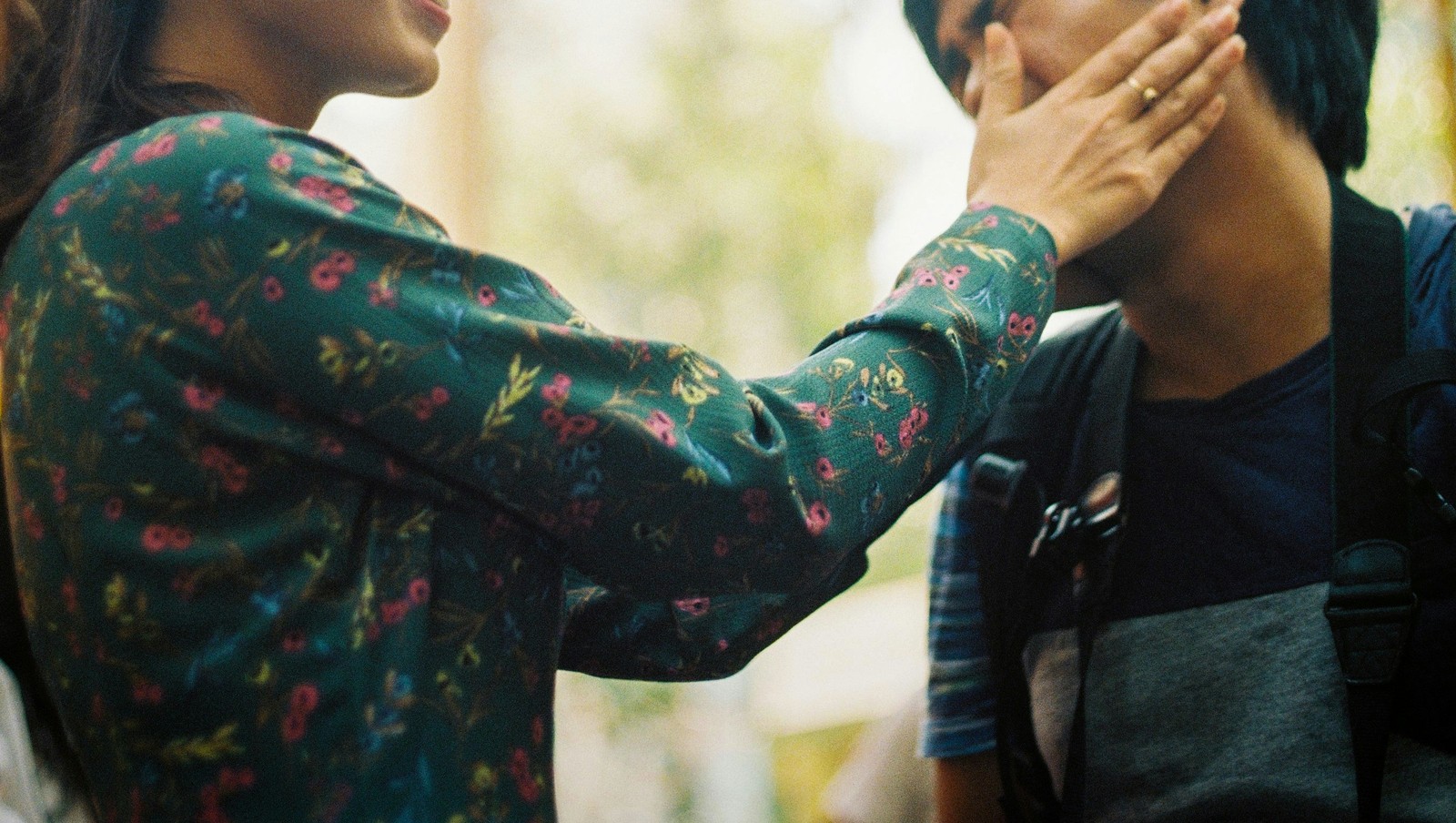
Image: Andrew Le

Hollywood isn’t always glitz and glam—sometimes it’s full-on drama. From shady tweets to onstage outbursts and headline-making slaps, celebrity feuds have a way of stealing the spotlight just as much as any blockbuster. You probably know about some of these incidents, but a few will surprise you!

1
Joan Crawford vs. Bette Davis

Image: Shubham Panwar

The feud between Joan Crawford and Bette Davis began in 1935 when Bette fell for her co-star Franchot Tone, only for Joan to marry him soon after filming ended .

Their rivalry peaked during the tense 1962 shoot of What Ever Happened to Baby Jane? The tension never eased, and the two reportedly never reconciled before their deaths.

2
Kim Cattrall vs. Sarah Jessica Parker

Image: Erhan Çoban

On Sex and the City , Kim Cattrall and Sarah Jessica Parker played close friends, but off-screen their relationship was far from warm . Tensions reportedly surfaced when Kim declined to join a third Sex and the City movie.

In 2018, things worsened after Sarah publicly offered condolences over the death of Kim’s brother. Kim responded sharply on Instagram, writing, "You are not my friend. You are not my family.

3
David Letterman vs. Jay Leno
Image: Diogo Cardoso

The biggest late-night feud kicked off in 1992 when Johnny Carson retired from The Tonight Show . Many expected David Letterman to take over, but NBC chose Jay Leno instead.

Letterman left for CBS to launch The Late Show , going head-to-head with Leno. Their rivalry, known as the "Late-Night Wars," lasted for years as both battled for ratings before eventually retiring .

4
Gwyneth Paltrow vs. Martha Stewart
Image: Lesya Tyutrina Andrey Biyanov

The feud between Gwyneth Paltrow and Martha Stewart began in 2014, when Martha criticized Gwyneth’s lifestyle brand , saying she should stick to acting.

Things escalated with cheeky recipe jabs—Martha’s "Conscious Coupling" and Gwyneth’s "Jailbird Cake," a nod to Martha’s past prison time.

5
Vin Diesel vs. Dwayne "The Rock" Johnson
Image: Ayu Anggraini

The rivalry between Dwayne "The Rock" Johnson and Vin Diesel began during the filming of The Fate of the Furious in 2016, when The Rock called out unnamed co-stars for unprofessional behavior on social media .

Fans quickly guessed he was referring to Vin, especially after The Rock thanked the cast and crew in a post, but noticeably left out Vin Diesel.

6
Elton John vs. Madonna
Image: Mélody P

Elton John and Madonna’s feud began in 2002, when Elton slammed her Bond theme, calling it "the worst of all time." He later accused her of lip-syncing during live shows.

Things heated up again in 2012, when both were nominated for a Golden Globe. Elton claimed Madonna had "no chance"—but she won. Backstage, Madonna said she adored him and hoped he’d win another award.

7
Elizabeth Taylor vs. Debbie Reynolds
Image: Venti Views

The drama between Debbie Reynolds and Elizabeth Taylor began when Debbie's husband, Eddie Fisher, left her for Elizabeth, who was her close friend at the time.

Their affair began after Eddie comforted Elizabeth following the death of her husband, Mike Todd, in 1958. Years later, after Elizabeth and Eddie split, Debbie and Elizabeth reconciled and remained friends until Taylor’s death.

8
Frank Sinatra vs. Marlon Brando
Image: David Clode

Frank Sinatra and Marlon Brando clashed while filming Guys and Dolls (1955), thanks to their huge egos and very different acting styles .

Sinatra gave Brando rude nicknames, while Brando deliberately ruined takes during a cheesecake scene, forcing Sinatra to eat far more than he wanted.

9
Dean Martin vs. Jerry Lewis
Image: Akbar Nemati

Dean Martin and Jerry Lewis were a wildly popular comedy duo from 1946 to 1956, dominating film, radio, and television. But behind the scenes, tensions grew.

Martin felt Lewis was taking over the act , leading to their split in 1956. Though both went on to solo success, their friendship suffered for years. They finally reconciled in 1976, thanks in part to Frank Sinatra.

10
Angelina Jolie vs. Jon Voight

Image: Daniil Komov

Family ties don’t always guarantee harmony in Hollywood. The feud between Jon Voight and Angelina Jolie largely stems from Voight’s infidelity toward Jolie’s mother , Marcheline Bertrand.

Though they’ve had brief periods of reconciliation, their relationship has repeatedly broken down over the years, making their feud long-lasting and complicated.

11
Will Smith vs. Chris Rock
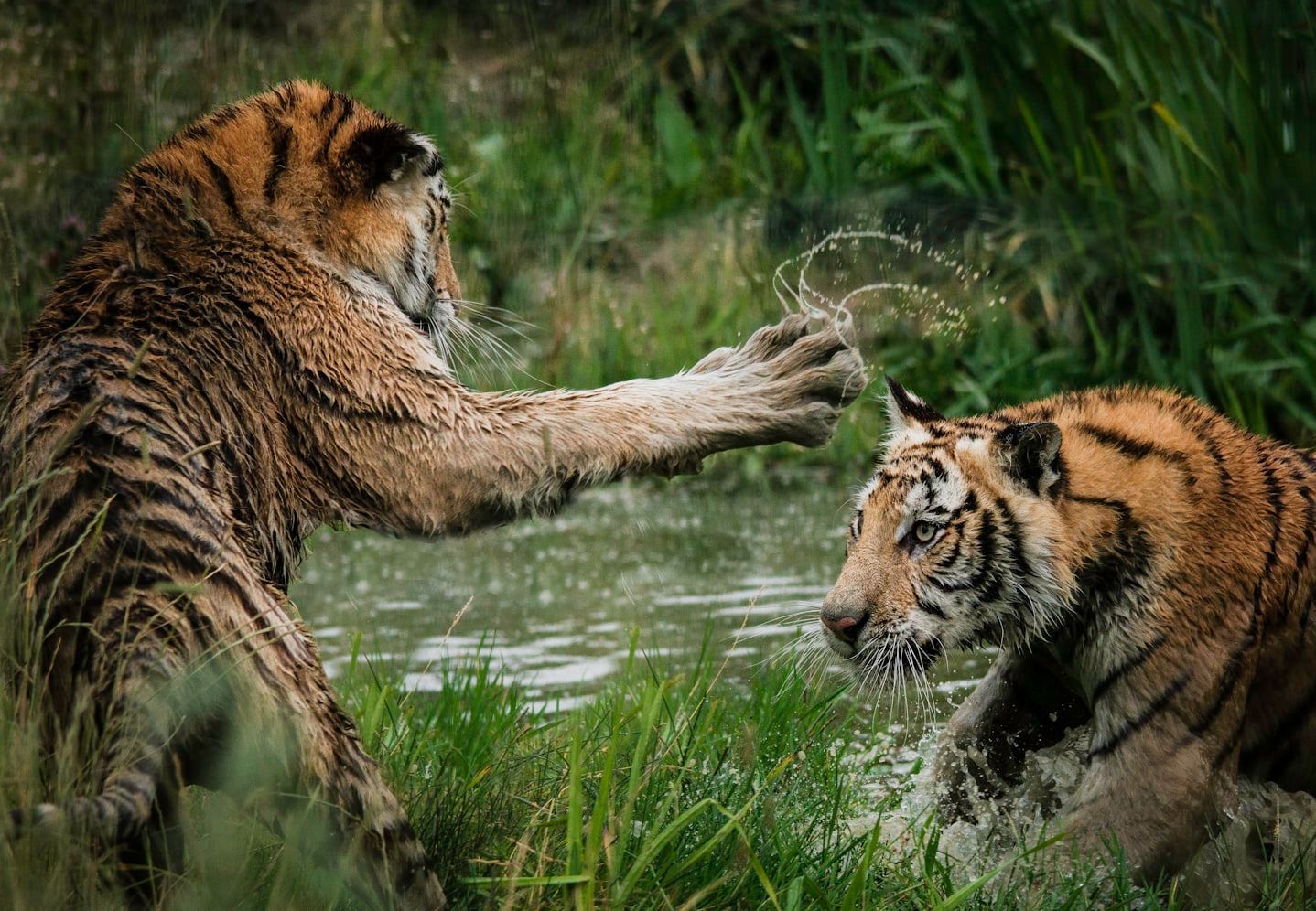
Image: Frida Lannerström

Will Smith and Chris Rock’s feud exploded publicly at the 94th Academy Awards in 2022, when Will slapped Chris after a joke about Jada Pinkett Smith . The slap was not scripted and took everyone—especially Rock—by surprise.

The incident went viral and had major consequences for Smith. Despite the fallout, there are hints that the two might eventually repair their friendship.

12
Johnny Carson vs. Joan Rivers

Image: Long Ma

The legendary Johnny Carson often featured Joan Rivers as a guest and occasional guest host on The Tonight Show. But when Rivers launched her own late-night show without telling Carson , he saw it as a major betrayal.

Carson never forgave her, and their feud lasted until his death. Sadly, Rivers’ show struggled and never quite matched his success.

Culture Culture 4 min read

More than machines: 10 robots that taught us what it means to be human

Image: Mathieu Stern

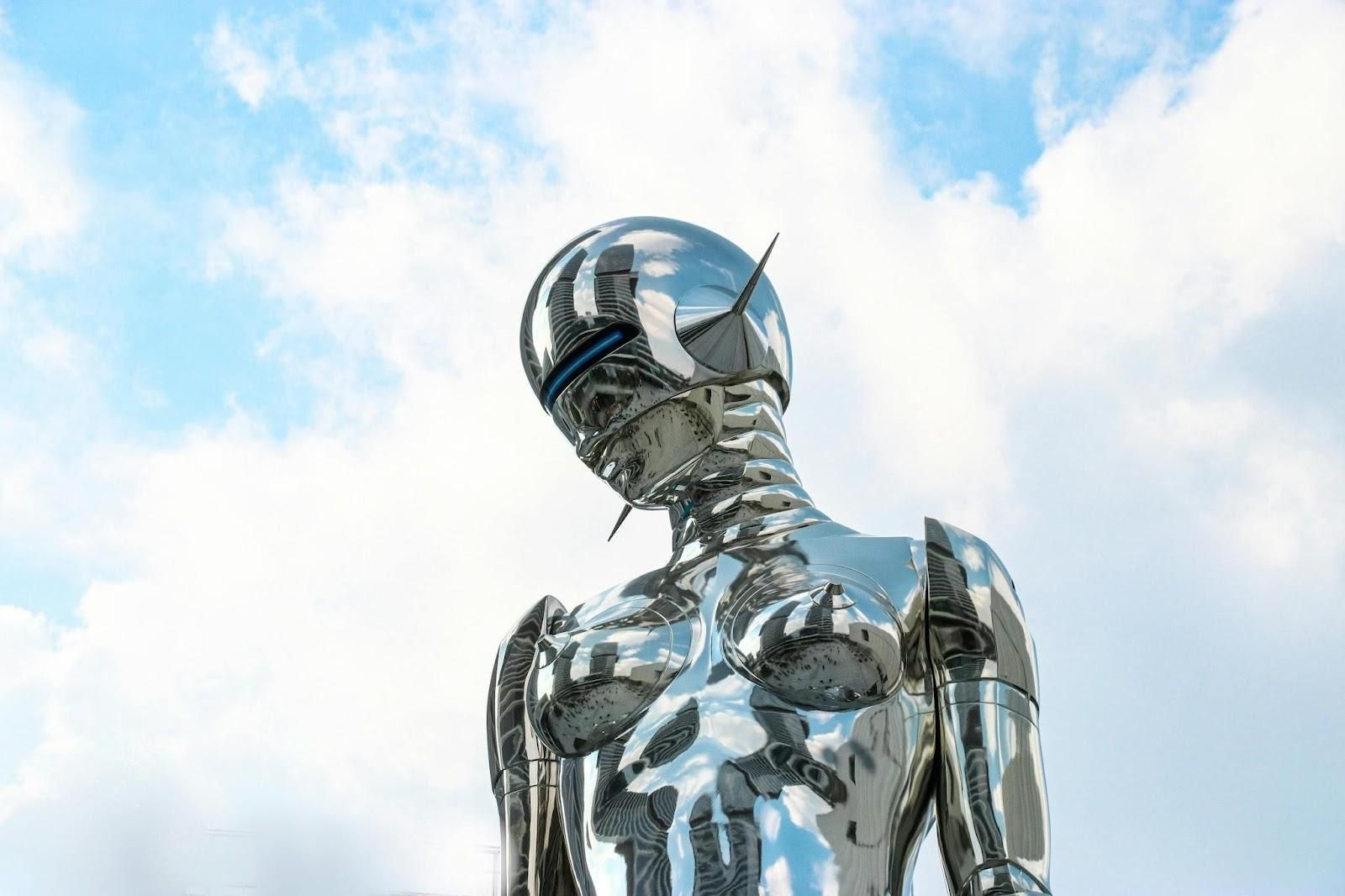
Across more than a century of filmmaking, robots have appeared on screen in countless roles: assistants, threats, companions, and quiet observers of human behavior. Their designs and functions have shifted with changing technology, storytelling styles, and cultural concerns. Some arrived in the age of space optimism, others during periods of skepticism about machines. Together, these 10 robots reflect how American cinema has imagined technology and how those images have stayed familiar over time.

1
C-3PO ( Star Wars , 1977)

Image: Lyman Hansel Gerona

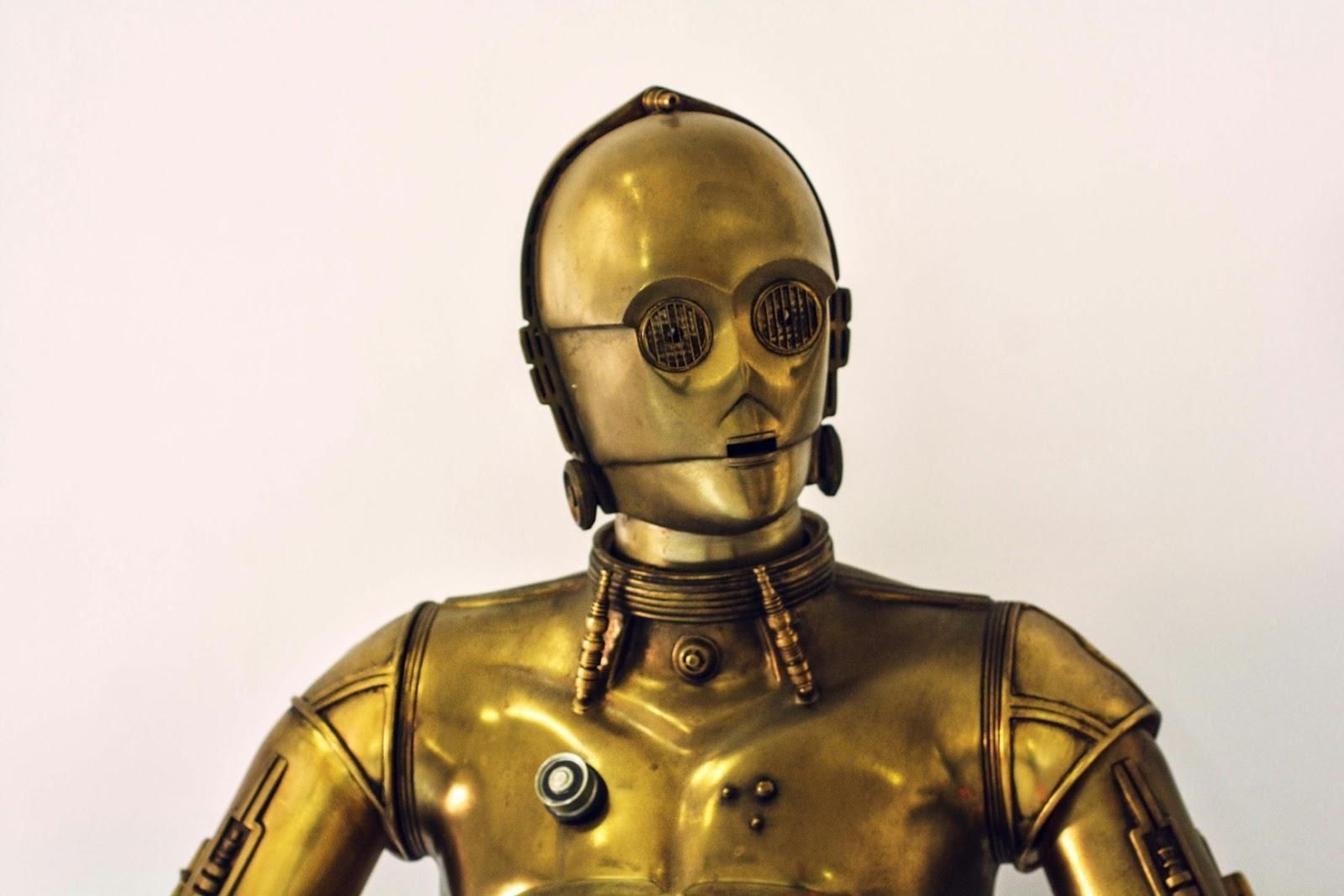
Few film robots are as easy to recognize as C-3PO. Introduced in Star Wars: A New Hope in 1977, this tall, golden droid was designed to handle translation and communication. Voiced in an unmistakable British accent by Anthony Daniels, his smooth metal surface, rigid stance, and gentle manner make his role in the story immediately clear. C-3PO appears in nearly every main installment of the franchise, and he was even made into toys and theme park attractions.

2
R2-D2 ( Star Wars , 1977)

Image: gromit15

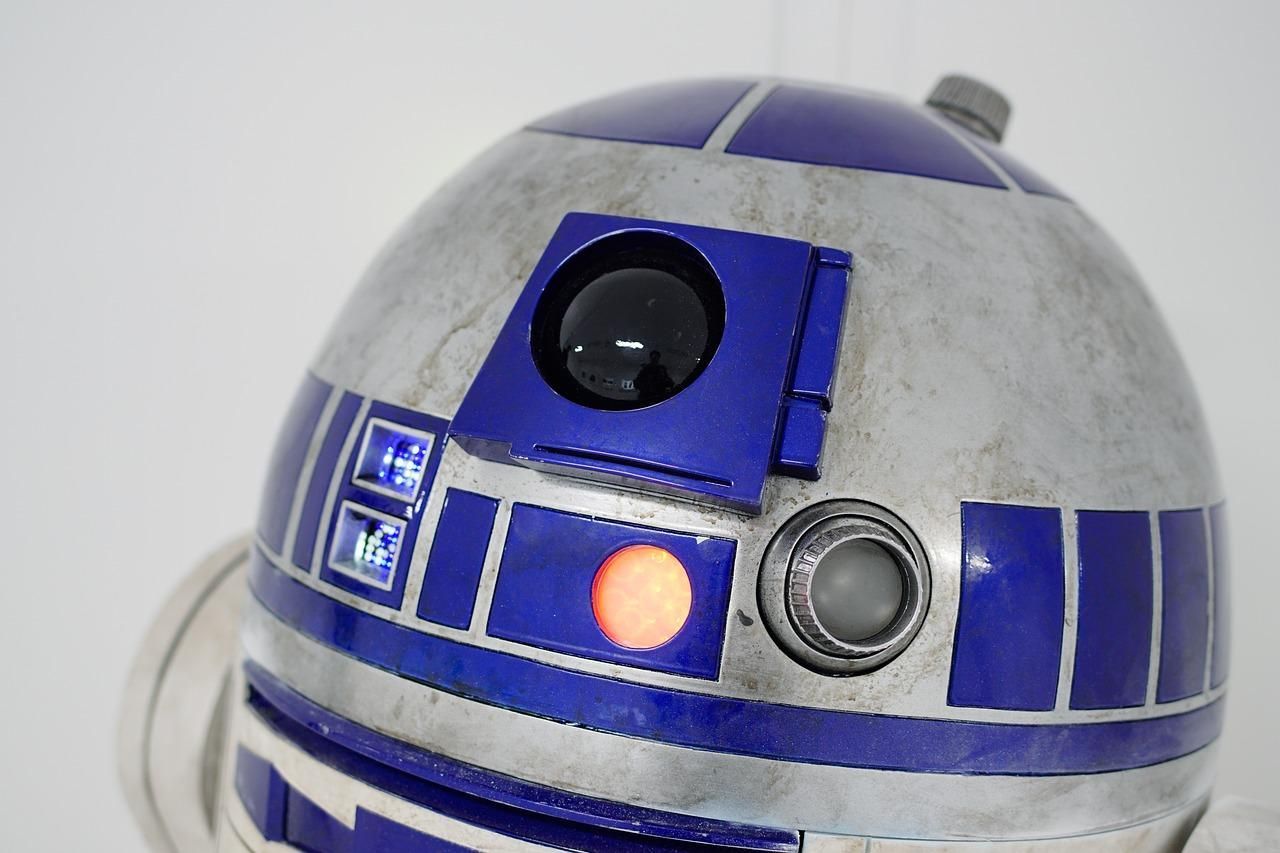
Not all iconic robots speak in words. C-3PO’s companion R2-D2, first seen in Star Wars: A New Hope (1977), communicates through "beeps and whistles" rather than spoken language. He is a droid designed to assist with navigation, maintenance, and technical repairs. Within the story, he frequently carries information, fixes equipment, or helps characters escape danger. His "trashcan" shape is a masterclass in functional design, and his bravery as a "swiss-army-knife" repair droid made him arguably the most heroic character in the franchise.

3
T-800 ( The Terminator , 1984)

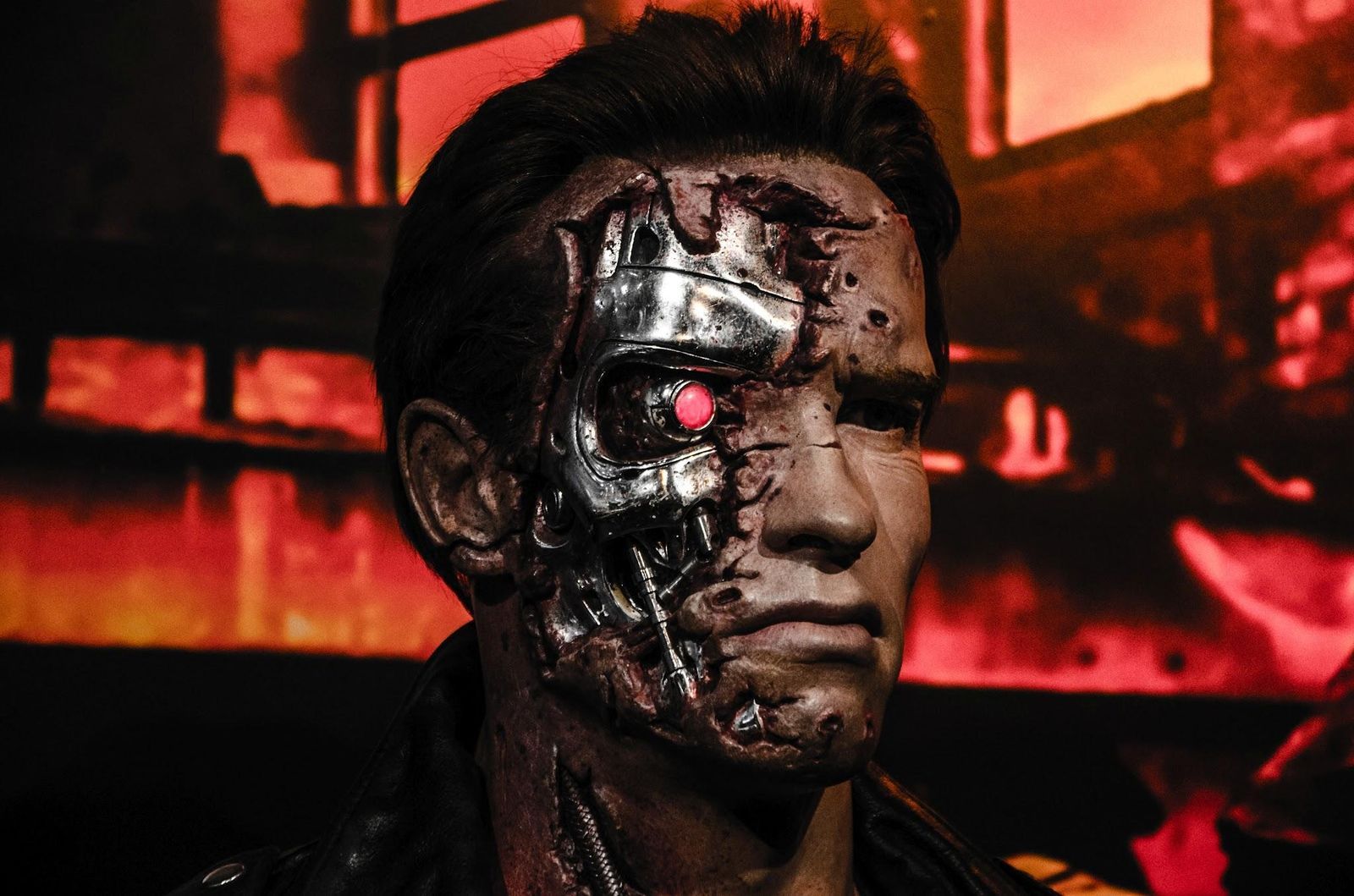
Is it human, or only pretending to be? When The Terminator was released in 1984, the T-800, played by Arnold Schwarzenegger in his breakout role, stood apart from earlier robots by appearing human. In fact, he’s more of a cyborg, since it combines an internal metal structure with external living tissue. Thanks to his appearance, he can move unnoticed among people, which is essential to his role in the story. Lines like "I'll be back" and "Hasta la vista, baby" are embedded in pop culture, making the T-800 one of the most iconic in cinema history.

4
Robby the Robot ( Forbidden Planet , 1956)

Image: Farbsynthese

In 1956, long before sleek digital effects, Robby the Robot arrived on screen. His bulky metal body, exposed wiring, and clear dome head first appeared in the film Forbidden Planet . Robby can speak in full sentences, follow complex instructions, and perform tasks such as cooking, transporting people, and providing protection. After the film’s release, a similar aesthetic appeared in several television shows and movies. He was the first on-screen robot to have both a lovable personality and a complex design.

5
EVE ( WALL·E , 2008)

Image: Aman Pal

EVE’s design is iconic for its minimalism: she has no visible joints and no exposed mechanics. She first appears in Pixar’s 2008 animated film WALL·E . Her name means Extraterrestrial Vegetation Evaluator, and she has a limited vocabulary. Her smooth white exterior, compact shape, and floating movement make her very different from her older, more mechanical-looking predecessors. Despite her coldness, she eventually learns the warm emotions of love.

6
Dot Matrix ( Spaceballs , 1987)

Image: Pedro Miguel Aires

With her metallic gold body, upright posture, and humanlike mannerisms, Dot Matrix, introduced in Spaceballs (1987), was designed to resemble a "protocol droid." Yes, she is a clear parody of _Star Wars_’ C-3PO, born from the genius mind of Mel Brooks. Voiced by Joan Rivers, Dot Matrix is famous for her "Virgin Alarm" and her role as a sarcastic, overprotective governess to Princess Vespa (Daphne Zuniga) rather than a technical aid.

7
RoboCop ( RoboCop , 1987)

Image: magocarlosyo

RoboCop, played by Peter Weller, is introduced as a law-enforcement cyborg, combining human elements with heavy metallic armor. In the story, he carries out police duties such as patrol, investigation, and public order enforcement using advanced technology. The design—a silver-visored helmet and hydraulic movements— symbolized 1980s corporate greed and the loss of individual identity to the machine.

8
Johnny 5 ( Short Circuit , 1986)

Image: JUNXUAN BAO

Unlike the sleek EVE from WALL·E , Johnny 5 looks like a prototype, with exposed wires and tank treads. He is a small robot built for military testing, with large camera-like eyes and movable arms. After an accident alters his programming, he begins to act independently rather than following commands. He asks questions, observes everyday objects, and interacts closely with human characters. This combination of curiosity, humor, and a non-threatening appearance helped make Johnny 5 an icon of 1980s science fiction.

9
Gort ( The Day the Earth Stood Still , 1951)

Image: Sun God Apolo

Appearing in The Day the Earth Stood Still (1951), Gort is a seamless, 8-foot-tall silver sentinel who represents the terrifying potential of nuclear-age technology. He follows instructions precisely and does not engage in conversation with humans. In the film, his purpose is to enforce rules rather than explain them, acting only when necessary. His iconic "visored" eye that fires a disintegration beam and the phrase "Klaatu barada nikto" remain his enduring legacy.

10
Rachael (Blade Runner, 1982)

Image: Alexandra_Koch

At first glance, Rachael (played by Sean Young) does not appear to be a robot at all. Introduced in Blade Runner (1982), she is an android created to blend into human society, with natural speech, human behavior, and no visible mechanical parts. Unlike earlier film robots, her design relies on appearance and memory rather than metal or machinery. In the story, she believes her memories and feelings are real. This focus on memory and identity, rather than physical ability or function, is why her role is still discussed in relation to artificial intelligence and what defines a human being.

Geography Geography 5 min read

Streets ahead

City hearts: The 10 most iconic neighborhoods in America

Image: Breno Assis

America’s history comes alive in its bustling streets and ever-expanding urban landscapes. But what truly pumps life into the heart of these vibrant cities are their neighborhoods—where people meet, live, work, and thrive. These communities are as diverse as our nation's cultural roots, offering a window into the inclusiveness and energy that define American society. From the jazz beats of New Orleans to the legendary avenues of Harlem, let’s take a journey through 10 iconic American neighborhoods that—each in its own way—embody the spirit of our country!

1
French Quarter – New Orleans, LA

Image: João Francisco

Also known as the Vieux Carré ("Old Square" in English), the French Quarter is the oldest neighborhood in New Orleans. Established in 1718 by the city’s founders, the neighborhood is now famous for its vibrant music scene—particularly jazz, which was born in its streets and clubs.

Architecturally, the French Quarter is characterized by a blend of Spanish and French colonial influences, with wrought-iron balconies and colorful buildings lining the streets. Jackson Square and St. Louis Cathedral remain central landmarks, standing as reminders of the city’s rich European history.

2
Harlem – New York City, NY

Image: John Money

Harlem is a neighborhood in Upper Manhattan known for its African American culture and rich immigration history. Originally founded as a Dutch settlement around 1658, it was named after the city of Haarlem in the Netherlands. Harlem's complex history has been defined by a series of economic boom-and-bust cycles, with significant population shifts accompanying each cycle.

Successive waves of immigration populated its streets with people from all over the world, including Jewish and Italian Americans in the 19th century and African American residents in the 20th century. The Harlem Renaissance of the 1920s and 1930s cemented the neighborhood's fame, giving rise to figures like Louis Armstrong and Duke Ellington, and helping to shape American popular culture.

3
Beverly Hills – Los Angeles, CA

Image: David Vives

Although technically a suburb of Los Angeles, with distinct neighborhoods of its own, Beverly Hills is still a somewhat closed-knit community, known for its opulent homes and celebrity residents. Originally settled in 1828, the area began as an agricultural community centered around Rancho Rodeo de las Aguas, a Mexican-era land grant.

In 1914, a group of investors, initially searching for oil, discovered water instead and decided to develop the area into a town. By the 1920s, Beverly Hills had become synonymous with wealth and luxury, attracting movie stars like Douglas Fairbanks and Mary Pickford, who built lavish estates and cemented the area as a celebrity haven.

4
North End – Boston, MA

Image: Zoshua Colah

Boston's North End is the city’s oldest residential neighborhood, dating back to the 1630s. It played a crucial role in the American Revolution, with notable figures like Paul Revere building their homes there. The Old North Church, where the famous "One if by land, two if by sea" signal was sent, also stands as a landmark of the city’s revolutionary heritage.

The narrow streets and historic buildings offer visitors a glimpse into colonial America, making it one of Boston’s top tourist destinations. The North End is also renowned for its Italian heritage, which took root in the early 1900s, and for hosting the annual Feast of St. Anthony, a tradition dating back over a century.

5
Hollywood – Los Angeles, CA

Image: Jeremy Bishop

Hollywood is arguably the world’s most famous neighborhood when it comes to film and entertainment. Founded in the late 1800s, it quickly became the movie capital of the world with the establishment of the Nestor Film Company in 1911, the first of many studios to call Hollywood home.

Its most iconic landmark, the Hollywood Sign, was originally created in 1923 as an advertisement for a real estate development but has since evolved into a universal symbol of the film industry. While many production studios have relocated over the years, Hollywood remains synonymous with celebrity and filmmaking. Each year, millions of visitors flock to the Hollywood Walk of Fame and explore the streets where countless film legends started their careers.

6
Little Italy – New York City, NY

Image: Alex Haney

Little Italy, located in lower Manhattan, was established in the late 19th century by Italian immigrants who brought their culture, cuisine, and traditions to New York. The neighborhood quickly became a vibrant center of Italian-American life , with bustling markets, restaurants, and festivals.

Though urban development has reduced the original neighborhood to just five blocks, Little Italy still retains its old charm. Iconic spots like Lombardi’s, America’s first pizzeria, continue to draw crowds, while the annual Feast of San Gennaro—a tradition since 1926—celebrates the rich heritage of the community.

7
Chinatown – San Francisco, CA

Image: Kevin Vision

San Francisco’s Chinatown is not only the oldest but also one of the largest Chinese enclaves in North America —and even outside of Asia. Established in 1848, it holds significant historical and cultural importance, playing an important role during the California Gold Rush and the construction of the Transcontinental Railroad.

Today, Chinatown is celebrated for its vibrant markets, distinctive pagoda-style architecture, and lively Chinese New Year festivities. Spanning 24 blocks, it remains a crucial cultural and commercial hub, drawing both tourists and locals with its authentic cuisine and historic landmarks.

8
Hyde Park – Chicago, IL

Image: Manta X

Best known as the home of the University of Chicago, Hyde Park has long been a hub for intellectuals, politicians, and social movements on Chicago’s South Side. Originally developed as a retreat for the city's affluent residents, the neighborhood is also known for its numerous museums and religious institutions, including the famous Museum of Science and Industry.

Hyde Park was also the site of the 1893 World's Columbian Exposition, where millions of visitors were introduced to groundbreaking innovations, such as the first Ferris wheel. Today, it remains one of Chicago’s most diverse neighborhoods, having been home to notable figures like President Barack Obama.

9
Beacon Hill – Boston, MA

Image: Leslie Cross

Beacon Hill is one of Boston’s most picturesque neighborhoods, known for its Federal-style row houses and gaslit streets. Established in the early 1800s, it quickly became a haven for the city's elite, featuring homes designed by notable architects of the era, including Charles Bulfinch.

Beacon Hill also played a significant role in the abolitionist movement, with prominent figures like Frederick Douglass residing in the area. Adding to its architectural charm, the Massachusetts State House, also designed by Bulfinch, crowns Beacon Hill with its stunning golden dome.

10
Little Havana – Miami, FL

Image: Kian Lem

Little Havana in Miami is the heart of Cuban-American culture in the United States. Home to Cuban exiles and Latin American immigrants, the neighborhood's main street, Calle Ocho, is famous for its colorful murals, Cuban cafés, and lively music. Each year, the Calle Ocho Festival, part of the larger Carnaval Miami celebration, draws thousands of visitors.

A symbol of cultural integration, Little Havana features several significant landmarks, including the historic Tower Theater, which has served as a cultural bridge for newly arrived immigrants by offering films in both English and Spanish.

Explore more American facts

Choose your favorite category!

General
General

As American as apple pie—the very best America has to offer!

Culture
Culture

Delve into the astounding richness of American lore.

Geography
Geography

Hop in and explore vast and diverse American landscapes.

History
History

Discover the key moments that shaped the United States.