Culture Culture 5 min read

Yes, that was normal

These old childhood rules and traditions would shock parents today
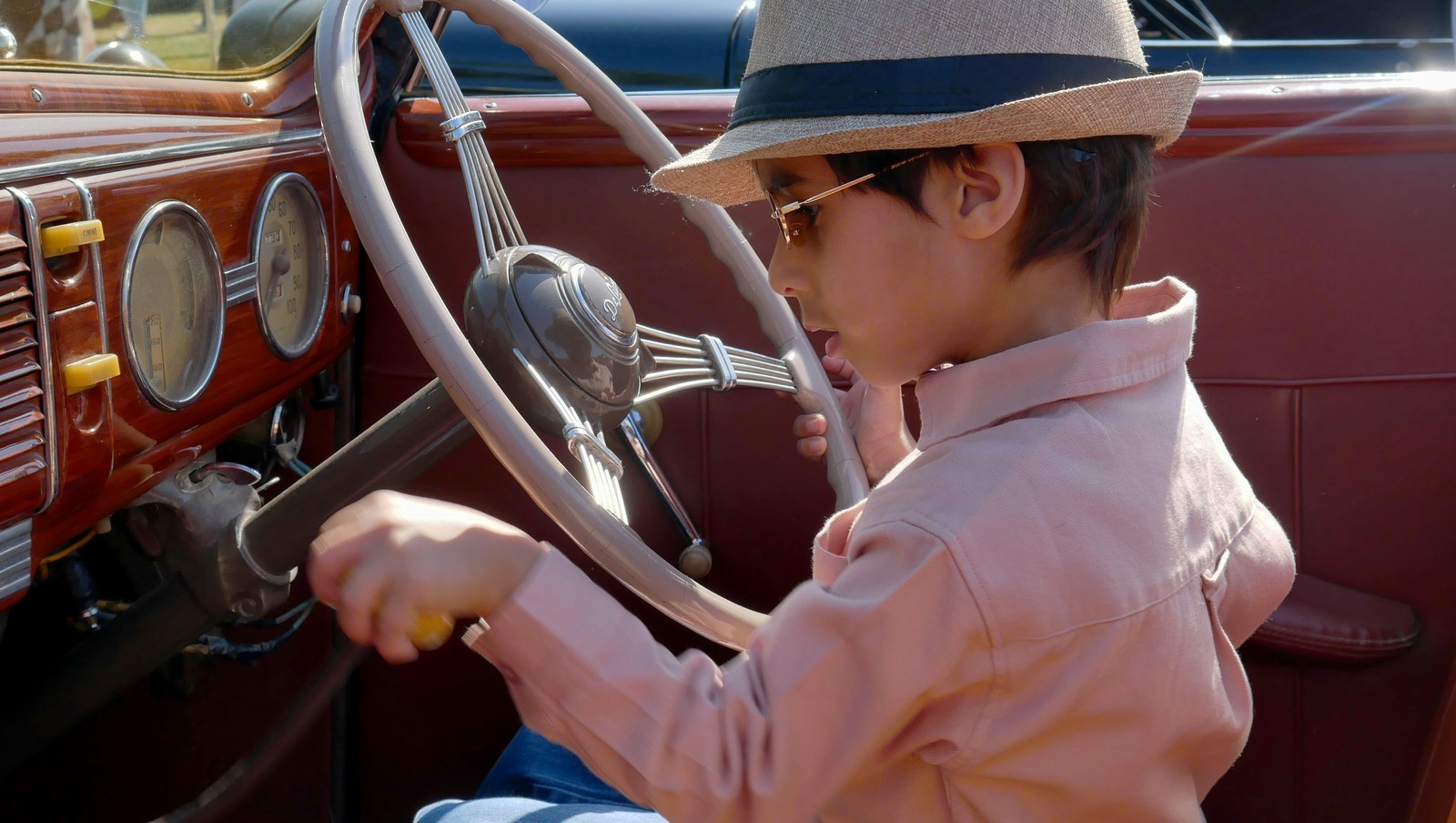
Image: Rohan Mathur

There was a time when childhood looked very different. Often unsupervised, kids would roam, explore, improvise, and occasionally scare their parents half to death. Cultural norms have changed, and many of the routines and traditions that once defined the all-American childhood now seem reckless . Let’s look at some of them and see how drastically things have changed.

1
Leaving with your bike in the morning and coming back for suppertime
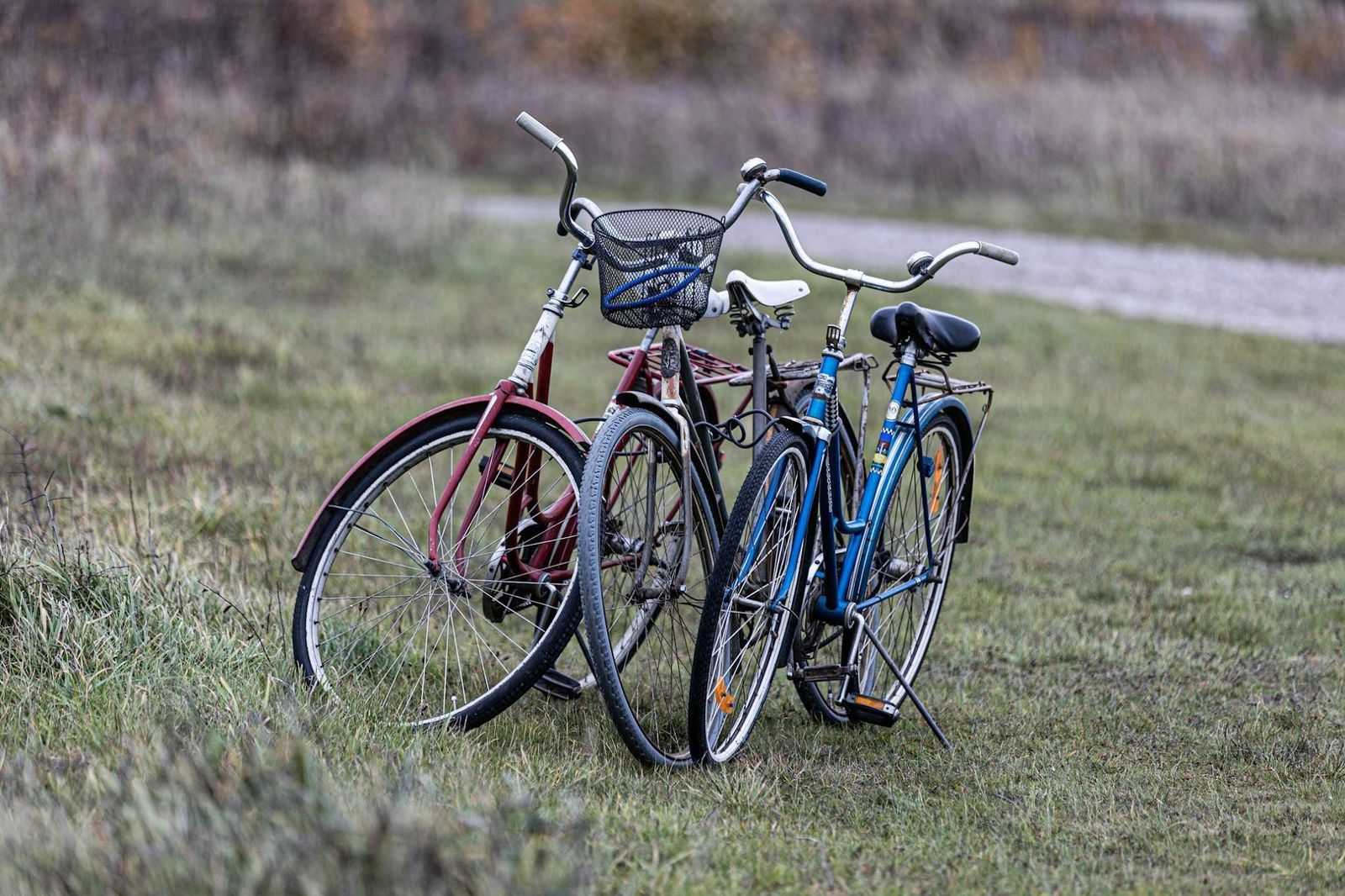
Image: Carl Tronders

For a few generations of American kids, a bicycle meant freedom. From the 1940s through the 1980s, children often left home after breakfast with little more than a vague instruction: "Be back before dinner."

Neighborhoods were informal safety nets, and kids were free to navigate them without phones or GPS trackers.

2
Foraging fruit from neighbors’ yards

Image: Libby Penner

It was a risky gamble: Picking and eating fruit from unknown plants in your neighborhood could result in a yummy treat…or abdominal trouble.

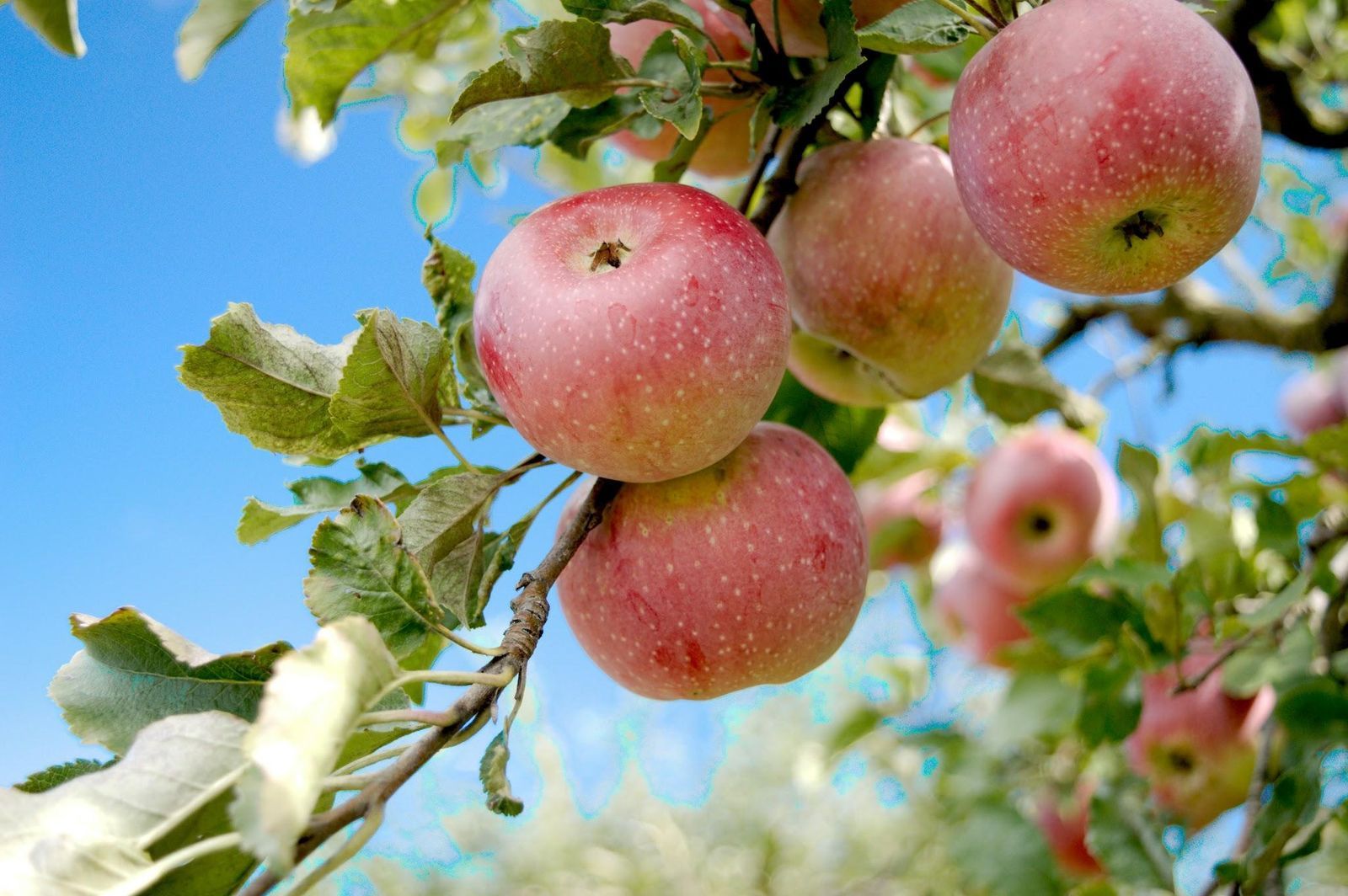
There was a time when kids freely grabbed berries, apples, or other fruit growing along sidewalks or in neighbors’ gardens. Today, property boundaries have grown, and kids are reminded not to forage without permission.

3
Riding public transportation alone
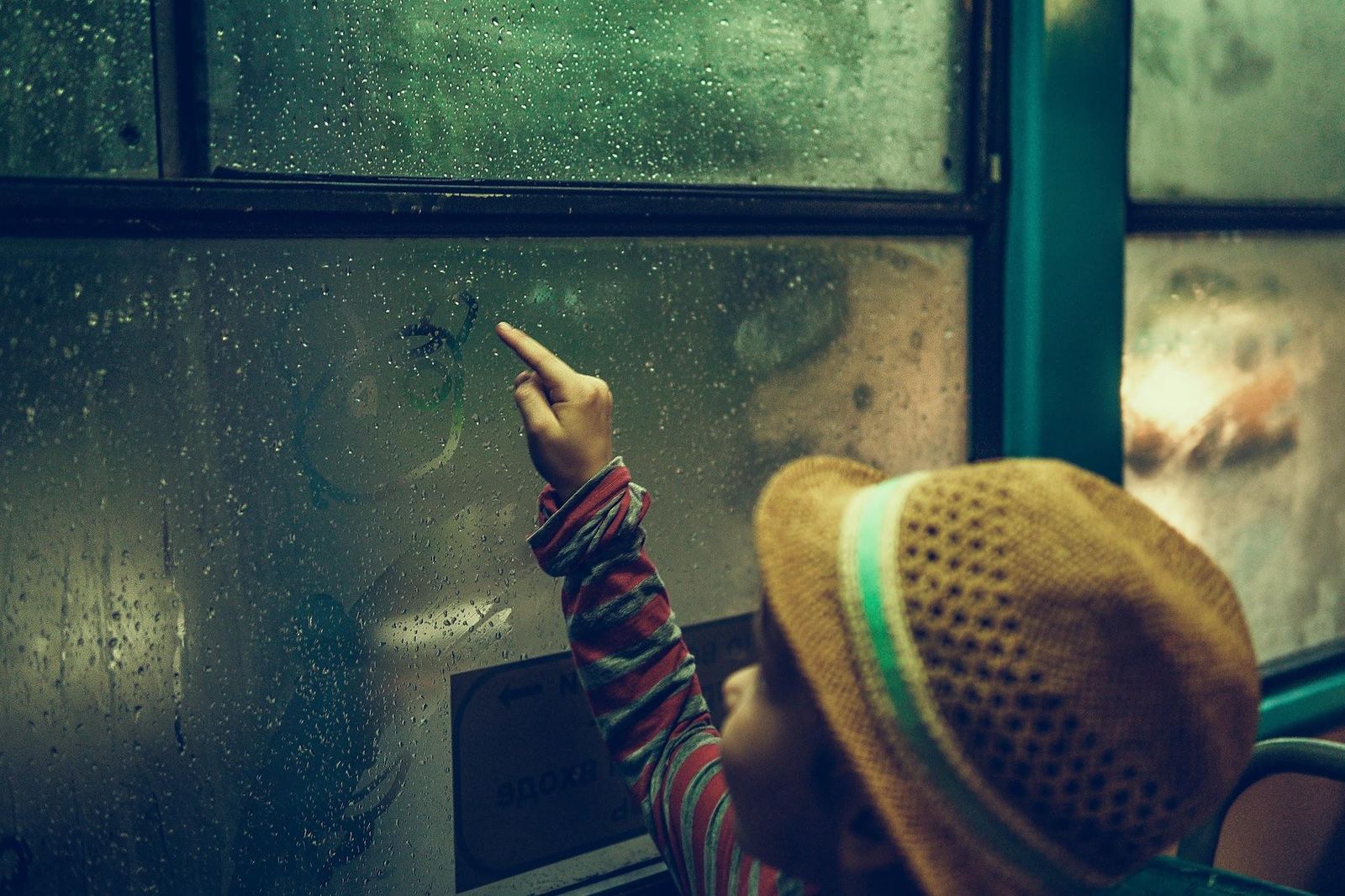
Image: Vitolda Klein

For much of the 20th century, it wasn’t unusual for children as young as 7 to ride buses, subways, or streetcars alone, especially in large cities like New York, Chicago, and Boston.

Kids commuting to school independently was considered a practical life skill. Parents expect children to learn responsibility through real-world experience , handling routes, change, and unexpected delays.

4
Roller coasters had no belts and no headrests
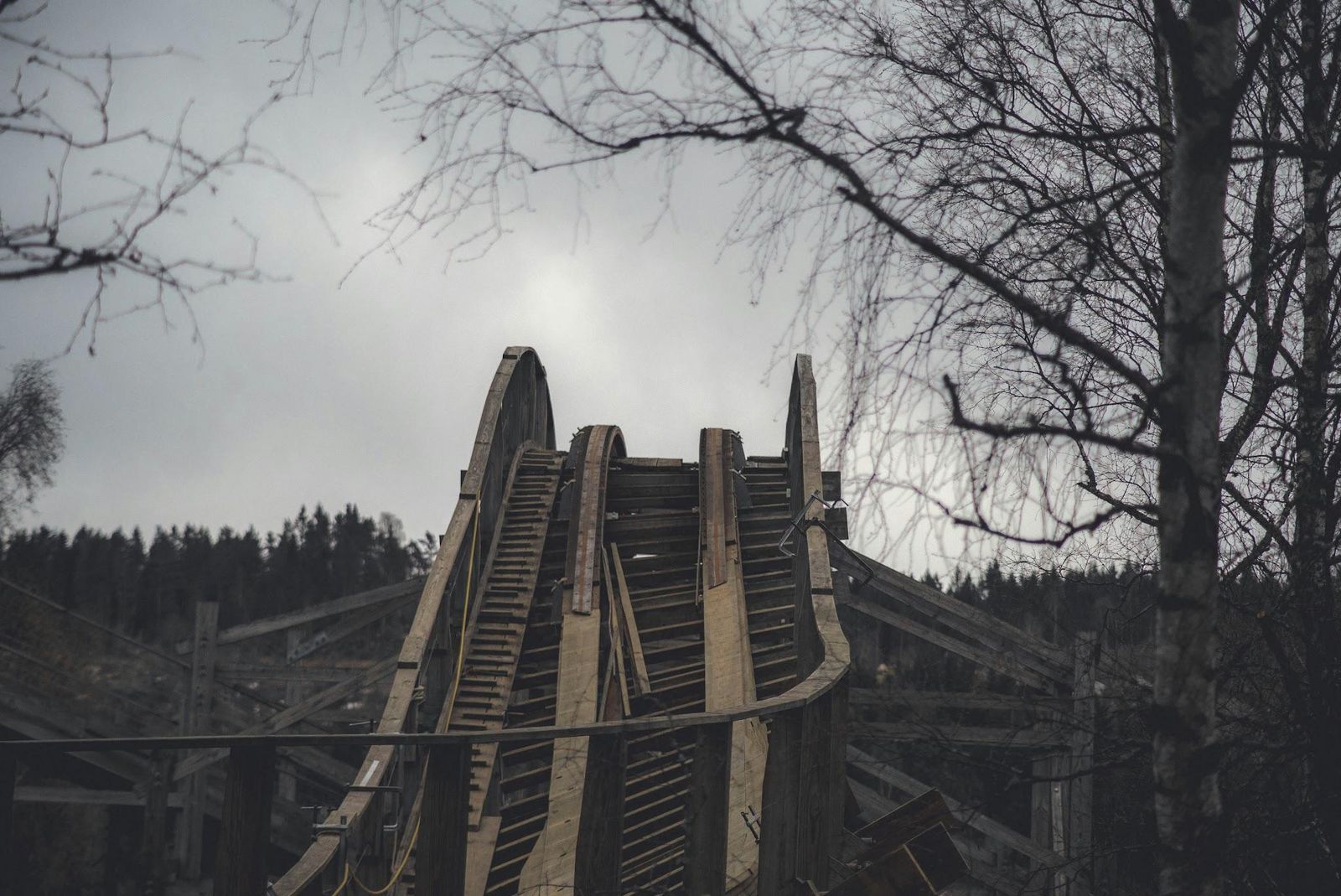
Image: Tore Odiin

Do you have memories of rickety rollercoasters? You might correctly remember that earlier rides were thrilling in ways that might give modern safety inspectors pause.

Many of the rides made popular in the 50s relied primarily on simple lap bars and operated with minimal restraints. Designers assumed riders would hold on tightly. Safety rules have evolved drastically since then, and now we have over-the-shoulder harnesses and improved lap restraints.

5
Walking miles to a friend’s house alone

Image: Ansis Kančs

Kids routinely walked long distances across neighborhoods or even between towns without adult accompaniment, guided by landmarks and memory. While this independence helped build confidence, it also reflected a different perception of risk.

6
Not ringing the bell: just yelling your friend’s name from outside

Image: the blowup

Before texting "I’m here" or coordinating playdates through apps, kids often announced their arrival the old-fashioned way: by standing outside and shouting a friend’s name.

Front yards, sidewalks, and porches acted as social hubs where everyone recognized familiar voices. As concerns about privacy, safety, and structured schedules grew with the years, the casual shout-from-the-street culture slowly disappeared.

7
Spending long days at the beach without adults
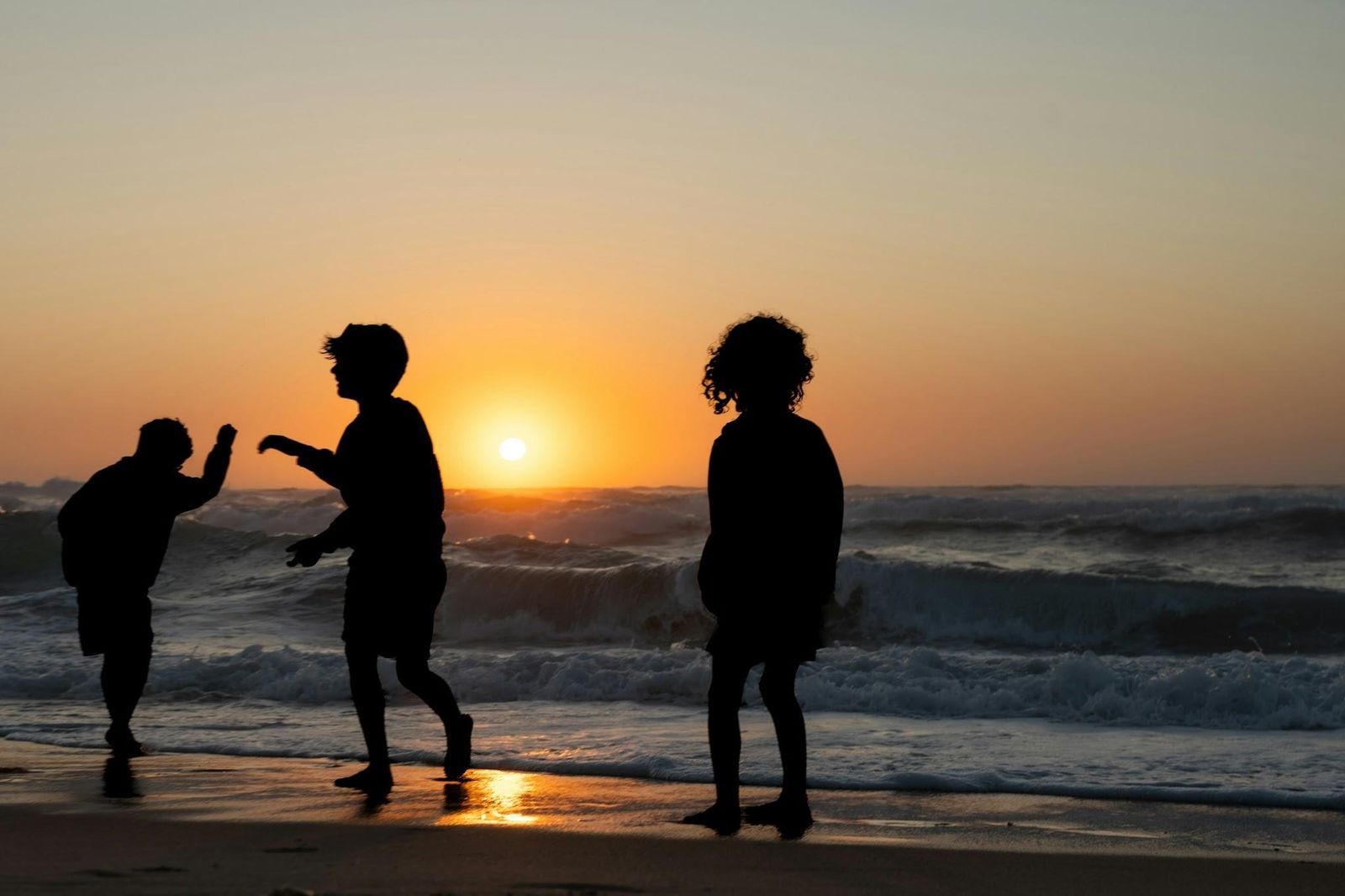
Image: Gaëtan De Cuyper

Surf culture in places like California and Hawaii, as well as East Coast boardwalk towns, normalized groups of kids swimming, riding the waves, and returning home only at sunset.

Public beaches were seen as community environments where lifeguards and familiar locals provided informal oversight . Today, increased safety standards, liability concerns, and changing parenting norms mean most children visit beaches with close adult supervision.

8
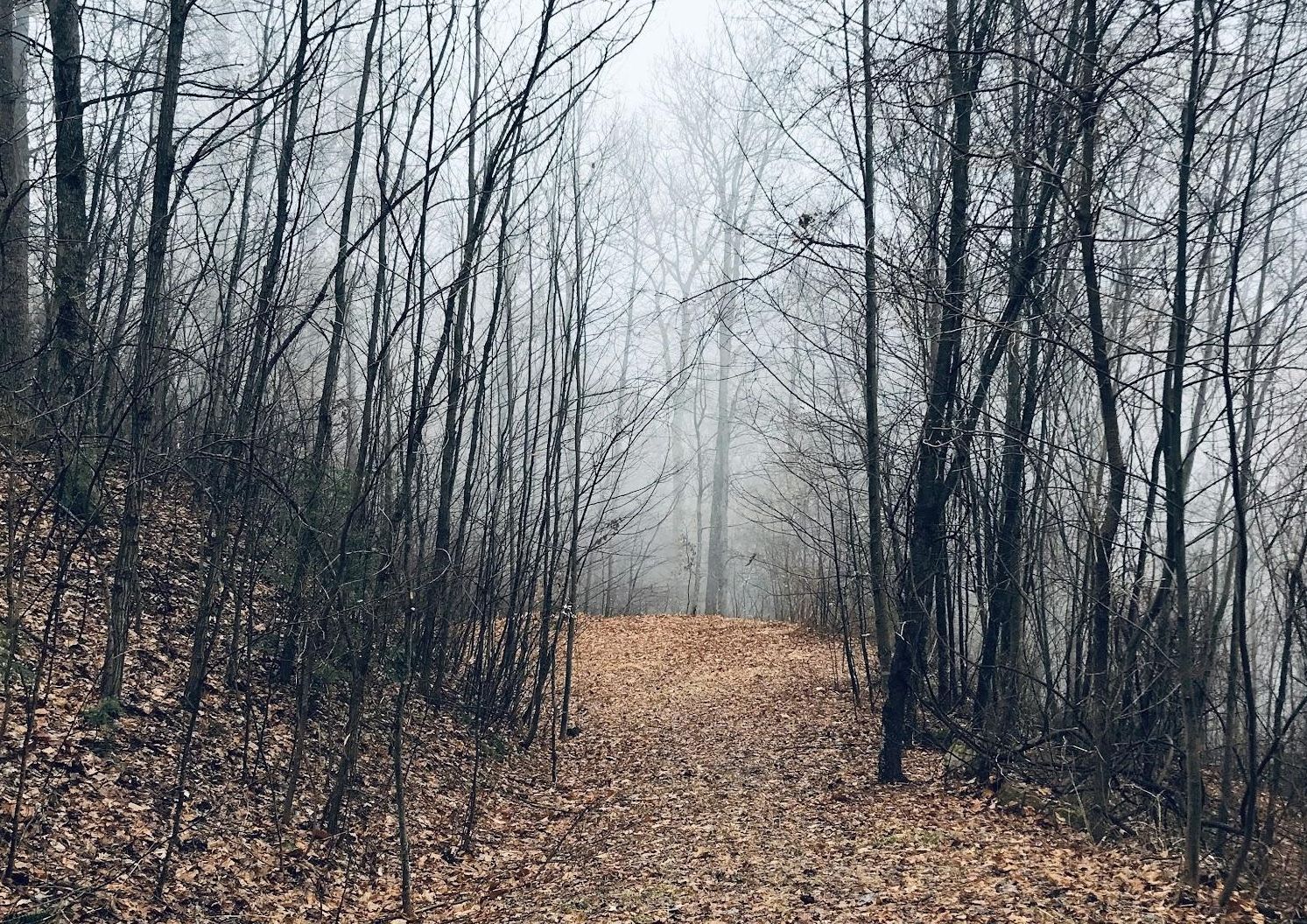
Exploring woods alone
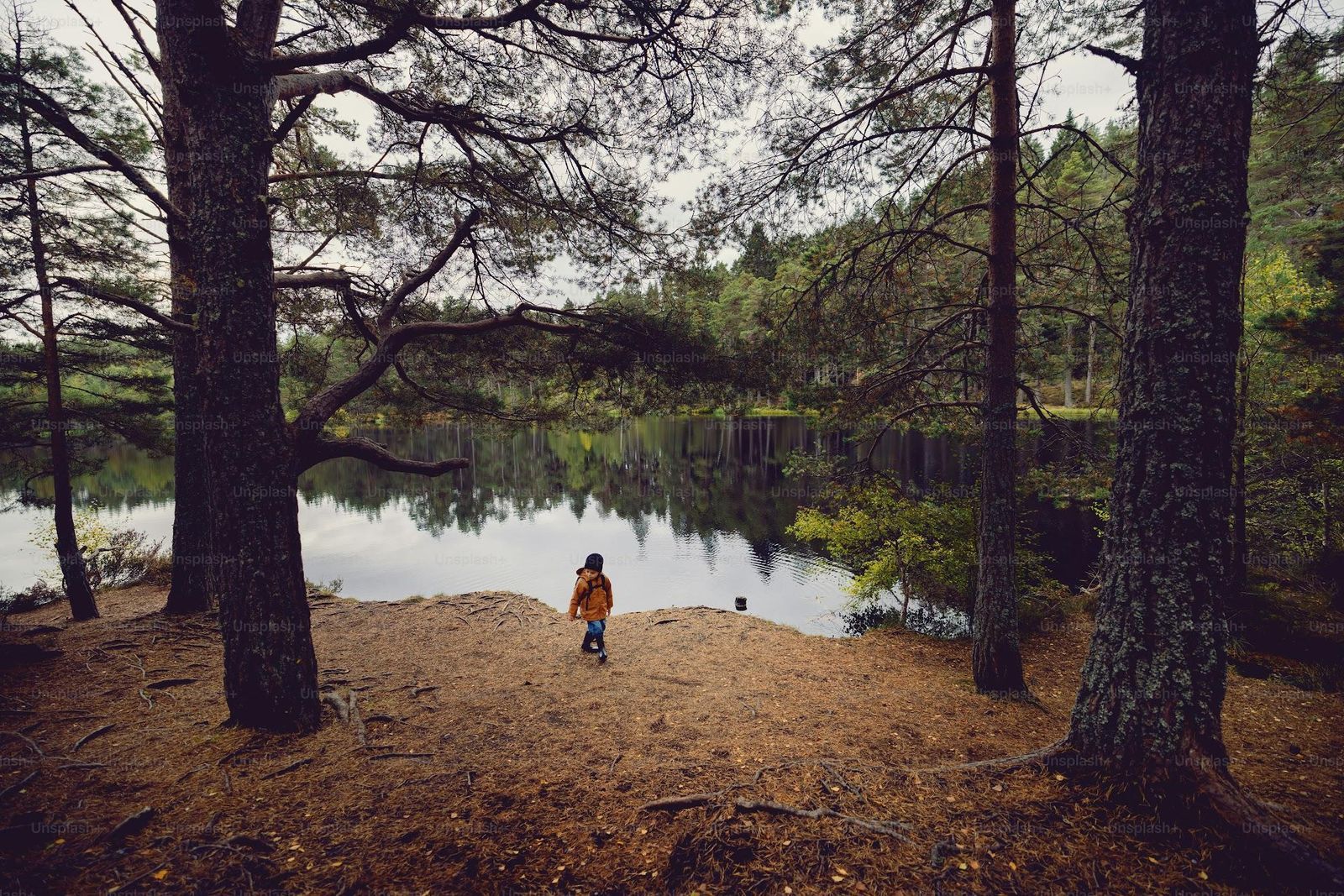
Image: Joshua Earle

Few children who lived near a forest or rural area could resist the pull to explore it, either alone or with friends. Building forts, climbing trees, and learning their way around nature were influenced by scouting movements and postwar ideas about resilience and independence.

Psychologists today even describe this kind of unstructured outdoor play as beneficial for creativity and risk assessment skills. However, modern concerns about safety, traffic, and environmental hazards have reduced opportunities for unsupervised exploration.

9
Staying home alone or being babysat by older siblings
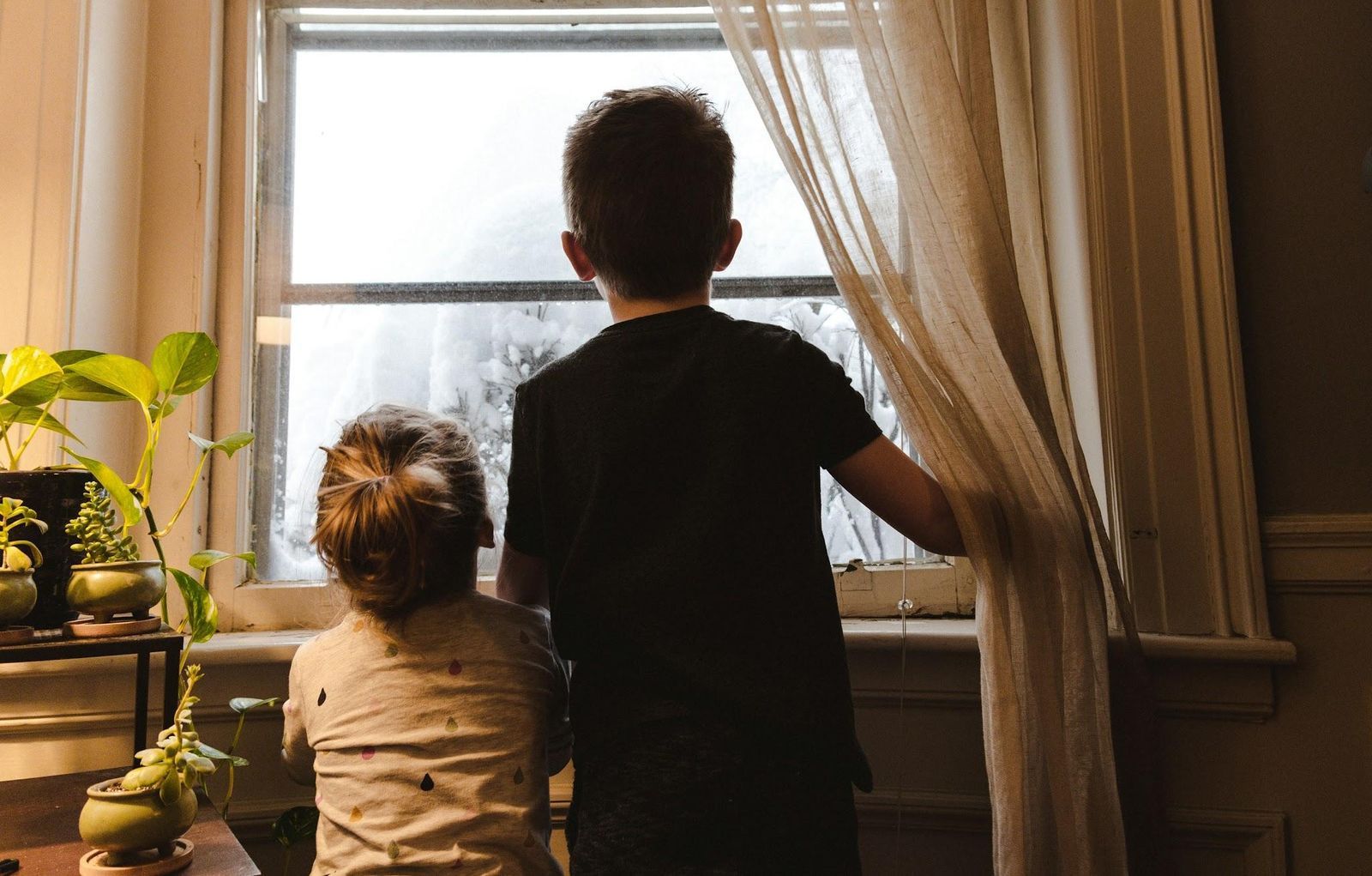
Image: Kelly Sikkema

The rise of the "latchkey kid" became especially visible in the United States during the 1970s and 1980s, when increasing numbers of dual-income households, or single-parent homes, meant children returned home from school to empty houses.

Many kids carried house keys, prepared snacks, and entertained themselves until their parents finished work. Today, research on changing childhood independence shows that unsupervised play and autonomy have significantly declined compared to previous generations.

10
Collecting glass bottles for some cents back
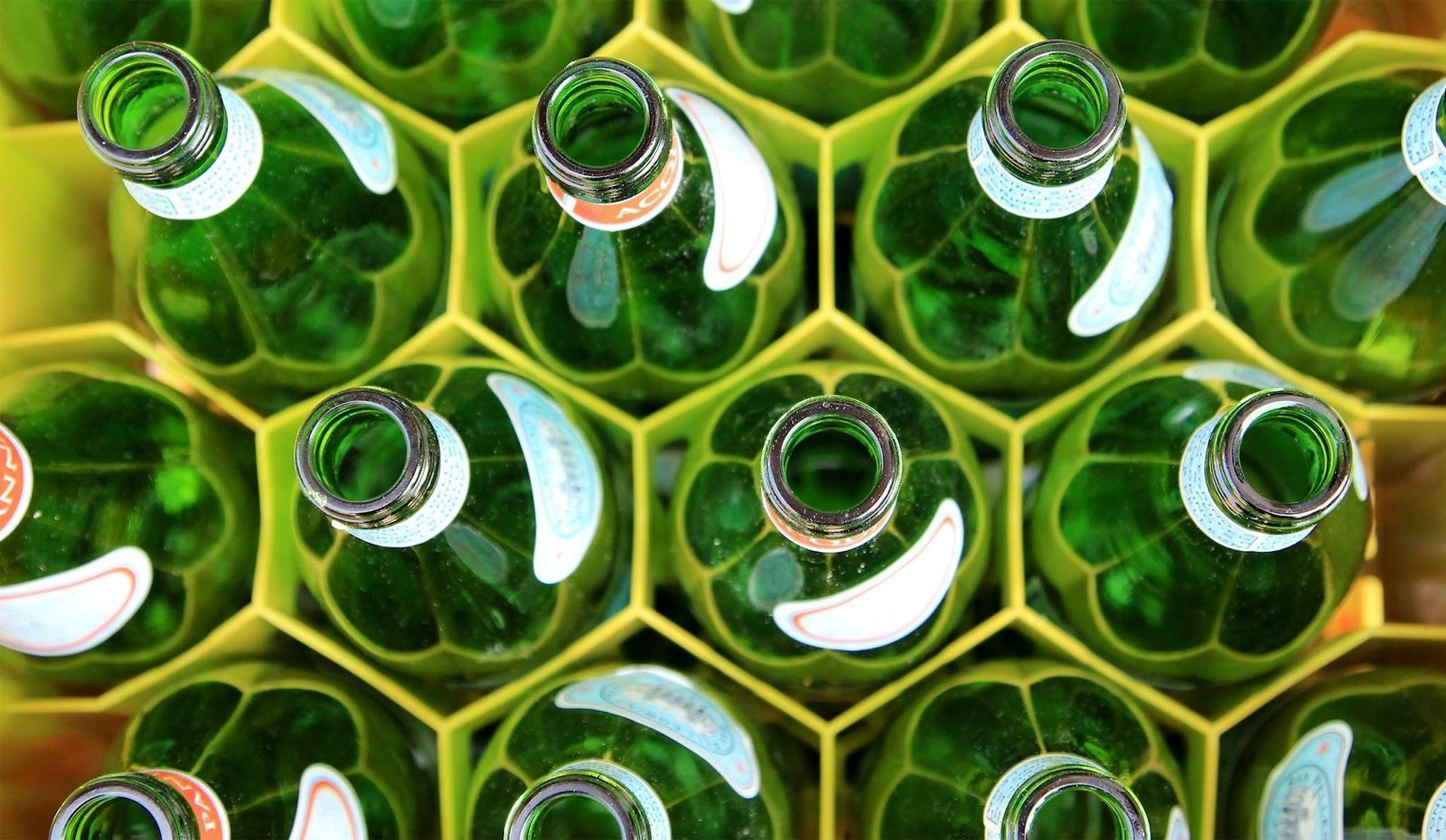
Image: Lacey Williams

Long before recycling bins appeared on every curb, kids learned about value through bottle returns. Soda and milk bottles carried deposits, and children would collect empties from their own homes or even from neighbors to trade for a few coins at local stores.

It was a first taste of earning money independently, although it often funded candy purchases or comic books.

11
Climbing trees or rooftops, unsupervised
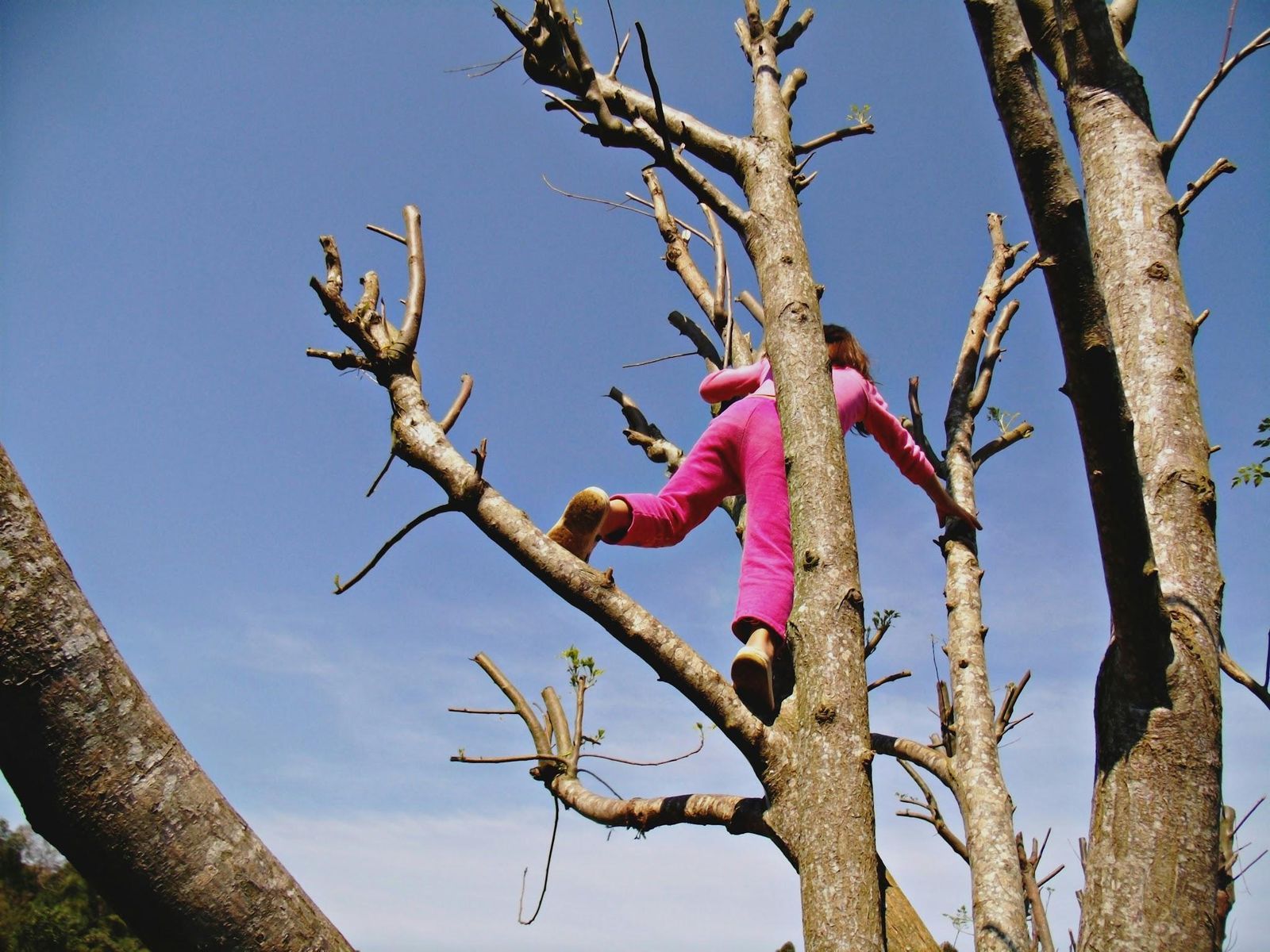
Image: Victória Kubiaki

When you are a kid, climbing a tree is decidedly an adventure. There was a time when this was considered a universal childhood activity in America, even encouraged as a playful challenge, since mid-century parenting often embraced manageable risk.

But current safety standards and greater awareness of injury risks have dramatically reduced these kinds of unsupervised play environments.

12
Casually hanging out in abandoned buildings
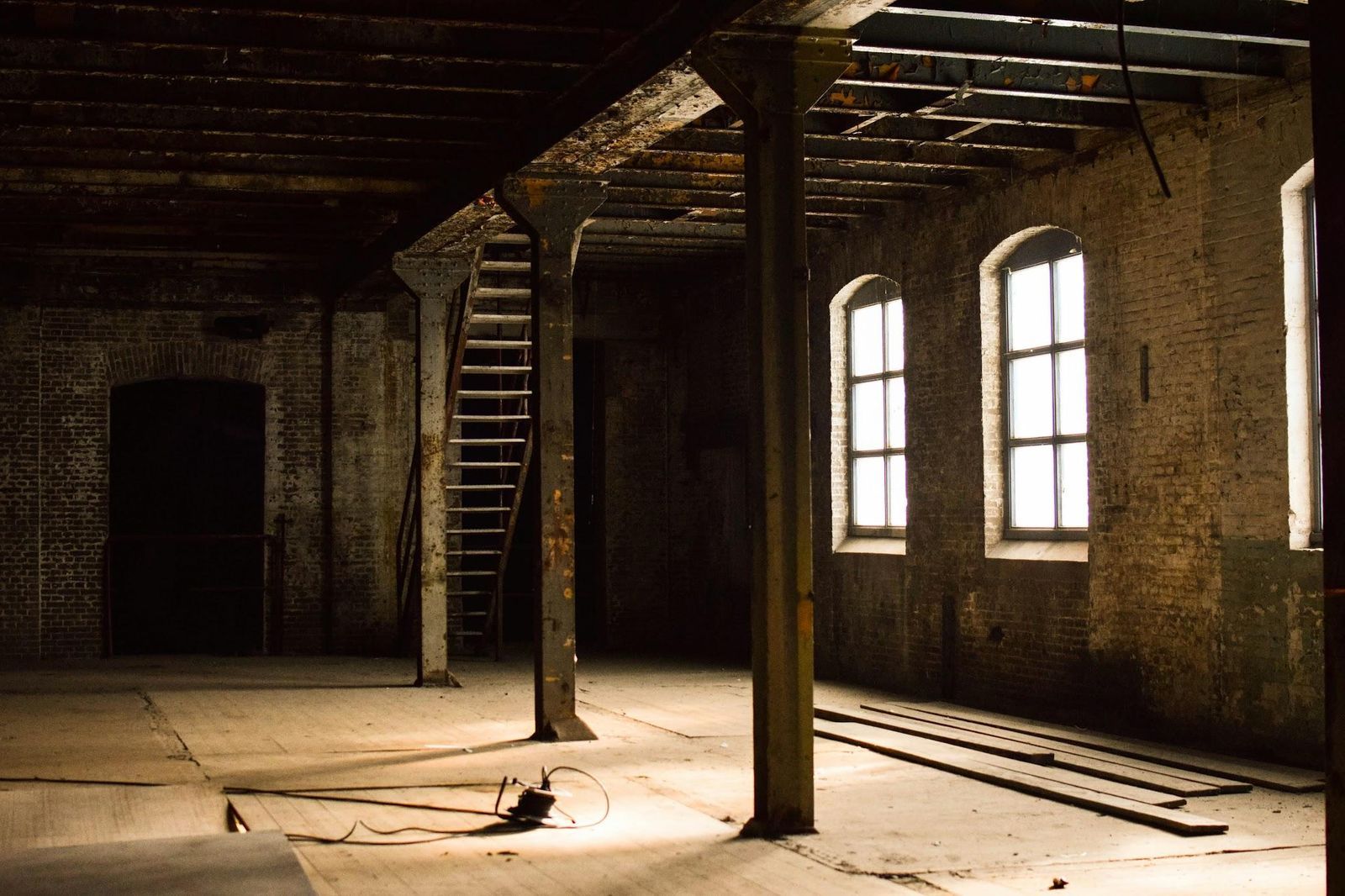
Image: Ljubica

Another tempting area for children happened to be empty lots, half-built structures, and abandoned buildings . It was difficult to keep out curious and brave kids. This pastime is not entirely eradicated today, although it seems to be teenagers or young adults who engage in it.

13
Riding in cars without seatbelts
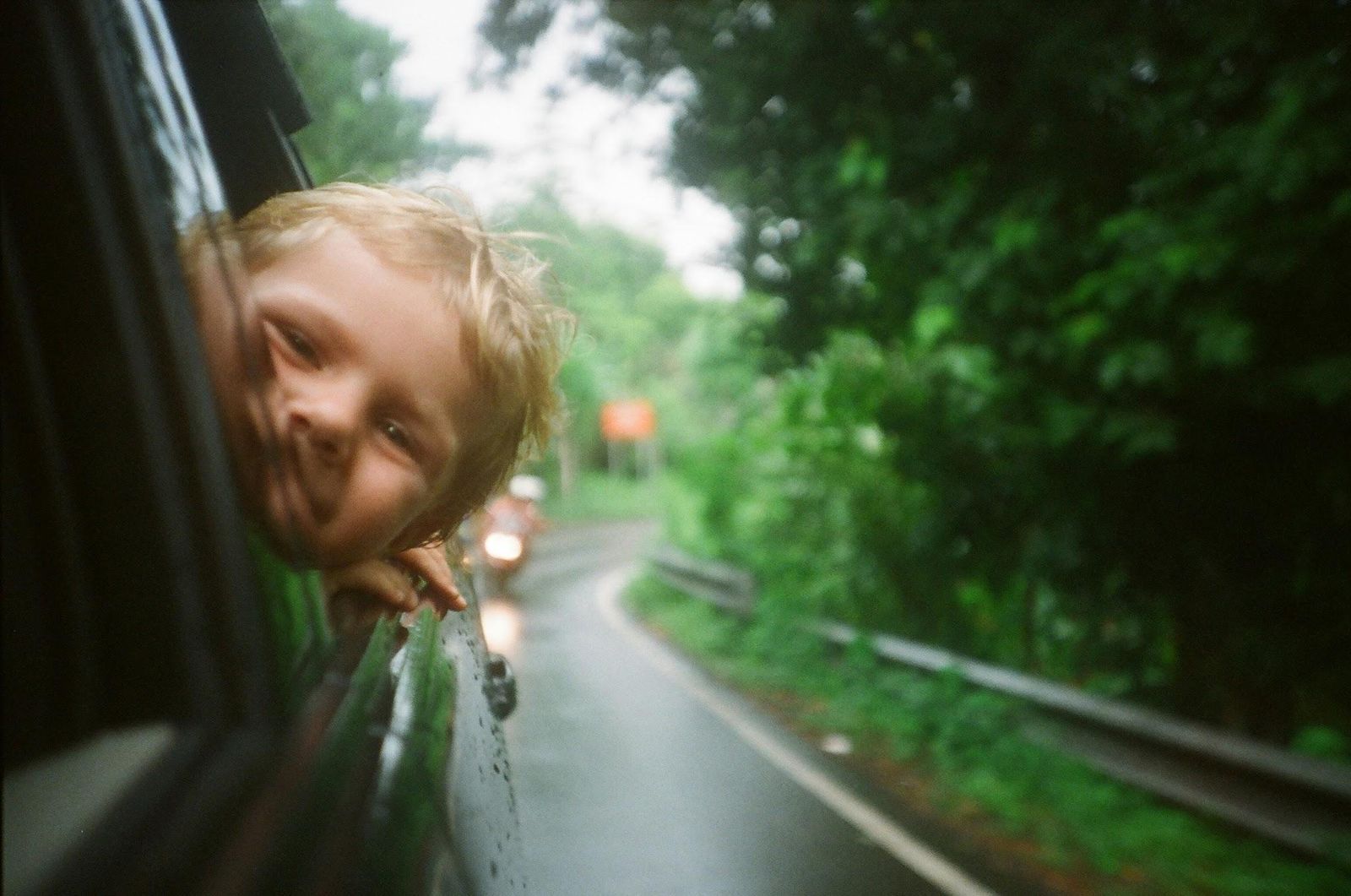
Image: Anton Luzhkovsky

For decades, families piled into cars without buckling up, simply because seatbelts weren’t standard equipment. Although basic seatbelt designs existed earlier, widespread adoption didn’t begin until the late 1950s and 1960s.

Even then, many Americans resisted using them, seeing belts as unnecessary or uncomfortable . Laws requiring seatbelt use didn’t become common until the 1980s and beyond, meaning generations of kids grew up riding freely in the back seat.

14
Playing in flooded streets after a storm
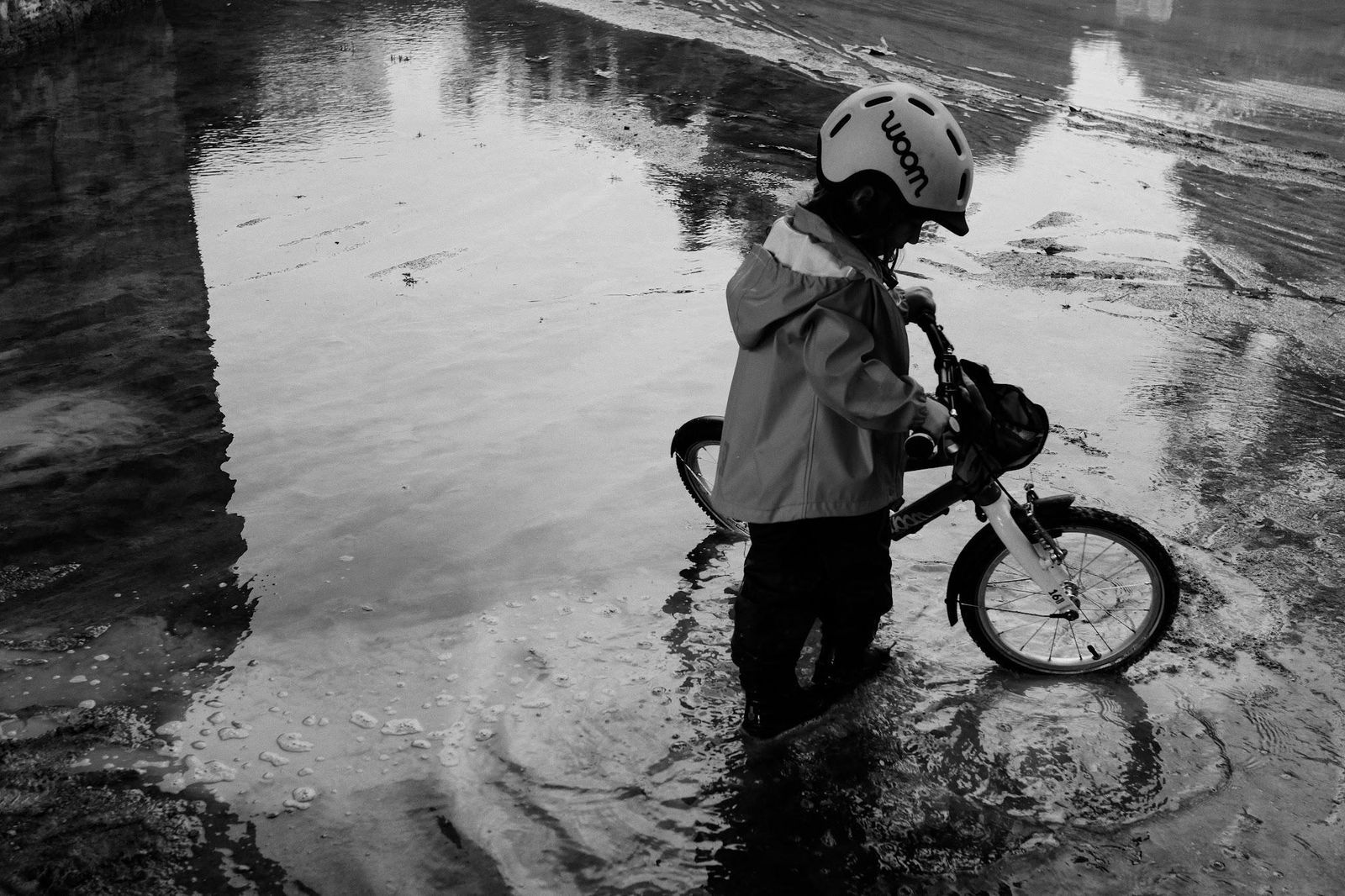
Image: Ayla Meinberg

Children once treated flooded streets like temporary playgrounds. Heavy rain expanded the available activities for a suburban child. They could splash barefoot through puddles or float makeshift boats down rushing gutters.

Over time, public health campaigns highlighted dangers such as contaminated runoff, hidden debris, electrical hazards, and traffic risks. Enough to scare modern parents!


History History 3 min read

NASA can be fun

Smuggled sandwiches, gorillas & more: 11 incredible space stories

Image: Gerhard Janson

Space exploration might seem like all rockets and science on the surface, but behind NASA’s historic missions lie some truly weird and hilarious moments. From smuggled sandwiches floating in zero gravity to surprise gorilla-suit pranks aboard the International Space Station, the U.S. space program has had its share of unexpected twists. Did you know about these 11?

1
Smuggled sandwich

Image: Gennady Zakharin

During the Gemini 3 mission, astronaut John Young secretly brought a corned beef sandwich into space . He and fellow astronaut Gus Grissom took a few bites while in orbit.

Needless to say, Mission Control wasn’t amused—there were serious concerns about crumbs floating around and interfering with the spacecraft’s systems.

2
A gorilla in the ISS

Image: Amy Reed

Astronaut Scott Kelly pulled off a wild prank during his year in space by dressing in a gorilla suit and chasing fellow astronaut Tim Peake around the International Space Station.

The costume had been secretly sent by Scott’s twin brother, Mark Kelly, as a surprise birthday gift during the mission.

3
Lunar picnic

Image: Lucie Capkova

In 1969, Neil Armstrong and Buzz Aldrin made history as the first humans to walk on the Moon. But they didn’t stop there.

To mark the occasion, they also shared the first meal on the lunar surface . The menu included bacon squares, peaches, sugar cookie cubes, a pineapple-grapefruit drink, and coffee.

And unlike the smuggled corned beef sandwich incident, this meal was entirely mission-approved.

4
Fined by Mars "owners"

Image: Planet Volumes

In 1997, NASA was sued by three men from Yemen who claimed that Mars had been passed down to them by their ancestors.

They accused NASA of trespassing when the Pathfinder rover landed—and even began selling plots of Martian land for $2 per square meter. Of course, the case was never taken seriously.

5
Metric vs. Imperial

Image: Bozhin Karaivanov

Back in 1999, NASA lost a Mars orbiter due to a mix-up between metric and imperial units. One team used the metric system, while another used imperial units to track thruster force.

The error caused the spacecraft to veer off course and burn up in the Martian atmosphere. It had been intended to be the first satellite to study Mars's climate and weather in detail.

6
Another fine—for littering

Image: Attila Lisinszky

In 1979, NASA’s Skylab space station re-entered Earth’s atmosphere and broke apart, scattering debris across Western Australia, about 482 kilometers east of Perth.

In response, the Shire of Esperance , a local government body in Western Australia, jokingly fined NASA $400 for littering.

7
A building with its own weather

Image: reza shayestehpour

NASA’s Vehicle Assembly Building (VAB) at the Kennedy Space Center is one of the largest buildings in the world by volume, enclosing over 3.7 million cubic meters of space. It was originally built to assemble the massive Saturn V rockets used in the Apollo missions.

But its immense size—combined with Florida’s high humidity—once led to clouds forming inside . To prevent this, NASA installed a 10,000-ton air conditioning system to control moisture and protect delicate spacecraft.

8
Bathroom issues

Image: Jan Antonin Kolar

Early space missions didn’t have modern toilets—just plastic bags taped in place. During Apollo 10, this led to an awkward moment when a piece of human waste was spotted floating through the cabin .

Commander Tom Stafford asked for a napkin to grab it, but no one claimed responsibility. Minutes later, another one appeared. The crew laughed it off, but to this day, the mystery remains unsolved.

9
Mutiny in space

Image: Towfiqu barbhuiya

In 1974, the Skylab 4 crew spent 84 days in space—the longest mission at the time. Overworked and stressed, the astronauts staged the first space mutiny by taking a surprise day off and cutting communication with NASA.

They relaxed and enjoyed the view of Earth before resuming contact the next day. NASA wasn’t thrilled but learned a valuable lesson: space missions must care for astronauts’ mental health, not just their physical well-being.

10
Paid to stay in bed

Image: Kinga Howard

NASA once paid volunteers $15,000 to lie in bed for 90 days to simulate the effects of zero gravity on the human body.

It sounds like a dream job (pun intended)—until you realize they weren’t allowed to get up at all, not even for a second.

11
No insurance

Image: Vlad Deep

Before Apollo 11 launched, the crew couldn’t get life insurance due to the mission’s high risks . So Armstrong, Aldrin, and Collins came up with a clever backup plan.

They signed envelopes and postcards, which friends postmarked during the mission. If the astronauts didn’t return, their families could sell them to collectors for financial support.

Culture Culture 3 min read

Do you still eat any of these?

Food can go extinct too: 12 once-common American dishes no longer around

Image: Annie Spratt

Just a few decades ago, American menus looked very different. Before refrigerators, mass branding, and globalization, everyday meals were shaped by practicality, leftovers, and local habits. Some dishes thrived for decades, or even generations, before fading away. The following 12 meals were not exotic or fancy but plain, everyday dishes. Which one do you remember most?

1
Jello Molds

Image: Girl with red hat

Jello molds were once a centerpiece of American entertaining, especially from the 1930s through the 1960s. They appeared at holidays, potlucks, and family dinners, often filled with fruit, marshmallows, or even vegetables and meat .

As tastes shifted away from gelatin-based dishes, these colorful creations slowly disappeared. Today, they’re more likely to spark nostalgia or even humor than appetite.

2
Chicken à la King

Image: Cristian Guillen

Chicken à la King was a creamy comfort dish found in homes, cafeterias, and hotel dining rooms across the country. Made with diced chicken, mushrooms, and peppers in a rich sauce , it was commonly served over toast or rice.

Once considered elegant yet approachable, it fell out of popularity as lighter, faster meals took over. Today, it’s rarely seen outside vintage cookbooks.

3
Salisbury Steak

Image: Nima Naseri

Salisbury steak was once a standard American dinner, served in restaurants, school cafeterias, and home kitchens alike. Made from seasoned ground beef and smothered in gravy, it was filling, affordable, and easy to prepare.

As food culture moved away from processed and institutional meals, Salisbury steak lost its appeal. Today, it’s mostly associated with frozen dinners or nostalgic meals.

4
Chipped Beef ("SOS")

Image: Raman

Chipped beef, thin slices of dried beef served in white gravy , was once ubiquitous. It appeared on breakfast tables and became especially associated with military dining during the early and mid-20th century.

Its strong, salty flavor eventually pushed it out of favor. While still remembered by many Americans, chipped beef is now rarely served outside a few traditional diners.

5
Porcupine Meatballs

Image: Reshu Drolia

Despite the name, no porcupines were involved in making this dish. The meatballs were made from ground beef mixed with rice , which poked out during cooking, giving the dish its nickname.

Popular during the Great Depression, porcupine meatballs stretched limited meat into hearty meals. As economic conditions improved and tastes changed, this clever and thrifty dish gradually faded from everyday cooking.

6
Olive Loaf

Image: GRANT LEE

Olive loaf was once a common deli meat, recognizable by its pink color and green olive pieces . It was frequently sliced for sandwiches and served at lunches throughout the mid-20th century.

Changing tastes and the rise of fresher deli options pushed olive loaf into obscurity. Today, it’s remembered mostly by those who grew up seeing it behind deli counters.

7
Pickled Herring

Image: Towfiqu barbhuiya

Pickled herring was widely eaten by Americans of Northern European descent and was once a common item in grocery stores and home pantries. It was valued for its long shelf life and strong flavor .

As newer protein options became widely available, pickled fish fell out of favor. Today, it survives mainly in specialty stores and cultural traditions rather than on mainstream American menus.

8
Ambrosia Salad

Image: Joshua Hoehne

Ambrosia salad combines fruit, coconut, marshmallows, and cream into a sweet side dish. It was especially popular at holidays and church gatherings.

Over time, its sugary profile and unusual texture made it feel outdated. While still remembered fondly, ambrosia salad is now far less common on modern tables.

9
Braunschweiger Sandwiches

Image: Stephanie Harvey

Braunschweiger, a type of liver sausage, was once a standard sandwich filling in American households. Spread on bread with mustard or onions , it was inexpensive and widely available.

As Americans moved away from organ meats, Braunschweiger lost popularity. Today, it’s mostly limited to specialty markets and nostalgic diners.

10
Oyster sandwiches

Image: Thomas John

Oyster sandwiches were once everyday food in coastal cities, especially in the 19th and early 20th centuries. Oysters were cheap, abundant, and commonly fried or stewed .

As oyster populations declined and prices rose, the sandwich disappeared from daily menus. Today, oysters are considered a treat rather than a working-class staple.

11
Scrapple

Image: Patryk Pastewski

Scrapple is a pork-based dish made from scraps, cornmeal, and spices . It was once common throughout the Mid-Atlantic, especially as a breakfast food.

While still eaten regionally, scrapple never regained national popularity. Many Americans now view it as unusual, despite its once-widespread presence.

12
Creamed Onions

Image: laura novara

Creamed onions were once a classic American dish, especially at holiday meals. Small onions were simmered and served in a thick, creamy sauce .

As side dishes became simpler and lighter, creamed onions fell out of favor. Now, they appear mainly in old family recipes or historical menus.

Explore more American facts

Choose your favorite category!

General
General

As American as apple pie—the very best America has to offer!

Culture
Culture

Delve into the astounding richness of American lore.

Geography
Geography

Hop in and explore vast and diverse American landscapes.

History
History

Discover the key moments that shaped the United States.